
1. Search Result
Search Result
Results for "

Molecular probe

" in MedChemExpress (MCE) Product Catalog:

85

Inhibitors & Agonists

5

Screening Libraries

18

Fluorescent Dyes

12

Biochemical Assay Reagents

10

Peptides

2

Natural
Products

2

Isotope-Labeled Compounds

3

Click Chemistry

4

Oligonucleotides

Targets Recommended:
Cat. No. Product Name Target Research Areas Chemical Structure
  • HY-111152
    ML115
    5+ Cited Publications

    STAT Cancer
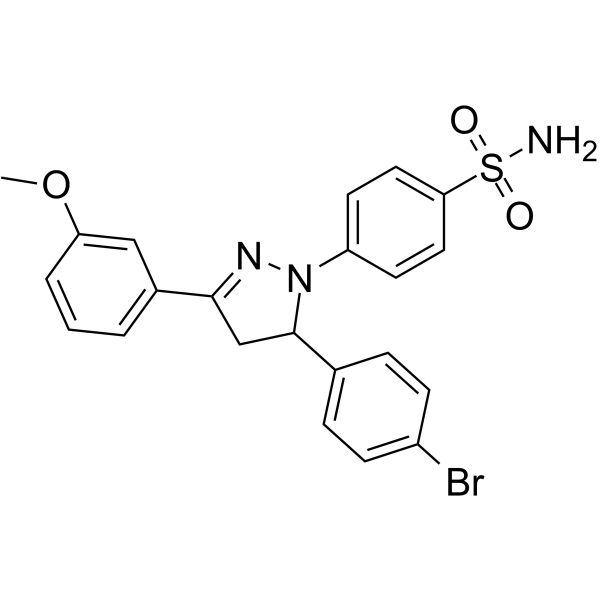
    ML115, a molecular probe of the signal transducer, is a selective STAT3 agonist, with an EC50 of 2 nM. ML115 increases the expression of BCL3, a known STAT3-dependent oncogene. ML115 is inactive against the related STAT1, STAT5 and NF-κB anti-targets. ML115 counteracts the effects of Ginsenoside Rc (HY-N0042) on cell viability and inflammatory responses in LPS (HY-D1056)-stimulated H9c2 and RAW264.7 cells, while altering oxidative stress markers. ML115 can be used for the study of breast and prostate cancers .
    ML115
  • HY-W014069

    11-Thioundecanoic acid; MUA; MUDA

    Biochemical Assay Reagents Others
    11-Mercaptoundecanoic acid (11-Thioundecanoic acid; MUA; MUDA) is a self-assembled monolayer membrane composed of long-chain alkane chains and carboxyl-containing thioalcohols and can be used as a metal surface modifier. 11-Mercaptoundecanoic acid is widely applied in the research of molecular probes, self-assembled membranes, nanomaterials, and biological materials, etc .
    11-Mercaptoundecanoic acid
  • HY-D1045

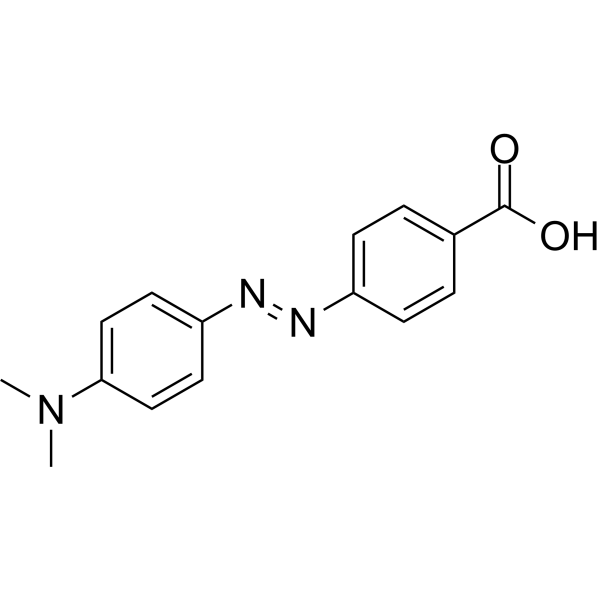
    DABCYL; Para-methyl red

    Fluorescent Dye Others
    Dabcyl acid (Dabcyl) is a nonfluorescent chromophore and a quencher. Dabcyl acid can be used as molecular beacon nucleic acid probes to recognize and report the presence of specific nucleic acids in homogeneous solutions .
    Dabcyl acid
  • HY-P10152

    Biochemical Assay Reagents Infection
    INF7 is a derivative of the N-terminal domain of the HA2 protein and is sensitive to pH. INF7 disrupts the stability of endosomal membranes through a mechanism independent of membrane fusion. INF7 can be used to enhance the endosome escape of complex or liposome-encapsulated proteins. Co-encapsulation of INF7 and molecular imaging probes in liposomes can enhance intracellular signaling and probe retention .
    INF7
  • HY-Y1309

    Furro ER; NSC 9586; Nako TRB

    Environmental Pollutants Endogenous Metabolite Others
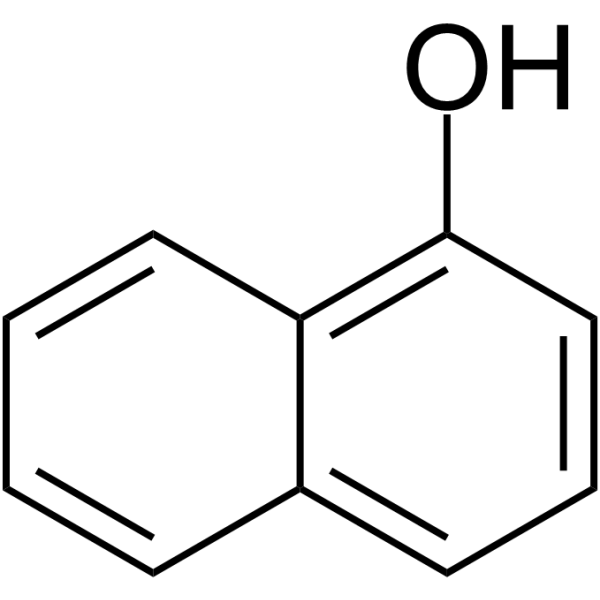
    1-naphthol (Furro ER) is an excited state proton transfer (ESPT) fluorescent molecular probe. 1-naphthol can sense the hydrophobic domains in micellar aggregation and accurately sense the sol-gel transition. 1-naphthol can be used to study the thermally induced microenvironmental changes and hydration levels of Pluronic F127 (PF127) in different microenvironments in aqueous media .
    1-Naphthol
  • HY-103609
    Pyrene
    1 Publications Verification

    Benzo[def]phenanthrene

    Environmental Pollutants Biochemical Assay Reagents Others
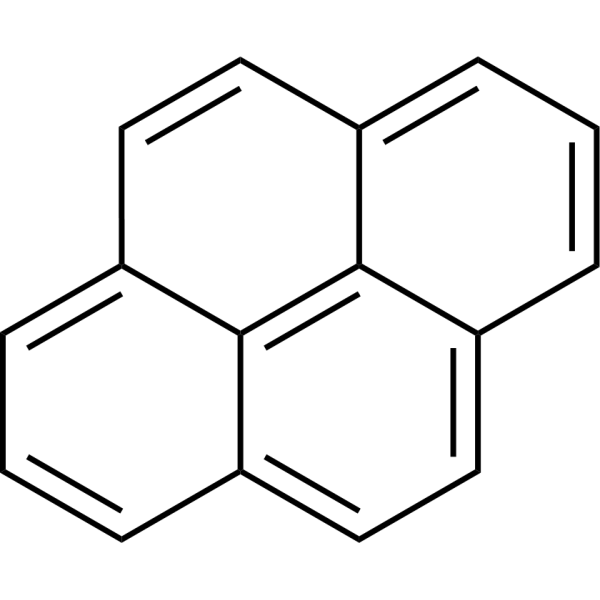
    Pyrene is a polycyclic aromatic hydrocarbon (PAH) composed of four fused benzene rings. It has a distinct aromatic odor, produced by incomplete combustion of organic matter. Pyrene exhibits strong fluorescence, emitting in the blue region of the spectrum, making it useful as a probe for studying molecular interactions in solution and on surfaces. Pyrene is also used as a model compound for the study of PAHs in various environments and biological systems because of its ubiquity in these environments. However, long-term exposure to pyrene has been associated with potential health risks, including carcinogenicity and mutagenicity.
    Pyrene
  • HY-100903
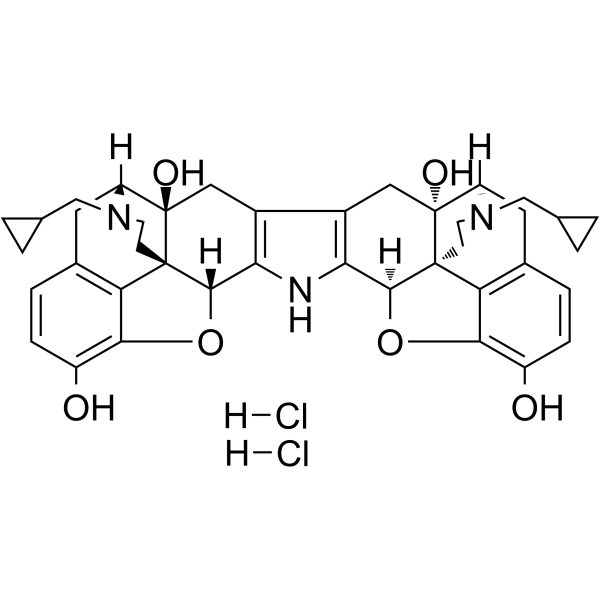
    Norbinaltorphimine dihydrochloride
    Maximum Cited Publications
    7 Publications Verification

    nor-Binaltorphimine dihydrochloride; nor-BNI dihydrochloride

    Opioid Receptor Neurological Disease
    Norbinaltorphimine dihydrochloride (nor-Binaltorphimine dihydrochloride; nor-BNI dihydrochloride) is a selective, long-acting competitive antagonist of the κ-opioid receptor. Norbinaltorphimine dihydrochloride blocks κ-opioid receptor-mediated analgesic effects, and inhibits butorphanol-induced changes in κ-opioid receptor binding kinetics, desensitization and down-regulation. Norbinaltorphimine dihydrochloride suppresses specific opioid withdrawal symptoms, precipitates withdrawal behaviors in butorphanol-dependent rats, and serves as a molecular probe for studying κ-opioid receptor-agonist interactions. Norbinaltorphimine dihydrochloride is applicable to research related to neurological disorders such as pain .
    Norbinaltorphimine dihydrochloride
  • HY-117040
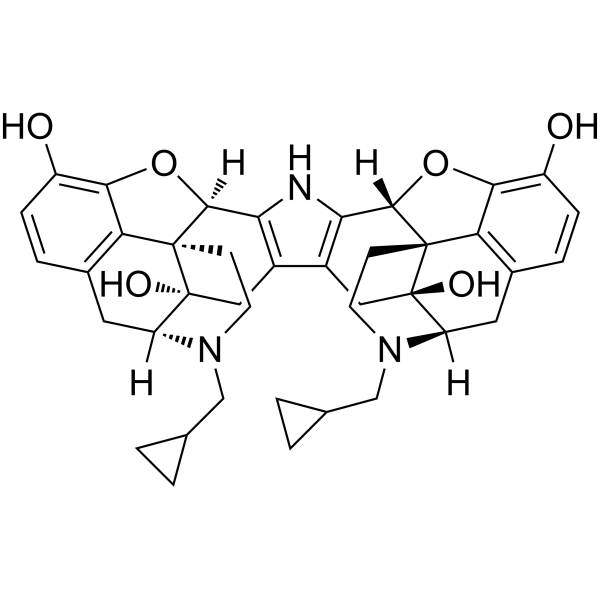
    nor-Binaltorphimine
    Maximum Cited Publications
    7 Publications Verification

    Norbinaltorphimine; NorBNI

    Opioid Receptor Neurological Disease
    nor-Binaltorphimine (Norbinaltorphimine; NorBNI) is a selective, long-acting competitive antagonist of the κ-opioid receptor. nor-Binaltorphimine blocks κ-opioid receptor-mediated analgesic effects, and inhibits butorphanol-induced changes in κ-opioid receptor binding kinetics, desensitization and down-regulation. nor-Binaltorphimine suppresses specific opioid withdrawal symptoms, precipitates withdrawal behaviors in butorphanol-dependent rats, and serves as a molecular probe for studying κ-opioid receptor-agonist interactions. nor-Binaltorphimine is applicable to research related to neurological disorders such as pain .
    nor-Binaltorphimine
  • HY-153552A

    FAP Cancer
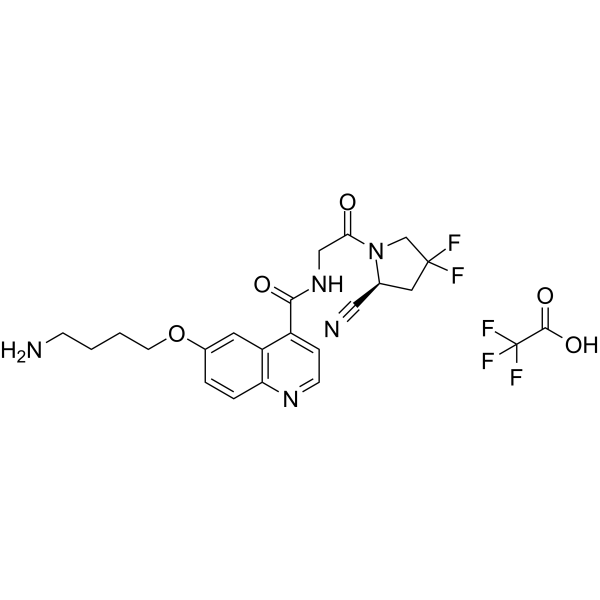
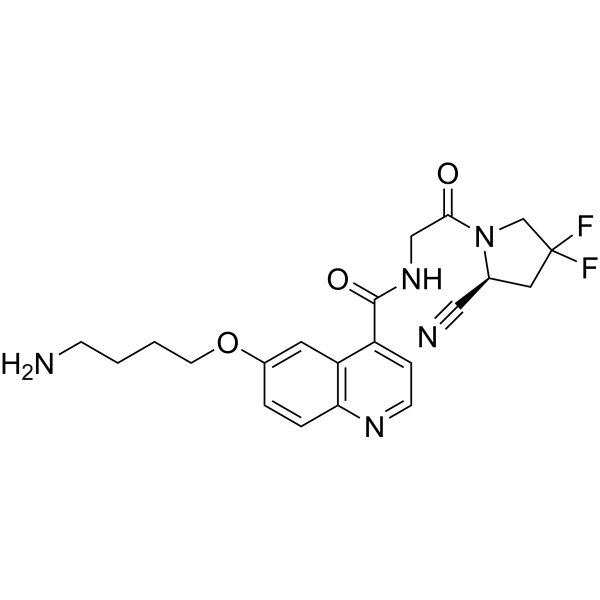
    NH2-UAMC1110 TFA is an aminobutoxy derivative of the fibroblast activation protein (FAP) inhibitor UAMC1110 (HY-100684), and is a precursor compound for the synthesis of FAP inhibitor probes, not directly used in bioactivity experiments. For example, NH2-UAMC1110 TFA is involved in the synthesis of the radiotracer FAPI-QS, which exhibits high tumor selectivity and high dose effect, and has been used in tumor diagnosis. NH2-UAMC1110 TFA structurally incorporates an active amino group, allowing it to form covalent bonds with various molecules (such as DOTA, DATA5m, radionuclide chelators, etc.) to synthesize molecular imaging probes or targeted compounds with the ability to target FAP. NH2-UAMC1110 TFA specifically binds to the FAP active site, inhibiting its proline-selective serine protease activity (including dipeptidyl peptidase and endopeptidase activity), blocking FAP-mediated tissue remodeling-related processes. Its key activity is high targeting and high affinity, and its core function is to act as a targeting module coupled with bifunctional chelators (such as DOTA, DATA5m). NH2-UAMC1110 TFA can be applied to diagnostic imaging studies of tumors expressing FAP (such as colorectal cancer, pancreatic cancer, etc.), and also provides molecular tools for targeted research of FAP-related diseases with high FAP expression, such as fibrosis and arthritis .
    NH2-UAMC1110 TFA
  • HY-12412

    NCGC-00183434

    Caspase Inflammation/Immunology Cancer
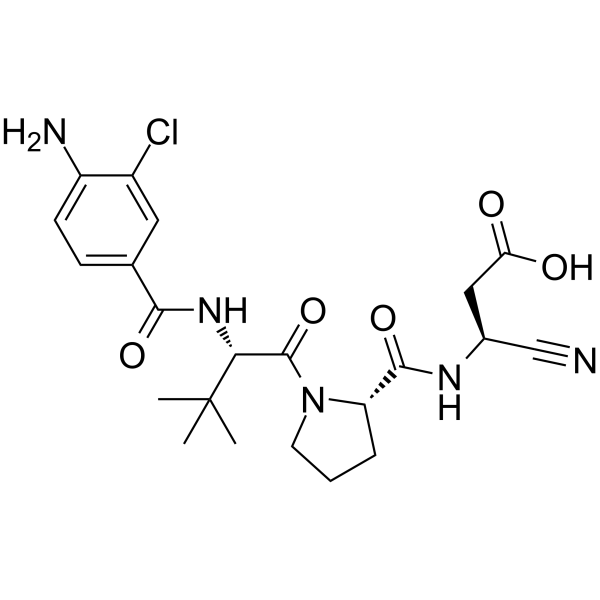
    ML132 (NCGC-00183434) is a selective caspase 1 inhibitor with an IC50 value of 0.023 nM. ML132 has good stability and can be used as a caspase 1 molecular probe. ML132 is applicable to research in the fields of anticancer and anti-inflammatory studies .
    ML132
  • HY-136379
    CID44216842
    2 Publications Verification

    Cdc42-IN-1

    Ras Cancer
    CID44216842 (Cdc42-IN-1) is a potent Cdc42-selective guanine nucleotide binding lead inhibitor. The EC50s for Cdc42 WT and Cdc42Q61L mutant are 1.0 and 1.2 μM in GTP binding assay, respectively. The EC50s for Cdc42 WT and Cdc42Q61L mutant are 0.3 and 0.5 μM in GDP binding assay, respectively. Use as a molecular probe .
    CID44216842
  • HY-153552

    FAP Cancer
    NH2-UAMC1110 is an aminobutoxy derivative of the fibroblast activation protein (FAP) inhibitor UAMC1110 (HY-100684), and is a precursor compound for the synthesis of FAP inhibitor probes, not directly used in bioactivity experiments. For example, NH2-UAMC1110 is involved in the synthesis of the radiotracer FAPI-QS, which exhibits high tumor selectivity and high dose-response, and has been used for tumor diagnosis. NH2-UAMC1110 introduces an active amino group into its structure, enabling it to form covalent bonds with various molecules (such as DOTA, DATA5m, radionuclide chelators, etc.), thereby synthesizing molecular imaging probes or targeted compounds with the ability to target FAP. NH2-UAMC1110 specifically binds to the FAP active site, inhibiting its proline-selective serine protease activity (including dipeptidyl peptidase and endopeptidase activity), blocking FAP-mediated tissue remodeling processes. Its key activity is high targeting and high affinity, and its core function is to be coupled with bifunctional chelators (such as DOTA, DATA5m) as a targeting module. NH2-UAMC1110 can be applied to diagnostic imaging studies of tumors expressing FAP (such as colorectal cancer, pancreatic cancer, etc.), and also provides molecular tools for targeted research of FAP-related diseases with high FAP expression, such as fibrosis and arthritis .
    NH2-UAMC1110
  • HY-159098

    Molecular Glues PROTACs Histone Acetyltransferase Cardiovascular Disease
    dWIZ-1 is an orally active molecular glue and chemical probe targeting the WIZ transcription factor, which based on an IMiD backbone, binding to human WIZ with an affinity of 3.5 μM. dWIZ-1 recruits WIZ to the cereblon-DDB1 complex via its ZF7 domain, thereby triggering proteasome-dependent degradation of WIZ. dWIZ-1 significantly induces fetal hemoglobin expression in erythroblasts while reducing the level of inhibitory H3K9 dimethylation at WIZ binding sites such as the β-globin locus. Meanwhile, dWIZ-1 does not affect the proliferation and differentiation of erythroblasts, and no cytotoxicity is observed in in vitro cells or cynomolgus monkey models. dWIZ-1 serves as a critical tool molecule for investigating the mechanism and underlying pathways of sickle cell disease .
    dWIZ-1
  • HY-D1090

    DNA Stain Fluorescent Dye Others
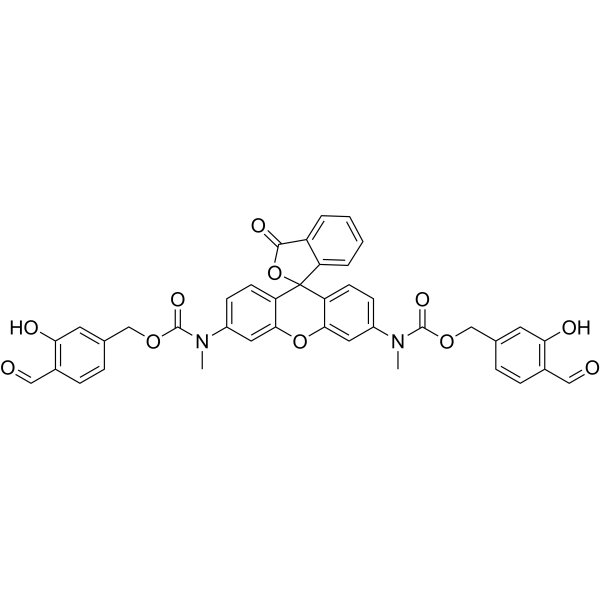
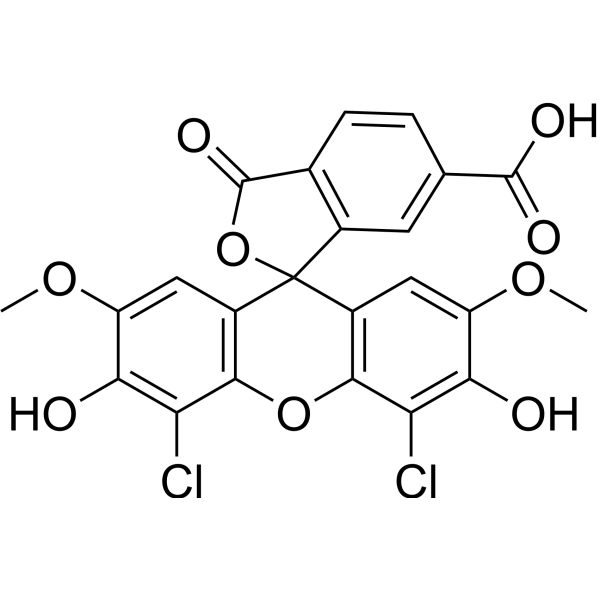
    JOE is a xanthene fluorophore (i.e., 4′,5′-dichloro-2′,7′-dimethoxy-5 (6)-carboxyfluorescein; 2',7'-dimethoxy-4',5'-dichloro-6-carboxyfluorescein) with an absorption wavelength of approximately 525 nm and an emission wavelength of approximately 550 nm. The fluorescence quantum yield of JOE correlates with the rigidity of the linker arm and the distance to dG nucleoside. JOE is commonly used as a fluorescent label for oligonucleotides and molecular beacon probes, and also serves as the acceptor fluorophore in fluorescence energy transfer primers for DNA sequencing .
    ​JOE
  • HY-116070

    4-Iodoantipyrine

    Fluorescent Dye Infection
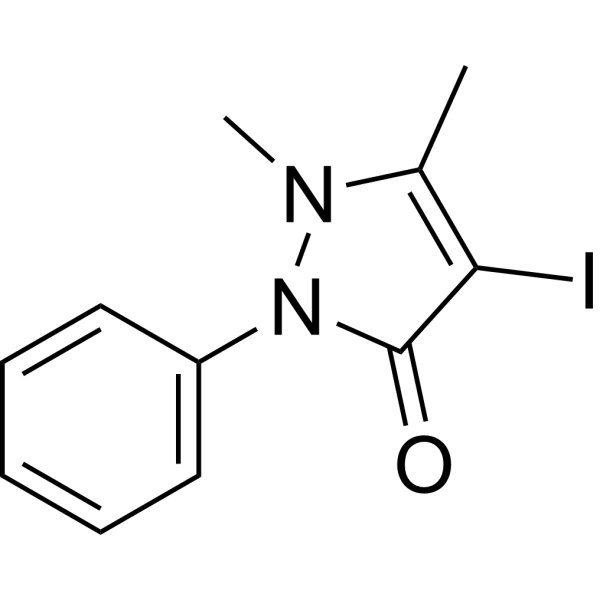
    Iodoantipyrine (4-Iodoantipyrine) is an iodinated Antipyrine (HY-B0171) with potential antiviral activity. Antipyrine (Phenazone) is an antipyretic and analgesic that also serves as a molecular probe of hepatic oxidative metabolites .
    Iodoantipyrine
  • HY-W089353
    8-Phenyl-BODIPY 505/515
    1 Publications Verification

    MOFs Fluorescent Dye Others
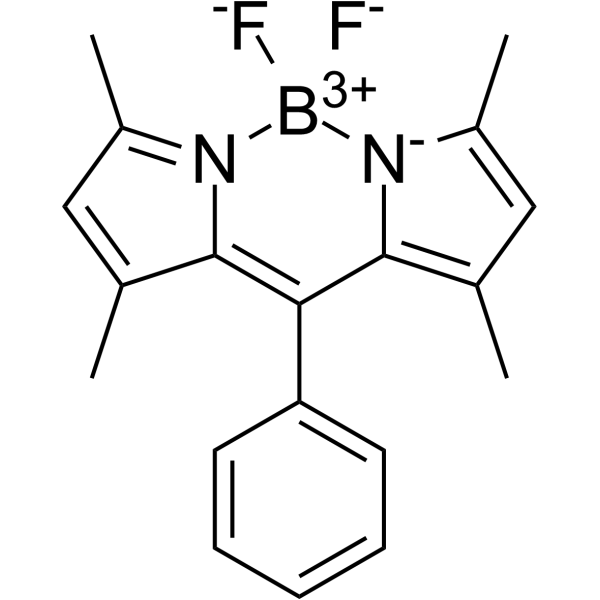
    8-Phenyl-BODIPY 505/515 is a molecular rotor based on the BODIPY scaffold, specifically used as a microviscosity probe. The working principle of 8-Phenyl-BODIPY 505/515 is based on the restriction of molecular motion by viscosity: in a high-viscosity environment, the rotational freedom of its chemical bonds is inhibited, which leads to a significant extension of fluorescence lifetime. This property makes 8-Phenyl-BODIPY 505/515 an effective tool for monitoring changes in the viscosity of intracellular microenvironments via fluorescence lifetime imaging (FLIM) technology .
    8-Phenyl-BODIPY 505/515
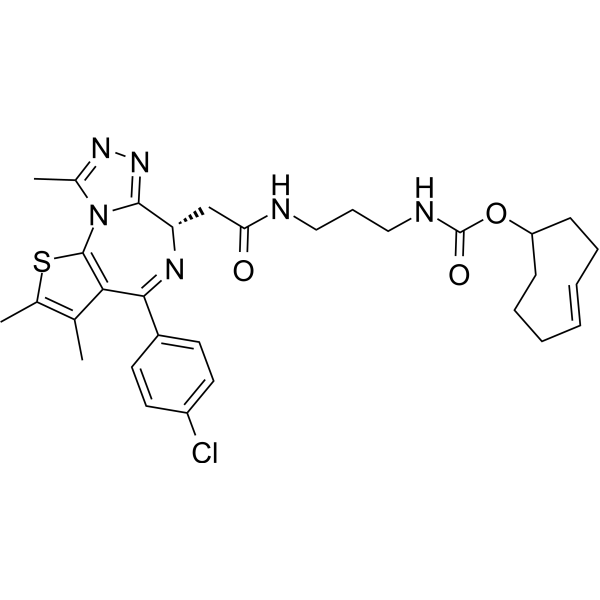
  • HY-148864

    Epigenetic Reader Domain Cancer
    JQ1-TCO is the double bond E configuration of JQ1-TCO (HY-148864A). JQ1-TCO is a derivative of JQ1 (HY-13030), an inhibitor of BET. JQ1-TCO is suitable for click chemistry and can be used as molecular probes in vitro and in vivo .
    JQ1-TCO
  • HY-D1719A
    Cypate hydrochloride
    1 Publications Verification

    Fluorescent Dye Cancer
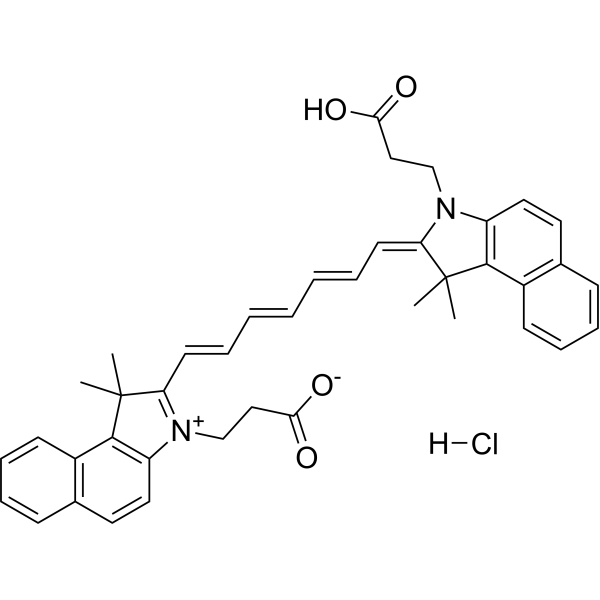
    Cypate is a near-infrared fluorescent dye that belongs to the family of photosensitizers. Cypate has high photostability and optical properties, and is often used in near-infrared optical imaging, as well as optical imaging, tumor marking, and drug delivery. In addition, Cypate is also used as a molecular probe and combined with targeting molecules (such as CBT or small interfering RNA) to achieve efficient detection and imaging of specific cells or tissues .
    Cypate hydrochloride
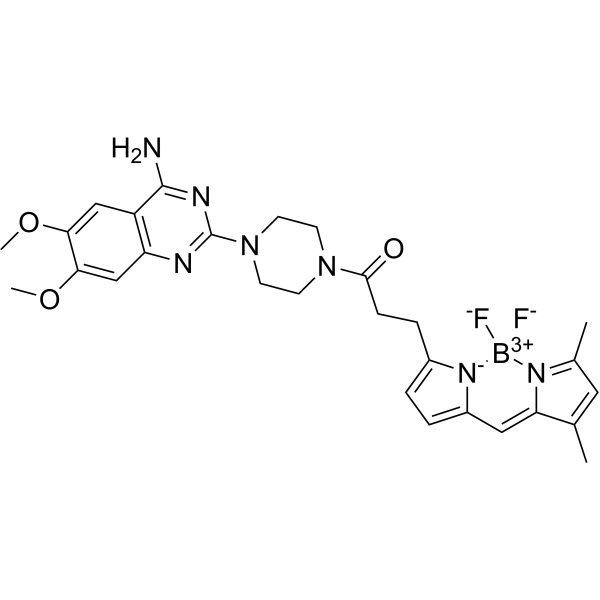
  • HY-D1606

    Adrenergic Receptor Metabolic Disease
    BODIPY FL prazosin is a fluorescent α1-adrenergic antagonist with Ki values of 14.5, 43.3 nM for α1a-AR and α1b-AR, respectively. BODIPY FL prazosin also is a fluorescent ligand with the excitation and emission wavelengths are 485 and 535 nm, respectively. BODIPY FL prazosin can be used for study the differences in the subcellular localization of α1-adrenoceptor subtypes .
    BODIPY FL prazosin
  • HY-W024615

    3-(3-Methyl-3H-diazirin-3-yl)propanoic acid

    Drug Intermediate Biochemical Assay Reagents Others
    Me-diazirine-cooh (3-(3-Methyl-3H-diazirin-3-yl) propanoic acid) is a molecular building block containing an aliphatic diazirine ring. Me-diazirine-cooh undergoes orthogonal coupling in solid-phase peptide synthesis to introduce the Diazirine group into collagen-mimetic peptides. Me-diazirine-cooh is used to construct the photoaffinity probe P1 .
    Me-diazirine-cooh
  • HY-160062

    Mucin Cancer
    S2.2 aptamer sodium is a nucleic acid-based MUC1-binding aptamer with high affinity and low toxicity. Upon binding to its target, S2.2 aptamer sodium undergoes a conformational switch and restores fluorescence signal, serving as a targeted imaging agent for MUC1-positive cancer cells. S2.2 aptamer sodium enables targeted delivery to breast cancer cells with overexpressed MUC1. When formulated as the S2.2-PEG-MZF molecular probe, S2.2 aptamer sodium possesses the functions of T2 signal inhibition, magnetic field-induced hyperthermia and targeted magnetic resonance molecular imaging. In the S2.2-PEG-MZF/DOX nanoliposome, S2.2 aptamer sodium supports targeted thermochemotherapy, effectively inhibiting cancer cell proliferation and invasion as well as inducing apoptosis, and is widely used in studies related to breast cancer .
    S2.2 aptamer sodium
  • HY-147309

    Fluorescent Dye Others
    16-Azidohexadecanoic acid, a synthetic fatty acid, can be used as a modification marker for nucleotides and a molecular probe for fatty acid metabolism . 16-Azidohexadecanoic acid is a click chemistry reagent, it contains an Azide group and can undergo copper-catalyzed azide-alkyne cycloaddition reaction (CuAAc) with molecules containing Alkyne groups. It can also undergo strain-promoted alkyne-azide cycloaddition (SPAAC) reactions with molecules containing DBCO or BCN groups.
    16-Azidohexadecanoic acid
  • HY-D0039

    Fluorescent Dye Others
    3-Cyanoumbelliferone is a coumarin derivative, acting as molecular probe and fluorescent dye. 3-Cyanoumbelliferone is also a macrophage migration inhibitory factor (MIF) tautomerase inhibitor with a Ki of 2.9 μM .
    3-Cyanoumbelliferone
  • HY-148864A

    JQ1-CCO

    Epigenetic Reader Domain Cancer
    (Z)-JQ1-TCO is a derivative of JQ1 (HY-13030), an inhibitor of BET. (Z)-JQ1-TCO is suitable for click chemistry and can be used as molecular probes in vitro and in vivo .
    (Z)-JQ1-TCO
  • HY-101839

    VU0488130

    mAChR Neurological Disease
    ML381 (VU0488130) is a highly selective, central nervous system penetrant mAChR M5 orthogonal antagonist (IC50 = 450 nM; Ki = 340 nM). ML381 is unstable in rat plasma and can be mainly used as a molecular probe for in vitro and electrophysiological studies .
    ML381
  • HY-130022
    HKPerox-1
    2 Publications Verification

    Fluorescent Dye Others
    HKPerox-1 is a highly sensitive green fluorescent probe for the specific detection of H2O2 in living cells with a maximum excitation wavelength and emission wavelength of 520 nm and 543 nm, respectively .
    HKPerox-1
  • HY-W090065

    1-Pyrenemethylamine hydrochloride

    Biochemical Assay Reagents Others
    Pyren-1-ylmethanamine hydrochloride, Pyren-1-ylmethanamine hydrochloride is commonly used as a fluorescent probe in biochemistry and molecular biology to detect and study nucleic acids, proteins and other biomolecules, moreover, it has been used in analytical chemistry Among them, for the detection of heavy metals and other pollutants in environmental samples, the pyrene group in the molecule exhibits strong fluorescence properties, which makes it useful as a sensitive and selective detector in various applications.
    Pyren-1-ylmethanamine hydrochloride
  • HY-21286

    Drug Intermediate Others
    N2-Isobutyryl-2'-O-methylguanosine is a nucleic acid synthesis intermediate (e.g., used in antisense oligonucleotides, mRNA modification), for example, it is a key monomer for the synthesis of 2'-O-methyl oligoribonucleotides. N2-Isobutyryl-2'-O-methylguanosine enables the final product to form stable double strands with complementary RNA and is not easily degraded by nucleases. N2-Isobutyryl-2'-O-methylguanosine is mainly used in molecular biology research, and can be used to prepare RNA hybridization probes or participate in related biochemical research such as pre-mRNA splicing mechanisms .
    N2-Isobutyryl-2'-O-methylguanosine
  • HY-W127832
    Ru(dpp)3(PF6)2
    1 Publications Verification

    Fluorescent Dye Others
    Ru(dpp)3(PF6)2 is a complex containing metallic ruthenium (Ru) and is a chemiluminescent oxygen probe. [Ru(dpp)3] 2+ is a luminescent substance that can undergo metal-to-ligand charge transfer (MLCT), and fluorescence will appear during the transfer of Ru to the ligand. At the same time, the fluorescence of Ru(dpp)3(PF6)2 is effectively quenched by molecular oxygen, so it is widely used in biosensors, environmental monitoring, and materials science. The property of Ru(dpp)3(PF6)2, which oxidizes Ru 2+ to Ru 3+, has also been used to design and construct solid-state light-emitting electrochemical cells .
    Ru(dpp)3(PF6)2
  • HY-178783

    Adenosine Receptor Metabolic Disease Inflammation/Immunology Cancer
    MRS8454 is a positive allosteric modulator (PAM) of the A3 adenosine receptor (A3AR). MRS8454 can significantly enhance the maximum effect of the standard agonist Cl-IB-MECA by approximately 286%-300%, and significantly reduce its EC50 value. MRS8454 effectively enhances the ability of A3AR agonists to inhibit the cAMP accumulation induced by Forskolin (HY-15371). MRS8454 can be used for the development of molecular probes .
    MRS8454
  • HY-149836

    Fluorescent Dye Others
    3-MeOARh-NTR is an activatable imaging probe with high selectivity, and good stability. 3-MeOARh-NTR possesses high selectivity and high signal-to-noise ratio for nitroreductase (NTR) detection, and serves as an efficient molecular tool for endogenous NTR detection .
    3-MeOARh-NTR
  • HY-118054

    Orphan Nuclear Receptor Cancer
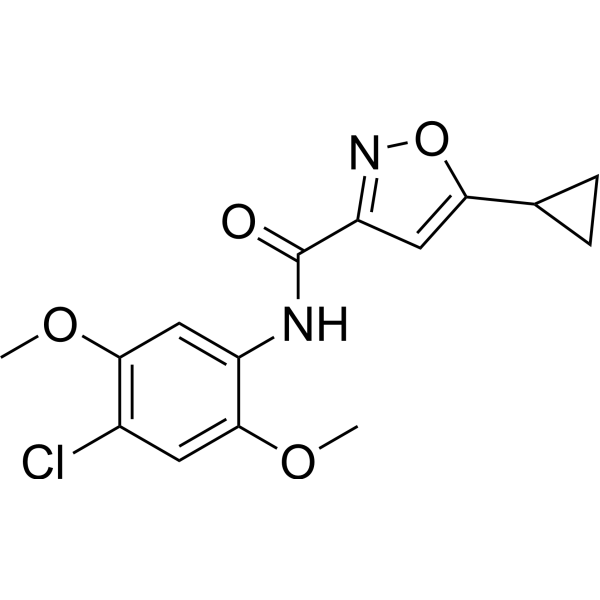
    LRH-1 Inhibitor-3 is a small molecule that inhibits LRH-1 transcriptional activity, thereby decreasing the expression of target genes associated with cell growth and proliferation. LRH-1 Inhibitor-3 has shown potential in reducing cancer cell proliferation in human pancreatic, colon, and breast adenocarcinoma cell lines. LRH-1 Inhibitor-3 serves as a molecular probe for investigating the role of LRH-1 in various malignancies.
    LRH-1 Inhibitor-3
  • HY-175323

    Integrin PD-1/PD-L1 Cancer
    NOTA-IMB-RGD is a dual molecular probe targeting integrin αvβ3 and programmed death ligand-1 (PD-L1). NOTA-IMB-RGD blocks the PD-1/PD-L1 signaling pathway and integrin αvβ3-overexpressing tumor vasculature. NOTA-IMB-RGD is promising for research of solid tumors co-expressing PD-L1 and αvβ3 (e.g., glioma, breast cancer) .
    NOTA-IMB-RGD
  • HY-P11263

    iGluR Neurological Disease
    AVLX-144 is a highly potent inhibitor of postsynaptic density protein 95 (PSD-95). AVLX-144 can be used as a template to develop imaging probes for postsynaptic density (PSD) molecules, and can be labeled with fluorine-18 (¹⁸F) or tritium (³H) to visualize PSD-95 in vivo. AVLX-144 can be utilized for the study of Parkinson's disease .
    AVLX-144
  • HY-W171935

    MNK Others
    MNK-IN-5 is a MNK inhibitor that suppresses MNK activity .
    MNK-IN-5
  • HY-Y0661

    Biochemical Assay Reagents Others
    4-Methylbenzyl cyanide is an organic chemical probe used to study intramolecular rotation properties. 4-Methylbenzyl cyanide is promising for research of NMR spectroscopy and physical chemistry research on molecular dynamics .
    4-Methylbenzyl cyanide
  • HY-D1045A

    DABCYL sodium; Para-methyl red sodium

    Fluorescent Dye Others
    Dabcyl acid sodium (DABCYL sodium) is a nonfluorescent chromophore and a quencher. Dabcyl acid sodium can be used as molecular beacon nucleic acid probes to recognize and report the presence of specific nucleic acids in homogeneous solutions .
    Dabcyl acid sodium
  • HY-D1609

    Fluorescent Dye Others
    BODIPY FL Verapamil hydrochloride is a fluorescent dye, it can be used as a molecular probe to label tissues and cells. BODIPY FL Verapamil hydrochloride is a substrate for both ABCB1 and ABCC1 .
    BODIPY FL Verapamil hydrochloride
  • HY-172137

    FAP Cancer
    FAPI-FUSCC-07 is a targeted probe for fibroblast activation protein (FAP), exhibiting high affinity binding to FAP for applications in molecular imaging, tumor diagnosis, and radiotherapy .
    FAPI-FUSCC-07
  • HY-136358

    Ephrin Receptor Cancer
    LDN-211904 is a potent and reversible EphB3 inhibitor with an IC50 of 79 nM. LDN-211904 shows good metabolic stability in mouse liver microsomes. LDN-211904 with cetuximab could be effective in inhibiting STAT3-activated colorectal cancer (CRC) stemness and Cetuximab (HY-P9905) resistance in CRC .
    LDN-211904
  • HY-D2971

    Fluorescent Dye Autophagy Neurological Disease
    NCIC-VIS is a lysosome-targeted, viscosity-sensitive two-photon near-infrared fluorescent probe. NCIC-VIS has a rigid structure that can restrict molecular torsion, thereby increasing the fluorescence quantum yield and two-photon absorption cross-section. NCIC-VIS enables real-time imaging of the autophagy process in cells .
    NCIC-VIS
  • HY-151704

    Fluorescent Dye Cancer
    ICG-alkyne is a short-wave infrared (SWIR)-emitting cyanine fluorescent probe based on alkyne-derivatized indocyanine green. ICG-alkyne can undergo click chemistry reaction to conjugate with antibody molecules via binding to the azide groups introduced into antibodies. ICG-alkyne enables SWIR fluorescent molecular imaging of breast tumors in living mice. ICG-alkyne can be used in breast cancer-related research .
    ICG-alkyne
  • HY-W014069R

    11-Thioundecanoic acid (Standard); MUA (Standard); MUDA (Standard)

    Reference Standards Biochemical Assay Reagents Others
    11-Mercaptoundecanoic acid (Standard) is an analytical standard of 11-Mercaptoundecanoic acid (HY-W014069R). This product is used for research and analytical applications. 11-Mercaptoundecanoic acid is a self-assembled monolayer membrane composed of long-chain alkane chains and carboxyl-containing thioalcohols and can be used as a metal surface modifier. 11-Mercaptoundecanoic acid is widely applied in the research of molecular probes, self-assembled membranes, nanomaterials, and biological materials, etc .
    11-Mercaptoundecanoic acid (Standard)
  • HY-P11253

    VISTA Inflammation/Immunology
    DOTA-Bn-CA-170 is a molecular probe targeting the VISTA protein, with a Kd value of 0.124 nM. DOTA-Bn-CA-170 is formed by covalently linking the p-SCN-Bn-DOTA ligand with CA-170 (HY-101093). DOTA-Bn-CA-170 labeled with [ 68Ga]Ga successfully achieves specific and high-contrast PET imaging of VISTA expression in various tumor-bearing mouse models. DOTA-Bn-CA-170 can be used for the study of VISTA-targeted immunotherapy .
    DOTA-Bn-CA-170
  • HY-173116

    Carbonic Anhydrase Cancer
    DOTA-XYIMSR-01 is a molecular probe targeting CAIX that can be labeled with 177Lu for the inhibition and localization of malignant gliomas. The uptake of [177Lu] Lu-XYIMSR-01 in U87MG tumors is 6.19 % of the injected dose per gram (% ID/g), and the tumor-to-muscle uptake ratio is 20.14. In the orthotopic glioma model, combined injection with Temozolomide (HY-17364) can significantly improve the survival rate of mice and inhibit tumor growth. DOTA-XYIMSR-01 shows promise for research in the field of anti-cancer therapy .
    DOTA-XYIMSR-01
  • HY-P4138

    Fluorescent Dye Cancer
    Antennapedia Peptide FAM-labeled is a fluorophore labeled peptide. Antennapedia Peptide FAM-labeled also can be used for the research of cancer as a molecular probe .
    Antennapedia Peptide FAM-labeled
  • HY-162051

    Cytochrome P450 Cancer
    CYP1B1-IN-6 (compound 19) is a fluorescence molecular probes which inhibits CYP1B1 activity. CYP1B1-IN-6 can identify tumor sites in fluorescence imaging and photoacoustic imaging modes .
    CYP1B1-IN-6
  • HY-D1289

    Fluorescent Dye Others
    GA-PEG5-bromide is a probe used for molecular labeling.
    GA-PEG5-bromide
  • HY-W742274

    Biochemical Assay Reagents Others
    Biotin-4-Fluorescein is a molecular probe for the detection and quantification of (strept)avidin .
    Biotin-4-Fluorescein
  • HY-Y1309R

    Furro ER (Standard); NSC 9586 (Standard); Nako TRB (Standard)

    Reference Standards Endogenous Metabolite Others
    1-Naphthol (Standard) is the analytical standard of 1-Naphthol. This product is intended for research and analytical applications. 1-naphthol is an excited state proton transfer (ESPT) fluorescent molecular probe.
    1-Naphthol (Standard)

Inquiry Online

Your information is safe with us. * Required Fields.

Salutation


Country or Region *

Applicant Name *


Organization Name *

Department *


Email Address *


Product Name *

Cat. No.


Requested quantity *

Phone Number *


Remarks

Inquiry Online

Inquiry Information

Product Name:
Cat. No.:
Quantity:
MCE Japan Authorized Agent:

