Search Result
Results for "
Sterol Inhibitors
" in MedChemExpress (MCE) Product Catalog:
1
Biochemical Assay Reagents
12
Isotope-Labeled Compounds
| Cat. No. |
Product Name |
Target |
Research Areas |
Chemical Structure |
-
- HY-107738
-
Guggulsterone
Maximum Cited Publications
21 Publications Verification
Z/E-Guggulsterone
|
Apoptosis
JNK
Akt
Caspase
FXR
Autophagy
|
Cancer
|
|
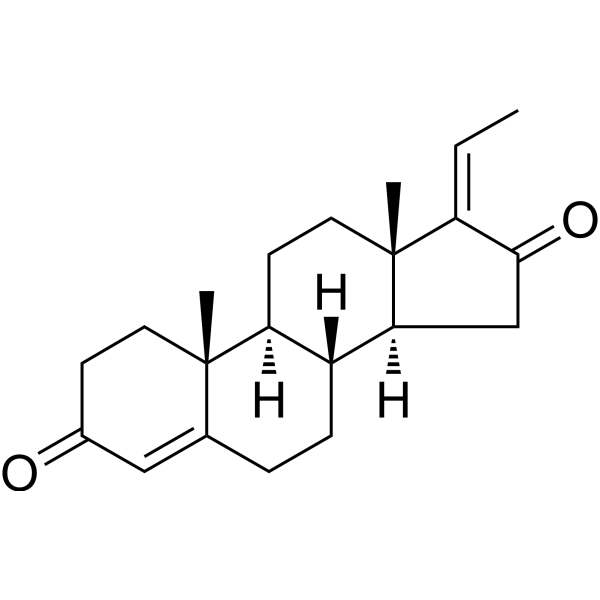
Guggulsterone is a plant sterol derived from the gum resin of the tree Commiphora wightii. Guggulsterone inhibits the growth of a wide variety of tumor cells and induces apoptosis through down regulation of antiapoptotic gene products (IAP1, xIAP, Bfl-1/A1, Bcl-2, cFLIP and survivin), modulation of cell cycle proteins (cyclin D1 and c-Myc), activation of caspases and JNK, inhibition of Akt . Guggulsterone, a farnesoid X receptor (FXR) antagonist, with IC50s of 24.06 μM and 39.05 μM for (-)-(E)-Guggulsterone (HY-N7781) and (Z)-Guggulsterone (HY-110066), respectively .
|
-
-
- HY-B0165A
-
-
-
- HY-N0083
-
-
-
- HY-N0410
-
|
Eleutheroside A; β-SitoSterol β-D-glucoside
|
Apoptosis
Reactive Oxygen Species (ROS)
Autophagy
|
Inflammation/Immunology
Cancer
|
|
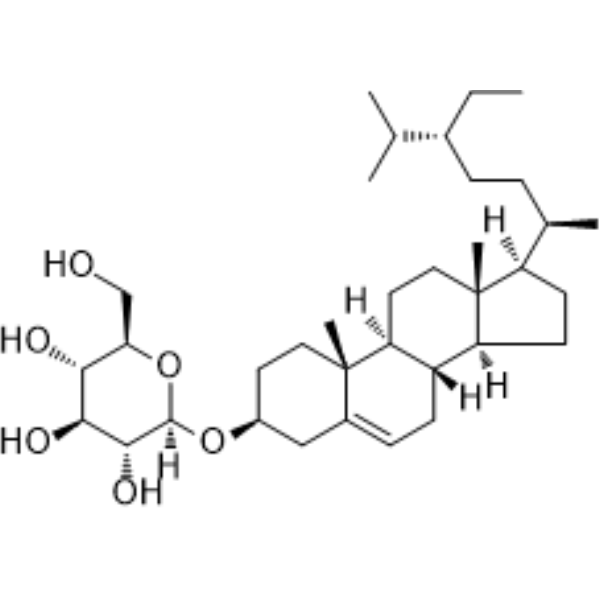
Daucosterol is an orally active natural sterol compound, which has anti-inflammatory, anticancer and immunomodulatory activities. Daucosterol inhibits cancer cell proliferation by inducing autophagy through ROS-dependent manner. Daucosterol also inhibits colon cancer growth by inducing apoptosis, inhibiting cell migration and invasion and targeting caspase signalling pathway .
|
-
-
- HY-N7264
-
-
-
- HY-107420
-
|
|
Endogenous Metabolite
|
Metabolic Disease
|
|
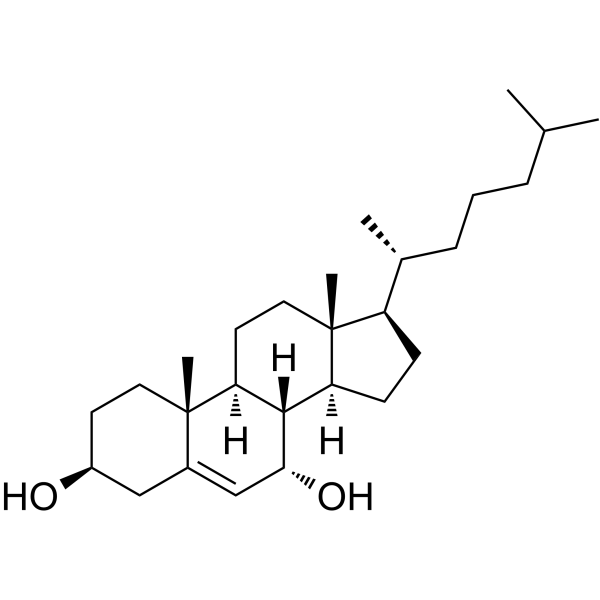
AY 9944 is a specific cholesterol biosynthesis inhibitor. AY 9944 inhibits the 7-dehydro cholesterol Δ7-reductase (DHCR7) enzyme with an IC50 of 13 nM. AY 9944 causes hypocholesterolemia and accumulation of 7DHC. At high doses, AY 9944 inhibits also in cultured embryos sterol Δ7-Δ8 isomerase, which causes the accumulation of cholest-8-en-3β-ol .
|
-
-
- HY-113289
-
|
|
Akt
Androgen Receptor
Bacterial
Drug Metabolite
HSV
|
Infection
Cardiovascular Disease
Neurological Disease
Cancer
|
|
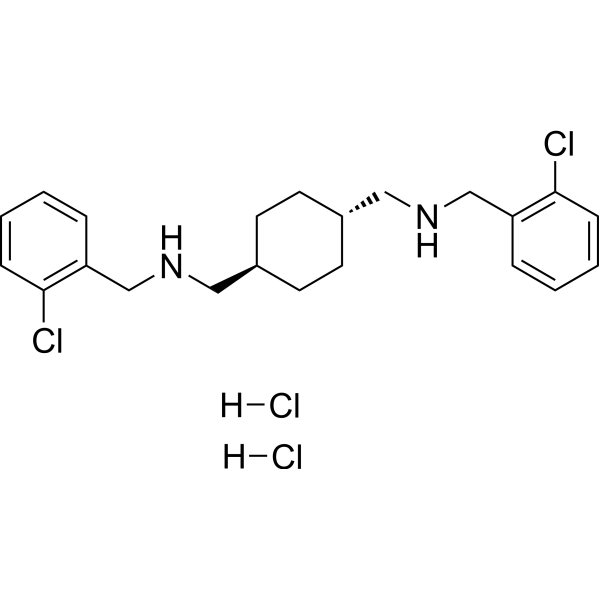
Brassicasterol is a metabolite of Ergosterol and has cardiovascular protective effects. Brassicasterol exerts anticancer effects in prostate cancer through dual targeting of AKT and androgen receptor signaling pathways. Brassicasterol inhibits HSV-1 (IC50=1.2 μM) and Mycobacterium tuberculosis. Brassicasterol also inhibits sterol δ 24-reductase, slowing the progression of atherosclerosis. Brassicasterol is also a cerebrospinal fluid biomarker for Alzheimer's disease .
|
-
-
- HY-N7255
-
|
|
p38 MAPK
Apoptosis
|
Cancer
|
|
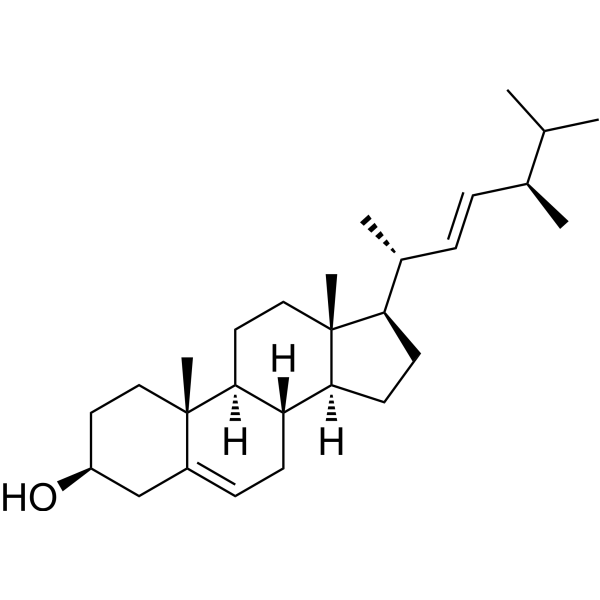
Cycloartenol, a phytosterol compound, is one of the key precusor substances for biosynthesis of numerous sterol compounds. Cycloartenol inhibits the migration of glioma cells and suppresses the phosphorylation of the p38 MAP kinase. Cycloartenol has a variety of pharmacological activities such as anti-inflammatory, anti-tumor, antioxidant, antibiosis and anti-alzheimer's disease. Cycloartenol also plays an important role in the process of plant growth and development .
|
-
-
- HY-164561
-
|
|
Emopamil Binding Protein
Ferroptosis
Apoptosis
|
Cancer
|
|
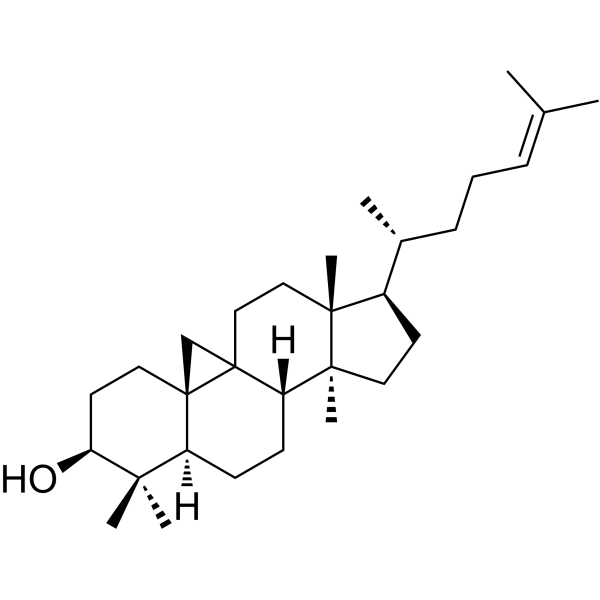
TASIN-30 is a selective EBP inhibitor with an EC50 of 0.097 μM. TASIN-30 blocks the production of 7-dehydrocholesterol (7-DHC) and downstream cholesterol biosynthesis processes. TASIN-30 depletes downstream sterols, disrupts the integrity of lipid rafts in tumor cells, accelerates intracellular cholesterol consumption, and inhibits tumor cell proliferation. TASIN-30 induces ferroptosis and apoptosis by reducing 7-DHC levels and increasing phospholipid peroxidation. TASIN-30 achieves tumor suppression in nude mice with osteosarcoma. TASIN-30 can be used in cancer-related research such as colorectal cancer and osteosarcoma .
|
-

-
- HY-N1200
-
|
|
5 alpha Reductase
|
Inflammation/Immunology
Cancer
|
|
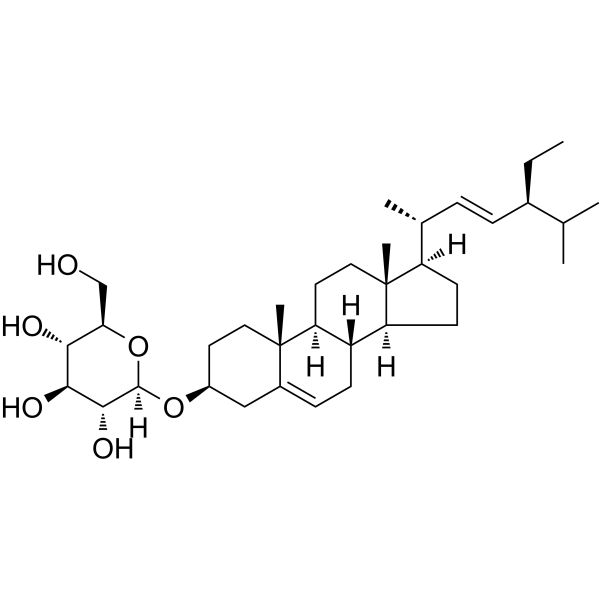
Stigmasterol glucoside is a sterol compound and a 5α-reductase inhibitor with an IC50 value of 27.2 µM. Stigmasterol glucoside has certain anti-inflammatory, antioxidant, and anti-tumor activities .
|
-
-
- HY-W510159
-
|
|
PCSK9
|
Cardiovascular Disease
|
|
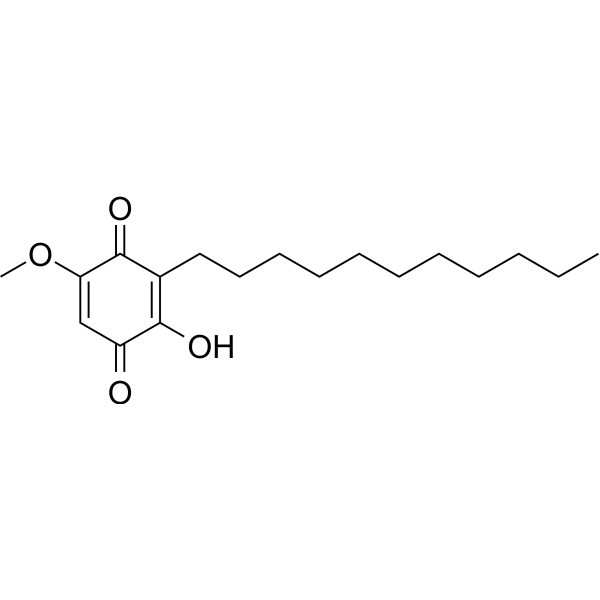
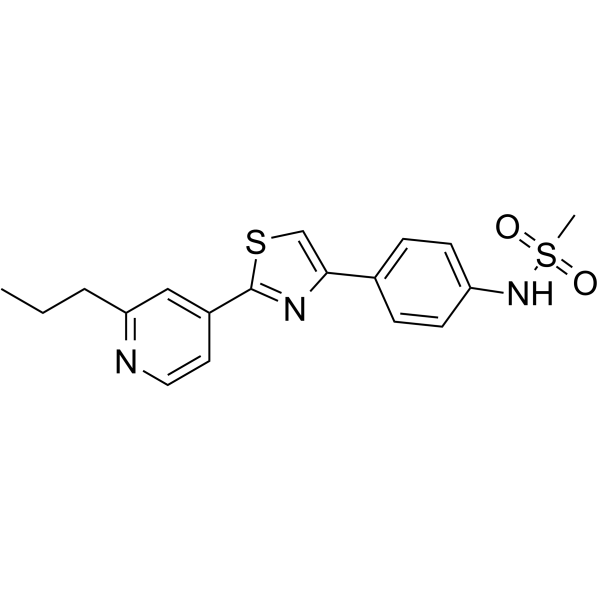
5-O-Methylembelin is a natural isocoumarin that inhibits PCSK9, inducible degrader of the low-density lipoprotein receptor (IDLR), and sterol regulatory element binding protein 2 (SREBP2) mRNA expression .
|
-
-
- HY-17396
-
|
KP363 Hydrochloride
|
Fungal
Antibiotic
|
Infection
|
|
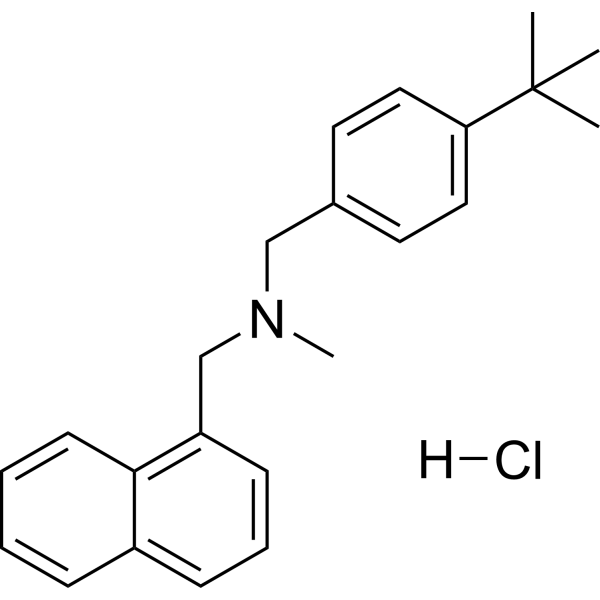
Butenafine Hydrochloride (KP363 Hydrochloride) is a synthetic benzylamine antifungal, works by inhibiting the synthesis of sterols by inhibiting squalene epoxidase.
|
-
-
- HY-B0850
-
|
|
Environmental Pollutants
Fungal
|
Infection
|
|
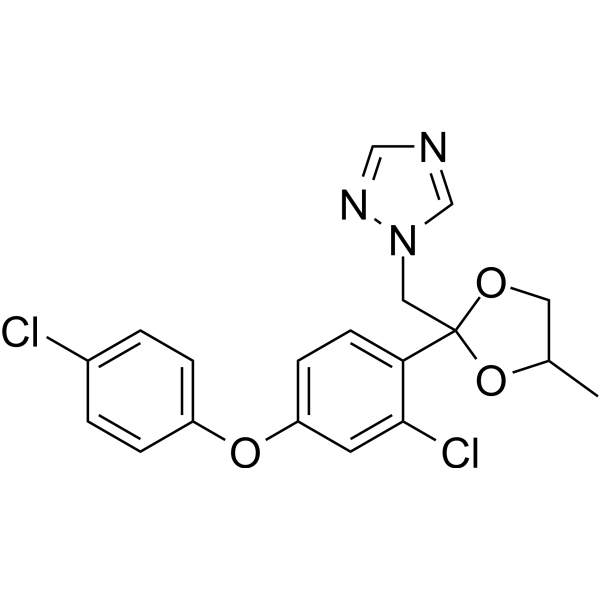
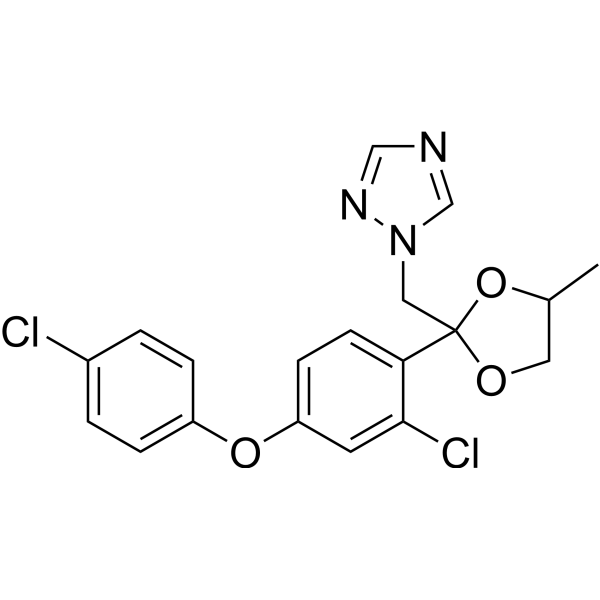
Difenoconazole is a sterol demethylation inhibitor, as a fungicide. Difenoconazole binds the heme portion of the fungal cytochrome P450 51, interferes the mycelial growth and inhibits the spore germination of pathogens, suppressing fungal growth .
|
-
-
- HY-119847
-
|
BAY-W-6341
|
Fungal
|
Infection
|
|
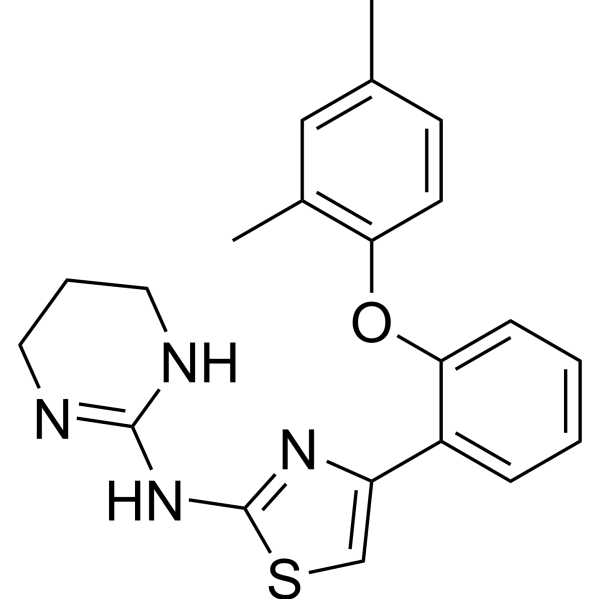
Abafungin (BAY-W-6341) is a broad-spectrum fungicidal arylguanidine compound and a selective inhibitor of sterol-C-24-methyltransferase. Abafungin blocks the transmethylation reaction at the C-24 position of the sterol side chain during the ergosterol biosynthesis pathway. Abafungin directly disrupts fungal cell membrane integrity, and diminishes fungal viability independent of the fungal growth state. Abafungin can be applied to the research of fungal infections, particularly dermatomycoses .
|
-
-
- HY-162351
-
|
|
Emopamil Binding Protein
|
Metabolic Disease
|
|
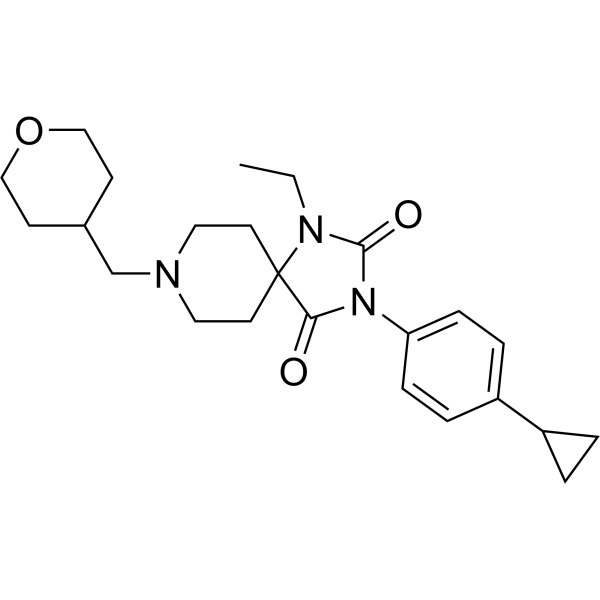
EBP-IN-1 is an orally active, blood-brain barrier-permeable inhibitor of emopamil binding protein (EBP). EBP-IN-1 has an IC50 of 8.2 μM against human ERG potassium channels (in CHO background). By inhibiting the sterol isomerase activity of EBP, EBP-IN-1 causes the accumulation of Zymostenol (HY-113345), and exhibits strong target binding in the brain after repeated administration in rodents. EBP-IN-1 also promotes oligodendrocyte formation in human cortical organoids and can be used in research related to multiple sclerosis .
|
-
-
- HY-135761
-
-
-
- HY-16670
-
|
|
Cytochrome P450
|
Infection
Cancer
|
|
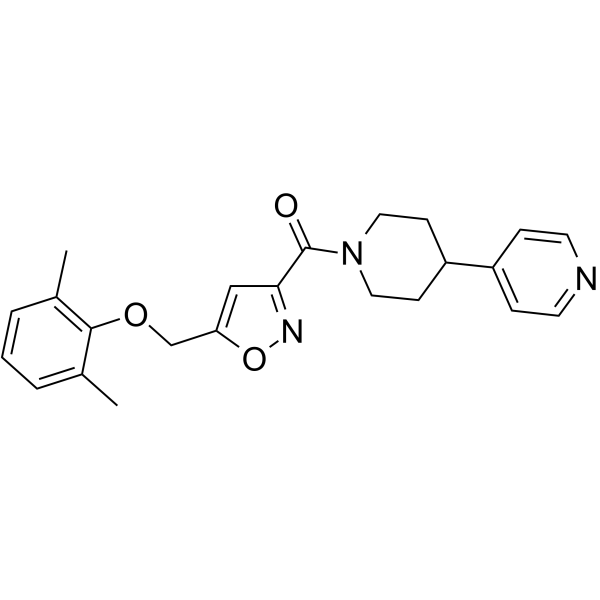
Dafadine-A is a selective inhibitor of DAF-9 cytochrome P450 in the nematode Caenorhabditis elegans. Dafadine-A inhibits the mammalian ortholog of DAF-9 (CYP27A1). Dafadine-A does not inhibits DAF-12 and sterol- and oxysterol-metabolizing P450s .
|
-
-
- HY-B0846
-
-
-
- HY-117832
-
-
-
- HY-117766
-
|
PC945
|
Fungal
Cytochrome P450
|
Infection
|
|
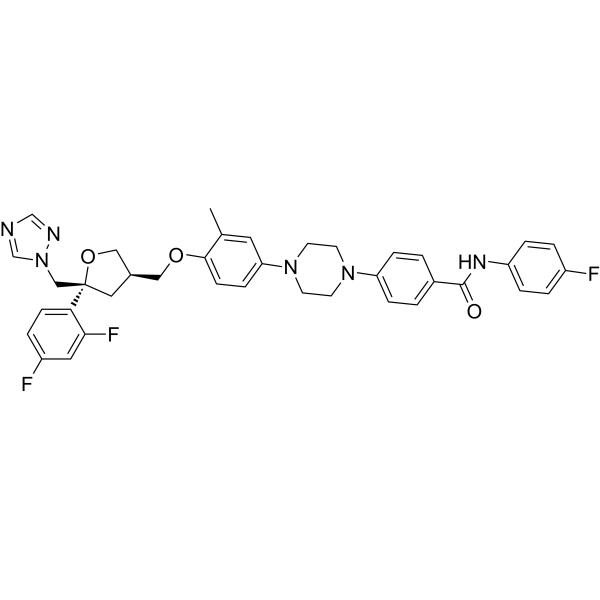
Opelconazole (PC945), a potent, long-acting antifungal triazole, possesses activity against a broad range of both azole-susceptible and azole-resistant strains of Aspergillus fumigatus. Opelconazole is also a potent, tightly binding inhibitor of A. fumigatus sterol 14α-demethylase activity, CYP51A and CYP51B, with IC50s of 0.23 μM and 0.22 μM, respectively .
|
-
-
- HY-118065
-
-
-
- HY-B0165AR
-
-
-
- HY-14282
-
|
|
Fungal
|
Infection
Inflammation/Immunology
|
|
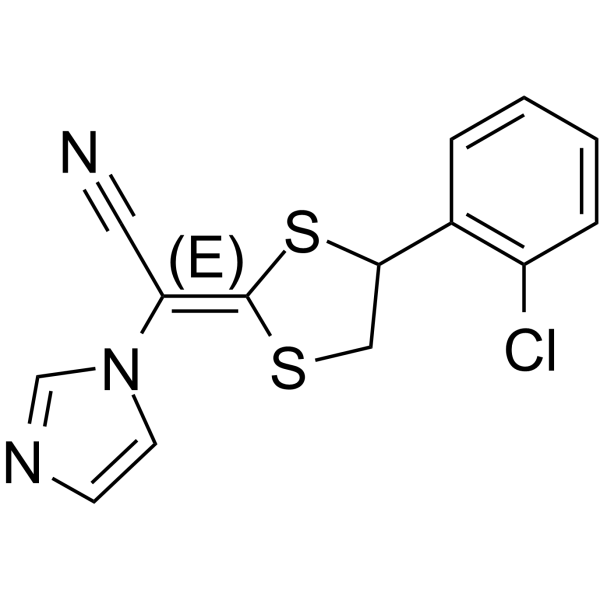
Lanoconazole is a potent and orally active imidazole antifungal agent, shows a broad spectrum of activity against fungi?in vitro?and?in vivo . Lanoconazole interferes with ergosterol biosynthesis by inhibiting sterol 14-alpha demethylase and blocking fungal membrane ergosterol biosynthesis. Lanoconazole can be used for the investigation of dermatophytosis and onychomycosis .
|
-
-
- HY-176497
-
|
G297X
|
Cytochrome P450
|
Metabolic Disease
Cancer
|
|
GW273297X is a selective CYP27A1 inhibitor. GW273297X blocks 27-hydroxycholesterol biosynthesis and sterol product formation in human macrophages. GW273297X reduces cancer cells colonization by inhibiting pro-metastatic effects of 27-hydroxycholesterol. GW273297X can be used for the researches of cancer and metabolic disease, such as breast cancer .
|
-

-
- HY-128033
-
|
|
Environmental Pollutants
Fungal
|
Infection
|
|
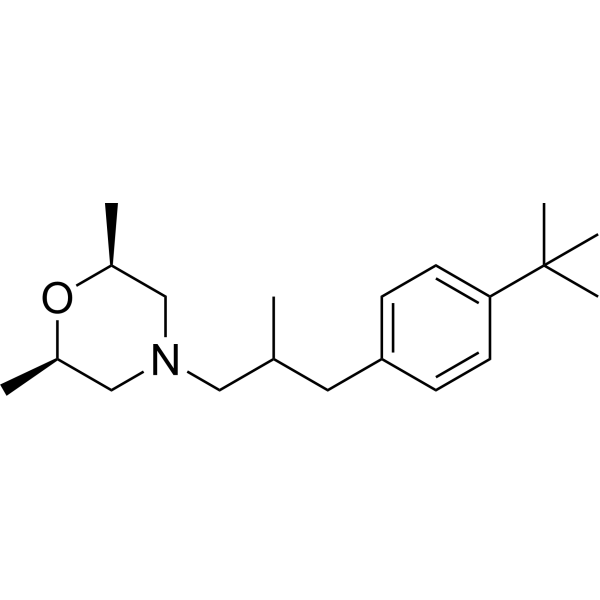
Fenpropimorph is a fungicide that inhibits the sterol pathway. Fenpropimorph inhibits δ8-δ7-sterol isomerase in yeast at low concentrations, with δ14-sterol reductase being blocked at higher levels, preventing the biosynthesis of ergosterol. Fenpropimorph also inhibits sterol synthesis in certain plants and mammalian cells .
|
-
-
- HY-B0165
-
-
-
- HY-117089
-
|
|
Environmental Pollutants
Fungal
|
Infection
|
|
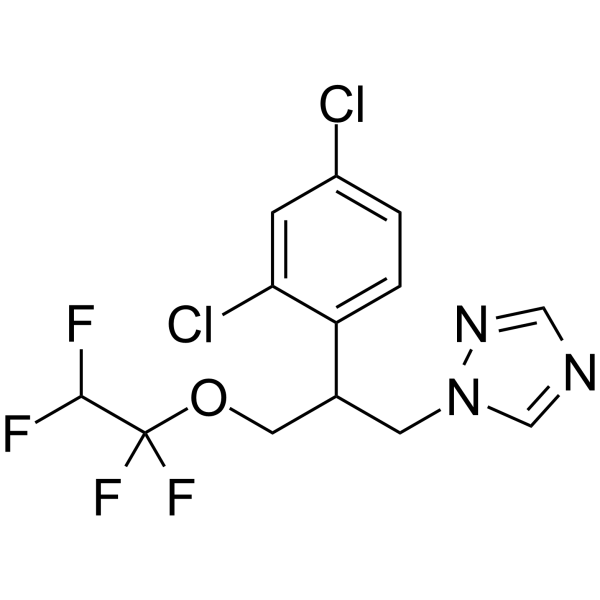
Tetraconazole is a selective irreversible inhibitor of 14-α-sterol demethylase (CYP51) with antifungal activity. Tetraconazole competitively binds to the enzyme to block fungal ergosterol synthesis, resulting in cell membrane damage. The EC50 of tetraconazole against wheat pathogens is 0.382-0.802 mg/L, and the EC50 against onion root tip meristem cell growth is 6.7 mg/L, and (R)-(+)-Tetraconazole is 1.49-1.98 times more active than (S)-(-)-Tetraconazole. Tetraconazole can also induce oxidative stress and chromosomal aberrations in plant cells .
|
-
-
- HY-116568
-
|
JAU-6476
|
Fungal
Cytochrome P450
Microtubule/Tubulin
Mitochondrial Metabolism
DNA/RNA Synthesis
Apoptosis
Fatty Acid Synthase (FASN)
|
Infection
Metabolic Disease
Endocrinology
|
|
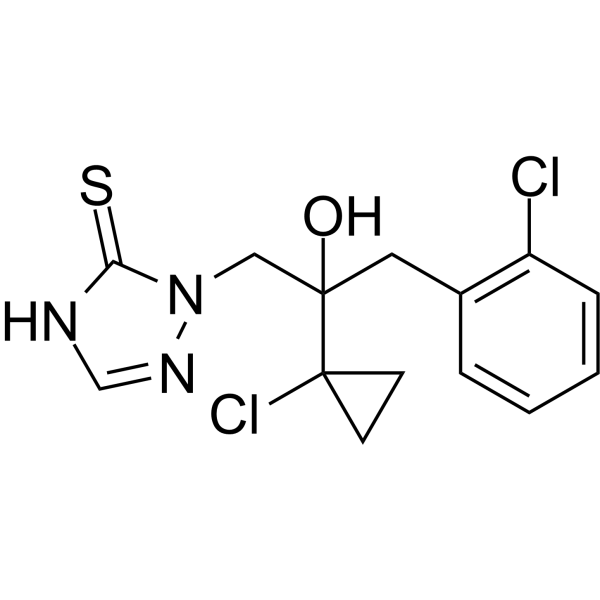
Prothioconazole is an orally active broad-spectrum fungicide. Prothioconazole weakly inhibits CaCYP51 activity in Candida albicans, with an apparent IC50 of approximately 120 μM. Prothioconazole disrupts Microtubule stability by reducing the acetylation level of α-tubulin. Prothioconazole induces Mitochondrial dysfunction, oxidative stress, DNA damage, and Apoptosis. Prothioconazole accumulates 14-methylated sterols and depletes ergosterol in cells, culture media, plants, and animals. Prothioconazole interferes with pyruvate metabolism and glycolysis/gluconeogenesis processes in mouse liver, downregulates Fasn mRNA expression, and induces hepatotoxicity and renal metabolic disorders. Prothioconazole reduces the fertility of female mice. Prothioconazole inhibits body weight gain and increases liver/kidney indices in mice. Prothioconazole can be used in studies related to candidiasis .
|
-
-
- HY-N0082
-
-
-
- HY-N2221
-
-
-
- HY-16207
-
-
-
- HY-13751
-
|
|
Sigma Receptor
|
Inflammation/Immunology
|
|
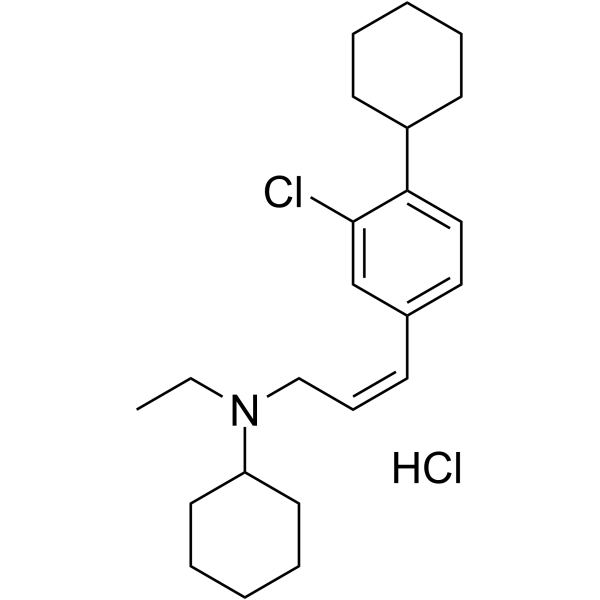
SR-31747 is a sigma ligand with immunosuppressive and anti-inflammatory properties. SR-31747 blocks cell proliferation by inhibiting sterol isomerase .
|
-
-
- HY-B0850R
-
|
|
Reference Standards
Fungal
|
Infection
|
|
Difenoconazole (Standard) is the analytical standard of Difenoconazole. This product is intended for research and analytical applications. Difenoconazole is a sterol demethylation inhibitor, as a fungicide. Difenoconazole binds the heme portion of the fungal cytochrome P450 51, interferes the mycelial growth and inhibits the spore germination of pathogens, suppressing fungal growth .
|
-
-
- HY-121012
-
|
|
NF-κB
Akt
|
Endocrinology
|
|
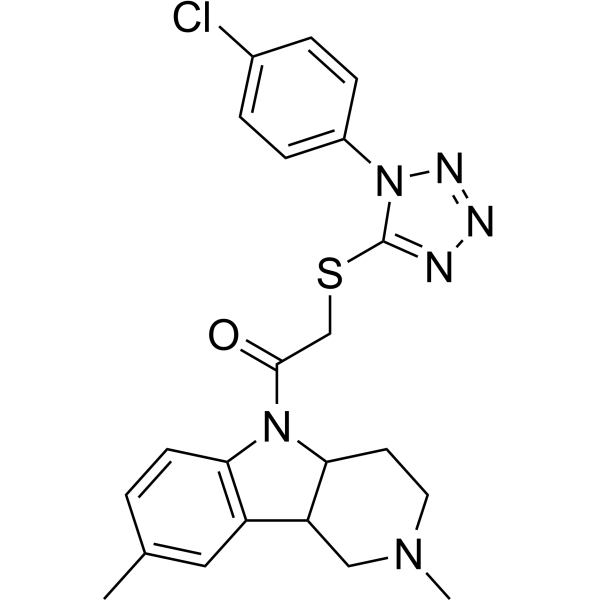
(rac)-AG-205 is a potent inhibitor of progesterone receptor membrane component 1 (Pgrmc1) that induces genes involved in sterol synthesis, including the INSIG1 protein, which forms a complex with PGRMC1. (rac)-AG-205 prevents neuronal resistance to hypoxic ischaemia by blocking NF-kB signalling and activation of the BDNF/PI3K/AKT pathway .
|
-
-
- HY-N1238
-
|
Δ4-SitoSterol-3-one; β-RosaSterol oxide
|
Tyrosinase
Endogenous Metabolite
|
Cancer
|
|
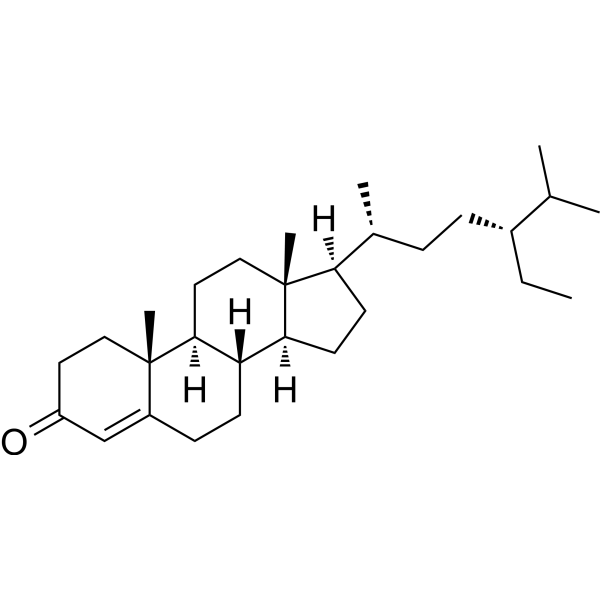
β-Sitostenone is a sterols that can be isolated from Cochlospermum vitifolium.β-Sitostenone inhibits tyrosinase activity, and has anti-melanogenic and anti-tumor activities .
|
-
-
- HY-B0165CS
-
-
-
- HY-17640
-
|
|
Fatty Acid Synthase (FASN)
Autophagy
|
Metabolic Disease
|
|
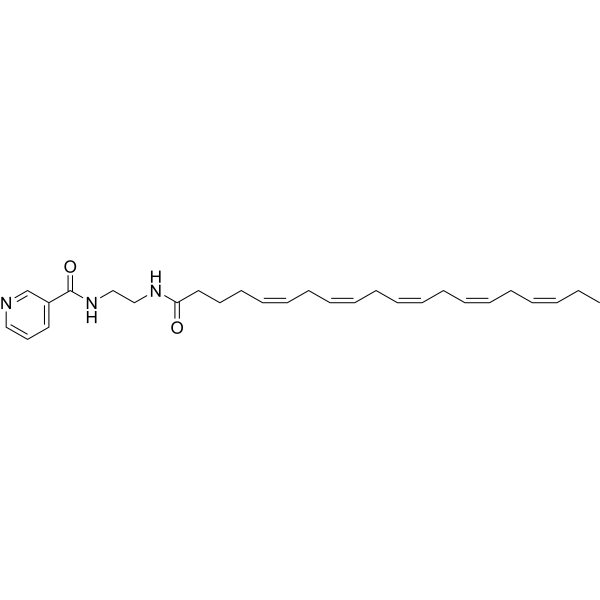
Nicodicosapent is a fatty acid niacin conjugate that is also an inhibitor of the sterol regulatory element binding protein (SREBP), a key regulator of cholesterol metabolism proteins such as PCSK9, HMG-CoA reductase, ATP citrate lyase, and NPC1L1.
|
-
-
- HY-B2097
-
|
YM 175; Bisphonal
|
Farnesyl Transferase
|
Metabolic Disease
|
|
Incadronate disodium (YM 175) is a bisphosphonate with strong inhibitory activity on bone resorption. Incadronate disodium indirectly stimulates renal 25-hydroxyvitamin D-1-hydroxylase by increasing circulating parathyroid hormone. Incadronate disodium, a cholesterol-lowering agent, is a potent inhibitor of rat liver microsomal squalene synthase (Ki=57 nM). Incadronate disodium inhibits sterol biosynthesis in mouse macrophage J774 cells (IC50=64 μM). Incadronate disodium has the potential for malignant tumors research .
|
-

-
- HY-161844
-
|
|
SARS-CoV
Dengue Virus
|
Infection
|
|
Virapinib is a macropinocytosis inhibitor with antiviral activity. Virapinib exhibits broad-spectrum antiviral activity against SARS-CoV-2, monkeypox virus, tick-borne encephalitis virus, and Ebola pseudotyped vesicular stomatitis virus, and it enhances Dengue Virus infection. Virapinib blocks viral entry by inhibiting macropinocytosis, reduces syncytium formation in SARS-CoV-2-infected cells, and impairs cellular entry of SARS-CoV-2 variants. Virapinib upregulates the expression of genes related to sterol biosynthesis. Virapinib can be used in studies related to COVID-19, monkeypox, tick-borne encephalitis, and Ebola virus infection .
|
-

-
- HY-135761R
-
|
|
Reference Standards
Fungal
Cholinesterase (ChE)
|
Infection
Neurological Disease
|
|
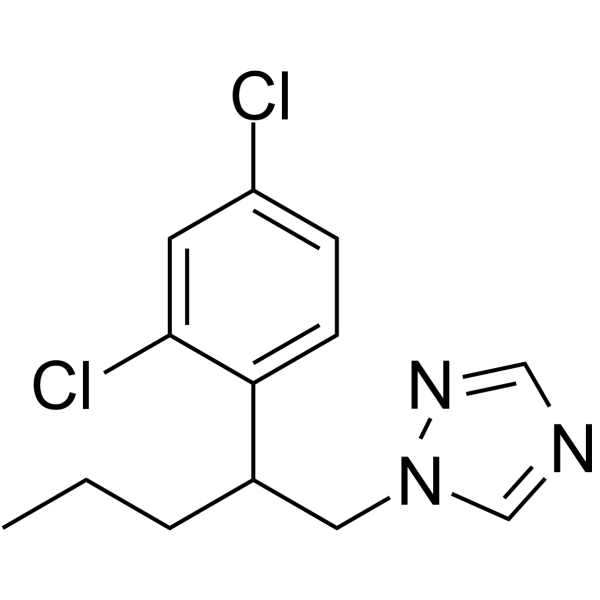
Penconazole (Standard) is the analytical standard of Penconazole. This product is intended for research and analytical applications. Penconazole is a typical triazole fungicide, and mainly applied on apples, grapes, and vegetables to control powdery mildew. Penconazole inhibits sterol biosynthesis in fungi. Penconazole decrease AChE activity in the cerebrum and cerebellum of rats .
|
-

-
- HY-14282A
-
|
|
Fungal
|
Infection
Inflammation/Immunology
|
|
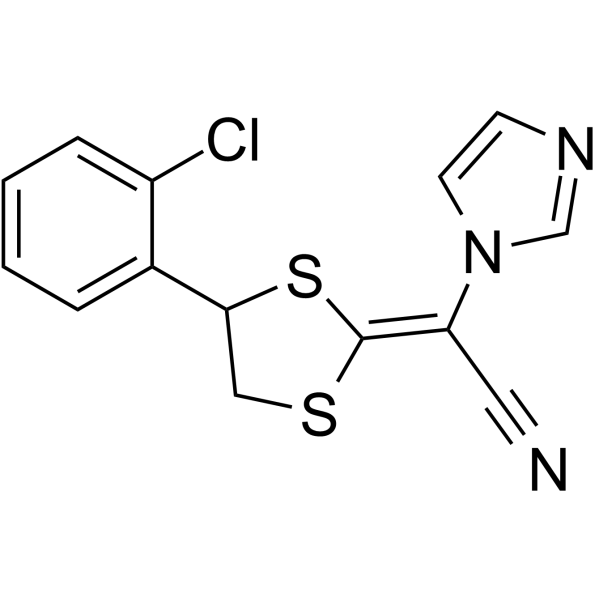
(Z)-Lanoconazole is the Z configuration of Lanoconazole. Lanoconazole is a potent and orally active imidazole antifungal agent, shows a broad spectrum of activity against fungi in vitro and in vivo . Lanoconazole interferes with ergosterol biosynthesis by inhibiting sterol 14-alpha demethylase and blocking fungal membrane ergosterol biosynthesis. Lanoconazole can be used for the investigation of dermatophytosis and onychomycosis .
|
-
-
- HY-W329835
-
|
|
Fungal
|
Infection
|
|
Fenbuconazole is a triazole fungicide that has fungicidal activity through inhibiting sterol biosynthesis. Fenbuconazole is an inhibitor of human aromatase activity in human choriocarcinoma JEG-3 cell line. Fenbuconazole can result in a significant increase in DNA damage in Allium cepa root cells. Fenbuconazole significantly increases the abnormal cell frequency in vitro. Fenbuconazole exhibits ED50 of 0.21 μg/mL with M.citri and 1.01 μg/mL with C. acutatum .
|
-

-
- HY-128033R
-
|
|
Fungal
Reference Standards
|
Infection
|
|
Fenpropimorph (Standard) is the analytical standard of Fenpropimorph. This product is intended for research and analytical applications. Fenpropimorph is a fungicide that inhibits the sterol pathway. Fenpropimorph inhibits δ8-δ7-sterol isomerase in yeast at low concentrations, with δ14-sterol reductase being blocked at higher levels, preventing the biosynthesis of ergosterol. Fenpropimorph also inhibits sterol synthesis in certain plants and mammalian cells .
|
-

-
- HY-N10306
-
|
|
α-synuclein
|
Neurological Disease
|
|
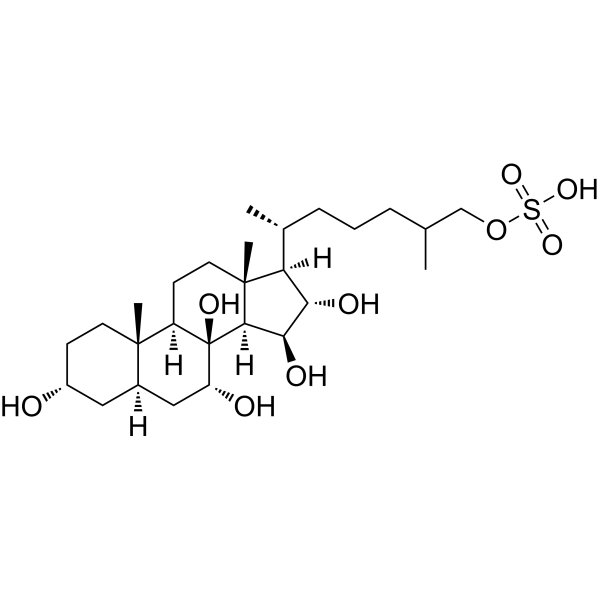
Sycosterol A is a sterol-based α-synuclein (α-syn) inhibitor that targets α-synuclein aggregates and inhibits α-synuclein aggregation. Sycosterol A can be used in the study of anti-neurodegenerative diseases .
|
-
-
- HY-N0083R
-
-

-
- HY-124824
-
|
|
Glyoxalase (GLO)
|
Others
|
|
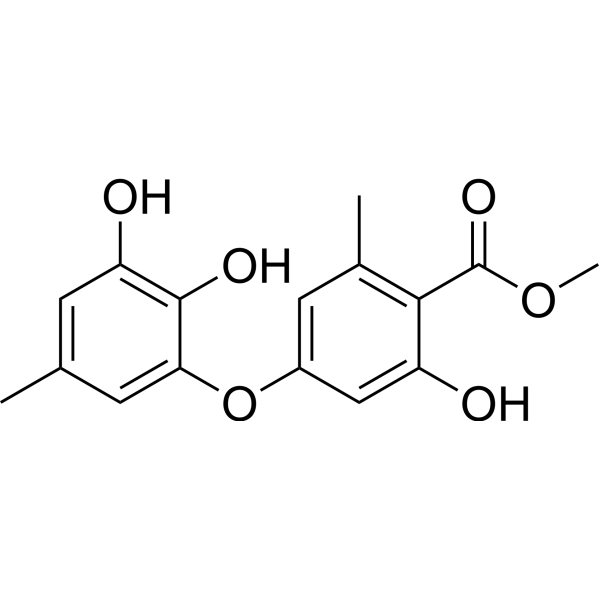
Methyl gerfelin inhibits osteoclast differentiation by binding 3 major cellular proteins: glyoxalase 1 (GLO1), sterol binding protein 2 (SCP2), and small glutamine-rich tetratricopeptide repeat containing protein A (SGTA). Methyl gerfelin is a potent GLO1 inhibitor related to the flavonoid class .
|
-
-
- HY-178162
-
|
|
Fungal
Cytochrome P450
|
Infection
|
|
CYP51-IN-27 is a sterol 14α-demethylase CYP51 inhibitor with an IC50 of 0.3434 μg/mL. CYP51-IN-27 exhibits antifungal activity and inhibits the production of fungal ergosterol. CYP51-IN-27 can be used for the research of infection, such as rice sheath blight .
|
-

-
- HY-N0083G
-
|
Trochol
|
Endogenous Metabolite
Apoptosis
Fatty Acid Synthase (FASN)
|
Cancer
|
|
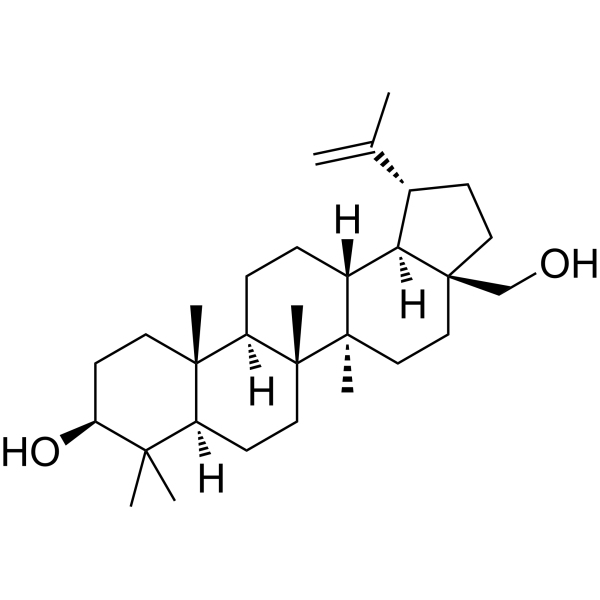
Betulin (GMP) (Trochol (GMP)) is Betulin (HY-N0083) produced by using GMP guidelines. GMP small molecules works appropriately as an auxiliary reagent for cell therapy manufacture. Betulin (Trochol), is a sterol regulatory element-binding protein (SREBP) inhibitor with an IC50 of 14.5 μM in K562 cell line.
|
-

-
- HY-N7264R
-
-

-
- HY-117219
-
|
|
Cytochrome P450
HMG-CoA Reductase (HMGCR)
Endogenous Metabolite
|
Metabolic Disease
|
|
SKF 104976 is a 3,2-carboxylic acid derivative with potent 14-alpha-demethylase (14 alpha DM) inhibitory activity. SKF 104976 inhibited 14 alpha DM activity by 50% at 2 nM in Hep G2 cell extracts. SKF 104976 inhibited the incorporation of [14C]acetate into cholesterol in intact cells at similar concentrations, accompanied by accumulation of lanosterol, and resulted in a 40-70% decrease in 3-hydroxy-3-methylglutaryl-CoA reductase (HMGR) activity. SKF 104976 did not affect the uptake and degradation of low-density lipoprotein in Hep G2 cells, indicating that HMGR and low-density lipoprotein receptor activities are not coordinately regulated under these conditions. The inhibitory effect of SKF 104976 on HMGR activity remained unchanged even when the flux of carbon units in the sterol synthesis pathway was reduced by 80%. SKF 104976 did not inhibit HMGR activity under conditions where sterol synthesis was almost completely blocked by lovastatin .
|
-

- HY-B1734
-
|
16-DPA
|
FXR
5 alpha Reductase
Cytochrome P450
Drug Intermediate
|
Cardiovascular Disease
Cancer
|
|
16-Dehydropregnenolone acetate (16-DPA), a sterols compound, is an orally active 17α-hydroxylase and 5α-reductase inhibitor. 16-Dehydropregnenolone is also a potent bile acid receptor (BAR)/farnesoid X receptor (FXR) antagonist. 16-Dehydropregnenolone hypolipidemic and anticancer effects. 16-Dehydropregnenolone acetate (16-DPA) is the drug intermediate that can be used for synthesis of Dexamethasone (HY-14648) and related other steroidal pharmacophores .
|
-

- HY-107738R
-
|
Z/E-Guggulsterone (Standard)
|
Apoptosis
JNK
Akt
Caspase
FXR
Autophagy
Reference Standards
|
Cancer
|
|
Guggulsterone (Standard) is the analytical standard of Guggulsterone (HY-107738). This product is intended for research and analytical applications. Guggulsterone is a plant sterol derived from the gum resin of the tree Commiphora wightii. Guggulsterone inhibits the growth of a wide variety of tumor cells and induces apoptosis through down regulation of antiapoptotic gene products (IAP1, xIAP, Bfl-1/A1, Bcl-2, cFLIP and survivin), modulation of cell cycle proteins (cyclin D1 and c-Myc), activation of caspases and JNK, inhibition of Akt. Guggulsterone, a farnesoid X receptor (FXR) antagonist, with IC50s of 24.06 μM and 39.05 μM for (-)-(E)-Guggulsterone (HY-N7781) and (Z)-Guggulsterone (HY-110066), respectively.
|
-

- HY-126200R
-
|
|
Reference Standards
Fungal
|
Infection
|
|
Fenpropidin (Standard) is the analytical standard of Fenpropidin (HY-126200). This product is intended for research and analytical applications. Fenpropidin, a piperidine, is a fungicide used to control a range of diseases in cereals. Fenpropidin shows antifungal activity against different human pathogenic yeasts and filamentous fungi .
|
-

- HY-130752
-
|
|
Cytochrome P450
Parasite
|
Infection
|
|
VNI is an effective inhibitor of CYP51. VNI can inhibit sterol synthesis in Trypanosoma cruzi, exhibiting anti-Trypanosoma cruzi activity .
|
-

- HY-172024
-
|
|
Fatty Acid Synthase (FASN)
|
Cancer
|
|
Betulin ditosylate is a derivative of Betulin (HY-N0083). Betulin is a sterol regulatory element-binding protein (SREBP) inhibitor .
|
-

- HY-160804
-
|
|
Drug Intermediate
|
Cancer
|
|
Desmethyl nevanimibe (Compound 5) is the demethyl precursor of the sterol O-acyltransferase 1 (SOAT1) inhibitor Nevanimibe (PD-132301) .
|
-

- HY-16719
-
|
|
Cytochrome P450
|
Infection
|
|
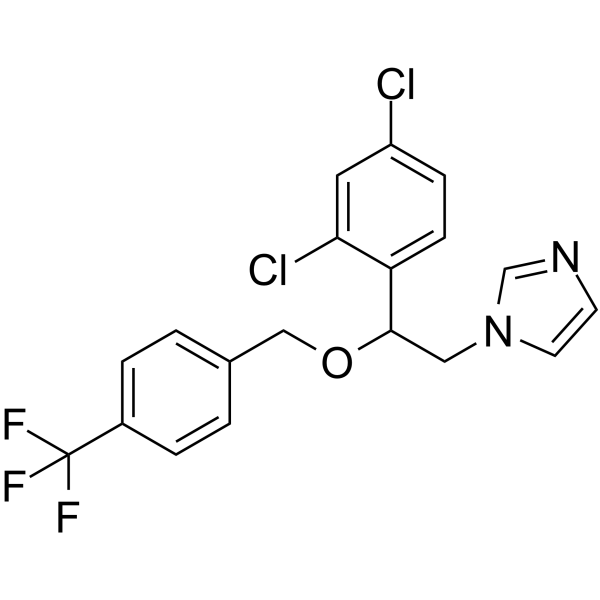
Dapaconazole, as an antifungal agent, inhibits sterol 14α-demethylase cytochrome P450 activity with an IC50 of 1.4 μM .
|
-
- HY-17396S
-
|
KP363-13C,d3 hydrochloride
|
Isotope-Labeled Compounds
Fungal
Antibiotic
|
Infection
|
|
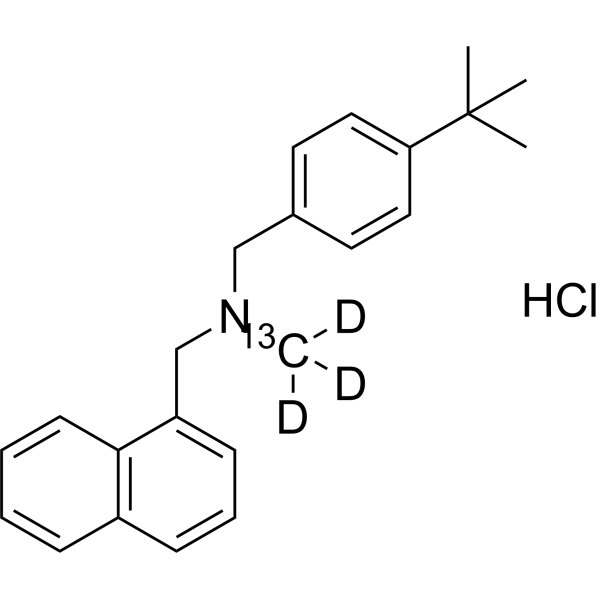
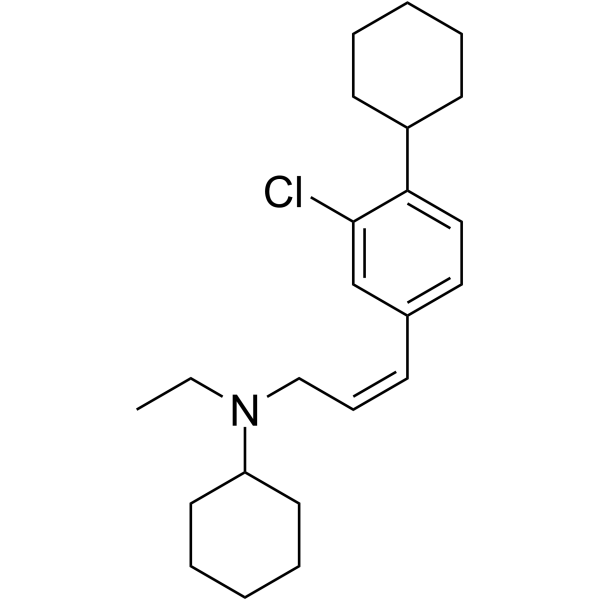
Butenafine- 13C,d3 (hydrochloride) is the 13C- and deuterium labeled. Butenafine Hydrochloride (KP363 Hydrochloride) is a synthetic benzylamine antifungal, works by inhibiting the synthesis of sterols by inhibiting squalene epoxidase.
|
-
- HY-N0082R
-
|
Praeruptorin D (Standard)
|
Reference Standards
Fatty Acid Synthase (FASN)
|
Metabolic Disease
|
|
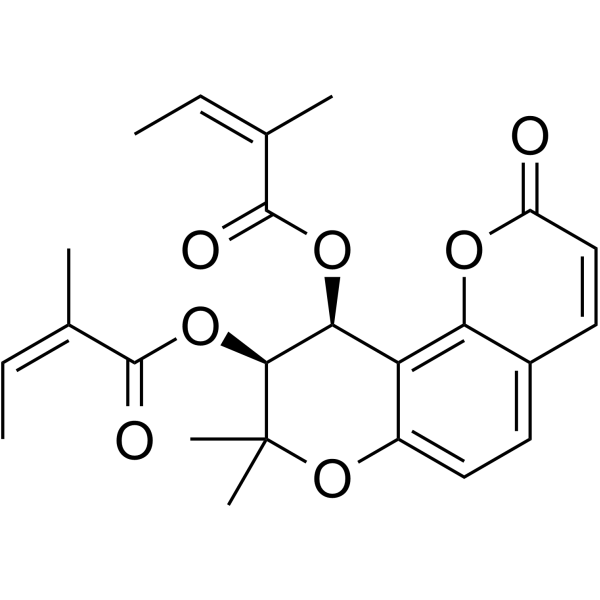
Praeruptorin B (Standard) is the analytical standard of Praeruptorin B. This product is intended for research and analytical applications. Praeruptorin B is an inhibitor of sterol regulatory element-binding proteins (SREBPs).
|
-

- HY-13751A
-
|
|
Sigma Receptor
|
Inflammation/Immunology
|
|
SR-31747 free base is a sigma ligand with immunosuppressive and anti-inflammatory properties. SR-31747 blocks cell proliferation by inhibiting sterol isomerase .
|
-
- HY-158728
-
|
|
Drug Derivative
|
Others
|
|
28-Deoxybetulin methyleneamine (compound 36) is a derivative of Betulin. Betulin (HY-N0083) is a sterol regulatory element-binding protein (SREBP) inhibitor .
|
-

- HY-172025
-
|
|
Fatty Acid Synthase (FASN)
|
Cancer
|
|
28-Acetyl-2,3-indolobetulin is a derivative of Betulin (HY-N0083). Betulin is a sterol regulatory element-binding protein (SREBP) inhibitor .
|
-

- HY-B0165AS
-
-
- HY-B0165S
-
-
- HY-118065R
-
|
KBR 2738 (Standard)
|
Reference Standards
Fungal
Estrogen Receptor/ERR
PI3K
|
Infection
Cancer
|
|
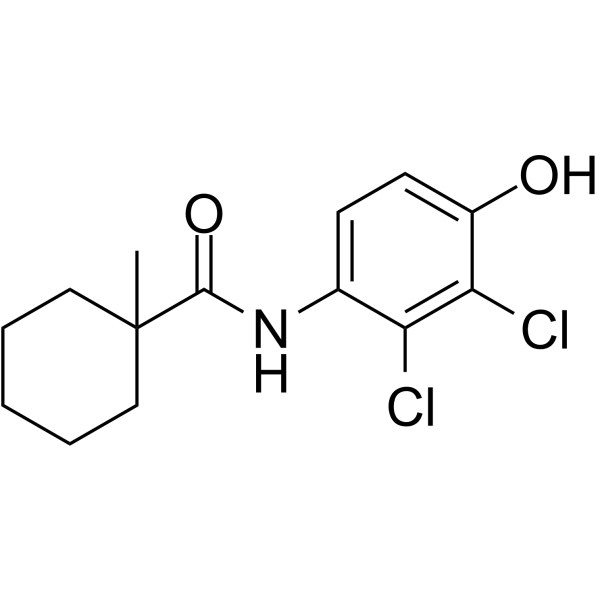
Fenhexamid (Standard) is the analytical standard of Fenhexamid. This product is intended for research and analytical applications. Fenhexamid, a botryticide, is a sterol biosynthesis inhibitor. Fenhexamid shows fungicide efficient against the plant pathogenic fungus Botryotinia fuckeliana (Botrytis cinerea) .
|
-

- HY-W701943
-
|
|
Isotope-Labeled Compounds
Fungal
PI3K
Estrogen Receptor/ERR
|
Cancer
|
|
Fenhexamid-d10 is the deuterium labeled Fenhexamid (HY-118065). Fenhexamid, a botryticide, is a sterol biosynthesis inhibitor. Fenhexamid shows fungicide efficient against the plant pathogenic fungus Botryotinia fuckeliana (Botrytis cinerea) .
|
-

- HY-B0850S
-
|
|
Isotope-Labeled Compounds
Fungal
|
Infection
|
|
Difenoconazole-d6 (hydrochloride) is deuterium labeled Difenoconazole. Difenoconazole is a sterol demethylation inhibitor, as a fungicide. Difenoconazole binds the heme portion of the fungal cytochrome P450 51, interferes the mycelial growth and inhibits the spore germination of pathogens, suppressing fungal growth .
|
-

- HY-N0083S
-
-

- HY-N0083S2
-
-

- HY-130772
-
|
|
Antibiotic
Fungal
|
Infection
|
|
Filipin II is an antibiotic, which exhibits antifungal efficacy. Filipin II interacts with membrane sterols, leads to changes in membrane structure, inhibits Candida utilis and Saccharomyces cerevisiae with the MIC of 0.03 mg/L and 0.2 μg/L .
|
-

- HY-W743674
-
|
|
Isotope-Labeled Compounds
Fungal
|
Infection
|
|
Difenoconazole-d6 is the deuterium labeled Difenoconazole (HY-B0850). Difenoconazole is a sterol demethylation inhibitor, as a fungicide. Difenoconazole binds the heme portion of the fungal cytochrome P450 51, interferes the mycelial growth and inhibits the spore germination of pathogens, suppressing fungal growth .
|
-

- HY-D2336
-
|
|
PROTACs
|
Cancer
|
|
PROTAC Aster-A degrader-1 (compound NGF3) is a degrader of the sterol transport protein Aster-A. PROTAC Aster-A degrader-1 can be used as a fluorescence probe. (Red: Aster-A inhibitor, black: linker, Blue: E3 ligase ligand) .
|
-

- HY-135761S
-
|
|
Fungal
Cholinesterase (ChE)
|
Infection
|
|
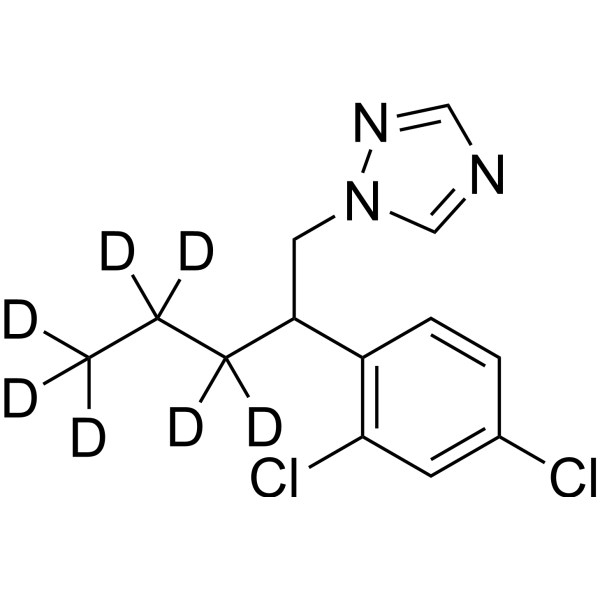
Penconazole-d7 is the deuterium labeled Penconazole . Penconazole is a typical triazole fungicide, and mainly applied on apples, grapes, and vegetables to control powdery mildew. Penconazole inhibits sterol biosynthesis in fungi. Penconazole decrease AChE activity in the cerebrum and cerebellum of rats .
|
-
- HY-163631
-
|
|
Fungal
Endogenous Metabolite
|
Infection
|
|
Antibacterial agent 218 (compound d28) is an orally active sterol 24-C-Methyltransferase inhibitor with the IC50 of 0.273 μM. Antibacterial agent 218 shows antifungal activity against the C.albicans SC5314 with the IC50 of 0.25 μg/mL .
|
-

- HY-123457
-
|
|
Fungal
|
Infection
|
|
PF-1163A is an antifungal agent that inhibits Ergosterol (HY-N0181) synthesis (IC50 = 12 ng/mL), which is found in a fermentation broth of Penicillium sp. PF-1163A also inhibits C-4 sterol methyl oxidase with an MIC value of 12.5 µg/mL .
|
-

- HY-B0846S
-
|
|
Fungal
Androgen Receptor
Parasite
|
Infection
|
|
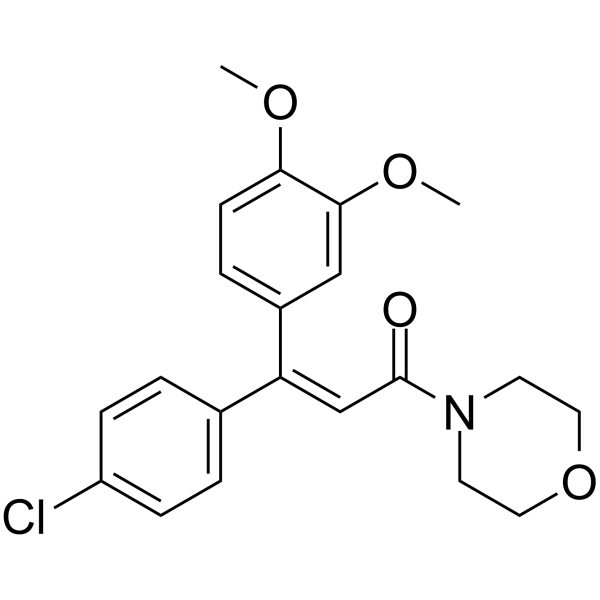
Dimethomorph-d8 is the deuterium labeled Dimethomorph . Dimethomorph is a fungicide belongs to the fungicide group of sterol biosynthesis inhibitor. Dimethomorph can inhibit fungal cell wall formation. Dimethomorph also inhibits androgen receptor (AR) activity in MDA-kb2 cells with an IC20 of 0.263 μM .
|
-
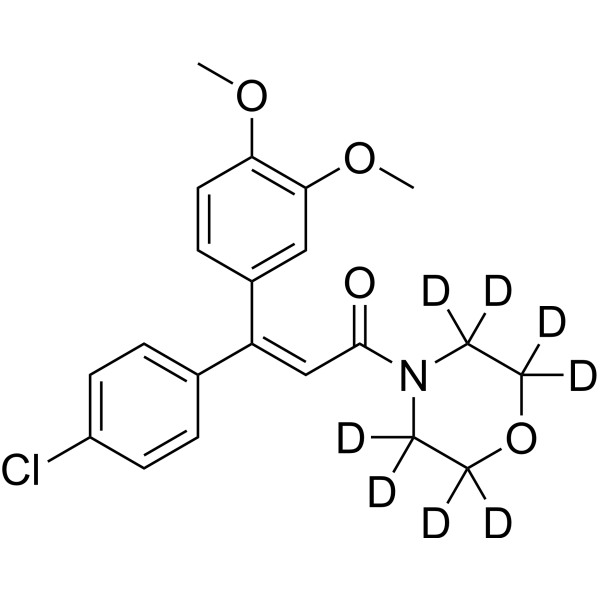
- HY-B0846R
-
|
|
Reference Standards
Fungal
Androgen Receptor
Parasite
|
Infection
|
|
Dimethomorph (Standard) is the analytical standard of Dimethomorph. This product is intended for research and analytical applications. Dimethomorph is a fungicide belongs to the fungicide group of sterol biosynthesis inhibitor. Dimethomorph can inhibit fungal cell wall formation. Dimethomorph also inhibits androgen receptor (AR) activity in MDA-kb2 cells with an IC20 of 0.263 µM .
|
-

- HY-113725
-
|
|
HMG-CoA Reductase (HMGCR)
|
Others
|
|
L 668411 is a β-lactone inhibitor with activity against 3-hydroxy-3-methylglutaryl-CoA synthase and cholesterol biosynthesis. L 668411 inhibits rat liver cytosolic 3-hydroxy-3-methylglutaryl-CoA synthase and [14C] acetate incorporation into sterols in cultured Hep G2 cells, and the inhibition appears to be irreversible in cells but reversible in cultured cells and animals.
|
-

- HY-N0410R
-
|
Eleutheroside A (Standard); β-SitoSterol β-D-glucoside (Standard)
|
Reference Standards
Apoptosis
Reactive Oxygen Species (ROS)
Autophagy
|
Inflammation/Immunology
Cancer
|
|
Daucosterol (Standard) is the analytical standard of Daucosterol. This product is intended for research and analytical applications. Daucosterol is an orally active natural sterol compound, which has anti-inflammatory, anticancer and immunomodulatory activities. Daucosterol inhibits cancer cell proliferation by inducing autophagy through ROS-dependent manner. Daucosterol also inhibits colon cancer growth by inducing apoptosis, inhibiting cell migration and invasion and targeting caspase signalling pathway .
|
-

- HY-14282R
-
|
|
Reference Standards
Fungal
|
Infection
Inflammation/Immunology
|
|
Lanoconazole (Standard) is the analytical standard of Lanoconazole. This product is intended for research and analytical applications. Lanoconazole is a potent and orally active imidazole antifungal agent, shows a broad spectrum of activity against fungi in vitro and in vivo . Lanoconazole interferes with ergosterol biosynthesis by inhibiting sterol 14-alpha demethylase and blocking fungal membrane ergosterol biosynthesis. Lanoconazole can be used for the investigation of dermatophytosis and onychomycosis .
|
-

- HY-W422288
-
|
(Rac)-Ketoconazol; (Rac)-R 41400
|
Fungal
Cytochrome P450
|
Infection
|
|
(Rac)-Ketoconazole ((Rac)-R 41400) is an antifungal imidazole compound with oral activity. (Rac)-Ketoconazole interferes with ergosterol synthesis by inhibiting cytochrome P450-dependent 14α-sterol demethylase (CYP51), a key enzyme on the fungal cell membrane, leading to membrane dysfunction and ultimately inhibition of fungal growth and reproduction. (Rac)-Ketoconazole is indicated for studies of fungal infections .
|
-

- HY-176210
-
|
|
Fungal
Cytochrome P450
|
Infection
|
|
CYP51-IN-24 (Compound 22) is a Sterol 14α-Demethylase (CYP51) inhibitor. CYP51-IN-24 exhibits potent inhibitory activity against wild-type and drug-resistant fungi. CYP51-IN-24 inhibits ergosterol biosynthesis by binding to the fungal CYP51 enzyme. CYP51-IN-24 can be used in research and drug development against drug-resistant fungal infections .
|
-

- HY-N7255R
-
|
|
Reference Standards
p38 MAPK
Apoptosis
|
Cancer
|
|
Cycloartenol (Standard) is the analytical standard of Cycloartenol. This product is intended for research and analytical applications. Cycloartenol, a phytosterol compound, is one of the key precusor substances for biosynthesis of numerous sterol compounds. Cycloartenol inhibits the migration of glioma cells and suppresses the phosphorylation of the p38 MAP kinase. Cycloartenol has a variety of pharmacological activities such as anti-inflammatory, anti-tumor, antioxidant, antibiosis and anti-alzheimer's disease. Cycloartenol also plays an important role in the process of plant growth and development .
|
-

- HY-118843
-
|
|
Potassium Channel
|
Infection
|
|
Lombazole is an antimicrobial compound with activity that inhibits cell membrane synthesis. Lombazole had little effect on K+ permeability in S. aureus. Lombazole inhibited only de novo synthesis of cell enclosure in S. aureus, and this effect occurred before growth was affected. The main effect of lombazole was through inhibition of lipid synthesis. Lombazole may have an effect on key steps in lipid biosynthesis, as inferred from the lack of changes in lipid patterns after treatment. Lombazole also inhibited the sterol C-14 demethylation step in Candida albicans .
|
-

- HY-135223
-
|
|
Bacterial
|
Infection
|
|
Chondrillasterol is a sterol that can be isolated from Vernonia adoensis. Chondrillasterol exhibits antibacterial activity. Chondrillasterol inhibits growth of Staphylococcus aureus, Klebsiella pneumoniae, and Pseudomonas aeruginosa. Chondrillasterol inhibits formation of bacterial biofilms. Chondrillasterol can be used for the research of bacterial infections .
|
-

- HY-137983
-
|
3-Acetylbetulin
|
Drug Metabolite
|
Endocrinology
|
|
3-O-Acetylbetulin is a derivative of Betulin (HY-N0083), a sterol regulatory element-binding protein (SREBP) inhibitor. 3-O-Acetylbetulin can be utilized in synthesis of other betulin derivatives .
|
-

- HY-16620
-
|
|
Endogenous Metabolite
|
Metabolic Disease
|
|
DF 461 is a sterol synthase inhibitor with significant inhibitory activity. DF 461 shows high selectivity for the liver and can effectively inhibit cholesterol synthesis in rat liver. DF 461 has shown the effect of lowering plasma lipids in repeated dosing studies in non-rodents .
|
-

- HY-34544R
-
|
|
Reference Standards
Others
|
Others
|
|
Daucosterol (Standard) is the analytical standard of Daucosterol. This product is intended for research and analytical applications. Daucosterol is an orally active natural sterol compound, which has anti-inflammatory, anticancer and immunomodulatory activities. Daucosterol inhibits cancer cell proliferation by inducing autophagy through ROS-dependent manner. Daucosterol also inhibits colon cancer growth by inducing apoptosis, inhibiting cell migration and invasion and targeting caspase signalling pathway .
|
-

- HY-N17565
-
|
|
Others
|
Metabolic Disease
|
|
5a,9a-Epidioxy-8b,14b-epoxy-(22E)-ergosta-6,22-dien-3b-ol is a sterol that can be found in the edible mushroom Grifola gargal. 5a,9a-Epidioxy-8b,14b-epoxy-(22E)-ergosta-6,22-dien-3b-ol suppresses osteoclast formation without exhibiting cytotoxicity. 5a,9a-Epidioxy-8b,14b-epoxy-(22E)-ergosta-6,22-dien-3b-ol can be used for the research of osteoporosis .
|
-

- HY-180460
-
|
|
Insecticide
|
Others
|
|
SCPI-1 is a potent and competitive mosquito sterol carrier protein-2 (SCP-2) inhibitor (AeSCP-2 IC50 = 0.347 µM; AeSCP-x IC50 = 0.527 µM). SCPI-1 exhibits physiological effects on cholesterol metabolism in cultured insect cells (IC50 of 5.53 µM in Aag-2 cells). SCPI-1 shows insecticidal activity against Aedes aegypti with a LD50 of 4.8 µM .
|
-

- HY-180500
-
|
|
Insecticide
|
Others
|
|
SCPI-3 is a potent and competitive mosquito sterol carrier protein-2 (SCP-2) inhibitor (AeSCP-2 IC50 = 0.159 µM; AeSCP-x IC50 = 0.285 µM). SCPI-3 exhibits physiological effects on cholesterol metabolism in cultured insect cells (IC50 of 3.09 µM in Aag-2 cells). SCPI-3 shows insecticidal activity against Aedes aegypti with a LD50 of 12.3 µM .
|
-

- HY-107420S
-
|
|
Isotope-Labeled Compounds
Endogenous Metabolite
|
Metabolic Disease
|
|
AY 9944-d8 is the deuterium labeled AY 9944 (HY-107420). AY 9944 is a specific cholesterol biosynthesis inhibitor. AY 9944 inhibits the 7-dehydro cholesterol Δ7-reductase (DHCR7) enzyme with an IC50 of 13 nM. AY 9944 causes hypocholesterolemia and accumulation of 7DHC. At high doses, AY 9944 inhibits also in cultured embryos sterol Δ7-Δ8 isomerase, which causes the accumulation of cholest-8-en-3β-ol.
|
-

- HY-107420R
-
|
|
Endogenous Metabolite
Reference Standards
|
Metabolic Disease
|
|
AY 9944 (Standard) is the analytical standard of AY 9944 (HY-107420). This product is intended for research and analytical applications. AY 9944 is a specific cholesterol biosynthesis inhibitor. AY 9944 inhibits the 7-dehydro cholesterol Δ7-reductase (DHCR7) enzyme with an IC50 of 13 nM. AY 9944 causes hypocholesterolemia and accumulation of 7DHC. At high doses, AY 9944 inhibits also in cultured embryos sterol Δ7-Δ8 isomerase, which causes the accumulation of cholest-8-en-3β-ol .
|
-

- HY-135442
-
|
|
Fungal
|
Infection
|
|
Simeconazole is a demethylation inhibitor-class fungicide. Simeconazole prevents the infection of barley leaves by Blumeria graminis f sp hordei, inhibits the development of powdery mildew on barley and cucumber leaves, and exhibits cuticular membrane permeability in tomato fruits. Simeconazole can be used in research related to barley powdery mildew and cucumber powdery mildew .
|
-

| Cat. No. |
Product Name |
Type |
-
- HY-N0083G
-
|
Trochol
|
Fluorescent Dyes
|
|
Betulin (GMP) (Trochol (GMP)) is Betulin (HY-N0083) produced by using GMP guidelines. GMP small molecules works appropriately as an auxiliary reagent for cell therapy manufacture. Betulin (Trochol), is a sterol regulatory element-binding protein (SREBP) inhibitor with an IC50 of 14.5 μM in K562 cell line.
|
-
- HY-D2336
-
|
|
Fluorescent Dyes
|
|
PROTAC Aster-A degrader-1 (compound NGF3) is a degrader of the sterol transport protein Aster-A. PROTAC Aster-A degrader-1 can be used as a fluorescence probe. (Red: Aster-A inhibitor, black: linker, Blue: E3 ligase ligand) .
|
| Cat. No. |
Product Name |
Type |
-
- HY-N0083G
-
|
Trochol
|
Biochemical Assay Reagents
|
|
Betulin (GMP) (Trochol (GMP)) is Betulin (HY-N0083) produced by using GMP guidelines. GMP small molecules works appropriately as an auxiliary reagent for cell therapy manufacture. Betulin (Trochol), is a sterol regulatory element-binding protein (SREBP) inhibitor with an IC50 of 14.5 μM in K562 cell line.
|
-
- HY-K1052
-
2 Publications Verification
|
|
MCE Amphotericin B, Sterile (250 μg/mL) is a filtered and sterilized antibiotic solution that can be used directly in cell culture. Amphotericin B is a polyene antifungal antibiotic produced by Streptomyces nodosus. It can bind with sterols to form transmembrane channels, resulting in the leakage of intracellular substances, thus inhibiting fungal and yeast contamination.
|
| Cat. No. |
Product Name |
Category |
Target |
Chemical Structure |
-
- HY-107738
-
Guggulsterone
Maximum Cited Publications
21 Publications Verification
Z/E-Guggulsterone
|
Triterpenes
Structural Classification
Classification of Application Fields
Terpenoids
Plants
Burseraceae
Disease Research Fields
Commiphora wightii
Cancer
|
Apoptosis
JNK
Akt
Caspase
FXR
Autophagy
|
|
Guggulsterone is a plant sterol derived from the gum resin of the tree Commiphora wightii. Guggulsterone inhibits the growth of a wide variety of tumor cells and induces apoptosis through down regulation of antiapoptotic gene products (IAP1, xIAP, Bfl-1/A1, Bcl-2, cFLIP and survivin), modulation of cell cycle proteins (cyclin D1 and c-Myc), activation of caspases and JNK, inhibition of Akt . Guggulsterone, a farnesoid X receptor (FXR) antagonist, with IC50s of 24.06 μM and 39.05 μM for (-)-(E)-Guggulsterone (HY-N7781) and (Z)-Guggulsterone (HY-110066), respectively .
|
-
-
- HY-B0165A
-
-
-
- HY-N0083
-
-
-
- HY-N0410
-
-
-
- HY-N7264
-
-
-
- HY-113289
-
-
-
- HY-N7255
-
-
-
- HY-N1200
-
-
-
- HY-W510159
-
-
-
- HY-117832
-
-
-
- HY-B0165AR
-
-
-
- HY-N0082
-
-
-
- HY-N2221
-
-
-
- HY-N1238
-
-
-
- HY-N10306
-
-
-
- HY-N0083R
-
-
-
- HY-N7264R
-
-
-
- HY-107738R
-
|
Z/E-Guggulsterone (Standard)
|
Triterpenes
Structural Classification
Terpenoids
Plants
Burseraceae
Commiphora wightii
|
Apoptosis
JNK
Akt
Caspase
FXR
Autophagy
Reference Standards
|
|
Guggulsterone (Standard) is the analytical standard of Guggulsterone (HY-107738). This product is intended for research and analytical applications. Guggulsterone is a plant sterol derived from the gum resin of the tree Commiphora wightii. Guggulsterone inhibits the growth of a wide variety of tumor cells and induces apoptosis through down regulation of antiapoptotic gene products (IAP1, xIAP, Bfl-1/A1, Bcl-2, cFLIP and survivin), modulation of cell cycle proteins (cyclin D1 and c-Myc), activation of caspases and JNK, inhibition of Akt. Guggulsterone, a farnesoid X receptor (FXR) antagonist, with IC50s of 24.06 μM and 39.05 μM for (-)-(E)-Guggulsterone (HY-N7781) and (Z)-Guggulsterone (HY-110066), respectively.
|
-
-
- HY-N0082R
-
-
-
- HY-130772
-
-
-
- HY-N0410R
-
-
-
- HY-N7255R
-
|
|
Structural Classification
Microorganisms
other families
Plants
Steroids
Source Classification
|
Reference Standards
p38 MAPK
Apoptosis
|
|
Cycloartenol (Standard) is the analytical standard of Cycloartenol. This product is intended for research and analytical applications. Cycloartenol, a phytosterol compound, is one of the key precusor substances for biosynthesis of numerous sterol compounds. Cycloartenol inhibits the migration of glioma cells and suppresses the phosphorylation of the p38 MAP kinase. Cycloartenol has a variety of pharmacological activities such as anti-inflammatory, anti-tumor, antioxidant, antibiosis and anti-alzheimer's disease. Cycloartenol also plays an important role in the process of plant growth and development .
|
-
-
- HY-135223
-
-
-
- HY-34544R
-
|
|
Structural Classification
Natural Products
Endogenous metabolite
Source Classification
|
Reference Standards
Others
|
|
Daucosterol (Standard) is the analytical standard of Daucosterol. This product is intended for research and analytical applications. Daucosterol is an orally active natural sterol compound, which has anti-inflammatory, anticancer and immunomodulatory activities. Daucosterol inhibits cancer cell proliferation by inducing autophagy through ROS-dependent manner. Daucosterol also inhibits colon cancer growth by inducing apoptosis, inhibiting cell migration and invasion and targeting caspase signalling pathway .
|
-
-
- HY-N17565
-
|
|
Structural Classification
Microorganisms
Steroids
Source Classification
|
Others
|
|
5a,9a-Epidioxy-8b,14b-epoxy-(22E)-ergosta-6,22-dien-3b-ol is a sterol that can be found in the edible mushroom Grifola gargal. 5a,9a-Epidioxy-8b,14b-epoxy-(22E)-ergosta-6,22-dien-3b-ol suppresses osteoclast formation without exhibiting cytotoxicity. 5a,9a-Epidioxy-8b,14b-epoxy-(22E)-ergosta-6,22-dien-3b-ol can be used for the research of osteoporosis .
|
-
| Cat. No. |
Product Name |
Chemical Structure |
-
- HY-B0165CS
-
|
|
|
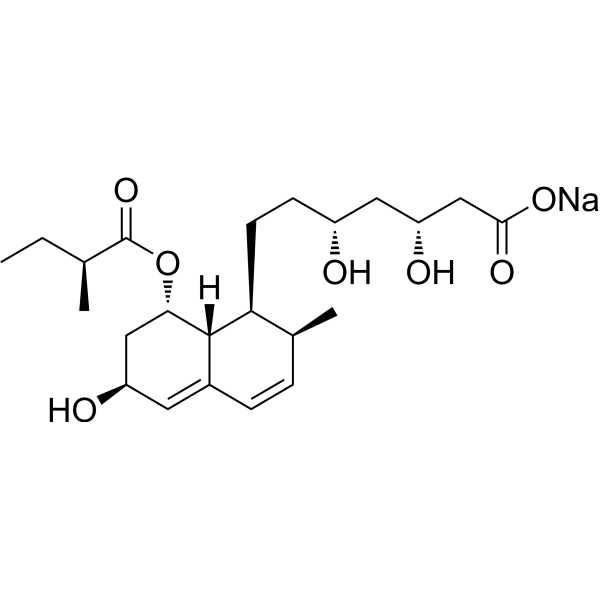
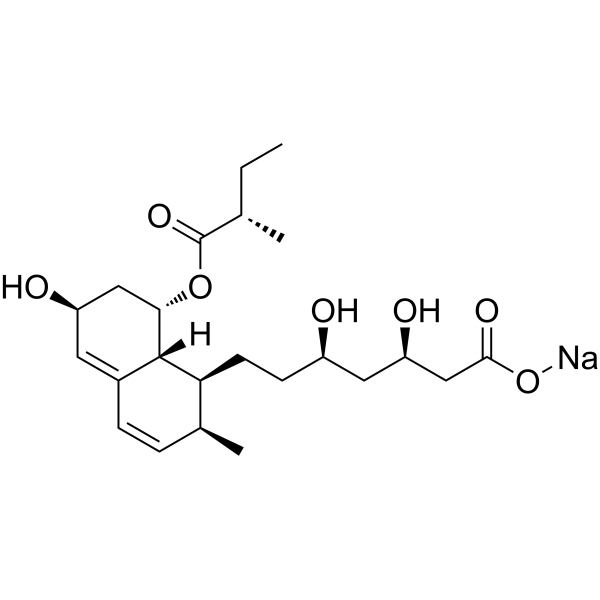
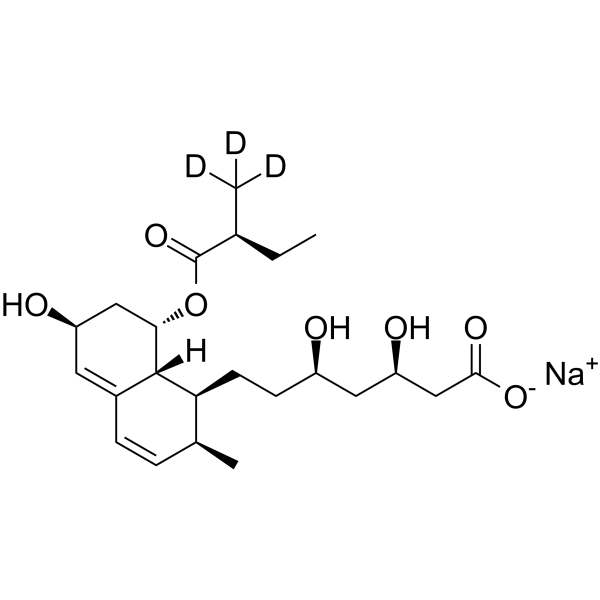
Pravastatin-d3 (sodium) is the deuterium labeled Pravastatin sodium salt. Pravastatin (CS-514) sodium salt is a competitive HMG-CoA reductase inhibitor against sterol synthesis with IC50 of 5.6 μM .
|
-
-
- HY-17396S
-
|
|
|
Butenafine- 13C,d3 (hydrochloride) is the 13C- and deuterium labeled. Butenafine Hydrochloride (KP363 Hydrochloride) is a synthetic benzylamine antifungal, works by inhibiting the synthesis of sterols by inhibiting squalene epoxidase.
|
-
-
- HY-B0165AS
-
|
|
|
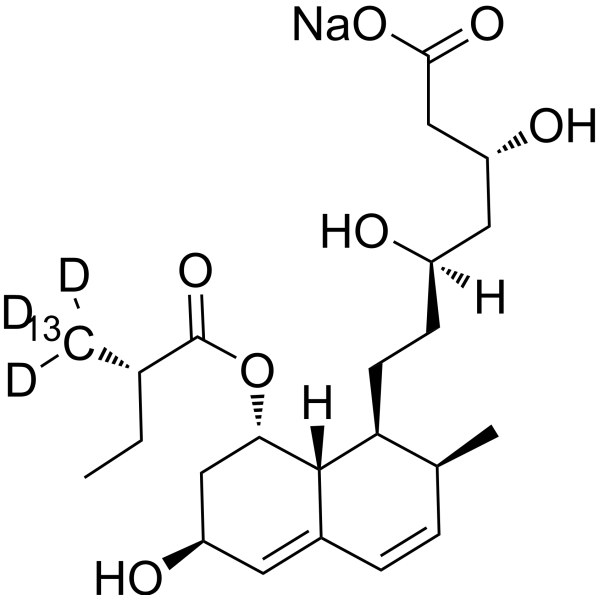
Pravastatin- 13C,d3 (sodium) is the 13C- and deuterium labeled Pravastatin (sodium). Pravastatin sodium (CS-514 sodium) is an HMG-CoA reductase inhibitor against sterol synthesis with IC50 of 5.6 μM.
|
-
-
- HY-B0165S
-
|
|
|
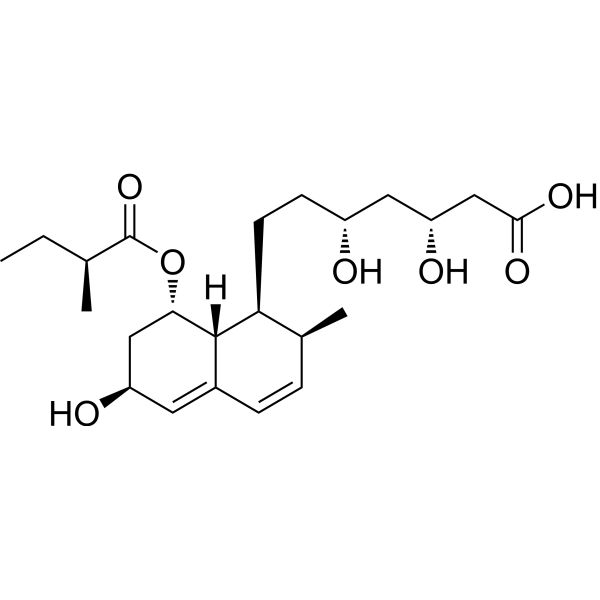
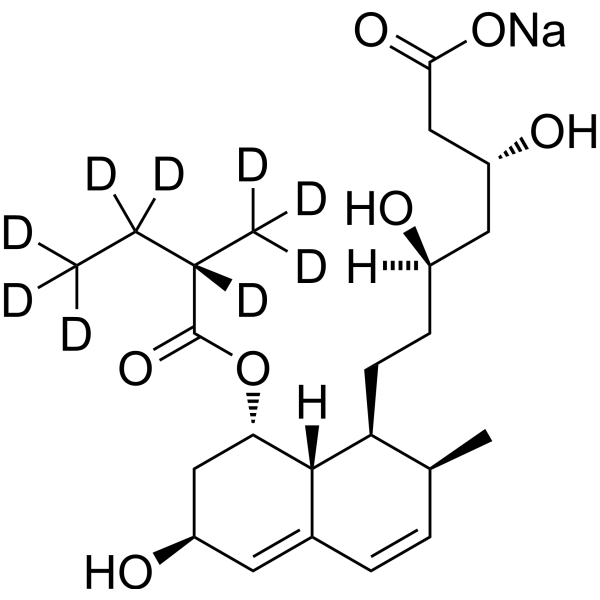
Pravastatin-d9 sodium is deuterated labeled Pravastatin (HY-B0165). Pravastatin (CS-514) is a competitive HMG-CoA reductase inhibitor against sterol synthesis with IC50 of 5.6 μM .
|
-
-
- HY-W701943
-
|
|
|
Fenhexamid-d10 is the deuterium labeled Fenhexamid (HY-118065). Fenhexamid, a botryticide, is a sterol biosynthesis inhibitor. Fenhexamid shows fungicide efficient against the plant pathogenic fungus Botryotinia fuckeliana (Botrytis cinerea) .
|
-
-
- HY-B0850S
-
|
|
|
Difenoconazole-d6 (hydrochloride) is deuterium labeled Difenoconazole. Difenoconazole is a sterol demethylation inhibitor, as a fungicide. Difenoconazole binds the heme portion of the fungal cytochrome P450 51, interferes the mycelial growth and inhibits the spore germination of pathogens, suppressing fungal growth .
|
-
-
- HY-N0083S
-
|
|
|
Betulin-d3 (Trochol-d3) is deuterium labeled Betulin. Betulin (Trochol), is a sterol regulatory element-binding protein (SREBP) inhibitor with an IC50 of 14.5 μM in K562 cell line .
|
-
-
- HY-N0083S2
-
|
|
|
Betulin-d3-1 is the deuterium labeled Betulin (HY-N0083). Betulin (Trochol), is a sterol regulatory element-binding protein (SREBP) inhibitor with an IC50 of 14.5 μM in K562 cell line.
|
-
-
- HY-W743674
-
|
|
|
Difenoconazole-d6 is the deuterium labeled Difenoconazole (HY-B0850). Difenoconazole is a sterol demethylation inhibitor, as a fungicide. Difenoconazole binds the heme portion of the fungal cytochrome P450 51, interferes the mycelial growth and inhibits the spore germination of pathogens, suppressing fungal growth .
|
-
-
- HY-135761S
-
|
|
|
Penconazole-d7 is the deuterium labeled Penconazole . Penconazole is a typical triazole fungicide, and mainly applied on apples, grapes, and vegetables to control powdery mildew. Penconazole inhibits sterol biosynthesis in fungi. Penconazole decrease AChE activity in the cerebrum and cerebellum of rats .
|
-
-
- HY-B0846S
-
|
|
|
Dimethomorph-d8 is the deuterium labeled Dimethomorph . Dimethomorph is a fungicide belongs to the fungicide group of sterol biosynthesis inhibitor. Dimethomorph can inhibit fungal cell wall formation. Dimethomorph also inhibits androgen receptor (AR) activity in MDA-kb2 cells with an IC20 of 0.263 μM .
|
-
-
- HY-107420S
-
|
|
|
AY 9944-d8 is the deuterium labeled AY 9944 (HY-107420). AY 9944 is a specific cholesterol biosynthesis inhibitor. AY 9944 inhibits the 7-dehydro cholesterol Δ7-reductase (DHCR7) enzyme with an IC50 of 13 nM. AY 9944 causes hypocholesterolemia and accumulation of 7DHC. At high doses, AY 9944 inhibits also in cultured embryos sterol Δ7-Δ8 isomerase, which causes the accumulation of cholest-8-en-3β-ol.
|
-
| Cat. No. |
Product Name |
|
Classification |
-
- HY-176497
-
|
G297X
|
|
Alkynes
|
|
GW273297X is a selective CYP27A1 inhibitor. GW273297X blocks 27-hydroxycholesterol biosynthesis and sterol product formation in human macrophages. GW273297X reduces cancer cells colonization by inhibiting pro-metastatic effects of 27-hydroxycholesterol. GW273297X can be used for the researches of cancer and metabolic disease, such as breast cancer .
|
| Cat. No. |
Product Name |
|
Classification |
-
- HY-113289
-
|
|
|
Cholesterol
|
|
Brassicasterol is a metabolite of Ergosterol and has cardiovascular protective effects. Brassicasterol exerts anticancer effects in prostate cancer through dual targeting of AKT and androgen receptor signaling pathways. Brassicasterol inhibits HSV-1 (IC50=1.2 μM) and Mycobacterium tuberculosis. Brassicasterol also inhibits sterol δ 24-reductase, slowing the progression of atherosclerosis. Brassicasterol is also a cerebrospinal fluid biomarker for Alzheimer's disease .
|
| Cat. No. |
Product Name |
Target |
Research Areas |
Chemical Structure |
-
- HY-N0083G
-
|
Trochol
|
Endogenous Metabolite
Apoptosis
Fatty Acid Synthase (FASN)
|
Cancer
|
|
Betulin (GMP) (Trochol (GMP)) is Betulin (HY-N0083) produced by using GMP guidelines. GMP small molecules works appropriately as an auxiliary reagent for cell therapy manufacture. Betulin (Trochol), is a sterol regulatory element-binding protein (SREBP) inhibitor with an IC50 of 14.5 μM in K562 cell line.
|
-
Your information is safe with us. * Required Fields.
Inquiry Information
- Product Name:
- Cat. No.:
- Quantity:
- MCE Japan Authorized Agent:








