1. Search Result
Search Result
Results for "

TNF-α inhibition

" in MedChemExpress (MCE) Product Catalog:

50

Inhibitors & Agonists

2

Peptides

1

Inhibitory Antibodies

11

Natural
Products

1

Isotope-Labeled Compounds

Targets Recommended:
Cat. No. Product Name Target Research Areas Chemical Structure
  • HY-N0822
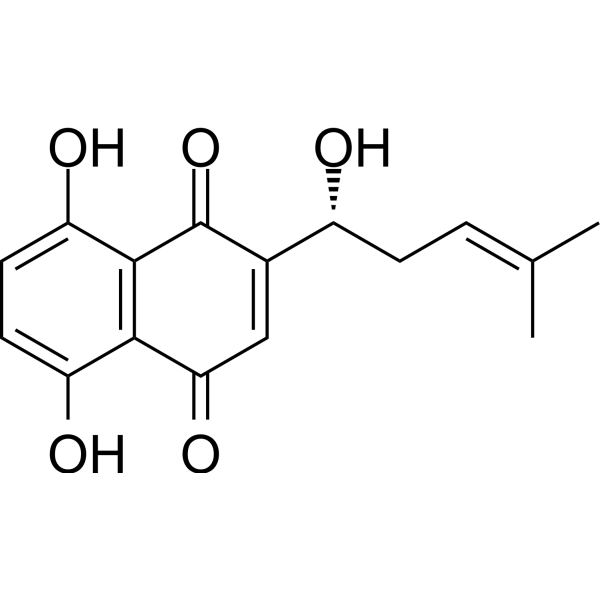
    Shikonin
    Maximum Cited Publications
    66 Publications Verification

    C.I. 75535; Isoarnebin 4

    Exosomes Chloride Channel Pyruvate Kinase NF-κB TNF Receptor HIV AIM2 Cancer
    Shikonin is a major component of a Chinese herbal medicine named zicao. Shikonin is a potent TMEM16A chloride channel inhibitor with an IC50 of 6.5 μM . Shikonin is a specific pyruvate kinase M2 (PKM2) inhibitor and can also inhibit TNF-α and NF-κB pathway . Shikonin decreases exosome secretion through the inhibition of glycolysis . Shikonin inhibits AIM2 inflammasome activation .
    Shikonin
  • HY-P4744
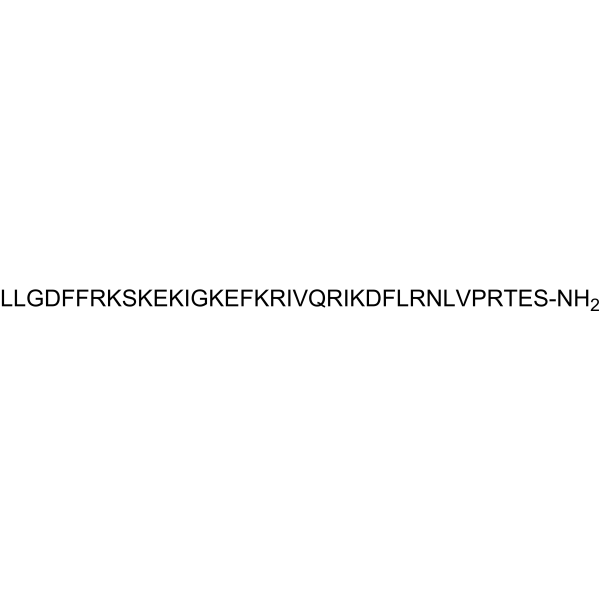
    LL-37 amide
    2 Publications Verification

    Formyl Peptide Receptor (FPR) Bacterial Infection Cancer
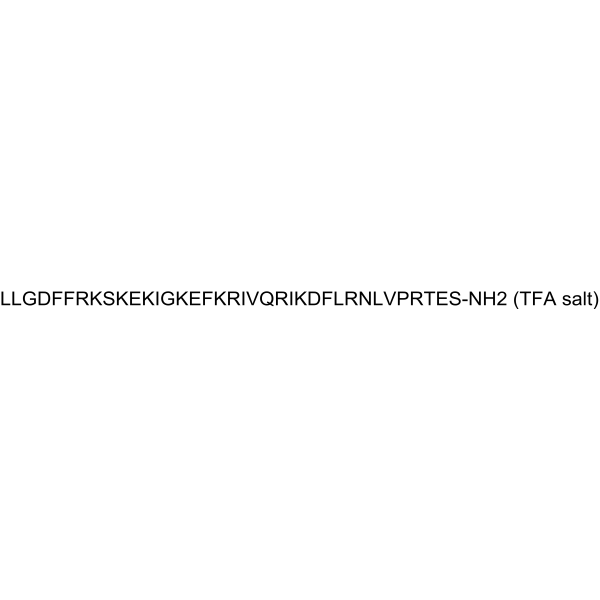
    LL-37 amide is a selective agonist of formyl peptide receptor-like FPRL1, effectively inhibiting periodontal pathogens (ED99=8.5-8.7 μg/mL). LL-37 amide exerts its bactericidal effect by activating FPRL1-mediated immune cell chemotaxis and disrupting bacterial cell membrane integrity. It can also regulate inflammatory responses (inhibiting the release of factors such as TNF-α) and promote angiogenesis. Amidation modification reduces its sensitivity to serum inhibition and improves its stability. LL-37 amide possesses key activities in bactericidal action, immunomodulation, and wound healing, and is mainly used in research on infection-related diseases such as periodontal disease and deep tissue injuries (pressure ulcers), and wound healing .
    LL-37 amide
  • HY-122882
    HOIPIN-8
    4 Publications Verification

    E1/E2/E3 Enzyme Inflammation/Immunology
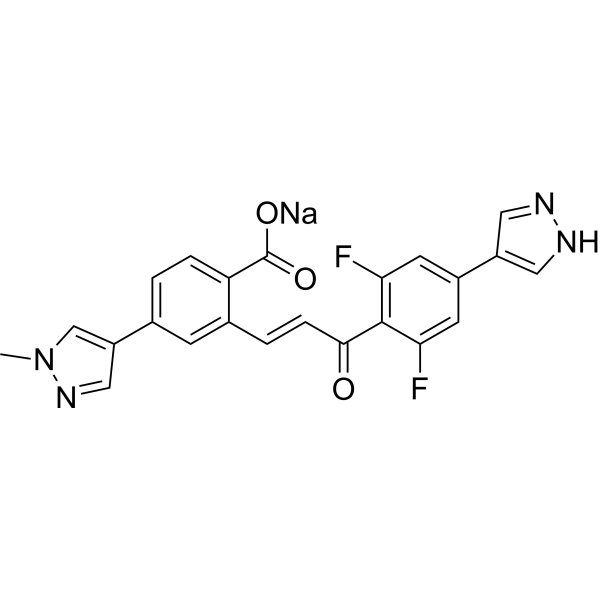
    HOIPIN-8 is a potent inhibitor of linear ubiquitin chain assembly complex (LUBAC) with an IC50 of 11 nM. HOIPIN-8 is a HOIPIN-1 derivative with enhanced the potency by 255-fold in the petit-LUBAC inhibition, and 10-fold and 4-fold in the LUBAC- and TNF-α-mediated NF-κB activation, respectively than HOIPIN-1. HOIPIN-1 is a promising tool to explore the cellular functions of LUBAC .
    HOIPIN-8
  • HY-N6246

    NF-κB ERK Inflammation/Immunology Cancer
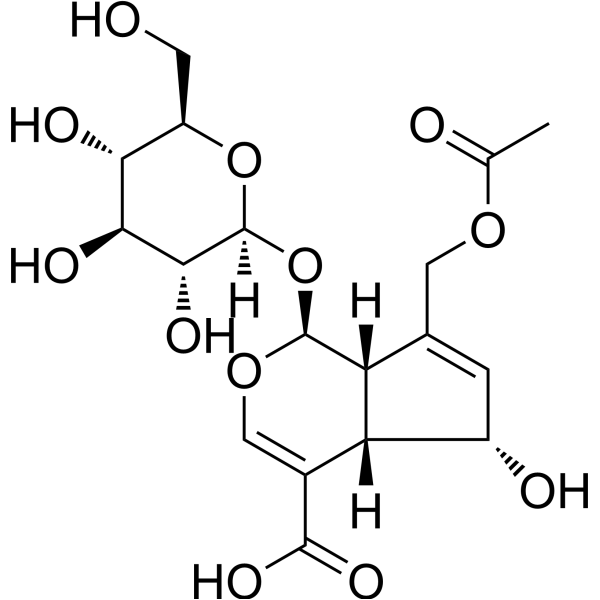
    Asperulosidic Acid (ASPA), a bioactive iridoid glycoside, is extracted from the herbs of Hedyotis diffusa Willd. Asperulosidic Acid (ASPA) has anti-tumor, anti-oxidant, and anti-inflammatory activities . ASPA is related to the inhibition of inflammatory cytokines (TNF-α, IL-6) and mediators via suppression of the NF-κB and mitogen-activated protein kinase (MAPK) signaling pathways .
    Asperulosidic Acid
  • HY-N0569
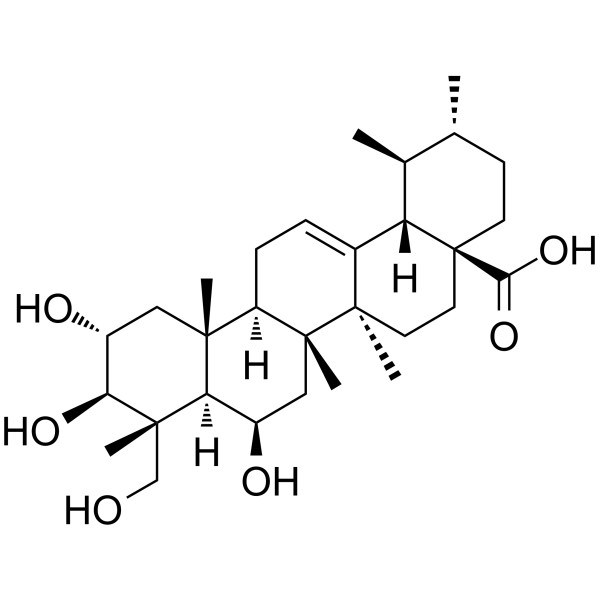
    Madecassic acid
    2 Publications Verification

    NO Synthase COX TNF Receptor Interleukin Related Inflammation/Immunology
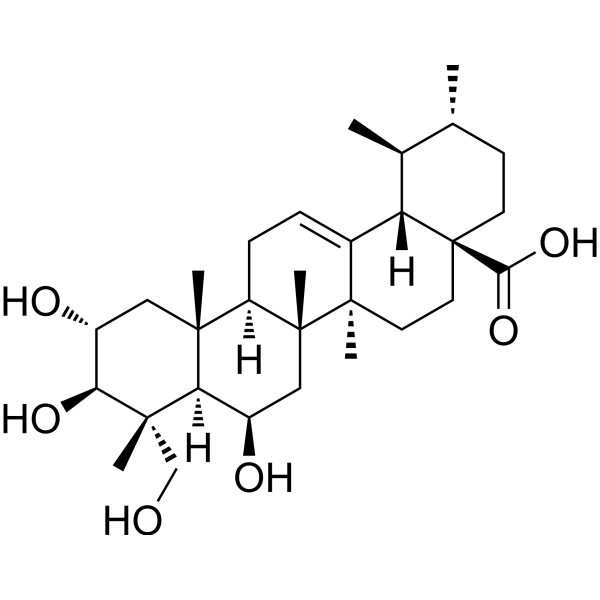
    Madecassic acid is isolated from Centella asiatica (Umbelliferae). Madecassic acid has anti-inflammatory properties caused by iNOS, COX-2, TNF-alpha, IL-1beta, and IL-6 inhibition via the downregulation of NF-κB activation in RAW 264.7 macrophage cells .
    Madecassic acid
  • HY-14622
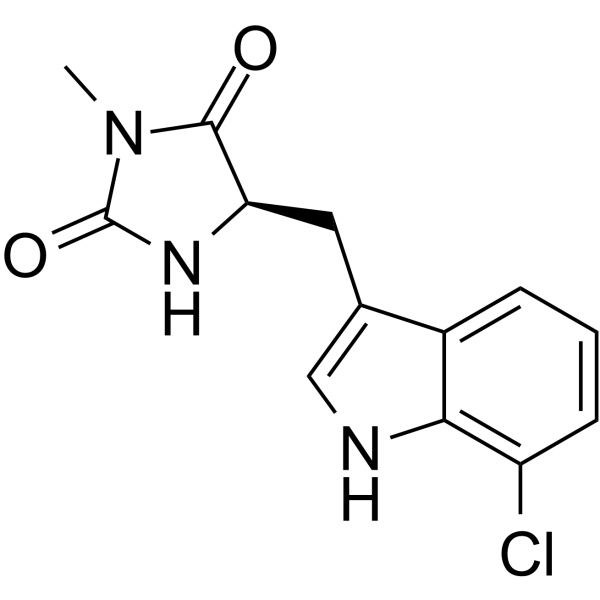
    Necrostatin 2
    10+ Cited Publications

    RIP kinase Cancer
    Necrostatin 2 is a potent necroptosis inhibitor. EC50 for inhibition of necroptosis in FADD-deficient Jurkat T cells treated with TNF-α is 0.05 μM. Necrostatin 2 is also a RIPK1 inhibitor.
    Necrostatin 2
  • HY-N0863

    NSC-698790; Smilax saponin B

    Bcl-2 Family Apoptosis Akt c-Myc ERK p38 MAPK JNK FOXO Cancer
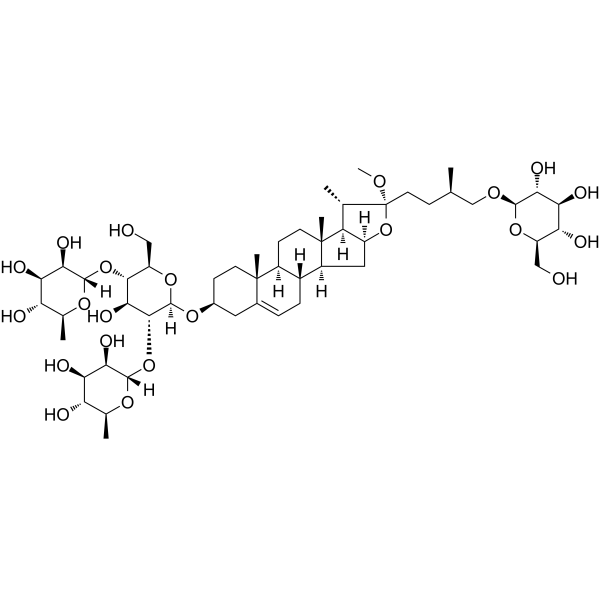
    Methyl protodioscin (NSC-698790; Smilax saponin B) is a multi-target, selective, steroidal diglycoside inhibitor with antitumor activity that induces cell cycle arrest. The mechanism of action of Methyl protodioscin is complex, involving the induction of G2/M cell cycle arrest, regulation of the Bcl-2/Bax apoptotic pathway, inhibition of the Akt1/c-Myc axis and MAPK/ERK signaling, while simultaneously downregulating ADAM15 and inducing FOXO1 to reduce cholesterol synthesis. It also inhibits the JNK/c-Jun pathway, reducing the production of inflammatory factors (IL-6, TNF-α). Methyl protodioscin exhibits significant antitumor (inhibiting proliferation, migration, invasion, and inducing apoptosis), anti-inflammatory, and anti-restenosis activities. Methyl protodioscin can be used in research on lung cancer, prostate cancer, pancreatic cancer, and other tumors, as well as inflammatory diseases such as airway inflammation and enteritis .
    Methyl protodioscin
  • HY-108642

    p38 MAPK Casein Kinase Inflammation/Immunology
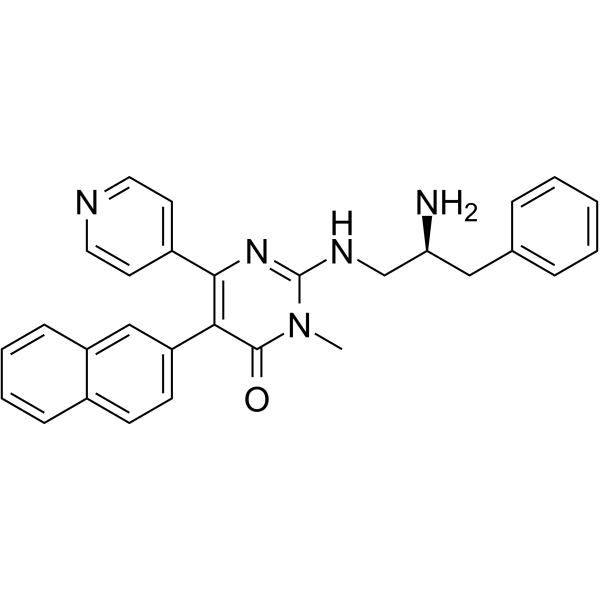
    AMG-548, an orally active and selective p38α inhibitor (Ki=0.5 nM), shows slightly selective over p38β (Ki=36 nM) and >1000 fold selective against p38γ and p38δ. AMG 548 is also extremely potent in the inhibition of whole blood LPS stimulated TNFα (IC50=3 nM) . AMG-548 inhibits Wnt signaling by directly inhibiting Casein kinase 1 isoforms δ and ε .
    AMG-548
  • HY-108642B

    p38 MAPK Casein Kinase Inflammation/Immunology
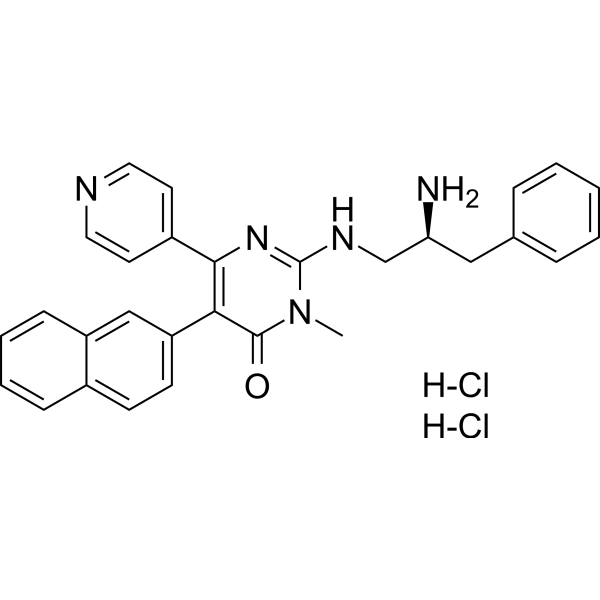
    AMG-548 dihydrochloride, an orally active and selective p38α inhibitor (Ki=0.5 nM), shows slightly selective over p38β (Ki=36 nM) and >1000 fold selective against p38γ and p38δ. AMG-548 dihydrochloride is also extremely potent in the inhibition of whole blood LPS stimulated TNFα (IC50=3 nM) . AMG-548 dihydrochloride inhibits Wnt signaling by directly inhibiting Casein kinase 1 isoforms δ and ε .
    AMG-548 dihydrochloride
  • HY-W002199

    6:2 FTOH; 1H,1H,2H,2H-Perfluoro-1-octanol; 2-(Perfluorohexyl)ethanol

    Bacterial Apoptosis ERK TNF Receptor Infection Neurological Disease
    6:2 Fluorotelomer alcohol (6:2 FTOH) is an orally active, blood-brain barrier-permeable modulator of cyclin D1 and ETS1. 6:2 Fluorotelomer alcohol downregulates cyclin D1 expression, upregulates ETS1 via the TNF-α/ERK 1/2 pathway, impairs mitochondrial membrane potential and respiratory function, increases reactive oxygen species levels, disrupts calcium homeostasis and activates endoplasmic reticulum stress markers, and induces cell proliferation inhibition and endothelial-mesenchymal transition. Furthermore, 6:2 Fluorotelomer alcohol induces morphological abnormalities in zebrafish embryos and liver developmental damage, while disrupting the brain immune microenvironment in mice, causing systemic toxicity and delayed pup maturation in CD-1 mice. 6:2 Fluorotelomer alcohol also induces cortical neuron apoptosis, glial cell activation, synaptic abnormalities, colonic barrier damage, intestinal dysbiosis and autism spectrum disorder-like symptoms in mice. 6:2 Fluorotelomer alcohol shows no mutagenic, clastogenic, primary skin/eye irritation or skin sensitizing effects, exhibits no selective reproductive toxicity in CD-1 mice, and is classified as GHS Category 4 for acute oral toxicity. 6:2 Fluorotelomer alcohol can be used in studies of neurodevelopmental disorders and autism spectrum disorders .
    6:2 Fluorotelomer alcohol
  • HY-B1608

    Cardiovascular Disease Metabolic Disease
    Chromium chloride is a trivalent chromium compound and an essential trace mineral. Chromium chloride enhances insulin-stimulated GLUT4 translocation and glucose uptake in skeletal muscle. Chromium chloride regulates glucose and lipid metabolism, inhibits TNF-α secretion and oxidative stress in monocytes treated with high glucose or H2O2, and reverses hydrogen peroxide-induced cell growth inhibition. Chromium chloride reduces coronary and aortic lipid deposition and serum cholesterol levels in hypercholesterolemic rabbits. Chromium chloride can be used in research related to diabetes and cardiac atherosclerosis .
    Chromium chloride
  • HY-175479

    Salt-inducible Kinase (SIK) TNF Receptor Interleukin Related Inflammation/Immunology
    GLPG4970 is a potent, selective and orally active salt-inducible kinase 2/3 (SIK2/SIK3) dual inhibitor with IC50 values of 0.3 nM and 0.7 nM. GLPG4970 has weak inhibition of hERG channel with an IC50 of 29 μM. GLPG4970 can decrease TNFα release and increase IL-10 release GLPG4970 can be used for the researches of inflammation and immunology, such as colitis .
    GLPG4970
  • HY-10320A
    Doramapimod hydrochloride
    50+ Cited Publications

    BIRB 796 hydrochloride

    Autophagy Raf p38 MAPK Inflammation/Immunology
    Doramapimod hydrochloride (BIRB 796 hydrochloride) is an anti-inflammatory compound with biological activity through inhibition of p38 MAPK. Doramapimod hydrochloride can significantly inhibit the activities of TNF-α and IL-1β induced by LPS, LTA and PGN. Doramapimod hydrochloride showed a stronger inhibitory effect on inflammation induced by all three bacterial toxins, which was more significant compared with the effects of other compounds. Doramapimod hydrochloride can be used in the research of autoimmune diseases .
    Doramapimod hydrochloride
  • HY-P4744A
    LL-37 amide TFA
    2 Publications Verification

    Formyl Peptide Receptor (FPR) Bacterial Infection Cancer
    LL-37 amide TFA is a selective agonist of formyl peptide receptor-like FPRL1, effectively inhibiting periodontal pathogens (ED99=8.5-8.7 μg/mL). LL-37 amide TFA exerts its bactericidal effect by activating FPRL1-mediated immune cell chemotaxis and disrupting bacterial cell membrane integrity. It can also regulate inflammatory responses (inhibiting the release of factors such as TNF-α) and promote angiogenesis. Amidation modification reduces its sensitivity to serum inhibition and improves its stability. LL-37 amide TFA possesses key activities in bactericidal action, immunomodulation, and wound healing, and is mainly used in research on infection-related diseases such as periodontal disease and deep tissue injuries (pressure ulcers), and wound healing .
    LL-37 amide TFA
  • HY-155830

    ME3183; PDE4-IN-14

    Phosphodiesterase (PDE) Interleukin Related Neurological Disease Metabolic Disease Inflammation/Immunology Cancer
    Morcamilast (ME3183) is a selective and orally active PDE4 inhibitor, with IC50s of 1.28 nM (PDE4A1A), 2.33 nM (PDE4B1), and 1.63 nM (PDE4D2) respectively. Morcamilast shows weak inhibition of PDEs other than PDE4s Morcamilast is an anti-inflammatory agent and inhibits LPS (HY-D1056)-induced release of TNF-α, IL-12/23p40, IL-23, and IL-17A in human PBMCs and T cells. Morcamilast has antipruritic effect and can be used in the study of psoriasis, atopic dermatitis, and other inflammatory diseases .
    Morcamilast
  • HY-P991193

    TNF Receptor Cancer
    NGM-438 is a humanized monoclonal antibody antagonist of LAIR1, with a Ka of 0.26 nM for human LAIR1 and 4.28 nM for cynomolgus monkey LAIR1. NGM-438 blocks the binding of LAIR1 to its Collagen ligand and antagonizes the Collagen-induced LAIR1 signaling pathway. NGM-438 reverses FcγR signaling inhibition in myeloid cells, induces dendritic cells to secrete TNFα, promotes T cell proliferation, and triggers myeloid inflammation and allogeneic T cell responses. NGM-438 sensitizes refractory mouse lung cancer to PD-1 blockade, increases the content of intratumoral CD8 + T cells and the expression of inflammatory genes. NGM-438 is applicable to research related to solid tumors, refractory solid tumors and non-small cell lung cancer .
    NGM-438
  • HY-117082

    GBL-5g

    TNF Receptor Inflammation/Immunology
    UTL-5g (GBL-5g), an anti-inflammatory TNF-α inhibitor, has chemoprotective and liver radioprotective effects. UTL-5g lowers hepatotoxicity, nephrotoxicity, and myelotoxicity induced by Cisplatin through TNF-α inhibition among other factors .
    UTL-5g
  • HY-N0822R

    C.I. 75535 (Standard); Isoarnebin 4 (Standard)

    Reference Standards Exosomes Chloride Channel Pyruvate Kinase NF-κB TNF Receptor HIV AIM2 Cancer
    Shikonin (Standard) is the analytical standard of Shikonin. This product is intended for research and analytical applications. Shikonin is a major component of a Chinese herbal medicine named zicao. Shikonin is a potent TMEM16A chloride channel inhibitor with an IC50 of 6.5 μM . Shikonin is a specific pyruvate kinase M2 (PKM2) inhibitor and can also inhibit TNF-α and NF-κB pathway . Shikonin decreases exosome secretion through the inhibition of glycolysis . Shikonin inhibits AIM2 inflammasome activation .
    Shikonin (Standard)
  • HY-N0569R
    Madecassic acid (Standard)
    2 Publications Verification

    Reference Standards NO Synthase COX TNF Receptor Interleukin Related Inflammation/Immunology
    Madecassic acid (Standard) is the analytical standard of Madecassic acid. This product is intended for research and analytical applications. Madecassic acid is isolated from Centella asiatica (Umbelliferae). Madecassic acid has anti-inflammatory properties caused by iNOS, COX-2, TNF-alpha, IL-1beta, and IL-6 inhibition via the downregulation of NF-κB activation in RAW 264.7 macrophage cells .
    Madecassic acid (Standard)
  • HY-178012

    IRAK TNF Receptor Inflammation/Immunology
    GLPG4471 is a selective and orally active IRAK4 inhibitor with an IC50 of 1.7 nM. GLPG4471 exhibits potent inhibition of cytokine (TNFα and IFNα) secretion in cellular and whole blood phenotypic assays. GLPG4471 displays significant activity in a mouse model of collagen-induced arthritis. GLPG4471 can be used for the study of arthritis .
    GLPG4471
  • HY-178287

    TNF Receptor Inflammation/Immunology
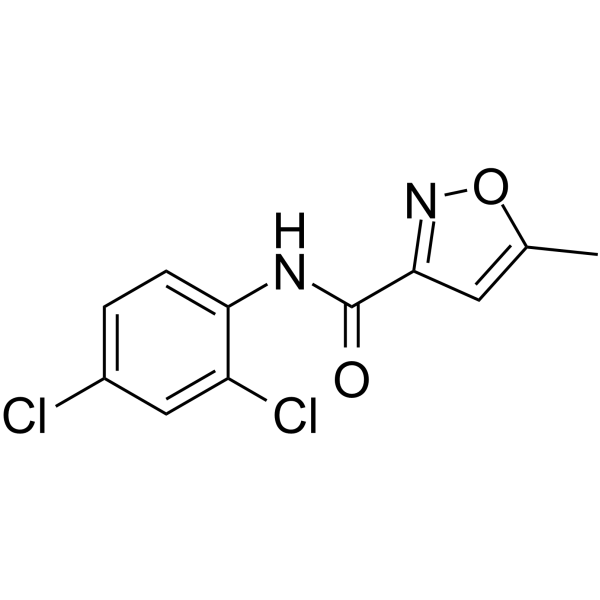
    TNF-α-IN-27 (Compound 1) is a TNF-α inhibitor with inhibition rate of 64% at 10 μM. TNF-α-IN-27 can be used for the researches of inflammation and immunology, such as asthma .
    TNF-α-IN-27
  • HY-177305

    TNF Receptor Inflammation/Immunology
    Anti-inflammatory agent 105 (Compound 12) is an anti-inflammatory compound. The IC50 of Anti-inflammatory agent 105 for the inhibition of TNF-α synthesis and release in the human macrophage cell line U937 is 0.124 nM .
    Anti-inflammatory agent 105
  • HY-177304

    TNF Receptor Inflammation/Immunology
    Anti-inflammatory agent 104 (Compound 26) is an anti-inflammatory compound. The IC50 of Anti-inflammatory agent 104 for the inhibition of TNF-α synthesis and release in the human macrophage cell line U937 is 0.024 nM. Anti-inflammatory agent 104 can reduce eosinophils in rat lungs by 63% .
    Anti-inflammatory agent 104
  • HY-172430S

    TNF Receptor Cancer
    Epaldeudomide (Compound A406) is the inhibitor for TNF-α (>50% inhibition rate at 100 nM). Epaldeudomide inhibits the proliferation of cancer cells MM.1S (IC50 < 300 nM), WSU-DLCL-2 (IC50 < 100 nM) and Rec-1 (IC50 < 100 nM). Epaldeudomide exhibits antineoplastic activity .
    Epaldeudomide
  • HY-18754A

    FR 167653 sulfate

    p38 MAPK Autophagy Endocrinology
    FR 167653 (FR 167653 sulfate), an orally active and selective p38 MAPK inhibitor, is a potent suppressor of TNF-α and IL-1β production via specific inhibition of p38 MAPK activity. FR 167653 (FR 167653 sulfate) is effective in treating inflammation, relieving trauma and ischemia-reperfusion injury in vivo .
    FR 167653
  • HY-130073

    NF-κB Apoptosis Cancer
    Amorfrutin A is the inhibition of NF-κB activation, that inhibits TNF-α-induced IκBα degradation, p65 nuclear translocation, and DNA-binding activity. Amorfrutin A promotes TNF-α-induced apoptosis in HeLa cell through promotion of caspase-3 and PARP proteolysis .
    Amorfrutin A
  • HY-32015
    Cot inhibitor-1
    2 Publications Verification

    MAP3K Inflammation/Immunology
    Cot inhibitor-1 (compound 28) is a selective tumor progression loci-2 (Tpl2) kinase inhibitor with an IC50 of 28 nM. Cot inhibitor-1 shows an inhibition of TNF-alpha production in human whole blood with an IC50 of 5.7 nM .
    Cot inhibitor-1
  • HY-161630

    Toll-like Receptor (TLR) Cancer
    TLR8 agonist 8 (Compound II-72) is an agonist for Toll-like receptor 8 (TLR8) with EC50 of 0.25-1 μM. TLR8 agonist 8 is stable in human and murine plasma, induces secretion of cytokines TNFα, with EC50 <1 μM. TLR8 agonist 8 exhibits antitumor activity in MC38-HER2 xenograft mouse model with a tumor growth inhibition (TGI) rate of 89% .
    TLR8 agonist 8
  • HY-153579

    Interleukin Related Inflammation/Immunology
    Anti-inflammatory agent 42 (Compound 10j) is an anti-inflammatory agent. Anti-inflammatory agent 42 shows excellent inhibition on the expression of TNF-α and IL-6 in LPS (HY-D1056)-stimulated macrophages .
    Anti-inflammatory agent 42
  • HY-147950

    Phosphodiesterase (PDE) TNF Receptor Inflammation/Immunology
    PDE4-IN-10 (compound 7a) is a potent PDE4 inhibitor, with an IC50 of 7.01 μM for PDE4B. PDE4-IN-10 shows selectivity, microsomal stability, inhibition of TNF-α and no major toxicities in vitro .
    PDE4-IN-10
  • HY-131340

    Phosphodiesterase (PDE) Inflammation/Immunology
    LASSBio-1632 is a new anti-asthmatic lead candidate associated with selective inhibition of PDE4A and PDE4D isoenzymes and blockade of airway hyper-reactivity (AHR) and TNF-α production in the lung tissue. LASSBio-1632 (7j) displays high experimental BBB permeability across BBB through passive diffusion .
    LASSBio-1632
  • HY-18754

    p38 MAPK Autophagy Endocrinology
    FR 167653 free base, an orally active and selective p38 MAPK inhibitor, is a potent suppressor of TNF-α and IL-1β production via specific inhibition of p38 MAPK activity. FR 167653 free base is effective in treating inflammation, relieving trauma and ischemia-reperfusion injury in vivo .
    FR 167653 free base
  • HY-N6246R

    Reference Standards NF-κB ERK Inflammation/Immunology Cancer
    Asperulosidic Acid (Standard) is the analytical standard of Asperulosidic Acid. This product is intended for research and analytical applications. Asperulosidic Acid (ASPA), a bioactive iridoid glycoside, is extracted from the herbs of Hedyotis diffusa Willd. Asperulosidic Acid (ASPA) has anti-tumor, anti-oxidant, and anti-inflammatory activities . ASPA is related to the inhibition of inflammatory cytokines (TNF-α, IL-6) and mediators via suppression of the NF-κB and mitogen-activated protein kinase (MAPK) signaling pathways .
    Asperulosidic Acid (Standard)
  • HY-162600

    CDK Inflammation/Immunology
    CDK8-IN-15 (Compound 46) is a potent CDK8 inhibitors with an IC50 value of 57 nM. It can enhance the thermal stability of CDK8 along with inhibition against NF-κB and have favourable selectivity across the CDK family and tyrosine kinase. Additionally, it also demostrates a positive effect in vitro psoriasis model induced by TNF-α and alleviats the inflammatory response enhancing the expression of Foxp3 and IL-10, which is promising for research of psoriasis diseases .
    CDK8-IN-15
  • HY-168935

    NO Synthase TNF Receptor Interleukin Related Inflammation/Immunology
    Anti-inflammatory agent 95 (Compound 2e) is an anti-inflammatory agent that exhibits the most potent anti-inflammatory activity in LPS (HY-D1056)-induced RAW 264.7 mouse macrophages. It significantly inhibits the production of NO, with an IC50 of 8.8 μM, and reduces the secretion of TNF-α and IL-1β, with inhibition rates reaching 60% and over 90%, respectively, at a concentration of 100 μM. Anti-inflammatory agent 95 holds promise for research in the field of inflammatory diseases .
    Anti-inflammatory agent 95
  • HY-163755

    Estrogen Receptor/ERR Inflammation/Immunology
    GPER activator 1 (compound 6-26) is a GPER-selective compound without cytotoxicity. GPER activator 1 exhibits dual inhibition of TNFα- and IL-6-induced inflammation .
    GPER activator 1
  • HY-N9086A

    5,7,4'-Trihydroxy-6-methylflavanone

    NO Synthase COX Interleukin Related Inflammation/Immunology
    (rac)-Poriol (5,7,4'-Trihydroxy-6-methylflavanone) exhibits antioxidant activity, and scavenges free radical DPPH with an IC50 of 0.18 µg/mL. (rac)-Poriol inhibits the LPS (HY-D1056)-induced NO generation in RAW264.7 (98.35% inhibition rate at 10 μM), and exhibits anti-inflammatory activity. (rac)-Poriol exhibits good binding affinity with iNOS, COX-1, COX-2, TNF-α, and IL-1β .
    (rac)-Poriol
  • HY-N12653

    (-)-Exserohilone

    Reactive Oxygen Species (ROS) Metabolic Disease
    Exserohilone ((-)-Exserohilone) is a thiodiketopiperazine derivative that exhibits the inhibition of TNF-α-induced ROS generation and MMP-1 secretion. Exserohilone increases the procollagen type I α1 secretion in human dermal fibroblasts .
    Exserohilone
  • HY-114981

    Sirtuin Inflammation/Immunology
    SRTCX1002 is a potent activator of SIRT1 (STAC), suppresses inflammatory responses through promotion of p65 deacetylation and inhibition of NF-κB Activity. SRTCX1002 suppresses stimuli-induced NF-κB transcriptional activation and LPS-induced TNFα secretion with IC50s of 0.71 and 7.58 µM, respectively .
    SRTCX1002
  • HY-171837A

    TNF Receptor Interleukin Related SOD Inflammation/Immunology
    t9,t11,c15-CLNA is a conjugated linolenic acid (CLNA) isomer produced by Lactobacillus plantarum ZS2058. t9,t11,c15-CLNA has the main activities of anti-inflammatory, antioxidant and improving intestinal barrier function. The regulatory mechanism of t9,t11,c15-CLNA includes upregulation of tight junction proteins, inhibition of pro-inflammatory cytokines (such as TNF-α, IL-6) and activation of antioxidant enzymes (such as SOD, CAT). t9,t11,c15-CLNA can be used in the study of inflammatory bowel diseases (such as colitis) .
    t9,t11,c15-CLNA
  • HY-161629

    Toll-like Receptor (TLR) Cancer
    TLR8 agonist 7 (Compound II-36) is an agonist for Toll-like receptor 8 (TLR8) with EC50 <250 nM. TLR8 agonist 7 is stable in human and murine plasma, induces secretion of cytokines TNFα, with EC50 <1 μM. TLR8 agonist 7 exhibits antitumor activity in MC38-HER2 xenograft mouse model with a tumor growth inhibition (TGI) rate of 98% .
    TLR8 agonist 7
  • HY-161631

    Toll-like Receptor (TLR) Cancer
    TLR8 agonist 9 (Compound II-77) is an agonist for Toll-like receptor 8 (TLR8) with EC50 of 0.25-1 μM. TLR8 agonist 9 is stable in human and murine plasma, induces secretion of cytokines TNFα, with EC50 <1 μM. TLR8 agonist 9 exhibits antitumor activity in MC38-HER2 xenograft mouse model with a tumor growth inhibition (TGI) rate of 97% .
    TLR8 agonist 9
  • HY-108642A

    p38 MAPK Casein Kinase Inflammation/Immunology
    AMG-548 hydrochloride, an orally active and selective p38α inhibitor (Ki=0.5 nM), shows slightly selective over p38β (Ki=36 nM) and >1000 fold selective against p38γ and p38δ. AMG-548 hydrochloride is also extremely potent in the inhibition of whole blood LPS stimulated TNFα (IC50=3 nM) . AMG-548 hydrochloride inhibits Wnt signaling by directly inhibiting Casein kinase 1 isoforms δ and ε .
    AMG-548 hydrochloride
  • HY-182503

    Adenosine Kinase Others Inflammation/Immunology
    GP515 is a potent and selective adenosine kinase inhibitor with a human IC50 of 4 nM. GP515 exerts tissue protective effects, produces long-lasting hepatic microcirculation effects after hemorrhagic shock, and induces dose- and time-related VEGF mRNA and protein expression in normoxic rat myocardial myoblasts, with additive VEGF increases during mild hypoxia and no effect during severe hypoxia. GP515 suppresses IFNγ synthesis and CD69 expression in DSS-induced colitis. GP515 also shows a dose-dependent suppression of TNF-α production with an IC50 of 80 μM and can be reversed in the presence of the cAMP antagonist (Rp)-cAMPS. Combinations of GP515 with either adenosine or rolipram led to an additive inhibition of TNF-α synthesis. GP515 can be used for the research of hemorrhagic shock .
    GP515
  • HY-134028

    TNF Receptor Interleukin Related Cardiovascular Disease
    Arucadiol is a rosane-type diterpenoid anti-inflammatory agent. 5 μM Arucadiol significantly inhibits LPS-induced TNF-α, IL-1β, and IL-8 production (inhibition rates of 39.8%, 44.4%, and 34.5%, respectively). Arucadiol exerts its anti-inflammatory activity by inhibiting the mRNA and protein expression of inflammatory cytokines and can be used in research on inflammation-related cardiovascular diseases such as atherosclerosis. Arucadiol can be naturally extracted from the roots of Salvia miltiorrhiza var. alba .
    Arucadiol
  • HY-160844

    Prostaglandin Receptor TNF Receptor Interleukin Related Inflammation/Immunology
    CT-133 is a selective and potent CRTH2 Receptor antagonist, with a Ki value of 2.2 nM. The Ki value for the DP1 receptor is greater than 3800 nM. CT-133 inhibits neutrophil migration induced by PGD2 (HY-101988). CT-133 significantly alleviates lung inflammation and improves lung function impairment in a mouse model of acute lung injury (ALI) induced by cigarette smoke. CT-133 effectively inhibits the excessive expression of pro-inflammatory cytokines (TNF-α, IL-1β, and IL-6) and chemokines (KC), and reverses the inhibition of the anti-inflammatory factor IL-10. CT-133 can be used for the study of ALI .
    CT-133
  • HY-180579

    IRAK TNF Receptor IFNAR Inflammation/Immunology
    IRAK4-IN-33 (Compound 22) is a selective, potent and orally active interleukin-1 receptor-associated kinase 4 (IRAK4) inhibitor with an IC50 0.36 nM. IRAK4-IN-33 can block the pro-inflammatory signaling pathway mediated by IRAK4 and inhibit the release of TNFα and IFNα. IRAK4-IN-33 shows weak inhibition for hERG channel (IC50 > 30 μM). IRAK4-IN-33 can be used for the research of inflammation and immunology, such as rheumatoid arthritis .
    IRAK4-IN-33
  • HY-108642BR

    Reference Standards p38 MAPK Casein Kinase Inflammation/Immunology
    AMG-548 dihydrochloride (Standard) is the analytical standard of AMG-548 (dihydrochloride) (HY-108642B). This product is intended for research and analytical applications. AMG-548 dihydrochloride, an orally active and selective p38α inhibitor (Ki=0.5 nM), shows slightly selective over p38β (Ki=36 nM) and >1000 fold selective against p38γ and p38δ. AMG-548 dihydrochloride is also extremely potent in the inhibition of whole blood LPS stimulated TNFα (IC50=3 nM) . AMG-548 dihydrochloride inhibits Wnt signaling by directly inhibiting Casein Kinase 1 isoforms δ and ε .
    AMG-548 dihydrochloride (Standard)
  • HY-18794

    p38 MAPK TNF Receptor Interleukin Related Inflammation/Immunology
    R-03201195 is an efficient and selective p38 MAP kinase inhibitor with an IC50 for p38α of 0.7 nM. R-03201195 has inhibitory activity against TNF-α in THP-1 cells and against IL-1β in human whole blood, with IC50 values of 0.25 and 0.57 nM respectively. R-03201195 can be used for inflammatory diseases such as rheumatoid arthritis .
    R-03201195
  • HY-114214

    Drug Derivative NF-κB MMP TNF Receptor Interleukin Related Cyclin G-associated Kinase (GAK) CDK PI3K Akt Inflammation/Immunology Cancer
    CKD-712 is an orally active multi-target tetrahydroisoquinoline derivatived and a potent inhibitor of the NF-κB pathway . CKD-712 selectively inhibits MMP-9 with no effect on MMP-2, downregulates the expression of TNF-α, IL-6, cyclin A, cyclin B, CDK-1 and other proteins, and activates the PI3K/Akt signaling pathway . CKD-712 blocks the activation and nuclear translocation of NF-κB, downregulates inflammatory factors and pro-tumor metastatic proteins, and induces G2/M phase arrest in tumor cells and thereby inhibits the invasion of cancer cells . CKD-712 can be used for the research of sepsis, myocardial ischemia-reperfusion injury and non-small cell lung cancer .
    CKD-712

Inquiry Online

Your information is safe with us. * Required Fields.

Salutation


Country or Region *

Applicant Name *


Organization Name *

Department *


Email Address *


Product Name *

Cat. No.


Requested quantity *

Phone Number *


Remarks

Inquiry Online

Inquiry Information

Product Name:
Cat. No.:
Quantity:
MCE Japan Authorized Agent:

