Search Result
Results for "
antifungal effect
" in MedChemExpress (MCE) Product Catalog:
1
Biochemical Assay Reagents
4
Isotope-Labeled Compounds
| Cat. No. |
Product Name |
Target |
Research Areas |
Chemical Structure |
-
- HY-N6693
-
|
NSC 122023
|
Apoptosis
Antibiotic
Autophagy
Fungal
|
Infection
Others
Cancer
|
|
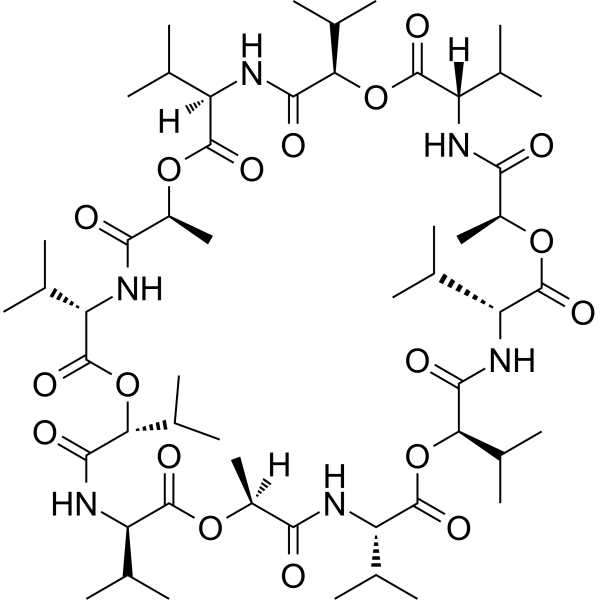
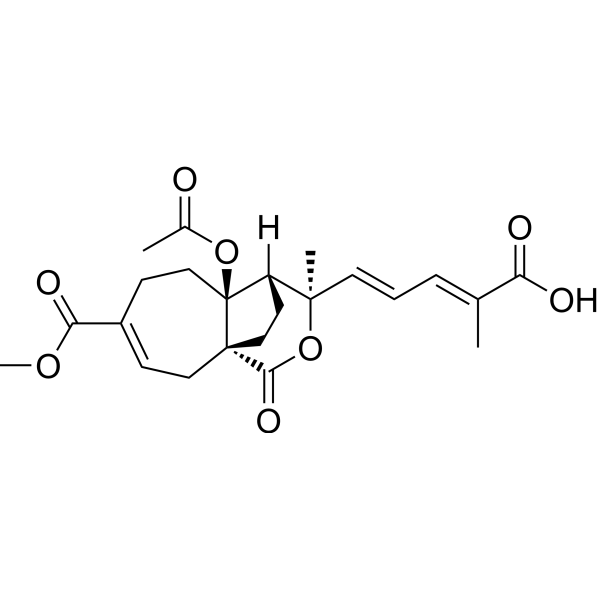
Valinomycin is a potassium-specific ionophore, the valinomycin-K + complex can be incorporated into biological bilayer membranes with the hydrophobic surface of valinomycin, destroys the normal K + gradient across the membrane, and as a result kills the cells, incorporating into liposomes can significantly reduces the cytotoxicity and enhances the targeting effect. Valinomycin exhibits antibiotic, antifungal, antiviral, antitumor and insecticidal efficacy, thus can be used for relevant research .
|
-
-
- HY-N0709
-
-
-
- HY-17643
-
|
VT-1161
|
Fungal
Cytochrome P450
|
Infection
|
|
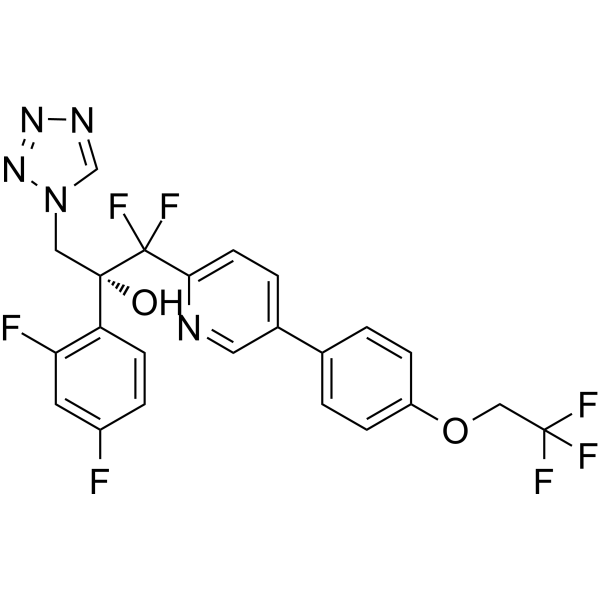
Oteseconazole (VT-1161) is a potent and orally active anti-fungal agent. Oteseconazole potently binds to and inhibits Candida albicans cytochrome P45051 (CYP51) activity (Kd ≤39 nM), shows no obvious effect on human CYP51. Oteseconazole also can be used for the research of dermatophytes .
|
-
-
- HY-N2524
-
|
|
EGFR
|
Cancer
|
|
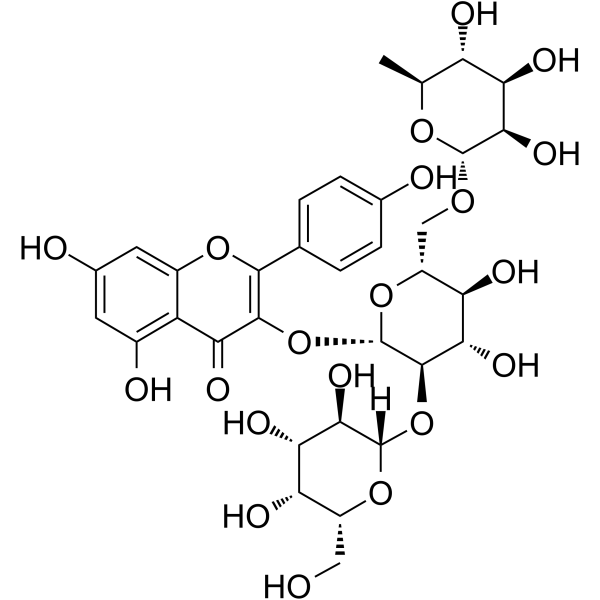
Camelliaside A is a phytochemical and also a HER2 ligand. Camelliaside A shows no inhibitory effect on mycelial growth of Rhizoctonia solani, indicating no antifungal activity against this pathogen. Camelliaside A is applicable to breast cancer-related research .
|
-
-
- HY-B0450
-
Ciclopirox
Maximum Cited Publications
10 Publications Verification
HOE296b
|
Fungal
Bacterial
Ferroptosis
Autophagy
|
Infection
Inflammation/Immunology
Cancer
|
|
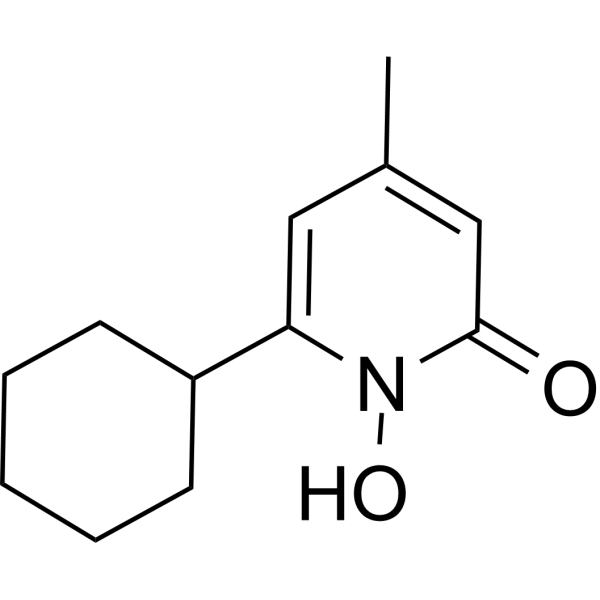
Ciclopirox (HOE296b) is a synthetic and orally active antifungal agent that can be used for superficial mycoses reseaech. Ciclopirox olamine has a very broad spectrum of activity and inhibits dermatophytes, yeasts, molds, and many Gram-positive and Gram-negative species pathogenic. Ciclopirox also has anticancer and anti-inflammatory effect .
|
-
-
- HY-N2389
-
|
|
Apoptosis
Autophagy
Ferroptosis
NF-κB
Fungal
|
Infection
Inflammation/Immunology
Cancer
|
|
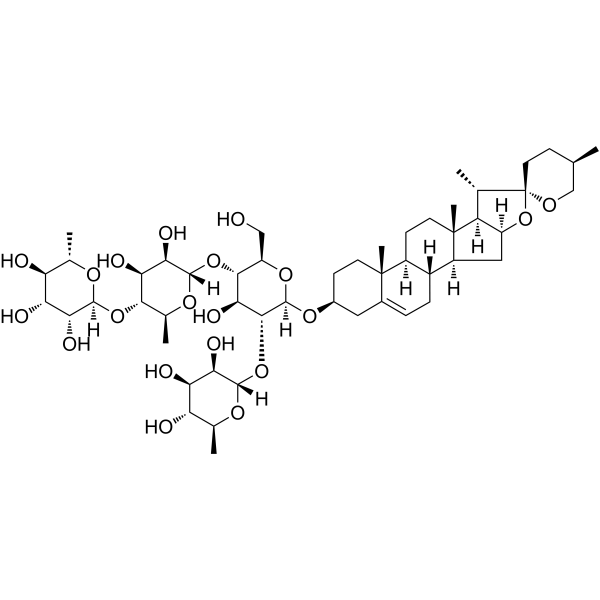
Formosanin C is a diosgenin saponin with multiple biological activities. Formosanin C possesses multiple anti-tumor mechanisms, including inducing apoptosis and autophagy, blocking the cell cycle, inhibiting metastasis and inducing ferroptosis. Formosanin C can inhibit the NF-κB signaling pathway to exert anti-inflammatory effects, and enhance the activity of immune cells. Formosanin C exhibits the inhibiting effect against C. albicans. Formosanin C can be used for the study of anti-inflammation, antifungal anti and anti-cancer (including lung cancer, liver cancer, breast cancer and colorectal cancer, etc.) .
|
-
-
- HY-B0450A
-
|
Ciclopirox ethanolamine; HOE 296
|
Fungal
Bacterial
Ferroptosis
|
Infection
Cancer
|
|
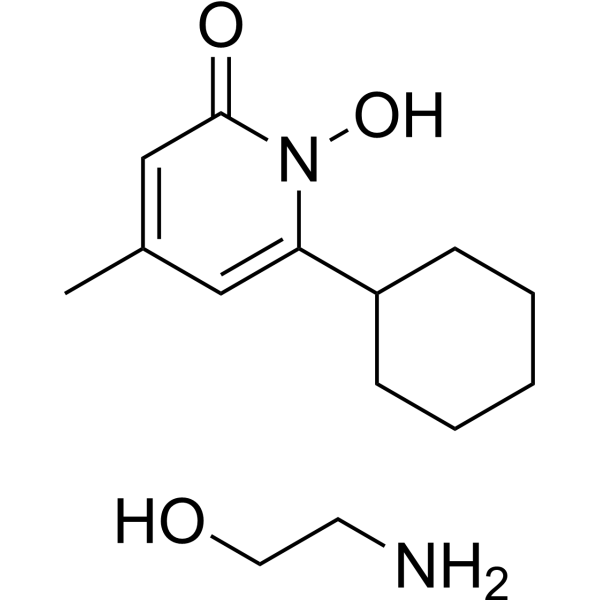
Ciclopirox olamine (Ciclopirox ethanolamine) is a synthetic and orally active antifungal agent that can be used for superficial mycoses reseaech. Ciclopirox olamine has a very broad spectrum of activity and inhibits dermatophytes, yeasts, molds, and many Gram-positive and Gram-negative species pathogenic. Ciclopirox olamine also has anticancer and anti-inflammatory effect .
|
-
-
- HY-N8015
-
Octanal
1 Publications Verification
|
Environmental Pollutants
Endogenous Metabolite
Fungal
Bacterial
|
Infection
Cancer
|
|
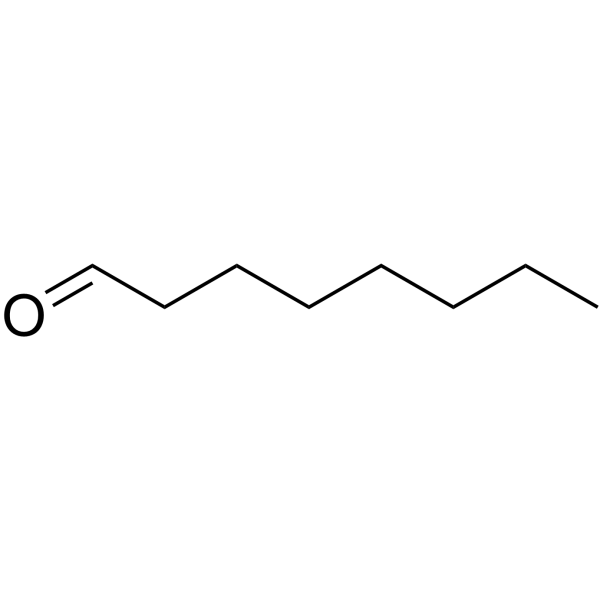
Octanal is a fragrant aldehyde with antioxidant and antibacterial activity. Its antifungal effect against G. citri-aurantii may be related to the disruption of cell membrane integrity and the leakage of cellular components. Additionally, Octanal exhibits cytotoxicity towards HeLa cells, with an IC50 value of 3.5 μg/mL .
|
-
-
- HY-N7135
-
|
|
Tyrosinase
Fungal
|
Metabolic Disease
Inflammation/Immunology
Cancer
|
|
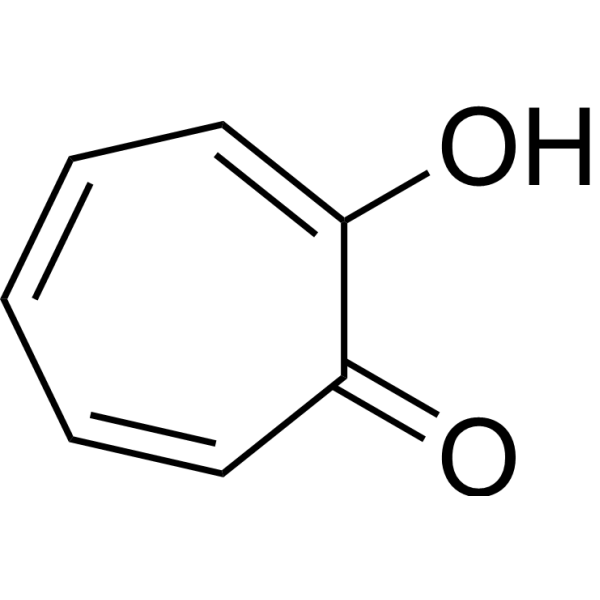
Tropolone is a seven-membered non-benzenoid aromatic compound, which is the precursor of many Azulene derivatives. Tropolone is a potent mushroom tyrosinase inhibitor with an IC50 value of 0.4 μM. Its inhibitory effect can be achieved by dialysis or excess CU2+ Reversa. Tropolone exhibits broad anti-viral and anti-fungal activity and is synergistic upon co-treatment with nucleos(t)ide analog drugs. Tropolone is a promising candidate for research in osteosarcoma .
|
-
-
- HY-111664
-
|
(+)-Citronellal
|
Bacterial
Fungal
Insecticide
Taste Receptor
Opioid Receptor
|
Infection
Neurological Disease
Inflammation/Immunology
|
|
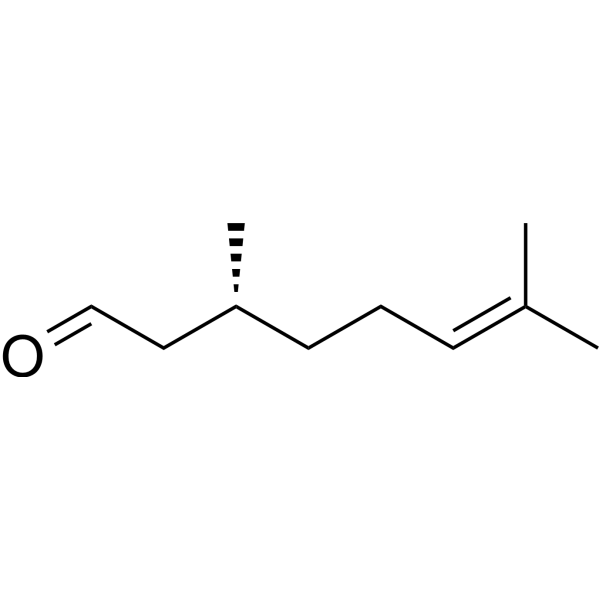
(R)-(+)-Citronellal ((+)-Citronellal) is a monoterpenoid compound and is one of the main components of essential oils from plants such as lemon grass. (R)-(+)-Citronellal has antibacterial, antifungal, and insecticidal activities. (R)-(+)-Citronellal alleviates the bitterness of caffeine by antagonizing the bitter taste receptors Tas2r43 (IC50 = 84 μM) and Tas2R46. (R)-(+)-Citronellal generates analgesic activity by activating the opioid receptor (broad-spectrum opioid receptor) pathway, and its effect is particularly significant for inflammatory pain .
|
-
-
- HY-23155
-
|
2-PE ITC
|
Fungal
|
Infection
|
|
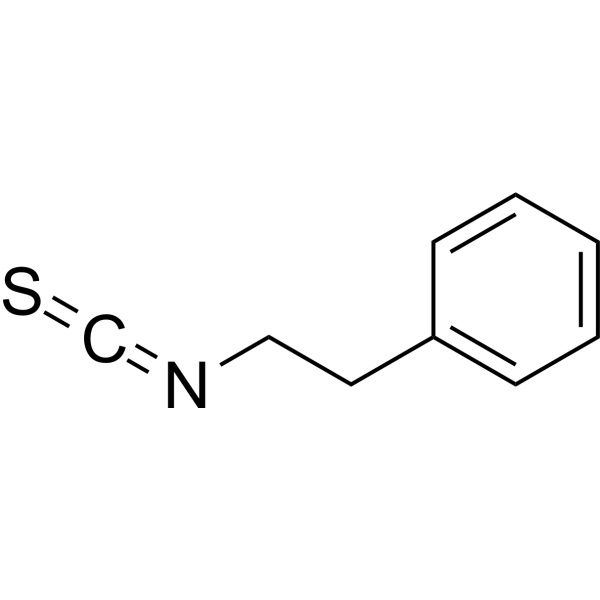
2-Phenylethyl isothiocyanate is a potent antifungal agent. 2-Phenylethyl isothiocyanate significantly inhibited spore germination and mycelial growth of Alternaria alternata, with a MIC (minimum inhibitory concentration) of 1.22 mM. The antifungal effect of 2-Phenylethyl isothiocyanate against Alternaria alternate might be via reduction in toxin content and breakdown of cell membrane integrity .
|
-
-
- HY-B0736A
-
|
FI7056
|
Fungal
Autophagy
Apoptosis
p38 MAPK
Microtubule/Tubulin
|
Infection
Cancer
|
|
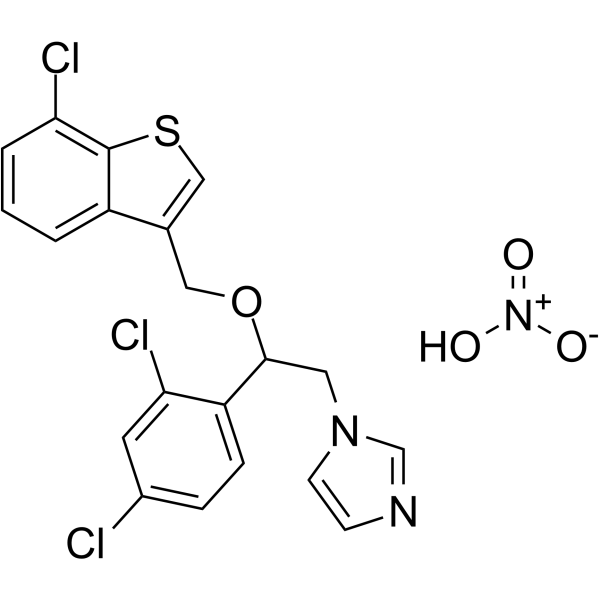
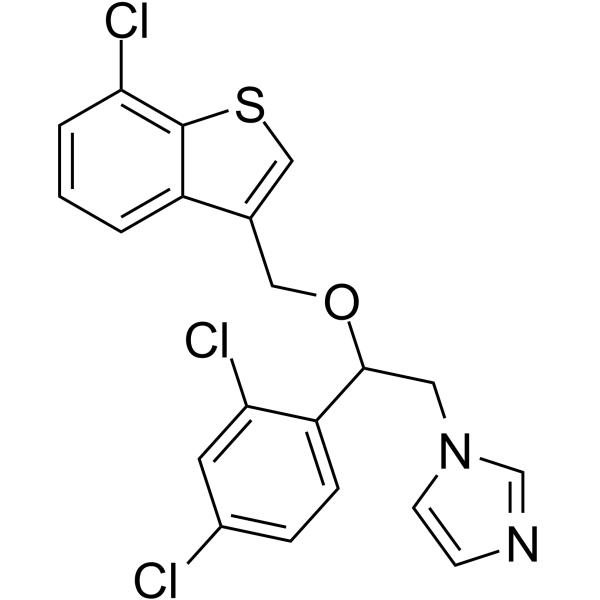
Sertaconazole nitrate (FI7056) is a broad-spectrum topical antifungal agent, exhibits anti-inflammatory activity via activation of a p38-COX-2-PGE2 pathway. Sertaconazole nitrate is also a microtubule inhibitor, shows antiproliferative effect, induces apoptosis and autophagy, and can also inhibit the migration of cells .
|
-
-
- HY-N6939
-
-
-
- HY-W094710
-
|
Sodium hydrogen diacetate
|
Environmental Pollutants
Bacterial
|
Infection
|
|
Sodium diacetate (Sodium hydrogen diacetate) is a multifunctional biochemical reagent with antibacterial (bacteria) and antifungal (fungi) activities. Sodium diacetate exerts its antimicrobial effect mainly by effectively penetrating the cell walls of microorganisms and interfering with enzyme interactions. Sodium diacetate inhibits the growth and survival of fungi such as Botrytis cinerea, as well as bacteria such as Listeria and Escherichia coli. Sodium diacetate inhibits the growth of endothelial cells. Sodium diacetate can be used in the synthesis of food preservatives, flavoring agents and pH control additives .
|
-

-
- HY-B1324
-
|
Ro 13-8996
|
Fungal
Cytochrome P450
Antibiotic
|
Infection
Cancer
|
|
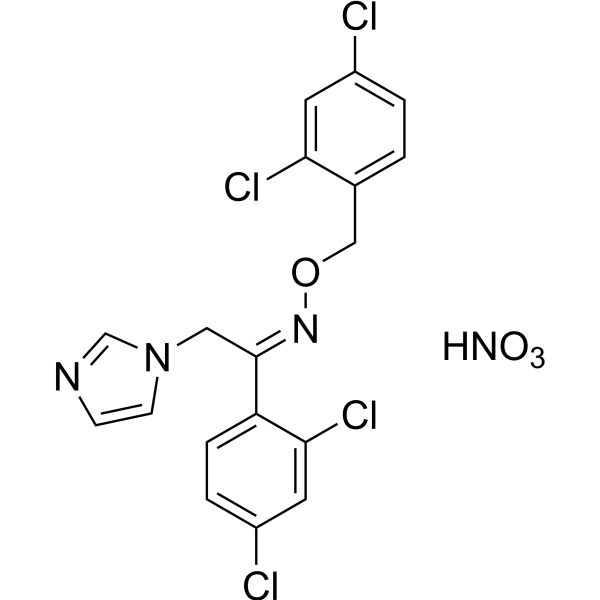
Oxiconazole (Ro 13-8996) nitrate is a broad spectrum anti-fungal agent which can inhibit the growth of Candida, Aspergillus and Trichophyton. Oxiconazole nitrate is also a highly efficacious activator of CYP3A4 transactivation, which could be antagonized by Rifampicin (HY-B0272) in a competitive manner. Oxiconazole nitrate exhibits inhibitory effect against colorectal cancer (CRC) via peroxiredoxin-2 (PRDX2)-mediated autophagy arrest .
|
-
-
- HY-124701
-
|
|
Fungal
|
Infection
|
|
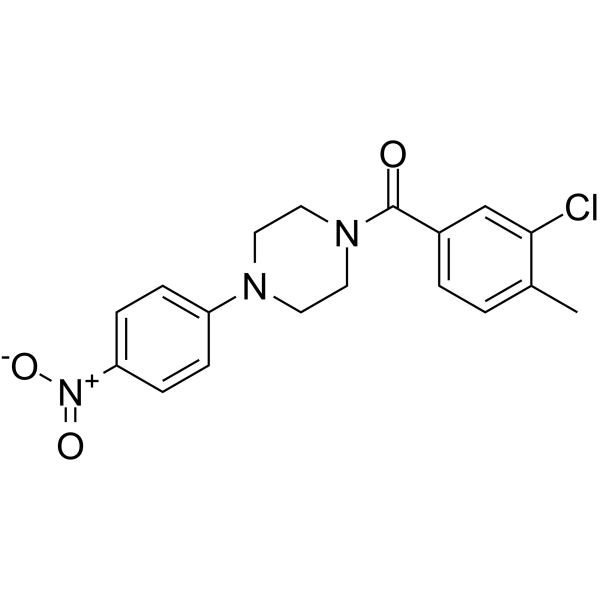
Filastatin is a long-lasting inhibitor of Candida albicans filamentation. Filastatin inhibits adhesion by multiple pathogenic Candida species with an IC50 of ~3 μM in the GFP-based adhesion assay. Filastatin inhibits fungal adhesion to polystyrene and human cells, the yeast-to-hyphal morphological transition, induction of the hyphal-specific HWP1 promoter. Filastatin has potent antifungal effect .
|
-
-
- HY-143899
-
|
|
Fructose-1,6-bisphosphate aldolase
Fungal
|
Infection
|
|
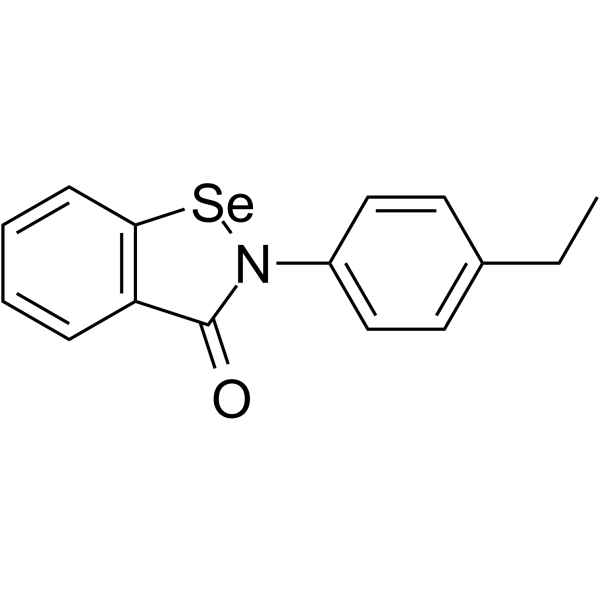
FBA-IN-1 (compound 2a11) is a first-in-class, covalent and allosteric inhibitor of fructose-1,6-bisphosphate aldolase from Candida albicans (CaFBA). FBA-IN-1 inhibits the growth of Azole-resistant strains 103 with the MIC80 of 1 μg/mL .
|
-
-
- HY-N0709R
-
-

-
- HY-N7107
-
|
|
Environmental Pollutants
Fungal
|
Infection
Metabolic Disease
|
|
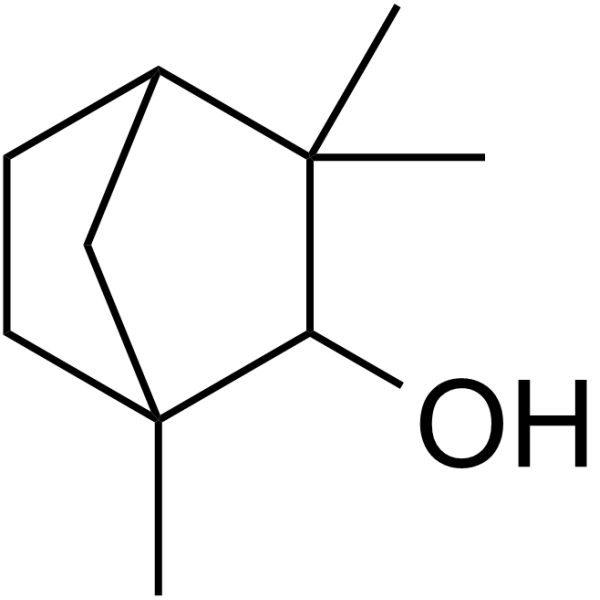
Fenchyl alcohol is a monoterpene alcohol that can be used as a fragrance. Fenchyl alcohol has antifungal activity and can inhibit the formation of biofilms and hyphae of Candida albicans. Fenchyl alcohol also has a strong inhibitory effect on the rumen microbial activity of sheep and deer .
|
-
-
- HY-B1316
-
|
|
Fungal
|
Infection
Neurological Disease
|
|
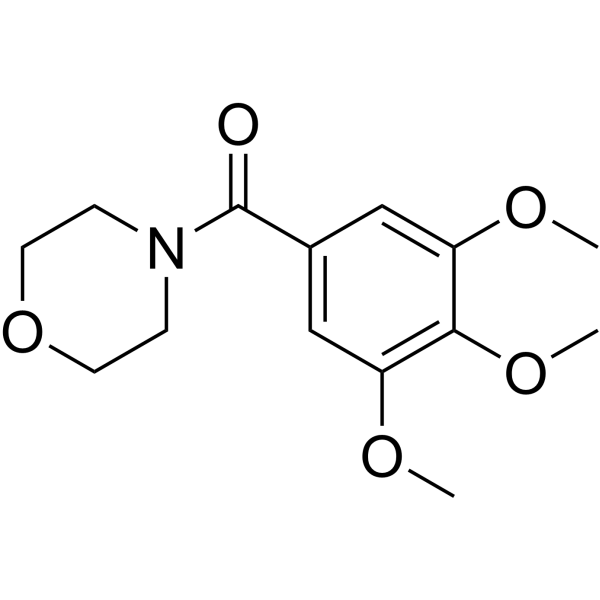
Trimetozine is an Antifungal agent and sedative. Trimetozine exhibits antibacterial activity against Candida albicans, Candida glabrata, and Miconazole (HY-B0454)-resistant Candida glabrata cultures. Trimetozine exerts a sedative effect. Trimetozine can be used in research related to candidiasis and anxiety disorders .
|
-
-
- HY-W097994
-
|
2,3-Dihydroxy-4-methoxybenzaldehyde
|
Fungal
|
Infection
Inflammation/Immunology
|
|
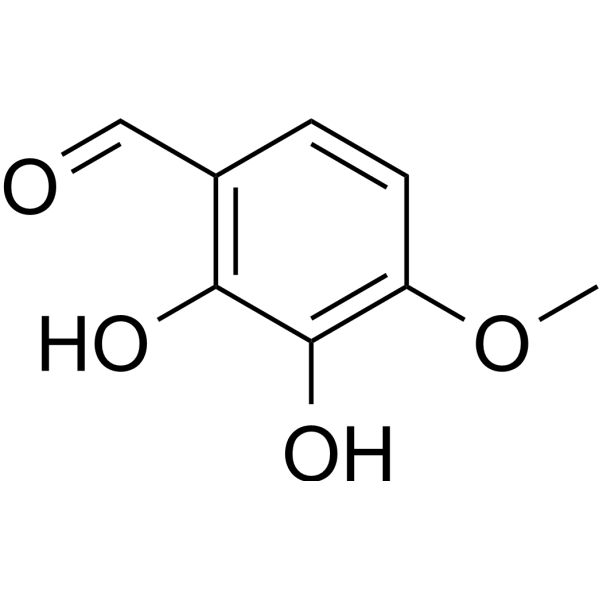
DHMB (2,3-Dihydroxy-4-methoxybenzaldehyde) is a small organic molecule with anti-fungal and anti-inflammatory activity. DHMB has protective effect on intestinal epithelial cells .
|
-
-
- HY-N8015S
-
|
|
Isotope-Labeled Compounds
Bacterial
Endogenous Metabolite
Fungal
|
Infection
Cancer
|
|
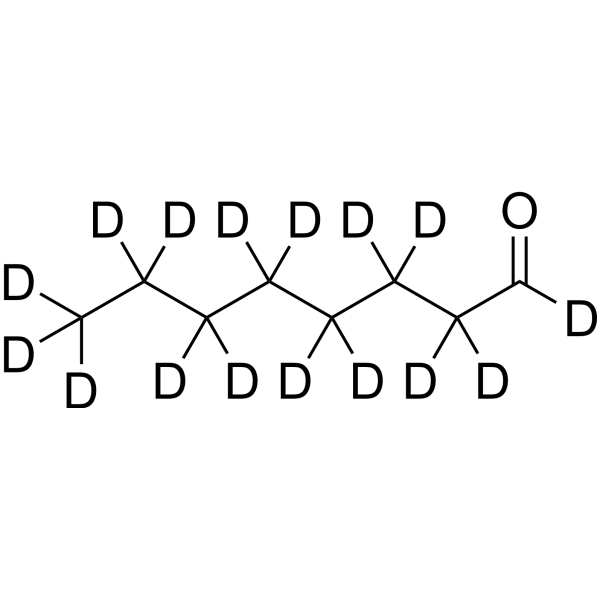
Octanal-d16 is the deuterium labeled Octanal. Octanal is a fragrant aldehyde with antioxidant and antibacterial activity. Its antifungal effect against G. citri-aurantii may be related to the disruption of cell membrane integrity and the leakage of cellular components. Additionally, Octanal exhibits cytotoxicity towards HeLa cells, with an IC50 value of 3.5 μg/mL .
|
-
-
- HY-B2012R
-
|
DPX-H6573 (Standard)
|
Reference Standards
Fungal
|
Infection
|
|
Flusilazole (Standard) is the analytical standard of Flusilazole. This product is intended for research and analytical applications. Flusilazole (DPX-H6573), an organosilane fungicide, has broad-spectrum antifungal effect. Flusilazole exhibits curative and preventative activities and is recommended for use in agriculture and horticulture .
|
-

-
- HY-23155S
-
|
2-PE ITC-d5
|
Fungal
|
Infection
|
|
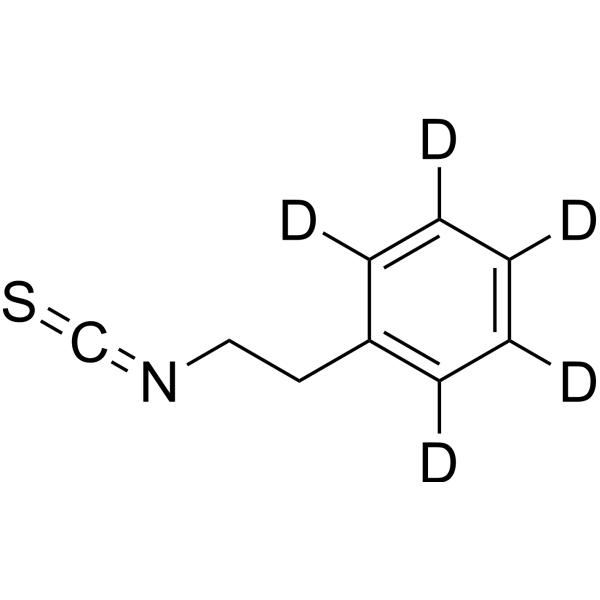
2-Phenylethyl isothiocyanate-d5 isothiocyanate-d5 is the deuterium labeled 2-Phenylethyl isothiocyanate[1]. 2-Phenylethyl isothiocyanate is a potent antifungal agent. 2-Phenylethyl isothiocyanate significantly inhibited spore germination and mycelial growth of Alternaria alternata, with a MIC (minimum inhibitory concentration) of 1.22 mM. The antifungal effect of 2-Phenylethyl isothiocyanate against Alternaria alternata might be via reduction in toxin content and breakdown of cell membrane integrity[2][3].
|
-
-
- HY-B0736
-
-
-
- HY-N4164
-
|
|
Fungal
Apoptosis
|
Infection
Cancer
|
|
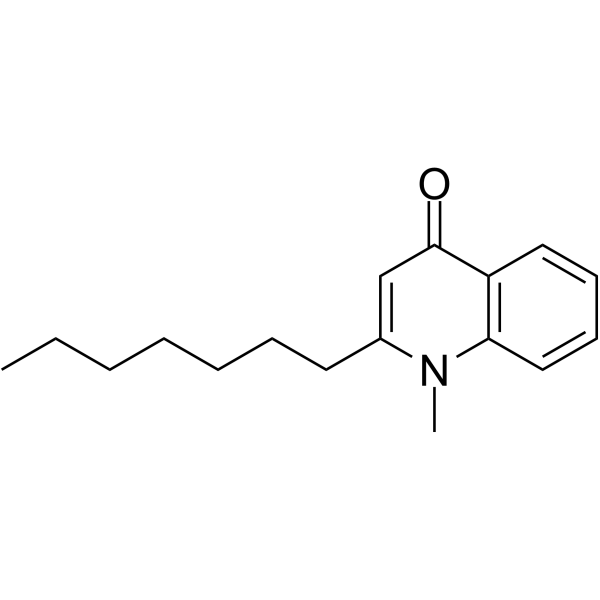
Schinifoline is a 4-quinolinone found in Zanthoxylum schinifolium. Schinifoline can inhibit cancer cells proliferation, cause G2/M phase arrest and induce apoptosis. Schinifoline can improve radiosensitizing effect of cancer cells. Schinifoline shows anti-fungal activity. Schinifoline can be used for the researches of cancer and infection, such as lung cancer and C. albicans infection .
|
-
-
- HY-W134163
-
|
trans-2-Octenal
|
Fungal
Reactive Oxygen Species (ROS)
Mitochondrial Metabolism
Phosphatase
Pyruvate Kinase
|
Infection
|
|
(E)-2-Octenal is an Antifungal agent. (E)-2-Octenal disrupts cell membrane integrity and causes ROS accumulation. (E)-2-Octenal decreases the activities of phosphofructokinase and pyruvate kinase. (E)-2-Octenal inhibits Neofusicoccum parvum growth by disrupting mitochondrial energy metabolism. (E)-2-Octenal suppresses the growth of a Prochloraz (HY-B0845)-resistant Penicillium italicum strain. (E)-2-octenal exerts a broad-spectrum and potent inhibitory effect on various fungi, including Sclerotium rolfsii, Metarhizium anisopliae sensu lato, and Aspergillus flavus, etc. (E)-2-Octenal can be used for the research of citrus blue mold and mango stem-end rot .
|
-

-
- HY-139900
-
|
|
Fungal
|
Infection
|
|
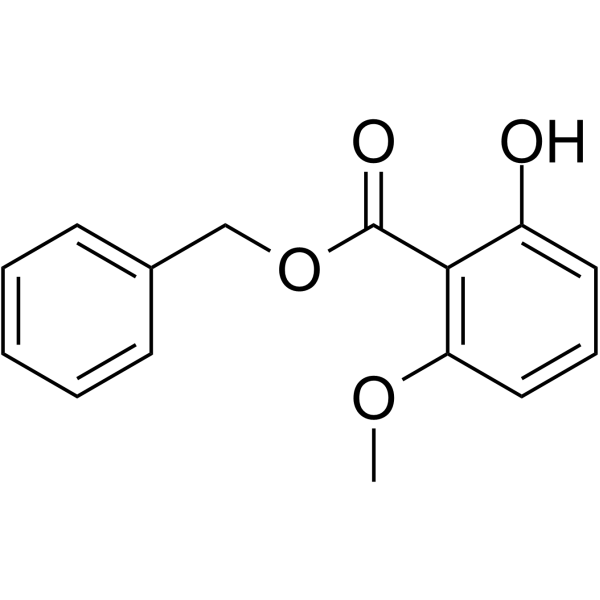
Benzyl 2-hydroxy-6-methoxybenzoate shows the strongest antifungal effect, with IC50 of 25–26 μg/mL for both fungal strains.
|
-
-
- HY-N1289
-
|
|
Fungal
Phosphodiesterase (PDE)
|
Infection
|
|
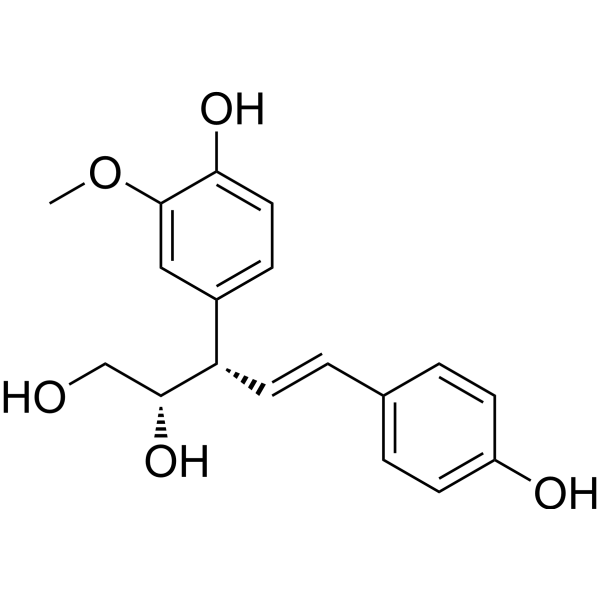
Sequosempervirin B, a norlignan isolated from the branches and leaves of Sequoia sempervirens, has antifungal properties. Sequosempervirin B has an inhibitory effect on cyclic AMP phosphodiesterase .
|
-
-
- HY-N0709S1
-
|
|
Bacterial
Fungal
Isotope-Labeled Compounds
|
Cancer
|
|
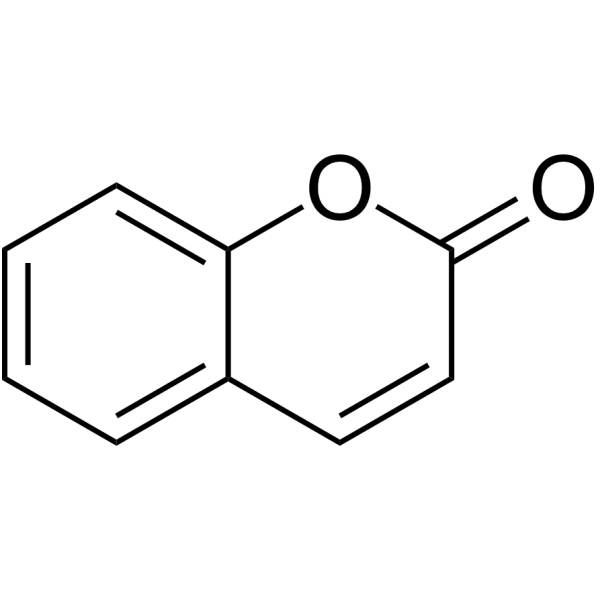
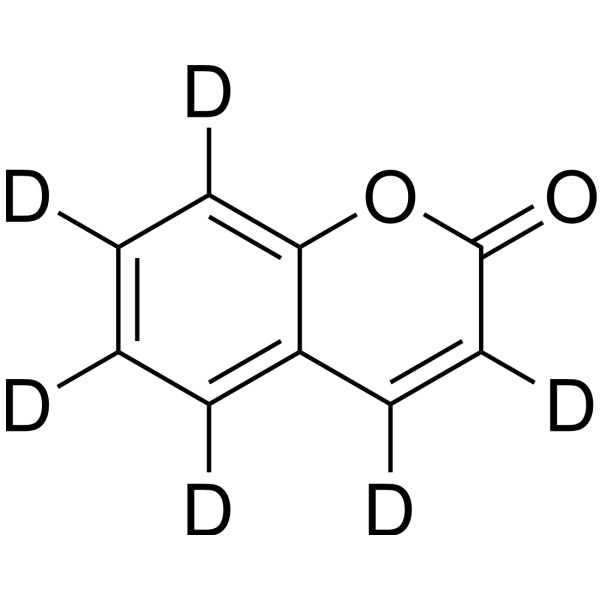
Coumarin-d6 is deuterated labeled Coumarin (HY-N0709). Coumarin is a potent and orally active anti-inflammatory agent. Coumarin shows an antinociceptive effect. Coumarin shows antibacterial, antifungal and anticancer activity .
|
-
-
- HY-179212
-
|
|
Drug Derivative
Fungal
|
Infection
|
|
(±)-Coladonin (Compound (±)-12), Coumarin (HY-N0709) derivative, is an antifungal agent. (±)-Coladonin exhibits potent inhibitory effect on the plant pathogenic fungus Botrytis cinerea. (±)-Coladonin is mainly used for the research on the prevention and control of gray mold disease in crops .
|
-

-
- HY-W104527
-
|
|
Bacterial
Fungal
|
Infection
|
|
2,4-Dinitrobenzenesulfonamide (Compound 2d) is an antibacterial and antifungal agent. 2,4-Dinitrobenzenesulfonamide interacts with dihydrofolate synthetase. 2,4-Dinitrobenzenesulfonamide shows inhibitory effect against A. niger, C. albicans, B. subtilis, and S. aureus .
|
-

-
- HY-23155R
-
|
2-PE ITC (Standard)
|
Fungal
Reference Standards
|
Infection
|
|
2-Phenylethyl isothiocyanate (Standard) is the analytical standard of 2-Phenylethyl isothiocyanate. This product is intended for research and analytical applications. 2-Phenylethyl isothiocyanate is a potent antifungal agent. 2-Phenylethyl isothiocyanate significantly inhibited spore germination and mycelial growth of Alternaria alternata, with a MIC (minimum inhibitory concentration) of 1.22 mM. The antifungal effect of 2-Phenylethyl isothiocyanate against Alternaria alternate might be via reduction in toxin content and breakdown of cell membrane integrity .
|
-

-
- HY-B0450R
-
|
HOE296b (Standard)
|
Reference Standards
Fungal
Bacterial
Ferroptosis
Autophagy
|
Infection
Inflammation/Immunology
Cancer
|
|
Ciclopirox (Standard) is the analytical standard of Ciclopirox. This product is intended for research and analytical applications. Ciclopirox (HOE296b) is a synthetic and orally active antifungal agent that can be used for superficial mycoses reseaech. Ciclopirox olamine has a very broad spectrum of activity and inhibits dermatophytes, yeasts, molds, and many Gram-positive and Gram-negative species pathogenic. Ciclopirox also has anticancer and anti-inflammatory effect .
|
-

-
- HY-B1324A
-
|
Ro 13-8996 free base
|
Fungal
Cytochrome P450
Antibiotic
|
Infection
Cancer
|
|
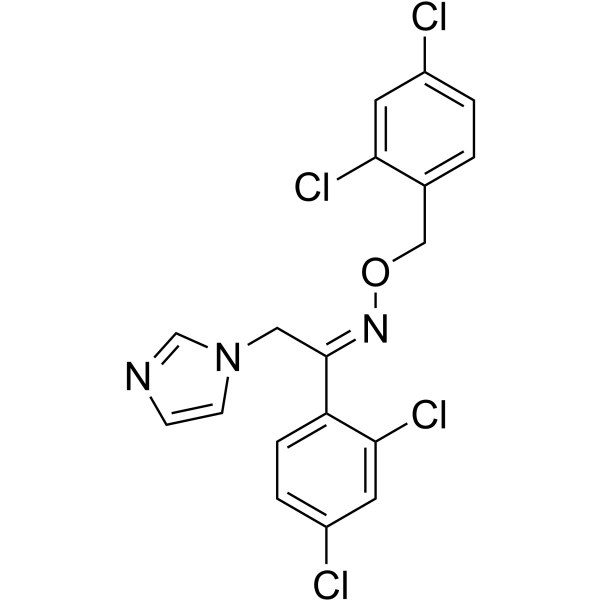
Oxiconazole (Ro 13-8996) is a broad spectrum anti-fungal agent which can inhibit the growth of Candida, Aspergillus and Trichophyton. Oxiconazole is also a highly efficacious activator of CYP3A4 transactivation, which could be antagonized by Rifampicin (HY-B0272) in a competitive manner. Oxiconazole exhibits inhibitory effect against colorectal cancer (CRC) via peroxiredoxin-2 (PRDX2)-mediated autophagy arrest .
|
-
-
- HY-175198
-
|
|
Acyltransferase
Fungal
|
Infection
|
|
Cs-2d is a selective ceramide synthases Cer1 inhibitor. Cs-2d has potent inhibitory activity toward C. neoformans Cer1, while maintaining a low off-target effect on human hCerS1. Cs-2d has potent antifungal activity with the significant growth inhibition. Cs-2d can be used for invasive fungal infections research .
|
-

-
- HY-N7135R
-
|
|
Tyrosinase
Reference Standards
Fungal
|
Metabolic Disease
Inflammation/Immunology
Cancer
|
|
Tropolone is a seven-membered non-benzenoid aromatic compound, which is the precursor of many Azulene derivatives. Tropolone is a potent mushroom tyrosinase inhibitor with an IC50 value of 0.4 μM. Its inhibitory effect can be achieved by dialysis or excess CU2+ Reversa. Tropolone exhibits broad anti-viral and anti-fungal activity and is synergistic upon co-treatment with nucleos(t)ide analog drugs. Tropolone is a promising candidate for research in osteosarcoma .
|
-

-
- HY-173428
-
|
|
Fungal
|
Infection
|
|
Antifungal agent 130 (Compound A7) is an orally active antifungal agent. Antifungal agent 130 has good antifungal activity against Candida albicans (MIC = 0.12 ng/mL) and Cryptococcus neoformans (MIC = 0.12 ng/mL) and has excellent antivirulence effect. Antifungal agent 130 exerts its antifungal effect by disrupting the iron homeostasis of fungal cells and inducing oxidative stress damage. Antifungal agent 130 can inhibit the formation of fungal virulence factors (such as biofilm, capsule, urease and melanin). Antifungal agent 130 has good antifungal effect and can be used in the study of drug-resistant fungal infections .
|
-

-
- HY-143406
-
|
|
Fungal
|
Infection
|
|
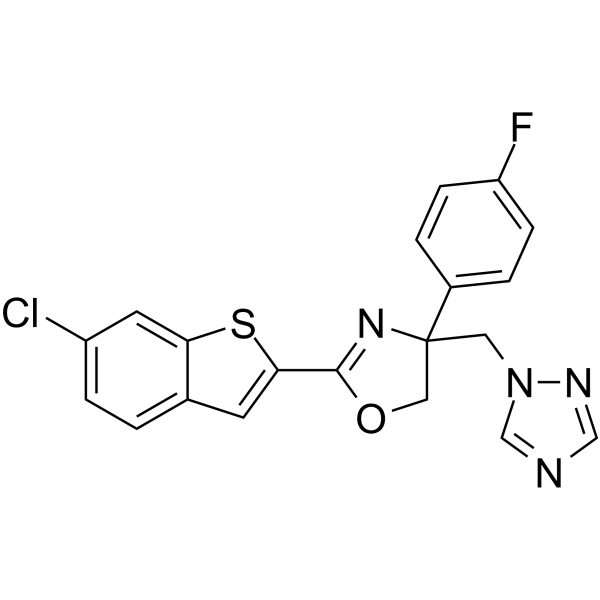
Antifungal agent 25 is a potent broad-spectrum antifungal agent. Antifungal agent 25 shows antifungal effect against Candida albicans and fluconazole-resistant strain of Candida albicans. Antifungal agent 25 stable metabolic property in vivo .
|
-
-
- HY-N13929
-
-

-
- HY-151440
-
|
|
Fungal
|
Infection
|
|
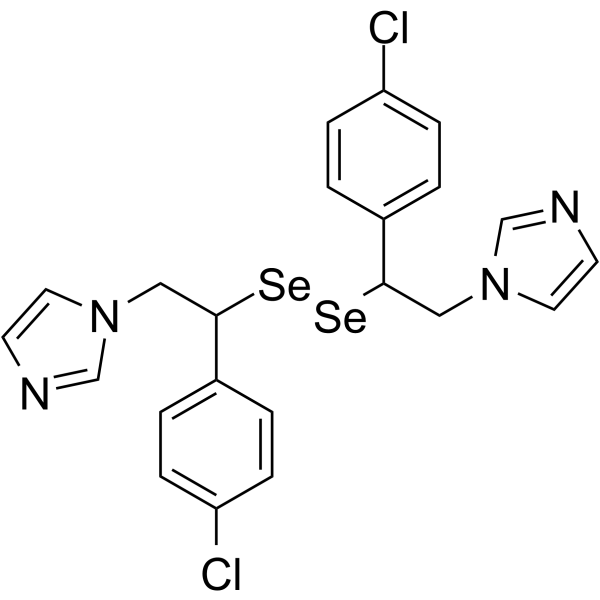
Antifungal agent 42 is an antifungal agent. Antifungal agent 42 has an inhibitory effect on lanosterol 14α-demethylase (CYP51) of C.alb.. Antifungal agent 42 inhibits biofilm formation .
|
-
-
- HY-151439
-
|
|
Fungal
|
Infection
|
|
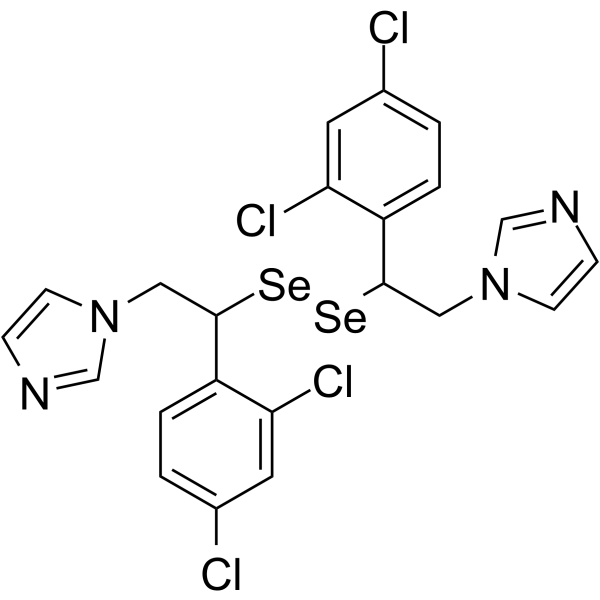
Antifungal agent 41 (compound B01) is an antifungal agent. Antifungal agent 41 shows inhibitory effect on Candida albicans in virto and vivo. Antifungal agent 41 can be used for the research of invasive fungal infections .
|
-
-
- HY-N14585
-
|
|
Fungal
|
Infection
|
|
Ramulosin has an antifungal effect and inhibits the germination of fungal meristems .
|
-

-
- HY-151437
-
|
|
Fungal
|
Infection
|
|
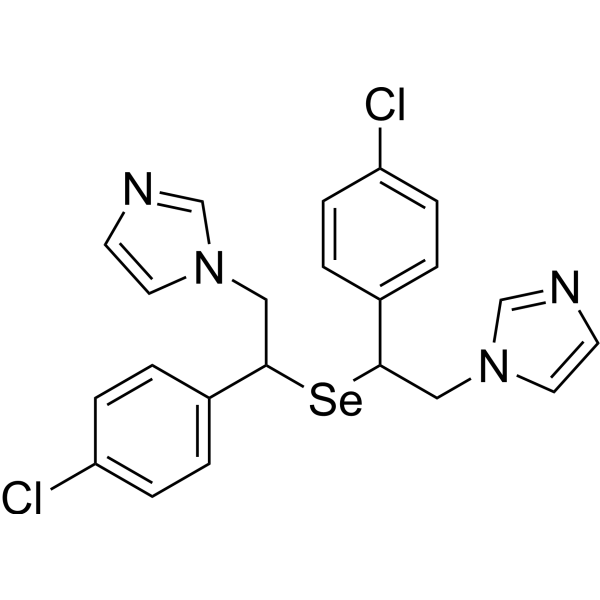
Antifungal agent 40 is an antifungal agent which extends into the narrow hydrophobic pocket II of C.alb. CYP51. Antifungal agent 40 has an inhibitory effect on lanosterol 14α-demethylase (CYP51). Antifungal agent 40 inhibits biofilm formation .
|
-
-
- HY-N9370
-
|
|
Fungal
|
Infection
|
|
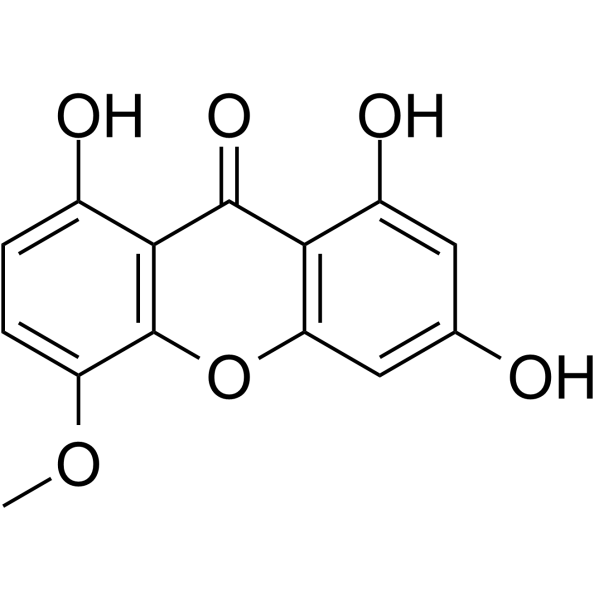
Isobellidifolin, a xanthone, is a free radical scavenger and antioxidant compound. Isobellidifolin has potent antifungal effect .
|
-
-
- HY-N14192
-
|
|
Antibiotic
Fungal
|
Infection
|
|
Maltophilin is a broad-spectrum antifungal antibiotic that has no antibacterial effect against Gram-positive and Gram-negative bacteria .
|
-

-
- HY-N10971
-
|
|
Fungal
|
Infection
|
|
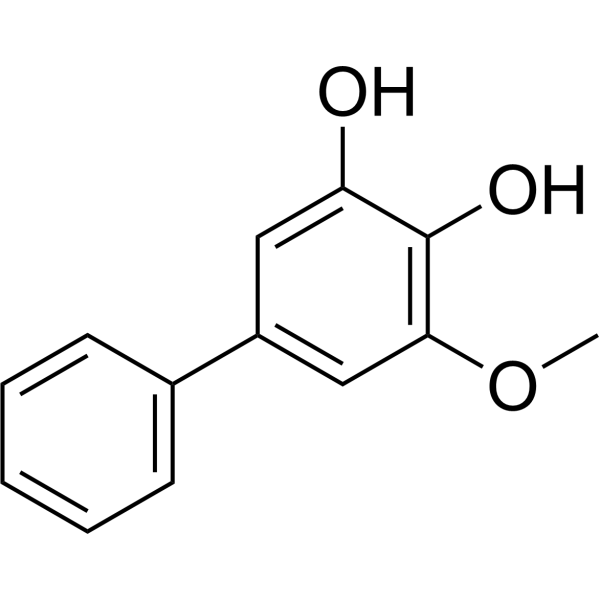
Noraucuparin is a biphenyl-type phytoalexin. Noraucuparin has antifungal effect. Noraucuparin can be isolated from the leaves of Sorbus pohuashanensis .
|
-
-
- HY-106333
-
|
R 60844
|
Fungal
|
Infection
Inflammation/Immunology
|
|
Irtemazole is an orally active antifungal agent. Irtemazole possesses uricosuric effect. Irtemazole is used in the research for blastomycosis, histoplasmosis, and aspergillosis .
|
-

-
- HY-N15077
-
|
|
Antibiotic
Bacterial
|
Infection
|
|
11-Deacetoxywortmannin is an antibiotic found in Aspergillus janus NRRL 3807 and Penicillum funiculosum NRRL 3363. 11-Deacetoxywortmannin has a strong anti-fungal and anti-inflammatory effect, and has an anti-edema effect .
|
-

-
- HY-114551
-
|
Racemomycin C; Antibiotic S15-1B
|
Bacterial
Fungal
|
Infection
|
|
Racemomycin C has broad spectrum antibacterial activity and antifungal effect, and it can inhibit PR-8 of influenza virus in tissue culture .
|
-

- HY-N14269
-
|
|
Antibiotic
Fungal
|
Infection
|
|
Ezomycin A2 is an antifungal antibiotic. Ezomycin A2 is mainly active against phytopathogens such as Sclerotinia sclerotiorum and Botrytis, and has a control effect on Sclerotinia, Botrytis and Candidiasis of crops .
|
-

- HY-N14283
-
|
|
Antibiotic
Fungal
|
Infection
|
|
Ezomycin D2 is an antifungal antibiotic. Ezomycin D2 is mainly active against phytopathogens such as Sclerotinia sclerotiorum and Botrytis, and has a control effect on Sclerotinia, Botrytis and Candidiasis of crops .
|
-

- HY-126237
-
|
|
Fungal
|
Infection
|
|
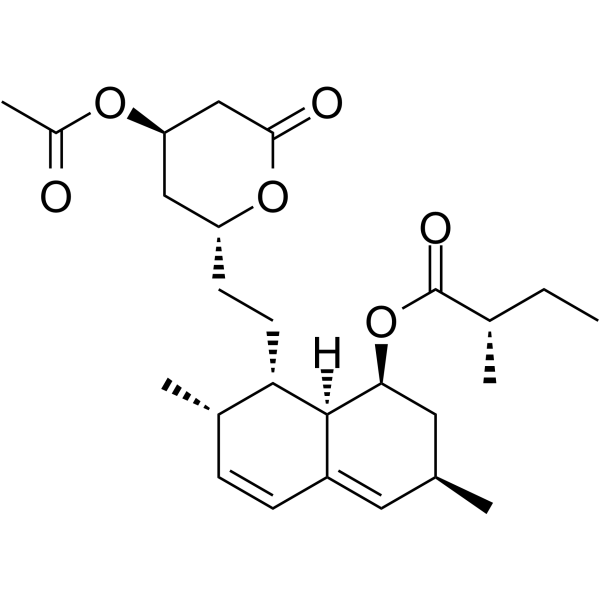
Acetyllovastatin, a acetate of Lovastatin, presentes a moderate inhibitory effect against the enzyme acetylcholinesterase with an IC50 of 79 μg/mL. Lovastatin has been found to display antifungal activity, and suppresses proliferation of a number of transformed cell lines .
|
-
- HY-N11528
-
|
7-Noreugenitin
|
Others
|
Infection
|
|
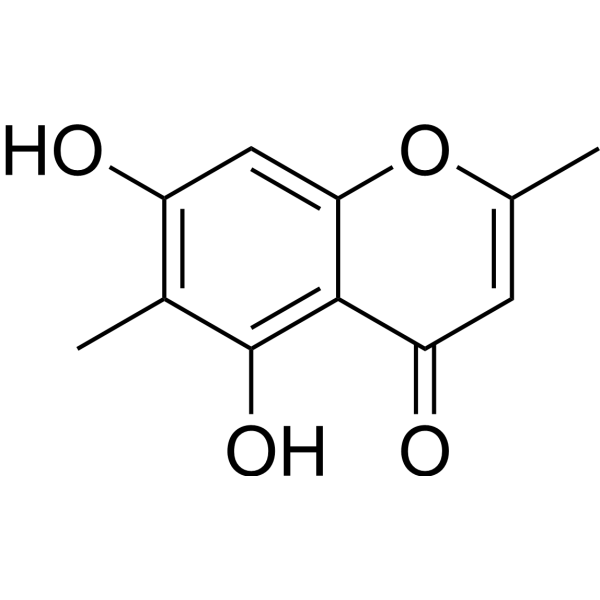
Eugenitol (Compound 3) is an antifungal metabolite isolated and purified from Diaporthe eucalyptorum. Eugenitol has inhibitory effect on four plant pathogenic fungi (Alternaria solani, Botrytis cinerea, Fusarium solani and Gibberella saubinettii) .
|
-
- HY-N14173
-
|
|
Antibiotic
Fungal
|
Infection
|
|
Epiderstatin is a glutarimide antibiotic. Epiderstatin has the activity of inhibiting the filamentous division induced by epidermal growth factor (EGF), but does not inhibit EGF-receptor kinase. Epiderstatin has only weak antifungal activity and no antibacterial effect .
|
-

- HY-N14496
-
|
|
Bacterial
|
Infection
Cancer
|
|
Nisamycin has stronger anti-Gram-positive bacteria and weaker anti-fungal and individual Gram-negative bacteria activities. Nisamycin has weak cytotoxic effect. The IC50 of mouse leukemia P388 cells is 4.8 μg/mL .
|
-

- HY-178189
-
|
|
Fungal
|
Infection
|
|
Laccase-IN-6 is a laccase inhibitor with an IC50 of 0.097 nM. Laccase-IN-6 exhibits broad-spectrum anti-fungal effect and can destroy the normal morphology of the fungi. Laccase-IN-6 can be used for the research of infection .
|
-

- HY-173283
-
|
|
Fungal
|
Infection
|
|
Antifungal agent 129 (Compound 4g) is an inhibitor targeting Rhizoctonia solani, with an EC50 value of 4.27 mg/L. It has a good control effect against rice sheath blight in in vitro and in vivo experiments. Preliminary exploration through scanning electron microscopy, molecular docking, enzyme activity determination, and cytotoxicity experiments has revealed that Antifungal agent 129 may exert its inhibitory activity by affecting the cell structure or physiological processes of Rhizoctonia solani. Antifungal agent 129 can be used in the research of plant diseases in the agricultural field, such as rice sheath blight, which are caused by Rhizoctonia solani .
|
-

- HY-N10786
-
|
|
Fungal
|
Infection
|
|
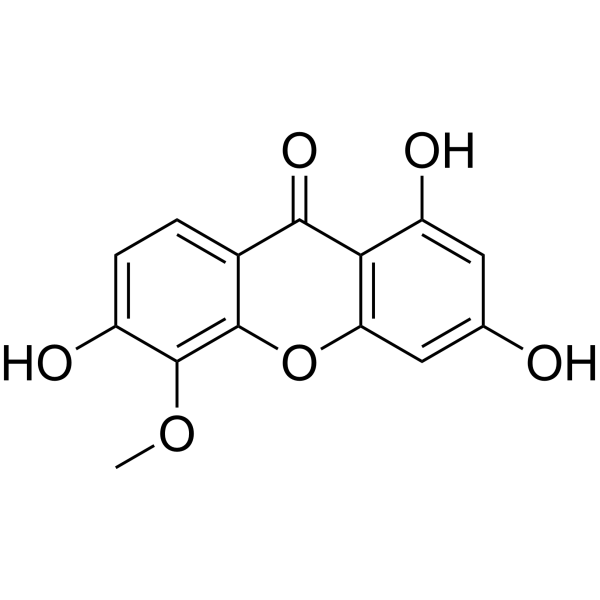
1,3,6-Trihydroxy-5-methoxyxanthone is a nature product that could be isolated form the root bark of Tovomita krukovii. 1,3,6-Trihydroxy-5-methoxyxanthone has anti-fungal effect .
|
-
- HY-N15300
-
|
|
Fungal
|
Infection
|
|
Acremorin E (Compound 7) is a terpenoid compound with antifungal activity. Acremorin E exerts its anti-C. gattiii effect by upregulating genes related to biosynthesis and RNA binding of ribosomes, as well as inhibiting RNA and nucleic acid metabolism and ATPase activity (MIC: 8 μg/mL) .
|
-

- HY-N7107R
-
|
|
Reference Standards
Fungal
|
Infection
Metabolic Disease
|
|
Fenchyl alcohol is a monoterpene alcohol that can be used as a fragrance. Fenchyl alcohol has antifungal activity and can inhibit the formation of biofilms and hyphae of Candida albicans. Fenchyl alcohol also has a strong inhibitory effect on the rumen microbial activity of sheep and deer .
|
-

- HY-N6780
-
|
|
Fungal
|
Infection
|
|
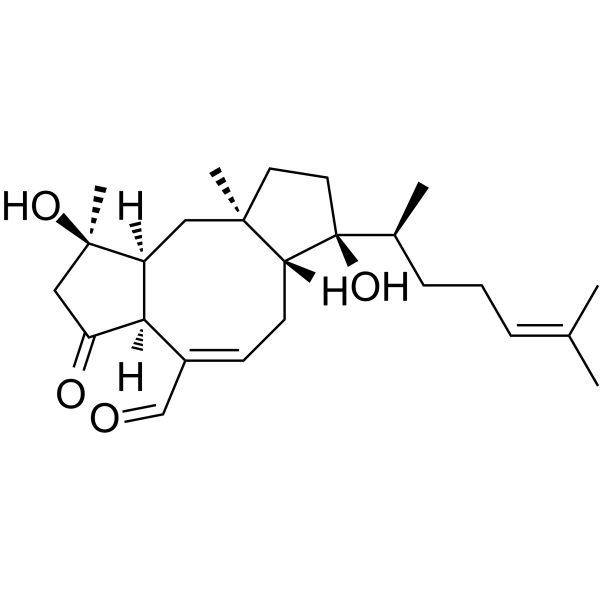
Ophiobolin B, a sesterterpene metabolite of Helminthosporium oryzae, inhibits proton extrusion from maize coleoptiles. Ophiobolin B inhibits fusicoccin (FC) promoted proton extrusion, potassium uptake and cell enlargement . The MIC values with the antifungal effect of Ophiobolins B on different zygomycetes is 25–50 μg/mL .
|
-
- HY-N14853
-
|
|
Bacterial
Fungal
|
Infection
|
|
Ossamycin is a macrolide antibiotic. Ossamycin has anti-fungal effect, and it has weaker anti-Gram-positive bacterial effect. Ossamycin inhibits L cells, Epstein-Barr ascites cancer cells, KB cells, sarcoma-180 cells, L-1210 cells, HeLa cells in cell culture with IC50s (μg/mL) of 0.007, 0.008, 0.005, 0.008, 0.003, 0.005, respectively .
|
-

- HY-N15309
-
|
Torvoside K
|
Fungal
|
Infection
|
|
Torvoside C (Torvoside K) is a compound found in Solanum torvum with antifungal activity. The ZOIs and MIC values of Torvoside C against the tested fungi (Alternaria brassicicola, Alternaria geophila, Aspergillus flavus, etc.) range from 33.4% to 87.4% and 31.25 to 250 μg/mL, respectively. Additionally, it exhibits a dose-dependent inhibitory effect on the production of mycotoxins aflatoxin B1 and fumonisin B1, which are produced by A. flavus and F. verticillioides, respectively. Torvoside C can be used for research in the field of antifungal infection .
|
-

- HY-175501
-
|
|
Fungal
Succinate Dehydrogenase
|
Infection
|
|
Succinate dehydrogenase-IN-11 (Compound A12) is a succinate dehydrogenase inhibitor with an IC50 value of 3.58 μM. Succinate dehydrogenase-IN-11 exhibits antifungal activity. Succinate dehydrogenase-IN-11 shows activity against fungi such as R. solani, B. cinerea, F. graminearum, and S. sclerotiorum in vitro. Succinate dehydrogenase-IN-11 also exerts a controlling effect on R. solani, P. pachyrhizi, and P. sorghi in vivo. Succinate dehydrogenase-IN-11 can be used in research related to antifungal applications .
|
-

- HY-113611
-
|
|
Fungal
|
Infection
|
|
SDZ89-485 is an orally active triazole antifungal agent. The peak concentration of SDZ89-485 is lower, but it exhibits a stronger anti-sporofungus effect in the mouse model than Fluconazole (HY-B0101) with a higher peak concentration. SDZ89-485 can be used in studies on anti-sporofungus .
|
-

- HY-159585
-
|
|
Cytochrome P450
Fungal
|
Infection
|
|
CYP51-IN-20 (compound 5b) is an inhibitor of CYP51 and has antifungal activity. CYP51-IN-20 has a significant inhibitory effect on Candida albicans ATCC 10231, downregulates ERG11 (Cyp51) gene expression, and significantly reduces the yeast-to-hyphae morphological transition. CYP51-IN-20 can synergize with Voriconazole (HY-76200) to occupy the entire CYP51 binding site and exert a synergistic inhibitory effect in the Glechoma moth model .
|
-

- HY-N8015R
-
|
|
Reference Standards
Endogenous Metabolite
Bacterial
Fungal
|
Infection
Cancer
|
|
Octanal (Standard) is the analytical standard of Octanal. This product is intended for research and analytical applications. Octanal is a fragrant aldehyde with antioxidant and antibacterial activity. Its antifungal effect against G. citri-aurantii may be related to the disruption of cell membrane integrity and the leakage of cellular components. Additionally, Octanal exhibits cytotoxicity towards HeLa cells, with an IC50 value of 3.5 μg/mL .
|
-

- HY-N8015S2
-
|
|
Bacterial
Isotope-Labeled Compounds
Endogenous Metabolite
Fungal
|
Infection
Cancer
|
|
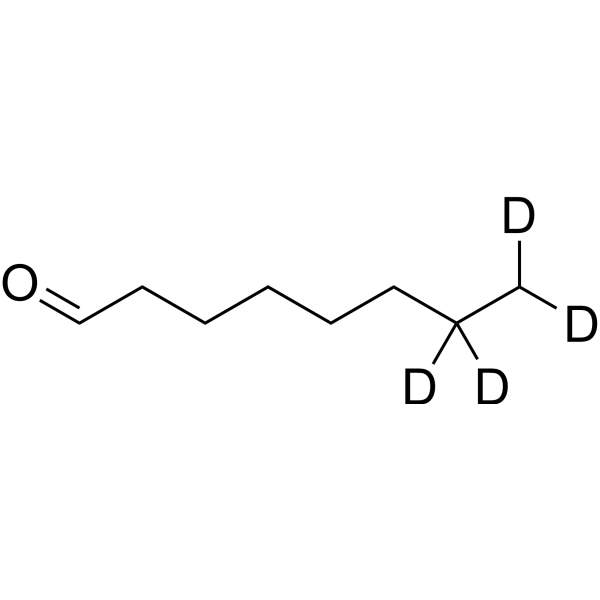
Octanal-d4 is deuterated labeled Octanal (HY-N8015). Octanal is a fragrant aldehyde with antioxidant and antibacterial activity. Its antifungal effect against G. citri-aurantii may be related to the disruption of cell membrane integrity and the leakage of cellular components. Additionally, Octanal exhibits cytotoxicity towards HeLa cells, with an IC50 value of 3.5 μg/mL .
|
-
- HY-17643R
-
|
VT-1161 (Standard)
|
Reference Standards
Fungal
Cytochrome P450
|
Infection
|
|
Oteseconazole (Standard) is the analytical standard of Oteseconazole. This product is intended for research and analytical applications. Oteseconazole (VT-1161) is a potent and orally active anti-fungal agent. Oteseconazole potently binds to and inhibits Candida albicans cytochrome P45051 (CYP51) activity (Kd ≤39 nM), shows no obvious effect on human CYP51. Oteseconazole also can be used for the research of dermatophytes .
|
-

- HY-N14135
-
|
|
Fungal
|
Infection
Cancer
|
|
Cystothiazole A has antifungal activity. Cystothiazole A can inhibit candida albicans, saccharomyces cerevisiae and aspergillus smoke with MIC values of 0.4 μg/mL, 0.1 μg/mL and 1.6 μg/mL, respectively. Cystothiazole A also inhibits human tumor cell, such as HPT-116 and K562 cells with MIC values of 130 ng/mL and 110 ng/mL, respectively. Cystothiazole A has no anti-bacterial effect .
|
-

- HY-162488
-
|
|
Fungal
|
Infection
|
|
Laccase-IN-3 (Compound 2b) is a laccase inhibitor (IC50 = 1.02= μM) with significant antifungal activity. Laccase-IN-3 shows superior inhibitory effect on Botryosphaeria dothidea (EC50 = 0.17 mg/L). Laccase-IN-3 effectively blocks the catalytic function of laccase by binding to its active center. Laccase-IN-3 also disrupts pathogen cell membrane integrity and increases ROS .
|
-

- HY-B0450AR
-
|
Ciclopirox ethanolamine (Standard); HOE 296 (Standard)
|
Reference Standards
Fungal
Bacterial
Ferroptosis
|
Infection
Cancer
|
|
Ciclopirox (olamine) (Standard) is the analytical standard of Ciclopirox (olamine). This product is intended for research and analytical applications. Ciclopirox olamine (Ciclopirox ethanolamine) is a synthetic and orally active antifungal agent that can be used for superficial mycoses reseaech. Ciclopirox olamine has a very broad spectrum of activity and inhibits dermatophytes, yeasts, molds, and many Gram-positive and Gram-negative species pathogenic. Ciclopirox olamine also has anticancer and anti-inflammatory effect .
|
-

- HY-N7236
-
|
|
Parasite
Fungal
|
Infection
|
|
Pervicoside B is a glycoside C isolated from Neothyone gibbosa sea cucumber. In vitro studies have shown that Pervicoside B has a potent antiparasitic effect against Leishmania mexicana, inhibiting 100% of promastigotes at 5-10 μg/mL. Pervicoside B also exhibits strong antifungal activity against Aspergillus niger, with MIC values ranging from 4.65 to 16.7 μg/mL. Pervicoside B has potential applications in the inhibition of parasitic infections and fungal diseases .
|
-

- HY-B0736AR
-
|
FI7056 (Standard)
|
Reference Standards
Fungal
Autophagy
Apoptosis
p38 MAPK
Microtubule/Tubulin
|
Infection
|
|
Sertaconazole (nitrate) (Standard) is the analytical standard of Sertaconazole (nitrate). This product is intended for research and analytical applications. Sertaconazole nitrate (FI7056) is a broad-spectrum topical antifungal agent, exhibits anti-inflammatory activity via activation of a p38-COX-2-PGE2 pathway. Sertaconazole nitrate is also a microtubule inhibitor, shows antiproliferative effect, induces apoptosis and autophagy, and can also inhibit the migration of cells .
|
-

- HY-143236
-
|
|
Bacterial
Fungal
|
Infection
|
|
DHFR-IN-1 (compound 12) is a potent and selective DHFR (dihydrofolate reductase)inhibitor, with an IC50 of 40.71 nM. DHFR-IN-1 exhibits promising antibacterial activity against gram-positive and gram-negative bacteria. DHFR-IN-1 exhibits moderate antifungal activities. DHFR-IN-1 exhibits a high synergistic effect with Levofloxacin (HY-B0330), where the FIC (fractional inhibitory concentration index) value is 0.249 .
|
-
- HY-N6939R
-
-

- HY-N14734
-
|
|
Apoptosis
Fungal
Microtubule/Tubulin
Mitosis
|
Cancer
|
|
Disorazol A1 is an tubulin inhibitor with antifungal activity. Disorazol A1 functions by inhibiting tubulin polymerization, interfering with microtubule formation, blocking mitosis, thus arresting the cell cycle at the G2/M phase and inducing apoptosis. Disorazol A1 also exhibits an inhibitory effect against L929 mouse fibroblasts with an IC50 value of 3 pM. Disorazol A1 causes the accumulation of p53 protein in the cell nucleus. Disorazol A1 is promising for research of cancers .
|
-

- HY-B1324R
-
|
Ro 13-8996 (Standard)
|
Reference Standards
Fungal
Cytochrome P450
Antibiotic
|
Infection
Cancer
|
|
Oxiconazole nitrate (Standard) is the analytical standard of Oxiconazole nitrate. This product is intended for research and analytical applications. Oxiconazole (Ro 13-8996) nitrate is a broad spectrum anti-fungal agent which can inhibit the growth of Candida, Aspergillus and Trichophyton. Oxiconazole nitrate is also a highly efficacious activator of CYP3A4 transactivation, which could be antagonized by Rifampicin (HY-B0272) in a competitive manner. Oxiconazole nitrate exhibits inhibitory effect against colorectal cancer (CRC) via peroxiredoxin-2 (PRDX2)-mediated autophagy arrest .
|
-

- HY-N14329
-
-

- HY-105477
-
|
(-)-Maniwamycin A; KA 7367A
|
Fungal
|
Infection
|
|
Maniwamycin A ((-)-Maniwamycin A) has anti-fungal effect .
|
-

- HY-153271
-
|
|
Bacterial
|
Infection
|
|
Antifungal agent 147 (compound 2) is a lipophilic antibacterial agent with dark toxicity. Antifungal agent 147 shows a phototoxic effect on S. aureus and E. coli. Antifungal agent 147 can penetrate the bacterial cell membrane and disturb its structure, leading to dark toxicity. Antifungal agent 147 can be used for bacteria infection research .
|
-

- HY-180672
-
|
|
Fungal
|
Infection
|
|
Antifungal agent 145 (Compound 14') is a highly effective fungicide. Antifungal agent 145 exhibits MICs against Candida albicans, Candida tropicalis, and Cryptococcus neoformans of 4, 8, and 8 μg/mL respectively. Antifungal agent 145 exerts a potent and rapid bactericidal effect by disrupting the fungal cell membrane, and can effectively inhibit and destroy biofilms. Antifungal agent 145 has improved safety and can be used in antifungal research .
|
-

- HY-W748786
-
|
|
Fungal
|
Infection
|
|
Fenpyrazamine is an antifungal agent. Fenpyrazamine possesses antifungal, preventative, systemic, and lesion-inhibiting activities, as well as a long-lasting effect. Fenpyrazamine targets 3-keto reductase in the ergosterol biosynthesis pathway. Fenpyrazamine is effective against gray mold, stem rot, and brown rot .
|
-

- HY-N18764
-
|
|
Bacterial
|
Infection
Inflammation/Immunology
|
|
Parsley extract has a natural diuretic effect, which helps relieve bloating and lower blood pressure. It also has antibacterial and antifungal properties and can be used in research on the prevention of infections and foodborne illnesses.
|
-

- HY-N15042
-
|
|
Fungal
|
Infection
|
|
9-Hydroxyoudemansin A is an antibiotic. 9-Hydroxyoudemansin A has antifungal activity, has an MIC of 12.5 μg/mL against ochre-like yeast, and is resistant to fungi such as Candida albicans, Crimson Yeast, Penicillium and Streptomyces with MICs are all> 50 μg/mL. No anti-bacterial effect .
|
-

- HY-125459
-
|
|
Fungal
|
Infection
|
|
L-705589 is a semi-synthetic penicillin-type antifungal agent. L-705589 exerts its antifungal effect by inhibiting the 1,3-β-D-glucan synthase in the fungal cell wall. L-705589 exhibits potent bactericidal activity against various Candida species (such as Candida albicans, Candida glabrata, Candida krusei, etc.) (MFC: 0.06 - 8 μg/mL), but has relatively weak activity against Cryptococcus neoformans (MFC: 32 - 64 μg/mL). L-705589 remains active against drug-resistant Candida strains and is not prone to inducing drug resistance. L-705589 significantly improves survival rates in the model of minor invasive aspergillosis .
|
-

- HY-181404
-
|
|
Fungal
P-glycoprotein
|
Infection
|
|
PA36-2 is an Mdr1 inhibitor and azole resistance reversal agent, with a IC50 of 1.0 μg/mL and a Kd of 4.209 μM against Candida albicans Mdr1. By effectively inhibiting the activity of the Mdr1 efflux pump, PA36-2 prevents the pumping of substrates out of cells, enhances the intracellular accumulation of azole antibiotics, and exerts a synergistic effect with antifungal agents such as Fluconazole (FLC) (HY-B0101). PA36-2 can be used in the research of azole-resistant candidiasis .
|
-

| Cat. No. |
Product Name |
Type |
-
- HY-106333
-
|
R 60844
|
Biochemical Assay Reagents
|
|
Irtemazole is an orally active antifungal agent. Irtemazole possesses uricosuric effect. Irtemazole is used in the research for blastomycosis, histoplasmosis, and aspergillosis .
|
| Cat. No. |
Product Name |
Target |
Research Area |
-
- HY-N6693
-
|
NSC 122023
|
Apoptosis
Antibiotic
Autophagy
Fungal
|
Infection
Others
Cancer
|
|
Valinomycin is a potassium-specific ionophore, the valinomycin-K + complex can be incorporated into biological bilayer membranes with the hydrophobic surface of valinomycin, destroys the normal K + gradient across the membrane, and as a result kills the cells, incorporating into liposomes can significantly reduces the cytotoxicity and enhances the targeting effect. Valinomycin exhibits antibiotic, antifungal, antiviral, antitumor and insecticidal efficacy, thus can be used for relevant research .
|
| Cat. No. |
Product Name |
Category |
Target |
Chemical Structure |
-
- HY-N6693
-
-
-
- HY-N0709
-
-
-
- HY-N2524
-
-
-
- HY-N2389
-
-
-
- HY-N8015
-
-
-
- HY-N7135
-
-
-
- HY-111664
-
-
-
- HY-N6939
-
-
-
- HY-N0709R
-
-
-
- HY-N7107
-
-
-
- HY-N4164
-
-
-
- HY-W134163
-
-
-
- HY-N1289
-
-
-
- HY-N7135R
-
-
-
- HY-N13929
-
-
-
- HY-N14585
-
-
-
- HY-N9370
-
-
-
- HY-N14192
-
-
-
- HY-N10971
-
-
-
- HY-N15077
-
-
-
- HY-114551
-
-
-
- HY-N14269
-
-
-
- HY-N14283
-
-
-
- HY-N11528
-
|
7-Noreugenitin
|
Natural Products
Microorganisms
Source Classification
|
Others
|
|
Eugenitol (Compound 3) is an antifungal metabolite isolated and purified from Diaporthe eucalyptorum. Eugenitol has inhibitory effect on four plant pathogenic fungi (Alternaria solani, Botrytis cinerea, Fusarium solani and Gibberella saubinettii) .
|
-
-
- HY-N14173
-
-
-
- HY-N14496
-
-
-
- HY-N10786
-
-
-
- HY-N15300
-
|
|
Microorganisms
Phenols
Polyphenols
Source Classification
|
Fungal
|
|
Acremorin E (Compound 7) is a terpenoid compound with antifungal activity. Acremorin E exerts its anti-C. gattiii effect by upregulating genes related to biosynthesis and RNA binding of ribosomes, as well as inhibiting RNA and nucleic acid metabolism and ATPase activity (MIC: 8 μg/mL) .
|
-
-
- HY-N7107R
-
-
-
- HY-N6780
-
-
-
- HY-N14853
-
|
|
Microorganisms
Macrolide Antibiotics
Antibiotics
Source Classification
|
Bacterial
Fungal
|
|
Ossamycin is a macrolide antibiotic. Ossamycin has anti-fungal effect, and it has weaker anti-Gram-positive bacterial effect. Ossamycin inhibits L cells, Epstein-Barr ascites cancer cells, KB cells, sarcoma-180 cells, L-1210 cells, HeLa cells in cell culture with IC50s (μg/mL) of 0.007, 0.008, 0.005, 0.008, 0.003, 0.005, respectively .
|
-
-
- HY-N15309
-
|
Torvoside K
|
Structural Classification
Solanum torvum Swartz
Solanaceae
Plants
Steroids
Source Classification
|
Fungal
|
|
Torvoside C (Torvoside K) is a compound found in Solanum torvum with antifungal activity. The ZOIs and MIC values of Torvoside C against the tested fungi (Alternaria brassicicola, Alternaria geophila, Aspergillus flavus, etc.) range from 33.4% to 87.4% and 31.25 to 250 μg/mL, respectively. Additionally, it exhibits a dose-dependent inhibitory effect on the production of mycotoxins aflatoxin B1 and fumonisin B1, which are produced by A. flavus and F. verticillioides, respectively. Torvoside C can be used for research in the field of antifungal infection .
|
-
-
- HY-N8015R
-
-
-
- HY-N14135
-
|
|
Microorganisms
Antibiotics
Other Antibiotics
Source Classification
|
Fungal
|
|
Cystothiazole A has antifungal activity. Cystothiazole A can inhibit candida albicans, saccharomyces cerevisiae and aspergillus smoke with MIC values of 0.4 μg/mL, 0.1 μg/mL and 1.6 μg/mL, respectively. Cystothiazole A also inhibits human tumor cell, such as HPT-116 and K562 cells with MIC values of 130 ng/mL and 110 ng/mL, respectively. Cystothiazole A has no anti-bacterial effect .
|
-
-
- HY-N7236
-
|
|
Triterpenes
Animals
Terpenoids
Source Classification
|
Parasite
Fungal
|
|
Pervicoside B is a glycoside C isolated from Neothyone gibbosa sea cucumber. In vitro studies have shown that Pervicoside B has a potent antiparasitic effect against Leishmania mexicana, inhibiting 100% of promastigotes at 5-10 μg/mL. Pervicoside B also exhibits strong antifungal activity against Aspergillus niger, with MIC values ranging from 4.65 to 16.7 μg/mL. Pervicoside B has potential applications in the inhibition of parasitic infections and fungal diseases .
|
-
-
- HY-N6939R
-
-
-
- HY-N14734
-
|
|
Natural Products
Microorganisms
Source Classification
|
Apoptosis
Fungal
Microtubule/Tubulin
Mitosis
|
|
Disorazol A1 is an tubulin inhibitor with antifungal activity. Disorazol A1 functions by inhibiting tubulin polymerization, interfering with microtubule formation, blocking mitosis, thus arresting the cell cycle at the G2/M phase and inducing apoptosis. Disorazol A1 also exhibits an inhibitory effect against L929 mouse fibroblasts with an IC50 value of 3 pM. Disorazol A1 causes the accumulation of p53 protein in the cell nucleus. Disorazol A1 is promising for research of cancers .
|
-
-
- HY-N14329
-
-
-
- HY-105477
-
-
-
- HY-N18764
-
|
|
Structural Classification
Extract
|
Bacterial
|
|
Parsley extract has a natural diuretic effect, which helps relieve bloating and lower blood pressure. It also has antibacterial and antifungal properties and can be used in research on the prevention of infections and foodborne illnesses.
|
-
-
- HY-N15042
-
|
|
Microorganisms
Antibiotics
Other Antibiotics
Source Classification
|
Fungal
|
|
9-Hydroxyoudemansin A is an antibiotic. 9-Hydroxyoudemansin A has antifungal activity, has an MIC of 12.5 μg/mL against ochre-like yeast, and is resistant to fungi such as Candida albicans, Crimson Yeast, Penicillium and Streptomyces with MICs are all> 50 μg/mL. No anti-bacterial effect .
|
-
| Cat. No. |
Product Name |
Chemical Structure |
-
- HY-N8015S
-
|
|
|
Octanal-d16 is the deuterium labeled Octanal. Octanal is a fragrant aldehyde with antioxidant and antibacterial activity. Its antifungal effect against G. citri-aurantii may be related to the disruption of cell membrane integrity and the leakage of cellular components. Additionally, Octanal exhibits cytotoxicity towards HeLa cells, with an IC50 value of 3.5 μg/mL .
|
-
-
- HY-23155S
-
|
|
|
2-Phenylethyl isothiocyanate-d5 isothiocyanate-d5 is the deuterium labeled 2-Phenylethyl isothiocyanate[1]. 2-Phenylethyl isothiocyanate is a potent antifungal agent. 2-Phenylethyl isothiocyanate significantly inhibited spore germination and mycelial growth of Alternaria alternata, with a MIC (minimum inhibitory concentration) of 1.22 mM. The antifungal effect of 2-Phenylethyl isothiocyanate against Alternaria alternata might be via reduction in toxin content and breakdown of cell membrane integrity[2][3].
|
-
-
- HY-N0709S1
-
|
|
|
Coumarin-d6 is deuterated labeled Coumarin (HY-N0709). Coumarin is a potent and orally active anti-inflammatory agent. Coumarin shows an antinociceptive effect. Coumarin shows antibacterial, antifungal and anticancer activity .
|
-
-
- HY-N8015S2
-
|
|
|
Octanal-d4 is deuterated labeled Octanal (HY-N8015). Octanal is a fragrant aldehyde with antioxidant and antibacterial activity. Its antifungal effect against G. citri-aurantii may be related to the disruption of cell membrane integrity and the leakage of cellular components. Additionally, Octanal exhibits cytotoxicity towards HeLa cells, with an IC50 value of 3.5 μg/mL .
|
-
Your information is safe with us. * Required Fields.
Inquiry Information
- Product Name:
- Cat. No.:
- Quantity:
- MCE Japan Authorized Agent:








