Search Result
Results for "
bacterial biofilm infections
" in MedChemExpress (MCE) Product Catalog:
3
Biochemical Assay Reagents
3
Isotope-Labeled Compounds
| Cat. No. |
Product Name |
Target |
Research Areas |
Chemical Structure |
-
- HY-121362
-
|
|
Bacterial
Endogenous Metabolite
TrxR
|
Infection
Neurological Disease
Inflammation/Immunology
Cancer
|
|
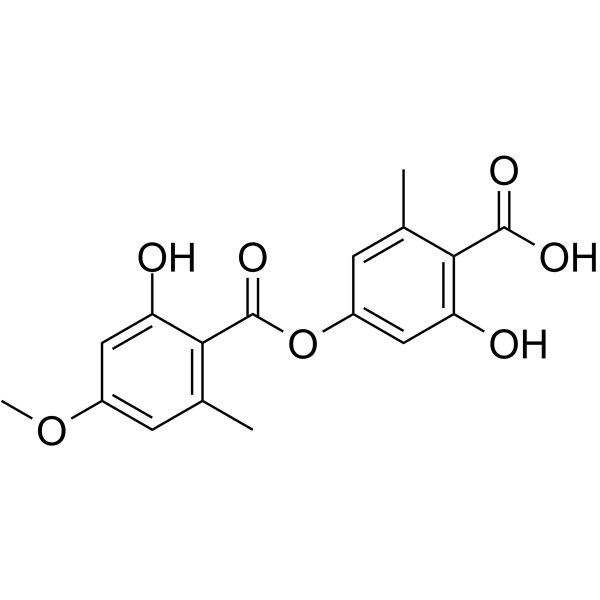
Evernic Acid is an orally active thioredoxin reductase 1 (TrxR1) inhibitor and antiproliferative agent. Evernic Acid inhibits the proliferation and migration of human breast cancer cells. Evernic Acid blocks the NF-κB pathway by inhibiting p65 nuclear translocation and IκBα phosphorylation, thereby suppressing downstream inflammatory mediators. Evernic Acid acts as an antioxidant, anti-inflammatory agent and neuroprotective agent, protects neurons from cell death, mitochondrial dysfunction and oxidative stress damage, reduces astrocyte activation, and ameliorates dopaminergic neuron loss and neuroinflammation. Evernic Acid inhibits enoyl reductases FabI and FabZ of Plasmodium falciparum. Evernic Acid downregulates the expression of lasB and rhlA genes in Pseudomonas aeruginosa, inhibits quorum sensing and biofilm formation, and exerts antibacterial activity against Gram-positive bacteria, Gram-negative bacteria and fungi. Evernic Acid is applicable to research related to breast cancer, Parkinson's disease, bacterial infections and fungal infections .
|
-
-
- HY-N6082
-
|
|
Apoptosis
Bcl-2 Family
Caspase
TGF-beta/Smad
Bacterial
|
Infection
Metabolic Disease
Inflammation/Immunology
|
|
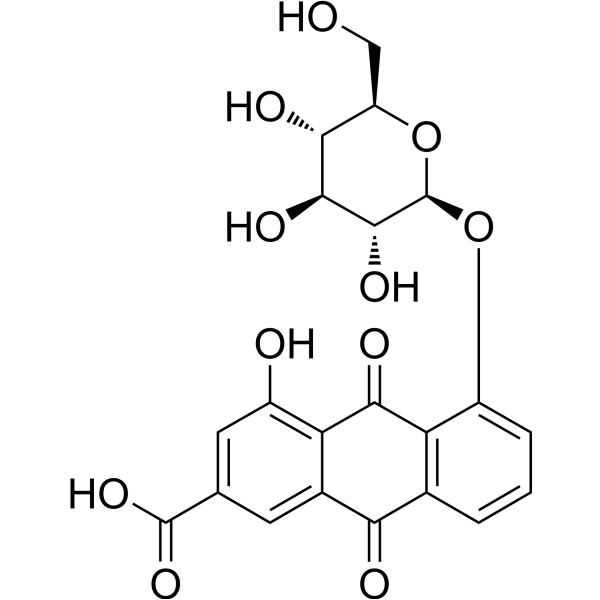
Rhein 8-O-β-D-Glucopyranoside is an orally active glycoside found in Rhubarb. Rhein 8-O-β-D-Glucopyranoside attenuates high glucose-induced apoptosis, recovers altered lincRNA ANRIL and let-7a expression, reverses high glucose-altered Bcl-2 and cleaved caspase-3 protein expression, and inhibits TGF-β1/Smad signaling. Rhein 8-O-β-D-Glucopyranoside accelerates Sennoside A (HY-N0365) metabolism, stimulates sennoside A purgative activity. Rhein 8-O-β-D-Glucopyranoside inhibits bacterial biofilm formation, suppresses its virulence gene expression, and exerts antibacterial activity. Rhein 8-O-β-D-Glucopyranoside can be used for the research of diabetic nephropathy, constipation, and infection .
|
-
-
- HY-Y1718
-
|
N-Tridecanoic acid
|
Endogenous Metabolite
Bacterial
|
Infection
|
|
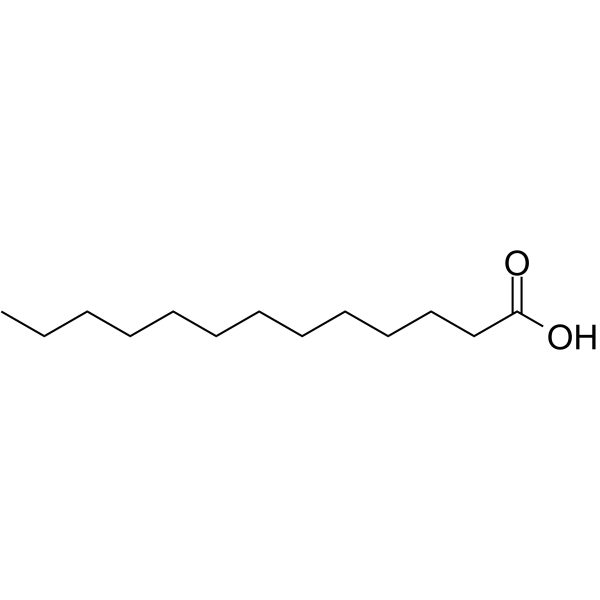
Tridecanoic acid (N-Tridecanoic acid) is a medium-chain saturated fatty acid and inhibitor with no antibacterial activity against enterohemorrhagic E. coli (EHEC). When used in combination with Ciprofloxacin (HY-B0356) or Ampicillin (HY-B0522), Tridecanoic acid suppresses persister formation in exponentially growing E. coli and EHEC, but exerts no inhibitory effect on persister formation induced by Kanamycin (HY-16566) or in stationary-phase cells. Tridecanoic acid inhibits biofilm formation in EHEC. It can be used in the research of bacterial infections .
|
-
-
- HY-P10233A
-
|
|
Bacterial
|
Infection
|
|
SAAP 148 TFA is a synthetic antimicrobial peptide (bacteria) that interacts with and disrupts the lipid bilayer of bacterial cytoplasmic membranes, thereby inducing changes in membrane permeability and bacterial death. SAAP 148 TFA kills drug-resistant, multidrug-resistant and persister bacterial strains, inhibits biofilm formation, eliminates established biofilms, and blocks bacterial colonization on implant surfaces. SAAP 148 TFA retains its activity after modification or immobilization, exhibits variable cytotoxicity in different human cell models, and shows reduced efficacy in protein-rich environments. SAAP 148 TFA can be used in infection-related research .
|
-

-
- HY-121310
-
|
|
MOFs
Bacterial
|
Infection
Cancer
|
Phthalocyanine is a photosensitizer. Phthalocyanine has a light-killing effect on bacterial biofilms, effectively inactivating bacteria. Phthalocyanine can be linked to anticancer drugs to target cancer. Phthalocyanine can also be used to develop chemical sensors for studying microbial infections and tumors .
|
-

-
- HY-W014141
-
|
L-Ascorbic acid 5,6-acetonide
|
Biochemical Assay Reagents
|
Infection
|
|
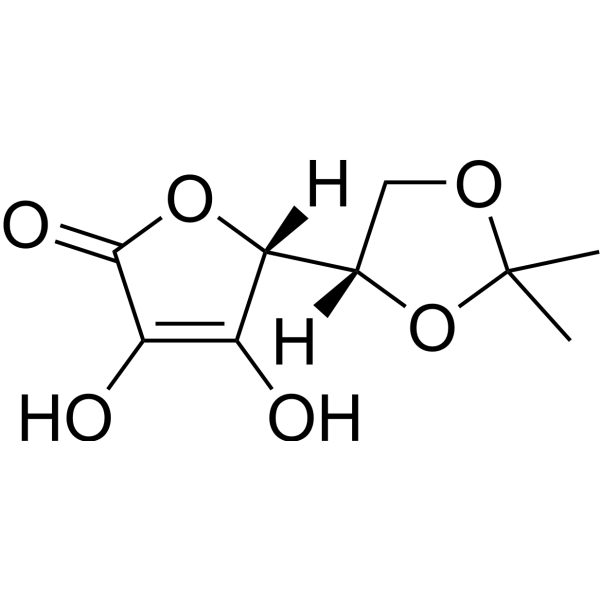
5,6-O-Isopropylidene-L-ascorbic acid (L-Ascorbic acid 5,6-acetonide) is an organic compound and a derivative of L-ascorbic acid (vitamin C). 5,6-O-Isopropylidene-L-ascorbic acid inhibits biofilm formation by pathogenic bacteria. 5,6-O-Isopropylidene-L-ascorbic acid is applicable to studies related to bacterial infections .
|
-
-
- HY-77785
-
|
5-Chloro-2-aminobenzophenone
|
Drug Intermediate
|
Infection
Neurological Disease
|
|
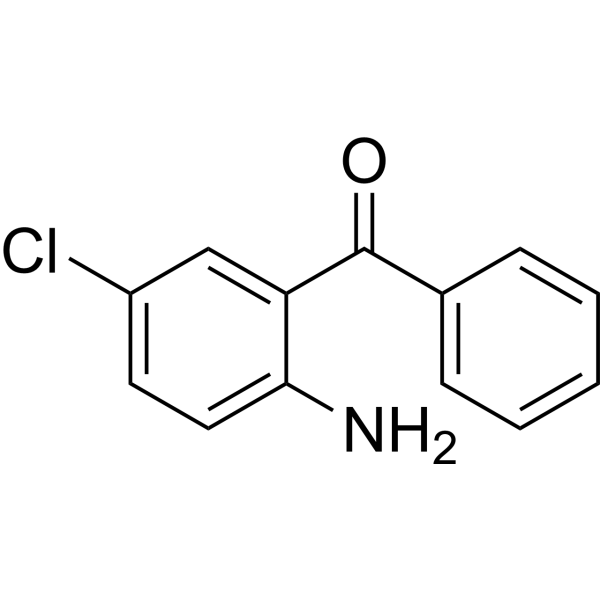
2-Amino-5-chlorobenzophenone (5-Chloro-2-aminobenzophenone) is a chemical intermediate. Derivatives of 2-Amino-5-chlorobenzophenone serve as skeletal muscle relaxants. 2-Amino-5-chlorobenzophenone acts as a starting material for the synthesis of anti-biofilm 2-amino-5-chlorobenzophenone Schiff bases. 2-Amino-5-chlorobenzophenone is applicable to research related to bacterial infections .\n
|
-
-
- HY-Y1718S1
-
|
N-Tridecanoic acid-d25
|
Isotope-Labeled Compounds
Endogenous Metabolite
Bacterial
|
Cancer
|
|
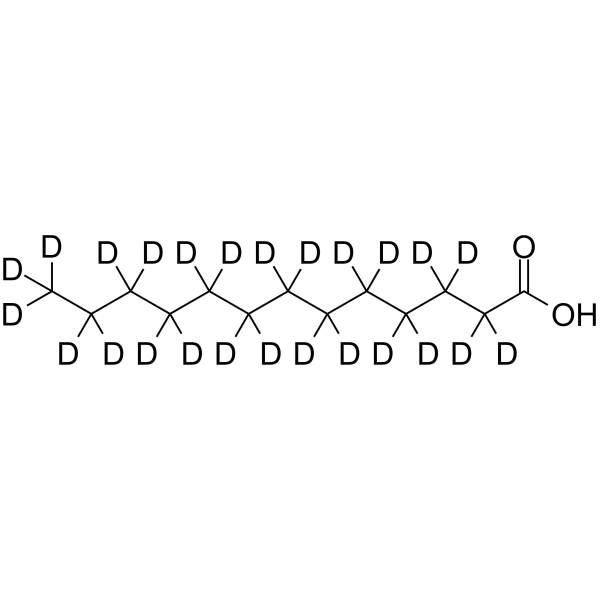
Tridecanoic acid-d25 is the deuterium labeled Tridecanoic acid. Tridecanoic acid (N-Tridecanoic acid), a 13-carbon medium-chain saturated fatty acid, can serve as an antipersister and antibiofilm agent that may be applied to research bacterial infections. Tridecanoic acid inhibits Escherichia coli persistence and biofilm formation .
|
-
-
- HY-Y1718S
-
|
N-Tridecanoic acid-d2
|
Isotope-Labeled Compounds
Endogenous Metabolite
Bacterial
|
Infection
|
|
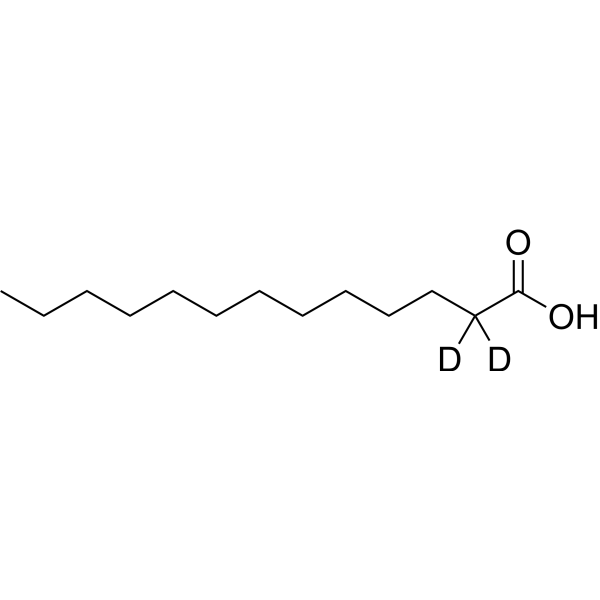
Tridecanoic acid-d2 is the deuterium labeled Tridecanoic acid. Tridecanoic acid (N-Tridecanoic acid), a 13-carbon medium-chain saturated fatty acid, can serve as an antipersister and antibiofilm agent that may be applied to research bacterial infections. Tridecanoic acid inhibits Escherichia coli persistence and biofilm formation .
|
-
-
- HY-135319
-
|
|
Bacterial
Antibiotic
ERK
JNK
NF-κB
ROR
Apoptosis
Caspase
GSK-3
Akt
PI3K
|
Infection
Metabolic Disease
Inflammation/Immunology
Cancer
|
|
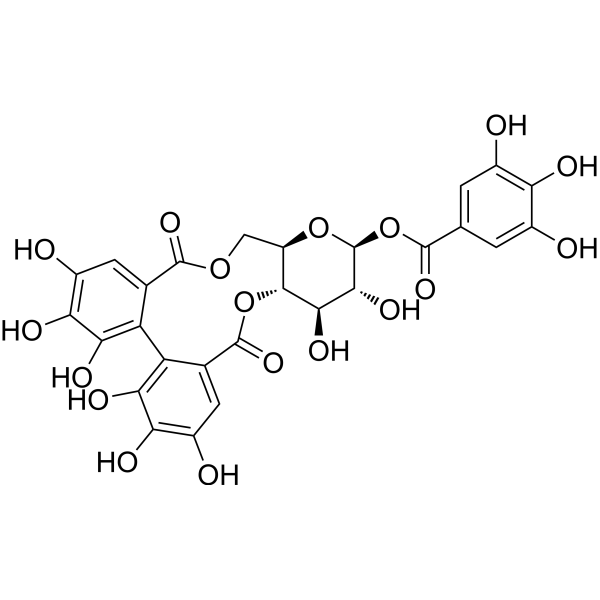
Strictinin is an orally active phenolic compound. Strictinin reduces xanthine oxidase activity, uric acid production, and the activation of ERK1/2, JNK, NF-κB, and NLRP3 inflammasome components in hepatocytes treated with Xanthine (HY-W017389). Strictinin decreases elevated serum uric acid levels and enhanced xanthine oxidase activity in mice treated with potassium oxonate. Strictinin acts as a ROR1 inhibitor and exhibits anticancer activity against highly aggressive non-androgen-dependent prostate cancer. Strictinin induces cancer cell apoptosis (apoptosis), arrests cell cycle, and inhibits cancer cell migration, invasion, and epithelial-mesenchymal transition. Strictinin modulates gut microbiota, inhibits bacterial growth and biofilm formation, accelerates small intestinal transit, and blocks viral entry and replication. Strictinin can be used in research related to hyperuricemia, androgen receptor-negative non-androgen-dependent prostate cancer, triple-negative breast cancer, bacterial infections, constipation, coronavirus infections, dental caries, and infections caused by influenza A, influenza B, and human parainfluenza virus type 1 .
|
-
-
- HY-149734
-
|
|
Bacterial
|
Infection
|
|
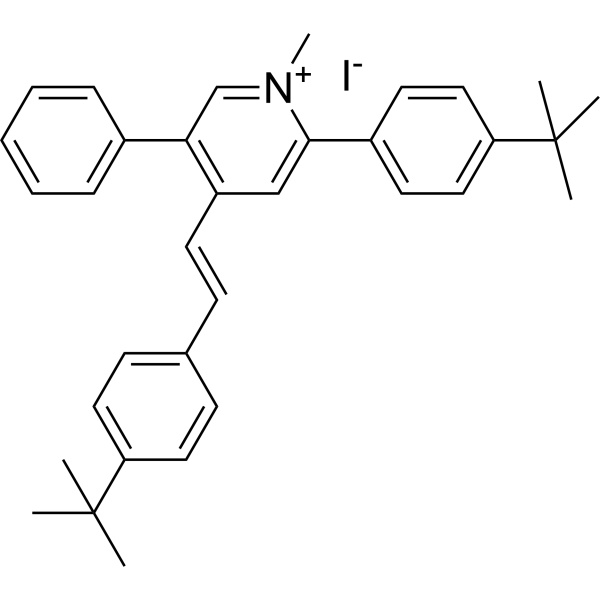
MA220607 is a FtsZ protein inhibitor with activity against both Gram-positive and Gram-negative bacteria. MA220607 inhibits bacterial growth and shows low bacterial resistance frequency. MA220607 increases bacterial membrane permeability and alters proton gradients. MA220607 blocks the formation of bacterial biofilms. MA220607 can be used in studies of bacterial infections .
|
-
-
- HY-P10233
-
|
|
Bacterial
|
Infection
|
|
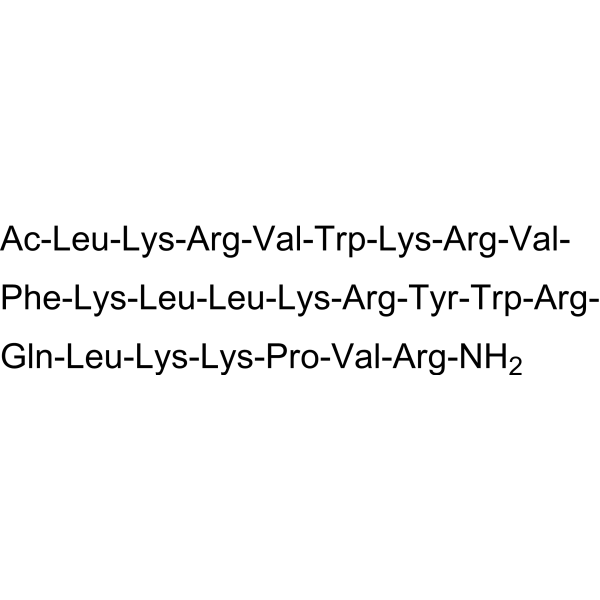
SAAP 148 is a synthetic antimicrobial peptide (bacteria) that interacts with and disrupts the lipid bilayer of bacterial cytoplasmic membranes, thereby inducing changes in membrane permeability and bacterial death. SAAP 148 kills drug-resistant, multidrug-resistant and persister bacterial strains, inhibits biofilm formation, eliminates established biofilms, and blocks bacterial colonization on implant surfaces. SAAP 148 retains its activity after modification or immobilization, exhibits variable cytotoxicity in different human cell models, and shows reduced efficacy in protein-rich environments. SAAP 148 can be used in infection-related research .
|
-
-
- HY-P5641
-
|
|
Bacterial
p38 MAPK
NF-κB
NADH Dehydrogenase
Antibiotic
|
Infection
Inflammation/Immunology
|
|
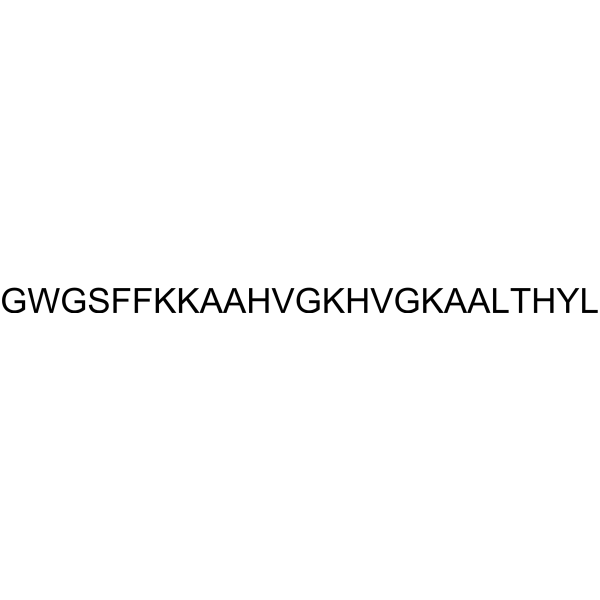
Pleurocidin is an Antimicrobial peptide. Pleurocidin is derived from the skin mucosa or intestinal secretions of Pseudopleuronectes americanus. Pleurocidin inhibits the expression of key proteins in the MAPK and NF-κB inflammatory signaling pathways. Pleurocidin alters serum inflammatory and immune cytokine levels, regulates the down-regulation of tight junction proteins, and modulates the intestinal flora. Pleurocidin exerts antibacterial activity by inducing bacterial membrane damage, hydroxyl radical formation, and NADH depletion, and also produces a synergistic effect with Antibiotics. Pleurocidin alleviates DSS-induced ulcerative colitis. Pleurocidin can be used for research on ulcerative colitis, bacterial infections, and bacterial biofilm-related infections .
|
-
-
- HY-P11165
-
|
|
Bacterial
|
Infection
|
|
DRGN-1 is an antimicrobial peptide. DRGN-1 exhibits potent antimicrobial and anti-biofilm activities, inhibiting both Gram-negative and Gram-positive bacteria, with an EC50 range of 0.50-4.62 μM. DRGN-1 exerts its antimicrobial effect by disrupting bacterial membrane permeability and slightly depolarizing the membrane potential. DRGN-1 inhibits the formation of biofilms of single bacterial species and mixed species of Pseudomonas aeruginosa and Staphylococcus aureus. DRGN-1 can significantly promote the healing of uninfected and mixed biofilm-infected mouse wounds. DRGN-1 can be used for the study of infections .
|
-

-
- HY-N11546
-
|
|
Cytochrome P450
Bacterial
Fungal
|
Infection
Cancer
|
|
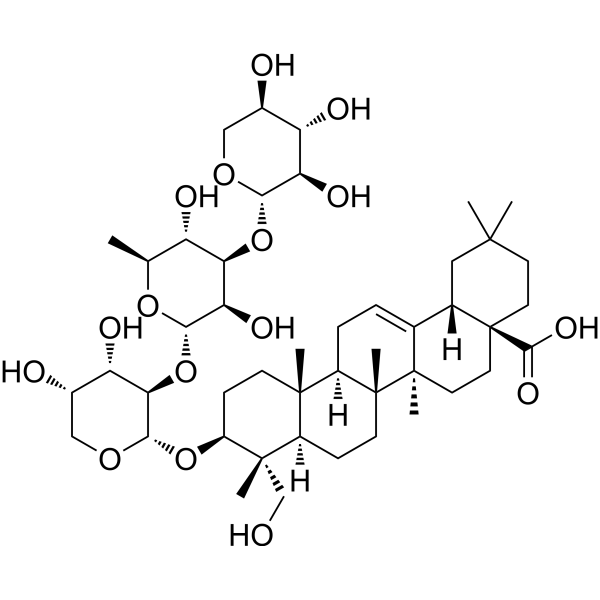
Sapindoside B is a substance with hepatoprotective activity, and also acts as a cytochrome P-450 (cytochrome P-450) inhibitor, antibacterial agent and membrane-disrupting agent. Sapindoside B reversibly inhibits the content of cytochrome P-450 in liver microsomes, suppresses the phenobarbital-induced increase in enzyme content, reduces the production of active metabolites mediated by cytochrome P-450, and alleviates hepatotoxic injury. Sapindoside B binds to Cutibacterium acnes lipase, reduces lipase activity, inhibits biofilm formation, and decreases bacterial adhesion. Sapindoside B exhibits cytotoxicity against human cancer, liver cancer, leukemia and glioblastoma cells. Sapindoside B inhibits mycelial growth of phytopathogenic fungal strains, possesses antibacterial activity against dermatophytes, and also has hemolytic/membrane-lytic activity. Sapindoside B can be used in research related to liver injury, Cutibacterium acnes biofilm-associated infections, gastric cancer, carcinoma, promyelocytic leukemia, glioblastoma, apple scab and grape gray mold .
|
-
-
- HY-N16657
-
|
LI-F 04b
|
Bacterial
|
Infection
|
|
Fusaricidin B (LI-F 04b) is one of the components of a lipopeptide biosurfactant extracted from the marine bacterium Paenibacillus polymyxa. Fusaricidin B can significantly inhibit the formation of multiple single species biofilms, including Gram positive and Gram negative bacteria. Fusaricidin B also has inhibitory effects on complex biofilms and can effectively destroy mature biofilms that have already formed. Fusaricidin B can be used for research on bacterial infections .
|
-

-
- HY-178952
-
|
|
Bacterial
|
Infection
|
|
Anti-infective agent 12 (Compound A09) is a competitive inhibitor of type I signal peptidease (SPase I), with an IC50 of 4.475 μM and a Kd of 16.3 μM. Anti-infective agent 12 has the ability to disrupt bacterial membranes and remove biofilms. Anti-infective agent 12 exhibits potent bactericidal activity against Gram-positive bacteria, with MIC values of 4, 4, 8, and 8 μg/mL for Staphylococcus aureus, Enterococcus faecalis, Enterococcus faecium, and Streptococcus suis, respectively. Anti-infective agent 12 remains effective against multi-drug resistant strains, but has weaker activity against Gram-negative bacteria (such as Escherichia coli and Salmonella), with MIC values > 64 μg/mL. Anti-infective agent 12 has low hemolytic activity and shows significant efficacy in mouse skin infection models .
|
-

-
- HY-142695
-
|
|
Bacterial
|
Infection
|
|
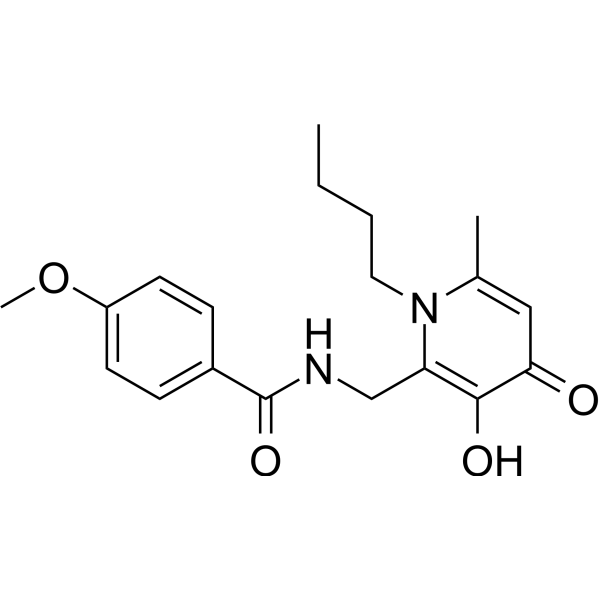
Antibacterial synergist 1 (compound 20P) is a bacterial biofilm inhibitor. Antibacterial synergist 1 inhibits the production of pyocyanin and biofilm formation with IC50s of 8.6 and 4.5 μM, respectively. Antibacterial synergist 1 has the potential for the research of P. aeruginosa infections .
|
-
-
- HY-Y1718S2
-
|
N-Tridecanoic acid-d9
|
Isotope-Labeled Compounds
Endogenous Metabolite
Bacterial
|
Infection
|
|
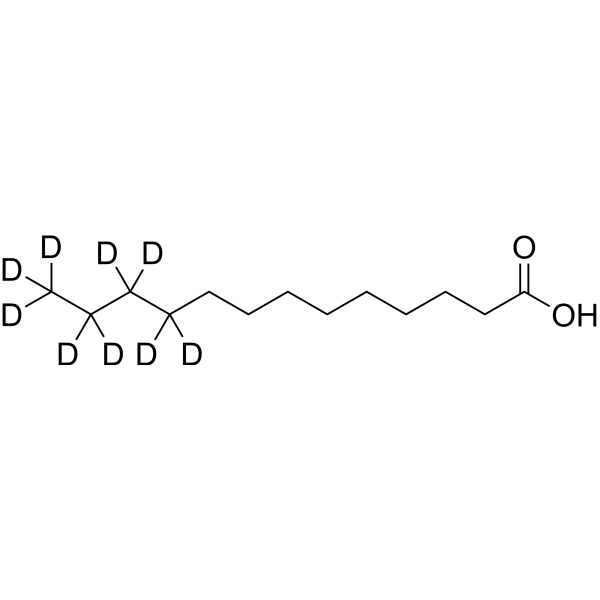
Tridecanoic acid-d9 is the deuterium labeled Tridecanoic acid. Tridecanoic acid (N-Tridecanoic acid), a 13-carbon medium-chain saturated fatty acid, can serve as an antipersister and antibiofilm agent that may be applied to research bacterial infections. Tridecanoic acid inhibits Escherichia coli persistence and biofilm formation .
|
-
-
- HY-Y1718R
-
|
N-Tridecanoic acid (Standard)
|
Reference Standards
Endogenous Metabolite
Bacterial
|
Infection
Metabolic Disease
|
|
Tridecanoic acid (Standard) is the analytical standard of Tridecanoic acid. This product is intended for research and analytical applications. Tridecanoic acid (N-Tridecanoic acid), a 13-carbon medium-chain saturated fatty acid, can serve as an antipersister and antibiofilm agent that may be applied to research bacterial infections. Tridecanoic acid inhibits Escherichia coli persistence and biofilm formation .
|
-

-
- HY-P10546
-
|
pALA
|
Bacterial
|
Infection
|
|
Polyalanine peptide (pALA) is an antimicrobial peptide that targets biofilms and Gram-negative bacteria and is non-toxic to mammalian cells. Polyalanine peptide forms an α-helical conformation that effectively permeabilizes Gram-negative bacterial membranes, thereby inducing lethal cell leakage. Polyalanine peptide can be used in anti-infection research .
|
-

-
- HY-124469
-
|
|
Bacterial
|
Infection
|
|
UM-C162, a benzimidazole derivative, can rescue nematodes from a S. aureus infection. UM-C162 prevents the formation of biofilm without interfering with bacterial viability. UM-C162 mediates the disruption of S. aureus hemolysins, proteases and clumping factors production. UM-C162 has the potential to be used as an anti-virulence agent to control S. aureus infections .
|
-

-
- HY-115693
-
|
|
Bacterial
|
Infection
|
|
CAP 3 is a cholic acid-peptide conjugate (CAP) antimicrobial agent. CAP 3 effectively inhibits Gram-negative bacteria, with MIC99 (minimum inhibitory concentration for 99% bacterial killing) values of 8 μM, 16 μM, and 16 μM against E. coli, Klebsiella pneumoniae and Acinetobacter baumannii, respectively. CAP 3 exerts its antibacterial effects by disrupting the structural integrity of the bacterial lipopolysaccharide (LPS) outer membrane. CAP 3 rapidly kills bacteria, inhibits biofilm formation, and effectively combats drug-resistant strains and persistent bacterial infections .
|
-

-
- HY-D3194
-
|
|
Fluorescent Dye
|
Infection
|
|
CDy14 is a fluorescent probe targeting the extracellular polysaccharide Psl. CDy14 enables the detection of biofilms. CDy14 can be used for research on chronic bacterial infections .
|
-

-
- HY-175295A
-
|
|
Bacterial
Reactive Oxygen Species (ROS)
|
Infection
|
|
Anti-MRSA agent 33 iodide is an anti-Methicillin (HY-121544)-resistant Staphylococcus aureus (MRSA) agent, with MIC values of 2-4 μg/mL. Anti-MRSA agent 33 iodide demonstrates effective biofilm eradication and minimal cytotoxicity toward mammalian cells. Anti-MRSA agent 33 iodide specifically binds to phosphatidylglycerol (PG) on bacterial membranes, leading to membrane disruption, excessive production of ROS, and metabolic collapse, ultimately resulting in bacterial cell death. Anti-MRSA agent 33 iodide reduces bacterial load in a murine skin infection model .
|
-

-
- HY-178924
-
|
|
Bacterial
|
Infection
|
|
Antibacterial agent 298 exhibits significant antibacterial activity against Pseudomonas putida (ATCC 25922) with an IC50 4.48 µg/mL. Antibacterial agent 298 shows strong antibiofilm activity. Antibacterial agent 298 also inhibits approximately 50% of biofilm formation in L. lactis and P. putida. Antibacterial agent 298 can be used for the study of Bacterial infections caused by multidrug-resistant bacteria (MDR) .
|
-

-
- HY-161279
-
|
|
Bacterial
Lactate Dehydrogenase
Reactive Oxygen Species (ROS)
|
Infection
|
|
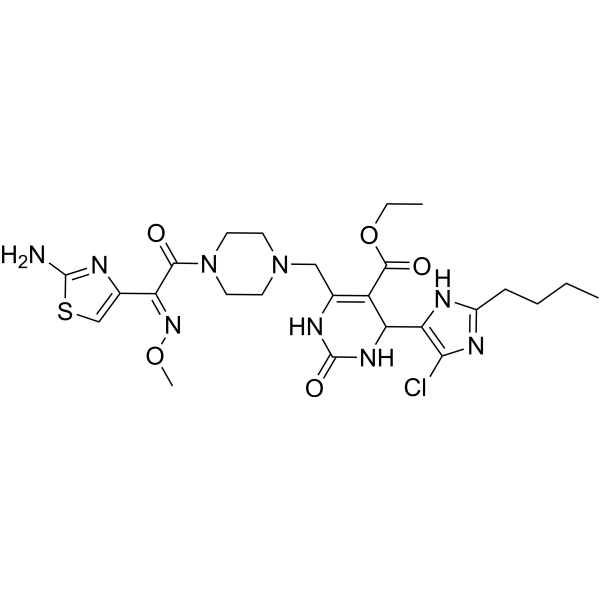
Antibiofilm agent-5 (compound 6c) is a multitargeting antibacterial agent with potent antibiofilm activity. Antibiofilm agent-5 could induce metabolic dysfunction by deactivating lactate dehydrogenase and promote the accumulation of reactive oxygen species to decrease the reduced glutathione and ultimately cause oxidative damage in bacteria. Antibiofilm agent-5 can be used for the research of refractory biofilm-intensified bacterial infections .
|
-
-
- HY-182798
-
|
|
Bacterial
Reactive Oxygen Species (ROS)
|
Infection
|
|
Antibacterial agent 337 is an antibacterial agent. Antibacterial agent 337 specifically interacts with PG in bacterial cell membranes, triggering membrane disruption, membrane depolarization, increased permeability, cytoplasmic leakage, ROS accumulation and rapid bacterial death. Antibacterial agent 337 inhibits biofilm formation and disrupts mature biofilms. Antibacterial agent 337 exhibits potent in vivo antibacterial efficacy in a mouse model of Staphylococcus aureus skin abscess. Antibacterial agent 337 can be used in studies of Gram-positive bacterial infections, including methicillin-resistant Staphylococcus aureus infections, vancomycin-resistant Enterococcus faecalis infections and bacterial biofilm infections .
|
-

-
- HY-N6082R
-
|
|
Reference Standards
Apoptosis
Bacterial
Bcl-2 Family
Caspase
TGF-beta/Smad
|
Infection
Metabolic Disease
Inflammation/Immunology
|
|
Rhein 8-O-β-D-Glucopyranoside (Standard) is the analytical standard of Rhein 8-O-β-D-Glucopyranoside (HY-N6083). This product is intended for research and analytical applications. Rhein 8-O-β-D-Glucopyranoside is an orally active glycoside found in Rhubarb. Rhein 8-O-β-D-Glucopyranoside attenuates high glucose-induced apoptosis, recovers altered lincRNA ANRIL and let-7a expression, reverses high glucose-altered Bcl-2 and cleaved caspase-3 protein expression, and inhibits TGF-β1/Smad signaling. Rhein 8-O-β-D-Glucopyranoside accelerates Sennoside A (HY-N0365) metabolism, stimulates sennoside A purgative activity. Rhein 8-O-β-D-Glucopyranoside inhibits bacterial biofilm formation, suppresses its virulence gene expression, and exerts antibacterial activity. Rhein 8-O-β-D-Glucopyranoside can be used for the research of diabetic nephropathy, constipation, and infection .
|
-

-
- HY-135223
-
|
|
Bacterial
|
Infection
|
|
Chondrillasterol is a sterol that can be isolated from Vernonia adoensis. Chondrillasterol exhibits antibacterial activity. Chondrillasterol inhibits growth of Staphylococcus aureus, Klebsiella pneumoniae, and Pseudomonas aeruginosa. Chondrillasterol inhibits formation of bacterial biofilms. Chondrillasterol can be used for the research of bacterial infections .
|
-

-
- HY-109135
-
|
BisEDT; MBN-101
|
Bacterial
|
Infection
|
|
Pravibismane (BisEDT; MBN-101) is a broad-spectrum topical anti-infective and anti-biofilm agent. Pravibismane disrupts bacterial bioenergetics by reducing bacterial concentrations of ATP in both planktonic and biofilm phenotypes and exhibits potent anti-biofilm activity against diabetic foot infections (DFI)-relevant pathogens, such as S. aureus and P. aeruginosa. Pravibismane can be used for the study of diabetic foot infections .
|
-

-
- HY-D3195
-
|
|
Fluorescent Dye
Bacterial
|
Infection
|
|
CDr15 is a deep-red fluorescent probe (Ex=733 nm) that can selectively intercalate into and label bacterial extracellular DNA (eDNA). CDr15 exhibits extremely high specificity for biofilm imaging and cannot effectively bind to mammalian nuclear DNA. CDr15 enables real-time visualization of the microcolony structure and developmental process of three-dimensional *Pseudomonas aeruginosa* biofilms, and accurately localizes biofilm-forming regions of microorganisms in a mouse corneal infection model. With low background interference signals, CDr15 serves as an ideal diagnostic tool for research fields including bacterial biofilms and corneal infections .
|
-

-
- HY-183712
-
|
|
Bacterial
DNA/RNA Synthesis
Drug Derivative
|
Infection
|
|
Antibacterial agent 345 is a Ciprofloxacin (HY-B0356)-lipophilic derivative and is an antibacterial agent. Antibacterial agent 345 inhibits DNA gyrase and inhibits bacterial DNA replication and transcription. Antibacterial agent 345 inhibits bacterial biofilm formation. Antibacterial agent 345 can be used for the research of bacterial infections, such as Pseudomonas aeruginosa infection .
|
-

-
- HY-180998
-
|
|
Bacterial
|
Infection
|
|
Antibiofilm agent-18, a tetrahydropyrid derivative is a biofilm inhibitor. Antibiofilm agent-18 can disrupts S. aureus and P. aeruginosa biofilms and has low cytotoxicity. Antibiofilm agent-18 can be used for the research of bacterial infection .
|
-

-
- HY-183275
-
|
|
DNA/RNA Synthesis
Bacterial
Reactive Oxygen Species (ROS)
|
Infection
|
|
Antibacterial agent 340 is a DNA gyrase inhibitor. Antibacterial agent 340 exhibits broad-spectrum bactericidal activity against Gram-positive and Gram-negative bacteria. Antibacterial agent 340 disrupts bacterial cell membrane integrity, induces reactive oxygen species (ROS) accumulation, and inhibits and eradicates bacterial biofilms. Antibacterial agent 340 can be used for the research of bacterial infections .
|
-

-
- HY-D3192
-
|
|
Fluorescent Dye
Bacterial
Amyloid-β
|
Infection
|
|
CDy11 is a fluorescent probe and amyloid-binding dye (λex=590 nm; λem=612 nm), with a Ka of 29 μM for Pseudomonas aeruginosa Fap. CDy11 specifically recognizes amyloid fibrils in bacterial biofilms and exhibits significantly enhanced fluorescence upon binding to the target. CDy11 shows no staining effect on amyloid-deficient mutant strains, planktonic cells or protein monomers. CDy11 supports in vivo imaging of Pseudomonas aeruginosa biofilms in mouse implant and corneal infection models. CDy11 is widely used in studies of Staphylococcus aureus biofilm infections, dental caries, and Pseudomonas aeruginosa-associated implant and corneal infections .
|
-

-
- HY-182315
-
|
|
Bacterial
|
Infection
|
|
Antibacterial agent 334 is an antimicrobial peptide with in vitro activity against both Gram-negative and Gram-positive bacteria. Antibacterial agent 334 disrupts bacterial membrane integrity, induces membrane depolarization, impairs bacterial physiological processes without causing immediate bacterial lysis, and reduces the formation of Staphylococcus aureus biofilms. Antibacterial agent 334 can be used in studies related to Staphylococcus aureus infections .
|
-

-
- HY-P11592
-
|
|
Bacterial
|
Infection
|
|
KIKIKPWWWPKIKIK-NH2 is a β-turn antimicrobial peptide. KIKIKPWWWPKIKIK-NH2 can inhibit bacterial biofilm formation and bind to lipopolysaccharid. KIKIKPWWWPKIKIK-NH2 shows wound-healing ability in mice bacteria-infected full-thickness wound models. KIKIKPWWWPKIKIK-NH2 can be used for the research of bacterial infection .
|
-

-
- HY-P11607
-
|
|
Bacterial
|
Infection
|
|
CyLip-10 is a microbial-derived cyclic-lipid antimicrobial peptide. CyLip-10 has broad-spectrum antimicrobial efficacy, low hemolytic activity, and excellent stability. CyLip-10 can disrupt membrane integrity, inhibit biofilm formation and induce membrane permeabilization and bacterial cell death. CyLip-10 reduces bacterial load, promotes wound healing, and alleviates inflammatory responses in a mouse Methicillin (HY-121544)-resistant Staphylococcus aureus skin wound infection model. CyLip-10 can be used for the bacterial infection .
|
-

-
- HY-181686
-
|
|
Bacterial
Reactive Oxygen Species (ROS)
|
Infection
|
|
Antibacterial agent 326 is a bactericide that inhibits the growth of various bacterial strains. Antibacterial agent 326 inhibits biofilm formation in Escherichia coli, disrupts bacterial cell membranes, induces oxidative stress and lipid peroxidation in Escherichia coli, increases ROS levels, and reduces GSH activity. Antibacterial agent 326 can be used in studies of bacterial infections, including those caused by Escherichia coli, Staphylococcus aureus, Enterococcus faecalis, Listeria spp., Bacillus subtilis, Serratia marcescens, Salmonella enteritidis and Acinetobacter calcoaceticus .
|
-

-
- HY-181100
-
|
|
Dihydrofolate reductase (DHFR)
Bacterial
|
Infection
|
|
DHFR-IN-26 is an Escherichia coli dihydrofolate reductase (ecDHFR) inhibitor with an IC50 of 0.75 nM. DHFR-IN-26 exerts broad-spectrum antibacterial activity. DHFR-IN-26 disrupts folate metabolism, nucleotide synthesis, and bacterial amino acid metabolic pathways. DHFR-IN-26 disrupts bacterial inner membranes, inhibited biofilm formation, and attenuated phage-related processes. DHFR-IN-26 shows lower toxicity to non-cancerous cells. DHFR-IN-26 can be used for the research of bacterial infections (including infections caused by methicillin-resistant Staphylococcus aureus, multidrug-resistant Escherichia coli, multidrug-resistant Pseudomonas aeruginosa, and lysogenic bacteria) .
|
-

-
- HY-181075
-
|
|
Bacterial
Reactive Oxygen Species (ROS)
|
Infection
|
|
Antibacterial agent 318 is an antibacterial agent that binds to bacterial DNA, blocks its replication, and forms supramolecular complexes. Antibacterial agent 318 acts as an oxidative stress inducer, elevating intracellular reactive oxygen species (ROS) levels, oxidizing glutathione (GSH) to glutathione disulfide (GSSG), depleting cellular GSH reserves, and inducing bacterial cell death through oxidative damage. Antibacterial agent 318 disrupts the bacterial cell membrane and reduces bacterial metabolic activity. Antibacterial agent 318 exhibits rapid bactericidal activity, inhibits bacterial biofilm formation, and displays minimal cytotoxicity toward non-cancerous mammalian cells. Antibacterial agent 318 is applicable in research on drug-resistant bacterial infections .
|
-

-
- HY-179405
-
|
|
Bacterial
|
Infection
|
|
Antibacterial agent 301 (compound 14c) is a pyridine-amide pleuromutilin derivative with broad-spectrum antibacterial and pronounced antimycoplasmal activity. Antibacterial agent 301 inhibits peptidyl transferase center (PTC), breaks down biofilms, and disrupts cell membranes in multidrug-resistant (MDR) bacteria. Antibacterial agent 301 exhibits activity in a systemic methicillin-resistant Staphylococcus aureus (MRSA) infection mouse model. Antibacterial agent 301 can be used for MDR bacterial infection research .
|
-

-
- HY-P11582
-
|
|
Bacterial
|
Infection
|
|
CyLip-20 is a cyclic lipopeptide antimicrobial peptide that targets Gram-positive and Gram-negative bacteria. CyLip-20 exhibits low hemolytic activity and mild in vivo toxicity. CyLip-20 disrupts the integrity of bacterial outer membrane, inner membrane and cytoplasmic membrane by binding to bacterial lipopolysaccharide (LPS), triggering membrane permeabilization, depolarization and leakage of intracellular contents, and inhibits bacterial biofilm formation. In animal models, CyLip-20 reduces the bacterial load in skin wounds of mice infected with MRSA, promotes wound healing, decreases the levels of inflammatory cytokines and reduces inflammatory cell infiltration. CyLip-20 can be used in research related to MRSA skin wound infections .
|
-

-
- HY-183711
-
|
|
Bacterial
Heme Oxygenase (HO)
|
Infection
|
|
Antibacterial agent 344 is an antibacterial agent with potent biofilm inhibition (IC50 = 0.27 μM). Antibacterial agent 344 inhibits heme oxygenase (HemO), impairs iron homeostasis, virulence factor production, and motility. Antibacterial agent 344 synergizes with Ciprofloxacin (HY-B0356) and Tobramycin (HY-B0441), enhancing their efficacy and delaying the development of resistance. Antibacterial agent 344 improves bacterial-infected Galleria mellonella survival, and reduces bacterial load in mice wounds. Antibacterial agent 344 can be used for the research of Pseudomonas aeruginosa infections .
|
-

-
- HY-183700
-
|
|
DNA/RNA Synthesis
Topoisomerase
Bacterial
|
Infection
|
|
DNA gyrase/Topo IV-IN-3 is an inhibitor of Escherichia coli DNA gyrase and Topoisomerase IV, with IC50 values of 1.75 μM and 3.47 μM, respectively. DNA gyrase/Topo IV-IN-3 acts as a biofilm inhibitor and exhibits antibacterial activity against both Gram-negative and Gram-positive bacteria. DNA gyrase/Topo IV-IN-3 can be used in studies related to bacterial infections .
|
-

-
- HY-180812
-
|
|
Bacterial
|
Infection
|
|
Antibacterial agent 312 (Compound 8c) is a highly effective antibacterial agent that can effectively damage the integrity of bacterial membranes and enhance membrane permeability. Antibacterial agent 312 exhibits MIC values against Vibrio parahaemolyticus and Vibrio alginolyticus of 6 and 16 μg/mL respectively. Antibacterial agent 312 has bactericidal activity against Vibrio parahaemolyticus and can effectively inhibit the formation of biofilms. Antibacterial agent 312 demonstrates excellent biological safety and can be used for research on the infection of the aquatic pathogen Vibrio parahaemolyticus .
|
-

-
- HY-W718262
-
|
(Rac)-CGP 52547
|
Antibiotic
Fungal
Bacterial
|
Infection
Cancer
|
|
Dihydroaeruginoic acid ((Rac)-CGP 52547), an antifungal antibiotic, is a thiazoline iron chelator. Dihydroaeruginoic acid is the condensation product of salicylate and one cysteine residue. Dihydroaeruginoic acid chelates Fe(III), inhibits DNA replication via ribonucleotide reductase, induces G1/S cell cycle block, reduces leukemia cell clonogenic viability. Dihydroaeruginoic acid inhibits phytopathogenic fungi and bacteria, suppresses Candida albicans development, and inhibits Agrobacterium tumefaciens biofilm formation via extracellular iron sequestration. Dihydroaeruginoic acid can be used for the research of phytopathogenic fungal and bacterial infections, and leukemia .
|
-

-
- HY-183751
-
|
|
Bacterial
Reactive Oxygen Species (ROS)
|
Infection
|
|
Antibacterial agent 346 (Compound H14d) is a broad-spectrum Antibacterial agent and BsFtsZ inhibitor, with an IC50 of 69.67 μg/mL against BsFtsZ. Antibacterial agent 346 selectively binds to phosphatidylglycerol, disrupts membrane integrity, increases permeability, triggers depolarization and causes intracellular protein leakage. Antibacterial agent 346 induces intracellular ROS accumulation, which in turn triggers oxidative stress and cell death. Antibacterial agent 346 eradicates mature biofilms formed by Gram-positive and Gram-negative bacteria. Antibacterial agent 346 exhibits antibacterial activity against methicillin-resistant Staphylococcus aureus and Acinetobacter baumannii. Antibacterial agent 346 can be used in the research of bacterial infections .
|
-

-
- HY-183291
-
|
|
Bacterial
DNA/RNA Synthesis
DNA Alkylator/Crosslinker
Reactive Oxygen Species (ROS)
Penicillin-binding protein (PBP)
|
Infection
|
|
Antibacterial agent 343 (Compound 47) is an Antibacterial agent. Antibacterial agent 343 binds to the allosteric site of PBP2a to open its active site. Antibacterial agent 343 disrupts bacterial cell membranes, leading to protein leakage. Antibacterial agent 343 interacts with DNA and inhibits replication and transcription. Antibacterial agent 343 induces ROS accumulation. Antibacterial agent 343 exhibits antibacterial activity against MRSA, Staphylococcus aureus, and Enterococcus faecalis. Antibacterial agent 343 can be used for the research of methicillin-resistant Staphylococcus aureus infections .
|
-

- HY-181671
-
|
|
Bacterial
|
Infection
|
|
Antibacterial agent 324 is an amphipathic antibacterial agent. Antibacterial agent 324 exhibits selective activity against Gram-positive bacteria, with limited activity against enterococci and weak activity against Gram-negative bacteria .
|
-

- HY-183305
-
|
|
Bacterial
|
Infection
|
|
Antibiofilm-IN-1 (Compound 10) is a biofilm inhibitor and Antibacterial agent. Antibiofilm-IN-1 potently inhibits biofilm formation by Staphylococcus aureus, Bacillus subtilis, Escherichia coli and Pseudomonas aeruginosa .
|
-

| Cat. No. |
Product Name |
Type |
-
- HY-D3194
-
|
|
Fluorescent Dyes
|
|
CDy14 is a fluorescent probe targeting the extracellular polysaccharide Psl. CDy14 enables the detection of biofilms. CDy14 can be used for research on chronic bacterial infections .
|
-
- HY-D3195
-
|
|
Fluorescent Dyes
|
|
CDr15 is a deep-red fluorescent probe (Ex=733 nm) that can selectively intercalate into and label bacterial extracellular DNA (eDNA). CDr15 exhibits extremely high specificity for biofilm imaging and cannot effectively bind to mammalian nuclear DNA. CDr15 enables real-time visualization of the microcolony structure and developmental process of three-dimensional *Pseudomonas aeruginosa* biofilms, and accurately localizes biofilm-forming regions of microorganisms in a mouse corneal infection model. With low background interference signals, CDr15 serves as an ideal diagnostic tool for research fields including bacterial biofilms and corneal infections .
|
-
- HY-D3192
-
|
|
Fluorescent Dyes
|
|
CDy11 is a fluorescent probe and amyloid-binding dye (λex=590 nm; λem=612 nm), with a Ka of 29 μM for Pseudomonas aeruginosa Fap. CDy11 specifically recognizes amyloid fibrils in bacterial biofilms and exhibits significantly enhanced fluorescence upon binding to the target. CDy11 shows no staining effect on amyloid-deficient mutant strains, planktonic cells or protein monomers. CDy11 supports in vivo imaging of Pseudomonas aeruginosa biofilms in mouse implant and corneal infection models. CDy11 is widely used in studies of Staphylococcus aureus biofilm infections, dental caries, and Pseudomonas aeruginosa-associated implant and corneal infections .
|
| Cat. No. |
Product Name |
Type |
-
- HY-121310
-
|
|
Biochemical Assay Reagents
|
Phthalocyanine is a photosensitizer. Phthalocyanine has a light-killing effect on bacterial biofilms, effectively inactivating bacteria. Phthalocyanine can be linked to anticancer drugs to target cancer. Phthalocyanine can also be used to develop chemical sensors for studying microbial infections and tumors .
|
-
- HY-W014141
-
|
L-Ascorbic acid 5,6-acetonide
|
Biochemical Assay Reagents
|
|
5,6-O-Isopropylidene-L-ascorbic acid (L-Ascorbic acid 5,6-acetonide) is an organic compound and a derivative of L-ascorbic acid (vitamin C). 5,6-O-Isopropylidene-L-ascorbic acid inhibits biofilm formation by pathogenic bacteria. 5,6-O-Isopropylidene-L-ascorbic acid is applicable to studies related to bacterial infections .
|
-
- HY-77785
-
|
5-Chloro-2-aminobenzophenone
|
Biochemical Assay Reagents
|
|
2-Amino-5-chlorobenzophenone (5-Chloro-2-aminobenzophenone) is a chemical intermediate. Derivatives of 2-Amino-5-chlorobenzophenone serve as skeletal muscle relaxants. 2-Amino-5-chlorobenzophenone acts as a starting material for the synthesis of anti-biofilm 2-amino-5-chlorobenzophenone Schiff bases. 2-Amino-5-chlorobenzophenone is applicable to research related to bacterial infections .\n
|
| Cat. No. |
Product Name |
Target |
Research Area |
-
- HY-P10233A
-
|
|
Bacterial
|
Infection
|
|
SAAP 148 TFA is a synthetic antimicrobial peptide (bacteria) that interacts with and disrupts the lipid bilayer of bacterial cytoplasmic membranes, thereby inducing changes in membrane permeability and bacterial death. SAAP 148 TFA kills drug-resistant, multidrug-resistant and persister bacterial strains, inhibits biofilm formation, eliminates established biofilms, and blocks bacterial colonization on implant surfaces. SAAP 148 TFA retains its activity after modification or immobilization, exhibits variable cytotoxicity in different human cell models, and shows reduced efficacy in protein-rich environments. SAAP 148 TFA can be used in infection-related research .
|
-
- HY-P10233
-
|
|
Bacterial
|
Infection
|
|
SAAP 148 is a synthetic antimicrobial peptide (bacteria) that interacts with and disrupts the lipid bilayer of bacterial cytoplasmic membranes, thereby inducing changes in membrane permeability and bacterial death. SAAP 148 kills drug-resistant, multidrug-resistant and persister bacterial strains, inhibits biofilm formation, eliminates established biofilms, and blocks bacterial colonization on implant surfaces. SAAP 148 retains its activity after modification or immobilization, exhibits variable cytotoxicity in different human cell models, and shows reduced efficacy in protein-rich environments. SAAP 148 can be used in infection-related research .
|
-
- HY-P5641
-
|
|
Bacterial
p38 MAPK
NF-κB
NADH Dehydrogenase
Antibiotic
|
Infection
Inflammation/Immunology
|
|
Pleurocidin is an Antimicrobial peptide. Pleurocidin is derived from the skin mucosa or intestinal secretions of Pseudopleuronectes americanus. Pleurocidin inhibits the expression of key proteins in the MAPK and NF-κB inflammatory signaling pathways. Pleurocidin alters serum inflammatory and immune cytokine levels, regulates the down-regulation of tight junction proteins, and modulates the intestinal flora. Pleurocidin exerts antibacterial activity by inducing bacterial membrane damage, hydroxyl radical formation, and NADH depletion, and also produces a synergistic effect with Antibiotics. Pleurocidin alleviates DSS-induced ulcerative colitis. Pleurocidin can be used for research on ulcerative colitis, bacterial infections, and bacterial biofilm-related infections .
|
-
- HY-P11165
-
|
|
Bacterial
|
Infection
|
|
DRGN-1 is an antimicrobial peptide. DRGN-1 exhibits potent antimicrobial and anti-biofilm activities, inhibiting both Gram-negative and Gram-positive bacteria, with an EC50 range of 0.50-4.62 μM. DRGN-1 exerts its antimicrobial effect by disrupting bacterial membrane permeability and slightly depolarizing the membrane potential. DRGN-1 inhibits the formation of biofilms of single bacterial species and mixed species of Pseudomonas aeruginosa and Staphylococcus aureus. DRGN-1 can significantly promote the healing of uninfected and mixed biofilm-infected mouse wounds. DRGN-1 can be used for the study of infections .
|
-
- HY-P10546
-
|
pALA
|
Bacterial
|
Infection
|
|
Polyalanine peptide (pALA) is an antimicrobial peptide that targets biofilms and Gram-negative bacteria and is non-toxic to mammalian cells. Polyalanine peptide forms an α-helical conformation that effectively permeabilizes Gram-negative bacterial membranes, thereby inducing lethal cell leakage. Polyalanine peptide can be used in anti-infection research .
|
-
- HY-P11592
-
|
|
Bacterial
|
Infection
|
|
KIKIKPWWWPKIKIK-NH2 is a β-turn antimicrobial peptide. KIKIKPWWWPKIKIK-NH2 can inhibit bacterial biofilm formation and bind to lipopolysaccharid. KIKIKPWWWPKIKIK-NH2 shows wound-healing ability in mice bacteria-infected full-thickness wound models. KIKIKPWWWPKIKIK-NH2 can be used for the research of bacterial infection .
|
-
- HY-P11607
-
|
|
Bacterial
|
Infection
|
|
CyLip-10 is a microbial-derived cyclic-lipid antimicrobial peptide. CyLip-10 has broad-spectrum antimicrobial efficacy, low hemolytic activity, and excellent stability. CyLip-10 can disrupt membrane integrity, inhibit biofilm formation and induce membrane permeabilization and bacterial cell death. CyLip-10 reduces bacterial load, promotes wound healing, and alleviates inflammatory responses in a mouse Methicillin (HY-121544)-resistant Staphylococcus aureus skin wound infection model. CyLip-10 can be used for the bacterial infection .
|
-
- HY-P11582
-
|
|
Bacterial
|
Infection
|
|
CyLip-20 is a cyclic lipopeptide antimicrobial peptide that targets Gram-positive and Gram-negative bacteria. CyLip-20 exhibits low hemolytic activity and mild in vivo toxicity. CyLip-20 disrupts the integrity of bacterial outer membrane, inner membrane and cytoplasmic membrane by binding to bacterial lipopolysaccharide (LPS), triggering membrane permeabilization, depolarization and leakage of intracellular contents, and inhibits bacterial biofilm formation. In animal models, CyLip-20 reduces the bacterial load in skin wounds of mice infected with MRSA, promotes wound healing, decreases the levels of inflammatory cytokines and reduces inflammatory cell infiltration. CyLip-20 can be used in research related to MRSA skin wound infections .
|
| Cat. No. |
Product Name |
Category |
Target |
Chemical Structure |
-
- HY-121362
-
|
|
Structural Classification
other families
Classification of Application Fields
Ketones, Aldehydes, Acids
Plants
Inflammation/Immunology
Disease Research Fields
Source Classification
|
Bacterial
Endogenous Metabolite
TrxR
|
|
Evernic Acid is an orally active thioredoxin reductase 1 (TrxR1) inhibitor and antiproliferative agent. Evernic Acid inhibits the proliferation and migration of human breast cancer cells. Evernic Acid blocks the NF-κB pathway by inhibiting p65 nuclear translocation and IκBα phosphorylation, thereby suppressing downstream inflammatory mediators. Evernic Acid acts as an antioxidant, anti-inflammatory agent and neuroprotective agent, protects neurons from cell death, mitochondrial dysfunction and oxidative stress damage, reduces astrocyte activation, and ameliorates dopaminergic neuron loss and neuroinflammation. Evernic Acid inhibits enoyl reductases FabI and FabZ of Plasmodium falciparum. Evernic Acid downregulates the expression of lasB and rhlA genes in Pseudomonas aeruginosa, inhibits quorum sensing and biofilm formation, and exerts antibacterial activity against Gram-positive bacteria, Gram-negative bacteria and fungi. Evernic Acid is applicable to research related to breast cancer, Parkinson's disease, bacterial infections and fungal infections .
|
-
-
- HY-N6082
-
-
-
- HY-Y1718
-
-
-
- HY-135319
-
|
|
Structural Classification
Phenols
Polyphenols
Camellia sinensis (L.) O. Ktze.
Plants
Source Classification
Theaceae
|
Bacterial
Antibiotic
ERK
JNK
NF-κB
ROR
Apoptosis
Caspase
GSK-3
Akt
PI3K
|
|
Strictinin is an orally active phenolic compound. Strictinin reduces xanthine oxidase activity, uric acid production, and the activation of ERK1/2, JNK, NF-κB, and NLRP3 inflammasome components in hepatocytes treated with Xanthine (HY-W017389). Strictinin decreases elevated serum uric acid levels and enhanced xanthine oxidase activity in mice treated with potassium oxonate. Strictinin acts as a ROR1 inhibitor and exhibits anticancer activity against highly aggressive non-androgen-dependent prostate cancer. Strictinin induces cancer cell apoptosis (apoptosis), arrests cell cycle, and inhibits cancer cell migration, invasion, and epithelial-mesenchymal transition. Strictinin modulates gut microbiota, inhibits bacterial growth and biofilm formation, accelerates small intestinal transit, and blocks viral entry and replication. Strictinin can be used in research related to hyperuricemia, androgen receptor-negative non-androgen-dependent prostate cancer, triple-negative breast cancer, bacterial infections, constipation, coronavirus infections, dental caries, and infections caused by influenza A, influenza B, and human parainfluenza virus type 1 .
|
-
-
- HY-N11546
-
|
|
Structural Classification
Eleutherococcus sieboldianus Makino
Terpenoids
Diterpenoids
Plants
Araliaceae
Source Classification
|
Cytochrome P450
Bacterial
Fungal
|
|
Sapindoside B is a substance with hepatoprotective activity, and also acts as a cytochrome P-450 (cytochrome P-450) inhibitor, antibacterial agent and membrane-disrupting agent. Sapindoside B reversibly inhibits the content of cytochrome P-450 in liver microsomes, suppresses the phenobarbital-induced increase in enzyme content, reduces the production of active metabolites mediated by cytochrome P-450, and alleviates hepatotoxic injury. Sapindoside B binds to Cutibacterium acnes lipase, reduces lipase activity, inhibits biofilm formation, and decreases bacterial adhesion. Sapindoside B exhibits cytotoxicity against human cancer, liver cancer, leukemia and glioblastoma cells. Sapindoside B inhibits mycelial growth of phytopathogenic fungal strains, possesses antibacterial activity against dermatophytes, and also has hemolytic/membrane-lytic activity. Sapindoside B can be used in research related to liver injury, Cutibacterium acnes biofilm-associated infections, gastric cancer, carcinoma, promyelocytic leukemia, glioblastoma, apple scab and grape gray mold .
|
-
-
- HY-N16657
-
|
LI-F 04b
|
Structural Classification
Microorganisms
Antibiotics
Other Antibiotics
Source Classification
|
Bacterial
|
|
Fusaricidin B (LI-F 04b) is one of the components of a lipopeptide biosurfactant extracted from the marine bacterium Paenibacillus polymyxa. Fusaricidin B can significantly inhibit the formation of multiple single species biofilms, including Gram positive and Gram negative bacteria. Fusaricidin B also has inhibitory effects on complex biofilms and can effectively destroy mature biofilms that have already formed. Fusaricidin B can be used for research on bacterial infections .
|
-
-
- HY-Y1718R
-
-
-
- HY-N6082R
-
|
|
Quinones
Structural Classification
Monophenols
Rheum palmatum L.
Anthraquinones
Polygonaceae
Phenols
Plants
Source Classification
|
Reference Standards
Apoptosis
Bacterial
Bcl-2 Family
Caspase
TGF-beta/Smad
|
|
Rhein 8-O-β-D-Glucopyranoside (Standard) is the analytical standard of Rhein 8-O-β-D-Glucopyranoside (HY-N6083). This product is intended for research and analytical applications. Rhein 8-O-β-D-Glucopyranoside is an orally active glycoside found in Rhubarb. Rhein 8-O-β-D-Glucopyranoside attenuates high glucose-induced apoptosis, recovers altered lincRNA ANRIL and let-7a expression, reverses high glucose-altered Bcl-2 and cleaved caspase-3 protein expression, and inhibits TGF-β1/Smad signaling. Rhein 8-O-β-D-Glucopyranoside accelerates Sennoside A (HY-N0365) metabolism, stimulates sennoside A purgative activity. Rhein 8-O-β-D-Glucopyranoside inhibits bacterial biofilm formation, suppresses its virulence gene expression, and exerts antibacterial activity. Rhein 8-O-β-D-Glucopyranoside can be used for the research of diabetic nephropathy, constipation, and infection .
|
-
-
- HY-135223
-
-
| Cat. No. |
Product Name |
Chemical Structure |
-
- HY-Y1718S1
-
|
|
|
Tridecanoic acid-d25 is the deuterium labeled Tridecanoic acid. Tridecanoic acid (N-Tridecanoic acid), a 13-carbon medium-chain saturated fatty acid, can serve as an antipersister and antibiofilm agent that may be applied to research bacterial infections. Tridecanoic acid inhibits Escherichia coli persistence and biofilm formation .
|
-
-
- HY-Y1718S
-
|
|
|
Tridecanoic acid-d2 is the deuterium labeled Tridecanoic acid. Tridecanoic acid (N-Tridecanoic acid), a 13-carbon medium-chain saturated fatty acid, can serve as an antipersister and antibiofilm agent that may be applied to research bacterial infections. Tridecanoic acid inhibits Escherichia coli persistence and biofilm formation .
|
-
-
- HY-Y1718S2
-
|
|
|
Tridecanoic acid-d9 is the deuterium labeled Tridecanoic acid. Tridecanoic acid (N-Tridecanoic acid), a 13-carbon medium-chain saturated fatty acid, can serve as an antipersister and antibiofilm agent that may be applied to research bacterial infections. Tridecanoic acid inhibits Escherichia coli persistence and biofilm formation .
|
-
Your information is safe with us. * Required Fields.
Inquiry Information
- Product Name:
- Cat. No.:
- Quantity:
- MCE Japan Authorized Agent:








