Search Result
Results for "
broad spectrum cytotoxic
" in MedChemExpress (MCE) Product Catalog:
3
Biochemical Assay Reagents
2
Isotope-Labeled Compounds
| Cat. No. |
Product Name |
Target |
Research Areas |
Chemical Structure |
-
- HY-100506
-
GLPG0187
Maximum Cited Publications
18 Publications Verification
|
Integrin
|
Cancer
|
|
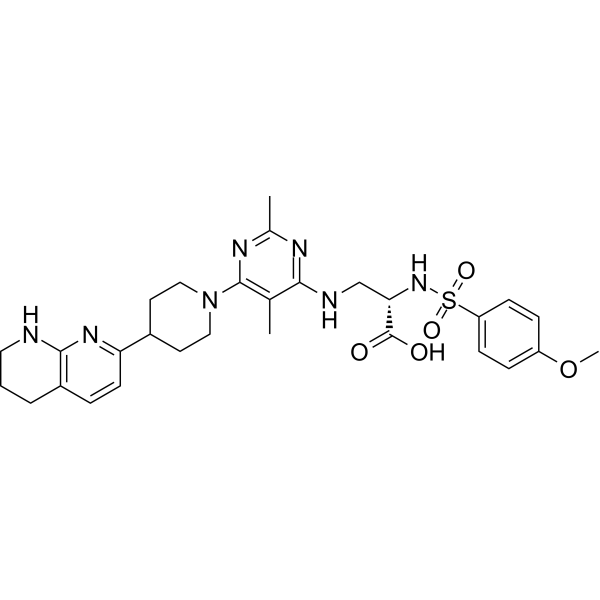
GLPG0187 is a broad spectrum integrin receptor antagonist with antitumor activity; inhibits αvβ1-integrin with an IC50 of 1.3 nM . GLPG0187 inhibits migrasome biogenesis without cytotoxicity .
|
-
-
- HY-15096
-
|
FJ-776
|
Fluorescent Dye
HSP
|
Cancer
|
|
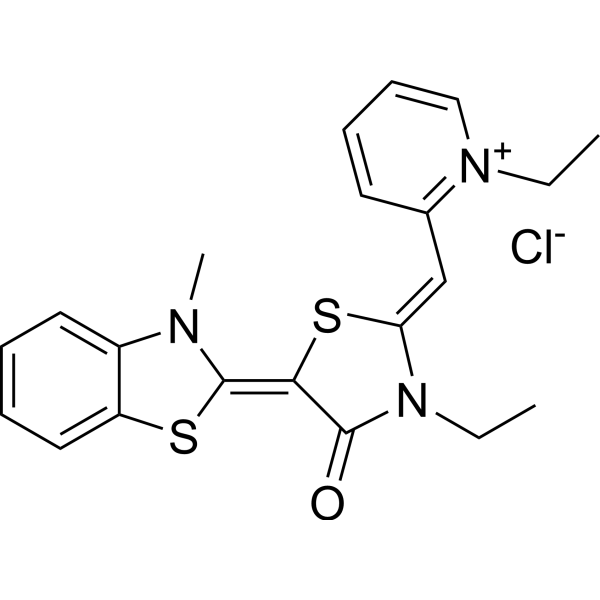
MKT-077 (FJ-776), a highly water-soluble mitochondrial dye, has significant antitumor activity . MKT-077 exhibits low cytotoxicity, and inhibits broad-spectrum human cancer cell lines (colon cancer, breast cancer, pancreatic cancer). MKT-077 inhibits the growth of tumor in nude mice enograft tumor model. Ex/Em=488/543 nm .
|
-
-
- HY-128586
-
|
|
Apoptosis
Carbonic Anhydrase
NEDD8-activating Enzyme
|
Cancer
|
|
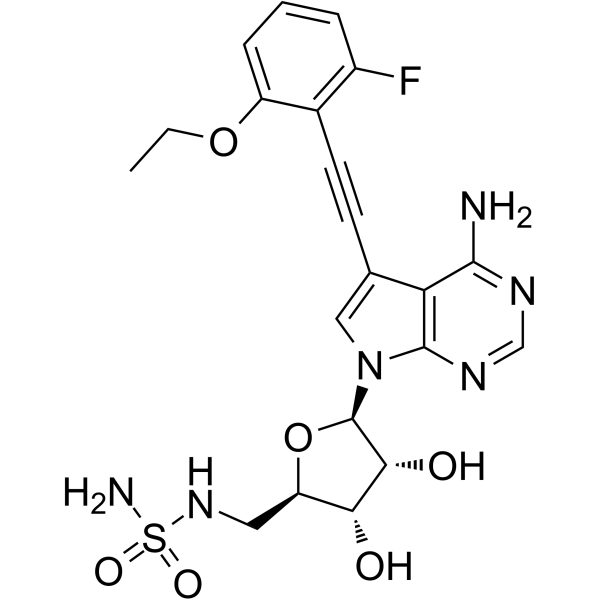
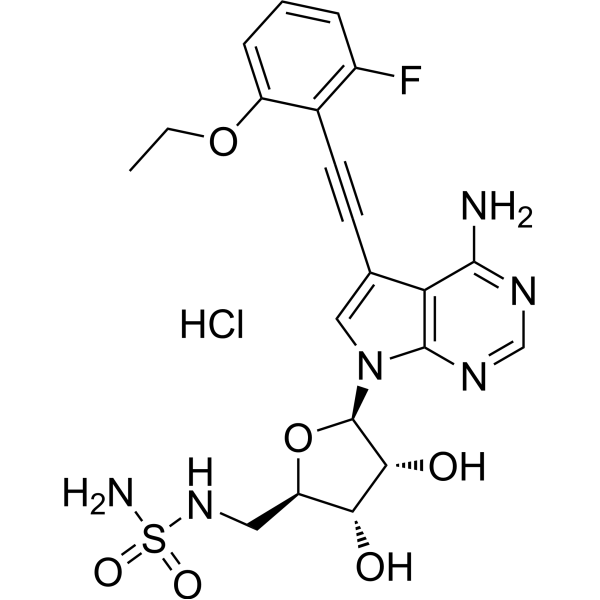
TAS4464 is a long-acting, highly selective covalent inhibitor targeting NEDD8-activating enzyme (NAE) (IC50=0.955 nM), and also inhibits CAII with an IC50 of 0.73 μM, which is less potent than MLN4924 (HY-70062). The IC50 values of TAS4464 against other E1 enzymes UAE and SAE are 449 nM and 1280 nM, respectively. TAS4464 targets NEDD8 in an ATP-dependent manner to inhibit NAE, blocks the neddylation pathway, causes accumulation of CRL ubiquitin ligase substrates (such as CDT1, p27, phosphorylated IκBα), and further induces tumor cell apoptosis. TAS4464 exhibits antiproliferative and cytotoxic effects, and has broad-spectrum antitumor activity against various hematologic and solid tumor cell lines as well as patient-derived tumor cells. TAS4464 has a wide selcetive window, without obvious toxicity. TAS4464 can be used in the research of hematologic malignancies (leukemia, lymphoma, multiple myeloma, etc.) and solid tumors (small cell lung cancer, colorectal cancer, sarcoma, endometrial cancer, ovarian cancer, etc.) .
|
-
-
- HY-W018025
-
-
-
- HY-B1064
-
|
Clindamycin 2-phosphate; U-28508
|
Bacterial
Antibiotic
Parasite
|
Infection
Cancer
|
|
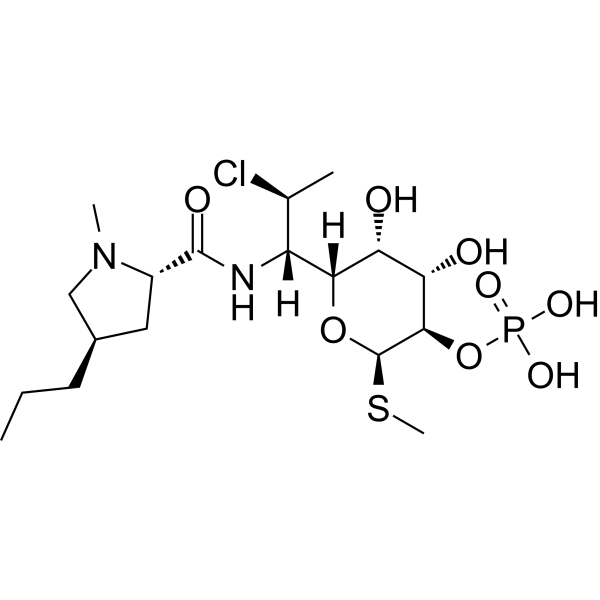
Clindamycin phosphate (Clindamycin 2-phosphate) is a broad-spectrum bacteriostatic lincosamide antibiotic. Clindamycin phosphate is the proagent of Clindamycin (HY-B1455) with no antimicrobial activity in vitro but can be rapidly converted in vivo to the active parent agent, Clindamycin, by phosphatase ester hydrolysis. Clindamycin phosphate can be used for researching acne and bacterial vaginosis . Clindamycin phosphate has no cytotoxicity. Combined with platelet rich fibrin (PRF), PRF-Clindamycin phosphate enhances antimicrobial properties .
|
-
-
- HY-W042191
-
|
|
Fungal
Apoptosis
Caspase
Bcl-2 Family
MDM-2/p53
PARP
|
Infection
Cancer
|
|
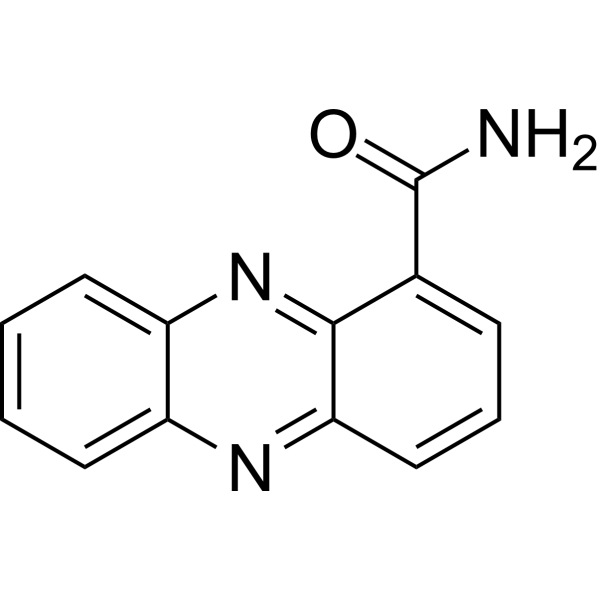
Oxychloroaphine could be isolated from the bacterium Pantoea agglomerans naturally present in soil. Oxychloroaphine has broad-spectrum antifungal activity. Oxychloroaphine has cytotoxicity in a dose-dependent manner and induces apoptosis. Oxychloroaphine can be used in research of cancer .
|
-
-
- HY-B0420A
-
|
ABOB hydrochloride
|
Influenza Virus
HCV
HSV
Apoptosis
Caspase
|
Infection
|
|
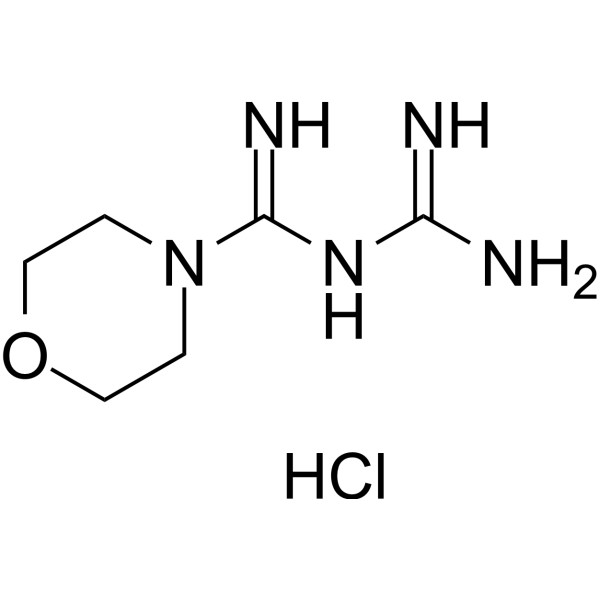
Moroxydine (ABOB) hydrochloride is a broad-spectrum agent with multi-antiviral activities against DNA and RNA viruses, including influenza virus, herpes simplex, varicella zoster, measles, mumps disease, hepatitis C virus, etc. Moroxydine hydrochloride exhibits excellent antiviral activity and shows low cytotoxicity to cells infected by dsRNA viruses (grass carp reovirus, GCRV) and large DNA viruses (giant salamander iridovirus, GSIV). Moroxydine hydrochloride blocks the GCRV-induced cytopathic effects and eliminates nucleocapsids in ctenopharyngodon idella kidney (CIK) cells to keep the normal morphological structure. Moroxydine hydrochloride significantly inhibits the apoptosis, the caspase 3 activity, Bax expression and down-regulates Bcl-2 levels .
|
-
-
- HY-N4183
-
|
|
Apoptosis
Caspase
Estrogen Receptor/ERR
|
Cardiovascular Disease
Infection
|
|
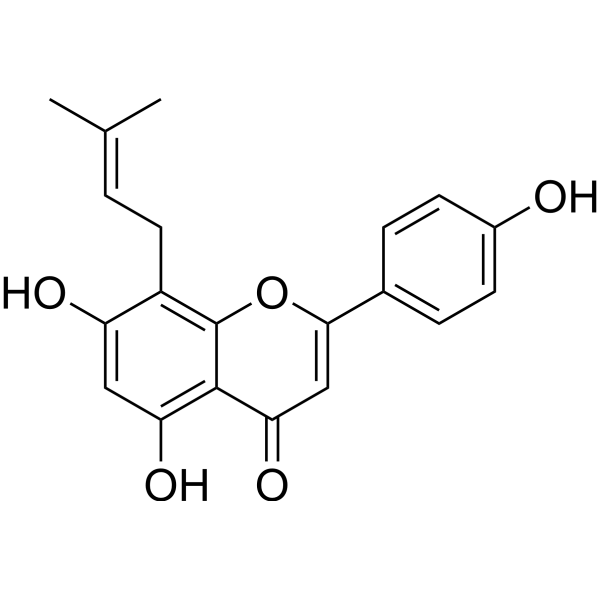
Licoflavone C is a broad-spectrum antiviral inhibitor with estrogen-like properties. Licoflavone C binds to viral endonuclease (CEN) and inhibits the replication of various bunyaviruses including severe fever with thrombocytopenia syndrome virus (SFTSV) and lymphocytic choriomeningitis virus in a non-substrate competitive manner. The IC50 values of Licoflavone C against SFTSV CEN and SFTSV CEN are 35.5 μM and 135.8 μM, respectively, and its Kd value against SFTSV CEN is 9.53 μM. After viral entry into cells, Licoflavone C reduces viral loads in mouse tissues in a dose-dependent manner, and exhibits extremely low cytotoxicity and genotoxicity. Licoflavone C induces apoptosis by increasing caspase 3/7 activity, blocks the cell cycle, and alleviates chemotherapy-induced chromosomal damage. Licoflavone C is applicable to the research on severe fever with thrombocytopenia syndrome and related viral infection mechanisms .
|
-
-
- HY-W250308A
-
|
Epsilon-polylysine hydrochloride (MV 2000-5000); ε-Polylysine hydrochloride (MV 2000-5000); ε-PL hydrochloride (MV 2000-5000)
|
Bacterial
Fungal
Reactive Oxygen Species (ROS)
|
Infection
|
|
ε-Poly-L-lysine (Epsilon-polylysine; ε-Polylysine) hydrochloride (MV 2000-5000) is a polycationic antibacterial agent with broad-spectrum activity against Gram-positive bacteria, Gram-negative bacteria, fungi, yeasts and specific bacteriophages. ε-Poly-L-lysine hydrochloride (MV 2000-5000) exerts bactericidal effects through mechanisms such as disrupting microbial membranes, inducing ROS production, inhibiting metabolism and spore germination. ε-Poly-L-lysine hydrochloride (MV 2000-5000) also regulates the expression of multiple key genes including sodA, oxyR and recA. ε-Poly-L-lysine hydrochloride (MV 2000-5000) exhibits properties such as low eukaryotic cytotoxicity, thermal stability and pH stability, and supports tissue regeneration and anti-tumor applications. ε-Poly-L-lysine hydrochloride (MV 2000-5000) can be applied in research fields including bacterial and fungal infections, diabetic ulcers, and methicillin-resistant Staphylococcus aureus infections .
|
-

-
- HY-128586A
-
|
|
NEDD8-activating Enzyme
Carbonic Anhydrase
Apoptosis
|
Cancer
|
|
TAS4464 hydrochloride is a long-acting, highly selective covalent inhibitor targeting NEDD8-activating enzyme (NAE) (IC50=0.955 nM), and also inhibits CAII with an IC50 of 0.73 μM, which is less potent than MLN4924 (HY-70062). The IC50 values of TAS4464 hydrochloride against other E1 enzymes UAE and SAE are 449 nM and 1280 nM, respectively. TAS4464 hydrochloride targets NEDD8 in an ATP-dependent manner to inhibit NAE, blocks the neddylation pathway, causes accumulation of CRL ubiquitin ligase substrates (such as CDT1, p27, phosphorylated IκBα), and further induces tumor cell apoptosis. TAS4464 hydrochloride exhibits antiproliferative and cytotoxic effects, and has broad-spectrum antitumor activity against various hematologic and solid tumor cell lines as well as patient-derived tumor cells. TAS4464 hydrochloride has a wide therapeutic window, without obvious toxicity. TAS4464 hydrochloride can be used in the research of hematologic malignancies (leukemia, lymphoma, multiple myeloma, etc.) and solid tumors (small cell lung cancer, colorectal cancer, sarcoma, endometrial cancer, ovarian cancer, etc.) .
|
-
-
- HY-78263
-
MNS
3 Publications Verification
NSC 170724; 5-(2-Nitrovinyl)benzodioxole
|
Src
Syk
NOD-like Receptor (NLR)
Integrin
PANoptosis
|
Neurological Disease
Inflammation/Immunology
Cancer
|
|
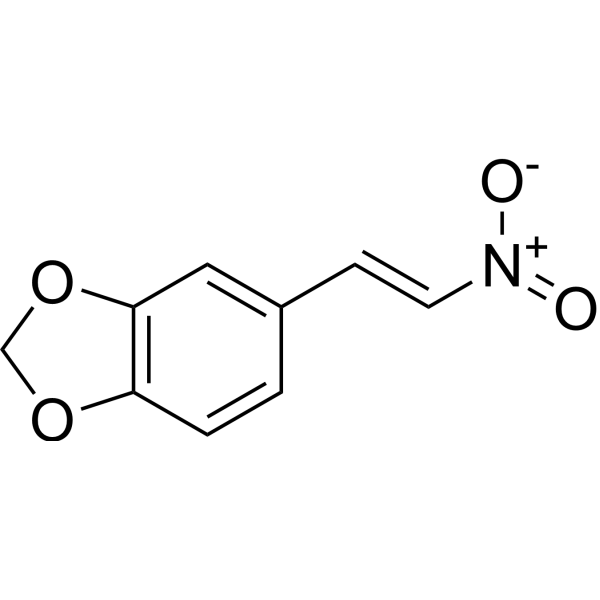
MNS (NSC 170724), the beta-nitrostyrene derivative, is an orally active tyrosine kinase inhibitor, a broad-spectrum antiplatelet agent, and a PANoptosis inhibitor. MNS inhibits Src, Syk, and FAK with IC50 of 27.3, 2.8, and 97.6 μM, respectively. MNS inhibits NLRP3 inflammasome and β1 integrin. MNS completely inhibits U46619, ADP-, arachidonic acid-, collagen-, and thrombin-induced platelet aggregation with IC50 values of 2.1, 4.1, 5.8, 7.0, and 12.7 μM, respectively. MNS is cytotoxic to a variety of cells .
|
-
-
- HY-B1953
-
|
|
Environmental Pollutants
Insecticide
nAChR
|
Infection
|
|
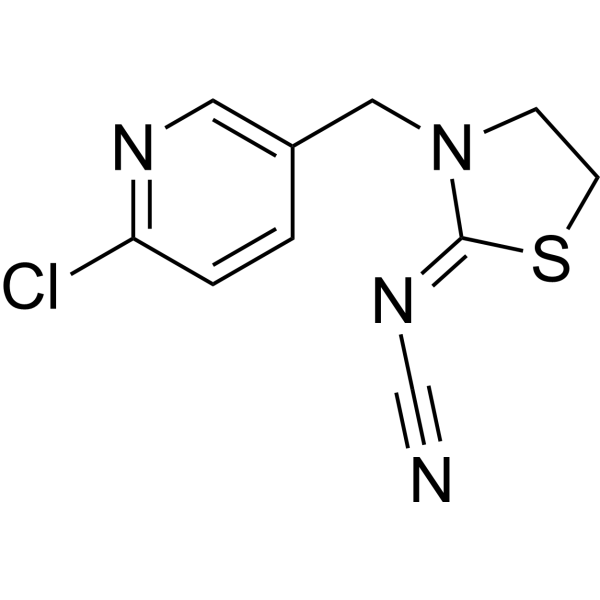
Thiacloprid is an orally active neurotoxic insecticide and also a nAChR agonist. Thiacloprid reduces the viability of healthy cells, depletes reduced glutathione, and increases MDA levels, thereby inducing cytotoxicity and oxidative stress damage. In practical applications, Thiacloprid has lower acute toxicity to honeybees than other compounds of the same class such as Imidacloprid (HY-B0838), but it still significantly impairs the learning and memory function, immune capacity and survival status of honeybees. Thiacloprid induces intestinal microbial dysbiosis and reduces survival rate in middle-aged honeybees, increases the risk of premature collapse in bumblebee colonies, and significantly decreases the final colony weight and reproductive output. Thiacloprid is used in broad-spectrum agricultural pest control, often alone or in combination with Deltamethrin (HY-B1971), and meets the pest management needs of various crops including potatoes, cabbages, various fruits and vegetables, and nuts .
|
-
-
- HY-N0566
-
|
Anemosapogenin
|
Apoptosis
Autophagy
Bcl-2 Family
Caspase
Survivin
p38 MAPK
MMP
|
Cancer
|
|
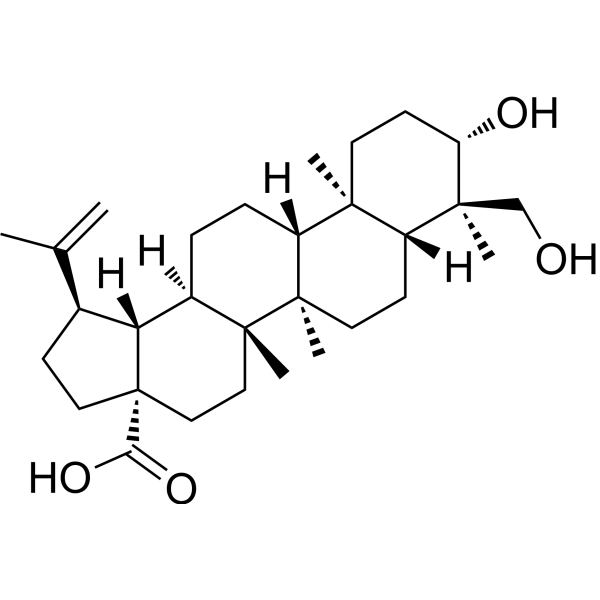
23-Hydroxybetulinic acid (Anemosapogenin) is an orally active triterpenoid with broad-spectrum anticancer activity. 23-Hydroxybetulinic acid reduces the levels of Bcl-2 and survivin, elevates the level of Bax, promotes the cleavage/activation of caspase-3 and caspase-9, and induces apoptosis via the endogenous mitochondrial pathway involving cytochrome C release and mitochondrial membrane potential disruption. 23-Hydroxybetulinic acid arrests the cell cycle at S and G1 phases, inhibits cancer cell proliferation, blocks the MAPK signaling pathway, regulates MMP2, and induces autophagic apoptosis by upregulating beclin-1. 23-Hydroxybetulinic acid inhibits the activity and efflux function of P-gp, increases the intracellular accumulation of chemotherapeutic drugs, and synergistically enhances cytotoxicity with Doxorubicin (HY-15142). 23-Hydroxybetulinic acid inhibits the phosphorylation and nuclear translocation of STAT6, blocks M2 macrophage polarization, and reduces M2 macrophage-mediated apoptosis resistance of colon cancer cells. 23-Hydroxybetulinic acid can be used in related studies on chronic myeloid leukemia, hepatocellular carcinoma, sarcoma 180, multidrug-resistant breast cancer, leukemia, Doxorubicin-induced cardiotoxicity, and colorectal cancer .
|
-
-
- HY-138540
-
|
N-Dodecylimidazole
|
Fungal
|
Cancer
|
|
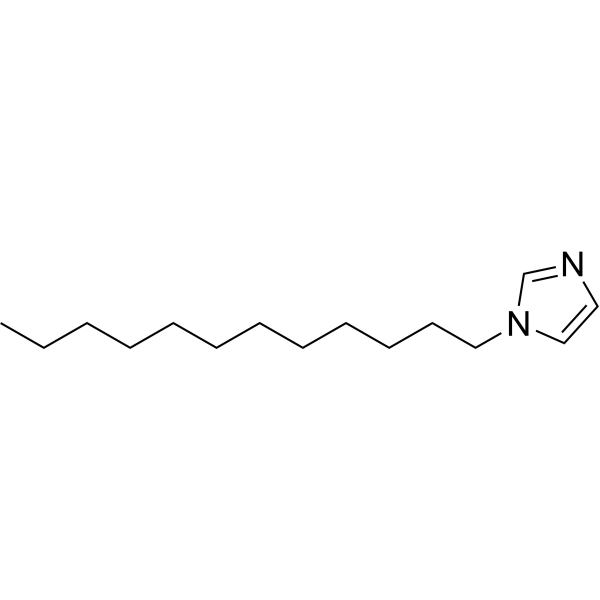
1-Dodecylimidazole (N-Dodecylimidazole) is a lysosomotropic detergent and a cytotoxic agent. 1-Dodecylimidazole causes cell death by its acid-dependent accumulation in lysosomes, disruption of the lysosomal membrane, and releaseof cysteine proteases into the cytoplasm. 1-Dodecylimidazole has hypocholesterolaemic activity and broad-spectrum antifungal activity .
|
-
-
- HY-12098
-
|
MPC-6827 hydrochloride
|
Microtubule/Tubulin
|
Cancer
|
|
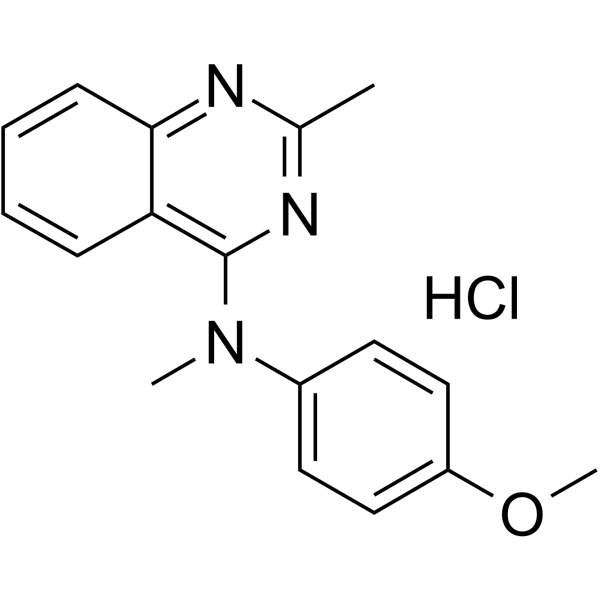
Verubulin hydrochloride (MPC-6827 hydrochloride) is a blood brain barrier permeable microtubule-disrupting agent, with potent and broad-spectrum in vitro and in vivo cytotoxic activities. Verubulin hydrochloride (MPC-6827 hydrochloride) exhibits potent anticancer activity in human MX-1 breast and other mouse xenograft cancer models. Verubulin hydrochloride (MPC 6827 hydrochloride) is a promising candidate for the treatment of multiple cancer types .
|
-
-
- HY-137498
-
|
|
Filovirus
|
Infection
|
|
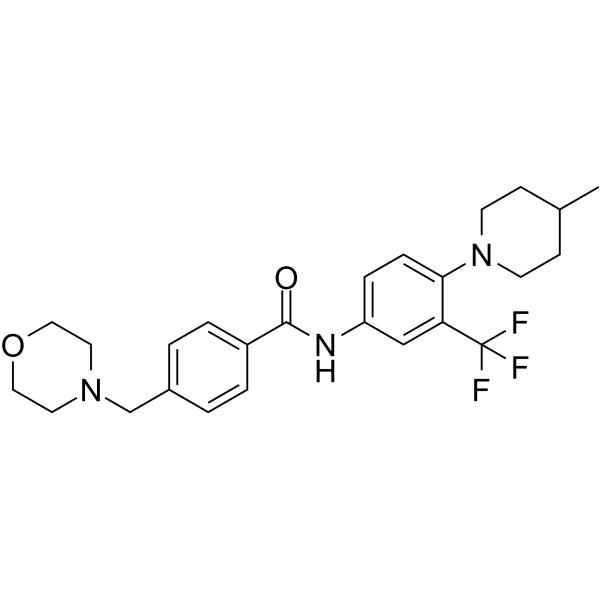
EBOV/MARV-IN-1 is a potent inhibitor of Ebola virus (EBOV) and Marburg virus (MARV), with broad-spectrum activity (EC50=0.31, and 0.82 µM, respectively) and low cytotoxicity (SI>100) in HeLa cells .
|
-
-
- HY-147646
-
|
|
CDK
Apoptosis
|
Cancer
|
|
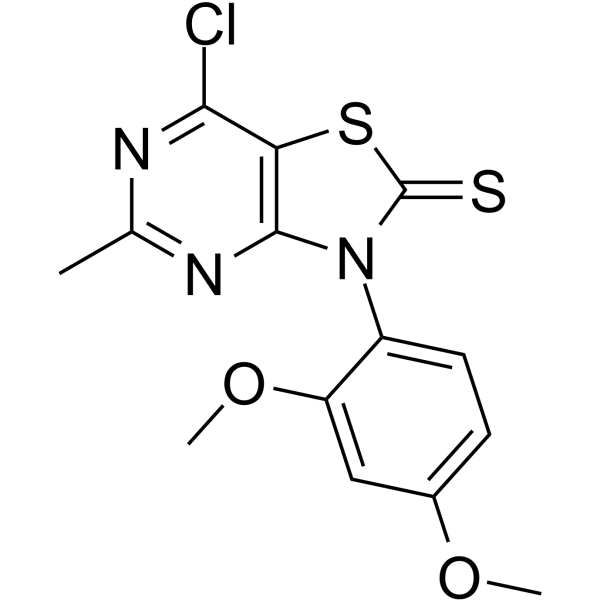
CDK1/Cyc B-IN-1 (Compound 5) is a selective CDK1/Cyc B complex inhibitor with an IC50 of 97 nM. CDK1/Cyc B-IN-1 triggers apoptosis and G2/M cell cycle arrest. CDK1/Cyc B-IN-1 shows broad-spectrum cytotoxic action against cancer cell lines .
|
-
-
- HY-151159
-
|
|
Dihydrofolate reductase (DHFR)
EGFR
|
Cancer
|
|
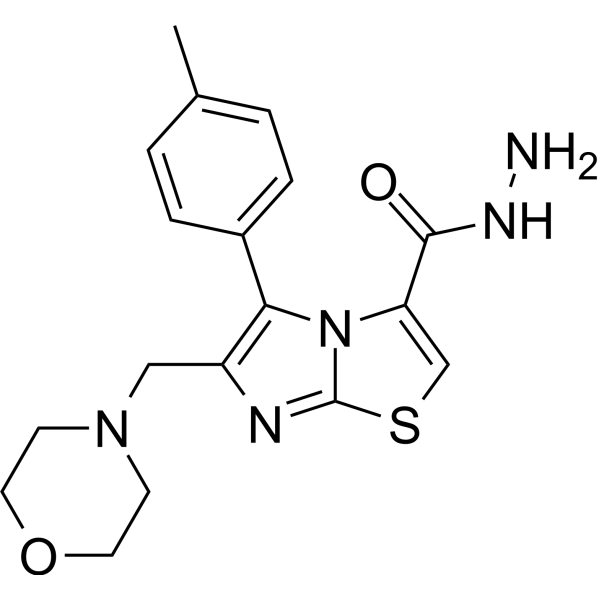
DHFR-IN-4 is a potent dihydrofolate reductase (DHFR) inhibitor with an IC50 value of 123 nM. DHFR-IN-4 also has inhibitory activity against EGFR and HER2 with IC50s of 246 nM and 357 nM, respectively. DHFR-IN-4 has remarkable broad spectrum cytotoxic potency against cancer cells .
|
-
-
- HY-D2437
-
|
|
Fluorescent Dye
Antibiotic
|
Cardiovascular Disease
Cancer
|
|
DOX-PEG-Cy3 (Doxorubicin-PEG-Cy3) is a Cy3 (HY-D0822) labeled DOX-PEG conjugate. The Cy3 fluorophore is commonly used in applications such as immunolabeling, nucleic acid labeling, fluorescence microscopy, and flow cytometry. Cy3 has an emission maximum around 562-570 nm. DOX is a broad-spectrum anthracycline antibiotic with cytotoxic properties .
|
-

-
- HY-W391625
-
|
(Rac)-Epiligulyl oxide
|
Fungal
|
Cancer
|
|
(Rac)-Dehydrocostus Lactone ((Rac)-Epiligulyl oxide) is a natural product with antiparasitic activity. (Rac)-Dehydrocostus Lactone can significantly inhibit the growth of Trypanosoma brucei rhodesiense. (Rac)-Dehydrocostus Lactone exhibits a broad spectrum of biological effects, including anti-inflammatory, anticancer, antiviral and antimicrobial activities. (Rac)-Dehydrocostus Lactone also has antifungal, antioxidant, antidiabetic, antiulcer and antihelminthic effects. (Rac)-Dehydrocostus Lactone exhibits different IC(50) values in cytotoxicity tests and has a high selectivity index .
|
-

-
- HY-141426
-
|
|
Enterovirus
|
Infection
|
|
MDL-860 is a broad-spectrum antipicornavirus compound that has low cytotoxicity toward human cells. MDL-860 can be used for the research of virus infection .
|
-

-
- HY-121561
-
|
At-1258; Nsc 245413
|
DNA/RNA Synthesis
|
Cancer
|
|
Nitrocaphane (At-1258) is an antineoplastic agent whose target of action is DNA. Nitrocaphane has a broad antineoplastic spectrum. Nitrocaphane's cytotoxicity on HEp-2 cells can be enhanced by hyperthermia. Nitrocaphane can be used in the research of tumors such as malignant trophoblastic tumors .
|
-

-
- HY-176282
-
|
|
CDK
PI3K
|
Cancer
|
|
CDK8-IN-19 (Compound 3d) is a CDK8 inhibitor with an IC50 of 25.08 nM. CDK8-IN-19 has a broad-spectrum anticancer activity, such as leukemia, melanoma and breast cancer, without significant cytotoxic effect on the normal Vero cells (mean IC50s of 2.87, 3.65, 3.79 and 45.48 μM, respectively) .
|
-

-
- HY-129150
-
|
|
Influenza Virus
|
Infection
|
|
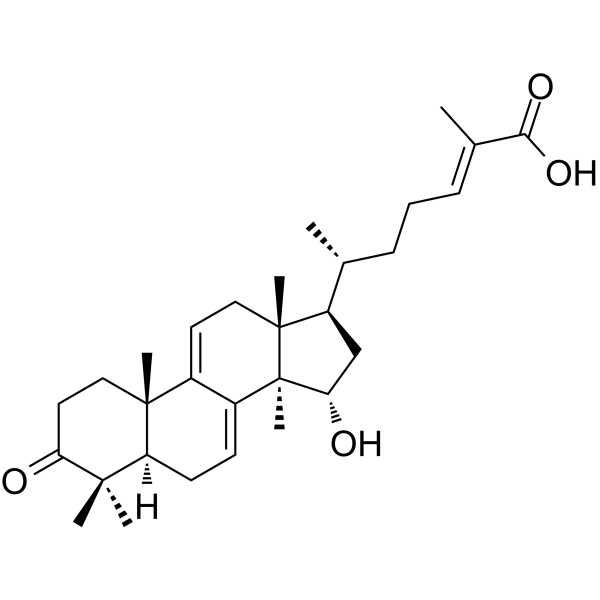
Ganoderic acid TR is a broad-spectrum inhibitor of influenza neuraminidase enzymes (NAs). Ganoderic acid TR has IC50 values of 10.9 and 4.6 μM for H5N1 and H1N1 NAs, respectively. Ganoderic acid TR is limited by cytotoxicity and shows only weak activity against Oseltamivir (HY-13317)-resistant H1N1 viruses and influenza B viruses .
|
-
-
- HY-176281
-
|
|
PI3K
CDK
|
Cancer
|
|
PI3Kα-IN-26 (Compound 11e) is a PI3Kα inhibitor with an IC50 of 75.31 nM. PI3Kα-IN-26 has a broad-spectrum anticancer activity, such as leukemia, colon and breast cancer, without significant cytotoxic effect on the normal Vero cells (mean IC50s of 2.74, 3.50, 3.34 and 85.29 μM, respectively) .
|
-

-
- HY-101136
-
|
AT-265
|
Antibiotic
Carbonic Anhydrase
Bacterial
|
Infection
|
|
Dealanylascamycin (AT-265) (Compound 2) is a nucleoside antibiotic. AT 265 is a carbonic anhydrase (CA) inhibitor, with Ki values of 167, 65.2, 234, and 143 nM for hCA I, hCA II, hCA IV, and hCA IX respectively. Dealanylascamycin is the active form of Ascamycin (HY-121071). Dealanylascamycin exhibits broad-spectrum antibacterial activity and is effective against pathogenic bacteria such as Xanthomonas citri (MIC = 0.4 μg/mL). Dealanylascamycin has high cytotoxicity .
|
-

-
- HY-179249
-
|
|
DNA/RNA Synthesis
Nucleoside Antimetabolite/Analog
SARS-CoV
Dengue Virus
|
Infection
|
|
Fluoroneplanocin A-8N (Compound 3a) is an inhibitor targeting SAH hydrolase (IC50 = 1.51 μM) and viral RNA polymerase. Fluoroneplanocin A-8N exhibits broad-spectrum anti-SARS-CoV-2 and dengue virus activity, with EC50 values of 12.2 and 37.4 μM respectively. Fluoroneplanocin A-8N has no cytotoxicity. Fluoroneplanocin A-8N can be used for anti-positive-strand viruses .
|
-

-
- HY-172264
-
|
|
Antibiotic
Bacterial
DNA/RNA Synthesis
|
Infection
|
|
XT17 is an anthrone compound with broad-spectrum antibacterial activity. It exerts its antibacterial effect by disrupting the cell wall and inhibiting DNA synthesis. XT17 exhibits weak hemolytic activity, low cytotoxicity against mammalian cell lines, and a low frequency of drug resistance. Meanwhile, XT17 shows in vivo efficacy in a mouse corneal infection model induced by Staphylococcus aureus or Pseudomonas aeruginosa. Further docking studies have confirmed that XT17 can form a stable complex with bacterial gyrase. XT17 can be used in the research of the anti - infection field .
|
-

-
- HY-175857
-
|
|
HDAC
Apoptosis
|
Cancer
|
|
HDAC-IN-92 is a pan-HDAC inhibitor with an IC50 of 12.58 µM in A2780 cells. HDAC-IN-92 demonstrates broad-spectrum, notable cytotoxic activity against a range of human cancer cell lines, including ovarian, liver, and breast carcinomas. HDAC-IN-92 causes apoptosis and demonstrates a notable decrease in tumor cell colony formation. HDAC-IN-92 inhibits the formation of blood vessels in the chick chorioallantoic membrane (CAM). HDAC-IN-92 exhibits anti-tumor effect in a 4T1 tumor-bearing mouse model. HDAC-IN-92 can be used for research targeting solid tumor .
|
-

-
- HY-W016937
-
|
ABOB
|
Influenza Virus
HSV
HCV
Apoptosis
Caspase
|
Infection
Inflammation/Immunology
|
|
Moroxydine (ABOB) is a broad-spectrum agent with multi-antiviral activities against DNA and RNA viruses, including influenza virus, herpes simplex, varicella zoster, measles, mumps disease, hepatitis C virus, etc. Moroxydine exhibits excellent antiviral activity and shows low cytotoxicity to cells infected by dsRNA viruses (grass carp reovirus, GCRV) and large DNA viruses (giant salamander iridovirus, GSIV). Moroxydine blocks the GCRV-induced cytopathic effects and eliminates nucleocapsids in ctenopharyngodon idella kidney (CIK) cells to keep the normal morphological structure. Moroxydine significantly inhibits the apoptosis, the caspase 3 activity, Bax expression and down-regulates Bcl-2 levels [1][2][3].
|
-

-
- HY-P11102
-
|
|
Bacterial
Fungal
HIV
Parasite
|
Infection
Cancer
|
|
Temporin-Sha is an antibacterial peptide with extensive biological activity. Temporin-Sha exhibits broad-spectrum antibacterial activity (e.g., against L. ivanovii, MIC = 6.25 μM), and is effective against Gram-negative bacteria (such as Escherichia coli, MIC = 10 μM), including drug-resistant strains (such as Methicillin (HY-121544)-resistant Staphylococcus aureus). Temporin-Sha also has inhibitory effects on Candida albicans (MIC = 25 μM), Saccharomyces cerevisiae (MIC = 12 μM), the pre-flagellated and non-flagellated forms of Leishmania infantum (IC50 = 5-20 μM), and Trypanosoma cruzi (IC50 = 17 μM). Temporin-Sha exhibits antiviral activity against HSV-1 and has anti-cancer effects (cytotoxicity against breast cancer cells MCF-7 and lung cancer cells H460, etc.) .
|
-

-
- HY-B1953R
-
|
|
Reference Standards
nAChR
Insecticide
|
Infection
|
|
Thiacloprid (Standard) is the analytical standard of Thiacloprid. This product is intended for research and analytical applications. Thiacloprid is an orally active neurotoxic insecticide and also a nAChR agonist. Thiacloprid reduces the viability of healthy cells, depletes reduced glutathione, and increases MDA levels, thereby inducing cytotoxicity and oxidative stress damage. In practical applications, Thiacloprid has lower acute toxicity to honeybees than other compounds of the same class such as Imidacloprid (HY-B0838), but it still significantly impairs the learning and memory function, immune capacity and survival status of honeybees. Thiacloprid induces intestinal microbial dysbiosis and reduces survival rate in middle-aged honeybees, increases the risk of premature collapse in bumblebee colonies, and significantly decreases the final colony weight and reproductive output. Thiacloprid is used in broad-spectrum agricultural pest control, often alone or in combination with Deltamethrin (HY-B1971), and meets the pest management needs of various crops including potatoes, cabbages, various fruits and vegetables, and nuts .
|
-

-
- HY-151156
-
|
|
EGFR
Apoptosis
|
Cancer
|
|
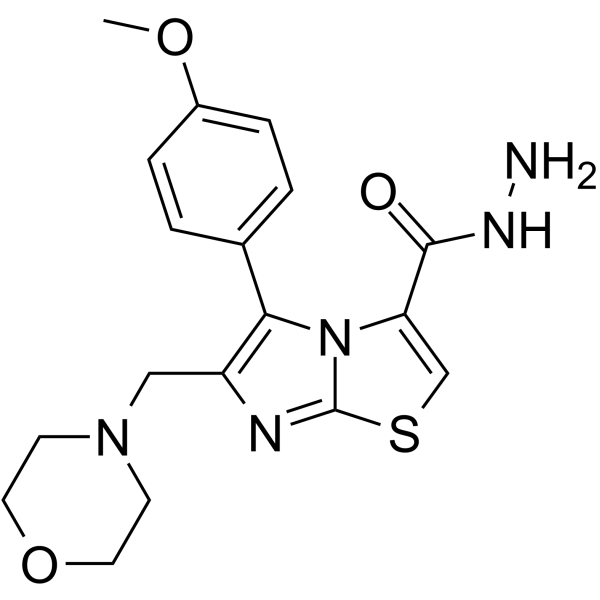
EGFR/HER2-IN-6 (compound 43) is an EGFR/HER2 and DHFR inhibitor. EGFR/HER2-IN-6 inhibits EGFR kinase, HER2 kinase and DHFR with IC50s of 0.122, 0.078 and 0.585 μM, respectively. EGFR/HER2-IN-6 shows anticancer activity against several cancer cell lines with high safety profile and selectivity indices. EGFR/HER2-IN-8 can be used for the research of cancer .
|
-
-
- HY-151161
-
|
|
EGFR
|
Cancer
|
|
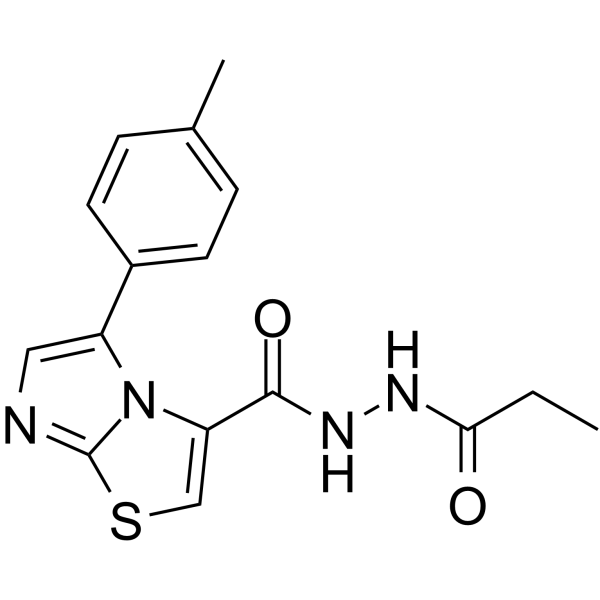
EGFR/HER2-IN-8 (compound 34) is a EGFR/HER2 and DHFR inhibitor. EGFR/HER2-IN-8 inhibits EGFR kinase, HER2 kinase and DHFR with IC50s of 0.45, 0.244 and 5.669 μM, respectively. EGFR/HER2-IN-8 shows anticancer activity against several cancer cell lines with high safety profile and selectivity indices. EGFR/HER2-IN-8 can be used for the research of cancer .
|
-
-
- HY-155546
-
|
|
Bacterial
|
Infection
|
|
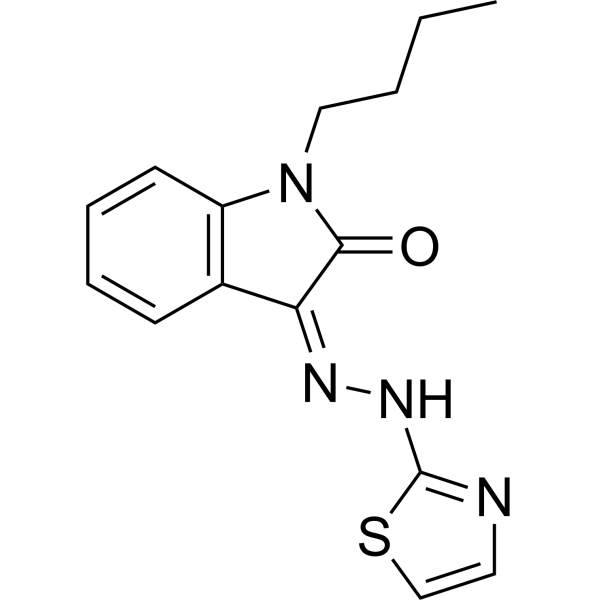
Antimicrobial agent-22 (THI 6c) is a multi-target broad-spectrum antibacterial agent. Antimicrobial agent-22 has low cytotoxicity, hemolytic property, rapid bactericidal ability and good anti-biofilm activity .
|
-
-
- HY-170433
-
|
|
Apoptosis
Ferroptosis
|
Cancer
|
|
DefNEtTrp is a Fe dual chelator ligand, consisting of the Def and Trp moieties. DefNEtTrp exhibits potent and broad-spectrum antiproliferative and cell death behavior in cancer cell lines. DefNEtTrp induces both apoptosis and ferroptosis and has cytotoxicity with an IC50 value of 0.77 μM .
|
-

-
- HY-137139
-
|
|
Antibiotic
Bacterial
Farnesyl Transferase
|
Infection
Cancer
|
|
10'-Desmethoxystreptonigrin is an inhibitor for Ras Farnesyltransferase with an IC50 of 21 μM. 10'-Desmethoxystreptonigrin is a broad-spectrum antibiotic with antibacterial activity. 10'-Desmethoxystreptonigrin exhibits antitumor activity against P388 leukemia, without significant cytotoxicity (LD50 is 8.8 mg/kg) .
|
-

-
- HY-149486
-
|
|
FGFR
|
Cancer
|
|
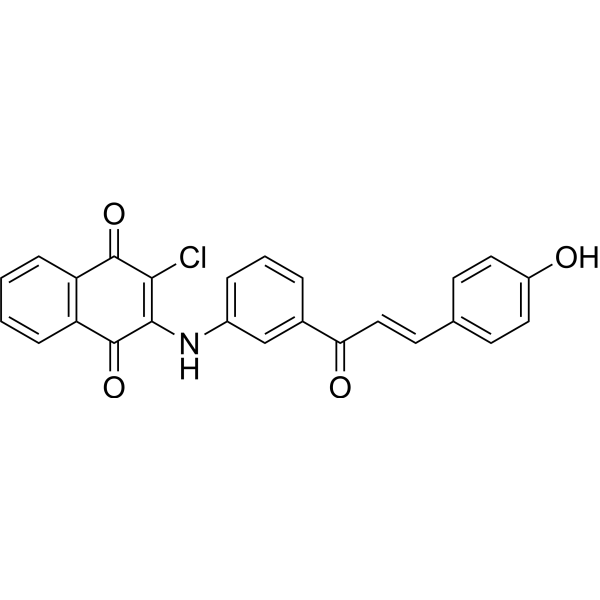
FGFR1 inhibitor 7 (compound 5) is an inhibitor of FGFR1 Tyrosine Kinase with IC50 value of 0.33 nM. FGFR1 inhibitor 7 shows broad-spectrum cytotoxicity agasinst human cancer cell lines, and inhibits MOLT3 cells with IC50 of 2.1 μM .
|
-
-
- HY-161144
-
|
|
Akt
Apoptosis
|
Cancer
|
|
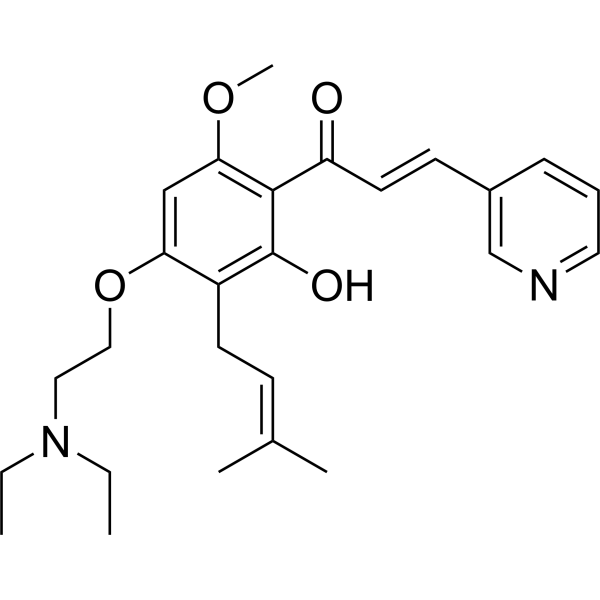
AKT-IN-21 (compound C36) is a potent AKT inhibitor with broad-spectrum cytotoxicity and anticancer activity. AKT-IN-21 also blocks the cell cycle and induces apoptosis of cancer cells by down-regulating the PI3K/AKT pathway .
|
-
-
- HY-W042191R
-
|
|
Reference Standards
Fungal
Apoptosis
Caspase
Bcl-2 Family
MDM-2/p53
PARP
|
Infection
Cancer
|
|
Oxychlororaphine (Standard) is the analytical standard of Oxychlororaphine. This product is intended for research and analytical applications. Oxychloroaphine could be isolated from the bacterium Pantoea agglomerans naturally present in soil. Oxychloroaphine has broad-spectrum antifungal activity. Oxychloroaphine has cytotoxicity in a dose-dependent manner and induces apoptosis. Oxychloroaphine can be used in research of cancer[1][2].
|
-

-
- HY-W018025R
-
-

-
- HY-170646
-
|
|
Influenza Virus
|
Infection
|
|
Influenza A virus-IN-15 (Compound 9b), a quinoline derivative, is a broad-spectrum inhibitor of influenza A viruses with acceptable cytotoxicity (IC50: 0.88-6.33 μM). Influenza A virus-IN-15 can inhibit the transcription and replication of viral RNA and is used in research for its antiviral effects against influenza A viruses (IAV) .
|
-

-
- HY-120638
-
|
|
Topoisomerase
|
Cancer
|
|
BMS-250749 is a topoisomerase I (Top I) inhibitor of the fluoroglycosyl-3,9-difluoroindolecarbazole class. BMS-250749 exhibits potent cytotoxicity and selectivity, and shows curative antitumor activity against Lewis lung cancer. BMS-250749 exhibits broad-spectrum antitumor activity superior to CPT-11 in certain preclinical xenograft models. .
|
-

-
- HY-152479
-
|
|
Topoisomerase
|
Cancer
|
|
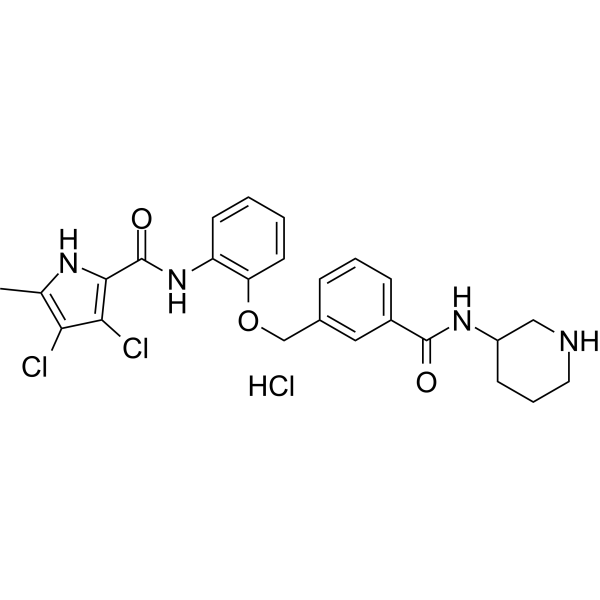
Topoisomerase IIα-IN-7 is an DNA topoisomerase IIα inhibitor with an IC50 value of 7.7 µM. Topoisomerase IIα-IN-7 has broad-spectrum cytotoxicity to leukemia, lung, colon, melanoma, ovarian, kidney, prostate and breast cancer cells. Topoisomerase IIα-IN-7 has metabolic stability .
|
-
-
- HY-P10228
-
|
|
Fungal
Bacterial
|
Infection
|
|
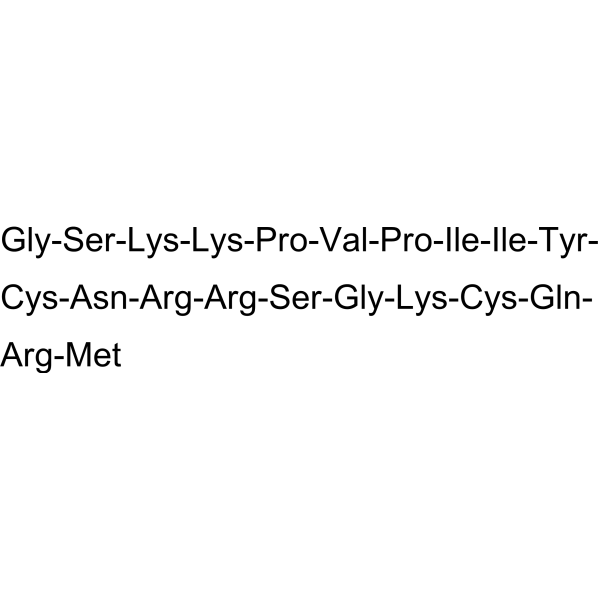
S-Thanatin is an insect antimicrobial peptide with potent broad-spectrum antibacterial activity. S-Thanatin can inhibit the activity of Gram-negative bacteria, Gram-positive bacteria, and fungi, without cytotoxicity. The antibacterial activity of S-Thanatin is not affected by PH value, but monovalent cations (Na +/K +) can reduce its antibacterial activity against Gram-negative bacteria in a dose-dependent manner .
|
-
-
- HY-168210
-
|
|
Fungal
Cytochrome P450
|
Infection
|
|
Antifungal agent 122 (compound 201) is a potent and broad-spectrum antifungal agent. Antifungal agent 122 prevents fungal phase transition and the formation of fungal biofilm. Antifungal agent 122 inhibits CYP3A4-M and CYP3A4-T enzyme activity with IC50 values of 2.11, 4.53 µM. Antifungal agent 122 shows no cytotoxicity .
|
-

-
- HY-146226
-
|
|
Enterovirus
|
Infection
|
|
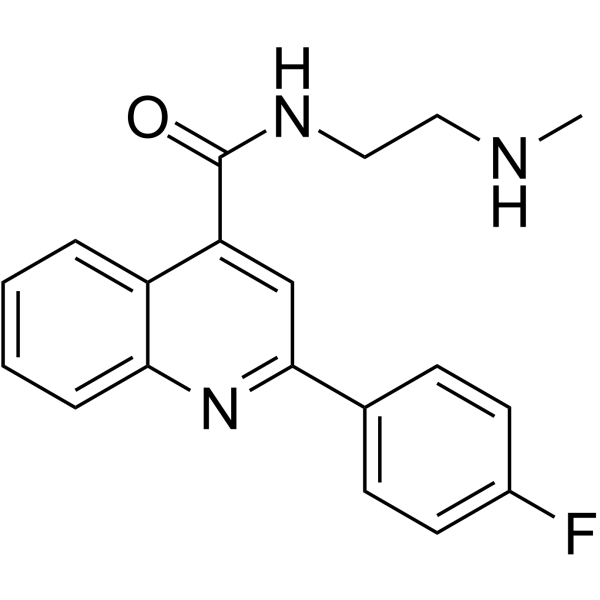
Viral 2C protein inhibitor 1 (compound 6aw) is a potent and broad-spectrum enterovirus antiviral agent, inhibiting viral 2C protein. Viral 2C protein inhibitor 1 inhibits multiple strains of EV-D68, EV-A71 and CVB3 with EC50s of 0.1~3.6 µM, and exhibits high selectivity index and relatively low cytotoxicity .
|
-
-
- HY-12098R
-
|
MPC-6827 hydrochloride (Standard)
|
Microtubule/Tubulin
Reference Standards
|
Cancer
|
|
Verubulin (hydrochloride) (Standard) is the analytical standard of Verubulin (hydrochloride). This product is intended for research and analytical applications. Verubulin hydrochloride (MPC-6827 hydrochloride) is a blood brain barrier permeable microtubule-disrupting agent, with potent and broad-spectrum in vitro and in vivo cytotoxic activities. Verubulin hydrochloride (MPC-6827 hydrochloride) exhibits potent anticancer activity in human MX-1 breast and other mouse xenograft cancer models. Verubulin hydrochloride (MPC 6827 hydrochloride) is a promising candidate for the treatment of multiple cancer types .
|
-

-
- HY-161986
-
|
|
HIV
|
Infection
|
|
HIV-1 inhibitor-74 (compound 10c) is a potent HIV-1 inhibitor with an EC50 value of 0.0047 µM for HIV-1 IIIB. HIV-1 inhibitor-74 shows cytotoxicity. HIV-1 inhibitor-74 inhibits WT HIV-1 RT activity with an IC50 value of 0.134 µM. HIV-1 inhibitor-74 shows broad-spectrum anti HIV-1 activity .
|
-

-
- HY-B0420AR
-
|
ABOB hydrochloride (Standard)
|
Influenza Virus
HCV
HSV
Apoptosis
Caspase
Reference Standards
|
Infection
|
|
Moroxydine (ABOB) hydrochloride (Standard) is the analytical standard of Moroxydine (ABOB) hydrochloride (HY-B0420A). Moroxydine (ABOB) hydrochloride is a broad-spectrum agent with multi-antiviral activities against DNA and RNA viruses, including influenza virus, herpes simplex, varicella zoster, measles, mumps disease, hepatitis C virus, etc. Moroxydine hydrochloride exhibits excellent antiviral activity and shows low cytotoxicity to cells infected by dsRNA viruses (grass carp reovirus, GCRV) and large DNA viruses (giant salamander iridovirus, GSIV). Moroxydine hydrochloride blocks the GCRV-induced cytopathic effects and eliminates nucleocapsids in ctenopharyngodon idella kidney (CIK) cells to keep the normal morphological structure. Moroxydine hydrochloride significantly inhibits the apoptosis, the caspase 3 activity, Bax expression and down-regulates Bcl-2 levels.
|
-

- HY-W713297
-
|
ABOB hydrochloride-d8
|
Influenza Virus
Isotope-Labeled Compounds
HCV
HSV
Apoptosis
Caspase
|
Infection
|
|
Moroxydine hydrochloride-d8 (ABOB hydrochloride-d8) is the deuterium labeled Moroxydine (ABOB) hydrochloride (HY-B0420A). Moroxydine hydrochloride is a broad-spectrum agent with multi-antiviral activities against DNA and RNA viruses, including influenza virus, herpes simplex, varicella zoster, measles, mumps disease, hepatitis C virus, etc. Moroxydine hydrochloride exhibits excellent antiviral activity and shows low cytotoxicity to cells infected by dsRNA viruses (grass carp reovirus, GCRV) and large DNA viruses (giant salamander iridovirus, GSIV). Moroxydine hydrochloride blocks the GCRV-induced cytopathic effects and eliminates nucleocapsids in ctenopharyngodon idella kidney (CIK) cells to keep the normal morphological structure. Moroxydine hydrochloride significantly inhibits the apoptosis, the caspase 3 activity, Bax expression and down-regulates Bcl-2 levels [1][2][3].
|
-

- HY-B1953S
-
|
|
nAChR
Insecticide
|
Infection
|
|
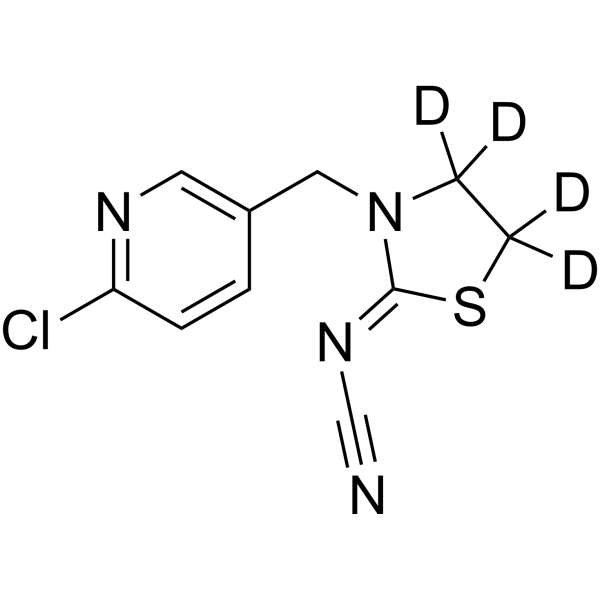
Thiacloprid-d4 is the deuterium labeled Thiacloprid. Thiacloprid is an orally active neurotoxic insecticide and also a nAChR agonist. Thiacloprid reduces the viability of healthy cells, depletes reduced glutathione, and increases MDA levels, thereby inducing cytotoxicity and oxidative stress damage. In practical applications, Thiacloprid has lower acute toxicity to honeybees than other compounds of the same class such as Imidacloprid (HY-B0838), but it still significantly impairs the learning and memory function, immune capacity and survival status of honeybees. Thiacloprid induces intestinal microbial dysbiosis and reduces survival rate in middle-aged honeybees, increases the risk of premature collapse in bumblebee colonies, and significantly decreases the final colony weight and reproductive output. Thiacloprid is used in broad-spectrum agricultural pest control, often alone or in combination with Deltamethrin (HY-B1971), and meets the pest management needs of various crops including potatoes, cabbages, various fruits and vegetables, and nuts .
|
-
- HY-173132
-
|
|
Aldose Reductase
|
Cancer
|
|
AKR1Cs-IN-1 (Compound 29) is a potent and broad-spectrum inhibitor targeting members of the Aldo-Keto Reductase 1C family (AKR1C1-1C4). By simultaneously occupying the SP2 and SP3 pockets, it effectively inhibits multiple isoforms and disrupts metabolic pathways associated with drug resistance. In enzymatic activity assays, AKR1Cs-IN-1 exhibited significant inhibitory potency, with IC50 values of 0.09, 0.28, 0.05, and 0.51 µM against AKR1C1, AKR1C2, AKR1C3, and AKR1C4, respectively. In the doxorubicin (DOX)-resistant breast cancer cell line MCF-7/ADR, AKR1Cs-IN-1 showed remarkable resensitization effects and significantly enhanced the cytotoxicity of DOX. AKR1Cs-IN-1 holds promise for research on overcoming drug resistance in breast cancer .
|
-

- HY-N0566R
-
|
Anemosapogenin (Standard)
|
Reference Standards
Apoptosis
Autophagy
Bcl-2 Family
Caspase
Survivin
p38 MAPK
MMP
|
Cancer
|
|
23-Hydroxybetulinic acid (Standard) is the analytical standard of 23-Hydroxybetulinic acid (HY-N0566). This product is intended for research and analytical applications. 23-Hydroxybetulinic acid (Anemosapogenin) is an orally active triterpenoid with broad-spectrum anticancer activity. 23-Hydroxybetulinic acid reduces the levels of Bcl-2 and survivin, elevates the level of Bax, promotes the cleavage/activation of caspase-3 and caspase-9, and induces apoptosis via the endogenous mitochondrial pathway involving cytochrome C release and mitochondrial membrane potential disruption. 23-Hydroxybetulinic acid arrests the cell cycle at S and G1 phases, inhibits cancer cell proliferation, blocks the MAPK signaling pathway, regulates MMP2, and induces autophagic apoptosis by upregulating beclin-1. 23-Hydroxybetulinic acid inhibits the activity and efflux function of P-gp, increases the intracellular accumulation of chemotherapeutic drugs, and synergistically enhances cytotoxicity with Doxorubicin (HY-15142). 23-Hydroxybetulinic acid inhibits the phosphorylation and nuclear translocation of STAT6, blocks M2 macrophage polarization, and reduces M2 macrophage-mediated apoptosis resistance of colon cancer cells. 23-Hydroxybetulinic acid can be used in related studies on chronic myeloid leukemia, hepatocellular carcinoma, sarcoma 180, multidrug-resistant breast cancer, leukemia, Doxorubicin-induced cardiotoxicity, and colorectal cancer.
|
-

- HY-161763
-
|
|
Microtubule/Tubulin
|
Cancer
|
|
Tubulin polymerization-IN-65 is a tubulin polymerisation inhibitor with a broad spectrum cytotoxic. Tubulin polymerization-IN-65 induces G2 + M cell cycle arrest .
|
-

- HY-100506R
-
|
|
Integrin
Reference Standards
|
Cancer
|
|
GLPG0187 (Standard) is the analytical standard of GLPG0187 (HY-100506). This product is intended for research and analytical applications. GLPG0187 is a broad spectrum integrin receptor antagonist with antitumor activity; inhibits αvβ1-integrin with an IC50 of 1.3 nM . GLPG0187 inhibits migrasome biogenesis without cytotoxicity .
|
-

- HY-179438
-
|
|
Bacterial
|
Cancer
|
|
Antibacterial agent 302 is an antibacterial agent. Antibacterial agent 302 shows a potent and broad-spectrum antibacterial activity. Antibacterial agent 302 has no significant hemolytic toxicity and cytotoxicity, and a low tendency to induce resistance. Antibacterial agent 302 exerts its antibacterial mechanism by disrupting the integrity of the bacterial cell membranes. Antibacterial agent 302 can be used for the study of bacterial keratitis .
|
-

- HY-138540R
-
|
N-Dodecylimidazole (Standard)
|
Fungal
Reference Standards
|
Cancer
|
|
1-Dodecylimidazole (Standard) is the analytical standard of 1-Dodecylimidazole. This product is intended for research and analytical applications. 1-Dodecylimidazole (N-Dodecylimidazole) is a lysosomotropic detergent and a cytotoxic agent. 1-Dodecylimidazole causes cell death by its acid-dependent accumulation in lysosomes, disruption of the lysosomal membrane, and releaseof cysteine proteases into the cytoplasm. 1-Dodecylimidazole has hypocholesterolaemic activity and broad-spectrum antifungal activity .
|
-

- HY-180827
-
|
|
VEGFR
Apoptosis
|
Cancer
|
|
VEGFR-2-IN-79 (Compound 17) is a VEGFR-2 inhibitor with an IC50 of 2.32 μM. VEGFR-2-IN-79 exhibits potent and broad-spectrum cytotoxicity and can induce apoptosis in MCF-7 cells. VEGFR-2-IN-79 does not cause a significant decrease in the mitochondrial membrane potential of MCF-7 cells. VEGFR-2-IN-79 can be used for research on breast cancer .
|
-

- HY-181677
-
|
|
Bacterial
Reactive Oxygen Species (ROS)
Lactate Dehydrogenase
|
Infection
|
|
Antibacterial agent 325 is an antibacterial agent. Antibacterial agent 325 exerts potent broad-spectrum antibacterial activity and shows bactericidal activity. Antibacterial agent induces membrane depolarization, disrupts the membrane integrity, increasess ROS production and lipid peroxidation levels. Antibacterial agent 325 inhibits the metabolic activity and Lactate Dehydrogenase (LDH) activity. Antibacterial agent 325 exhibits low drug resistance development in bacteria, low hemolysis and cytotoxicity. Antibacterial agent 325 can be used for the research of bacterial infection .
|
-

- HY-182784
-
|
|
Bacterial
|
Infection
|
|
Antibacterial agent 336 is an antibacterical agent with broad-spectrum inhibitory activity against Gram-negative and Gram-positive bacteria. Antibacterial agent 336 binds tightly via its pyridine group to the carboxyl group, Lys-465 residue, and Leu-480 residue of the MsbA protein, interfering with bacterial outer membrane synthesis, and exerts concentration-dependent bactericidal activity against bacterial. Antibacterial agent 336 has low cytotoxicity to normal human liver cells. Antibacterial agent 336 can be used for the research of bacterial infections .
|
-

- HY-N15141
-
|
|
Insecticide
Fungal
|
Infection
Cancer
|
|
γ-Thujaplicin is a Hinokitiol (HY-B2230)-related compound that can be isolated from the wood of Thujopsis dolabrata. γ-Thujaplicin shows strong cytotoxic activities against human stomach cancer cell lines KATO-III and Ehrlich’s ascites carcinoma. γ-Thujaplicin exhibits potent and broad-spectrum antifungal activity on wood-rotting fungi, and insecticidal activity on the noxious insects. γ-Thujaplicin can be used for cancer and infection research and pest management .
|
-

- HY-P992482
-
|
|
Drug Derivative
Influenza Virus
Fc Receptor (FcR)
Complement System
|
Infection
|
|
VIR-2482 is a monoclonal antibody targeting influenza A hemagglutinin (HA). VIR-2482 is generated by introducing LS mutations (M428L/N434S) into the Fc region of MEDI8852 (HY-P991446). VIR-2482 binds to the conserved HA stem epitope across all 18 influenza A HA subtypes, neutralizes a broad spectrum of H1N1 and H3N2 strains, binds to FcγRIIIa, FcγRIIa and C1q, and induces antibody-dependent cellular cytotoxicity and complement-dependent cytotoxicity. VIR-2482 reduces morbidity and mortality caused by seasonal influenza A strains and provides prophylactic protection in mice. VIR-2482 can be used in research related to influenza A disease .
|
-

- HY-P11657
-
|
|
Bacterial
|
Infection
|
|
GN-2 peptoid is a 9-mer cationic amphipathic peptoid and bactericidal agent with an overall net charge of +4, broad-spectrum antimicrobial activity, and low hemolytic and cytotoxic activity against mammalian cells. GN-2 peptoid exerts bactericidal action against Escherichia coli in a concentration-dependent manner. GN-2 peptoid exhibits antimicrobial activity against Gram-positive Staphylococcus aureus and Gram-negative Escherichia coli, Pseudomonas aeruginosa strains. GN-2 peptoid shows low toxicity against human red blood cells and HeLa cells. GN-2 peptoid maintains antimicrobial activity in the presence of 50% human blood plasma. GN-2 peptoid can be used for the research of bacterial infections .
|
-

| Cat. No. |
Product Name |
Type |
-
- HY-15096
-
|
FJ-776
|
Fluorescent Dyes
|
|
MKT-077 (FJ-776), a highly water-soluble mitochondrial dye, has significant antitumor activity . MKT-077 exhibits low cytotoxicity, and inhibits broad-spectrum human cancer cell lines (colon cancer, breast cancer, pancreatic cancer). MKT-077 inhibits the growth of tumor in nude mice enograft tumor model. Ex/Em=488/543 nm .
|
-
- HY-D2437
-
|
|
Fluorescent Dyes
|
|
DOX-PEG-Cy3 (Doxorubicin-PEG-Cy3) is a Cy3 (HY-D0822) labeled DOX-PEG conjugate. The Cy3 fluorophore is commonly used in applications such as immunolabeling, nucleic acid labeling, fluorescence microscopy, and flow cytometry. Cy3 has an emission maximum around 562-570 nm. DOX is a broad-spectrum anthracycline antibiotic with cytotoxic properties .
|
| Cat. No. |
Product Name |
Type |
-
- HY-W250308A
-
|
Epsilon-polylysine hydrochloride (MV 2000-5000); ε-Polylysine hydrochloride (MV 2000-5000); ε-PL hydrochloride (MV 2000-5000)
|
Biochemical Assay Reagents
|
|
ε-Poly-L-lysine (Epsilon-polylysine; ε-Polylysine) hydrochloride (MV 2000-5000) is a polycationic antibacterial agent with broad-spectrum activity against Gram-positive bacteria, Gram-negative bacteria, fungi, yeasts and specific bacteriophages. ε-Poly-L-lysine hydrochloride (MV 2000-5000) exerts bactericidal effects through mechanisms such as disrupting microbial membranes, inducing ROS production, inhibiting metabolism and spore germination. ε-Poly-L-lysine hydrochloride (MV 2000-5000) also regulates the expression of multiple key genes including sodA, oxyR and recA. ε-Poly-L-lysine hydrochloride (MV 2000-5000) exhibits properties such as low eukaryotic cytotoxicity, thermal stability and pH stability, and supports tissue regeneration and anti-tumor applications. ε-Poly-L-lysine hydrochloride (MV 2000-5000) can be applied in research fields including bacterial and fungal infections, diabetic ulcers, and methicillin-resistant Staphylococcus aureus infections .
|
-
- HY-138540
-
|
N-Dodecylimidazole
|
Biochemical Assay Reagents
|
|
1-Dodecylimidazole (N-Dodecylimidazole) is a lysosomotropic detergent and a cytotoxic agent. 1-Dodecylimidazole causes cell death by its acid-dependent accumulation in lysosomes, disruption of the lysosomal membrane, and releaseof cysteine proteases into the cytoplasm. 1-Dodecylimidazole has hypocholesterolaemic activity and broad-spectrum antifungal activity .
|
-
- HY-138540R
-
|
N-Dodecylimidazole (Standard)
|
Biochemical Assay Reagents
|
|
1-Dodecylimidazole (Standard) is the analytical standard of 1-Dodecylimidazole. This product is intended for research and analytical applications. 1-Dodecylimidazole (N-Dodecylimidazole) is a lysosomotropic detergent and a cytotoxic agent. 1-Dodecylimidazole causes cell death by its acid-dependent accumulation in lysosomes, disruption of the lysosomal membrane, and releaseof cysteine proteases into the cytoplasm. 1-Dodecylimidazole has hypocholesterolaemic activity and broad-spectrum antifungal activity .
|
| Cat. No. |
Product Name |
Target |
Research Area |
-
- HY-P11102
-
|
|
Bacterial
Fungal
HIV
Parasite
|
Infection
Cancer
|
|
Temporin-Sha is an antibacterial peptide with extensive biological activity. Temporin-Sha exhibits broad-spectrum antibacterial activity (e.g., against L. ivanovii, MIC = 6.25 μM), and is effective against Gram-negative bacteria (such as Escherichia coli, MIC = 10 μM), including drug-resistant strains (such as Methicillin (HY-121544)-resistant Staphylococcus aureus). Temporin-Sha also has inhibitory effects on Candida albicans (MIC = 25 μM), Saccharomyces cerevisiae (MIC = 12 μM), the pre-flagellated and non-flagellated forms of Leishmania infantum (IC50 = 5-20 μM), and Trypanosoma cruzi (IC50 = 17 μM). Temporin-Sha exhibits antiviral activity against HSV-1 and has anti-cancer effects (cytotoxicity against breast cancer cells MCF-7 and lung cancer cells H460, etc.) .
|
-
- HY-P10228
-
|
|
Fungal
Bacterial
|
Infection
|
|
S-Thanatin is an insect antimicrobial peptide with potent broad-spectrum antibacterial activity. S-Thanatin can inhibit the activity of Gram-negative bacteria, Gram-positive bacteria, and fungi, without cytotoxicity. The antibacterial activity of S-Thanatin is not affected by PH value, but monovalent cations (Na +/K +) can reduce its antibacterial activity against Gram-negative bacteria in a dose-dependent manner .
|
-
- HY-P11657
-
|
|
Bacterial
|
Infection
|
|
GN-2 peptoid is a 9-mer cationic amphipathic peptoid and bactericidal agent with an overall net charge of +4, broad-spectrum antimicrobial activity, and low hemolytic and cytotoxic activity against mammalian cells. GN-2 peptoid exerts bactericidal action against Escherichia coli in a concentration-dependent manner. GN-2 peptoid exhibits antimicrobial activity against Gram-positive Staphylococcus aureus and Gram-negative Escherichia coli, Pseudomonas aeruginosa strains. GN-2 peptoid shows low toxicity against human red blood cells and HeLa cells. GN-2 peptoid maintains antimicrobial activity in the presence of 50% human blood plasma. GN-2 peptoid can be used for the research of bacterial infections .
|
| Cat. No. |
Product Name |
Target |
Research Area |
Image |
-
- HY-P992482
-
|
|
Drug Derivative
Influenza Virus
Fc Receptor (FcR)
Complement System
|
Infection
|
|
VIR-2482 is a monoclonal antibody targeting influenza A hemagglutinin (HA). VIR-2482 is generated by introducing LS mutations (M428L/N434S) into the Fc region of MEDI8852 (HY-P991446). VIR-2482 binds to the conserved HA stem epitope across all 18 influenza A HA subtypes, neutralizes a broad spectrum of H1N1 and H3N2 strains, binds to FcγRIIIa, FcγRIIa and C1q, and induces antibody-dependent cellular cytotoxicity and complement-dependent cytotoxicity. VIR-2482 reduces morbidity and mortality caused by seasonal influenza A strains and provides prophylactic protection in mice. VIR-2482 can be used in research related to influenza A disease .
|
-

(5)
| Cat. No. |
Product Name |
Category |
Target |
Chemical Structure |
-
- HY-W018025
-
-
-
- HY-W042191
-
-
-
- HY-N4183
-
|
|
Structural Classification
Flavonoids
Classification of Application Fields
Flavones
Leguminosae
Phenols
Polyphenols
Plants
Glycyrrhiza uralensis Fisch.
Disease Research Fields
Source Classification
Cancer
|
Apoptosis
Caspase
Estrogen Receptor/ERR
|
|
Licoflavone C is a broad-spectrum antiviral inhibitor with estrogen-like properties. Licoflavone C binds to viral endonuclease (CEN) and inhibits the replication of various bunyaviruses including severe fever with thrombocytopenia syndrome virus (SFTSV) and lymphocytic choriomeningitis virus in a non-substrate competitive manner. The IC50 values of Licoflavone C against SFTSV CEN and SFTSV CEN are 35.5 μM and 135.8 μM, respectively, and its Kd value against SFTSV CEN is 9.53 μM. After viral entry into cells, Licoflavone C reduces viral loads in mouse tissues in a dose-dependent manner, and exhibits extremely low cytotoxicity and genotoxicity. Licoflavone C induces apoptosis by increasing caspase 3/7 activity, blocks the cell cycle, and alleviates chemotherapy-induced chromosomal damage. Licoflavone C is applicable to the research on severe fever with thrombocytopenia syndrome and related viral infection mechanisms .
|
-
-
- HY-N0566
-
|
Anemosapogenin
|
Triterpenes
Structural Classification
other families
Classification of Application Fields
Terpenoids
Plants
Disease Research Fields
Source Classification
Cancer
|
Apoptosis
Autophagy
Bcl-2 Family
Caspase
Survivin
p38 MAPK
MMP
|
|
23-Hydroxybetulinic acid (Anemosapogenin) is an orally active triterpenoid with broad-spectrum anticancer activity. 23-Hydroxybetulinic acid reduces the levels of Bcl-2 and survivin, elevates the level of Bax, promotes the cleavage/activation of caspase-3 and caspase-9, and induces apoptosis via the endogenous mitochondrial pathway involving cytochrome C release and mitochondrial membrane potential disruption. 23-Hydroxybetulinic acid arrests the cell cycle at S and G1 phases, inhibits cancer cell proliferation, blocks the MAPK signaling pathway, regulates MMP2, and induces autophagic apoptosis by upregulating beclin-1. 23-Hydroxybetulinic acid inhibits the activity and efflux function of P-gp, increases the intracellular accumulation of chemotherapeutic drugs, and synergistically enhances cytotoxicity with Doxorubicin (HY-15142). 23-Hydroxybetulinic acid inhibits the phosphorylation and nuclear translocation of STAT6, blocks M2 macrophage polarization, and reduces M2 macrophage-mediated apoptosis resistance of colon cancer cells. 23-Hydroxybetulinic acid can be used in related studies on chronic myeloid leukemia, hepatocellular carcinoma, sarcoma 180, multidrug-resistant breast cancer, leukemia, Doxorubicin-induced cardiotoxicity, and colorectal cancer .
|
-
-
- HY-129150
-
-
-
- HY-137139
-
-
-
- HY-W042191R
-
-
-
- HY-W018025R
-
-
-
- HY-N0566R
-
|
Anemosapogenin (Standard)
|
Triterpenes
Structural Classification
other families
Terpenoids
Plants
Source Classification
|
Reference Standards
Apoptosis
Autophagy
Bcl-2 Family
Caspase
Survivin
p38 MAPK
MMP
|
|
23-Hydroxybetulinic acid (Standard) is the analytical standard of 23-Hydroxybetulinic acid (HY-N0566). This product is intended for research and analytical applications. 23-Hydroxybetulinic acid (Anemosapogenin) is an orally active triterpenoid with broad-spectrum anticancer activity. 23-Hydroxybetulinic acid reduces the levels of Bcl-2 and survivin, elevates the level of Bax, promotes the cleavage/activation of caspase-3 and caspase-9, and induces apoptosis via the endogenous mitochondrial pathway involving cytochrome C release and mitochondrial membrane potential disruption. 23-Hydroxybetulinic acid arrests the cell cycle at S and G1 phases, inhibits cancer cell proliferation, blocks the MAPK signaling pathway, regulates MMP2, and induces autophagic apoptosis by upregulating beclin-1. 23-Hydroxybetulinic acid inhibits the activity and efflux function of P-gp, increases the intracellular accumulation of chemotherapeutic drugs, and synergistically enhances cytotoxicity with Doxorubicin (HY-15142). 23-Hydroxybetulinic acid inhibits the phosphorylation and nuclear translocation of STAT6, blocks M2 macrophage polarization, and reduces M2 macrophage-mediated apoptosis resistance of colon cancer cells. 23-Hydroxybetulinic acid can be used in related studies on chronic myeloid leukemia, hepatocellular carcinoma, sarcoma 180, multidrug-resistant breast cancer, leukemia, Doxorubicin-induced cardiotoxicity, and colorectal cancer.
|
-
-
- HY-N15141
-
-
| Cat. No. |
Product Name |
Chemical Structure |
-
- HY-W713297
-
|
|
|
Moroxydine hydrochloride-d8 (ABOB hydrochloride-d8) is the deuterium labeled Moroxydine (ABOB) hydrochloride (HY-B0420A). Moroxydine hydrochloride is a broad-spectrum agent with multi-antiviral activities against DNA and RNA viruses, including influenza virus, herpes simplex, varicella zoster, measles, mumps disease, hepatitis C virus, etc. Moroxydine hydrochloride exhibits excellent antiviral activity and shows low cytotoxicity to cells infected by dsRNA viruses (grass carp reovirus, GCRV) and large DNA viruses (giant salamander iridovirus, GSIV). Moroxydine hydrochloride blocks the GCRV-induced cytopathic effects and eliminates nucleocapsids in ctenopharyngodon idella kidney (CIK) cells to keep the normal morphological structure. Moroxydine hydrochloride significantly inhibits the apoptosis, the caspase 3 activity, Bax expression and down-regulates Bcl-2 levels [1][2][3].
|
-
-
- HY-B1953S
-
|
|
|
Thiacloprid-d4 is the deuterium labeled Thiacloprid. Thiacloprid is an orally active neurotoxic insecticide and also a nAChR agonist. Thiacloprid reduces the viability of healthy cells, depletes reduced glutathione, and increases MDA levels, thereby inducing cytotoxicity and oxidative stress damage. In practical applications, Thiacloprid has lower acute toxicity to honeybees than other compounds of the same class such as Imidacloprid (HY-B0838), but it still significantly impairs the learning and memory function, immune capacity and survival status of honeybees. Thiacloprid induces intestinal microbial dysbiosis and reduces survival rate in middle-aged honeybees, increases the risk of premature collapse in bumblebee colonies, and significantly decreases the final colony weight and reproductive output. Thiacloprid is used in broad-spectrum agricultural pest control, often alone or in combination with Deltamethrin (HY-B1971), and meets the pest management needs of various crops including potatoes, cabbages, various fruits and vegetables, and nuts .
|
-
Your information is safe with us. * Required Fields.
Inquiry Information
- Product Name:
- Cat. No.:
- Quantity:
- MCE Japan Authorized Agent:








