1. Search Result
Search Result
Results for "

cancer therapeutic

" in MedChemExpress (MCE) Product Catalog:

51

Inhibitors & Agonists

25

Screening Libraries

3

Biochemical Assay Reagents

8

Peptides

1

Inhibitory Antibodies

5

Natural
Products

3

Isotope-Labeled Compounds

3

Oligonucleotides

Targets Recommended:
Cat. No. Product Name Target Research Areas Chemical Structure
  • HY-145799
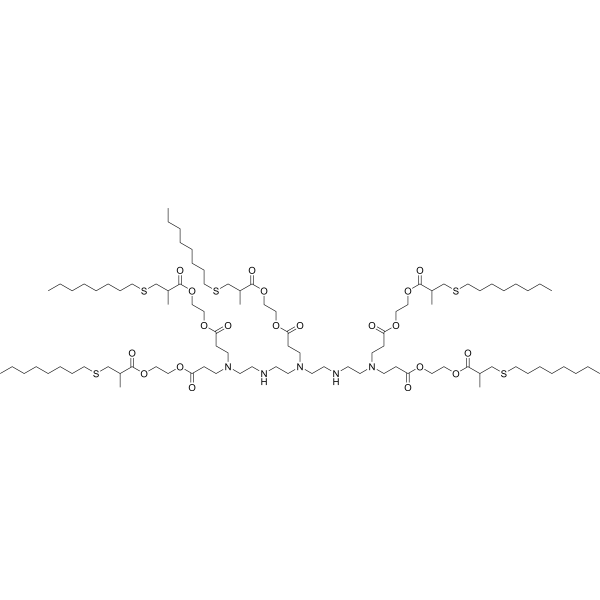
    5A2-SC8
    1 Publications Verification

    Liposome Cancer
    5A2-SC8 is an ionizable amino lipid in lipid nanoparticles (LNPs) that shows high delivery potential and low in vivo toxicity, enabling efficient delivery of small RNAs such as siRNA and miRNA into tumor cells. 5A2-SC8 LNPs can confer a unique delivery fate of RNA within the liver, thereby changing the therapeutic outcomes in cancer models .
    5A2-SC8
  • HY-111424
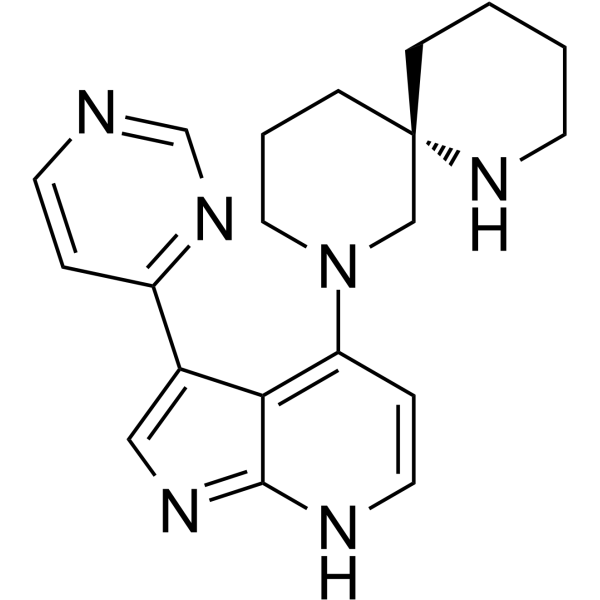
    BDP9066
    2 Publications Verification

    Cdc42-binding kinase Cancer
    BDP9066 is a potent and selective myotonic dystrophy-related Cdc42-binding kinase MRCK inhibitor with an IC50 of 64 nM for MRCKβ in SCC12 cells, Ki values of 0.0136 nM and 0.0233 nM for MRCKα/β in house determinations, respectively. BDP9066 has therapeutic effect on skin cancer by reducing substrate phosphorylation.
    BDP9066
  • HY-N9459

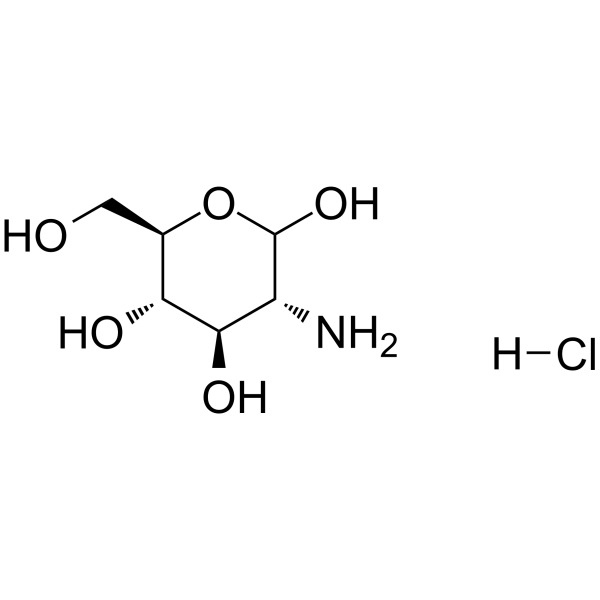
    D-Glucosamine Hydrochloride

    GLUT Infection Neurological Disease Cancer
    2-Amino-2-deoxyglucose hydrochloride (D-Glucosamine Hydrochloride) is a glucose analog that is specifically recognized and transported by the cell membrane GLUT1. 2-Amino-2-deoxyglucose hydrochloride acts as a tumor-targeting ligand and a guiding molecule for the synthesis of prodrug conjugates, thus delivering drugs precisely to tumor cells. 2-Amino-2-deoxyglucose hydrochloride is applicable to diagnostic imaging and therapeutic efficacy monitoring of solid tumors and various cancers (e.g., breast cancer, glioblastoma). 2-Amino-2-deoxyglucose hydrochloride also helps bacteria resist lysozyme digestion by integrating into the non-N-acetylated residues of Streptococcus pneumoniae peptidoglycan. 2-Amino-2-deoxyglucose hydrochloride is used in studies on tumor metabolism and the exploration of bacterial drug resistance mechanisms .
    2-Amino-2-deoxyglucose hydrochloride
  • HY-124295

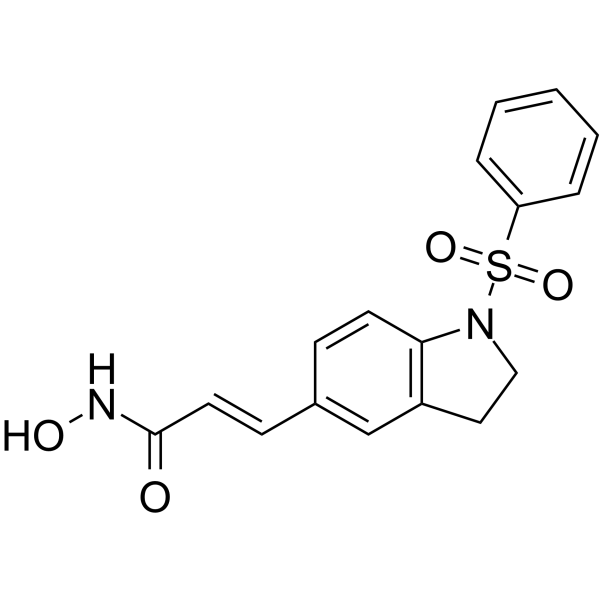
    ABT-301; MPT0E028; TMU-C-0012

    HDAC Akt Apoptosis Inflammation/Immunology Cancer
    Imofinostat (ABT-301; MPT0E028) is an orally active and selective HDAC inhibitor with IC50s of 53.0 nM, 106.2 nM, 29.5 nM for HDAC1, HDAC2 and HDAC6, respectively. Imofinostat has a weak inhibitory effect on HDAC8 (IC50 of 2.5 ​​μM), but no inhibitory effect on HDAC4 (IC50>10 μM). Imofinostat reduces the viability of B-cell lymphomas by inducing apoptosis and possesses potent direct Akt targeting ability and reduces Akt phosphorylation in B-cell lymphoma. Imofinostat has a broad-spectrum antitumor activity, including colorectal cancer, B-cell lymphoma, non-small cell lung carcinoma (NSCLC), and pancreatic cancer, while also showing therapeutic potential in non-tumor diseases like emphysema and pulmonary fibrosis .
    Imofinostat
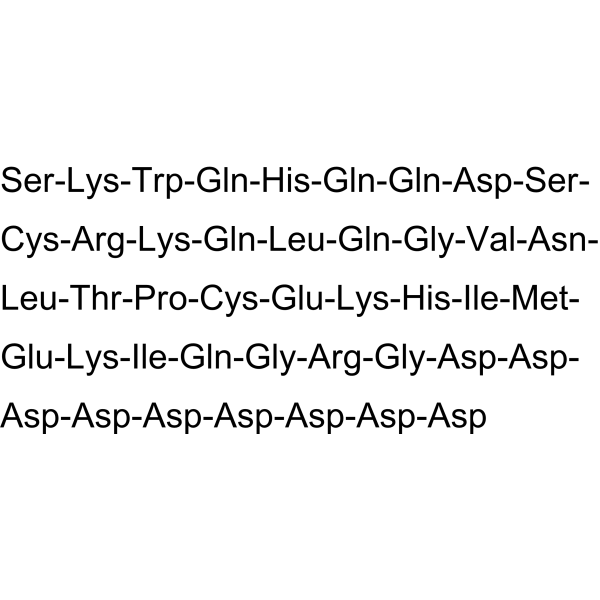
  • HY-P5285

    Parasite Infection Inflammation/Immunology Cancer
    Lunasin is a bioactive peptide with antioxidant, anti-inflammatory, anticancer and anti-aging properties. Lunasin can be isolated from soybean. Lunasin also has an epigenetic mechanism of action associated with histone acetylation. Lunasin can be internalized into cells and inhibit Oncosphere formation in cancer cells .
    Lunasin
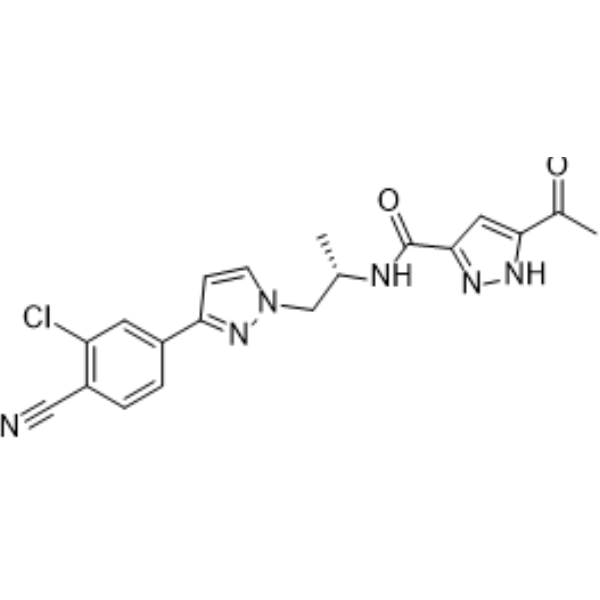
  • HY-19337
    Ketodarolutamide
    1 Publications Verification

    BAY 1896953; ORM-15341

    Androgen Receptor Cancer
    Ketodarolutamide (ORM-15341) is a potent, high-affinity nonsteroidal competitive full antagonist of androgen receptor (AR). Ketodarolutamide displays a Ki value of 8 nM for rat wild-type AR and an IC50 value of 38 nM in AR-HEK293 cells . Ketodarolutamide inhibits testosterone-induced nuclear translocation of the AR and antagonizes both overexpressed and mutant ARs . Ketodarolutamide specifically suppresses the proliferation of AR-dependent prostate cancer cells and exhibits antitumor activity in models of castration-resistant prostate cancer (CRPC) . Ketodarolutamide is suitable for the mechanistic and therapeutic research of prostate cancer .
    Ketodarolutamide
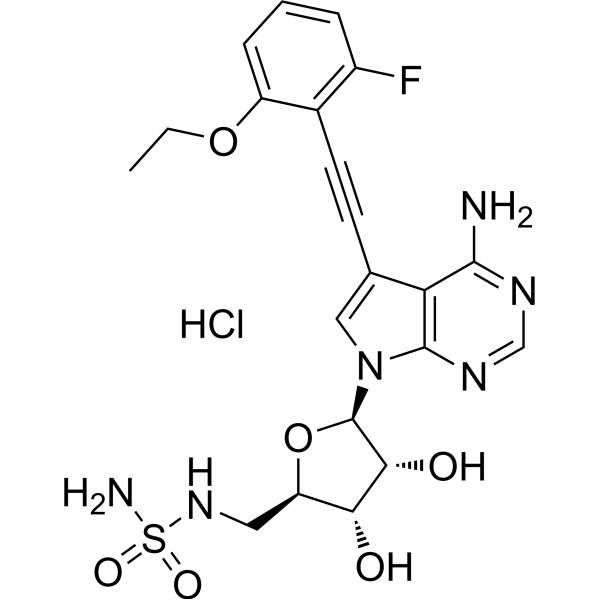
  • HY-128586A
    TAS4464 hydrochloride
    Maximum Cited Publications
    9 Publications Verification

    NEDD8-activating Enzyme Carbonic Anhydrase Apoptosis Cancer
    TAS4464 hydrochloride is a long-acting, highly selective covalent inhibitor targeting NEDD8-activating enzyme (NAE) (IC50=0.955 nM), and also inhibits CAII with an IC50 of 0.73 μM, which is less potent than MLN4924 (HY-70062). The IC50 values of TAS4464 hydrochloride against other E1 enzymes UAE and SAE are 449 nM and 1280 nM, respectively. TAS4464 hydrochloride targets NEDD8 in an ATP-dependent manner to inhibit NAE, blocks the neddylation pathway, causes accumulation of CRL ubiquitin ligase substrates (such as CDT1, p27, phosphorylated IκBα), and further induces tumor cell apoptosis. TAS4464 hydrochloride exhibits antiproliferative and cytotoxic effects, and has broad-spectrum antitumor activity against various hematologic and solid tumor cell lines as well as patient-derived tumor cells. TAS4464 hydrochloride has a wide therapeutic window, without obvious toxicity. TAS4464 hydrochloride can be used in the research of hematologic malignancies (leukemia, lymphoma, multiple myeloma, etc.) and solid tumors (small cell lung cancer, colorectal cancer, sarcoma, endometrial cancer, ovarian cancer, etc.) .
    TAS4464 hydrochloride
  • HY-P11303

    CD74 MHC Neurological Disease Cancer
    PADRE peptide is a pan-HLA-DR binding epitope and immunostimulant. PADRE peptide binds to the peptide-binding groove of MHC class II molecules for presentation to CD4 + T cells, thereby effectively stimulating specific immune responses. PADRE peptide not only enhances anti-tumor immune responses, inhibits tumor growth and prolongs survival; it also significantly increases the frequency of E7-specific CD8 + T cells and improves therapeutic efficacy against TC-1 tumors when used in combination with E7 peptide-based vaccines and poly (I:C). The intensity of the immune response induced by PADRE peptide is lower than that of the Ii-PADRE DNA vaccine, and it fails to enhance the immune effect of CRT-E7 DNA. PADRE peptide is widely applicable to research on related tumors such as melanoma, glioblastoma and cervical cancer .
    PADRE peptide
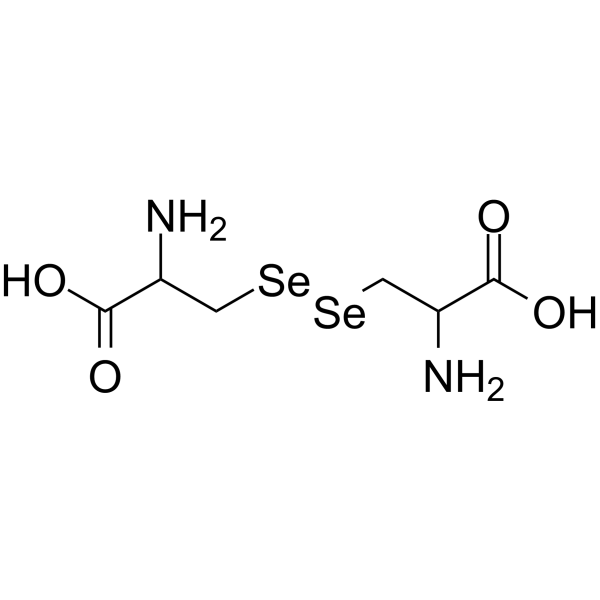
  • HY-113064
    Selenocystine
    1 Publications Verification

    Endogenous Metabolite Cancer
    Selenocystine is a broad-spectrum anti-cancer agent. Selenocystine induces DNA damage in HepG2 cells, particularly in the form of DNA double strand breaks (DSBs). Selenocystine exhibits great promise as a therapeutic or adjuvant agent targeting DNA repair for cancer treatment .
    Selenocystine
  • HY-78985

    Trimesic acid

    MOFs Biochemical Assay Reagents Others
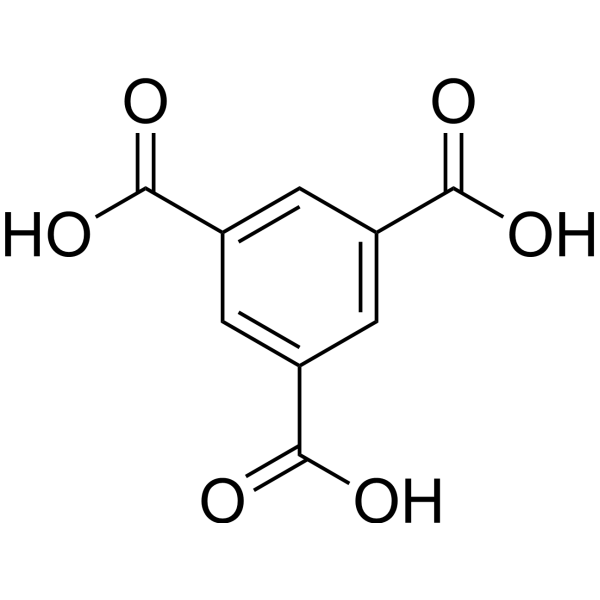
    Benzene-1,3,5-tricarboxylic acid (Trimesic acid) is a rigid planar small-molecule scaffold and crosslinker. Benzene-1,3,5-tricarboxylic acid induces bicyclic peptides to adopt a planar conformation, so as to maximize surface area and bind to the flat protein surfaces involved in protein-protein interactions. Benzene-1,3,5-tricarboxylic acid forms ionic crosslinks, hydrogen bonds and π-π bonds with chitosan, thereby constructing a hydrogel network. Benzene-1,3,5-tricarboxylic acid endows chitosan hydrogel systems with specific mechanical properties, enabling sustained release of cancer therapeutic drugs including 5-Fluorouracil (HY-90006) .
    Benzene-1,3,5-tricarboxylic acid
  • HY-147007
    β-catenin-IN-3
    1 Publications Verification

    β-catenin Wnt CDK Cancer
    β-catenin-IN-3 (Compound C2) is a selective β-catenin inhibitor. β-catenin-IN-3 binds to allosteric site on the surface of β-catenin with K D calculated at 54.96 nM. β-catenin-IN-3 selectively inhibits β-catenin via targeting a cryptic allosteric modulation site, lowers its cellular load. β-catenin-IN-3 significantly reduces viability of β-catenin driven cancer cells, and triggers β-catenin degradation via proteasome system in β-catenin-overexpressing cancer cells .
    β-catenin-IN-3
  • HY-178521

    Cadherin Cancer
    BAS00602705 is an E-cadherin inhibitor. BAS00602705 exerts its function by blocking the trans-interactions of E-cadherin molecules within junctional complexes, without permanently altering E-cadherin expression levels. BAS00602705 significantly impairs invadopodia formation in pancreatic cancer cells. BAS00602705 can be used for the study of anti-invasive therapeutic strategies in cancers characterized by dysregulated E-cadherin-mediated invadopodia activity, such as pancreatic ductal adenocarcinoma (PDAC) .
    BAS00602705
  • HY-N2523
    Gigantol isomer-1
    1 Publications Verification

    Wnt Cancer
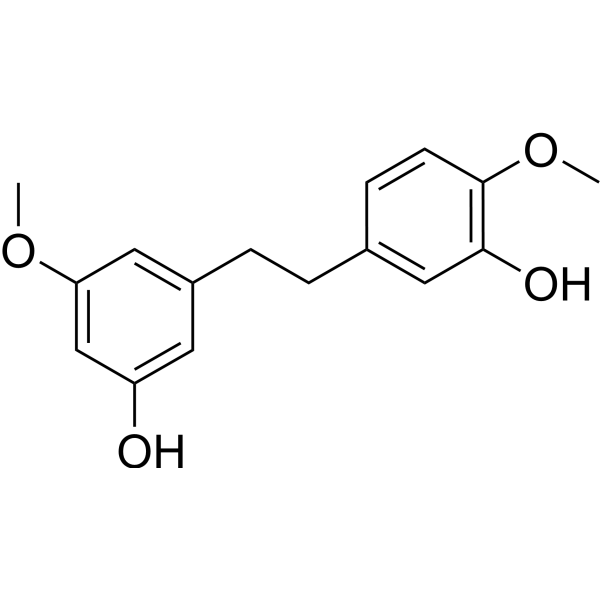
    Gigantol isomer-1 is a bibenzyl compound derived from Dendrobium nobile. Gigantol isomer-1 shows promising therapeutic potential against cancer cells. Gigantol isomer-1 is a novel inhibitor of the Wnt/β-catenin pathway.
    Gigantol isomer-1
  • HY-117002
    SRI 37892
    1 Publications Verification

    Wnt Cancer
    SRI 37892 is a small molecule compound inhibitor of Frizzled protein 7 (Fzd7) with inhibitory activity against cancer cell proliferation (IC50=2μM). SRI 37892 significantly blocks Wnt/Fzd7 signaling. SRI 3789 can be used in the research of developing cancer therapeutic agents .
    SRI 37892
  • HY-D1005I

    Biochemical Assay Reagents Others
    Poloxamer L61 is a non-ionic triblock copolymer surfactant. Poloxamer L61 effectively achieves intracellular molecular delivery to cancer cells during photoacoustic molecular delivery, and maintains cell viability by promoting cell membrane resealing, thus avoiding irreversible damage caused by laser-induced membrane permeabilization. Poloxamer L61 is a key component of SP1017, a compound related to gene therapy, which regulates the interaction between DNA and extracellular matrix as well as cellular uptake, and significantly enhances the distribution and bioavailability of plasmid DNA in skeletal muscle. Poloxamer L61 can be used in studies on local or systemic therapeutic protein production .
    Poloxamer L61
  • HY-145799A
    5A2-SC8 TFA
    1 Publications Verification

    Liposome Cancer
    5A2-SC8 TFA is an ionizable amino lipid in lipid nanoparticles (LNPs) that shows high delivery potential and low in vivo toxicity, enabling efficient delivery of small RNAs such as siRNA and miRNA into tumor cells. 5A2-SC8 TFA LNPs can confer a unique delivery fate of RNA within the liver, thereby changing the therapeutic outcomes in cancer models .
    5A2-SC8 TFA
  • HY-170779

    FAP Cancer
    DOTA-NI-FAPI-04 is a FAP inhibitor (IC50 = 7.44 nM). By integrating FAP targeting with hypoxia-sensitive groups (nitroimidazole), DOTA-NI-FAPI-04 significantly enhances tumor uptake and retention capabilities. DOTA-NI-FAPI-04 chelates metallic isotopes (such as 68Ga and 177Lu) through DOTA to produce radioactive probes ([68Ga]Ga/DOTA-NI-FAPI-04 and [177Lu]Lu/DOTA-NI-FAPI-04), which can be used for research in tumor diagnostics and therapeutic agents. DOTA-NI-FAPI-04 holds dual targeting potential in the fields of cancer imaging, tumor microenvironment analysis, and radionuclide therapy, particularly suitable for scenarios where the tumor stroma and hypoxic regions synergistically interact .
    DOTA-NI-FAPI-04
  • HY-143655

    BMI1 Autophagy Cancer
    QW24 exerts potent anti-tumor activity by down-regulating BMI-1 and is used as an effective therapeutic agent for clinical colorectal cancer research.
    QW24
  • HY-119916

    DNA/RNA Synthesis Cancer
    Tauromustine is an orally active nitrosourea anticancer agent. Tauromustine has an alkylation effect and can damage the DNA function. Tauromustine has a high therapeutic index, especially in the study of Walker 256 rat sarcoma. It is also active against melanoma, breast cancer, pleural mesothelioma and ovarian cancer. Tauromustine is mainly metabolized in the liver, but some of its metabolites also have cytotoxicity .
    Tauromustine
  • HY-116497

    FAK Cancer
    PH11 is a novel focal adhesion kinase (FAK) inhibitor that rapidly induces apoptosis in TRAIL-resistant PANC-1 cells when combined with TRAIL, but has no effect on normal human fibroblasts. The study found that PH11 downregulates c-FLIP through inhibition of FAK and phosphatidylinositol-3-kinase (PI3K)/AKT pathways, thereby restoring the TRAIL apoptotic pathway, suggesting that this combination therapy may provide an attractive therapeutic strategy for the safe and effective treatment of pancreatic cancer. PH11 selectively inhibits c-FLIP expression by modulating upstream signaling pathways and may represent an innovative therapeutic strategy. Although further work is needed to fully elucidate the mechanism of PH11-induced TRAIL sensitization, we believe that our results will provide a new approach to target c-FLIP without the risk of interfering with caspase-8 processing, which could potentially lead to TRAIL resistance. This study also suggests a role for the FAK/AKT signaling pathway in regulating c-FLIP expression in TRAIL-induced apoptosis, and this understanding will provide important clues to control the resistance mechanism to optimize the potential of TRAIL-based pancreatic cancer treatment.
    PH11
  • HY-159771

    FAP Cancer
    FAP6-19 is a fibroblast activation protein (FAP) targeting radioligand with a Kd of 18.2 nM. FAP6-19 selectively delivers therapeutic radioactive nuclides (such as 177Lu) to the tumor site by targeting the overexpressed FAP protein in the tumor microenvironment, achieving precise killing of cancer cells while minimizing radiation damage to healthy tissues. FAP6-19 exhibits extremely high total cellular uptake and good intracellular retention ability in HT1080 cells. After being labeled with 111In, FAP6-19 produced extremely high tumor/kidney and tumor/liver dose ratios in the mouse model with 4T1 tumors. FAP6-19 can be used in the research of solid tumors expressing FAP.
    FAP6-19
  • HY-116277

    EGFR Epigenetic Reader Domain Cancer
    Z118332870 is a potent dual inhibitor of EGFR and BRD4, exhibiting significant potential as a therapeutic agent for overcoming resistance in cancer treatment.
    Z118332870
  • HY-147664

    Carbonic Anhydrase Cancer
    These compounds show selective inhibition on tumor related subtypes HCA IX and XII, and are also considered as the leading molecules for the development of future cancer therapeutic drugs based on new mechanisms of action.
    hCAXII-IN-1
  • HY-128592

    PIN1 Cancer
    TAB29 is a potent inhibitor of peptidyl-prolyl cis-trans isomerase NIMA-interacting 1 (Pin1) with an IC50 of 874 nM, possesses therapeutic potential for human cancers .
    TAB29
  • HY-116604

    PD 139530

    PI3K Akt Cancer
    RLX (PD 139530) is a PI3K/Akt/FoxO3a signaling inhibitor, possessing significant therapeutic potential in experimental colon cancer. RLX can effectively modulate the tumor microenvironment, enhancing the efficacy of cancer immunotherapy. RLX demonstrates the ability to improve the retention time of therapeutic agents within the tumor microenvironment by utilizing advanced nanoparticle delivery systems. RLX can be integrated with various treatment modalities, such as chemotherapy and radiotherapy, to enhance overall tumor therapy effectiveness .
    RLX
  • HY-116604A

    PD 139530 hydrochloride

    PI3K Akt Cancer
    RLX (PD 139530) hydrochloride is the hydrochloride of RLX (HY-116604). RLX is a PI3K/Akt/FoxO3a signaling inhibitor, possessing significant therapeutic potential in experimental colon cancer. RLX can effectively modulate the tumor microenvironment, enhancing the efficacy of cancer immunotherapy. RLX demonstrates the ability to improve the retention time of therapeutic agents within the tumor microenvironment by utilizing advanced nanoparticle delivery systems. RLX can be integrated with various treatment modalities, such as chemotherapy and radiotherapy, to enhance overall tumor therapy effectiveness .
    RLX hydrochloride
  • HY-W726201

    Nucleoside Antimetabolite/Analog Phosphoramidites Cancer
    2'-Deoxy-5'-O-DMT-5-fluorouridine 3'-CE phosphoramidite is a nucleoside phosphoramidite analogue employed in oligonucleotide synthesis. This compound contributes to crafting therapeutic oligonucleotides for drugs targeting cancers.
    5'-DMT-5-F-2'-dU Phosphoramidite
  • HY-P3627

    Drug Derivative Cancer
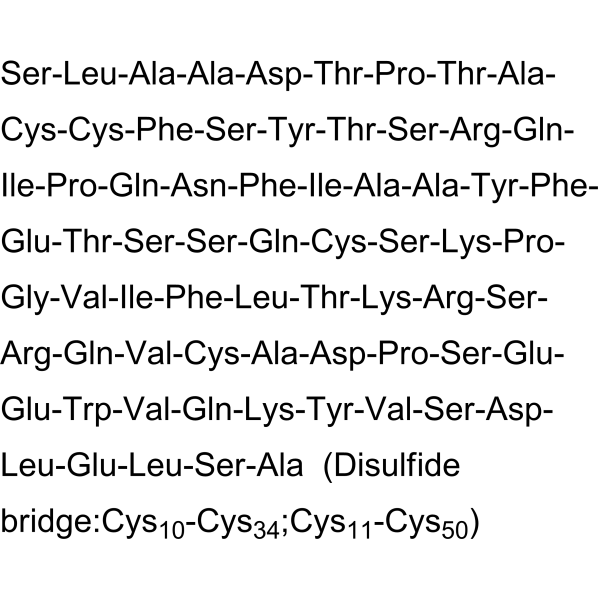
    Nagrestipen, a human macrophage inflammatory protein-1 alpha (MIP-1α) variant, also known as ECI 301. Nagrestipen has antitumor activity and can be used in therapeutic trials to study cancer, tumors, metastases, radiation oncology, and tumor metastasis .
    Nagrestipen
  • HY-174854

    HDAC Reactive Oxygen Species (ROS) Apoptosis Cancer
    PySAHA is a multifunctional HDAC inhibitor. PySAHA can degrade intracellular HDAC via a hydrophobic tagging mechanism. PySAHA also possesses photodynamic therapeutic activity and can generate reactive oxygen species under light irradiation. PySAHA can inhibit the proliferation, migration and induce cell apoptosis of breast cancer cells. PySAHA has antitumor activity and can be used in breast cancer research .
    PySAHA
  • HY-13735H

    Acriquine acetate

    Parasite Sodium Channel DNA Stain Apoptosis Cancer
    Quinacrine (Acriquine) acetate is a small molecule modulator of the cGAS-STING-TBK1 signaling pathway, possessing immune stimulatory activity. Quinacrine acetate has been explored for its potential therapeutic applications in enhancing anti-tumor immunity. Quinacrine acetate can improve the effectiveness of cancer immunotherapies by addressing the poor immunogenicity of various tumors. Quinacrine acetate also presents a promising strategy for overcoming the limitations associated with immune checkpoint inhibitors in cancer treatment.
    Quinacrine acetate
  • HY-147663

    Carbonic Anhydrase Cancer
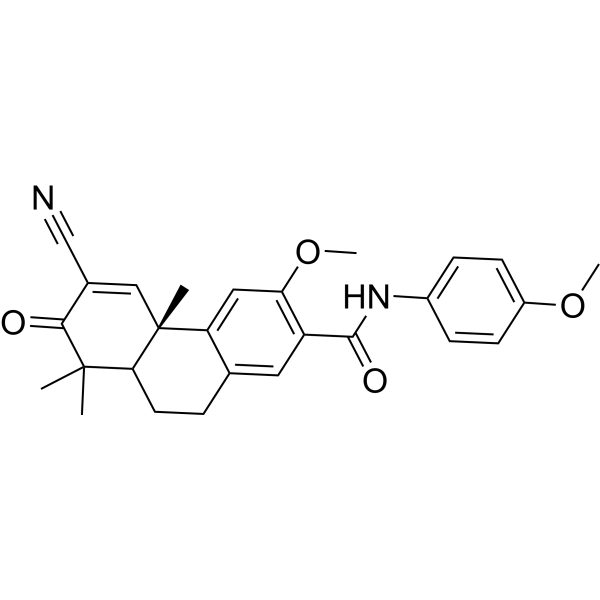
    Compounds 6b and 14g showed significant inhibitory effect on tumor related subtype HCA IX with low nanomolar potency, while 6k was effective on HCA XII. Compounds 6b, 14g and 6k can be considered as the leading molecules for the development of future cancer therapeutic drugs based on new mechanisms of action.
    hCAIX-IN-6
  • HY-172900

    Akt Apoptosis Cancer
    AKT-IN-27 (4a) is a potential anticancer agent through selective therapeutic targeting of Akt-driven pathways. AKT-IN-27 (4a) induces apoptosis via caspase-3 activation, G2/M cell cycle arrest, and mitochondrial membrane potential disruption. AKT-IN-27 (4a) can be used in the research for TNBC (triple-negative breast cancer) .
    AKT-IN-27
  • HY-N2692

    Bacterial Cancer
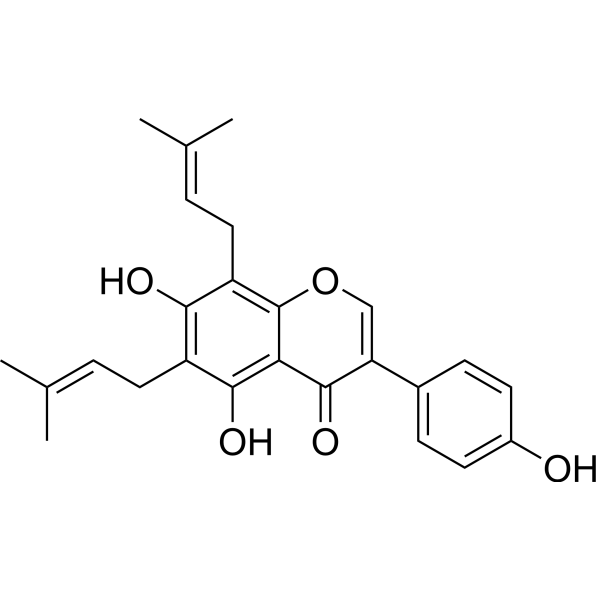
    6,8-Diprenylgenistein is an isoflavone compound isolated from Cudrania tricuspidata. 6,8-Diprenylgenistein has antimicrobial and anti-obesity activity. 6,8-Diprenylgenistein inhibits the proliferation, migration and tubular formation of HLMEC induced by recombinant human vascular endothelial growth factor-A. 6,8-Diprenylgenistein can be used to study new therapeutic drugs for the prevention and treatment of oral cancer metastasis .
    6,8-Diprenylgenistein
  • HY-16469

    Akt Cancer
    SR13668 is a potent indole analog derived from indole-3-carbinol (I3C), known for its natural anticancer properties but limited by poor metabolic characteristics. Developed to enhance I3C's anticancer efficacy, SR13668 effectively inhibits growth factor-stimulated Akt activation. It demonstrates strong oral anticancer activity across different cancer types in preclinical studies, showing promise in clinical development due to its favorable safety profile and potent therapeutic effects .
    SR 13668
  • HY-179020

    PARP VEGFR DNA/RNA Synthesis Apoptosis Autophagy Cancer
    PARP/VEGFR3-IN-1 (Compound 18) is a dual PARP-VEGFR3 target inhibitor. Its IC50 values for PARP1, PARP2, and VEGFR3 are 0.0763, 0.0366, and 4.25 nM respectively. PARP/VEGFR3-IN-1 has no inhibitory effect on VEGFR1/2 and shows subtype selectivity. PARP/VEGFR3-IN-1 exhibits significant anti-proliferative activity in various cancer cells (leukemia, lung cancer, and triple-negative breast cancer). PARP/VEGFR3-IN-1 induces DNA damage and cell cycle arrest. PARP/VEGFR3-IN-1 triggers various forms of cell death by inducing apoptosis and autophagy. PARP/VEGFR3-IN-1 can be formulated into nanodelivery systems, significantly enhancing tumor targeting and therapeutic window .
    PARP/VEGFR3-IN-1
  • HY-19873

    Photosensitizer Cancer
    SL-052 is a hypocrellin-based photosensitizer that has recently shown promising results in clinical and preclinical testing for cancer photodynamic therapy (PDT). SL-052 is encapsulated in biodegradable polylactic-co-glycolic acid (PLGA) polymer nanoparticles optimized using single emulsion solvent evaporation technology. The SL-052-PLGA nanoparticles were more effective in PDT treatment of subcutaneous SCCVII squamous cell carcinoma compared to polyvinylpyrrolidone (PVP)-based and standard liposomal SL-052 formulations. A longer time interval between drug injection and tumor illumination can improve tumor cure rates, and SL-052-PLGA nanoparticles showed the best therapeutic effect among all SL-052 formulations.
    SL-052
  • HY-78985S

    Trimesic acid-d3

    Isotope-Labeled Compounds Biochemical Assay Reagents MOFs Others
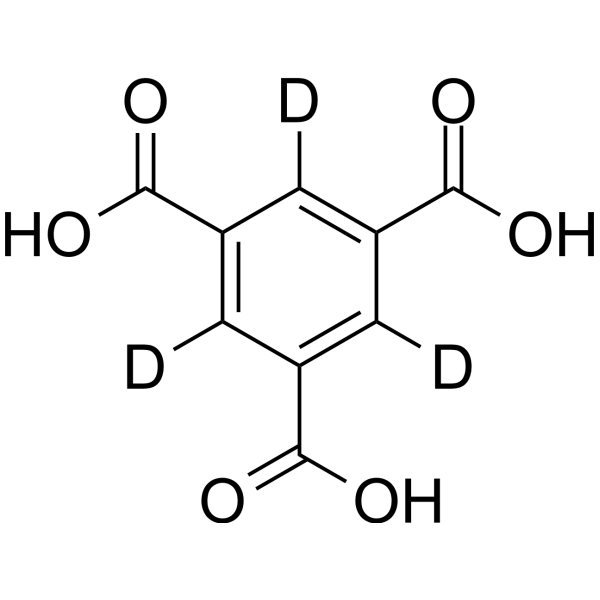
    Benzene-1,3,5-tricarboxylic acid-d3 (Trimesic acid-d3) is the deuterium labeled Benzene-1,3,5-tricarboxylic acid (HY-78985). Benzene-1,3,5-tricarboxylic acid (Trimesic acid) is a rigid planar small-molecule scaffold and crosslinker. Benzene-1,3,5-tricarboxylic acid induces bicyclic peptides to adopt a planar conformation, so as to maximize surface area and bind to the flat protein surfaces involved in protein-protein interactions. Benzene-1,3,5-tricarboxylic acid forms ionic crosslinks, hydrogen bonds and π-π bonds with chitosan, thereby constructing a hydrogel network. Benzene-1,3,5-tricarboxylic acid endows chitosan hydrogel systems with specific mechanical properties, enabling sustained release of cancer therapeutic drugs including 5-Fluorouracil (HY-90006) .
    Benzene-1,3,5-tricarboxylic acid-d3
  • HY-W179801

    Endogenous Metabolite Cancer
    1,3-Diphenethylurea is a compound derived from marine sources, exhibiting anti-cancer activity. 1,3-Diphenethylurea has been shown to potentially inhibit tumor growth. 1,3-Diphenethylurea contributes to the development of novel therapeutic strategies in fighting cancer.
    1,3-Diphenethylurea
  • HY-173172

    Eukaryotic Initiation Factor (eIF) Apoptosis c-Myc CDK Cancer
    MG-002 is an orally active eIF4A inhibitor. MG-002 non-productively traps the eukaryotic translation initiation factor 4A (eIF4A) onto RNA, hindering the recruitment and scanning of ribosomes, thereby inhibiting mRNA translation. MG-002 selectively inhibits the growth and metastasis formation of triple-negative breast cancer (TNBC) tumors and induces cell apoptosis. MG-002 significantly inhibits the protein expression of c-MYC and cyclin D1. MG-002 can be used for research on TNBC .
    MG-002
  • HY-182506

    BM 12.531

    Biochemical Assay Reagents Inflammation/Immunology Cancer
    Azimexon (BM 12.531) is an orally active immunomodulator with radioprotective and antitumor activities. Azimexon prolongs survival in multiple mouse models, enhances immunity and hematopoiesis, and alleviates radiation injury and tumor metastasis. Azimexon causes reversible hemolytic anemia in rats and dogs, and exerts therapeutic activity against adjuvant-induced arthritis in rats. Azimexon can be used for the research of lung carcinoma, leukemia, multiple myeloma, lung tumor, arthritis, breast cancer and AIDS‑related complex .
    Azimexon
  • HY-179633

    CDK Apoptosis DNA/RNA Synthesis Bcl-2 Family IAP Cancer
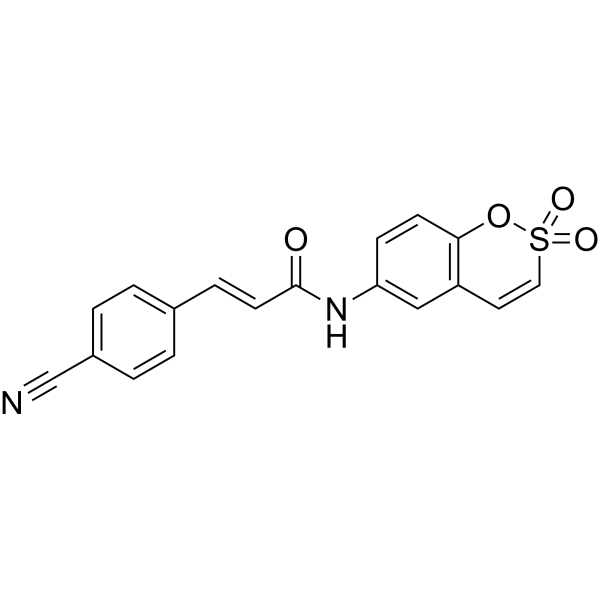
    ZLMT-72 is an orally active dual CDK2 and CDK9 inhibitor with IC50s of 0.741 nM and 1.03 nM, respectively. ZLMT-72 shows good selectivity in kinase profiling andcholinesterase inhibition activity. ZLMT-72 has strong antiproliferative effects in the colorectal cancer (CRC) cell line HCT116 (GI50 < 0.1 nM). ZLMT-72 induces apoptosis by inhibiting thephosphorylation of retinoblastoma and RNA polymerase II, resulting in downregulation of antiapoptotic proteins (Mcl-1 and XIAP). ZLMT-72 can be used for the study of colorectal cancer (CRC) .
    ZLMT-72
  • HY-W854443

    6-Deoxy-L-galactopyranose

    Endogenous Metabolite Inflammation/Immunology Cancer
    L-Fucose (6-Deoxy-L-galactopyranose) is an orally active dietary sugar. L-Fucose is one of the key metabolites involved in the interaction between humans and the intestinal microbiota. L-Fucose binds to proteins as a post-translational modification through the fucosylation process, thereby regulating the behavior and function of proteins. L-Fucose has shown the ability to inhibit tumor growth and increase the infiltration of immune cells within tumors. L-Fucose can be used in cancer and anti-tumor immune research .
    L-Fucose
  • HY-19337S1

    BAY 1896953-d6; ORM-15341-d6

    Isotope-Labeled Compounds Androgen Receptor Cancer
    Ketodarolutamide-d6 (BAY 1896953-d6) is the deuterium labeled Ketodarolutamide (HY-19337). Ketodarolutamide (ORM-15341) is a potent, high-affinity nonsteroidal competitive full antagonist of androgen receptor (AR). Ketodarolutamide displays a Ki value of 8 nM for rat wild-type AR and an IC50 value of 38 nM in AR-HEK293 cells . Ketodarolutamide inhibits testosterone-induced nuclear translocation of the AR and antagonizes both overexpressed and mutant ARs . Ketodarolutamide specifically suppresses the proliferation of AR-dependent prostate cancer cells and exhibits antitumor activity in models of castration-resistant prostate cancer (CRPC) . Ketodarolutamide is suitable for the mechanistic and therapeutic research of prostate cancer .
    Ketodarolutamide-d6
  • HY-19337S

    BAY 1896953-d3; ORM-15341-d3

    Isotope-Labeled Compounds Androgen Receptor Cancer
    Ketodarolutamide-d3 (BAY 1896953-d3) is the deuterium labeled Ketodarolutamide (HY-19337). Ketodarolutamide (ORM-15341) is a potent, high-affinity nonsteroidal competitive full antagonist of androgen receptor (AR). Ketodarolutamide displays a Ki value of 8 nM for rat wild-type AR and an IC50 value of 38 nM in AR-HEK293 cells . Ketodarolutamide inhibits testosterone-induced nuclear translocation of the AR and antagonizes both overexpressed and mutant ARs . Ketodarolutamide specifically suppresses the proliferation of AR-dependent prostate cancer cells and exhibits antitumor activity in models of castration-resistant prostate cancer (CRPC) . Ketodarolutamide is suitable for the mechanistic and therapeutic research of prostate cancer .
    Ketodarolutamide-d3
  • HY-P11590

    EGFR Cancer
    WGYRGFYC (WC8) is a selective HER2-targeting peptide that binds specifically to HER2 by mimicking the antigen-binding site of trastuzumab. The DOTA precursor of WGYRGFYC has a KD of 61.20 nM for HER2. WGYRGFYC enables specific and highly sensitive detection of HER2 expression in HER2-positive breast cancer cells and tumor tissues, and monitors the dynamic downregulation of HER2 expression. WGYRGFYC rapidly distributes to target tissues and is efficiently cleared from non-target tissues via the kidneys, generating an ideal tumor-to-background ratio in imaging; it is a component of the PET radiotracer Ga-DOTA-WC8. WGYRGFYC exhibits no significant cytotoxicity in breast cancer cells, and can be used for non-invasive imaging diagnosis and therapeutic efficacy evaluation of HER2-positive breast cancer .
    WGYRGFYC
  • HY-173211

    Photosensitizer Cancer
    anti-TNBC agent-8 (Compound TP2) is a photodynamic therapeutic agent targeting mitochondrial DNA G4 (mtG4). Under white light irradiation, its IC50 against 4T1 cells is 0.42 μM. anti-TNBC agent-8 binds tightly to mtG4 and generates a large amount of reactive oxygen species (ROS) under white light irradiation, leading to the loss of mitochondrial membrane potential (MMP), a decrease in ATP production, and an increase in the ROS level. This, in turn, induces significant apoptosis in triple-negative breast cancer (TNBC) cells, exerting the activity of inhibiting tumor cell growth. anti-TNBC agent-8 can be used in the research of triple-negative breast cancer.
    anti-TNBC agent-8
  • HY-P992339

    Radionuclide-Drug Conjugates (RDCs) Cancer
    cT84.66 is a highly efficient tumor-targeting agent against carcinoembryonic antigen (CEA). cT84.66 engages in bivalent binding with CEA via variable region antigen-binding sites, enabling precise targeting of CEA-producing tumor cells for delivery of therapeutic radiation. cT84.66 exhibits high tumor uptake rate, rapid clearance rate, and excellent tumor-to-blood ratio. With dual functions as an imaging agent and an antibody-directed radiotherapy agent, cT84.66 is widely used in studies of colorectal cancer and metastatic CEA-positive malignancies .
    cT84.66
  • HY-128453

    Orphan Nuclear Receptor Cancer
    LRH-1 antagonist-1 (Compound 3d2) is a LRH-1 antagonist with a Kd of 1.8 μM. LRH-1 antagonist-1 inhibits the transcriptional activity of LRH-1 and reduces the expression of G0S2. LRH-1 antagonist-1 inhibits the proliferation of LRH-1-positive cancer cells. LRH-1 antagonist-1 can be used for research on pancreatic cancer, colon cancer and breast cancer .
    LRH-1 antagonist-1
  • HY-179485

    EGFR VEGFR COX Caspase Apoptosis Bcl-2 Family Cancer
    EGFR/VEGFR2-IN-10 is a selective EGFR, VEGFR2 and COX2 inhibitor with IC50s of 8.5, 68 and 158 nM, respectively. EGFR/VEGFR2-IN-10 induces G1-phase cell cycle arrest in MCF-7 cells. EGFR/VEGFR2-IN-10 increases the Bax/Bcl-2 ratio, upregulates caspase-8, and elevates caspase-9 protein levels, confirming activation of the intrinsic apoptotic pathway. EGFR/VEGFR2-IN-10 demonstrates exceptional therapeutic potential by simultaneously inhibiting tumor proliferation, angiogenesis, and inflammation pathways while maintaining a favorable selectivity profile. EGFR/VEGFR2-IN-10 can be used as a research tool for cervical, liver, colon, and breast cancer studies .
    EGFR/VEGFR2-IN-10
  • HY-183335

    Smo Hedgehog Gli Apoptosis Caspase Cancer
    Anticancer agent 321 is a Smoothened (SMO) inhibitor with a human IC50 of 0.12 μM, enhanced aqueous solubility, good plasma and metabolic stability, moderate therapeutic index, preliminary safety profile, and moderate oral bioavailability in rats.Anticancer agent 321 binds to SMO’s 7-transmembrane helical channel, forming hydrogen bonds with Asp384 and hydrophobic/π-π interactions with His470, Phe391, Tyr394, stabilizing SMO’s inactive conformation to inhibit Hedgehog/GLI signaling.Anticancer agent 321 inhibits proliferation, suppresses colony formation, induces apoptosis, and downregulates Hedgehog/GLI pathway target genes GLI1, GLI2, Ptch1, HHip in cancer cells.Anticancer agent 321 inhibits tumor growth, downregulates Ki67 and SOX2, and upregulates cleaved-caspase 3 in tumor tissues.Anticancer agent 321 can be used for the research of cutaneous squamous cell carcinoma .
    SMO-IN-6

Inquiry Online

Your information is safe with us. * Required Fields.

Salutation


Country or Region *

Applicant Name *


Organization Name *

Department *


Email Address *


Product Name *

Cat. No.


Requested quantity *

Phone Number *


Remarks

Inquiry Online

Inquiry Information

Product Name:
Cat. No.:
Quantity:
MCE Japan Authorized Agent: