1. Search Result
Search Result
Isoforms Recommended: CDK7
Results for "

cdk7

" in MedChemExpress (MCE) Product Catalog:

104

Inhibitors & Agonists

3

Peptides

4

Recombinant Proteins

1

Isotope-Labeled Compounds

1

Antibodies

3

Oligonucleotides

Targets Recommended:
Cat. No. Product Name Target Research Areas Chemical Structure
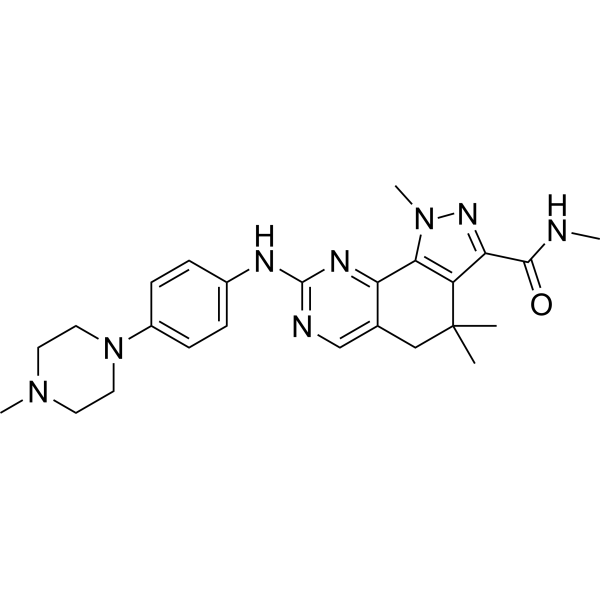
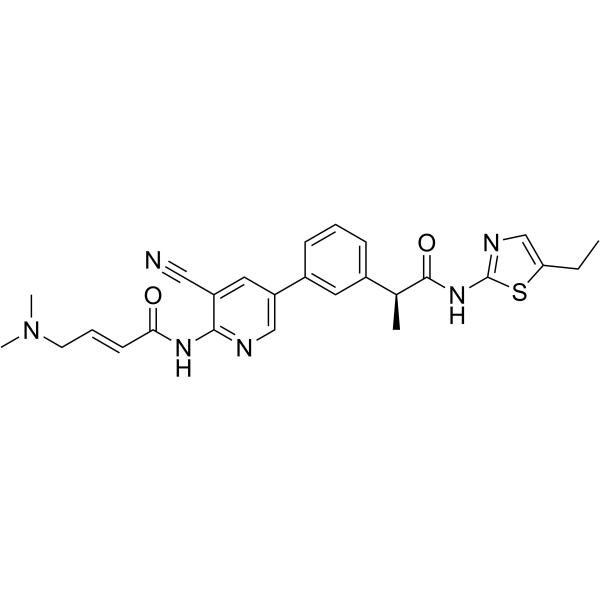
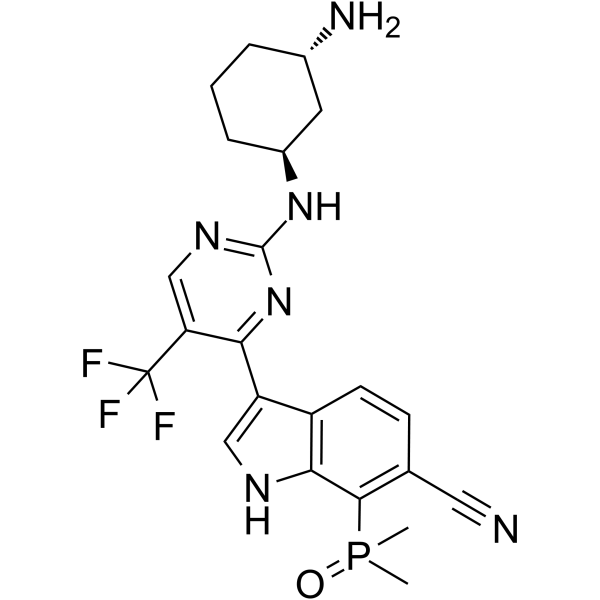
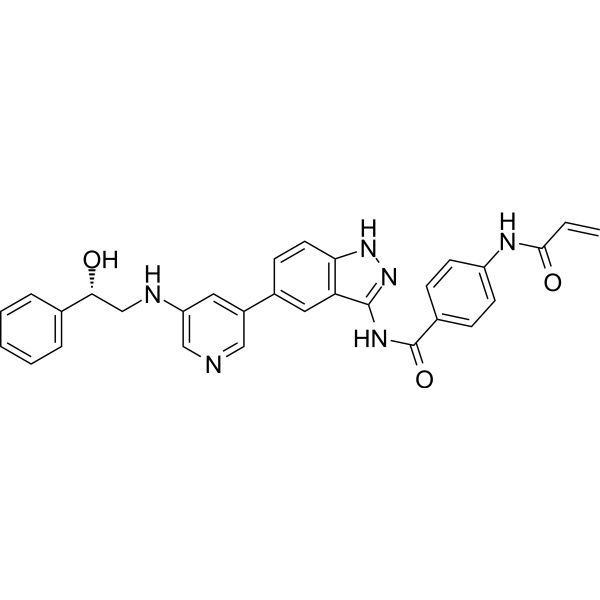
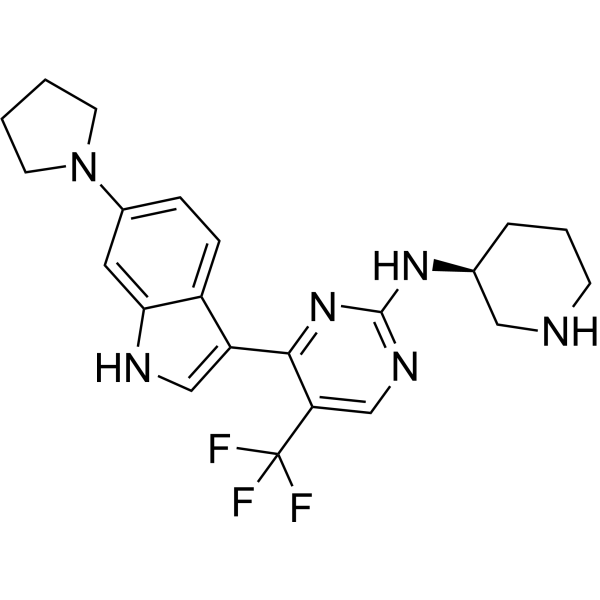
  • HY-138293
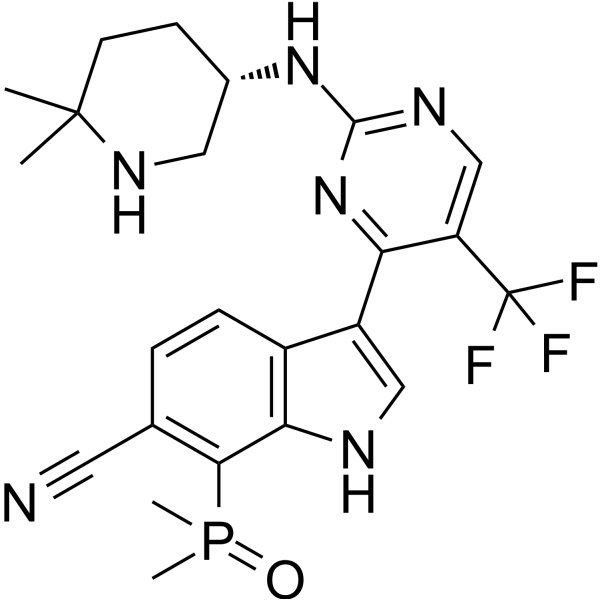
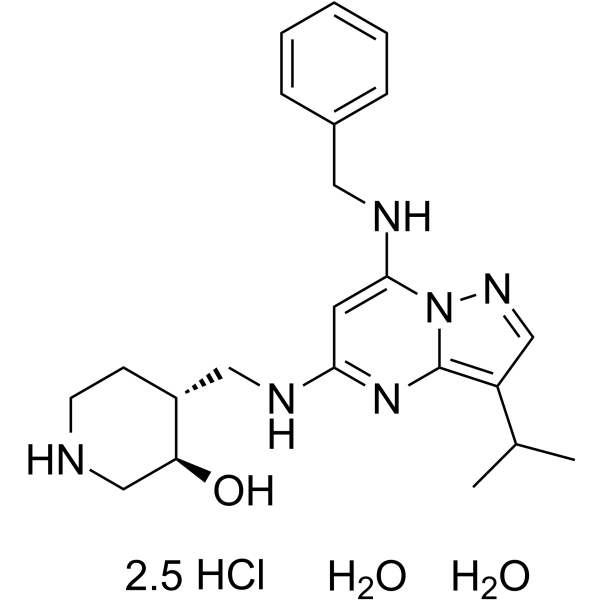
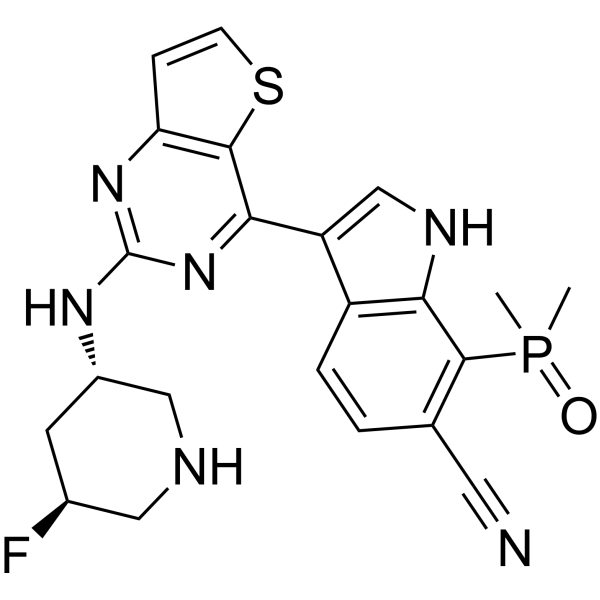
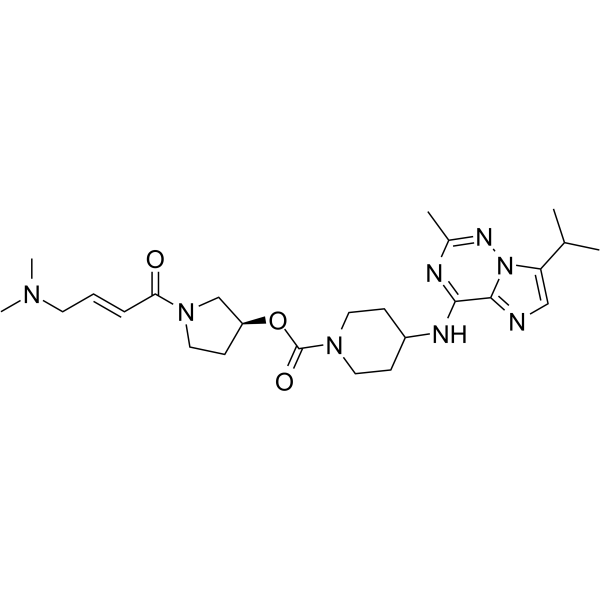
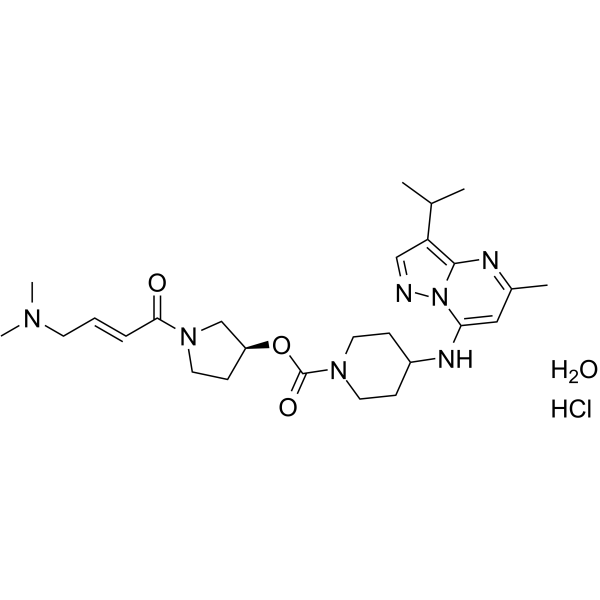
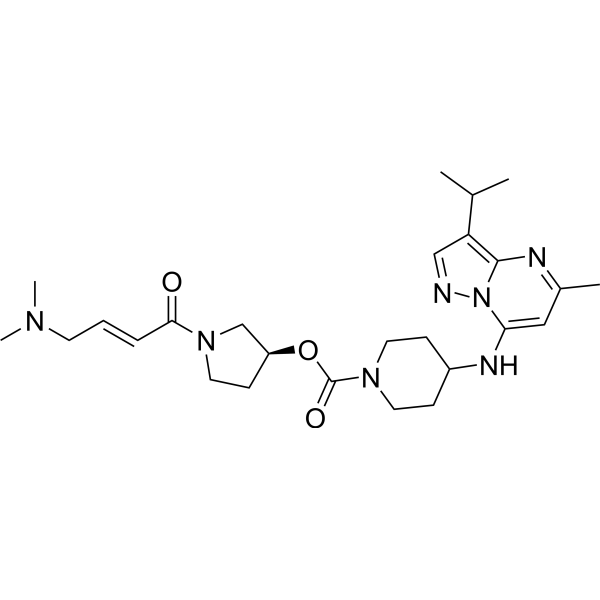
    SY-5609
    5+ Cited Publications

    cdk7-IN-3

    CDK Apoptosis Cancer
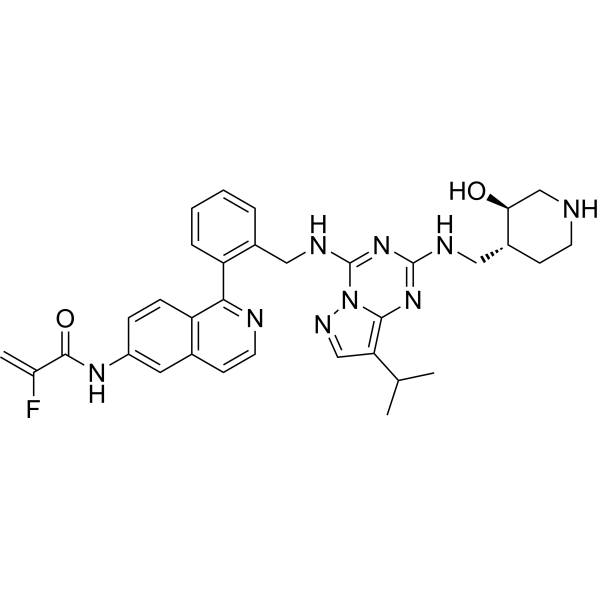
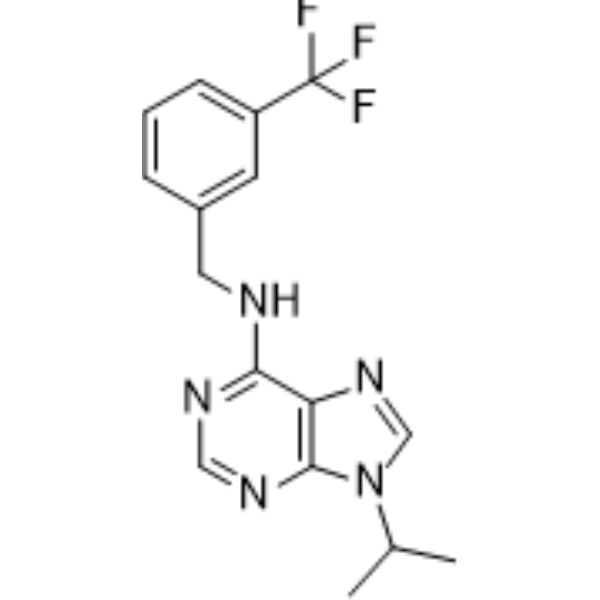
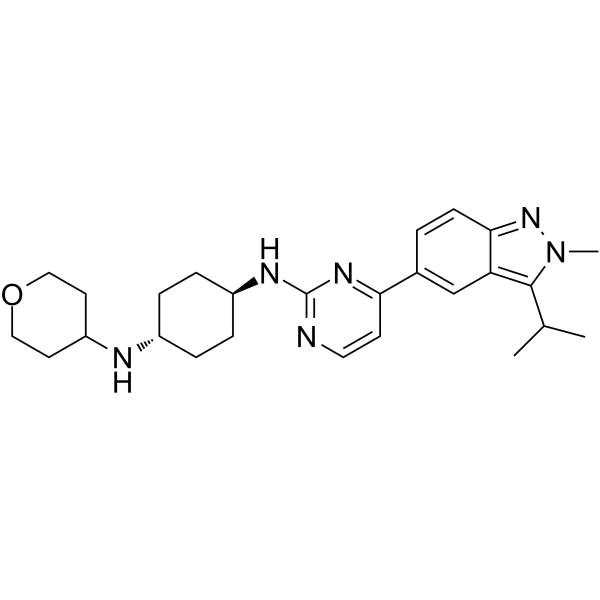
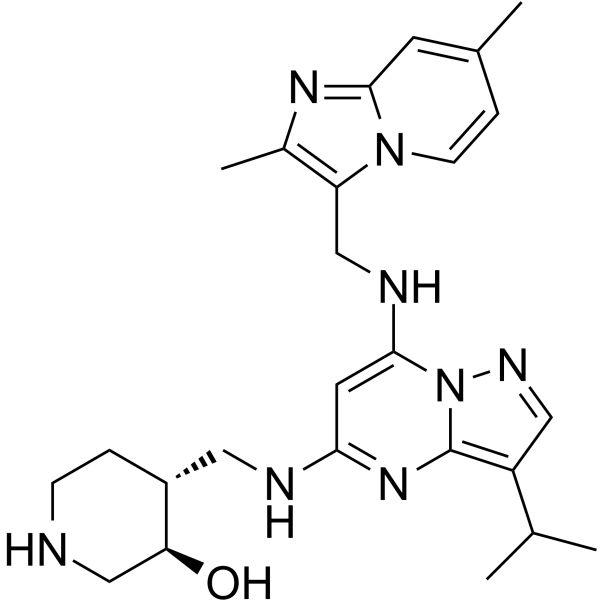
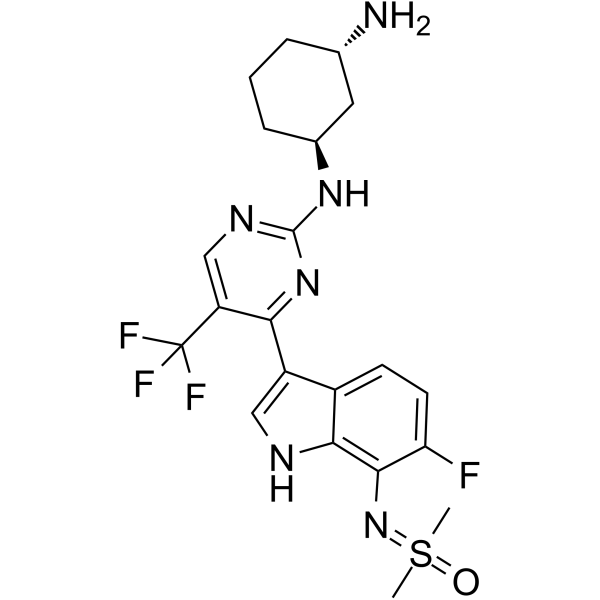
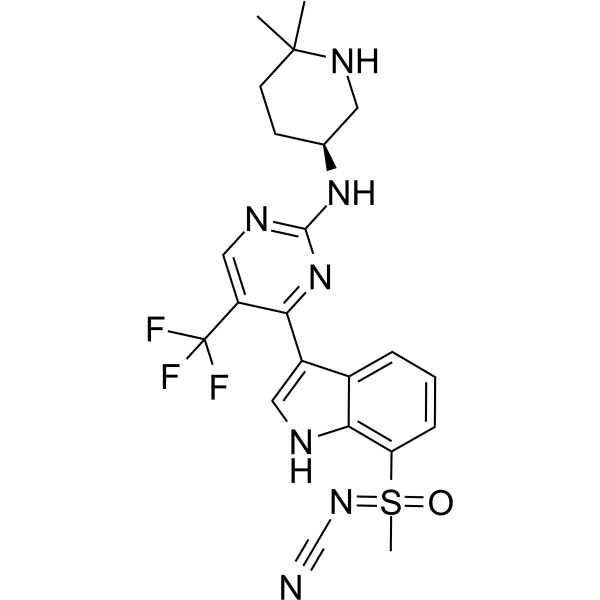
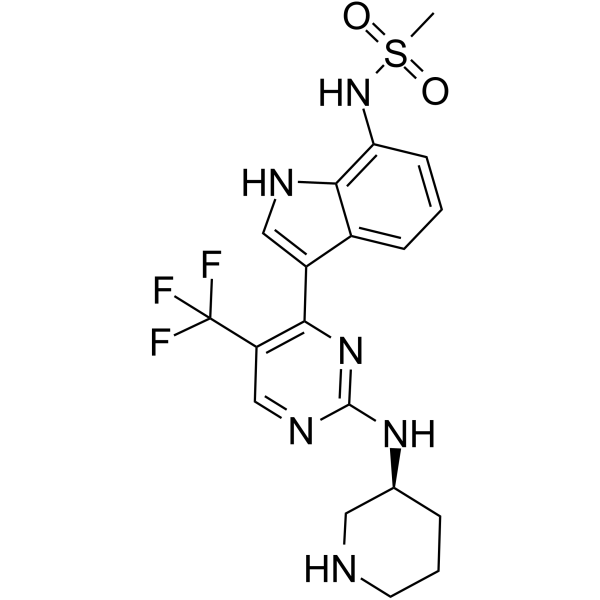
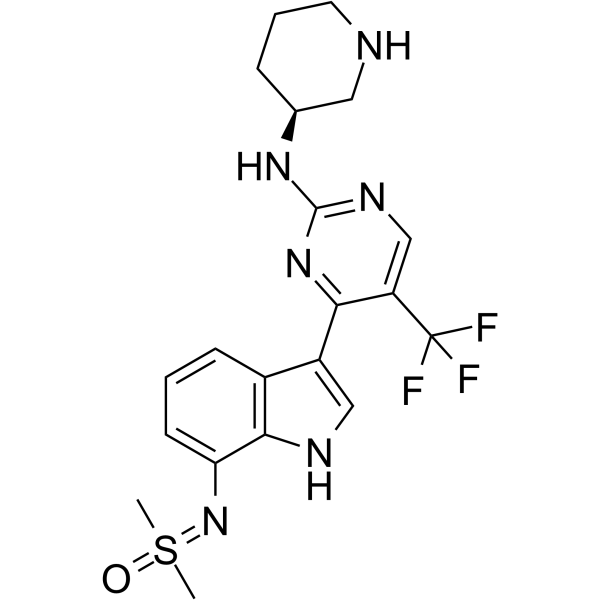
    SY-5609 (CDK7-IN-3) is an orally active, highly selective, noncovalent CDK7 inhibitor with a KD of 0.065 nM. SY-5609 shows poor inhibition on CDK2 (Ki=2600 nM), CDK9 (Ki=960 nM), CDK12 (Ki=870 nM). SY-5609 induces apoptosis in tumor cells and has antitumor activity .
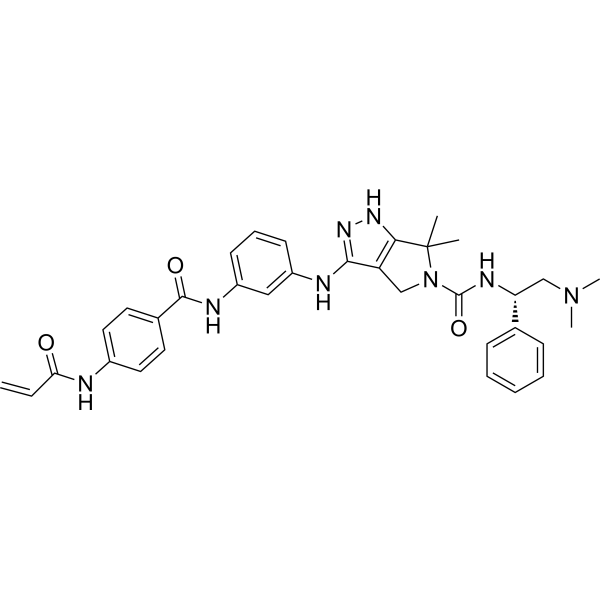
    SY-5609
  • HY-10008
    SNS-032
    10+ Cited Publications

    BMS-387032

    CDK Apoptosis Cancer
    SNS-032 (BMS-387032) is a potent and selective inhibitor of CDK2, CDK7, and CDK9 with IC50s of 38 nM, 62 nM and 4 nM, respectively. SNS-032 has antitumor effect .
    SNS-032
  • HY-103712A
    Samuraciclib hydrochloride
    10+ Cited Publications

    CT7001 hydrochloride; ICEC0942 hydrochloride

    CDK Apoptosis Cancer
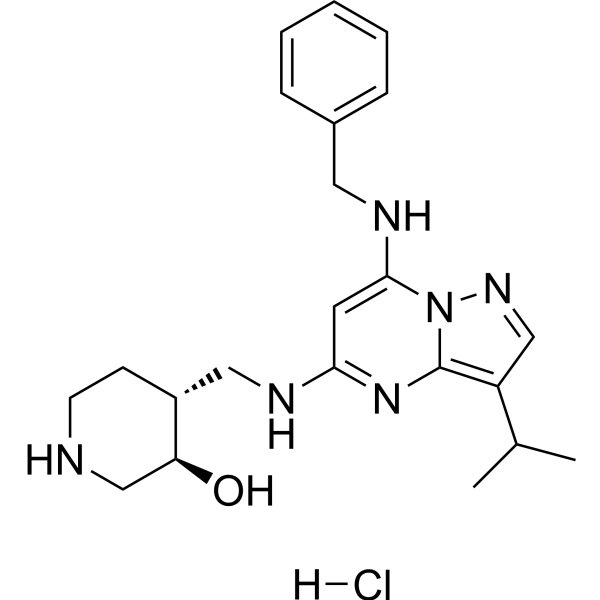
    Samuraciclib hydrochloride (CT7001 hydrochloride) is a potent, selective, ATP-competitive and orally active CDK7 inhibitor, with an IC50 of 41 nM. Samuraciclib hydrochloride displays 45-, 15-, 230- and 30-fold selectivity over CDK1, CDK2 (IC50 of 578 nM), CDK5 and CDK9, respectively. Samuraciclib hydrochloride inhibits the growth of breast cancer cell lines with GI50 values between 0.2-0.3 µM. Samuraciclib hydrochloride has anti-tumor effects .
    Samuraciclib hydrochloride
  • HY-101257
    YKL-5-124
    15+ Cited Publications

    CDK Cancer
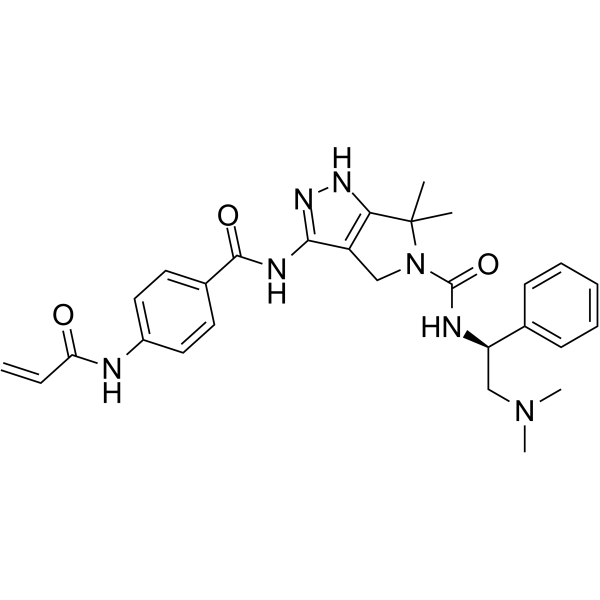
    YKL-5-124 is a potent, selective, irreversible and covalent CDK7 inhibitor with IC50s of 53.5 nM and 9.7 nM for CDK7 and CDK7/Mat1/CycH, respectively. YKL-5-124 is >100-fold greater selective for CDK7 than CDK9 and CDK2, and inactive against CDK12 and CDK13. YKL-5-124 induces a strong cell-cycle arrest, inhibits E2F-driven gene expression, and exhibits little effect on RNA polymerase II phosphorylation status .
    YKL-5-124
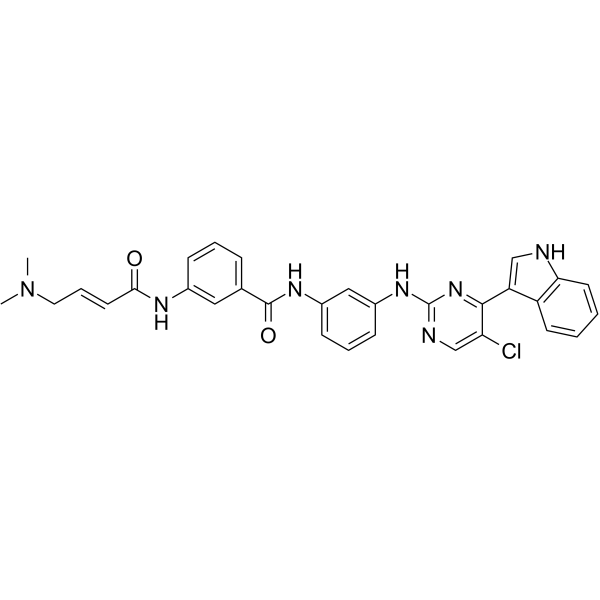
  • HY-80013
    THZ1
    Maximum Cited Publications
    93 Publications Verification

    CDK Cancer
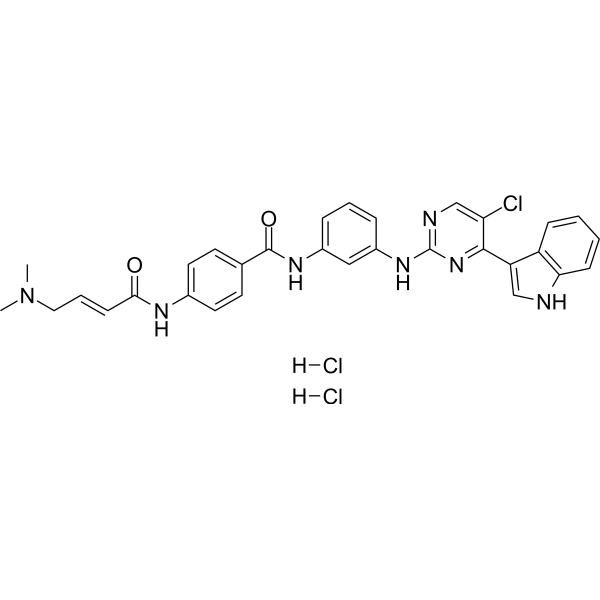
    THZ1 is a selective and potent covalent CDK7 inhibitor with an IC50 of 3.2 nM. THZ1 also inhibits the closely related kinases CDK12 and CDK13 and downregulates MYC expression .
    THZ1
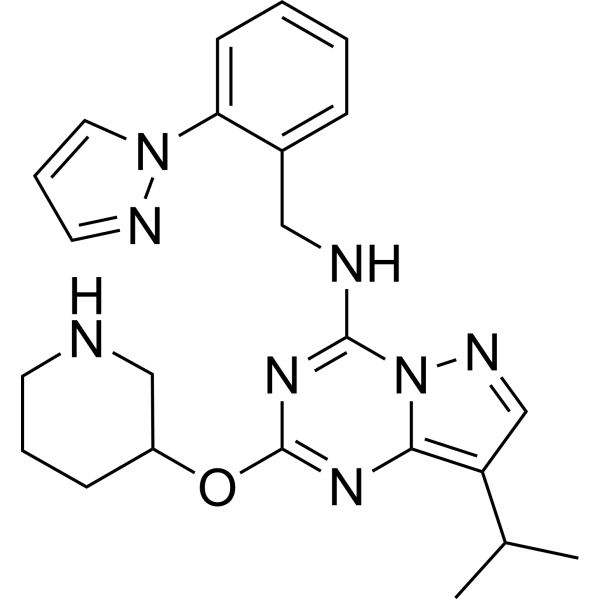
  • HY-153278

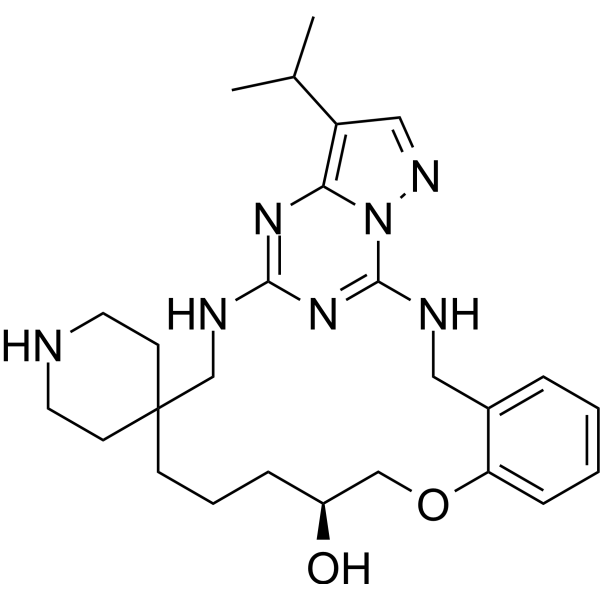
    cdk7-IN-21

    CDK DNA/RNA Synthesis c-Myc Early 2 Factor (E2F) Topoisomerase Cancer
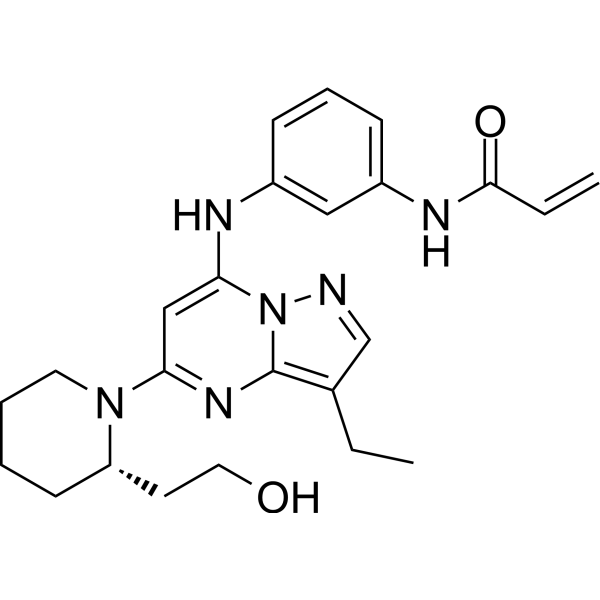
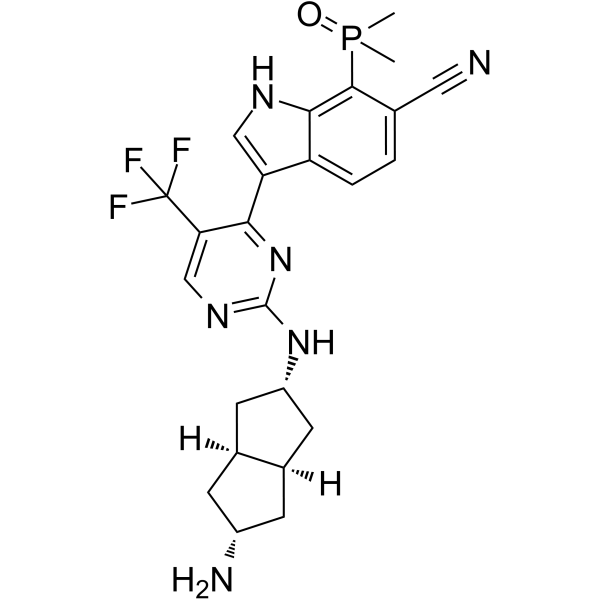
    Q901 (CDK7-IN-21) is a selective and potent CDK7 inhibitor with an IC50 of 10 nM. Q901 disrupts MYC and E2FTOP1-DPCs and sensitizes tumor to TOP1 inhibitors by suppressing RNAPII transition from initiation to elongation. Q901 can inhibit tumor growth and significantly enhances tumor growth inhibition combined with TOP1 inhibitors. Q901 can be used for the research of cancer, such as colon cancer and lung cancer .
    Q901
  • HY-18340
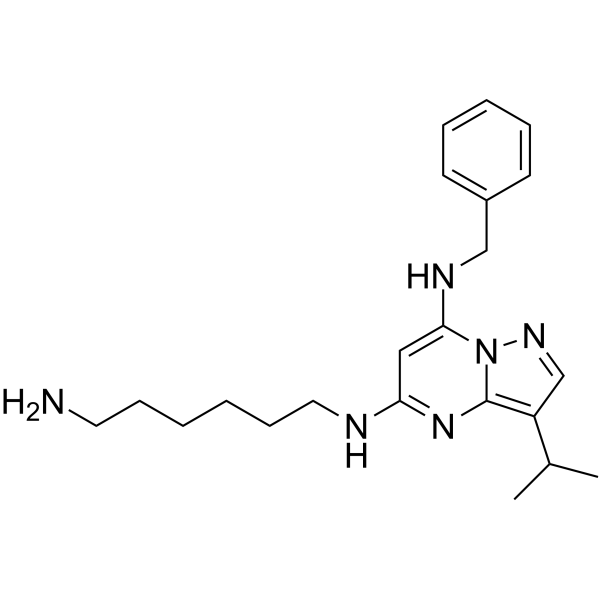
    (R)​-​CR8
    1 Publications Verification

    CR8, (R)-Isomer

    Molecular Glues CDK Apoptosis Neurological Disease Cancer
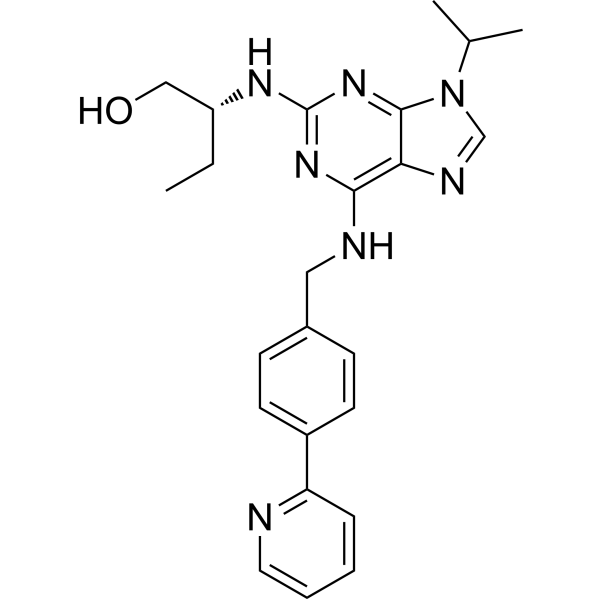
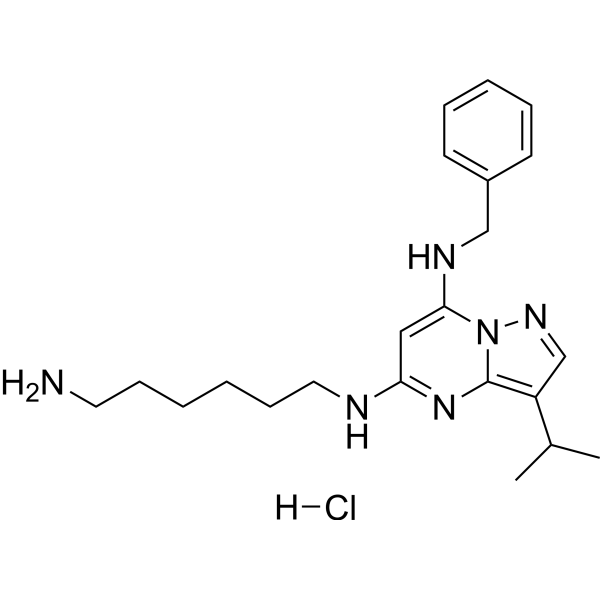
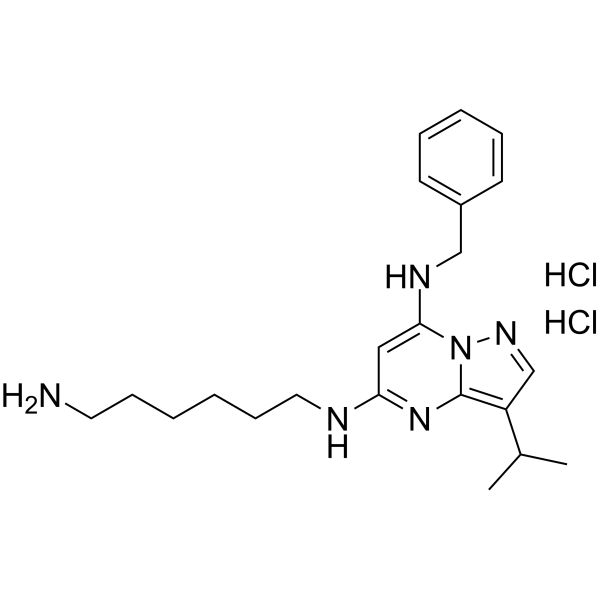
    (R)-CR8, a second-generation analog of Roscovitine, is a potent CDK1/2/5/7/9 inhibitor. (R)-CR8 inhibits CDK1/cyclin B (IC50=0.09 μM), CDK2/cyclin A (0.072 μM), CDK2/cyclin E (0.041 μM), CDK5/p25 (0.11 μM), CDK7/cyclin H (1.1 μM), CDK9/cyclin T (0.18 μM) and CK1δ/ε (0.4 μM). (R)-CR8 induces apoptosis and has neuroprotective effect . (R)-CR8 acts as a molecular glue degrader that depletes cyclin K .
    (R)​-​CR8
  • HY-13914
    Roniciclib
    2 Publications Verification

    BAY 1000394

    CDK Cancer
    Roniciclib is an orally bioavailable pan-cyclin dependent kinase (CDK) inhibitor, with IC50s of 5-25 nM for CDK1, CDK2, CDK3, CDK4, CDK7 and CDK9.
    Roniciclib
  • HY-10424
    Milciclib
    5+ Cited Publications

    PHA-848125

    CDK Autophagy Cancer
    Milciclib (PHA-848125) is a potent, ATP-competitive and dual inhibitor of CDK and Tropomyosin receptor kinase (TRK), with IC50s of 45, 150, 160, 363, 398 nM and 53 nM for cyclin A/CDK2, cyclin H/CDK7, cyclin D1/CDK4, cyclin E/CDK2, cyclin B/CDK1 and TRKA, respectively.
    Milciclib
  • HY-103712
    Samuraciclib
    10+ Cited Publications

    CT7001; ICEC0942

    CDK Apoptosis Cancer
    Samuraciclib (CT7001) is a potent, selective, ATP-competitive and orally active CDK7 inhibitor, with an IC50 of 41 nM. Samuraciclib displays 45-, 15-, 230- and 30-fold selectivity over CDK1, CDK2 (IC50 of 578 nM), CDK5 and CDK9, respectively. Samuraciclib inhibits the growth of breast cancer cell lines with GI50 values between 0.2-0.3 μM. Samuraciclib has anti-tumor effects .
    Samuraciclib
  • HY-161830

    Ligands for Target Protein for PROTAC CDK Cancer
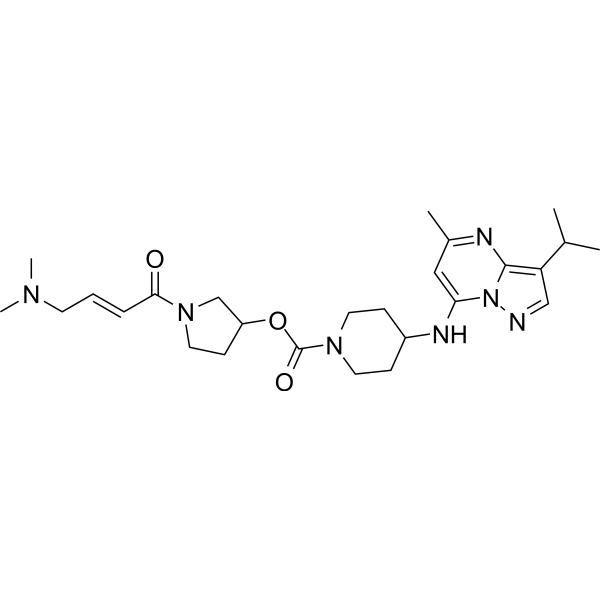
    CDK7 ligand 2 (Compound A6) is a CDK7 ligand. CDK7 ligand 2 can be used in the synthesis of PROTACs .
    CDK7 ligand 2
  • HY-12280
    THZ2
    5 Publications Verification

    CDK Cancer
    THZ2 is a potent and selective CDK7 inhibitor with an IC50 of 13.9 nM.
    THZ2
  • HY-12653
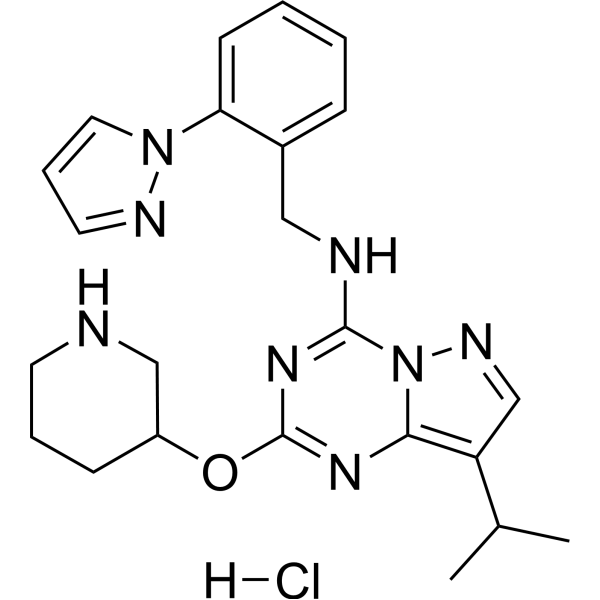
    LDC4297
    5+ Cited Publications

    CDK HIV HSV Infection
    LDC4297 is a selective inhibitor of CDK7 with an IC50 value of 0.13 nM. LDC4297 inhibits human cytomegalovirus (HCMV) replication with an EC50 value of 24.5 nM. LDC4297 shows broad antiviral activities to Herpesviridae, Adenoviridae, Poxviridae, Retroviridae and Orthomyxoviridae with EC50 value of 0.02-1.21 μM. LDC4297 can be used for the research of infection .
    LDC4297
  • HY-18285

    Wnt Casein Kinase ERK CDK Cancer
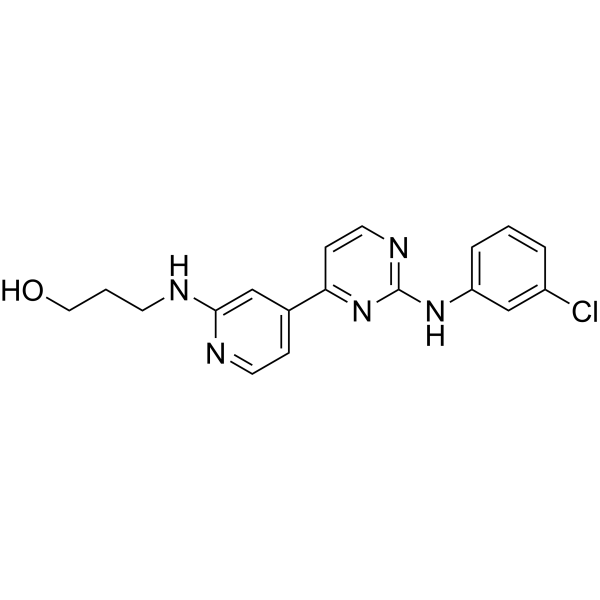
    Longdaysin is a inhibitor of the Wnt/β-catenin signaling pathway, which exerts antitumor effect through blocking CK1δ/ε-dependent Wnt signaling. Longdaysin inhibits CK1α, CK1δ, CDK7, and ERK2 with IC50s of  5.6 µM, 8.8 µM, 29 µM, and 52 µM, respectively .
    Longdaysin
  • HY-11009
    CGP60474
    5+ Cited Publications

    CDK PKC Cancer
    CGP60474, a highly potent anti-endotoxemic agent, is a potent cyclin-dependent kinase (CDK) inhibitor (IC50 values are 26, 3, 4, 216, 10, 200 and 13 nM for CDK1/B, CDK2/E, CDK2/A, CDK4/D, CDK5/p25, CDK7/H and CDK9/T, respectively). CGP60474 is a selective and ATP-competitive PKC inhibitor .
    CGP60474
  • HY-13266A
    BS-181 hydrochloride
    5+ Cited Publications

    CDK Cancer
    BS-181 hydrochloride is a highly selective CDK7 inhibitor with IC50 of 21 nM, and > 40-fold selective for CDK7 than CDK1, 2, 4, 5, 6, or 9.
    BS-181 hydrochloride
  • HY-12293
    LY2857785
    4 Publications Verification

    CDK Apoptosis Cancer
    LY2857785 is a type I reversible and competitive ATP kinase inhibitor against CDK9 (IC50 11 nM) and other transcription kinases CDK8 (IC50 16 nM), and CDK7 (IC50 246 nM).
    LY2857785
  • HY-80013A
    THZ1 Hydrochloride
    Maximum Cited Publications
    93 Publications Verification

    CDK Cancer
    THZ1 Hydrochloride is a selective and potent covalent CDK7 inhibitor with an IC50 of 3.2 nM. THZ1 Hydrochloride also inhibits the closely related kinases CDK12 and CDK13 and downregulates MYC expression .
    THZ1 Hydrochloride
  • HY-162706
    BSJ-5-63
    1 Publications Verification

    PROTACs CDK Cancer
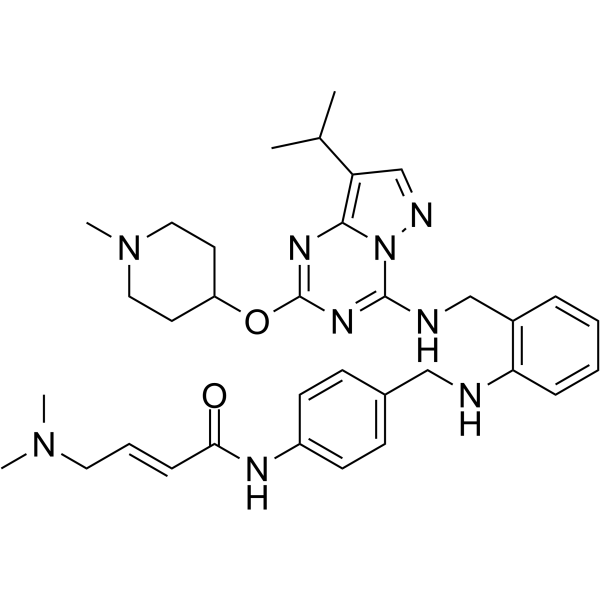
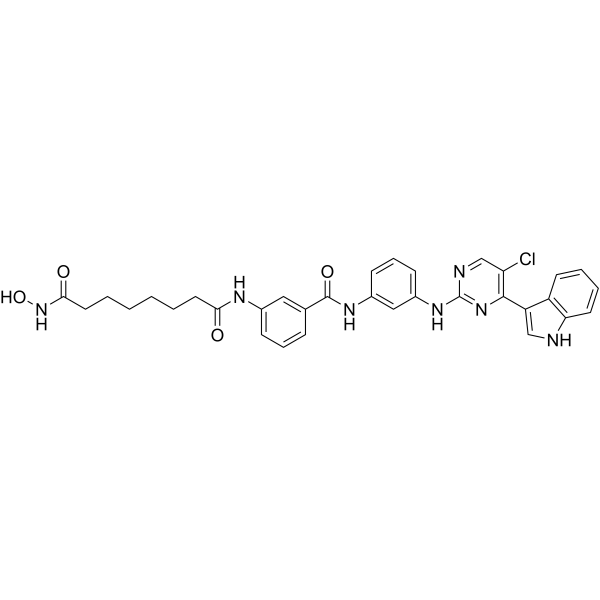
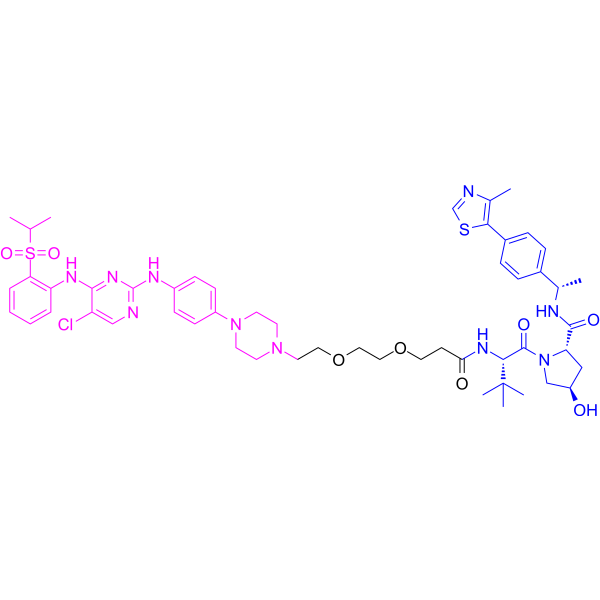
    BSJ-5-63 is a potent CDK12, CDK7, CDK9 PROTAC degrader. BSJ-5-63 BSJ-5-63 decreases the protein expression of CDK12, CDK7, CDK9, RNAPII, Cyclin K. BSJ-5-63 decreases the mRNA expression of BRCA1, BRCA2. BSJ-5-63 shows anticancer activity and has the potential for the research of prostate cancer (Pink: ligand for target protein (HY-150948); black: linker (HY-W140827); Blue: E3 ligase ligand (HY-112078)) .
    BSJ-5-63
  • HY-128587
    Mevociclib
    5+ Cited Publications

    SY-1365

    CDK Cancer
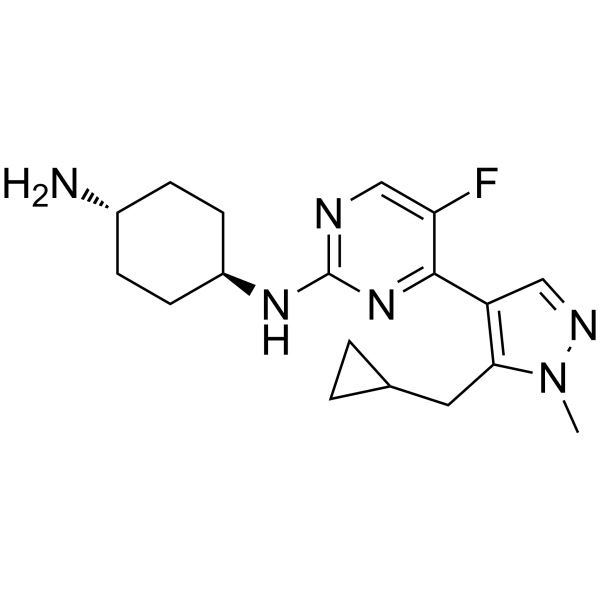
    Mevociclib (SY-1365) is a potent and first-in-class selective CDK7 inhibitor, with a Ki of 17.4 nM. Mevociclib exhibits anti-proliferative and apoptotic effects in solid tumor cell lines. Mevociclib possesses anti-tumor activity in hematological and multiple aggressive solid tumors .
    Mevociclib
  • HY-128867
    bio-THZ1
    1 Publications Verification

    CDK Cancer
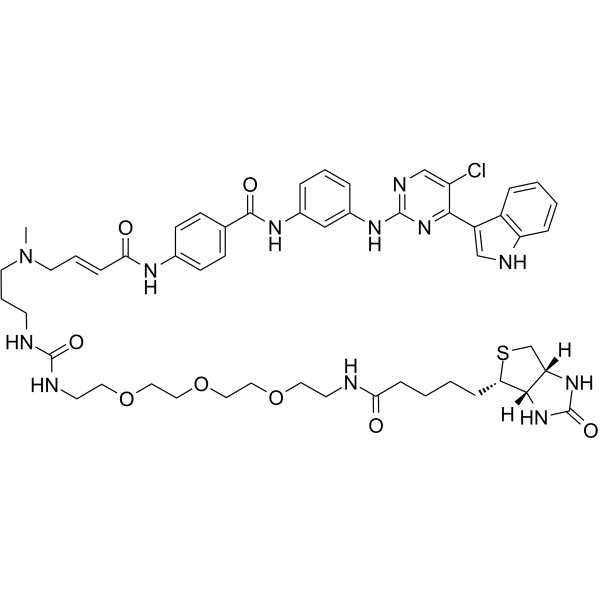
    bio-THZ1 is a biotinylated version of THZ1 and binds irreversibly to CDK7. THZ1 is a selective and potent covalent CDK7 inhibitor with an IC50 of 3.2 nM .
    bio-THZ1
  • HY-19988
    THZ1-R
    3 Publications Verification

    CDK Cancer
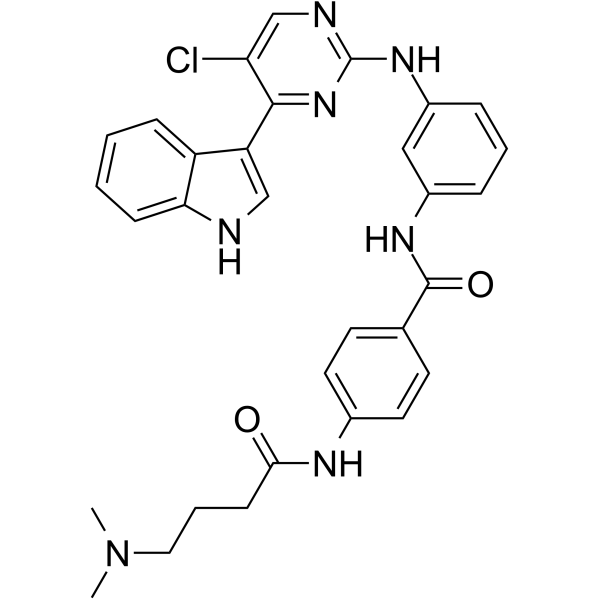
    THZ1-R is a non-cysteine reactive analog of THZ1 which displays diminished activity for CDK7 inhibition. THZ1-R binds to CDK7 with a Kd of 142 nM.
    THZ1-R
  • HY-139342

    CDK Cancer
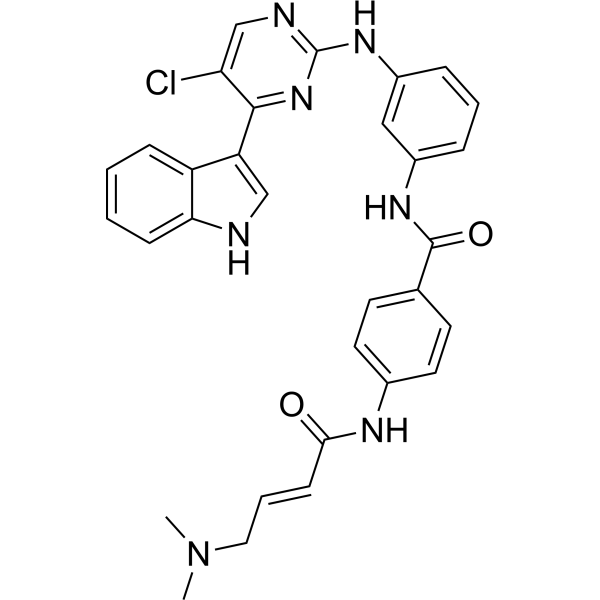
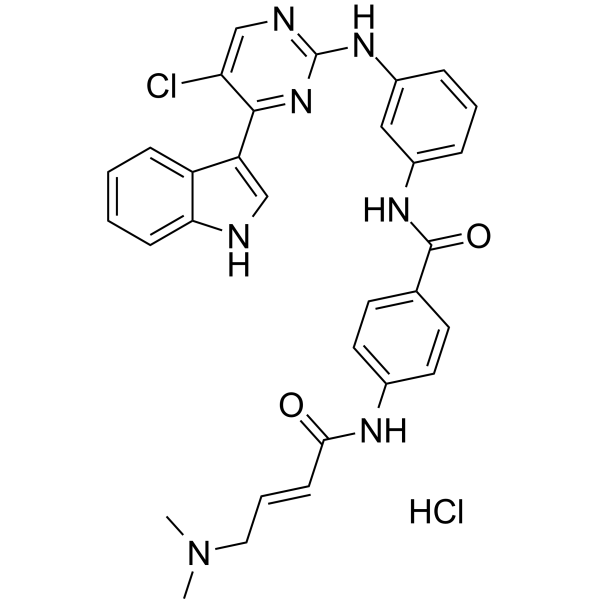
    CDK7-IN-4 (compound I) is a potent CDK7 (Cyclin-dependent kinase 7) inhibitor. CDK7-IN-4 shows anticancer activity. CDK7-IN-4 inhibits the in vitro growth of cancer cell lines from a variety of histologies including colon , breast , lung , ovary and stomach , in a dose dependent manner .
    CDK7-IN-4
  • HY-46568

    CDK Cancer
    CDK7/12-IN-1 is a selective CDK7/12 inhibitor with IC50s of 3 and 277 nM for CDK7 and CDK 12, respectively. CDK7 and CDK12 inhibition is an effective strategy to inhibit tumour growth .
    CDK7/12-IN-1
  • HY-161828

    PROTACs CDK Cancer
    JWZ-5-13 is a CDK7 PROTAC degrader. JWZ-5-13 inhibits the proliferation of cancer cells. JWZ-5-13 is applicable to the research of ovarian cancer, diffuse large B-cell lymphoma, acute T-lymphoblastic leukemia and non-small cell lung cancer .
    JWZ-5-13
  • HY-117203A
    CDK12-IN-E9
    1 Publications Verification

    CDK Cancer
    CDK12-IN-E9 is a potent and selective covalent CDK12 inhibitor and a non-covalent CDK9 inhibitor, while avoiding ABC transporter-mediated efflux. CDK12-IN-E9 has weak binding ability to CDK7/CyclinH complex with an IC50> 1 μM .
    CDK12-IN-E9
  • HY-101257B
    YKL-5-124 TFA
    15+ Cited Publications

    CDK Cancer
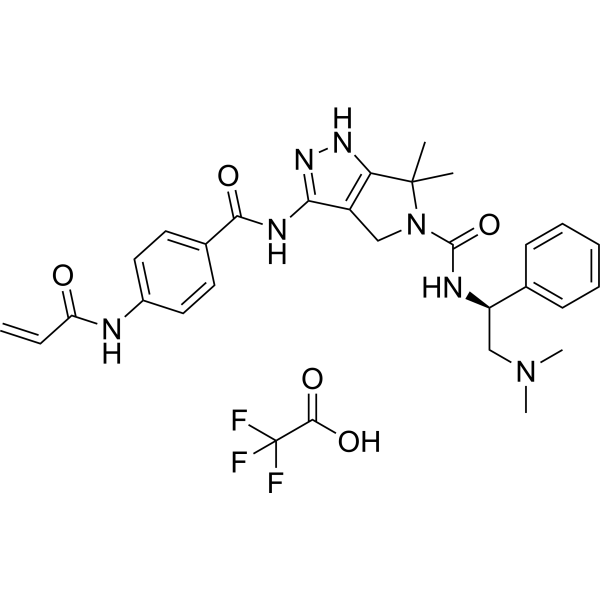
    YKL-5-124 TFA is a potent, selective, irreversible and covalent CDK7 inhibitor with IC50s of 53.5 nM and 9.7 nM for CDK7 and CDK7/Mat1/CycH, respectively. YKL-5-124 TFA is >100-fold greater selective for CDK7 than CDK9 and CDK2, and inactive against CDK12 and CDK13. YKL-5-124 TFA induces a strong cell-cycle arrest, inhibits E2F-driven gene expression, and exhibits little effect on RNA polymerase II phosphorylation status .
    YKL-5-124 TFA
  • HY-18340A
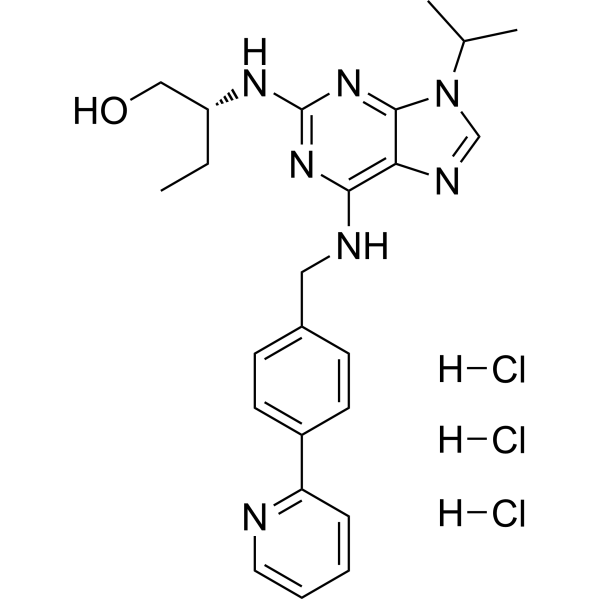
    (R)-CR8 trihydrochloride
    1 Publications Verification

    CR8, (R)-Isomer trihydrochloride

    Molecular Glues CDK Apoptosis Neurological Disease Cancer
    (R)-CR8 (CR8) trihydrochloride, a second-generation analog of Roscovitine, is a potent CDK1/2/5/7/9 inhibitor. (R)-CR8 trihydrochloride inhibits CDK1/cyclin B (IC50=0.09 μM), CDK2/cyclin A (0.072 μM), CDK2/cyclin E (0.041 μM), CDK5/p25 (0.11 μM), CDK7/cyclin H (1.1 μM), CDK9/cyclin T (0.18 μM) and CK1δ/ε (0.4 μM). (R)-CR8 trihydrochloride induces apoptosis and has neuroprotective effect . (R)-CR8 trihydrochloride acts as a molecular glue degrader that depletes cyclin K .
    (R)-CR8 trihydrochloride
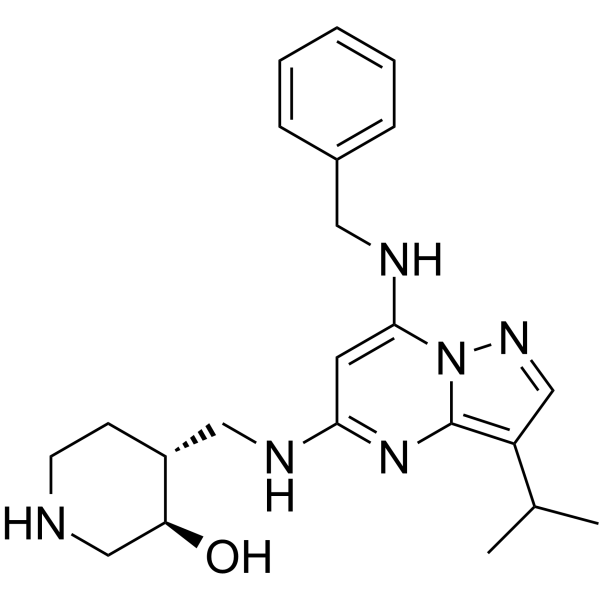
  • HY-147600

    CDK Cancer
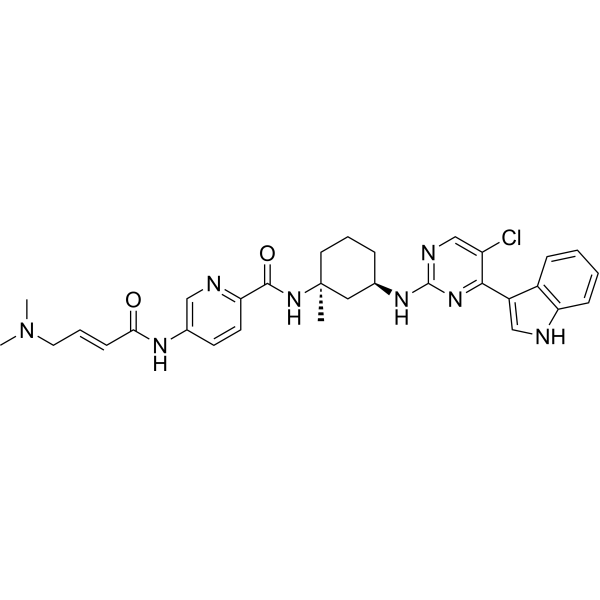
    CDK7-IN-15 (Compound 8) is a selective CDK7 inhibitor with an IC50 greater than 10 nM and less than or equal to 100 nM. CDK7-IN-15 is applicable to the research of cancers associated with transcriptional dysregulation .
    CDK7-IN-15
  • HY-123955

    Casein Kinase CDK Apoptosis Cancer
    Casein Kinase inhibitor A86 is a potent and orally active casein kinase 1α (CK1α) inhibitor. Casein Kinase inhibitor A86 also inhibits of CDK7 (TFIIH) and CDK9 (P-TEFb). Casein Kinase inhibitor A861 induces leukemia cell apoptosis, and has potent anti-leukemic activities .
    Casein Kinase inhibitor A86
  • HY-103712C

    CT7001 hydrochloride hydrate; ICEC0942 hydrochloride hydrate

    CDK Apoptosis Cancer
    Samuraciclib (CT7001) hydrochloride hydrate is a potent, selective, ATP-competitive and orally active CDK7 inhibitor, with an IC50 of 41 nM. Samuraciclib hydrochloride hydrate displays 45-, 15-, 230- and 30-fold selectivity over CDK1, CDK2 (IC50 of 578 nM), CDK5 and CDK9, respectively. Samuraciclib hydrochloride hydrate inhibits the growth of breast cancer cell lines with GI50 values between 0.2-0.3 μM. Samuraciclib hydrochloride hydrate has anti-tumor effects .
    Samuraciclib hydrochloride hydrate
  • HY-103712B

    CT7001 hydrochloride dihydrate; ICEC0942 hydrochloride dihydrate

    CDK Apoptosis Cancer
    Samuraciclib (CT7001) hydrochloride hydrate is a potent, selective, ATP-competitive and orally active CDK7 inhibitor, with an IC50 of 41 nM. Samuraciclib hydrochloride hydrate displays 45-, 15-, 230- and 30-fold selectivity over CDK1, CDK2 (IC50 of 578 nM), CDK5 and CDK9, respectively. Samuraciclib hydrochloride hydrate inhibits the growth of breast cancer cell lines with GI50 values between 0.2-0.3 μM. Samuraciclib hydrochloride hydrate has anti-tumor effects .
    Samuraciclib hydrochloride dihydrate
  • HY-161829

    Ligands for Target Protein for PROTAC Cancer
    CDK7 ligand 1 is an active control ligand for CDK7 ligand 2 (HY-161830). CDK7 ligand 2 is a CDK7 ligand. CDK7 ligand 2 can be used in the synthesis of PROTACs .
    CDK7 ligand 1
  • HY-161828A

    PROTACs CDK Cancer
    (S)-JWZ-5-13 (compound 17-Neg), a PROTAC CDK7 degrader, is a negative control compound of JWZ-5-13 (HY-161828). (S)-JWZ-5-13 displays similar in vitro CDK7 inhibition (IC50 = 21.1 nM) to JWZ-5-13, but fails to induce CDK7 degradation in cells .
    (S)-JWZ-5-13
  • HY-12653A
    LDC4297 hydrochloride
    5+ Cited Publications

    CDK HIV HSV Infection
    LDC4297 hydrochloride is a selective inhibitor of CDK7 with an IC50 value of 0.13 nM. LDC4297 hydrochloride inhibits human cytomegalovirus (HCMV) replication with an EC50 value of 24.5 nM. LDC4297 hydrochloride shows broad antiviral activities to Herpesviridae, Adenoviridae, Poxviridae, Retroviridae and Orthomyxoviridae with EC50 values of 0.02-1.21 μM. LDC4297 hydrochloride can be used for the research of infection .
    LDC4297 hydrochloride
  • HY-14372

    CDK Cancer
    BS-194 is an orally active, selective and potent CDK inhibitor. BS-194 inhibits CDK2, CDK1, CDK5, CDK7, CDK9 (IC50s: 3, 30, 30, 250, and 90 nM respectively). BS-194 potently inhibits cancer cells proliferation. BS-194 can be used in the research of cancers like breast cancer, colon cancer .
    BS-194
  • HY-155218

    PROTACs CDK Cancer
    TMX-2172 is a selective bivalent cereblon-recruiting PROTAC-based dual CDK2 and CDK5 degrader with IC50 values of 6.5 nM and 6.8 nM, respectively. TMX-2172 shows selectivity for CDK2 and CDK5 over other cell cycle CDKs (CDK1, CDK4, and CDK6) and transcriptional CDKs (CDK7 and CDK9). TMX-2172 inhibits CDK2/CDK5 enzymatic activity, induces their proteasomal degradation, reduces ASCL1 protein levels and half-life, induces cancer cell death, and exerts antiproliferative effects. TMX-2172 can be used for the research of ovarian cancer and small cell lung cancer .
    TMX-2172
  • HY-147597

    CDK Cancer
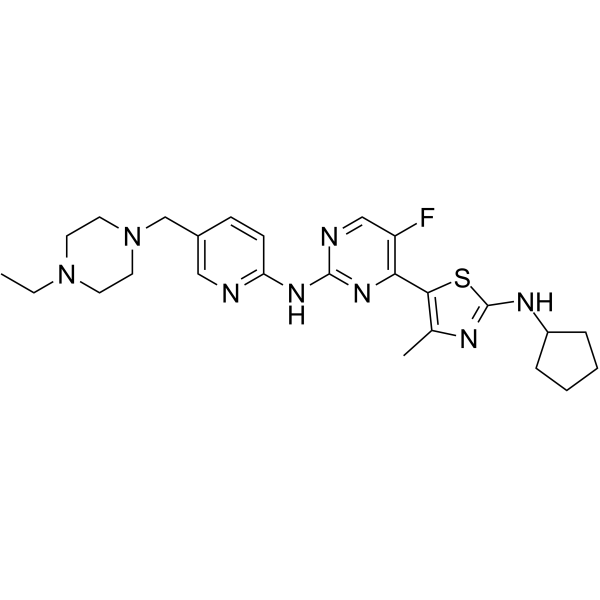
    CDK7-IN-13 is a potent inhibitor of CDK7. CDK7-IN-13 is a pyrimidinyl derivative compound. CDK7-IN-13 has the potential for the research of various cancers, especially the cancer with transcriptional dysregulation (extracted from patent CN114249712A, compound 1) .
    CDK7-IN-13
  • HY-116871

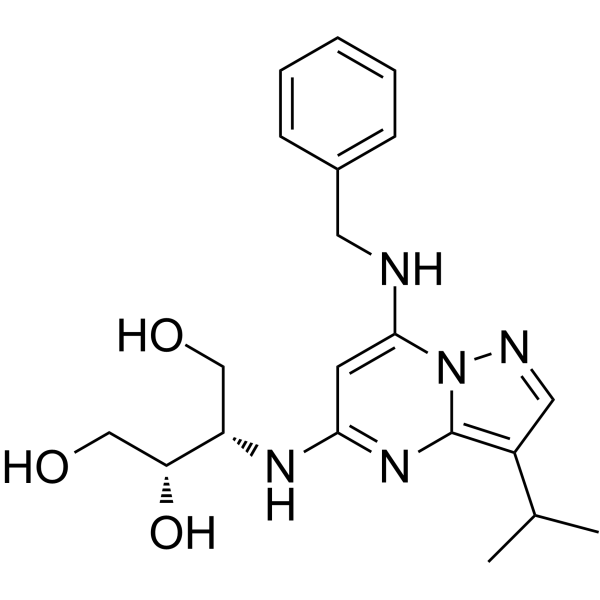
    CDK Cancer
    YKL-1-116 is a selective and covalent inhibitor of Cdk7. YKL-1-116 does not target Cdk9, Cdk12, or Cdk13. YKL-1-116 is more potent than THZ1 (HY-80013) toward both Cdk7 WT and Cdk7 as, although Cdk7 as is relatively resistant to this compound as well .
    YKL-1-116
  • HY-155787

    CDK Cancer
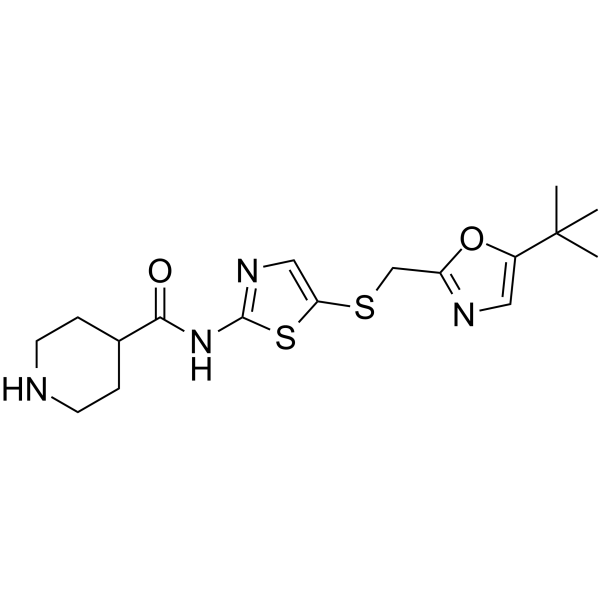
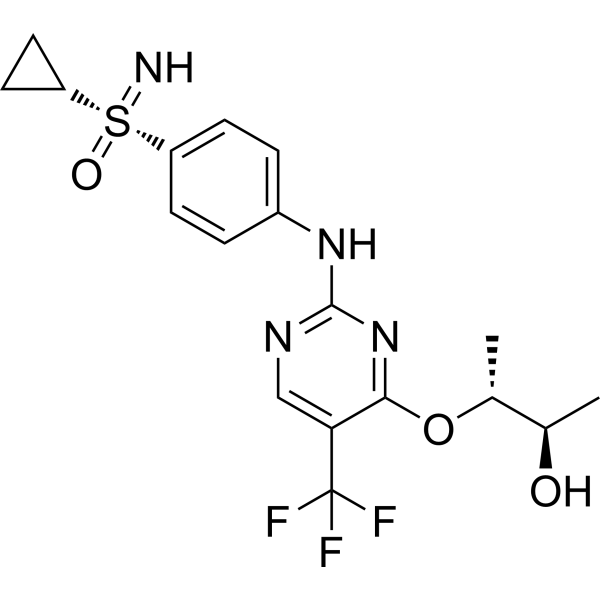
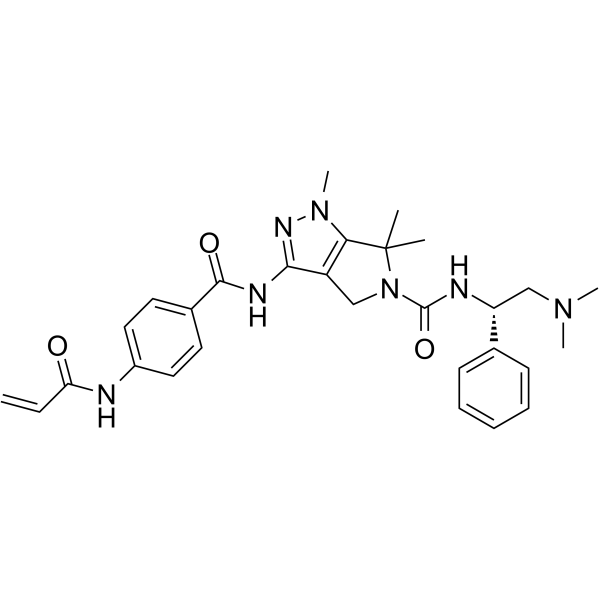
    SHR5428 is a potent, orally active, selective and noncovalent inhibitor of CDK7 with highly potent CDK7 enzymatic activity (IC50=2.3 nM). SHR5428 inhibits triple negative breast cancer cellular activity on MDA-MB-468 cell (IC50=6.6 nM) .
    SHR5428
  • HY-158170

    CDK Cancer
    CDK7-IN-28 (CDK7-1276) is a potent CDK7 inhibitor(IC50<5 nM). CDK7-IN-28 can inhibit proliferation of MDA-MB-468 cell line by blocking cell cycle and inhibiting DNA replication .
    CDK7-IN-28
  • HY-163856

    Apoptosis DNA/RNA Synthesis CDK Cancer
    CDK7-IN-30 (Compound 22) is a CDK7 inhibitor (IC50 = 7.21 nM) that effectively inhibits the phosphorylation of RNA Polymerase II and CDK2. CDK7-IN-30 CDK7-IN-30 can induce cell apoptosis and has anti-cancer activity and can be used in cancer research .
    CDK7-IN-30
  • HY-P2559

    CDK Cancer
    CDK7/9 tide is peptide substrate for CDK7 or CDK9 .
    CDK7/9 tide
  • HY-151069

    Ligands for Target Protein for PROTAC CDK Cancer
    TMX-2039 is a pan-CDK inhibitor for both cell cycle CDKs (CDK1, CDK2, CDK4, CDK5 and CDK6) and transcriptional CDKs (CDK7 and CDK9), with IC50s of 2.6, 1.0, 52.1, 0.5, 35.0, 32.5 and 25 nM, respectively. TMX-2039 acts as a Ligands for Target Protein for PROTACs .
    TMX-2039
  • HY-18969

    CDK Cancer
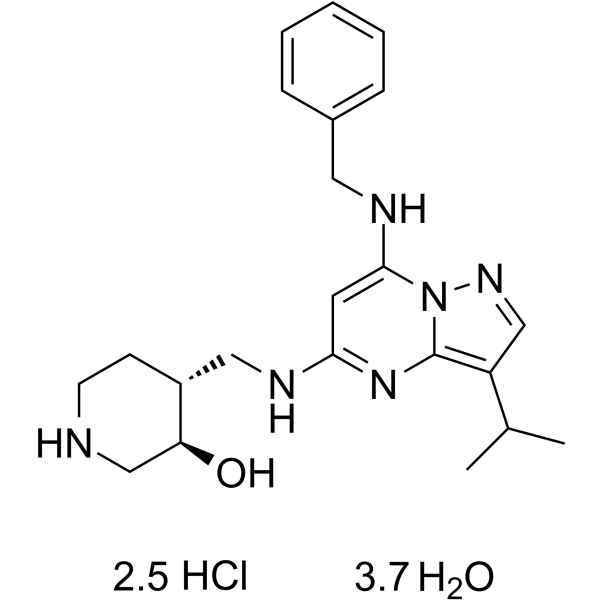
    LDC3140 is a selective CDK7 inhibitor (IC50<5 nM). By inhibiting the activity of CDK7, LDC3140 affects the regulation of the cell cycle, leading to cell cycle arrest and thus inhibiting the proliferation of tumor cells. LDC3140 can be used in the research of cancer treatment .
    LDC3140
  • HY-145655

    CDK Cancer
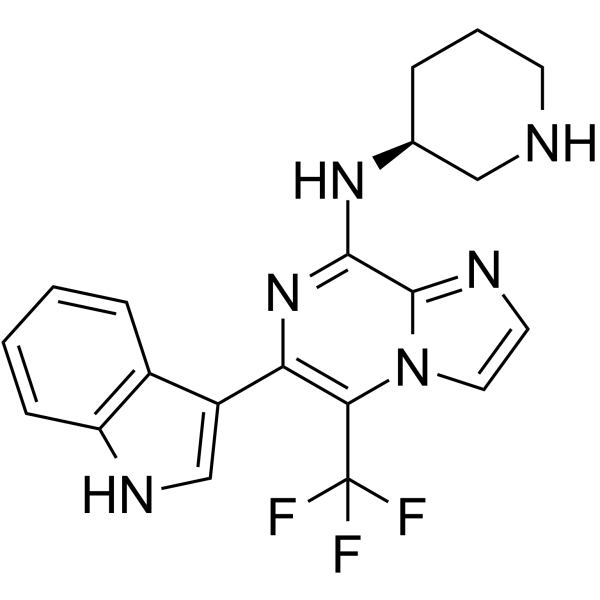
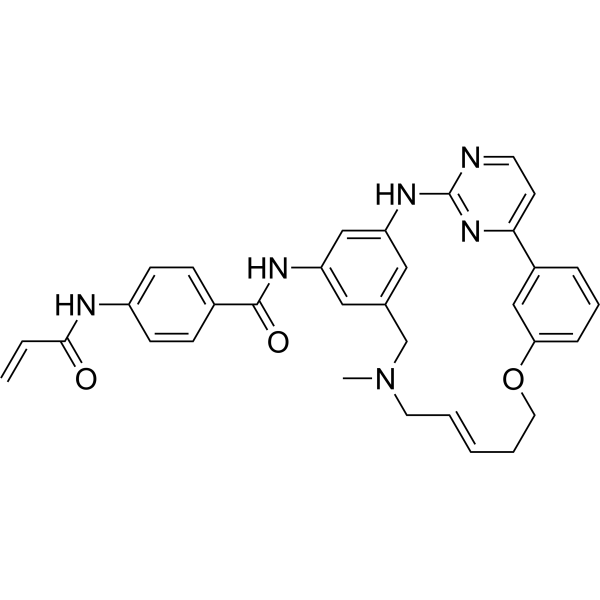
    CDK7-IN-11 is an orally active CDK7 inhibitor. CDK7-IN-11 exhibits high CDK7 inhibitory activity with IC50 value of 4.2 nM. CDK7-IN-11 can be effectively used for the research of diseases associated with CDK7 .
    CDK7-IN-11
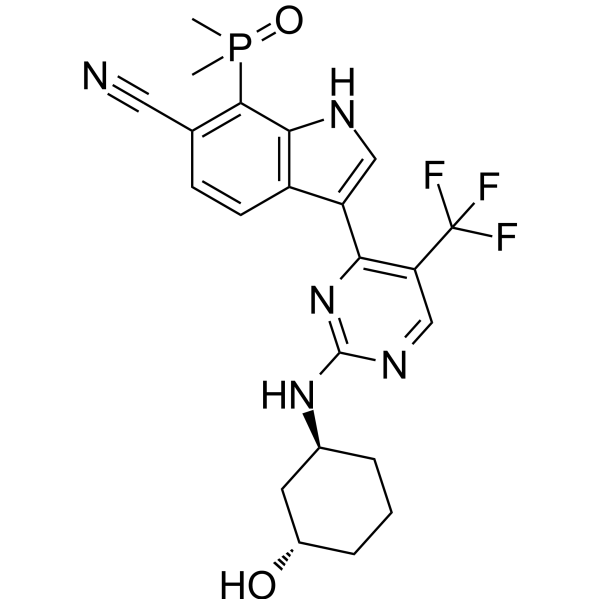
  • HY-147598

    CDK Cancer
    CDK7-IN-14 is a potent inhibitor of CDK7. CDK7-IN-14 is a pyrimidinyl derivative compound. CDK7-IN-14 has the potential for the research of various cancers, especially the cancer with transcriptional dysregulation (extracted from patent CN114249712A, compound 3) .
    CDK7-IN-14
  • HY-151878

    CDK GSK-3 Metabolic Disease
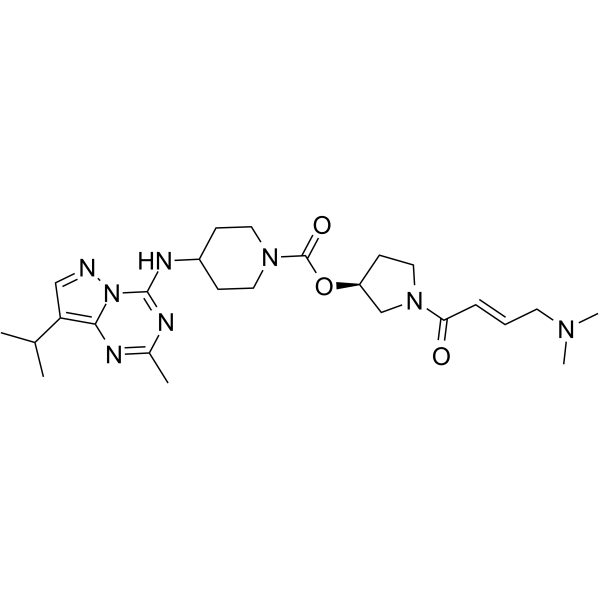
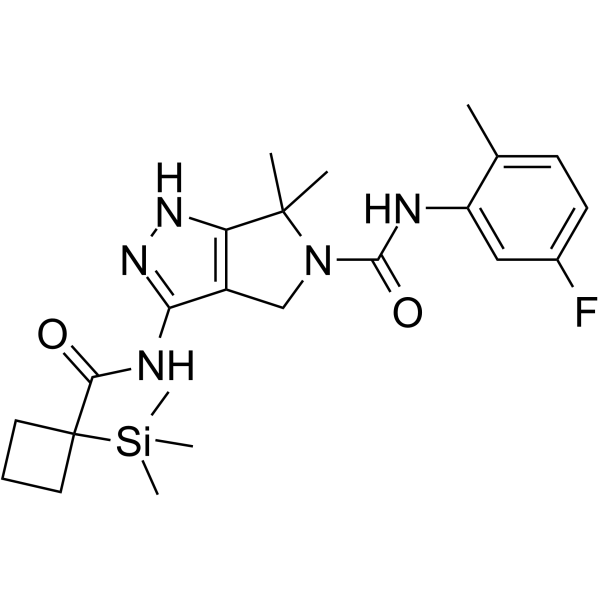
    CDK7-IN-20 is a potent, selective and irreversible CDK7 (CDK) inhibitor with an IC50 value of 4 nM. CDK7-IN-20 displays >206-fold selectivity for CDK7 over CDK1, CDK2, CDK3, CDK5, CDK6, CDK9 and CDK12 . CDK7-IN-20 has the potential for autosomal dominant polycystic kidney disease (ADPKD) research .
    CDK7-IN-20
  • HY-163721

    CDK Cancer
    CDK7-IN-29 (compound 20) is an inhibitor of CDK7 with an IC50 value of 1.4 nM. CDK7-IN-29 has oral activity and good pharmacokinetic (PK) properties .
    CDK7-IN-29
  • HY-13266

    CDK Apoptosis Cancer
    BS-181 is a potent and selective CDK7 inhibitor (IC50=21 nM) than Seliciclib (HY-30237). BS-181 is also against CDK2, CDK5 and CDK9 with IC50 values of 880, 3000 and 4200 nM, respectively (fails to block CDK1, 4 and 6). BS-181 inhibits a panel of cancer cells growth (IC50=11.5 μM-37.3 μM) and induces cell apoptosis. BS-181 has the potential for the research of cancer therapy .
    BS-181

Inquiry Online

Your information is safe with us. * Required Fields.

Salutation


Country or Region *

Applicant Name *


Organization Name *

Department *


Email Address *


Product Name *

Cat. No.


Requested quantity *

Phone Number *


Remarks

Inquiry Online

Inquiry Information

Product Name:
Cat. No.:
Quantity:
MCE Japan Authorized Agent: