Search Result
Results for "
cynomolgus+monkey
" in MedChemExpress (MCE) Product Catalog:
3
Biochemical Assay Reagents
1
Isotope-Labeled Compounds
| Cat. No. |
Product Name |
Target |
Research Areas |
Chemical Structure |
-
- HY-P99241
-
|
PF 06946860
|
TGF-beta/Smad
|
Cancer
|
|
Ponsegromab is a Growth differentiation factor 15 (GDF15) inhibitor with human, cynomolgus monkey, and mouse target IC50 values of 0.123 nM, 0.053 nM, and 0.102 nM, respectively . Ponsegromab acts as a chemosensitizer, increases intracellular reactive oxygen species, reduces glutathione levels . Ponsegromab can be used for the research of oxaliplatin-resistant colorectal cancer .
|
-

-
- HY-164535
-
|
AMG 133
|
Antibody-Drug Conjugates (ADCs)
GLP Receptor
Insulin Receptor
|
Metabolic Disease
|
|
Maridebart cafraglutide (AMG 133) is a long-acting peptide-antibody conjugate that combines GLP-1 receptor agonist with glucose-dependent insulinotropic polypeptide (GIP) receptor antagonism. Maridebart cafraglutide shows antagonist activity against human, cynomolgus monkey and rat GIPR with IC50 values of 46.4 nM, 26.5 nM, 822.3 nM, respectively. Maridebart cafraglutide shows agonist activity against human, cynomolgus monkey, rat and mouse GLP-1R with EC50 values of 24.4 pM, 5.7 pM, 2.4 pM and 123 pM, respectively. Maridebart cafraglutide can be used for the study of obesity and type 2 diabetes .
|
-

-
- HY-10198
-
Navarixin
Maximum Cited Publications
31 Publications Verification
SCH 527123; MK-7123
|
CXCR
|
Inflammation/Immunology
Endocrinology
Cancer
|
|
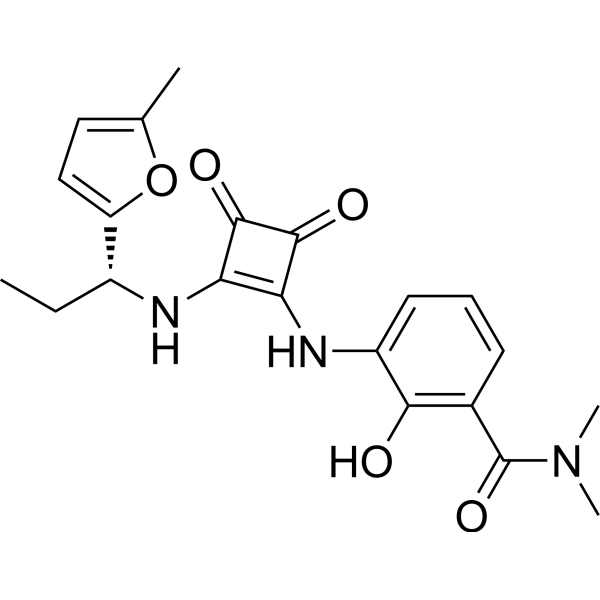
Navarixin (SCH 527123) is a potent, allosteric and orally active antagonist of both CXCR1 and CXCR2, with Kd values of 41 nM for cynomolgus CXCR1 and 0.20 nM, 0.20 nM, 0.08 nM for mouse, rat and cynomolgus monkey CXCR2, respectivelly .
|
-
-
- HY-152857
-
|
LY3473329
|
LDLR
|
Cardiovascular Disease
|
|
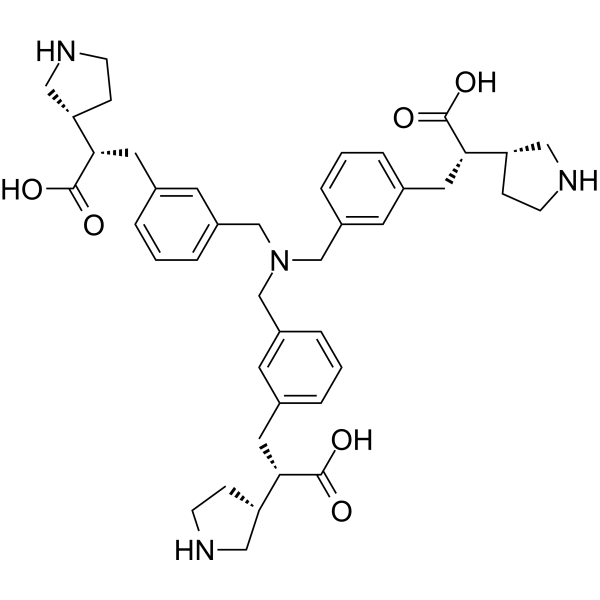
Muvalaplin (LY3473329) is an orally active, selective small molecule inhibitor of lipoprotein (a) (Lp (a)) that disrupts the initial non-covalent interaction between apo(a) and apoB100, preventing the disulphide bond and Lp(a)
formation. Muvalaplin reduces the levels of Lp (a) in transgenic mice and in cynomolgus monkeys .
|
-
-
- HY-P9931
-
|
CNTO 1959
|
Interleukin Related
|
Inflammation/Immunology
|
|
Guselkumab is a recombinant human IgG1 monoclonal antibody against the IL-23p19 subunit. Guselkumab binds to human and cynomolgus monkey IL-23 with Kd values of 3.3 and 1.9 pmol/L, respectively. Guselkumab inhibits production of cytokines lying downstream of the IL-23 signaling pathway and can be used for psoriatic arthritis research .
|
-

-
- HY-P990688
-
|
AMG-509
|
CD3
|
Cancer
|
|
Xaluritamig (AMG-509) is a bispecific T cell engager and cytolytic agent with a Kd of 27.6 nM for human CD3ε. Xaluritamig binds to CD3ε via an anti-CD3 single-chain variable fragment (scFv) domain, and to STEAP1 via a bispecific anti-STEAP1 antigen-binding fragment (Fab) domain, thereby recruiting and activating T cells and forming a bridge between T cells and STEAP1-expressing cancer cells. Xaluritamig induces T cell-mediated redirected cytotoxicity, tumor cell lysis, cytokine release, CD8 + T cell activation and expansion, as well as tumor stasis or regression. Xaluritamig contains an Fc domain with no effector function, which prolongs serum half-life, exhibits only minimal activity against cells with low STEAP1 expression and normal cells, and shows extremely low target-related off-tumor toxicity in cynomolgus monkeys. Xaluritamig is used in STEAP1×CD3 XmAb 2+1 immunotherapy and in research on metastatic castration-resistant prostate cancer and Ewing sarcoma .
|
-

-
- HY-P991272
-
|
PF-05230900
|
Interleukin Related
|
Inflammation/Immunology
|
|
ATR-107 (PF-05230900) is a humanized monoclonal antibody inhibitor that targets the interleukin-21 receptor (IL-21R). The Ka value of ATR-107 is 2-4 nM in cynomolgus monkeys, 16 nM in mice, and 71 nM in rats. ATR-107 can be used in research related to systemic lupus erythematosus and air pouch inflammation .
|
-

-
- HY-109114
-
|
MT-7117
|
Melanocortin Receptor
|
Metabolic Disease
|
|
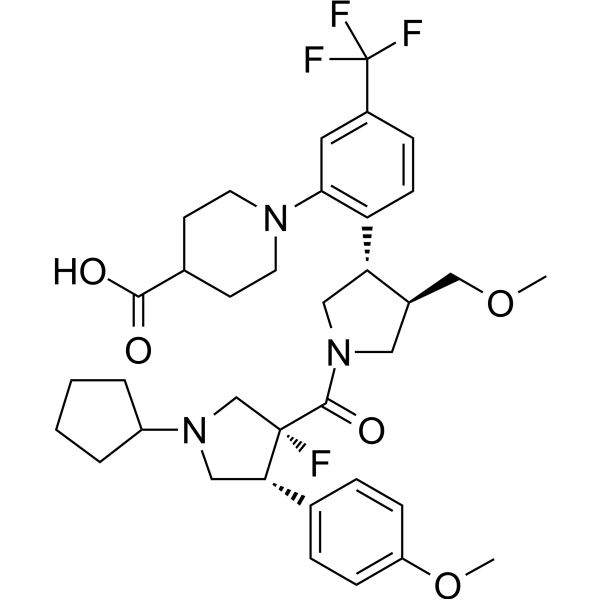
Dersimelagon (MT-7117) is an orally active, selective melanocortin 1 receptor (MC1R) agonist with EC50 values of 8.16, 3.91, 1.14 and 0.251 nM for human (h), cynomolgus monkey (cm), mouse (m) and rat (r) MC1R, respectively. Dersimelagon shows good affinity for hMC1R and hMC4R with Ki values of 2.26, 32.9 nM, respectively. Dersimelagon can be used for the research of skin pigmentation .
|
-
-
- HY-164734
-
|
R-DXd; DS-6000
|
Antibody-Drug Conjugates (ADCs)
|
Cancer
|
|
Raludotatug Deruxtecan is an antibody-drug conjugate targeting CDH6, with an EC50 of 64.7 ng/mL in humans, 70.4 ng/mL in cynomolgus monkeys, and 228 ng/mL in mice. Raludotatug Deruxtecan specifically binds to CDH6 on the surface of cancer cells, triggers lysosomal internalization, and releases the DXd payload that inhibits TOP1. Raludotatug Deruxtecan induces DNA damage, Chk1 phosphorylation, caspase-3 cleavage, apoptosis, and bystander cell death. Raludotatug Deruxtecan is applicable to research related to serous ovarian cancer and renal cell carcinoma .
|
-

-
- HY-153360
-
|
|
Drug-Linker Conjugates for ADC
Topoisomerase
|
Cancer
|
|
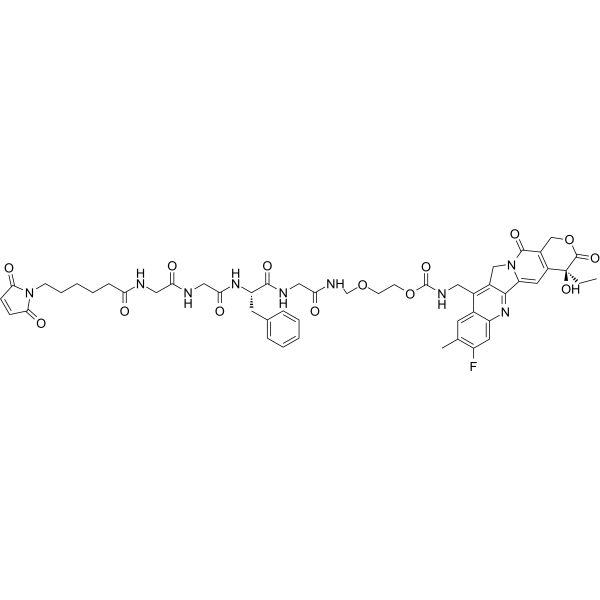
MC-GGFG-AM-(10Me-11F-Camptothecin) is a linker-payload conjugate used to synthesize ZW251. ZW251 an antibody-drug conjugate (ADC) targeting human GPC3. ZW251 consists of a humanized IgG1 antibody conjugated to a novel camptothecin-based topoisomerase 1 inhibitor, ZD06519, via a linker. The linker is the maleimide anchor and a glycyl glycyl phenylalanyl glycine (GGFG)-aminomethyl (AM) cleavable linker. ZW251 has high affinity with human and cynomolgus monkey GPC3. ZW251 displays rapid internalization in GPC3-expressing HCC cell lines, and bystander-mediated killing of GPC3 negative cancer cells .
|
-
-
- HY-132610A
-
|
ALN-AS1 sodium
|
Small Interfering RNA (siRNA)
|
Metabolic Disease
|
|
Givosiran (ALN-AS1) sodium is a small interfering RNA that targets hepatic aminolevulinate synthase 1 (ALAS1) messenger RNA. Givosiran sodium downregulates ALAS1 mRNA and prevents accumulation of neurotoxic δ-aminolevulinic acid (ALA) and porphobilinogen (PBG) levels. Givosiran sodium demonstrates potent inhibitory activity against ALAS1 in mouse, rat, and cynomolgus monkey models. Givosiran sodium can be used for the research of acute hepatic porphyria (AHP) .
|
-

-
- HY-132610
-
|
ALN-AS1
|
Small Interfering RNA (siRNA)
|
Metabolic Disease
|
|
Givosiran (ALN-AS1) is a small interfering RNA that targets hepatic aminolevulinate synthase 1 (ALAS1) messenger RNA. Givosiran downregulates ALAS1 mRNA and prevents accumulation of neurotoxic δ-aminolevulinic acid (ALA) and porphobilinogen (PBG) levels. Givosiran demonstrates potent inhibitory activity against ALAS1 in mouse, rat, and cynomolgus monkey models. Givosiran can be used for the research of acute hepatic porphyria (AHP) .
|
-

-
- HY-P9938
-
|
AMG-334
|
CGRP Receptor
|
Neurological Disease
|
|
Erenumab (AMG-334) is a fully human monoclonal antibody. Erenumab inhibits the calcitonin gene-related peptide (CGRP) receptor. Erenumab prevents the increase in dermal blood flow in cynomolgus monkeys. Erenumab can be used in the research of episodic migraine .
|
-

-
- HY-P990093
-
|
CM310
|
Interleukin Related
STAT
|
Inflammation/Immunology
|
|
Stapokibart (CM310) is a humanized monoclonal antibody targeting IL-4Rα (KD values of 0.25 nM, 1.50 nM, and 2.75 nM for human, cynomolgus monkey, and rat IL-4Rα, respectively). Stapokibart effectively blocks the interaction of cytokines IL-4 and IL-13 with their co-receptor subunit IL-4Rα. Stapokibart reduces IL-4 and IL-13 mRNA, inhibits CD23 upregulation, and inhibits IL-4 and IL-13-induced STAT6 activation. Stapokibart improves inflammation (airway inflammation, rhinitis, dermatitis) .
|
-

-
- HY-149136
-
|
|
Integrin
TGF-beta/Smad
|
Inflammation/Immunology
|
|
MORF-627 is a highly selective, orally active integrin αvβ6 inhibitor. By blocking TGF-β1 activation and pSMAD2 signaling, MORF-627 significantly reduces collagen deposition, epithelial-mesenchymal transition markers, and structural changes in fibrotic cells. MORF-627 exhibits significant antifibrotic efficacy without genotoxicity in idiopathic pulmonary fibrosis models. However, MORF-627 induces bladder epithelial proliferation and early invasive urothelial carcinoma in cynomolgus monkeys and human cells, and this toxic effect can be reversed by exogenous TGF-β. MORF-627 can be used for studying the pathological mechanisms of pulmonary fibrosis and evaluating drug safety .
|
-

-
- HY-164729
-
|
|
Antibody-Drug Conjugates (ADCs)
Topoisomerase
Apoptosis
|
Cancer
|
|
FZ-AD005 is a DLL3-targeting antibody-drug conjugate (ADC) with high selectivity, composed of the anti-DLL3 antibody FZ-A038 (HY-P990896), a dipeptide linker (Val-Ala), and DXd (HY-13631D). The Kd value of FZ-AD005 for human DLL3 ranges from 13.29 to 58.3 pmol/L. After binding to DLL3 on the cell surface, FZ-AD005 mediates endocytosis, and the payload DXd is released via cleavage by lysosomal cathepsins. DXd inhibits topoisomerase TopI to induce double-strand DNA breaks, cell cycle arrest and apoptosis, and FZ-AD005 exhibits bystander killing activity against adjacent DLL3-negative cells. FZ-AD005 shows stable circulation in vivo, has good tolerance and acceptable pharmacokinetic profiles in rats and cynomolgus monkeys, and effectively inhibits the growth of DLL3-expressing tumor cells. FZ-AD005 serves as a promising candidate molecule for research on small cell lung cancer and human neuroendocrine prostate cancer .
|
-

-
- HY-P99728
-
|
RG7835; RO7049665
|
Interleukin Related
|
Metabolic Disease
Inflammation/Immunology
|
|
Melredableukin alfa (RG7835) is a bivalent conjugate composed of a human IL-2 mutant (T3A, N88D, C125A) and human IgG1. Melredableukin alfa exhibits enhanced Treg cell selectivity in cynomolgus monkey and humanized mouse models. Melredableukin alfa can be used in research related to ulcerative colitis and autoimmune hepatitis .
|
-

-
- HY-163689
-
|
BI 690517
|
Mineralocorticoid Receptor
|
Cardiovascular Disease
Metabolic Disease
|
|
Vicadrostat (BI 690517) is an orally active aldosterone synthase (aldosterone synthase) inhibitor, with IC50 values of 19 nM, 16 nM, and 18 μM against human, cynomolgus monkey, and rat aldosterone synthase, respectively. Vicadrostat has an in vivo IC50 of 25 nM for aldosterone synthesis. Vicadrostat exhibits high selectivity for cortisol synthase; it reduces aldosterone production and decreases plasma aldosterone levels. Vicadrostat can be used in the research of chronic kidney disease, heart failure, and hypertension .
|
-

-
- HY-153999A
-
|
BT200 sodium
|
Integrin
Apoptosis
|
Cardiovascular Disease
Inflammation/Immunology
|
|
Rondaptivon pegol (BT200) sodium is an aptamer targeting von Willebrand factor (VWF), with an EC50 of 33 nM in humans. Rondaptivon pegol sodium effectively alleviates acute myocardial ischemia-reperfusion injury in mice by inhibiting VWF activity, reducing microvascular obstruction, inflammatory responses and cardiomyocyte apoptosis (apoptosis). Rondaptivon pegol sodium inhibits the binding of VWF to platelet glycoprotein GPIb, thereby preventing arterial thrombosis in cynomolgus monkeys. Rondaptivon pegol sodium can be used in research related to arterial thrombosis, stroke, myocardial infarction and myocardial ischemia-reperfusion injury .
|
-
-
- HY-159099
-
|
|
Molecular Glues
Histone Acetyltransferase
|
Cardiovascular Disease
|
|
WIZ degrader 9 is an orally active molecular glue degrader of the WIZ transcription factor. As a molecular glue, WIZ degrader 9 recruits WIZ to the cereblon E3 ubiquitin ligase complex via its ZF7 domain, driving proteasome-dependent degradation of WIZ. WIZ degrader 9 induces hemoglobin production, reduces the level of H3K9 dimethylation across the whole genome and at the β-globin locus, upregulates the transcription of γ-globin and BGLT3, and increases the level of histone H3K9 acetylation in the promoter region of HBG1/2. WIZ degrader 9 effectively induces fetal hemoglobin production in both mice and cynomolgus monkeys. WIZ degrader 9 can be used for research on sickle cell disease .
|
-

-
- HY-P991149
-
|
YH32367; ABL105
|
TNF Receptor
|
Cancer
|
|
Nesfrotamig (YH32367; ABL105) is a bispecific activator targeting HER2 and 4-1BB. The Kd values of Nesfrotamig for human HER2 and human 4-1BB are 0.48 nM and 3.36 nM, respectively. By blocking tumor cell growth signals, activating HER2-dependent local 4-1BB in tumors to maintain T cell survival, and inducing NK cell-mediated antibody-dependent cellular cytotoxicity, Nesfrotamig enhances the cytotoxicity and tumor infiltration ability of immune cells. Nesfrotamig promotes the generation of tumor-specific memory T cells, drives T cell-mediated tumor lysis, exhibits significant anti-tumor efficacy against both HER2-positive and HER2-low-expressing tumors, and shows synergistic activity when combined with anti-PD-1 antibodies. In cynomolgus monkey studies, Nesfrotamig demonstrates good safety and is suitable for research related to HER2-positive and HER2-low-expressing tumors .
|
-

-
- HY-112209
-
|
|
mAChR
|
Neurological Disease
|
|
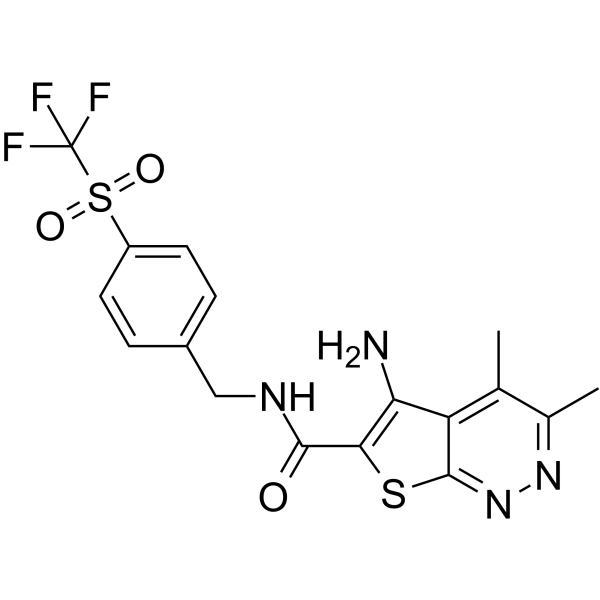
VU0467154 is a positive allosteric modulator of the M4 muscarinic acetylcholine receptor (mAChR), potentiating the response to ACh with pEC50s of 7.75, 6.2 and 6 for rat, human and cynomolgus monkey M4 receptor, respectively.
|
-
-
- HY-145720
-
|
ALN-CC5
|
Complement System
Small Interfering RNA (siRNA)
|
Metabolic Disease
|
|
Cemdisiran (ALN-CC5) is an N-acetylgalactosamine-conjugated RNAi agent and also a complement component C5 inhibitor. Cemdisiran targets C5 mRNA, cleaves C5 mRNA via the endogenous RNA interference pathway, and inhibits the production of C5 protein in the liver. Cemdisiran exerts a dose-dependent inhibitory effect on total C5 concentrations in cynomolgus monkeys. When used in combination with Pozelimab (HY-P99786) in cynomolgus monkeys, Cemdisiran achieves a more sustained and complete inhibitory effect on complement activity. Cemdisiran can be used in the research of paroxysmal nocturnal hemoglobinuria and other complement-mediated diseases .
|
-

-
- HY-P990993
-
|
GYM-329, RG6237, RG-70240
|
TGF-beta/Smad
|
Inflammation/Immunology
|
|
Emugrobart (GYM-329, RG6237, RG-70240) is a humanized IgG1κ antibody targeting myostatin (Myostatin; GDF8). Emugrobart binds to pro-myostatin and latent myostatin, blocking their cleavage into mature myostatin; it also has a clearance function, which transports bound myostatin for degradation and allows for cyclic reuse. Emugrobart enhances muscle strength in mouse models of muscle atrophy and increases muscle mass in cynomolgus monkeys. Emugrobart can be used in research on spinal muscular atrophy and facioscapulohumeral muscular dystrophy .
|
-

-
- HY-152846
-
|
GDC-8264
|
RIP kinase
Interleukin Related
|
Cardiovascular Disease
Inflammation/Immunology
Endocrinology
|
|
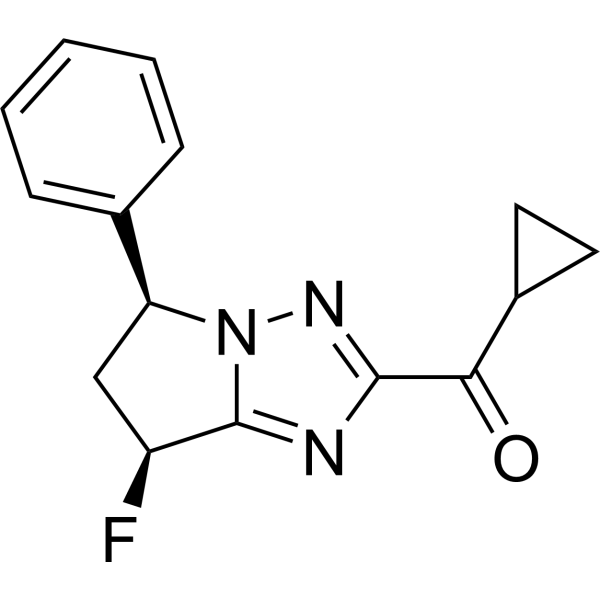
Flizasertib (GDC-8264) is an orally active, reversible and selective RIP1 inhibitor with Ki app values of 0.00071 μM and 0.0013 μM for human and cynomolgus monkey RIP1 kinase, respectively. Flizasertib blocks RIP1 autophosphorylation but does not affect RIP1 protein stability. Flizasertib inhibits pro-inflammatory cytokines (CCL3, CCL4, and IL-1β) production. Flizasertib results in inhibition of colitis and ileitis. Flizasertib can be used in the research of cardiac surgery-associated acute kidney injury .
|
-
-
- HY-159098
-
|
|
Molecular Glues
PROTACs
Histone Acetyltransferase
|
Cardiovascular Disease
|
|
dWIZ-1 is an orally active molecular glue and chemical probe targeting the WIZ transcription factor, which based on an IMiD backbone, binding to human WIZ with an affinity of 3.5 μM. dWIZ-1 recruits WIZ to the cereblon-DDB1 complex via its ZF7 domain, thereby triggering proteasome-dependent degradation of WIZ. dWIZ-1 significantly induces fetal hemoglobin expression in erythroblasts while reducing the level of inhibitory H3K9 dimethylation at WIZ binding sites such as the β-globin locus. Meanwhile, dWIZ-1 does not affect the proliferation and differentiation of erythroblasts, and no cytotoxicity is observed in in vitro cells or cynomolgus monkey models. dWIZ-1 serves as a critical tool molecule for investigating the mechanism and underlying pathways of sickle cell disease .
|
-

-
- HY-P99439
-
|
IMA-638
|
Interleukin Related
|
Inflammation/Immunology
|
|
Anrukinzumab (IMA-638) is a humanized anti-IL-13 monoclonal antibody. Anrukinzumab effectively reduces lung inflammation in a cynomolgus monkey model. Anrukinzumab can be used in studies of ulcerative colitis (UC) as well as asthma .
|
-

-
- HY-130249
-
|
|
GnRH Receptor
|
Endocrinology
|
|
BAY-298 is an orally active and selective luteinizing hormone receptor (LH-R) antagonist with IC50s of 96 nM, 23 nM and 78 nM for hLH (human LH) and rLH (rat LH) and cLH (cynomolgus monkey LH), respectively. BAY-298 can reduce sex hormone levels .
|
-
-
- HY-12811
-
|
|
Sodium Channel
|
Neurological Disease
|
|
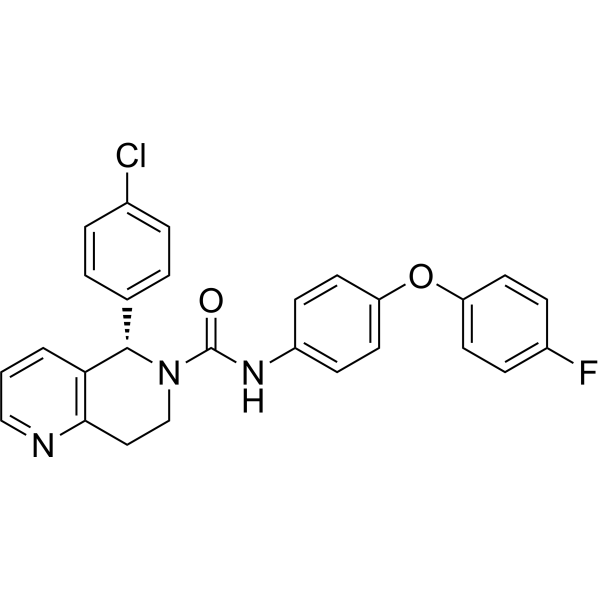
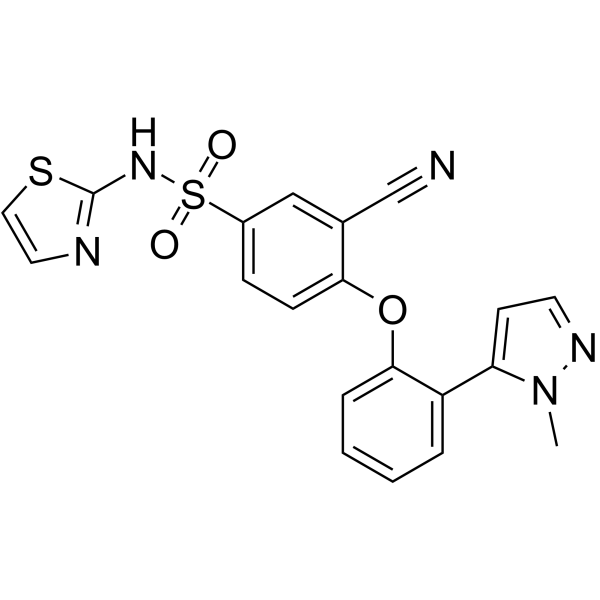
PF-04856264 is a potent and selective Nav1.7 inhibitor, with IC50s of 28, 131, 19, and 42 nM for human, mouse, cynomolgus monkey and dog Nav1.7, respectively. PF-04856264 has low potency against the rat Nav1.7 channel. PF-04856264 shows analgesic effect .
|
-
-
- HY-10294
-
|
SB-462795
|
Cathepsin
|
Metabolic Disease
Cancer
|
|
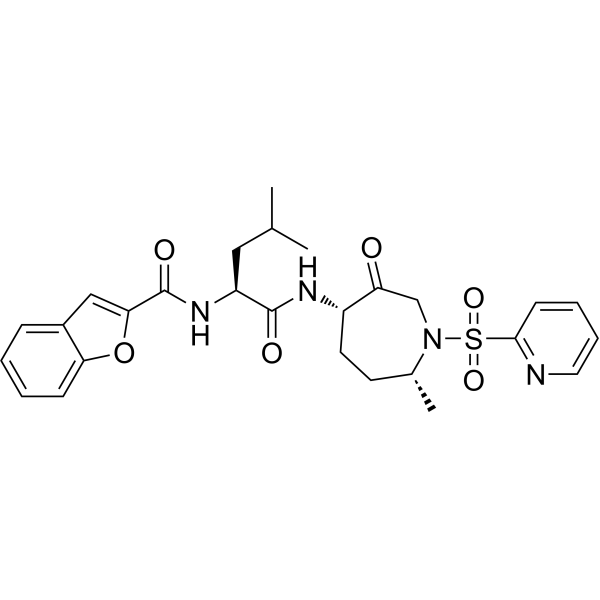
Relacatib (SB-462795) is a novel, potent, and orally active inhibitor of human cathepsins K, L, and V with Ki values of 41 pM, 68 pM, and 53 pM, respectively. Relacatib inhibits endogenous cathepsin K in situ in human osteoclasts and human osteoclast-mediated bone resorption with IC50 values of 45 nM and 70 nM, respectively. Relacatib inhibits bone resorption in vitro in human tissue as well as in cynomolgus monkeys in vivo .
|
-
-
- HY-16785
-
|
INXN-1001; RG-115932
|
Interleukin Related
|
Inflammation/Immunology
Cancer
|
|
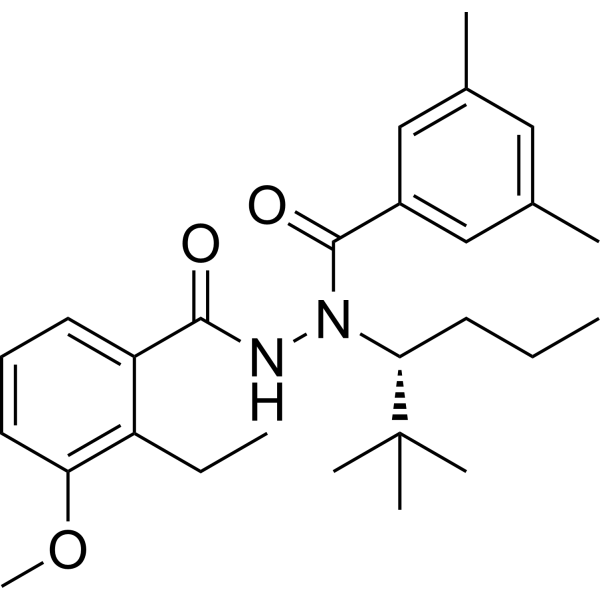
Veledimex (INXN-1001), a synthetic analog of the insect molting hormone ecdysone, is an orally active activator ligand for a proprietary gene therapy promoter system. Veledimex can be used to activate certain genes using the ecdysone receptor (EcR)-based inducible gene regulation system, the RheoSwitch Therapeutic System (RTS). Veledimex can cross blood-brain barrier (BBB) in both orthotopic GL-261 mice and cynomolgus monkeys .
|
-
-
- HY-P99404
-
|
E6011
|
CXCR
|
Inflammation/Immunology
Cancer
|
|
Quetmolimab (E6011) is a humanized anti-Fractalkine (CX3CL1) monoclonal antibody. Quetmolimab binds to membrane-bound and soluble Fractalkine, neutralizes Fractalkine-induced migration of CX3CR1-expressing cells, mediates target-bound complex elimination from serum. Quetmolimab suppresses free soluble Fractalkine levels in cynomolgus monkeys, with target engagement linked to increased serum total Fractalkine concentration. Quetmolimab can be used for the research of Crohn’s disease, rheumatoid arthritis, and primary biliary cholangitis .
|
-

-
- HY-NP002O
-
|
|
Biochemical Assay Reagents
|
Others
|
|
Cynomolgus Monkey serum albumin is a plasma protein derived from cynomolgus monkey. Serum albumin is a multifunctional protein with extraordinary ligand binding capacity, making it a transporter molecule for a diverse range of metabolites, drugs, nutrients, metals and other molecules.
|
-

-
- HY-12699
-
-
-
- HY-145726
-
|
|
TNF Receptor
|
Cardiovascular Disease
Inflammation/Immunology
|
|
ISIS 104838 is an antisense oligonucleotide targeting TNF-α. ISIS 104838 specifically binds to human TNF-α mRNA via Watson-Crick base pairing to form a DNA:RNA hybrid duplex, thereby recruiting the ubiquitously expressed intracellular enzyme RNase H to degrade the target mRNA and inhibit TNF-α protein synthesis at the transcriptional level. ISIS 104838 induces moderate, self-limiting thrombocytopenia in cynomolgus monkeys. ISIS 104838 can be used for the study of inflammatory diseases .
|
-

-
- HY-P9972
-
|
PDR001
|
PD-1/PD-L1
IFNAR
|
Cancer
|
|
Spartalizumab is a humanized PD-1 IgG4 monoclonal antibody, with a Kd of 0.83 nM for human PD-1 and a Kd of 0.93 nM for cynomolgus monkey PD-1. Spartalizumab binds to PD-1 and blocks its interaction with the ligands PD-L1 and PD-L2. Spartalizumab induces increased IFNγ release. Spartalizumab can be used in the research of anaplastic thyroid carcinoma (ATC) and neuroendocrine neoplasms (NENs) .
|
-

-
- HY-153999
-
|
BT200
|
Integrin
Apoptosis
|
Cardiovascular Disease
Inflammation/Immunology
|
|
Rondaptivon pegol (BT200) is an aptamer targeting von Willebrand factor (VWF), with an EC50 of 33 nM in humans. Rondaptivon pegol effectively alleviates acute myocardial ischemia-reperfusion injury in mice by inhibiting VWF activity, reducing microvascular obstruction, inflammatory responses and cardiomyocyte apoptosis (apoptosis). Rondaptivon pegol inhibits the binding of VWF to platelet glycoprotein GPIb, thereby preventing arterial thrombosis in cynomolgus monkeys. Rondaptivon pegol can be used in research related to arterial thrombosis, stroke, myocardial infarction and myocardial ischemia-reperfusion injury .
|
-
-
- HY-P991193
-
|
|
TNF Receptor
|
Cancer
|
|
NGM-438 is a humanized monoclonal antibody antagonist of LAIR1, with a Ka of 0.26 nM for human LAIR1 and 4.28 nM for cynomolgus monkey LAIR1. NGM-438 blocks the binding of LAIR1 to its Collagen ligand and antagonizes the Collagen-induced LAIR1 signaling pathway. NGM-438 reverses FcγR signaling inhibition in myeloid cells, induces dendritic cells to secrete TNFα, promotes T cell proliferation, and triggers myeloid inflammation and allogeneic T cell responses. NGM-438 sensitizes refractory mouse lung cancer to PD-1 blockade, increases the content of intratumoral CD8 + T cells and the expression of inflammatory genes. NGM-438 is applicable to research related to solid tumors, refractory solid tumors and non-small cell lung cancer .
|
-

-
- HY-145726A
-
|
|
TNF Receptor
|
Cardiovascular Disease
Inflammation/Immunology
|
|
ISIS 104838 sodium is an antisense oligonucleotide targeting TNF-α. ISIS 104838 sodium specifically binds to human TNF-α mRNA via Watson-Crick base pairing to form a DNA:RNA hybrid duplex, thereby recruiting the ubiquitously expressed intracellular enzyme RNase H to degrade the target mRNA and inhibit TNF-α protein synthesis at the transcriptional level. ISIS 104838 sodium induces moderate, self-limiting thrombocytopenia in cynomolgus monkeys. ISIS 104838 sodium can be used for the study of inflammatory diseases .
|
-
-
- HY-159709
-
|
|
Liposome
|
Metabolic Disease
|
|
VL-422 is an ionizable cationic lipid. VL-422 delivers CRISPR complementary single-guide RNA (sgRNA) and Cas9 mRNA to enable in vitro and in vivo gene editing. LNPs containing VL-422 loaded with Cas9 mRNA and sgRNA targeting the ANGPTL3 gene induce the deletion of premature stop codons within the ANGPTL3 gene in the liver of cynomolgus monkeys. Loss-of-function of ANGPTL3 leads to decreased levels of LDL, HDL and cholesterol in plasma. The VL-422 delivery system can be used for the research of gene editing strategies targeting lipid metabolism diseases .
|
-

-
- HY-112583
-
|
|
Cathepsin
|
Neurological Disease
|
|
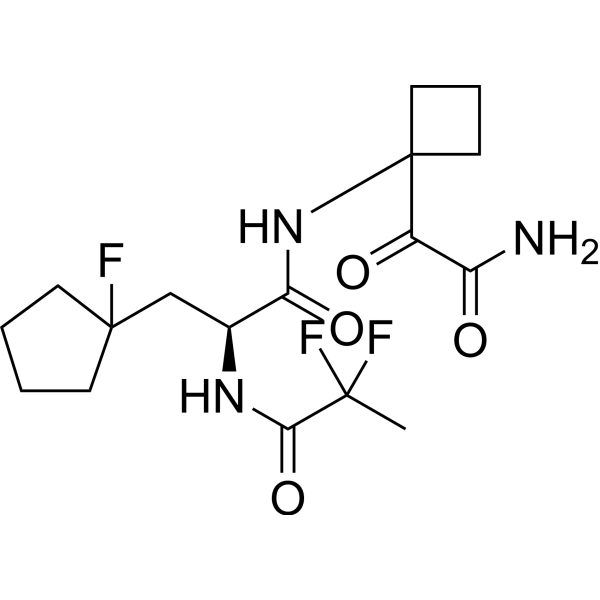
MIV-247 is a selective cathepsin S inhibitor with Kis of 2.1, 4.2 and 7.5 nM for human, mouse and cynomolgus monkey cathepsin S, respectively.
|
-
-
- HY-E70389A
-
|
|
Endogenous Metabolite
|
Inflammation/Immunology
|
|
Kallikrein, Cynomolgus Monkey is proteolytically cleaves high molecular weight kininogen to generate the potent vasodilator and the pro-inflammatory peptide, bradykinin. can be used for the research of inflammation .
|
-

-
- HY-19848
-
|
LBM-642
|
PPAR
|
Metabolic Disease
|
|
Cevoglitazar (LBM-642) is an orally active and highly potent PPARα and PPARγ dual agonist. Cevoglitazar can reduce food intake, body weight, and fasting plasma insulin in obese mice and cynomolgus monkeys. Cevoglitazar has the potential for diabetes and obesity-related disorders research .
|
-

-
- HY-W741755A
-
|
|
Dipeptidyl Peptidase
|
Metabolic Disease
|
|
5-Hydroxy saxagliptin hydrochloride is an active metabolite of Saxagliptin (HY-10285) and a potent and selective DPP-4 inhibitor. 5-Hydroxy saxagliptin hydrochloride has Ki values of 2.6 nM and 2.9 nM for humans and cynomolgus monkeys, respectively. 5-Hydroxy saxagliptin hydrochloride can be used in the research of type 2 diabetes mellitus .
|
-

-
- HY-129448
-
|
|
Neurokinin Receptor
|
Neurological Disease
|
|
RO4583298 is a potent, orally active dual antagonist of NK1 (human and gerbil)/NK3 (human, cynomolgus monkey, gerbil and guinea-pig). RO4583298 inhibits senktide-induced potentiation of spontaneous activity of dopaminergic neurons. RO4583298 can block gerbil foot tapping response and inhibits mouse tail whips .
|
-

-
- HY-109114A
-
|
MT-7117 phosphate
|
Melanocortin Receptor
|
Metabolic Disease
|
|
Dersimelagon phosphate is an orally active, selective melanocortin 1 receptor (MC1R) agonist with EC50 values of 8.16, 3.91, 1.14 and 0.251 nM for human (h), cynomolgus monkey (cm), mouse (m) and rat (r) MC1R, respectively. Dersimelagon phosphate shows good affinity for hMC1R and hMC4R with Ki values of 2.26, 32.9 nM, respectively. Dersimelagon phosphate can be used for the research of skin pigmentation .
|
-

-
- HY-103537A
-
|
|
γ-secretase
Amyloid-β
|
Neurological Disease
|
|
BIIB042 is a potent, orally active, brain-penetrant, and selective γ-secretase modulator (GSM). BIIB042 reduces Aβ42 and increases Aβ38 levels in cells. BIIB042 significantly reduces brain Aβ42 levels in CF-1 mice and Fischer rats, as well as plasma Aβ42 levels in cynomolgus monkeys. BIIB042 reduces Aβ42 levels and Aβ plaque burden in Tg2576 mice. BIIB042 can be used for alzheimer's disease (AD) research .
|
-

-
- HY-P991461
-
|
XmAb968
|
CD38
|
Cancer
|
|
AMG-424 (XmAb968) is a human bispecific antibody (bsAb) targeting CD38 & CD3E. AMG-424 kills CD38-expressing cancer cells, triggers T-cell proliferation and attenuates cytokine release. AMG 424 has antitumor activity in a bone marrow-invasive mouse cancer model and induces peripheral B-cell depletion in cynomolgus monkeys. AMG-424 can be used in multiple myeloma research. Recommended isotype control: half-IG G1-kappa/(scFv-heavy-lambda)-h-CH2-CH3 .
|
-

-
- HY-16622A
-
|
|
LPL Receptor
|
Others
|
|
GSK1842799, an alkyl-substituted biaryl amino alcohol, is a selective S1P1 modulator developed for multiple sclerosis (MS). Upon phosphorylation, GSK1842799-P exhibited subnanomolar S1P1 agonist activity with over 1000-fold selectivity over S1P3. The compound showed good oral bioavailability, rapid in vivo conversion to GSK1842799-P, and significant lymphocyte count reduction at 0.1 mg/kg. It matched FTY720 efficacy at 3 mg/kg in the mouse EAE model and achieved comparable plasma levels to FTY-720 phosphate in cynomolgus monkeys. With favorable ADME, PK/PD properties, and toxicology, GSK1842799 advanced to further clinical development .
|
-

-
- HY-116161
-
|
|
Drug Intermediate
|
Cardiovascular Disease
Others
|
|
15(R)-17-phenyl trinor Prostaglandin F2α isopropyl ester (15(R)-17-phenyl trinor PGF2α isopropyl ester) is the latanoprost-related isomer containing both a double bond at 13,14 and an inverted (β) hydroxyl group at C-15. Similar to 15(S)-latanoprost, 15(R)-17-phenyl trinor PGF2α isopropyl ester is a potential impurity in most commercial preparations of the latanoprost bulk drug product. The IC50 values for the free acid forms of 15(S)-17-phenyl trinor PGF2α and 15(R)-17-phenyl trinor PGF2α were determined to be 0.71 nM and 30 nM, respectively, in a FP receptor binding assay using the cat iris sphincter muscle.1 A 3 μg dose of 15(R)-17-phenyl trinor PGF2α caused a 1.9 mmHg reduction of IOP in normotensive cynomolgus monkeys.
|
-

- HY-177300
-
|
|
Toll-like Receptor (TLR)
HBV
IFNAR
Interleukin Related
|
Infection
Inflammation/Immunology
|
|
TLR7/8 agonist 13 is an orally active dual agonist of TLR7 (lowest effective concentrations (LEC) [hTLR7] = 1.6 μM) and TLR8 (LEC [hTLR8] = 1.6 μM). TLR7/8 agonist 13 exhibits agonistic activity against human peripheral blood mononuclear cells (hPBMCs) (LEC [hPBMC] = 0.5 μM). TLR7/8 agonist 13 induces endogenous IFNα, activating myeloid dendritic cells and monocytes toward a TH1 phenotype in mice and cynomolgus monkeys. TLR7/8 agonist 13 reduces viral load and HBV surface antigen expression in a mouse model of chronic AAV-HBV infection. TLR7/8 agonist 13 has the potential to indirectly induce IFNγ, which may promote HBV antigen-specific CD8 T cell-mediated responses. TLR7/8 agonist 13 can be used to study hepatitis B virus .
|
-

- HY-NP0236
-
|
|
Biochemical Assay Reagents
|
Inflammation/Immunology
|
|
Cynomolgus Monkey haptoglobin is a hemoglobin-binding protein derived from cynomolgus monkeys. Cynomolgus Monkey haptoglobin is generally assumed to be analogous to human serum haptoglobin (Hp) .
|
-

- HY-NP0237
-
|
|
Transferrin Receptor
|
Inflammation/Immunology
|
|
Cynomolgus Monkey transferrin is a cynomolgus monkey-derived protein. Transferrin is the transport of iron in the bloodstream. Transferrin can also act as a growth factor .
|
-

- HY-145713
-
|
HBV-IN-19
|
HBV
|
Infection
|
|
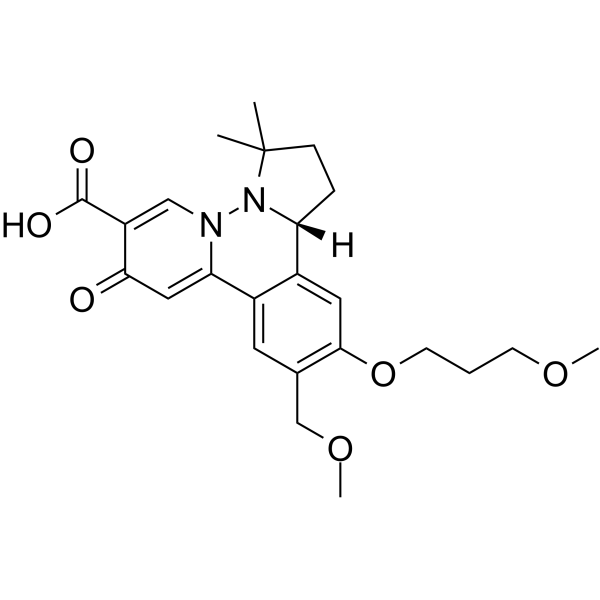
GS-8873 is an orally active inhibitor for the production of hepatitis B virus (HBV) surface antigen (HBsAg) with an EC50 of 4 nM. GS-8873 exhibits good pharmacokinetic characters in rats and metabolic stability in human hepatocytes. GS-8873 causes neurofunctional deficits in rats and cynomolgus monkeys .
|
-
- HY-117529
-
|
|
Cytochrome P450
|
Cancer
|
|
BMS-351 (compound 18) is a potent, oral active, nonsteroidal CYP17A1 lyase inhibitor with the IC50 values of 19 nM and 4 nM aganist human CYP17A1 and cynomolgus monkeys CYP17A1,respectively. BMS-351 can be used for the study of castration-resistant prostate cancer .
|
-

- HY-170831
-
|
|
Histone Methyltransferase
GLP Receptor
|
Others
|
|
DS79932728 is an orally active inhibitor for G9a and GLP with IC50 of 12.6 nM and 75.7 nM. DS79932728 induces the production of γ-globin, thereby increasing the level of fetal hemoglobin (HbF). DS79932728 increases F-reticulocytes (F-rets) proportion and exhibits good oral absorption characteristics in cynomolgus monkey models .
|
-

- HY-101930B
-
|
|
11β-HSD
|
Metabolic Disease
|
|
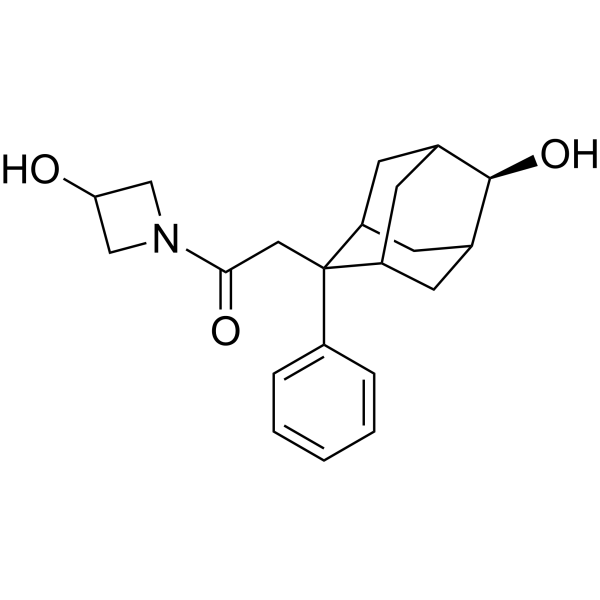
(R)-BMS-816336 (Compound 6n-1) is a potent and orally active inhibitor of human, mouse and cynomolgus monkey 11β-hydroxysteroid dehydrogenase type 1 (11β-HSD1) enzyme with IC50s of 14.5 nM, 50.3 nM and 16 nM, respectively .
|
-
- HY-117090
-
|
(rac)-4,5-DHP-AMT
|
5-HT Receptor
|
Others
|
|
(rac)-AL-37350A ((rac)-4,5-DHP-AMT) is a 5-HT2 receptor agonist with intraocular pressure-lowering activity. (rac)-AL-37350A has high affinity and selectivity for the 5-HT2 receptor and effectively reduces intraocular pressure in conscious hypertensive cynomolgus monkeys.
|
-

- HY-120847
-
|
|
MCHR1 (GPR24)
|
Neurological Disease
Metabolic Disease
|
|
BI 186908 is a selective and orally active MCH receptor 1 antagonist with an IC50 of 22 nM and a Ki of 14 nM. BI 186908 binds with comparably high affinity to the recombinant human, cynomolgus monkey (IC50 of 18 nM), dog (IC50 of 23 nM) and rat (IC50 of 18 nM) MCH-R1. BI 186908 can significantly reduce the body weight of diet-induced obese rats. BI 186908 can be used for the study of obesity .
|
-

- HY-126115
-
|
15-epi Latanoprost
|
Prostaglandin Receptor
|
Cardiovascular Disease
Others
|
|
15(S)-Latanoprost is an analog of latanoprost in which the hydroxyl at carbon 15 is inverted relative to latanoprost. The IC50 values for the free acid forms of latanoprost and 15(S)-latanoprost were determined to be 3.6 nM and 24 nM, respectively, in a FP receptor binding assay using the cat iris sphincter muscle. A 3 μg dose of 15(S)-latanoprost caused a 1 mmHg reduction of IOP in normotensive cynomolgus monkeys.
|
-

- HY-145713A
-
|
HBV-IN-19 TFA
|
HBV
|
Infection
|
|
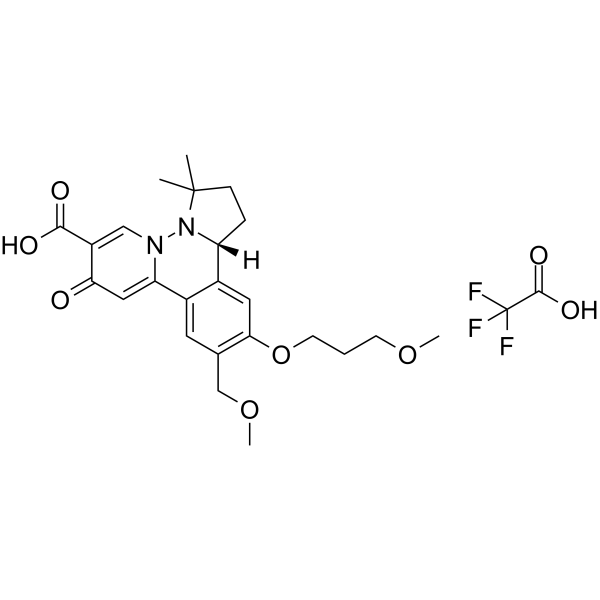
GS-8873 TFA is the TFA salt form of GS-8873 (HY-145713). GS-8873 TFA is an orally active inhibitor for the production of hepatitis B virus (HBV) surface antigen (HBsAg) with an EC50 of 4 nM. GS-8873 TFA exhibits good pharmacokinetic characters in rats and metabolic stability in human hepatocytes. GS-8873 TFA causes neurofunctional deficits in rats and cynomolgus monkeys .
|
-
- HY-126115R
-
|
15-epi Latanoprost (Standard)
|
Prostaglandin Receptor
Reference Standards
|
Cardiovascular Disease
Others
|
|
15(S)-Latanoprost (Standard) is the analytical standard of 15(S)-Latanoprost. This product is intended for research and analytical applications. 15(S)-Latanoprost is an analog of latanoprost in which the hydroxyl at carbon 15 is inverted relative to latanoprost. The IC50 values for the free acid forms of latanoprost and 15(S)-latanoprost were determined to be 3.6 nM and 24 nM, respectively, in a FP receptor binding assay using the cat iris sphincter muscle. A 3 μg dose of 15(S)-latanoprost caused a 1 mmHg reduction of IOP in normotensive cynomolgus monkeys.
|
-

- HY-113778
-
|
15-keto-17-phenyl trinor PGF2α
|
Prostaglandin Receptor
|
Endocrinology
|
|
15-keto-17-phenyl trinor Prostaglandin F2α (15-keto-17-phenyl trinor PGF2α) is an F-series prostaglandin (PG) analog. The potential metabolite of 15-keto-17-phenyl trinor Prostaglandin F2α in animals is 15-keto PG. 15-keto PG can slightly reduce the intraocular pressure (1 mm Hg) in normal cynomolgus monkeys when administered at a dose of 1 μg/eye. 15-keto-17-phenyl trinor Prostaglandin F2α is a miotic agent in cats, reducing the pupil diameter by 8 mm at a dose of 5 μg/eye.
|
-

- HY-116889
-
|
|
Drug Metabolite
|
Others
|
|
15-keto Latanoprost is a potential metabolite of latanoprost (HY-B0577) when administered to animals. 15-keto Latanoprost is also one of the common minor impurities found in commercial preparations of the bulk drug compound. Although much less potent that the parent compound latanoprost, 15-keto latanoprost still retains the ability to produce a small but measurable decrease (1 mm Hg) in the intraocular pressure of normal cynomolgus monkeys when administered at a dose of 1 μg/eye.1 15-keto Latanoprost is also a miotic in the normal cat eye, causing an 8 mm Hg reduction in pupillary diameter at 5 μg/eye. Again, this is not as potent as many other F-type prostaglandins; for example, prostaglandin F2α will produce this degree of miosis at a dose of less than 1 μg/eye.
|
-

- HY-118185
-
|
|
Renin
|
Others
|
|
SQ 31844 is a novel renin inhibitor belonging to the imidazolidinol class. This compound, which contains an imidazole ring in its active site binding group, has potent in vitro inhibition of primate renin, but not rat, pig, or dog renin. In conscious, sodium-deprived cynomolgus monkeys, both compounds produced dose-related inhibition of plasma renin activity (PRA) over a dose range of 0.001 to 1.0 μmol/kg, administered intravenously, with complete inhibition observed at the highest dose. However, a reduction in blood pressure was only observed when 10 μmol/kg was administered intravenously or by infusion. In sodium-replete monkeys, SQ 30774 inhibited the increase in arterial blood pressure and PRA following administration of exogenous monkey renin. When the compounds were administered orally at 50 μmol/kg, only SQ 31844 significantly inhibited PRA (80%). In summary, the imidazolidinol renin inhibitors have potent inhibitory effects on renin in vitro and inhibit PRA and reduce arterial blood pressure in vivo.
|
-

- HY-P992032
-
|
BAY-943 antibody
|
Interleukin Related
|
Cancer
|
|
TPP-9476 is an anti-human IL3RA (CD123) monoclonal antibody with human IL3RA Kd of 11 nM and cynomolgus monkey IL3RA Kd of 16 nM. TPP-9476 binds specifically to human and cynomolgus monkey IL3RA, undergoes target-dependent internalization into lysosomes of IL3RA-positive cells.TPP-9476 exerts antiproliferative effects in IL3RA-expressing acute myeloid leukemia and classical Hodgkin lymphoma cells, reduces tumor burden, improves survival, and induces complete tumor remission in relevant xenograft mouse models .
|
-

- HY-P992035
-
|
|
Interleukin Related
|
Endocrinology
|
|
AMY109 is an anti-human interleukin-8 (IL-8) monoclonal antibody, with IC50 values of 0.14 μg/mL and 0.37 μg/mL against human IL-8, a Ka of 36.8 pM for human IL-8, and a Ka of 380 pM for cynomolgus monkey IL-8.\nAMY109 binds to human and cynomolgus monkey IL-8 in a pH-dependent manner, inhibits IL-8-mediated activation of CXCR1 and CXCR2, and blocks the downstream biological activities of IL-8. AMY109 inhibits neutrophil recruitment to endometriotic lesions and suppresses monocyte chemoattractant protein-1 production by neutrophils. AMY109 is applicable to research related to endometriosis .
|
-

- HY-P992155
-
|
Arevirumab-3
|
Arenavirus
|
Infection
|
|
Arevirumab (Arevirumab-3) is a pan-lineage neutralizing human monoclonal antibody cocktail (8.9F, 12.1F, 37.D). Arevirumab protects cynomolgus monkeys from severe Lassa fever caused by lineage II and III LASV isolates. Arevirumab is applicable to research related to Lassa fever .
|
-

- HY-10198R
-
|
SCH 527123 (Standard); MK-7123 (Standard)
|
Reference Standards
CXCR
|
Inflammation/Immunology
Endocrinology
Cancer
|
|
Navarixin (Standard) is the analytical standard of Navarixin (HY-10198). This product is intended for research and analytical applications. Navarixin (SCH 527123) is a potent, allosteric and orally active antagonist of both CXCR1 and CXCR2, with Kd values of 41 nM for cynomolgus CXCR1 and 0.20 nM, 0.20 nM, 0.08 nM for mouse, rat and cynomolgus monkey CXCR2, respectivelly .
|
-

- HY-P992358
-
|
|
ADAMTS
|
Cardiovascular Disease
|
|
GSK2394002 is an antibody inhibitor targeting ADAMTS-4 and ADAMTS-5, with cartilage-penetrating ability following systemic administration. GSK2394002 inhibits the release of aggrecan-derived neoepitopes and reduces cartilage degradation, exhibiting the potential to relieve pain, alleviate hyperalgesia and inhibit the progression of joint damage. GSK2394002 also induces potentially irreversible cardiovascular effects such as increased mean arterial pressure and myocardial ischemia in cynomolgus monkeys .
|
-

- HY-W741755S1
-
|
|
Isotope-Labeled Compounds
Dipeptidyl Peptidase
|
Metabolic Disease
|
|
5-Hydroxy saxagliptin- 13C,d2-2 hydrochloride is the 13C- and deuterium labeled 5-Hydroxy saxagliptin hydrochloride. 5-Hydroxy saxagliptin hydrochloride is an active metabolite of Saxagliptin (HY-10285) and a potent and selective DPP-4 inhibitor. 5-Hydroxy saxagliptin hydrochloride has Ki values of 2.6 nM and 2.9 nM for humans and cynomolgus monkeys, respectively. 5-Hydroxy saxagliptin hydrochloride can be used in the research of type 2 diabetes mellitus .
|
-

- HY-10294R
-
|
SB-462795 (Standard)
|
Reference Standards
Cathepsin
|
Metabolic Disease
Cancer
|
|
Relacatib (Standard) is the analytical standard of Relacatib (HY-10294). This product is intended for research and analytical applications. Relacatib (SB-462795) is a novel, potent, and orally active inhibitor of human cathepsins K, L, and V with Ki values of 41 pM, 68 pM, and 53 pM, respectively. Relacatib inhibits endogenous cathepsin K in situ in human osteoclasts and human osteoclast-mediated bone resorption with IC50 values of 45 nM and 70 nM, respectively. Relacatib inhibits bone resorption in vitro in human tissue as well as in cynomolgus monkeys in vivo .
|
-

- HY-P991900
-
|
|
CD19
|
Inflammation/Immunology
|
|
LY3541860 is a selective anti-CD19 antibody that both binds human CD19 with high affinity and selectively binds human B cells (Kd values: 76.8 pM and 94.5 nM for humans and cynomolgus monkeys, respectively). LY3541860 inhibits CpG-induced CD69 expression (IC50 = 0.006 nM). LY3541860 exhibits potent B cell inhibitory activities. LY3541860 can inhibit both BCR- and TLR-induced human B cell activation. LY3541860 can be used for the research of autoimmune diseases .
|
-

- HY-P992381
-
|
|
Drug Derivative
|
Cancer
|
|
IBI352g4a is a humanized IgG1 monoclonal antibody targeting PVRIG (Kd = 0.53 nM) and acts as a PVRIG/PVRL2 inhibitor. The anti-tumor effect of IBI352g4a depends on the binding of its Fc region to FcγR. IBI352g4a binds to the extracellular domains of human and cynomolgus monkey PVRIG, and blocks the PVRIG-PVRL2 interaction. IBI352g4a induces NK cell activation, promotes their degranulation and tumor killing. IBI352g4a can be used in the research of gastric cancer .
|
-

- HY-P992437
-
|
|
CD44
Apoptosis
|
Inflammation/Immunology
Cancer
|
|
PF-03475952 is a fully human IgG2 monoclonal antibody targeting CD44. PF-03475952 binds an epitope in CD44’s constant exons, blocks CD44-hyaluronic acid interaction, reduces cell surface CD44, and does not cross-react with rodent CD44 or LYVE-1. PF-03475952 induces cancer cell apoptosis, inhibits LPS (HY-D1056)-induced leukocyte cytokine release and cancer metastasis, and reduces CD44 expression on circulating CD3+ lymphocytes in cynomolgus monkeys. PF-03475952 can be used for the research of rheumatoid arthritis and hepatocellular carcinoma .
|
-

- HY-P992448
-
|
|
PD-1/PD-L1
|
Cancer
|
|
RC98 is a monoclonal antibody targeting programmed cell death ligand 1 (PD-L1) and acts as a selective PD-L1 inhibitor. RC98 binds specifically to human and cynomolgus monkey PD-L1. RC98 blocks the interaction between PD-L1 and its receptor PD-1 to reverse T-cell inactivation mediated by PD-1/PD-L1 signaling. RC98 enhances the cytotoxic T-lymphocyte-mediated anti-tumor immune response against PD-L1-expressing tumor cells. RC98 can be used for the research of tumor immunity and solid tumors .
|
-

- HY-P992024
-
|
|
Interleukin Related
|
Inflammation/Immunology
|
|
SK48-E26 is a human interleukin-1β (IL-1β) inhibitor, with a IC50 of 400 pM against human IL-1β, a IC50 of 185 pM against cynomolgus monkey IL-1β, and a Ka value ranging from 0.048 nM to 3 nM for human IL-1β. SK48-E26 binds to the conformational epitope of human IL-1β spanning amino acid residues 95-101, and blocks the biological activity of IL-1β. SK48-E26 can be used in research related to IL-1β-mediated inflammatory diseases and osteoarthritis .
|
-

| Cat. No. |
Product Name |
Type |
-
- HY-164535
-
|
AMG 133
|
Fluorescent Dyes
|
|
Maridebart cafraglutide (AMG 133) is a long-acting peptide-antibody conjugate that combines GLP-1 receptor agonist with glucose-dependent insulinotropic polypeptide (GIP) receptor antagonism. Maridebart cafraglutide shows antagonist activity against human, cynomolgus monkey and rat GIPR with IC50 values of 46.4 nM, 26.5 nM, 822.3 nM, respectively. Maridebart cafraglutide shows agonist activity against human, cynomolgus monkey, rat and mouse GLP-1R with EC50 values of 24.4 pM, 5.7 pM, 2.4 pM and 123 pM, respectively. Maridebart cafraglutide can be used for the study of obesity and type 2 diabetes .
|
-
- HY-164729
-
|
|
Fluorescent Dyes
|
|
FZ-AD005 is a DLL3-targeting antibody-drug conjugate (ADC) with high selectivity, composed of the anti-DLL3 antibody FZ-A038 (HY-P990896), a dipeptide linker (Val-Ala), and DXd (HY-13631D). The Kd value of FZ-AD005 for human DLL3 ranges from 13.29 to 58.3 pmol/L. After binding to DLL3 on the cell surface, FZ-AD005 mediates endocytosis, and the payload DXd is released via cleavage by lysosomal cathepsins. DXd inhibits topoisomerase TopI to induce double-strand DNA breaks, cell cycle arrest and apoptosis, and FZ-AD005 exhibits bystander killing activity against adjacent DLL3-negative cells. FZ-AD005 shows stable circulation in vivo, has good tolerance and acceptable pharmacokinetic profiles in rats and cynomolgus monkeys, and effectively inhibits the growth of DLL3-expressing tumor cells. FZ-AD005 serves as a promising candidate molecule for research on small cell lung cancer and human neuroendocrine prostate cancer .
|
| Cat. No. |
Product Name |
Type |
-
- HY-NP002O
-
|
|
Biochemical Assay Reagents
|
|
Cynomolgus Monkey serum albumin is a plasma protein derived from cynomolgus monkey. Serum albumin is a multifunctional protein with extraordinary ligand binding capacity, making it a transporter molecule for a diverse range of metabolites, drugs, nutrients, metals and other molecules.
|
-
- HY-NP0236
-
|
|
Biochemical Assay Reagents
|
|
Cynomolgus Monkey haptoglobin is a hemoglobin-binding protein derived from cynomolgus monkeys. Cynomolgus Monkey haptoglobin is generally assumed to be analogous to human serum haptoglobin (Hp) .
|
-
- HY-NP0237
-
|
|
Biochemical Assay Reagents
|
|
Cynomolgus Monkey transferrin is a cynomolgus monkey-derived protein. Transferrin is the transport of iron in the bloodstream. Transferrin can also act as a growth factor .
|
| Cat. No. |
Product Name |
Target |
Research Area |
Image |
-
- HY-P99241
-
|
PF 06946860
|
TGF-beta/Smad
|
Cancer
|
|
Ponsegromab is a Growth differentiation factor 15 (GDF15) inhibitor with human, cynomolgus monkey, and mouse target IC50 values of 0.123 nM, 0.053 nM, and 0.102 nM, respectively . Ponsegromab acts as a chemosensitizer, increases intracellular reactive oxygen species, reduces glutathione levels . Ponsegromab can be used for the research of oxaliplatin-resistant colorectal cancer .
|
-

(5)
-
- HY-P9931
-
|
CNTO 1959
|
Interleukin Related
|
Inflammation/Immunology
|
|
Guselkumab is a recombinant human IgG1 monoclonal antibody against the IL-23p19 subunit. Guselkumab binds to human and cynomolgus monkey IL-23 with Kd values of 3.3 and 1.9 pmol/L, respectively. Guselkumab inhibits production of cytokines lying downstream of the IL-23 signaling pathway and can be used for psoriatic arthritis research .
|
-
(5)
-
- HY-P990688
-
|
AMG-509
|
CD3
|
Cancer
|
|
Xaluritamig (AMG-509) is a bispecific T cell engager and cytolytic agent with a Kd of 27.6 nM for human CD3ε. Xaluritamig binds to CD3ε via an anti-CD3 single-chain variable fragment (scFv) domain, and to STEAP1 via a bispecific anti-STEAP1 antigen-binding fragment (Fab) domain, thereby recruiting and activating T cells and forming a bridge between T cells and STEAP1-expressing cancer cells. Xaluritamig induces T cell-mediated redirected cytotoxicity, tumor cell lysis, cytokine release, CD8 + T cell activation and expansion, as well as tumor stasis or regression. Xaluritamig contains an Fc domain with no effector function, which prolongs serum half-life, exhibits only minimal activity against cells with low STEAP1 expression and normal cells, and shows extremely low target-related off-tumor toxicity in cynomolgus monkeys. Xaluritamig is used in STEAP1×CD3 XmAb 2+1 immunotherapy and in research on metastatic castration-resistant prostate cancer and Ewing sarcoma .
|
-
(5)
-
- HY-P991272
-
|
PF-05230900
|
Interleukin Related
|
Inflammation/Immunology
|
|
ATR-107 (PF-05230900) is a humanized monoclonal antibody inhibitor that targets the interleukin-21 receptor (IL-21R). The Ka value of ATR-107 is 2-4 nM in cynomolgus monkeys, 16 nM in mice, and 71 nM in rats. ATR-107 can be used in research related to systemic lupus erythematosus and air pouch inflammation .
|
-
(5)
-
- HY-P9938
-
|
AMG-334
|
CGRP Receptor
|
Neurological Disease
|
|
Erenumab (AMG-334) is a fully human monoclonal antibody. Erenumab inhibits the calcitonin gene-related peptide (CGRP) receptor. Erenumab prevents the increase in dermal blood flow in cynomolgus monkeys. Erenumab can be used in the research of episodic migraine .
|
-
(5)
-
- HY-P990093
-
|
CM310
|
Interleukin Related
STAT
|
Inflammation/Immunology
|
|
Stapokibart (CM310) is a humanized monoclonal antibody targeting IL-4Rα (KD values of 0.25 nM, 1.50 nM, and 2.75 nM for human, cynomolgus monkey, and rat IL-4Rα, respectively). Stapokibart effectively blocks the interaction of cytokines IL-4 and IL-13 with their co-receptor subunit IL-4Rα. Stapokibart reduces IL-4 and IL-13 mRNA, inhibits CD23 upregulation, and inhibits IL-4 and IL-13-induced STAT6 activation. Stapokibart improves inflammation (airway inflammation, rhinitis, dermatitis) .
|
-
(5)
-
- HY-P99728
-
|
RG7835; RO7049665
|
Interleukin Related
|
Metabolic Disease
Inflammation/Immunology
|
|
Melredableukin alfa (RG7835) is a bivalent conjugate composed of a human IL-2 mutant (T3A, N88D, C125A) and human IgG1. Melredableukin alfa exhibits enhanced Treg cell selectivity in cynomolgus monkey and humanized mouse models. Melredableukin alfa can be used in research related to ulcerative colitis and autoimmune hepatitis .
|
-
(5)
-
- HY-P991149
-
|
YH32367; ABL105
|
TNF Receptor
|
Cancer
|
|
Nesfrotamig (YH32367; ABL105) is a bispecific activator targeting HER2 and 4-1BB. The Kd values of Nesfrotamig for human HER2 and human 4-1BB are 0.48 nM and 3.36 nM, respectively. By blocking tumor cell growth signals, activating HER2-dependent local 4-1BB in tumors to maintain T cell survival, and inducing NK cell-mediated antibody-dependent cellular cytotoxicity, Nesfrotamig enhances the cytotoxicity and tumor infiltration ability of immune cells. Nesfrotamig promotes the generation of tumor-specific memory T cells, drives T cell-mediated tumor lysis, exhibits significant anti-tumor efficacy against both HER2-positive and HER2-low-expressing tumors, and shows synergistic activity when combined with anti-PD-1 antibodies. In cynomolgus monkey studies, Nesfrotamig demonstrates good safety and is suitable for research related to HER2-positive and HER2-low-expressing tumors .
|
-
(5)
-
- HY-P990993
-
|
GYM-329, RG6237, RG-70240
|
TGF-beta/Smad
|
Inflammation/Immunology
|
|
Emugrobart (GYM-329, RG6237, RG-70240) is a humanized IgG1κ antibody targeting myostatin (Myostatin; GDF8). Emugrobart binds to pro-myostatin and latent myostatin, blocking their cleavage into mature myostatin; it also has a clearance function, which transports bound myostatin for degradation and allows for cyclic reuse. Emugrobart enhances muscle strength in mouse models of muscle atrophy and increases muscle mass in cynomolgus monkeys. Emugrobart can be used in research on spinal muscular atrophy and facioscapulohumeral muscular dystrophy .
|
-
(5)
-
- HY-P99439
-
|
IMA-638
|
Interleukin Related
|
Inflammation/Immunology
|
|
Anrukinzumab (IMA-638) is a humanized anti-IL-13 monoclonal antibody. Anrukinzumab effectively reduces lung inflammation in a cynomolgus monkey model. Anrukinzumab can be used in studies of ulcerative colitis (UC) as well as asthma .
|
-
(5)
-
- HY-P99404
-
|
E6011
|
CXCR
|
Inflammation/Immunology
Cancer
|
|
Quetmolimab (E6011) is a humanized anti-Fractalkine (CX3CL1) monoclonal antibody. Quetmolimab binds to membrane-bound and soluble Fractalkine, neutralizes Fractalkine-induced migration of CX3CR1-expressing cells, mediates target-bound complex elimination from serum. Quetmolimab suppresses free soluble Fractalkine levels in cynomolgus monkeys, with target engagement linked to increased serum total Fractalkine concentration. Quetmolimab can be used for the research of Crohn’s disease, rheumatoid arthritis, and primary biliary cholangitis .
|
-
(5)
-
- HY-P9972
-
|
PDR001
|
PD-1/PD-L1
IFNAR
|
Cancer
|
|
Spartalizumab is a humanized PD-1 IgG4 monoclonal antibody, with a Kd of 0.83 nM for human PD-1 and a Kd of 0.93 nM for cynomolgus monkey PD-1. Spartalizumab binds to PD-1 and blocks its interaction with the ligands PD-L1 and PD-L2. Spartalizumab induces increased IFNγ release. Spartalizumab can be used in the research of anaplastic thyroid carcinoma (ATC) and neuroendocrine neoplasms (NENs) .
|
-
(5)
-
- HY-P991193
-
|
|
TNF Receptor
|
Cancer
|
|
NGM-438 is a humanized monoclonal antibody antagonist of LAIR1, with a Ka of 0.26 nM for human LAIR1 and 4.28 nM for cynomolgus monkey LAIR1. NGM-438 blocks the binding of LAIR1 to its Collagen ligand and antagonizes the Collagen-induced LAIR1 signaling pathway. NGM-438 reverses FcγR signaling inhibition in myeloid cells, induces dendritic cells to secrete TNFα, promotes T cell proliferation, and triggers myeloid inflammation and allogeneic T cell responses. NGM-438 sensitizes refractory mouse lung cancer to PD-1 blockade, increases the content of intratumoral CD8 + T cells and the expression of inflammatory genes. NGM-438 is applicable to research related to solid tumors, refractory solid tumors and non-small cell lung cancer .
|
-
(5)
-
- HY-P991461
-
|
XmAb968
|
CD38
|
Cancer
|
|
AMG-424 (XmAb968) is a human bispecific antibody (bsAb) targeting CD38 & CD3E. AMG-424 kills CD38-expressing cancer cells, triggers T-cell proliferation and attenuates cytokine release. AMG 424 has antitumor activity in a bone marrow-invasive mouse cancer model and induces peripheral B-cell depletion in cynomolgus monkeys. AMG-424 can be used in multiple myeloma research. Recommended isotype control: half-IG G1-kappa/(scFv-heavy-lambda)-h-CH2-CH3 .
|
-
(5)
-
- HY-P992032
-
|
BAY-943 antibody
|
Interleukin Related
|
Cancer
|
|
TPP-9476 is an anti-human IL3RA (CD123) monoclonal antibody with human IL3RA Kd of 11 nM and cynomolgus monkey IL3RA Kd of 16 nM. TPP-9476 binds specifically to human and cynomolgus monkey IL3RA, undergoes target-dependent internalization into lysosomes of IL3RA-positive cells.TPP-9476 exerts antiproliferative effects in IL3RA-expressing acute myeloid leukemia and classical Hodgkin lymphoma cells, reduces tumor burden, improves survival, and induces complete tumor remission in relevant xenograft mouse models .
|
-
(5)
-
- HY-P992035
-
|
|
Interleukin Related
|
Endocrinology
|
|
AMY109 is an anti-human interleukin-8 (IL-8) monoclonal antibody, with IC50 values of 0.14 μg/mL and 0.37 μg/mL against human IL-8, a Ka of 36.8 pM for human IL-8, and a Ka of 380 pM for cynomolgus monkey IL-8.\nAMY109 binds to human and cynomolgus monkey IL-8 in a pH-dependent manner, inhibits IL-8-mediated activation of CXCR1 and CXCR2, and blocks the downstream biological activities of IL-8. AMY109 inhibits neutrophil recruitment to endometriotic lesions and suppresses monocyte chemoattractant protein-1 production by neutrophils. AMY109 is applicable to research related to endometriosis .
|
-
(5)
-
- HY-P992155
-
|
Arevirumab-3
|
Arenavirus
|
Infection
|
|
Arevirumab (Arevirumab-3) is a pan-lineage neutralizing human monoclonal antibody cocktail (8.9F, 12.1F, 37.D). Arevirumab protects cynomolgus monkeys from severe Lassa fever caused by lineage II and III LASV isolates. Arevirumab is applicable to research related to Lassa fever .
|
-
(5)
-
- HY-P992358
-
|
|
ADAMTS
|
Cardiovascular Disease
|
|
GSK2394002 is an antibody inhibitor targeting ADAMTS-4 and ADAMTS-5, with cartilage-penetrating ability following systemic administration. GSK2394002 inhibits the release of aggrecan-derived neoepitopes and reduces cartilage degradation, exhibiting the potential to relieve pain, alleviate hyperalgesia and inhibit the progression of joint damage. GSK2394002 also induces potentially irreversible cardiovascular effects such as increased mean arterial pressure and myocardial ischemia in cynomolgus monkeys .
|
-
(5)
-
- HY-P991900
-
|
|
CD19
|
Inflammation/Immunology
|
|
LY3541860 is a selective anti-CD19 antibody that both binds human CD19 with high affinity and selectively binds human B cells (Kd values: 76.8 pM and 94.5 nM for humans and cynomolgus monkeys, respectively). LY3541860 inhibits CpG-induced CD69 expression (IC50 = 0.006 nM). LY3541860 exhibits potent B cell inhibitory activities. LY3541860 can inhibit both BCR- and TLR-induced human B cell activation. LY3541860 can be used for the research of autoimmune diseases .
|
-
(5)
-
- HY-P992381
-
|
|
Drug Derivative
|
Cancer
|
|
IBI352g4a is a humanized IgG1 monoclonal antibody targeting PVRIG (Kd = 0.53 nM) and acts as a PVRIG/PVRL2 inhibitor. The anti-tumor effect of IBI352g4a depends on the binding of its Fc region to FcγR. IBI352g4a binds to the extracellular domains of human and cynomolgus monkey PVRIG, and blocks the PVRIG-PVRL2 interaction. IBI352g4a induces NK cell activation, promotes their degranulation and tumor killing. IBI352g4a can be used in the research of gastric cancer .
|
-
(5)
-
- HY-P992437
-
|
|
CD44
Apoptosis
|
Inflammation/Immunology
Cancer
|
|
PF-03475952 is a fully human IgG2 monoclonal antibody targeting CD44. PF-03475952 binds an epitope in CD44’s constant exons, blocks CD44-hyaluronic acid interaction, reduces cell surface CD44, and does not cross-react with rodent CD44 or LYVE-1. PF-03475952 induces cancer cell apoptosis, inhibits LPS (HY-D1056)-induced leukocyte cytokine release and cancer metastasis, and reduces CD44 expression on circulating CD3+ lymphocytes in cynomolgus monkeys. PF-03475952 can be used for the research of rheumatoid arthritis and hepatocellular carcinoma .
|
-
(5)
-
- HY-P992448
-
|
|
PD-1/PD-L1
|
Cancer
|
|
RC98 is a monoclonal antibody targeting programmed cell death ligand 1 (PD-L1) and acts as a selective PD-L1 inhibitor. RC98 binds specifically to human and cynomolgus monkey PD-L1. RC98 blocks the interaction between PD-L1 and its receptor PD-1 to reverse T-cell inactivation mediated by PD-1/PD-L1 signaling. RC98 enhances the cytotoxic T-lymphocyte-mediated anti-tumor immune response against PD-L1-expressing tumor cells. RC98 can be used for the research of tumor immunity and solid tumors .
|
-
(5)
-
- HY-P992024
-
|
|
Interleukin Related
|
Inflammation/Immunology
|
|
SK48-E26 is a human interleukin-1β (IL-1β) inhibitor, with a IC50 of 400 pM against human IL-1β, a IC50 of 185 pM against cynomolgus monkey IL-1β, and a Ka value ranging from 0.048 nM to 3 nM for human IL-1β. SK48-E26 binds to the conformational epitope of human IL-1β spanning amino acid residues 95-101, and blocks the biological activity of IL-1β. SK48-E26 can be used in research related to IL-1β-mediated inflammatory diseases and osteoarthritis .
|
-
(5)
| Cat. No. |
Product Name |
Chemical Structure |
-
- HY-W741755S1
-
|
|
|
5-Hydroxy saxagliptin- 13C,d2-2 hydrochloride is the 13C- and deuterium labeled 5-Hydroxy saxagliptin hydrochloride. 5-Hydroxy saxagliptin hydrochloride is an active metabolite of Saxagliptin (HY-10285) and a potent and selective DPP-4 inhibitor. 5-Hydroxy saxagliptin hydrochloride has Ki values of 2.6 nM and 2.9 nM for humans and cynomolgus monkeys, respectively. 5-Hydroxy saxagliptin hydrochloride can be used in the research of type 2 diabetes mellitus .
|
-
| Cat. No. |
Product Name |
|
Classification |
-
- HY-132610A
-
|
ALN-AS1 sodium
|
|
siRNAs
siRNA drugs
|
|
Givosiran (ALN-AS1) sodium is a small interfering RNA that targets hepatic aminolevulinate synthase 1 (ALAS1) messenger RNA. Givosiran sodium downregulates ALAS1 mRNA and prevents accumulation of neurotoxic δ-aminolevulinic acid (ALA) and porphobilinogen (PBG) levels. Givosiran sodium demonstrates potent inhibitory activity against ALAS1 in mouse, rat, and cynomolgus monkey models. Givosiran sodium can be used for the research of acute hepatic porphyria (AHP) .
|
-
- HY-132610
-
|
ALN-AS1
|
|
siRNAs
siRNA drugs
|
|
Givosiran (ALN-AS1) is a small interfering RNA that targets hepatic aminolevulinate synthase 1 (ALAS1) messenger RNA. Givosiran downregulates ALAS1 mRNA and prevents accumulation of neurotoxic δ-aminolevulinic acid (ALA) and porphobilinogen (PBG) levels. Givosiran demonstrates potent inhibitory activity against ALAS1 in mouse, rat, and cynomolgus monkey models. Givosiran can be used for the research of acute hepatic porphyria (AHP) .
|
-
- HY-153999A
-
|
BT200 sodium
|
|
Aptamers
|
|
Rondaptivon pegol (BT200) sodium is an aptamer targeting von Willebrand factor (VWF), with an EC50 of 33 nM in humans. Rondaptivon pegol sodium effectively alleviates acute myocardial ischemia-reperfusion injury in mice by inhibiting VWF activity, reducing microvascular obstruction, inflammatory responses and cardiomyocyte apoptosis (apoptosis). Rondaptivon pegol sodium inhibits the binding of VWF to platelet glycoprotein GPIb, thereby preventing arterial thrombosis in cynomolgus monkeys. Rondaptivon pegol sodium can be used in research related to arterial thrombosis, stroke, myocardial infarction and myocardial ischemia-reperfusion injury .
|
-
- HY-145720
-
|
ALN-CC5
|
|
siRNAs
siRNA drugs
|
|
Cemdisiran (ALN-CC5) is an N-acetylgalactosamine-conjugated RNAi agent and also a complement component C5 inhibitor. Cemdisiran targets C5 mRNA, cleaves C5 mRNA via the endogenous RNA interference pathway, and inhibits the production of C5 protein in the liver. Cemdisiran exerts a dose-dependent inhibitory effect on total C5 concentrations in cynomolgus monkeys. When used in combination with Pozelimab (HY-P99786) in cynomolgus monkeys, Cemdisiran achieves a more sustained and complete inhibitory effect on complement activity. Cemdisiran can be used in the research of paroxysmal nocturnal hemoglobinuria and other complement-mediated diseases .
|
-
- HY-145726
-
|
|
|
Antisense Oligonucleotides
|
|
ISIS 104838 is an antisense oligonucleotide targeting TNF-α. ISIS 104838 specifically binds to human TNF-α mRNA via Watson-Crick base pairing to form a DNA:RNA hybrid duplex, thereby recruiting the ubiquitously expressed intracellular enzyme RNase H to degrade the target mRNA and inhibit TNF-α protein synthesis at the transcriptional level. ISIS 104838 induces moderate, self-limiting thrombocytopenia in cynomolgus monkeys. ISIS 104838 can be used for the study of inflammatory diseases .
|
-
- HY-153999
-
|
BT200
|
|
Aptamers
|
|
Rondaptivon pegol (BT200) is an aptamer targeting von Willebrand factor (VWF), with an EC50 of 33 nM in humans. Rondaptivon pegol effectively alleviates acute myocardial ischemia-reperfusion injury in mice by inhibiting VWF activity, reducing microvascular obstruction, inflammatory responses and cardiomyocyte apoptosis (apoptosis). Rondaptivon pegol inhibits the binding of VWF to platelet glycoprotein GPIb, thereby preventing arterial thrombosis in cynomolgus monkeys. Rondaptivon pegol can be used in research related to arterial thrombosis, stroke, myocardial infarction and myocardial ischemia-reperfusion injury .
|
-
- HY-145726A
-
|
|
|
Antisense Oligonucleotides
|
|
ISIS 104838 sodium is an antisense oligonucleotide targeting TNF-α. ISIS 104838 sodium specifically binds to human TNF-α mRNA via Watson-Crick base pairing to form a DNA:RNA hybrid duplex, thereby recruiting the ubiquitously expressed intracellular enzyme RNase H to degrade the target mRNA and inhibit TNF-α protein synthesis at the transcriptional level. ISIS 104838 sodium induces moderate, self-limiting thrombocytopenia in cynomolgus monkeys. ISIS 104838 sodium can be used for the study of inflammatory diseases .
|
-
- HY-159709
-
|
|
|
Cationic Lipids
|
|
VL-422 is an ionizable cationic lipid. VL-422 delivers CRISPR complementary single-guide RNA (sgRNA) and Cas9 mRNA to enable in vitro and in vivo gene editing. LNPs containing VL-422 loaded with Cas9 mRNA and sgRNA targeting the ANGPTL3 gene induce the deletion of premature stop codons within the ANGPTL3 gene in the liver of cynomolgus monkeys. Loss-of-function of ANGPTL3 leads to decreased levels of LDL, HDL and cholesterol in plasma. The VL-422 delivery system can be used for the research of gene editing strategies targeting lipid metabolism diseases .
|
Your information is safe with us. * Required Fields.
Inquiry Information
- Product Name:
- Cat. No.:
- Quantity:
- MCE Japan Authorized Agent:








