Search Result
Results for "
dental
" in MedChemExpress (MCE) Product Catalog:
10
Biochemical Assay Reagents
3
Isotope-Labeled Compounds
| Cat. No. |
Nombre del producto |
Target |
Áreas de investigación |
Chemical Structure |
-
- HY-W110551
-
|
|
Biochemical Assay Reagents
Interleukin Related
|
Infection
Inflammation/Immunology
|
|
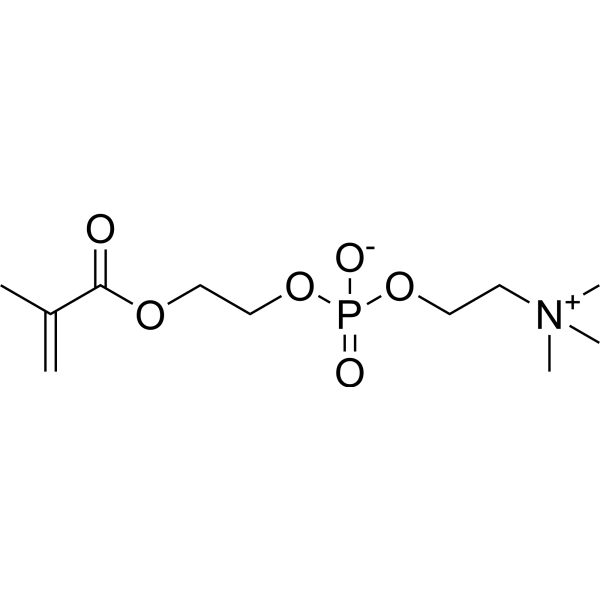
2-Methacryloyloxyethyl phosphorylcholine is a polymer monomer containing a phospholipid polar group. 2-Methacryloyloxyethyl phosphorylcholine polymers modify the surface properties of materials and reduce protein-surface interactions, reduce IL-8 production, inhibit cell, Staphylococcus aureus, and Porphyromonas gingivalis adhesion. 2-Methacryloyloxyethyl phosphorylcholine is used in the study of medical device-associated infections, periodontitis, and dental caries .
|
-
-
- HY-101180
-
|
Ceramide 2
|
Phosphatase
Mitochondrial Metabolism
Apoptosis
Autophagy
|
Metabolic Disease
Endocrinology
|
|
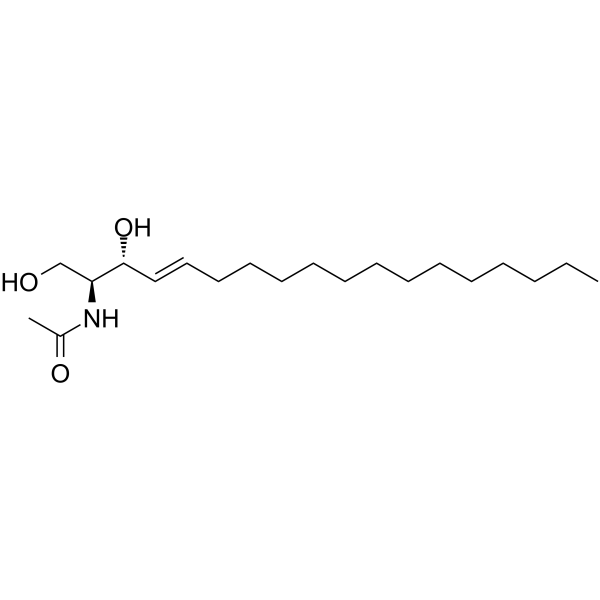
C2 Ceramide (Ceramide 2) is the main lipid of the stratum corneum and a protein phosphatase 1 (PP1) activator. C2 Ceramide activates PP2A and ceramide-activated protein phosphatase (CAPP). C2 Ceramide induces cells differentiation, autophagy and apoptosis, inhibits mitochondrial respiratory chain complex III. C2 Ceramide is also a skin conditioning agent that protects the epidermal barrier from water loss .
|
-
-
- HY-42680
-
|
D-(-)-Tagatose
|
Endogenous Metabolite
|
Metabolic Disease
Inflammation/Immunology
Cancer
|
|
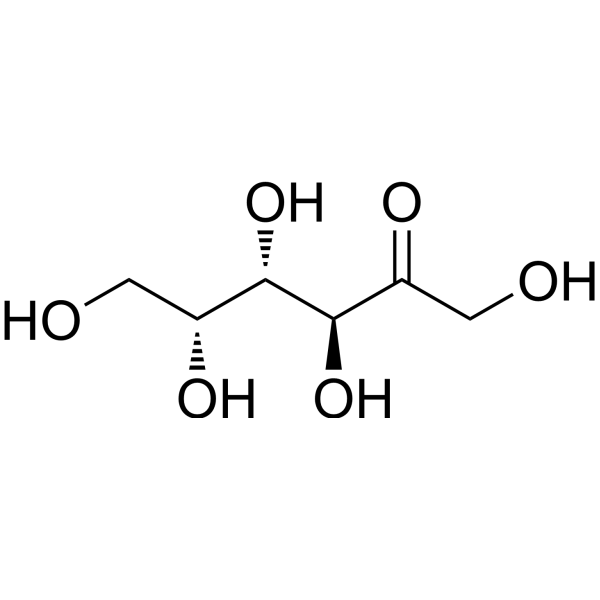
D-Tagatose (D-(-)-Tagatose) is a natural low-calorie rare sugar. D-Tagatose inhibits the activities of sucrase, maltase and intestinal disaccharidases, reduces the digestion of sucrose and starch, and blocks the absorption of sucrose, maltose and glucose. D-Tagatose promotes glucokinase activity and inhibits glycogen phosphorylase activity via tagatose-1-phosphate, regulates the synthesis and decomposition of hepatic glycogen, reduces postprandial and fasting blood glucose levels, and improves hyperinsulinemia. D-Tagatose regulates lipid profiles, stimulates GLP-1 secretion, and exhibits prebiotic effects. D-Tagatose is a bulking sweetener. D-Tagatose can be used in research related to diabetes, hyperlipidemia, dental caries, atherosclerosis and type 2 diabetes .
|
-
-
- HY-W012723
-
|
|
Biochemical Assay Reagents
|
Others
|
|
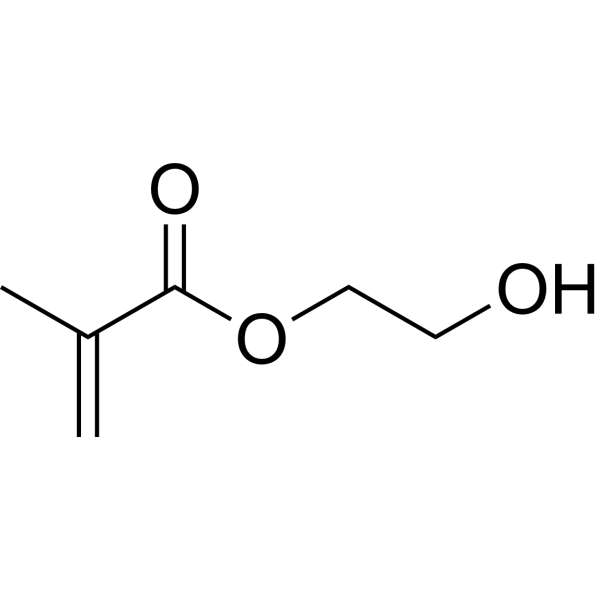
2-Hydroxyethyl methacrylate (HEMA) is a monomer used in the synthesis of various polymers, and the polymer PHEMA of 2-Hydroxyethyl methacrylate is widely used in the synthesis of dental composite materials .
|
-
-
- HY-Y0975
-
|
|
Environmental Pollutants
Drug Intermediate
|
Others
|
|
Silver(I) fluoride is a drug intermediate for synthesis of various active compounds. Silver(I) fluoride is a silver(I) complex that can form hydrates in aqueous solutions and in the solid state, enabling its localized application to the tooth decay area for oral health research .
|
-

-
- HY-B0516
-
|
Hoe-045
|
Sodium Channel
NF-κB
NOD-like Receptor (NLR)
|
Neurological Disease
Inflammation/Immunology
|
|
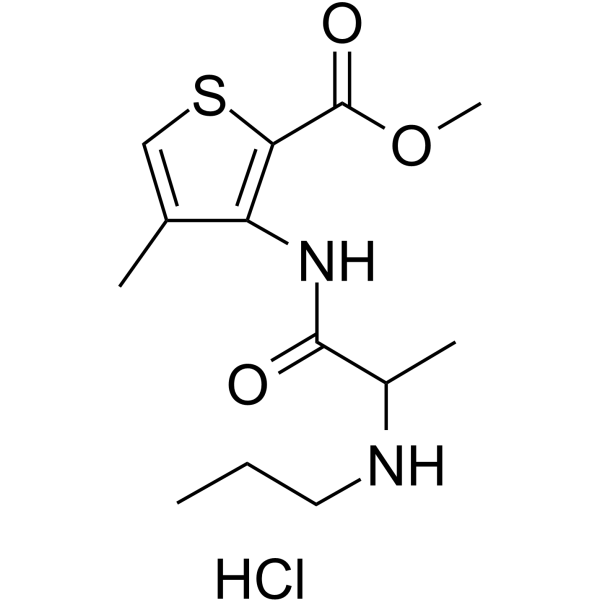
Articaine (Hoe-045) hydrochloride is a selective inhibitor of voltage-gated sodium channels (such as rNav1.4, hNav1.7, and rNav1.8), with an IC50 of 15.8 μM for open-state Na + channels, and IC50 of 40.6 μM and 378 μM for inactivated and resting-state Na + channels, respectively. Articaine hydrochloride exerts local anesthetic activity by inhibiting Na + influx to block nerve impulse conduction, and can also inhibit NF-κB activation and NLRP3 inflammasome pathways, exhibiting anti-inflammatory function. Articaine hydrochloride can be used in the study of dental local anesthesia and inflammatory-related diseases (such as acute kidney injury) .
|
-
-
- HY-P990795
-
|
|
Osteopontin
|
Inflammation/Immunology
Cancer
|
|
Anti-Mouse osteopontin/SPP1 Antibody (100D3) is an anti-mouse osteopontin/SPP1 IgG2c monoclonal antibody. Anti-Mouse osteopontin/SPP1 Antibody (100D3) can reverse the inhibition of osteopontin (OPN) on T cells and enhance cytotoxic T lymphocyte (CTL) killing ability. Anti-Mouse osteopontin/SPP1 Antibody (100D3) can improve dentin density. Anti-Mouse osteopontin/SPP1 Antibody (100D3) can be used for researches on cancer and dental related conditions such as colon cancer. The recommend isotype control of Anti-Mouse osteopontin/SPP1 Antibody (100D3): Mouse IgG2c kappa, Isotype Control (HY-P99981) .
|
-

-
- HY-Y1885
-
|
|
Biochemical Assay Reagents
Bacterial
SARS-CoV
|
Infection
|
|
Tetrasodium pyrophosphate is a water-soluble inorganic salt commonly used as a buffering agent,
emulsifier, and sequestrant. Tetrasodium pyrophosphate is an antimicrobial agent that can reduce microbial colonization. Tetrasodium pyrophosphate blocks IPP translocation, enhances astaxanthin, phenol, flavonoid, and H2O2 levels, activates PAL and DPPH scavenging activity. Tetrasodium pyrophosphate can be used for the research of alleviating symptoms post COVID-19 .
|
-

-
- HY-N6082
-
|
|
Apoptosis
Bcl-2 Family
Caspase
TGF-beta/Smad
Bacterial
|
Infection
Metabolic Disease
Inflammation/Immunology
|
|
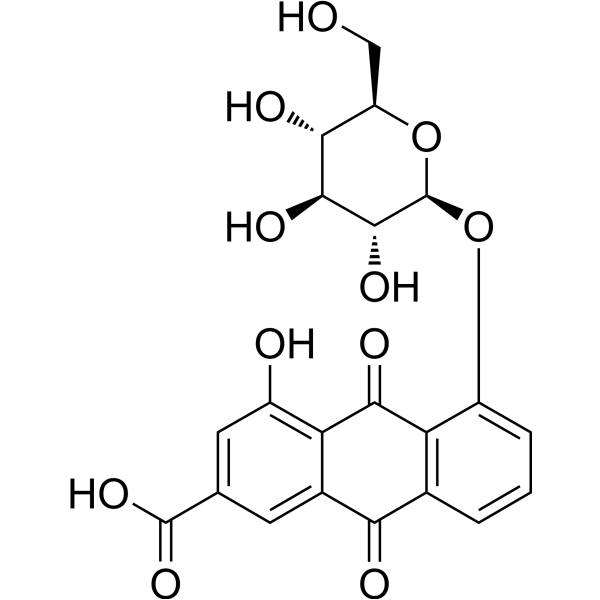
Rhein 8-O-β-D-Glucopyranoside is an orally active glycoside found in Rhubarb. Rhein 8-O-β-D-Glucopyranoside attenuates high glucose-induced apoptosis, recovers altered lincRNA ANRIL and let-7a expression, reverses high glucose-altered Bcl-2 and cleaved caspase-3 protein expression, and inhibits TGF-β1/Smad signaling. Rhein 8-O-β-D-Glucopyranoside accelerates Sennoside A (HY-N0365) metabolism, stimulates sennoside A purgative activity. Rhein 8-O-β-D-Glucopyranoside inhibits bacterial biofilm formation, suppresses its virulence gene expression, and exerts antibacterial activity. Rhein 8-O-β-D-Glucopyranoside can be used for the research of diabetic nephropathy, constipation, and infection .
|
-
-
- HY-A0182A
-
|
PLV-2 acetate
|
Vasopressin Receptor
|
Cardiovascular Disease
|
|
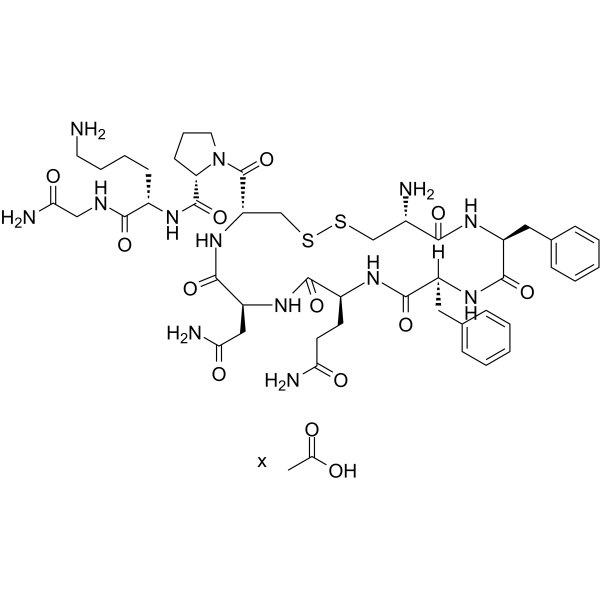
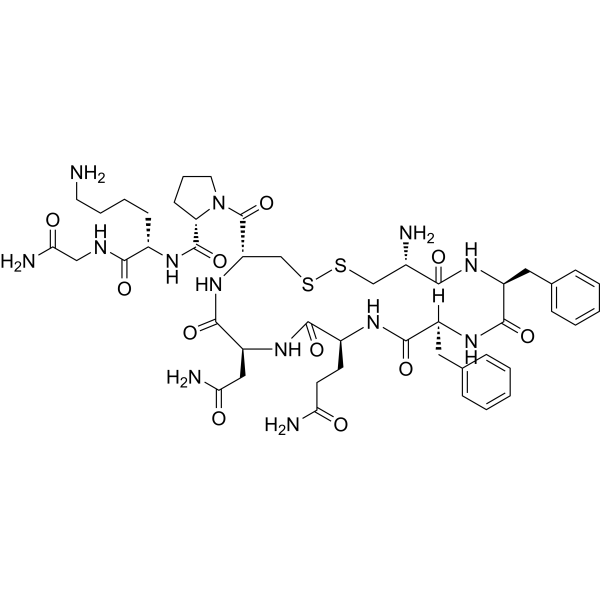
Felypressin acetate (PLV-2 acetate) is a non-catecholamine vasoconstrictor and a vasopressin 1 agonist. Felypressin acetate is widely used in dental procedures .
|
-
-
- HY-A0182
-
-
-
- HY-B2091
-
|
|
Antibiotic
Bacterial
|
Infection
|
|
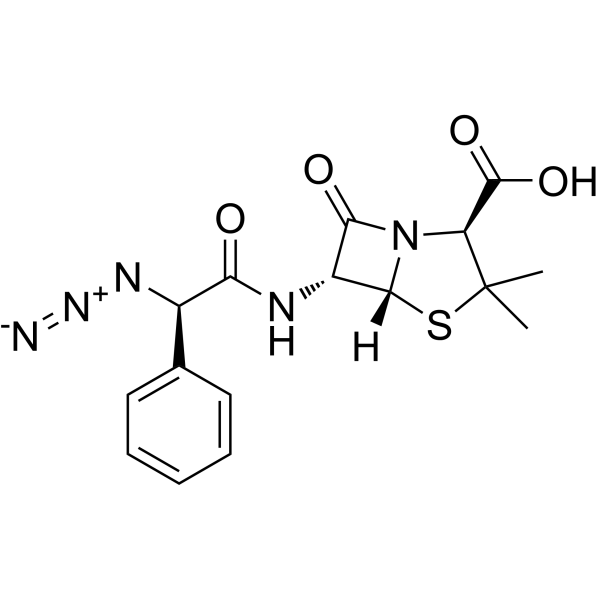
Azidocillin, a semi-synthetic Penicillin, is an orally active β-lactam antibiotic. Azidocillin bears an azide functionality and retains on-target activity within bacteria. Azidocillin can be used to research osteitis caused by dental surgery, otitis media, enterococcal septicemia and other bacterial infectious diseases . Azidocillin is a click chemistry reagent, it contains an Azide group and can undergo copper-catalyzed azide-alkyne cycloaddition reaction (CuAAc) with molecules containing Alkyne groups. It can also undergo strain-promoted alkyne-azide cycloaddition (SPAAC) reactions with molecules containing DBCO or BCN groups.
|
-
-
- HY-N4119
-
|
|
Phosphatase
Cholinesterase (ChE)
p38 MAPK
Apoptosis
Autophagy
|
Neurological Disease
Metabolic Disease
|
|
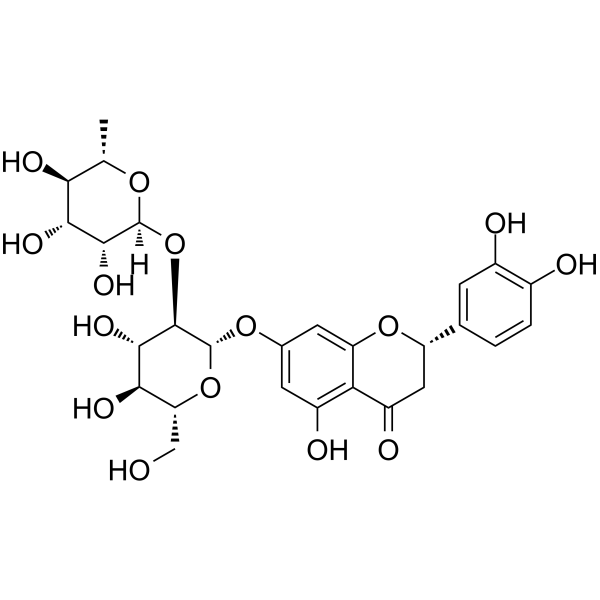
Neoeriocitrin is a Naringin (HY-N0153) analogue found in Drynaria Rhizome. Neoeriocitrin induces cells proliferation, differentiation, up-regulates type I collagen, osteocalcin, and key osteogenic markers, and increases ALP activity. Neoeriocitrin increases expression of Runx2, COL I, OCN and Beclin1. Neoeriocitrin inhibits phosphorylation of P38 mitogen-activated protein kinase, reduces acetylcholinesterase (AChE) activity, and increases choline acetyltransferase (ChAT) activity. Neoeriocitrin reduces apoptosis and induces autophagy. Neoeriocitrin can be used for the researches of osteoporosis and Alzheimer's disease .
|
-
-
- HY-W019901B
-
|
Gypsum ustum (97%)
|
Environmental Pollutants
Biochemical Assay Reagents
RUNX
|
Metabolic Disease
|
|
Anhydrous calcium sulfate (97%) serves as an oil-based drilling fluid additive and an osteogenic material. Anhydrous calcium sulfate (97%) increases the plastic viscosity, yield point, apparent viscosity and gel strength of oil-based drilling fluids. Anhydrous calcium sulfate (97%) upregulates the expression of bone-related genes FOSL1, RUNX2 and SPP1. Anhydrous calcium sulfate (97%) significantly affects the behavior of dental pulp stem cells, enhancing their proliferation, differentiation and matrix deposition .
|
-

-
- HY-B1243
-
|
|
Sodium Channel
|
Neurological Disease
|
|
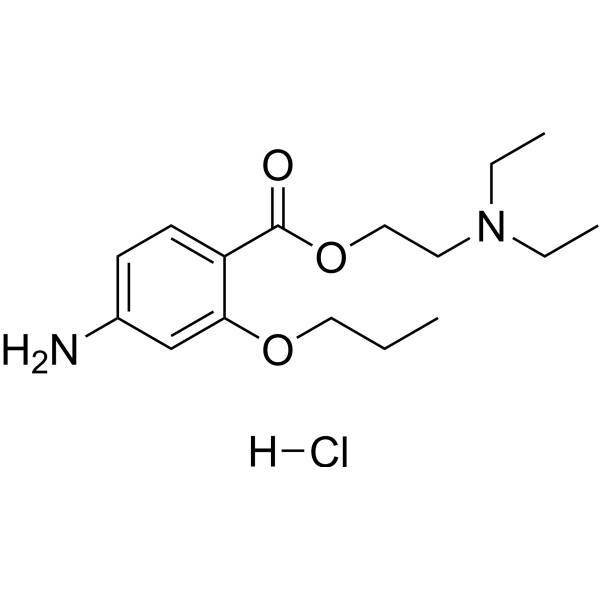
Propoxycaine hydrochloride is a voltage-gated sodium channel inhibitor. Propoxycaine hydrochloride delays monophasic A spike action potential recovery. Propoxycaine hydrochloride increases bulk lateral, rotational, and annular lipid fluidity in neuronal membrane lipid bilayers, with greater inner monolayer fluidization, and induces membrane protein clustering. Propoxycaine hydrochloride can be used for the research of pain .
|
-
-
- HY-113440
-
|
|
Melatonin Receptor
ERK
TNF Receptor
Interleukin Related
MMP
Endogenous Metabolite
|
Neurological Disease
Metabolic Disease
Inflammation/Immunology
|
|
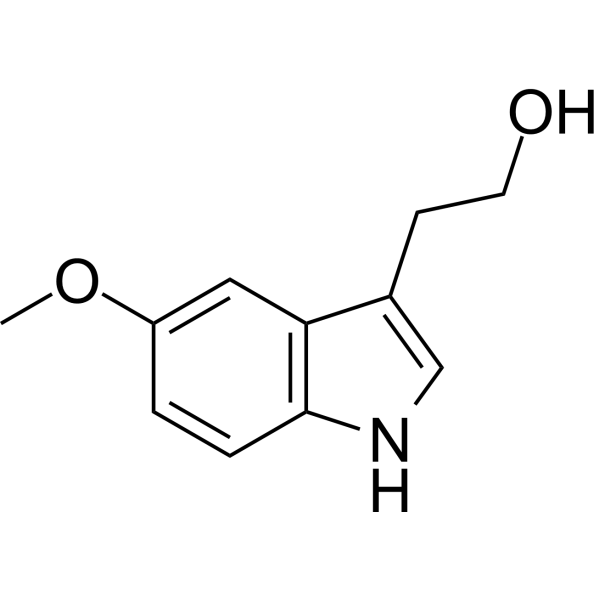
5-Methoxytryptophol is a 5-methoxyindole alcohol structurally homologous to Melatonin (HY-B0075). It is secreted by the mammalian pineal gland and exhibits an inverse circadian rhythm. 5-Methoxytryptophol regulates bone metabolism by activating the ERK1/2 pathway. It reduces the levels of pro-inflammatory cytokines TNF-α and IL-1β, as well as proteolytic enzymes MMP-1 and MMP-2, in serum and dental pulp tissues, thereby ameliorating acute pulpitis. 5-Methoxytryptophol induces rapid sleep in mice, while high doses cause respiratory depression and death. 5-Methoxytryptophol. 5-Methoxytryptophol can be used in studies related to acute pulpitis, hypnosis, and bone metabolism .
|
-
-
- HY-139446A
-
|
ETPTA (MW 912); TMPETA (MW 912)
|
Biochemical Assay Reagents
|
Others
|
|
Trimethylolpropane ethoxylate triacrylate (MW 912) (ETPTA (MW 912); TMPETA (MW 912)) is a trifunctional acrylate monomer with multiple acrylate functional groups, which can be used in polymerization and crosslinking reactions. Trimethylolpropane ethoxylate triacrylate (MW 912) is widely used in the preparation of cured resins for 3D printing, optical coatings for display devices, and dental composite restorative materials .
|
-

-
- HY-N3341
-
|
|
Glucosylceramide Synthase (GCS)
Bacterial
|
Infection
|
|
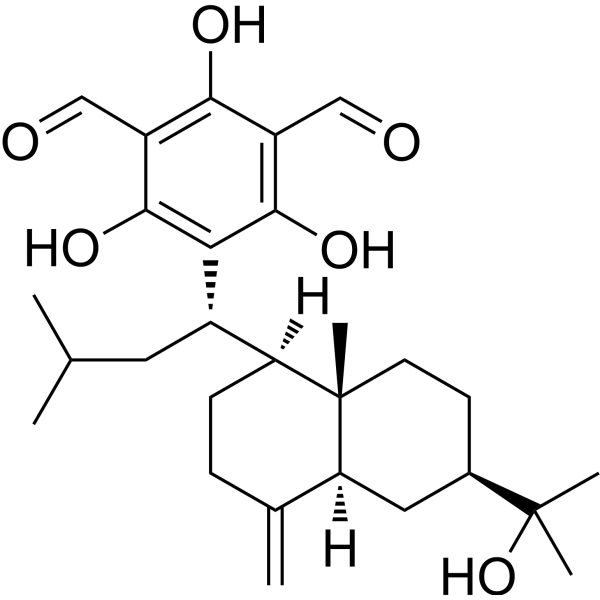
Macrocarpal H is a natural compound that can be isolated from the Leaves of Eucalyptus globulus. Macrocarpal H exhibits antibacterial activity against Gram-positive cariogenic bacteria and Gram-negative periodontopathic bacteria. Macrocarpal H inhibits adherent water-insoluble glucan synthesis via glucosyltransferase. Macrocarpal H can be used for the research of caries, periodontal disease, dental caries, periodontal disorders .
|
-
-
- HY-135319
-
|
|
Bacterial
Antibiotic
ERK
JNK
NF-κB
ROR
Apoptosis
Caspase
GSK-3
Akt
PI3K
|
Infection
Metabolic Disease
Inflammation/Immunology
Cancer
|
|
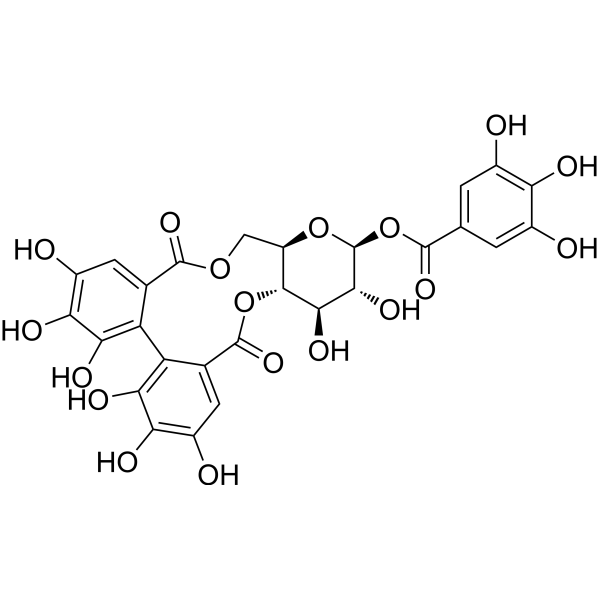
Strictinin is an orally active phenolic compound. Strictinin reduces xanthine oxidase activity, uric acid production, and the activation of ERK1/2, JNK, NF-κB, and NLRP3 inflammasome components in hepatocytes treated with Xanthine (HY-W017389). Strictinin decreases elevated serum uric acid levels and enhanced xanthine oxidase activity in mice treated with potassium oxonate. Strictinin acts as a ROR1 inhibitor and exhibits anticancer activity against highly aggressive non-androgen-dependent prostate cancer. Strictinin induces cancer cell apoptosis (apoptosis), arrests cell cycle, and inhibits cancer cell migration, invasion, and epithelial-mesenchymal transition. Strictinin modulates gut microbiota, inhibits bacterial growth and biofilm formation, accelerates small intestinal transit, and blocks viral entry and replication. Strictinin can be used in research related to hyperuricemia, androgen receptor-negative non-androgen-dependent prostate cancer, triple-negative breast cancer, bacterial infections, constipation, coronavirus infections, dental caries, and infections caused by influenza A, influenza B, and human parainfluenza virus type 1 .
|
-
-
- HY-44134R
-
|
Dimethyl α-ketoglutarate (Standard)
|
Endogenous Metabolite
Reference Standards
|
Others
|
|
Felypressin (Standard) is the analytical standard of Felypressin. This product is intended for research and analytical applications. Felypressin (PLV-2) is a non-catecholamine vasoconstrictor and a vasopressin 1 agonist. Felypressin is widely used in dental procedures .
|
-

-
- HY-W086630
-
|
2,3-Bornanedione
|
Biochemical Assay Reagents
|
Others
|
|
Camphorquinone (2,3-Bornanedione) is a photoinitiator. Camphorquinone enhances free radical production under visible light (VL) irradiation and exhibits minimal cytotoxicity to HPF cells. Camphorquinone is used in the research of dental resin polymers .
|
-

-
- HY-B0050
-
|
|
Bacterial
|
Infection
|
|
Delmopinol is an antimicrobial agent that can be used in the oral cavity to inhibit the formation of dental biofilm.
|
-

-
- HY-172377C
-
|
|
Biochemical Assay Reagents
|
Others
|
|
Poly(L-lactide) (MW 40000) is a polymer that can be used for orthopedic devices, dental applications, scaffolds for autologous transplanted new skin, wound coverings, vascular systems and stents .
|
-

-
- HY-155715
-
|
|
Glucosylceramide Synthase (GCS)
Bacterial
|
Infection
|
|
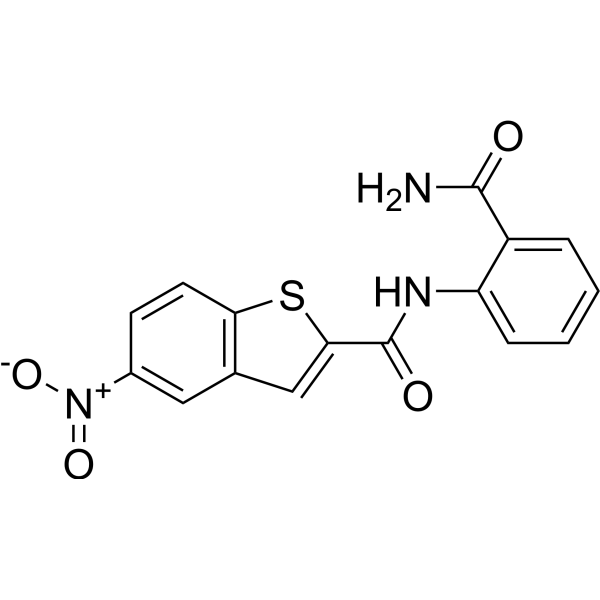
G43 is a potent, selective glucosyltransferase inhibitor, with the Kd of 3.7μM and 46.9 nM for GtfB and GtfC, respectively. G43 has antibacterial to S. mutans in vitro and in vivo, and can be used for dental caries study .
|
-
-
- HY-19295
-
|
|
CXCR
|
Inflammation/Immunology
Endocrinology
|
|
TRK-530 sodium is an orally active bisphosphonate. TRK-530 sodium inhibits CINC-1. TRK-530 sodium inhibits dental calculus formation. TRK-530 sodium also inhibits paw edema, joint destruction and osteomyelitis .
|
-

-
- HY-P11204
-
|
|
Peptide-Drug Conjugates (PDCs)
|
Others
|
|
DDDEEKC is a bioinspired peptide sequence that can selectively adsorb onto the enamel surface (mimicking the role of salivary acquired pellicle protein statherin), acting as a "target - guiding agent" for tooth enamel remineralization. DDDEEKC enhances the regeneration of hydroxyapatite (HAP). DDDEEKC is promising for research of in-situ remineralization repair of enamel demineralization damage (such as dental caries) .
|
-

-
- HY-N0916
-
|
Danmelittoside
|
Bacterial
|
Inflammation/Immunology
|
|
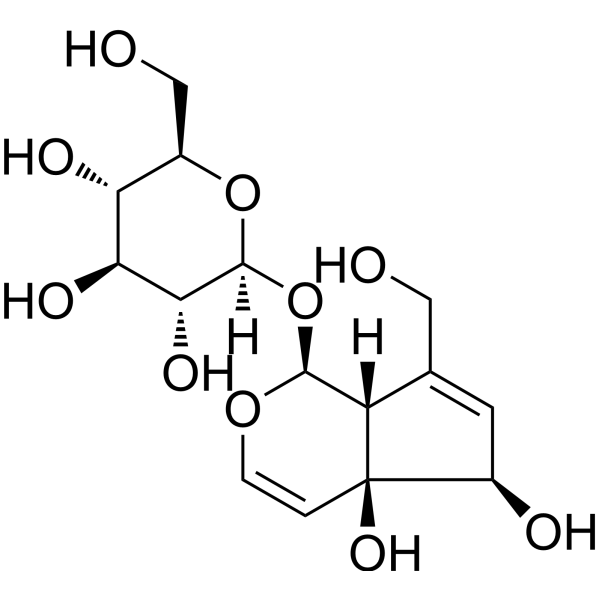
Monomelittoside is a iridoid glycoside with antibacterial activity. Monomelittoside inhibits dental caries pathogen Streptococcus.
|
-
-
- HY-B0050A
-
|
|
Bacterial
|
Infection
|
|
Delmopinol hydrochloride is an antimicrobial agent that can be used in the oral cavity to inhibit the formation of dental biofilm .
|
-

-
- HY-172377A
-
|
|
Biochemical Assay Reagents
|
Others
|
|
Poly(L-lactide) (MW 10000) is a polymer that can be used for orthopedic devices, dental applications, scaffolds for autologous transplanted new skin, wound coverings, vascular systems and stents .
|
-

-
- HY-N12240
-
|
|
Bacterial
|
Infection
|
|
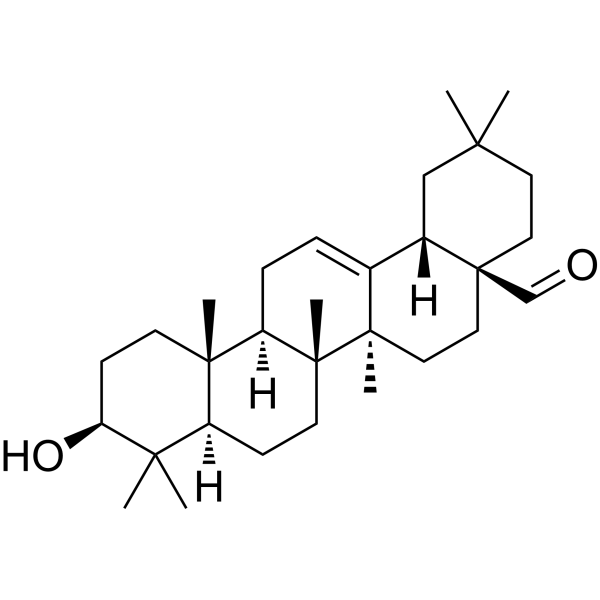
Oleanolic aldehyde is an antimicrobial compound used to inhibit oral bacteria. Oleanolic aldehyde inhibits Streptococcus mutans and Porphyromonas gingivalis, which are associated with dental caries and periodontal disease, with minimum inhibitory concentrations (MICs) of 488 μg/mL and 250 μg/mL, respectively .
|
-
-
- HY-W012723S
-
|
|
Isotope-Labeled Compounds
Biochemical Assay Reagents
|
Others
|
|
2-Hydroxyethyl methacrylate- 13C is the 13C--labeled 2-Hydroxyethyl methacrylate (HY-W012723). 2-Hydroxyethyl methacrylate (HEMA) is a monomer used in the synthesis of various polymers, and the polymer PHEMA of 2-Hydroxyethyl methacrylate is widely used in the synthesis of dental composite materials .
|
-

-
- HY-B0516A
-
|
Hoe-045 free base
|
Sodium Channel
NF-κB
NOD-like Receptor (NLR)
|
Neurological Disease
Inflammation/Immunology
|
|
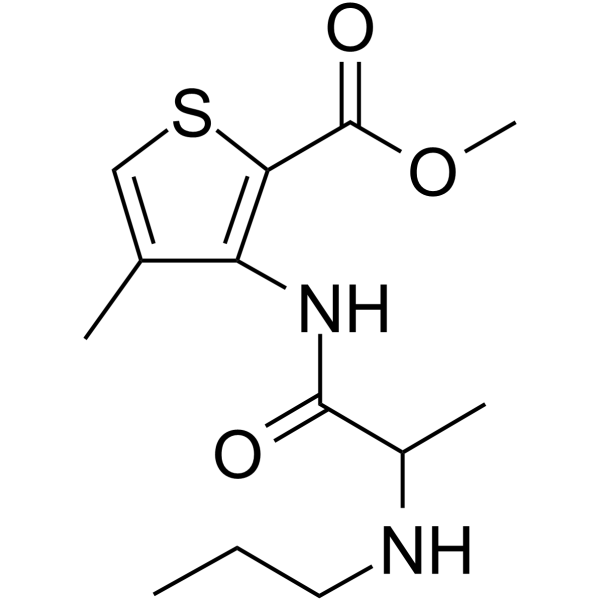
Articaine (Hoe-045) is a selective inhibitor of voltage-gated sodium channels (such as rNav1.4, hNav1.7, and rNav1.8), with an IC50 of 15.8 μM for open-state Na + channels, and IC50 of 40.6 μM and 378 μM for inactivated and resting-state Na + channels, respectively. Articaine exerts local anesthetic activity by inhibiting Na + influx to block nerve impulse conduction, and can also inhibit NF-κB activation and NLRP3 inflammasome pathways, exhibiting anti-inflammatory function. Articaine can be used in the study of dental local anesthesia and inflammatory-related diseases (such as acute kidney injury) .
|
-
-
- HY-A0182R
-
|
PLV-2 (Standard)
|
Reference Standards
Vasopressin Receptor
|
Cardiovascular Disease
|
|
Felypressin (Standard) is the analytical standard of Felypressin. This product is intended for research and analytical applications. Felypressin (PLV-2) is a non-catecholamine vasoconstrictor and a vasopressin 1 agonist. Felypressin is widely used in dental procedures .
|
-

-
- HY-172377
-
|
|
Biochemical Assay Reagents
|
Others
|
|
Poly(L-lactide) (MW 5000) is a polymer that can be used for orthopedic devices, dental applications, scaffolds for autologous transplanted new skin, wound coverings, vascular systems and stents .
|
-

-
- HY-123219
-
|
|
Bacterial
|
Infection
Inflammation/Immunology
|
|
Salifluor is a broad spectrum antimicrobial agent that has been investigated for its abilities to inhibit dental plaque formation. Salifluor can act as an effective anti-inflammatory agent .
|
-

-
- HY-172377B
-
|
|
Biochemical Assay Reagents
|
Others
|
|
Poly(L-lactide) (MW 20000) is a polymer that can be used for orthopedic devices, dental applications, scaffolds for autologous transplanted new skin, wound coverings, vascular systems and stents .
|
-

-
- HY-121886
-
|
|
Endogenous Metabolite
|
Neurological Disease
|
|
Bucricaine is an anesthetic compound with analgesic activity. Bucricaine is used in clinical anesthesia to reduce pain during surgery. The mechanism of action of Bucricaine involves inhibition of nerve signaling. Bucricaine's applications include local anesthesia and dental anesthesia. Bucricaine is widely used during surgery and other medical procedures to improve patient comfort .
|
-

-
- HY-123429
-
|
|
Antibiotic
|
Infection
|
|
CK0683A is a novel biaminourea antibiotic with antiplaque effects and demonstrated efficacy in experimental mouse dental disease models. A 12-week study in beagles compared its efficacy in terms of plaque and gingivitis reduction, staining potential, and safety. Dogs were selected as the study subjects because the onset and progression of canine periodontal disease is similar to that of humans. As a positive control for plaque and gingivitis reduction and staining, chlorhexidine acetate was selected because it is effective in both humans and dogs.
|
-

-
- HY-123479
-
|
|
Antibiotic
|
Infection
|
|
CK0492B is a novel biaminourea antibiotic that has antiplaque properties in vitro and has shown efficacy in an experimental mouse dental disease model. A 12-week study in beagles compared its efficacy in reducing plaque and gingivitis, staining potential, and safety. Dogs were selected as the study subjects because the onset and progression of canine periodontal disease are similar to humans. Chlorhexidine acetate was selected as a positive control for plaque and gingivitis reduction and staining because it is effective in both humans and dogs.
|
-

-
- HY-B2091A
-
|
|
Bacterial
Antibiotic
|
Infection
|
|
Azidocillin sodium, a semi-synthetic Penicillin, is an orally active β-lactam antibiotic. Azidocillin sodium bears an azide functionality and retains on-target activity within bacteria. Azidocillin sodium can be used to research osteitis caused by dental surgery, otitis media, enterococcal septicemia and other bacterial infectious diseases . Azidocillin sodium is a click chemistry reagent, it contains an Azide group and can undergo copper-catalyzed azide-alkyne cycloaddition reaction (CuAAc) with molecules containing Alkyne groups. It can also undergo strain-promoted alkyne-azide cycloaddition (SPAAC) reactions with molecules containing DBCO or BCN groups.
|
-

-
- HY-B0516R
-
|
Hoe-045 (Standard)
|
Reference Standards
Sodium Channel
NF-κB
NOD-like Receptor (NLR)
|
Neurological Disease
|
|
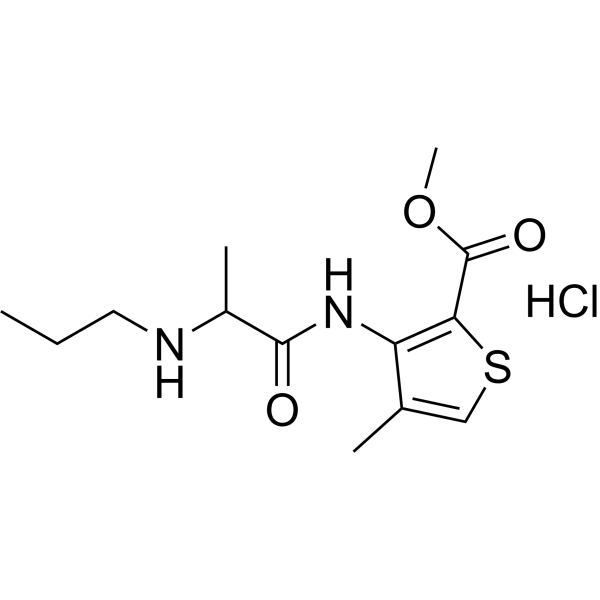
Articaine (Hoe-045) hydrochloride (Standard) is the analytical standard of Articaine hydrochloride (HY-B0516). This product is intended for research and analytical applications. Articaine (Hoe-045) hydrochloride is a selective inhibitor of voltage-gated sodium channels (such as rNav1.4, hNav1.7, and rNav1.8), with an IC50 of 15.8 μM for open-state Na + channels, and IC50 of 40.6 μM and 378 μM for inactivated and resting-state Na + channels, respectively. Articaine hydrochloride exerts local anesthetic activity by inhibiting Na + influx to block nerve impulse conduction, and can also inhibit NF-κB activation and NLRP3 inflammasome pathways, exhibiting anti-inflammatory function. Articaine hydrochloride can be used in the study of dental local anesthesia and inflammatory-related diseases (such as acute kidney injury) .
|
-
-
- HY-B0516AR
-
|
Hoe-045 free base (Standard)
|
Reference Standards
Sodium Channel
NF-κB
NOD-like Receptor (NLR)
|
Inflammation/Immunology
|
|
Articaine (Standard) is the analytical standard of Articaine (HY-B0516A). This product is intended for research and analytical applications. Articaine (Hoe-045) hydrochloride is a selective inhibitor of voltage-gated sodium channels (such as rNav1.4, hNav1.7, and rNav1.8), with an IC50 of 15.8 μM for open-state Na + channels, and IC50 of 40.6 μM and 378 μM for inactivated and resting-state Na + channels, respectively. Articaine hydrochloride exerts local anesthetic activity by inhibiting Na + influx to block nerve impulse conduction, and can also inhibit NF-κB activation and NLRP3 inflammasome pathways, exhibiting anti-inflammatory function. Articaine hydrochloride can be used in the study of dental local anesthesia and inflammatory-related diseases (such as acute kidney injury) .
|
-

-
- HY-42680S1
-
|
D-(-)-Tagatose-13C-1
|
Isotope-Labeled Compounds
Endogenous Metabolite
|
Cardiovascular Disease
Metabolic Disease
Cancer
|
|
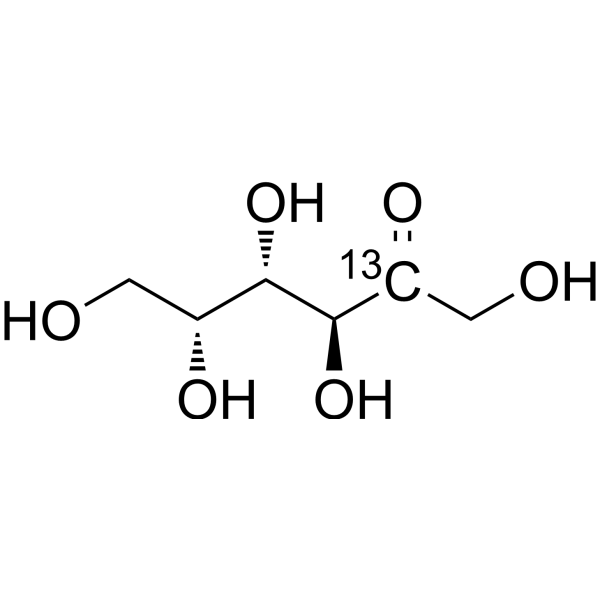
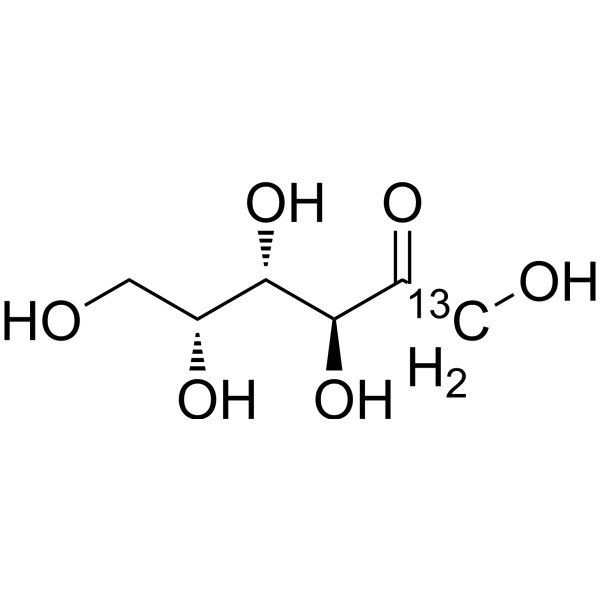
D-Tagatose- 13C-1 is the 13C labeled D-Tagatose (HY-42680). D-Tagatose (D-(-)-Tagatose) is a natural low-calorie rare sugar. D-Tagatose inhibits the activities of sucrase, maltase and intestinal disaccharidases, reduces the digestion of sucrose and starch, and blocks the absorption of sucrose, maltose and glucose. D-Tagatose promotes glucokinase activity and inhibits glycogen phosphorylase activity via tagatose-1-phosphate, regulates the synthesis and decomposition of hepatic glycogen, reduces postprandial and fasting blood glucose levels, and improves hyperinsulinemia. D-Tagatose regulates lipid profiles, stimulates GLP-1 secretion, and exhibits prebiotic effects. D-Tagatose is a bulking sweetener. D-Tagatose can be used in research related to diabetes, hyperlipidemia, dental caries, atherosclerosis and type 2 diabetes.
|
-
-
- HY-42680R
-
|
D-(-)-Tagatose (Standard)
|
Reference Standards
Endogenous Metabolite
|
Cardiovascular Disease
Metabolic Disease
Cancer
|
|
D-Tagatose (Standard) is the analytical standard of D-Tagatose (HY-42680). This product is intended for research and analytical applications. D-Tagatose (D-(-)-Tagatose) is a natural low-calorie rare sugar. D-Tagatose inhibits the activities of sucrase, maltase and intestinal disaccharidases, reduces the digestion of sucrose and starch, and blocks the absorption of sucrose, maltose and glucose. D-Tagatose promotes glucokinase activity and inhibits glycogen phosphorylase activity via tagatose-1-phosphate, regulates the synthesis and decomposition of hepatic glycogen, reduces postprandial and fasting blood glucose levels, and improves hyperinsulinemia. D-Tagatose regulates lipid profiles, stimulates GLP-1 secretion, and exhibits prebiotic effects. D-Tagatose is a bulking sweetener. D-Tagatose can be used in research related to diabetes, hyperlipidemia, dental caries, atherosclerosis and type 2 diabetes.
|
-

-
- HY-42680S
-
|
D-(-)-Tagatose-13C
|
Isotope-Labeled Compounds
Endogenous Metabolite
|
Cardiovascular Disease
Metabolic Disease
Cancer
|
|
D-Tagatose- 13C is the 13C labeled D-Tagatose (HY-42680). D-Tagatose (D-(-)-Tagatose) is a natural low-calorie rare sugar. D-Tagatose inhibits the activities of sucrase, maltase and intestinal disaccharidases, reduces the digestion of sucrose and starch, and blocks the absorption of sucrose, maltose and glucose. D-Tagatose promotes glucokinase activity and inhibits glycogen phosphorylase activity via tagatose-1-phosphate, regulates the synthesis and decomposition of hepatic glycogen, reduces postprandial and fasting blood glucose levels, and improves hyperinsulinemia. D-Tagatose regulates lipid profiles, stimulates GLP-1 secretion, and exhibits prebiotic effects. D-Tagatose is a bulking sweetener. D-Tagatose can be used in research related to diabetes, hyperlipidemia, dental caries, atherosclerosis and type 2 diabetes.
|
-
-
- HY-N17584
-
|
|
Bacterial
|
Infection
|
|
(7S,8R)-Dihydrodehydrodiconiferyl alcohol-9-β-D-glucopyranoside (compound 1) is a lignan found in the dried roots of Pulsatilla koreana and Sortase A inhibitor with an IC50 of 67.7 μM against Streptococcus mutans OMZ65 Sortase A. (7S,8R)-Dihydrodehydrodiconiferyl alcohol-9-β-D-glucopyranoside can be used for the research of dental caries .
|
-

-
- HY-N17582
-
|
|
Bacterial
|
Infection
|
|
(7S,8S)-Dihydrodehydrodiconiferyl alcohol 9’-β-D-glucopyranoside is a Streptococcus mutans Sortase A inhibitor with an IC50 of 37.3 μM. (7S,8S)-Dihydrodehydrodiconiferyl alcohol 9’-β-D-glucopyranoside inhibits transpeptidase activity linked to Gram-positive bacterial surface protein anchoring. (7S,8S)-Dihydrodehydrodiconiferyl alcohol 9’-β-D-glucopyranoside can be used for the research of dental caries .
|
-

-
- HY-D3192
-
|
|
Fluorescent Dye
Bacterial
Amyloid-β
|
Infection
|
|
CDy11 is a fluorescent probe and amyloid-binding dye (λex=590 nm; λem=612 nm), with a Ka of 29 μM for Pseudomonas aeruginosa Fap. CDy11 specifically recognizes amyloid fibrils in bacterial biofilms and exhibits significantly enhanced fluorescence upon binding to the target. CDy11 shows no staining effect on amyloid-deficient mutant strains, planktonic cells or protein monomers. CDy11 supports in vivo imaging of Pseudomonas aeruginosa biofilms in mouse implant and corneal infection models. CDy11 is widely used in studies of Staphylococcus aureus biofilm infections, dental caries, and Pseudomonas aeruginosa-associated implant and corneal infections .
|
-

-
- HY-W115785
-
|
|
Environmental Pollutants
VEGFR
RUNX
|
Metabolic Disease
|
|
Zinc borate is a bioactive inorganic substance with properties including osteogenic induction, pro-angiogenesis, antioxidation, antimutagenesis and cytotoxicity. In the field of bone tissue engineering, Zinc borate is often incorporated into chitosan scaffolds. By releasing zinc ions and borate ions, Zinc borate induces the differentiation of human dental pulp stem cells into osteoblasts, upregulates the expression of bone-related genes and promotes calcium deposition. Zinc borate also promotes angiogenesis by upregulating key factors such as vascular endothelial growth factor. Zinc borate exhibits antioxidant capacity to scavenge free radicals, and can specifically reduce mutagenicity under specific conditions. Zinc borate reduces the survival rate of mouse fibroblasts, but it can still be used in studies related to bone tissue engineering .
|
-

-
- HY-B0356G
-
|
Bay-09867
|
Bacterial
Topoisomerase
Akt
β-catenin
|
Inflammation/Immunology
|
|
Ciprofloxacin GMP is Ciprofloxacin (HY-B0356) produced by using GMP guidelines. GMP small molecules works appropriately as an auxiliary reagent for cell therapy manufacture. Ciprofloxacin (Bay-09867) is an orally active, blood-brain barrier permeable fluoroquinolone antibacterial agent. Ciprofloxacin exerts bactericidal effects primarily by inhibiting topoisomerase II and IV. Ciprofloxacin inhibits the proliferation of human dental pulp stem cells and chondrocytes from young rats, and also activates the Akt signaling pathway and upregulates markers such as β-catenin and Nanog to maintain the morphological characteristics of stem cells. Ciprofloxacin induces significant neurotoxicity and tissue damage, including reducing serotonin and glutathione levels in the brain, inducing oxidative stress and depression-like behaviors, and causing articular cartilage damage. Ciprofloxacin can be applied to research related to infections of necrotic young permanent teeth and neurotoxicity .
|
-

- HY-133202
-
|
|
Endogenous Metabolite
|
Metabolic Disease
|
|
Trehalulose is a microbial metabolite and a beneficial structural isomer of Sucrose (HY-B1779). Trehalulose attenuates blood glucose and insulin response. Trehalulose exhibits antioxidant activity to support oxidative stability. Trehalulose can be used for food and beverage applications, and can be used for the research of dental caries, diabetes, obesity .
|
-

- HY-117007
-
|
|
Apoptosis
|
Others
|
|
Glycidyl methacrylate exhibits concentration-dependent cytotoxicity and genotoxicity against human peripheral blood lymphocytes and CCRF-CEM leukemia cells. Glycidyl methacrylate can induce DNA strand breaks, base oxidative damage, and apoptosis through oxidative stress mechanisms, but the induced DNA damage can be effectively cleared by the cellular repair system within 2 hours (>90%). Glycidyl methacrylate can be used in dental composite restorative materials .
|
-

- HY-N20632
-
|
|
Bacterial
|
Infection
|
|
Maltol-3-O-(4'-O-p-coumaroyl-6'-O-(3-hydroxy-3-methylglutaroyl))-β-glucopyranoside is a sortase A inhibitor of Streptococcus mutans, with an IC50 value of 94.3 μM. Maltol-3-O-(4'-O-p-coumaroyl-6'-O-(3-hydroxy-3-methylglutaroyl))-β-glucopyranoside inhibits saliva-induced aggregation of Streptococcus mutans. Maltol-3-O-(4'-O-p-coumaroyl-6'-O-(3-hydroxy-3-methylglutaroyl))-β-glucopyranoside can be used in caries-related research .
|
-

- HY-113440R
-
|
|
Reference Standards
Interleukin Related
Endogenous Metabolite
Melatonin Receptor
TNF Receptor
ERK
MMP
|
Neurological Disease
Metabolic Disease
Inflammation/Immunology
|
|
5-Methoxytryptophol (Standard) is the analytical standard of 5-Methoxytryptophol. This product is intended for research and analytical applications. 5-Methoxytryptophol is a 5-methoxyindole alcohol structurally homologous to Melatonin (HY-B0075). It is secreted by the mammalian pineal gland and exhibits an inverse circadian rhythm. 5-Methoxytryptophol regulates bone metabolism by activating the ERK1/2 pathway. It reduces the levels of pro-inflammatory cytokines TNF-α and IL-1β, as well as proteolytic enzymes MMP-1 and MMP-2, in serum and dental pulp tissues, thereby ameliorating acute pulpitis. 5-Methoxytryptophol induces rapid sleep in mice, while high doses cause respiratory depression and death. 5-Methoxytryptophol. 5-Methoxytryptophol can be used in studies related to acute pulpitis, hypnosis, and bone metabolism.
|
-

- HY-P992215
-
|
|
LILRB
|
Inflammation/Immunology
|
|
Anti-CD85a/LILRB3 Antibody (7C5) is a human monoclonal antibody targeting LILRB3/ILT5/CD85a. Anti-CD85a/LILRB3 Antibody (7C5) can be used for research on inflammatory and immune diseases. The recommended isotype control is human IgG1 kappa, isotype control (HY-P99001).
|
-

- HY-183792
-
|
|
Bacterial
Reactive Oxygen Species (ROS)
|
Infection
|
|
Antibacterial agent 347 is an Antibacterial agent. Antibacterial agent 347 exhibits selective antibacterial activity against Streptococcus mutans. Antibacterial agent 347 shows moderate ABTS• + free radical scavenging activity .
|
-

| Cat. No. |
Nombre del producto |
Type |
-
- HY-D3192
-
|
|
Fluorescent Dyes
|
|
CDy11 is a fluorescent probe and amyloid-binding dye (λex=590 nm; λem=612 nm), with a Ka of 29 μM for Pseudomonas aeruginosa Fap. CDy11 specifically recognizes amyloid fibrils in bacterial biofilms and exhibits significantly enhanced fluorescence upon binding to the target. CDy11 shows no staining effect on amyloid-deficient mutant strains, planktonic cells or protein monomers. CDy11 supports in vivo imaging of Pseudomonas aeruginosa biofilms in mouse implant and corneal infection models. CDy11 is widely used in studies of Staphylococcus aureus biofilm infections, dental caries, and Pseudomonas aeruginosa-associated implant and corneal infections .
|
-
- HY-B0356G
-
|
Bay-09867
|
Fluorescent Dyes
|
|
Ciprofloxacin GMP is Ciprofloxacin (HY-B0356) produced by using GMP guidelines. GMP small molecules works appropriately as an auxiliary reagent for cell therapy manufacture. Ciprofloxacin (Bay-09867) is an orally active, blood-brain barrier permeable fluoroquinolone antibacterial agent. Ciprofloxacin exerts bactericidal effects primarily by inhibiting topoisomerase II and IV. Ciprofloxacin inhibits the proliferation of human dental pulp stem cells and chondrocytes from young rats, and also activates the Akt signaling pathway and upregulates markers such as β-catenin and Nanog to maintain the morphological characteristics of stem cells. Ciprofloxacin induces significant neurotoxicity and tissue damage, including reducing serotonin and glutathione levels in the brain, inducing oxidative stress and depression-like behaviors, and causing articular cartilage damage. Ciprofloxacin can be applied to research related to infections of necrotic young permanent teeth and neurotoxicity .
|
| Cat. No. |
Nombre del producto |
Type |
-
- HY-W110551
-
|
|
Biochemical Assay Reagents
|
|
2-Methacryloyloxyethyl phosphorylcholine is a polymer monomer containing a phospholipid polar group. 2-Methacryloyloxyethyl phosphorylcholine polymers modify the surface properties of materials and reduce protein-surface interactions, reduce IL-8 production, inhibit cell, Staphylococcus aureus, and Porphyromonas gingivalis adhesion. 2-Methacryloyloxyethyl phosphorylcholine is used in the study of medical device-associated infections, periodontitis, and dental caries .
|
-
- HY-Y1885
-
|
|
Biochemical Assay Reagents
|
|
Tetrasodium pyrophosphate is a water-soluble inorganic salt commonly used as a buffering agent,
emulsifier, and sequestrant. Tetrasodium pyrophosphate is an antimicrobial agent that can reduce microbial colonization. Tetrasodium pyrophosphate blocks IPP translocation, enhances astaxanthin, phenol, flavonoid, and H2O2 levels, activates PAL and DPPH scavenging activity. Tetrasodium pyrophosphate can be used for the research of alleviating symptoms post COVID-19 .
|
-
- HY-W019901B
-
|
Gypsum ustum (97%)
|
Biochemical Assay Reagents
|
|
Anhydrous calcium sulfate (97%) serves as an oil-based drilling fluid additive and an osteogenic material. Anhydrous calcium sulfate (97%) increases the plastic viscosity, yield point, apparent viscosity and gel strength of oil-based drilling fluids. Anhydrous calcium sulfate (97%) upregulates the expression of bone-related genes FOSL1, RUNX2 and SPP1. Anhydrous calcium sulfate (97%) significantly affects the behavior of dental pulp stem cells, enhancing their proliferation, differentiation and matrix deposition .
|
-
- HY-139446A
-
|
ETPTA (MW 912); TMPETA (MW 912)
|
Biochemical Assay Reagents
|
|
Trimethylolpropane ethoxylate triacrylate (MW 912) (ETPTA (MW 912); TMPETA (MW 912)) is a trifunctional acrylate monomer with multiple acrylate functional groups, which can be used in polymerization and crosslinking reactions. Trimethylolpropane ethoxylate triacrylate (MW 912) is widely used in the preparation of cured resins for 3D printing, optical coatings for display devices, and dental composite restorative materials .
|
-
- HY-44134R
-
|
Dimethyl α-ketoglutarate (Standard)
|
Biochemical Assay Reagents
|
|
Felypressin (Standard) is the analytical standard of Felypressin. This product is intended for research and analytical applications. Felypressin (PLV-2) is a non-catecholamine vasoconstrictor and a vasopressin 1 agonist. Felypressin is widely used in dental procedures .
|
-
- HY-172377C
-
|
|
Biochemical Assay Reagents
|
|
Poly(L-lactide) (MW 40000) is a polymer that can be used for orthopedic devices, dental applications, scaffolds for autologous transplanted new skin, wound coverings, vascular systems and stents .
|
-
- HY-172377A
-
|
|
Biochemical Assay Reagents
|
|
Poly(L-lactide) (MW 10000) is a polymer that can be used for orthopedic devices, dental applications, scaffolds for autologous transplanted new skin, wound coverings, vascular systems and stents .
|
-
- HY-172377
-
|
|
Biochemical Assay Reagents
|
|
Poly(L-lactide) (MW 5000) is a polymer that can be used for orthopedic devices, dental applications, scaffolds for autologous transplanted new skin, wound coverings, vascular systems and stents .
|
-
- HY-172377B
-
|
|
Biochemical Assay Reagents
|
|
Poly(L-lactide) (MW 20000) is a polymer that can be used for orthopedic devices, dental applications, scaffolds for autologous transplanted new skin, wound coverings, vascular systems and stents .
|
-
- HY-B0356G
-
|
Bay-09867
|
Biochemical Assay Reagents
|
|
Ciprofloxacin GMP is Ciprofloxacin (HY-B0356) produced by using GMP guidelines. GMP small molecules works appropriately as an auxiliary reagent for cell therapy manufacture. Ciprofloxacin (Bay-09867) is an orally active, blood-brain barrier permeable fluoroquinolone antibacterial agent. Ciprofloxacin exerts bactericidal effects primarily by inhibiting topoisomerase II and IV. Ciprofloxacin inhibits the proliferation of human dental pulp stem cells and chondrocytes from young rats, and also activates the Akt signaling pathway and upregulates markers such as β-catenin and Nanog to maintain the morphological characteristics of stem cells. Ciprofloxacin induces significant neurotoxicity and tissue damage, including reducing serotonin and glutathione levels in the brain, inducing oxidative stress and depression-like behaviors, and causing articular cartilage damage. Ciprofloxacin can be applied to research related to infections of necrotic young permanent teeth and neurotoxicity .
|
| Cat. No. |
Nombre del producto |
Target |
Research Area |
-
- HY-A0182A
-
|
PLV-2 acetate
|
Vasopressin Receptor
|
Cardiovascular Disease
|
|
Felypressin acetate (PLV-2 acetate) is a non-catecholamine vasoconstrictor and a vasopressin 1 agonist. Felypressin acetate is widely used in dental procedures .
|
-
- HY-A0182
-
-
- HY-P4794A
-
|
|
Peptides
|
Metabolic Disease
|
|
Osteoblast-Adhesive Peptide (Lys-Arg-Ser-Arg) acetate is an adhesion peptide that can be used as a dental/orthopedic biomaterial to support and enhance osteoblast (anchorage-dependent cell) adhesion. Osteoblasts adhere via both integrin-mediated and proteoglycan-mediated mechanisms. Osteoblast-Adhesive Peptide acetate may be osteoblast- or osteocyte-specific and participate in proteoglycan-mediated osteoblast adhesion .
|
-
- HY-P11204
-
|
|
Peptide-Drug Conjugates (PDCs)
|
Others
|
|
DDDEEKC is a bioinspired peptide sequence that can selectively adsorb onto the enamel surface (mimicking the role of salivary acquired pellicle protein statherin), acting as a "target - guiding agent" for tooth enamel remineralization. DDDEEKC enhances the regeneration of hydroxyapatite (HAP). DDDEEKC is promising for research of in-situ remineralization repair of enamel demineralization damage (such as dental caries) .
|
-
- HY-A0182R
-
|
PLV-2 (Standard)
|
Reference Standards
Vasopressin Receptor
|
Cardiovascular Disease
|
|
Felypressin (Standard) is the analytical standard of Felypressin. This product is intended for research and analytical applications. Felypressin (PLV-2) is a non-catecholamine vasoconstrictor and a vasopressin 1 agonist. Felypressin is widely used in dental procedures .
|
-
- HY-P4794
-
|
|
Peptides
|
Others
|
|
Osteoblast-Adhesive Peptide (Lys-Arg-Ser-Arg) is an adhesion peptide that can be used as a dental/orthopedic biomaterial to support and enhance osteoblast (anchorage-dependent cell) adhesion. Osteoblasts adhere via both integrin-mediated and proteoglycan-mediated mechanisms. Osteoblast-Adhesive Peptide may be osteoblast- or osteocyte-specific and participate in proteoglycan-mediated osteoblast adhesion .
|
| Cat. No. |
Nombre del producto |
Target |
Research Area |
Image |
-
- HY-P990795
-
|
|
Osteopontin
|
Inflammation/Immunology
Cancer
|
|
Anti-Mouse osteopontin/SPP1 Antibody (100D3) is an anti-mouse osteopontin/SPP1 IgG2c monoclonal antibody. Anti-Mouse osteopontin/SPP1 Antibody (100D3) can reverse the inhibition of osteopontin (OPN) on T cells and enhance cytotoxic T lymphocyte (CTL) killing ability. Anti-Mouse osteopontin/SPP1 Antibody (100D3) can improve dentin density. Anti-Mouse osteopontin/SPP1 Antibody (100D3) can be used for researches on cancer and dental related conditions such as colon cancer. The recommend isotype control of Anti-Mouse osteopontin/SPP1 Antibody (100D3): Mouse IgG2c kappa, Isotype Control (HY-P99981) .
|
-

(5)
-
- HY-P992215
-
|
|
LILRB
|
Inflammation/Immunology
|
|
Anti-CD85a/LILRB3 Antibody (7C5) is a human monoclonal antibody targeting LILRB3/ILT5/CD85a. Anti-CD85a/LILRB3 Antibody (7C5) can be used for research on inflammatory and immune diseases. The recommended isotype control is human IgG1 kappa, isotype control (HY-P99001).
|
-
(5)
| Cat. No. |
Nombre del producto |
Category |
Target |
Chemical Structure |
-
- HY-42680
-
|
D-(-)-Tagatose
|
Structural Classification
Classification of Application Fields
Metabolic Disease
Endogenous metabolite
Disease Research Fields
Sweeteners
Saccharides
Monosaccharides
Source Classification
Food Research
|
Endogenous Metabolite
|
|
D-Tagatose (D-(-)-Tagatose) is a natural low-calorie rare sugar. D-Tagatose inhibits the activities of sucrase, maltase and intestinal disaccharidases, reduces the digestion of sucrose and starch, and blocks the absorption of sucrose, maltose and glucose. D-Tagatose promotes glucokinase activity and inhibits glycogen phosphorylase activity via tagatose-1-phosphate, regulates the synthesis and decomposition of hepatic glycogen, reduces postprandial and fasting blood glucose levels, and improves hyperinsulinemia. D-Tagatose regulates lipid profiles, stimulates GLP-1 secretion, and exhibits prebiotic effects. D-Tagatose is a bulking sweetener. D-Tagatose can be used in research related to diabetes, hyperlipidemia, dental caries, atherosclerosis and type 2 diabetes .
|
-
-
- HY-N6082
-
-
-
- HY-N4119
-
-
-
- HY-113440
-
-
-
- HY-135319
-
|
|
Structural Classification
Phenols
Polyphenols
Camellia sinensis (L.) O. Ktze.
Plants
Source Classification
Theaceae
|
Bacterial
Antibiotic
ERK
JNK
NF-κB
ROR
Apoptosis
Caspase
GSK-3
Akt
PI3K
|
|
Strictinin is an orally active phenolic compound. Strictinin reduces xanthine oxidase activity, uric acid production, and the activation of ERK1/2, JNK, NF-κB, and NLRP3 inflammasome components in hepatocytes treated with Xanthine (HY-W017389). Strictinin decreases elevated serum uric acid levels and enhanced xanthine oxidase activity in mice treated with potassium oxonate. Strictinin acts as a ROR1 inhibitor and exhibits anticancer activity against highly aggressive non-androgen-dependent prostate cancer. Strictinin induces cancer cell apoptosis (apoptosis), arrests cell cycle, and inhibits cancer cell migration, invasion, and epithelial-mesenchymal transition. Strictinin modulates gut microbiota, inhibits bacterial growth and biofilm formation, accelerates small intestinal transit, and blocks viral entry and replication. Strictinin can be used in research related to hyperuricemia, androgen receptor-negative non-androgen-dependent prostate cancer, triple-negative breast cancer, bacterial infections, constipation, coronavirus infections, dental caries, and infections caused by influenza A, influenza B, and human parainfluenza virus type 1 .
|
-
-
- HY-44134R
-
-
-
- HY-N0916
-
-
-
- HY-N12240
-
-
-
- HY-42680R
-
|
D-(-)-Tagatose (Standard)
|
Structural Classification
Microorganisms
Endogenous metabolite
Saccharides
Monosaccharides
Source Classification
|
Reference Standards
Endogenous Metabolite
|
|
D-Tagatose (Standard) is the analytical standard of D-Tagatose (HY-42680). This product is intended for research and analytical applications. D-Tagatose (D-(-)-Tagatose) is a natural low-calorie rare sugar. D-Tagatose inhibits the activities of sucrase, maltase and intestinal disaccharidases, reduces the digestion of sucrose and starch, and blocks the absorption of sucrose, maltose and glucose. D-Tagatose promotes glucokinase activity and inhibits glycogen phosphorylase activity via tagatose-1-phosphate, regulates the synthesis and decomposition of hepatic glycogen, reduces postprandial and fasting blood glucose levels, and improves hyperinsulinemia. D-Tagatose regulates lipid profiles, stimulates GLP-1 secretion, and exhibits prebiotic effects. D-Tagatose is a bulking sweetener. D-Tagatose can be used in research related to diabetes, hyperlipidemia, dental caries, atherosclerosis and type 2 diabetes.
|
-
-
- HY-N17584
-
-
-
- HY-N17582
-
-
-
- HY-133202
-
-
-
- HY-N20632
-
-
-
- HY-113440R
-
|
|
Alkaloids
Structural Classification
Endogenous metabolite
Indole Alkaloids
Source Classification
|
Reference Standards
Interleukin Related
Endogenous Metabolite
Melatonin Receptor
TNF Receptor
ERK
MMP
|
|
5-Methoxytryptophol (Standard) is the analytical standard of 5-Methoxytryptophol. This product is intended for research and analytical applications. 5-Methoxytryptophol is a 5-methoxyindole alcohol structurally homologous to Melatonin (HY-B0075). It is secreted by the mammalian pineal gland and exhibits an inverse circadian rhythm. 5-Methoxytryptophol regulates bone metabolism by activating the ERK1/2 pathway. It reduces the levels of pro-inflammatory cytokines TNF-α and IL-1β, as well as proteolytic enzymes MMP-1 and MMP-2, in serum and dental pulp tissues, thereby ameliorating acute pulpitis. 5-Methoxytryptophol induces rapid sleep in mice, while high doses cause respiratory depression and death. 5-Methoxytryptophol. 5-Methoxytryptophol can be used in studies related to acute pulpitis, hypnosis, and bone metabolism.
|
-
| Cat. No. |
Nombre del producto |
Chemical Structure |
-
- HY-W012723S
-
|
|
|
2-Hydroxyethyl methacrylate- 13C is the 13C--labeled 2-Hydroxyethyl methacrylate (HY-W012723). 2-Hydroxyethyl methacrylate (HEMA) is a monomer used in the synthesis of various polymers, and the polymer PHEMA of 2-Hydroxyethyl methacrylate is widely used in the synthesis of dental composite materials .
|
-
-
- HY-42680S1
-
|
|
|
D-Tagatose- 13C-1 is the 13C labeled D-Tagatose (HY-42680). D-Tagatose (D-(-)-Tagatose) is a natural low-calorie rare sugar. D-Tagatose inhibits the activities of sucrase, maltase and intestinal disaccharidases, reduces the digestion of sucrose and starch, and blocks the absorption of sucrose, maltose and glucose. D-Tagatose promotes glucokinase activity and inhibits glycogen phosphorylase activity via tagatose-1-phosphate, regulates the synthesis and decomposition of hepatic glycogen, reduces postprandial and fasting blood glucose levels, and improves hyperinsulinemia. D-Tagatose regulates lipid profiles, stimulates GLP-1 secretion, and exhibits prebiotic effects. D-Tagatose is a bulking sweetener. D-Tagatose can be used in research related to diabetes, hyperlipidemia, dental caries, atherosclerosis and type 2 diabetes.
|
-
-
- HY-42680S
-
|
|
|
D-Tagatose- 13C is the 13C labeled D-Tagatose (HY-42680). D-Tagatose (D-(-)-Tagatose) is a natural low-calorie rare sugar. D-Tagatose inhibits the activities of sucrase, maltase and intestinal disaccharidases, reduces the digestion of sucrose and starch, and blocks the absorption of sucrose, maltose and glucose. D-Tagatose promotes glucokinase activity and inhibits glycogen phosphorylase activity via tagatose-1-phosphate, regulates the synthesis and decomposition of hepatic glycogen, reduces postprandial and fasting blood glucose levels, and improves hyperinsulinemia. D-Tagatose regulates lipid profiles, stimulates GLP-1 secretion, and exhibits prebiotic effects. D-Tagatose is a bulking sweetener. D-Tagatose can be used in research related to diabetes, hyperlipidemia, dental caries, atherosclerosis and type 2 diabetes.
|
-
| Cat. No. |
Nombre del producto |
|
Classification |
-
- HY-B2091
-
|
|
|
Azide
|
|
Azidocillin, a semi-synthetic Penicillin, is an orally active β-lactam antibiotic. Azidocillin bears an azide functionality and retains on-target activity within bacteria. Azidocillin can be used to research osteitis caused by dental surgery, otitis media, enterococcal septicemia and other bacterial infectious diseases . Azidocillin is a click chemistry reagent, it contains an Azide group and can undergo copper-catalyzed azide-alkyne cycloaddition reaction (CuAAc) with molecules containing Alkyne groups. It can also undergo strain-promoted alkyne-azide cycloaddition (SPAAC) reactions with molecules containing DBCO or BCN groups.
|
| Cat. No. |
Nombre del producto |
Target |
Áreas de investigación |
Chemical Structure |
-
- HY-B0356G
-
|
Bay-09867
|
Bacterial
Topoisomerase
Akt
β-catenin
|
Inflammation/Immunology
|
|
Ciprofloxacin GMP is Ciprofloxacin (HY-B0356) produced by using GMP guidelines. GMP small molecules works appropriately as an auxiliary reagent for cell therapy manufacture. Ciprofloxacin (Bay-09867) is an orally active, blood-brain barrier permeable fluoroquinolone antibacterial agent. Ciprofloxacin exerts bactericidal effects primarily by inhibiting topoisomerase II and IV. Ciprofloxacin inhibits the proliferation of human dental pulp stem cells and chondrocytes from young rats, and also activates the Akt signaling pathway and upregulates markers such as β-catenin and Nanog to maintain the morphological characteristics of stem cells. Ciprofloxacin induces significant neurotoxicity and tissue damage, including reducing serotonin and glutathione levels in the brain, inducing oxidative stress and depression-like behaviors, and causing articular cartilage damage. Ciprofloxacin can be applied to research related to infections of necrotic young permanent teeth and neurotoxicity .
|
-
Your information is safe with us. * Required Fields.
Inquiry Information
- Nombre del producto:
- Cat. No.:
- Cantidad:
- MCE Japan Authorized Agent:








