
1. Search Result
Search Result
Results for "

filament

" in MedChemExpress (MCE) Product Catalog:

39

Inhibitors & Agonists

1

Screening Libraries

1

Fluorescent Dye

1

Biochemical Assay Reagents

2

Peptides

1

Inhibitory Antibodies

10

Natural
Products

23

Recombinant Proteins

38

Antibodies

Cat. No. Product Name Target Research Areas Chemical Structure
  • HY-16928
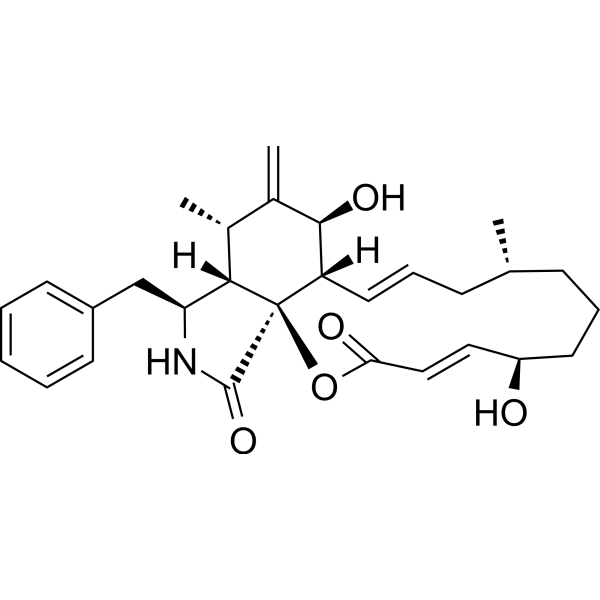
    Cytochalasin B
    40+ Cited Publications

    Phomin

    Arp2/3 Complex Cancer
    Cytochalasin B is a cell-permeable mycotoxin binding to the barbed end of actin filaments, disrupting the formation of actin polymers, with Kd value of 1.4-2.2 nM for F-actin. Cytochalasin B blocks cell migration.
    Cytochalasin B
  • HY-16926
    CK-666
    20+ Cited Publications

    Arp2/3 Complex HIV Infection Cancer
    CK-666 is a cell-permeable actin-related protein Arp2/3 complex inhibitor (IC50=12 μM). CK-666 binds to Arp2/3 complex, stabilizes the inactive state of the complex, blocking movement of the Arp2 and Arp3 subunits into the activated filament-like (short pitch) conformation .
    CK-666
  • HY-P0027
    Jasplakinolide
    5+ Cited Publications

    Arp2/3 Complex Fungal Infection Cancer
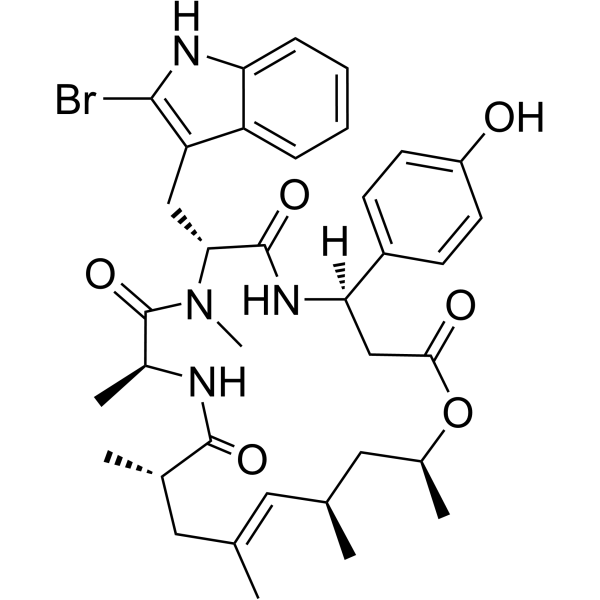
    Jasplakinolide is a potent actin polymerization inducer and stabilizes pre-existing actin filaments. Jasplakinolide binds to F-actin competitively with phalloidin with a Kd of 15 nM. Jasplakinolide, a naturally occurring cyclic peptide from the marine sponge, has both fungicidal and anti-cancer activity .
    Jasplakinolide
  • HY-19793
    RS-1
    5+ Cited Publications

    RAD51 Cancer
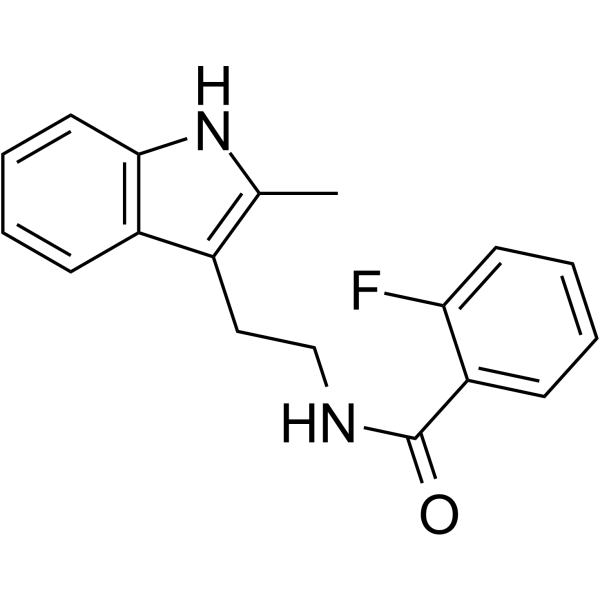
    RS-1 is a RAD51 activator. RS-1 enhances the homologous recombination activity of human RAD51 by promoting the formation of active presynaptic filaments .
    RS-1
  • HY-15317
    RI-1
    5+ Cited Publications

    RAD51 Cancer
    RI-1 is a RAD51 inhibitor, with IC50s ranging from 5 to 30 μM. RI-1 binds covalently to the surface of RAD51 protein at cysteine 319. RI-1 inactivates RAD51 by directly binding to a protein surface that serves as an interface between protein subunits in RAD51 filaments. RI-1 can disrupt homologous recombination in human cells .
    RI-1
  • HY-125506
    NP-G2-044
    5+ Cited Publications

    β-catenin Cancer
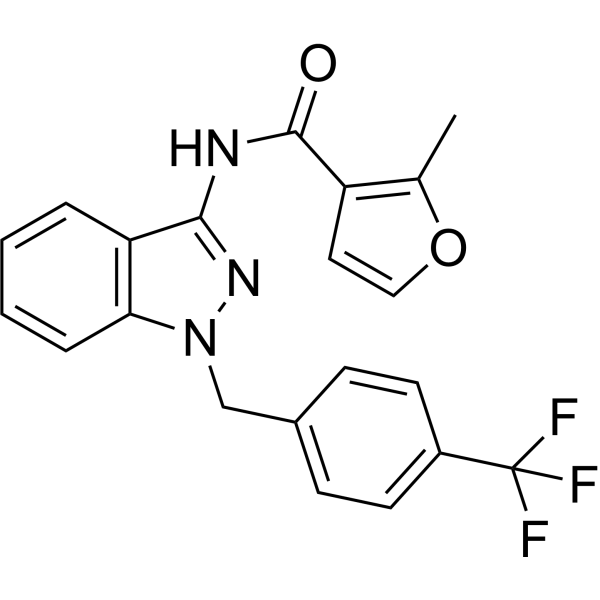
    NP-G2-044 is a potent, orally active fascin inhibitor, with an IC50 of ~2 μM. NP-G2-044 blocks tumor metastasis and increases antitumor immune response .
    NP-G2-044
  • HY-151424

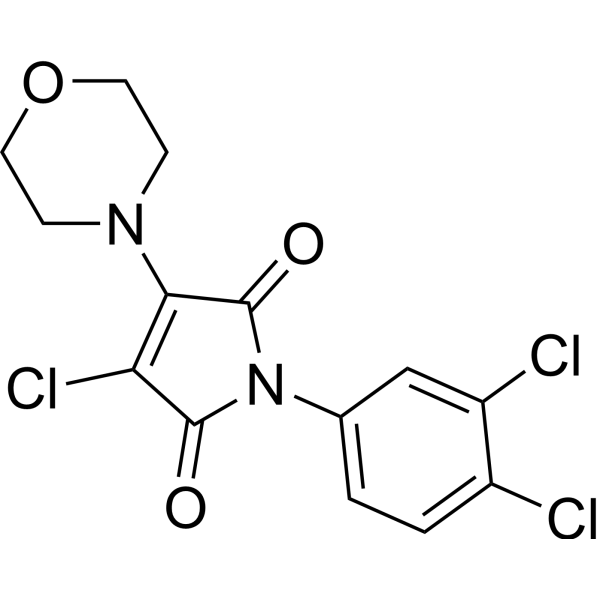
    Proteasome Mitosis Cancer
    Vimentin-IN-1 is a FiVe1 derivative, an orally active and selective anticancer agent. FiVe1 binds type III intermediate filament protein vimentin (VIM), to induce hyperphosphorylation of Ser56, resulting selective disruption of mitosis and multinucleation in transformed VIM-expressing mesenchymal cancer cells. Vimentin-IN-1 shows better oral bioavailability and pharmacokinetic profiles than FiVe1 .
    Vimentin-IN-1
  • HY-121497
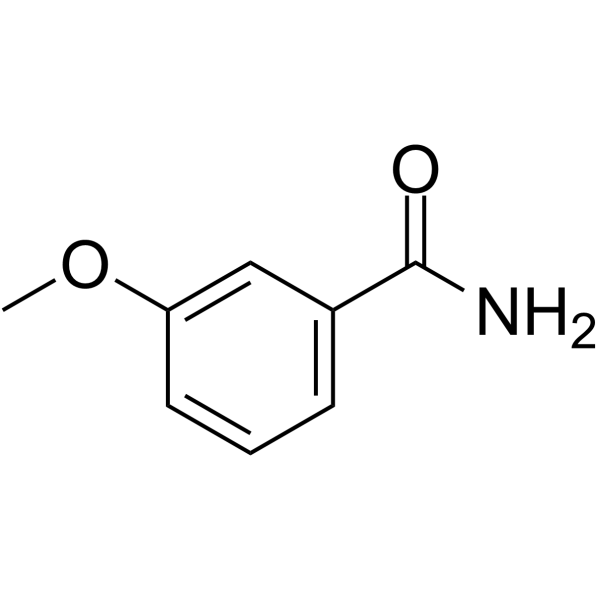
    3-Methoxybenzamide
    1 Publications Verification

    3-MBA

    PARP Bacterial Cancer
    3-Methoxybenzamide (3-MBA), an inhibitor of ADP-ribosyltransferase (ADPRTs) and PARP, inhibits cell division in Bacillus subtilis, leading to filamentation and eventually lysis of cells . 3-Methoxybenzamide (3-MBA) enhances in vitro plant growth, microtuberization, and transformation efficiency of blue potato (Solanum tuberosum L. subsp. andigenum) .
    3-Methoxybenzamide
  • HY-B0771A

    SCE-2787 hydrochloride

    Antibiotic Bacterial Penicillin-binding protein (PBP) Infection
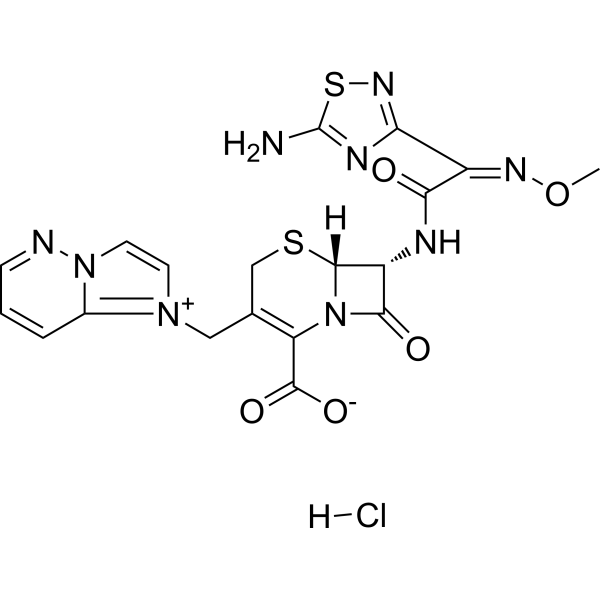
    Cefozopran (SCE-2787) hydrochloride is a potent antibiotic with broad-spectrum antibacterial activity. Cefozopran hydrochloride binds PBPs, induces cell wall destruction, cell elongation, filamentation, irregular septa formation, and bactericidal, bacteriolytic activity. Cefozopran hydrochloride reduces bacterial counts and eradicates bacteria in mouse respiratory, urinary, and thigh muscle infections. Cefozopran hydrochloride can be used for the research of bacterial infections .
    Cefozopran hydrochloride
  • HY-P2031

    Arp2/3 Complex Others
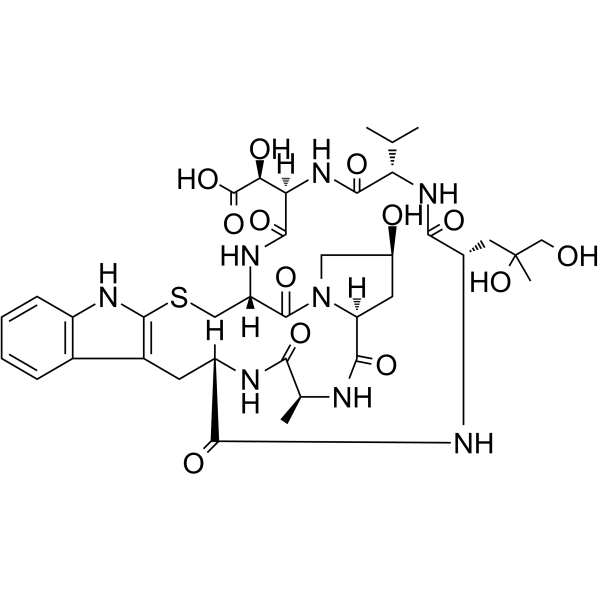
    Phallacidin is a natural bicyclic heptapeptide derived from the poisonous mushroom Amanita phalloides. Phallacidin binds to filamentous actin specifically with high affinity, with a Kd of 20 nM. After binding to F-actin, Phallacidin strongly inhibits its depolymerization, stabilizes microfilament structures, and prevents their disruption by drugs such as cytochalasins. When conjugated with a fluorophore, Phallacidin serves as a specific fluorescent probe for F-actin, which is used to clearly visualize the distribution of actin in the cytoskeleton (e.g., stress fibers, cortical peripheral bands) under fluorescence microscopy .
    Phallacidin
  • HY-Y1366

    Mitochondrial Metabolism Reactive Oxygen Species (ROS) Arp2/3 Complex Apoptosis Inflammation/Immunology
    Hydroxyacetone is a toxic compound. Hydroxyacetone can be isolated from e-cigarette aerosols. Hydroxyacetone reduces the activity of cellular Mitochondrial reductase (with an IC50 of 5.53 mg/mL for mitochondrial reductase in BEAS-2B cells) and increases ROS levels. Hydroxyacetone induces mitochondrial stress and oxidative damage. Hydroxyacetone induces destabilization of F-actin. At high concentrations, Hydroxyacetone promotes cell rounding and Apoptotic body formation. Hydroxyacetone exerts toxic effects on cells including airway epithelial cells and possesses respiratory toxicity potential .\n


    Hydroxyacetone
  • HY-137557

    APN1607; PM-PBB3

    Tau Protein Neurological Disease
    Florzolotau (APN1607) is a positron emission tomography (PET) ligand that can be used for the detection of Alzheimer's disease (AD) and other tau proteinopathies. Its binding sites are located in the β-sheet of paired helical filaments (PHFs) and straight filaments (SFs) of tau protein, as well as in the C-shaped cavity of SFs. In addition, APN-1607 binds to intraneuronal inclusions in Alzheimer's disease (AD), primary age-related tauopathy (PART) and posterior cortical atrophy (PCA). Florzolotau shows promise for PET imaging studies of neurological disorders, particularly tau proteinopathies .
    Florzolotau
  • HY-124701

    Fungal Infection
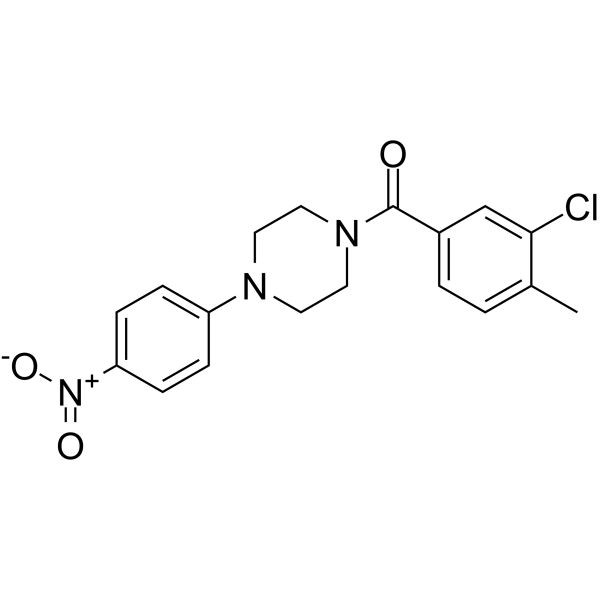
    Filastatin is a long-lasting inhibitor of Candida albicans filamentation. Filastatin inhibits adhesion by multiple pathogenic Candida species with an IC50 of ~3 μM in the GFP-based adhesion assay. Filastatin inhibits fungal adhesion to polystyrene and human cells, the yeast-to-hyphal morphological transition, induction of the hyphal-specific HWP1 promoter. Filastatin has potent antifungal effect .
    Filastatin
  • HY-N6744

    Apoptosis Endogenous Metabolite Fungal Parasite Arp2/3 Complex Infection Cancer
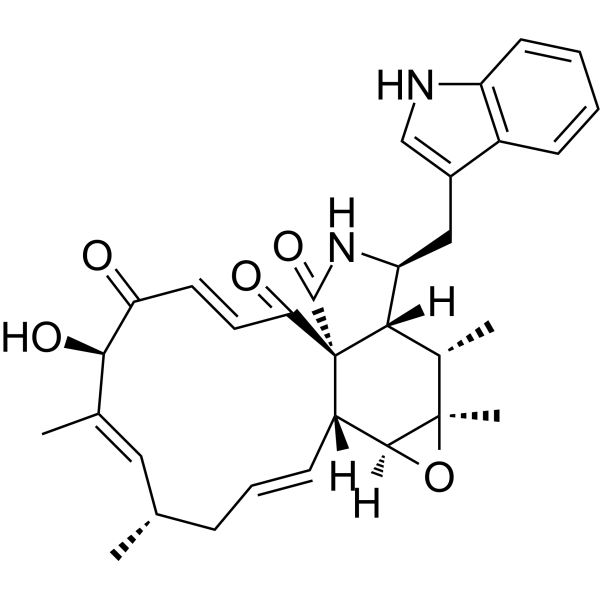
    Chaetoglobosin A is a secondary metabolite and nematicide. Chaetoglobosin A is produced by Penicillium aquamarinium. Chaetoglobosin A targets Filamentous actin in cells, thereby inducing cell cycle arrest, and inhibiting membrane ruffle formation and cell migration. Chaetoglobosin A preferentially induces Apoptosis in chronic lymphocytic leukemia cells. Chaetoglobosin A induces dose- and time-dependent death in J2 larvae of the southern root-knot nematode (Meloidogyne incognita). Chaetoglobosin A can be used in studies related to root-knot nematode disease and chronic lymphocytic leukemia .
    Chaetoglobosin A
  • HY-111009

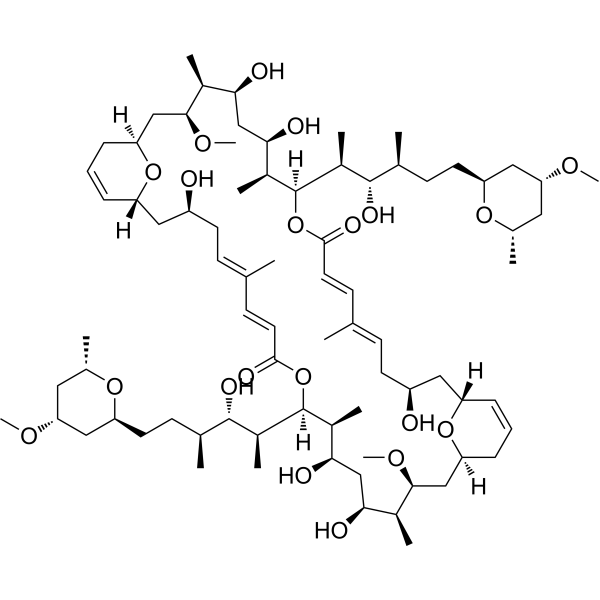
    Fungal Infection
    Swinholide A is the actin-binding marine polyketide and dimerizes actin with the Kd of ~ 50 nM . Swinholide A is a microfilament disrupting marine toxin that stabilizes actin dimers and severs actin filaments. Swinholide A disrupts the actin cytoskeleton of cells.Antifungal activity .
    Swinholide A
  • HY-P99164

    LY3303560

    Tau Protein Neurological Disease
    Zagotenemab (LY3303560) is a humanized anti-tau antibody that selectively binds and neutralises tau deposits in the brain. Zagotenemab can be used in Alzheimer's disease research .
    Zagotenemab
  • HY-B2119

    Tauroglycocholic acid sodium salt

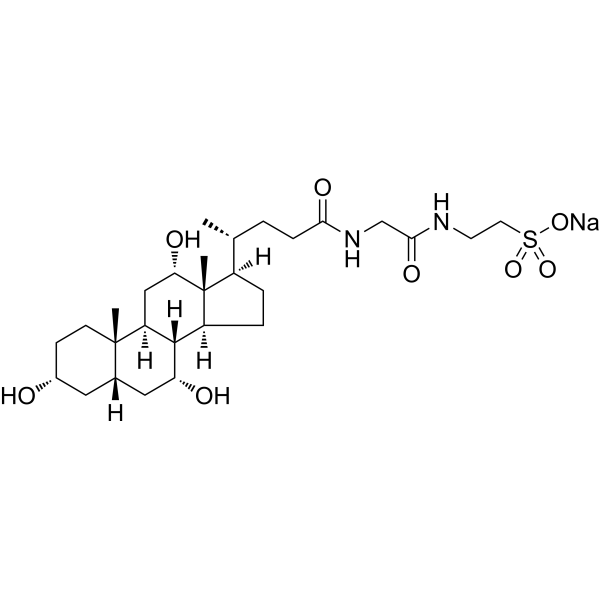
    Biochemical Assay Reagents Metabolic Disease
    Sodium tauroglycocholate (Tauroglycocholic acid sodium salt) is a multifunctional surfactant and penetration enhancer that can serve as a cholegraphic contrast agent. In organic solvents, Sodium tauroglycocholate embeds and stabilizes invertase by forming reverse micelles, and prolongs its active lifespan. In terms of transdermal absorption, Sodium tauroglycocholate effectively regulates the flux of aminophylline through snake slough by binding to keratin filaments, disrupting keratinocytes and altering lipid components of the stratum corneum. It exhibits rapid penetration characteristics without lag time at a concentration of 100 μg/mL. Sodium tauroglycocholate does not interfere with the hepatic uptake of Gd-EOB-DTPA by the bile acid transport system in rat hepatocytes .
    Sodium tauroglycocholate
  • HY-N6772

    Autophagy Cancer
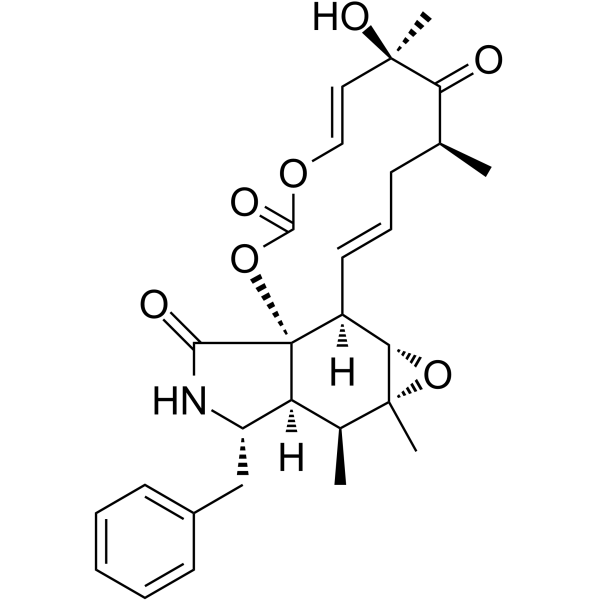
    Cytochalasin E, an epoxide containing Aspergillus-derived fungal metabolite, inhibits angiogenesis and tumor growth. Cytochalasin E is a potent actin depolymerization agent, and it binds and caps the barbed end of actin filaments to prevent actin elongation .
    Cytochalasin E
  • HY-124689

    Arp2/3 Complex Metabolic Disease Cancer
    TR-100 is a small molecule inhibitor of tumor-associated troponin (Tpm). TR-100 affects the interaction of Tpm3.1 with actin filaments by binding to the C-terminal of Tpm3.1, thereby affecting the stability and function of the actin filaments. This mechanism of action allows TR-100 to specifically affect actin filaments in cancer cells without compromising heart muscle function. TR-100 can be used to study the role of Tpm3.1 in cancer cell proliferation and survival and the effects of Tpm3.1 on insulin-stimulated glucose uptake and insulin secretion .
    TR-100
  • HY-B0771

    SCE-2787

    Antibiotic Bacterial Penicillin-binding protein (PBP) Infection
    Cefozopran (SCE-2787) is a potent antibiotic with broad-spectrum antibacterial activity. Cefozopran binds PBPs, induces cell wall destruction, cell elongation, filamentation, irregular septa formation, and bactericidal, bacteriolytic activity. Cefozopran reduces bacterial counts and eradicates bacteria in mouse respiratory, urinary, and thigh muscle infections. Cefozopran can be used for the research of bacterial infections .
    Cefozopran
  • HY-D1346

    Fluorescent Dye Others
    610CP is a new type of actin labeling dye. It dissolves in organic solvents. In DMSO the 610CP excitation/emission wavelength is between 609 and 634 nm. 610CP is a fluorescent dye that penetrates living cells. Upon cell entry, 610CP binds to Bromo-des-methyl-Jasplakinolide Therefore, 610CP dye can be used to stain actin fluorescence images with low background and high resolution.
    610CP
  • HY-N11772

    Fungal Infection
    Mutanocyclin is a potent antifungal agent. Mutanocyclin inhibits Candida albicans (C. albicans) filamentation. Mutanocyclin decreases the mRNA expression of HWP1, ECE1, FLO8, TEC1. Mutanocyclin inhibits yeast-form in ex vivo mouse .
    Mutanocyclin
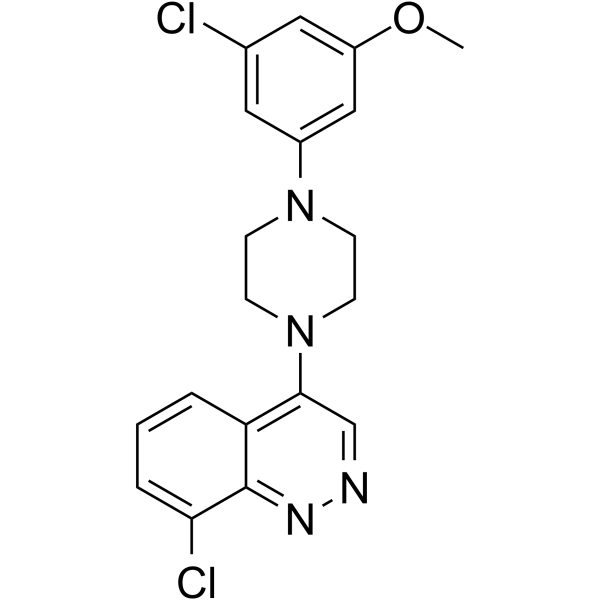
  • HY-175261

    CDK Wee1 Checkpoint Kinase (Chk) Cancer
    DHI1 is an anti-leukemia agent with high selectivity for Jurkat (IC50 = 21.83 μM) and HL-60 (IC50 = 19.14 μM) leukemia cells and has low toxicity to non-cancerous cells. DHI1 can induce G2/M phase cell arrest in Jurkat and HL-60 leukemia cells, as well as S phase arrest in HL-60 cells, and has significant effects on cell cycle signaling molecules Wee1, cyclin B1, cdc2 on Tyr15, and Chk1. DHI1 inhibits the migration and invasion of Jurkat and HL-60 cells by disrupting cytoskeletal actin filaments. DHI1 can be used to study hematological malignancies .
    DHI1
  • HY-150754

    Bacterial Infection
    FtsZ-IN-4 is an orally active FtsZ (filamenting temperature-sensitive mutant Z) inhibitor, exhibits excellent antibacterial activity. FtsZ-IN-4 shows good pharmaceutical properties with low cytotoxicity (CC50 >20 μg/mL) .
    FtsZ-IN-4
  • HY-P2883A

    Biochemical Assay Reagents Others
    Recombinant Human Keratin2 is a type II or neutral basic keratin intermediate filament protein that protects against collagen loss .
    Recombinant Human Keratin2
  • HY-176041

    Calcium Channel Cardiovascular Disease
    Troponin modulator 1 (compound 7) modulates the mutant cardiac muscle thin filament function. Troponin modulator 1 enhances Ca 2+ sensitivity by phosphorylation with an EC50 of 67 μM .
    Troponin modulator 1
  • HY-N11772R

    Reference Standards Fungal Infection
    Taurodeoxycholate (sodium salt) (Standard) is the analytical standard of Taurodeoxycholate (sodium salt). This product is intended for research and analytical applications. Taurodeoxycholate sodium salt is a bile salt-related anionic detergent used for isolation of membrane proteins including inner mitochondrial membrane proteins. Taurodeoxycholate (TDCA) inhibits various inflammatory responses .
    Mutanocyclin (Standard)
  • HY-116426

    Tau Protein TNF Receptor Neurological Disease Inflammation/Immunology
    IDT is a safe and effective TNFα and innate immune system modulator. IDT significantly reduced paired helical filament tau and fibrillar amyloid accumulation and increased the infiltrating neutrophil population while reducing TNFα expression in this population. IDT can be used in Alzheimer's disease research .
    IDT
  • HY-146116

    Fungal Infection
    Antifungal agent 32 (compound 1a) is a potent antifungal agent. Antifungal agent 32 inhibits Candida albicans filamentation and biofilm formation. Antifungal agent 32 inhibits the morphological switching of Candida albicans and its adherence to epithelial cells. Antifungal agent 32 can be used for Candida albicans infections research .
    Antifungal agent 32
  • HY-146196

    Bacterial Infection
    Anticandidal agent-1 (compound c2) is a potent and broad-spectrum anticandidal agent. Anticandidal agent-1 shows anticandidal activity against C. albicans and C. glabrata, with MIC50 values of 8.65 and 13.51 μg/mL, respectively. Anticandidal agent-1 inhibits biofilm by blocking hyphal elongation and filamentation .
    Anticandidal agent-1
  • HY-E70841

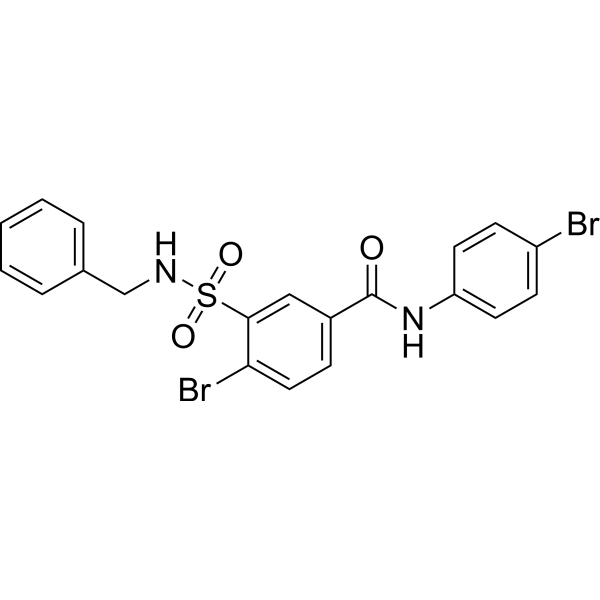
    LIM Kinase (LIMK) Cancer
    LIM kinase 2 (LIMK2) is a serine/threonine and tyrosine kinases. LIMK2 plays a crucial role in the regulation of cytoskeleton dynamics by controlling actin filaments and microtubule turnover, especially through the phosphorylation of cofilin, an actin depolymerising factor. LIMK2 Recombinant Human Active Protein Kinase is a recombinant LIMK2 protein that can be used to study LIMK2-related functions .
    LIMK2 Recombinant Human Active Protein Kinase
  • HY-121497R

    3-MBA (Standard)

    PARP Bacterial Reference Standards Cancer
    3-Methoxybenzamide (Standard) is the analytical standard of 3-Methoxybenzamide. This product is intended for research and analytical applications. 3-Methoxybenzamide (3-MBA), an inhibitor of ADP-ribosyltransferase (ADPRTs) and PARP, inhibits cell division in Bacillus subtilis, leading to filamentation and eventually lysis of cells . 3-Methoxybenzamide (3-MBA) enhances in vitro plant growth, microtuberization, and transformation efficiency of blue potato (Solanum tuberosum L. subsp. andigenum) .
    3-Methoxybenzamide (Standard)
  • HY-B0771AR

    SCE-2787 hydrochloride (Standard)

    Reference Standards Antibiotic Bacterial Penicillin-binding protein (PBP) Infection
    Cefozopran (SCE-2787) hydrochloride (Standard) is the analytical standard of Cefozopran hydrochloride. Cefozopran (SCE-2787) dihydrochloride is a potent antibiotic with broad-spectrum antibacterial activity. Cefozopran dihydrochloride binds PBPs, induces cell wall destruction, cell elongation, filamentation, irregular septa formation, and bactericidal, bacteriolytic activity. Cefozopran dihydrochloride reduces bacterial counts and eradicates bacteria in mouse respiratory, urinary, and thigh muscle infections. Cefozopran dihydrochloride can be used for the research of bacterial infections .
    Cefozopran hydrochloride (Standard)
  • HY-182487

    Arp2/3 Complex Inflammation/Immunology
    Deoxaphomin is a cytochalasin. Deoxaphomin inhibits Actin filament elongation and reduces the viscosity of polymerized actin filaments. Deoxaphomin induces rounding of fibroblasts, contraction of actin cables, formation of actin-containing hairy structures, and formation of actin-containing cytoplasmic rodlets in fibroblasts. Deoxaphomin inhibits membrane ruffling in fibroblasts and capping in lymphocytes .
    Deoxaphomin
  • HY-182478

    Microtubule/Tubulin Cancer
    MDL-27048, a tubulin inhibitor, binds competitively, reversibly to the Colchicine (HY-16569)-binding site on tubulin heterodimers. MDL-27048 inhibits microtubule assembly, induces slow depolymerization of preassembled microtubules, disrupts microtubule polymerization-depolymerization dynamics, and disrupts cytoplasmic microtubule networks. MDL-27048 exerts growth inhibitory effects on human cancer cells, induces mitotic arrest, and does not disrupt actin filaments at microtubule-depolymerizing concentrations. MDL-27048 can be used for the research of malignant tumors .
    MDL-27048
  • HY-126756

    Phosphorylase Metabolic Disease Cancer
    Amorphin is a phosphorylase b with glycogen metabolism activity. Amorphin binds directly to alpha-actinin, with alpha-actinin mediating its binding to actin filaments. Amorphin can be used for the research of McArdle’s disease and breast cancer .
    Amorphin
  • HY-137557A

    (E/Z)-APN1607; (E/Z)-PM-PBB3

    Tau Protein Neurological Disease
    (E/Z)-Florzolotau ((E/Z)-APN1607) is a mixed configuration or unspecified configuration of Florzolotau (HY-137557). Florzolotau (APN1607) is a positron emission tomography (PET) ligand that can be used for the detection of Alzheimer's disease (AD) and other tau proteinopathies. Its binding sites are located in the β-sheet of paired helical filaments (PHFs) and straight filaments (SFs) of tau protein, as well as in the C-shaped cavity of SFs. In addition, APN-1607 binds to intraneuronal inclusions in Alzheimer's disease (AD), primary age-related tauopathy (PART) and posterior cortical atrophy (PCA). Florzolotau shows promise for PET imaging studies of neurological disorders, particularly tau proteinopathies .
    (E/Z)-Florzolotau
  • HY-W740077

    SCE-2787 dihydrochloride

    Antibiotic Bacterial Penicillin-binding protein (PBP) Infection
    Cefozopran (SCE-2787) dihydrochloride is a potent antibiotic with broad-spectrum antibacterial activity. Cefozopran dihydrochloride binds PBPs, induces cell wall destruction, cell elongation, filamentation, irregular septa formation, and bactericidal, bacteriolytic activity. Cefozopran dihydrochloride reduces bacterial counts and eradicates bacteria in mouse respiratory, urinary, and thigh muscle infections. Cefozopran dihydrochloride can be used for the research of bacterial infections .
    Cefozopran dihydrochloride
  • HY-E70632

    Biochemical Assay Reagents Neurological Disease
    PIP5K1B participates in the biosynthesis of PI(4,5)P2. PIP5K1B is at the crossroad of different signaling pathways, mediating RAC1-dependent reorganization of actin filaments and contributing to the activation of phospholipase D2. PIP5K1B Recombinant Human Active Lipid Kinase can be used for the study of Friedreich’s ataxia (FRDA) .
    PIP5K1B Recombinant Human Active Lipid Kinase

Inquiry Online

Your information is safe with us. * Required Fields.

Salutation


Country or Region *

Applicant Name *


Organization Name *

Department *


Email Address *


Product Name *

Cat. No.


Requested quantity *

Phone Number *


Remarks

Inquiry Online

Inquiry Information

Product Name:
Cat. No.:
Quantity:
MCE Japan Authorized Agent:

