1. Search Result
Search Result
Results for "

free+radical+scavenger

" in MedChemExpress (MCE) Product Catalog:

63

Inhibitors & Agonists

3

Biochemical Assay Reagents

1

Peptides

34

Natural
Products

11

Isotope-Labeled Compounds

1

Oligonucleotides

Cat. No. Product Name Target Research Areas Chemical Structure
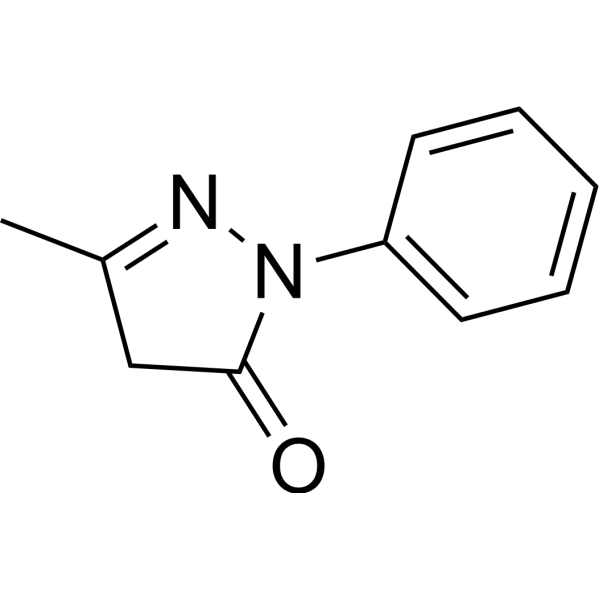
  • HY-B0099
    Edaravone
    Maximum Cited Publications
    43 Publications Verification

    MCI-186

    MMP Apoptosis Neurological Disease
    Edaravone is a strong novel free radical scavenger, and inhibits MMP-9-related brain hemorrhage in rats treated with tissue plasminogen activator.
    Edaravone
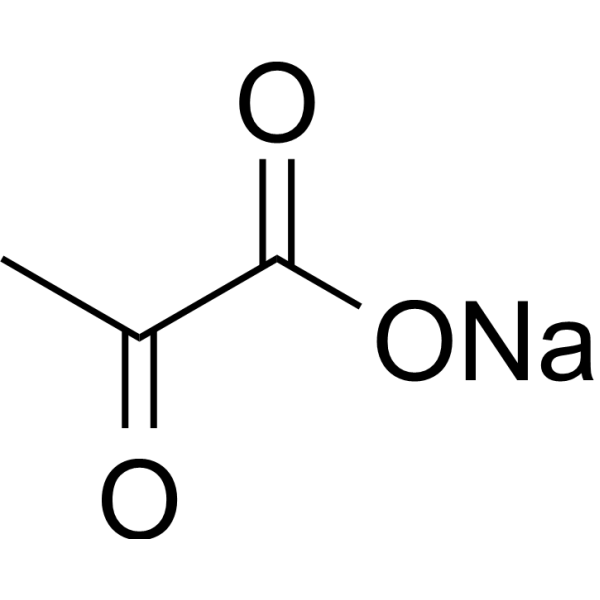
  • HY-W015913
    Pyruvic acid sodium
    15+ Cited Publications

    Sodium 2-oxopropanoate; Acetylformic acid sodium

    Reactive Oxygen Species (ROS) Endogenous Metabolite Metabolic Disease
    Sodium 2-oxopropanoate (Sodium pyruvate), a three-carbon metabolite of Glucose, is a compound produced in the glycolytic pathway. Sodium 2-oxopropanoate is a free radical scavenger that can scavenge ROS .
    Pyruvic acid sodium
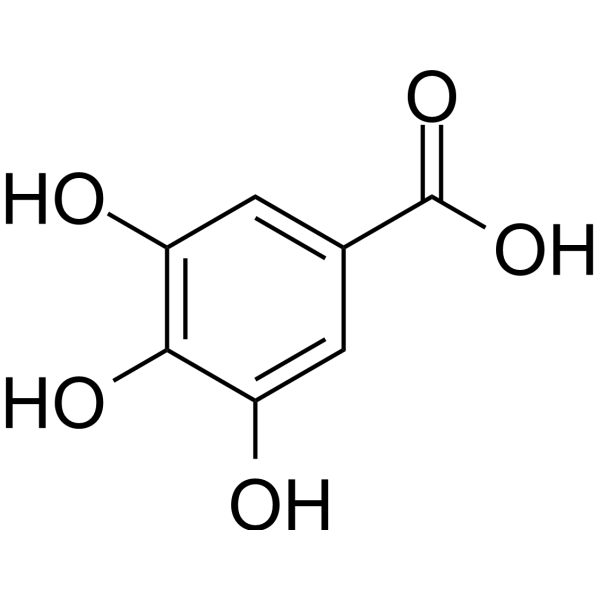
  • HY-N0523
    Gallic acid
    15+ Cited Publications

    3,4,5-Trihydroxybenzoic acid

    COX Reactive Oxygen Species (ROS) Apoptosis Ferroptosis Endogenous Metabolite Metabolic Disease Cancer
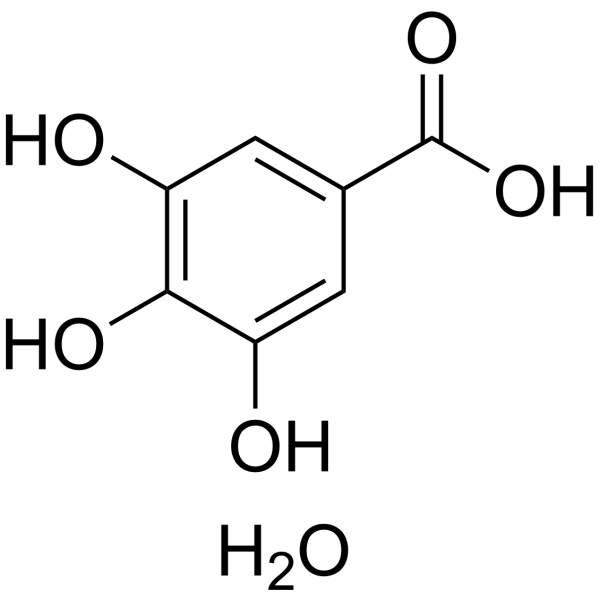
    Gallic acid (3,4,5-Trihydroxybenzoic acid) is a natural polyhydroxyphenolic compound and an free radical scavenger to inhibit cyclooxygenase-2 (COX-2) . Gallic acid has various activities, such as antimicrobial, antioxidant, antimicrobial, anti-inflammatory, and anticance activities .
    Gallic acid
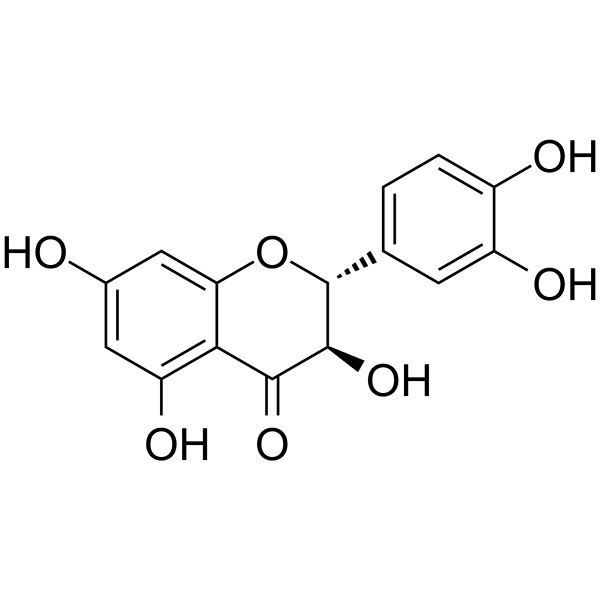
  • HY-N0136
    Taxifolin
    Maximum Cited Publications
    27 Publications Verification

    (+)-Dihydroquercetin; (+)-Taxifolin

    TNF Receptor Autophagy Tyrosinase Inflammation/Immunology Cancer
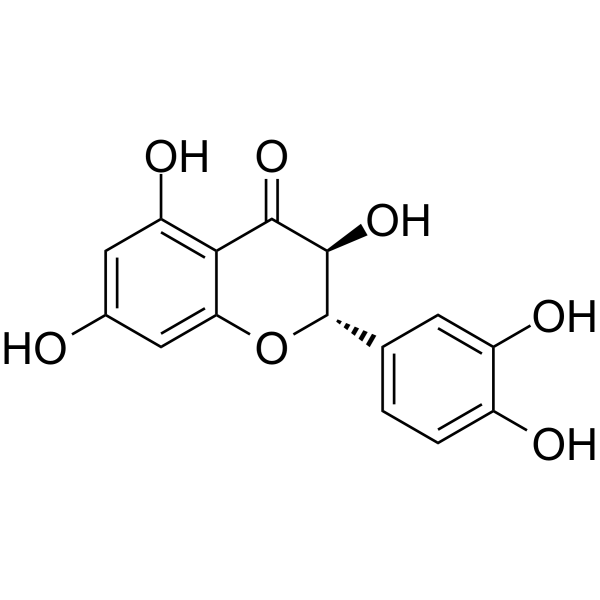
    Taxifolin ((+)-Dihydroquercetin) exhibits important anti-tyrosinase activity. Taxifolin exhibits significant inhibitory activity against collagenase with an IC50 value of 193.3 μM. Taxifolin is an important natural compound with antifibrotic activity. Taxifolin is a free radical scavenger with antioxidant capacity .
    Taxifolin
  • HY-W013494
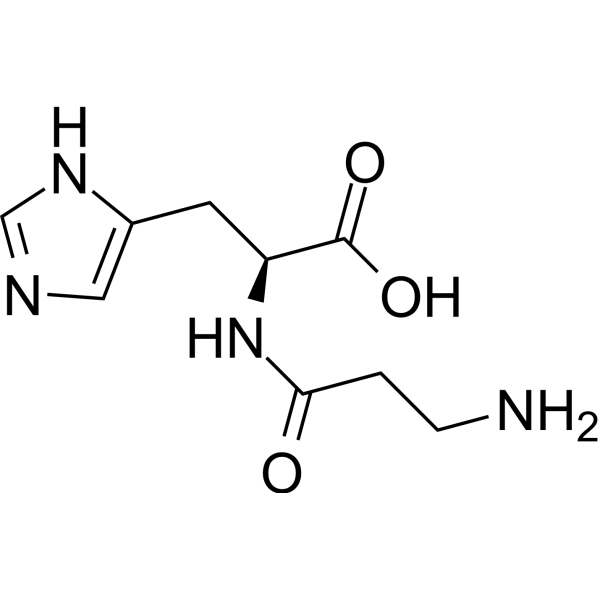
    L-Carnosine
    2 Publications Verification

    Endogenous Metabolite Metabolic Disease Inflammation/Immunology
    L-Carnosine is a dipeptide composed of beta-alanine and histidine. L-Carnosine is an endogenous metabolite found in human brain, muscle and gastrointestinal tissues and is present in all vertebrates. L-Carnosine is a non-enzymatic free radical scavenger and natural antioxidant with anti-inflammatory and neuroprotective properties that can inhibit biochemical changes associated with aging .
    L-Carnosine
  • HY-W015913S
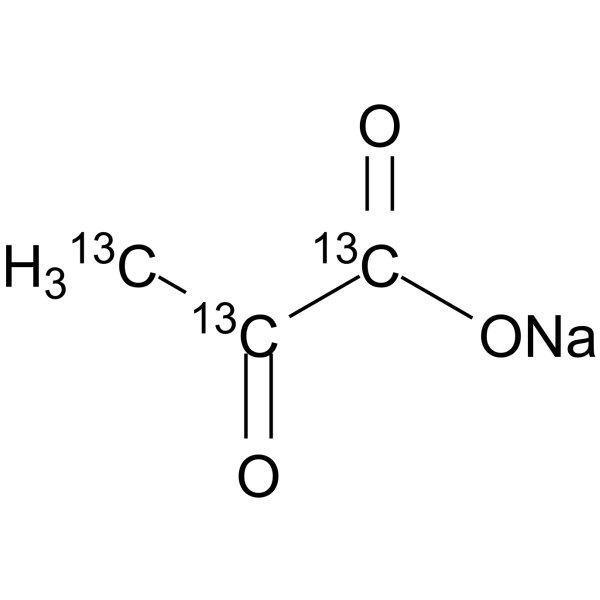
    Pyruvic acid-13C3 sodium
    1 Publications Verification

    Sodium 2-oxopropanoate-13C3; Acetylformic acid-13C3 sodium

    Reactive Oxygen Species (ROS) Endogenous Metabolite Metabolic Disease
    Sodium 2-oxopropanoate- 13C3 is the 13C-labeled Sodium 2-oxopropanoate. Sodium 2-oxopropanoate (Sodium pyruvate), a three-carbon metabolite of Glucose, is a compound produced in the glycolytic pathway. Sodium 2-oxopropanoate is a free radical scavenger that can scavenge ROS .
    Pyruvic acid-13C3 sodium
  • HY-N1430
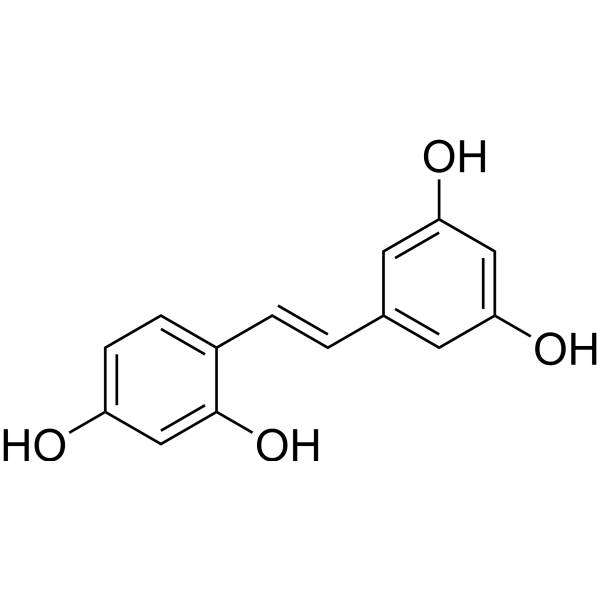
    Oxyresveratrol
    3 Publications Verification

    trans-Oxyresveratrol

    Tyrosinase HSV Autophagy Others
    Oxyresveratrol (trans-Oxyresveratrol) is a potent naturally occurring antioxidant and free radical scavenger (IC50 of 28.9 µM against DPPH free radicals). Oxyresveratrol is potent and noncompetitive tyrosinase inhibitor with an IC50 value of 1.2 µM for mushroom tyrosinase. Oxyresveratrol is effective against HSV-1, HSV-2 and varicella-zoster virus, and has neuroprotective effects .
    Oxyresveratrol
  • HY-128463
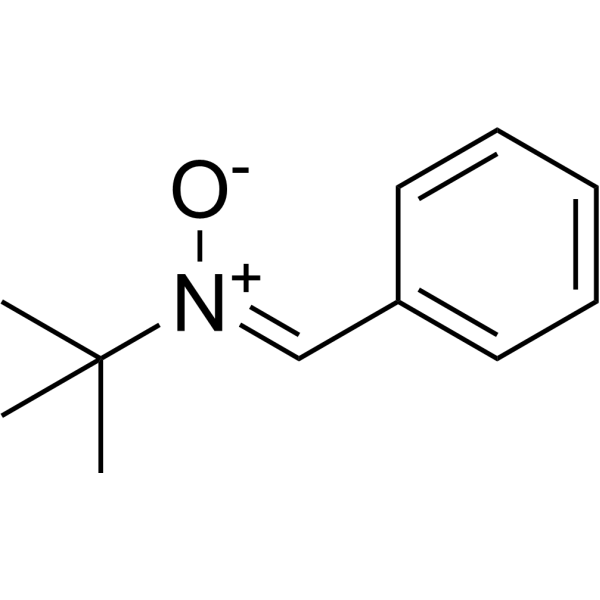
    N-tert-Butyl-α-phenylnitrone
    2 Publications Verification

    COX Reactive Oxygen Species (ROS) Neurological Disease Metabolic Disease Inflammation/Immunology
    N-tert-Butyl-α-phenylnitrone is a nitrone-based free radical scavenger that forms nitroxide spin adducts. N-tert-Butyl-α-phenylnitrone inhibits COX2 catalytic activity. N-tert-Butyl-α-phenylnitrone has potent ROS scavenging, anti-inflammatory, neuroprotective, anti-aging and anti-diabetic activities, and can penetrate the blood-brain barrier .
    N-tert-Butyl-α-phenylnitrone
  • HY-W047187

    Xanthine Oxidase NO Synthase TNF Receptor Others
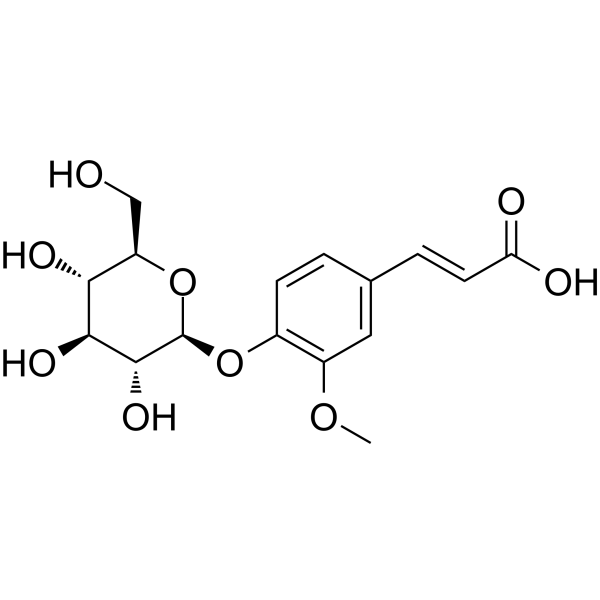
    Lavandoside is an ABTS ?+ free radical scavenger and a moderate inhibitor of xanthine oxidase (XO), with an IC50 of 71.6 μM for inhibiting NO production in LPS-induced macrophages. Lavandoside exerts its antioxidant and potential anti-inflammatory effects by directly scavenging free radicals and inhibiting XO activity, a mechanism related to the hydroxyl groups in its molecular structure. Lavandoside can be isolated from lavender and can be used in the development of natural antioxidants and in research on oxidative stress-related diseases and inflammation-related diseases .
    Lavandoside
  • HY-124750

    TNF Receptor Interleukin Related Toll-like Receptor (TLR) Reactive Oxygen Species (ROS) Cardiovascular Disease Inflammation/Immunology
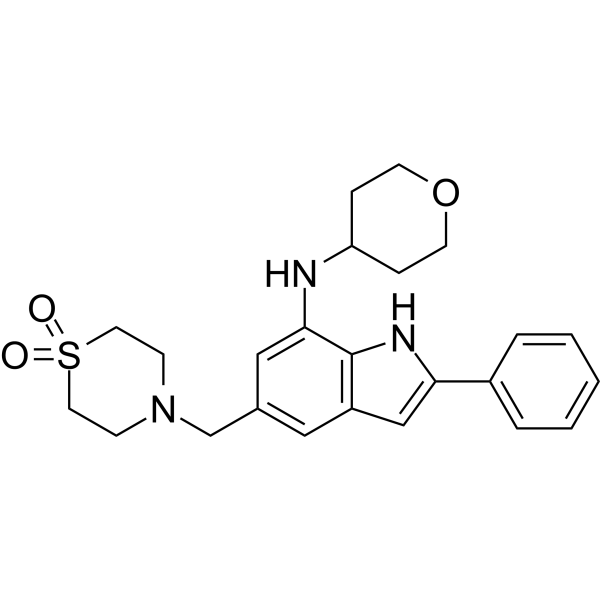
    NecroX-7 is a potent free radical scavenger and a HMGB1 (high-mobility group box 1) inhibitor. NecroX-7 can be used as an antidote to acetaminophen toxicity. NecroX-7 exerts a protective effect by preventing the release of HMGB1 in ischemia/reperfusion injury. NecroX-7 inhibits the HMGB1-induced release of TNF and IL-6, as well as the expression of TLR-4 and receptor for advanced glycation end products. NecroX-7 can be used graft-versus-host disease (GVHD) research .
    NecroX-7
  • HY-N0444

    Reactive Oxygen Species (ROS) NF-κB HBV Apoptosis Bacterial Fungal Parasite Infection Neurological Disease Metabolic Disease Inflammation/Immunology Cancer
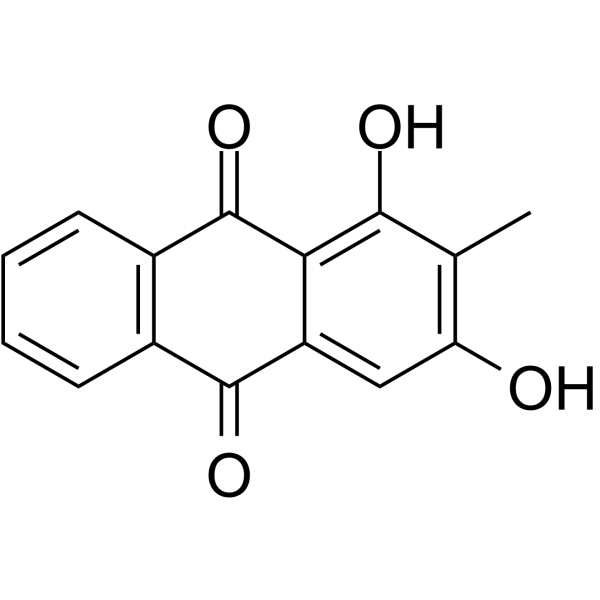
    Rubiadin is an orally active free radical scavenger that inhibits the activation of the NF-κB pathway. Rubiadin inhibits osteoclast formation, bone resorption, lipid peroxidation, HBV DNA replication and cancer cell proliferation; reduces pro-inflammatory cytokine levels; induces cancer cell apoptosis; and possesses antifungal, antimalarial, antibacterial and anticonvulsant activities. Rubiadin can be used in the research of osteoporosis, acute inflammation, chronic inflammation, carbon tetrachloride-induced liver injury, Alzheimer's disease, breast cancer, iron overload disorders, hepatitis B virus infection, colon cancer, liver cancer, T-lymphocytic leukemia, cervical cancer, diabetic nephropathy, epileptic seizures, fungal infections, malaria and bacterial infections .
    Rubiadin
  • HY-B0099R

    MCI-186 (Standard)

    Reference Standards MMP Apoptosis Neurological Disease
    Edaravone (Standard) is the analytical standard of Edaravone. This product is intended for research and analytical applications. Edaravone is a strong novel free radical scavenger, and inhibits MMP-9-related brain hemorrhage in rats treated with tissue plasminogen activator.
    Edaravone (Standard)
  • HY-N0523A
    Gallic acid hydrate
    15+ Cited Publications

    3,4,5-Trihydroxybenzoic acid hydrate

    COX Reactive Oxygen Species (ROS) Apoptosis Ferroptosis Endogenous Metabolite Inflammation/Immunology Cancer
    Gallic acid (3,4,5-Trihydroxybenzoic acid) hydrate is a natural polyhydroxyphenolic compound and an free radical scavenger to inhibit cyclooxygenase-2 (COX-2) . Gallic acid hydrate has various activities, such as antimicrobial, antioxidant, antimicrobial, anti-inflammatory, and anticance activities .
    Gallic acid hydrate
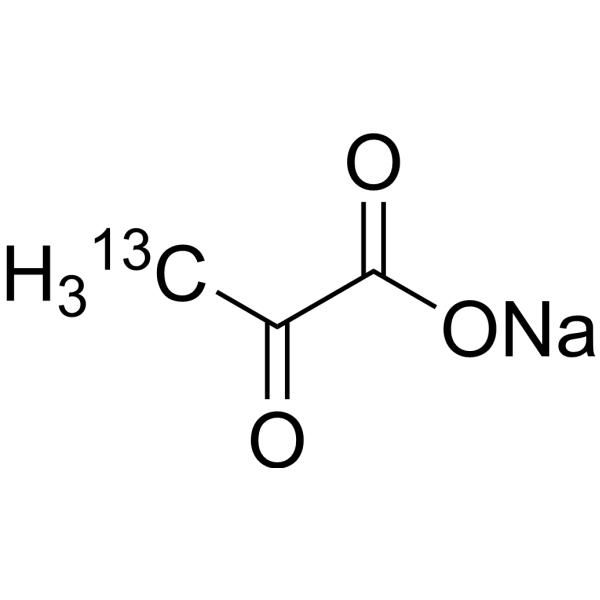
  • HY-W015913S3

    Sodium 2-oxopropanoate-13C; Acetylformic acid-13C-1 sodium

    Endogenous Metabolite Reactive Oxygen Species (ROS) Metabolic Disease
    Sodium 2-oxopropanoate- 13C is the 13C labeled Sodium 2-oxopropanoate . Sodium 2-oxopropanoate (Sodium pyruvate), a three-carbon metabolite of Glucose, is a compound produced in the glycolytic pathway. Sodium 2-oxopropanoate is a free radical scavenger that can scavenge ROS .
    Pyruvic acid-13C-1 sodium
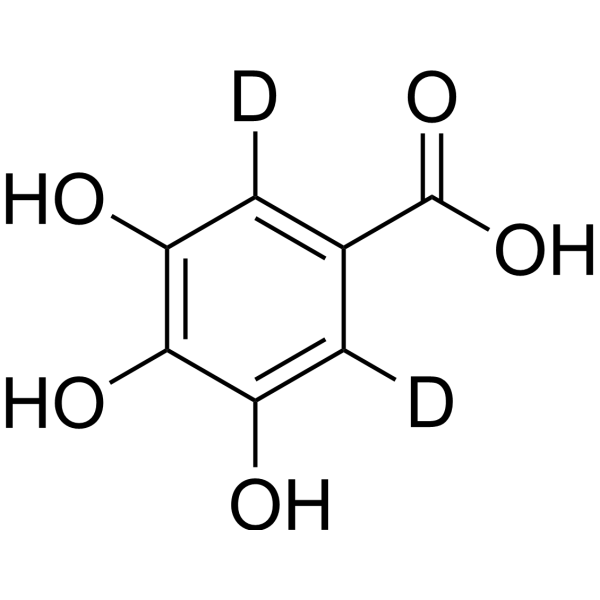
  • HY-N0523S

    3,4,5-Trihydroxybenzoic acid-d2

    Apoptosis COX Ferroptosis Endogenous Metabolite Reactive Oxygen Species (ROS) Cancer
    Gallic acid-d2 is the deuterium labeled Gallic acid . Gallic acid (3,4,5-Trihydroxybenzoic acid) is a natural polyhydroxyphenolic compound and an free radical scavenger to inhibit cyclooxygenase-2 (COX-2) . Gallic acid has various activities, such as antimicrobial, antioxidant, antimicrobial, anti-inflammatory, and anticance activities .
    Gallic acid-d2
  • HY-N0523R

    3,4,5-Trihydroxybenzoic acid (Standard)

    Reference Standards COX Reactive Oxygen Species (ROS) Apoptosis Ferroptosis Endogenous Metabolite Metabolic Disease Cancer
    Gallic acid (Standard) is the analytical standard of Gallic acid. This product is intended for research and analytical applications. Gallic acid (3,4,5-Trihydroxybenzoic acid) is a natural polyhydroxyphenolic compound and an free radical scavenger to inhibit cyclooxygenase-2 (COX-2) . Gallic acid has various activities, such as antimicrobial, antioxidant, antimicrobial, anti-inflammatory, and anticance activities .
    Gallic acid (Standard)
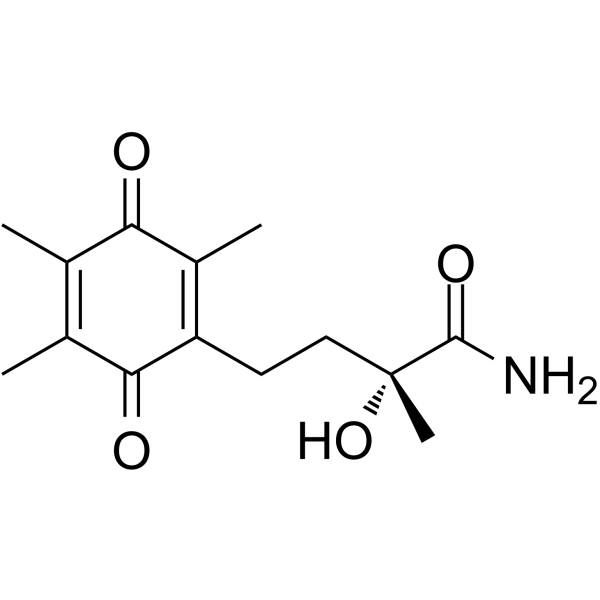
  • HY-125999

    Reactive Oxygen Species (ROS) Neurological Disease
    EPI-589, a quinone derivative, is a safe and well tolerated oxidoreductase enzyme inhibitor and a free radical scavenger, with blood-brain barrier permeable and orally available. EPI-589 is a redox-active neuroprotectant that effectively delays the symptoms of motor neuron disease in wobbler mice. EPI-589 can be used in amyotrophic lateral sclerosis (ALS) research .
    EPI-589
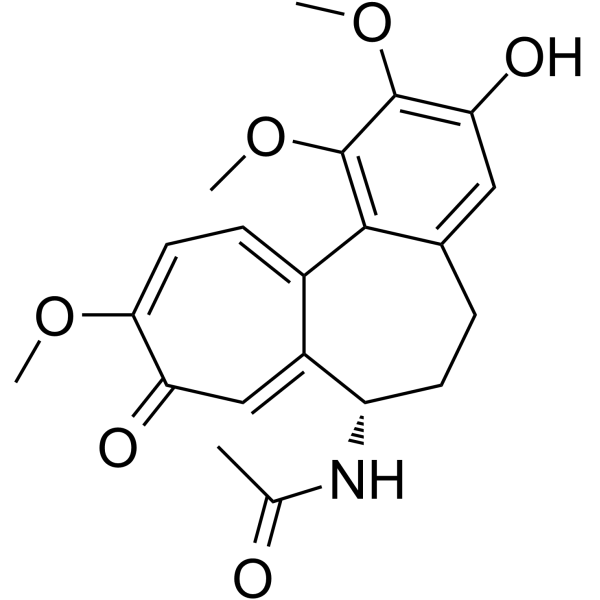
  • HY-W021267

    Reactive Oxygen Species (ROS) Inflammation/Immunology
    3-Demethylcolchicine, a colchicine metabolite and anti-inflammatory agent, exhibits potent tubulin-binding activity. 3-Demethylcolchicine inhibits carrageenan-induced rat paw edema. 3-Demethylcolchicine bears a hydroxyl group on its carbocyclic ring; this group participates in free radical scavenging processes, allowing it to act as a free radical scavenger. 3-Demethylcolchicine is applicable to studies related to carrageenan-induced paw edema .
    3-Demethylcolchicine
  • HY-N6829

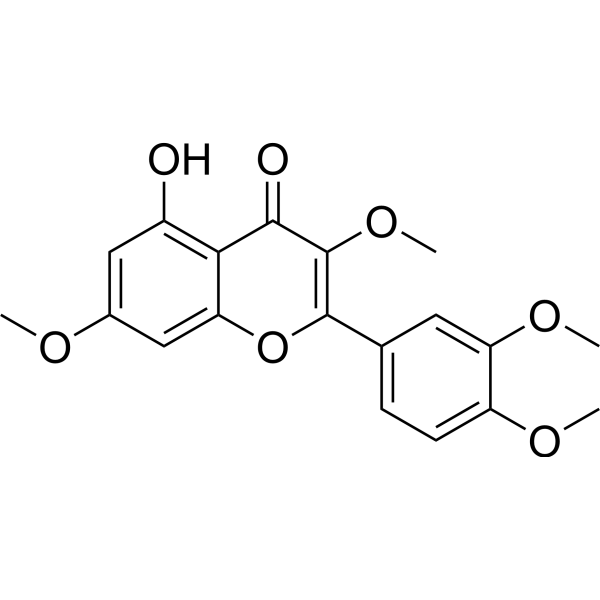
    Quercetin-​3,​3',​4',​7-​tetramethylether

    Tyrosinase Fungal SARS-CoV Apoptosis Reactive Oxygen Species (ROS) Infection Neurological Disease Metabolic Disease Inflammation/Immunology
    Retusin (Quercetin-3,3',4',7-tetramethylether) is a tyrosinase inhibitor, with IC50 values of 50.9 μM and 51.8 μM against mushroom and intracellular tyrosinase, respectively. Retusin also acts as a free radical scavenger, melanogenesis inhibitor, anti-apoptosis agent, neuroprotective agent, antiemetic, antifungal agent, and antiviral agent. Retusin scavenges ABTS• + and DPPH• free radicals. Retusin can be used in studies related to hyperpigmentation, vomiting, Aspergillus niger infection, and COVID-19 infection .
    Retusin
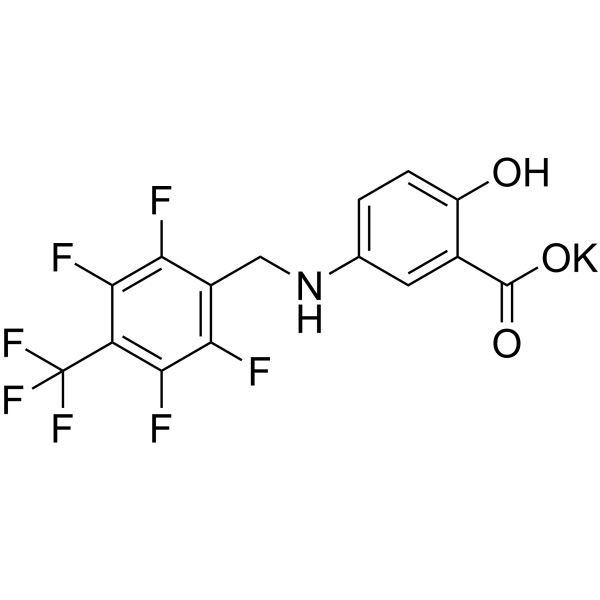
  • HY-105005

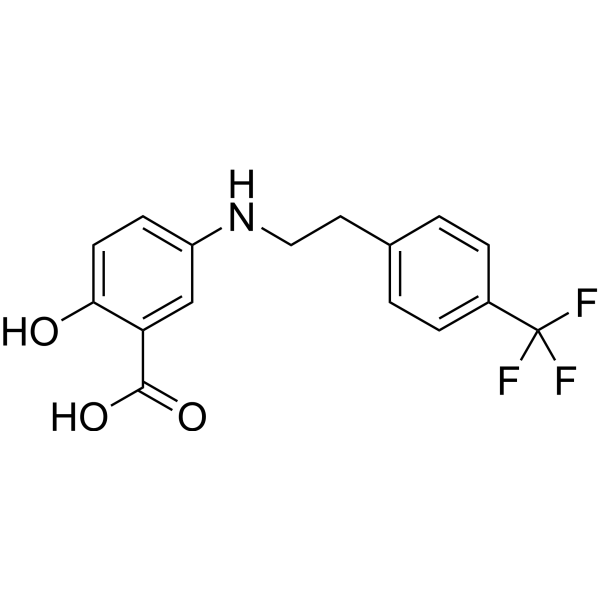
    AAD-2004

    Prostaglandin Receptor PGE synthase Reactive Oxygen Species (ROS) Apoptosis Neurological Disease Inflammation/Immunology
    Crisdesalazine (AAD-2004) is a microsomal prostaglandin E2 synthase-1 (mPGES-1) inhibitor. Crisdesalazine acts as a potent free radical scavenger that directly neutralizes reactive oxygen species (ROS) including hydrogen peroxide, exerting neuroprotective effects against apoptosis and axonal damage. Crisdesalazine inhibits PGE2 production, mediates inflammatory responses, and promotes the conversion of macrophages from the pro-inflammatory M1 phenotype to the anti-inflammatory M2 phenotype. Crisdesalazine is applicable to neuroprotection research in multiple sclerosis and spinal cord injury .
    Crisdesalazine
  • HY-D0187S4

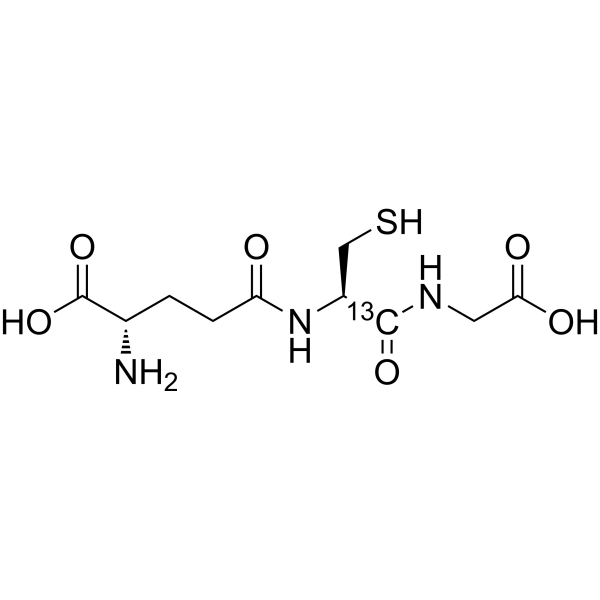
    GSH-13C; γ-L-Glutamyl-L-cysteinyl-glycine-13C

    Isotope-Labeled Compounds Others
    L-Glutathione reduced- 13C (GSH- 13C; γ-L-Glutamyl-L-cysteinyl-glycine- 13C) is 13C-labeled L-Glutathione reduced (HY-D0187). L-Glutathione reduced is an endogenous antioxidant and oxygen free radical scavenger.
    L-Glutathione reduced-13C
  • HY-N0136R

    (+)-Dihydroquercetin (Standard); (+)-Taxifolin (Standard)

    TNF Receptor Reference Standards Autophagy Tyrosinase Inflammation/Immunology
    Taxifolin (Standard) is the analytical standard of Taxifolin. This product is intended for research and analytical applications. Taxifolin ((+)-Dihydroquercetin) exhibits important anti-tyrosinase activity. Taxifolin exhibits significant inhibitory activity against collagenase with an IC50 value of 193.3 μM . Taxifolin is an important natural compound with antifibrotic activity. Taxifolin is a free radical scavenger with antioxidant capacity .
    Taxifolin (Standard)
  • HY-129064B

    SOD Metabolic Disease
    Superoxide dismutase PEG (EC 1.15.1.1) is a mimetic of superoxide dismutase (SOD) and powerful free radical scavenger acts by reducing superoxide anions .
    Superoxide dismutase PEG
  • HY-106408

    Salfaprodil free base; Neu2000

    iGluR Neurological Disease
    Nelonemdaz (Salfaprodil free base) is an NR2B-selective and uncompetitive antagonist of N-methyl-D-aspartate (NMDA). Nelonemdaz is also a free radical scavenger. Nelonemdaz has excellent neuroprotection against NMDA- and free radical-induced cell death .
    Nelonemdaz
  • HY-N0136B

    (-)-Dihydroquercetin

    Tyrosinase Inflammation/Immunology
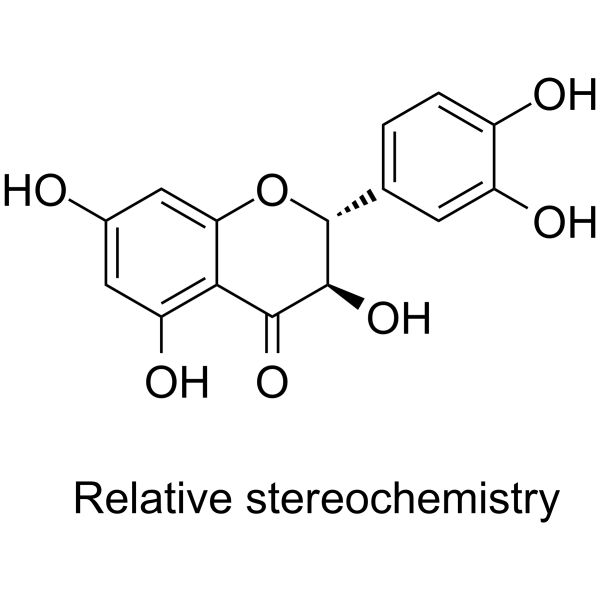
    (-)-Taxifolin is the less active enantiomer of Taxifolin. Taxifolin exhibits important anti-tyrosinase activity. Taxifolin exhibits significant inhibitory activity against collagenase with an IC50 value of 193.3 μM . Taxifolin is an important natural compound with antifibrotic activity. Taxifolin is a free radical scavenger with antioxidant capacity .
    (-)-Taxifolin
  • HY-N0136A

    (±)-Dihydroquercetin

    Drug Isomer TNF Receptor Autophagy Tyrosinase Inflammation/Immunology Cancer
    (±)-Taxifolin ((±)-Dihydroquercetin) is the racemate of Taxifolin (HY-N0136). Taxifolin exhibits important anti-tyrosinase activity. Taxifolin exhibits significant inhibitory activity against collagenase with an IC50 value of 193.3 μM. Taxifolin is an important natural compound with antifibrotic activity. Taxifolin is a free radical scavenger with antioxidant capacity .
    (±)-Taxifolin
  • HY-N8042

    Others Others
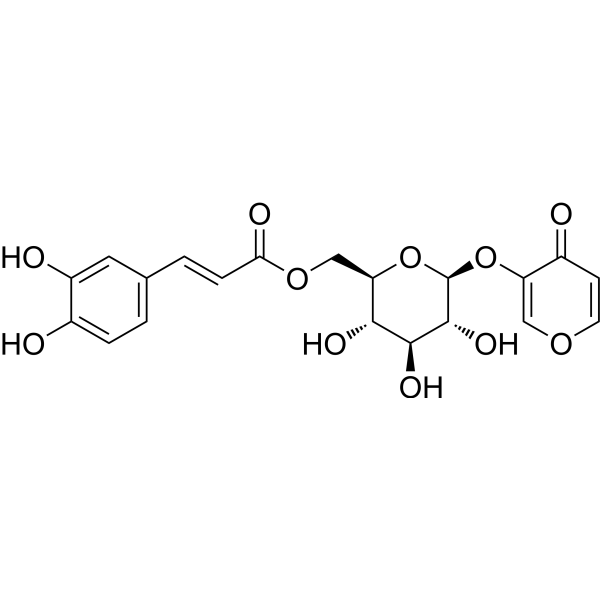
    Erigeside I is a free radical scavenger isolated from Erigeron breviscapus .
    Erigeside I
  • HY-100297

    Prostaglandin Receptor Inflammation/Immunology Endocrinology
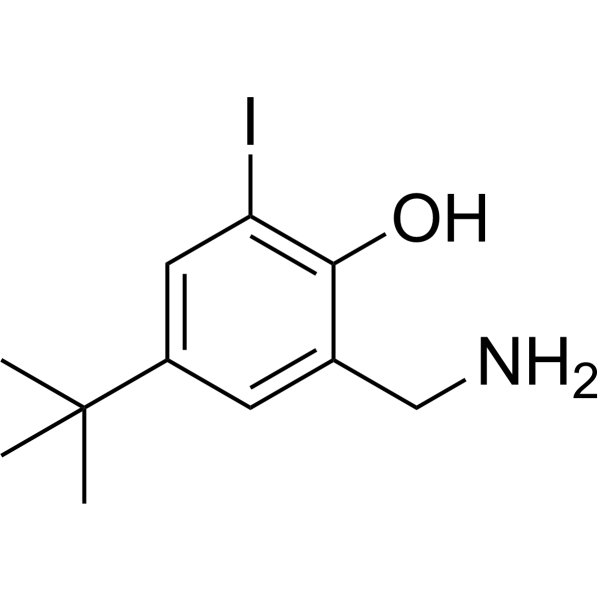
    MK-447 is a free radical scavenger, also a nonsteroidal antiinflammatory agent, and enhances the formation of the endoperoxide, PGH2, and other prostaglandins.
    MK-447
  • HY-136511

    SQ 14534

    Angiotensin-converting Enzyme (ACE) Cardiovascular Disease
    Epicaptopril (SQ 14534) is the derivative of Captopril (HY-B0368). Epicaptopril is an inhibitor for angiotensin-converting enzyme (ACE). Epicaptopril enhances vasodilation in an endothelium-derived relaxing factor (EDRF)-dependent manner. Epicaptopril is a free radical scavenger, and can be used in research about oxidative stress and free radical damage caused cardiovascular disorders .
    Epicaptopril
  • HY-155346

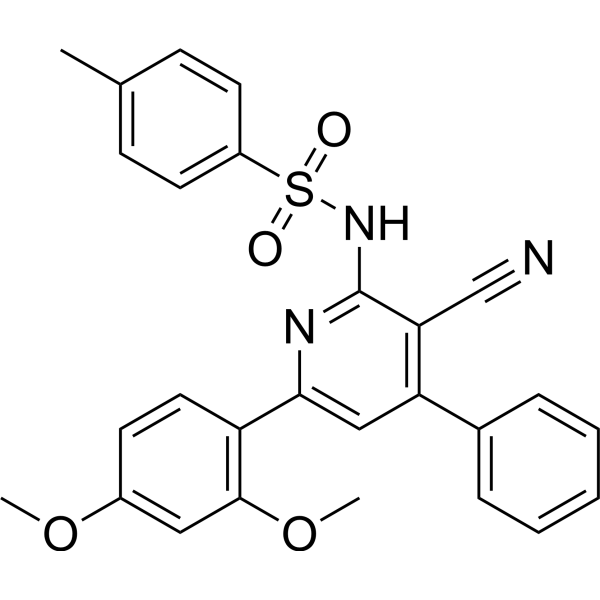
    Bacterial Others
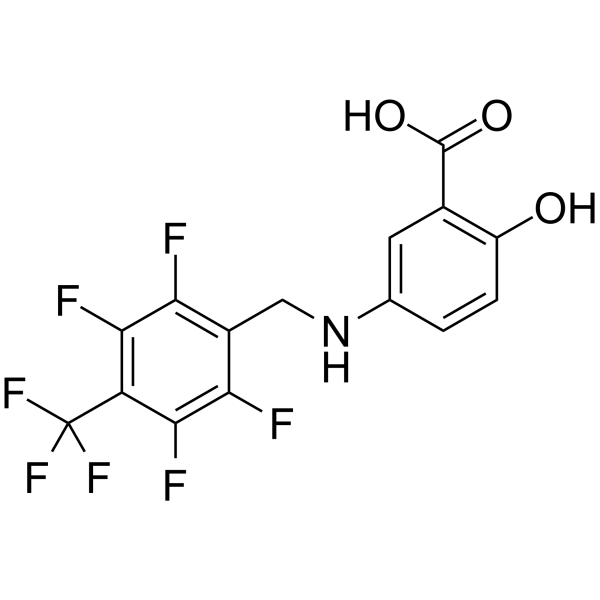
    Free radical scavenger 1 (compound 8) shows scavenging activity against the DPPH radical, with the IC50 of 43.39 μg/ml .
    Free radical scavenger 1
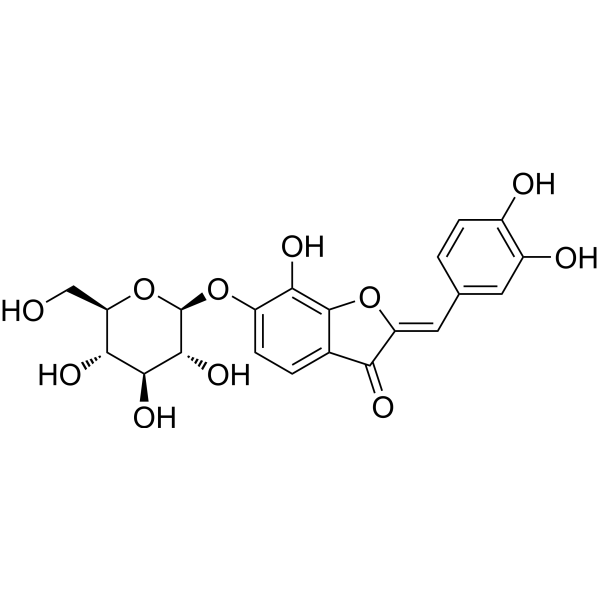
  • HY-N8955

    Reactive Oxygen Species (ROS) Inflammation/Immunology
    Maritimein is an aurone glucoside and antioxidant with free radical scavenger activity, found in Coreopsis tinctoria Nutt.Maritimein scavenges ABTS•+ radical cations .
    Maritimein
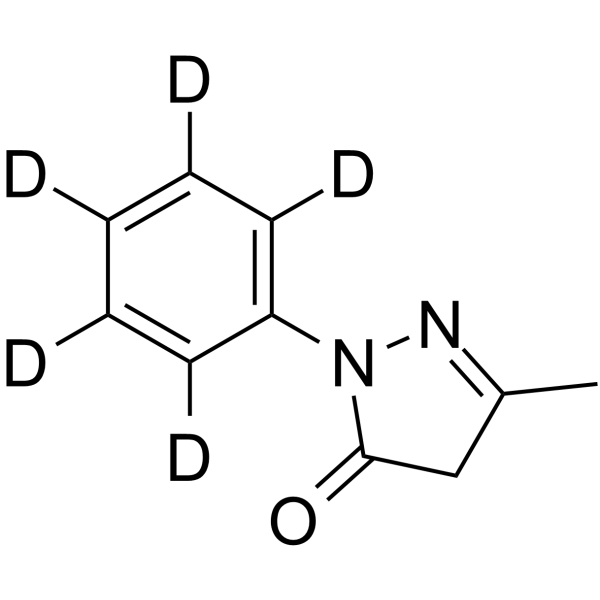
  • HY-B0099S

    MCI-186-d5

    Isotope-Labeled Compounds MMP Apoptosis Neurological Disease
    Edaravone-d5 is a deuterium labeled Edaravone. Edaravone is a strong novel free radical scavenger, and inhibits MMP-9-related brain hemorrhage in rats treated with tissue plasminogen activator .
    Edaravone-d5
  • HY-106408A

    Salfaprodil; Neu2000 potassium

    iGluR Neurological Disease
    Nelonemdaz (Salfaprodil) potassium is an NR2B-selective and uncompetitive antagonist of N-methyl-D-aspartate (NMDA). Nelonemdaz potassium is also a free radical scavenger. Nelonemdaz potassium has excellent neuroprotection against NMDA- and free radical-induced cell death .
    Nelonemdaz potassium
  • HY-W015913R
    Pyruvic acid sodium (Standard)
    5+ Cited Publications

    Sodium 2-oxopropanoate (Standard); Acetylformic acid sodium (Standard)

    Reference Standards Reactive Oxygen Species (ROS) Endogenous Metabolite Metabolic Disease
    Sodium 2-oxopropanoate (Standard) is the analytical standard of Sodium 2-oxopropanoate. This product is intended for research and analytical applications. Sodium 2-oxopropanoate (Sodium pyruvate), a three-carbon metabolite of Glucose, is a compound produced in the glycolytic pathway. Sodium 2-oxopropanoate is a free radical scavenger that can scavenge ROS .
    Pyruvic acid sodium (Standard)
  • HY-N0136S

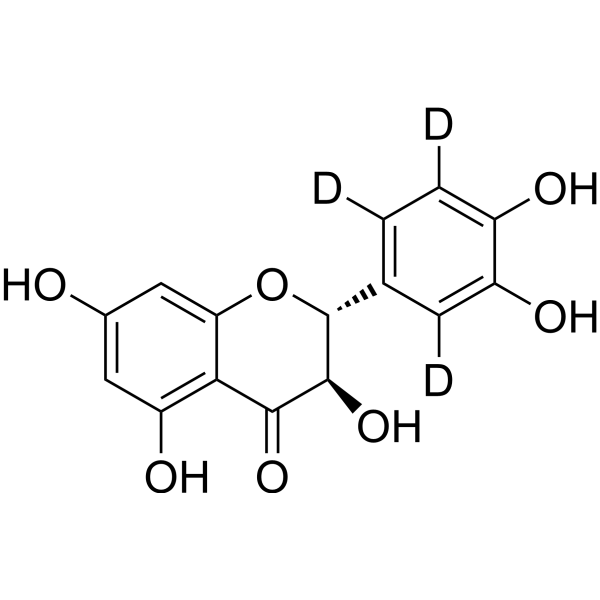
    (+)-Dihydroquercetin-d3; (+)-Taxifolin-d3

    Isotope-Labeled Compounds Autophagy Tyrosinase Inflammation/Immunology
    Taxifolin-d3 is deuterium labeled Taxifolin. Taxifolin ((+)-Dihydroquercetin) exhibits important anti-tyrosinase activity. Taxifolin exhibits significant inhibitory activity against collagenase with an IC50 value of 193.3 μM . Taxifolin is an important natural compound with antifibrotic activity. Taxifolin is a free radical scavenger with antioxidant capacity .
    Taxifolin-d3
  • HY-N1430R

    trans-Oxyresveratrol (Standard)

    Reference Standards Tyrosinase HSV Autophagy Others
    Oxyresveratrol (Standard) is the analytical standard of Oxyresveratrol. This product is intended for research and analytical applications. Oxyresveratrol (trans-Oxyresveratrol) is a potent naturally occurring antioxidant and free radical scavenger (IC50 of 28.9 μM against DPPH free radicals). Oxyresveratrol is potent and noncompetitive tyrosinase inhibitor with an IC50 value of 1.2 μM for mushroom tyrosinase. Oxyresveratrol is effective against HSV-1, HSV-2 and varicella-zoster virus, and has neuroprotective effects .
    Oxyresveratrol (Standard)
  • HY-N0444R

    Reference Standards Reactive Oxygen Species (ROS) Apoptosis Fungal Parasite NF-κB HBV Bacterial Infection Neurological Disease Metabolic Disease Inflammation/Immunology Cancer
    Rubiadin (Standard) is the analytical standard of Rubiadin (HY-N0444). This product is intended for research and analytical applications. Rubiadin is an orally active free radical scavenger that inhibits the activation of the NF-κB pathway. Rubiadin inhibits osteoclast formation, bone resorption, lipid peroxidation, HBV DNA replication and cancer cell proliferation; reduces pro-inflammatory cytokine levels; induces cancer cell apoptosis; and possesses antifungal, antimalarial, antibacterial and anticonvulsant activities. Rubiadin can be used in the research of osteoporosis, acute inflammation, chronic inflammation, carbon tetrachloride-induced liver injury, Alzheimer's disease, breast cancer, iron overload disorders, hepatitis B virus infection, colon cancer, liver cancer, T-lymphocytic leukemia, cervical cancer, diabetic nephropathy, epileptic seizures, fungal infections, malaria and bacterial infections.
    Rubiadin (Standard)
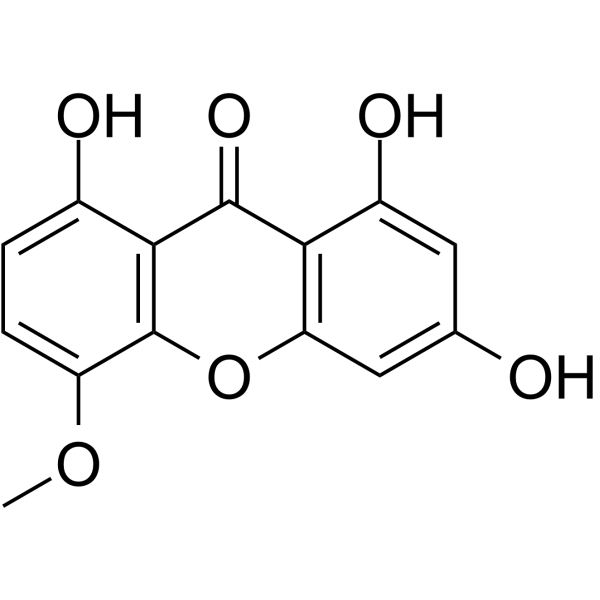
  • HY-N9370

    Fungal Infection
    Isobellidifolin, a xanthone, is a free radical scavenger and antioxidant compound. Isobellidifolin has potent antifungal effect .
    Isobellidifolin
  • HY-W790758

    Biochemical Assay Reagents
    Tripropylammonium hexafluorophosphate is a potent, cell-permeable free radical scavenger suitable for the detection of superoxide radicals and peroxynitrite in vitro.
    Tripropylammonium hexafluorophosphate
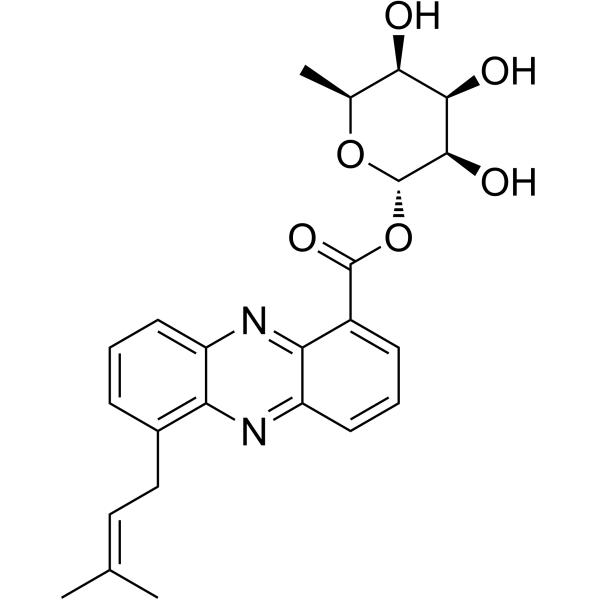
  • HY-114651

    Others Cancer
    Phenazoviridin is a free radical scavenger. Phenazoviridin shows strong inhibitory activity against lipid peroxidation in rat brain homogenate and exhibits antihypoxic activity in mice .
    Phenazoviridin
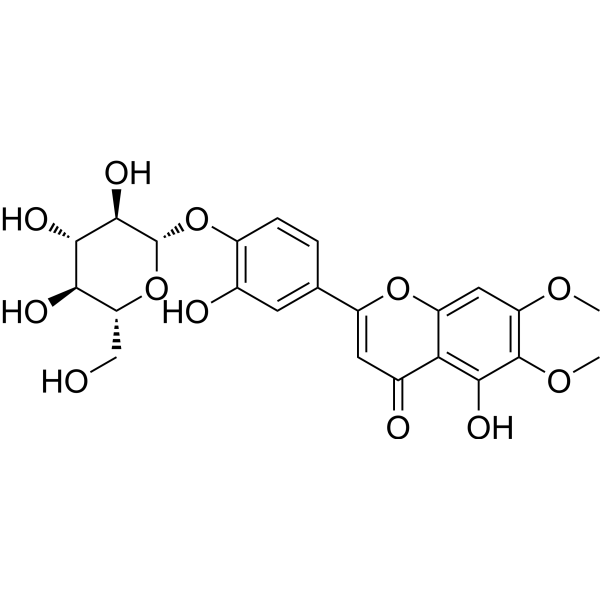
  • HY-N10594

    Drug Metabolite Metabolic Disease
    Cirsiliol 4′-glucoside is a free radical scavenger, found from Ruellia tuberosa L. Cirsiliol 4′-glucoside shows potential anti-diabetic activity .
    Cirsiliol 4′-glucoside
  • HY-W303135

    Biochemical Assay Reagents Others
    EMPO is a free radical scavenger. EMPO is stable in phosphate buffers at physiological pH, its superoxide spin adducts are more durable and no hydroxyl adducts are produced when decaying. EMPO can be used in the study of free radicals .
    EMPO
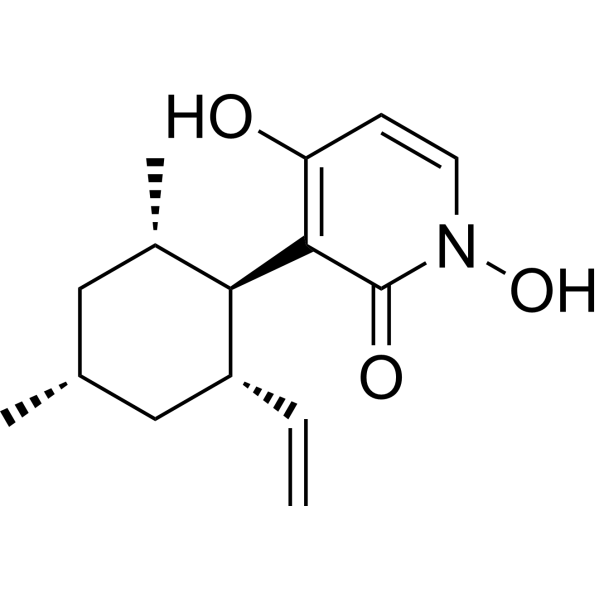
  • HY-125568

    MMP Others
    Pyridoxatin is a free radical scavenger of microbial origin. Pyridoxatin is isolated from a fungus culture identified as Acremonium sp. BX86. Pyridoxatin inhibits lipid peroxidation induced by free radicals in rat liver microsomes free from vitamin E .
    Pyridoxatin
  • HY-W015913S1

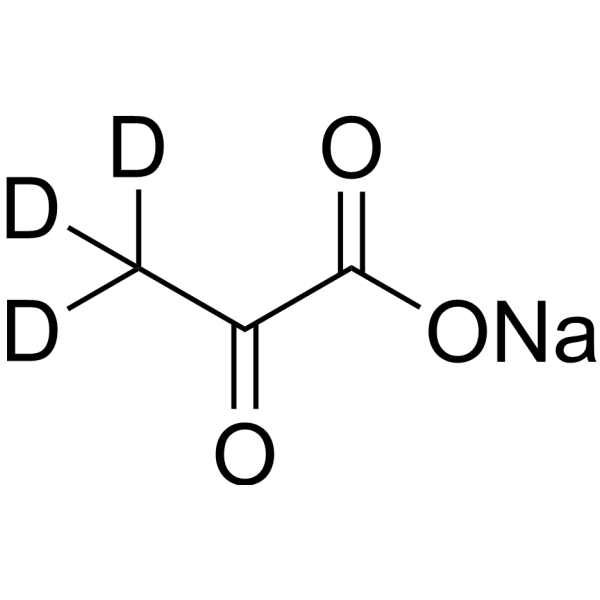
    Sodium 2-oxopropanoate-d3; Acetylformic acid-d3 sodium

    Endogenous Metabolite Reactive Oxygen Species (ROS) Metabolic Disease
    Sodium 2-oxopropanoate-d3 is the deuterium labeled Sodium 2-oxopropanoate . Sodium 2-oxopropanoate (Sodium pyruvate), a three-carbon metabolite of Glucose, is a compound produced in the glycolytic pathway. Sodium 2-oxopropanoate is a free radical scavenger that can scavenge ROS .
    Pyruvic acid-d3 sodium
  • HY-W015913S4

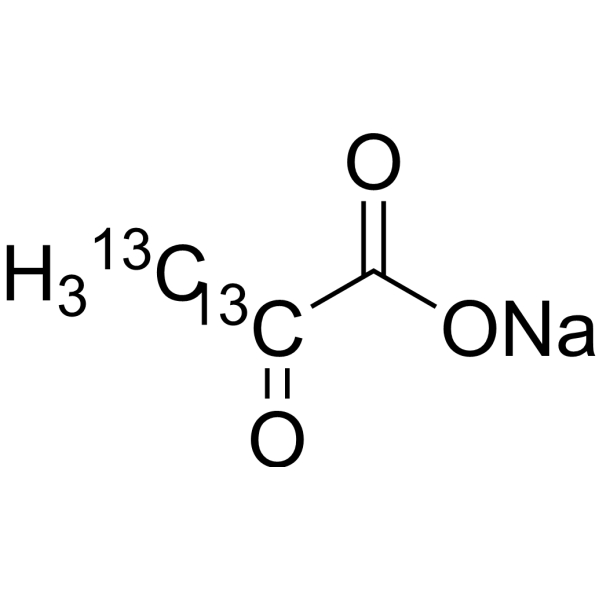
    Sodium 2-oxopropanoate-13C2; Acetylformic acid-13C2-1 sodium

    Endogenous Metabolite Reactive Oxygen Species (ROS) Metabolic Disease
    2-Oxopropanoate- 13C2 (sodium) is the 13C labeled Sodium 2-oxopropanoate . Sodium 2-oxopropanoate (Sodium pyruvate), a three-carbon metabolite of Glucose, is a compound produced in the glycolytic pathway. Sodium 2-oxopropanoate is a free radical scavenger that can scavenge ROS .
    Pyruvic acid-13C2-1 sodium
  • HY-N0523AR

    3,4,5-Trihydroxybenzoic acid hydrate (Standard)

    Reference Standards COX Reactive Oxygen Species (ROS) Apoptosis Ferroptosis Endogenous Metabolite Inflammation/Immunology Cancer
    Gallic acid (hydrate) (Standard) is the analytical standard of Gallic acid (hydrate). This product is intended for research and analytical applications. Gallic acid (3,4,5-Trihydroxybenzoic acid) hydrate is a natural polyhydroxyphenolic compound and an free radical scavenger to inhibit cyclooxygenase-2 (COX-2) . Gallic acid hydrate has various activities, such as antimicrobial, antioxidant, antimicrobial, anti-inflammatory, and anticance activities .
    Gallic acid hydrate (Standard)
  • HY-N0136S1

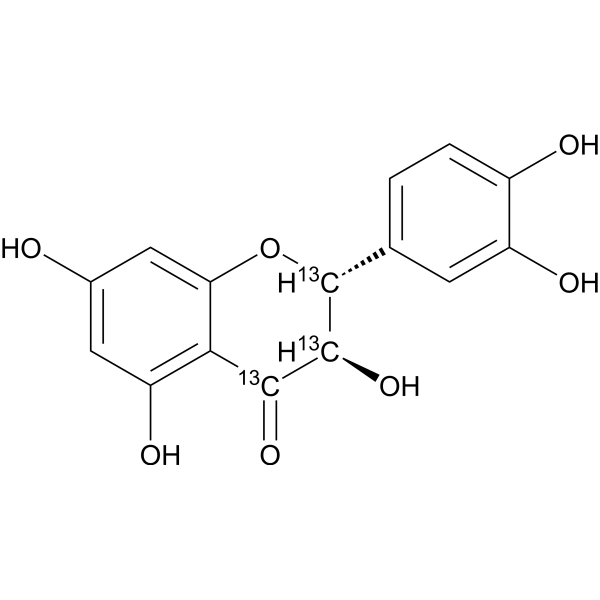
    (±)-Dihydroquercetin-13C3

    Autophagy Tyrosinase Inflammation/Immunology
    (±)-Taxifolin-13C3 ((±)-Dihydroquercetin-13C3) is a derivative of (±)-Taxifolin, labeled with 13C3. (±)-Taxifolin is the racemate of Taxifolin. Taxifolin exhibits important anti-tyrosinase activity. Taxifolin exhibits significant inhibitory activity against collagenase with an IC50 value of 193.3 μM . Taxifolin is an important natural compound with antifibrotic activity. Taxifolin is a free radical scavenger with antioxidant capacity .
    (±)-Taxifolin-13C3
  • HY-162830

    Lipoxygenase Monoamine Oxidase Neurological Disease
    5-LOX/MAOs-IN-1 (compound 3) is a 5-LOX/MAOs inhibitor and a potent free radical scavenger with antioxidant properties. 5-LOX/MAOs-IN-1 also showed neuroprotective activity in oxidative stress-damaged cell models and can activate the neurogenesis microenvironment of adult mouse neural stem cells. 5-LOX/MAOs-IN-1 can be used for the study of neurodegenerative diseases .
    5-LOX/MAOs-IN-1
  • HY-128463S

    COX Reactive Oxygen Species (ROS) Metabolic Disease
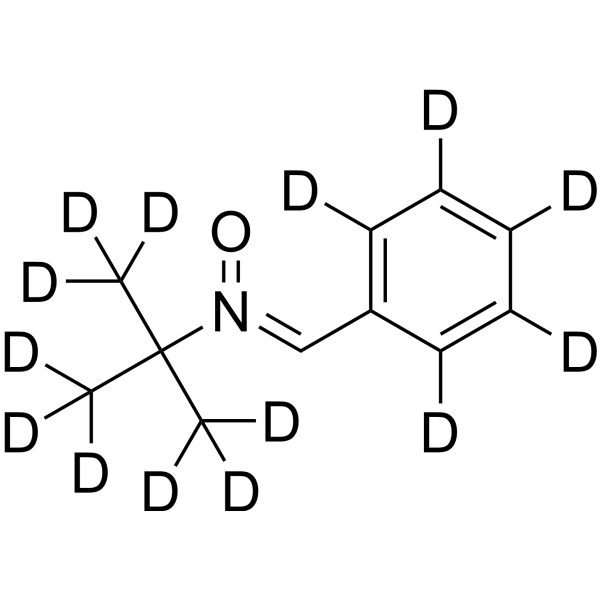
    N-tert-Butyl-α-phenylnitrone-d14 is the deuterium labeled N-tert-Butyl-α-phenylnitrone . N-tert-Butyl-α-phenylnitrone is a nitrone-based free radical scavenger that forms nitroxide spin adducts. N-tert-Butyl-α-phenylnitrone inhibits COX2 catalytic activity. N-tert-Butyl-α-phenylnitrone has potent ROS scavenging, anti-inflammatory, neuroprotective, anti-aging and anti-diabetic activities, and can penetrate the blood-brain barrier .
    N-tert-Butyl-α-phenylnitrone-d14
  • HY-N6829R

    Quercetin-​3,​3',​4',​7-​tetramethylether (Standard)

    Reference Standards Tyrosinase Fungal SARS-CoV Apoptosis Reactive Oxygen Species (ROS) Infection Neurological Disease Metabolic Disease Inflammation/Immunology
    Retusin (Quercetin-3,3',4',7-tetramethylether) (Standard) is the analytical standard of Retusin. This product is intended for research and analytical applications. Retusin is a tyrosinase inhibitor, with IC50 values of 50.9 μM and 51.8 μM against mushroom and intracellular tyrosinase, respectively. Retusin also acts as a free radical scavenger, melanogenesis inhibitor, anti-apoptosis agent, neuroprotective agent, antiemetic, antifungal agent, and antiviral agent. Retusin scavenges ABTS• + and DPPH• free radicals. Retusin can be used in studies related to hyperpigmentation, vomiting, Aspergillus niger infection, and COVID-19 infection.
    Retusin (Standard)

Inquiry Online

Your information is safe with us. * Required Fields.

Salutation


Country or Region *

Applicant Name *


Organization Name *

Department *


Email Address *


Product Name *

Cat. No.


Requested quantity *

Phone Number *


Remarks

Inquiry Online

Inquiry Information

Product Name:
Cat. No.:
Quantity:
MCE Japan Authorized Agent: