
1. Search Result
Search Result
Results for "

growth regulation

" in MedChemExpress (MCE) Product Catalog:

79

Inhibitors & Agonists

6

Screening Libraries

2

Biochemical Assay Reagents

7

Peptides

1

Inhibitory Antibodies

18

Natural
Products

5

Isotope-Labeled Compounds

16

Oligonucleotides

Cat. No. Product Name Target Research Areas Chemical Structure
  • HY-135794
    11-Ketodihydrotestosterone
    1 Publications Verification

    11-KDHT; 5α-Dihydro-11-keto testosterone

    Androgen Receptor Endocrinology
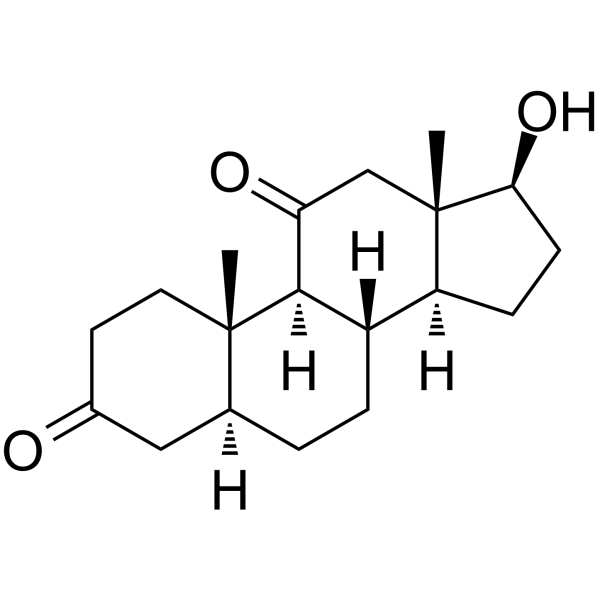
    11-Ketodihydrotestosterone (11-KDHT; 5α-Dihydro-11-keto testosterone) is an endogenous steroid and a metabolite of 11β-Hydroxyandrostenedione. 11-Ketodihydrotestosterone is an active androgen and is also a potent androgen receptor (AR) agonist with a Ki of 20.4 nM and an EC50 of 1.35 nM for human AR. 11-Ketodihydrotestosterone drives gene regulation, protein expression and cell growth in androgen-dependent prostate cancer cells .
    11-Ketodihydrotestosterone
  • HY-107738
    Guggulsterone
    Maximum Cited Publications
    21 Publications Verification

    Z/E-Guggulsterone

    Apoptosis JNK Akt Caspase FXR Autophagy Cancer
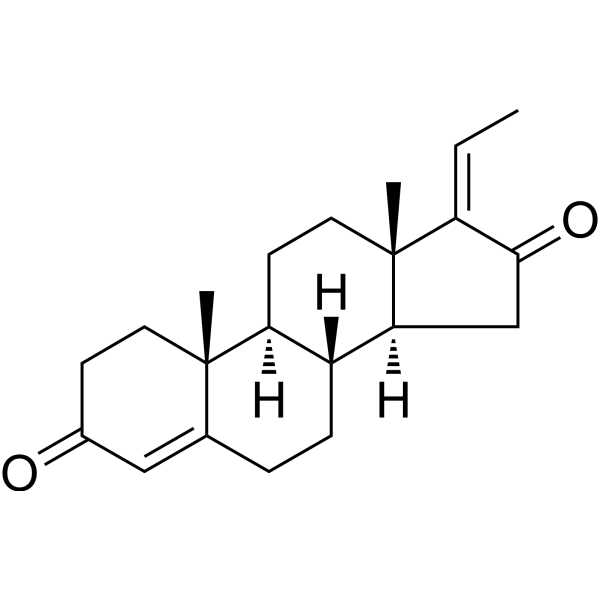
    Guggulsterone is a plant sterol derived from the gum resin of the tree Commiphora wightii. Guggulsterone inhibits the growth of a wide variety of tumor cells and induces apoptosis through down regulation of antiapoptotic gene products (IAP1, xIAP, Bfl-1/A1, Bcl-2, cFLIP and survivin), modulation of cell cycle proteins (cyclin D1 and c-Myc), activation of caspases and JNK, inhibition of Akt . Guggulsterone, a farnesoid X receptor (FXR) antagonist, with IC50s of 24.06 μM and 39.05 μM for (-)-(E)-Guggulsterone (HY-N7781) and (Z)-Guggulsterone (HY-110066), respectively .
    Guggulsterone
  • HY-113679

    Telomerase Metabolic Disease Endocrinology
    Ceramides Mixture is an endogenous ceramide and consists of hydroxy and non-hydroxy fatty acid-containing ceramides. Ceramides Mixture is a main lipid component of the permeability barrier in epidermis. Ceramides Mixture is involved in the regulation of growth inhibition, cell cycle arrest, and modulation of telomerase activity .
    Ceramides Mixture
  • HY-113416
    Dehydroepiandrosterone sulfate
    5 Publications Verification

    DHEA sulfate; Prasterone sulfate

    GABA Receptor Sigma Receptor iGluR PPAR NF-κB Neurological Disease Metabolic Disease Inflammation/Immunology
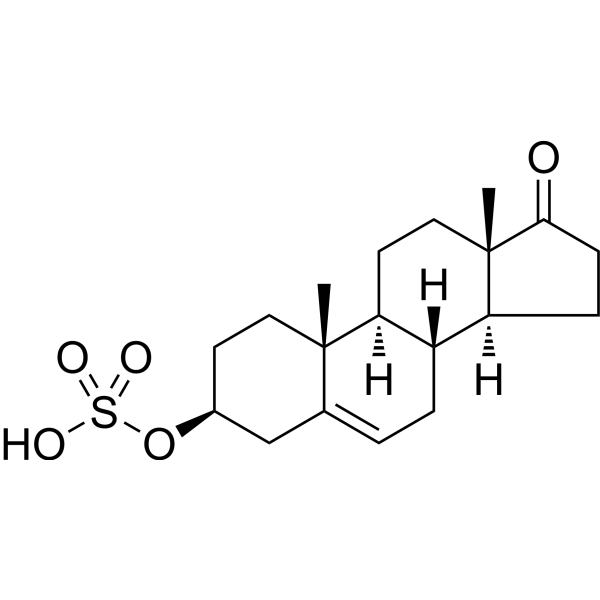
    Dehydroepiandrosterone sulfate (DHEA sulfate; Prasterone sulfate) is a neurosteroid and the main secretion product of the adrenal gland. Dehydroepiandrosterone sulfate has both non-competitive antagonist activity of GABAA receptor and agonist activity of σ1 receptor. Dehydroepiandrosterone sulfate can partially penetrate the blood-brain barrier, inhibit GABAA receptor-mediated chloride influx, enhance NMDA receptor activity through σ1 receptors, exert anti-inflammatory, anti-glucocorticoid and antidepressant effects, and increase convulsive sensitivity. Dehydroepiandrosterone sulfate participates in neuroprotection, neurite growth regulation and catecholamine secretion regulation, and can be used in the study of depression, post-traumatic stress disorder (PTSD), Alzheimer's disease, etc. Dehydroepiandrosterone sulfate may also be a biomarker for cardiovascular disease mortality, and its concentration is independently and negatively correlated with mortality .
    Dehydroepiandrosterone sulfate
  • HY-164388
    Z-VAD
    15+ Cited Publications

    Caspase Apoptosis Autophagy Necroptosis Cardiovascular Disease Cancer
    Z-VAD is an irreversible, broad-spectrum pan-caspase inhibitor that can inhibit a variety of caspases including caspase-3, -6, -7, -8, -9, etc. (with a weaker inhibitory effect on caspase-2). Z-VAD can block apoptosis signaling pathways, induce autophagy and necrosis in tumor cells, and has anti-angiogenic activity. Z-VAD can enhance the sensitivity of breast cancer and lung cancer cells to radiotherapy in vitro and in vivo, and prolong the growth delay of tumor xenograft models. Z-VAD is well tolerated and is mainly used in research related to cancer radiosensitization and cell death pathway regulation .
    Z-VAD
  • HY-B0765
    Dehydroepiandrosterone sulfate sodium
    5 Publications Verification

    DHEA sulfate sodium; Prasterone sulfate sodium

    GABA Receptor Sigma Receptor iGluR PPAR NF-κB Neurological Disease Metabolic Disease Inflammation/Immunology
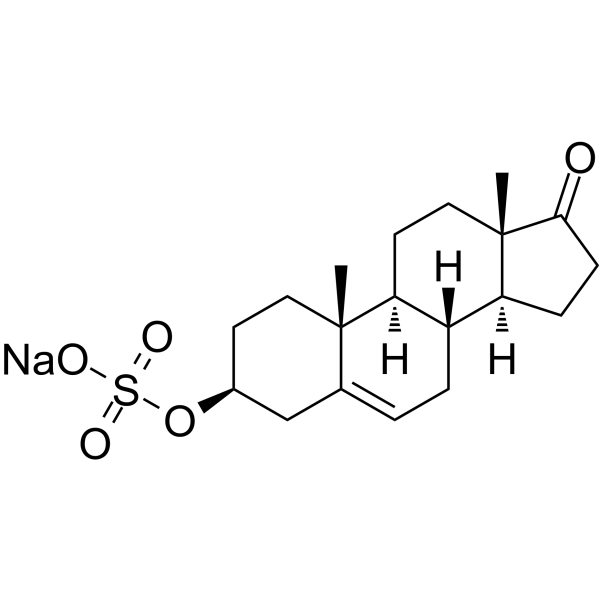
    Dehydroepiandrosterone sulfate (DHEA sulfate; Prasterone sulfate) sodium salt is a neurosteroid and the main secretion product of the adrenal gland. Dehydroepiandrosterone sulfate sodium salt has both non-competitive antagonist activity of GABAA receptor and agonist activity of σ1 receptor. Dehydroepiandrosterone sulfate sodium salt can partially penetrate the blood-brain barrier, inhibit GABAA receptor-mediated chloride influx, enhance NMDA receptor activity through σ1 receptors, exert anti-inflammatory, anti-glucocorticoid and antidepressant effects, and increase convulsive sensitivity. Dehydroepiandrosterone sulfate sodium salt participates in neuroprotection, neurite growth regulation and catecholamine secretion regulation, and can be used in the study of depression, post-traumatic stress disorder (PTSD), Alzheimer's disease, etc. Dehydroepiandrosterone sulfate sodium salt may also be a biomarker for cardiovascular disease mortality, and its concentration is independently and negatively correlated with mortality .
    Dehydroepiandrosterone sulfate sodium
  • HY-P6292A

    PACAP Receptor Neurological Disease Inflammation/Immunology Cancer
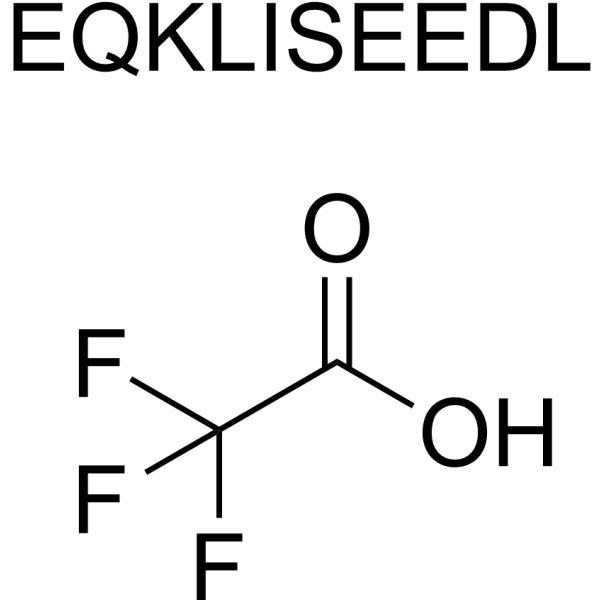
    KS-133 TFA is a highly selective and potent antagonist of the vascular active enteropeptide receptor 2 (VIPR2) with IC50 values for Ca influx measurement and cAMP measurement of 24.8 nM and 500 nM, respectively. KS-133 TFA reverses the tumor-promoting M2 phenotype of tumor-associated macrophages to the anti-tumor M1 phenotype, alters the tumor immune microenvironment, and inhibits tumor growth. KS-133 TFA can be used for research on schizophrenia and cancer immune regulation .
    KS-133 TFA
  • HY-120821
    Endosidin-2
    2 Publications Verification

    ES2

    Exosomes Others
    Endosidin-2 (ES2) is a selective inhibitor targeting the conserved exosome subunit EXO70. Endosidin-2 binds to the C-terminal domain of EXO70, inhibiting exocytosis and endosomal recycling, while promoting vacuolar trafficking in plant cells. Endosidin-2 interferes with the EXO70-mediated vesicle-to-plasma membrane anchoring process, leading to abnormal aggregation of auxin transporters (such as PIN2) in the cytoplasm and redirected to vacuolar degradation, while causing abnormal Golgi structure (such as cup-shaped or ring-shaped vesicles cisternae formation). Endosidin-2 can inhibit exocytosis in plant and mammalian cells and is mainly used to study the dynamic regulation of membrane trafficking (such as polar growth, vesicle sorting) .
    Endosidin-2
  • HY-113273A

    P2X Receptor Neurological Disease
    Diadenosine pentaphosphate pentasodium is an agonist and negative modulator of the P2X1 receptor, an endogenous vasoactive purine dinucleotide that can be isolated from platelets. Diadenosine pentaphosphate pentasodium mediates negative regulation of dendrite growth and number by activating homologous and heterologous P2X1 receptors, which triggers a transient and moderate increase in intracellular calcium levels within dendritic growth cones. Diadenosine pentaphosphate pentasodium is widely present in secretory vesicles such as platelets, chromaffin cells and brain synaptosomes, and exhibits selective activity on dendrite growth of cultured hippocampal neurons, inhibiting only dendrite growth without affecting axon growth. Diadenosine pentaphosphate pentasodium has a weaker ability to compete with RcCHAD for binding to polyP than short-chain polyPs .
    Diadenosine pentaphosphate pentasodium
  • HY-P2426

    Thyroid Hormone Receptor Metabolic Disease
    (D-Trp12,Tyr34)-pTH (7-34) amide (bovine) is a potent and competitive antagonist of parathyroid hormone (PTH), with a Ki of 69 nM in bovine renal cortical membrane. (D-Trp12,Tyr34)-pTH (7-34) amide (bovine) can be used for growth and development regulation .
    (D-Trp12,Tyr34)-pTH (7-34) amide (bovine)
  • HY-13265
    AR-42
    4 Publications Verification

    HDAC-42; OSU-HDAC42

    HDAC Autophagy Apoptosis Cancer
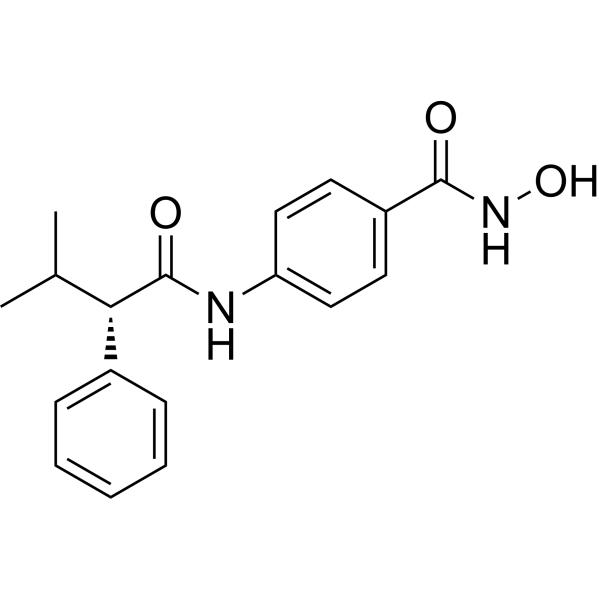
    AR-42 (HDAC-42; OSU-HDAC42) is a potent, orally bioavailable pan-HDAC inhibitor (IC50=16 nM). AR-42 induces growth inhibition, cell-cycle arrest, apoptosis, and activation of caspases-3/7. AR-42 promotes hyperacetylation of H3, H4, and alpha-tubulin, and up-regulation of p21. AR-42 shows cytotoxicity against various human cancer cell lines .
    AR-42
  • HY-130012
    CO23
    1 Publications Verification

    Thyroid Hormone Receptor Metabolic Disease
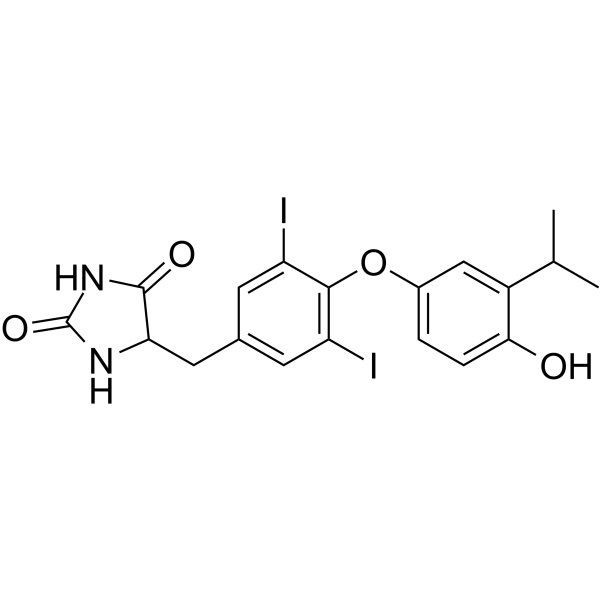
    CO23 is a selective thyroid hormone receptor (TR) α agonist and used for growth and development regulation .
    CO23
  • HY-P0312
    c-Myc Peptide TFA
    1 Publications Verification

    c-Myc Cancer
    c-Myc Peptide (TFA) is a synthetic peptide corresponding to the C-terminal amino acids (410-419) of human c-myc protein, and participates in regulation of growth-related gene transcription.
    c-Myc Peptide TFA
  • HY-W016393

    Endogenous Metabolite Others
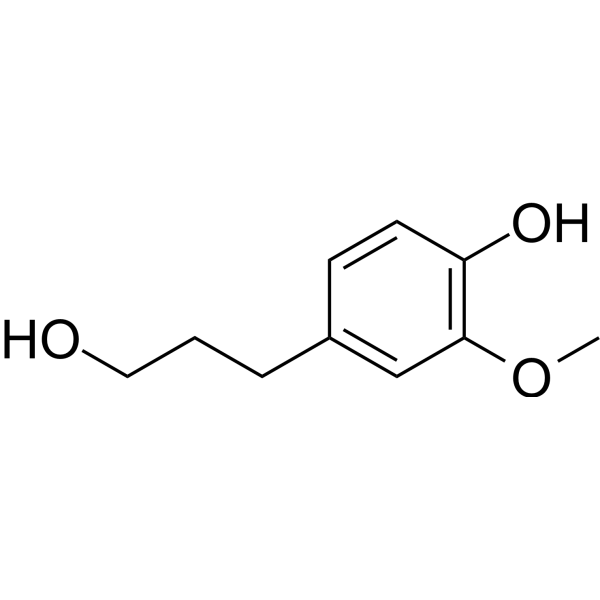
    Dihydroconiferyl alcohol is a cell division factor. Dihydroconiferyl alcohol can be isolated from the American sycamore (Acer pseudoplatanus L.). Dihydroconiferyl alcohol inhibits the degradation of Indole-3-acetic acid (HY-18569). Dihydroconiferyl alcohol can stimulate the growth of soybean and tobacco callus tissue and synergistically enhance Indole-3-acetic acid-induced hypocotyl elongation in cucumber. Dihydroconiferyl alcohol can be used in the research of plant growth regulation .
    Dihydroconiferyl alcohol
  • HY-16999

    MDM-2/p53 E1/E2/E3 Enzyme Apoptosis Cancer
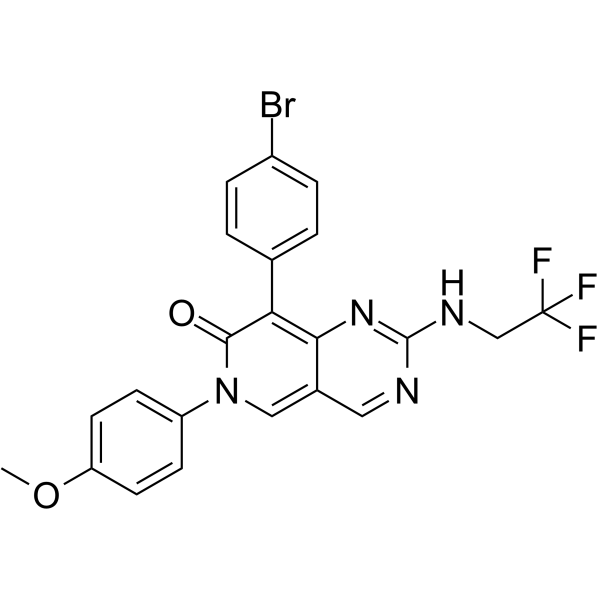
    RO8994 (Compound 4) is an orally active, highly potent and selective spiroindolinone p53-MDM2 inhibitor with an IC50 value of 5 nM (HTRF binding assays) and 20 nM (MTT proliferation assays). RO8994 induces up-regulation of p53 expression and Apoptosis in wild-type p53 cancer cells. RO8994 also inhibits tumor growth in the tumor xenograft model .
    RO8994
  • HY-122940

    Ageratochromene

    Endogenous Metabolite Metabolic Disease
    Precocene II (Ageratochromene) is a plant larva hormone antagonists that inhibits the biosynthesis of juvenile hormone. Precocene II inhibits corpora allata function and downregulates juvenile hormone levels, while exerting multiple effects including inducing precocious metamorphosis, forming macropterous morphs, inhibiting ovarian growth, producing cytotoxicity, disrupting insect development, and causing sterility and kidney damage. Precocene II blocks normal nymphal development, causes renal tubular damage and increases blood urea nitrogen levels, and also blocks juvenile hormone biosynthesis in vitro. Precocene II undergoes oxidative metabolism catalyzed by NADPH-dependent monooxygenase to generate a variety of metabolites. Precocene II can be applied in studies related to insect growth regulation and nephrotoxicity .
    Precocene II
  • HY-W583212

    ZnMP

    Biochemical Assay Reagents Heme Oxygenase (HO) Inflammation/Immunology
    Zn (II) Mesoporphyrin IX (ZnMP) is a heme oxygenase inhibitor with photochemical substrate activity. Zn (II) Mesoporphyrin IX specifically inhibits the activity of bone marrow heme oxygenase. In vitro, Zn (II) Mesoporphyrin IX inhibits the growth of erythroid and myeloid progenitor cells in rabbit bone marrow, and blocks the rhG-CSF-induced mobilization of these progenitor cells into the peripheral blood, exhibiting toxicity to hematopoietic growth and progenitor cell production in rabbits. Zn (II) Mesoporphyrin IX undergoes irreversible photochemical decomposition conforming to first-order kinetic characteristics when irradiated with UV-B in 95% ethanol solution. Zn (II) Mesoporphyrin IX can be used in hematopoietic regulation research, but its photolability and toxic effects on the hematopoietic system require attention .
    Zn(II) Mesoporphyrin IX
  • HY-P99925

    REGN421

    Notch Metabolic Disease Cancer
    Enoticumab (REGN421, SAR153192) is an IgG1κ antibody targeting human Dll4. DLL4 is a ligand of the Notch signaling pathway and regulates fatty acid uptake through non-transcriptional regulation of macropinocytosis-dependent long-chain fatty acid uptake. Specific in vivo activity of Enoticumab in an ovarian xenograft model. EGN421 (2.5 mg/kg once weekly) resulted in 86% and 83% tumor growth inhibition in mouse subcutaneous TOV-112D or intraperitoneal A2780 human tumor xenograft models, respectively .
    Enoticumab
  • HY-141645

    WS070117

    AMPK TGF-β Receptor NF-κB JNK AP-1 Cardiovascular Disease Metabolic Disease Inflammation/Immunology
    IMM-H007 (WS070117) is an orally active and potent AMPK (AMP-activated protein kinase) activator and TGFβ1 (transforming growth factor β1) antagonist. IMM-H007 has protective effects in cardiovascular diseases via activation of AMPK. IMM-H007 negatively regulates endothelium inflammation through inactivating NF-κB and JNK/AP1 signaling. IMM-H007 inhibits ABCA1 degradation. IMM-H007 resolves hepatic steatosis in HFD-fed hamsters by the regulation of lipid metabolism. IMM-H007 can be used for the research of nonalcoholic fatty liver disease (NAFLD) and inflammatory atherosclerosis .
    IMM-H007
  • HY-W588263

    IAGlu

    Drug Derivative Others
    Indole-3-acetyl glutamate (IAGlu) is a derivative of the plant hormone indole-3-acetic acid (IAA). As a conjugated form of IAA, Indole-3-acetyl glutamate involves in the transport, storage, and homeostatic regulation of IAA within the plant. Indole-3-acetyl glutamate can be used for research into the effects of plant hormones on the growth and development of plants .
    Indole-3-acetyl glutamate
  • HY-B1948

    S-3308

    Fungal Infection
    Diniconazole (S-3308) is a newly developed fungicide. Diniconazole exhibits fungicidal activity against Bolrytis cintrca, Sordaria fumicola, Fusarium graminearum, Sclerotium cepivornm, and Bipolaris sorokiniana with IC50 values of 0.012, <0.001, 0.008, 0.02, and 0.06 mg/L, respectively. Diniconazole can be used in research related to the prevention and control of plant fungal diseases and plant growth regulation .
    Diniconazole
  • HY-Y1004

    Decyl alcohol

    Environmental Pollutants Biochemical Assay Reagents Parasite Apoptosis Infection
    1-Decanol (Decyl alcohol) is a nematicidal agent derived from Houttuynia cordata, with an LC50 of 31.5 μg/mL against potato cyst nematodes (PCN). 1-decanol directly damages nematode surface structures, induces cellular apoptosis, and disrupts the oxidative stress regulation system, while also downregulating defense-related metabolic pathways in potato, thereby promoting the reallocation of metabolic resources from defense to growth. 1-Decanol can be used for the research of potato cyst nematode infestation .
    1-Decanol
  • HY-145777

    Methionine Adenosyltransferase (MAT) Neurological Disease Cancer
    AGI-43192 is a potent and orally active inhibitor of methionine adenosyltransferase 2A (MAT2A) that limitedly penetrates the blood-brain barrier. AGI-43192 exhibits inhibitory activitity against MAT2A and S-adenosyl methionine (SAM) in HCT-116 MTAP-null cells with IC50s of 32 and 14 nM. AGI-43192 can significantly inhibit the proliferation of HCT-116 cells and tumor growth. AGI-43192 can be used to study the role of SAM regulation in the central nervous system (CNS) and colon cancer .
    AGI-43192
  • HY-135794S

    11-KDHT-d3; 5α-Dihydro-11-keto testosterone-d3

    Isotope-Labeled Compounds Androgen Receptor Endocrinology
    11-Ketodihydrotestosterone-d3 is the deuterium labeled 11-Ketodihydrotestosterone. 11-Ketodihydrotestosterone (11-KDHT; 5α-Dihydro-11-keto testosterone) is an endogenous steroid and a metabolite of 11β-Hydroxyandrostenedione. 11-Ketodihydrotestosterone is an active androgen and is also a potent androgen receptor (AR) agonist with a Ki of 20.4 nM and an EC50 of 1.35 nM for human AR. 11-Ketodihydrotestosterone drives gene regulation, protein expression and cell growth in androgen-dependent prostate cancer cells .
    11-Ketodihydrotestosterone-d3
  • HY-145778

    Methionine Adenosyltransferase (MAT) Neurological Disease Cancer
    AGI-41998 is a potent and orally active inhibitor of methionine adenosyltransferase 2A (MAT2A) that effectively penetrates the blood-brain barrier. AGI-41998 exhibits inhibitory activities against MAT2A and S-adenosyl methionine (SAM) in HCT-116 MTAP-null cells with IC50s of 22 nM and 34 nM. AGI-41998 can significantly inhibit the proliferation of HCT-116 cells and tumor growth. AGI-41998 can be used to study the role of SAM regulation in the central nervous system (CNS) and colon cancer .
    AGI-41998
  • HY-141921S

    DHEA sulfate sodium-d6; Prasterone sulfate sodium-d6

    Isotope-Labeled Compounds GABA Receptor Sigma Receptor iGluR PPAR NF-κB Neurological Disease Metabolic Disease Inflammation/Immunology
    Dehydroepiandrosterone sulfate sodium salt-d6 (DHEA sulfate sodium salt-d6; Prasterone sulfate sodium salt-d6) is the deuterium labeled Dehydroepiandrosterone sulfate sodium salt (HY-B0765). Dehydroepiandrosterone sulfate (DHEA sulfate; Prasterone sulfate) sodium salt is a neurosteroid and the main secretion product of the adrenal gland. Dehydroepiandrosterone sulfate sodium salt has both non-competitive antagonist activity of GABAA receptor and agonist activity of σ1 receptor. Dehydroepiandrosterone sulfate sodium salt can partially penetrate the blood-brain barrier, inhibit GABAA receptor-mediated chloride influx, enhance NMDA receptor activity through σ1 receptors, exert anti-inflammatory, anti-glucocorticoid and antidepressant effects, and increase convulsive sensitivity. Dehydroepiandrosterone sulfate sodium salt participates in neuroprotection, neurite growth regulation and catecholamine secretion regulation, and can be used in the study of depression, post-traumatic stress disorder (PTSD), Alzheimer's disease, etc. Dehydroepiandrosterone sulfate sodium salt may also be a biomarker for cardiovascular disease mortality, and its concentration is independently and negatively correlated with mortality .
    Dehydroepiandrosterone sulfate sodium-d6
  • HY-W041831

    Ethanedioic acid ammonium

    Environmental Pollutants Biochemical Assay Reagents Others
    Oxalic acid (ammonium) is a oxalic acid bound to ammonium. Oxalic acid has high acidity, reducibility, and chelation ability. Oxalic acid plays important roles in the regulation of plant growth and development, the response to both biotic and abiotic stresses such as plant defense and heavy metals detoxification, and food quality .
    Oxalic acid ammonium
  • HY-112591

    XMH95

    Apoptosis HIV Wnt Bcl-2 Family Cancer
    NSC260594 induces Apoptosis. NSC260594 binds the shallow groove of the Mcl-1 protein, and inhibits Mcl-1 expression through down-regulation of Wnt signaling proteins. NSC260594 can also recognize G9-G10-A11-G12 RNA tetraloop of HIV and prevent the binding of the Gag protein within the 5’-UTR. NSC260594 inhibits tumor growth, and can be used for research of Triple-negative breast cancers (TNBCs) .
    NSC260594
  • HY-N6651

    STAT Phosphatase Apoptosis Autophagy p38 MAPK EGFR JAK Bcl-2 Family Survivin Akt mTOR PARP Caspase Atg8/LC3 CDK Cancer
    Isocryptotanshinone is a dual STAT3 and PTP1B (IC50 = 56.1 μM) inhibitor. Isocryptotanshinone inhibits STAT3 by binding to the STAT3 SH2 domain to block phosphorylation and nuclear translocation [1][2]. Isocryptotanshinone exerts its anti-proliferative effect via the induction of cell cycle arrest, apoptosis, and pro-death autophagy, through the regulation of STAT3, AKT/mTOR and MAPK signaling pathways. Isocryptotanshinone suppresses the xenograft gastric cancer (GC) tumor growth in BALB/c nude mice. Isocryptotanshinone can be used for cancer research, such as lung cancer, breast cancer and GC .
    Isocryptotanshinone
  • HY-159643

    MAP4K IFNAR Interleukin Related Inflammation/Immunology Cancer
    NDI-101150 is an orally active, potent and selective hematopoietic progenitor cell kinase 1 (HPK1) inhibitor with an IC50 of 0.7 nM. NDI-101150 blocks HPK1-mediated negative regulation of immune receptor signaling, inhibits immunosuppression of T cell activation, enhances antigen-specific antibody production and augments B-cell activation. NDI-101150 inhibits tumor growth in syngeneic tumor models, establishes durable antitumor immune memory, and synergizes with anti-PD1 to enhance exhausted T cell activity and drive tumor regressions. NDI-101150 can be used for the research of cancer, such as breast cancer and colon cancer .
    NDI-101150
  • HY-N8228

    Bacterial Infection Inflammation/Immunology Cancer
    17-Hydroxyneomatrine, extracted from Sophora flavescens, can well inhibit the growth of human cervical carcinoma Hela cells, has the wide-range antibacterial, anti-allergy, anti-tumor, anti-arrhythmia, swelling-subsiding diuresis, immunizing, and biological regulation functions .
    17-Hydroxyneomatrine
  • HY-N10612

    AMPK PPAR TRP Channel Mitochondrial Metabolism Metabolic Disease Cancer
    Petasin inhibits adipogenesis in cell 3T3-F442A with an IC50 of 0.95 μM. Petasin inhibits the expression of lipid synthesis factors ACC1, FAS and SCD1 by inhibiting transcription factors PPARγ and C/EBPα, as well as targeting TRPA1 and TRPV1 channels . Petasin inhibits mitochondrial complex I, thereby inhibiting tumor growth and metastasis. Petasin activates AMPK signaling pathway, participating in regulation of glucose and lipid metabolism. Petasin is orally active .
    Petasin
  • HY-113416R

    DHEA sulfate (Standard); Prasterone sulfate (Standard)

    Reference Standards GABA Receptor Sigma Receptor iGluR PPAR NF-κB Neurological Disease Metabolic Disease Inflammation/Immunology
    Dehydroepiandrosterone sulfate (DHEA sulfate; Prasterone sulfate) (Standard) is the analytical standard of Dehydroepiandrosterone sulfate (HY-113416). This product is intended for research and analytical applications. Dehydroepiandrosterone sulfate (DHEA sulfate; Prasterone sulfate) is a neurosteroid and the main secretion product of the adrenal gland. Dehydroepiandrosterone sulfate has both non-competitive antagonist activity of GABAA receptor and agonist activity of σ1 receptor. Dehydroepiandrosterone sulfate can partially penetrate the blood-brain barrier, inhibit GABAA receptor-mediated chloride influx, enhance NMDA receptor activity through σ1 receptors, exert anti-inflammatory, anti-glucocorticoid and antidepressant effects, and increase convulsive sensitivity. Dehydroepiandrosterone sulfate participates in neuroprotection, neurite growth regulation and catecholamine secretion regulation, and can be used in the study of depression, post-traumatic stress disorder (PTSD), Alzheimer's disease, etc. Dehydroepiandrosterone sulfate may also be a biomarker for cardiovascular disease mortality, and its concentration is independently and negatively correlated with mortality .
    Dehydroepiandrosterone sulfate (Standard)
  • HY-113416AS

    DHEA sulfate-d6 sodium dihydrate; Prasterone sulfate-d6 sodium dihydrate

    Isotope-Labeled Compounds GABA Receptor Sigma Receptor iGluR PPAR NF-κB Neurological Disease Metabolic Disease Inflammation/Immunology
    Dehydroepiandrosterone sulfate sodium dihydrate-d6 sodium dihydrate is the deuterium labeled Dehydroepiandrosterone sulfate sodium dihydrate. Dehydroepiandrosterone sulfate (DHEA sulfate; Prasterone sulfate) sodium dihydrate is a neurosteroid and the main secretion product of the adrenal gland. Dehydroepiandrosterone sulfate sodium dihydrate has both non-competitive antagonist activity of GABAA receptor and agonist activity of σ1 receptor. Dehydroepiandrosterone sulfate sodium dihydrate can partially penetrate the blood-brain barrier, inhibit GABAA receptor-mediated chloride influx, enhance NMDA receptor activity through σ1 receptors, exert anti-inflammatory, anti-glucocorticoid and antidepressant effects, and increase convulsive sensitivity. Dehydroepiandrosterone sulfate sodium dihydrate participates in neuroprotection, neurite growth regulation and catecholamine secretion regulation, and can be used in the study of depression, post-traumatic stress disorder (PTSD), Alzheimer's disease, etc. Dehydroepiandrosterone sulfate sodium dihydrate may also be a biomarker for cardiovascular disease mortality, and its concentration is independently and negatively correlated with mortality .
    Dehydroepiandrosterone sulfate-d6 sodium dihydrate
  • HY-125209A

    Apoptosis PARP DNA/RNA Synthesis Cancer
    TH5427 hydrochloride is a NUDT5 inhibitor with a human target IC50 of 29 nM, ~690-fold selectivity over MTH1 in vitro, and selective functional inhibition over other NUDIX hydrolases including NUDT9 .TH5427 hydrochloride binds to the active site of NUDT5, blocking enzymatic activity related to ADP-ribose metabolism and PAR-derived ATP synthesis .TH5427 hydrochloride blocks progestin-dependent nuclear ATP synthesis, impairs progestin-induced chromatin remodeling, inhibits histone H1 displacement, disrupts progestin-dependent gene regulation, and abrogates progestin-dependent proliferation in breast cancer cells .TH5427 hydrochloride functions as a versatile probe to study nuclear ATP dynamics and ADP-ribose-related metabolism in cells .TH5427 hydrochloride engages NUDT5 at physiological temperatures, as demonstrated by Drug Affinity Responsive Target Stability (DARTS) assay .TH5427 hydrochloride stabilizes NUDT5 against thermal denaturation in cell lysates and intact cells, as shown by cellular thermal shift assay (CETSA) .TH5427 hydrochloride functionally inhibits NUDT5 activity, leading to downstream effects on oxidative DNA damage and DNA replication in triple-negative breast cancer (TNBC) cells .TH5427 hydrochloride suppresses proliferation of TNBC cells without inducing cell death or apoptosis, slows DNA replication in TNBC cells, promotes accumulation of oxidative DNA lesions, and triggers DNA damage response in TNBC cells .TH5427 hydrochloride suppresses growth of TNBC cells in vitro, inhibits growth of TNBC xenograft tumors in nude mice in vivo, and shows greater potency against TNBC cell lines compared to ER-positive and normal-like breast cell lines .TH5427 hydrochloride can be used for the research of breast cancer and triple-negative breast cancer .
    TH5427 hydrochloride
  • HY-N13014

    Others Others
    Indole-3-acetyl β-D-glucopyranose is a glucose esterified derivative of the plant hormone indole-3-acetic acid (IAA). Indole-3-acetyl β-D-glucopyranose is involved in regulating plant growth and can be used to study the metabolism and regulatory mechanisms of plant hormones .
    Indole-3-acetyl β-D-glucopyranose
  • HY-P10421

    ERK Cancer
    PKCδ substrate acts as a nuclear transporter of ERK2 and is involved in ERK2 mediated gene activation. PKCδ is involved in the regulation of cell growth, proliferation, cell cycle arrest, and apoptosis by phosphorylating hBVR and other proteins. PKCδ substrate can be used to study the development of diseases, especially cancer biology .
    PKCδ substrate
  • HY-P10229

    Phytohormone Others
    RALF1 peptide, a polypeptide found in plant kingdom (as well as in fungi and bacteria), is a FERONIA (FER) modulator. RALF1 peptide mediates rapid net H + influx across the plasma membrane, apoplast alkalinization, rapid reversible root growth inhibition, and non-transcriptional regulation.RALF1 peptide up-regulates auxin biosynthesis genes, activates canonical TIR1/AFB auxin signaling, and mediates sustained root growth inhibition. RALF1 peptide can be used for research on the regulation of plant growth and development .
    RALF1 peptide
  • HY-W587952

    NAMPT Others
    Gibberellin A34 is a Hypoxanthine guanine phosphoribosyltransferase 1 (HPRT1) inhibitor that can be isolated from immature seeds of Calonyction aculeatum. Gibberellin A34 can be used for studies on plant growth and development regulation .
    Gibberellin A34
  • HY-N10511

    Others Inflammation/Immunology
    GM1a Ganglioside oligosaccharide is a semisynthetic form of ganglioside GM1. Ganglioside GM1 is the natural receptor for cholera toxin and plays an important role not only in general growth regulation but also in the coupling of hormone-induced responses .
    GM1a Ganglioside oligosaccharide
  • HY-W016393R

    Reference Standards Endogenous Metabolite Others
    Dihydroconiferyl alcohol (Standard) is an analytical standard of Dihydroconiferyl alcohol (HY-W016393). This product is intended for research and analytical applications. Dihydroconiferyl alcohol is a cell division factor. Dihydroconiferyl alcohol can be isolated from the American sycamore (Acer pseudoplatanus L.). Dihydroconiferyl alcohol inhibits the degradation of Indole-3-acetic acid (HY-18569). Dihydroconiferyl alcohol can stimulate the growth of soybean and tobacco callus tissue and synergistically enhance Indole-3-acetic acid-induced hypocotyl elongation in cucumber. Dihydroconiferyl alcohol can be used in the research of plant growth regulation .
    Dihydroconiferyl alcohol (Standard)
  • HY-143862

    PPAR Metabolic Disease
    Pparδ agonist 7 is a potent agonist of Pparδ. The peroxisome proliferator-activated receptor (PPAR) is a member of the intranuclear receptor transcription factor superfamily that plays a key role in the regulation of metabolic homeostasis, inflammation, cell growth and differentiation in vivo. Pparδ agonist 7 has the potential for the research of non-alcoholic fatty liver disease (NAFLD) (extracted from patent WO2019105234A1, compound TM4) .
    Pparδ agonist 7
  • HY-135794R

    11-KDHT (Standard); 5α-Dihydro-11-keto testosterone (Standard)

    Reference Standards Androgen Receptor Endocrinology
    11-Ketodihydrotestosterone (Standard) is the analytical standard of 11-Ketodihydrotestosterone. This product is intended for research and analytical applications. 11-Ketodihydrotestosterone (11-KDHT; 5α-Dihydro-11-keto testosterone) is an endogenous steroid and a metabolite of 11β-Hydroxyandrostenedione. 11-Ketodihydrotestosterone is an active androgen and is also a potent androgen receptor (AR) agonist with a Ki of 20.4 nM and an EC50 of 1.35 nM for human AR. 11-Ketodihydrotestosterone drives gene regulation, protein expression and cell growth in androgen-dependent prostate cancer cells .
    11-Ketodihydrotestosterone (Standard)
  • HY-107738R

    Z/E-Guggulsterone (Standard)

    Apoptosis JNK Akt Caspase FXR Autophagy Reference Standards Cancer
    Guggulsterone (Standard) is the analytical standard of Guggulsterone (HY-107738). This product is intended for research and analytical applications. Guggulsterone is a plant sterol derived from the gum resin of the tree Commiphora wightii. Guggulsterone inhibits the growth of a wide variety of tumor cells and induces apoptosis through down regulation of antiapoptotic gene products (IAP1, xIAP, Bfl-1/A1, Bcl-2, cFLIP and survivin), modulation of cell cycle proteins (cyclin D1 and c-Myc), activation of caspases and JNK, inhibition of Akt. Guggulsterone, a farnesoid X receptor (FXR) antagonist, with IC50s of 24.06 μM and 39.05 μM for (-)-(E)-Guggulsterone (HY-N7781) and (Z)-Guggulsterone (HY-110066), respectively.
    Guggulsterone (Standard)
  • HY-W874850

    Herbicide
    Fluorodifen is a selective herbicide with the activity of inhibiting weed growth. Fluorodifen can effectively control the growth of various annual and perennial broadleaf weeds and some grass weeds, and is widely used in the field management of various crops. By acting on the photosynthesis of plants and the regulation of their growth hormones, Fluorodifen ensures the healthy growth and harvest of crops.
    Fluorodifen
  • HY-174695

    mRNA Cancer
    Human FGF5 mRNA encodes the human fibroblast growth factor 5 (FGF5) protein, a member of the fibroblast growth factor (FGF) family. FGF5 may play an important role in the regulation of cell proliferation and cell differentiation.
    Human FGF5 mRNA
  • HY-174553

    mRNA Cancer
    Human PDGFA mRNA encodes the human platelet derived growth factor A (PDGFA) protein, a member of the platelet-derived growth factor family. PDGFA plays an essential role in the regulation of embryonic development, cell proliferation, cell migration, survival and chemotaxis.
    Human PDGFA mRNA
  • HY-131478

    Bacterial Fungal Infection Cancer
    Pyruvic acid semicarbazone is an inhibitor of bacterial and fungal. Pyruvic acid semicarbazone is promising for research of anti-infective agents, cancers, and plant growth regulation .
    Pyruvic acid semicarbazone
  • HY-174552

    mRNA Cancer
    Human PDGFB mRNA encodes the human platelet derived growth factor B (PDGFB) protein, a member of the platelet-derived growth factor family. PDGFB plays an essential role in the regulation of embryonic development, cell proliferation, cell migration, survival and chemotaxis.
    Human PDGFB mRNA
  • HY-174550

    mRNA Cancer
    Human PDGFD mRNA encodes the human platelet derived growth factor D (PDGFD) protein, a member of the platelet-derived growth factor family. PDGFD plays an essential role in the regulation of embryonic development, cell proliferation, cell migration, survival and chemotaxis.
    Human PDGFD mRNA

Inquiry Online

Your information is safe with us. * Required Fields.

Salutation


Country or Region *

Applicant Name *


Organization Name *

Department *


Email Address *


Product Name *

Cat. No.


Requested quantity *

Phone Number *


Remarks

Inquiry Online

Inquiry Information

Product Name:
Cat. No.:
Quantity:
MCE Japan Authorized Agent:

