1. Search Result
Search Result
Results for "

high antibacterial activity

" in MedChemExpress (MCE) Product Catalog:

59

Inhibitors & Agonists

3

Screening Libraries

2

Biochemical Assay Reagents

7

Peptides

1

Inhibitory Antibodies

17

Natural
Products

2

Isotope-Labeled Compounds

1

Oligonucleotides

Targets Recommended:
Cat. No. Product Name Target Research Areas Chemical Structure
  • HY-128525

    Bacterial Reactive Oxygen Species (ROS) Infection Inflammation/Immunology
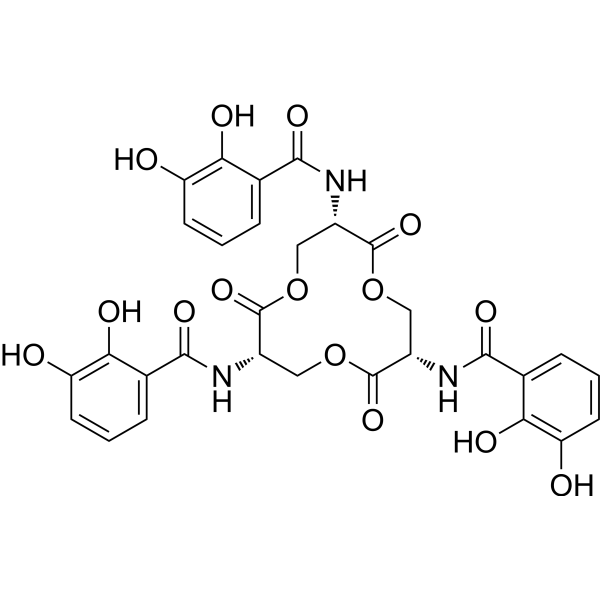
    Enterobactin is a siderophore produced by Gram-negative bacteria and has an extremely high affinity for iron. During the process of Salmonella typhimurium infecting macrophages, Enterobactin can not only help bacteria uptake iron but also reduce the antibacterial activity of macrophages. In addition, Enterobactin is also involved in the oxidative stress response of Escherichia coli. Enterobactin can be hydrolyzed by Fes in the cell and exert antioxidant effects by scavenging free radicals .
    Enterobactin
  • HY-N2575
    Hypocrellin A
    2 Publications Verification

    PKC Bacterial Parasite HIV VSV VEGFR Bcl-2 Family Apoptosis Infection Metabolic Disease Cancer
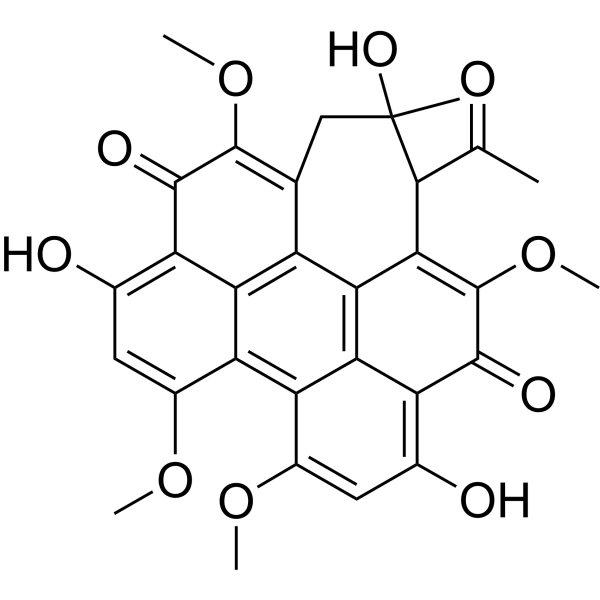
    Hypocrellin A is a PKC inhibitor that exerts antidiabetic activity by reversing the effects of high glucose on endothelin (ET-1) expression. Hypocrellin A is also a photosensitizer for photodynamic therapy (PDT) with anticancer, antibacterial and antiviral activities, especially against human immunodeficiency virus (HIV). In addition, Hypocrellin-A also possesses anti-Leishmania activity (IC50=0.27 μg/ml) .
    Hypocrellin A
  • HY-P99583

    MEDI4893

    Bacterial Infection Inflammation/Immunology
    Suvratoxumab (MEDI4893) is a long-acting, high-affinity human anti-α-toxin monoclonal antibody (IgG1κ type). Suvratoxumab potently neutralizes α-toxin, a key S. aureus virulence factor. Suvratoxumab improves survival and reduces lung injury in an immunocompromised mice model of pneumonia. Suvratoxumab also enhances the antibacterial activity of Vancomycin (HY-B0671) or Linezolid (HY-10394) .
    Suvratoxumab
  • HY-N13356

    gamma-Glutamylthreonine; H-γ-Glu-Thr-OH; γ-Glu-Thr

    Bacterial Peptide-Drug Conjugates (PDCs) Drug Metabolite Infection Inflammation/Immunology
    L-gamma-Glutamyl-L-threonine (gamma-Glutamylthreonine; H-γ-Glu-Thr-OH; γ-Glu-Thr) is a dipeptide obtained through the formal condensation of the L-glutamic acid side chain carboxyl group and the L-threonine amino group. L-gamma-Glutamyl-L-threonine is present in high concentrations in human urine and exhibits antibacterial activity against Gram-negative bacterial. L-gamma-Glutamyl-L-threonine is also a flavor compound. Gamma-Glutamylthreonine is a metabolite catalyzed by γ-glutamyl transpeptidase and is associated with immune regulation. Gamma-Glutamylthreonine can be used in research on inflammation and bacterial infections .
    L-gamma-Glutamyl-L-threonine
  • HY-B1217

    BNPD; BNPK

    Environmental Pollutants Bacterial Infection
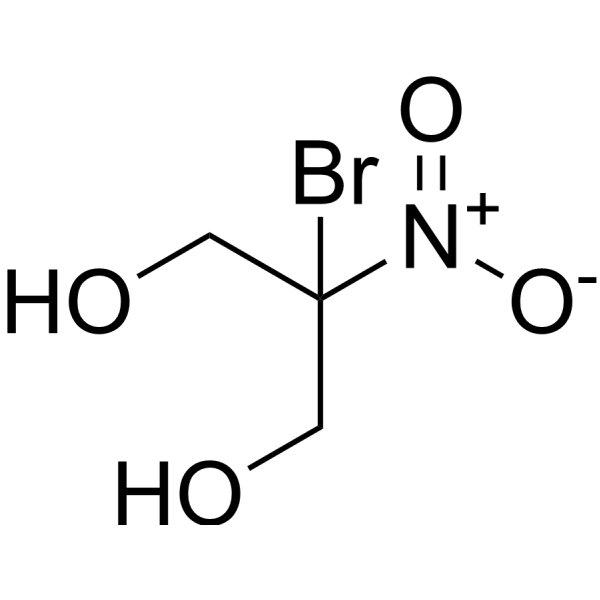
    Bronopol is an antibacterial agent with low toxicity (to mammals) and high activity (especially against Gram-negative bacteria). Bronopol oxidizes protein thiols, inhibits enzymatic activity, and exhibits antibacterial activity. Bronopol is also a formaldehyde releaser .
    Bronopol
  • HY-N6951

    Apoptosis Akt mTOR Reactive Oxygen Species (ROS) Caspase Bacterial Fungal Infection Neurological Disease Metabolic Disease Inflammation/Immunology Cancer
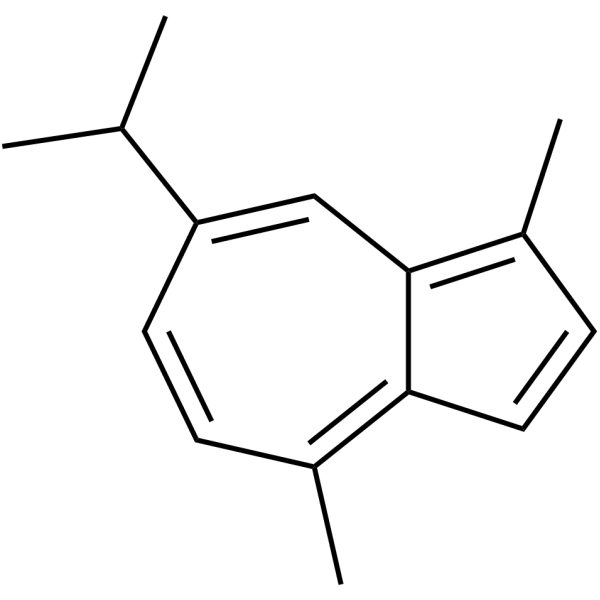
    Guaiazulene is a bicyclic sesquiterpene. Guaiazulene exhibits various biological activities such as anti-inflammatory, antioxidant, hepatoprotective, antibacterial, and anti-tumor properties. Guaiazulene is also commonly used as a colorant in cosmetics. Guaiazulene shows in vitro cytotoxicity to rat neuronal cells and N2a neuroblastoma cells at high concentrations .
    Guaiazulene
  • HY-G0006
    Omeprazole sulfide
    2 Publications Verification

    Ufiprazole

    Drug Metabolite Aryl Hydrocarbon Receptor Bacterial Infection Metabolic Disease
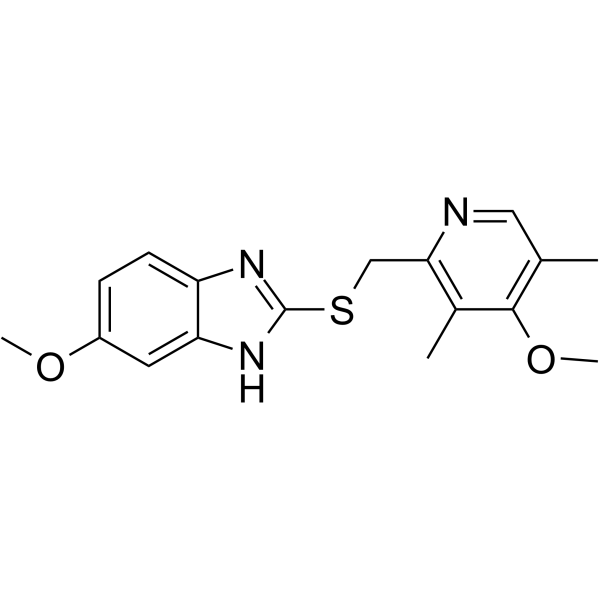
    Omeprazole sulfide (Ufiprazole) is a metabolic degradation product of Omeprazole (HY-B0113). Omeprazole sulfide acts as a modulator of AhR. Omeprazole sulfide in cells with low CYP3A4 expression, functions as an AhR antagonist; however, in cells with high CYP3A4 expression, it is rapidly metabolized to Omeprazole, thereby acting as an AhR agonist. Omeprazole sulfide exhibits antibacterial activity when conjugated with silver nanoparticles (AgNPs). Omeprazole sulfide can be used in research on acid suppression and bacterial infections .
    Omeprazole sulfide
  • HY-N6082
    Rhein 8-O-β-D-Glucopyranoside
    1 Publications Verification

    Apoptosis Bcl-2 Family Caspase TGF-beta/Smad Bacterial Infection Metabolic Disease Inflammation/Immunology
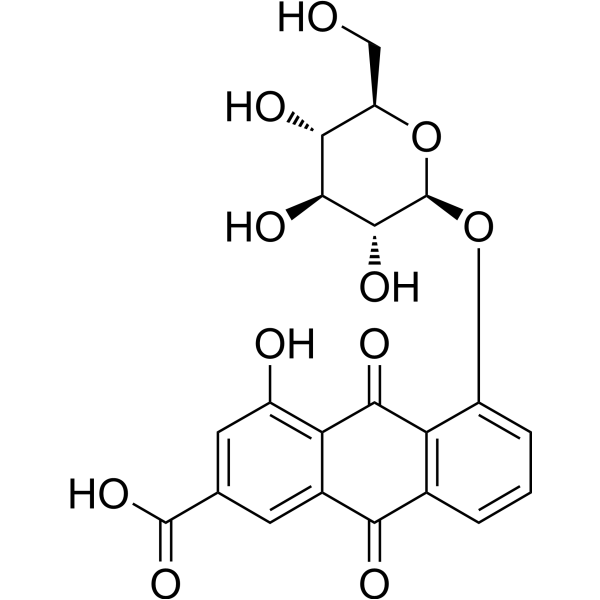
    Rhein 8-O-β-D-Glucopyranoside is an orally active glycoside found in Rhubarb. Rhein 8-O-β-D-Glucopyranoside attenuates high glucose-induced apoptosis, recovers altered lincRNA ANRIL and let-7a expression, reverses high glucose-altered Bcl-2 and cleaved caspase-3 protein expression, and inhibits TGF-β1/Smad signaling. Rhein 8-O-β-D-Glucopyranoside accelerates Sennoside A (HY-N0365) metabolism, stimulates sennoside A purgative activity. Rhein 8-O-β-D-Glucopyranoside inhibits bacterial biofilm formation, suppresses its virulence gene expression, and exerts antibacterial activity. Rhein 8-O-β-D-Glucopyranoside can be used for the research of diabetic nephropathy, constipation, and infection .
    Rhein 8-O-β-D-Glucopyranoside
  • HY-N5139
    Lecithins, egg
    1 Publications Verification

    Lecithins, egg yolk; Belovo PL 85

    Cholinesterase (ChE) Angiotensin-converting Enzyme (ACE) Bacterial Infection Neurological Disease Metabolic Disease Inflammation/Immunology
    Lecithins, egg (Lecithins, egg yolk; Belovo PL 85) is an orally active natural phospholipid mixture extracted from egg yolks . Lecithins, egg inhibits the activities of acetylcholinesterase (AChE) and angiotensin-converting enzyme (ACE). Lecithins, egg exhibits antibacterial, antioxidant and anti-inflammatory activities, and helps delay cellular senescence. Lecithins, egg enhances nerve conduction, improves memory and cognitive function, and exerts positive effects on delaying neurodegenerative diseases. Lecithins, egg promotes lipid absorption and alleviates diarrhea. Lecithins, egg acts as a high-efficiency drug carrier for the preparation of targeted drug delivery systems such as liposomes .
    Lecithins, egg
  • HY-19748

    Bacterial Infection
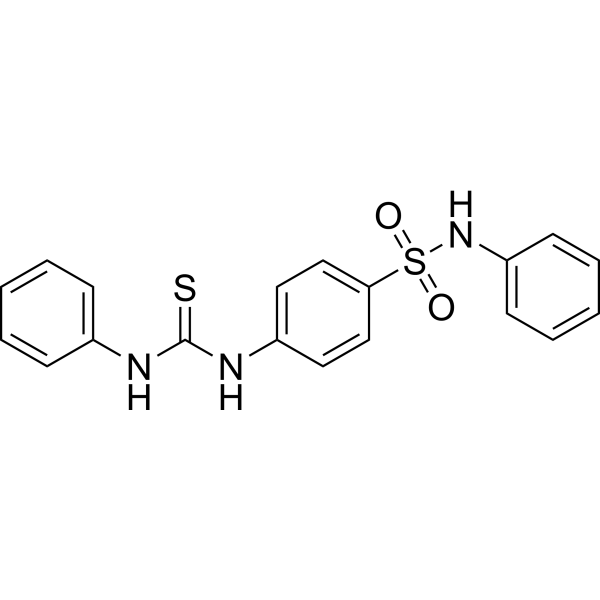
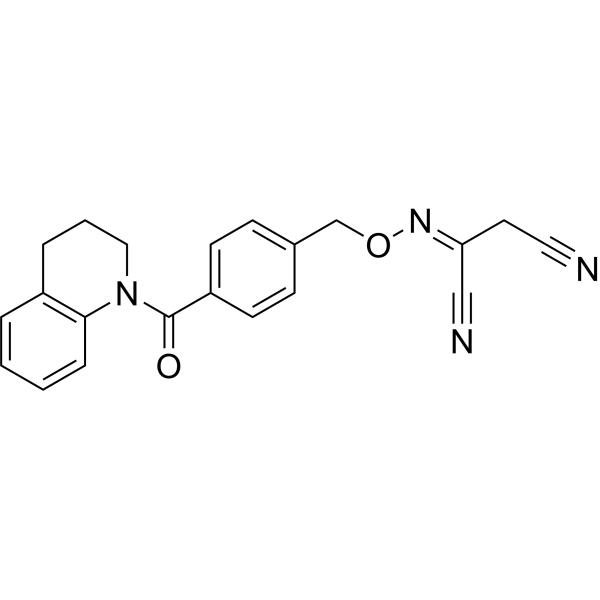
    LED209 is a potent and orally active small molecule inhibitor of the bacterial receptor QseC and a potent prodrug with high selectivity for QseC. LED209 inhibits the binding of signaling molecules to QseC. LED209 has antibacterial activity .
    LED209
  • HY-P3328A

    Bacterial Infection
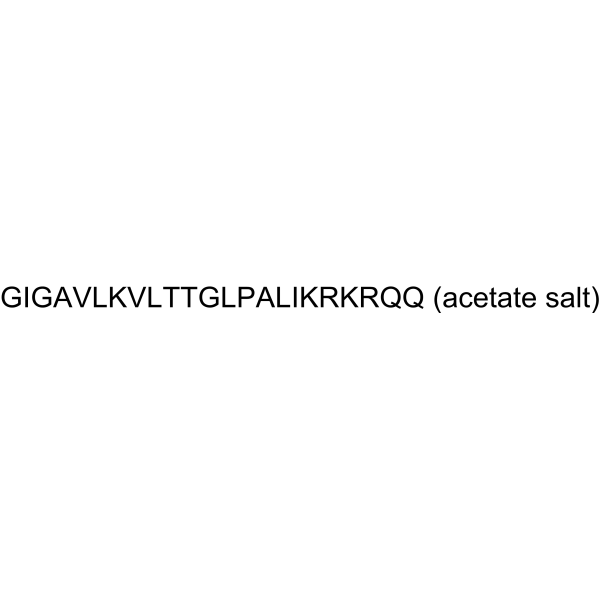
    MDP1 acetate, a Melittin-derived peptide, alters the integrity of both Gram-positive and Gram-negative bacterial membranes and kills the bacteria via membrane damages. MDP1 acetate has a high-antibacterial activity against multidrug resistant (MDR) and reference strains of S. aureus, E. coli, and P. aeruginosa .
    MDP1 acetate
  • HY-W272217S

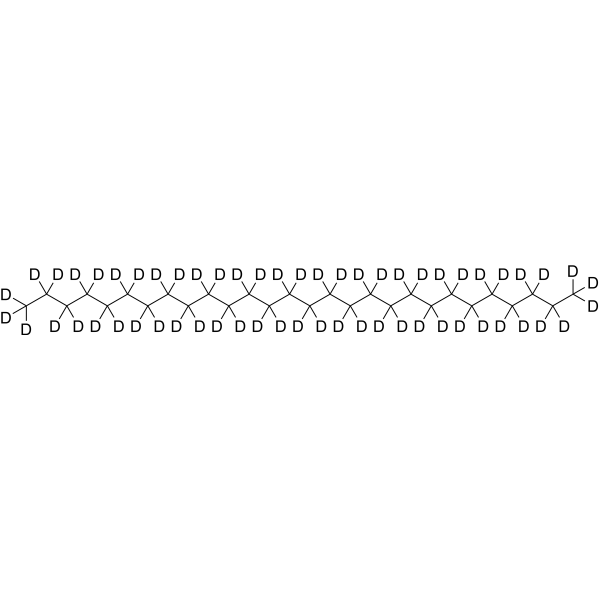
    n-Octacosane-d58; NSC 5549-d58

    Bacterial Endogenous Metabolite Cancer
    Octacosane-d58 is the deuterium labeled Octacosane . Octacosane is an endogenous metabolite with antibacterial activity. Octacosane shows high cytotoxicity against murine melanoma B16F10-Nex2 cells besides inducing protection against a grafted subcutaneous melanoma. Octacosane has the larvicidal activity against mosquito Culex quinquefasciatus with the LC50 concentration of 7.2 mg/l .
    Octacosane-d58
  • HY-175597

    ClpP Infection
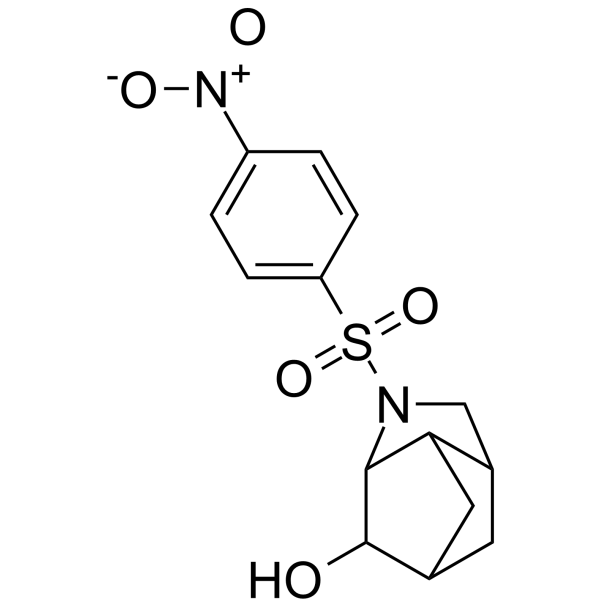
    ClpP modulator-1 (Compound BC8a), a peptidomimetic, is an allosteric ClpP modulator. ClpP modulator-1 is a ClpP activator at low concentration with EC50s of 0.35 and 0.58  μM for for Neisseria meningitides ClpP (NmClpP) and Escherichia coli ClpP (EcClpP), resepectively. ClpP modulator-1 also inhibits peptidase activity at high concentration by competitively inhibiting substrate protein (LY-AMC) binding to ClpP C sites. ClpP modulator-1 has antibacterial activity. ClpP modulator-1 can be used for bacterial infections research .
    ClpP modulator-1
  • HY-Y0850U5

    Polyvinyl alcohol (Mw 27000, 98-99% hydrolyzed, ~600 polymerization); Poly(Ethenol) (Mw 27000, 98-99% hydrolyzed, ~600 polymerization)

    Biochemical Assay Reagents Fungal Infection
    PVA (Polyvinyl alcohol) (Mw 27000, 98-99% hydrolyzed, ~600 polymerization) is a nonionic ethanol homopolymer with hydrophilicity, water solubility and biodegradability. PVA (Mw 27000, 98-99% hydrolyzed, ~600 polymerization) exhibits biocompatibility, non-toxicity and non-carcinogenicity, as well as antibacterial activity against Gram-positive bacteria, Gram-negative bacteria and fungal strains. PVA (Mw 27000, 98-99% hydrolyzed, ~600 polymerization) can serve as a solubilizer, stabilizer, mucoadhesive agent and sustained-release agent, and has a synergistic solubilizing effect on voriconazole/sulfobutyl ether β-cyclodextrin complexes. By stabilizing such complexes, PVA (Mw 27000, 98-99% hydrolyzed, ~600 polymerization) forms freeze-thaw hydrogels with high mucoadhesion, sustained drug release and ex vivo corneal permeability. When compounded with hyaluronic acid hydrogels, PVA (Mw 27000, 98-99% hydrolyzed, ~600 polymerization) supports chondrocyte growth in vitro, and also forms complexes with Cu 2+, Co 2+, Ni 2+ and Zn 2+ ions. PVA (Mw 27000, 98-99% hydrolyzed, ~600 polymerization) can be used in studies related to fungal keratitis, bacterial infections and fungal infections .
    PVA (Mw 27000, 98-99% hydrolyzed, ~600 polymerization)
  • HY-116282P

    Bacterial Infection Inflammation/Immunology
    Dextran sulfate, high sulfate (MW 5000) is a type of dextran sulfate with a high degree of sulfation. Dextran sulfate sodium can be used to induce ulcerative colitis models, and the greater the total number of sulfur atoms, the stronger the induced toxic effect. Dextran sulfate has certain antibacterial activity, and can form the ionic cross-linking core of nanoparticles together with chitosan, serving as a highly efficient dressing material to accelerate wound healing .
    Dextran sulfate, high sulfate (MW 5000)
  • HY-W272217

    n-Octacosane; NSC 5549

    Endogenous Metabolite Bacterial Inflammation/Immunology Cancer
    Octacosane is an endogenous metabolite with antibacterial activity. Octacosane shows high cytotoxicity against murine melanoma B16F10-Nex2 cells besides inducing protection against a grafted subcutaneous melanoma. Octacosane has the larvicidal activity against mosquito Culex quinquefasciatus with the LC50 concentration of 7.2 mg/l .
    Octacosane
  • HY-N14107

    Bacterial Endogenous Metabolite Infection
    Cinnabarin is a natural phenoxazinone red pigment derived from Pycnoporus sanguineus. Cinnabarin reduces rabies virus infection levels in neuroblastoma cells and causes cytopathic effects on neuroblastoma cell monolayers at high concentrations. Cinnabarin exhibits antibacterial activity against bacteria, with a preference for Gram-positive bacteria and human isolates. Cinnabarin can be used in studies related to rabies and drug-resistant Gram-positive bacteria .
    Cinnabarin
  • HY-153429

    Bacterial Infection
    FA-2, a hydrogenated derivative of WU-FA-00, is an antibacterial agent that exhibits high levels of antibacterial activity against Gram-positive strains and also has some anti-inflammatory activity .
    FA-2
  • HY-155096

    Bacterial Infection
    Antibacterial agent 149 (Compd 3j) is a laccase inhibitor with high fungicidal activity and can be used in the study of rice sheath blight .
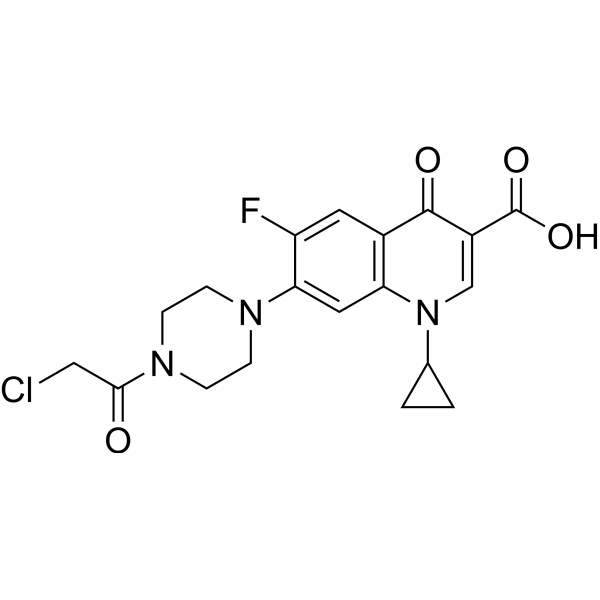
    Antibacterial agent 149
  • HY-19234

    Antibiotic Bacterial Penicillin-binding protein (PBP) Beta-lactamase Infection
    FK-041 is an orally active cephalosporin antibiotic with high affinity for penicillin-binding proteins (PBPs). FK-041 exhibits broad-spectrum antibacterial activity, exerting potent antibacterial effects against Gram-positive bacteria, most Gram-negative bacteria, anaerobes, and so on. FK-041 also shows good efficacy against some drug-resistant strains such as penicillin-resistant Streptococcus pneumoniae. FK-041 is an antibacterial agent and can be used in the research of infectious diseases .
    FK-041
  • HY-101136

    AT-265

    Antibiotic Carbonic Anhydrase Bacterial Infection
    Dealanylascamycin (AT-265) (Compound 2) is a nucleoside antibiotic. AT 265 is a carbonic anhydrase (CA) inhibitor, with Ki values of 167, 65.2, 234, and 143 nM for hCA I, hCA II, hCA IV, and hCA IX respectively. Dealanylascamycin is the active form of Ascamycin (HY-121071). Dealanylascamycin exhibits broad-spectrum antibacterial activity and is effective against pathogenic bacteria such as Xanthomonas citri (MIC = 0.4 μg/mL). Dealanylascamycin has high cytotoxicity .
    Dealanylascamycin
  • HY-14879E

    NXL-104 sodium

    Beta-lactamase Bacterial Infection
    Ent-Avibactam (NXL-104) sodium is a β-lactamase inhibitor with broad-spectrum antibacterial activity. When combined with Cefazidime (HY-B0593), rel-Avibactam sodium exhibits significant inhibitory effects on Enterobacteriaceae bacteria that produce Ambler A and C types of β-lactamases. The IC50 value of rel-Avibactam sodium is much lower than that of commonly used β-lactamase inhibitors Clavulanic acid (HY-A0256) and Ticarcillin (HY-139805), demonstrating its high efficiency in inhibiting TEM-1 and P99 enzymes .
    rel-Avibactam sodium
  • HY-178949

    Antibiotic Bacterial DNA/RNA Synthesis Infection
    MRSA antibiotic 3 (Compound C8) is a small-molecule antibiotic active against Methicillin (HY-121544)-resistant Staphylococcus aureus (MRSA), showing a MIC of 0.5 μg/mL against the standard S. aureus strain (ATCC 29213). MRSA antibiotic 3 potently inhibits the ATPase activity of S. aureus DNA gyrase with an IC50 of 0.32 μM. MRSA antibiotic 3 exhibits strong inhibitory activity against five clinical MRSA isolates, with MIC values ranging from 0.5 to 1 μg/mL. MRSA antibiotic 3 demonstrates negligible cytotoxicity at effective antibacterial concentrations and causes no hemolysis in erythrocytes even at extremely high concentrations. MRSA antibiotic 3 shows significant protective effects in both Galleria mellonella infection and murine sepsis models .
    MRSA antibiotic 3
  • HY-125104

    Antibiotic Bacterial Infection
    Mirosamicin is an antibiotic with high antibacterial activity that targets a wide range of gram-positive bacteria and certain Gram-negative bacteria as well as mycoplasma. Mirosamicin can be used for research in the field of food safety monitoring .
    Mirosamicin
  • HY-157043

    Bacterial Infection
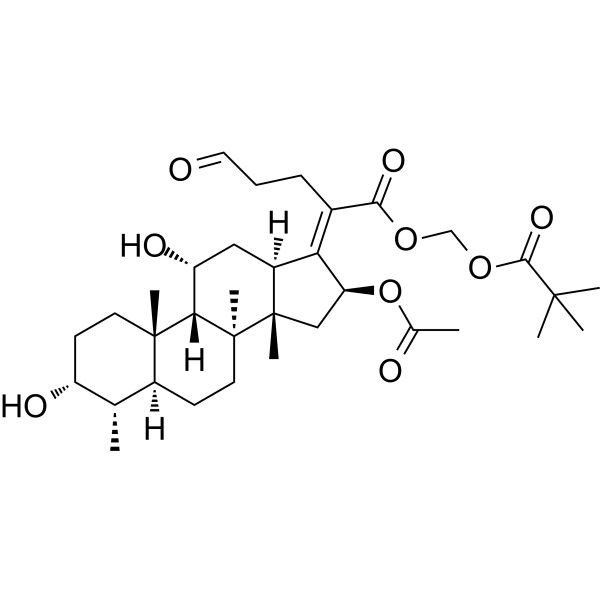
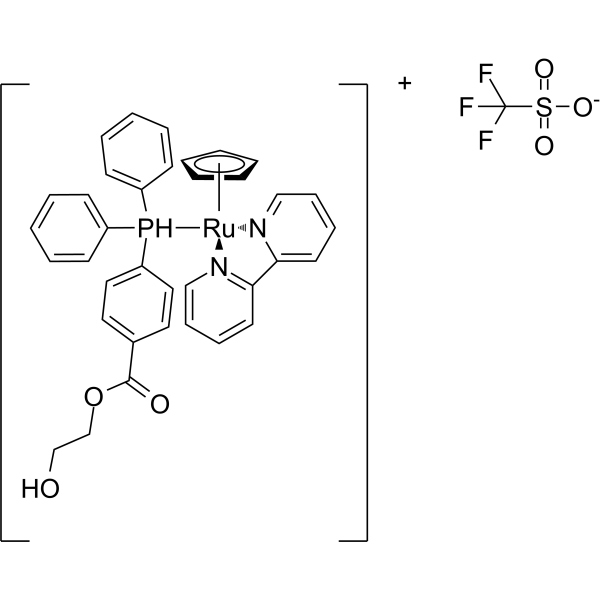
    Antibacterial agent 161 trifluoromethanesulfonate (Compound 6) has antibacterial activity. Antibacterial agent 161 trifluoromethanesulfonate has high antiproliferative effects against colon cancer and non-small cell lung cancer .
    Antibacterial agent 161 trifluoromethanesulfonate
  • HY-147546

    Bacterial Infection
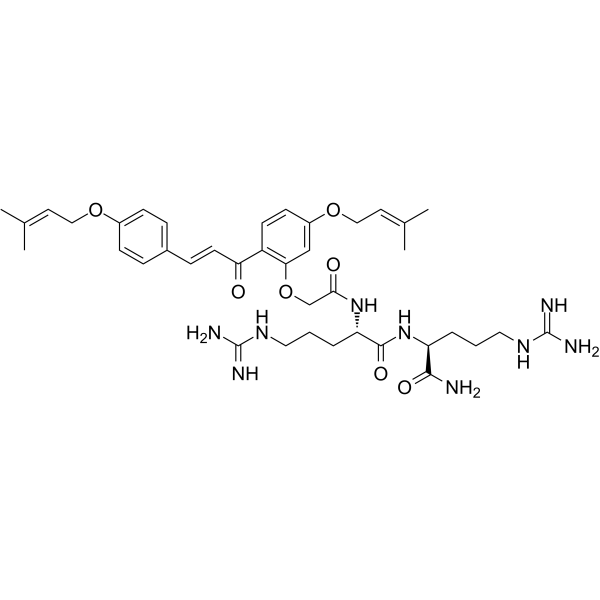
    Antibacterial agent 107 (compound 14) is a potent antibacterial agent. Antibacterial agent 107 shows potent antibacterial activity against Gram-positive bacteria, with a MIC of 1.56 μg/mL (MRSA). Antibacterial agent 107 exhibits low hemolytic activity, high membrane selectivity, and rapid bactericidal activity. Antibacterial agent 107 shows effective in vivo efficacy in the murine model of bacterial keratitis caused by Staphylococcus aureus ATCC29213 .
    Antibacterial agent 107
  • HY-162273

    Bacterial Smo Gli Infection Cancer
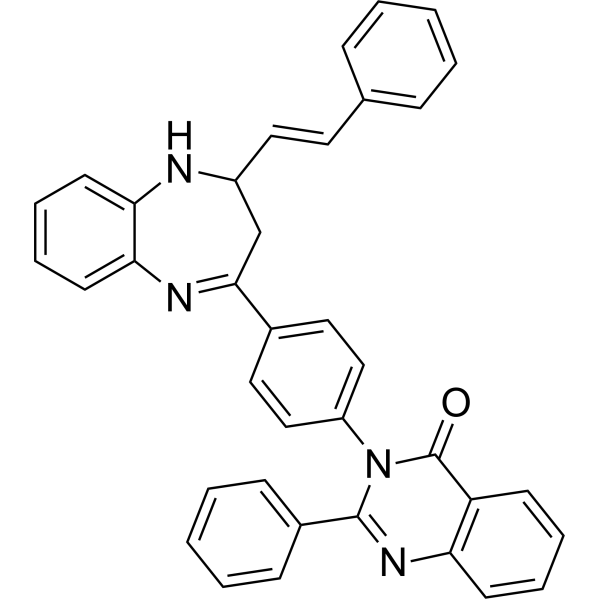
    Antibacterial agent 189 (compound 3a) is a potent antimicrobial agent. Antibacterial agent 189 offers high binding energy against the target OMPA/exo-1,3-beta-glucanase proteins. Antibacterial agent 189 exhibits the potent antimicrobial activities against E. coli, P. aeruginosa, S. aureus, B. subtilis, C. Albicans and A. flavus. Antibacterial agent 189 shows high binding energy against target SMO and SUFU/GLI-1 proteins .
    Antibacterial agent 189
  • HY-163984

    Bacterial Infection
    Antibacterial agent 240 (compound 62-7c) is an antibacterial agent that can target multidrug-resistant (MDR) MRSA strains. Antibacterial agent 240 showed high biosafety and potent anti-infection activity in mouse pneumonia and mouse wound models of MRSA infection .
    Antibacterial agent 240
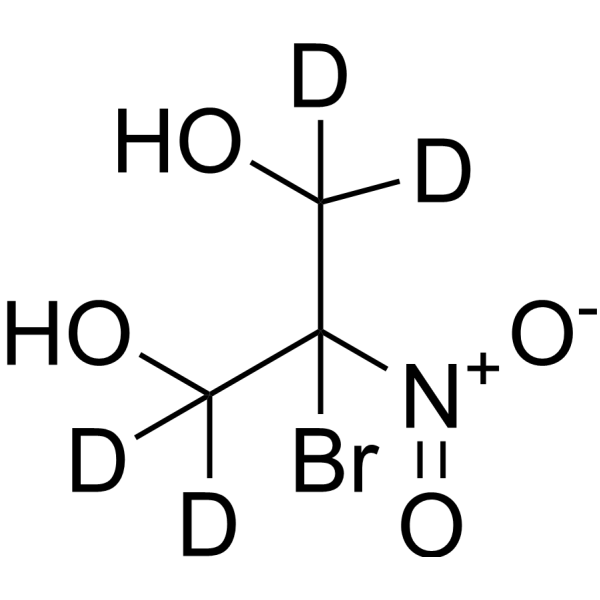
  • HY-B1217S

    BNPD-d4; BNPK-d4

    Isotope-Labeled Compounds Bacterial Infection
    Bronopol-d4 is deuterium labeled Bronopol. Bronopol is an antibacterial agent with low toxicity (to mammals) and high activity (especially against Gram-negative bacteria). Bronopol oxidizes protein thiols, inhibits enzymatic activity, and exhibits antibacterial activity. Bronopol is also a formaldehyde releaser .
    Bronopol-d4
  • HY-B1217R

    BNPD (Standard); BNPK (Standard)

    Reference Standards Bacterial Infection
    Bronopol (Standard) is the analytical standard of Bronopol. This product is intended for research and analytical applications. Bronopol is an antibacterial agent with low toxicity (to mammals) and high activity (especially against Gram-negative bacteria). Bronopol oxidizes protein thiols, inhibits enzymatic activity, and exhibits antibacterial activity. Bronopol is also a formaldehyde releaser .
    Bronopol (Standard)
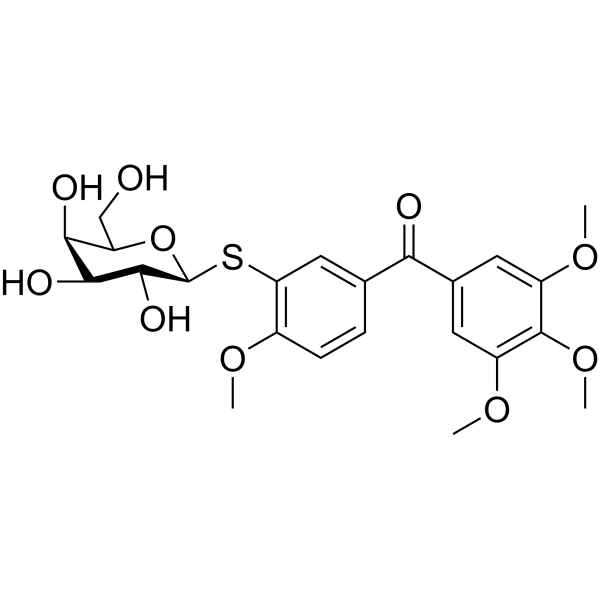
  • HY-152175

    Bacterial Infection
    Antibacterial agent 130 is a 1,1-diarylthiogalactoside, used for targeting the Pseudomonas aeruginosa LecA. Antibacterial agent 130 shows high affinity toward LecA (Kd=1 μM). Antibacterial agent 130 has antibiofilm activity, but lacks bactericidal activity. LecA, a lectin and virulence factor from Pseudomonas aeruginosa involved in bacterial adhesion and biofilm formation .
    Antibacterial agent 130
  • HY-118906

    Antibiotic Bacterial Infection
    BO-1165 is an antibiotic with good antibacterial activity against Gram-negative bacteria, but almost no activity against Gram-positive bacteria and anaerobic bacteria. BO-1165 has high antibacterial activity against Pseudomonas aeruginosa (MIC50=3.12 mg/L) and P. cepacia (MIC50=1.56 mg/L) .
    BO-1165
  • HY-118118

    Fungal Infection
    Phlebiakauranol aldehyde is an antifungal and cytotoxic metabolite with strong antifungal activity. Phlebiakauranol aldehyde exhibits significant antibacterial and cytotoxic activities against a variety of plant pathogens. The aldehyde group and high number of hydroxyl groups of Phlebiakauranol aldehyde are considered to be the main reasons for its biological activity. The two acetic acid derivatives of Phlebiakauranol aldehyde only exhibit very weak antifungal and antibacterial activities and moderate cytotoxic activity .
    Phlebiakauranol aldehyde
  • HY-123137

    Bacterial Infection
    Ro 24-6778 is a cephalosporin composed of Desacetylcefotaxime (HY-126129) and Desmethylfleroxacin ester-linked. Ro 24-6778 has high antibacterial activity against a wide range of aerobic bacteria .
    Ro 24-6778
  • HY-U00092

    Bacterial Infection
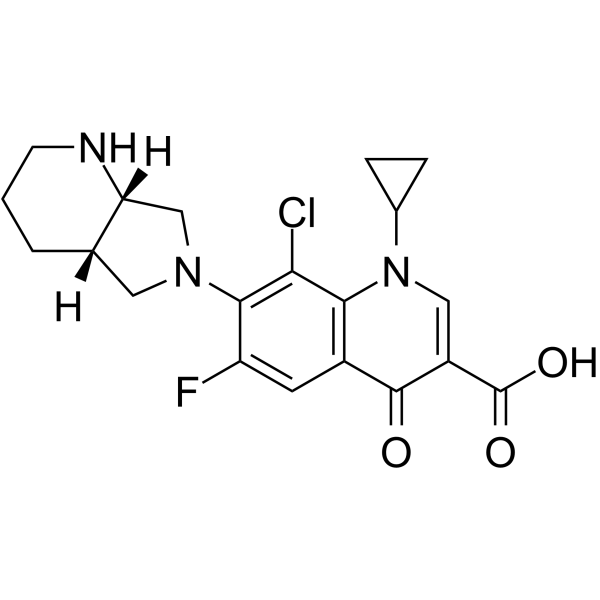
    BAY-Y 3118 is a quinolone antibacterial agent. BAY-Y 3118 has a broad antibacterial spectrum in vitro. BAY-Y 3118 exhibits high activity against gram-positive cocci and anaerobes. BAY-Y 3118 shows moderate activity against Enterobacteriaceae and Pseudomonas aeruginosa. BAY-Y 3118 can be used in the research of infectious diseases .
    BAY-Y 3118
  • HY-W024297

    Bacterial Infection
    VP-4509, an anti-methicillin‐resistant Staphylococcus aureus (MRSA) agent, with the MIC of 49.3 µM. VP-4509 also possesses high antibacterial activity towards gram-negative bacteria P. aeruginosa .
    VP-4509
  • HY-154861

    Bacterial Apoptosis Necroptosis Cancer
    Anticancer agent 118, a N‑acylated ciprofloxacin derivative, has anti-bacterial and anticancer activities. Anticancer agent 118 shows high activity against Gram-positive strains and antiproliferative activities against prostate PC3 cells. Anticancer agent 118 can be used for antitumor research .
    Anticancer agent 118
  • HY-N7503R

    Reference Standards Histamine Receptor Calcium Channel Calmodulin Infection Metabolic Disease Cancer
    Psoralenoside is a benzofuran glycoside from Psoralea corylifolia . Psoralenoside exhibits high binding affinities against histaminergic H1, calmodulin, and voltage-gated L-type calcium channels (E-value≥-6.5 Kcal/mol) . Psoralenoside shows estrogen-like activity, osteoblastic proliferation accelerating activity, antitumor effects and antibacterial activity .
    Psoralenoside (Standard)
  • HY-105434

    Bacterial Infection
    CP-74667 is a quinolone antibacterial agent. CP-74667 shows high activity against Xanthomonas maltophilia (MIC50 = 1 μg/mL), Staphylococcus spp. (MIC50 = 0.06-0.12 μg/mL) and enterococci (MIC50 = 0.5-4 μg/mL) .
    CP-74667
  • HY-P3328

    Bacterial Infection
    MDP1, a Melittin-derived peptide, alters the integrity of both Gram-positive and Gram-negative bacterial membranes and kills the bacteria via membrane damages. MDP1 has a high-antibacterial activity against multidrug resistant (MDR) and reference strains of S. aureus, E. coli, and P. aeruginosa .
    MDP1
  • HY-137263

    Antibiotic Infection
    Propionylmaridomycin is a macrolide antibiotic with antibacterial activity. Propionylmaridomycin is rapidly absorbed from the gastrointestinal tract and rapidly distributed to tissues. Propionylmaridomycin radioactivity levels in the liver, kidneys, and lungs were significantly higher than in plasma, while distribution to the brain was less. Propionylmaridomycin is excreted primarily through the feces, and the high fecal recovery rate is due to unabsorbed compounds and biliary excretion of compounds and their metabolites. Propionylmaridomycin exhibits the highest antibacterial activity in the lungs. Propionylmaridomycin is completely converted to several metabolites in rats, of which 4''-depropionyl-9-propionylmaridomycin was identified as the major metabolite .
    Propionylmaridomycin
  • HY-P10596

    Bacterial Fungal Infection Cancer
    Lasioglossin-III is an antimicrobial peptide that can be isolated from the venom of wild bees. Lasioglossin-III has high antibacterial activity against Gram-positive and Gram-negative bacteria, antifungal activity and antitumor activity. Lasioglossin-III has certain cytotoxicity against three cancer cell lines (HeLa S3, CRC SW 480 and CCRF-CEM T) with IC50 values ​​of 4, 18 and 5 μM, respectively .
    Lasioglossin-III
  • HY-N12320

    Antibiotic Infection
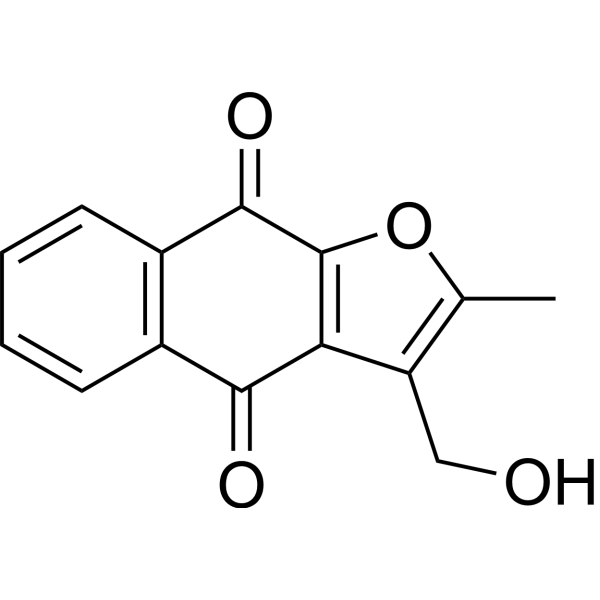
    Majoranaquinone exhibits a high antibacterial effect against 4 Staphylococcus, 1 Moraxella, and 1 Enterococcus strains. Majoranaquinone shows substantial efflux pump inhibitory activity in Escherichia coliATCC 25922 strain. Majoranaquinone is found to be an effective biofilm formation inhibitor on E.coli, ATCC 25922 and E. coli K-12 AG100 bacteria .
    Majoranaquinone
  • HY-P10362

    Bacterial Infection
    Temporin-GHd exhibits antibacterial activity against Streptococcus mutans (MIC=13.1 μM; MBC=26 μM). Temporin-GHd increases the permeability of the bacterial cell membrane, causing membrane damage and leakage of cellular contents. Temporin-GHd disrupts preformed biofilms at high concentrations. Temporin-GHd can bind to bacterial DNA, inhibiting DNA migration .
    Temporin-GHd
  • HY-W272217R

    n-Octacosane (Standard); NSC 5549 (Standard)

    Reference Standards Endogenous Metabolite Bacterial Inflammation/Immunology Cancer
    Octacosane (Standard) is the analytical standard of Octacosane. This product is intended for research and analytical applications. Octacosane is an endogenous metabolite with antibacterial activity. Octacosane shows high cytotoxicity against murine melanoma B16F10-Nex2 cells besides inducing protection against a grafted subcutaneous melanoma. Octacosane has the larvicidal activity against mosquito Culex quinquefasciatus with the LC50 concentration of 7.2 mg/l .
    Octacosane (Standard)
  • HY-143236

    Bacterial Fungal Infection
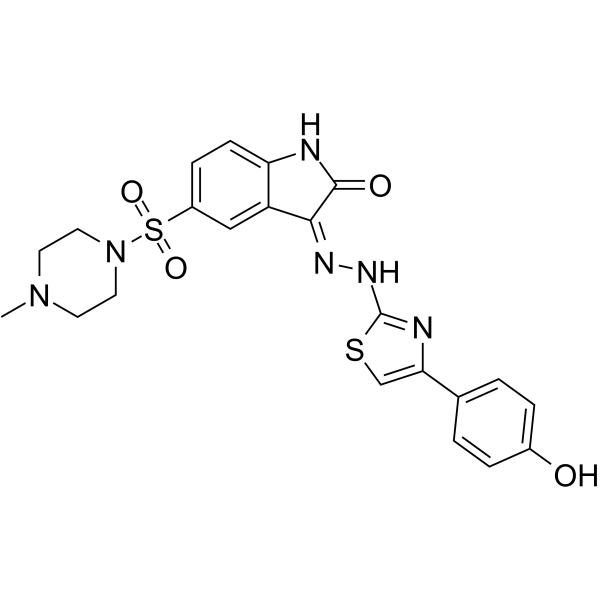
    DHFR-IN-1 (compound 12) is a potent and selective DHFR (dihydrofolate reductase)inhibitor, with an IC50 of 40.71 nM. DHFR-IN-1 exhibits promising antibacterial activity against gram-positive and gram-negative bacteria. DHFR-IN-1 exhibits moderate antifungal activities. DHFR-IN-1 exhibits a high synergistic effect with Levofloxacin (HY-B0330), where the FIC (fractional inhibitory concentration index) value is 0.249 .
    DHFR-IN-1
  • HY-N2575R

    Reference Standards PKC Bacterial Parasite HIV VSV VEGFR Bcl-2 Family Apoptosis Infection Metabolic Disease Cancer
    Hypocrellin A (Standard) is the analytical standard of Hypocrellin A. This product is intended for research and analytical applications. Hypocrellin A is a PKC inhibitor that exerts antidiabetic activity by reversing the effects of high glucose on endothelin (ET-1) expression. Hypocrellin A is also a photosensitizer for photodynamic therapy (PDT) with anticancer, antibacterial and antiviral activities, especially against human immunodeficiency virus (HIV). In addition, Hypocrellin-A also possesses anti-Leishmania activity (IC50=0.27 μg/ml)[1][2][3][4][5][6][7][8][9].
    Hypocrellin A (Standard)
  • HY-N6951R

    Reference Standards Apoptosis Akt mTOR Reactive Oxygen Species (ROS) Caspase Bacterial Fungal Infection Neurological Disease Inflammation/Immunology Cancer
    Guaiazulene (Standard) is the analytical standard of Guaiazulene (HY-N6951). This product is intended for research and analytical applications. Guaiazulene is a bicyclic sesquiterpene that can cross the blood-brain barrier. Guaiazulene exhibits various biological activities such as anti-inflammatory, antioxidant, hepatoprotective, antibacterial, and anti-tumor properties. Guaiazulene is also commonly used as a colorant in cosmetics. Guaiazulene shows in vitro cytotoxicity to rat neuronal cells and N2a neuroblastoma cells at high concentrations .
    Guaiazulene (Standard)
  • HY-N15454

    Altertenuol

    Herbicide Bacterial Infection
    Altenuisol is a compound that can be found in the pathogenic fungus of the genus Alternaria in Xanthium italicum. It has herbicidal activity. At a low concentration of Altenuisol (10 μg/mL), it promotes the root growth of Pennisetum alopecuroides and Medicago sativa by 75.2% and 51.0% respectively. At a high concentration of Altenuisol (1000 μg/mL), the inhibition rates of root growth of Pennisetum alopecuroides and Medicago sativa are 52.0% and 42.0% respectively. In addition, Altenuisol is cytotoxic to HeLa cells and also exhibits antibacterial and antioxidant activities. Altenuisol is expected to be used in research in fields such as agricultural weeding, anti - tumor, and anti - infection .
    Altenuisol
  • HY-128525R

    Bacterial Reference Standards Reactive Oxygen Species (ROS) Infection Inflammation/Immunology
    Enterobactin (Standard) is the analytical standard of Enterobactin. This product is intended for research and analytical applications. Enterobactin is a siderophore produced by Gram-negative bacteria and has an extremely high affinity for iron. During the process of Salmonella typhimurium infecting macrophages, Enterobactin can not only help bacteria uptake iron but also reduce the antibacterial activity of macrophages. In addition, Enterobactin is also involved in the oxidative stress response of Escherichia coli. Enterobactin can be hydrolyzed by Fes in the cell and exert antioxidant effects by scavenging free radicals .
    Enterobactin (Standard)

Inquiry Online

Your information is safe with us. * Required Fields.

Salutation


Country or Region *

Applicant Name *


Organization Name *

Department *


Email Address *


Product Name *

Cat. No.


Requested quantity *

Phone Number *


Remarks

Inquiry Online

Inquiry Information

Product Name:
Cat. No.:
Quantity:
MCE Japan Authorized Agent: