

Search Result
Results for "
hydrolysis product
" in MedChemExpress (MCE) Product Catalog:
6
Biochemical Assay Reagents
1
Isotope-Labeled Compounds
| Cat. No. |
Product Name |
Target |
Research Areas |
Chemical Structure |
-
- HY-B2193
-
|
|
Environmental Pollutants
Amylases
|
Others
|
|
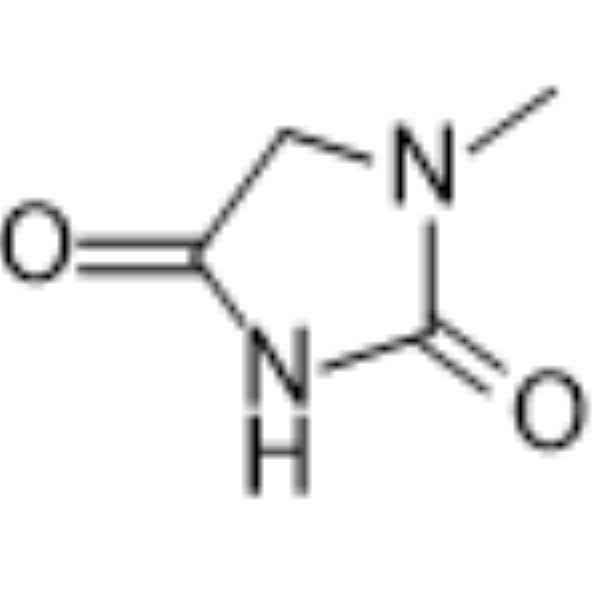
α-Amylase is a hydrolase enzyme that catalyses the hydrolysis of internal α-1, 4-glycosidic linkages in starch to yield products like glucose and maltose.
|
-
-
- HY-W723152
-
|
|
Drug Intermediate
|
Inflammation/Immunology
|
|
Poly(D,L-lactide-co-glycolide) is a biodegradable polymer copolymer. Poly(D,L-lactide-co-glycolide) undergoes degradation through ester bond hydrolysis into lactic acid and glycolic acid. These two products can be naturally eliminated through metabolism in the body (such as the tricarboxylic acid cycle), without the risk of long-term accumulation. Poly(D,L-lactide-co-glycolide) can be used in medical sutures, implants, and drug delivery systems .
|
-
-
- HY-126404
-
|
|
Environmental Pollutants
Interleukin Related
Angiotensin-converting Enzyme (ACE)
|
Cardiovascular Disease
|
|
Casein hydrolysate is an orally effective, multi-functional mixture of bioactive peptides, a hydrolysis product of casein (HY-125865), containing ACE inhibitors and immunomodulatory target regulators, among others. Casein hydrolysate releases short-chain bioactive peptides through enzymatic hydrolysis of casein, increasing cellular glutathione and catalase levels, enhancing ConA-induced IL-2 production, and exhibiting metal ion chelation, free radical scavenging, antibacterial, and mineral absorption-promoting effects. Casein hydrolysate lowers blood pressure by inhibiting angiotensin-converting enzyme (ACE) and reducing bradykinin degradation .
|
-
-
- HY-P2968
-
|
|
Amylases
|
Others
|
|
Bacterial α-Amylase catalyses the hydrolysis of internal α-1,4-glycosidic linkages in starch in low molecular weight products, such glucose, maltose and maltotriose units. Bacterial α-Amylase is often used in biochemical studies .
|
-
-
- HY-D2869
-
|
|
Fluorescent Dye
Drug Intermediate
|
Others
|
|
Ac-H-FluNox is an acetylated cell-compatible prodrug of H-FluNox (HY-D2339). Ac-H-FluNox undergoes intracellular hydrolysis of its acetyl group by esterases to generate H-FluNox, which then undergoes a deoxygenation reaction with labile heme to form a fluorescent product. Ac-H-FluNox detects fluctuations of labile heme in living cells, acute labile heme release upon nitric oxide stimulation, and accumulation of labile heme following inhibition of heme export proteins .
|
-
-
- HY-138877
-
|
|
Endogenous Metabolite
|
Infection
|
|
Phosphoglycolic acid is a metabolite and a bacterial cytoplasmic component. Phosphoglycolic acid acts as a by-product generated during the preparation of phosphoglycolohydroxamic acid via hydrolysis of ethyl phosphoglycolate. Phosphoglycolic acid also functions as an active component of postbiotics .
|
-
-
- HY-129043
-
|
|
Drug Metabolite
|
Infection
|
|
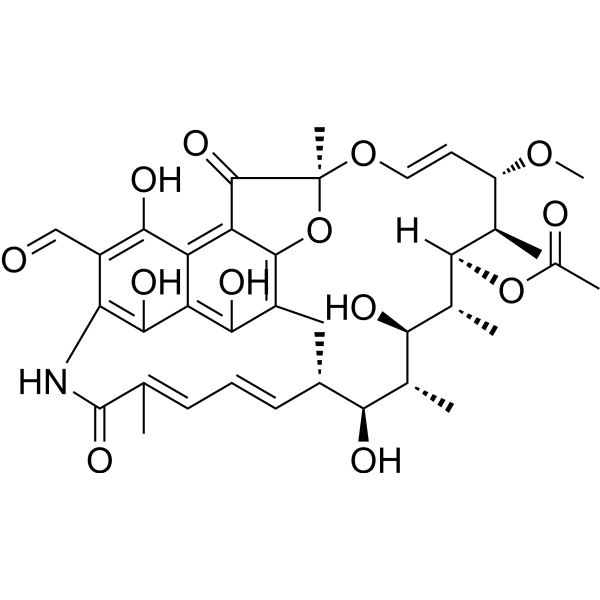
3-Formyl rifamycin is an acid degradation product of the broad-spectrum antibiotic Rifampicin (HY-B0272). 3-Formyl rifamycin forms via acid hydrolysis of Rifampicin in an acidic environment .
|
-
-
- HY-137135A
-
|
|
Phosphatase
Apoptosis
|
Cancer
|
|
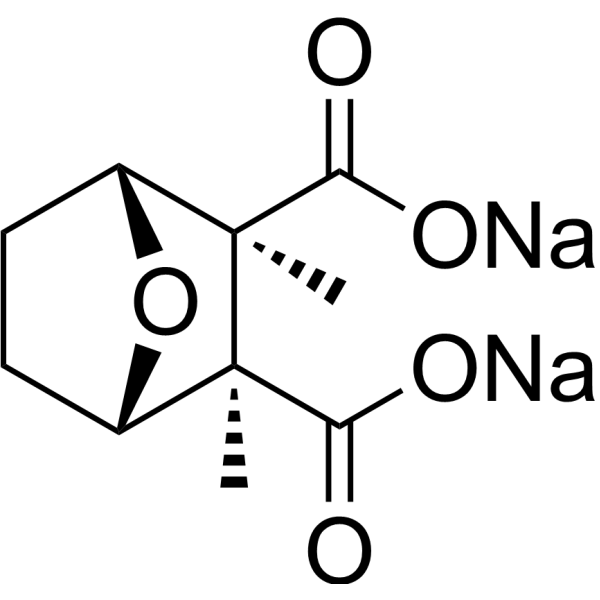
Cantharidic acid disodium is the hydrolysis product of the acid anhydride Cantharidin that induces apoptosis in various human cancer cells. Cantharidic acid disodium is a selective protein phosphatase 2 (PP2A) and PP1 inhibitor withIC50 values of 50 nM and 600 nM, respectively .
|
-
-
- HY-160973
-
|
ELFP
|
Biochemical Assay Reagents
|
Others
|
|
ELF97 phosphate (ELFP) is a phosphatase substrate, which can produced a fluorescent, water-insoluble product ELF97 alcohol after hydrolysis by phosphatases. ELF97 phosphate can be utilized to study and quantify the activity of extracellular phosphatases of algae in natural water .
|
-
-
- HY-76476
-
|
(+)-3-Hydroxytetrahydrofuran
|
Biochemical Assay Reagents
|
Others
|
|
(S)-Tetrahydrofuran-3-ol is a (S)-enantiomer of Tetrahydrofuran-3-ol. Tetrahydrofuran-3-ol is an important precursor for the production of HIV protease inhibitors. Tetrahydrofuran-3-ol can be produced via chemical synthesis or by enzymatic hydrolysis of bulkier esters and inversion of the unwanted product .
|
-
-
- HY-B2193A
-
|
1,4-alpha-D-Glucan-glucanohydrolase, ptyalin
|
Biochemical Assay Reagents
|
Metabolic Disease
Inflammation/Immunology
|
|
α-Amylase, Human Saliva (1,4-alpha-D-Glucan-glucanohydrolase) is a hydrolase enzyme that can be isolated from human saliva. α-Amylase, Human Saliva catalyses the hydrolysis of internal α-1, 4-glycosidic linkages in starch to yield products like glucose and maltose. α-Amylase, Human Saliva can be used in life science research .
|
-
-
- HY-B2193C
-
|
1,4-alpha-D-Glucan-glucanohydrolase, amy2, PPA, PA
|
Biochemical Assay Reagents
|
Others
|
|
α-Amylase, Porcine Pancreatic (1,4-alpha-D-Glucan-glucanohydrolase) is a hydrolase enzyme that can be isolated from porcine pancreatic. α-Amylase, Porcine Pancreatic catalyses the hydrolysis of internal α-1, 4-glycosidic linkages in starch to yield products like glucose and maltose. α-Amylase, Porcine Pancreatic can be used in life science research .
|
-
-
- HY-W145498
-
|
Cellotetraose
|
Drug Metabolite
|
Others
|
|
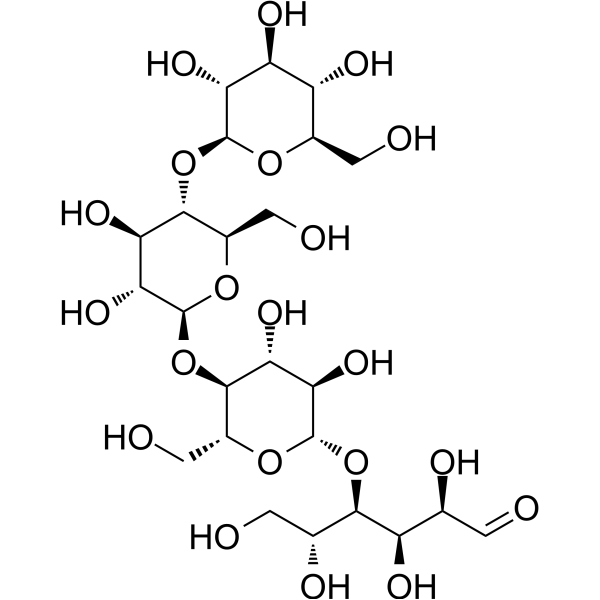
D-(+)-Cellotetraose (Cellotetraose) is a primary hydrolysis product of cellulose .
|
-
-
- HY-113441
-
|
MHPG sulfate potassium
|
Biochemical Assay Reagents
|
Others
|
|
4-Hydroxy-3-methoxyphenylglycol sulfate potassium is a biosynthesis product that releases Na2SO4 and free ethylene glycol on acidic hydrolysis .
|
-
-
- HY-P4417
-
|
|
Fluorescent Dye
|
Others
|
|
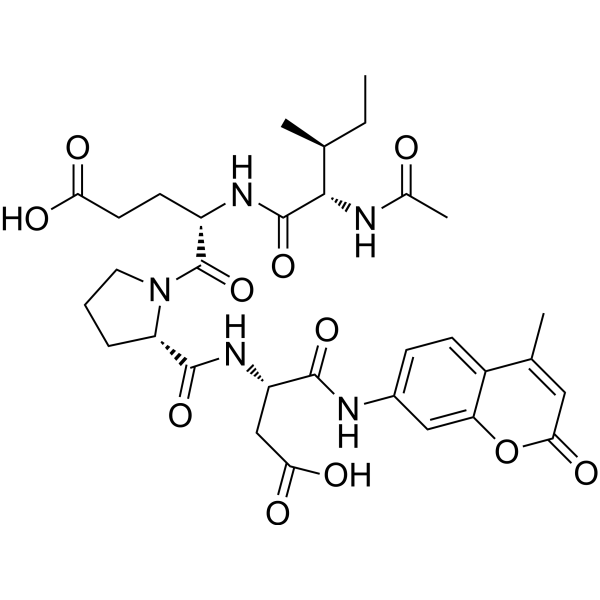
Ac-IEPD-AMC is a fluorogenic substrate for the determination of protease activity. Ac-IEPD-AMC undergoes hydrolysis and releases the fluorescent product 7-amino-4-methylcoumarin (AMC). AMC is fluorescent under UV light and can emit a fluorescent signal .
|
-
-
- HY-171213
-
|
|
Toll-like Receptor (TLR)
|
Neurological Disease
|
|
NB-3 is a nicotinamide adenine dinucleotide (NAD) hydrolase SARM1 inhibitor. NB-3 intercepts NAD hydrolysis and undergoes covalent conjugation with the reaction product adenosine diphosphate ribose (ADPR). The resulting small-molecule ADPR adducts are highly potent and confer compelling neuroprotection in neurological injury .
|
-
-
- HY-P4419A
-
|
|
Fluorescent Dye
|
Others
|
|
Boc-Asp(OBzl)-Pro-Arg-AMC acetate is a fluorogenic substrate for the determination of protease activity. Boc-Asp(OBzl)-Pro-Arg-AMC acetate undergoes hydrolysis and releases the fluorescent product 7-amino-4-methylcoumarin (AMC). AMC is fluorescent under UV light and can emit a fluorescent signal .
|
-
-
- HY-B0593R
-
|
GR20263 (Standard)
|
Beta-lactamase
Reference Standards
Bacterial
Antibiotic
|
Infection
|
|
Ceftazidime (Standard) is the analytical standard of Ceftazidime. This product is intended for research and analytical applications. Ceftazidime (GR20263), an antibiotic, has a broad spectrum activity against Gram-positive and Gram-negative aerobic bacteria. Ceftazidime is also active against Enterobacteriaceae (including β-lactamase-positive strains) and is resistant to hydrolysis by most β-lactamases .
|
-
-
- HY-B0593AR
-
|
GR20263 pentahydrate (Standard)
|
Beta-lactamase
Reference Standards
Bacterial
Antibiotic
|
Infection
Cancer
|
|
Ceftazidime (pentahydrate) (Standard) is the analytical standard of Ceftazidime (pentahydrate). This product is intended for research and analytical applications. Ceftazidime (GR20263) pentahydrate , an antibiotic, has a broad spectrum activity against Gram-positive and Gram-negative aerobic bacteria. Ceftazidime pentahydrate is also active against Enterobacteriaceae (including β-lactamase-positive strains) and is resistant to hydrolysis by most β-lactamases .
|
-
-
- HY-B2193B
-
|
Amylase, a-Amylase, 1,4-a-D-glucan glucanohydrolase, glycogenase
|
Biochemical Assay Reagents
|
Others
|
|
α-Amylase, Human Pancreas (Amylase) is a hydrolase enzyme that can be isolated from human pancreas. α-Amylase, Human Pancreas catalyses the hydrolysis of internal α-1, 4-glycosidic linkages in starch to yield products like glucose and maltose. α-Amylase, Human Pancreas can be used in life science research .
|
-
-
- HY-W007077
-
|
|
Drug Metabolite
|
Neurological Disease
|
|
(2-Amino-5-bromophenyl)(pyridin-2-yl)methanone is a precursor in the synthesis of benzodiazepines and is also a hydrolysis product of Clonazepam.
|
-
-
- HY-P4406
-
|
|
Fluorescent Dye
|
Others
|
|
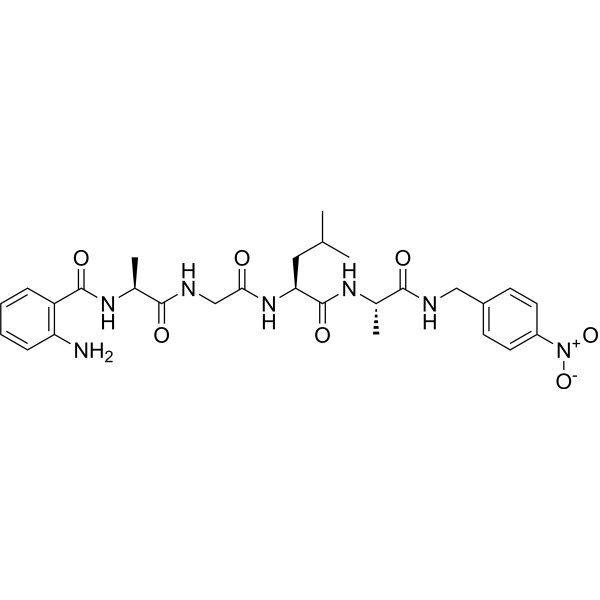
Abz-AGLA-Nba is a fluorogenic substrate for the determination of protease activity. Abz-AGLA-Nba is hydrolyzed to release aminoacyl benzimide (Abz-AGLA) and 2-naphthylaminoacyl (Nba). The product Abz-AGLA produced by this hydrolysis reaction is fluorescent under ultraviolet light and can emit a fluorescent signal .
|
-
-
- HY-W011297
-
|
Arachidonic acid methyl ester
|
PKC
|
Metabolic Disease
|
|
Methyl arachidonate is a protein kinase C activator and also an orally active substrate that undergoes esterase-mediated hydrolysis. Methyl arachidonate indirectly activates protein kinase C via eicosanoid metabolites generated through the arachidonic acid metabolic pathway, exerting effects via cyclooxygenase products at low concentrations and via lipoxygenase products at high concentrations. Methyl arachidonate can be used in studies related to lipodystrophy .
|
-
-
- HY-143678
-
|
|
Biochemical Assay Reagents
|
Others
|
|
Citrulline-specific probe-biotin is a biotinylated probe for detection of citrulline. Citrulline is the hydrolysis product of arginine catalyzed by protein arginine deiminase (PAD). PAD is abnormally activated in many diseases, leading to increased citrulline levels. Citrulline-specific probe-biotin is a biological probe that can identify diseases showing abnormal increases in PAD activity .
|
-
-
- HY-15249R
-
|
|
MAGL
Reference Standards
|
Neurological Disease
|
|
JZL 184 (Standard) is the analytical standard of JZL 184. This product is intended for research and analytical applications. JZL 184 is a potent, selective and irreversible MAGL inhibitor that blocks 2-Arachidonoylglycerol (2-AG) hydrolysis in brain membranes (IC50 of 8 nM). JZL 184 displays >300-fold selectivity for MAGL over FAAH .
|
-
-
- HY-125774
-
|
17-Phenyl trinor PGF2α
|
Prostaglandin Receptor
|
Others
|
|
Bimatoprost acid (17-Phenyl trinor PGF2α), the acid hydrolysis product of Bimatoprost (HY-B0191), is a potent agonist of prostaglandin FP receptor .
|
-
-
- HY-137252
-
|
Ivermectin Impurity G
|
Parasite
|
Infection
|
|
22,23-Dihydroavermectin B1a aglycon is an acid degradation product produced by hydrolysis of the disaccharide unit of ivermectin. It can inhibit nematode larval development, but does not cause paralytic activity.
|
-
-
- HY-W717548
-
|
|
Drug Metabolite
|
Others
|
|
Safinamide acid (Compound Imp-E) is the metabolite of Safinamide (HY-70057). Safinamide acid can be formed by hydrolysis of Safinamide intermediate under alkaline or acidic conditions. Safinamide acid is utilized to monitor process-related impurities and degradation products in safinamide samples .
|
-
-
- HY-P4417A
-
|
|
Fluorescent Dye
|
Others
|
|
Ac-IEPD-AMC TFA is a fluorescent substrate used to measure protease activity. Ac-IEPD-AMC undergoes hydrolysis and releases the fluorescent product 7-amino-4-methylcoumarin (AMC). AMC fluoresces under UV light irradiation and can emit fluorescent signals .
|
-
-
- HY-P4323A
-
|
|
Fluorescent Dye
|
Others
|
|
Boc-Gln-Arg-Arg-AMC acetate is a fluorogenic substrate for the determination of protease activity. Boc-Gln-Arg-Arg-AMC undergoes hydrolysis and releases the fluorescent product 7-amino-4-methylcoumarin (AMC). AMC is fluorescent under UV light and can emit a fluorescent signal .
|
-
-
- HY-W329357
-
|
|
Endogenous Metabolite
|
Cardiovascular Disease
|
|
15:0 Lyso PC is a lysophosphatidylcholine (Lyso PC), a product of phospholipase A2 (PLA2) hydrolysis of phosphatidylcholine (PC) and is involved in cell membrane remodeling and inflammatory signaling. 15:0 Lyso PC demonstrates significant lipid metabolism disturbances in the serum with ischemic heart disease (IHD) and ischemic cardiomyopathy (ICM). 15:0 Lyso PC can be used as a lipid biomarker for cardiovascular disease .
|
-
-
- HY-D1377
-
|
|
Fluorescent Dye
|
Others
|
|
Citrulline-specific probe-rhodamine hydrate is a specific probe for citrulline (Citrulline) combined with a rhodamine fluorescent group. Citrulline is the hydrolysis product of arginine catalyzed by protein arginine deiminase (PAD). PAD is abnormally activated in many diseases, leading to increased citrulline levels. Citrulline-specific probe-rhodamine hydrate is a biological probe that can identify diseases showing abnormal increases in PAD activity and may be effectively used in animal models of ulcerative colitis .
|
-
-
- HY-135000
-
|
DcSTX; DecarbamoylSTX
|
Endogenous Metabolite
Drug Metabolite
|
Neurological Disease
|
|
Decarbamoylsaxitoxin is a sodium channel inhibitor that blocks the influx of sodium ions through the membranes of excitable nerves and skeletal muscle cells, thereby preventing the formation of action potentials. Decarbamoylsaxitoxin is an acidic hydrolysis product of saxitoxin, and its toxic effects on mice are identical to those of saxitoxin. Decarbamoylsaxitoxin inhibits veratridine- and ouabain-induced swelling and lysis of mouse neuroblastoma cells by blocking Na + channels. Decarbamoylsaxitoxin can be used in studies related to paralytic shellfish poisoning .
|
-
-
- HY-W714675
-
|
|
Endogenous Metabolite
|
Cancer
|
|
Glucoiberin is a glucosinolate found in Brassica oleracea. Hydrolysis products of Glucoiberin exhibit anticancer activity .
|
-
-
- HY-156752
-
|
|
Drug Metabolite
|
Others
|
|
Cyclosiversioside F 16,25-diacetate (Compound 6), a glycoside, is an alkaline hydrolysis product of Acetyl Derivative (Compound 2) .
|
-
-
- HY-N6730
-
|
Aminopentol
|
Apoptosis
|
Neurological Disease
|
|
Hydrolyzed Fumonisin B1 (Aminopentol) is the backbone and main hydrolysis product of the mycotoxin Fumonisin B1 (HY-N6719). Hydrolyzed Fumonisin B1 can weakly inhibit ceramide synthase .
|
-
-
- HY-P4406A
-
|
|
Fluorescent Dye
|
Others
|
|
Abz-AGLA-Nba TFA is a fluorogenic substrate for the determination of protease activity. Abz-AGLA-Nba TFA is hydrolyzed to release aminoacyl benzimide (Abz-AGLA) and 2-naphthylaminoacyl (Nba). The product Abz-AGLA produced by this hydrolysis reaction is fluorescent under ultraviolet light and can emit a fluorescent signal .
|
-
-
- HY-W010378R
-
|
H-D-Asn-OH (Standard)
|
Reference Standards
Endogenous Metabolite
|
Metabolic Disease
|
|
D-Asparagine (Standard) (H-D-Asn-OH (Standard)) is the analytical standard of D-Asparagine (HY-W010378). This product is intended for research and analytical applications. D-Asparagine (H-D-Asn-OH) is a competitive inhibitor of L-Asparagine hydrolysis with a Ki value of 0.24 mM. D-Asparagine is a source of nitrogen for yeast strains. D-Asparagine is a good substrate for the external yeast asparaginase but is a poor substrate for the internal enzyme.
|
-
-
- HY-100788R
-
|
2-(Phosphonomethyl)pentanedioic acid (Standard)
|
Reference Standards
Carboxypeptidase
|
Neurological Disease
|
|
2-PMPA (2-(Phosphonomethyl)pentanedioic acid) Standard is the analytical standard of 2-PMPA (HY-100788). This product is intended for research and analytical applications. 2-PMPA (2-(Phosphonomethyl)pentanedioic acid) sodium is a glutamate carboxypeptidase II (GCPII) inhibitor with an IC50 of 0.0003 μM. 2-PMPA sodium shows low blood-brain barrier penetration. 2-PMPA sodium blocks the hydrolysis of NAAG, regulates glutamate levels in the brain and neurovascular coupling. 2-PMPA sodium is applicable to the research of neurological diseases.
|
-
-
- HY-N12146
-
|
|
Parasite
|
Infection
|
|
Spinosyn D 17-pseudoaglycone is a hydrolysis product of the minor insecticide component Spinosyn D (HY-125326) .
|
-
-
- HY-77195
-
|
|
Polo-like Kinase (PLK)
|
Cancer
|
|
Poloxime, a hydrolysis product of poloxin, is a non-ATP-competitive Plk1 inhibitor, with moderate Plk1 inhibitory activity.
|
-
-
- HY-W705140A
-
|
Hydroxymelphalan hydrochloride
|
Drug Metabolite
|
Cancer
|
|
Monohydroxy melphalan hydrochloride (Hydroxymelphalan hydrochloride) is a degradation product of Melphalan (HY-17575), obtained through the hydrolysis of Melphalan in aqueous solutions (including cell culture media and human plasma) .
|
-
-
- HY-W104076
-
|
|
Drug Metabolite
|
Others
|
|
2-Amino-2'-fluoro-5-nitrobenzophenone is a precursor in the synthesis of benzodiazepines. 2-Amino-2'-fluoro-5-nitrobenzophenone is also an acid hydrolysis product of Flunitrazepam.
|
-
-
- HY-W011596
-
|
|
Drug Metabolite
|
Neurological Disease
|
|
2-Amino-2'-chloro-5-nitrobenzophenone is a precursor in the synthesis of benzodiazepines. 1 2-Amino-2’-chloro-5-nitrobenzophenone is also a hydrolysis product of Clonazepam.
|
-
-
- HY-137798
-
|
|
Fluorescent Dye
|
Others
|
|
Chromozym PL is a chromogenic substrate for plasmin, and the enzymatic reaction can be carried out in 0.1mL Tris-HCl buffer (50 mM, pH 7.8). 100 μM Chromozym PL was dissolved and prepared. After adding the hydrolase, the generation of p-nitroaniline (pNA) at 405 nm was continuously observed, and the hydrolysis products were calculated .
|
-
-
- HY-E70217
-
|
Heat-sensitive UDG
|
DNA/RNA Synthesis
|
Cancer
|
|
Uracil DNA Glycosylase (UDG/UNG), heat-sensitive (Heat-sensitive UDG) can catalyze the hydrolysis of the N-glycosidic bond between the uracil base and the sugar phosphate backbone in the DNA chain containing uracil, releasing free uracil. Uracil DNA Glycosylase (UDG/UNG), heat-sensitive eliminates the carryover contamination dUTP-incorporated amplification products .
|
-
-
- HY-171015
-
|
HDP
|
Biochemical Assay Reagents
|
Others
|
|
10-(Phosphonooxy)-1-decanole (10-Hydroxydecyl dihydrogen phosphate) is a hydrolysis product of 10-Methacryloyloxydecyl dihydrogen phosphate .
|
-
-
- HY-164949
-
|
|
Drug Metabolite
|
Cancer
|
|
Ribociclib acetate is a degradation product of Ribociclib (HY-15777) under acid-base hydrolysis conditions. Ribociclib acetate has been predicted to be carcinogenic .
|
-
-
- HY-N13105
-
|
|
Others
|
Others
|
|
Camelliagenin A 16-tiglate (compound 6) is a camellia saponin isolated from the acid hydrolysis product of Harpullia cupanioides Roxb root bark saponin .
|
-
-
- HY-N6731
-
|
|
Others
|
Infection
|
|
Hydrolyzed Fumonisin B2 (HFB2) is a hydrolysis product of fumonisins (HF), which retains biological activity. Hydrolyzed Fumonisin B2 (HFB2) exhibits phytotoxicity .
|
-
- HY-155252
-
|
(-)-Spinosyn A aglycon
|
Insecticide
|
Others
|
|
Spinosyn A aglycone ((-)-Spinosyn A aglycon) is an aglycone form of the insecticide Spinosyn A (HY-B0767). Spinosyn A aglycone is an acid degradation product produced by hydrolysis of both saccharide groups on spinosyn A .
|
-
- HY-134220
-
|
|
Parasite
|
Infection
|
|
Doramectin monosaccharide is an acid degradation product of Doramectin (HY-17035), a disaccharide-containing anthelmintic that potentiates glutamate- and GABA-gated chloride channel opening in nematodes. Doramectin undergoes acid-catalyzed hydrolysis to form doramectin monosaccharide.
|
-
- HY-116833
-
|
|
Drug Derivative
|
Metabolic Disease
|
|
4-Chloro-3,5-dimethylphenoxyacetic acid (compound 602 UC) is a product of masked amide bond hydrolysis of auxin analog 602 (compound 602). Auxin can effectively stimulate hypocotyl growth in wild-type seedlings .
|
-
- HY-134511
-
|
|
Prostaglandin Receptor
|
Inflammation/Immunology
Cancer
|
|
15(S)-HpEPE is a product of lipoxygenase hydrolysis of unsaturated fatty acids (PUFA) and is a potential inhibitor of prostaglandin H synthase 2 (PGHS-2). 15(S)-HpEPE can downregulate the expression of PGHS-2 .
|
-
- HY-B1454R
-
|
|
Reference Standards
Bacterial
Antibiotic
|
Infection
|
|
Clindamycin palmitate (hydrochloride) (Standard) is the analytical standard of Clindamycin palmitate (hydrochloride). This product is intended for research and analytical applications. Clindamycin palmitate hydrochloride is a hydrochloride salt of the ester of clindamycin and palmitic acid and it is an antibacterial agent. Clindamycin palmitate hydrochloride is inactive in vitro, rapid in vivo hydrolysis converts this compound to the antibacterially active clindamycin .
|
-
- HY-P4465
-
|
|
Fluorescent Dye
|
Others
|
|
Gly-Arg-pNA is a fluorogenic substrate for the measurement of protease activity. Gly-Arg-pNA undergoes hydrolysis and releases the fluorescent product p-nitroaniline. p-nitroaniline is in a fluorescent state under ultraviolet light irradiation and can emit a fluorescent signal .
|
-
- HY-129043R
-
|
|
Reference Standards
Drug Metabolite
|
Infection
|
|
3-Formyl rifamycin (Standard) is the analytical standard of 3-Formyl rifamycin (HY-129043). This product is intended for research and analytical applications. 3-Formyl rifamycin is an acid degradation product of the broad-spectrum antibiotic Rifampicin (HY-B0272). 3-Formyl rifamycin forms via acid hydrolysis of Rifampicin in an acidic environment .
|
-
- HY-N0872R
-
-
- HY-18253R
-
|
DA8159 (Standard)
|
Reference Standards
Phosphodiesterase (PDE)
|
Endocrinology
Cancer
|
|
Udenafil (Standard) is the analytical standard of Udenafil. This product is intended for research and analytical applications. Udenafil (DA8159) is a potent, selective and orally active phosphodiesterase type 5 (PDE5) inhibitor. Udenafil also inhibits cGMP hydrolysis and can be used for erectile dysfunction research .
|
-
- HY-13410R
-
|
LY246708 oxalate (Standard)
|
mAChR
Reference Standards
|
Neurological Disease
|
|
Xanomeline (oxalate) (Standard) is the analytical standard of Xanomeline (oxalate). This product is intended for research and analytical applications. Xanomeline oxalate (LY246708 oxalate) is a potent and selective muscarinic receptor agonist (SMRA) and stimulates phosphoinositide hydrolysis in vivo. Xanomeline oxalate can be used for the research of Alzheimer’s disease .
|
-
- HY-P4419
-
|
|
Fluorescent Dye
|
Others
|
|
Boc-Asp(OBzl)-Pro-Arg-AMC is a fluorogenic substrate for the determination of protease activity. Boc-Asp(OBzl)-Pro-Arg-AMC undergoes hydrolysis and releases the fluorescent product 7-amino-4-methylcoumarin (AMC). The excitation and emission wavelengths are 351 nm and 430 nm, respectively .
|
-
- HY-P4408
-
|
|
Fluorescent Dye
|
Others
|
|
Ac-Arg-Gly-Lys-AMC is a fluorogenic substrate for the determination of protease activity. Ac-Arg-Gly-Lys-AMC undergoes hydrolysis and releases the fluorescent product 7-amino-4-methylcoumarin (AMC). AMC is fluorescent under UV light and can emit a fluorescent signal .
|
-
- HY-P4323
-
|
|
Fluorescent Dye
|
Others
|
|
Boc-Gln-Arg-Arg-AMC is a fluorogenic substrate for the determination of protease activity. Boc-Gln-Arg-Arg-AMC undergoes hydrolysis and releases the fluorescent product 7-amino-4-methylcoumarin (AMC). AMC is fluorescent under UV light and can emit a fluorescent signal .
|
-
- HY-118894
-
|
|
DNA/RNA Synthesis
|
|
|
AB-182 is an aziridine derivative and antitumor agent.AB-182 shows synergistic antitumor effects in conjunction with x-irradiation. Intermediate hydrolysis products of AB-182 may block the repair of x-irradiation-induced breaks in the DNA strands by phosphorylating their free 3'-OH end groups.
|
-
- HY-12769R
-
|
Mebeverine metabolite Mebeverine acid (Standard)
|
Reference Standards
Drug Metabolite
|
Neurological Disease
|
|
Mebeverine acid (Mebeverine metabolite Mebeverine acid) (Standard) is the analytical standard for Mebeverine acid (HY-12769). This product is used for research and analytical applications. Mebeverine acid is a secondary metabolite of the intestinal antispasmodic Mebeverine (HY-A0078). Mebeverine acid is generated by the hydrolysis of Mebeverine in the body and is considered a key circulating metabolite. Mebeverine acid is an important marker of oral Mebeverine.
|
-
- HY-N6821R
-
|
|
Drug Derivative
Reference Standards
|
Cancer
|
|
2-O-α-D-Glucopyranosyl-L-ascorbic Acid (Standard) is the analytical standard of 2-O-α-D-Glucopyranosyl-L-ascorbic Acid. This product is intended for research and analytical applications. 2-O-α-D-Glucopyranosyl-L-ascorbic Acid is a glucoside derivative of ascorbic acid, shows anti-cancer activity after enzymatic hydrolysis to ascorbic acid .
|
-
- HY-W020576R
-
|
NAP 226-90 (Standard)
|
Reference Standards
Drug Metabolite
|
Neurological Disease
|
|
Rivastigmine metabolite (Standard) is the analytical standard of Rivastigmine metabolite. This product is intended for research and analytical applications. Rivastigmine metabolite (NAP 226-90) is a metabolite produced by the hydrolysis of Rivastigmine (HY-17368) . Rivastigmine metabolite serves as a surrogate marker to track the bioavailability, metabolic extent, and transdermal patch delivery rate of Rivastigmine .
|
-
- HY-P4416
-
|
|
Fluorescent Dye
|
Others
|
|
Ac-Gly-Ala-Lys(Ac)-AMC is a fluorogenic substrate for the determination of protease activity. Ac-Gly-Ala-Lys(Ac)-AMC undergoes hydrolysis and releases the fluorescent product 7-amino-4-methylcoumarin (AMC). AMC is fluorescent under UV light and can emit a fluorescent signal .
|
-
- HY-P4404
-
|
|
Cathepsin
|
Others
|
|
Abz-GIVRAK(Dnp) is the most efficient substrate for cathepsin B and is highly selective for this enzyme among lysosomal cysteine proteases. After Abz-GIVRAK(Dnp) is hydrolyzed, aminoacylbenziminosulfosuccinic acid (Abz-SAS) is released, and dinitrobenzoyl (Dnp) is also released. The product of this hydrolysis reaction, Abz-SAS, is fluorescent under ultraviolet light and can emit a fluorescent signal .
|
-
- HY-B1064R
-
|
Clindamycin 2-phosphate (Standard); U-28508 (Standard)
|
Reference Standards
Bacterial
Antibiotic
Parasite
|
Infection
|
|
Clindamycin phosphate (Standard) is the analytical standard of Clindamycin phosphate. This product is intended for research and analytical applications. Clindamycin phosphate (Clindamycin 2-phosphate) is a broad-spectrum bacteriostatic lincosamide antibiotic. Clindamycin phosphate is the proagent of Clindamycin (HY-B1455) with no antimicrobial activity in vitro but can be rapidly converted in vivo to the active parent agent, Clindamycin, by phosphatase ester hydrolysis. Clindamycin phosphate can be used for researching acne and bacterial vaginosis .
|
-
- HY-101324AR
-
|
CPP monohydrochloride (Standard)
|
Reference Standards
5-HT Receptor
|
Neurological Disease
|
|
MK-212 (monohydrochloride) (Standard) is the analytical standard of MK-212 (monohydrochloride). This product is intended for research and analytical applications. MK-212 (CPP) monohydrochloride is a centrally acting 5-HT1C/5-HT2 agonist. MK-212 monohydrochloride can stimulate phosphoinositide hydrolysis in cerebral cortex .
|
-
- HY-D1687
-
|
|
Fluorescent Dye
|
Others
|
|
Flubi-2 is a fluorescein-biotin based pH-ratio dye (Ex=480 nm, Em= 520-560 nm) with a pK value of 6.7. Flubi-2 is a hydrolysis product of Flubida-2 (non-fluorescent, membrane permeable). Flubi-2 can be used for pH determination of organelles of the secretory pathway (such as golgi apparatus and endoplasmic reticulum) in living cells .
|
-
- HY-119577R
-
|
Distigmine dibromide (Standard)
|
Cholinesterase (ChE)
Reference Standards
|
Neurological Disease
|
|
Ubretid (Standard) is the analytical standard of Ubretid. This product is intended for research and analytical applications. Ubretid is a potent inhibitor of plasma cholinesterase. Ubretid therefore delays the hydrolysis of suxamethonium and prolongs its action, similar to the effects shown by other anticholinesterase agents, such as pyridostigmine and donepezil. Ubretid has the potential for the research of urinary retention prolongs the effect of suxamethonium. Ubretid is commonly prescribed for the research of myasthenia gravis and for difficulty in emptying the bladder .
|
-
- HY-129099AR
-
|
|
Reference Standards
PKC
Estrogen Receptor/ERR
Drug Metabolite
Endogenous Metabolite
|
Cancer
|
|
N-Desmethyltamoxifen (hydrochloride) (Standard) is the analytical standard of N-Desmethyltamoxifen (hydrochloride). This product is intended for research and analytical applications. N-Desmethyltamoxifen hydrochloride is the major metabolite of tamoxifen in humans. N-Desmethyltamoxifen, a poor antiestrogen, is a ten-fold more potent protein kinase C (PKC) inhibitor than Tamoxifen. N-Desmethyltamoxifen hydrochloride is also a potent regulator of ceramide metabolism in human AML cells, limiting ceramide glycosylation, hydrolysis, and sphingosine phosphorylation[1][2][3].
|
-
- HY-100196AR
-
|
PQQ disodium salt (Standard); Methoxatin disodium salt (Standard)
|
Reference Standards
Endogenous Metabolite
|
Inflammation/Immunology
|
|
Triazophos (Standard) is the analytical standard of Triazophos. This product is intended for research and analytical applications. Triazophos, a non-systemic insecticide and acaricide that acts as an acetylcholinesterase (AChE) inhibitor, covalently and irreversibly binds to the acetylcholine binding site, thus blocking the hydrolysis of acetylcholine and leading to hyperexcitability; it is effective against a variety of soil insects and mites, including aphids, thrips, midges, beetles, Lepidoptera larvae, cutworms, and spider mites in crops such as ornamentals, cotton, rice, maize, soybeans, oil palms, olives, and coffee.
|
-
- HY-N13115A
-
|
(E)-21-Angeloyl-protoaescigenin
|
Others
|
Cancer
|
|
Protoescigenin 21-tiglate (compound 10) is a glycosidic oleanane-type triterpenoid (BAT) that can be isolated from the acid hydrolysis product (AHP) of the crude extract of Aesculus chinensis seeds. Aesculus-derived triterpenoids (BAT) generally exhibit good antitumor, anti-inflammatory, and anti-Alzheimer's activities. However, the antitumor activity of Protoescigenin 21-tiglate is relatively weak, with IC50 values of >80 μM and 80 μM against MCF-7 and HeLa cells, respectively .
|
-
- HY-N13115
-
|
(Z)-Protoescigenin 21-tiglate
|
Others
|
Cancer
|
|
21-Angeloyl-protoaescigenin (compound 11) is a glycosidic oleanane-type triterpenoid (BAT) that can be isolated from the acid hydrolysis product (AHP) of the crude extract of Aesculus chinensis seeds. Aesculus-derived triterpenoids (BAT) generally exhibit good antitumor, anti-inflammatory, and anti-Alzheimer's activities. Protoescigenin 21-tiglate has antitumor activity, with IC50 values of 38.2 μM and 33 μM against MCF-7 and HeLa cells, respectively .
|
-
- HY-B0828R
-
|
|
Parasite
Reference Standards
|
Others
|
|
Triazophos (Standard) is the analytical standard of Triazophos. This product is intended for research and analytical applications. Triazophos, a non-systemic insecticide and acaricide that acts as an acetylcholinesterase (AChE) inhibitor, covalently and irreversibly binds to the acetylcholine binding site, thus blocking the hydrolysis of acetylcholine and leading to hyperexcitability; it is effective against a variety of soil insects and mites, including aphids, thrips, midges, beetles, Lepidoptera larvae, cutworms, and spider mites in crops such as ornamentals, cotton, rice, maize, soybeans, oil palms, olives, and coffee.
|
-
- HY-N3018R
-
|
6-O-α-D-Glucopyranosyl-D-glucose (Standard); D-Isomaltose (Standard)
|
Reference Standards
Endogenous Metabolite
Parasite
|
Infection
Metabolic Disease
|
|
Isomaltose (Standard) is the analytical standard of Isomaltose (HY-N3018). This product is intended for research and analytical applications. Isomaltose induces G-CSF secretion via heat-induced oxidative polymerization of glucose groups into high-molecular-weight compounds. Isomaltose modulates cecal bacterial cluster structure in mice. Isomaltose exhibits low glycemic index, slow hydrolysis, and prebiotic properties. Isomaltose reduces in vivo Cryptosporidium parvum colonization in neonatal mice. Isomaltose can be used for the research of Cryptosporidium parvum infection .
|
-
- HY-146925S
-
|
|
Isotope-Labeled Compounds
Endogenous Metabolite
|
Cardiovascular Disease
|
|
15:0 Lyso PC-d5 is deuterium labeled 15:0 Lyso PC (HY-W329357). 15:0 Lyso PC is a lysophosphatidylcholine (Lyso PC), a product of phospholipase A2 (PLA2) hydrolysis of phosphatidylcholine (PC) and is involved in cell membrane remodeling and inflammatory signaling. 15:0 Lyso PC demonstrates significant lipid metabolism disturbances in the serum of patients with ischemic heart disease (IHD) and ischemic cardiomyopathy (ICM). 15:0 Lyso PC can be used as a lipid biomarker for cardiovascular disease.
|
-
- HY-W653715
-
-
- HY-N3169
-
|
(+)-Nyasicol
|
Others
|
Others
|
|
Nyasicol ((+)-Nyasicol) is an enzymatic (β-glucosidase) hydrolysis product of Compound 3 .
|
-
- HY-E71349
-
-
- HY-N17882
-
|
Bupleuroside III
|
Drug Derivative
|
Others
|
|
Hydroxysaikosaponin A (Bupleuroside III) is the acid hydrolysis degradation product of Saikosaponin A (HY-N0246) .
|
-
- HY-N18343
-
|
|
Drug Derivative
|
Others
|
|
Ebelin lactone (Compound 1) is a sapogenin. Ebelin lactone is the acid hydrolysis product of Jujuboside A (HY-N0659) and Jujuboside B (HY-N0660) .
|
-
- HY-W099987
-
|
|
Environmental Pollutants
Drug Metabolite
|
Others
|
|
4-tert-Amylphenol is the hydrolysis product of the mixture of phosphorous acid 2,4-bis (1,1-dimethylpropyl) phenyl ester and phosphorous acid 4-(1,1-dimethylpropyl) phenyl triester .
|
-
- HY-126488R
-
|
|
Endogenous Metabolite
|
Metabolic Disease
|
|
H-Ser-His-OH (Standard) is the analytical standard of H-Ser-His-OH. This product is intended for research and analytical applications. H-Ser-His-OH is a short peptide with hydrolysis cleavage activity, an endogenous metabolite .
|
-
- HY-108666R
-
|
Adenosine-5'-O-(3-thiotriphosphate) tetralithium salt (Standard); Adenosine 5'-[γ-thio]triphosphate tetralithium salt (Standard)
|
Reference Standards
Eukaryotic Initiation Factor (eIF)
P2Y Receptor
|
Neurological Disease
Metabolic Disease
Inflammation/Immunology
|
|
ATPγS tetralithium salt (Standard) is the analytical standard of ATPγS (tetralithium salt) (HY-108666). This product is intended for research and analytical applications. ATPγS (tetralithium salt) is a P2Y11 receptor agonist, an antioxidant and a neuroprotective agent. ATPγS (tetralithium salt) can be used as a substrate for the nucleotide hydrolysis and RNA unwinding activities of eukaryotic translation initiation factor eIF4A. ATPγS (tetralithium salt) is active in ATP hydrolysis .
|
-
- HY-W286414
-
|
DMST
|
Drug Derivative
|
Others
|
|
N,N-dimethyl-N'-p-tolylsulfamide (DMST) is a hydrolysis product of Tolylfluanid (HY-W774955). The photodegradation rate of N,N-dimethyl-N'-p-tolylsulfamide in coastal seawater is higher than that in seawater or deionized water .
|
-
- HY-N13110
-
|
|
Others
|
Others
|
|
23-Aldehyde-16-O-angeloybarringtogenol C (compound 7) is a tea seed saponin, an acid hydrolysis product obtained by oxidative alkaline degradation. Tea seed saponins have potential quinine oxidoreductase inducing activity .
|
-
- HY-128476R
-
|
|
Biochemical Assay Reagents
Reference Standards
|
Others
|
|
Sodium Tartrate (Standard) is the analytical standard of Sodium Tartrate. This product is intended for research and analytical applications. Sodium Tartrate is a pH-Regulating agent with antioxidant activity. Sodium Tartrate is particularly effective retarding hydrolysis while heating at high temperatures, resulting in increase of acid values (AVs) of vegetable oils[1].
|
-
- HY-Y1766R
-
|
|
Biochemical Assay Reagents
Reference Standards
|
Others
|
|
2,3,4-Trimethoxybenzaldehyde (Standard) is the analytical standard of 2,3,4-Trimethoxybenzaldehyde. This product is intended for research and analytical applications. 2,3,4-Trimethoxybenzaldehyde (2,3,4-Trihydrooxy Benzaldehyde) can be used to study the effects on tubulin-dependent GTP hydrolysis .
|
-
- HY-E71225
-
|
|
Biochemical Assay Reagents
|
Others
|
|
α-D-Xyloside xylohydrolase (EC 3.2.1.177) catalyses hydrolysis of a terminal, unsubstituted xyloside at the extreme reducing end of a xylogluco-oligosaccharide. Representative α-xylosidases from glycoside hydrolase family 31 utilize a two-step (double-displacement) mechanism involving a covalent glycosyl-enzyme intermediate, and retain the anomeric configuration of the product.
|
-
- HY-186079A
-
|
|
Drug Isomer
Integrin
|
Inflammation/Immunology
|
|
(S)-Deethyl-emvistegrast is the S-enantiomer of Deethyl-emvistegrast (HY-186079). Deethyl-emvistegrast is a quinoline derivative and also a α4β7 integrin inhibitor. It acts as the hydrolysis product of Emvistegrast (HY-177080). Deethyl-emvistegrast modulates inflammatory pathways and can be used in research related to inflammatory bowel diseases (Crohn's disease and ulcerative colitis) .
|
-
- HY-76476R
-
|
(+)-3-Hydroxytetrahydrofuran (Standard)
|
Biochemical Assay Reagents
Reference Standards
|
Others
|
|
(S)-Tetrahydrofuran-3-ol (Standard) is the analytical standard of (S)-Tetrahydrofuran-3-ol. This product is intended for research and analytical applications. (S)-Tetrahydrofuran-3-ol is a (S)-enantiomer of Tetrahydrofuran-3-ol. Tetrahydrofuran-3-ol is an important precursor for the production of HIV protease inhibitors. Tetrahydrofuran-3-ol can be produced via chemical synthesis or by enzymatic hydrolysis of bulkier esters and inversion of the unwanted product .
|
-
- HY-107515AR
-
|
|
Reference Standards
mGluR
|
Neurological Disease
|
|
LY367385 hydrochloride (Standard) is the analytical standard of LY367385 (hydrochloride) (HY-107515A). This product is intended for research and analytical applications. LY367385 hydrochloride is a highly selective and potent mGluR1a antagonist. LY367385 hydrochloride has an IC50 of 8.8 μM for inhibiting of quisqualate-induced phosphoinositide (PI) hydrolysis, compared with >100 μM for mGlu5a. LY367385 hydrochloride has neuroprotective, anticonvulsant and antiepileptic effects .
|
-
- HY-107416R
-
|
U-57908 (Standard)
|
DAGL
Reference Standards
Acyltransferase
mAChR
COX
Phospholipase
|
Neurological Disease
Metabolic Disease
|
|
RHC 80267 (Standard) is the analytical standard of RHC 80267 (HY-107416). This product is intended for research and analytical applications. RHC 80267 (U-57908) is a potent and selective inhibitor of diacylglycerol lipase (DAGL) (with IC50 of 4 μM in canine platelets). RHC-80267 inhibits cholinesterase activity with an IC50 of 4 μM, thereby enhancing the relaxation evoked by acetylcholine. RHC 80267 also inhibits COX and the hydrolysis of phosphatidylcholine (PC) .
|
-
- HY-E71350
-
|
|
Biochemical Assay Reagents
|
Others
|
|
κ-Carrageenase, Zobellia galactanivorans (EC 3.2.1.83) is an enzyme with systematic name kappa-carrageenan 4-beta-D-glycanohydrolase (configuration-retaining) . This enzyme catalyses the following chemical reaction: Endohydrolysis of (1->4)-beta-D-linkages between D-galactose 4-sulfate and 3,6-anhydro-D-galactose in kappa-carrageenans. The main products of hydrolysis are neocarrabiose-sulfate and neocarratetraose-sulfate.
|
-
- HY-14609R
-
|
|
mGluR
|
Neurological Disease
|
|
MPEP (Hydrochloride) (Standard) is the analytical standard of MPEP (Hydrochloride). This product is intended for research and analytical applications. MPEP Hydrochloride is a potent, selective, noncompetitive, orally active and systemically active mGlu5 receptor antagonist, with an IC50 of 36 nM for completely inhibiting quisqualate-stimulated phosphoinositide (PI) hydrolysis. MPEP Hydrochloride has anxiolytic-or antidepressant-like effects . MPEP (Hydrochloride) is a click chemistry reagent, it contains an Alkyne group and can undergo copper-catalyzed azide-alkyne cycloaddition (CuAAc) with molecules containing Azide groups.
|
-
- HY-180668
-
|
|
Nucleoside Antimetabolite/Analog
|
Metabolic Disease
|
|
2-Oxo-4-hydroxy-4-carboxy-5-ureidoimidazoline is a product of the hydrolysis of 5-hydroxyisourate. 2-Oxo-4-hydroxy-4-carboxy-5-ureidoimidazoline undergoes stereoselective decarboxylation by the action of 2-Oxo-4-hydroxy-4-carboxy-5-ureidoimidazoline decarboxylase to give CO2 and (S)-allantoin .
|
-
- HY-100353R
-
|
N-Lauroyl-D-erythro-sphingosine (Standard); N-Laurylsphingosine (Standard)
|
Reference Standards
Others
|
Metabolic Disease
Cancer
|
|
C12-Ceramide (Standard) is the analytical standard of C12-Ceramide. This product is intended for research and analytical applications. C12-Ceramide (N-Lauroyl-D-erythro-sphingosine), a naturally occurring ceramide, is formed by hydrolysis of C12 sphingomyelin. C12-Ceramide can enhance the Doxorubicin toxicity in MDA-MB-231 cells. C12-Ceramide also can be used to diagnose types A and B Niemann-Pick disease .
|
-
- HY-B0442CR
-
|
|
Reference Standards
Endogenous Metabolite
Phosphodiesterase (PDE)
|
Metabolic Disease
Inflammation/Immunology
Endocrinology
Cancer
|
|
Vardenafil (dihydrochloride) (Standard) is the analytical standard of Vardenafil (dihydrochloride). This product is intended for research and analytical applications. Vardenafil dihydrochloride is a selective and orally active inhibitor of phosphodiesterase-5 (PDE5), with an IC50 of 0.7 nM. Vardenafil dihydrochloride shows inhibitory towards PDE1, PDE6 with IC50s of 180 nM, and 11 nM respectively, while IC50s are >1000 nM for PDE3 and PDE4. Vardenafil dihydrochloride competitively inhibits cyclic guanosine monophosphate (cGMP) hydrolysis and thus increases cGMP levels. Vardenafil dihydrochloride can be used for the research of erectile dysfunction, hepatitis, diabetes - .
|
-
- HY-W013205R
-
|
|
Biochemical Assay Reagents
Reference Standards
|
Others
|
|
Bis(4-nitrophenyl) phosphate (Standard) is the analytical standard of Bis(4-nitrophenyl) phosphate. This product is intended for research and analytical applications. Bis(4-nitrophenyl) phosphate is a catalyst for metal micelles and can catalyze the hydrolysis of (4-nitrophenyl) phosphate. Bis(4-nitrophenyl) phosphate is also an effective catalyst for ring-opening polymerization (ROP), which can achieve controlled polymerization of β-butyrolactone (β-BL) ring-opening and can be used to prepare diembedded polymers without quenching. segment copolymer .
|
-
- HY-B0442AR
-
|
|
Phosphodiesterase (PDE)
Endogenous Metabolite
Reference Standards
|
Metabolic Disease
Inflammation/Immunology
Endocrinology
Cancer
|
|
Vardenafil (hydrochloride) (Standard) is the analytical standard of Vardenafil (hydrochloride). This product is intended for research and analytical applications. Vardenafil hydrochloride is a selective and orally active inhibitor of phosphodiesterase-5 (PDE5), with an IC50 of 0.7 nM. Vardenafil hydrochloride shows inhibitory towards PDE1, PDE6 with IC50s of 180 nM, and 11 nM, while IC50s are >1000 nM for PDE3 and PDE4 . Vardenafil hydrochloride competitively inhibits cyclic guanosine monophosphate (cGMP) hydrolysis and thus increases cGMP levels . Vardenafil hydrochloride can be used for the research of erectile dysfunction, hepatitis, diabetes - .
|
-
- HY-B0442R
-
|
|
Reference Standards
Phosphodiesterase (PDE)
Endogenous Metabolite
|
Metabolic Disease
Inflammation/Immunology
Endocrinology
|
|
Vardenafil (Standard) is the analytical standard of Vardenafil. This product is intended for research and analytical applications. Vardenafil is a selective and orally active inhibitor of phosphodiesterase-5 (PDE5), with an IC50 of 0.7 nM. Vardenafil shows inhibitory towards PDE1, PDE6 with IC50s of 180 nM, and 11 nM, while IC50s are >1000 nM for PDE3 and PDE4 . Vardenafil competitively inhibits cyclic guanosine monophosphate (cGMP) hydrolysis and thus increases cGMP levels . Vardenafil can be used for the research of erectile dysfunction, hepatitis, diabetes [1]-[6].
|
-
- HY-W049735R
-
|
|
Drug Metabolite
Reference Standards
Endogenous Metabolite
|
Metabolic Disease
|
|
Vardenafil (dihydrochloride) (Standard) is the analytical standard of Vardenafil (dihydrochloride). This product is intended for research and analytical applications. Vardenafil dihydrochloride is a selective and orally active inhibitor of phosphodiesterase-5 (PDE5), with an IC50 of 0.7 nM. Vardenafil dihydrochloride shows inhibitory towards PDE1, PDE6 with IC50s of 180 nM, and 11 nM respectively, while IC50s are >1000 nM for PDE3 and PDE4. Vardenafil dihydrochloride competitively inhibits cyclic guanosine monophosphate (cGMP) hydrolysis and thus increases cGMP levels. Vardenafil dihydrochloride can be used for the research of erectile dysfunction, hepatitis, diabetes - .
|
-
- HY-B0442BR
-
|
|
Reference Standards
Endogenous Metabolite
Phosphodiesterase (PDE)
|
Metabolic Disease
Inflammation/Immunology
Endocrinology
|
|
Vardenafil (hydrochloride trihydrate) (Standard) is the analytical standard of Vardenafil (hydrochloride trihydrate). This product is intended for research and analytical applications. Vardenafil hydrochloride trihydrate is a selective and orally active inhibitor of phosphodiesterase-5 (PDE5), with an IC50 of 0.7 nM. Vardenafil hydrochloride trihydrate shows inhibitory towards PDE1, PDE6 with IC50s of 180 nM, and 11 nM, while IC50s are >1000 nM for PDE3 and PDE4 . Vardenafil hydrochloride trihydrate competitively inhibits cyclic guanosine monophosphate (cGMP) hydrolysis and thus increases cGMP levels . Vardenafil hydrochloride trihydrate can be used for the research of erectile dysfunction, hepatitis, diabetes - .
|
-
- HY-138793R
-
|
EM-12 (Standard)
|
TNF Receptor
Reference Standards
|
Cancer
|
|
2-(2,6-Dioxopiperidin-3-yl)phthalimidine (Standard) is the analytical standard of 2-(2,6-Dioxopiperidin-3-yl)phthalimidine. This product is intended for research and analytical applications. 2-(2,6-Dioxopiperidin-3-yl)phthalimidine (EM-12), a teratogenic Thalidomide analogue, is more active than Thalidomide and is much more stable for hydrolysis. 2-(2,6-Dioxopiperidin-3-yl)phthalimidine enhances 1,2-dimethylhydrazine-induction of rat colon adenocarcinomas .
|
-
- HY-103566R
-
|
|
Reference Standards
mGluR
EGFR
p38 MAPK
Apoptosis
|
Infection
Neurological Disease
Metabolic Disease
Inflammation/Immunology
Cancer
|
|
LY456236 (Standard) is the analytical standard of LY456236 (HY-103566). This product is intended for research and analytical applications. LY456236 is a selective, non-competitive and orally active antagonist of glutamate receptor 1 (mGlu1), which can inhibit phosphatidylinositol hydrolysis with an IC50 of 0.145 μM. LY456236 can also inhibit EGFR, with an IC50 of 0.918 μM. LY456236 has anticonvulsant effects and blocks cell proliferation by inhibiting the MAPK pathway, reversing the anti-apoptotic effect of DHPG (HY-12598A). LY456236 can be used in epilepsy research .
|
-
- HY-150251
-
|
STAT3 degrader-2
|
PROTACs
STAT
|
Cancer
|
|
SD-91 (STAT3 degrader-2), a product of the hydrolysis of SD-36 (HY-129602), is a selective PROTAC-based STAT3 degrader with a Ki of 5.5 nM. SD-91 displays >300-fold selectivity over other STAT family protein members. SD-91 potently induces degradation of STAT3 protein in cells. SD-91 has anticancer effects, such as myeloid leukemia, lymphoma (Pink: ligand for target protein (HY-150895); Black: linker; Blue: E3 ligase ligand; E3 ligase ligand+linker: HY-176506) .
|
-
- HY-N2423B
-
|
(E/Z)-Allyl-glucosinolate free base; (E/Z)-2-Propenyl-glucosinolate free base
|
NF-κB
p38 MAPK
Apoptosis
|
Cardiovascular Disease
Infection
Inflammation/Immunology
Cancer
|
|
(E/Z)-Sinigrin ((E/Z)-Allyl-glucosinolate; (E/Z)-2-Propenyl-glucosinolate) free base is an orally active aliphatic thioglucoside anti-leukemia compound. Allyl isothiocyanate, produced by the hydrolysis of (E/Z)-sinigrin free base by myrosinase, has an IC50 of 2.71 μM against HL60 leukemia cells. The hydrolysis products of (E/Z)-sinigrin free base can further activate apoptosis pathways, inhibit NF-κB and MAPK signaling pathways, and induce phase II metabolic enzyme activity, thus exhibiting anti-cancer, anti-inflammatory, antibacterial, antioxidant, and wound healing activities. (E/Z)-Sinigrin free base can be used in research on cancer, inflammation-related diseases (such as atherosclerosis), and infectious diseases. (E/Z)-Sinigrin free base can be naturally extracted from the seeds of Brassica nigra, Brassica juncea, and other Brassicaceae plants such as broccoli and Brussels sprouts. Methyl pechueloate is a guaiane-type sesquiterpene ester compound and a potential precursor of xerantholide. It is useful in the structural elucidation and biosynthetic pathway studies of sesquiterpenoids. Methyl pechueloate can be naturally extracted from the aerial parts of Pechuel-Loeschea leibnitziae (Kuntze) O. Hoffm .
|
-
- HY-B1128AR
-
|
Cephamandole sodium (Standard)
|
Reference Standards
Antibiotic
Bacterial
|
Infection
|
|
Cefamandole (sodium) (Standard) is the analytical standard of Cefamandole (sodium). This product is intended for research and analytical applications. Cefamandole (Cephamandole) sodium is a semi-synthetic second-generation cephalosporin antibiotic with broad-spectrum antimicrobial activity. Cefamandole sodium is resistant to hydrolysis by β-lactamases produced by some Gram-negative bacteria. Cefamandole sodium kills Gram-positive cocci and various Gram-negative bacilli mainly by inhibiting cell wall synthesis, but it is inactive against Pseudomonas, Proteus vulgaris and Providencia stuartii, and its efficacy is affected by inoculum size. The plasma elimination half-life of Cefamandole sodium in rats is only 0.4 h, it is mainly excreted in urine in biologically active form, and it hardly penetrates the non-inflamed blood-brain barrier. Cefamandole sodium is widely used in studies related to bacterial infections .
|
-
- HY-18252R
-
|
TA1790 (Standard)
|
Reference Standards
Phosphodiesterase (PDE)
NO Synthase
Endogenous Metabolite
|
Cardiovascular Disease
Endocrinology
|
|
Avanafil (Standard) is the analytical standard of Avanafil. This product is intended for research and analytical applications. Avanafil (TA-1790) is a potent and selective phosphodiesterase-5 (PDE-5) inhibitor with IC50 values of 5.2 nM, 630 nM, 5700 nM, 6200 nM, 12000 nM, 27000 nM, 51000 nM and 53000 nM for PDE-5, PDE-6, PDE-4, PDE-10, PDE-8, PDE-7, PDE-2 and PDE-1, respectively. Avanafil activates NO/cGMP/PKG signaling-pathway to decrease loss in BMD, bone atrophy, and oxidative stress. Avanafil inhibits cyclic guanosine monophosphate (cGMP) hydrolysis and thus increases cGMP levels. Avanafil can be used for the research of erectile dysfunction and osteoporosis .
|
-
- HY-N0757R
-
|
|
Reference Standards
Akt
Bcl-2 Family
Apoptosis
Adrenergic Receptor
|
Cardiovascular Disease
Inflammation/Immunology
Cancer
|
|
8-O-Acetylharpagide (Standard) is the analytical standard of 8-O-Acetylharpagide. This product is intended for research and analytical applications. 8-O-Acetylharpagide is an iridoid glycoside compound. 8-O-Acetylharpagide exhibits anti-aging activity at low doses and anticancer activity at high doses. 8-O-Acetylharpagide induces late-stage apoptosis and necrosis-like death in cancer cells, and downregulates anti-apoptotic proteins such as Akt, p-Akt and Bcl-2. 8-O-Acetylharpagide is mainly metabolized in rats via demethylation, hydrolysis and glucuronidation, and its active metabolites downregulate the AKT/NF-κB/MMP9 signaling axis. 8-O-Acetylharpagide exerts vasoconstrictive effects by activating vascular α-adrenoceptor.
|
-
- HY-113972R
-
|
|
Reference Standards
Others
|
Inflammation/Immunology
|
|
Avanafil (Standard) is the analytical standard of Avanafil. This product is intended for research and analytical applications. Avanafil (TA-1790) is a potent and selective phosphodiesterase-5 (PDE-5) inhibitor with IC50 values of 5.2 nM, 630 nM, 5700 nM, 6200 nM, 12000 nM, 27000 nM, 51000 nM and 53000 nM for PDE-5, PDE-6, PDE-4, PDE-10, PDE-8, PDE-7, PDE-2 and PDE-1, respectively. Avanafil activates NO/cGMP/PKG signaling-pathway to decrease loss in BMD, bone atrophy, and oxidative stress. Avanafil inhibits cyclic guanosine monophosphate (cGMP) hydrolysis and thus increases cGMP levels. Avanafil can be used for the research of erectile dysfunction and osteoporosis .
|
-
- HY-112624H
-
|
Dextran 2; Dextran D2; Dextran T2(MW 1600-2400)
|
Biochemical Assay Reagents
|
Others
|
|
Dextran T2 (Dextran 2; Dextran T2(MW 1600-2400)) is a natural high molecular weight polysaccharide, the glycosidic bonds in its structure can be recognized by endo-dextranase and exo-dextranase. Dextran T2 (MW 2,000) breaks the glycosidic bonds in the enzymatic hydrolysis mechanism, releasing products such as D-glucose, Isomaltose (IM2), and Isomaltotriose (IM3). Dextran T2 (MW 2,000) can be used as a model substrate to characterize the catalytic properties of dextranase (such as optimal pH, temperature and product specificity), and to study enzymatic mechanism research and polysaccharide degradation pathways in glycobiology. The Dextran series of compounds are also a natural polysaccharide drug carrier, which can be connected to drugs through covalent bonding methods such as ester bonds, amide bonds or click chemistry, or self-assembled to form carriers such as nanoparticles and hydrogels. Dextran is biodegradable and biocompatible, and can achieve targeted delivery and controlled release of drugs. Dextran derivatives can prolong drug half-life, increase local concentration and reduce immune clearance activity .
|
-
- HY-B1120R
-
|
Temefos (Standard)
|
Reference Standards
Insecticide
Cholinesterase (ChE)
Dengue Virus
Flavivirus
|
Infection
|
|
Temephos (Standard) is the analytical standard of Temephos. This product is intended for research and analytical applications. Temephos (Temefos) is an orally active, blood-brain barrier-permeable organophosphate insecticide and AChE inhibitor. By irreversibly inhibiting AChE to induce cholinergic overactivation, Temephos effectively blocks larval development of Aedes aegypti (yellow fever mosquito) and Aedes albopictus (Asian tiger mosquito), and is commonly used in studies related to Dengue Virus, Zika Virus and other relevant pathogens. Temephos exhibits genotoxicity and neurodevelopmental toxicity, and may also cause liver injury, reproductive system abnormalities and cholinergic poisoning symptoms in mammals. Temephos tends to accumulate in adipose tissues and aquatic organisms, and is excreted via feces after metabolism through oxidation and hydrolysis. Note that CYP-mediated metabolic detoxification may reduce the actual larvicidal efficacy of Temephos against some mosquito species. Temephos can be used in research related to dengue fever, Zika virus disease, chikungunya and dracunculiasis .
|
-
- HY-P4846
-
|
|
CXCR
Apoptosis
IFNAR
TNF Receptor
Interleukin Related
|
Infection
Inflammation/Immunology
|
|
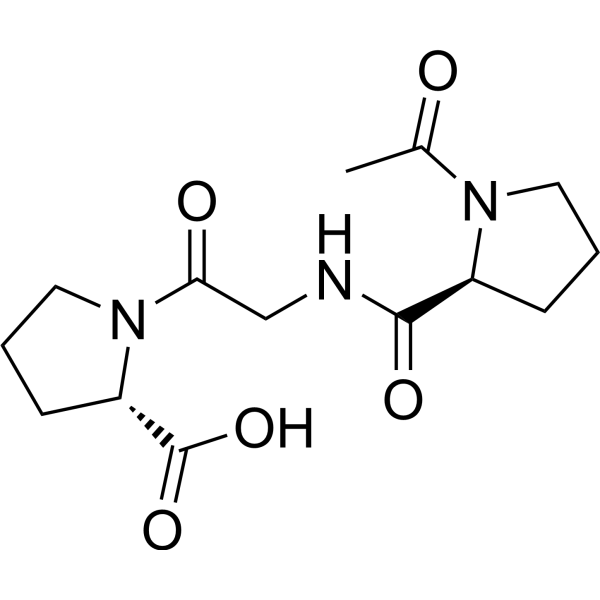
Ac-Pro-Gly-Pro-OH is an endogenous degradation product of extracellular collagen and acts as a CXCR2 agonist . Ac-Pro-Gly-Pro-OH exerts bactericidal activity by generating hydrogen peroxide, inhibits pulmonary inflammation, and reduces immune cell apoptosis (apoptosis). Ac-Pro-Gly-Pro-OH promotes the production of IFN-γ and inhibits the production of TNF-α and IL-6 in leukocytes. Ac-Pro-Gly-Pro-OH increases the survival rate of mice in sepsis models, enhances the bactericidal activity of neutrophils, acts as a neutrophil chemoattractant, induces neutrophil polarization, and regulates inflammatory and repair processes. Ac-Pro-Gly-Pro-OH induces chronic inflammation and tissue remodeling through sustained action. Ac-Pro-Gly-Pro-OH is released via alkaline hydrolysis of corneal proteins in alkali-injured eyes, thereby driving the early infiltration of neutrophils into the cornea. Ac-Pro-Gly-Pro-OH is applicable to research related to sepsis, chronic obstructive pulmonary disease, cystic fibrosis, bronchiolitis obliterans syndrome, severe asthma, idiopathic pulmonary fibrosis, and corneal ulcer .
|
-
| Cat. No. |
Product Name |
Type |
-
- HY-D2869
-
|
|
Fluorescent Dyes
|
|
Ac-H-FluNox is an acetylated cell-compatible prodrug of H-FluNox (HY-D2339). Ac-H-FluNox undergoes intracellular hydrolysis of its acetyl group by esterases to generate H-FluNox, which then undergoes a deoxygenation reaction with labile heme to form a fluorescent product. Ac-H-FluNox detects fluctuations of labile heme in living cells, acute labile heme release upon nitric oxide stimulation, and accumulation of labile heme following inhibition of heme export proteins .
|
-
- HY-D1377
-
|
|
Fluorescent Dyes
|
|
Citrulline-specific probe-rhodamine hydrate is a specific probe for citrulline (Citrulline) combined with a rhodamine fluorescent group. Citrulline is the hydrolysis product of arginine catalyzed by protein arginine deiminase (PAD). PAD is abnormally activated in many diseases, leading to increased citrulline levels. Citrulline-specific probe-rhodamine hydrate is a biological probe that can identify diseases showing abnormal increases in PAD activity and may be effectively used in animal models of ulcerative colitis .
|
-
- HY-D1687
-
|
|
Fluorescent Dyes
|
|
Flubi-2 is a fluorescein-biotin based pH-ratio dye (Ex=480 nm, Em= 520-560 nm) with a pK value of 6.7. Flubi-2 is a hydrolysis product of Flubida-2 (non-fluorescent, membrane permeable). Flubi-2 can be used for pH determination of organelles of the secretory pathway (such as golgi apparatus and endoplasmic reticulum) in living cells .
|
| Cat. No. |
Product Name |
Type |
-
- HY-138877
-
|
|
Biochemical Assay Reagents
|
|
Phosphoglycolic acid is a metabolite and a bacterial cytoplasmic component. Phosphoglycolic acid acts as a by-product generated during the preparation of phosphoglycolohydroxamic acid via hydrolysis of ethyl phosphoglycolate. Phosphoglycolic acid also functions as an active component of postbiotics .
|
-
- HY-112624H
-
|
Dextran 2; Dextran D2; Dextran T2(MW 1600-2400)
|
Biochemical Assay Reagents
|
|
Dextran T2 (Dextran 2; Dextran T2(MW 1600-2400)) is a natural high molecular weight polysaccharide, the glycosidic bonds in its structure can be recognized by endo-dextranase and exo-dextranase. Dextran T2 (MW 2,000) breaks the glycosidic bonds in the enzymatic hydrolysis mechanism, releasing products such as D-glucose, Isomaltose (IM2), and Isomaltotriose (IM3). Dextran T2 (MW 2,000) can be used as a model substrate to characterize the catalytic properties of dextranase (such as optimal pH, temperature and product specificity), and to study enzymatic mechanism research and polysaccharide degradation pathways in glycobiology. The Dextran series of compounds are also a natural polysaccharide drug carrier, which can be connected to drugs through covalent bonding methods such as ester bonds, amide bonds or click chemistry, or self-assembled to form carriers such as nanoparticles and hydrogels. Dextran is biodegradable and biocompatible, and can achieve targeted delivery and controlled release of drugs. Dextran derivatives can prolong drug half-life, increase local concentration and reduce immune clearance activity .
|
-
- HY-76476
-
|
(+)-3-Hydroxytetrahydrofuran
|
Biochemical Assay Reagents
|
|
(S)-Tetrahydrofuran-3-ol is a (S)-enantiomer of Tetrahydrofuran-3-ol. Tetrahydrofuran-3-ol is an important precursor for the production of HIV protease inhibitors. Tetrahydrofuran-3-ol can be produced via chemical synthesis or by enzymatic hydrolysis of bulkier esters and inversion of the unwanted product .
|
-
- HY-W329357
-
|
|
Biochemical Assay Reagents
|
|
15:0 Lyso PC is a lysophosphatidylcholine (Lyso PC), a product of phospholipase A2 (PLA2) hydrolysis of phosphatidylcholine (PC) and is involved in cell membrane remodeling and inflammatory signaling. 15:0 Lyso PC demonstrates significant lipid metabolism disturbances in the serum with ischemic heart disease (IHD) and ischemic cardiomyopathy (ICM). 15:0 Lyso PC can be used as a lipid biomarker for cardiovascular disease .
|
-
- HY-Y1766R
-
|
|
Biochemical Assay Reagents
|
|
2,3,4-Trimethoxybenzaldehyde (Standard) is the analytical standard of 2,3,4-Trimethoxybenzaldehyde. This product is intended for research and analytical applications. 2,3,4-Trimethoxybenzaldehyde (2,3,4-Trihydrooxy Benzaldehyde) can be used to study the effects on tubulin-dependent GTP hydrolysis .
|
-
- HY-76476R
-
|
(+)-3-Hydroxytetrahydrofuran (Standard)
|
Biochemical Assay Reagents
|
|
(S)-Tetrahydrofuran-3-ol (Standard) is the analytical standard of (S)-Tetrahydrofuran-3-ol. This product is intended for research and analytical applications. (S)-Tetrahydrofuran-3-ol is a (S)-enantiomer of Tetrahydrofuran-3-ol. Tetrahydrofuran-3-ol is an important precursor for the production of HIV protease inhibitors. Tetrahydrofuran-3-ol can be produced via chemical synthesis or by enzymatic hydrolysis of bulkier esters and inversion of the unwanted product .
|
| Cat. No. |
Product Name |
Target |
Research Area |
-
- HY-P4417
-
|
|
Fluorescent Dye
|
Others
|
|
Ac-IEPD-AMC is a fluorogenic substrate for the determination of protease activity. Ac-IEPD-AMC undergoes hydrolysis and releases the fluorescent product 7-amino-4-methylcoumarin (AMC). AMC is fluorescent under UV light and can emit a fluorescent signal .
|
-
- HY-P4419A
-
|
|
Fluorescent Dye
|
Others
|
|
Boc-Asp(OBzl)-Pro-Arg-AMC acetate is a fluorogenic substrate for the determination of protease activity. Boc-Asp(OBzl)-Pro-Arg-AMC acetate undergoes hydrolysis and releases the fluorescent product 7-amino-4-methylcoumarin (AMC). AMC is fluorescent under UV light and can emit a fluorescent signal .
|
-
- HY-P4846
-
|
|
CXCR
Apoptosis
IFNAR
TNF Receptor
Interleukin Related
|
Infection
Inflammation/Immunology
|
|
Ac-Pro-Gly-Pro-OH is an endogenous degradation product of extracellular collagen and acts as a CXCR2 agonist . Ac-Pro-Gly-Pro-OH exerts bactericidal activity by generating hydrogen peroxide, inhibits pulmonary inflammation, and reduces immune cell apoptosis (apoptosis). Ac-Pro-Gly-Pro-OH promotes the production of IFN-γ and inhibits the production of TNF-α and IL-6 in leukocytes. Ac-Pro-Gly-Pro-OH increases the survival rate of mice in sepsis models, enhances the bactericidal activity of neutrophils, acts as a neutrophil chemoattractant, induces neutrophil polarization, and regulates inflammatory and repair processes. Ac-Pro-Gly-Pro-OH induces chronic inflammation and tissue remodeling through sustained action. Ac-Pro-Gly-Pro-OH is released via alkaline hydrolysis of corneal proteins in alkali-injured eyes, thereby driving the early infiltration of neutrophils into the cornea. Ac-Pro-Gly-Pro-OH is applicable to research related to sepsis, chronic obstructive pulmonary disease, cystic fibrosis, bronchiolitis obliterans syndrome, severe asthma, idiopathic pulmonary fibrosis, and corneal ulcer .
|
-
- HY-P4406
-
|
|
Fluorescent Dye
|
Others
|
|
Abz-AGLA-Nba is a fluorogenic substrate for the determination of protease activity. Abz-AGLA-Nba is hydrolyzed to release aminoacyl benzimide (Abz-AGLA) and 2-naphthylaminoacyl (Nba). The product Abz-AGLA produced by this hydrolysis reaction is fluorescent under ultraviolet light and can emit a fluorescent signal .
|
-
- HY-P4417A
-
|
|
Fluorescent Dye
|
Others
|
|
Ac-IEPD-AMC TFA is a fluorescent substrate used to measure protease activity. Ac-IEPD-AMC undergoes hydrolysis and releases the fluorescent product 7-amino-4-methylcoumarin (AMC). AMC fluoresces under UV light irradiation and can emit fluorescent signals .
|
-
- HY-P4323A
-
|
|
Fluorescent Dye
|
Others
|
|
Boc-Gln-Arg-Arg-AMC acetate is a fluorogenic substrate for the determination of protease activity. Boc-Gln-Arg-Arg-AMC undergoes hydrolysis and releases the fluorescent product 7-amino-4-methylcoumarin (AMC). AMC is fluorescent under UV light and can emit a fluorescent signal .
|
-
- HY-P4406A
-
|
|
Fluorescent Dye
|
Others
|
|
Abz-AGLA-Nba TFA is a fluorogenic substrate for the determination of protease activity. Abz-AGLA-Nba TFA is hydrolyzed to release aminoacyl benzimide (Abz-AGLA) and 2-naphthylaminoacyl (Nba). The product Abz-AGLA produced by this hydrolysis reaction is fluorescent under ultraviolet light and can emit a fluorescent signal .
|
-
- HY-137798
-
|
|
Fluorescent Dye
|
Others
|
|
Chromozym PL is a chromogenic substrate for plasmin, and the enzymatic reaction can be carried out in 0.1mL Tris-HCl buffer (50 mM, pH 7.8). 100 μM Chromozym PL was dissolved and prepared. After adding the hydrolase, the generation of p-nitroaniline (pNA) at 405 nm was continuously observed, and the hydrolysis products were calculated .
|
-
- HY-P4465
-
|
|
Fluorescent Dye
|
Others
|
|
Gly-Arg-pNA is a fluorogenic substrate for the measurement of protease activity. Gly-Arg-pNA undergoes hydrolysis and releases the fluorescent product p-nitroaniline. p-nitroaniline is in a fluorescent state under ultraviolet light irradiation and can emit a fluorescent signal .
|
-
- HY-P4419
-
|
|
Fluorescent Dye
|
Others
|
|
Boc-Asp(OBzl)-Pro-Arg-AMC is a fluorogenic substrate for the determination of protease activity. Boc-Asp(OBzl)-Pro-Arg-AMC undergoes hydrolysis and releases the fluorescent product 7-amino-4-methylcoumarin (AMC). The excitation and emission wavelengths are 351 nm and 430 nm, respectively .
|
-
- HY-P4408
-
|
|
Fluorescent Dye
|
Others
|
|
Ac-Arg-Gly-Lys-AMC is a fluorogenic substrate for the determination of protease activity. Ac-Arg-Gly-Lys-AMC undergoes hydrolysis and releases the fluorescent product 7-amino-4-methylcoumarin (AMC). AMC is fluorescent under UV light and can emit a fluorescent signal .
|
-
- HY-P4323
-
|
|
Fluorescent Dye
|
Others
|
|
Boc-Gln-Arg-Arg-AMC is a fluorogenic substrate for the determination of protease activity. Boc-Gln-Arg-Arg-AMC undergoes hydrolysis and releases the fluorescent product 7-amino-4-methylcoumarin (AMC). AMC is fluorescent under UV light and can emit a fluorescent signal .
|
-
- HY-P4416
-
|
|
Fluorescent Dye
|
Others
|
|
Ac-Gly-Ala-Lys(Ac)-AMC is a fluorogenic substrate for the determination of protease activity. Ac-Gly-Ala-Lys(Ac)-AMC undergoes hydrolysis and releases the fluorescent product 7-amino-4-methylcoumarin (AMC). AMC is fluorescent under UV light and can emit a fluorescent signal .
|
-
- HY-P4404
-
|
|
Cathepsin
|
Others
|
|
Abz-GIVRAK(Dnp) is the most efficient substrate for cathepsin B and is highly selective for this enzyme among lysosomal cysteine proteases. After Abz-GIVRAK(Dnp) is hydrolyzed, aminoacylbenziminosulfosuccinic acid (Abz-SAS) is released, and dinitrobenzoyl (Dnp) is also released. The product of this hydrolysis reaction, Abz-SAS, is fluorescent under ultraviolet light and can emit a fluorescent signal .
|
| Cat. No. |
Product Name |
Category |
Target |
Chemical Structure |
-
- HY-B2193
-
-
-
- HY-W145498
-
-
-
- HY-135000
-
|
DcSTX; DecarbamoylSTX
|
Structural Classification
Natural Products
Microorganisms
Source Classification
|
Endogenous Metabolite
Drug Metabolite
|
|
Decarbamoylsaxitoxin is a sodium channel inhibitor that blocks the influx of sodium ions through the membranes of excitable nerves and skeletal muscle cells, thereby preventing the formation of action potentials. Decarbamoylsaxitoxin is an acidic hydrolysis product of saxitoxin, and its toxic effects on mice are identical to those of saxitoxin. Decarbamoylsaxitoxin inhibits veratridine- and ouabain-induced swelling and lysis of mouse neuroblastoma cells by blocking Na + channels. Decarbamoylsaxitoxin can be used in studies related to paralytic shellfish poisoning .
|
-
-
- HY-W714675
-
-
-
- HY-N6730
-
-
-
- HY-N12146
-
-
-
- HY-N13105
-
-
-
- HY-N6731
-
-
-
- HY-N0872R
-
-
-
- HY-129099AR
-
-
-
- HY-100196AR
-
|
PQQ disodium salt (Standard); Methoxatin disodium salt (Standard)
|
Quinones
Structural Classification
Microorganisms
Benzene Quinones
Endogenous metabolite
Source Classification
|
Reference Standards
Endogenous Metabolite
|
|
Triazophos (Standard) is the analytical standard of Triazophos. This product is intended for research and analytical applications. Triazophos, a non-systemic insecticide and acaricide that acts as an acetylcholinesterase (AChE) inhibitor, covalently and irreversibly binds to the acetylcholine binding site, thus blocking the hydrolysis of acetylcholine and leading to hyperexcitability; it is effective against a variety of soil insects and mites, including aphids, thrips, midges, beetles, Lepidoptera larvae, cutworms, and spider mites in crops such as ornamentals, cotton, rice, maize, soybeans, oil palms, olives, and coffee.
|
-
-
- HY-N13115A
-
|
(E)-21-Angeloyl-protoaescigenin
|
Aesculus chinensis Bunge
Triterpenes
Terpenoids
Hippocastanaceae
Plants
Source Classification
|
Others
|
|
Protoescigenin 21-tiglate (compound 10) is a glycosidic oleanane-type triterpenoid (BAT) that can be isolated from the acid hydrolysis product (AHP) of the crude extract of Aesculus chinensis seeds. Aesculus-derived triterpenoids (BAT) generally exhibit good antitumor, anti-inflammatory, and anti-Alzheimer's activities. However, the antitumor activity of Protoescigenin 21-tiglate is relatively weak, with IC50 values of >80 μM and 80 μM against MCF-7 and HeLa cells, respectively .
|
-
-
- HY-N13115
-
|
(Z)-Protoescigenin 21-tiglate
|
Aesculus chinensis Bunge
Triterpenes
Terpenoids
Hippocastanaceae
Plants
Source Classification
|
Others
|
|
21-Angeloyl-protoaescigenin (compound 11) is a glycosidic oleanane-type triterpenoid (BAT) that can be isolated from the acid hydrolysis product (AHP) of the crude extract of Aesculus chinensis seeds. Aesculus-derived triterpenoids (BAT) generally exhibit good antitumor, anti-inflammatory, and anti-Alzheimer's activities. Protoescigenin 21-tiglate has antitumor activity, with IC50 values of 38.2 μM and 33 μM against MCF-7 and HeLa cells, respectively .
|
-
-
- HY-N3018R
-
-
-
- HY-B0442CR
-
|
|
Structural Classification
Natural Products
Endogenous metabolite
Source Classification
|
Reference Standards
Endogenous Metabolite
Phosphodiesterase (PDE)
|
|
Vardenafil (dihydrochloride) (Standard) is the analytical standard of Vardenafil (dihydrochloride). This product is intended for research and analytical applications. Vardenafil dihydrochloride is a selective and orally active inhibitor of phosphodiesterase-5 (PDE5), with an IC50 of 0.7 nM. Vardenafil dihydrochloride shows inhibitory towards PDE1, PDE6 with IC50s of 180 nM, and 11 nM respectively, while IC50s are >1000 nM for PDE3 and PDE4. Vardenafil dihydrochloride competitively inhibits cyclic guanosine monophosphate (cGMP) hydrolysis and thus increases cGMP levels. Vardenafil dihydrochloride can be used for the research of erectile dysfunction, hepatitis, diabetes - .
|
-
-
- HY-B0442AR
-
|
|
Structural Classification
Natural Products
Endogenous metabolite
Source Classification
|
Phosphodiesterase (PDE)
Endogenous Metabolite
Reference Standards
|
|
Vardenafil (hydrochloride) (Standard) is the analytical standard of Vardenafil (hydrochloride). This product is intended for research and analytical applications. Vardenafil hydrochloride is a selective and orally active inhibitor of phosphodiesterase-5 (PDE5), with an IC50 of 0.7 nM. Vardenafil hydrochloride shows inhibitory towards PDE1, PDE6 with IC50s of 180 nM, and 11 nM, while IC50s are >1000 nM for PDE3 and PDE4 . Vardenafil hydrochloride competitively inhibits cyclic guanosine monophosphate (cGMP) hydrolysis and thus increases cGMP levels . Vardenafil hydrochloride can be used for the research of erectile dysfunction, hepatitis, diabetes - .
|
-
-
- HY-B0442R
-
-
-
- HY-W049735R
-
|
|
Monophenols
Phenols
Endogenous metabolite
Source Classification
|
Drug Metabolite
Reference Standards
Endogenous Metabolite
|
|
Vardenafil (dihydrochloride) (Standard) is the analytical standard of Vardenafil (dihydrochloride). This product is intended for research and analytical applications. Vardenafil dihydrochloride is a selective and orally active inhibitor of phosphodiesterase-5 (PDE5), with an IC50 of 0.7 nM. Vardenafil dihydrochloride shows inhibitory towards PDE1, PDE6 with IC50s of 180 nM, and 11 nM respectively, while IC50s are >1000 nM for PDE3 and PDE4. Vardenafil dihydrochloride competitively inhibits cyclic guanosine monophosphate (cGMP) hydrolysis and thus increases cGMP levels. Vardenafil dihydrochloride can be used for the research of erectile dysfunction, hepatitis, diabetes - .
|
-
-
- HY-B0442BR
-
|
|
Structural Classification
Natural Products
Endogenous metabolite
Source Classification
|
Reference Standards
Endogenous Metabolite
Phosphodiesterase (PDE)
|
|
Vardenafil (hydrochloride trihydrate) (Standard) is the analytical standard of Vardenafil (hydrochloride trihydrate). This product is intended for research and analytical applications. Vardenafil hydrochloride trihydrate is a selective and orally active inhibitor of phosphodiesterase-5 (PDE5), with an IC50 of 0.7 nM. Vardenafil hydrochloride trihydrate shows inhibitory towards PDE1, PDE6 with IC50s of 180 nM, and 11 nM, while IC50s are >1000 nM for PDE3 and PDE4 . Vardenafil hydrochloride trihydrate competitively inhibits cyclic guanosine monophosphate (cGMP) hydrolysis and thus increases cGMP levels . Vardenafil hydrochloride trihydrate can be used for the research of erectile dysfunction, hepatitis, diabetes - .
|
-
-
- HY-18252R
-
|
TA1790 (Standard)
|
Structural Classification
Natural Products
Endogenous metabolite
Source Classification
|
Reference Standards
Phosphodiesterase (PDE)
NO Synthase
Endogenous Metabolite
|
|
Avanafil (Standard) is the analytical standard of Avanafil. This product is intended for research and analytical applications. Avanafil (TA-1790) is a potent and selective phosphodiesterase-5 (PDE-5) inhibitor with IC50 values of 5.2 nM, 630 nM, 5700 nM, 6200 nM, 12000 nM, 27000 nM, 51000 nM and 53000 nM for PDE-5, PDE-6, PDE-4, PDE-10, PDE-8, PDE-7, PDE-2 and PDE-1, respectively. Avanafil activates NO/cGMP/PKG signaling-pathway to decrease loss in BMD, bone atrophy, and oxidative stress. Avanafil inhibits cyclic guanosine monophosphate (cGMP) hydrolysis and thus increases cGMP levels. Avanafil can be used for the research of erectile dysfunction and osteoporosis .
|
-
-
- HY-N0757R
-
|
|
Structural Classification
other families
Iridoids
Terpenoids
Plants
Source Classification
|
Reference Standards
Akt
Bcl-2 Family
Apoptosis
Adrenergic Receptor
|
|
8-O-Acetylharpagide (Standard) is the analytical standard of 8-O-Acetylharpagide. This product is intended for research and analytical applications. 8-O-Acetylharpagide is an iridoid glycoside compound. 8-O-Acetylharpagide exhibits anti-aging activity at low doses and anticancer activity at high doses. 8-O-Acetylharpagide induces late-stage apoptosis and necrosis-like death in cancer cells, and downregulates anti-apoptotic proteins such as Akt, p-Akt and Bcl-2. 8-O-Acetylharpagide is mainly metabolized in rats via demethylation, hydrolysis and glucuronidation, and its active metabolites downregulate the AKT/NF-κB/MMP9 signaling axis. 8-O-Acetylharpagide exerts vasoconstrictive effects by activating vascular α-adrenoceptor.
|
-
-
- HY-N3169
-
-
-
- HY-N17882
-
-
-
- HY-N18343
-
-
-
- HY-126488R
-
-
-
- HY-N13110
-
-
-
- HY-180668
-
-
-
- HY-N2423B
-
|
(E/Z)-Allyl-glucosinolate free base; (E/Z)-2-Propenyl-glucosinolate free base
|
Structural Classification
Glucosinolates
Plants
Brassicaceae
Source Classification
Mutarda nigra (L.) Bernh.
|
NF-κB
p38 MAPK
Apoptosis
|
|
(E/Z)-Sinigrin ((E/Z)-Allyl-glucosinolate; (E/Z)-2-Propenyl-glucosinolate) free base is an orally active aliphatic thioglucoside anti-leukemia compound. Allyl isothiocyanate, produced by the hydrolysis of (E/Z)-sinigrin free base by myrosinase, has an IC50 of 2.71 μM against HL60 leukemia cells. The hydrolysis products of (E/Z)-sinigrin free base can further activate apoptosis pathways, inhibit NF-κB and MAPK signaling pathways, and induce phase II metabolic enzyme activity, thus exhibiting anti-cancer, anti-inflammatory, antibacterial, antioxidant, and wound healing activities. (E/Z)-Sinigrin free base can be used in research on cancer, inflammation-related diseases (such as atherosclerosis), and infectious diseases. (E/Z)-Sinigrin free base can be naturally extracted from the seeds of Brassica nigra, Brassica juncea, and other Brassicaceae plants such as broccoli and Brussels sprouts. Methyl pechueloate is a guaiane-type sesquiterpene ester compound and a potential precursor of xerantholide. It is useful in the structural elucidation and biosynthetic pathway studies of sesquiterpenoids. Methyl pechueloate can be naturally extracted from the aerial parts of Pechuel-Loeschea leibnitziae (Kuntze) O. Hoffm .
|
-
-
- HY-113972R
-
|
|
Structural Classification
Monophenols
Microorganisms
Marine natural products
Phenols
Marine microorganism
|
Reference Standards
Others
|
|
Avanafil (Standard) is the analytical standard of Avanafil. This product is intended for research and analytical applications. Avanafil (TA-1790) is a potent and selective phosphodiesterase-5 (PDE-5) inhibitor with IC50 values of 5.2 nM, 630 nM, 5700 nM, 6200 nM, 12000 nM, 27000 nM, 51000 nM and 53000 nM for PDE-5, PDE-6, PDE-4, PDE-10, PDE-8, PDE-7, PDE-2 and PDE-1, respectively. Avanafil activates NO/cGMP/PKG signaling-pathway to decrease loss in BMD, bone atrophy, and oxidative stress. Avanafil inhibits cyclic guanosine monophosphate (cGMP) hydrolysis and thus increases cGMP levels. Avanafil can be used for the research of erectile dysfunction and osteoporosis .
|
-
| Cat. No. |
Product Name |
Chemical Structure |
-
- HY-146925S
-
|
|
|
15:0 Lyso PC-d5 is deuterium labeled 15:0 Lyso PC (HY-W329357). 15:0 Lyso PC is a lysophosphatidylcholine (Lyso PC), a product of phospholipase A2 (PLA2) hydrolysis of phosphatidylcholine (PC) and is involved in cell membrane remodeling and inflammatory signaling. 15:0 Lyso PC demonstrates significant lipid metabolism disturbances in the serum of patients with ischemic heart disease (IHD) and ischemic cardiomyopathy (ICM). 15:0 Lyso PC can be used as a lipid biomarker for cardiovascular disease.
|
-
| Cat. No. |
Product Name |
|
Classification |
-
- HY-150251
-
|
STAT3 degrader-2
|
|
PROTAC Synthesis
|
|
SD-91 (STAT3 degrader-2), a product of the hydrolysis of SD-36 (HY-129602), is a selective PROTAC-based STAT3 degrader with a Ki of 5.5 nM. SD-91 displays >300-fold selectivity over other STAT family protein members. SD-91 potently induces degradation of STAT3 protein in cells. SD-91 has anticancer effects, such as myeloid leukemia, lymphoma (Pink: ligand for target protein (HY-150895); Black: linker; Blue: E3 ligase ligand; E3 ligase ligand+linker: HY-176506) .
|
Your information is safe with us. * Required Fields.
Inquiry Information
- Product Name:
- Cat. No.:
- Quantity:
- MCE Japan Authorized Agent:

