From 11:00 pm to 12:00 pm EST ( 8:00 pm to 9:00 pm PST ) on January 6th, the website will be under maintenance. We are sorry for the inconvenience. Please arrange your schedule properly.
Intralipid 20% is a safe fat emulsion that can be used as a nutritional supplement. Intralipid 20% effectively inhibits the opening of the mitochondrial permeability transition pore, effectively protecting the heart from ischaemia-reperfusion injury and has some potential to modulate the innate immune response .
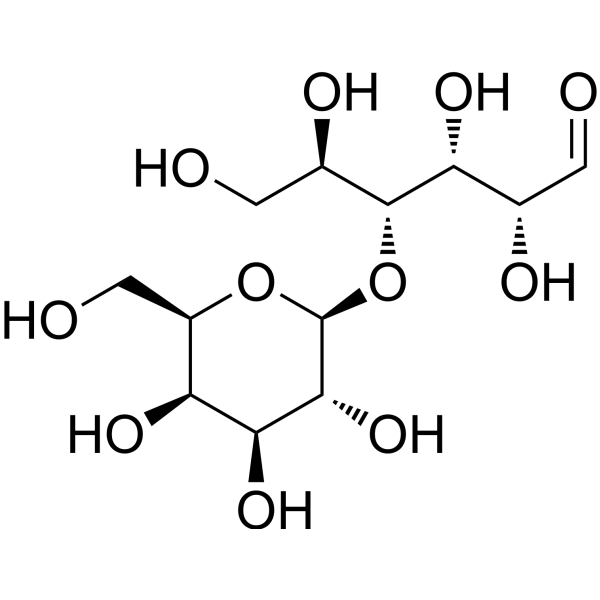
Lactose is a β-galactoside consisting of galactose and glucose residues, the main carbohydrate in mammalian breast milk. Lactose, a macronutrient and an inducer of host innate immune responses, possesses immune modulatory functions .
eGFP mRNA (N1-Me-Pseudo UTP) will express green fluorescent protein, originally isolated from the jellyfish, Aequorea victoria. The eGFP is a commonly used direct detection reporter in mammalian cell culture, yielding bright green fluorescence. The substitution with N1-Me-Pseudo UTP (m1Ψ) improves protein expression and reduces innate immune response.
Sabatolimab (MBG453) is a high-affinity, humanized, IgG4 (S228P) antibody targeting TIM-3, an inhibitory receptor that regulates adaptive and innate immune responses. Sabatolimab is a potential immunosuppression agent that can target TIM-3 on immune and myeloid cells .
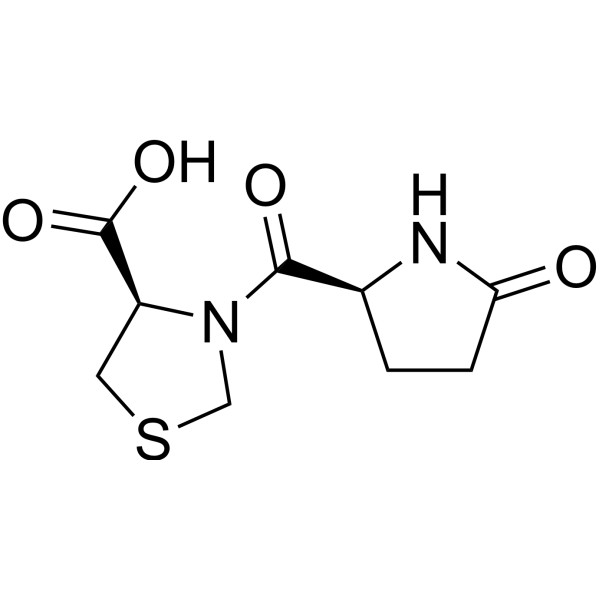
Pidotimod is an orally active dipeptide immunostimulant with immunomodulatory properties on the adaptive and the innate immune responses. Pidotimod increases macrophage activity and humoral immune functions. Pidotimod can be used for the research of chronic bronchitis, chronic obstructive pulmonary disease (COPD), bronchiectasis, and chronic idiopathic urticaria,et al .
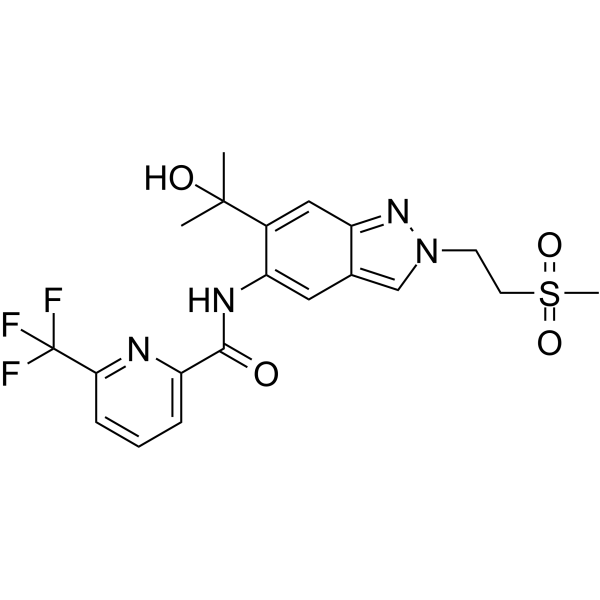
Zabedosertib (BAY 1834845) is a selective, orally active IRAK4 inhibitor with immunomodulatory potential, IC50 is 3.55 nM. IRAK4 is a protein kinase involved in signaling innate immune responses from Toll-like receptors . Zabedosertib exhibits anti-inflammatory property against IL-β, LPS (HY-D1056) and Imiquimod (HY-B1080) induced inflammation .
LYPLAL1-IN-1 (compound 11) is a selective, covalent, and irreversible inhibitor of the lysophospholipase-like enzyme LYPLAL1 (IC50 = 6 nM). LYPLAL1-IN-1 shows selectivity against other serine hydrolases such as carboxylesterase CES1 (IC50 > 50 μM for CES1). LYPLAL1-IN-1 inhibits the depalmitoylation function of LYPLAL1, blocking its depalmitoylation modification of cyclic GMP-AMP synthase (cGAS), thereby promoting cGAS dimerization and activation, and initiating the cGAS-STING pathway-mediated innate immune response. LYPLAL1-IN-1 can enhance DNA-induced type I interferon production, upregulate PD-L1 expression in tumor cells, and promote the accumulation of tumor-infiltrating CD8 + T cells, with the core function of strengthening the anti-tumor immuneresponse. LYPLAL1-IN-1 is primarily used in tumor immunology research, especially in combination with PD-1/PD-L1 inhibitors .
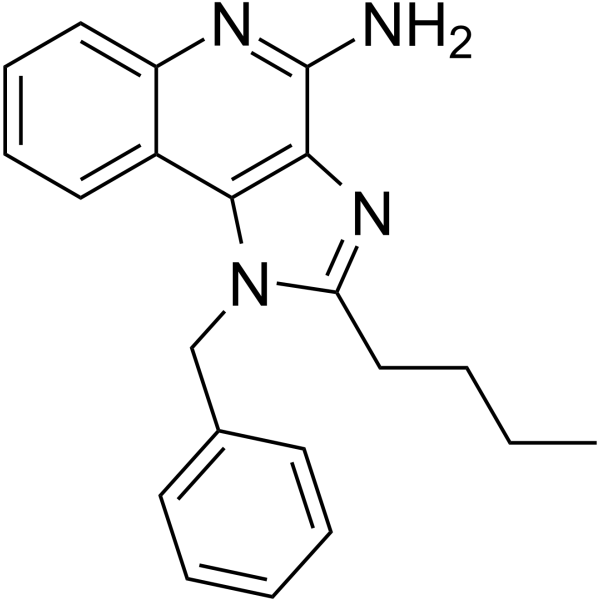
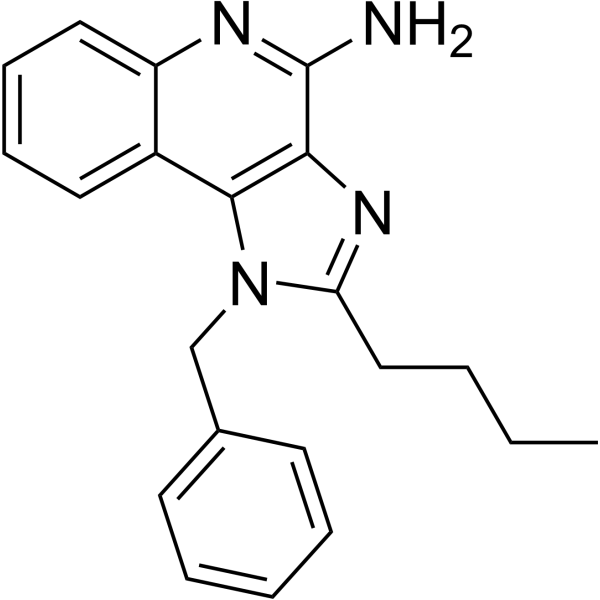
BBIQ is a imidazoquinoline compound and a potent and selectively toll-like receptor 7 (TLR7) agonist with an EC50 of 59.1 nM for human TLR7. BBIQ is a powerful vaccine adjuvant that enhances innate immune responses .
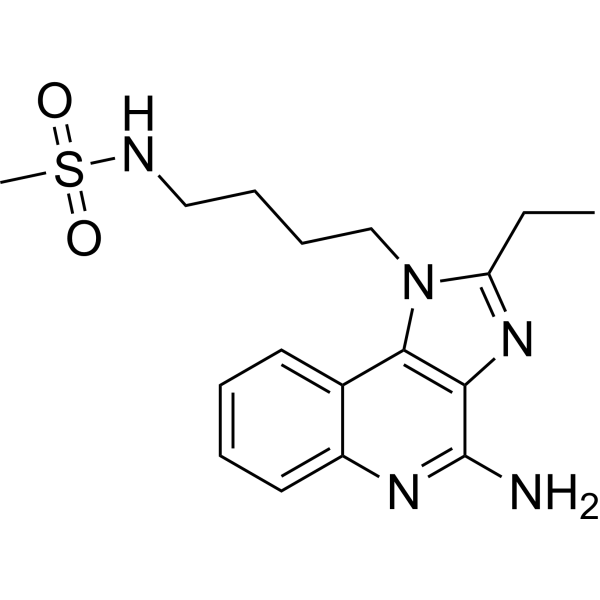
PF-4878691 (3M-852A) is an orally active TLR7 agonist. PF-4878691 has the innate immune response activity, antiviral efficacy against HCV, and can be used for the research of cancer .
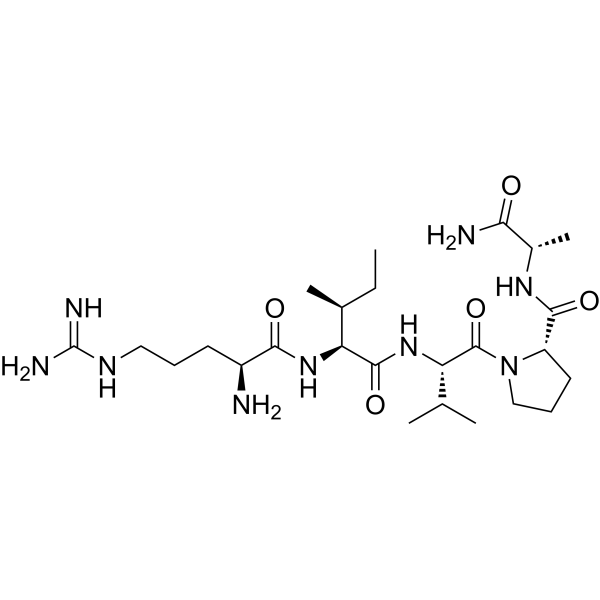
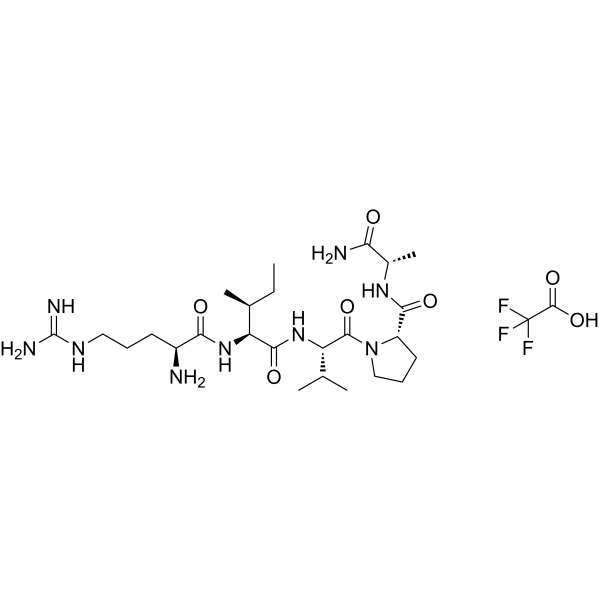
Dusquetide (SGX942) is a first-in-class innate defense regulator (IDR). Dusquetide modulates the innate immune response to both PAMPs and DAMPs by binding to p62. Dusquetide shows activity in both reducing inflammation and increasing clearance of bacterial infection . DAMPs: damage-associated molecular patterns; PAMPs: pathogen-associated molecular patterns
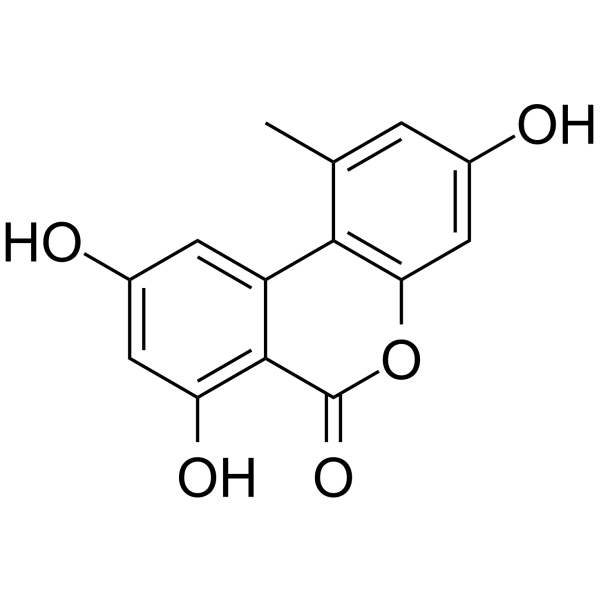
Alternariol is an orally ingested mycotoxin produced by Alternaria, capable of inhibiting the activity of topoisomerase I and II (topoisomerase I, topoisomerase II). Alternariol has weak estrogenic (Estrogen Receptor/ERR) and androgen/antiandrogen (Androgen Receptor) effects. Alternariol can induce apoptosis, trigger cell cycle arrest, suppress innate immune responses, and exhibit anti-tumor activity. Alternariol has genotoxic, mutagenic, and endocrine-disrupting effects .
STING agonist-45 is a selective STING agonist (EC50 = 0.28 μM). STING agonist-45 activates the innate immune response through the cGAS-STING pathway, upregulating key markers such as p-TBK1 and IRF3. STING agonist-45 exhibits robust STING activation in human peripheral blood mononuclear cells (PBMCs), inducing the production of type I interferons (such as IFN-β) and downstream cytokines (such as TNF-α and IL-6). STING agonist-45 enhances anti-tumor immunity, inhibits tumor growth, and increases CD8 + T cell infiltration in mouse models. STING agonist-45 is promising for the study of STING-related diseases .
Pam2Cys (Dipalmitoyl-S-glyceryl-cysteine; S-[2,3-Bis(palmitoyloxy)propyl]cysteine) is a TLR2 agonist and immunostimulant. Pam2Cys binds to TLR2 to activate dendritic cells and trigger the TLR2-dependent NF-κB signaling pathway. Pam2Cys also induces dendritic cell maturation by upregulating the expression of cell surface MHC II molecules. Pam2Cys activates innateimmune signaling pathways, drives pro-inflammatory and antimicrobial responses, enhances the expression of macrophage activation markers, increases phagocytic activity, induces the release of IL-12 and pro-inflammatory cytokines, and polarizes macrophages into a pro-inflammatory, antimicrobial phenotype without interfering with IL-10-induced macrophage polarization. Pam2Cys also serves as the lipid moiety in synthetic lipopeptide vaccines and possesses self-adjuvant properties. Pam2Cys enhances the immunogenicity of conjugated peptide segments and induces cellular and humoral immuneresponses. However, it does not activate CD4 T cells in mouse splenocyte cultures when used alone. Pam2Cys activates pulmonary TLR2 signaling pathways, triggers innate immune responses, recruits neutrophils and macrophages, induces the secretion of various cytokines, alleviates symptoms and damages associated with influenza A virus infection in mice without impairing adaptive immunity. Pam2Cys can be used in studies related to tuberculosis and influenza A virus infection .
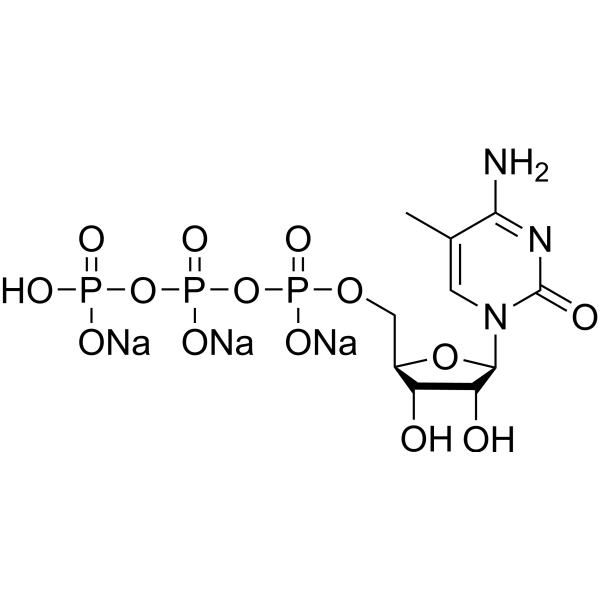
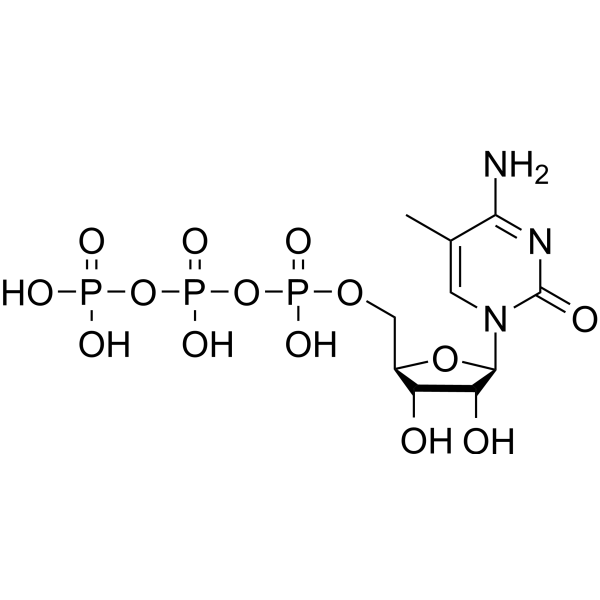
5-Methylcytidine 5′-triphosphate (5-Methyl-CTP) trisodium is a modified nucleoside triphosphate. 5-Methylcytidine 5′-triphosphate trisodium can apply in replacing unmodified mRNA, resulting in the increase of translational properties and stability, as well as the reduction of innate immune responses in human and other mammalian cells .
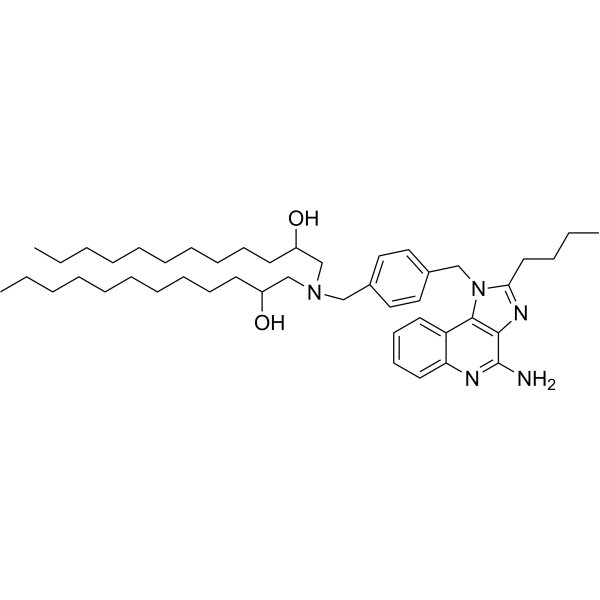
C12-TLRa is an ionized adjuvant lipid. C12-TLRa targets TLR7/8 receptors in endosomes. C12-TLRa enhances mRNA delivery as a structural component of LNPs. C12-TLRa enhances innate immune responses. C12-TLRa can be used for the research of SARS-CoV-2 mRNA vaccine .
Pseudouridine 5'-triphosphate (Pseudo-UTP) trisodium solution (100 mM) is a modified ribonucleoside triphosphate and uracil base-modified UTP derivative. Pseudouridine 5'-triphosphate trisodium solution (100 mM) enhances translational properties and stability of mRNA, reduces innate immune responses in mammalian cells, and inhibits signal-dependent transcription termination of vaccinia virus early gene transcription while supporting transcription elongation. Pseudouridine 5'-triphosphate trisodium solution (100 mM) can be used for the research of vaccinia virus infection .
Lactose (Standard) is the analytical standard of Lactose. This product is intended for research and analytical applications. Lactose is a β-galactoside consisting of galactose and glucose residues, the main carbohydrate in mammalian breast milk. Lactose, a macronutrient and an inducer of host innate immune responses, possesses immune modulatory functions .
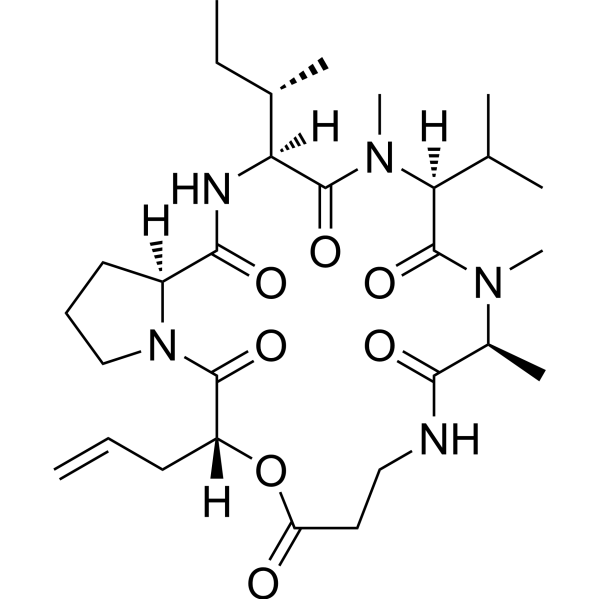
Destruxin A is a fungal cyclopeptide with insecticidal and antiviral activities. Destruxin A has a certain inhibitory effect on leukemia cells in vitro. Destruxin A can also specifically inhibit the innate immune response of Drosophila melanogaster, making the flies more susceptible to bacterial infections .
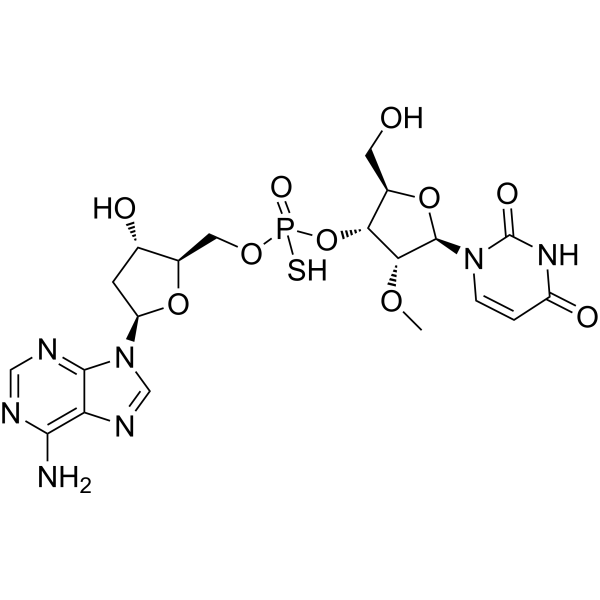
Inarigivir (ORI-9020) is a dinucleotide antiviral drug that can significantly reduce liver HBV DNA in transgenic mice expressing hepatitis B virus. Inarigivir (ORI-9020) act as a RIG-I agonist to activate cellular innate immune responses .
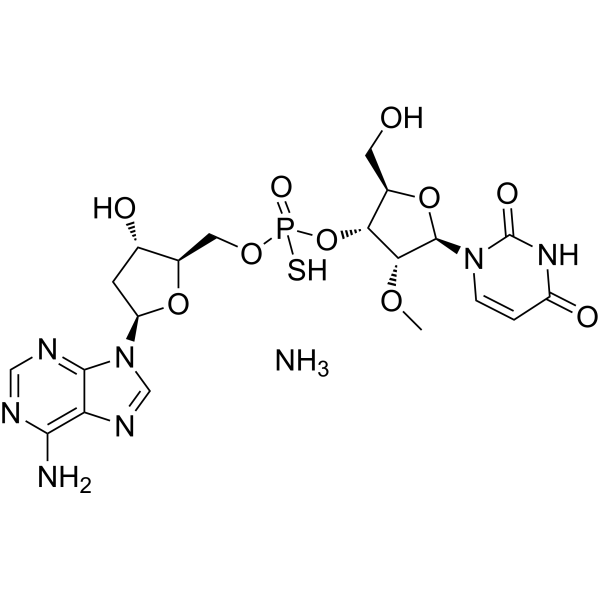
Inarigivir (ORI-9020) ammonium is a dinucleotide antiviral drug that can significantly reduce liver HBV DNA in transgenic mice expressing hepatitis B virus. Inarigivir (ORI-9020) ammonium acts as a RIG-I (Retinoic acid-inducible gene-I) agonist to activate cellular innate immune responses .
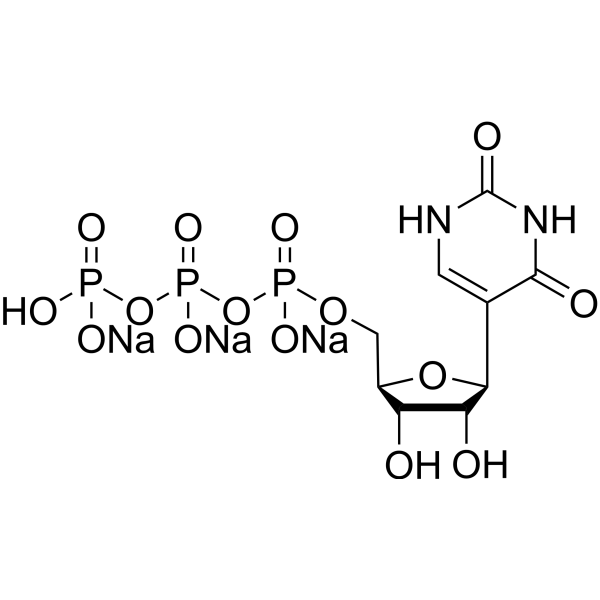
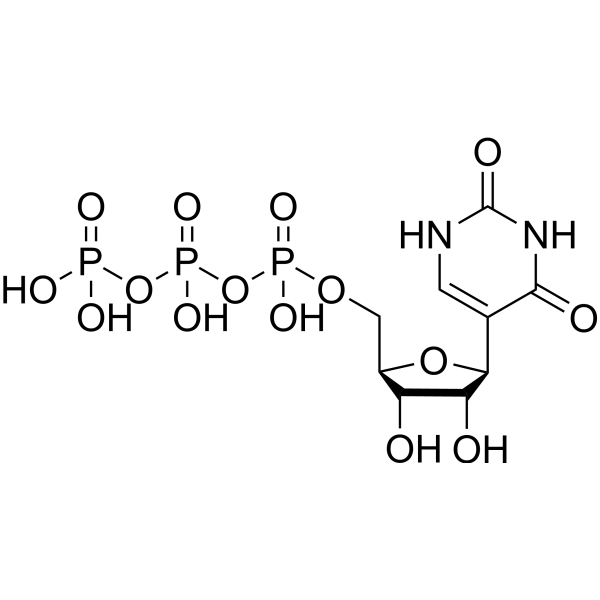
Pseudouridine 5'-triphosphate (Pseudo-UTP) is a modified ribonucleoside triphosphate and uracil base-modified UTP derivative. Pseudouridine 5'-triphosphate enhances translational properties and stability of mRNA, reduces innate immune responses in mammalian cells, and inhibits signal-dependent transcription termination of vaccinia virus early gene transcription while supporting transcription elongation. Pseudouridine 5'-triphosphate can be used for the research of vaccinia virus infection .
5-Methylcytidine 5′-triphosphate (5-Methyl-CTP) is a modified nucleoside triphosphates. 5-Methylcytidine 5′-triphosphate can apply in replacing unmodified mRNA, resulting in the increase of translational properties and stability, as well as the reduction of innate immune responses in human and other mammalian cells .
AtPep1 is a plant elicitor peptide. AtPep1 activates transcription of the defensive gene defensin (PDF1.2) and activates the synthesis of H2O2, which are components of the innate immune response against pathogens. AtPep1 can be isolated from extracts of Arabidopsis leaves .
eGFP mRNA (5moU) expresses a green fluorescent protein, originally isolated from the jellyfish, Aequorea victoria. EGFP is a commonly used direct detection reporter in mammalian cell culture, yielding bright green fluorescence. The substitution with 5’-Methoxyuridine (5moU) improves protein expression and reduces innate immune response.
CRX 527 is a TLR4 agonist. CRX 527 activates the MyD88-dependent, TRIF-dependent, and TRAF6/NF-κB signaling pathways downstream of TLR4, mimics lipid A, and regulates antigen processing and presentation by dendritic cells. CRX 527 stimulates innate immune responses and enhances vaccine efficacy. CRX 527 maintains the structural integrity of hematopoietic tissues, spleen and intestine, alleviates radiation-induced damage, preserves intestinal homeostasis, and inhibits apoptosis, inflammatory responses, oxidative stress and DNA damage. CRX 527 can be used in the research of acute radiation syndrome, melanoma, HPV-related tumors and intracerebral hemorrhage .
Enpp-1-IN-27 is a selective ENPP1 inhibitor with an IC50 of 14.68 nM, exhibiting approximately 410-fold selectivity against ENPP2 and 10-fold selectivity against ENPP3. Enpp-1-IN-27 stabilizes cGAMP levels and activates the STING pathway, promoting cytokine release and enhancing innate immune responses. Enpp-1-IN-27 induces ISRE activation and amplified cGAMP-mediated immuneresponses and shows the desired antitumor efficacy in the 4T1 and CT26 syngeneic mouse models. Enpp-1-IN-27 can used for the studies of breast cancer and colon cancer .
IdeS protease is an IgG-specific endopeptidase, which is highly specific for the lower hinge region of IgG. IdeS protease represses innate immune responses to promote streptococcal survival in an inflammatory environment .
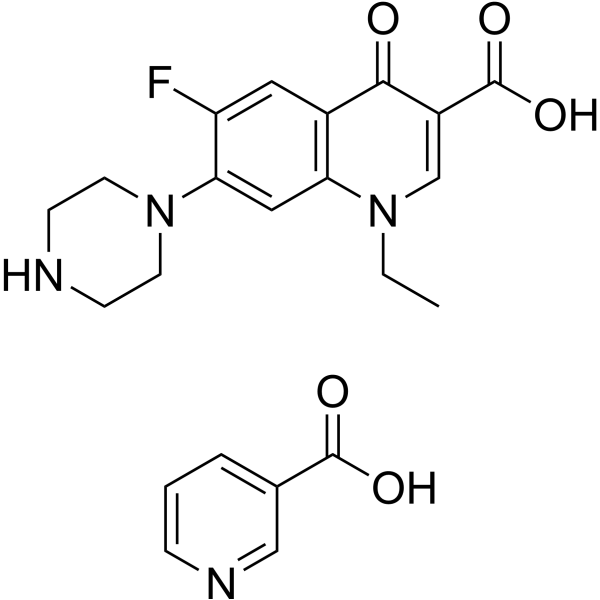
Norfloxacin nicotinate (MK-0366 nicotinate) is a fluoroquinolones antibiotic, an adduct of Norfloxacin (NOR) and nicotinic acid. Norfloxacin nicotinate has been widely used for replacing NOR in animal husbandry and fishery industry. Norfloxacin nicotinate can induce innate immune response at a high concentration .
Dusquetide (SGX942) TFA is a first-in-class innate defense regulator (IDR). Dusquetide TFA modulates the innate immune response to both PAMPs and DAMPs by binding to p62. Dusquetide TFA shows activity in both reducing inflammation and increasing clearance of bacterial infection . DAMPs: damage-associated molecular patterns; PAMPs: pathogen-associated molecular patterns
D-4-77 is a potent inhibitor of SARS-CoV-2 Mpro with an IC50 value of 0.95 μM. D-4-77 has antiviral active with an EC50 value of 0.49 μM. D-4-77 suppresses SARS-CoV-2 Mpro -induced antagonism of the host NF-κB innate immune response .
Pidotimod (Standard) is the analytical standard of Pidotimod. This product is intended for research and analytical applications. Pidotimod is an orally active dipeptide immunostimulant with immunomodulatory properties on the adaptive and the innate immune responses. Pidotimod increases macrophage activity and humoral immune functions. Pidotimod can be used for the research of chronic bronchitis, chronic obstructive pulmonary disease (COPD), bronchiectasis, and chronic idiopathic urticaria,et al .
Enpp-1-IN-28 is a ENPP1 inhibitor at the molecular and cellular levels, with IC50 values of 0.188 µM and 0.732 µM, respectively. Enpp-1-IN-28 upgrades the expression levels of IFN-β in vivo by preventing the ENPP1 from hydrolyzing the cGAMP to stimulate a more potent innate immune response. Enpp-1-IN-28 can be used for the study of metastatic breast cancer .
PDIC-NN dimethanesulfonate (PDIC-NS) is a STING activator with anticancer activity. PDIC-NN dimethanesulfonate promotes the content and biostability of endogenous cyclic dinucleotides (CDNs). PDIC-NN dimethanesulfonate triggers ROS burst and causes serious damage to mitochondria. PDIC-NN dimethanesulfonate induces cell apoptosis and inhibits DNA replication. PDIC-NN dimethanesulfonate activates cGAS-STING signaling pathway, enhances the immunogenicity of tumor cells and activates a robust innate immune response .
Alternariol-d2 is deuterium labeled Alternariol. Alternariol is an orally ingested mycotoxin produced by Alternaria, capable of inhibiting the activity of topoisomerase I and II (topoisomerase I, topoisomerase II). Alternariol has weak estrogenic (Estrogen Receptor/ERR) and androgen/antiandrogen (Androgen Receptor) effects. Alternariol can induce apoptosis, trigger cell cycle arrest, suppress innate immune responses, and exhibit anti-tumor activity. Alternariol has genotoxic, mutagenic, and endocrine-disrupting effects .
The IRAK4 protein is a serine/threonine protein kinase that is critical for initiating the innate immune response through the Toll-like receptor (TLR) and IL-1R signaling pathways. After TLR is activated, it rapidly forms the Myddosome with IRAK2. IRAK4 aa104-460 Recombinant Human Active Protein Kinase is a recombinant IRAK4 aa104-460 protein that can be used to study IRAK4 aa104-460-related functions .
AtPep1 TFA is an endogenous inducer of innate immune responses. AtPep1 TFA can be isolated from Arabidopsis thaliana leaves. AtPep1 TFA activates the transcription of defensin (PDF1.2), the expression of PROPEP1, the synthesis of hydrogen peroxide (H2O2) near leaf veins, and the alkalization of Arabidopsis suspension cell culture medium. AtPep1 TFA induces the expression of genes encoding defensins and PR-1. AtPep1 TFA is applicable to studies related to Pythium irregulare infection and pathogen infection .
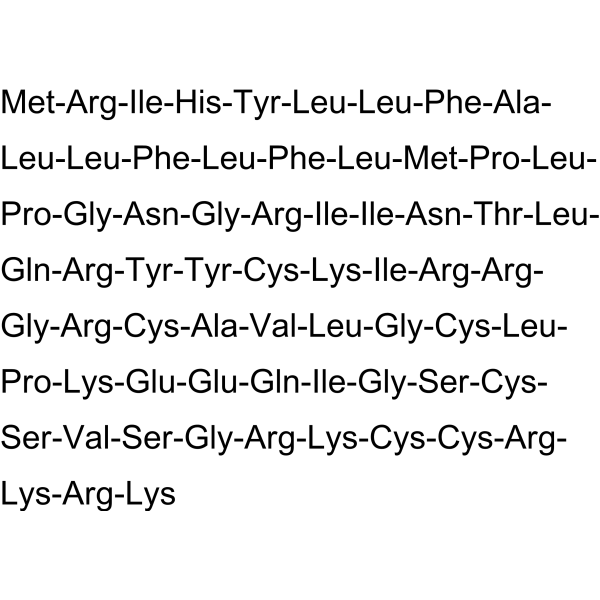
Beta-defensin 103 isoform X1, pig is an antimicrobial peptide found in different living organisms, involved in the first line of defense in their innate immune response against pathogens .
Beta-defensin 103 isoform X1, pig TFA is an antimicrobial peptide found in different living organisms, involved in the first line of defense in their innate immune response against pathogens .
AGEN-1571 is a human IgG1 monoclonal antibody (mAb) targeting ILT2. AGEN-1571 promotes adaptive and innate immune responses. Recommend Isotype Controls: Human IgG1 kappa, Isotype Control (HY-P99001)
Human TLR10 mRNA encodes the human toll like receptor 10 (TLR10) protein, a member of the Toll-like receptor (TLR) family which plays a fundamental role in pathogen recognition and activation of innateimmunity. TLR10 participates in the innate immune response to microbial agents.
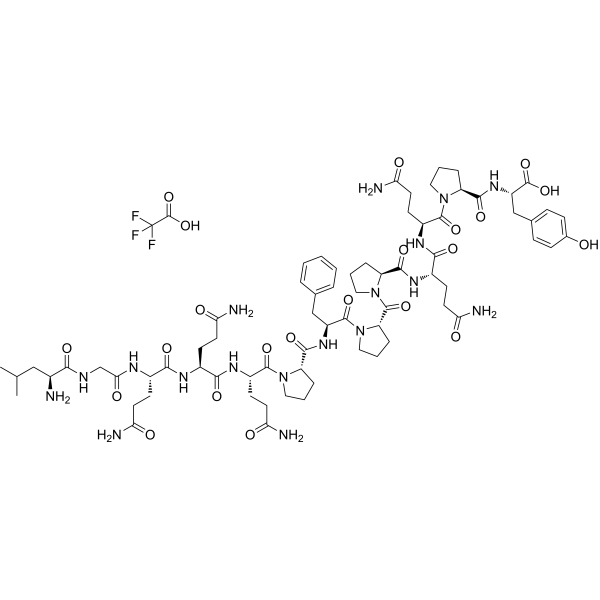
Gliadin p31-43 TFA is an undigested gliadin peptide. Gliadin p31-43 TFA induces an innate immune response in the intestine and interferes with endocytic trafficking. Gliadin p31-43 TFA can be used for celiac disease research .
TLR7/8 agonist 11 (compound 30) is a potent agonist of hTLR7 and hTLR8, with EC50s of 31.1 nM and 13.1 nM, respectively. TLR7/8 agonist 11 plays an important role in adaptive and innate immune responses .
(Rac)-Cl-amidine is an orally active peptidyl arginine deimidase (PAD) inhibitor with the property of inhibiting PAD activity. (Rac)-Cl-amidine exhibits enhanced efficacy in cells and can be used to study PAD function. (Rac)-Cl-amidine can effectively regulate gene transcription, cell differentiation and innate immune response .
BBIQ (GMP) is BBIQ (HY-111582) produced by using GMP guidelines. GMP small molecules works appropriately as an auxiliary reagent for cell therapy manufacture. BBIQ is a potent and selectively toll-like receptor 7 (TLR7) agonist with an EC50 of 59.1 nM. BBIQ is a powerful vaccine adjuvant that enhances innate immune responses .
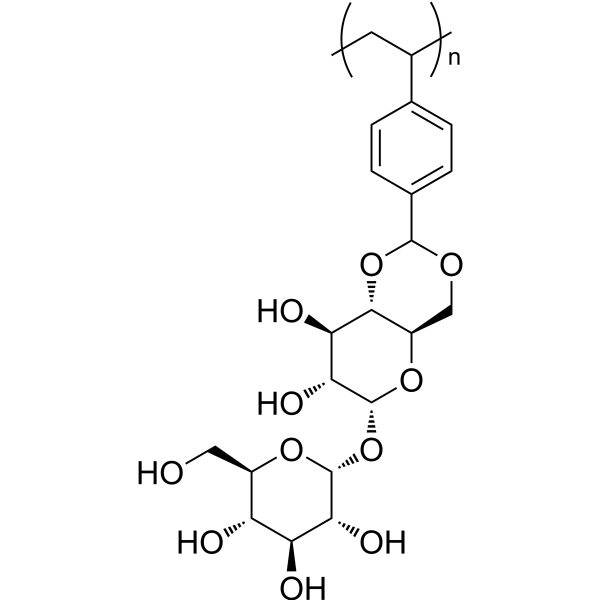
Poly(styrenyl acetal trehalose) (pSAT) is composed of trehalose side chains linked to a polystyrene backbone via acetals. Poly(styrenyl acetal trehalose) stabilizes a variety of proteins and enzymes against fluctuations in temperature, and does not trigger the innate immune response. Poly(styrenyl acetal trehalose) can be used in synthesis of protein-polymer conjugates for reduced renal clearance of the biomolecule .
PF-4878691 (Standard) is the analytical standard of PF-4878691. This product is intended for research and analytical applications. PF-4878691 (3M-852A) is an orally active TLR7 agonist. PF-4878691 has the innate immune response activity, antiviral efficacy against HCV, and can be used for the research of cancer .
Human EIF2AK2 mRNA encodes the human eukaryotic translation initiation factor 2 alpha kinase 2 (EIF2AK2) protein, a serine/threonine protein kinase that is activated by autophosphorylation after binding to dsRNA. EIF2AK2 plays a key role in the innate immune response to viral infection and is also involved in the regulation of signal transduction, apoptosis, cell proliferation and differentiation.
Celastramycin A isomer is an isomer of Celastramycin A (HY-122292), an antibiotic against Gram-negative bacteria and Mycobacterium tuberculosis with an MIC of 0.05-3.1 μg/mL. Celastramycin A exerts immunosuppressive effects in Drosophila ex vivo via the immunodeficiency pathway (IC50 of 8 ng/mL), inhibits human innate immune responses via the TNF-α pathway, and inhibits IL-8 production in HUEVC with an IC50 of 60 ng/mL .
PDIC-NN (PDIC-NS free base) is a STING activator with anticancer activity. PDIC-NN promotes the content and biostability of endogenous cyclic dinucleotides (CDNs). PDIC-NN triggers ROS burst and causes serious damage to mitochondria. PDIC-NN induces cell apoptosis and inhibits DNA replication. PDIC-NN activates cGAS-STING signaling pathway, enhances the immunogenicity of tumor cells and activates a robust innate immune response .
5-Methylcytidine 5′-triphosphate-d3 trisodium is the deuterium labeled 5-Methylcytidine 5’-triphosphate trisodium (HY-147338A). 5-Methylcytidine 5′-triphosphate (5-Methyl-CTP) trisodium is a modified nucleoside triphosphate. 5-Methylcytidine 5′-triphosphate trisodium can apply in replacing unmodified mRNA, resulting in the increase of translational properties and stability, as well as the reduction of innate immune responses in human and other mammalian cells .
5-Methylcytidine 5'-triphosphate-d8 trisodium is the deuterium-labeled form of 5-Methylcytidine 5'-triphosphate trisodium (HY-147338A). 5-Methylcytidine 5'-triphosphate (5-Methyl-CTP) trisodium is a modified nucleoside triphosphate. 5-Methylcytidine 5'-triphosphate trisodium can be used to replace unmodified mRNA, resulting in the increase of translational properties and stability, as well as the reduction of innate immune responses in human and other mammalian cells .
Alternariol (Standard) is the analytical standard of Alternariol. This product is intended for research and analytical applications. Alternariol is an orally ingested mycotoxin produced by Alternaria, capable of inhibiting the activity of topoisomerase I and II (topoisomerase I, topoisomerase II). Alternariol has weak estrogenic (Estrogen Receptor/ERR) and androgen/antiandrogen (Androgen Receptor) effects. Alternariol can induce apoptosis, trigger cell cycle arrest, suppress innate immune responses, and exhibit anti-tumor activity. Alternariol has genotoxic, mutagenic, and endocrine-disrupting effects .
Human TLR9 mRNA encodes the human toll like receptor 9 (TLR9) protein, a member of the Toll-like receptor (TLR) family which plays a fundamental role in pathogen recognition and activation of innateimmunity. TLR9 mediates cellular response to unmethylated CpG dinucleotides in bacterial DNA to mount an innate immune response.
Inarigivir ammonium (Standard) is the analytical standard of Inarigivir ammonium (HY-101954A). This product is intended for research and analytical applications. Inarigivir (ORI-9020) ammonium is a dinucleotide antiviral drug that can significantly reduce liver HBV DNA in transgenic mice expressing hepatitis B virus. Inarigivir (ORI-9020) ammonium acts as a RIG-I (Retinoic acid-inducible gene-I) agonist to activate cellular innate immune responses .
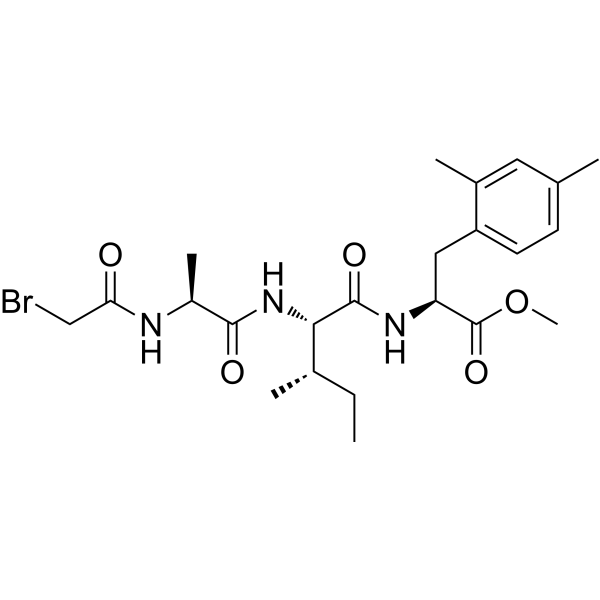
Neutrophil elastase-IN-7 (Compound 12) is an effective inhibitor of neutrophil elastase (HNE), with an IC50 value of 0.54 μM. Neutrophil elastase-IN-7 also exhibits significant inhibitory activity against various coagulation proteins, with the IC50 values for thrombin, FXa, FXIa, and FXIIIa being 8.2, 12.7, 1.2, and 5.7 μM, respectively. Neutrophil elastase-IN-7 can be used for research on inflammation, innate immune responses, and tissue remodeling .
Enpp-1-IN-30 (compound 44a) is an orally active ENPP1 inhibitor with a human IC50 of 13.1 nM. Enpp-1-IN-30 prevents cGAMP degradation, activates the STING pathway. Enpp-1-IN-30 induces cytokine release to enhance innate immune response. Enpp-1-IN-30 exerts antitumor efficacy in syngeneic mouse models. Enpp-1-IN-30 can be used for the research of colon carcinoma .
BBIQ (GMP) is BBIQ (HY-111582) produced by using GMP guidelines. GMP small molecules works appropriately as an auxiliary reagent for cell therapy manufacture. BBIQ is a potent and selectively toll-like receptor 7 (TLR7) agonist with an EC50 of 59.1 nM. BBIQ is a powerful vaccine adjuvant that enhances innate immune responses .
Pseudouridine 5'-triphosphate (Pseudo-UTP) trisodium solution (100 mM) is a modified ribonucleoside triphosphate and uracil base-modified UTP derivative. Pseudouridine 5'-triphosphate trisodium solution (100 mM) enhances translational properties and stability of mRNA, reduces innate immune responses in mammalian cells, and inhibits signal-dependent transcription termination of vaccinia virus early gene transcription while supporting transcription elongation. Pseudouridine 5'-triphosphate trisodium solution (100 mM) can be used for the research of vaccinia virus infection .
Pseudouridine 5'-triphosphate (Pseudo-UTP) is a modified ribonucleoside triphosphate and uracil base-modified UTP derivative. Pseudouridine 5'-triphosphate enhances translational properties and stability of mRNA, reduces innate immune responses in mammalian cells, and inhibits signal-dependent transcription termination of vaccinia virus early gene transcription while supporting transcription elongation. Pseudouridine 5'-triphosphate can be used for the research of vaccinia virus infection .
BBIQ (GMP) is BBIQ (HY-111582) produced by using GMP guidelines. GMP small molecules works appropriately as an auxiliary reagent for cell therapy manufacture. BBIQ is a potent and selectively toll-like receptor 7 (TLR7) agonist with an EC50 of 59.1 nM. BBIQ is a powerful vaccine adjuvant that enhances innate immune responses .
Dusquetide (SGX942) is a first-in-class innate defense regulator (IDR). Dusquetide modulates the innate immune response to both PAMPs and DAMPs by binding to p62. Dusquetide shows activity in both reducing inflammation and increasing clearance of bacterial infection . DAMPs: damage-associated molecular patterns; PAMPs: pathogen-associated molecular patterns
Gliadin p31-43 is an undigested gliadin peptide. Gliadin p31-43 induces an innate immune response in the intestine and interferes with endocytic trafficking. Gliadin p31-43 can be used for celiac disease research .
Destruxin A is a fungal cyclopeptide with insecticidal and antiviral activities. Destruxin A has a certain inhibitory effect on leukemia cells in vitro. Destruxin A can also specifically inhibit the innate immune response of Drosophila melanogaster, making the flies more susceptible to bacterial infections .
AtPep1 is a plant elicitor peptide. AtPep1 activates transcription of the defensive gene defensin (PDF1.2) and activates the synthesis of H2O2, which are components of the innate immune response against pathogens. AtPep1 can be isolated from extracts of Arabidopsis leaves .
Dusquetide (SGX942) TFA is a first-in-class innate defense regulator (IDR). Dusquetide TFA modulates the innate immune response to both PAMPs and DAMPs by binding to p62. Dusquetide TFA shows activity in both reducing inflammation and increasing clearance of bacterial infection . DAMPs: damage-associated molecular patterns; PAMPs: pathogen-associated molecular patterns
AtPep1 TFA is an endogenous inducer of innate immune responses. AtPep1 TFA can be isolated from Arabidopsis thaliana leaves. AtPep1 TFA activates the transcription of defensin (PDF1.2), the expression of PROPEP1, the synthesis of hydrogen peroxide (H2O2) near leaf veins, and the alkalization of Arabidopsis suspension cell culture medium. AtPep1 TFA induces the expression of genes encoding defensins and PR-1. AtPep1 TFA is applicable to studies related to Pythium irregulare infection and pathogen infection .
Beta-defensin 103 isoform X1, pig is an antimicrobial peptide found in different living organisms, involved in the first line of defense in their innate immune response against pathogens .
Beta-defensin 103 isoform X1, pig TFA is an antimicrobial peptide found in different living organisms, involved in the first line of defense in their innate immune response against pathogens .
Gliadin p31-43 TFA is an undigested gliadin peptide. Gliadin p31-43 TFA induces an innate immune response in the intestine and interferes with endocytic trafficking. Gliadin p31-43 TFA can be used for celiac disease research .
Sabatolimab (MBG453) is a high-affinity, humanized, IgG4 (S228P) antibody targeting TIM-3, an inhibitory receptor that regulates adaptive and innate immune responses. Sabatolimab is a potential immunosuppression agent that can target TIM-3 on immune and myeloid cells .
AGEN-1571 is a human IgG1 monoclonal antibody (mAb) targeting ILT2. AGEN-1571 promotes adaptive and innate immune responses. Recommend Isotype Controls: Human IgG1 kappa, Isotype Control (HY-P99001)
Lactose is a β-galactoside consisting of galactose and glucose residues, the main carbohydrate in mammalian breast milk. Lactose, a macronutrient and an inducer of host innate immune responses, possesses immune modulatory functions .
Alternariol is an orally ingested mycotoxin produced by Alternaria, capable of inhibiting the activity of topoisomerase I and II (topoisomerase I, topoisomerase II). Alternariol has weak estrogenic (Estrogen Receptor/ERR) and androgen/antiandrogen (Androgen Receptor) effects. Alternariol can induce apoptosis, trigger cell cycle arrest, suppress innate immune responses, and exhibit anti-tumor activity. Alternariol has genotoxic, mutagenic, and endocrine-disrupting effects .
Lactose (Standard) is the analytical standard of Lactose. This product is intended for research and analytical applications. Lactose is a β-galactoside consisting of galactose and glucose residues, the main carbohydrate in mammalian breast milk. Lactose, a macronutrient and an inducer of host innate immune responses, possesses immune modulatory functions .
Destruxin A is a fungal cyclopeptide with insecticidal and antiviral activities. Destruxin A has a certain inhibitory effect on leukemia cells in vitro. Destruxin A can also specifically inhibit the innate immune response of Drosophila melanogaster, making the flies more susceptible to bacterial infections .
Celastramycin A isomer is an isomer of Celastramycin A (HY-122292), an antibiotic against Gram-negative bacteria and Mycobacterium tuberculosis with an MIC of 0.05-3.1 μg/mL. Celastramycin A exerts immunosuppressive effects in Drosophila ex vivo via the immunodeficiency pathway (IC50 of 8 ng/mL), inhibits human innate immune responses via the TNF-α pathway, and inhibits IL-8 production in HUEVC with an IC50 of 60 ng/mL .
Alternariol (Standard) is the analytical standard of Alternariol. This product is intended for research and analytical applications. Alternariol is an orally ingested mycotoxin produced by Alternaria, capable of inhibiting the activity of topoisomerase I and II (topoisomerase I, topoisomerase II). Alternariol has weak estrogenic (Estrogen Receptor/ERR) and androgen/antiandrogen (Androgen Receptor) effects. Alternariol can induce apoptosis, trigger cell cycle arrest, suppress innate immune responses, and exhibit anti-tumor activity. Alternariol has genotoxic, mutagenic, and endocrine-disrupting effects .
The DDX58 protein is an innate immune receptor that detects cytoplasmic viral nucleic acids and initiates a signaling cascade for type I interferon production.It forms ribonucleoprotein complexes with viral RNA and promotes homo-oligomerization.DDX58 Protein, Human (His) is the recombinant human-derived DDX58 protein, expressed by E.coli , with N-6*His labeled tag.
Alternariol-d2 is deuterium labeled Alternariol. Alternariol is an orally ingested mycotoxin produced by Alternaria, capable of inhibiting the activity of topoisomerase I and II (topoisomerase I, topoisomerase II). Alternariol has weak estrogenic (Estrogen Receptor/ERR) and androgen/antiandrogen (Androgen Receptor) effects. Alternariol can induce apoptosis, trigger cell cycle arrest, suppress innate immune responses, and exhibit anti-tumor activity. Alternariol has genotoxic, mutagenic, and endocrine-disrupting effects .
5-Methylcytidine 5′-triphosphate-d3 trisodium is the deuterium labeled 5-Methylcytidine 5’-triphosphate trisodium (HY-147338A). 5-Methylcytidine 5′-triphosphate (5-Methyl-CTP) trisodium is a modified nucleoside triphosphate. 5-Methylcytidine 5′-triphosphate trisodium can apply in replacing unmodified mRNA, resulting in the increase of translational properties and stability, as well as the reduction of innate immune responses in human and other mammalian cells .
5-Methylcytidine 5'-triphosphate-d8 trisodium is the deuterium-labeled form of 5-Methylcytidine 5'-triphosphate trisodium (HY-147338A). 5-Methylcytidine 5'-triphosphate (5-Methyl-CTP) trisodium is a modified nucleoside triphosphate. 5-Methylcytidine 5'-triphosphate trisodium can be used to replace unmodified mRNA, resulting in the increase of translational properties and stability, as well as the reduction of innate immune responses in human and other mammalian cells .
eGFP mRNA (N1-Me-Pseudo UTP) will express green fluorescent protein, originally isolated from the jellyfish, Aequorea victoria. The eGFP is a commonly used direct detection reporter in mammalian cell culture, yielding bright green fluorescence. The substitution with N1-Me-Pseudo UTP (m1Ψ) improves protein expression and reduces innate immune response.
BBIQ is a imidazoquinoline compound and a potent and selectively toll-like receptor 7 (TLR7) agonist with an EC50 of 59.1 nM for human TLR7. BBIQ is a powerful vaccine adjuvant that enhances innate immune responses .
5-Methylcytidine 5′-triphosphate (5-Methyl-CTP) trisodium is a modified nucleoside triphosphate. 5-Methylcytidine 5′-triphosphate trisodium can apply in replacing unmodified mRNA, resulting in the increase of translational properties and stability, as well as the reduction of innate immune responses in human and other mammalian cells .
C12-TLRa is an ionized adjuvant lipid. C12-TLRa targets TLR7/8 receptors in endosomes. C12-TLRa enhances mRNA delivery as a structural component of LNPs. C12-TLRa enhances innate immune responses. C12-TLRa can be used for the research of SARS-CoV-2 mRNA vaccine .
Pseudouridine 5'-triphosphate (Pseudo-UTP) trisodium solution (100 mM) is a modified ribonucleoside triphosphate and uracil base-modified UTP derivative. Pseudouridine 5'-triphosphate trisodium solution (100 mM) enhances translational properties and stability of mRNA, reduces innate immune responses in mammalian cells, and inhibits signal-dependent transcription termination of vaccinia virus early gene transcription while supporting transcription elongation. Pseudouridine 5'-triphosphate trisodium solution (100 mM) can be used for the research of vaccinia virus infection .
Pseudouridine 5'-triphosphate (Pseudo-UTP) is a modified ribonucleoside triphosphate and uracil base-modified UTP derivative. Pseudouridine 5'-triphosphate enhances translational properties and stability of mRNA, reduces innate immune responses in mammalian cells, and inhibits signal-dependent transcription termination of vaccinia virus early gene transcription while supporting transcription elongation. Pseudouridine 5'-triphosphate can be used for the research of vaccinia virus infection .
5-Methylcytidine 5′-triphosphate (5-Methyl-CTP) is a modified nucleoside triphosphates. 5-Methylcytidine 5′-triphosphate can apply in replacing unmodified mRNA, resulting in the increase of translational properties and stability, as well as the reduction of innate immune responses in human and other mammalian cells .
eGFP mRNA (5moU) expresses a green fluorescent protein, originally isolated from the jellyfish, Aequorea victoria. EGFP is a commonly used direct detection reporter in mammalian cell culture, yielding bright green fluorescence. The substitution with 5’-Methoxyuridine (5moU) improves protein expression and reduces innate immune response.
Human TLR10 mRNA encodes the human toll like receptor 10 (TLR10) protein, a member of the Toll-like receptor (TLR) family which plays a fundamental role in pathogen recognition and activation of innateimmunity. TLR10 participates in the innate immune response to microbial agents.
Human EIF2AK2 mRNA encodes the human eukaryotic translation initiation factor 2 alpha kinase 2 (EIF2AK2) protein, a serine/threonine protein kinase that is activated by autophosphorylation after binding to dsRNA. EIF2AK2 plays a key role in the innate immune response to viral infection and is also involved in the regulation of signal transduction, apoptosis, cell proliferation and differentiation.
Human TLR9 mRNA encodes the human toll like receptor 9 (TLR9) protein, a member of the Toll-like receptor (TLR) family which plays a fundamental role in pathogen recognition and activation of innateimmunity. TLR9 mediates cellular response to unmethylated CpG dinucleotides in bacterial DNA to mount an innate immune response.
Inquiry Online
Your information is safe with us. * Required Fields.
Western blot analysis of extracts from THP-1(lane 2(20μg), Jurkat (lane 3(20μg) and NIH3T3(lane 4(20μg) using FOXO1A (HY-P80132) Rabbit mAb. Proteins were transferred
to a PVDF membrane and blocked with 5% non-fat milk in TBST for 2 hour at room temperature. The primary antibody (1/1000) and Loading control antibody (Beta Actin, HY-P80438, 1/10000) was
used in 5% non-fat milk in TBST at 4°C overnight. Goat Anti-Mouse/Rabbit IgG-HRP Secondary Antibody (1/10000) was used for 1 hour at room temperature.
Western blot analysis of extracts from THP-1(lane 2(20μg), Jurkat (lane 3(20μg) and NIH3T3(lane 4(20μg) using FOXO1A (HY-P80132) Rabbit mAb. Proteins were transferred
to a PVDF membrane and blocked with 5% non-fat milk in TBST for 2 hour at room temperature. The primary antibody (1/1000) and Loading control antibody (Beta Actin, HY-P80438, 1/10000) was
used in 5% non-fat milk in TBST at 4°C overnight. Goat Anti-Mouse/Rabbit IgG-HRP Secondary Antibody (1/10000) was used for 1 hour at room temperature.
Western blot analysis of extracts from THP-1(lane 2(20μg), Jurkat (lane 3(20μg) and NIH3T3(lane 4(20μg) using FOXO1A (HY-P80132) Rabbit mAb. Proteins were transferred
to a PVDF membrane and blocked with 5% non-fat milk in TBST for 2 hour at room temperature. The primary antibody (1/1000) and Loading control antibody (Beta Actin, HY-P80438, 1/10000) was
used in 5% non-fat milk in TBST at 4°C overnight. Goat Anti-Mouse/Rabbit IgG-HRP Secondary Antibody (1/10000) was used for 1 hour at room temperature.
Western blot analysis of extracts from THP-1(lane 2(20μg), Jurkat (lane 3(20μg) and NIH3T3(lane 4(20μg) using FOXO1A (HY-P80132) Rabbit mAb. Proteins were transferred
to a PVDF membrane and blocked with 5% non-fat milk in TBST for 2 hour at room temperature. The primary antibody (1/1000) and Loading control antibody (Beta Actin, HY-P80438, 1/10000) was
MedchemExpress Validation 03
Western blot analysis of extracts from THP-1(lane 2(20μg), Jurkat (lane 3(20μg) and NIH3T3(lane 4(20μg) using FOXO1A (HY-P80132) Rabbit mAb. Proteins were transferred
MedchemExpress Validation 04
Western blot analysis of extracts from THP-1(lane 2(20μg), Jurkat (lane 3(20μg) and NIH3T3(lane 4(20μg) using FOXO1A (HY-P80132) Rabbit mAb. Proteins were transferred
to a PVDF membrane and blocked with 5% non-fat milk in TBST for 2 hour at room temperature. The primary antibody (1/1000) and Loading control antibody (Beta Actin, HY-P80438, 1/10000) was
used in 5% non-fat milk in TBST at 4°C overnight. Goat Anti-Mouse/Rabbit IgG-HRP Secondary Antibody (1/10000) was used for 1 hour at room temperature.
MedchemExpress Validation
Western blot analysis of extracts from THP-1(lane 2(20μg), Jurkat (lane 3(20μg) and NIH3T3(lane 4(20μg) using FOXO1A (HY-P80132) Rabbit mAb. Proteins were transferred
to a PVDF membrane and blocked with 5% non-fat milk in TBST for 2 hour at room temperature. The primary antibody (1/1000) and Loading control antibody (Beta Actin, HY-P80438, 1/10000) was
used in 5% non-fat milk in TBST at 4°C overnight. Goat Anti-Mouse/Rabbit IgG-HRP Secondary Antibody (1/10000) was used for 1 hour at room temperature.
Western blot analysis of extracts from THP-1(lane 2(20μg), Jurkat (lane 3(20μg) and NIH3T3(lane 4(20μg) using FOXO1A (HY-P80132) Rabbit mAb. Proteins were transferred
to a PVDF membrane and blocked with 5% non-fat milk in TBST for 2 hour at room temperature. The primary antibody (1/1000) and Loading control antibody (Beta Actin, HY-P80438, 1/10000) was
used in 5% non-fat milk in TBST at 4°C overnight. Goat Anti-Mouse/Rabbit IgG-HRP Secondary Antibody (1/10000) was used for 1 hour at room temperature.
MedchemExpress Validation
Western blot analysis of extracts from THP-1(lane 2(20μg), Jurkat (lane 3(20μg) and NIH3T3(lane 4(20μg) using FOXO1A (HY-P80132) Rabbit mAb. Proteins were transferred
to a PVDF membrane and blocked with 5% non-fat milk in TBST for 2 hour at room temperature. The primary antibody (1/1000) and Loading control antibody (Beta Actin, HY-P80438, 1/10000) was
used in 5% non-fat milk in TBST at 4°C overnight. Goat Anti-Mouse/Rabbit IgG-HRP Secondary Antibody (1/10000) was used for 1 hour at room temperature.
MedchemExpress Validation
Western blot analysis of extracts from THP-1(lane 2(20μg), Jurkat (lane 3(20μg) and NIH3T3(lane 4(20μg) using FOXO1A (HY-P80132) Rabbit mAb. Proteins were transferred
to a PVDF membrane and blocked with 5% non-fat milk in TBST for 2 hour at room temperature. The primary antibody (1/1000) and Loading control antibody (Beta Actin, HY-P80438, 1/10000) was
used in 5% non-fat milk in TBST at 4°C overnight. Goat Anti-Mouse/Rabbit IgG-HRP Secondary Antibody (1/10000) was used for 1 hour at room temperature.
MedchemExpress Validation
Western blot analysis of extracts from THP-1(lane 2(20μg), Jurkat (lane 3(20μg) and NIH3T3(lane 4(20μg) using FOXO1A (HY-P80132) Rabbit mAb. Proteins were transferred
to a PVDF membrane and blocked with 5% non-fat milk in TBST for 2 hour at room temperature. The primary antibody (1/1000) and Loading control antibody (Beta Actin, HY-P80438, 1/10000) was
used in 5% non-fat milk in TBST at 4°C overnight. Goat Anti-Mouse/Rabbit IgG-HRP Secondary Antibody (1/10000) was used for 1 hour at room temperature.
MedchemExpress Validation
Western blot analysis of extracts from THP-1(lane 2(20μg), Jurkat (lane 3(20μg) and NIH3T3(lane 4(20μg) using FOXO1A (HY-P80132) Rabbit mAb. Proteins were transferred
to a PVDF membrane and blocked with 5% non-fat milk in TBST for 2 hour at room temperature. The primary antibody (1/1000) and Loading control antibody (Beta Actin, HY-P80438, 1/10000) was
used in 5% non-fat milk in TBST at 4°C overnight. Goat Anti-Mouse/Rabbit IgG-HRP Secondary Antibody (1/10000) was used for 1 hour at room temperature.
MedchemExpress Validation
Western blot analysis of extracts from THP-1(lane 2(20μg), Jurkat (lane 3(20μg) and NIH3T3(lane 4(20μg) using FOXO1A (HY-P80132) Rabbit mAb. Proteins were transferred
to a PVDF membrane and blocked with 5% non-fat milk in TBST for 2 hour at room temperature. The primary antibody (1/1000) and Loading control antibody (Beta Actin, HY-P80438, 1/10000) was
used in 5% non-fat milk in TBST at 4°C overnight. Goat Anti-Mouse/Rabbit IgG-HRP Secondary Antibody (1/10000) was used for 1 hour at room temperature.
MedchemExpress Validation
Western blot analysis of extracts from THP-1(lane 2(20μg), Jurkat (lane 3(20μg) and NIH3T3(lane 4(20μg) using FOXO1A (HY-P80132) Rabbit mAb. Proteins were transferred
to a PVDF membrane and blocked with 5% non-fat milk in TBST for 2 hour at room temperature. The primary antibody (1/1000) and Loading control antibody (Beta Actin, HY-P80438, 1/10000) was
used in 5% non-fat milk in TBST at 4°C overnight. Goat Anti-Mouse/Rabbit IgG-HRP Secondary Antibody (1/10000) was used for 1 hour at room temperature.
MedChemExpress values your privacy and your trust is important to us. We use cookies to enhance your website experience. Some cookies are necessary to run the website.
Privacy and Cookie Policy