Search Result
Results for "
leukotriene receptors
" in MedChemExpress (MCE) Product Catalog:
9
Isotope-Labeled Compounds
| Cat. No. |
Product Name |
Target |
Research Areas |
Chemical Structure |
-
- HY-19989
-
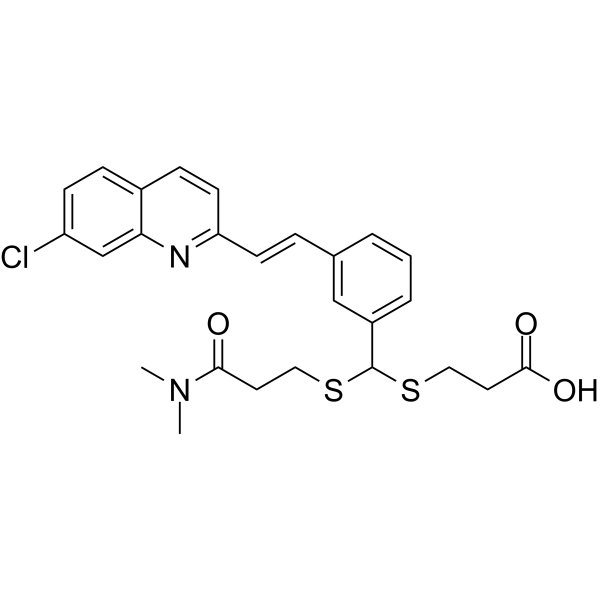
MK-571
Maximum Cited Publications
33 Publications Verification
L-660711
|
P-glycoprotein
LPL Receptor
Leukotriene Receptor
|
Inflammation/Immunology
|
|
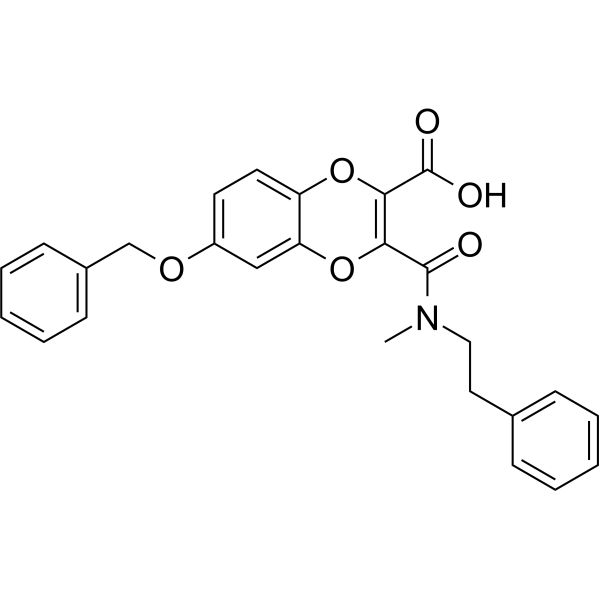
MK-571 (L-660711) is an orally active, potent and selective competitive leukotriene D4 (LTD4) receptor antagonist, with Ki values of 0.22 and 2.1 nM in guinea pig and human lung membranes, respectively. MK-571 is also a MRP4 and ABCC1 (MRP1) inhibitor. MK-571 inhibits constitutive and antigen-stimulated S1P (sphingosine-1-phosphate) release .
|
-
-
- HY-17492
-
-
-
- HY-13315
-
|
MK0476
|
Leukotriene Receptor
|
Inflammation/Immunology
Cancer
|
|
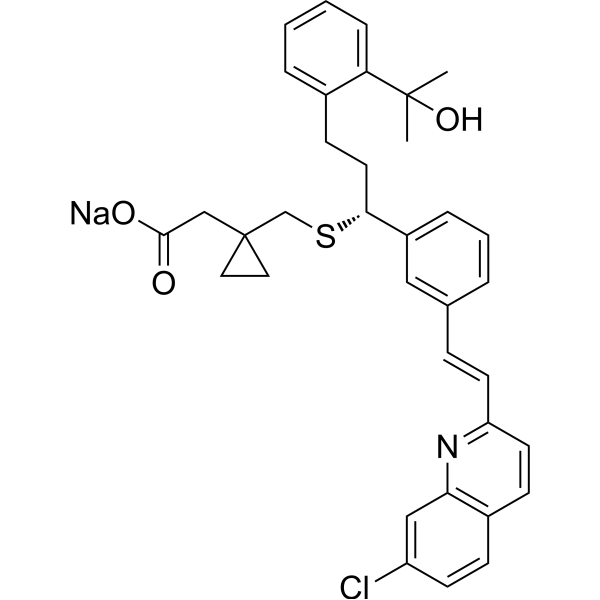
Montelukast sodium (MK0476) is a potent, selective and orally active antagonist of cysteinyl leukotriene receptor 1 (CysLT1). Montelukast sodium can be used for the reseach of asthma and liver injury. Montelukast sodium also has an antioxidant effect in intestinal ischemia-reperfusion injury, and could reduce cardiac damage. Montelukast sodium decreases eosinophil infiltration into the asthmatic airways. Montelukast sodium can also be used for COVID-19 research .
|
-
-
- HY-13315A
-
|
MK0476 free base
|
Leukotriene Receptor
|
Inflammation/Immunology
Cancer
|
|
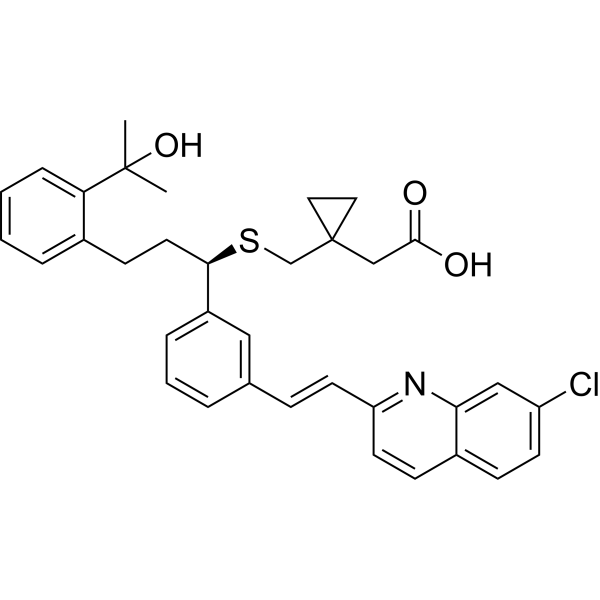
Montelukast (MK0476 free base) is a potent, selective and orally active antagonist of cysteinyl leukotriene receptor 1 (CysLT1). Montelukast can be used for the reseach of asthma and liver injury. Montelukast also has an antioxidant effect in intestinal ischemia-reperfusion injury, and could reduce cardiac damage. Montelukast decreases eosinophil infiltration into the asthmatic airways. Montelukast can also be used for COVID-19 research .
|
-
-
- HY-19989A
-
MK-571 sodium
Maximum Cited Publications
33 Publications Verification
L-660711 sodium
|
P-glycoprotein
LPL Receptor
Leukotriene Receptor
|
Inflammation/Immunology
|
|
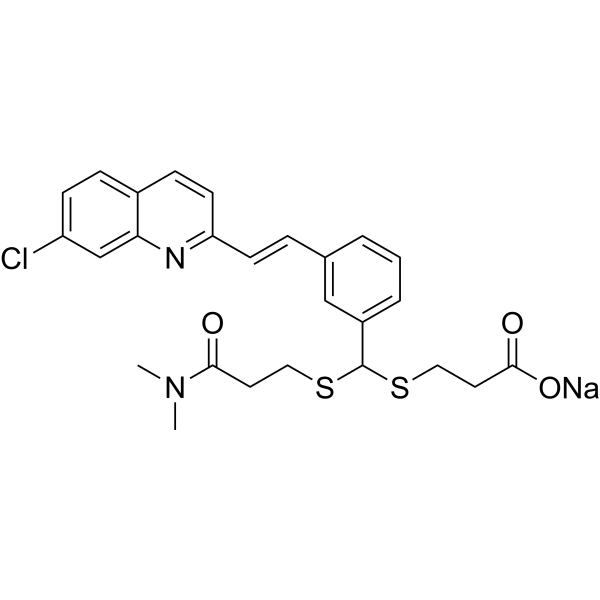
MK-571 (L-660711) sodium is an orally active, potent and selective competitive leukotriene D4 (LTD4) receptor antagonist, with Ki values of 0.22 and 2.1 nM in guinea pig and human lung membranes, respectively. MK-571 sodium is also a inhibitor of multidrug resistance-associated protein MRP4 (ABCC4) and ABCC1 (MRP1). MK-571 sodium inhibits constitutive and antigen-stimulated S1P (sphingosine-1-phosphate) release .
|
-
-
- HY-16780
-
|
ONO-6950
|
Leukotriene Receptor
|
Inflammation/Immunology
|
|
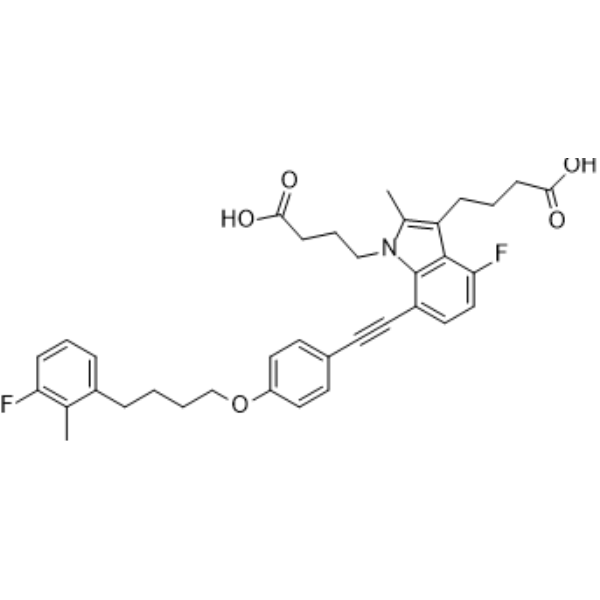
Gemilukast is an orally active and potent dual cysteinyl leukotriene 1 and 2 receptors (CysLT1 and CysLT2) antagonist, with IC50s of 1.7, 25 nM for human CysLT1 and CysLT2, respectively. Gemilukast is a click chemistry reagent, it contains an Alkyne group and can undergo copper-catalyzed azide-alkyne cycloaddition (CuAAc) with molecules containing Azide groups.
|
-
-
- HY-107609
-
|
|
Leukotriene Receptor
|
Inflammation/Immunology
Endocrinology
|
|
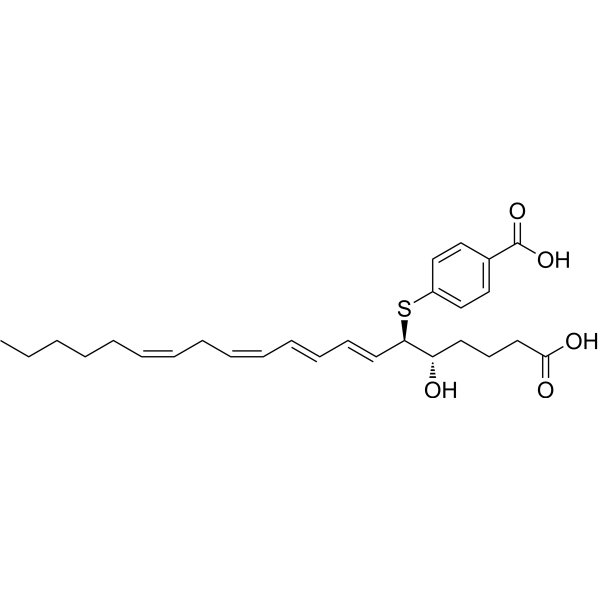
BAY-u 9773 is a selective cysteinyl-leukotriene receptor antagonist. BAY-u 9773 competitively antagonizes cysteinyl-leukotriene-induced contractions at typical and atypical cysteinyl-leukotriene receptors with comparable activity. BAY-u 9773 can be used for the research of trichomoniasis .
|
-
-
- HY-19193
-
-
-
- HY-13628
-
|
LY293111; VML 295
|
Leukotriene Receptor
Apoptosis
|
Inflammation/Immunology
Cancer
|
|
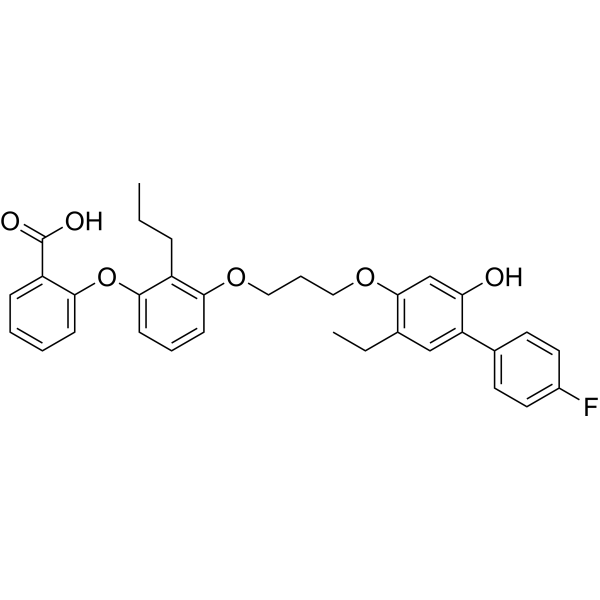
Etalocib (LY293111), an orally active leukotriene B4 receptor antagonist, inhibits the binding of [ 3H]LTB4, with a Ki of 25 nM. Etalocib (LY293111) prevents LTB4-induced calcium mobilization with an lC50 of 20 nM. Etalocib (LY293111) induces apoptosis .
|
-
-
- HY-112737
-
-
-
- HY-116326
-
|
|
Leukotriene Receptor
|
Inflammation/Immunology
|
|
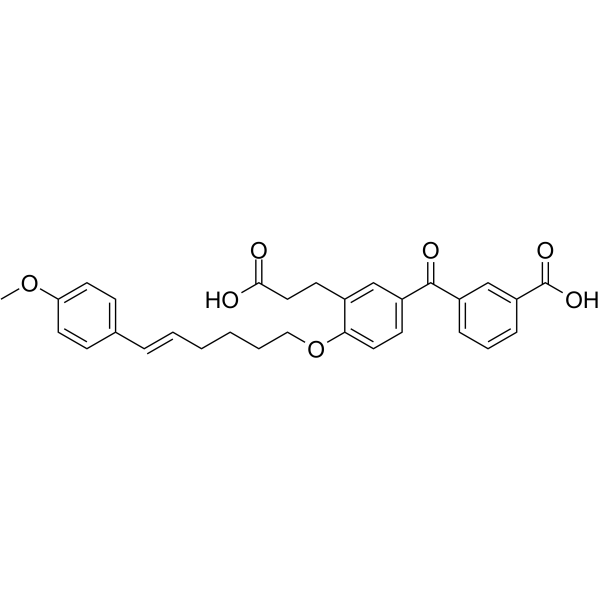
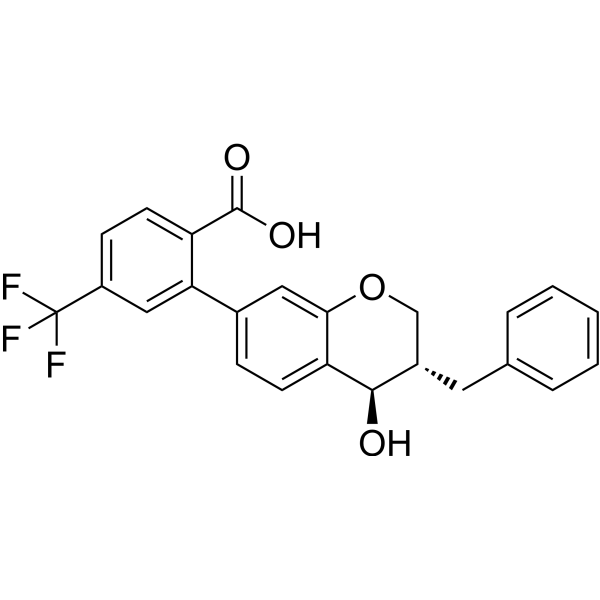
BayCysLT2, an isophthalic acid derivative, is a selective and potent cysteinyl leukotriene 2 (CysLT2) receptor antagonist with an IC50 value of 53 nM. BayCysLT2 inhibits calcium mobilization induced by leukotriene D4 in HEK293 cells expressing human CysLT2 receptors. BayCysLT2 reverses LTC4-induced increases in coronary artery perfusion pressure and decreases in contractility in isolated perfused guinea pig hearts .
|
-

-
- HY-122124
-
|
|
Leukotriene Receptor
|
Inflammation/Immunology
|
|
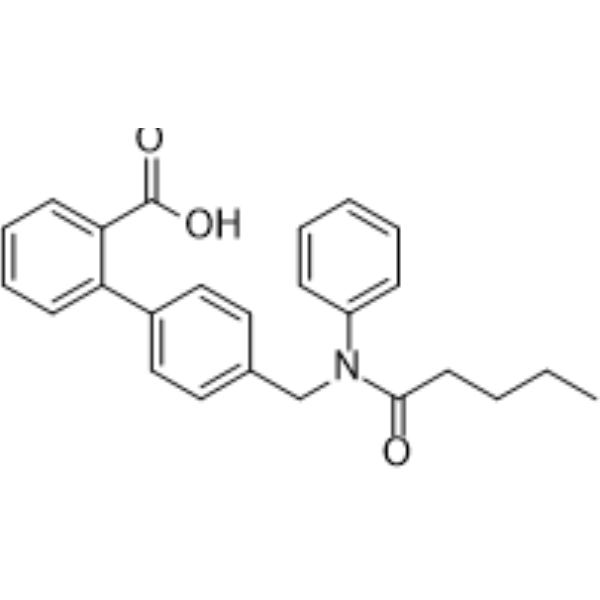
CAY10583 is a potent and selective full Leukotriene B4 receptor type 2 (BLT2) agonist. CAY10583 directly promotes keratinocyte migration in vitro and accelerates wound closure in vivo. CAY10583 is a promising pharmaceutical agent for diabetic wounds .
|
-
-
- HY-76511
-
-
-
- HY-108396
-
-

-
- HY-114641A
-
|
|
Leukotriene Receptor
|
Inflammation/Immunology
|
|
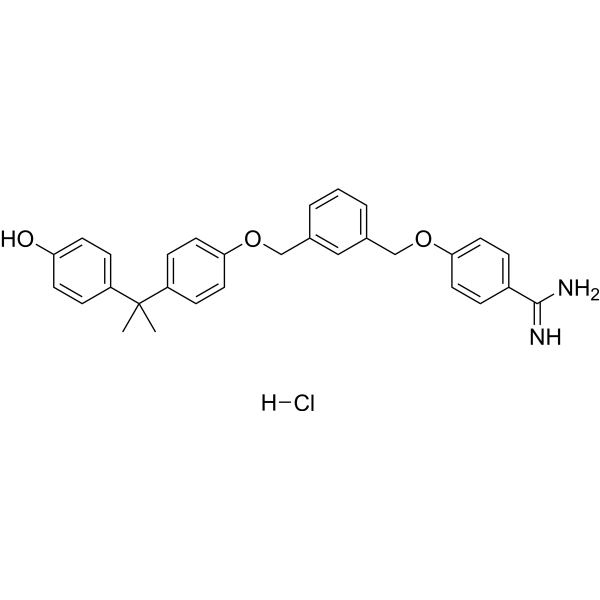
BIIL-260 hydrochloride is a potent and long-acting orally active leukotriene B(4) receptor LTB4 antagonist, with anti-inflammatory activity. BIIL-260 hydrochloride interacts with the LTB4 receptor in a saturable, reversible, and competitive manner, has high affinity to the LTB4 receptor on isolated human neutrophil cell membranes with Ki values of 1.7 nM .
|
-
-
- HY-119442
-
|
|
Leukotriene Receptor
|
Cardiovascular Disease
|
|
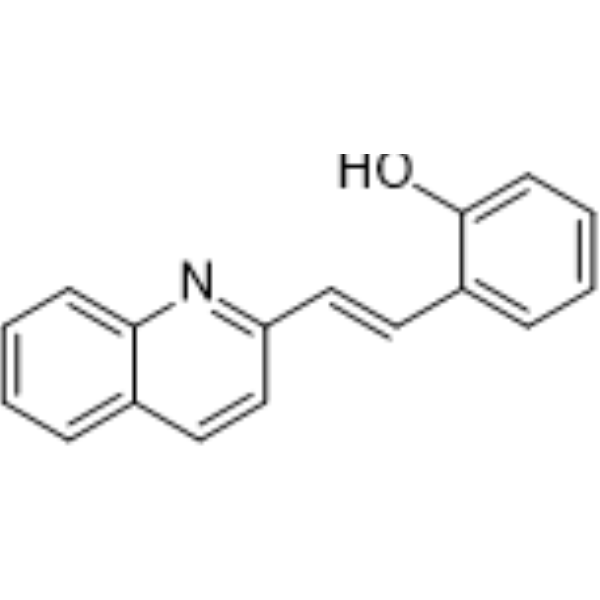
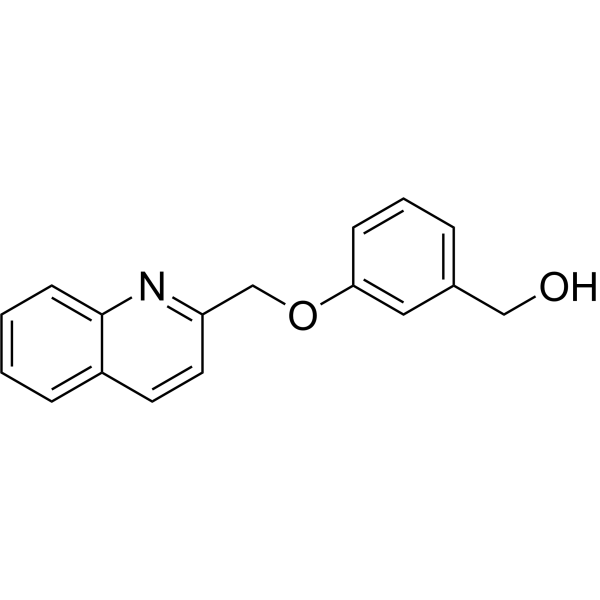
Quininib is a cysteinyl leukotriene 1 and 2 receptor antagonist with IC50s of 1.2 and 52 μM for CysLT1R and CysLT2R, respectively. Quininib is a potent inhibitor of developmental angiogenesis in the zebrafish eye. Quininib can be used for the research of ocular neovascular pathologies and may complement current anti-VEGF biological agents .
|
-
-
- HY-113483
-
|
20-COOH LTB4
|
Drug Metabolite
Leukotriene Receptor
|
Metabolic Disease
|
|
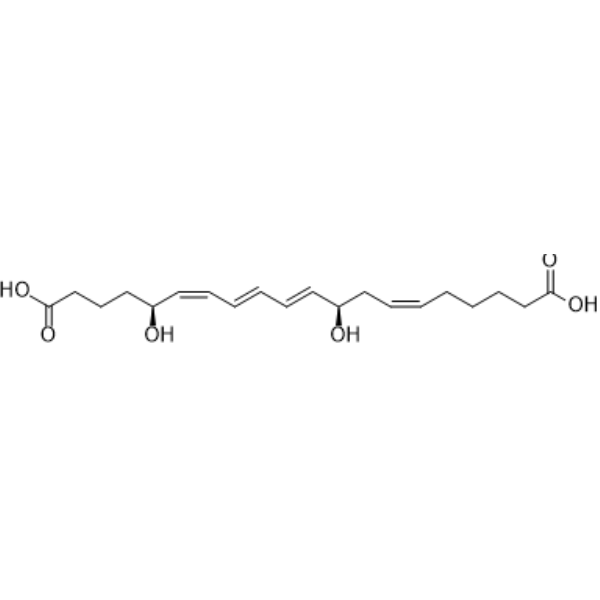
20-Carboxy-Leukotriene B4 (20-COOH LTB4) is a metabolite of Leukotriene B4 (LTB4; HY-107608). 20-Carboxy-Leukotriene B4 binds to the BLT1 receptor with high affinity. 20-Carboxy-Leukotriene B4 inhibits LTB4-mediated neutrophil responses (migration, degranulation, leukotriene biosynthesis) .
|
-
-
- HY-U00252
-
-
-
- HY-14938
-
|
KCA 757; MN 001
|
Leukotriene Receptor
|
Inflammation/Immunology
|
|
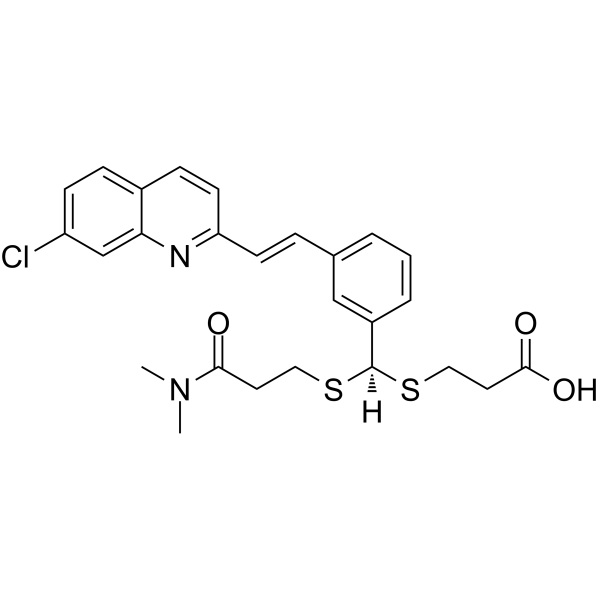
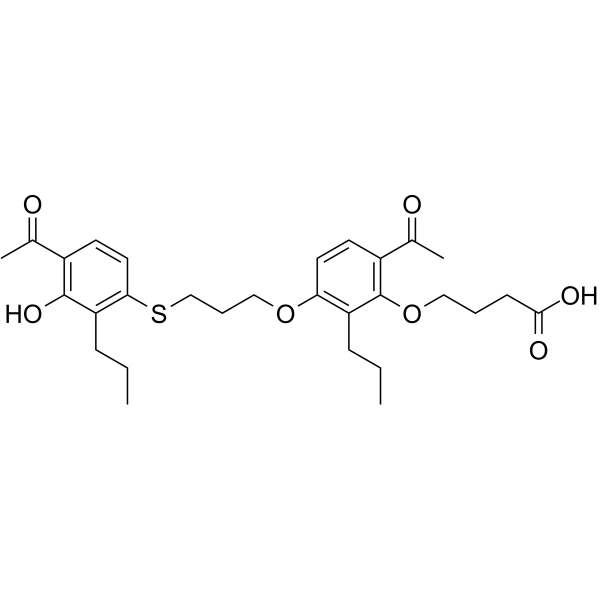
Tipelukast (KCA 757) is a sulfidopeptide leukotriene receptor antagonist, an orally bioavailable anti-inflammatory agent and used for the treatment of asthma.
|
-
-
- HY-156978
-
|
Wy-48252
|
Leukotriene Receptor
|
Others
|
|
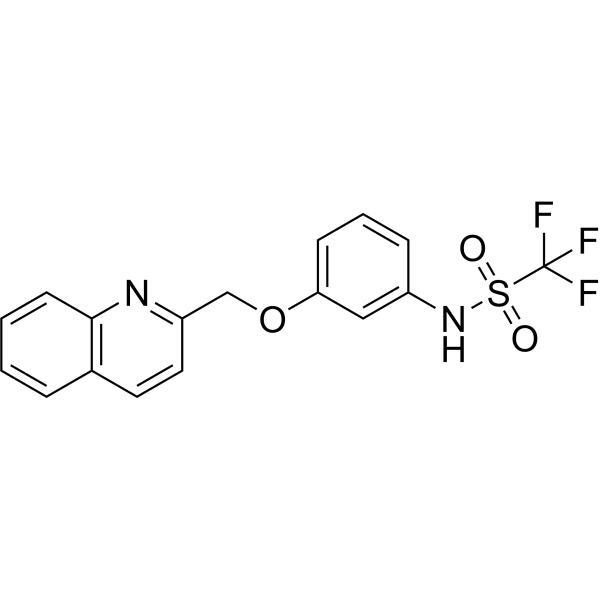
Ritolukast (Wy-48252) is an orally active aerosol leukotriene (LTD4/E4) receptor antagonist. Ritolukast can be used to inhibit the bronchoconstriction caused by aerosol LTD4 in guinea pigs, with an ID50 of 0.5mg/kg .
|
-
-
- HY-P3318
-
|
L-BOC2
|
Leukotriene Receptor
|
Inflammation/Immunology
|
|
Boc-Phe-Leu-Phe-Leu-Phe (Boc-FLFLF) is a N-formyl peptide receptors (FPR) inhibitor. Boc-Phe-Leu-Phe-Leu-Phe abolishes the FMLP-induced release of peptide leukotrienes. Boc-Phe-Leu-Phe-Leu-Phe inhibits the sprouting of human umbilical vein endothelial cell (HUVEC) spheroids mediated by proliferative diabetic retinopathy (PDR) vitreous and vascular endothelial growth factor (VEGF) respectively in a three-dimensional fibrin gel. Boc-Phe-Leu-Phe-Leu-Phe inhibits the anti-inflammatory and antifibrotic effects of Ac2-26 (HY-P1098). Boc-Phe-Leu-Phe-Leu-Phe can be used for the study of immunology .
|
-

-
- HY-107607
-
|
|
Leukotriene Receptor
|
Inflammation/Immunology
|
|
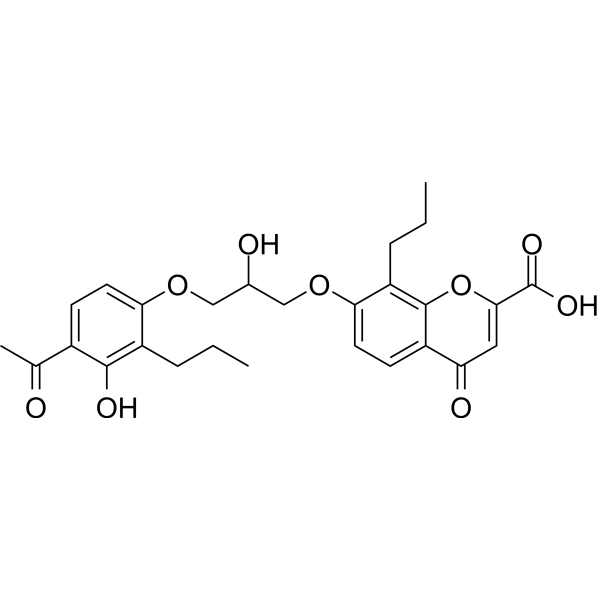
FPL-55712 free base is a leukotriene receptor antagonist. FPL-55712 free base is also an antagonist of slow reacting substance of anaphylaxis (SRS-A). FPL-55712 free base inhibits leukotriene-induced bronchoconstriction .
|
-
-
- HY-112532
-
|
|
Leukotriene Receptor
Lipoxygenase
|
Inflammation/Immunology
Cancer
|
|
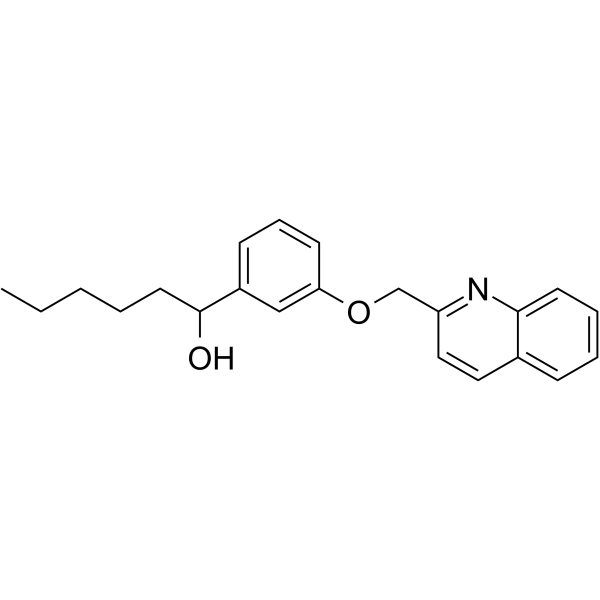
REV 5901 is a competitive and orally active antagonist of leukotriene receptor, with a Ki of 0.7 μM. REV 5901 is also a 5-lipoxygenase inhibitor. REV 5901 can be used for the research of asthma in which leukotriene release be involved. REV 5901 can be used for the study of colon carcinoma .
|
-
-
- HY-112742
-
|
|
Leukotriene Receptor
|
Inflammation/Immunology
|
|
CP-195543 is a potent, selective and orally active leukotriene B4 (LTB4) receptor antagonist with IC50s of 6.8, 37.0 nM for human neutrophils and murine spleen membranes, respectively. CP-195543 blocks CD11b up-regulation. CP-195543 inhibits LTB4-mediated neutrophil infiltration .
|
-
-
- HY-176921
-
|
|
Leukotriene Receptor
|
Inflammation/Immunology
|
|
ONO-2570366 (Compound 11a) is an antagonist of the cysteinyl leukotriene receptors CysLT1R and CysLT2R (IC50 = 14 nM). ONO-2570366 inhibits the binding of LTD4receptor conformation, thereby preventing the Gq signaling pathway mediated by receptor activation. ONO-2570366 can be used for the researches of inflammation and immunology, such as asthma .
|
-

-
- HY-147086
-
|
|
Leukotriene Receptor
G protein-coupled Bile Acid Receptor 1
TNF Receptor
|
Metabolic Disease
Inflammation/Immunology
|
|
CAY10789 is a potent CysLT1R (cysteinyl leukotriene receptor 1) antagonist (IC50=2.80 μM) and GPBAR1 (G-protein-coupled bile acid receptor 1) agonist (EC50=3 μM). CAY10789 significantly reduces the adhesion of U937 cells to HAEC, reduces the expression of TNF-α. CAY10789 shows very promising metabolic stability and excellent pharmacokinetics. CAY10789 can be used for the research of colitis, metabolic syndromes, and other GPBAR1/CysLT1R-related diseases .
|
-
-
- HY-165155
-
|
|
Leukotriene Receptor
|
Inflammation/Immunology
|
|
CysLT1 receptor antagonist-1 (Compound 4) is an antagonist for cysteinyl leukotriene receptor 1 (CysLT1R) with an IC50 of 3.9 μM. CysLT1 receptor antagonist-1 exhibits weak agonist activity against G-protein-coupled bile acid receptor 1 (GPBAR1) with an efficact of 23% at 10 μM. CysLT1 receptor antagonist-1 can be used for asthma and allergic diseases researchs .
|
-

-
- HY-17492R
-
|
ICI 204219 (Standard)
|
Reference Standards
Leukotriene Receptor
|
Inflammation/Immunology
Cancer
|
|
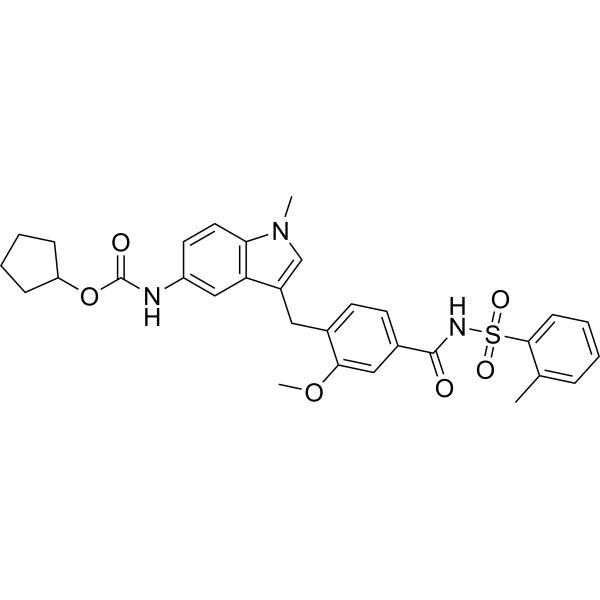
Zafirlukast (Standard) is the analytical standard of Zafirlukast. This product is intended for research and analytical applications. Zafirlukast (ICI 204219) is a potent orally active leukotriene D4 (LTD4) receptor antagonist. Zafirlukast shows anti-asthmatic, anti-inflammatory and anti-bacterial effects.
|
-

-
- HY-176920
-
|
|
Leukotriene Receptor
|
Inflammation/Immunology
|
|
BRI-12349 (Compound 50) is a dual antagonist of CysLT1R/CysLT2R with Ki values of 1.03 and 6.46 μM. BRI-12349 can inhibit the generation of IP1 induced by LTD4 (the main ligand of CysLTs). BRI-12349 can be used for the research of immunology and inflammation, such as asthma .
|
-

-
- HY-13315B
-
|
MK0476 dicyclohexylamine
|
Leukotriene Receptor
|
Inflammation/Immunology
Cancer
|
|
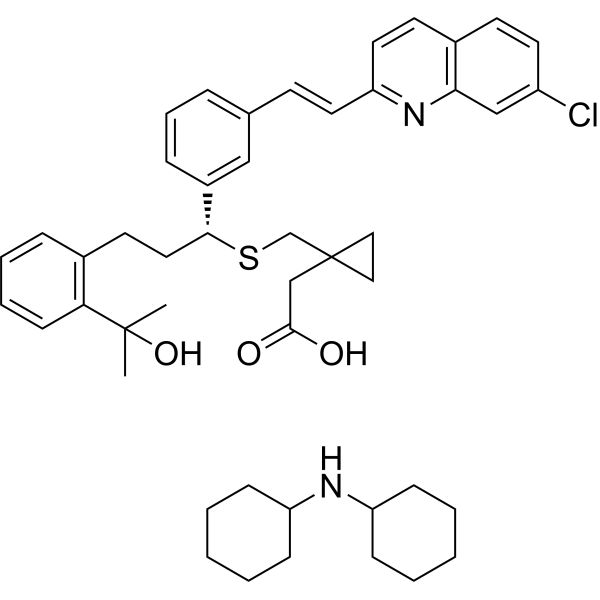
Montelukast (MK0476) dicyclohexylamine is a potent, selective and orally active antagonist of cysteinyl leukotriene receptor 1 (CysLT1). Montelukast dicyclohexylamine can be used for the reseach of asthma and liver injury. Montelukast dicyclohexylamine also has an antioxidant effect in intestinal ischemia-reperfusion injury, and could reduce cardiac damage. Montelukast dicyclohexylamine decreases eosinophil infiltration into the asthmatic airways. Montelukast dicyclohexylamine can also be used for COVID-19 research .
|
-
-
- HY-13315AR
-
|
MK0476 free base (Standard)
|
Reference Standards
Leukotriene Receptor
|
Inflammation/Immunology
|
|
Montelukast (Standard) is the analytical standard of Montelukast. This product is intended for research and analytical applications. Montelukast (MK0476 free base) is a potent, selective and orally active antagonist of cysteinyl leukotriene receptor 1 (CysLT1). Montelukast can be used for the reseach of asthma and liver injury. Montelukast also has an antioxidant effect in intestinal ischemia-reperfusion injury, and could reduce cardiac damage. Montelukast decreases eosinophil infiltration into the asthmatic airways. Montelukast can also be used for COVID-19 research .
|
-

-
- HY-19395
-
|
|
Leukotriene Receptor
|
Inflammation/Immunology
|
|
MEN-91507 is an orally activecysteinyl leukotriene receptor 1 (CysLTR1) receptor antagonist. MEN-91507 behaves as insurmountable antagonist of Leukotriene D4 (HY-113456)-induced calcium transients, with a pKb of 10.25. MEN-91507 can inhibit Leukotriene D4-induced bronchoconstriction and microvascular leakage in guinea-pigs. MEN-91507 can be used for the researches of inflammation, immunology .
|
-

-
- HY-U00253
-
-
-
- HY-122149
-
-

-
- HY-U00072
-
-
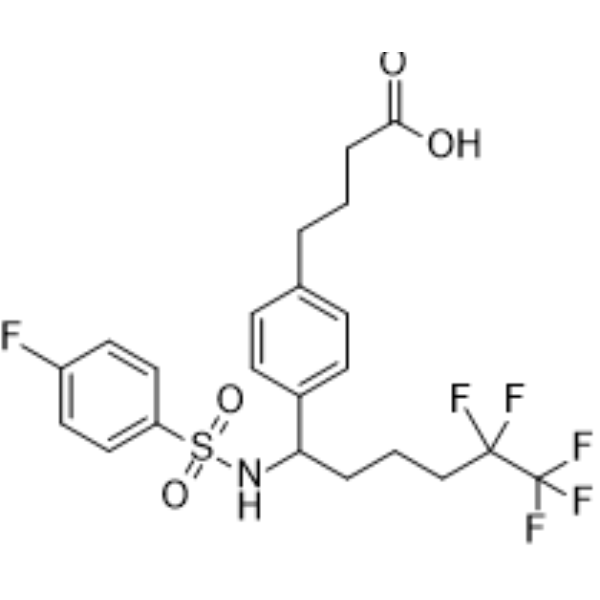
-
- HY-76511S
-
-
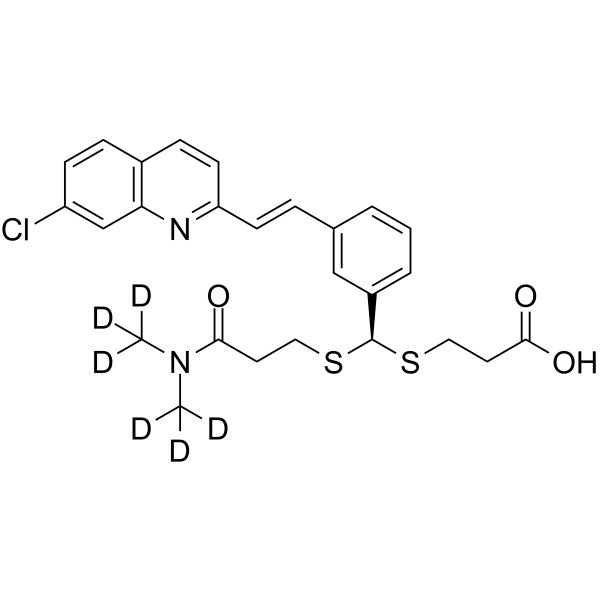
-
- HY-101731
-
|
|
Leukotriene Receptor
|
Inflammation/Immunology
|
|
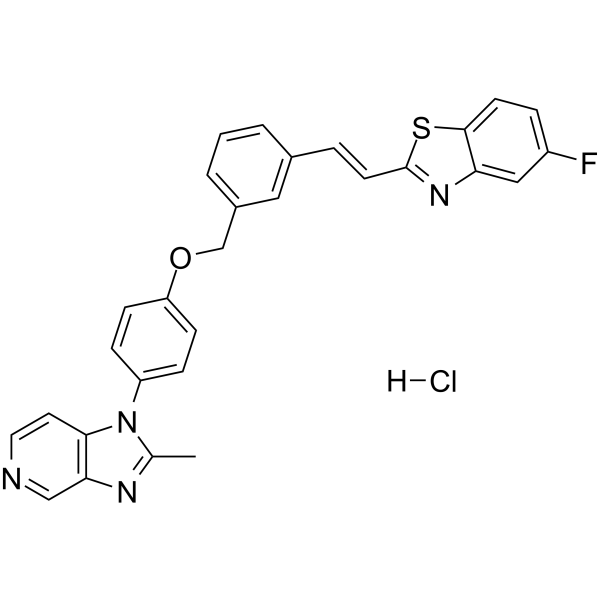
CP-96021 hydrochloride is a balanced, combined, potent and orally active leukotriene D4 (LTD4)/platelet activating factor (PAF) receptor antagonist with Ki values of 34 nM and 37 nM, respectively .
|
-
-
- HY-105483
-
|
|
Leukotriene Receptor
|
Inflammation/Immunology
|
|
MDL 43291 is a competitive leukotriene (LT) receptor antagonist. MDL 43291 antagonize LTD4 and LTE4 with pA2 of 6.7. MDL 43291 does not antagonize histamine, carbachol or substance P. MDL 43291 can be used for the researches of inflammation and immunology, such as asthma .
|
-

-
- HY-112740
-
|
|
Leukotriene Receptor
|
Inflammation/Immunology
|
|
SC-53228 is an orally active human leukotriene B4 receptor (LTB4 receptor) antagonist. SC-53228 exerts its anti-inflammatory effect by specifically blocking the LTB4 receptor and inhibiting neutrophil infiltration. SC-53228 has demonstrated significant efficacy and good safety in various inflammatory models. SC-53228 can be used for a variety of inflammatory diseases, such as psoriasis and ulcerative colitis .
|
-

-
- HY-112741
-
|
|
Leukotriene Receptor
|
Inflammation/Immunology
|
|
SB-209247 is a selective, high affinity and orally active leukotriene B4 (LTB4) receptor antagonist with a Ki of 0.78 nM. SB-209247 blocks LTB4-induced Ca 2+ mobilization with an IC50 of 6.6 nM. SB-209247 shows a potent anti-inflammatory activity .
|
-

-
- HY-13315S1
-
|
MK0476-d6
|
Leukotriene Receptor
|
Inflammation/Immunology
|
|
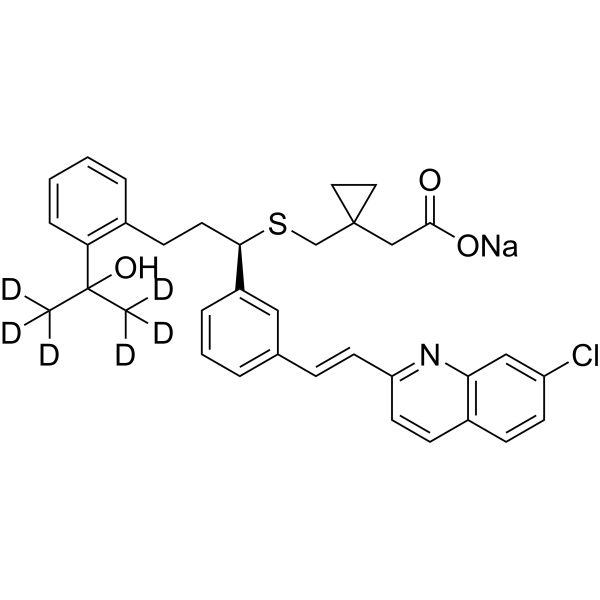
Montelukast-d6 (sodium) is the deuterium labeled Montelukast (sodium). Montelukast sodium is a potent, selective and orally active antagonist of cysteinyl leukotriene receptor 1 (Cysltr1). Montelukast sodium can be used for the reseach of asthma and liver injury. Montelukast sodium also has an antioxidant effect in intestinal ischemia-reperfusion injury, and could reduce cardiac damage .
|
-
-
- HY-115500
-
|
|
Endogenous Metabolite
Opioid Receptor
Leukotriene Receptor
|
Neurological Disease
Inflammation/Immunology
|
|
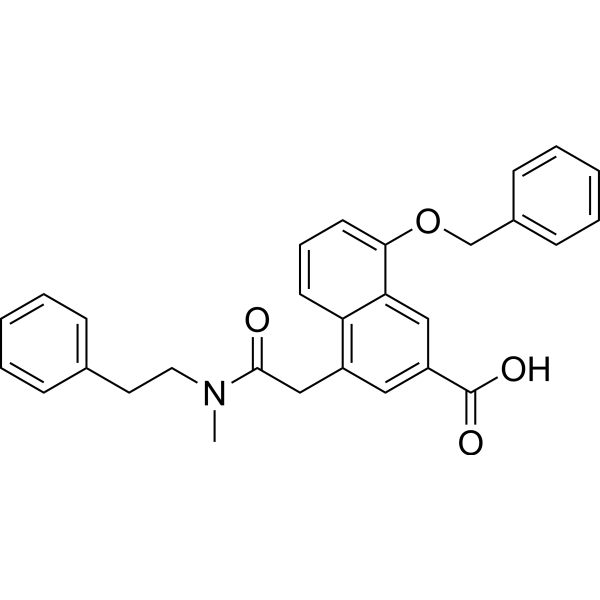
PL265 is an orally active dual enkephalinase inhibitor. PL265 is a prodrug of PL254, which can simultaneously and efficiently inhibit neutral endopeptidase (Neprilysin) and Aminopeptidase N. PL265 can effectively protect and significantly increase the local concentration of enkephalins (such as Met-Enkephalin and Leu-Enkephalin) released by cells at the pain or inflammation sites, thereby activating μ and δ opioid receptors to produce a potent analgesic effect. PL254 can also inhibit leukotriene A4 hydrolase (LTA4H), which may contribute to its additional anti-inflammatory effect by reducing the production of pro-inflammatory mediator leukotriene B4 (LTB4). PL265 can be used in non-addictive chronic pain research .
|
-

-
- HY-112736
-
-
-
- HY-118958
-
|
Ro 23-3544
|
Leukotriene Receptor
|
Inflammation/Immunology
|
|
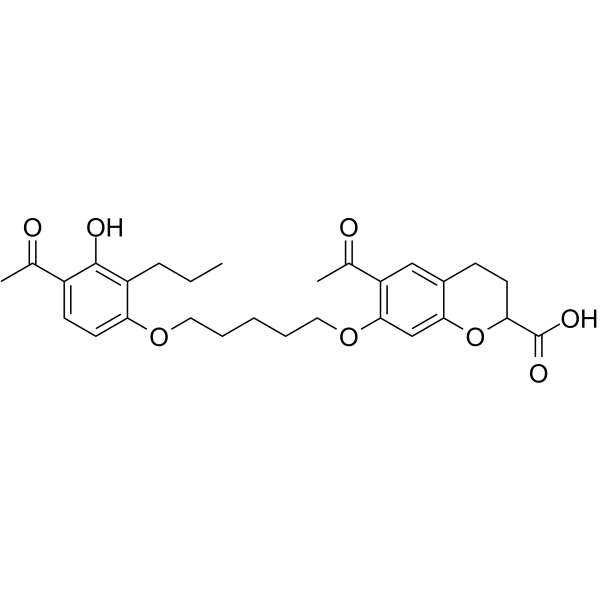
Ablukast (Ro 23-3544) is a specific and active leukotriene receptor antagonist. Ablukast effectively reduces LTC4- and antigen-induced bronchoconstriction . Ablukast is LTD4 receptor antagonist .
|
-
-
- HY-105426
-
-

-
- HY-163101
-
|
|
Platelet-activating Factor Receptor (PAFR)
Leukotriene Receptor
|
Inflammation/Immunology
|
|
CP-96021 is an orally active dual leukotriene D4 (LTD4) and platelet activating factor (PAF) receptor antagonist, featuring a guinea pig LTD4 receptor Ki of 34 nM and a rabbit PAF receptor Ki of 37 nM. CP-96021 blocks ligand binding to its target receptors, inhibits ligand-induced bronchoconstriction, and inhibits antigen-triggered airway obstructive effects. CP-96021 can be used for the research of asthma .
|
-

-
- HY-122536
-
|
|
Leukotriene Receptor
Calcium Channel
Endogenous Metabolite
|
Inflammation/Immunology
|
|
Ricinelaidic acid, a 12-hydroxy fatty acid,is a leukotriene B4 (LTB4) receptor antagonist with the Ki of 2 μM in porcine neutrophil membranes. Ricinelaidic acid inhibits chemotaxis and calcium flux induced by LTB4 in isolated human neutrophils (IC50=10 and 7 μM, respectively). Ricinelaidic acid inhibits bronchoconstriction induced by LTB4 in rats .
|
-

-
- HY-131651
-
|
LTB4 ethanolamide
|
Endogenous Metabolite
Leukotriene Receptor
|
Cancer
|
|
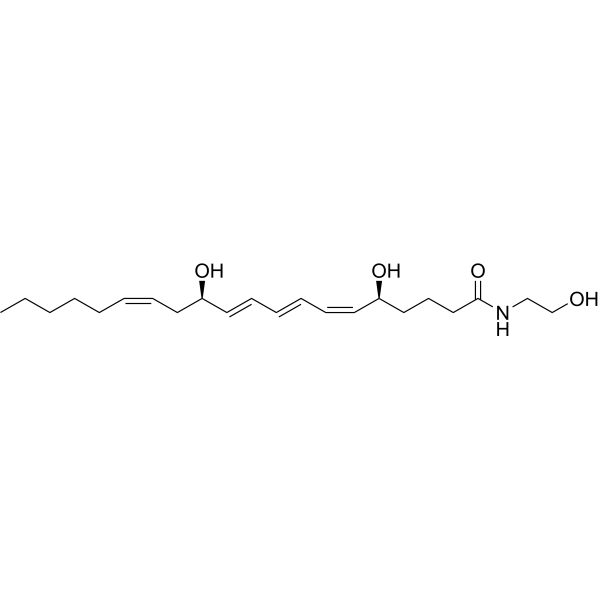
Leukotriene B4 ethanolamide (LTB4 ethanolamide) is an antagonist and a partial agonist for Leukotriene B4 (LTB4) receptor 1 (BLTR1). Leukotriene B4 ethanolamide ameliorates the tumor progression, which is only asscociated with inflammation .
|
-
-
- HY-U00263
-
-
-
- HY-105221
-
-
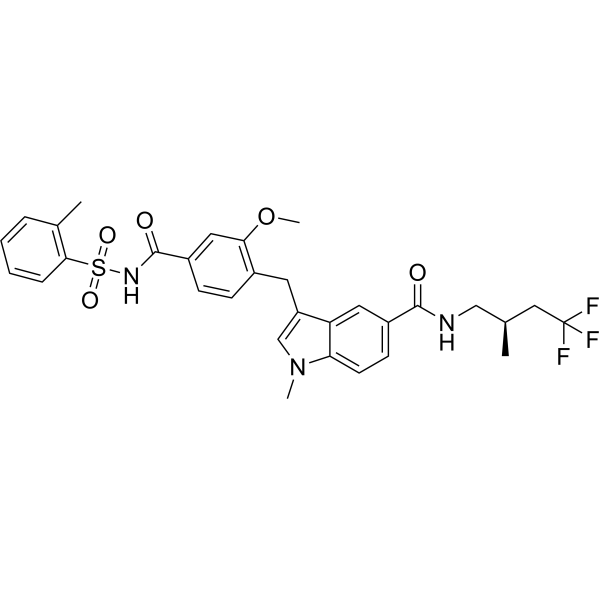
- HY-122175
-
-

- HY-112248
-
-
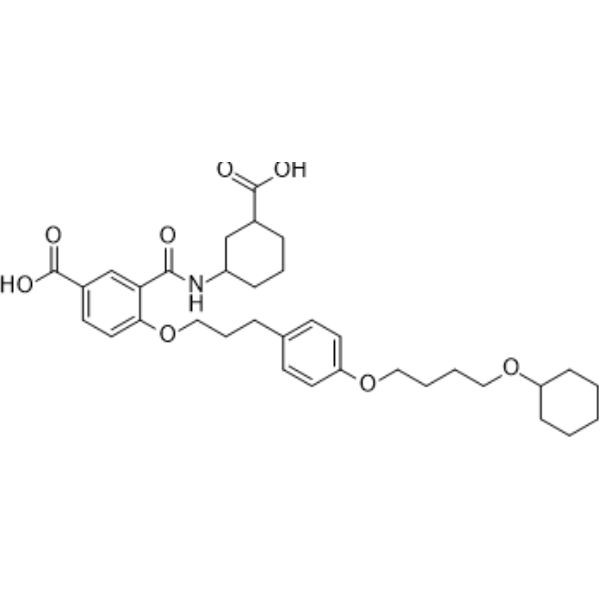
- HY-117557
-
-
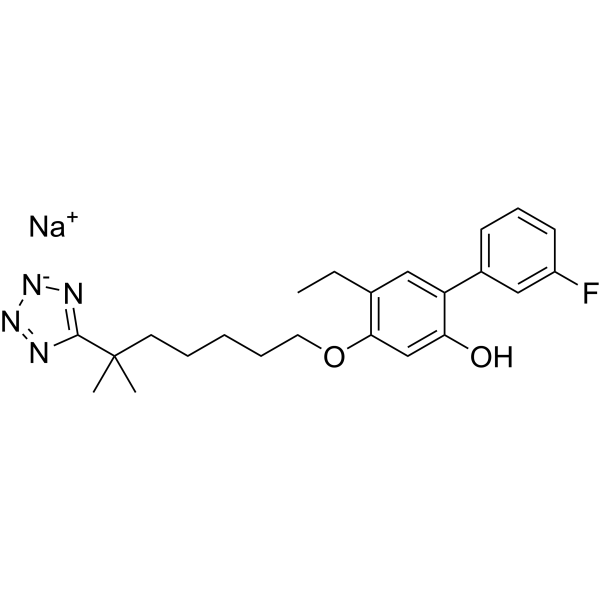
- HY-107607A
-
|
|
Endogenous Metabolite
|
Inflammation/Immunology
|
|
FPL-55712 is a cysteine leukotriene type 1 receptor antagonist with anti-inflammatory activity. FPL-55712 can effectively block the biological response caused by leukotrienes, reduce allergic reactions and airway inflammation. FPL-55712 shows potential in suppressing asthma and allergic rhinitis .
|
-

- HY-112532A
-
|
|
Leukotriene Receptor
Lipoxygenase
|
Inflammation/Immunology
Cancer
|
|
REV 5901 hydrochloride is a competitive and orally active antagonist of leukotriene receptor, with a Ki of 0.7 μM. REV 5901 hydrochloride is also a 5-lipoxygenase inhibitor. REV 5901 hydrochloride can be used for the research of asthma in which leukotriene release be involved. REV 5901 hydrochloride can be used for the study of colon carcinoma .
|
-

- HY-115390
-
|
|
Leukotriene Receptor
|
Cardiovascular Disease
Inflammation/Immunology
|
|
14,15-Dehydro Leukotriene B4 (Compound 4) is a LTB4 receptor antagonist. 14,15-Dehydro Leukotriene B4 also has a higher binding affinity for BLT1 with a Ki value of 27 nM and BLT2 with a Ki value of 473 nM. 14,15-Dehydro Leukotriene B4 inhibits LTB4-induced release of lysozymes from rat polymorphonuclear leukoctyes with an IC50 value of 1 µM .
|
-

- HY-168784
-
|
|
Leukotriene Receptor
|
Metabolic Disease
Inflammation/Immunology
|
|
LTD4 antagonist 2 (compound 6) is a leukotriene D4 (LTD4) antagonist with an IC50 of 2.8 μM against cysteinyl leukotriene 1 receptor (CysLT1R). LTD4 antagonist 2 is also a G protein-coupled bile acid receptor 1 (GPBAR1) agonist and can be utilized in research related to colitis, metabolic syndromes, and other GPBAR1/CysLT1R-related diseases .
|
-

- HY-112650
-
-
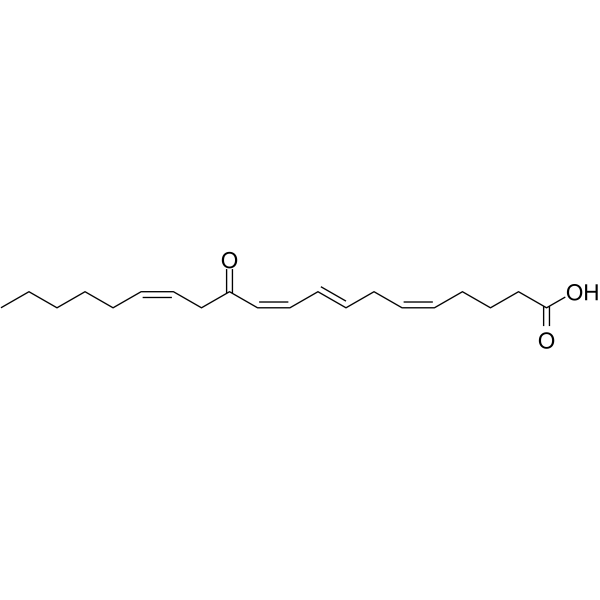
- HY-19241
-
-

- HY-120486
-
-

- HY-108162A
-
-
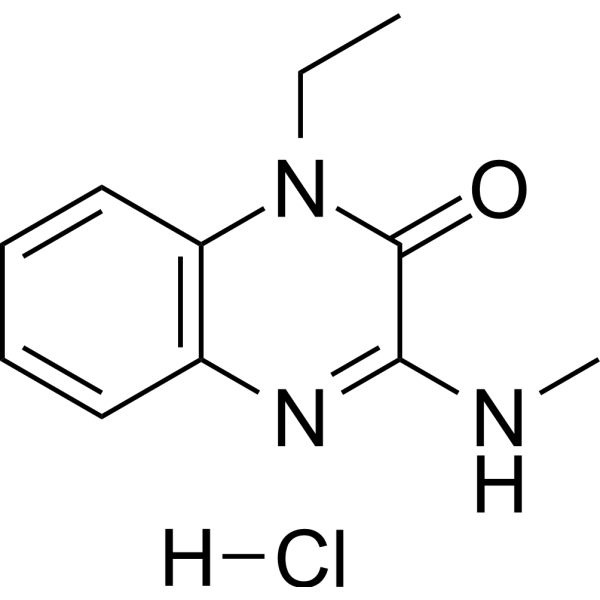
- HY-168484
-
-

- HY-100316
-
-
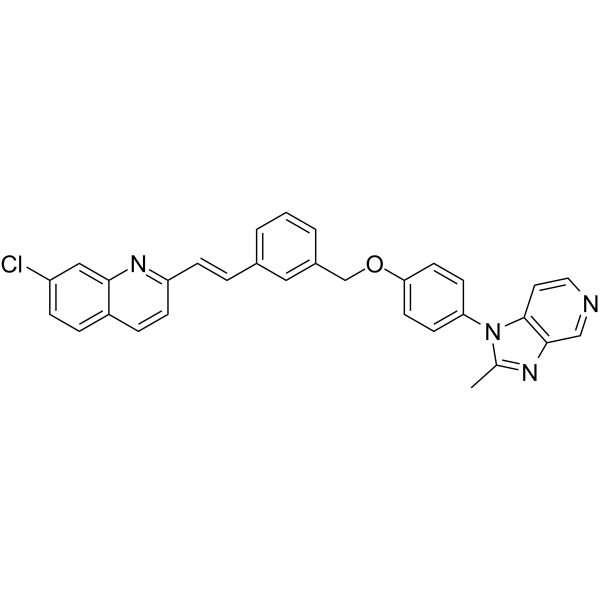
- HY-106806
-
|
|
Leukotriene Receptor
|
Inflammation/Immunology
|
|
NZ-107 is an orally active leukotriene receptor antagonist. NZ-107 can inhibit anaphylaxis reaction. NZ-107 can be used for the researches of inflammation and immunology .
|
-

- HY-117706
-
|
|
Leukotriene Receptor
|
Inflammation/Immunology
|
|
LY 292728 is a potent leukotriene B4 (LTB4) receptor antagonist. LY 292728 binds to human neutrophils with a Ki of 0.47 nM and binds to guinea pig lung membranes with a Ki of 0.04 nM .
|
-
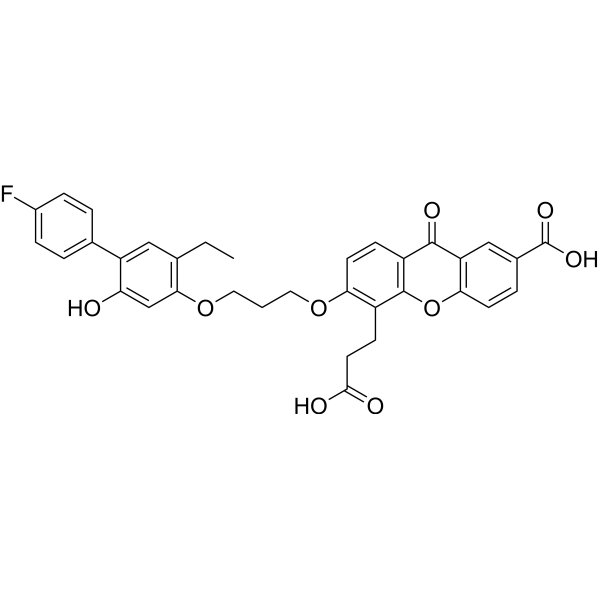
- HY-W744275
-
-

- HY-108162
-
|
|
COX
|
Inflammation/Immunology
|
|
Ataquimast free base is a COX-2 inhibitor that inhibits the release of leukotrienes, TNF-α and GM-CSF. Ataquimast free base can be used in the study of advanced receptor-positive breast cancer .
|
-
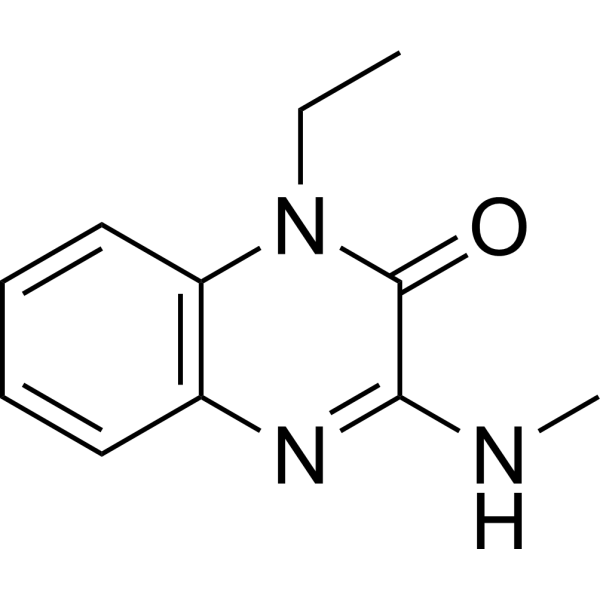
- HY-114641
-
|
|
Leukotriene Receptor
|
Inflammation/Immunology
|
|
BIIL-260 is a potent and long-acting orally active leukotriene B(4) receptor LTB4 antagonist, with anti-inflammatory activity. BIIL-260 interacts with the LTB4 receptor in a saturable, reversible, and competitive manner, has high affinity to the LTB4 receptor on isolated human neutrophil cell membranes with the Ki value of 1.7 nM .
|
-

- HY-149083
-
|
|
Leukotriene Receptor
|
Inflammation/Immunology
|
|
LTB4 antagonist 2, a carboxamide-acid compound, is an antagonist of leukotriene B4 (LTB4) with potentially anti-inflammatory activity. LTB4 antagonist 2 shows good affinity for the LTB4 receptor with IC50 of 439 nM .
|
-
- HY-17492S
-
-
- HY-17492S3
-
-
- HY-117896
-
|
|
Leukotriene Receptor
|
Inflammation/Immunology
|
|
SC-50605 and SC-51146 are second-generation leukotriene B4 (LTB4) receptor antagonists that effectively inhibit LTB4-induced chemotaxis in guinea pigs. SC-50605 targets the LTB4 receptor and has the potential to inhibit inflammatory diseases such as asthma, rheumatoid arthritis, and skin diseases. .
|
-

- HY-17492S2
-
-
- HY-17492S1
-
-
- HY-130138A
-
|
|
Leukotriene Receptor
|
Inflammation/Immunology
|
|
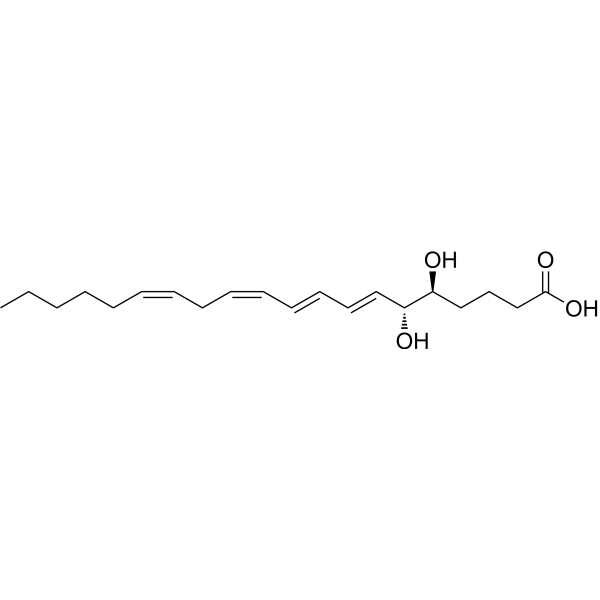
(5S,6R)-DiHETE is an enantiomer of (5,6)-DiHETEs. (5S,6R)-DiHETE can be recognized by leukotriene receptors (LTD4 receptors). (5S,6R)-DiHETE can induce guinea pig isolated ileum contraction with an EC50 of 1.3 μM, and this effect can be inhibited by LTD4 receptor antagonists .
|
-
- HY-19198
-
|
|
Leukotriene Receptor
|
Inflammation/Immunology
|
|
SB-201993 is a selective leukotriene B₄ (LTB4) receptor antagonist with a Ki=7.6 nM for LTB4 receptors on human inflammatory cells. SB-201993 inhibits calcium mobilization in inflammatory cells and 5-lipoxygenase activity, exerting anti-inflammatory effects. SB-201993 is promising for research of inflammatory diseases (e.g., dermatitis, arthritis) .
|
-

- HY-13628A
-
|
LY293111 sodium; VML 295 sodium
|
Leukotriene Receptor
Apoptosis
|
Inflammation/Immunology
Cancer
|
|
Etalocib (LY293111) sodium, an orally active leukotriene B4 receptor antagonist, inhibits the binding of [ 3H]LTB4, with a Ki of 25 nM. Etalocib sodium prevents LTB4-induced calcium mobilization with an lC50 of 20 nM. Etalocib sodium induces apoptosis .
|
-

- HY-19161
-
|
|
Leukotriene Receptor
|
Inflammation/Immunology
|
|
Bay-X-7195 is a CYS leukotriene 1 receptor (CYS LT1) antagonist. Bay-X-7195 shows an antagonistic action to LTD4-induced bronchoconstriction in vitro and in vivo. Bay-X-7195 can be used foe the study of allergic and asthmatic .
|
-

- HY-13315S
-
|
MK0476-d6 free acid
|
Isotope-Labeled Compounds
Leukotriene Receptor
|
Inflammation/Immunology
|
|
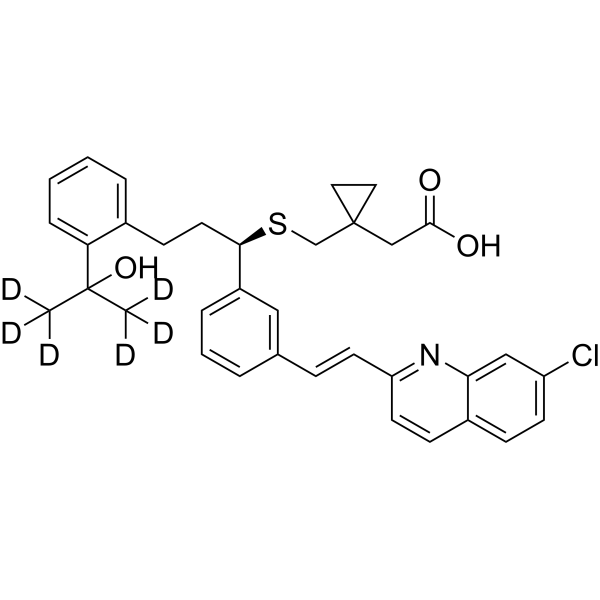
Montelukast-d6 is the deuterium labeled Montelukast (sodium). Montelukast sodium is a potent, selective and orally active antagonist of cysteinyl leukotriene receptor 1 (Cysltr1). Montelukast sodium can be used for the reseach of asthma and liver injury. Montelukast sodium also has an antioxidant effect in intestinal ischemia-reperfusion injury, and could reduce cardiac damage .
|
-
- HY-W744842
-
-

- HY-130138B
-
|
(5S,6R)-(11E)-DiHETE
|
Leukotriene Receptor
|
Inflammation/Immunology
|
|
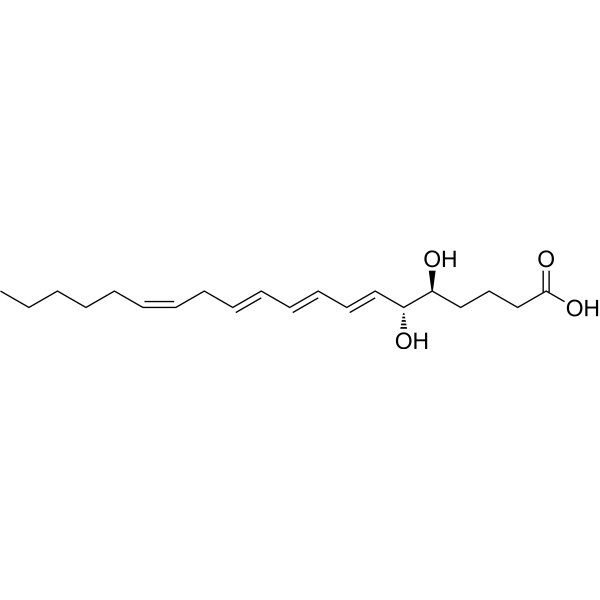
(5S,6R)-DiHETEs is the isomer of (5S,6R)-DiHETE (HY-130138A). (5S,6R)-DiHETE can be recognized by leukotriene receptors (LTD4 receptors). (5S,6R)-DiHETE can induce guinea pig isolated ileum contraction with an EC50 of 1.3 μM, and this effect can be inhibited by LTD4 receptor antagonists .
|
-
- HY-117854
-
|
|
Leukotriene Receptor
|
Inflammation/Immunology
|
|
SB 201146 is an LTB4 receptor antagonist with a potency range of 10 pM to 1 μM that plays a critical role in asthma-associated airway inflammation. Studies have focused on its effects on eosinophil survival, a hallmark of asthma pathology. Studies have shown that eosinophil-derived cysteinyl leukotrienes, including LTC4 and LTD4, as well as factors such as GM-CSF and fibronectin promote eosinophil survival. SB 201146 effectively reversed mast cell- and lymphocyte-induced eosinophil survival, highlighting its potential therapeutic role in disrupting the autocrine cysteinyl leukotriene pathway that maintains eosinophil viability. This antagonist also highlights the importance of LTB4 as a paracrine mediator that influences eosinophil survival in inflammatory settings such as asthma .
|
-

- HY-13628R
-
|
LY293111 (Standard); VML 295 (Standard)
|
Leukotriene Receptor
Apoptosis
Reference Standards
|
Inflammation/Immunology
Cancer
|
|
Etalocib (Standard) is the analytical standard of Etalocib. This product is intended for research and analytical applications. Etalocib (LY293111), an orally active leukotriene B4 receptor antagonist, inhibits the binding of [3H]LTB4, with a Ki of 25 nM. Etalocib (LY293111) prevents LTB4-induced calcium mobilization with an lC50 of 20 nM. Etalocib (LY293111) induces apoptosis .
|
-

- HY-13315R
-
|
MK0476 (Standard)
|
Reference Standards
Leukotriene Receptor
|
Inflammation/Immunology
|
|
Montelukast (sodium) (Standard) is the analytical standard of Montelukast (sodium). This product is intended for research and analytical applications. Montelukast sodium (MK0476) is a potent, selective and orally active antagonist of cysteinyl leukotriene receptor 1 (CysLT1). Montelukast sodium can be used for the reseach of asthma and liver injury. Montelukast sodium also has an antioxidant effect in intestinal ischemia-reperfusion injury, and could reduce cardiac damage. Montelukast sodium decreases eosinophil infiltration into the asthmatic airways. Montelukast sodium can also be used for COVID-19 research .
|
-
- HY-19109
-
|
|
Leukotriene Receptor
|
Others
|
|
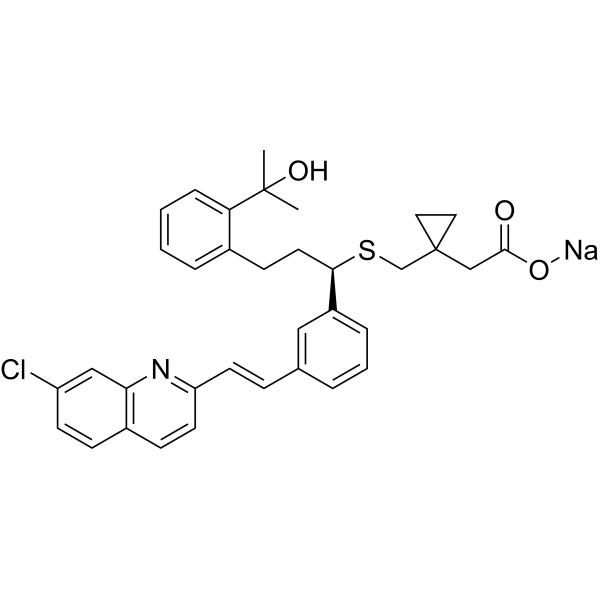
RG-7152 is a tetrazolyl-substituted leukotriene D4 receptor antagonist that can induce peroxisomal β-oxidation and peroxisome bifunctional enzymes (PBEs) in hepatocytes in various animal models. It has been shown to significantly increase PBE levels and β-oxidation activity in rat and mouse liver homogenates, while smaller effects were observed in guinea pigs and monkeys and no effect in dogs. In vitro studies have also shown that it can induce PBEs comparable to clofibric acid, indicating its potential as a peroxisome proliferator .
|
-

- HY-13315BR
-
|
MK0476 dicyclohexylamine (Standard)
|
Reference Standards
Leukotriene Receptor
|
Inflammation/Immunology
Cancer
|
|
Montelukast (dicyclohexylamine) (Standard) is the analytical standard of Montelukast (dicyclohexylamine). This product is intended for research and analytical applications. Montelukast (MK0476) dicyclohexylamine is a potent, selective and orally active antagonist of cysteinyl leukotriene receptor 1 (CysLT1). Montelukast dicyclohexylamine can be used for the reseach of asthma and liver injury. Montelukast dicyclohexylamine also has an antioxidant effect in intestinal ischemia-reperfusion injury, and could reduce cardiac damage. Montelukast dicyclohexylamine decreases eosinophil infiltration into the asthmatic airways. Montelukast dicyclohexylamine can also be used for COVID-19 research .
|
-

- HY-161211
-
|
|
17β-HSD
iGluR
|
Metabolic Disease
|
|
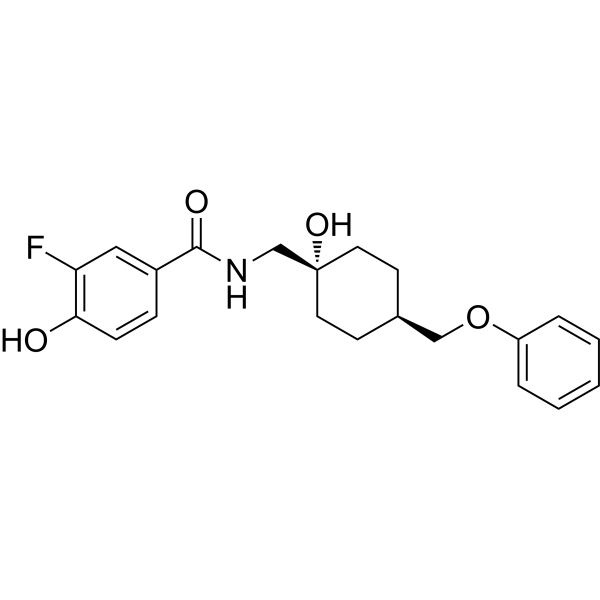
HSD17B13-IN-7 (compound 1), a fluorophenol-containing compound, is a potent HSD17B13 inhibitor with IC50s of 0.18 μM and 0.25 μM β-estradiol and Leukotriene B4 as substrates, respectively. HSD17B13-IN-7 is a potent N-methyl-D-aspartate (NMDA) NR2B receptor antagonist. HSD17B13-IN-7 has the potential for non-alcoholic fatty liver disease research .
|
-
- HY-106929
-
|
CGS 25019C free base
|
Leukotriene Receptor
|
Inflammation/Immunology
|
|
Moxilubant (CGS 25019C free base) is an orally active BLT1 antagonist. Moxilubant inhibits LTB4 signaling with a potency of 2-4 nM. Moxilubant blocks LTB4-induced neutrophil functions. Moxilubant inhibits ear edema and neutrophil infiltration in mice. Moxilubant can be used in research related to chronic obstructive pulmonary disease .
|
-

- HY-106929B
-
|
CGS 25019C hydrochloride
|
Leukotriene Receptor
|
Inflammation/Immunology
|
|
Moxilubant (CGS 25019C) hydrochloride is an orally active BLT1 antagonist. Moxilubant hydrochloride inhibits LTB4 signaling with a potency of 2-4 nM. Moxilubant hydrochloride blocks LTB4-induced neutrophil functions. Moxilubant hydrochloride inhibits ear edema and neutrophil infiltration in mice. Moxilubant hydrochloride can be used in research related to chronic obstructive pulmonary disease .
|
-

- HY-182434
-
|
|
Phosphatase
FAP
|
Inflammation/Immunology
|
|
CL 118326 is a potent, selective, competitive inhibitor of mammalian pancreatic phospholipase A2 (PLA2) and a weak antagonist of platelet-activating factor receptor (PAF receptor). CL 118326 competitively inhibits mammalian pancreatic PLA2 (porcine: IC50 = 1.55 μg/mL), and shows no activity against snake venom or bee venom PLA2. CL 118326 inhibits PAF-induced and thrombin-induced platelet aggregation, as well as the release of leukotriene (LTC4) and histamine from basophil-enriched leukocytes. CL 118326 can be used for research on inflammation and allergic reactions .
|
-

- HY-180411
-
|
|
Leukotriene Receptor
|
Inflammation/Immunology
|
|
SM-15178 is a potent, orally active and selective leukotriene B4 (LTB4) receptor antagonist with an IC50 of 0.30 μM. SM-15178 attenuates LTB4 (HY-107608)-induced neutrophil accumulation in mouse skin and bronchoconstriction in guinea pigs. SM-15178 emonstrates significant anti-inflammatory efficacy across multiple animal models of inflammation. SM-15178 can be used for the research of chronic inflammatory diseases such as inflammatory bowel disease, psoriasis, and asthma .
|
-

- HY-182515
-
|
|
Leukotriene Receptor
|
Others
Inflammation/Immunology
|
|
U-19052 is a selective competitive peptidoleukotriene D/E receptor antagonist. U-19052 acts as a reversible antagonist that not affecting responses to non-leukotriene agonists. U-19052 does not exhibit agonist activity or induce contraction in guinea pig tracheal or ileal strips. U-19052 is a leukotriene antagonist developed by modifying leukotriene chemical structure. U-19052 can be used for the research of allergic asthma and hypersensitivity diseases .
|
-

- HY-113727
-
-

- HY-108396R
-
|
Ethyl γ-linolenate (Standard)
|
Reference Standards
Leukotriene Receptor
|
Inflammation/Immunology
|
|
γ-Linolenic acid ethyl ester (Standard) is the analytical standard of γ-Linolenic acid ethyl ester (HY-108396). This product is intended for research and analytical applications. γ-Linolenic acid ethyl ester (Ethyl γ-linolenate) is a leukotriene B4 receptor 4 (LTB4) antagonist .
|
-

- HY-182557
-
|
|
Lipoxygenase
|
Cardiovascular Disease
Inflammation/Immunology
|
|
KC-11404 is an orally active antihistamine and 5-lipoxygenase inhibitor, with an IC50 of 0.9 μM against guinea pig 5-lipoxygenase. KC-11404 inhibits histamine-induced contraction of isolated guinea pig ileum with an IC50 of 0.26 μM. KC-11404 inhibits PAF-induced rabbit platelet aggregation with an IC50 of 2.0 μM. It inhibits the histamine phase of antigen-induced bronchoconstriction and PAF-induced bronchoconstriction in guinea pigs. KC-11404 can be used for the research of asthma .
|
-

| Cat. No. |
Product Name |
Target |
Research Area |
-
- HY-P3318
-
|
L-BOC2
|
Leukotriene Receptor
|
Inflammation/Immunology
|
|
Boc-Phe-Leu-Phe-Leu-Phe (Boc-FLFLF) is a N-formyl peptide receptors (FPR) inhibitor. Boc-Phe-Leu-Phe-Leu-Phe abolishes the FMLP-induced release of peptide leukotrienes. Boc-Phe-Leu-Phe-Leu-Phe inhibits the sprouting of human umbilical vein endothelial cell (HUVEC) spheroids mediated by proliferative diabetic retinopathy (PDR) vitreous and vascular endothelial growth factor (VEGF) respectively in a three-dimensional fibrin gel. Boc-Phe-Leu-Phe-Leu-Phe inhibits the anti-inflammatory and antifibrotic effects of Ac2-26 (HY-P1098). Boc-Phe-Leu-Phe-Leu-Phe can be used for the study of immunology .
|
| Cat. No. |
Product Name |
Category |
Target |
Chemical Structure |
| Cat. No. |
Product Name |
Chemical Structure |
-
- HY-76511S
-
|
|
|
Verlukast-d6 is a deuterium labeled Verlukast. Verlukast is a potent, selective, and orally active antagonist of leukotriene receptor. Verlukast has the potential for the research of asthma .
|
-
-
- HY-13315S1
-
|
|
|
Montelukast-d6 (sodium) is the deuterium labeled Montelukast (sodium). Montelukast sodium is a potent, selective and orally active antagonist of cysteinyl leukotriene receptor 1 (Cysltr1). Montelukast sodium can be used for the reseach of asthma and liver injury. Montelukast sodium also has an antioxidant effect in intestinal ischemia-reperfusion injury, and could reduce cardiac damage .
|
-
-
- HY-W744275
-
|
|
|
Tipelukast-d6 is the deuterium labeled Tipelukast (HY-14938). Tipelukast (KCA 757) is a sulfidopeptide leukotriene receptor antagonist, an orally bioavailable anti-inflammatory agent and used for the treatment of asthma.
|
-
-
- HY-17492S
-
|
|
|
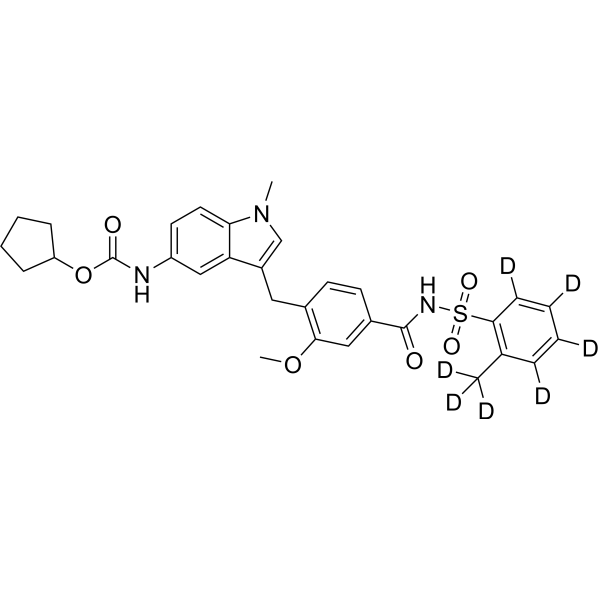
Zafirlukast-d7 is the deuterium labeled Zafirlukast. Zafirlukast (ICI 204219) is a potent orally active leukotriene D4 (LTD4) receptor antagonist. Zafirlukast shows anti-asthmatic, anti-inflammatory and anti-bacterial effects .
|
-
-
- HY-17492S3
-
|
|
|
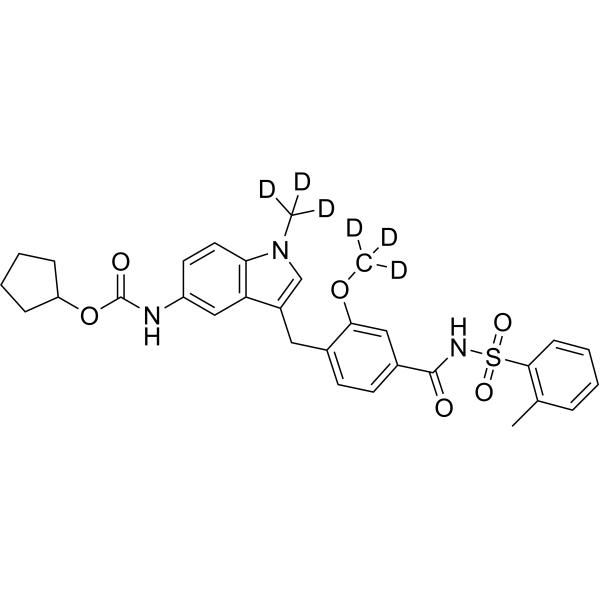
Zafirlukast-d6 is deuterated labeled Zafirlukast (HY-17492). Zafirlukast (ICI 204219) is a potent orally active leukotriene D4 (LTD4) receptor antagonist. Zafirlukast shows anti-asthmatic, anti-inflammatory and anti-bacterial effects.
|
-
-
- HY-17492S2
-
|
|
|
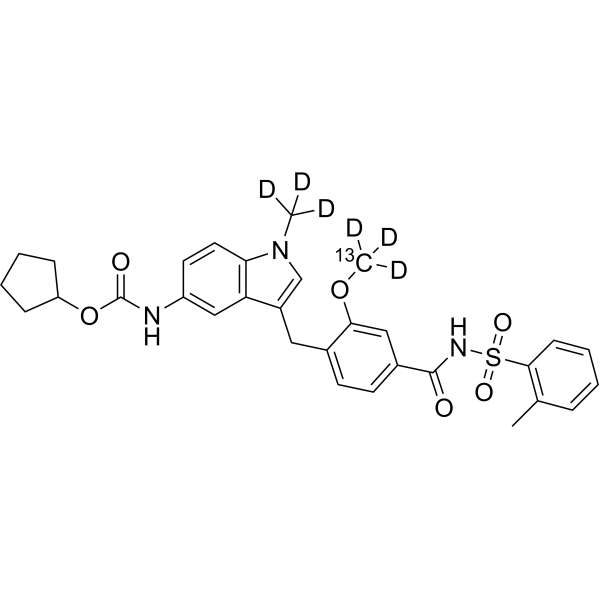
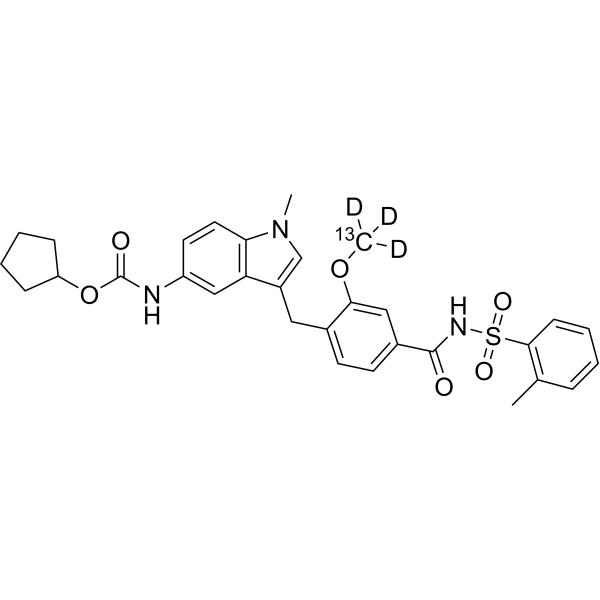
Zafirlukast- 13C,d6 is the 13C- and deuterium labeled Zafirlukast. Zafirlukast (ICI 204219) is a potent orally active leukotriene D4 (LTD4) receptor antagonist. Zafirlukast shows anti-asthmatic, anti-inflammatory and anti-bacterial effects.
|
-
-
- HY-17492S1
-
|
|
|
Zafirlukast- 13C,d3 is the 13C- and deuterium labeled Zafirlukast. Zafirlukast (ICI 204219) is a potent orally active leukotriene D4 (LTD4) receptor antagonist. Zafirlukast shows anti-asthmatic, anti-inflammatory and anti-bacterial effects.
|
-
-
- HY-13315S
-
|
|
|
Montelukast-d6 is the deuterium labeled Montelukast (sodium). Montelukast sodium is a potent, selective and orally active antagonist of cysteinyl leukotriene receptor 1 (Cysltr1). Montelukast sodium can be used for the reseach of asthma and liver injury. Montelukast sodium also has an antioxidant effect in intestinal ischemia-reperfusion injury, and could reduce cardiac damage .
|
-
-
- HY-W744842
-
|
|
|
γ-Linolenic acid ethyl ester-d5 (Ethyl γ-linolenate-d5) is the deuterium labeled γ-Linolenic acid ethyl ester (HY-108396). γ-Linolenic acid ethyl ester (Ethyl γ-linolenate) is a leukotriene B4 receptor 4 (LTB4) antagonist .
|
-
Your information is safe with us. * Required Fields.
Inquiry Information
- Product Name:
- Cat. No.:
- Quantity:
- MCE Japan Authorized Agent:








