Search Result
Results for "
nitrate reductase
" in MedChemExpress (MCE) Product Catalog:
21
Biochemical Assay Reagents
19
Isotope-Labeled Compounds
| Cat. No. |
Product Name |
Target |
Research Areas |
Chemical Structure |
-
- HY-P2996
-
|
|
Others
|
Others
|
|
NAD(P)H-Nitrate reductase is isolated from Aspergillus niger that catalyses the reduction of nitrate to nitrite via a two-electron transfer. In plants, the electron donor for Nitrate reductase is NADPH is NADH:Nitrate reductase and a bispecific NAD(P)H: Nitrate reductase .
|
-
-
- HY-B1006
-
-
-
- HY-Y1101B
-
|
N-Methylmorpholine N-Oxide; MMNO; 4-Methylmorpholine 4-oxide
|
Biochemical Assay Reagents
|
Others
|
|
4-Methylmorpholine N-oxide (N-Methylmorpholine N-Oxide; MMNO; 4-Methylmorpholine 4-oxide) is an amine oxide ligand and ozonation reagent. 4-Methylmorpholine N-oxide forms coordination complexes with lanthanum (III) nitrate and yttrium (III) nitrate via its nitroso oxygen atom. The metal-ligand bonds are dominated by electrostatic interactions with a small covalent component. 4-Methylmorpholine N-oxide is applicable in ozonation reactions for the synthesis of methyl 9-oxononanoate .
|
-
-
- HY-B0454A
-
-
-
- HY-W116336D
-
|
|
Biochemical Assay Reagents
Fungal
Bacterial
|
Infection
Cancer
|
|
Zinc oxide, <100 nm particle size is a nitrate reductase modulator and growth promoter with plant stress resistance activity and oral toxicity. Zinc oxide, <100 nm particle size acts as a nutrient source for maize plants. By enhancing nitrate reductase activity and reducing free proline levels, it significantly improves plant height, root length and dry matter weight of maize, and its growth-promoting effect is comparable to that of traditional zinc sulfate fertilizer. Zinc oxide, <100 nm particle size induces anemia-related and persistent tissue inflammatory damage, leading to obvious histopathological adverse reactions in the stomach, pancreas, eyes and prostate of rats. Zinc oxide, <100 nm particle size acts as a non-toxic antibacterial agent and selective cytotoxin against multiple bacteria, fungi and spores .
|
-
-
- HY-B2221
-
|
Pectin glycosidase
|
Environmental Pollutants
Endogenous Metabolite
|
Others
Cancer
|
|
Cellulose (Pectin glycosidase) is a natural high molecular weight polysaccharide found in many plants and organisms. It is widely used in manufacturing industries, such as in paper making, textiles, food and medicine, etc. As a renewable resource, Cellulose is biodegradable and sustainable, and can also be used to manufacture chemicals such as Cellulose Esters, Cellulose Acetate and Cellulose Nitrate. In addition, Cellulose is often used as a food additive to increase the stability and quality of food.
|
-
-
- HY-B2223
-
-
-
- HY-131697
-
FeTPPS
1 Publications Verification
|
MOFs
NO Synthase
Apoptosis
|
Inflammation/Immunology
|
|
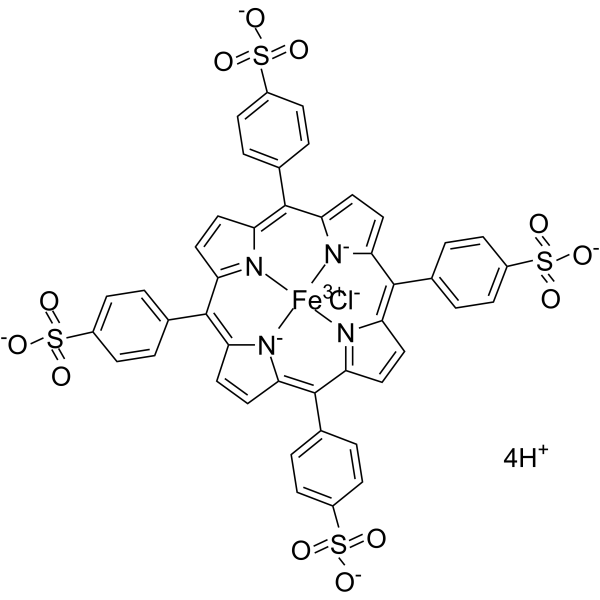
FeTPPS, a 5,10,15,20-tetrakis (4-sulfonatophenyl) porphyrin iron III chloride peroxynitrite decomposition catalyst, possesses evident neuroprotective effects in a experimental model of spinal cord damage . FeTPPS acts as a peroxynitrite scavenger and anti-nitrating agent in vivo. FeTPPS reduces nitric oxide (NO) production and apoptosis process .
|
-
-
- HY-N2362
-
|
DL-2-Aminopropionic acid
|
Endogenous Metabolite
|
Metabolic Disease
|
|
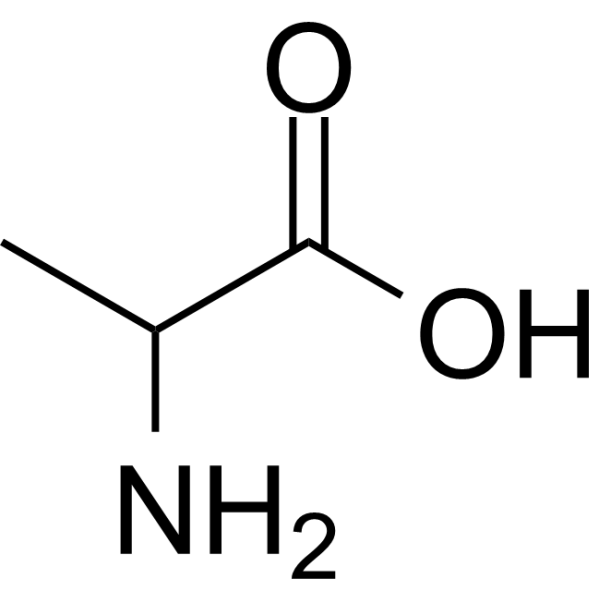
DL-alanine, an orally active amino acid, is the racemic compound of L- and D-alanine. DL-alanine is employed both as a reducing and a capping agent, used with silver nitrate aqueous solutions for the production of nanoparticles. DL-alanine can be used for the research of transition metals chelation, such as Cu(II), Zn(II), Cd(11). DL-alanine, a sweetener, is classed together with glycine and sodium saccharin. DL-alanine plays a key role in the glucose-alanine cycle between tissues and liver .
|
-
-
- HY-W003969
-
|
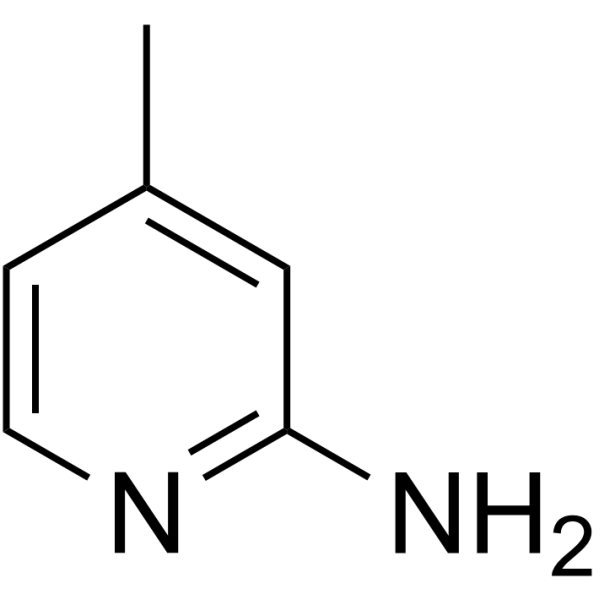
Ascensil; 2-Amino-4-methylpyridine
|
NO Synthase
|
Inflammation/Immunology
|
|
Aminopicoline (Ascensil) is a potent and non-selective inhibitor of nitric oxide synthase (NOS) isoenzymes (iNOS, nNOS, eNOS). Aminopicoline competes with arginine at the substrate-binding site of nitric oxide synthase, reduces cellular nitric oxide production, inhibits the elevation of plasma nitrate, increases mean arterial pressure at high doses, and also serves as a basis for radiolabeled ligands to localize nitric oxide synthase binding sites. Aminopicoline can be used in the research of diseases associated with septic shock, joint inflammation, intestinal inflammation, and CNS inflammation .
|
-
-
- HY-B0453
-
-
-
- HY-B0359
-
|
REC 15-1476
|
Fungal
Antibiotic
|
Infection
|
|
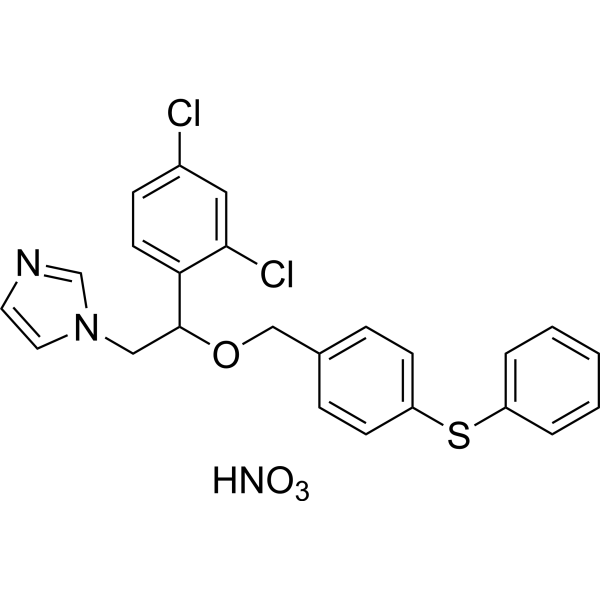
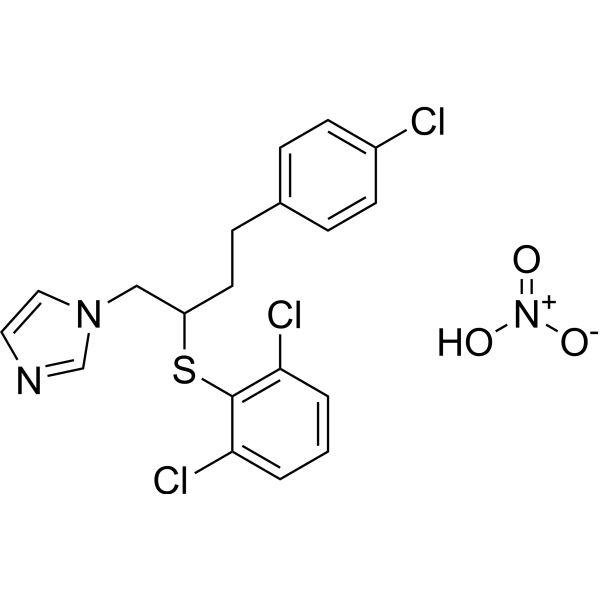
Fenticonazole Nitrate is an antifungal imidazole ring derivative. Fenticonazole Nitrate operates via hindering ergosterol integration, and sequentially destructing the cytoplasmatic outer membrane. Fenticonazole Nitrate is effective against Gram-positive bacteria, mycoses, and vaginal candidiasis .
|
-
-
- HY-B1324
-
|
Ro 13-8996
|
Fungal
Cytochrome P450
Antibiotic
|
Infection
Cancer
|
|
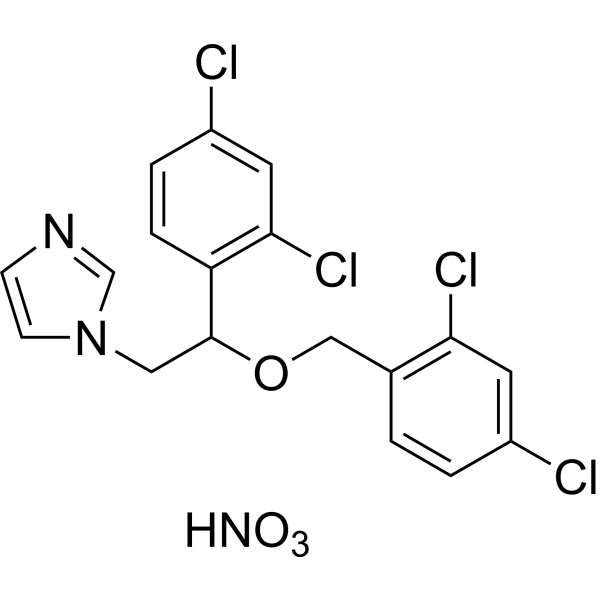
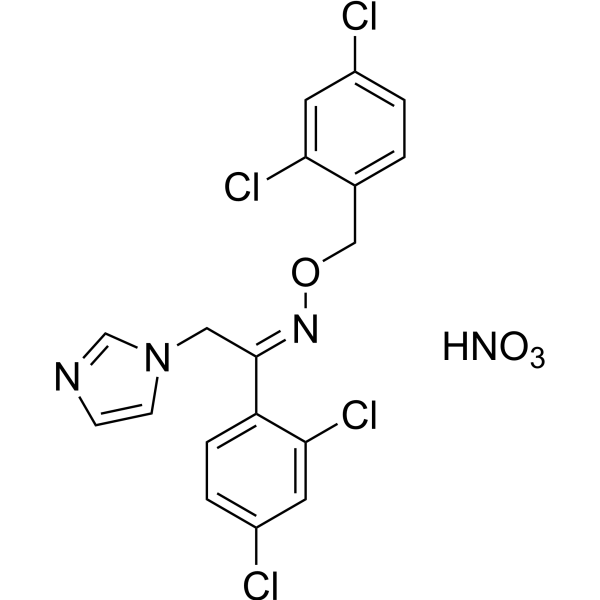
Oxiconazole (Ro 13-8996) nitrate is a broad spectrum anti-fungal agent which can inhibit the growth of Candida, Aspergillus and Trichophyton. Oxiconazole nitrate is also a highly efficacious activator of CYP3A4 transactivation, which could be antagonized by Rifampicin (HY-B0272) in a competitive manner. Oxiconazole nitrate exhibits inhibitory effect against colorectal cancer (CRC) via peroxiredoxin-2 (PRDX2)-mediated autophagy arrest .
|
-
-
- HY-B1444
-
|
|
Bacterial
Fungal
Antibiotic
|
Infection
|
|
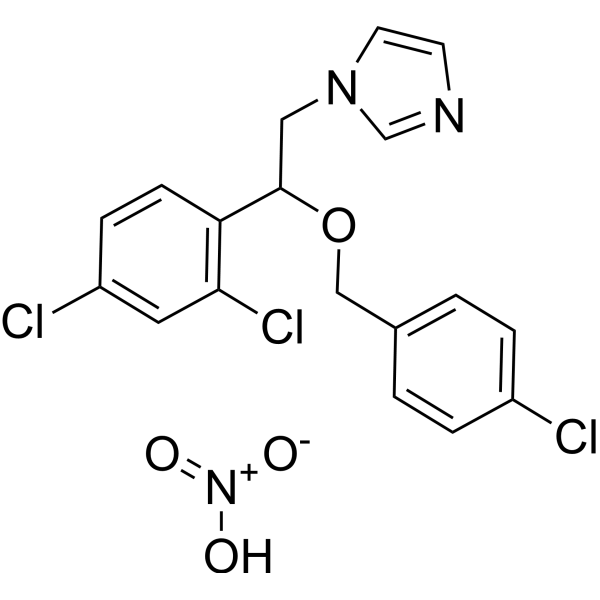
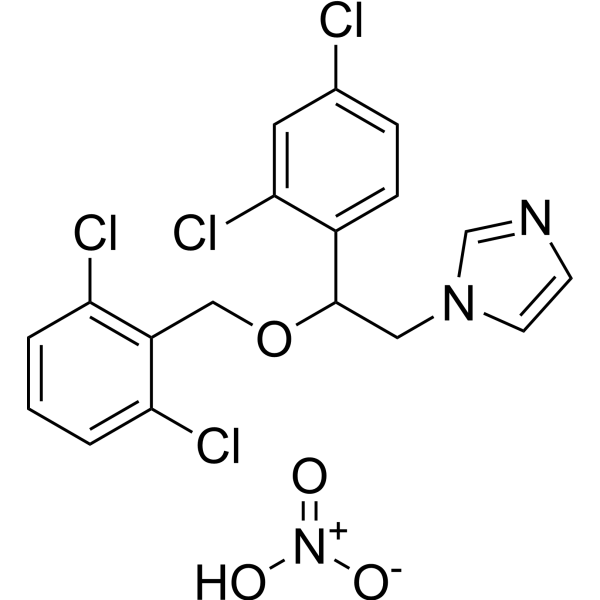
Isoconazole nitrate is a broad-spectrum antimicrobial agent with a highly effective antimycotic and gram-positive antibacterial activity, exhibiting a rapid rate of absorption and low systemic exposure potential .
|
-
-
- HY-B0293
-
|
RS 35887
|
Fungal
|
Infection
|
|
Butoconazole nitrate (RS 35887), an imidazole antifungal agent, is active against Candida spp. and effective against vaginal infections due to Candida albicans. Butoconazole nitrate is presumed to function as other imidazole derivatives via inhibition of steroid synthesis .
|
-
-
- HY-B0736A
-
|
FI7056
|
Fungal
Autophagy
Apoptosis
p38 MAPK
Microtubule/Tubulin
|
Infection
Cancer
|
|
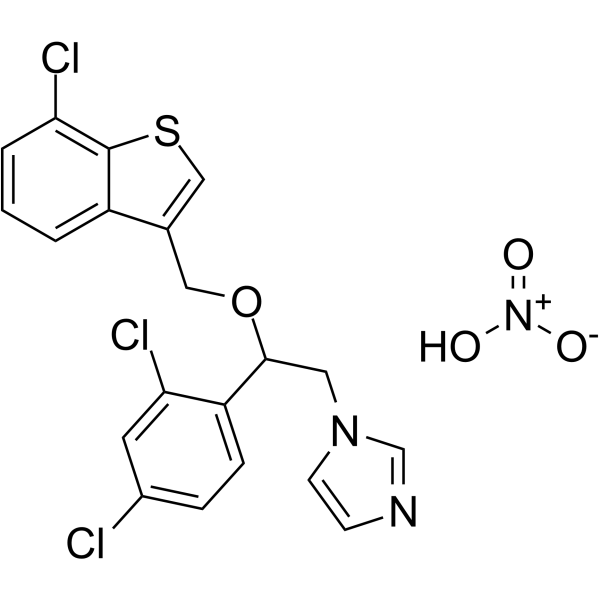
Sertaconazole nitrate (FI7056) is a broad-spectrum topical antifungal agent, exhibits anti-inflammatory activity via activation of a p38-COX-2-PGE2 pathway. Sertaconazole nitrate is also a microtubule inhibitor, shows antiproliferative effect, induces apoptosis and autophagy, and can also inhibit the migration of cells .
|
-
-
- HY-W041988
-
|
|
Bacterial
|
Infection
|
|
Fmoc-Glu-OMe is a glutamic acid derivative. Fmoc-Glu-OMe exhibits significant antibacterial activity and excellent gelation properties in silver nitrate (AgNO3) solution. Fmoc-Glu-OMe promotes wound healing in rat models and eliminates bacteria in MRSA-infected rat wound models. Fmoc-Glu-OMe can be used in studies related to wound infections and MRSA-infected wounds .
|
-
-
- HY-111326A
-
-
-
- HY-W011393
-
-
-
- HY-W127702
-
|
Methscopolamine nitrate
|
Biochemical Assay Reagents
|
Others
|
|
Scopolamine methyl nitrate is an organic compound commonly used in neuroscience research and pharmacology research. It can be used to study the role and structure of acetylcholine receptors, and is widely used in drug development and research in related fields. In addition, this compound is also used as a substrate or catalyst in certain biochemical reactions.
|
-
-
- HY-112076A
-
|
Methylatropine nitrate; Atropine methyl nitrate
|
mAChR
|
Neurological Disease
|
|
Atropine methyl bromide, a muscarinic receptor (mAChR) antagonist, is a quaternary ammonium salt of atropine and a mydriatic for dilation of the pupil during ophthalmic examination. It is introduced for relieving pyloric spasm in infants for its highly polar nature. It penetrates less readily into the central nervous system than atropine .
|
-
-
- HY-W701069
-
|
MyMD-1
|
Drug Derivative
|
Inflammation/Immunology
|
|
Isomyosmine is a nitrate reductase inhibitor. Isomyosmine is a nicotine related alkaloid present in solanecea plants containing nicotine. Isomyosmine can be used for research of inflammation and age-related disorders
|
-
-
- HY-159051
-
|
|
Biochemical Assay Reagents
|
Others
|
|
Dragendorff reagent is used for detecting alkaloids and other nitrogen-containing compounds. Dragendorff reagent is a solution of potassium bismuth iodide composing of Basic bismuth nitrate (Bi(NO3)3), Tartaric acid (HY-N2436), and Potassium iodide (KI). When contact with alkaloids, Dragendorff reagent produces an orange or orange red precipitate .
|
-
-
- HY-W019334
-
|
3,4-DMPP
|
Insecticide
|
Others
|
|
3,4-Dimethylpyrazole phosphate is a nitrification inhibitor. 3,4-Dimethylpyrazole phosphate decreases gross soil autotrophic nitrification rates and reduces gross mineralization rates through feedback regulation. 3,4-Dimethylpyrazole phosphate can also reduce the risk of nitrate leaching and N losses due to denitrification and do not increase NH3 volatilization .
|
-
-
- HY-125039
-
|
|
Glutathione Peroxidase
|
Cardiovascular Disease
Neurological Disease
|
|
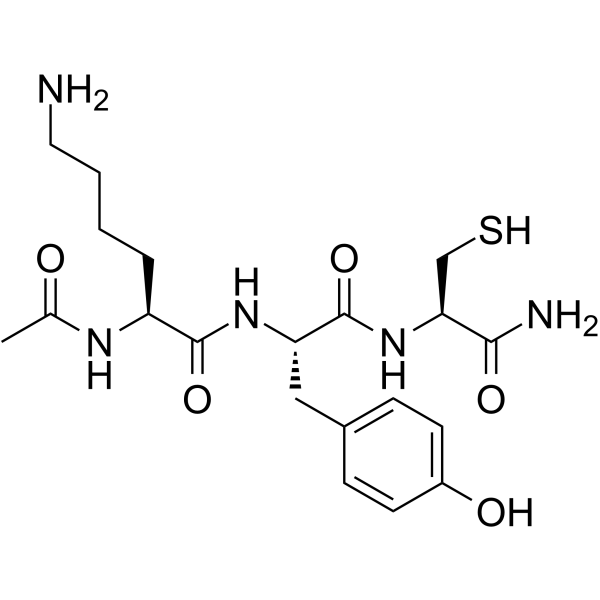
N-Acetyl lysyltyrosylcysteine amide is a potent, reversible, specific, and non-toxic tripeptide inhibitor of myeloperoxidase (MPO). N-Acetyl lysyltyrosylcysteine amide effectively inhibits MPO generation of toxic oxidants in vivo. N-Acetyl lysyltyrosylcysteine amide reduces neuronal damage and preserves brain tissue and neurological function in the stroked brain. N-Acetyl lysyltyrosylcysteine amide inhibits MPO-dependent hypochlorous acid (HOCl) generation, protein nitration, and LDL oxidation .
|
-
-
- HY-131501
-
|
|
Drug Derivative
|
Metabolic Disease
|
|
Menaquinone 9 is a vitamin K2 (HY-109569) analog. Menaquinone 9 acts as a prothrombogenic agent and functional electron transfer component in nitrate reductase .
|
-
-
- HY-N4238
-
|
13-Methylpalmatine nitrate
|
Bcl-2 Family
Caspase
PARP
p38 MAPK
Parasite
Autophagy
|
Infection
Cancer
|
|
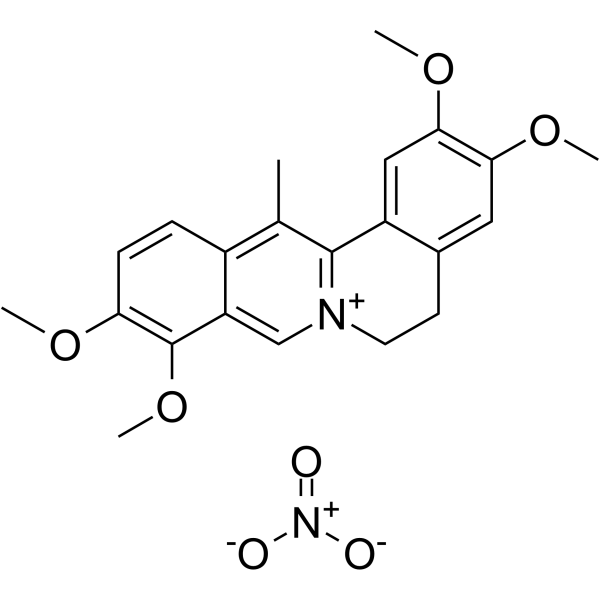
Dehydrocorydaline nitrate (13-Methylpalmatine nitrate) is an alkaloid. Dehydrocorydaline regulates protein expression of Bax, Bcl-2; activates caspase-7, caspase-8, and inactivates PARP . Dehydrocorydaline nitrate elevates p38 MAPK activation. Anti-inflammatory and anti-cancer activities. . Dehydrocorydaline nitrate shows strong anti-malarial effects (IC50 =38 nM), and low cytotoxicity (cell viability > 90%) using P. falciparum 3D7 strain .
|
-
-
- HY-D0222
-
|
|
Fluorescent Dye
|
Others
|
|
N,N-Dimethyl-1-naphthylamine is an aromatic amine and a dye. N,N-Dimethyl-1-naphthylamine can be used in nitrate reduction test .
|
-
-
- HY-168376
-
|
9(10)-nitrated oleic acid
|
PPAR
ERK
Akt
NO Synthase
|
Metabolic Disease
Inflammation/Immunology
|
|
9 (10)-Nitrooleate (9(10)-Nitrated oleic acid) is an endogenous lipid signaling mediator with vasoprotective effects. 9 (10)-Nitrooleate enhances enzymatic activity and improves nitric oxide bioavailability by inducing phosphorylation of Akt and ERK1/2, regulating the multi-site phosphorylation status of eNOS and optimizing its interaction with Hsp90. 9 (10)-Nitrooleate also activates PPARα, PPARδ and PPARγ receptors, thereby regulating adipogenesis, glucose uptake and inflammation-related gene expression, and exhibits immunosuppressive effects by inhibiting neutrophil migration and cytokine secretion. 9 (10)-Nitrooleate is widely used in studies of sepsis and related inflammatory diseases .
|
-
-
- HY-106542A
-
|
|
Fungal
|
Infection
|
|
Eberconazole nitrate is a dichlorinated imidazole derivative with antifungal activity. Eberconazole nitrate is more effective than Clotrimazole (HY-10882), Ketoconazole (HY-B0105), and Miconazole (HY-B0454). Eberconazole nitrate has potential for the study of dermatophytosis .
|
-
-
- HY-P2996B
-
|
|
Others
|
Others
|
|
Nitrate Reductase (NAD[P]H), Pichia pastoris (recombinant) is a simplified version of nitrate reductase S-NaR1 expressed and purified by Pichia pastoris. Nitrate Reductase (NAD[P]H), Pichia Pastoris (recombinant) contains sites binding molybdenum-molybdenopyridine (Mo-MPT) and nitrate reduction active sites and only contains two domains instead of the five domains of the complete NaR. This simplified form of nitrate reductase was expressed in high density in P. pastoris and purified to homogeneity in one step by fixed metal affinity chromatography (IMAC). Nitrate Reductase (NAD[P]H), Pichia Pastoris (recombinant) can be used in the development of biosensors and environmental monitoring .
|
-
-
- HY-W099571
-
|
Stearic acid lithium; Lithium octadecanoate
|
Environmental Pollutants
Biochemical Assay Reagents
|
Others
|
|
Lithium stearate (Stearic acid (lithium)) is a compound that forms vesicles in reaction with silver nitrate, thereby changing the reaction kinetics of the nucleation and self-assembly process of silver stearate. It has the activity that even in the presence of excess silver nitrate, only about 80% can be converted into silver stearate and the residual lithium stearate will inhibit the growth process of silver stearate crystals, thereby producing silver stearate crystals that are much smaller than those obtained from sodium stearate, providing an opportunity to further control the self-assembly and crystal growth of silver stearate.
|
-
-
- HY-W401947
-
-
-
- HY-P2996A
-
|
|
Drug Isomer
|
Others
|
|
Nitrate Reductase, Arabidopsis thaliana is the isomer of NAD(P)H-Nitrate reductase (HY-P2996). NAD(P)H-Nitrate reductase is isolated from Aspergillus niger that catalyses the reduction of nitrate to nitrite via a two-electron transfer. In plants,the electron donor for Nitrate reductase is NADPH is NADH:Nitrate reductase and a bispecific NAD(P)H: Nitrate reductase .
|
-
-
- HY-W127677
-
|
N,N,N-Triethylethanaminium nitrate
|
Biochemical Assay Reagents
|
Others
|
|
Tetraethylammonium nitrate is a quaternary ammonium salt commonly used as an electrolyte in various chemical reactions, especially in electrochemistry and battery technology. Tetraethylammonium nitrate has unique chemical properties that make it an important ingredient in a variety of industrial processes, including the production of advanced materials and electronic components.
|
-
-
- HY-W103306
-
-
-
- HY-B2221S1
-
|
|
Isotope-Labeled Compounds
Endogenous Metabolite
|
Others
|
|
U- 13C Cellulose from chicory is the 13C labeled Cellulose (HY-B2221). Cellulose (Pectin glycosidase) is a natural high molecular weight polysaccharide found in many plants and organisms. It is widely used in manufacturing industries, such as in paper making, textiles, food and medicine, etc. As a renewable resource, Cellulose is biodegradable and sustainable, and can also be used to manufacture chemicals such as Cellulose Esters, Cellulose Acetate and Cellulose Nitrate. In addition, Cellulose is often used as a food additive to increase the stability and quality of food .
|
-
-
- HY-N2362S2
-
|
DL-2-Aminopropionic acid-d3
|
Endogenous Metabolite
|
Metabolic Disease
|
|
DL-Alanine-d3 is the deuterium labeled DL-Alanine. DL-alanine, an amino acid, is the racemic compound of L- and D-alanine. DL-alanine is employed both as a reducing and a capping agent, used with silver nitrate aqueous solutions for the production of nanoparticles. DL-alanine can be used for the research of transition metals chelation, such as Cu(II), Zn(II), Cd(11). DL-alanine, a sweetener, is classed together with glycine, and sodium saccharin. DL-alanine plays a key role in the glucose-alanine cycle between tissues and liver .
|
-
-
- HY-B1444R
-
|
|
Reference Standards
Bacterial
Fungal
Antibiotic
|
Infection
|
|
Isoconazole (nitrate) (Standard) is the analytical standard of Isoconazole (nitrate). This product is intended for research and analytical applications. Isoconazole nitrate is a broad-spectrum antimicrobial agent with a highly effective antimycotic and gram-positive antibacterial activity, exhibiting a rapid rate of absorption and low systemic exposure potential .
|
-
-
- HY-W923770
-
|
|
Biochemical Assay Reagents
|
Others
|
|
N-(1-Naphthyl)ethylenediamine dihydrochloride monomethanolate is a reagent that can be used for the spectrophotometric determination of nitrite and nitrate .
|
-
-
- HY-116582
-
-
-
- HY-14343
-
|
|
NO Synthase
|
Neurological Disease
|
|
KLYP961 is a selective and orally active dual inhibitor of inducible and neuronal NO synthase (IC50 = 50-400 nM). KLYP961 can inhibit endotoxin-evoked plasma nitrates increases and attenuate pain behaviors in a mouse formalin model. KLYP961 can attenuate carrageenin-induced edema and inflammatory hyperalgesia and writhing response elicited by Phenylbenzoquinone (HY-W275039). KLYP961 can be used for the research of neurological disease .
|
-
-
- HY-B2221S
-
|
|
Isotope-Labeled Compounds
Endogenous Metabolite
|
Others
|
|
U- 13C Cellulose high DP from potato is the 13C labeled Cellulose (HY-B2221). Cellulose (Pectin glycosidase) is a natural high molecular weight polysaccharide found in many plants and organisms. It is widely used in manufacturing industries, such as in paper making, textiles, food and medicine, etc. As a renewable resource, Cellulose is biodegradable and sustainable, and can also be used to manufacture chemicals such as Cellulose Esters, Cellulose Acetate and Cellulose Nitrate. In addition, Cellulose is often used as a food additive to increase the stability and quality of food .
|
-
-
- HY-B0454AR
-
|
R18134 nitrate (Standard)
|
Reference Standards
Fungal
Bacterial
Antibiotic
|
Infection
|
|
Miconazole (nitrate) (Standard) is the analytical standard of Miconazole (nitrate). This product is intended for research and analytical applications. Miconazole nitrate (R18134 nitrate) is an imidazole antifungal agent. Miconazole nitrate also has antibacterial effects .
|
-
-
- HY-111326AR
-
|
Naphthazoline nitrate (Standard)
|
Reference Standards
Adrenergic Receptor
TNF Receptor
Interleukin Related
VEGFR
|
Cardiovascular Disease
Inflammation/Immunology
|
|
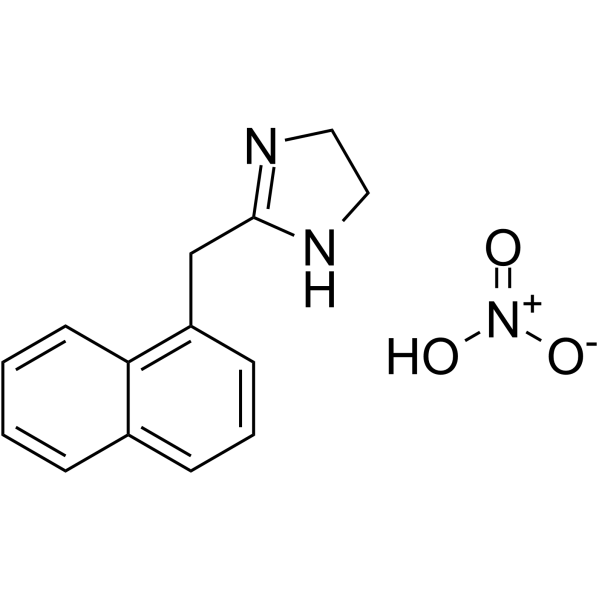
Naphazoline (nitrate) (Standard) is the analytical standard of Naphazoline (nitrate). This product is intended for research and analytical applications. Naphazoline (Naphthazoline) nitrate is an α-adrenergic receptor agonist. Naphazoline nitrate reduces vascular hyperpermeability and promotes vasoconstriction. Naphazoline nitrate reduces the levels of inflammatory factors (TNF-α, IL-1β and IL-6), cytokines (IFN-γ and IL-4), IgE, GMCSF, and NGF. Naphazoline nitrate can be used for non-bacterial conjunctivitis research .
|
-
-
- HY-B2223R
-
-
-
- HY-W705651
-
-
-
- HY-B0453R
-
|
|
Reference Standards
Fungal
Bacterial
Antibiotic
|
Infection
Cancer
|
|
Econazole (nitrate) (Standard) is the analytical standard of Econazole (nitrate). This product is intended for research and analytical applications. Econazole nitrate is an imidazole class antifungal medication . Econazole nitrate also has antibacterial activity .
|
-
-
- HY-131501R
-
|
|
Drug Derivative
Reference Standards
|
Metabolic Disease
|
|
Menaquinone 9 (Standard) is the analytical standard of Menaquinone 9. This product is intended for research and analytical applications. Menaquinone 9 is a vitamin K2 (HY-109569) analog. Menaquinone 9 acts as a prothrombogenic agent and functional electron transfer component in nitrate reductase .
|
-
-
- HY-106542AR
-
|
|
Reference Standards
Fungal
|
Infection
|
|
Eberconazole nitrate (Standard) is the analytical standard of Eberconazole nitrate. This product is intended for research and analytical applications. Eberconazole nitrate is a dichlorinated imidazole derivative with antifungal activity. Eberconazole nitrate is more effective than Clotrimazole (HY-10882), Ketoconazole (HY-B0105), and Miconazole (HY-B0454). Eberconazole nitrate has potential for the study of dermatophytosis .
|
-
- HY-12784S1
-
|
Chlorguanide triazine-d6 nitrate
|
Isotope-Labeled Compounds
Antifolate
DNA/RNA Synthesis
STAT
Parasite
|
Infection
Cancer
|
|
Cycloguanil-d6 (Chlorguanide triazine-d6) nitrate is the deuterium labeled Cycloguanil nitrate. Cycloguanil nitrate is a dihydrofolate reductase (DHFR) inhibitor with an IC50 of 10.8 μM against human DHFR. Cycloguanil nitrate blocks the folate metabolic pathway, thereby affecting nucleotide synthesis and interfering with DNA replication. Cycloguanil nitrate inhibits DHFR in Plasmodium and is thus used in malaria research. Cycloguanil nitrate also potently inhibits DHFR in human cancer cells and blocks the transcriptional activity of STAT3, thereby exhibiting anticancer activity .
|
-
- HY-B1006R
-
|
|
Reference Standards
mAChR
|
Neurological Disease
Cancer
|
|
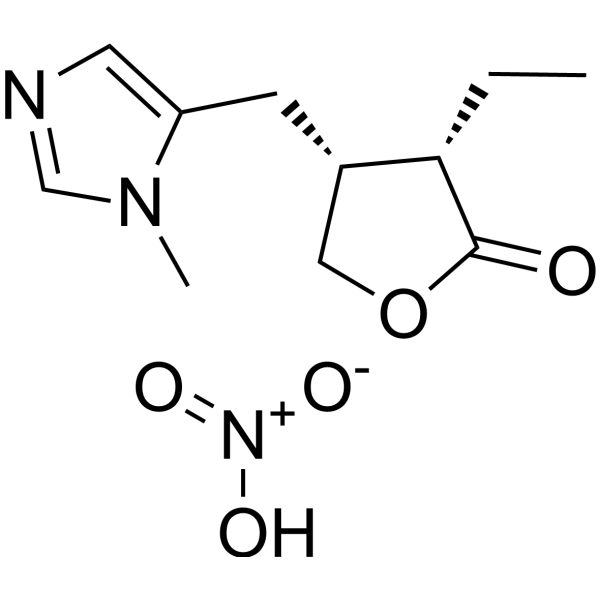
Pilocarpine (nitrate) (Standard) is the analytical standard of Pilocarpine (nitrate). This product is intended for research and analytical applications. Pilocarpine nitrate is a potent M3-type muscarinic acetylcholine receptor (M3 muscarinic receptor) agonist.
|
-
- HY-105747A
-
|
N-(3-Phenoxypropyl)guanidine nitrate; (3-Phenoxypropyl)guanidine nitrate
|
Endogenous Metabolite
|
Infection
Neurological Disease
|
|
Guanoxyfen (N-(3-Phenoxypropyl)guanidine) nitrate is a compound that exhibits potent inhibitory activity against the serine protease enzyme TMPRSS2, which plays a crucial role in the infectivity of coronaviruses. Guanoxyfen nitrate is also an effective inhibitor of vasoconstrictor responses to sympathetic nerve stimulation.
|
-
- HY-B0454AS
-
|
R18134-d5 nitrate (2,4-Dichlorobenzyloxy-d5)
|
Fungal
Bacterial
Antibiotic
|
Infection
|
|
Miconazole-d5 (nitrate) (2,4-Dichlorobenzyloxy-d5) is the deuterium labeled Miconazole nitrate. Miconazole nitrate (R18134 nitrate) is an imidazole antifungal agent. Miconazole nitrate also has antibacterial effects .
|
-
- HY-W700028
-
-
- HY-B0359R
-
|
REC 15-1476 (Standard)
|
Reference Standards
Fungal
Antibiotic
|
Infection
|
|
Fenticonazole (Nitrate) (Standard) is the analytical standard of Fenticonazole (Nitrate). This product is intended for research and analytical applications. Fenticonazole Nitrate is an antifungal imidazole ring derivative. Fenticonazole Nitrate operates via hindering ergosterol integration, and sequentially destructing the cytoplasmatic outer membrane. Fenticonazole Nitrate is effective against Gram-positive bacteria, mycoses, and vaginal candidiasis .
|
-
- HY-B0556B
-
|
Tetryzoline nitrate
|
Adrenergic Receptor
|
Cardiovascular Disease
Metabolic Disease
|
|
Tetrahydrozoline (Tetryzoline) nitrate , a derivative of imidazoline, is an α-adrenergic agonist that causes vasoconstriction. Tetrahydrozoline is widely used for the research of nasal congestion and conjunctival congestion .
|
-
- HY-130096
-
|
|
ADC Linker
|
Cancer
|
|
Ald-Ph-amido-C2-nitrate (Example XXIVb) is a thiazolidine derivative, used as a noncleavable ADC linker .
|
-
- HY-101559S
-
|
|
Isotope-Labeled Compounds
|
Inflammation/Immunology
|
|
10-Nitrooleate-d17 (nitrate) is the deuterium labeled 10-Nitrooleic acid nitrate. 10-Nitrooleic acid (CXA-10) nitrate, a nitro fatty acid, has potential effects in disease states in which oxidative stress, inflammation, fibrosis, and/or direct tissue toxicity play significant roles .
|
-
- HY-B0736AR
-
|
FI7056 (Standard)
|
Reference Standards
Fungal
Autophagy
Apoptosis
p38 MAPK
Microtubule/Tubulin
|
Infection
|
|
Sertaconazole (nitrate) (Standard) is the analytical standard of Sertaconazole (nitrate). This product is intended for research and analytical applications. Sertaconazole nitrate (FI7056) is a broad-spectrum topical antifungal agent, exhibits anti-inflammatory activity via activation of a p38-COX-2-PGE2 pathway. Sertaconazole nitrate is also a microtubule inhibitor, shows antiproliferative effect, induces apoptosis and autophagy, and can also inhibit the migration of cells .
|
-
- HY-B0293R
-
|
RS 35887 (Standard)
|
Reference Standards
Fungal
|
Infection
|
|
Butoconazole (nitrate) (Standard) is the analytical standard of Butoconazole (nitrate). This product is intended for research and analytical applications. Butoconazole nitrate (RS 35887), an imidazole antifungal agent, is active against Candida spp. and effective against vaginal infections due to Candida albicans. Butoconazole nitrate is presumed to function as other imidazole derivatives via inhibition of steroid synthesis .
|
-
- HY-B1324R
-
|
Ro 13-8996 (Standard)
|
Reference Standards
Fungal
Cytochrome P450
Antibiotic
|
Infection
Cancer
|
|
Oxiconazole nitrate (Standard) is the analytical standard of Oxiconazole nitrate. This product is intended for research and analytical applications. Oxiconazole (Ro 13-8996) nitrate is a broad spectrum anti-fungal agent which can inhibit the growth of Candida, Aspergillus and Trichophyton. Oxiconazole nitrate is also a highly efficacious activator of CYP3A4 transactivation, which could be antagonized by Rifampicin (HY-B0272) in a competitive manner. Oxiconazole nitrate exhibits inhibitory effect against colorectal cancer (CRC) via peroxiredoxin-2 (PRDX2)-mediated autophagy arrest .
|
-
- HY-100295
-
-
- HY-B0454S1
-
-
- HY-179182
-
-
- HY-179182A
-
-
- HY-B0847S1
-
|
|
Fungal
Reactive Oxygen Species (ROS)
|
Infection
|
|
Propiconazole-d3 (nitrate) is the deuterium labeled Propiconazole nitrate. Propiconazole is a broad-spectrum triazole fungicide that inhibits the conversion of lanosterol to ergosterol, leading to fungal cell membrane disruption. Propiconazole inhibits S. cerevisiae, but not rat liver, microsomal cytochrome P450 (IC50s=0.04 and >200 µM, respectively). Propiconazole inhibits the growth of T. deformans and R. stolonifer (ED50s=0.073 and 4.6 µg/mL, respectively). Propiconazole increases production of reactive oxygen species (ROS).
|
-
- HY-N7507A
-
|
|
Wnt
β-catenin
|
Cancer
|
|
Sempervirine is an alkaloid derived from Gelsemium elegans Benth.. Sempervirine inhibits the proliferation of hepatocellular carcinoma (HCC) cells and induces apoptosis by regulating Wnt/β-catenin pathway .
|
-
- HY-120221
-
|
|
Guanylate Cyclase
NO Synthase
|
Cardiovascular Disease
|
|
SE 175 is an organic nitrate compound that acts as an NO donor in vivo following reductive transformation of the nitrate group to nitric oxide. SE 175 stimulates endothelial soluble guanylate cyclase and induces aortic vasorelaxation with an EC50 of 0.20 µM .
|
-
- HY-114881
-
|
NSC 246118
|
Fungal
|
Infection
|
|
Frequentin, a secondary metabolite produced by Penicillium janthinellum, is influenced by environmental conditions such as cadmium nitrate and sodium chloride concentrations. In cadmium nitrate-free medium, P. janthinellum produces cyclopenin, carlosic acid, erythroskyrin, kojic acid, and patulin. At 100 ppm cadmium nitrate, it produces cyclopenin, carlosic acid, frequentin, and islandicin. In the presence of sodium chloride, frequentin is produced at 2% and 3% concentrations. These findings indicate that frequentin production is sensitive to specific environmental stressors, highlighting its potential variability under different growth conditions .
|
-
- HY-B2173
-
|
|
Biochemical Assay Reagents
|
Others
|
|
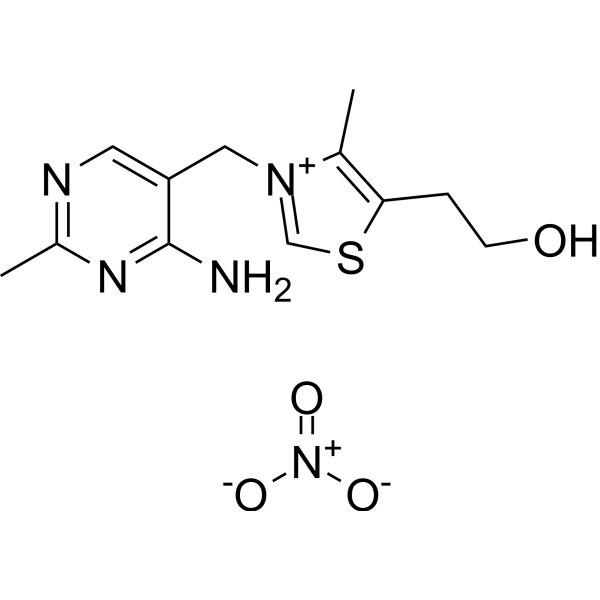
Thiamine Disulfide Nitrate is a biochemical reagent that can be used as a biological material or organic compound for life science related research.
|
-
- HY-106914
-
|
ITF 296
|
NO Synthase
|
Cardiovascular Disease
|
|
Sinitrodil (ITF 296) is an orally active organic nitrate with anti-ischaemic effect. Sinitrodil can be used for acute and chronic heart diseases research .
|
-
- HY-163103
-
|
|
Drug Isomer
|
Inflammation/Immunology
|
|
(S)-Isomyosmine is the S-enantiomer of Isomyosmine (HY-W701069). Isomyosmine is a nitrate reductase inhibitor. Isomyosmine is a nicotine related alkaloid present in solanecea plants containing nicotine. Isomyosmine can be used for research of inflammation and age-related disorders .
|
-
- HY-117618
-
|
|
Drug Derivative
|
Cardiovascular Disease
|
|
KF-14124, an orally active organic nitrate, a long-acting vasodilator with highly selective venous dilating action. KF-14124 is used in the study for angina pectoris. KF-14124 shows good oral inhibition of lysine-vasopressin induced coronary vasospasm with a potency .
|
-
- HY-171895
-
|
12-Nitro-9-cis,12-cis-octadecadienoic acid
|
PPAR
Interleukin Related
NF-κB
TNF Receptor
|
Inflammation/Immunology
|
|
12-Nitrolinoleate (12-Nitro-9-cis,12-cis-octadecadienoic acid) is an activator for peroxisome proliferator-activated receptor γ (PPARγ). 12-Nitrolinoleate is a nitrated form of linoleic acid. 12-Nitrolinoleate can be formed upon exposure to acidified nitrate and found in human red blood cells and plasma. 12-Nitrolinoleate can activate PPARγ-dependent gene expression in MCF-7 cells expressing PPARγ with an EC50 = 0.045 μM. 12-Nitrolinoleate is able to inhibit LPS (HY-D1056)-induced NF-κB transcription in RAW 264.7 cells. 12-Nitrolinoleate can inhibit IL-6, TNF-α and CCL2 induced by LPS .
|
-
- HY-176140
-
|
|
Fungal
Succinate Dehydrogenase
|
Infection
|
|
Succinate dehydrogenase-IN-9 (Compound Iik) is a succinate dehydrogenase inhibitor (IC50: 3.6 μM). Succinate dehydrogenase-IN-9 exhibits potent inhibitory activity against various fungal species (eg: inhibits S. sclerotiorum with an EC50 value of 1.14 μg/mL. Succinate dehydrogenase-IN-9 enhances the nitrate reductase activity, thereby facilitating plant growth .
|
-
- HY-B2221S5
-
|
|
Isotope-Labeled Compounds
Endogenous Metabolite
|
Others
|
|
U- 13C Cellulose from broccoli is the 13C labeled Cellulose (HY-B2221). Cellulose is a natural high molecular weight polysaccharide found in many plants and organisms. It is widely used in manufacturing industries, such as in paper making, textiles, food and medicine, etc. As a renewable resource, Cellulose is biodegradable and sustainable, and can also be used to manufacture chemicals such as Cellulose Esters, Cellulose Acetate and Cellulose Nitrate. In addition, Cellulose is often used as a food additive to increase the stability and quality of food .
|
-
- HY-B2221S3
-
|
|
Isotope-Labeled Compounds
Endogenous Metabolite
|
Others
|
|
U- 13C Cellulose high DP from maize is the 13C labeled Cellulose (HY-B2221). Cellulose (Pectin glycosidase) is a natural high molecular weight polysaccharide found in many plants and organisms. It is widely used in manufacturing industries, such as in paper making, textiles, food and medicine, etc. As a renewable resource, Cellulose is biodegradable and sustainable, and can also be used to manufacture chemicals such as Cellulose Esters, Cellulose Acetate and Cellulose Nitrate. In addition, Cellulose is often used as a food additive to increase the stability and quality of food .
|
-
- HY-W003969R
-
|
Ascensil (Standard); 2-Amino-4-methylpyridine (Standard)
|
Reference Standards
NO Synthase
|
Others
|
|
Aminopicoline (Standard) is the analytical standard of Aminopicoline. Aminopicoline (Ascensil) is a potent and non-selective inhibitor of nitric oxide synthase (NOS) isoenzymes (iNOS, nNOS, eNOS). Aminopicoline competes with arginine at the substrate-binding site of nitric oxide synthase, reduces cellular nitric oxide production, inhibits the elevation of plasma nitrate, increases mean arterial pressure at high doses, and also serves as a basis for radiolabeled ligands to localize nitric oxide synthase binding sites. Aminopicoline can be used in the research of diseases associated with septic shock, joint inflammation, intestinal inflammation, and CNS inflammation 。
|
-
- HY-N2362S5
-
|
DL-2-Aminopropionic acid-15N
|
Endogenous Metabolite
|
Metabolic Disease
|
|
DL-Alanine- 15N is the 15N labeled DL-Alanine . DL-alanine, an amino acid, is the racemic compound of L- and D-alanine. DL-alanine is employed both as a reducing and a capping agent, used with silver nitrate aqueous solutions for the production of nanoparticles. DL-alanine can be used for the research of transition metals chelation, such as Cu(II), Zn(II), Cd(11). DL-alanine, a sweetener, is classed together with glycine, and sodium saccharin. DL-alanine plays a key role in the glucose-alanine cycle between tissues and liver .
|
-
- HY-P1032S
-
|
|
Isotope-Labeled Compounds
Endogenous Metabolite
|
Others
|
|
Angiotensin I- 13C19, 15N3 (human, mouse, rat) is the 13C and 15N labeled Angiotensin I (human, mouse, rat) (HY-P1032). Cellulose (Pectin glycosidase) is a natural high molecular weight polysaccharide found in many plants and organisms. It is widely used in manufacturing industries, such as in paper making, textiles, food and medicine, etc. As a renewable resource, Cellulose is biodegradable and sustainable, and can also be used to manufacture chemicals such as Cellulose Esters, Cellulose Acetate and Cellulose Nitrate. In addition, Cellulose is often used as a food additive to increase the stability and quality of food .
|
-
- HY-108291
-
|
|
Others
|
Cardiovascular Disease
|
|
Propatyl nitrate is a coronary vasodilator. Propatyl nitrate is also a nitric oxide donor. Propatyl nitrate can be used in research on cardiovascular and cerebrovascular diseases such as acute angina attacks .
|
-
- HY-N2079A
-
-
- HY-P2996C
-
|
|
Biochemical Assay Reagents
|
Metabolic Disease
|
|
Nitrate Reductase (cytochrome), Escherichia coli (EC 1.9.6.1) is an enzyme of ferrocytochrome: nitrate oxidoreductase. Nitrate Reductase (cytochrome), Escherichia coli (EC 1.9.6.1) catalyzes the following chemical reaction: ferrocytochrome, H+, and nitrate to produce ferrocytochrome and nitrite.
|
-
- HY-P2996E
-
-
- HY-P2996D
-
-
- HY-179182B
-
-
- HY-182653
-
|
|
Biochemical Assay Reagents
|
Others
|
|
Miller Medium (Agar-Free, Sucrose-Free) is mainly composed of potassium nitrate, calcium nitrate, magnesium sulfate, and phosphate, with a potassium nitrate concentration of 1000 mg/L and an ammonium nitrate concentration of 1000 mg/L. Miller Medium (Agar-Free, Sucrose-Free) has a high nitrate content and is a sterile solution.
|
-
- HY-182650C
-
|
|
Biochemical Assay Reagents
|
Others
|
|
Nitsch Medium (Agar-Free, Sucrose-Free) is mainly composed of potassium nitrate, calcium chloride, magnesium sulfate, and phosphates. The concentrations are: potassium nitrate 2575.5 mg/L, magnesium sulfate 246.5 mg/L, and ammonium nitrate 720 mg/L. Nitsch Medium (Agar-Free, Sucrose-Free) has a high vitamin content and is a sterile solution.
|
-
- HY-179181
-
|
|
Biochemical Assay Reagents
|
Others
|
|
The composition of 1/4 MS Medium is similar to that of standard MS medium, but the concentration of macroelements (ammonium nitrate, potassium nitrate, calcium chloride, magnesium sulfate, potassium dihydrogen phosphate, etc.) is diluted to one-quarter of the original concentration.
|
-
- HY-179181A
-
|
|
Biochemical Assay Reagents
|
Others
|
|
The composition of 1/4 MS Medium (Agar-Free, Sucrose-Free) is similar to that of standard MS medium, but the concentration of macroelements (ammonium nitrate, potassium nitrate, calcium chloride, magnesium sulfate, potassium dihydrogen phosphate, etc.) is diluted to one-quarter of the original concentration.
|
-
- HY-182738B
-
|
|
Biochemical Assay Reagents
|
Others
|
|
White Medium (With Sucrose) is mainly composed of potassium nitrate, calcium chloride, magnesium sulfate, and phosphate, with potassium nitrate concentration of 80 mg/L and magnesium sulfate concentration of 720 mg/L. White Medium (With Sucrose) has a low concentration of inorganic salts and is primarily used for culturing plant roots, embryos, and general tissues; it is a sterile solution.
|
-
- HY-182653B
-
|
|
Biochemical Assay Reagents
|
Others
|
|
Miller Medium (With Sucrose) is mainly composed of potassium salts, calcium salts, magnesium sulfate, and phosphates, with a potassium salt concentration of 1000 mg/L and an ammonium salt concentration of 1000 mg/L. Miller Medium (With Sucrose) has a high nitrate content and is a sterile solution.
|
-
- HY-182653A
-
|
|
Biochemical Assay Reagents
|
Others
|
|
Miller Medium (With Sucrose, Agar) is mainly composed of potassium salts, calcium salts, magnesium sulfate, and phosphates, with a potassium salt concentration of 1000 mg/L and an ammonium salt concentration of 1000 mg/L. Miller Medium (With Sucrose, Agar) has a high nitrate content and is a sterile solution.
|
-
- HY-B2105
-
|
Tetranitrate; Nitroerythrite
|
Drug Derivative
|
Cardiovascular Disease
|
|
Erythrityl tetranitrate (Tetranitrate; Nitroerythrite), a nitrate ester, is a long-acting vasodilator with properties similar to nitroglycerin. Erythrityl tetranitrate decreases the counter load of the heart and improvement of the pump function of left ventricle in an acute experiment in case of chronic cardiac insufficiency with stasis .
|
-
- HY-182654B
-
|
|
Biochemical Assay Reagents
|
Others
|
|
MT Medium (With Sucrose) is mainly composed of potassium salts, calcium chloride, magnesium sulfate, and phosphates. The potassium salt concentration is 1650 mg/L, the magnesium sulfate concentration is 370 mg/L, and the inositol concentration is 100 mg/L. MT MT Medium (With Sucrose) has a high vitamin content, as well as high nitrate and thiamine content, and is a sterile solution.
|
-
- HY-182654A
-
|
|
Biochemical Assay Reagents
|
Others
|
|
MT Medium (With Sucrose, Agar) is mainly composed of potassium salts, calcium chloride, magnesium sulfate, and phosphates. The potassium salt concentration is 1650 mg/L, the magnesium sulfate concentration is 370 mg/L, and the inositol concentration is 100 mg/L. MT Medium (With Sucrose, Agar) has a high vitamin content, as well as high nitrate and thiamine content, and is a sterile solution.
|
-
- HY-P2749A
-
|
|
Biochemical Assay Reagents
|
Metabolic Disease
|
|
L-Glutamine Synthetase, Escherichia coli (EC 6.3.1.2) is an enzyme that plays an important role in nitrogen metabolism, catalyzing the condensation of glutamate and ammonia to produce glutamine. L-Glutamine Synthetase, Escherichia coli (EC 6.3.1.2) utilizes ammonia produced by nitrate reduction, amino acid degradation, and photorespiration.
|
-
- HY-182654
-
|
|
Biochemical Assay Reagents
|
Others
|
|
MT Medium (Agar-Free, Sucrose-Free) is mainly composed of potassium salts, calcium chloride, magnesium sulfate, and phosphates. The potassium salt concentration is 1650 mg/L, the magnesium sulfate concentration is 370 mg/L, and the inositol concentration is 100 mg/L. MT Medium (Agar-Free, Sucrose-Free) has a high vitamin content, as well as high nitrate and thiamine content, and is a sterile solution.
|
-
- HY-180370
-
|
NitroSynapsin; YQW-036; NMI-6979
|
iGluR
Drug Derivative
|
Cardiovascular Disease
Neurological Disease
|
|
Nitromemantine (NitroSynapsin) is a nitrate derivative of Memantine (HY-B0591) and is a dual-functional NMDAR antagonist. Nitromemantine exhibits significant efficacy in rodent models of cerebral infarction through a dual mechanism of blocking channels and regulating receptors via NO/redox regulation. Nitromemantine can target ischemic neurons under hypoxic conditions and enhance its activity. Nitromemantine inhibits the current induced by NMDA, with its IC50 being 2.4 μM. Nitromemantine can be used for the study of cerebral ischemic stroke .
|
-
- HY-N2362S
-
|
DL-2-Aminopropionic acid-13C-1
|
Endogenous Metabolite
|
Metabolic Disease
|
|
DL-Alanine- 13C-1 is the 13C-labeled DL-Alanine. DL-alanine, an amino acid, is the racemic compound of L- and D-alanine. DL-alanine is employed both as a reducing and a capping agent, used with silver nitrate aqueous solutions for the production of nanoparticles. DL-alanine can be used for the research of transition metals chelation, such as Cu(II), Zn(II), Cd(11). DL-alanine, a sweetener, is classed together with glycine, and sodium saccharin. DL-alanine plays a key role in the glucose-alanine cycle between tissues and liver .
|
-
- HY-N2362S1
-
|
DL-2-Aminopropionic acid-13C-3
|
Isotope-Labeled Compounds
Endogenous Metabolite
|
Metabolic Disease
|
|
DL-Alanine- 13C-3 is the 13C-labeled DL-Alanine. DL-alanine, an amino acid, is the racemic compound of L- and D-alanine. DL-alanine is employed both as a reducing and a capping agent, used with silver nitrate aqueous solutions for the production of nanoparticles. DL-alanine can be used for the research of transition metals chelation, such as Cu(II), Zn(II), Cd(11). DL-alanine, a sweetener, is classed together with glycine, and sodium saccharin. DL-alanine plays a key role in the glucose-alanine cycle between tissues and liver .
|
-
- HY-W086988
-
|
5-Methylbenzotriazole
|
Biochemical Assay Reagents
|
Others
|
|
5-Methyl-1H-benzotriazole (5-Methylbenzotriazole) is a benzotriazole derivative, and serves as a key building block for ultraviolet absorbers and light stabilizers. 5-Methyl-1H-benzotriazole reduces the photosensitizing ability of nitrate and dissolved organic matter (DOM), enhances the persistence of microorganic pollutants, inhibits the photodegradation of DOM and drug residues, and quenches the triplet excited states of DOM and methotrexate substructures. 5-Methyl-1H-benzotriazole acts as a corrosion inhibitor for copper and copper alloys, and is present in formulations of anti-icing fluids, dishwasher detergents, aircraft deicing fluids and automotive antifreezes .
|
-
- HY-N2362S8
-
|
DL-2-Aminopropionic acid-d7
|
Isotope-Labeled Compounds
|
Metabolic Disease
|
|
DL-Alanine-d7 (DL-2-Aminopropionic acid-d7) is deuterium labeled DL-Alanine. DL-alanine, an orally active amino acid, is the racemic compound of L- and D-alanine. DL-alanine is employed both as a reducing and a capping agent, used with silver nitrate aqueous solutions for the production of nanoparticles. DL-alanine can be used for the research of transition metals chelation, such as Cu(II), Zn(II), Cd(11). DL-alanine, a sweetener, is classed together with glycine and sodium saccharin. DL-alanine plays a key role in the glucose-alanine cycle between tissues and liver .
|
-
- HY-N2362S9
-
|
DL-2-Aminopropionic acid-13C2,15N2
|
Isotope-Labeled Compounds
Endogenous Metabolite
|
Metabolic Disease
|
|
DL-Alanine- 13C2, 15N (DL-2-Aminopropionic acid- 13C2, 15N) is 13C and 15N labeled DL-Alanine. DL-alanine, an orally active amino acid, is the racemic compound of L- and D-alanine. DL-alanine is employed both as a reducing and a capping agent, used with silver nitrate aqueous solutions for the production of nanoparticles. DL-alanine can be used for the research of transition metals chelation, such as Cu(II), Zn(II), Cd(11). DL-alanine, a sweetener, is classed together with glycine and sodium saccharin. DL-alanine plays a key role in the glucose-alanine cycle between tissues and liver .
|
-
- HY-19230
-
|
|
Calmodulin
NO Synthase
CaMK
Calcineurin
Proteasome
Caspase
|
Cardiovascular Disease
|
|
DY-9760e is a calmodulin (CaM) inhibitor. DY-9760e selectively inhibits the activity of various calmodulin-dependent enzymes by antagonizing the Ca²⁺/CaM complex, exhibiting the strongest inhibitory activity against nNOS, CaM kinase II, and calcineurin (Ki: 0.9, 1.4, and 2.0 μM, respectively). DY-9760e inhibits excessive nitric oxide production and protein tyrosine nitration, as well as the activation of calpain and caspase-3. DY-9760e reduces infarct size, improves cardiac function, and inhibits oxidative stress and cell death. DY-9760e can be used in research on the treatment of myocardial infarction, cerebral ischemia, and other diseases .
|
-
- HY-D1056C1
-
|
LPS, from Salmonella enterica (Serotype enteritidis)
|
Toll-like Receptor (TLR)
|
Inflammation/Immunology
|
Lipopolysaccharides, from S. enterica (Salmonella enterica) serotype enteritidis are lipopolysaccharide endotoxins and TLR-4 activators derived from the enteritidis serotype of S. enterica, classified as S-type LPS, which can activate pathogen-associated molecular patterns (PAMP) of the immune system and induce cellular secretion of migrasomes. Lipopolysaccharides, from S. enterica serotype enteritidis exhibit a typical three-part structure: O-antigen, core oligosaccharide, and lipid A. Lipopolysaccharides, from S. enterica serotype enteritidis can induce systemic inflammatory responses, increasing levels of TNF-α, IFN-γ, IL-6, IL-10, and nitrate in plasma .
It is recommended to prepare a solution with concentration ≥2 mg/mL. Vortex thoroughly for more than 10 minutes. Due to the adsorption characteristics of LPS, silanized container or low adsorption centrifuge tubes should be used for aliquoting and storage, and mix thoroughly before use.
|
-
- HY-W011168
-
|
|
Nucleoside Antimetabolite/Analog
DNA/RNA Synthesis
|
Inflammation/Immunology
Cancer
|
|
8-Bromo-2'-deoxyguanosine is an inflammation-related DNA halogenated adduct and an early biomarker of inflammation-induced oxidative tissue damage. The formation of 8-Bromo-2'-deoxyguanosine precedes that of oxidative and nitrative products, and it can be generated via the MPO-H2O2-Cl --Br - system. 8-Bromo-2'-deoxyguanosine serves as the immunogen for preparing the monoclonal antibody mAb8B3, which can be used to detect early DNA modifications in preclinical models; its urinary level also increases significantly in inflammatory disease models. 8-Bromo-2'-deoxyguanosine can also be produced in the dermis of UV-B irradiated mice, and the extract of Coprinus comatus significantly reduces its level. 8-Bromo-2'-deoxyguanosine finds applications in studies related to inflammatory diseases, diabetes, hepatocellular carcinoma, and UV-B induced skin inflammation .
|
-
- HY-W767399
-
|
|
Isotope-Labeled Compounds
DNA/RNA Synthesis
Nucleoside Antimetabolite/Analog
|
Cancer
|
|
8-Bromo-2'-deoxyguanosine- 13C, 15N2 is the 13C- and 15N-labeled 8-Bromo-2'-deoxyguanosine (HY-W011168). 8-Bromo-2'-deoxyguanosine is an inflammation-related DNA halogenated adduct and an early biomarker of inflammation-induced oxidative tissue damage. The formation of 8-Bromo-2'-deoxyguanosine precedes that of oxidative and nitrative products, and it can be generated via the MPO-H2O2-Cl --Br - system. 8-Bromo-2'-deoxyguanosine serves as the immunogen for preparing the monoclonal antibody mAb8B3, which can be used to detect early DNA modifications in preclinical models; its urinary level also increases significantly in inflammatory disease models. 8-Bromo-2'-deoxyguanosine can also be produced in the dermis of UV-B irradiated mice, and the extract of Coprinus comatus significantly reduces its level. 8-Bromo-2'-deoxyguanosine finds applications in studies related to inflammatory diseases, diabetes, hepatocellular carcinoma, and UV-B induced skin inflammation .
|
-
| Cat. No. |
Product Name |
Type |
-
- HY-D0222
-
|
|
Fluorescent Dyes
|
|
N,N-Dimethyl-1-naphthylamine is an aromatic amine and a dye. N,N-Dimethyl-1-naphthylamine can be used in nitrate reduction test .
|
| Cat. No. |
Product Name |
Type |
-
- HY-W116336D
-
|
|
Biochemical Assay Reagents
|
|
Zinc oxide, <100 nm particle size is a nitrate reductase modulator and growth promoter with plant stress resistance activity and oral toxicity. Zinc oxide, <100 nm particle size acts as a nutrient source for maize plants. By enhancing nitrate reductase activity and reducing free proline levels, it significantly improves plant height, root length and dry matter weight of maize, and its growth-promoting effect is comparable to that of traditional zinc sulfate fertilizer. Zinc oxide, <100 nm particle size induces anemia-related and persistent tissue inflammatory damage, leading to obvious histopathological adverse reactions in the stomach, pancreas, eyes and prostate of rats. Zinc oxide, <100 nm particle size acts as a non-toxic antibacterial agent and selective cytotoxin against multiple bacteria, fungi and spores .
|
-
- HY-W127702
-
|
Methscopolamine nitrate
|
Biochemical Assay Reagents
|
|
Scopolamine methyl nitrate is an organic compound commonly used in neuroscience research and pharmacology research. It can be used to study the role and structure of acetylcholine receptors, and is widely used in drug development and research in related fields. In addition, this compound is also used as a substrate or catalyst in certain biochemical reactions.
|
-
- HY-159051
-
|
|
Biochemical Assay Reagents
|
|
Dragendorff reagent is used for detecting alkaloids and other nitrogen-containing compounds. Dragendorff reagent is a solution of potassium bismuth iodide composing of Basic bismuth nitrate (Bi(NO3)3), Tartaric acid (HY-N2436), and Potassium iodide (KI). When contact with alkaloids, Dragendorff reagent produces an orange or orange red precipitate .
|
-
- HY-D1056C1
-
|
LPS, from Salmonella enterica (Serotype enteritidis)
|
Biochemical Assay Reagents
|
Lipopolysaccharides, from S. enterica (Salmonella enterica) serotype enteritidis are lipopolysaccharide endotoxins and TLR-4 activators derived from the enteritidis serotype of S. enterica, classified as S-type LPS, which can activate pathogen-associated molecular patterns (PAMP) of the immune system and induce cellular secretion of migrasomes. Lipopolysaccharides, from S. enterica serotype enteritidis exhibit a typical three-part structure: O-antigen, core oligosaccharide, and lipid A. Lipopolysaccharides, from S. enterica serotype enteritidis can induce systemic inflammatory responses, increasing levels of TNF-α, IFN-γ, IL-6, IL-10, and nitrate in plasma .
It is recommended to prepare a solution with concentration ≥2 mg/mL. Vortex thoroughly for more than 10 minutes. Due to the adsorption characteristics of LPS, silanized container or low adsorption centrifuge tubes should be used for aliquoting and storage, and mix thoroughly before use.
|
-
- HY-W401947
-
|
|
Biochemical Assay Reagents
|
|
Isosorbide 2-Nitrate is a nitrate that acts as a vasodilator. Isosorbide 2-Nitrate acts by releasing nitric oxide, which subsequently activates guanylate cyclase in smooth muscle cells .
|
-
- HY-W127677
-
|
N,N,N-Triethylethanaminium nitrate
|
Biochemical Assay Reagents
|
|
Tetraethylammonium nitrate is a quaternary ammonium salt commonly used as an electrolyte in various chemical reactions, especially in electrochemistry and battery technology. Tetraethylammonium nitrate has unique chemical properties that make it an important ingredient in a variety of industrial processes, including the production of advanced materials and electronic components.
|
-
- HY-W923770
-
|
|
Biochemical Assay Reagents
|
|
N-(1-Naphthyl)ethylenediamine dihydrochloride monomethanolate is a reagent that can be used for the spectrophotometric determination of nitrite and nitrate .
|
-
- HY-179182
-
-
- HY-179182A
-
|
|
Biochemical Assay Reagents
|
|
Hoagland Nutrient Solution (Phosphorus-Free, Calcium nitrate-Free) is a nutrient solution for hydroponics of plants .
|
-
- HY-B2173
-
|
|
Biochemical Assay Reagents
|
|
Thiamine Disulfide Nitrate is a biochemical reagent that can be used as a biological material or organic compound for life science related research.
|
-
- HY-179182B
-
|
|
Biochemical Assay Reagents
|
|
Hoagland Nutrient Solution (Phosphorus deficiency, Calcium nitrate-Free) is a nutrient solution for hydroponics of plants .
|
-
- HY-182653
-
|
|
Biochemical Assay Reagents
|
|
Miller Medium (Agar-Free, Sucrose-Free) is mainly composed of potassium nitrate, calcium nitrate, magnesium sulfate, and phosphate, with a potassium nitrate concentration of 1000 mg/L and an ammonium nitrate concentration of 1000 mg/L. Miller Medium (Agar-Free, Sucrose-Free) has a high nitrate content and is a sterile solution.
|
-
- HY-182650C
-
|
|
Biochemical Assay Reagents
|
|
Nitsch Medium (Agar-Free, Sucrose-Free) is mainly composed of potassium nitrate, calcium chloride, magnesium sulfate, and phosphates. The concentrations are: potassium nitrate 2575.5 mg/L, magnesium sulfate 246.5 mg/L, and ammonium nitrate 720 mg/L. Nitsch Medium (Agar-Free, Sucrose-Free) has a high vitamin content and is a sterile solution.
|
-
- HY-179181
-
|
|
Biochemical Assay Reagents
|
|
The composition of 1/4 MS Medium is similar to that of standard MS medium, but the concentration of macroelements (ammonium nitrate, potassium nitrate, calcium chloride, magnesium sulfate, potassium dihydrogen phosphate, etc.) is diluted to one-quarter of the original concentration.
|
-
- HY-179181A
-
|
|
Biochemical Assay Reagents
|
|
The composition of 1/4 MS Medium (Agar-Free, Sucrose-Free) is similar to that of standard MS medium, but the concentration of macroelements (ammonium nitrate, potassium nitrate, calcium chloride, magnesium sulfate, potassium dihydrogen phosphate, etc.) is diluted to one-quarter of the original concentration.
|
-
- HY-182738B
-
|
|
Biochemical Assay Reagents
|
|
White Medium (With Sucrose) is mainly composed of potassium nitrate, calcium chloride, magnesium sulfate, and phosphate, with potassium nitrate concentration of 80 mg/L and magnesium sulfate concentration of 720 mg/L. White Medium (With Sucrose) has a low concentration of inorganic salts and is primarily used for culturing plant roots, embryos, and general tissues; it is a sterile solution.
|
-
- HY-182653B
-
|
|
Biochemical Assay Reagents
|
|
Miller Medium (With Sucrose) is mainly composed of potassium salts, calcium salts, magnesium sulfate, and phosphates, with a potassium salt concentration of 1000 mg/L and an ammonium salt concentration of 1000 mg/L. Miller Medium (With Sucrose) has a high nitrate content and is a sterile solution.
|
-
- HY-182653A
-
|
|
Biochemical Assay Reagents
|
|
Miller Medium (With Sucrose, Agar) is mainly composed of potassium salts, calcium salts, magnesium sulfate, and phosphates, with a potassium salt concentration of 1000 mg/L and an ammonium salt concentration of 1000 mg/L. Miller Medium (With Sucrose, Agar) has a high nitrate content and is a sterile solution.
|
-
- HY-182654B
-
|
|
Biochemical Assay Reagents
|
|
MT Medium (With Sucrose) is mainly composed of potassium salts, calcium chloride, magnesium sulfate, and phosphates. The potassium salt concentration is 1650 mg/L, the magnesium sulfate concentration is 370 mg/L, and the inositol concentration is 100 mg/L. MT MT Medium (With Sucrose) has a high vitamin content, as well as high nitrate and thiamine content, and is a sterile solution.
|
-
- HY-182654A
-
|
|
Biochemical Assay Reagents
|
|
MT Medium (With Sucrose, Agar) is mainly composed of potassium salts, calcium chloride, magnesium sulfate, and phosphates. The potassium salt concentration is 1650 mg/L, the magnesium sulfate concentration is 370 mg/L, and the inositol concentration is 100 mg/L. MT Medium (With Sucrose, Agar) has a high vitamin content, as well as high nitrate and thiamine content, and is a sterile solution.
|
-
- HY-182654
-
|
|
Biochemical Assay Reagents
|
|
MT Medium (Agar-Free, Sucrose-Free) is mainly composed of potassium salts, calcium chloride, magnesium sulfate, and phosphates. The potassium salt concentration is 1650 mg/L, the magnesium sulfate concentration is 370 mg/L, and the inositol concentration is 100 mg/L. MT Medium (Agar-Free, Sucrose-Free) has a high vitamin content, as well as high nitrate and thiamine content, and is a sterile solution.
|
| Cat. No. |
Product Name |
Target |
Research Area |
-
- HY-W041988
-
|
|
Bacterial
|
Infection
|
|
Fmoc-Glu-OMe is a glutamic acid derivative. Fmoc-Glu-OMe exhibits significant antibacterial activity and excellent gelation properties in silver nitrate (AgNO3) solution. Fmoc-Glu-OMe promotes wound healing in rat models and eliminates bacteria in MRSA-infected rat wound models. Fmoc-Glu-OMe can be used in studies related to wound infections and MRSA-infected wounds .
|
-
- HY-P1032S
-
|
|
Isotope-Labeled Compounds
Endogenous Metabolite
|
Others
|
|
Angiotensin I- 13C19, 15N3 (human, mouse, rat) is the 13C and 15N labeled Angiotensin I (human, mouse, rat) (HY-P1032). Cellulose (Pectin glycosidase) is a natural high molecular weight polysaccharide found in many plants and organisms. It is widely used in manufacturing industries, such as in paper making, textiles, food and medicine, etc. As a renewable resource, Cellulose is biodegradable and sustainable, and can also be used to manufacture chemicals such as Cellulose Esters, Cellulose Acetate and Cellulose Nitrate. In addition, Cellulose is often used as a food additive to increase the stability and quality of food .
|
| Cat. No. |
Product Name |
Category |
Target |
Chemical Structure |
-
- HY-B1006
-
-
-
- HY-B2221
-
-
-
- HY-B2223
-
-
-
- HY-N2362
-
-
-
- HY-W011393
-
-
-
- HY-N4238
-
-
-
- HY-B2223R
-
-
-
- HY-B1006R
-
-
-
- HY-114881
-
|
NSC 246118
|
Microorganisms
Antibiotics
Other Antibiotics
Source Classification
|
Fungal
|
|
Frequentin, a secondary metabolite produced by Penicillium janthinellum, is influenced by environmental conditions such as cadmium nitrate and sodium chloride concentrations. In cadmium nitrate-free medium, P. janthinellum produces cyclopenin, carlosic acid, erythroskyrin, kojic acid, and patulin. At 100 ppm cadmium nitrate, it produces cyclopenin, carlosic acid, frequentin, and islandicin. In the presence of sodium chloride, frequentin is produced at 2% and 3% concentrations. These findings indicate that frequentin production is sensitive to specific environmental stressors, highlighting its potential variability under different growth conditions .
|
-
| Cat. No. |
Compare |
Product Name |
Species |
Source |
Image |
Compare Products
|
| Products |
|
| Cat. No. |
|
| Species |
|
| Source |
|
| Tag |
|
| Accession |
|
| Gene ID |
|
| Molecular Weight |
|
| Purity |
|
| Endotoxin Level |
|
| Biological Activity |
|
| Appearance |
|
| Formulation |
|
| Storage & Stability |
|
| Shipping |
|
| Free Sample |
Yes
No
|
| Size |
* This product has been "discontinued".
Optimized version of product available:
|
| Cat. No. |
Product Name |
Chemical Structure |
-
- HY-B2221S1
-
|
|
|
U- 13C Cellulose from chicory is the 13C labeled Cellulose (HY-B2221). Cellulose (Pectin glycosidase) is a natural high molecular weight polysaccharide found in many plants and organisms. It is widely used in manufacturing industries, such as in paper making, textiles, food and medicine, etc. As a renewable resource, Cellulose is biodegradable and sustainable, and can also be used to manufacture chemicals such as Cellulose Esters, Cellulose Acetate and Cellulose Nitrate. In addition, Cellulose is often used as a food additive to increase the stability and quality of food .
|
-
-
- HY-N2362S2
-
|
|
|
DL-Alanine-d3 is the deuterium labeled DL-Alanine. DL-alanine, an amino acid, is the racemic compound of L- and D-alanine. DL-alanine is employed both as a reducing and a capping agent, used with silver nitrate aqueous solutions for the production of nanoparticles. DL-alanine can be used for the research of transition metals chelation, such as Cu(II), Zn(II), Cd(11). DL-alanine, a sweetener, is classed together with glycine, and sodium saccharin. DL-alanine plays a key role in the glucose-alanine cycle between tissues and liver .
|
-
-
- HY-B2221S
-
|
|
|
U- 13C Cellulose high DP from potato is the 13C labeled Cellulose (HY-B2221). Cellulose (Pectin glycosidase) is a natural high molecular weight polysaccharide found in many plants and organisms. It is widely used in manufacturing industries, such as in paper making, textiles, food and medicine, etc. As a renewable resource, Cellulose is biodegradable and sustainable, and can also be used to manufacture chemicals such as Cellulose Esters, Cellulose Acetate and Cellulose Nitrate. In addition, Cellulose is often used as a food additive to increase the stability and quality of food .
|
-
-
- HY-W705651
-
|
|
|
Econazole nitrate-d6 is deuterium labeled Econazole (nitrate). Econazole nitrate is an imidazole class antifungal medication . Econazole nitrate also has antibacterial activity .
|
-
-
- HY-12784S1
-
|
|
|
Cycloguanil-d6 (Chlorguanide triazine-d6) nitrate is the deuterium labeled Cycloguanil nitrate. Cycloguanil nitrate is a dihydrofolate reductase (DHFR) inhibitor with an IC50 of 10.8 μM against human DHFR. Cycloguanil nitrate blocks the folate metabolic pathway, thereby affecting nucleotide synthesis and interfering with DNA replication. Cycloguanil nitrate inhibits DHFR in Plasmodium and is thus used in malaria research. Cycloguanil nitrate also potently inhibits DHFR in human cancer cells and blocks the transcriptional activity of STAT3, thereby exhibiting anticancer activity .
|
-
-
- HY-B0454AS
-
|
|
|
Miconazole-d5 (nitrate) (2,4-Dichlorobenzyloxy-d5) is the deuterium labeled Miconazole nitrate. Miconazole nitrate (R18134 nitrate) is an imidazole antifungal agent. Miconazole nitrate also has antibacterial effects .
|
-
-
- HY-W700028
-
|
|
|
rac Butoconazole-d5 Nitrate is the deuterium labeled rac Butoconazole Nitrate.
|
-
-
- HY-101559S
-
|
|
|
10-Nitrooleate-d17 (nitrate) is the deuterium labeled 10-Nitrooleic acid nitrate. 10-Nitrooleic acid (CXA-10) nitrate, a nitro fatty acid, has potential effects in disease states in which oxidative stress, inflammation, fibrosis, and/or direct tissue toxicity play significant roles .
|
-
-
- HY-B0454S1
-
|
|
|
Miconazole-d5 (nitrate) is the deuterium labeled Miconazole. Miconazole (R18134) is an imidazole antifungal agent. Miconazole also has antibacterial effects .
|
-
-
- HY-B0847S1
-
|
|
|
Propiconazole-d3 (nitrate) is the deuterium labeled Propiconazole nitrate. Propiconazole is a broad-spectrum triazole fungicide that inhibits the conversion of lanosterol to ergosterol, leading to fungal cell membrane disruption. Propiconazole inhibits S. cerevisiae, but not rat liver, microsomal cytochrome P450 (IC50s=0.04 and >200 µM, respectively). Propiconazole inhibits the growth of T. deformans and R. stolonifer (ED50s=0.073 and 4.6 µg/mL, respectively). Propiconazole increases production of reactive oxygen species (ROS).
|
-
-
- HY-B2221S5
-
|
|
|
U- 13C Cellulose from broccoli is the 13C labeled Cellulose (HY-B2221). Cellulose is a natural high molecular weight polysaccharide found in many plants and organisms. It is widely used in manufacturing industries, such as in paper making, textiles, food and medicine, etc. As a renewable resource, Cellulose is biodegradable and sustainable, and can also be used to manufacture chemicals such as Cellulose Esters, Cellulose Acetate and Cellulose Nitrate. In addition, Cellulose is often used as a food additive to increase the stability and quality of food .
|
-
-
- HY-B2221S3
-
|
|
|
U- 13C Cellulose high DP from maize is the 13C labeled Cellulose (HY-B2221). Cellulose (Pectin glycosidase) is a natural high molecular weight polysaccharide found in many plants and organisms. It is widely used in manufacturing industries, such as in paper making, textiles, food and medicine, etc. As a renewable resource, Cellulose is biodegradable and sustainable, and can also be used to manufacture chemicals such as Cellulose Esters, Cellulose Acetate and Cellulose Nitrate. In addition, Cellulose is often used as a food additive to increase the stability and quality of food .
|
-
-
- HY-N2362S5
-
|
|
|
DL-Alanine- 15N is the 15N labeled DL-Alanine . DL-alanine, an amino acid, is the racemic compound of L- and D-alanine. DL-alanine is employed both as a reducing and a capping agent, used with silver nitrate aqueous solutions for the production of nanoparticles. DL-alanine can be used for the research of transition metals chelation, such as Cu(II), Zn(II), Cd(11). DL-alanine, a sweetener, is classed together with glycine, and sodium saccharin. DL-alanine plays a key role in the glucose-alanine cycle between tissues and liver .
|
-
-
- HY-N2362S
-
|
|
|
DL-Alanine- 13C-1 is the 13C-labeled DL-Alanine. DL-alanine, an amino acid, is the racemic compound of L- and D-alanine. DL-alanine is employed both as a reducing and a capping agent, used with silver nitrate aqueous solutions for the production of nanoparticles. DL-alanine can be used for the research of transition metals chelation, such as Cu(II), Zn(II), Cd(11). DL-alanine, a sweetener, is classed together with glycine, and sodium saccharin. DL-alanine plays a key role in the glucose-alanine cycle between tissues and liver .
|
-
-
- HY-N2362S1
-
|
|
|
DL-Alanine- 13C-3 is the 13C-labeled DL-Alanine. DL-alanine, an amino acid, is the racemic compound of L- and D-alanine. DL-alanine is employed both as a reducing and a capping agent, used with silver nitrate aqueous solutions for the production of nanoparticles. DL-alanine can be used for the research of transition metals chelation, such as Cu(II), Zn(II), Cd(11). DL-alanine, a sweetener, is classed together with glycine, and sodium saccharin. DL-alanine plays a key role in the glucose-alanine cycle between tissues and liver .
|
-
-
- HY-P1032S
-
|
|
|
Angiotensin I- 13C19, 15N3 (human, mouse, rat) is the 13C and 15N labeled Angiotensin I (human, mouse, rat) (HY-P1032). Cellulose (Pectin glycosidase) is a natural high molecular weight polysaccharide found in many plants and organisms. It is widely used in manufacturing industries, such as in paper making, textiles, food and medicine, etc. As a renewable resource, Cellulose is biodegradable and sustainable, and can also be used to manufacture chemicals such as Cellulose Esters, Cellulose Acetate and Cellulose Nitrate. In addition, Cellulose is often used as a food additive to increase the stability and quality of food .
|
-
-
- HY-N2362S8
-
|
|
|
DL-Alanine-d7 (DL-2-Aminopropionic acid-d7) is deuterium labeled DL-Alanine. DL-alanine, an orally active amino acid, is the racemic compound of L- and D-alanine. DL-alanine is employed both as a reducing and a capping agent, used with silver nitrate aqueous solutions for the production of nanoparticles. DL-alanine can be used for the research of transition metals chelation, such as Cu(II), Zn(II), Cd(11). DL-alanine, a sweetener, is classed together with glycine and sodium saccharin. DL-alanine plays a key role in the glucose-alanine cycle between tissues and liver .
|
-
-
- HY-N2362S9
-
|
|
|
DL-Alanine- 13C2, 15N (DL-2-Aminopropionic acid- 13C2, 15N) is 13C and 15N labeled DL-Alanine. DL-alanine, an orally active amino acid, is the racemic compound of L- and D-alanine. DL-alanine is employed both as a reducing and a capping agent, used with silver nitrate aqueous solutions for the production of nanoparticles. DL-alanine can be used for the research of transition metals chelation, such as Cu(II), Zn(II), Cd(11). DL-alanine, a sweetener, is classed together with glycine and sodium saccharin. DL-alanine plays a key role in the glucose-alanine cycle between tissues and liver .
|
-
-
- HY-W767399
-
|
|
|
8-Bromo-2'-deoxyguanosine- 13C, 15N2 is the 13C- and 15N-labeled 8-Bromo-2'-deoxyguanosine (HY-W011168). 8-Bromo-2'-deoxyguanosine is an inflammation-related DNA halogenated adduct and an early biomarker of inflammation-induced oxidative tissue damage. The formation of 8-Bromo-2'-deoxyguanosine precedes that of oxidative and nitrative products, and it can be generated via the MPO-H2O2-Cl --Br - system. 8-Bromo-2'-deoxyguanosine serves as the immunogen for preparing the monoclonal antibody mAb8B3, which can be used to detect early DNA modifications in preclinical models; its urinary level also increases significantly in inflammatory disease models. 8-Bromo-2'-deoxyguanosine can also be produced in the dermis of UV-B irradiated mice, and the extract of Coprinus comatus significantly reduces its level. 8-Bromo-2'-deoxyguanosine finds applications in studies related to inflammatory diseases, diabetes, hepatocellular carcinoma, and UV-B induced skin inflammation .
|
-
| Cat. No. |
Product Name |
|
Classification |
-
- HY-B2221
-
|
Pectin glycosidase
|
|
Fillers
|
|
Cellulose (Pectin glycosidase) is a natural high molecular weight polysaccharide found in many plants and organisms. It is widely used in manufacturing industries, such as in paper making, textiles, food and medicine, etc. As a renewable resource, Cellulose is biodegradable and sustainable, and can also be used to manufacture chemicals such as Cellulose Esters, Cellulose Acetate and Cellulose Nitrate. In addition, Cellulose is often used as a food additive to increase the stability and quality of food.
|
-
- HY-W011168
-
|
|
|
Nucleoside Analogs
Guanosine
|
|
8-Bromo-2'-deoxyguanosine is an inflammation-related DNA halogenated adduct and an early biomarker of inflammation-induced oxidative tissue damage. The formation of 8-Bromo-2'-deoxyguanosine precedes that of oxidative and nitrative products, and it can be generated via the MPO-H2O2-Cl --Br - system. 8-Bromo-2'-deoxyguanosine serves as the immunogen for preparing the monoclonal antibody mAb8B3, which can be used to detect early DNA modifications in preclinical models; its urinary level also increases significantly in inflammatory disease models. 8-Bromo-2'-deoxyguanosine can also be produced in the dermis of UV-B irradiated mice, and the extract of Coprinus comatus significantly reduces its level. 8-Bromo-2'-deoxyguanosine finds applications in studies related to inflammatory diseases, diabetes, hepatocellular carcinoma, and UV-B induced skin inflammation .
|
Your information is safe with us. * Required Fields.
Inquiry Information
- Product Name:
- Cat. No.:
- Quantity:
- MCE Japan Authorized Agent:

