1. Search Result
Search Result
Results for "

peritoneal macrophage

" in MedChemExpress (MCE) Product Catalog:

37

Inhibitors & Agonists

2

Biochemical Assay Reagents

1

Peptides

2

Inhibitory Antibodies

11

Natural
Products

2

Isotope-Labeled Compounds

Cat. No. Product Name Target Research Areas Chemical Structure
  • HY-Y0520
    Itaconic acid
    2 Publications Verification

    Methylenesuccinic acid

    Endogenous Metabolite Ferroptosis Inflammation/Immunology Cancer
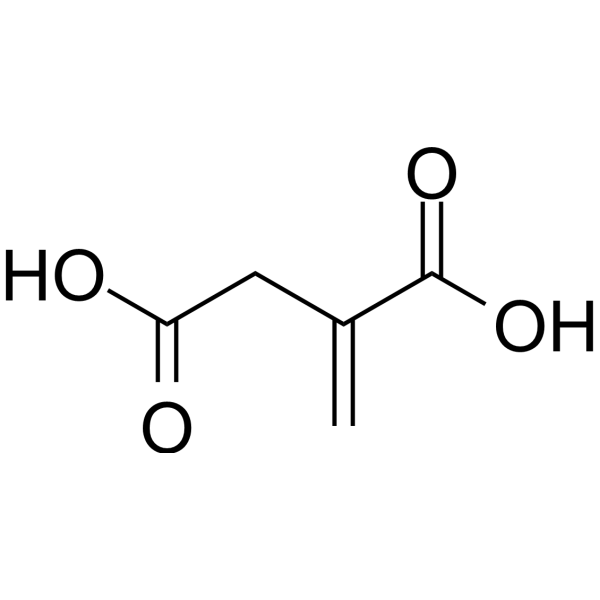
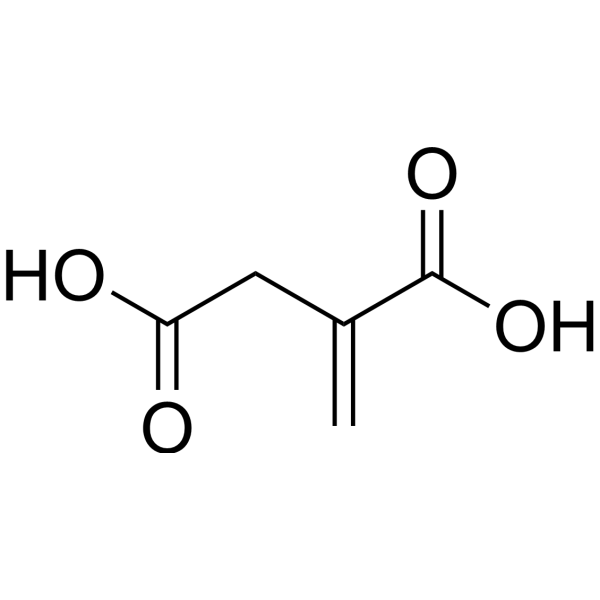
    Itaconic acid, a precursor of polymers, chemicals, and fuels, can be synthesized by many fungi. Itaconic acid also is a macrophage-specific metabolite. Itaconic acid mediates crosstalk between macrophage metabolism and peritoneal tumors. Itaconic acid has anti-inflammatory, anti-microbial and immunomodulatory effect .
    Itaconic acid
  • HY-103586
    GS-441524
    Maximum Cited Publications
    26 Publications Verification

    DNA/RNA Synthesis SARS-CoV Infection
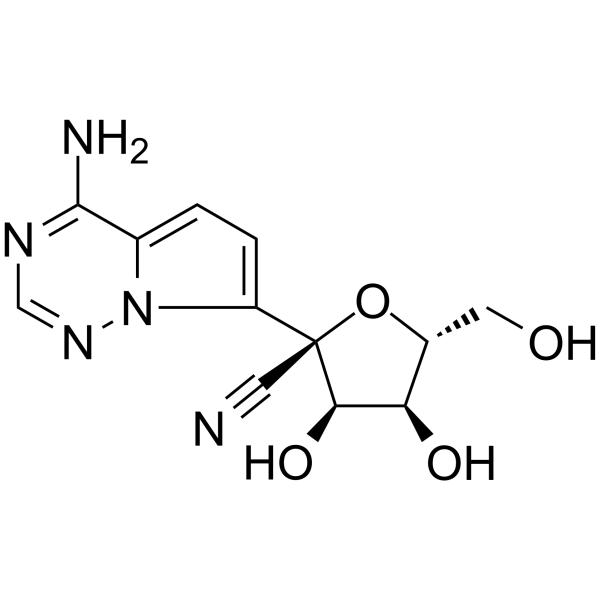
    GS-441524 is a potent, orally active and CNS-penetrant viral RNA-dependent RNA polymerase inhibitor. GS-441524 competes with natural nucleosides to block viral RNA transcription as an alternative substrate and RNA chain terminator. GS-441524 inhibits the replication of feline infectious peritonitis virus, African swine fever virus, and severe acute respiratory syndrome coronavirus 2. GS-441524 reduces viral RNA levels in cats. GS-441524 can be used in research related to feline infectious peritonitis, African swine fever, and coronavirus disease 2019 (COVID-19) .
    GS-441524
  • HY-122515
    Fulvic Acid
    1 Publications Verification

    Others Metabolic Disease Inflammation/Immunology
    Fulvic Acid is a natural product, which comes from humic substances produced by microorganisms in soil. Fulvic Acid can modulate the immune system, influence the oxidative state of cells, and improve gastrointestinal function. Fulvic Acid has the potential for researching chronic inflammatory diseases, including diabetes .
    Fulvic Acid
  • HY-18540
    KT109
    1 Publications Verification

    MAGL DAGL Metabolic Disease Inflammation/Immunology
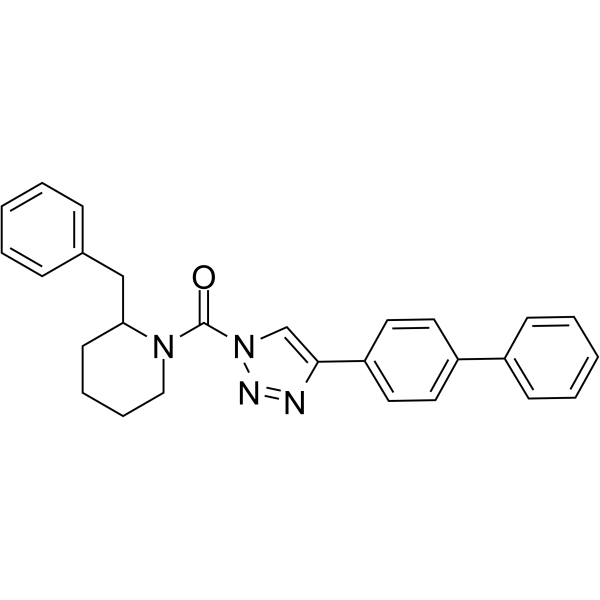
    KT109 is a potent and an isoform-selective inhibitor of diacylglycerol lipase-β (DAGLβ) with an IC50 of 42 nM. KT109 has ~60-fold selectivity for DAGLβ over DAGLα. KT109 shows inhibitory activity against PLA2G7 (IC50=1 µM). KT109 shows negligible activity against FAAH, MGLL, ABHD11, and cytosolic phospholipase A2 (cPLA2 or PLA2G4A). KT109 perturbs a lipid network involved in macrophage inflammatory responses and lowers 2-Arachidonoylglycerol (HY-W011051), Arachidonic acid (HY-109590) and eicosanoids in mouse peritoneal macrophages .
    KT109
  • HY-N1482

    Environmental Pollutants Parasite Inflammation/Immunology
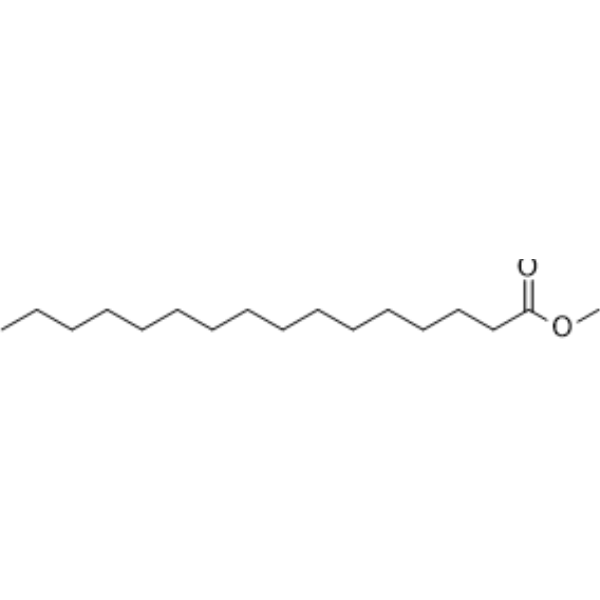
    Methyl palmitate is a naturally occurring fatty acid ester. Methyl palmitate is a potent inhibitor of ΙκB phosphorylation. Methyl palmitate modulates macrophage activity and down-regulates pro-inflammatory mediators such as TNF-α and nitric oxide (NO). Methyl palmitate possesses anti-inflammatory and antifibrotic effects. Methyl palmitate can inhibit LPS (HY-D1056)-induced Kupffer cells and rat peritoneal macrophages. Methyl palmitate is able to inhibit the phagocytic function of RAW cells. Methyl palmitate is antagonistic to muscarinic receptors. Methyl palmitate exerts cardioprotective effects against ischemia/reperfusion injury in vivo. Methyl palmitate is highly toxic against adult T. cinnabarinus .
    Methyl palmitate
  • HY-112825

    Platelet-activating Factor Receptor (PAFR) Inflammation/Immunology
    TSI-01 is a pro-inflammatory phospholipid mediator that is rapidly synthesized by lyso-PAF acetyltransferase (lyso-PAFAT) in response to extracellular stimuli. Two types of lyso-PAFAT have been identified: lysophosphatidylcholine acyltransferase (LPCAT)1, which is mostly expressed in the lungs, and LPCAT2, which is expressed in inflammatory cells. TSI-01 is a selective inhibitor of LPCAT2 (IC50s=0.47 versus 3.02 μM for human LPCAT2 and LPCAT1, respectively). 60 μM it is shown to suppress PAF biosynthesis in mouse peritoneal macrophages stimulated with a calcium ionophore.
    TSI-01
  • HY-159069

    Toll-like Receptor (TLR) TNF Receptor Connexin Infection Cancer
    Zymosan (ZM), 95% is a yeast cell wall-derived carbohydrate-rich preparation and immunomodulator. Zymosan (ZM), 95% binds to and activates TLR-2, TLR-4, and Dectin-1 receptor to trigger downstream signaling pathways. Zymosan (ZM), 95% upregulates TLR-2, TLR-4, and TNF-α mRNA expression, increases serum TNF-α levels, and stimulates splenocyte number and viability in mice. Zymosan (ZM), 95% attenuates melanoma growth progression, modulates macrophage marker gene expression, and mediates phagocytosis, ROS generation, and cytokine production. Zymosan (ZM), 95% reduces Connexin 43 protein and mRNA levels, inhibits gap junctional intercellular communication, and induces proinflammatory factor production in human corneal cells. Zymosan (ZM), 95% induces peritoneal inflammation in mice, functions as a drug carrier, and supports fibroblast cell attachment in hydrogel formulations. Zymosan (ZM), 95% can be used for the research of melanoma, tumors, fungal keratitis, ocular surface inflammatory disorders, and peritoneal inflammation .
    Zymosan (ZM), 95%
  • HY-136788

    AKST4290; BI144807

    CCR Neurological Disease Inflammation/Immunology Cancer
    ALK4290 (AKST4290) is a potent, orally active and selective CCR3 inhibitor with a Ki of 3.2 nM. ALK4290 blocks CCR3-mediated signaling, abrogates macrophage supernatant-driven mesothelial-to-mesenchymal transition, and decreases p38 phosphorylation. ALK4290 inhibits CCL26-CCR3 axis-driven GPX2-mediated B-cell activation, and targets B cells to inhibit activation by GPX2-overexpressing tumor cells. ALK4290 can be used for the research of hepatocellular carcinome and Parkinson’s disease .
    ALK4290
  • HY-Y0520S

    Endogenous Metabolite Inflammation/Immunology
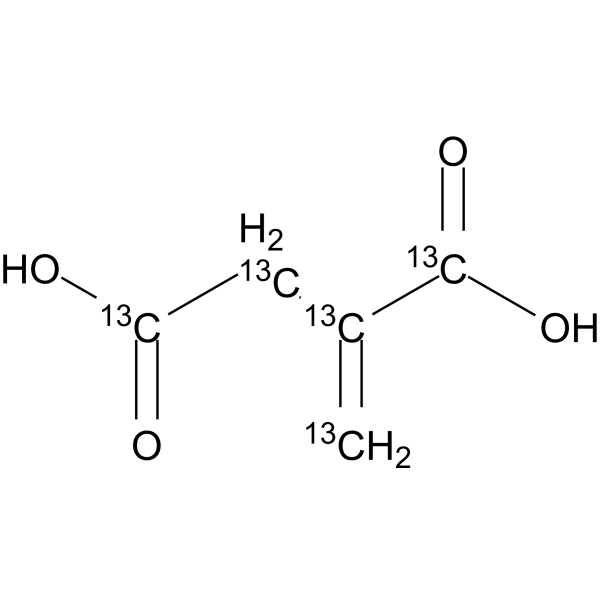
    Itaconic acid- 13C5 is the 13C labeled Itaconic acid. Itaconic acid, a precursor of polymers, chemicals, and fuels, can be synthesized by many fungi. Itaconic acid also is a macrophage-specific metabolite. Itaconic acid mediates crosstalk between macrophage metabolism and peritoneal tumors .
    Itaconic acid-13C5
  • HY-106592A

    PNU74389G (meleate)

    Reactive Oxygen Species (ROS) Cardiovascular Disease Others
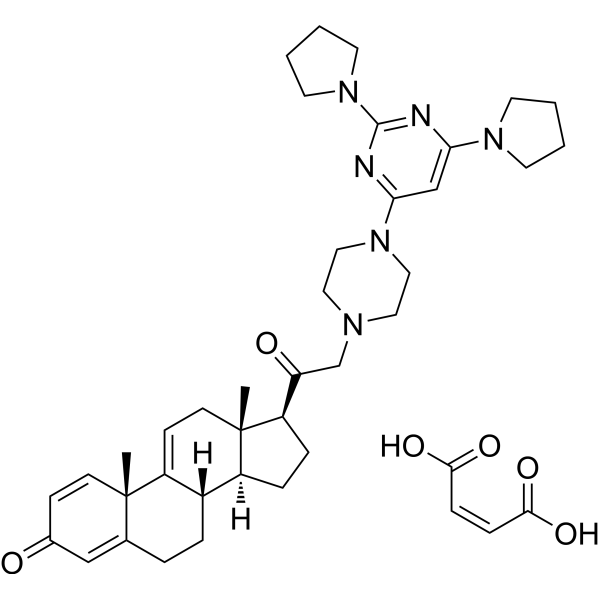
    U-74389G (PNU74389G meleate) is an antioxidant, can inhibit lipid peroxidation reactions. U-74389G can protect against ischemia-reperfusion injury and be widely used in animal models of ischemic injury and hypertension. U-74389G shows anti-inflammatory activity .
    U-74389G
  • HY-NP070

    LTL

    Inflammation/Immunology
    Lotus tetragonolobus lectin (LTL) is a plant lectin that specifically recognizes and binds to α-L-fucopyranosyl residues, a sugar structure serving as the key terminal glycosyl group of human blood type O antigen (H antigen). Lotus tetragonolobus lectin exerts macrophage migration inhibitory activity in monomeric form. Lotus tetragonolobus lectin labels and identifies renal proximal tubular epithelial cells to evaluate histopathological changes of sepsis-induced acute kidney injury. Lotus tetragonolobus lectin is applicable to studies in glycobiology, immunology and renal pathology .
    Lotus tetragonolobus lectin
  • HY-Y0520R

    Methylenesuccinic acid (Standard)

    Reference Standards Endogenous Metabolite Ferroptosis Inflammation/Immunology
    Itaconic acid (Standard) is the analytical standard of Itaconic acid. This product is intended for research and analytical applications. Itaconic acid, a precursor of polymers, chemicals, and fuels, can be synthesized by many fungi. Itaconic acid also is a macrophage-specific metabolite. Itaconic acid mediates crosstalk between macrophage metabolism and peritoneal tumors. Itaconic acid has anti-inflammatory, anti-microbial and immunomodulatory effect .
    Itaconic acid (Standard)
  • HY-103586A
    GS-441524 hydrochloride
    Maximum Cited Publications
    26 Publications Verification

    DNA/RNA Synthesis SARS-CoV Infection
    GS-441524 hydrochloride is a potent, orally active and CNS-penetrant viral RNA-dependent RNA polymerase inhibitor. GS-441524 hydrochloride competes with natural nucleosides to block viral RNA transcription as an alternative substrate and RNA chain terminator. GS-441524 hydrochloride inhibits the replication of feline infectious peritonitis virus, African swine fever virus, and severe acute respiratory syndrome coronavirus 2. GS-441524 hydrochloride reduces viral RNA levels in cats. GS-441524 hydrochloride can be used in research related to feline infectious peritonitis, African swine fever, and coronavirus disease 2019 (COVID-19) .
    GS-441524 hydrochloride
  • HY-176192

    Toll-like Receptor (TLR) NF-κB p38 MAPK ERK IKK TNF Receptor Interleukin Related Inflammation/Immunology
    SMU-14a is a selective Toll-like receptor 3 (TLR3) inhibitor wirh an IC50 of 0.18 μM. SMU-14a reduces phosphorylation of p65, ERK, and TBK1 via NF-κB, MAPK, and IRF3 signaling pathways. SMU-14a inhibits IL-6 secretion in mouse peritoneal macrophages, downregulates TNF-α in human peripheral blood monocytes and decreases serum alanine aminotransferase (ALT) and aspartate aminotransferase (AST) levels. SMU-14a can be used for the research of acute hepatitis .
    SMU-14a
  • HY-122357

    γ-Glu-Trp

    Adenylate Cyclase Inflammation/Immunology
    Bestim (γ-Glu-Trp) is a dipeptide, which exhibits high affinity to murine peritoneal macrophages, thymocytes, and plasma membranes isolated from these cells, with Kds of 3.1, 2.1, 18.6 and 16.7 nM, respectively. Bestim inhibits adenylate cyclase in the membranes of murine macrophages and thymocytes. Bestim exhibits immunomodulatory efficacy .
    Bestim
  • HY-107203

    HWA 285

    Phosphodiesterase (PDE) Adenosine Receptor Cardiovascular Disease Neurological Disease Cancer
    Propentofylline (HWA 285) is an orally active and brain-penetrant phosphodiesterase inhibitor. Propentofylline blocks adenosine reuptake and prevents cyclic nucleotide degradation. Propentofylline can be used for the research of primary degenerative (Alzheimer's) dementia, vascular dementia, cerebral ischemia, acute stroke, and learning and memory disorders .
    Propentofylline
  • HY-N4022

    Isobocconin; Seravschanin

    Others Inflammation/Immunology
    Hyuganin D (Isobocconin) is a Coumarin (HY-N0709) constituent that substantially inhibits LPS (HY-D1056)-induced NO production in mouse peritoneal macrophages .
    Hyuganin D
  • HY-N3595

    TNF Receptor Inflammation/Immunology
    Cleomiscosin A is a coumarino-lignoid from branch of Macaranga adenantha. Cleomiscosin A is active against TNF-alpha secretion of the mouse peritoneal macrophages .
    Cleomiscosin A
  • HY-149122

    NOD-like Receptor (NLR) Inflammation/Immunology
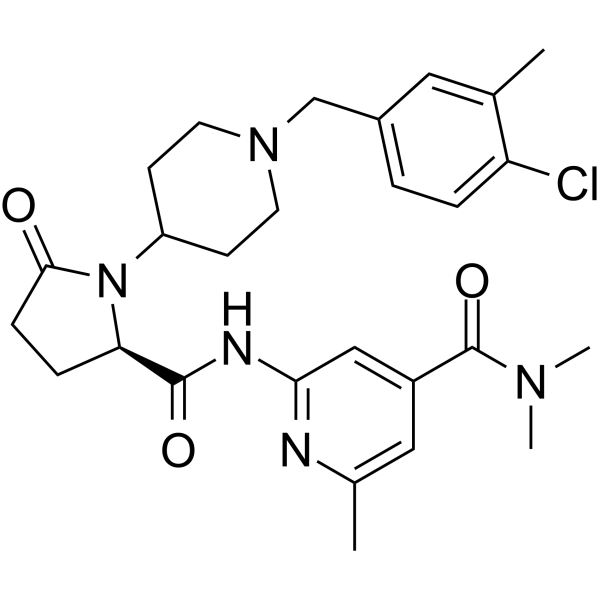
    NLRP3-IN-15 is a potent and selective NLRP3 inflammasome inhibitor. NLRP3-IN-15 inhibits IL-1β release with an IC50 of 0.114 μM. NLRP3-IN-15 can be used for the research of inflammation .
    NLRP3-IN-15
  • HY-138056

    Microtubule/Tubulin Others
    7-Acetyl paclitaxel is a microtubule depolymerization inhibitor which inhibits calcium-induced microtubule depolymerization. 7-Acetyl paclitaxel reduces the growth of J774.2 macrophages (IC50 ~ 60 nM) and increases the levels of nitric oxide (NO) and TNF in isolated mouse peritoneal macrophages .
    7-Acetyl paclitaxel
  • HY-167715

    Histamine Receptor Phosphodiesterase (PDE) Inflammation/Immunology
    Traxanox is an orally available diuretic that enhances phagocytosis of yeast granules by mouse peritoneal macrophages and rat peritoneal polymorphonuclear leukocytes in vitro. Traxanox inhibits IgE-mediated histamine release and cyclic AMP phosphodiesterase activity.Traxanox exhibits anti-inflammatory activity, as it inhibits the anaphylactoid reaction and reduces pleural fluid accumulation in experimental models of inflammation. Traxanox also demonstrates a synergistic effect when combined with hydrocortisone or indomethacin in suppressing adjuvant arthritis in rats.
    Traxanox
  • HY-121619

    Apoptosis Inflammation/Immunology Cancer
    Jacaric acid is a conjugated linolenic acid, which inhibits viability in cells PC-3 (IC50 is 11.8 μM), LNCaP (IC50 is 2.2 μM) and DLD-1, induces apoptosis and necrosis . Jacaric acid exhibits anticaner activity against prostate cancer and adenocarcinoma . Jacaric acid exhibits immunomodulating activity in murine peritoneal macrophages as an immunopotentiator . Jacaric acid is orally active.
    Jacaric acid
  • HY-113628

    VML-530

    Leukotriene Receptor Inflammation/Immunology
    ABT-080 is an orally active inhibitor of leukotriene biosynthesis. ABT-080 simultaneously blocks the leukotriene pathways leading to the synthesis of LTB4 and LTC4, but does not inhibit PGH2 biosynthesis. ABT-080 can block bronchoconstriction and be used in the research of asthma and related inflammations
    ABT-080
  • HY-149123

    NOD-like Receptor (NLR) Inflammation/Immunology
    NLRP3-IN-16 is a potent and selective NLRP3 inflammasome inhibitor. NLRP3-IN-16 inhibits IL-1β release with an IC50 of 0.065 μM. NLRP3-IN-16 can be used for the research of inflammation .
    NLRP3-IN-16
  • HY-149121

    NOD-like Receptor (NLR) Inflammation/Immunology
    NLRP3-IN-14 is a potent and selective NLRP3 inflammasome inhibitor (KD: 5.87 μM). NLRP3-IN-14 inhibits IL-1β release with an IC50 of 0.131 μM. NLRP3-IN-14 can be used for the research of inflammation .
    NLRP3-IN-14
  • HY-121365

    Bacterial Infection
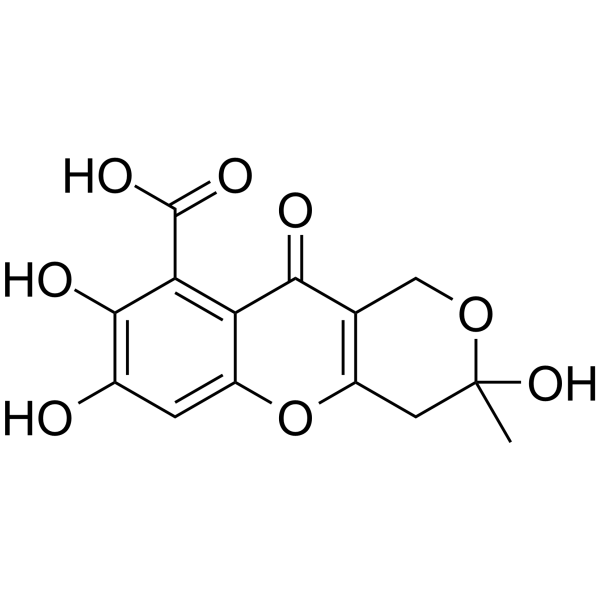
    Forphenicinol is an immunomodulator and a derivative of the bacterial metabolite forphenicine. It increases the phagocytosis of yeast by peritoneal macrophages isolated from thioglycolate-stimulated mice. Forphenicinol (100 μg/animal) prevents cyclophosphamide-induced suppression of delayed-type hypersensitivity (DTH), as well as enhances DTH in response to the hapten oxazolone or sheep red blood cells in mice. It enhances the bactericidal activity of macrophages against P. aeruginosa in mice when administered at a dose of 0.5 mg/kg.2 Forphenicinol (15.6-1,000 μg/animal) increases survival in a mouse model of P. aeruginosa infection. It also inhibits tumor growth in S180 sarcoma and IMC carcinoma mouse xenograft models when administered at doses ranging from 0.05 to 5 mg/kg per day.
    Forphenicinol
  • HY-161833

    Interleukin Related TNF Receptor Inflammation/Immunology
    HSP90-IN-31 (compound Be01) causes reduction of CD80 and CD86 expression on dendritic cells (DCs). HSP90-IN-31 decreases the production of pro-inflammatory cytokines (IL-6, TNF-α, and IL-1β) in BMDC and peritoneal macrophages stimulated by LPS (HY-D1056). Under the delayed-type hypersensitivity (DTH) mice model, HSP90-IN-31 reduces ear swelling and pro-inflammatory cytokines in the spleen .
    HSP90-IN-31
  • HY-130743

    Bis-eugenol; Dehydrodieugenol

    Parasite Infection
    Dieugenol is a neolignan that has been found in N. leucantha and has antioxidative and antiprotozoal activities. It inhibits the formation of thiobarbituric acid reactive substances (TBARS) and scavenges superoxide anions, but not hydroxyl radicals, in cell-free assays. It has anti-trypanosomal activity against T. cruzi amastigotes and trypomastigotes (IC50s=15.1 and 11.5 μM, respectively) but is cytotoxic to NCTC L-929 fibroblasts with a 50% cytotoxic concentration (CC50) value of 58.2 μM.2 Dieugenol (15 μM) disrupts the integrity of the T. cruzi trypomastigote plasma membrane but does not induce the production of reactive oxygen species (ROS) in trypomastigotes or LPS-stimulated and unstimulated isolated mouse peritoneal macrophages.
    Dieugenol
  • HY-N1336

    Others Others
    Rubianthraquinone is a anthraquinone, that can be isolated from the roots of Rubia yunnanensis. Rubianthraquinone inhibits NO production and degranulation .
    Rubianthraquinone
  • HY-P992064

    Interleukin Related Inflammation/Immunology
    Anti-Mouse IL-4 Antibody (11B.11) is an inhibitor of mouse interleukin-4. Anti-Mouse IL-4 Antibody (11B.11) blocks the chemotactic activity of mouse IL-4 on mouse peritoneal macrophages.
    Anti-Mouse IL-4 Antibody (11B.11)
  • HY-107203S

    HWA 285-d6

    Isotope-Labeled Compounds Phosphodiesterase (PDE) Adenosine Receptor Neurological Disease Cancer
    Propentofylline-d6 (HWA 285-d6) is the deuterium labeled Propentofylline. Propentofylline is an orally active and brain-penetrant phosphodiesterase inhibitor. Propentofylline blocks adenosine reuptake and prevents cyclic nucleotide degradation. Propentofylline can be used for the research of primary degenerative (Alzheimer's) dementia, vascular dementia, cerebral ischemia, acute stroke, and learning and memory disorders .
    Propentofylline-d6
  • HY-W040232

    Others Inflammation/Immunology
    Dichlorodipropylstannane is an immunomodulatory agent and significantly reduces the percentage of mouse peritoneal macrophages capable of ingesting yeast.
    Dichlorodipropylstannane
  • HY-183934

    NF-κB JNK ERK p38 MAPK TNF Receptor Interleukin Related Inflammation/Immunology
    Anti-inflammatory agent 99 is a chalcone derivative. Anti-inflammatory agent 99 inhibits LPS (HY-D1056)-induced NF-κB nuclear translocation and suppress the phosphorylation of JNK, ERK, and p38. Anti-inflammatory agent 99 inhibits the expression of cytoinflammatory factors such as TNF-α and IL-6 induced by LPS. Anti-inflammatory agent 99 can be used for the research of LPS-induced septic shock .
    Anti-inflammatory agent 99
  • HY-P992153

    Interleukin Related Inflammation/Immunology
    Serrumab is a human monoclonal antibody that counteracts the biochemical and immunological effects of Tityus serrulatus venom. Serrumab inhibits the TsV-induced increase in the production of IL-6, TNFα and IL-10. Serrumab also prevents TsV-induced elevations in plasma urea, creatinine, aspartate transaminase and glucose levels, as well as the TsV-induced increase in neutrophil recruitment. Serrumab can be used in research related to envenoming by the Brazilian yellow scorpion .
    Serrumab
  • HY-N19723

    Verbascosaponin B

    COX Lipoxygenase Inflammation/Immunology
    Buddlejasaponin I (Verbascosaponin B) is an inhibitor of COX and 5-LOX. Buddlejasaponin I inhibits the production of COX metabolites PGE2, TXB2, and the 5-LOX metabolite LTC4 . Buddlejasaponin I reduces ear swelling in mice. Buddlejasaponin I is applicable to inflammation-related research .
    Buddlejasaponin I
  • HY-W420454

    Others Inflammation/Immunology Cancer
    Danshenspiroketallactone is a lactone found in the roots of Salvia miltiorrhiza. Danshenspiroketallactone shows no anti-inflammatory and anticancer activity .
    Danshenspiroketallactone
  • HY-N17448

    Drug Derivative Others
    Fraxinuacidoside functions as a norditerpene glucopyranoside with a unique carbon skeleton. Fraxinuacidoside can be found in the stem bark of Fraxinus sieboldiana .
    Fraxinuacidoside

Inquiry Online

Your information is safe with us. * Required Fields.

Salutation


Country or Region *

Applicant Name *


Organization Name *

Department *


Email Address *


Product Name *

Cat. No.


Requested quantity *

Phone Number *


Remarks

Inquiry Online

Inquiry Information

Product Name:
Cat. No.:
Quantity:
MCE Japan Authorized Agent:

