

1. Search Result
Search Result
Results for "

retinal diseases

" in MedChemExpress (MCE) Product Catalog:

70

Inhibitors & Agonists

1

Fluorescent Dyes

1

Biochemical Assay Reagents

2

Peptides

4

Inhibitory Antibodies

7

Natural
Products

4

Isotope-Labeled Compounds

6

Oligonucleotides

Targets Recommended:
Cat. No. Product Name Target Research Areas Chemical Structure
  • HY-B0636
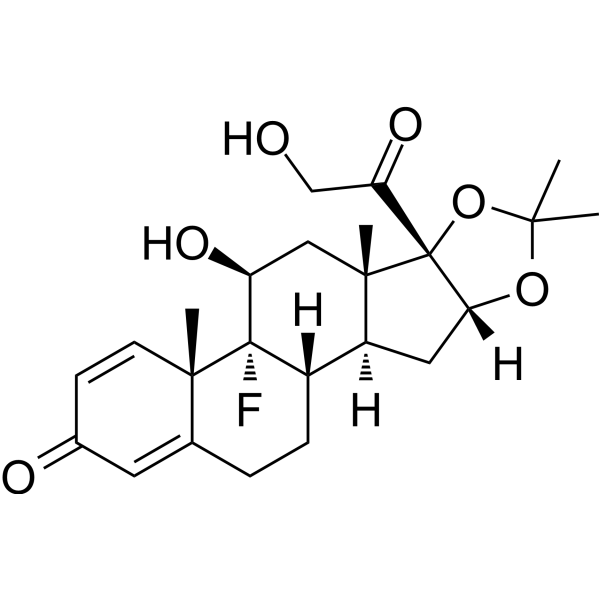
    Triamcinolone acetonide
    5+ Cited Publications

    Glucocorticoid Receptor FGFR Cardiovascular Disease Inflammation/Immunology Endocrinology Cancer
    Triamcinolone acetonide inhibits basic fibroblast growth factor (bFGF) induced proliferation of retinal endothelial cells. Triamcinolone acetonide reduces chondrocyte viability and leads to cartilage destruction. Triamcinolone acetonide activates macrophage with anti-inflammatory characteristics. Triamcinolone acetonide can be used in the study of diseases such as atopic dermatitis .
    Triamcinolone acetonide
  • HY-103252
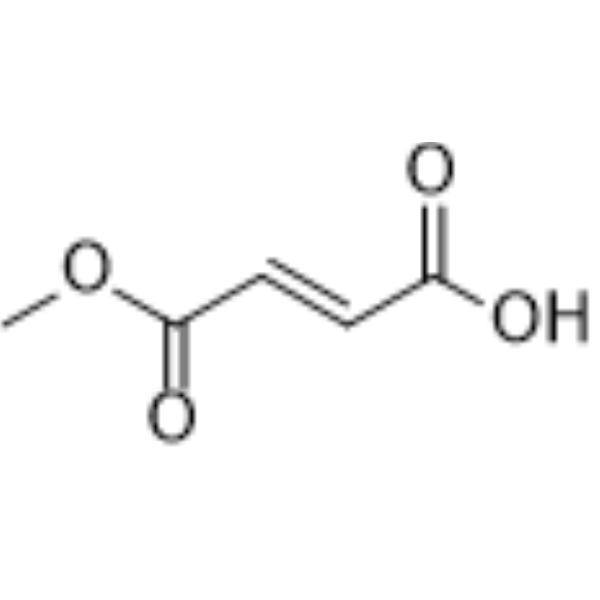
    Monomethyl fumarate
    5+ Cited Publications

    GPR109A Drug Metabolite Neurological Disease Inflammation/Immunology
    Monomethyl fumarate, an active metabolite of Dimethyl fumarate (DMF), is a potent GPR109A agonist. Monomethyl fumarate has the potential for multiple neuroprotective pathways and other models of retinal disease .
    Monomethyl fumarate
  • HY-134928A

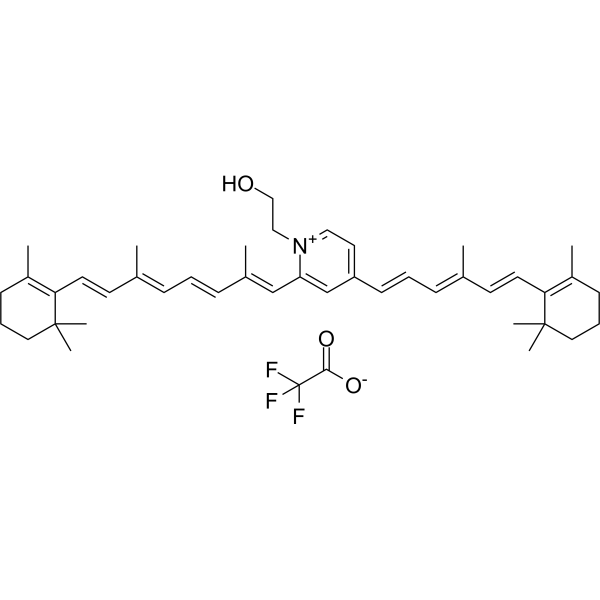
    A2E TFA; N-retinylidene-N-retinylethanolamine TFA

    Apoptosis Autophagy Reactive Oxygen Species (ROS) Cancer
    Pyridinium bisretinoid A2E (A2E) TFA is a fluorophore that can be isolated from lipofuscin in the retinal pigment epithelium (RPE). Pyridinium bisretinoid A2E TFA is an initiator of blue-light-induced apoptosis. Photoactivation of Pyridinium bisretinoid A2E TFA mediates autophagy and the production of reactive oxygen species. Pyridinium bisretinoid A2E TFA can be used in the study of retinal degenerative diseases .
    Pyridinium bisretinoid A2E TFA
  • HY-N0637
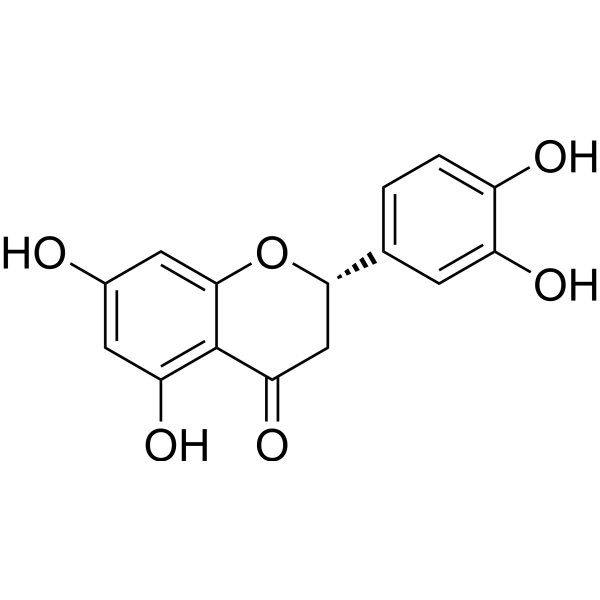
    Eriodictyol
    10+ Cited Publications

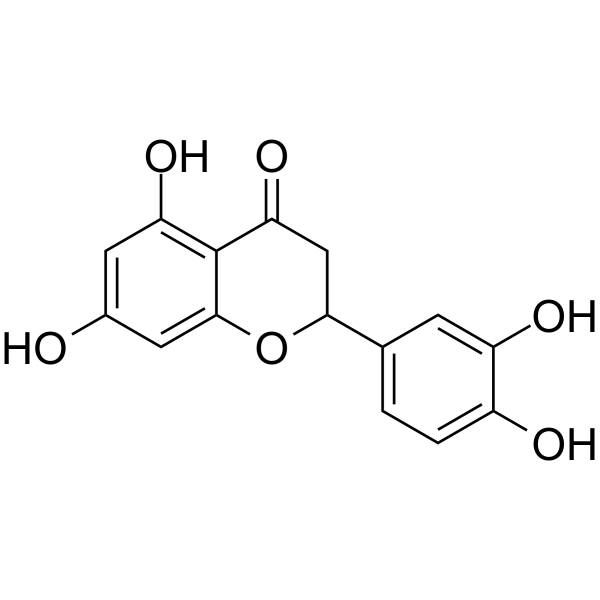
    Huazhongilexone

    Melanocortin Receptor TRP Channel Infection Inflammation/Immunology
    Eriodictyol ((±)-Huazhongilexone; Dihydroluteolin) is an orally active TRPV1 receptor antagonist (IC50=44-47 nM, rTRPV1) with antioxidant and anti-inflammatory activities. Eriodictyol effectively inhibits lipid peroxidation and the release of proinflammatory cytokines by specifically antagonizing the TRPV1 receptor and activating the Nrf2 signaling pathway. Eriodictyol reduces the levels of ICAM-1, VEGF, eNOS and TNF-α in the retina and maintains the integrity of the blood-retinal barrier. Eriodictyol alleviates oxidative stress-induced apoptosis and hyperalgesia, enhances the activity and cytotoxicity of immune cells (such as B lymphocytes, NK cells and macrophages), and increases the levels of antioxidant enzymes simultaneously. Eriodictyol can be used in the research of diabetic retinopathy, acute lung injury and various pain-related diseases .
    Eriodictyol
  • HY-Y0669
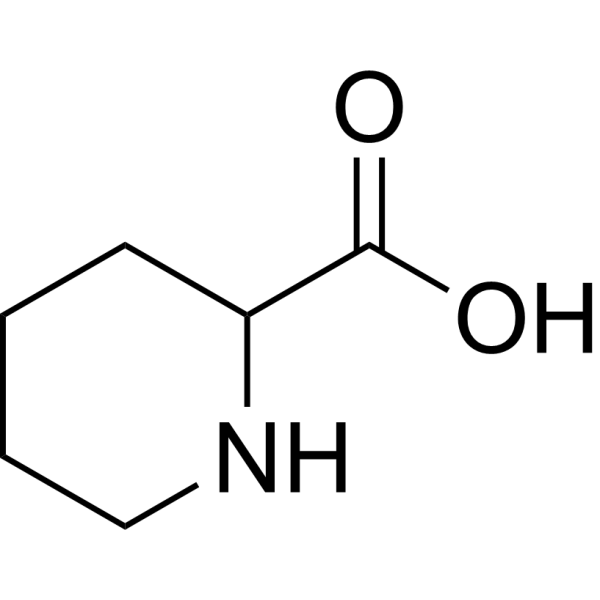
    Pipecolic acid
    2 Publications Verification

    Endogenous Metabolite YAP Glutathione Peroxidase Ferroptosis Neurological Disease Metabolic Disease Inflammation/Immunology
    Pipecolic acid is an orally bioavailable, blood-brain barrier-permeable metabolite of lysine with antioxidant, inhibitor, and inducer activity. Pipecolic acid modulates the YAP-GPX4 signaling pathway, reduces retinal vascular tube formation, and mitigates ferroptosis. Pipecolic acid potentiates voltage-sensitive Ca 2+ channel currents and induces neuronal apoptosis. Pipecolic acid can be used for the research of diabetic retinopathy .
    Pipecolic acid
  • HY-P99116

    RG7716; RO-6867461

    VEGFR Cardiovascular Disease Metabolic Disease Inflammation/Immunology
    Faricimab, an overall good safety and tolerability profile, is a bispecific antibody targeting Angiopoietin-2 (Ang-2) and vascular endothelial growth factor-A (VEGF-A). Faricimab prevents retinal vascular leakage, cell death and inflammation in retinal ischemia/reperfusion (I/R) injury and sCNV mouse models. Faricimab demonstrates statistically superior visual acuity gains versus Ranibizumab (HY-P9951). Faricimab can be used for retinal diseases, such as age-related macular degeneration (w-AMD), diabetic macular edema (DME) and macular edema following retinal vein occlusion (RVO) .
    Faricimab
  • HY-107661
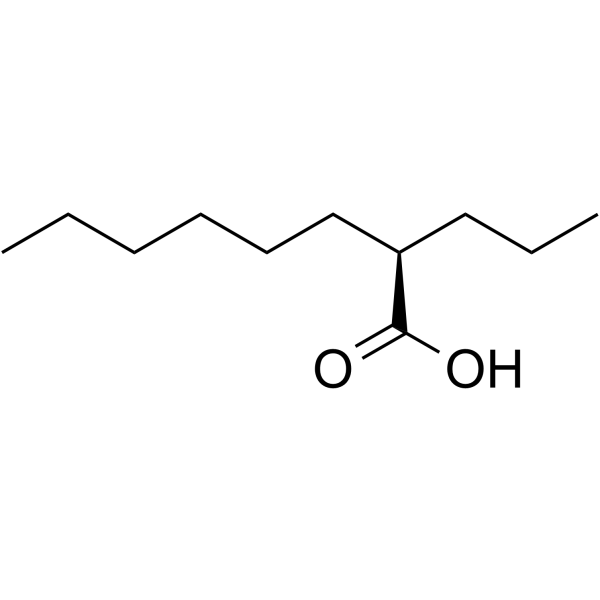
    Arundic Acid
    2 Publications Verification

    ONO-2506; (R)-2-Propyloctanoic acid

    ERK Akt NF-κB EAAT Cardiovascular Disease Neurological Disease
    Arundic Acid is an orally effective astrocyte function modulator and neuroprotective agent. Arundic Acid increases the expression and function of the astrocytic glutamate transporter EAAT1 by activating the ERK, Akt and NF-κB pathways. Arundic Acid attenuates retinal ganglion cell death in a normal-tension glaucoma model. Arundic Acid exerts neuroprotective effects in a mouse model of Parkinson's disease. Arundic Acid is a S100β protein synthesis inhibitor that prevents neurological deficits and brain tissue damage after intracerebral hemorrhage in rats. Arundic Acid downregulates neuroinflammation and astrocytic dysfunction after status epilepticus in immature rats. Arundic Acid is applicable to research related to Parkinson's disease, cerebral ischemia, glaucoma, intracerebral hemorrhage and epilepsy .
    Arundic Acid
  • HY-117661
    SPHINX31
    Maximum Cited Publications
    13 Publications Verification

    SRPK VEGFR Cardiovascular Disease Cancer
    SPHINX31 is a potent and selective SRPK1 inhibitor, with an IC50 of 5.9 nM. SPHINX31 inhibits phosphorylation of serine/arginine-rich splicing factor 1 (SRSF1). SPHINX31 also decreases the mRNA expression of pro-angiogenic VEGF-A165a isoform. SPHINX31 can be used to research neovascular eye disease .
    SPHINX31
  • HY-N0637A

    (±)-Huazhongilexone; Dihydroluteolin

    Melanocortin Receptor TRP Channel Metabolic Disease
    (±)-Eriodictyol ((±)-Huazhongilexone; Dihydroluteolin) is an orally active TRPV1 receptor antagonist (IC50=44-47 nM, rTRPV1) with antioxidant and anti-inflammatory activities. (±)-Eriodictyol effectively inhibits lipid peroxidation and the release of proinflammatory cytokines by specifically antagonizing the TRPV1 receptor and activating the Nrf2 signaling pathway. (±)-Eriodictyol reduces the levels of ICAM-1, VEGF, eNOS and TNF-α in the retina and maintains the integrity of the blood-retinal barrier. (±)-Eriodictyol alleviates oxidative stress-induced apoptosis and hyperalgesia, enhances the activity and cytotoxicity of immune cells (such as B lymphocytes, NK cells and macrophages), and increases the levels of antioxidant enzymes simultaneously. (±)-Eriodictyol can be used in the research of diabetic retinopathy, acute lung injury and various pain-related diseases .
    (±)-Eriodictyol
  • HY-12798C

    AR-13324 M1 metabolite

    PKC ROCK Cardiovascular Disease Neurological Disease
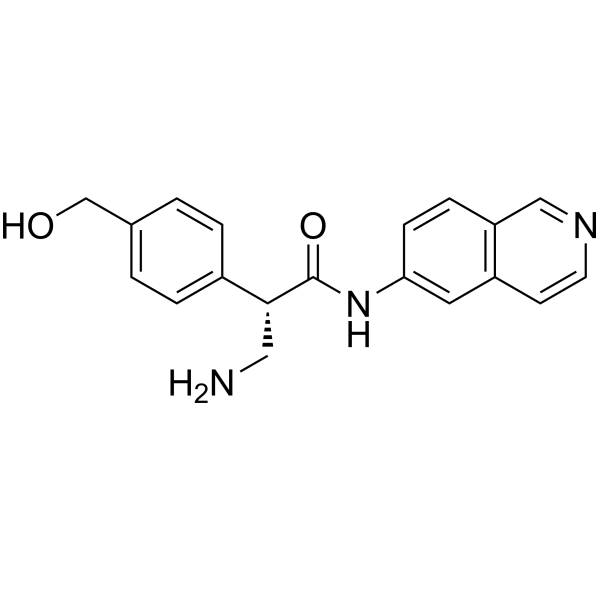
    AR-13503 (AR-13324 M1 metabolite) is the hydrolytic metabolite of AR-13324 mesylate. AR-13324 is a ROCK kinase and PKC inhibitor with anti-angiogenic and retinal health-improving effects, showing potential for use in retinal disease research .
    AR-13503
  • HY-134928

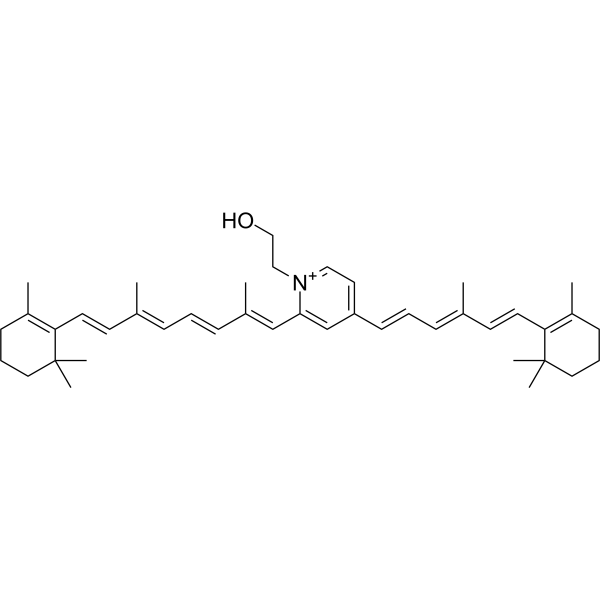
    A2E

    Apoptosis Autophagy Reactive Oxygen Species (ROS) Cancer
    Pyridinium bisretinoid A2E (A2E) is a fluorophore that can be isolated from lipofuscin in the retinal pigment epithelium (RPE). Pyridinium bisretinoid A2E is an initiator of blue-light-induced apoptosis. Photoactivation of Pyridinium bisretinoid A2E mediates autophagy and the production of reactive oxygen species. Pyridinium bisretinoid A2E can be used in the study of retinal degenerative diseases .
    Pyridinium bisretinoid A2E
  • HY-14608R

    Reference Standards Endogenous Metabolite iGluR Ferroptosis Apoptosis Neurological Disease
    L-Glutamic acid (Standard) is the analytical standard of L-Glutamic acid. This product is intended for research and analytical applications. L-Glutamic acid is an excitatory amino acid neurotransmitter that acts as an agonist for all subtypes of glutamate receptors (metabolic rhodophylline, NMDA, and AMPA). L-Glutamic acid has an agonist effect on the release of DA from dopaminergic nerve endings. L-Glutamic acid can be used in the study of neurological diseases . IC50 & Target:DA . In Vitro: L-Glutamic acid (120, 500, 750, 1000 mg/dL) can reduce the harmful effect of lithium on the embryonic development of Xenopus Xenopus .
    L-Glutamic acid (2, 5, 10, 20 mM, 24-48 h) can induce neuroexcitotoxicity in neuroblastoma .
    In Vivo: L-Glutamic acid (3 g/kg, subcutaneous injection) can promote excitotoxic degeneration of retinal ganglion cells in mice .
    L-Glutamic acid (750 mg/kg, intraperitoneal injection) can reduce and inhibit oxidative stress induced by chlorpyrifos (CPF) in rats .
    L-Glutamic acid (Standard)
  • HY-N0819
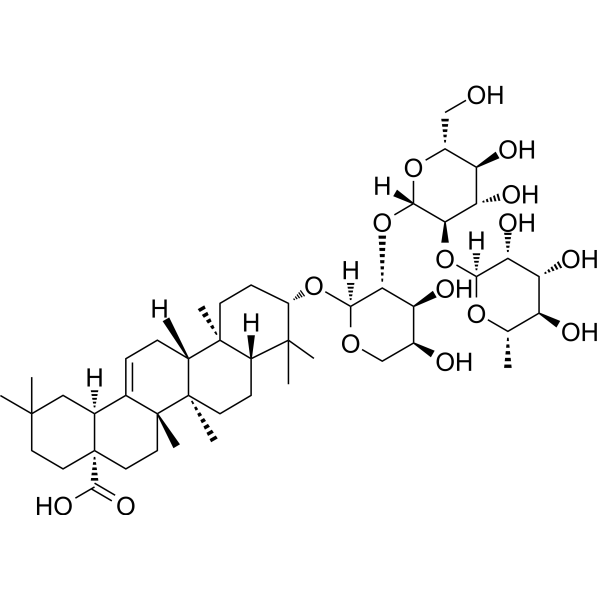
    Raddeanin A
    1 Publications Verification

    Apoptosis PI3K Akt ERK mTOR Wnt β-catenin Wee1 JNK VEGFR CDK Neurological Disease Inflammation/Immunology Cancer
    Raddeanin A is an oleanane-type triterpenoid saponin with oral activity. Raddeanin A inhibits SRC, mTOR, JNK, VEGFR2, NLRP3 inflammasome, Wnt/β-catenin, Wee1, PI3K/AKT signaling pathway, MAPK/ERK signaling pathway, AR-FL, AR-Vs, and downregulates the expression of p-PI3K and p-AKT. Raddeanin A inhibits osteoclast formation, bone resorption, osteolysis, cancer cell invasion, migration, proliferation, angiogenesis and epithelial-mesenchymal transition, while induces apoptosis, cell cycle arrest, ROS production, immunogenic cell death and dendritic cell maturation. Raddeanin A improves blood-retinal barrier function, alleviates inflammation, regulates the tumor microenvironment, and enhances the activity of anti-PD-1 antibody. Raddeanin A is applicable to the research of breast cancer-associated osteolysis, human osteosarcoma, colorectal cancer, glioblastoma, Alzheimer's disease, cholangiocarcinoma, melanoma, non-small cell lung cancer, castration-resistant prostate cancer and multiple myeloma .
    Raddeanin A
  • HY-P991413

    Trk Receptor ERK Akt p38 MAPK Neurological Disease Inflammation/Immunology
    ZEB85 is a human monoclonal antibody (mAb) targeting TrkB. ZEB85 activates TrkB and its downstream cascades, including the ERK, PLCγ, AKT, MAPK signaling pathways and cFOS expression, and enhances neuronal activity. ZEB85 prevents β-amyloid toxicity in cultured hippocampal neurons. ZEB85 is applicable to the research of Alzheimer's disease (AD) .
    ZEB85
  • HY-145919

    Succinate Receptor 1 Cardiovascular Disease Inflammation/Immunology
    hGPR91 antagonist 3 (Compound 5g) is a potent and orally active GPR91 antagonist with IC50s of 35 nM and 135 nM, for human GPR91 and rat GPR91, respectively .
    hGPR91 antagonist 3
  • HY-W143531

    NOV03; SHR8058

    Biochemical Assay Reagents Inflammation/Immunology
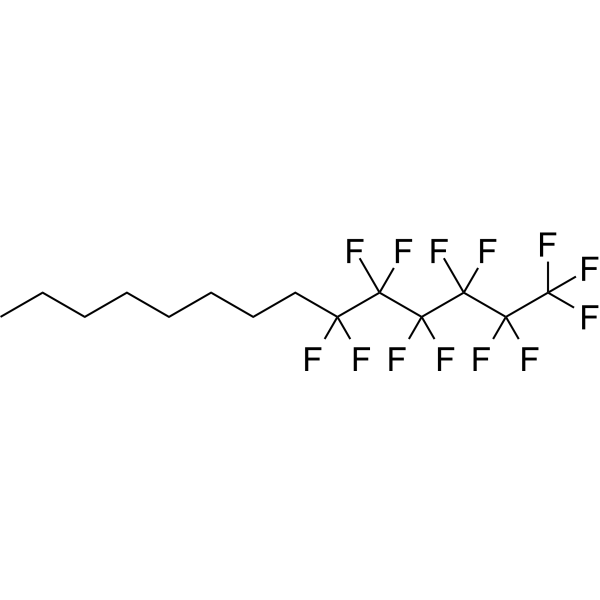
    Perfluorohexyloctane (NOV03), a semifluorinated alkane, reduces tear film instability in Meibomian gland dysfunction and evaporative dry eye disease. Perfluorohexyloctane is a long-term tamponade agent. Perfluorohexyloctane increases tear film breakup time and lipid layer thickness .
    Perfluorohexyloctane
  • HY-153569

    ROCK Others
    ROCK-IN-7 (compound 9) is a ROCK kinase inhibitor. ROCK-IN-7 can be used for research in ocular diseases (such as glaucoma and retinal diseases) .
    ROCK-IN-7
  • HY-P10019

    NLY01

    GCGR Neurological Disease Inflammation/Immunology
    Pegsebrenatide (NLY01) is a blood-brain barrier-penetrant GLP-1R agonist. Pegsebrenatide alleviates retinal inflammation and neuronal death secondary to ocular hypertension . Pegsebrenatide significantly delays onset and reduces disease severity in experimental autoimmune encephalomyelitis . Pegsebrenatide inhibits the formation of A1 reactive astrocytes in nerve cells and reduces the loss of retinal ganglion cells and dopaminergic neurons. Pegsebrenatide exerts neuroprotective effects in a mouse model of Parkinson's disease by directly preventing microglia-mediated conversion of astrocytes to the A1 neurotoxic phenotype. Pegsebrenatide can be used for research on glaucoma, Parkinson's disease, and multiple sclerosis .
    Pegsebrenatide
  • HY-120417

    Src FAK Cardiovascular Disease
    JP-153 is the Src-FAK-Paxillin signaling inhibitor. JP-153 inhibits Src-dependent phosphorylation of paxillin (Y118) and downstream activation of Akt (S473). JP-153 reduces VEGF-induced migration and proliferation in retinal endothelial cells. JP-153 can be uesd for the study of neovascular eye disease .
    JP-153
  • HY-136642

    Glucocorticoid Receptor Inflammation/Immunology
    Fluocinolone is a potent steroid with highly selective glucocorticoid receptor agonist activity. Fluocinolone stabilizes the blood-retinal barrier by enhancing endothelial tight junctions, inhibiting the VEGF pathway and inflammatory factors. Fluocinolone has high lipophilicity, enabling long-term sustained release in the vitreous. Fluocinolone is used in research related to dermatological diseases, diabetic macular edema, uveitis and oral lichen planus .
    Fluocinolone
  • HY-103252S
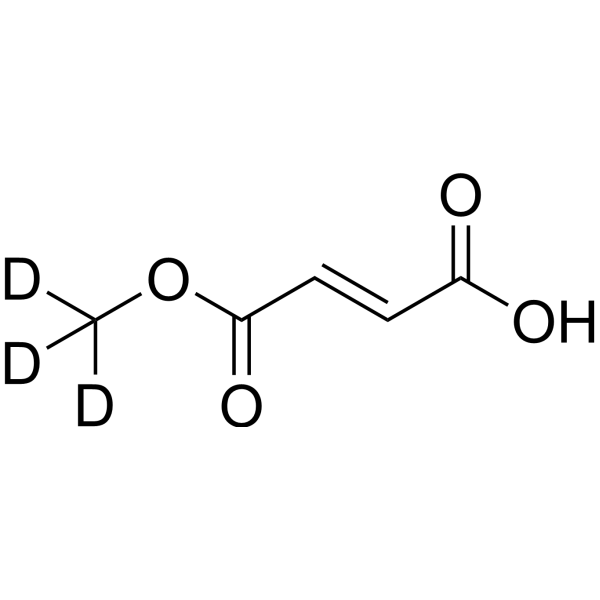
    Monomethyl fumarate-d3
    1 Publications Verification

    GPR109A Isotope-Labeled Compounds Drug Metabolite Neurological Disease Inflammation/Immunology
    Monomethyl fumarate-d3 is a deuterium labeled Monomethyl fumarate (HY-103252). Monomethyl fumarate, an active metabolite of Dimethyl fumarate (DMF) (HY-17363), is a potent GPR109A agonist. Monomethyl fumarate has the potential for multiple neuroprotective pathways and other models of retinal disease .
    Monomethyl fumarate-d3
  • HY-108798

    VEGFR Cardiovascular Disease Cancer
    Ziv-aflibercept is a soluble inhibitor of vascular endothelial growth factor (VEGF). Ziv-aflibercept is an adaptive variant of Aflibercept (HY-108801), Ziv-aflibercept has a low PH value and high osmotic pressure when compared to Aflibercept. Ziv-aflibercept has potential applications in metastatic colorectal carcinoma and retinal diseases .
    Ziv-aflibercept
  • HY-133487B

    VH032-C8-NH2

    E3 Ligase Ligand-Linker Conjugates Inflammation/Immunology Cancer
    (S,R,S)-AHPC-C8-NH2 (VH032-C8-NH2) is a synthesized?E3 ligase ligand-linker conjugate?that incorporates the VH032 based VHL ligand and a linker used for AKT PROTAC degrader. (S,R,S)-AHPC-C8-NH2 is XF038-164A, example 8, extracted from patent WO2019173516A1 .
    (S,R,S)-AHPC-C8-NH2
  • HY-177531

    Liposome mRNA Neurological Disease Inflammation/Immunology Cancer
    S-Ac7-DOG is a cationic lipid with biodegradability, low immunogenicity and high nucleic acid transfection capacity, which is commonly used to construct lipid nanoparticles for nucleic acid molecule delivery. S-Ac7-DOG can bind to mRNA, microRNA and self-amplifying RNA through electrostatic interaction. Lipid nanoparticles formed by S-Ac7-DOG enter cells via an energy-dependent endocytic pathway, release nucleic acid cargos, induce antigen-specific CD8 + T cell responses, promote the generation of precursor memory T cells, and regulate neuroinflammatory pathways. S-Ac7-DOG can be used in the research of retinal diseases, neuroinflammation and cancer .
    S-Ac7-DOg
  • HY-135808

    NF-κB Inflammation/Immunology
    BIZ 114 (Example 11) is a fatty acid derivative and potent inhibits the TNF-α activated NF-κΒ pathway. BIZ 114 has the potential to prevent and / or treat ophthalmic disorders such as retinal degenerative disorders and ocular inflammatory diseases .
    BIZ 114
  • HY-103252S2

    Isotope-Labeled Compounds GPR109A Drug Metabolite Neurological Disease Inflammation/Immunology
    Monomethyl fumarate-d2 is a deuterium labeled Monomethyl fumarate (HY-103252). Monomethyl fumarate, an active metabolite of Dimethyl fumarate (DMF) (HY-17363), is a potent GPR109A agonist. Monomethyl fumarate has the potential for multiple neuroprotective pathways and other models of retinal disease .
    Monomethyl fumarate-d2
  • HY-158821A

    TGF-beta/Smad Neurological Disease
    ISTH0036 sodium is a phosphorothioate LNA-modified antisense oligonucleotide gapmer that selectively targets and downregulates TGF-β2 mRNA. ISTH0036 sodium suppresses TGF-β2 expression, reduces choroidal neovascularization and vascular leakage, inhibits fibrosis, blocks epithelial-to-mesenchymal transition, and inhibits angiogenesis while promoting bleb survival. ISTH0036 sodium exhibits long-lasting, dose-dependent ocular tissue distribution and target engagement in rabbit and non-human primate eyes. ISTH0036 sodium can be used for the study of various ocular disorders, such as glaucoma and neovascular retinal diseases .
    ISTH0036 sodium
  • HY-136903

    Calcium Channel Proteasome Reactive Oxygen Species (ROS) Cardiovascular Disease Neurological Disease Inflammation/Immunology
    SNJ-1945 is an orally active Calpain inhibitor that can cross the blood-brain barrier. SNJ-1945 protects rat hearts against cardiac arrest-reperfusion injury by inhibiting the hydrolysis of α-fodrin. SNJ-1945 inhibits VEGF-induced angiogenesis in retinal endothelial cells. SNJ-1945 also protects SH-SY5Y cells from damage induced by MPP+ (HY-W008719) and Rotenone (HY-B1756). SNJ-1945 exhibits anti-inflammatory and neuroprotective activities in a mouse model of multiple sclerosis. SNJ-1945 can be used for the research of cardiovascular, nervous system and inflammatory diseases .
    SNJ-1945
  • HY-W751734

    Cannabinoid Receptor Others Neurological Disease Inflammation/Immunology
    HU 433 is a synthetic cannabinoid CB2 receptor agonist and is the enantiomer of HU 308 (HY-161510). HU 433 exerts its anti-inflammatory and neuroprotective effects by binding to CB2 receptors. HU 433 can be used in the study of neuroinflammation and retinal diseases .
    HU 433
  • HY-P991886

    Complement System Neurological Disease
    ANX-M1 is a blood-brain barrier-permeable anti-C1q antibody. ANX-M1 can slow down the progression of retinal degeneration following photo-oxidative damage. ANX-M1 has been incorporated into nanocarriers to evaluate its brain delivery efficacy in a mouse model of Alzheimer's disease. ANX-M1 is applicable for research on age-related macular degeneration and Alzheimer's disease [1] .
    ANX-M1 (Human IgG1)
  • HY-177100

    PARP Others
    Lotixparib (Example 1) is an inhibitor of poly(ADP-ribose)polymerase-1 (PARP-1). Lotixparib has cytoprotective effect against a retinal disease. Lotixparib can be studied in research for PARP-1-associated diseases .
    Lotixparib
  • HY-178919

    Formyl Peptide Receptor (FPR) Apoptosis Bacterial Inflammation/Immunology
    N-19004 is a FPR1 antagonist. N-19004 shows broad-spectrum antibacterial effects against a variety of pathogens. N-19004 exhibits significant retinal protective effects in the rd10 mouse model of retinitis pigmentosa (RP). N-19004 can attenuate retinal dysfunction, mitigate rod and cone degeneration, and reduce immune cell activation, gliosis, inflammation, oxidative stress, and apoptosis. N-19004 can reduce the size of laser-induced choroidal lesions and promote edema absorption through dual anti-inflammatory and anti-angiogenic effects. N-19004 can be used for the research of retinal degenerative diseases such as retinitis pigmentosa .
    N-19004
  • HY-175664

    RPE65 Metabolic Disease
    EYE-003 is an orally active RPE65 inhibitor with an IC50 of 102 nM. EYE-003 regulates the visual cycle in mice by reducing 11-cis-retinal (11cRAL) (HY-116711) synthesis and increasing all-trans-retinyl esters (atREs). EYE-003 suppresses scotopic ERG b-wave amplitude and exerts protective effects against retinal degeneration in Abca4 ⁻/⁻ Rdh8 ⁻/⁻ mice (a STGD1 model) by reducing retinal autofluorescent puncta and preserving outer nuclear layer (ONL) thickness in a dose-dependent manner. EYE-003 can be used for the study of visual cycle-associated retinopathies, such as Stargardt disease type 1 (STGD1) .
    EYE-003
  • HY-175663

    RPE65 Metabolic Disease
    EYE-002 is a RPE65 inhibitor with an IC50 of 69 nM. EYE-002 promotes recovery of scotopic ERG a-/b-wave amplitudes. EYE-002 regulates the visual cycle in mice by reducing 11-cis-retinal (11cRAL) (HY-116711) synthesis and increasing all-trans-retinyl esters (atREs). EYE-002 exerts protective effects against photic retinal damage in mice. EYE-002 can be used for the study of visual cycle-associated retinopathies, such as Stargardt disease type 1 (STGD1) .
    EYE-002
  • HY-W700297

    KPI-285

    VEGFR Others
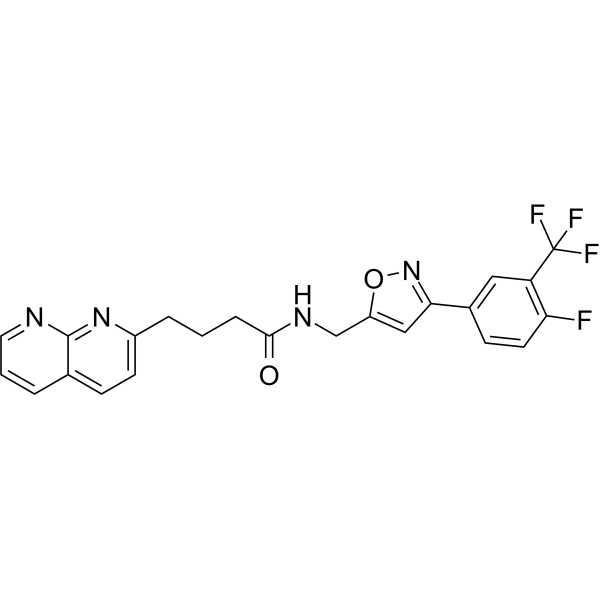
    K-106 (KPI-285) is a VEGFR antagonist that also inhibits neurotrophic tyrosine kinase receptors (NTRK). K-106 can be used for retinal research .
    K-106
  • HY-175671

    HDAC Histone Demethylase Neurological Disease
    LSD1/HDAC-IN-3 is a inhibitor targeting class I HDAC and LSD1 enzymes. LSD1/HDAC-IN-3 inhibits HDAC1, HDAC2, HDAC3, and LSD1 with IC50 values of 1702 nM, 842 nM, 358 nM, and 1074 nM, respectively. LSD1/HDAC-IN-3 exhibits antioxidant effects in H2O2-stressed ARPE-19 and 661W retinal cells, increasing levels of acetylated and methylated histone H3. LSD1/HDAC-IN-3 enhances photoreceptor survival in the rd10 mouse model of retinitis pigmentosa. LSD1/HDAC-IN-3 can be used for the study of inherited retinal diseases such as retinitis pigmentosa (RP) .
    LSD1/HDAC-IN-3
  • HY-158821

    TGF-beta/Smad Neurological Disease
    ISTH0036 is a phosphorothioate LNA-modified antisense oligonucleotide gapmer that selectively targets and downregulates TGF-β2 mRNA. ISTH0036 suppresses TGF-β2 expression, reduces choroidal neovascularization and vascular leakage, inhibits fibrosis, blocks epithelial-to-mesenchymal transition, and inhibits angiogenesis while promoting bleb survival. ISTH0036 exhibits long-lasting, dose-dependent ocular tissue distribution and target engagement in rabbit and non-human primate eyes. ISTH0036 can be used for the study of various ocular disorders, such as glaucoma and neovascular retinal diseases .
    ISTH0036
  • HY-136006A

    VH032-C6-NH2 hydrochloride

    E3 Ligase Ligand-Linker Conjugates Inflammation/Immunology Cancer
    (S,R,S)-AHPC-C6-NH2 hydrochloride (VH032-C6-NH2 hydrochloride) is a synthesized E3 ligase ligand-linker conjugate that incorporates the VH032 based VHL ligand and a linker used for AKT PROTAC degrader. (S,R,S)-AHPC-C6-NH2 hydrochloride is XF038-161A, example 6, extracted from patent WO2019173516A1 .
    (S,R,S)-AHPC-C6-NH2 hydrochloride
  • HY-153564

    ROCK Inflammation/Immunology
    ROCK-IN-6 is a potent and selectiveROCK2 inhibitor with an IC50 of 2.19 nM. ROCK-IN-6 is extracted from patent WO2021164351 A1, example 7, has the potential for glaucoma and retinal diseases research .
    ROCK-IN-6
  • HY-W556870

    NF-κB Inflammation/Immunology
    OT-551 is a NF-κB inhibitor with antioxidant and anti-inflammatory effects. OT-551 has the potential for retinal diseases research .
    OT-551
  • HY-161578

    PKG Neurological Disease
    Dithio-CN03 is a compound with the highest neuroprotective efficacy. Dithio-CN03 fights the progression of retinitis pigmentosa (RP) by inhibiting the cGMP mediated signaling pathway and reducing photoreceptor cell death. Dithio-CN03 can be used in research into RP and other retinal degenerative diseases .
    Dithio-CN03
  • HY-153567

    Biochemical Assay Reagents Inflammation/Immunology
    Immune cell migration-IN-2 is a potent immune cell migration inhibitor with an EC50 of 13.5 nM in a T-cell adhesion assay. Immune cell migration-IN-2 is extracted from patent WO2019001171, example 11, can be used for dry-eye and other retinal diseases research . Immune cell migration-IN-2 is a click chemistry reagent, it contains an Alkyne group and can undergo copper-catalyzed azide-alkyne cycloaddition (CuAAc) with molecules containing Azide groups.
    Immune cell migration-IN-2
  • HY-103252R

    Reference Standards GPR109A Drug Metabolite Neurological Disease Inflammation/Immunology
    Monomethyl fumarate (Standard) is the analytical standard of Monomethyl fumarate. This product is intended for research and analytical applications. Monomethyl fumarate, an active metabolite of Dimethyl fumarate (DMF), is a potent GPR109A agonist. Monomethyl fumarate has the potential for multiple neuroprotective pathways and other models of retinal disease[1][2][3].
    Monomethyl fumarate (Standard)
  • HY-12798E

    (R)-AR-13324 M1 metabolite

    PKC ROCK Drug Metabolite Cardiovascular Disease
    (R)-AR-13503 ((R)-AR-13324 M1 metabolite) is the the (R)-enantiomer of AR-13503 (HY-12798C). AR-13503 is the hydrolytic metabolite of AR-13324 mesylate. AR-13324 is a ROCK kinase and PKC inhibitor with anti-angiogenic and retinal health-improving effects, showing potential for use in retinal disease research .
    (R)-AR-13503
  • HY-P1384

    Somatostatin Receptor Neurological Disease
    L803 is a selective Somatostatin Receptor Subtype 4 (SST4) agonist. L803 inhibits L-type calcium channel currents (ICa). L803 is promising for research of retinal ganglion cell (RGC) degenerative diseases (e.g., glaucoma) .
    L803
  • HY-103252S1

    Isotope-Labeled Compounds GPR109A Drug Metabolite Neurological Disease Inflammation/Immunology
    Monomethyl fumarate-d5 is deuterium labeled Monomethyl fumarate (HY-103252) . Monomethyl fumarate, an active metabolite of Dimethyl fumarate (DMF) (HY-17363), is a potent GPR109A agonist. Monomethyl fumarate has the potential for multiple neuroprotective pathways and other models of retinal disease .
    Monomethyl fumarate-d5
  • HY-Z8648

    Drug Intermediate Inflammation/Immunology Endocrinology Cancer
    Δ14-Triamcinolone acetonide is a potential impurity. Triamcinolone acetonide inhibits basic fibroblast growth factor (bFGF) induced proliferation of retinal endothelial cells. Triamcinolone acetonide reduces chondrocyte viability and leads to cartilage destruction. Triamcinolone acetonide can be used in the study of diseases such as atopic dermatitis .
    Δ14-Triamcinolone acetonide
  • HY-B0636S1

    Isotope-Labeled Compounds Glucocorticoid Receptor FGFR Cardiovascular Disease Inflammation/Immunology Endocrinology Cancer
    Triamcinolone acetonide- 13C3 is the 13C-labeled Triamcinolone acetonide (HY-B0636). Triamcinolone acetonide inhibits basic fibroblast growth factor (bFGF) induced proliferation of retinal endothelial cells. Triamcinolone acetonide reduces chondrocyte viability and leads to cartilage destruction. Triamcinolone acetonide activates macrophage with anti-inflammatory characteristics. Triamcinolone acetonide can be used in the study of diseases such as atopic dermatitis .
    Triamcinolone acetonide-13C3
  • HY-107567

    β-Alanylhistamine

    Histamine Receptor Cardiovascular Disease Neurological Disease Metabolic Disease Inflammation/Immunology
    Carcinine (β-Alanylhistamine) is a selective and orally active histamine H3 receptor antagonist with a Ki of 0.2939 μM. Carcinine can reduce histamine content. Carcinine exhibits anti-oxidant activity and neuroprotective effects. Carcinine shows positive inotropic effect and can reduce blood sugar and blood lipid levels. Carcinine can be used for the researches of inflammation, neurological, cardiovascular and metabolic disease, such as retinal damage, seizure and diabetes .
    Carcinine
  • HY-107567B

    β-Alanylhistamine dihydrochloride

    Histamine Receptor Cardiovascular Disease Neurological Disease Metabolic Disease Inflammation/Immunology
    Carcinine (β-Alanylhistamine) dihydrochloride is the dihydrochloride salt of Carcinine (HY-107567). Carcinine is a selective and orally active histamine H3 receptor antagonist with a Ki of 0.2939 μM. Carcinine can reduce histamine content. Carcinine exhibits anti-oxidant activity and neuroprotective effects. Carcinine shows positive inotropic effect and can reduce blood sugar and blood lipid levels. Carcinine can be used for the researches of inflammation, neurological, cardiovascular and metabolic disease, such as retinal damage, seizure and diabetes .
    Carcinine dihydrochloride

Inquiry Online

Your information is safe with us. * Required Fields.

Salutation


Country or Region *

Applicant Name *


Organization Name *

Department *


Email Address *


Product Name *

Cat. No.


Requested quantity *

Phone Number *


Remarks

Inquiry Online

Inquiry Information

Product Name:
Cat. No.:
Quantity:
MCE Japan Authorized Agent:

