1. Search Result
Search Result
Results for "

transaminase

" in MedChemExpress (MCE) Product Catalog:

65

Inhibitors & Agonists

1

Screening Libraries

2

Biochemical Assay Reagents

1

Peptides

2

Inhibitory Antibodies

18

Natural
Products

5

Recombinant Proteins

3

Isotope-Labeled Compounds

5

Antibodies

2

Click Chemistry

1

Oligonucleotides

Cat. No. Product Name Target Research Areas Chemical Structure
  • HY-15399
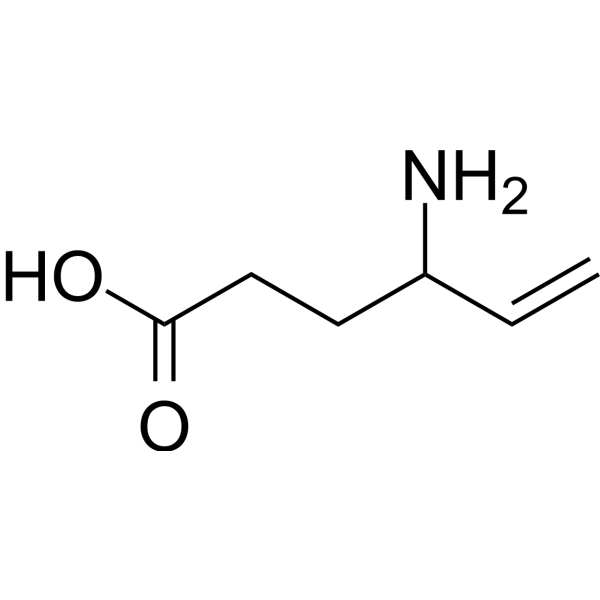
    Vigabatrin
    Maximum Cited Publications
    6 Publications Verification

    γ-Vinyl-GABA

    GABA Receptor Neurological Disease
    Vigabatrin (γ-Vinyl-GABA), an inhibitory neurotransmitter GABA vinyl-derivative, is an orally active and irreversible GABA transaminase inhibitor. Vigabatrin is an antiepileptic agent, which acts by increasing GABA levels in the brain by inhibiting the catabolism of GABA by GABA transaminase .
    Vigabatrin
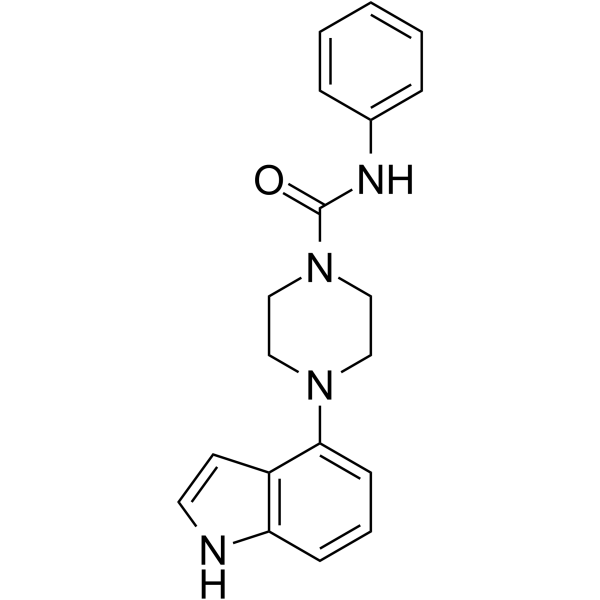
  • HY-122723
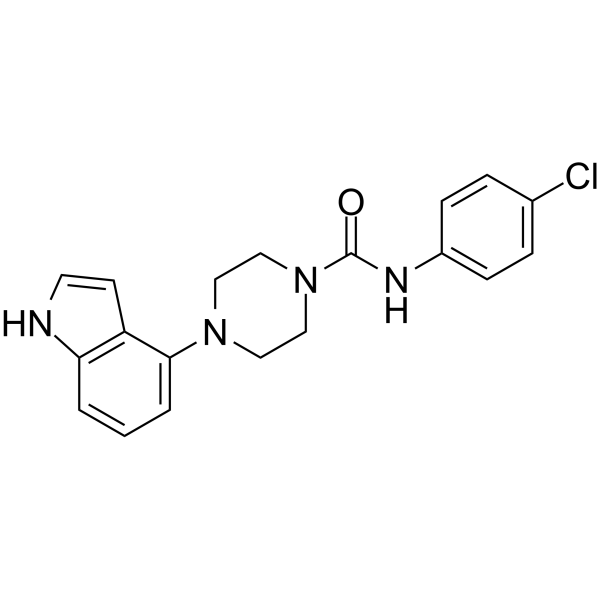
    GOT1 inhibitor-1
    2 Publications Verification

    Reactive Oxygen Species (ROS) Cancer
    GOT1 inhibitor-1 (compound 2c), a tryptamine-based derivative, acts as a novel, potent and non-covalent inhibitor of glutamate oxaloacetate transaminase 1 (GOT1) with an IC50 of 8.2 uM. GOT1 plays an important role in energy metabolism and Reactive Oxygen Species (ROS) balance. GOT1 inhibitor-1 can be used for the research of pancreatic ductal adenocarcinoma (PDAC) .
    GOT1 inhibitor-1
  • HY-B1122
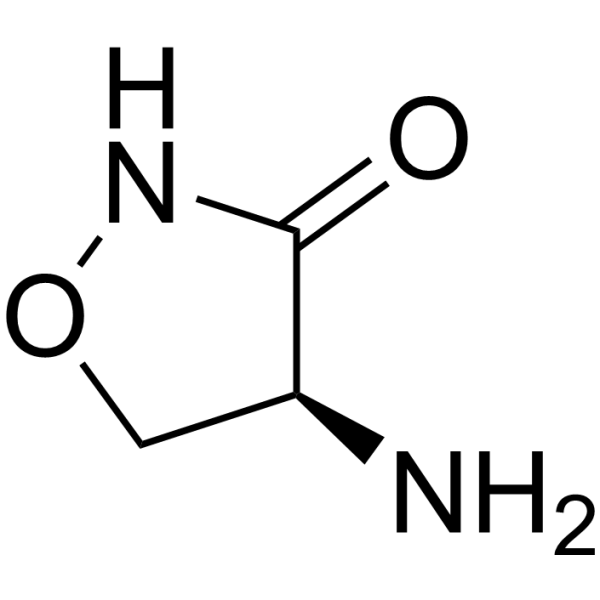
    L-Cycloserine
    2 Publications Verification

    (S)-Cycloserine; (S)-4-Amino-3-isoxazolidone

    GABA Receptor HIV Neurological Disease Cancer
    L-Cycloserine ((S)-4-Amino-3-isoxazolidone) is an oral inhibitor of the enzyme gamma-aminobutyric acid (GABA) transaminase (GABA-t) and branched-chain transaminases in Mycobacterium tuberculosis. L-Cycloserine has anticonvulsant properties and inhibits the synthesis of neurotensin in mouse brains .
    L-Cycloserine
  • HY-B1018A
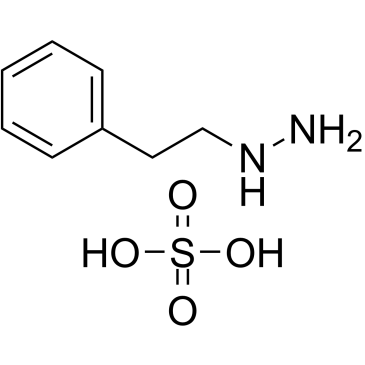
    Phenelzine sulfate
    Maximum Cited Publications
    6 Publications Verification

    Monoamine Oxidase GABA Receptor Histone Demethylase Cardiovascular Disease Neurological Disease Metabolic Disease Inflammation/Immunology Cancer
    Phenelzine sulfate, an antidepressant agent, is an irreversible and orally active monoamine oxidase (MAO-A and MAO-B) inhibitor. Phenelzine sulfate inhibits GABA transaminase and primary amine oxidase (PrAO), and sequester reactive aldehydes. Phenelzine sulfate also inhibits LSD1 (Ki: 5.6 μM) and suppresses oxidative stress and lipogenesis. Phenelzine sulfate elevates neurotransmitters (serotonin, norepinephrine, dopamine). Phenelzine sulfate is studied in neurological, metabolic and cancer diseases for depression and anxiety disorders, stroke, spinal cord injury, traumatic brain injury, multiple sclerosis, Parkinson’s disease, Alzheimer’s disease, inflammatory pain, obesity and prostate cancer .
    Phenelzine sulfate
  • HY-148983
    Hydroxylamine (50% w/w in water)
    1 Publications Verification

    Monoamine Oxidase Bacterial GLUT Infection Metabolic Disease Inflammation/Immunology
    Hydroxylamine (50% w/w in water) is an inorganic highly reactive compound and antibacterial agent. Hydroxylamine (50% w/w in water) acutely activates the transport activity of GLUT1, inhibits Monoamine oxidase activity. Hydroxylamine (50% w/w in water) inhibits nitrite oxidizing bacteria. Hydroxylamine (50% w/w in water) activates glucose uptake. Hydroxylamine (50% w/w in water) can be used in the research of inflammatory diseases and allergies[1][2][3][4] .
    Hydroxylamine (50% w/w in water)
  • HY-W097899
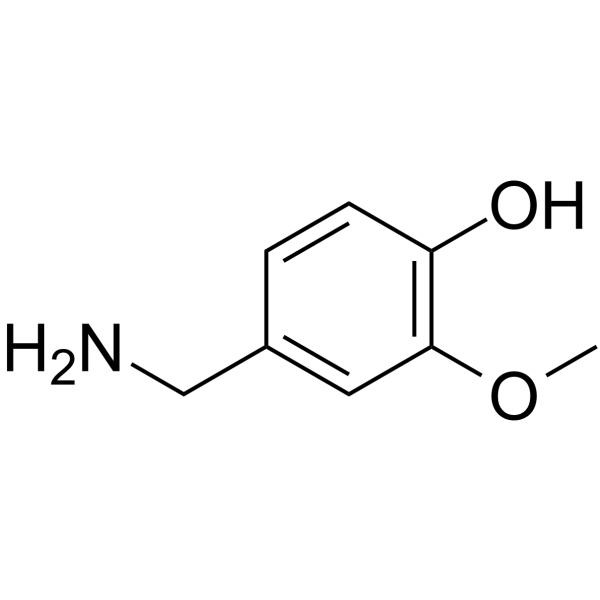
    Vanillylamine
    1 Publications Verification

    JNK Cancer
    Vanillylamine is an immediate precursor for capsaicinoids. Vanillylamine is a derivative of Vanillin (HY-N0098) is synthesized through a transaminase reaction in the phenylpropanoid pathway of capsaicinoid synthesis. Vanillylamine significantly alleviates myelosuppression caused by abdominal and pelvic tumor chemotherapy .
    Vanillylamine
  • HY-148242
    BAY-069
    3 Publications Verification

    Fluorescent Dye Cancer
    BAY-069 is a potent branched-chain amino acid transaminases 1 (BCAT1) and BCAT2 inhibitor with IC50 values of 31 nM and 153 nM, respectively. BAY-069 also can be used as a chemical probe. BAY-069 can be used tor research anticancer .
    BAY-069
  • HY-W018791
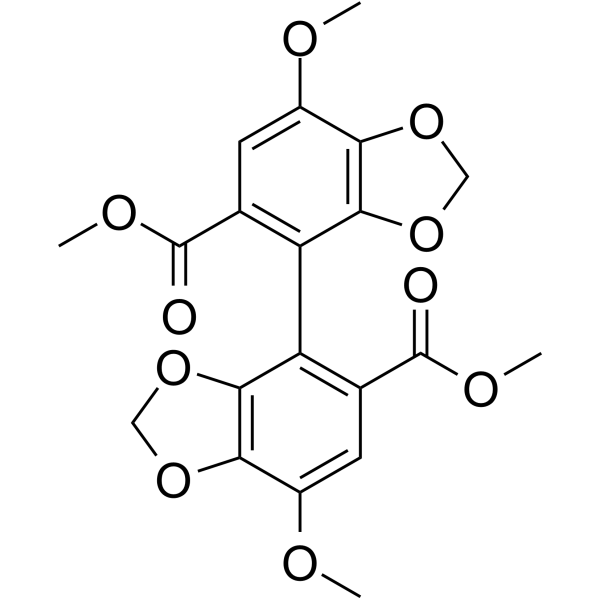
    Bifendate
    2 Publications Verification

    DDB

    HBV Autophagy Cytochrome P450 Atg8/LC3 p62 P-glycoprotein Infection Cardiovascular Disease Cancer
    Bifendate (DDB), extracted from Schisandrae chinensis, is an orally active anti-HBV agent against chronic hepatitis B. Bifendate inhibits ATG5-dependent autophagy and attenuates oleic acid-induced lipid accumulation with anti-oxidant properties in vitro. Bifendate can decrease alanine transaminase (ALT) level in mice. Bifendate attenuates hepatic steatosis in cholesterol/bile salt- and high-fat diet-induced hypercholesterolemia in mice. Bifendate potently increases the activity of cytochrome proteins (CYPs) and reverse P-gp-mediated multi-drug resistance (MDR) .
    Bifendate
  • HY-B0033
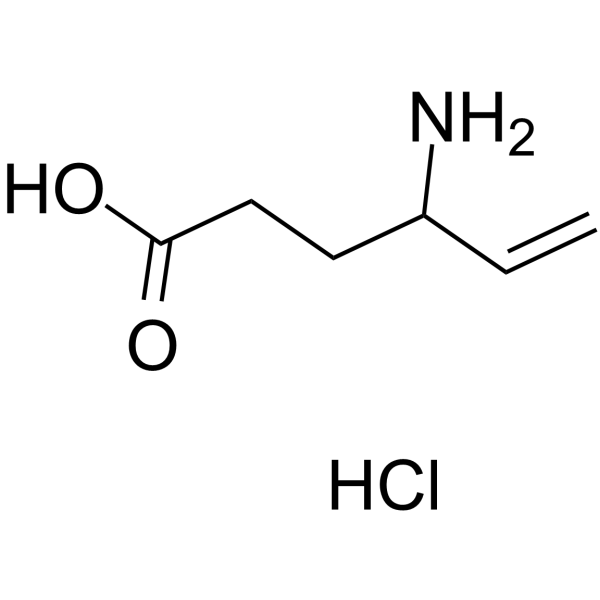
    Vigabatrin hydrochloride
    Maximum Cited Publications
    6 Publications Verification

    γ-Vinyl-GABA hydrochloride

    GABA Receptor Neurological Disease
    Vigabatrin hydrochloride (γ-Vinyl-GABA hydrochloride), a inhibitory neurotransmitter GABA vinyl-derivative, is an orally active and irreversible GABA transaminase inhibitor. Vigabatrin hydrochloride is an antiepileptic agent, which acts by increasing GABA levels in the brain by inhibiting the catabolism of GABA by GABA transaminase .
    Vigabatrin hydrochloride
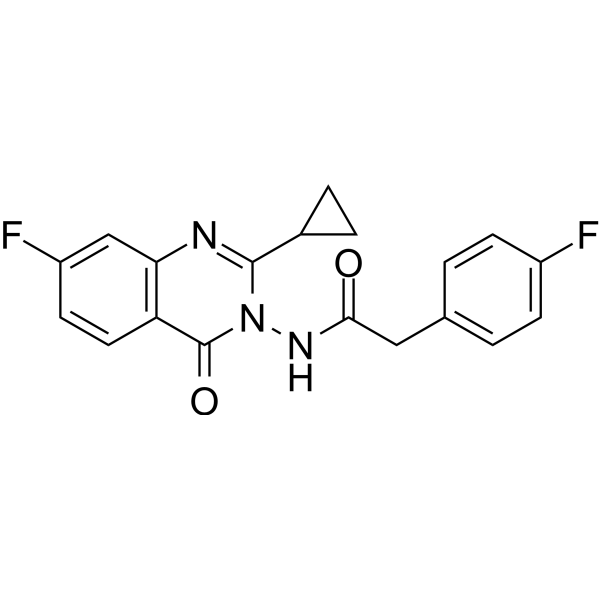
  • HY-148242A

    Fluorescent Dye Cancer
    BAY-252 is a potent branched-chain amino acid transaminases 1 (BCAT1) and BCAT2 inhibitor with IC50s of 2 μM and 2 μM, respectively. BAY-069 also can be used as a chemical probe. BAY-069 can be used for the research of cancer .
    BAY-252
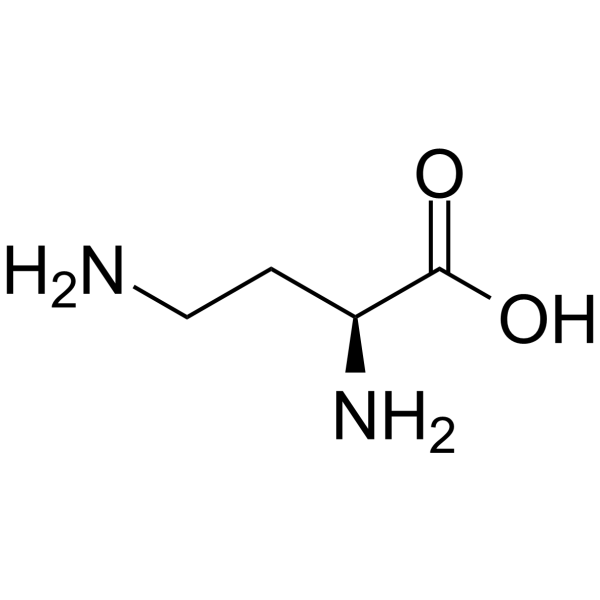
  • HY-101414
    L-DABA
    1 Publications Verification

    L-2,4-Diaminobutyric acid

    GABA Receptor Endogenous Metabolite Neurological Disease Cancer
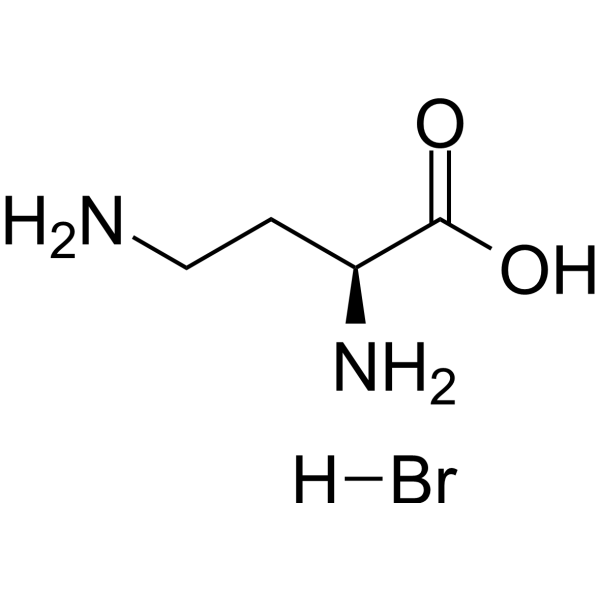
    L-DABA (L-2,4-Diaminobutyric acid) is a week GABA transaminase inhibitor with an IC50 of larger than 500 μM; exhibits antitumor activity in vivo and in vitro.
    L-DABA
  • HY-125469

    PF-04895162

    Potassium Channel Neurological Disease
    ICA-105665 (PF-04895162) is a potent and orally active neuronal Kv7.2/7.3 and Kv7.3/7.5 potassium channels opener. ICA-105665 inhibits liver mitochondrial function and bile salt export protein (BSEP) transport (IC50 of 311 μM). ICA-105665 can penetrate the blood-brain barrier and has antiseizure effects .
    ICA-105665
  • HY-137683A

    GDPβS trisodium

    Adenylate Cyclase Cardiovascular Disease
    Guanosine 5'-O-(2-thiodiphosphate) trisodium (GDPβS trisodium) is a non-hydrolyzable derivative of GDP. Guanosine 5'-O-(2-thiodiphosphate) trisodium acts as an inhibitor of adenylyl cyclase (AC) with a Ki value of 600 nM. In the absence of glutamic-pyruvic transaminase (GPT) in cerebral cortex membranes of rodent models, Guanosine 5'-O-(2-thiodiphosphate) trisodium partially activates AC with an EC50 of 400 nM. Guanosine 5'-O-(2-thiodiphosphate) trisodium prevents norepinephrine-induced nitric oxide release in ventricular myocytes .
    Guanosine 5'-O-2-thiodiphosphate trisodium
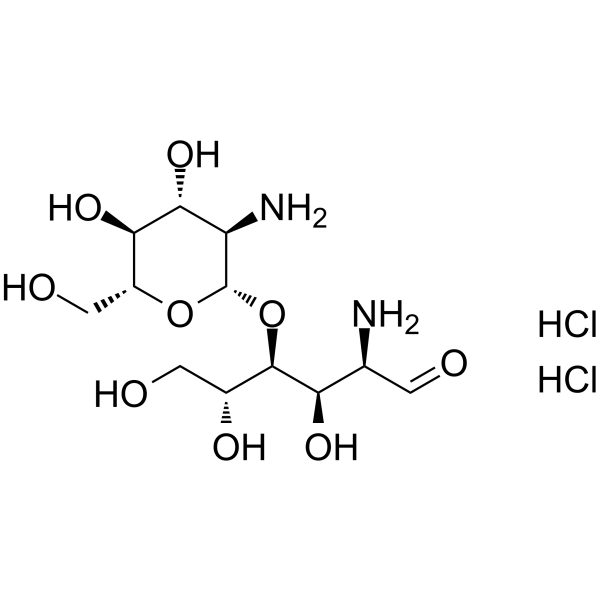
  • HY-N7697B

    Others Others
    Chitobiose dihydrochloride is an orally active chitosan oligosaccharide (degree of polymerization 2). Chitobiose dihydrochloride shows hepatoprotective activity and counteracts CCl4-induced elevation of plasma aspartate transaminase and alanine transaminase activities in rats. Chitobiose dihydrochloride can be used for the research of carbon tetrachloride-induced acute hepatotoxicity .
    Chitobiose dihydrochloride
  • HY-P3016

    EC 2.6.1.1; GOT; AST

    Aminotransferases (Transaminases) Cardiovascular Disease
    Aspartate aminotransferase (EC 2.6.1.1), Genetically engineered bacteria is a metabolic regulator with the highest activity in the heart, liver and skeletal muscle. Aspartate aminotransferase, Genetically engineered bacteria comprises two isozymes: the cytoplasmic form (AST1) and the mitochondrial form (AST2). By catalyzing reversible transamination reactions between oxaloacetate, L-glutamate and other substances, it is deeply involved in key physiological processes such as amino acid metabolism, the tricarboxylic acid cycle and neurotransmitter synthesis. Aspartate aminotransferase, Genetically engineered bacteria also provides substrate support for the synthesis of urea and purines/pyrimidines. Aspartate aminotransferase, Genetically engineered bacteria is a serum marker reflecting cardiac and hepatic injury, and its abnormal levels are also closely associated with myocardial infarction, cardiovascular diseases and various cancers .
    Aspartate aminotransferase, Genetically engineered bacteria
  • HY-N7905

    Others Inflammation/Immunology
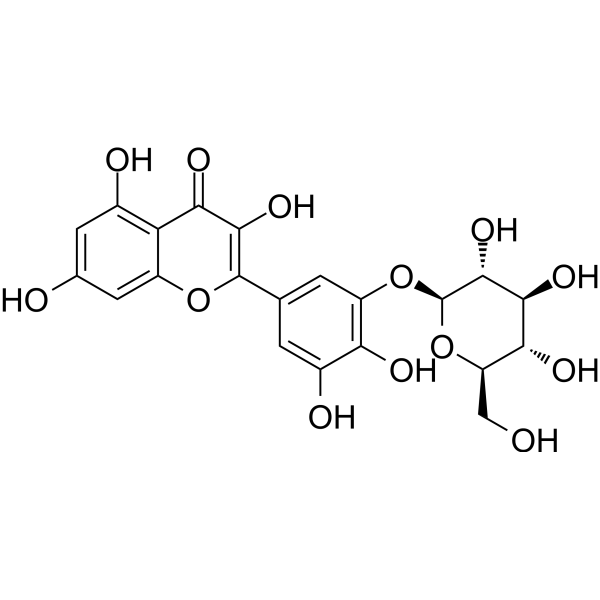
    Myricetin 3'-glucoside is a glycoside derivative of quercetin. Myricetin 3'-glucoside significantly prevents ethanol-induced hepatotoxicity by reducing hepatic transaminase activity and inflammatory response in HepG2 cells. Myricetin 3'-glucoside has a certain protective effect on alcohol-induced liver injury .
    Myricetin 3'-glucoside
  • HY-131693A

    GAG hydrochloride

    GABA Receptor Neurological Disease Cancer
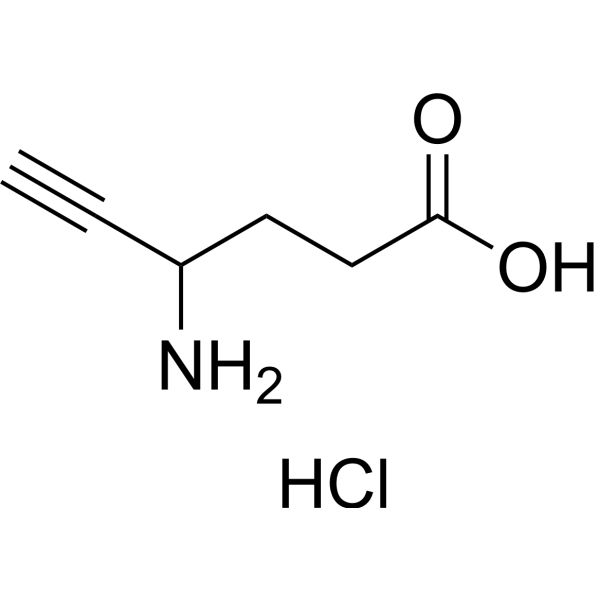
    γ-Acetylenic GABA (GAG) hydrochloride is an irreversible inhibitor of GABA-transaminase. γ-Acetylenic GABA hydrochloride can increase the concentration of GABA in rat brain . γ-Acetylenic GABA (hydrochloride) is a click chemistry reagent, it contains an Alkyne group and can undergo copper-catalyzed azide-alkyne cycloaddition (CuAAc) with molecules containing Azide groups.
    γ-Acetylenic GABA hydrochloride
  • HY-N7697F

    Others Metabolic Disease
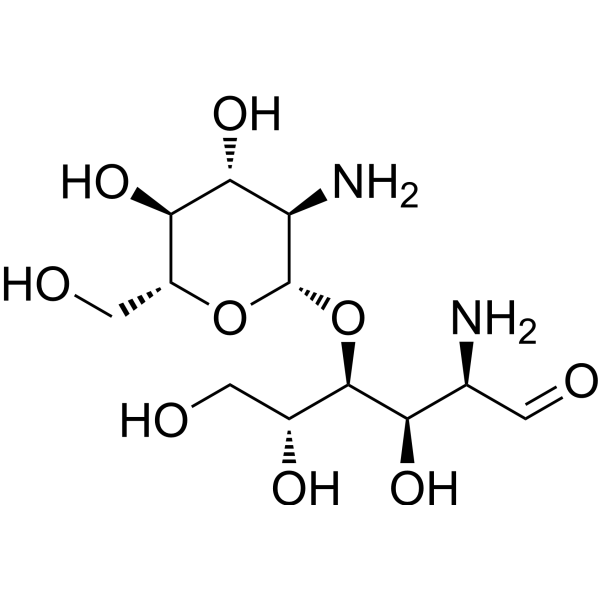
    Chitobiose is an orally active chitosan oligosaccharide (degree of polymerization 2). Chitobiose shows hepatoprotective activity and counteracts CCl4-induced elevation of plasma aspartate transaminase and alanine transaminase activities in rats. Chitobiose can be used for the research of carbon tetrachloride-induced acute hepatotoxicity .
    Chitobiose
  • HY-124825

    Aminotransferases (Transaminases) Cancer
    iGOT1-01 is a potent aspartate aminotransferase 1 (glutamate oxaloacetate transaminase 1; GOT1) inhibitor. iGOT1-01 has IC50s of 85 μM and 11.3 μM in MDH coupled GOT1 enzymatic assay and GOT1/GLOX/HRP assay, respectively. iGOT1-01 has anti-cancer activity .
    iGOT1-01
  • HY-W012738
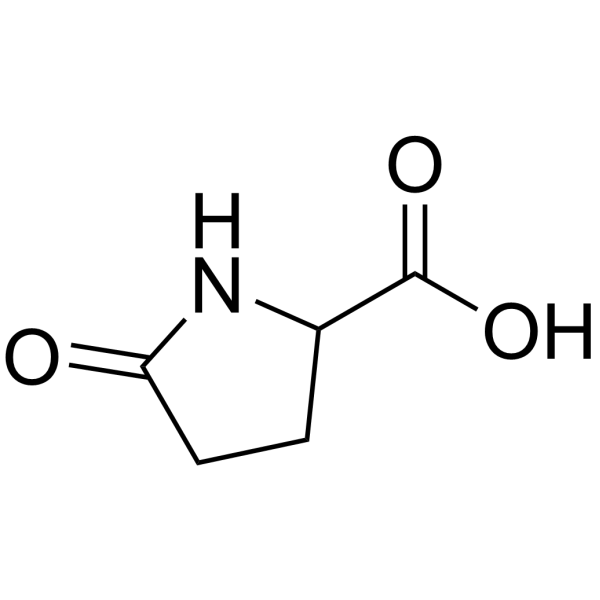
    DL-Pyroglutamic acid
    1 Publications Verification

    Influenza Virus GABA Receptor Infection
    DL-Pyroglutamic acid (CAE) as an inactivator of hepatitis B surface, inactivates vaccinia virus, herpes simplex virus, and influenza virus except poliovirus. DL-Pyroglutamic acid is also a possible inhibitor of GABA transaminase, increases GABA amount with antiepileptic action .
    DL-Pyroglutamic acid
  • HY-W088011B

    Sodium hydroxyacetate, 98%

    Lactate Dehydrogenase Aminotransferases (Transaminases) Endocrinology
    Sodium glycolate, 98% (Sodium hydroxyacetate, 98%) is an orally active, versatile organic salt . Sodium glycolate, 98% acts as an enzyme activity regulator that increases the activities of glycolate oxidase (GAO) and lactate dehydrogenase (LDH), while reducing the activity of glycolate dehydrogenase (GAD). Sodium glycolate, 98% induces oxalate biosynthesis and causes hyperoxaluria in rats. Sodium glycolate, 98% reduces urinary calcium excretion in male albino rats. Sodium glycolate, 98% can be used in studies related to calcium oxalate urolithiasis and hyperoxaluria .
    Sodium glycolate, 98%
  • HY-15377

    GABA Receptor Neurological Disease
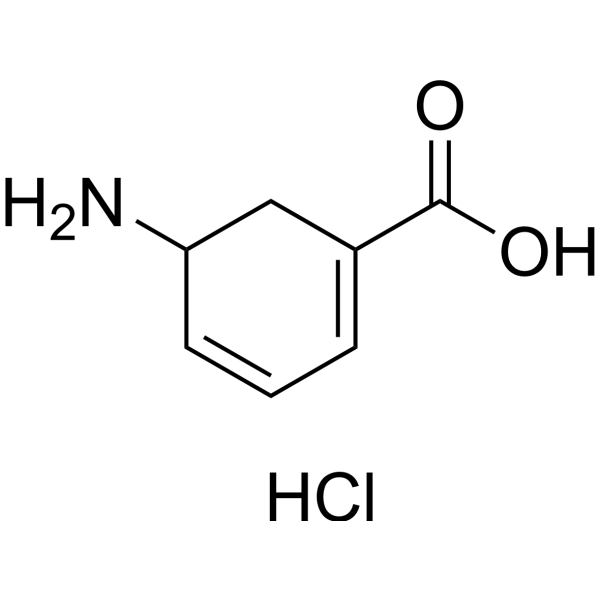
    DL-Gabaculine hydrochloride is a neurotoxin that irreversibly inhibits bacterial pyridoxal phosphate linked γ-aminobutyric acid-α-ketoglutaric acid transaminase with a Ki of 2.86 μM .
    DL-Gabaculine hydrochloride
  • HY-N15001

    GABA Receptor Neurological Disease
    Gabaculine is an amino acid neurotoxin and blood-brain barrier-permeable GABA transaminase inhibitor, with an IC50 of 1 μM in beef and Pseudomonas ovalis. Gabaculine elevates endogenous synaptic and brain GABA levels and enhances GABA activity. Gabaculine induces sedation, hypothermia, loss of righting reflex, and prevents convulsions in mice. Gabaculine is applicable to research related to neurological disorders .
    Gabaculine
  • HY-116910

    GABA Receptor Neurological Disease
    CPP-115 is a GABA transaminase inactivator with higher affinity and lower retinal toxicity than Vigabatrin (HY-15399). CPP-115 increases brain GABA levels by inhibiting GABA transaminase catabolism. CPP-115 can be used in the study of drug addiction and infantile spasms .
    CPP-115
  • HY-40269

    Biochemical Assay Reagents Drug Intermediate Neurological Disease
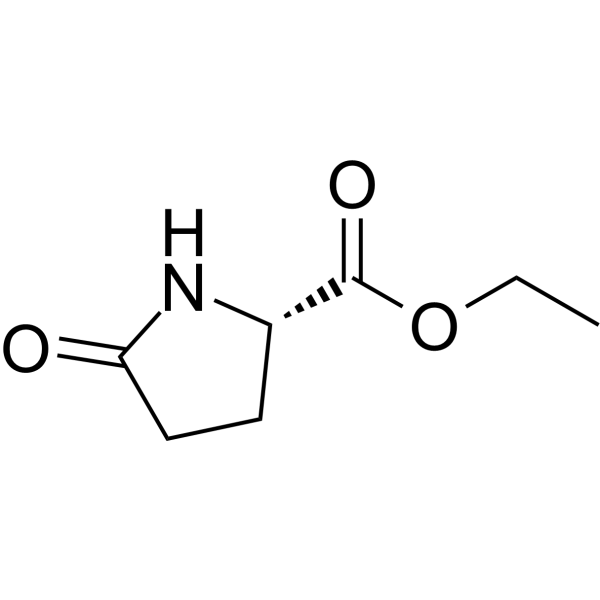
    L-Pyroglutamic acid ethyl ester (Compound 2c) is an intermediate. L-Pyroglutamic acid ethyl ester is involved in the synthesis of γ-aminobutyrate transaminase inactivators. L-Pyroglutamic acid ethyl ester can be used in epilepsy and Huntington's disease research .
    L-Pyroglutamic acid ethyl ester
  • HY-I0746

    m-Aminobenzoic acid; 3ABA

    Endogenous Metabolite Neurological Disease Inflammation/Immunology
    3-Aminobenzoic acid (3-ABA) is an orally active anti-inflammatory agent targeting the tight junction (TJ) regulatory pathways in intestinal epithelial cells. 3-Aminobenzoic acid improves intestinal inflammation by enhancing intestinal barrier integrity and reducing epithelial permeability. It can be used in studies related to improving gut health. Additionally, 3-Aminobenzoic acid analogs can act as γ-aminobutyric acid transaminase (GABA-AT) inhibitors, exhibiting anticonvulsant effects .
    3-Aminobenzoic acid
  • HY-145728

    ISIS-2302

    Integrin Inflammation/Immunology
    Alicaforsen is an oligonucleotide and immunostimulant targeting human ICAM-1 mRNA. Alicaforsen hybridizes to specific sites to reduce the expression level of ICAM-1. Alicaforsen is applicable to relevant research on psoriasis, rheumatoid arthritis and inflammatory bowel disease .
    Alicaforsen
  • HY-B1018AS

    Isotope-Labeled Compounds Monoamine Oxidase GABA Receptor Histone Demethylase Cardiovascular Disease Neurological Disease Metabolic Disease Inflammation/Immunology Cancer
    Phenelzine-d5 sulfate is the deuterium labeled Phenelzine sulfate (HY-B1018A). Phenelzine sulfate, an antidepressant agent, is an irreversible and orally active monoamine oxidase (MAO-A and MAO-B) inhibitor. Phenelzine sulfate inhibits GABA transaminase and primary amine oxidase (PrAO), and sequester reactive aldehydes. Phenelzine sulfate also inhibits LSD1 (Ki: 5.6 μM) and suppresses oxidative stress and lipogenesis. Phenelzine sulfate elevates neurotransmitters (serotonin, norepinephrine, dopamine). Phenelzine sulfate is studied in neurological, metabolic and cancer diseases for depression and anxiety disorders, stroke, spinal cord injury, traumatic brain injury, multiple sclerosis, Parkinson’s disease, Alzheimer’s disease, inflammatory pain, obesity and prostate cancer .
    Phenelzine-d5 sulfate
  • HY-131693

    GAG

    GABA Receptor Neurological Disease Cancer
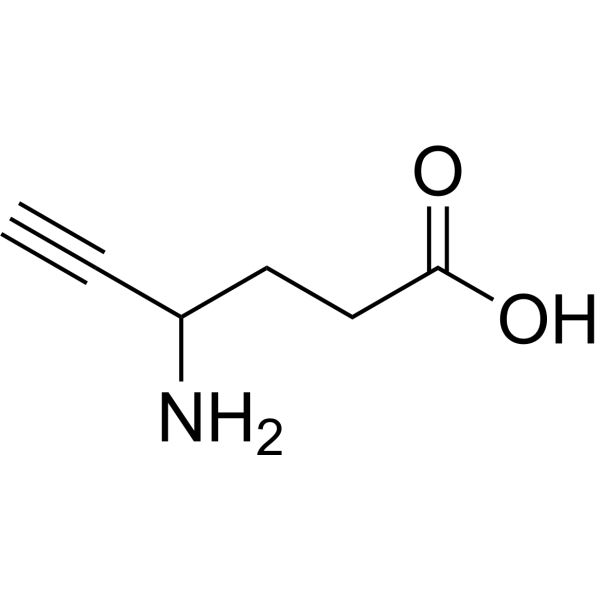
    γ-Acetylenic GABA (4-Aminohex-5-ynoic acid) is an irreversible inhibitor of GABA-transaminase. γ-Acetylenic GABA can increase the concentration of GABA in rat brain . γ-Acetylenic GABA is a click chemistry reagent, it contains an Alkyne group and can undergo copper-catalyzed azide-alkyne cycloaddition (CuAAc) with molecules containing Azide groups.
    γ-Acetylenic GABA
  • HY-B0033S

    γ-Vinyl-GABA-13C,d2 hydrochloride

    Isotope-Labeled Compounds GABA Receptor Neurological Disease
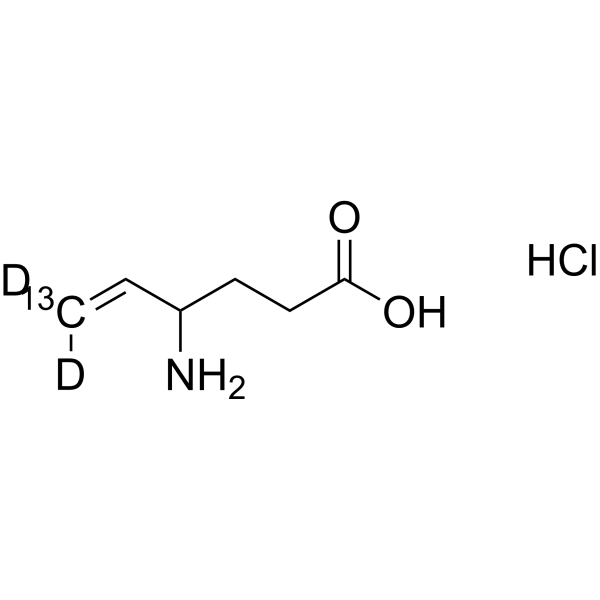
    Vigabatrin- 13C,d2 (hydrochloride) is the 13C- and deuterium labeled Vigabatrin (hydrochloride). Vigabatrin hydrochloride (γ-Vinyl-GABA hydrochloride), a inhibitory neurotransmitter GABA vinyl-derivative, is an orally active and irreversible GABA transaminase inhibitor. Vigabatrin hydrochloride is an antiepileptic agent, which acts by increasing GABA levels in the brain by inhibiting the catabolism of GABA by GABA transaminase .
    Vigabatrin-13C,d2 hydrochloride
  • HY-101414A
    L-DABA hydrobromide
    1 Publications Verification

    L-2,4-Diaminobutyric acid hydrobromide

    Endogenous Metabolite GABA Receptor Neurological Disease Cancer
    L-DABA (L-2,4-Diaminobutyric acid) hydrobromide is a week GABA transaminase inhibitor with an IC50 of larger than 500 μM; exhibits antitumor activity in vivo and in vitro.
    L-DABA hydrobromide
  • HY-156965

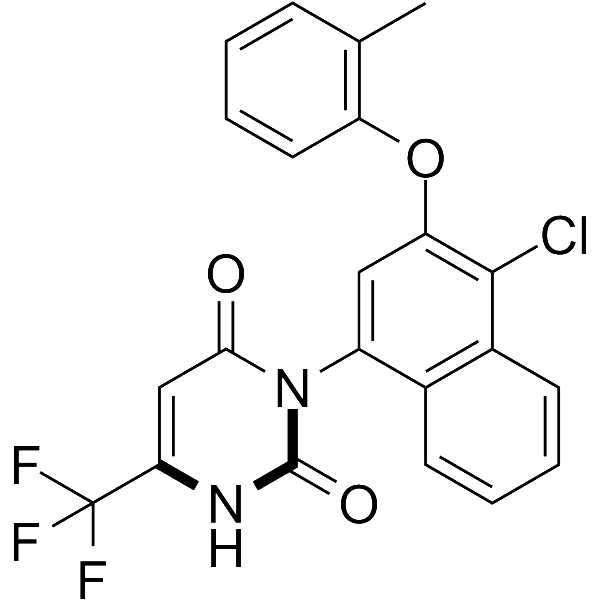
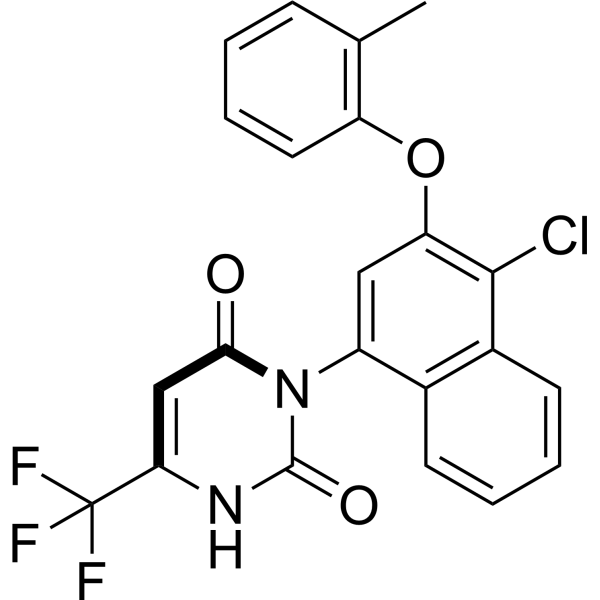
    Fluorescent Dye Metabolic Disease Cancer
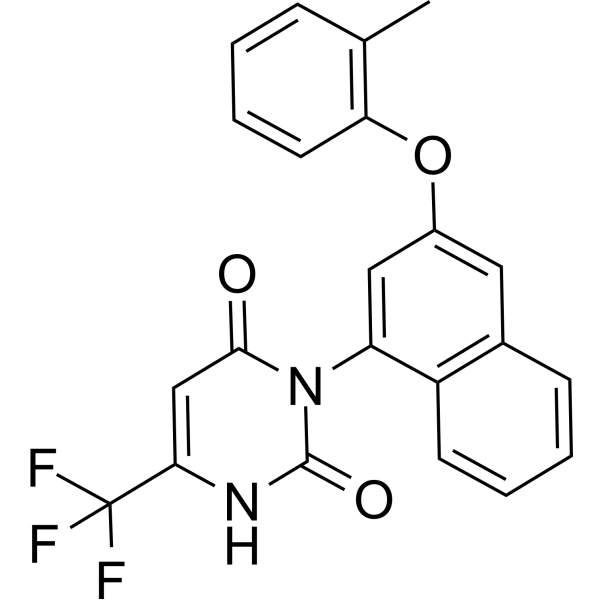
    BAY-771, a structurally close pyrimidinedione, is a chemical probe with good lead-like properties and high permeability in Caco-2 cells (no hint of efflux). BAY-771 shows very weak inhibitory activity in the BCAT1 biochemical assay and no activity in BCAT2. BAY-771 can be used as a negative control of HY-148242 BAY-069. BAY-771 can be used for the research of tumor metabolism .
    BAY-771
  • HY-W018791R

    DDB (Standard)

    Reference Standards HBV Autophagy Cytochrome P450 Atg8/LC3 p62 P-glycoprotein Infection Cardiovascular Disease Cancer
    Bifendate (DDB), extracted from Schisandrae chinensis, is an orally active anti-HBV agent against chronic hepatitis B. Bifendate inhibits ATG5-dependent autophagy and attenuates oleic acid-induced lipid accumulation with anti-oxidant properties in vitro. Bifendate can decrease alanine transaminase (ALT) level in mice. Bifendate attenuates hepatic steatosis in cholesterol/bile salt- and high-fat diet-induced hypercholesterolemia in mice. Bifendate potently increases the activity of cytochrome proteins (CYPs) and reverse P-gp-mediated multi-drug resistance (MDR) .
    Bifendate (Standard)
  • HY-P3170

    Biochemical Assay Reagents Bacterial Infection
    β-alanine-pyruvate transaminase is an enzyme. Dihydrouracil and dihydrothymine, as nitrogen sources, increase the activity of β-alanine-pyruvate transaminase in cultured B. cepacia cells. The activity of β-alanine-pyruvate transaminase can be measured by tracking the release of L-α-alanine during the reaction .
    β-Alanine-pyruvate transaminase
  • HY-15399R

    γ-Vinyl-GABA (Standard)

    Reference Standards GABA Receptor Neurological Disease
    Vigabatrin (Standard) is the analytical standard of Vigabatrin. This product is intended for research and analytical applications. Vigabatrin (γ-Vinyl-GABA), an inhibitory neurotransmitter GABA vinyl-derivative, is an orally active and irreversible GABA transaminase inhibitor. Vigabatrin is an antiepileptic agent, which acts by increasing GABA levels in the brain by inhibiting the catabolism of GABA by GABA transaminase .
    Vigabatrin (Standard)
  • HY-P3690

    Proteasome Others
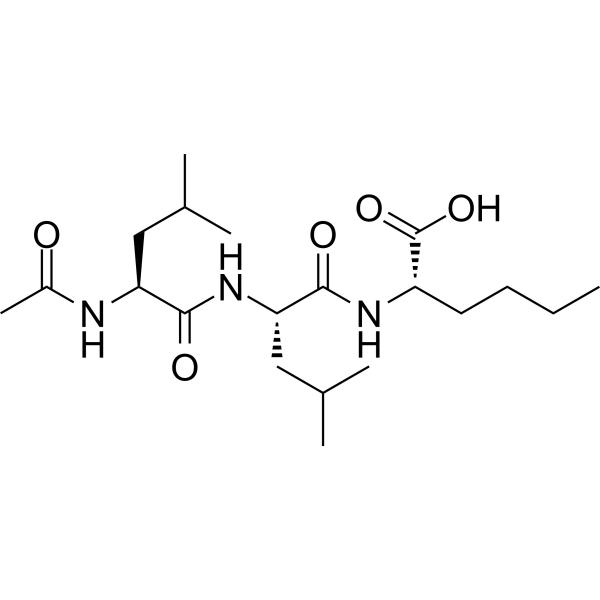
    Ac-Leu-Leu-Norleucinol (ALLN) is a calpain inhibitor, can be used for research of Acetaminophen (HY-66005) induced acute liver damage, and lowers glutamic-oxalacetic transaminease (ALT) and glutamic-pyruvic transaminase (AST) .
    Ac-Leu-Leu-Norleucinol
  • HY-W097899R

    Reference Standards JNK Cancer
    Vanillylamine is an immediate precursor for capsaicinoids. Vanillylamine is a derivative of Vanillin (HY-N0098) is synthesized through a transaminase reaction in the phenylpropanoid pathway of capsaicinoid synthesis. Vanillylamine significantly alleviates myelosuppression caused by abdominal and pelvic tumor chemotherapy .
    Vanillylamine (Standard)
  • HY-W778008

    Isotope-Labeled Compounds GABA Receptor Neurological Disease
    Rac-Vigabatrin- 13C,d2 (Major) is the deuterium and 13C labeled Vigabatrin (HY-15399). Vigabatrin (γ-Vinyl-GABA), an inhibitory neurotransmitter GABA vinyl-derivative, is an orally active and irreversible GABA transaminase inhibitor. Vigabatrin is an antiepileptic agent, which acts by increasing GABA levels in the brain by inhibiting the catabolism of GABA by GABA transaminase .
    Rac-Vigabatrin-13C,d2 (Major)
  • HY-B1122R

    (S)-Cycloserine (Standard); (S)-4-Amino-3-isoxazolidone (Standard)

    Reference Standards GABA Receptor HIV Neurological Disease Cancer
    L-Cycloserine (Standard) is the analytical standard of L-Cycloserine. This product is intended for research and analytical applications. L-Cycloserine ((S)-4-Amino-3-isoxazolidone) is an oral inhibitor of the enzyme gamma-aminobutyric acid (GABA) transaminase (GABA-t) and branched-chain transaminases in Mycobacterium tuberculosis. L-Cycloserine has anticonvulsant properties and inhibits the synthesis of neurotensin in mouse brains[1][2][3][4].
    L-Cycloserine (Standard)
  • HY-168429

    Aminotransferases (Transaminases) Parasite Infection
    3HKT-IN-1 (Compound 17122279) is an Anopheles gambiae 3-hydroxykynurenine transaminase (3HKT) inhibitor. 3HKT-IN-1 can be used for Malaria research .
    3HKT-IN-1
  • HY-101414R

    L-2,4-Diaminobutyric acid (Standard)

    Reference Standards GABA Receptor Endogenous Metabolite Neurological Disease Cancer
    L-DABA (Standard) is the analytical standard of L-DABA. This product is intended for research and analytical applications. L-DABA (L-2,4-Diaminobutyric acid) is a week GABA transaminase inhibitor with an IC50 of larger than 500 μM; exhibits antitumor activity in vivo and in vitro.
    L-DABA (Standard)
  • HY-N12016

    Others Metabolic Disease
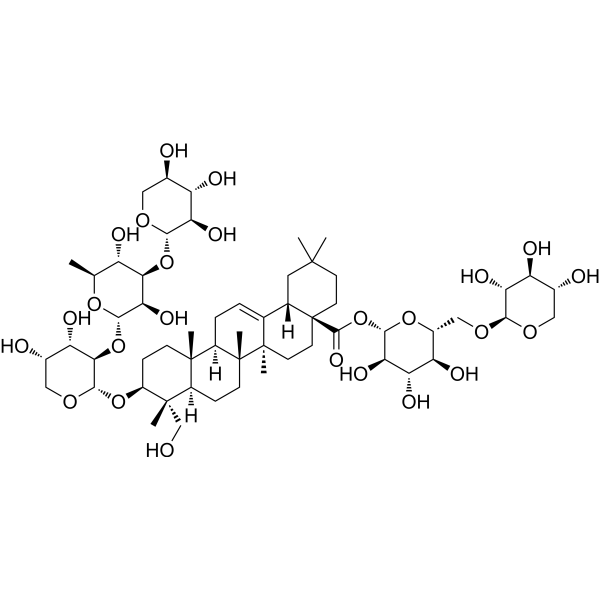
    Fulvotomentoside B is a saponin isolated from Lactobacillus flavus. Fulvotomentoside compounds can significantly reduce serum glutamate pyruvate transaminase (SGPT) and triacylglycerol (GT) levels in mice poisoned by CCl4, d-galactosamine (d-gal) and acetaminophen, and significantly alleviate liver pathology. damage .
    Fulvotomentoside B
  • HY-106417

    SA 3443

    Phosphatase Aminotransferases (Transaminases) Metabolic Disease
    Limazocic (SA 3443) is an orally active hepatoprotective agent. Limazocic can inhibit increases in serum transaminase, alkaline phosphatase activity and hepatic lipids, hydroxyproline content induced by CCl4. Limazocic can decrease the degree of hepatic necrosis, fibrosis and steatosis. Limazocic can be used for the research of chronic liver injuries .
    Limazocic
  • HY-173293

    ASK1 Inflammation/Immunology
    ASK1-IN-8 (Compound 35) is an orally active inhibitor of apoptosis signal-regulating kinase 1 (ASK1) with an IC50 value of 1.8 nM . In an experimental mouse model of liver injury induced by Acetaminophen (HY-66005), ASK1-IN-8 can significantly reduce the plasma alanine transaminase (ALT) level, protecting the liver . ASK1-IN-8 can be used in research related to liver diseases .
    ASK1-IN-8
  • HY-I0746R

    m-Aminobenzoic acid (Standard); 3ABA (Standard)

    Reference Standards Endogenous Metabolite Neurological Disease Inflammation/Immunology
    3-Aminobenzoic acid (Standard) is the analytical standard of 3-Aminobenzoic acid. This product is intended for research and analytical applications. 3-Aminobenzoic acid (3-ABA) is an orally active anti-inflammatory agent targeting the tight junction (TJ) regulatory pathways in intestinal epithelial cells. 3-Aminobenzoic acid improves intestinal inflammation by enhancing intestinal barrier integrity and reducing epithelial permeability. It can be used in studies related to improving gut health. Additionally, 3-Aminobenzoic acid analogs can act as γ-aminobutyric acid transaminase (GABA-AT) inhibitors, exhibiting anticonvulsant effects .
    3-Aminobenzoic acid (Standard)
  • HY-N1516R

    Reference Standards Apoptosis Cancer
    3-Aminobenzoic acid (Standard) is the analytical standard of 3-Aminobenzoic acid. This product is intended for research and analytical applications. 3-Aminobenzoic acid (3-ABA) is an orally active anti-inflammatory agent targeting the tight junction (TJ) regulatory pathways in intestinal epithelial cells. 3-Aminobenzoic acid improves intestinal inflammation by enhancing intestinal barrier integrity and reducing epithelial permeability. It can be used in studies related to improving gut health. Additionally, 3-Aminobenzoic acid analogs can act as γ-aminobutyric acid transaminase (GABA-AT) inhibitors, exhibiting anticonvulsant effects .
    Ganoderenic acid D (Standard)
  • HY-W017785

    Diisopropylidene acetone

    Glutathione S-transferase Metabolic Disease Cancer
    Phorone (Diisopropylidene acetone) is a glutathione (GSH) depletor. Phorone specifically and reversibly depletes free GSH through enzymatic binding (Glutathione S-transferase) (Km = 0.9 mM). Phorone reversibly reduces the binding and nuclear uptake of glucocorticoid receptors in rat liver, and this effect is related to the temporal changes in GSH levels. Phorone can be used for studying liver toxicity.
    Phorone
  • HY-E70966

    Aminotransferases (Transaminases) Metabolic Disease
    Glutamic-Pyruvic Transaminase, Porcine (EC 2.6.1.2), is a transaminase that catalyzes two steps of the alanine cycle.
    Glutamic-Pyruvic Transaminase, Porcine
  • HY-E71319

    Biochemical Assay Reagents Others
    β-Methylphenylalanine transaminase (EC 2.6.1.107) requires pyridoxal phosphate. Isolated from the bacterium Streptomyces hygroscopicus NRRL3085. It is involved in the biosynthesis of the glycopeptide antibiotic mannopeptimycin.
    β-Methylphenylalanine transaminase
  • HY-E71111

    Biochemical Assay Reagents Others
    (S)-3,5-Dihydroxyphenylglycine transaminase (EC 2.6.1.103) catalyses the reaction in the reverse direction as part of the biosynthesis of the (S)-3,5-Dihydroxyphenylglycine constituent of the glycopeptide antibiotic chloroeremomycin.
    (S)-3,5-Dihydroxyphenylglycine transaminase

Inquiry Online

Your information is safe with us. * Required Fields.

Salutation


Country or Region *

Applicant Name *


Organization Name *

Department *


Email Address *


Product Name *

Cat. No.


Requested quantity *

Phone Number *


Remarks

Inquiry Online

Inquiry Information

Product Name:
Cat. No.:
Quantity:
MCE Japan Authorized Agent: