



Vigabatrin hydrochloride (Standard)
Vigabatrin (hydrochloride) (Standard) is the analytical standard of Vigabatrin (hydrochloride). This product is intended for research and analytical applications. Vigabatrin hydrochloride (γ-Vinyl-GABA hydrochloride), a inhibitory neurotransmitter GABA vinyl-derivative, is an orally active and irreversible GABA transaminase inhibitor. Vigabatrin hydrochloride is an antiepileptic agent, which acts by increasing GABA levels in the brain by inhibiting the catabolism of GABA by GABA transaminase.
For research use only. We do not sell to patients.
- Purity : 95%
- CAS No.: 1391054-02-6
- Formula: C6H12ClNO2
- Molecular Weight:165.62
-
Storage:
Please store the product under the recommended conditions in the Certificate of Analysis.


To place orders, for customer services and technical support, please contact: MedChemExpress USA
Tel: 609-228-6898 E-mail: [email protected] [email protected]


-
 Product Information
-
Chemical Information
- Purity & Documentation
-
 Help & FAQs


-
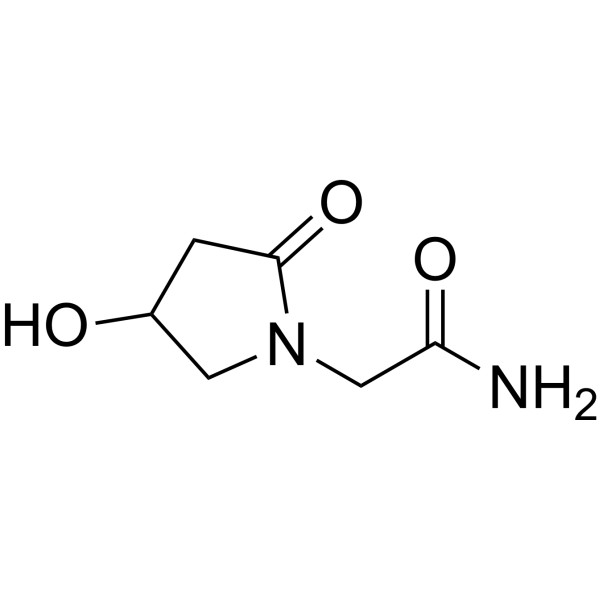
HY-B1715
OxiracetamNootropic Agent -
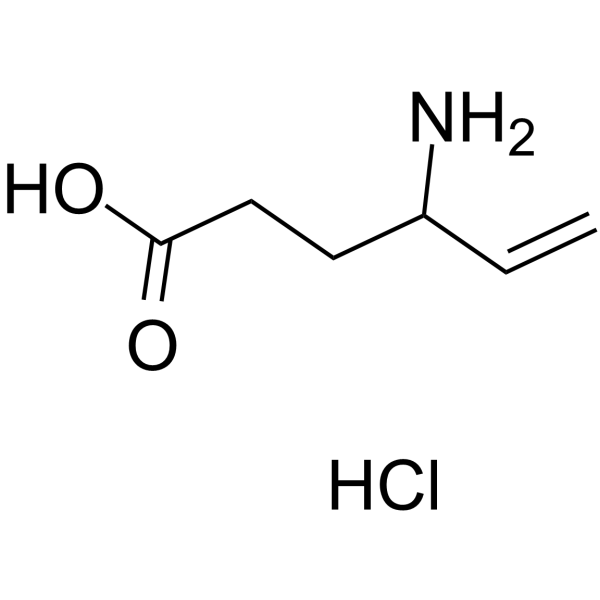
HY-B0033
Vigabatrin hydrochlorideAntiepileptic Agent -

HY-B1715R
Oxiracetam (Standard)Nootropic Agent -
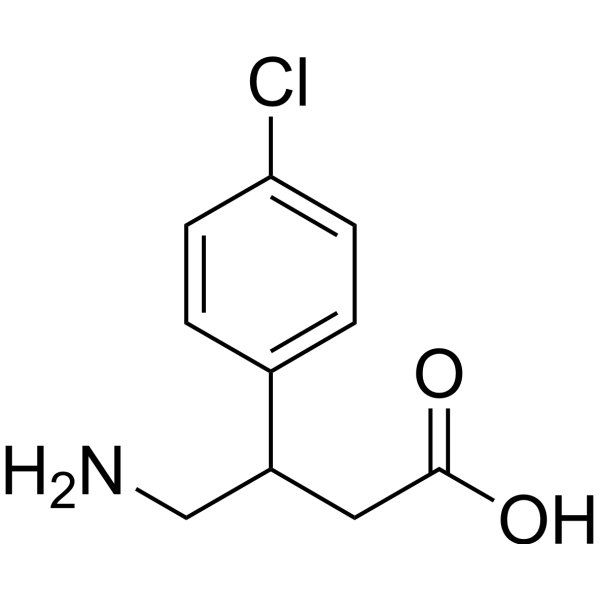
HY-B0007
BaclofenGABABR Agonist -
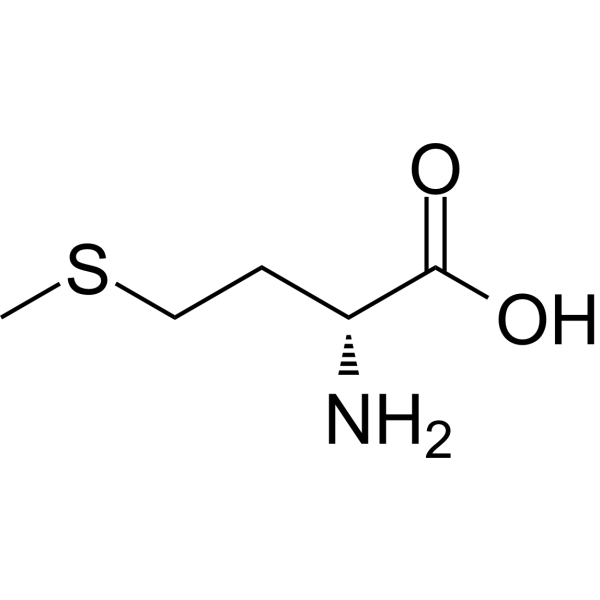
HY-13694
MethionineEndogenous Metabolite -
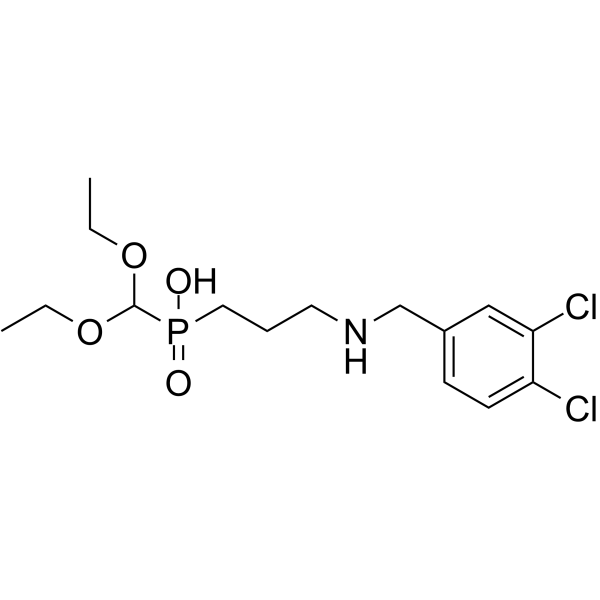
HY-103531
CGP52432GABAB Antagonist -
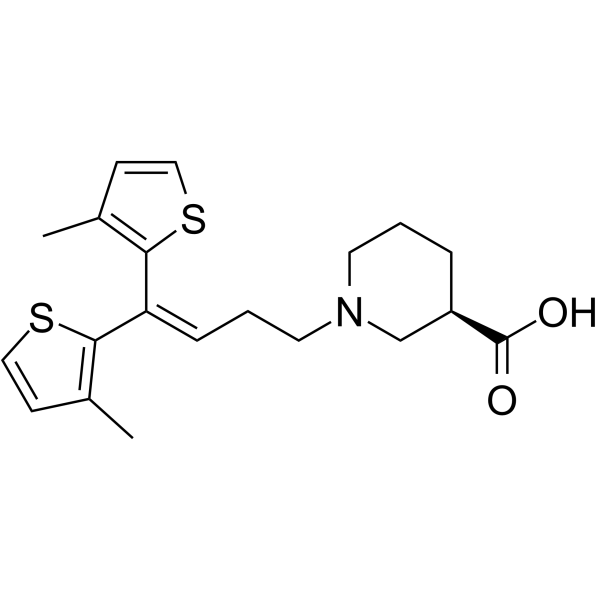
HY-B0696
TiagabineGAT-1 Inhibitor -
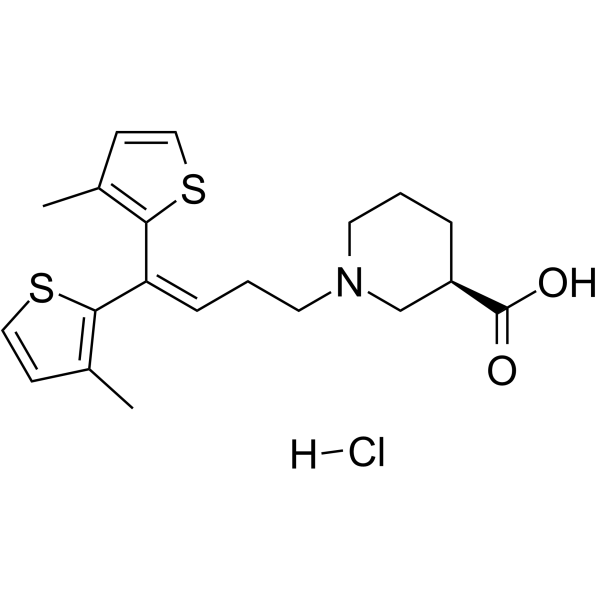
HY-B0696A
Tiagabine hydrochlorideGAT-1 Inhibitor -
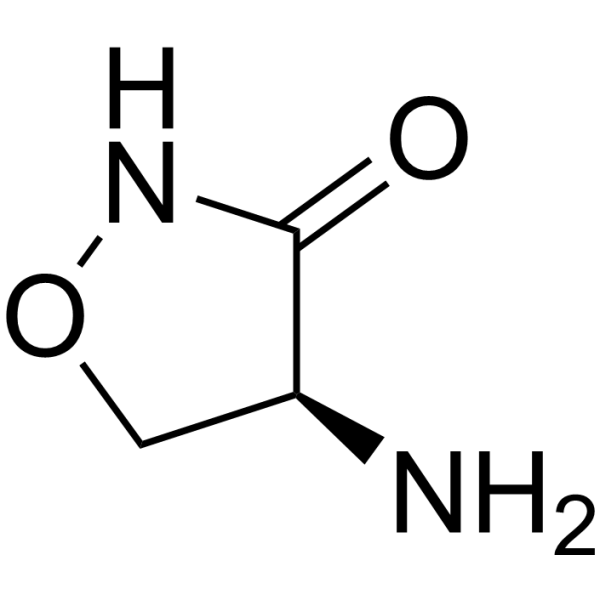
HY-B1122
L-CycloserineHIV Inhibitor -
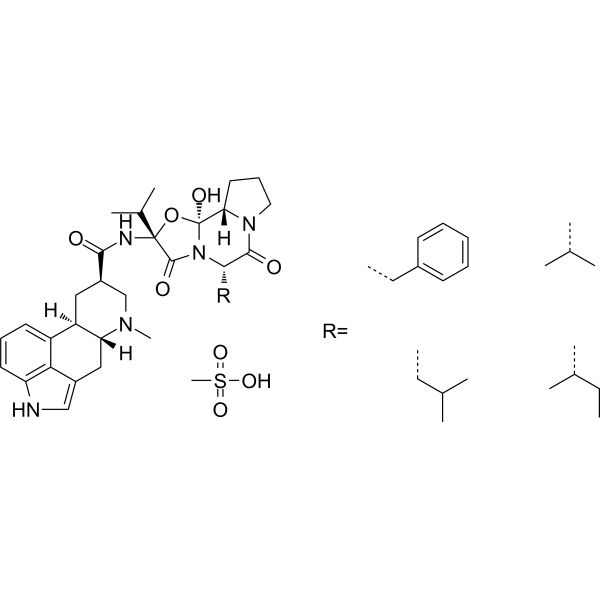
HY-B0799
Dihydroergotoxine mesylateGABA Receptor Modulator -
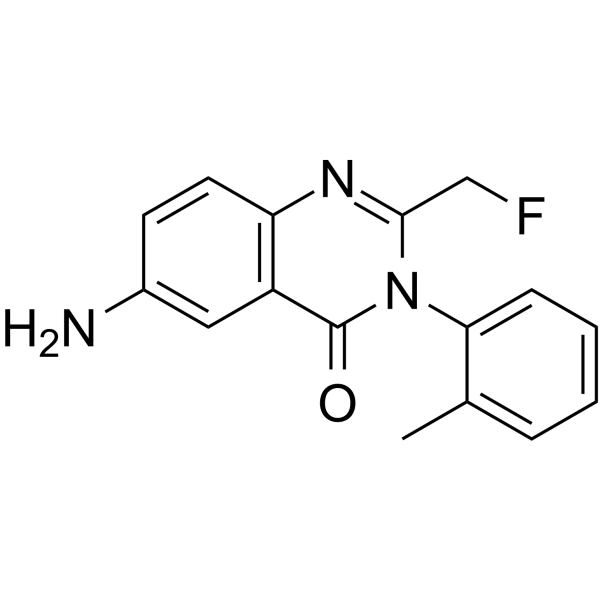
HY-B1833
AfloqualoneMuscle Relaxant Agent -
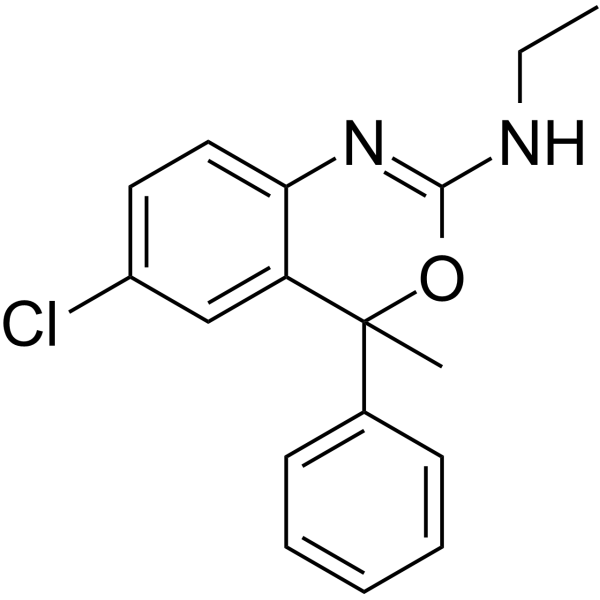
HY-16579A
EtifoxineGABA Receptor PAM


Product Information
Information
Application
The compound is the grade of analytical standard, which is the reference standard supplied assay. It is commonly used in qualitative, quantitative and methodological research experiments in HPLC, GC and MS.


Chemical Information
-
CAS No. 1391054-02-6
-
Molecular Weight 165.62
-
Formula C6H12ClNO2
-
SMILES
C=CC(N)CCC(O)=O.Cl
-
Synonyms
γ-Vinyl-GABA hydrochloride (Standard)
-
Shipping
Room temperature in continental US; may vary elsewhere.
-
Storage
Please store the product under the recommended conditions in the Certificate of Analysis.


Purity & Documentation
References
[1]. Broeer, et al. Vigabatrin for focal drug delivery in epilepsy: Bilateral microinfusion into the subthalamic nucleus is more effective than intranigral or systemic administration in a rat seizure model. Neurobiology of Disease (2012), 46(2), 362-376. [Content Brief]
[2]. Jakob Plum, et al. The anti-epileptic drug substance vigabatrin inhibits taurine transport in intestinal and renal cell culture models. Int J Pharm. 2014 Oct 1;473(1-2):395-7. [Content Brief]
[3]. Gaily, Eija Vigabatrin monotherapy for infantile spasms. Expert Review of Neurotherapeutics (2012), 12(3), 275-286. [Content Brief]

Calculators
Concentration (start) × Volume (start) = Concentration (final) × Volume (final)


Vigabatrin hydrochloride (Standard) Related Classifications
HY-B0033R Related Classifications
 Powered by Bioz