1. Search Result
Search Result
Results for "

triple-negative breast cancer model

" in MedChemExpress (MCE) Product Catalog:

81

Inhibitors & Agonists

1

Fluorescent Dyes

1

Peptides

7

Inhibitory Antibodies

4

Natural
Products

2

Isotope-Labeled Compounds

2

Click Chemistry

Targets Recommended:
Cat. No. Product Name Target Research Areas Chemical Structure
  • HY-148807

    QC8222 free base; TACH 101 free base

    Histone Demethylase Apoptosis Cancer
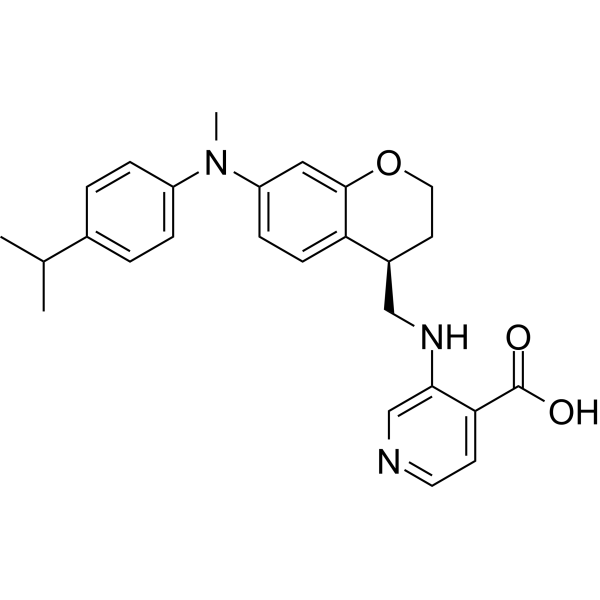
    Zavondemstat (QC8222 free base; TACH 101 free base) is an orally active pan-KDM4 inhibitor, with a IC50 ≤ 0.08 μM against human KDM4A-D and a Kᵢ of 0.52 μM against human KDM4C. Zavondemstat induces cell apoptosis, causes S-phase cell cycle arrest, reduces the population of tumor-initiating cells and inhibits cancer cell proliferation. Zavondemstat suppresses tumor growth and induces tumor regression in mouse xenograft models. Zavondemstat can be used for the research of various cancers including colorectal cancer, esophageal squamous cell carcinoma and triple-negative breast cancer .
    Zavondemstat
  • HY-162874

    STING IFNAR Cancer
    diABZI-V/C-DBCO is a STING agonist with an EC50 of 1.47 nM. diABZI-V/C-DBCO activates the STING pathway, induces the production of IFN-I, and stimulates the secretion of IFN-β. diABZI-V/C-DBCO serves as a substrate for cathepsin B, and releases active diABZI-amine via cathepsin B-mediated cleavage. In an orthotopic mouse model of breast cancer, diABZI-V/C-DBCO increases serum IFN-β levels and the frequency of granzyme B + CD8 + T cells. diABZI-V/C-DBCO is applicable to research related to triple-negative breast cancer .
    diABZI-V/C-DBCO
  • HY-N0168A

    TGF-beta/Smad NF-κB Infection Inflammation/Immunology Cancer
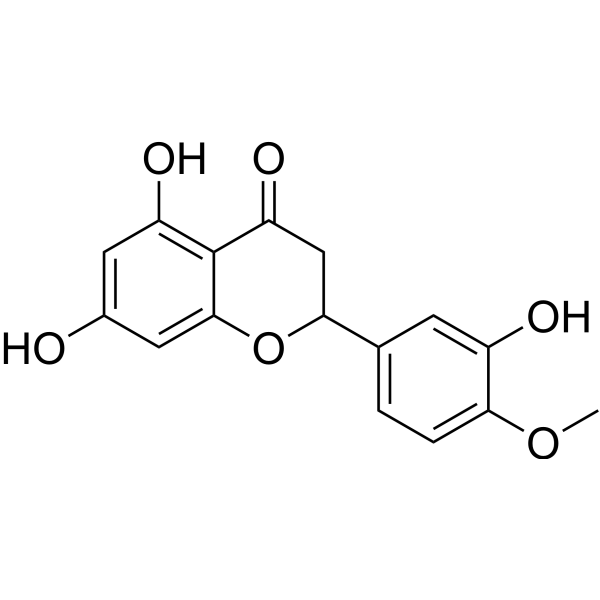
    (Rac)-Hesperetin is the racemate of Hesperetin (HY-N0168), an orally active multi-target inhibitor. (Rac)-Hesperetin exhibits significant anti-tumor and anti-inflammatory activities by blocking the TGF-β1-mediated Fyn/RhoA signaling axis and the TLR4-MyD88-NF-κB inflammatory pathway. (Rac)-Hesperetin inhibits the formation of actin stress fibers and the migration and invasion of cancer cells, and is suitable for triple-negative breast cancer research. In inflammation models, (Rac)-Hesperetin effectively alleviates lung injury by reducing the release of pro-inflammatory mediators and regulating the activity of oxidative stress enzymes, and is suitable for acute lung injury research. (Rac)-Hesperetin also interferes with the entry and early replication processes of channel catfish virus, inhibits viral gene expression and progeny virus production, thereby protecting cells from virus-induced cytopathic effects .
    (Rac)-Hesperetin
  • HY-12875

    Ras Cancer
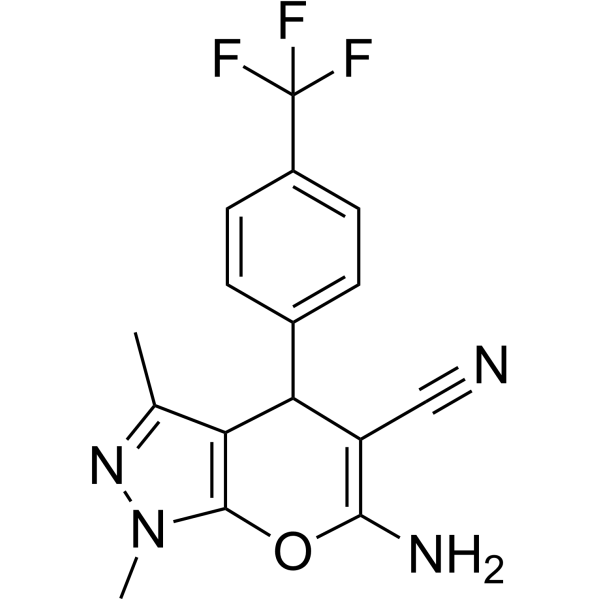
    BQU57 is a selective inhibitor of RalA/RalB small GTPases, with a binding potency (Kb) of 7.7 μM for RalB-GDP. BQU57 can block its interaction with effector proteins (such as SEC5 and EXO84), inhibiting tumor cell migration, invasion and non-adherent growth. BQU57 downregulates the NF-κB signaling pathway, reduces the expression of IL-6, IL-8 and MMP-13, and inhibits apoptosis by regulating the Bcl-2/Bax balance. BQU57 also protects the extracellular matrix by inhibiting the Ral/NF-κB pathway and can be used for the study of degenerative diseases. BQU57 exhibits significant antitumor activity in triple-negative breast cancer (TNBC) models, inhibiting orthotopic tumor growth and lung metastasis and enhancing paclitaxel chemotherapy sensitivity .
    BQU57
  • HY-162250

    PROTACs Histone Methyltransferase Cancer
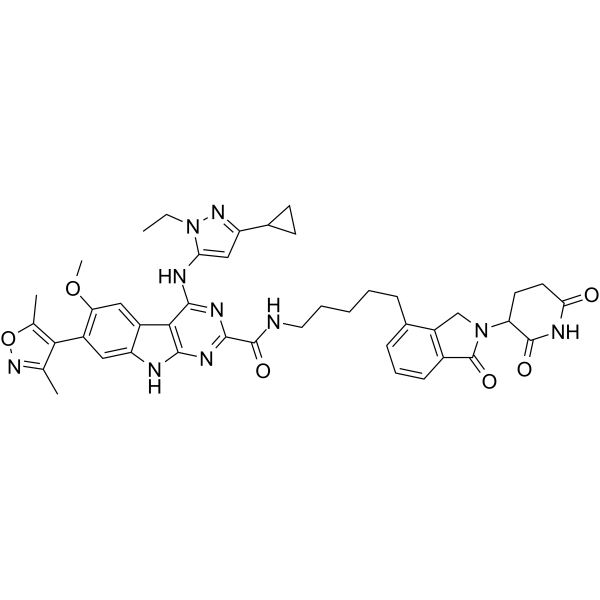
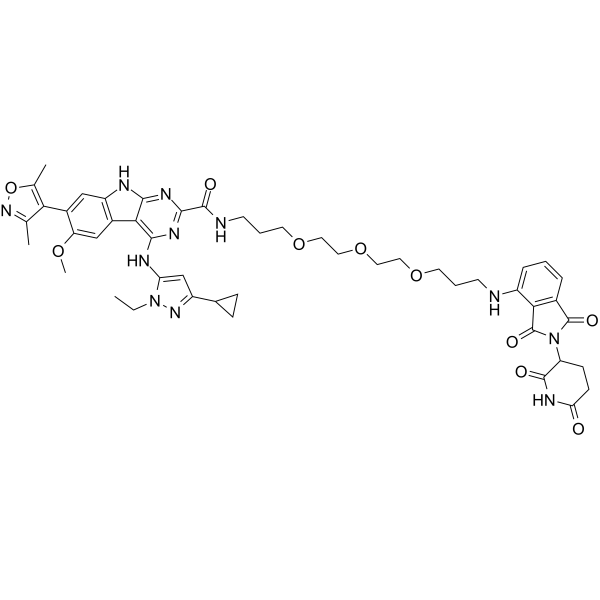
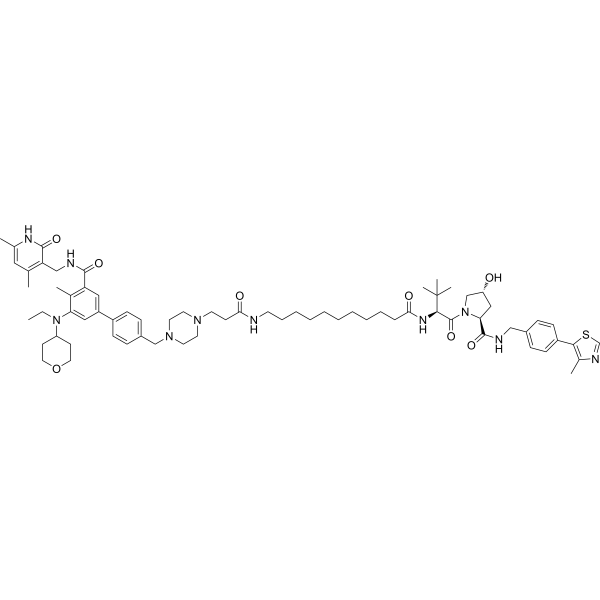
    MS8847 is a PROTAC degrader and antiproliferative agent targeting EZH2 (DC50=34.4 nM in EOL-1 MLL-rAML cells). MS8847 recruits the E3 ligase von Hippel-Lindau (VHL) to mediate the degradation of EZH2 via the ubiquitin-proteasome system. MS8847 induces antiproliferative effects in MLL-rearranged acute myeloid leukemia cells and inhibits the growth of triple-negative breast cancer cell lines or 3D triple-negative breast cancer models. MS8847 is applicable to research related to MLL-rearranged acute myeloid leukemia and triple-negative breast cancer .
    MS8847
  • HY-173522

    Kinesin Microtubule/Tubulin Cancer
    KIF2C-IN-1 is a cell-penetrating, selective KIF2C inhibitor with fluorescent properties (Ex/Em = 410/510 nm). KIF2C-IN-1 exhibits notable cytotoxicity and weak inhibitory effects on KIF2A/B. KIF2C-IN-1 prohibits the dissociation of KIF2C from microtubules. KIF2C-IN-1 inhibiting KIF2C reverses cross-resistance to microtubule-targeting agents. KIF2C-IN-1 reduces tumorigenesis in chemoresistant triple-negative breast cancer (TNBC) model in mice with the combination of Paclitaxel (HY-B0015) .
    KIF2C-IN-1
  • HY-13032B
    Molibresib besylate
    Maximum Cited Publications
    21 Publications Verification

    GSK 525762C; I-BET 762 besylate

    Epigenetic Reader Domain ERK Cancer
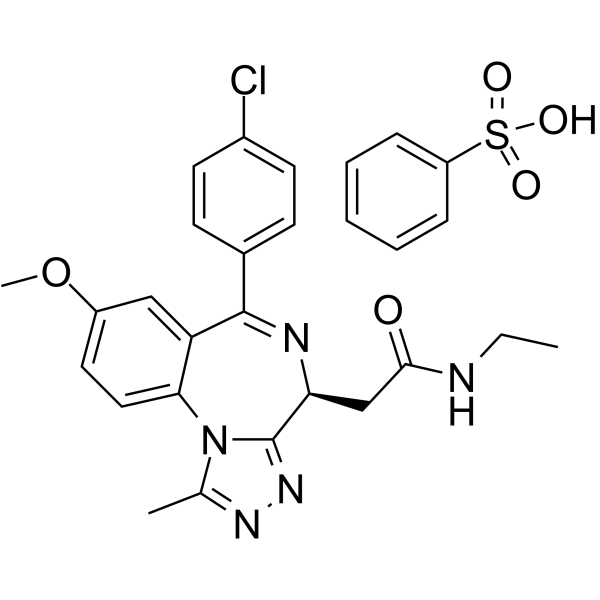
    Molibresib besylate (GSK 525762C; I-BET 762 besylate) is an orally active pan-BET inhibitor that targets and binds to BRD2, BRD3, BRD4 and BRDT. By competitively occupying acetylated lysine binding sites, Molibresib besylate disrupts the interaction between BET proteins and chromatin, thereby effectively inhibiting MYC expression and target gene transcription. Molibresib besylate exhibits broad antiproliferative activity, which not only inhibits cancer cell growth and induces growth arrest, but also downregulates mitosis-related genes and upregulates the level of p-ERK1/2. When combined with MEK inhibitors, Molibresib besylate shows a significant synergistic effect, reduces tumor burden in mouse models of leukemia, modulates the immune microenvironment and prolongs survival. Molibresib besylate is widely applicable to research related to acute myeloid leukemia, multiple myeloma, triple-negative breast cancer, small-cell lung cancer and various advanced refractory solid tumors .
    Molibresib besylate
  • HY-P991372

    RN927C antibody

    TROP2 Cancer
    Anti-TROP2 Antibody (RN927C antibody) is a human monoclonal antibody targeting Trop-2. Anti-TROP2 Antibody exerts in vitro inhibitory effects on a variety of tumor cell lines. Anti-TROP2 Antibody exhibits anti-tumor activity in mouse pancreatic PDX, ovarian PDX, lung PDX and triple-negative breast cancer (TNB) PDX models. Anti-TROP2 Antibody can be used for research on pancreatic cancer, ovarian cancer, lung cancer and triple-negative breast cancer .
    Anti-TROP2 Antibody
  • HY-168894

    Ferroptosis JAK STAT p38 MAPK AMPK GSK-3 Apoptosis HSP TNF Receptor Cardiovascular Disease Neurological Disease Metabolic Disease Cancer
    CT-1 is a secreted protein belonging to the IL-6 cytokine family. Overexpression of CT-1 enhances cell proliferation, migration and angiogenesis via the ADMA/DDAH pathway. CT-1 inhibits the growth of triple-negative breast cancer cells by simultaneously inducing Ferroptosis in N2-type tumor-associated neutrophils and cancer cells. CT-1 activates the Jak/STAT-3, p42/p44 MAPK and AMPK pathways, and inhibits GSK-3β activity through phosphorylation to induce cardiomyocyte hypertrophy. CT-1 enhances the viability of cardiomyocytes and neurons, reduces cell Apoptosis, induces the expression of heat shock proteins (HSP) and BNP, and inhibits TNF levels. CT-1 exerts anti-tumor activity in mouse models of triple-negative breast cancer. CT-1 improves cognitive impairment in mice. CT-1 is applicable to the research of ischemic heart disease, triple-negative breast cancer, myocardial hypertrophy, Parkinson's disease, hypertensive heart disease, myocardial infarction, acute Chagas cardiomyopathy, high-fat diet-induced cognitive impairment and diabetes-related cognitive impairment .
    CT-1
  • HY-173496

    Sialyltransferase Integrin VEGFR Akt Cancer
    ST6GAL1-IN-1 is an orally active selective ST6GAL1 inhibitor (IC50 = 20 μM). ST6GAL1-IN-1 exhibits high antimetastatic potential, effectively inhibiting the migration of MDA-MB-231 cells at noncytotoxic concentrations. ST6GAL1-IN-1 can disrupt integrin sialylation in MDA-MB-231 cells. ST6GAL1-IN-1 inhibits tumor angiogenesis and cancer metastasis via the Integrin/VEGFR2-mediated signaling pathway. ST6GAL1-IN-1 effectively suppresses both tumor growth and cancer metastasis on the MDA-MB-231 xenograft model. ST6GAL1-IN-1 can be used for the study of Triple-negative breast cancer (TNBC) .
    ST6GAL1-IN-1
  • HY-120548

    TGF-β Receptor Integrin Raf RIP kinase ERK Cancer
    KBU2046 is an orally active transforming growth factor-β (TGF-β1) inhibitor. KBU2046 reduces integrin family protein expression, decreases Raf, RIPK1 and ERK phosphorylation to deactivate the ERK signaling pathway, and down-regulates genes linked to TGF-β1 maturation. KBU2046 suppresses tumor cell motility, impedes cancer invasion and metastasis, and inhibits human ESCC growth and metastasis in a murine model. KBU2046 can be used for the researches of triple-negative breast cancer and esophageal squamous cell carcinoma .
    KBU2046
  • HY-156096

    HDAC Histone Methyltransferase Caspase Apoptosis DNA/RNA Synthesis Cancer
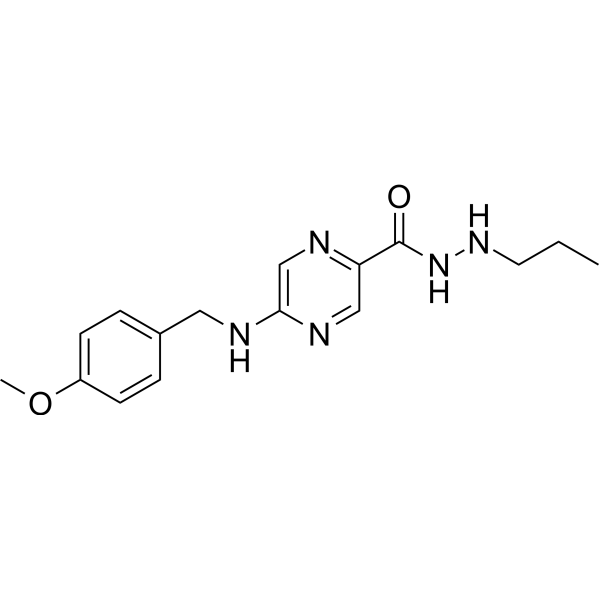
    HDAC3-IN-2 (compound 4i) is a pyrazinyl hydrazide-based HDAC3 inhibitor (IC50: 14 nM) that efficiently targets triple-negative breast cancer cells. HDAC3-IN-2 is cytotoxic with an IC50 of 0.55 μM against 4T1 and an IC50 of 0.74 μM against MDA-MB-231. HDAC3-IN-2 has anti-tumor efficacy in vivo in tumor-bearing mouse models, selectively increasing the acetylation levels of H3K9, H3K27 and H4K12, increasing the contents of apoptosis-related caspase-3, caspase-7 and cytochrome c, and reducing Proliferation-related Bcl-2, CD44, EGFR, and Ki-67 levels .
    HDAC3-IN-2
  • HY-172888

    Endogenous Metabolite Sialyltransferase FAK Integrin Cancer
    SPP-037 is an orally active and selective inhibitor of ST6GAL1 (IC50 = 3.59 μM). SPP-037 inhibits integrin α2,6-sialylation and integrin-FAK-paxillin pathway. SPP-037 inhibits cancer cell proliferation, migration and exhibits antiangiogenic activity. SPP-037 has anti-tumor activity in MDA-MB-231 xenograft mouse model. SPP-037 can be used for the research of triple-negative breast cancer .
    SPP-037
  • HY-N7694
    Isotoosendanin
    1 Publications Verification

    TGF-β Receptor JAK STAT Apoptosis Inflammation/Immunology Cancer
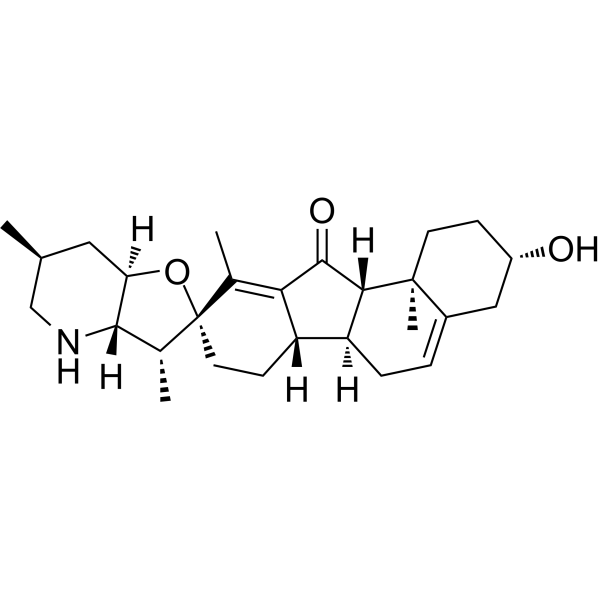
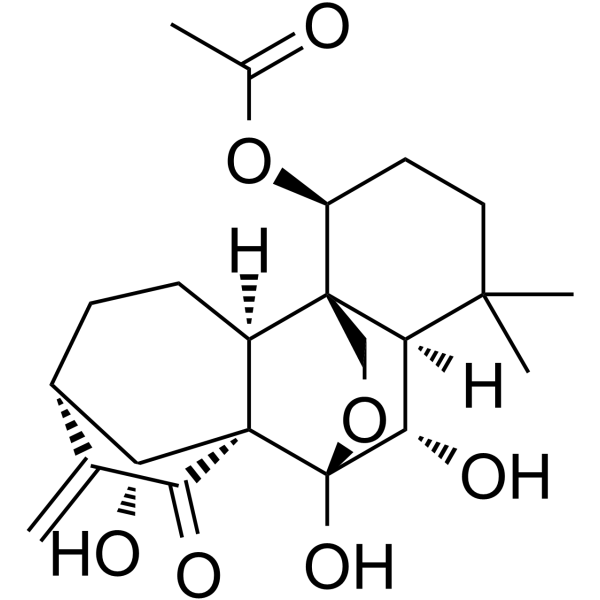
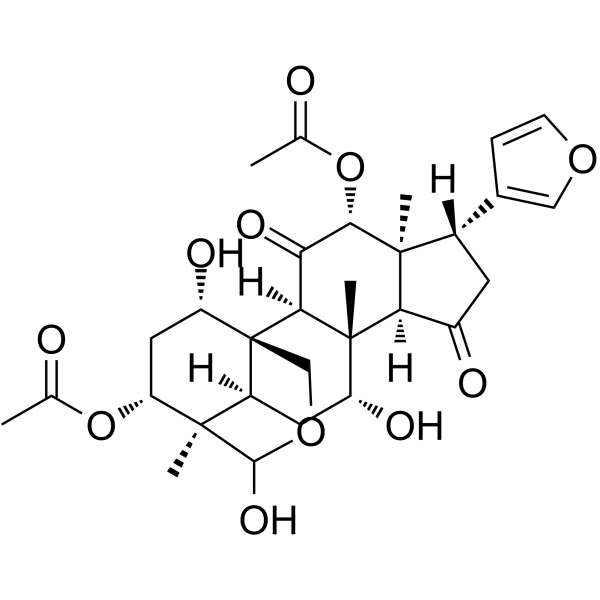
    Isotoosendanin is an orally active TGFβR1 inhibitor and abrogating its kinase activity (IC50 = 6732 nM). Isotoosendanin inhibits the JAK/STAT3 signaling pathway by directly targeting SHP-2, enhancing its stability, and reducing its ubiquitination. Isotoosendanin inhibits TGF-β-induced reduces the migration, invasion, and metastasis in triple-negative breast cancer (TNBC) cells. Isotoosendanin exhibits anti-tumor efficacy in TNBC xenograft models and A549 xenograft tumors. Isotoosendanin exhibits significant anti-inflammatory effects in acetic acid-induced vascular permeability and λ-carrageenan-induced hind paw edema tests. Isotoosendanin can be used for the study of non-small cell lung cancer (NSCLC), TNBC and inflammation .
    Isotoosendanin
  • HY-165245

    Transmembrane Glycoprotein Cancer
    SBI-183 is an orally active inhibitor of QSOX1 (Kd: 20 μM). SBI-183 suppresses the proliferative and invasive phenotype of renal cancer cell lines, including triple negative breast cancer cell line, lung adenocarcinoma cell line and pancreatic ductal adenocarcinoma. SBI-183 inhibits tumor growth in two human xenograft mouse models of renal cell carcinoma in vivo .
    SBI-183
  • HY-177542

    Emi-Le; XMT-1660

    Cancer
    Emiltatug ledadotin (Emi-Le; XMT-1660) is a B7-H4-targeted antibody-drug conjugate (ADC). Emiltatug ledadotin consists of the tumor-specific anti-B7-H4 monoclonal antibody Emiltatug (HY-P990918) and the linker-payload system Ledadotin (HY-177541), with site-specific conjugation achieved via GlycoConnect click chemistry. Emiltatug ledadotin inhibits the growth of B7-H4-positive cancer cells. Emiltatug ledadotin can be used to study advanced solid tumors with B7-H4 overexpression, particularly breast cancer, ovarian cancer, and endometrial cancer .
    Emiltatug ledadotin
  • HY-148923

    STAT Cancer
    MC0704 is a STAT3 inhibitor with an IC50 value of 2.13 μM. MC0704 induces cell apoptosis and cell cycle arrest. MC0704 shows antitumor activity in mouse breast cancer models. MC0704 can be used for the research of metastatic triple-negative breast cancer (mTNBC) .
    MC0704
  • HY-168950

    Annexin A Cancer
    ANXA3 degrader 1 (Compound 18a5) is a highly selective ANXA3 degrader with cancer cell inhibition activity. ANXA3 degrader 1 displays excellent inhibitory effect in a triple-negative breast cancer (TNBC) tumor xenograft model (TGI=96%) .
    ANXA3 degrader 1
  • HY-P991664

    Src Akt ERK TAM Receptor c-Met/HGFR MMP HIF/HIF Prolyl-Hydroxylase VEGFR Cancer
    AG01 is a monoclonal antibody against progranulin (GP88). AG01 inhibits triple-negative breast cancer (TNBC) cell proliferation and migration, reduces the expression of phosphorylated protein kinases p-Src, p-AKT, and p-ERK, and reduces the expression of oncogenic proteins such as Axl, c-MET, HIF-1α, and VEGF. AG01 inhibits tumor growth and Ki67 expression in a TNBC xenograft mouse model. AG01 can be used in the research of TNBC and other cancers .
    AG01
  • HY-177332

    TAM Receptor SARS-CoV Akt Infection Cancer
    SLC-391 is an orally active AXL kinase inhibitor with an IC50 of 9.6 nM against AXL kinase. SLC-391 inhibits Gas6-induced AXL-dependent phosphorylation of Akt. SLC-391 inhibits SARS-CoV-2 infection, entry and replication in cells. SLC-391 suppresses cancer cell proliferation. SLC-391 inhibits tumor growth in mouse solid tumor xenograft models. SLC-391 can be used for the research of COVID-19, influenza virus infection, triple-negative breast cancer, chronic myeloid leukemia and non-small cell lung cancer .
    SLC-391
  • HY-168996

    CDK Apoptosis Cancer
    LA-CB1 is an Abemaciclib (HY-16297A) derivative that targets CDK4/6 and promotes its degradation via the ubiquitin-proteasome pathway, thereby disrupting the CDK4/6-Cyclin D1-Rb-E2F axis and inducing G0/G1 cell cycle arrest and apoptosis. LA-CB1 exhibits antiproliferative activity against MDA-MB-231 cells, with an IC50 of 0.27 µM, and effectively inhibits epithelial-mesenchymal transition (EMT), cell migration, invasion, and angiogenesis. In highly aggressive models such as triple-negative breast cancer (TNBC), LA-CB1 significantly suppresses tumor growth in a dose-dependent manner. LA-CB1 holds potential for research in the field of breast cancer .
    LA-CB1
  • HY-164429

    Integrin Elastase Cancer
    VIP236 is a small-molecule drug conjugate targeting αvβ3 integrin. VIP236 achieves tumor homing via specific binding to αvβ3 integrin and delivers its payload to the tumor microenvironment. The linker of VIP236 is cleavable by neutrophil elastase, which is highly expressed in the tumor microenvironment, to release the payload 7-ethylcamptothecin. This payload induces DNA damage by inhibiting topoisomerase 1, thereby exerting anti-tumor effects. VIP236 exhibits excellent plasma stability and tumor targeting property, with a tumor/plasma payload ratio 10-fold higher than that of the single administration. It effectively induces tumor regression, reduces metastasis formation, and shows good tolerance in mouse models. VIP236 has been used in studies related to non-small cell lung cancer, clear cell renal cell carcinoma, colon cancer, triple-negative breast cancer, small cell lung cancer, and metastatic solid tumors .
    VIP236
  • HY-173119

    ERK Autophagy Apoptosis p62 mTOR Reactive Oxygen Species (ROS) Ferroptosis Cancer
    SKLB-D18 is an orally active ERK1/2/ERK5 inhibitor, with an IC50 of 38.69 nM and a Kd of 126.9 nM against human ERK1, an IC50 of 40.12 nM and a Kd of 209.8 nM against ERK2, and an IC50 of 59.72 nM and a Kd of 468.2 nM against ERK5. SKLB-D18 inhibits cancer cell proliferation, induces G0/G1 cell cycle arrest and apoptosis. SKLB-D18 reduces the levels of p-ERK5, p-RSKp90, p-c-Myc and c-Myc, and upregulates the level of p-ERK1/2, thereby inhibiting the ERK1/2/5 pathway in cells. SKLB-D18 increases LC3B-II accumulation, and decreases the levels of p62, p-mTOR and p-p70S6K. SKLB-D18 elevates the levels of ROS, lipid peroxidation and free ferrous ions, reduces the levels of NCOA4 and GPX4, and induces ferritin autophagy-dependent ferroptosis in cancer cells. SKLB-D18 exhibits antitumor activity in a triple-negative breast cancer xenograft mouse model. SKLB-D18 can be used in research related to triple-negative breast cancer .
    SKLB-D18
  • HY-179578

    Enolase AMPK Autophagy Apoptosis mTOR Caspase Metabolic Disease Cancer
    SU212 is a podophyllotoxin-derived ENO1 inhibitor and AMPK activator. SU212 can selectively induce oxidative phosphorylation, reduce glycolysis activity and glucose uptake in tumor cells, and directly bind to ENO1 without affecting these pathways in normal cells. SU212 induces apoptosis and promotes ENO1 degradation via proteasomal and autophagic pathways without inhibiting the catalytic activity. SU212 leads to mitotic arrest and apoptosis in TNBC (triple-negative breast cancer) cells by activating AMPK, demonstrating potent anti-tumor activity in vitro. SU212 inhibits tumor growth and metastasis in syngeneic, xenograft, and diabetic mouse models, exhibiting an excellent safety profile. SU212 can be used in research on t TNBC, diabetes, and fatty liver disease .
    SU212
  • HY-N0168AS1

    Isotope-Labeled Compounds NF-κB TGF-beta/Smad Neurological Disease Cancer
    (Rac)-Hesperetin- 13C,d3 is the 13C- and deuterium labeled (Rac)-Hesperetin. (Rac)-Hesperetin is the racemate of Hesperetin (HY-N0168), an orally active multi-target inhibitor. (Rac)-Hesperetin exhibits significant anti-tumor and anti-inflammatory activities by blocking the TGF-β1-mediated Fyn/RhoA signaling axis and the TLR4-MyD88-NF-κB inflammatory pathway. (Rac)-Hesperetin inhibits the formation of actin stress fibers and the migration and invasion of cancer cells, and is suitable for triple-negative breast cancer research. In inflammation models, (Rac)-Hesperetin effectively alleviates lung injury by reducing the release of pro-inflammatory mediators and regulating the activity of oxidative stress enzymes, and is suitable for acute lung injury research. (Rac)-Hesperetin also interferes with the entry and early replication processes of channel catfish virus, inhibits viral gene expression and progeny virus production, thereby protecting cells from virus-induced cytopathic effects .
    (Rac)-Hesperetin-13C,d3
  • HY-120372

    Notch Cancer
    BMS-871 is an orally active pan-Notch inhibitor with IC50 values ​​of 4/1/4/3 nM for Notch1/2/3/4, respectively. BMS-871 significantly inhibited the proliferation of TALL-1 and MDA-MB-157 cells and demonstrated significant antitumor activity in T-acute lymphoblastic leukemia and triple-negative breast cancer xenograft models. BMS-871 can be used to study leukemia and breast cancer .
    BMS-871
  • HY-179468

    STAT Cancer
    STAT3-IN-49 (compound B16) is a potent and selective STAT3 inhibitor. STAT3-IN-49 binds to the SH2 domain of STAT3, thereby suppressing its phosphorylation and nuclear translocation. STAT3-IN-49 inhibits triple-negative breast cancer (TNBC) cell migration, invasion, and colony formation. STAT3-IN-49 inhibits tumor growth in an MDA-MB-231 xenograft mouse model. STAT3-IN-49 can be used for TNBC research .
    STAT3-IN-49
  • HY-P10947

    Epigenetic Reader Domain YAP Cancer
    MACTIDE-V is an orally active and selective peptide-drug conjugate targeting CD206. MACTIDE-V delivers Verteporfin (HY-B0146) to CD206 + tumor-associated macrophages (TAM) to inhibit the YAP/TAZ signaling pathway, prompting YAP exclusion from the nucleus, inducing TAM polarization toward an anti-tumoral phenotype with enhanced phagocytosis and antigen presentation, and boosting T cell infiltration and NK cell activity. MACTIDE-V suppresses primary tumor growth and lung metastasis in triple-negative breast cancer (TNBC) mouse models .
    MACTIDE-V
  • HY-P99881

    ABBV 176

    Antibody-Drug Conjugates (ADCs) Cancer
    Rolinsatamab talirine (ABBV 176) is a prolactin receptor (PRLR)-targeting antibody-drug conjugate (ADC), compoused of Rolinsatamab (HY-P99238) and SGD-1882 (HY-101127). Rolinsatamab talirine binds to PRLR to deliver a cytotoxin to tumor cells. Rolinsatamab talirine induces DNA damage, and exhibits cytotoxicity against multiple breast tumor models, including triple negative and low PRLR-expressing models. Rolinsatamab talirine demonstrates enhanced anti-tumor activity in several breast cancer models. Rolinsatamab talirine can be used for the research of breast cancer, hepatocellular carcinoma, ovarian cancer, endometrial cancer, prostate cancer, colorectal cancer, adrenocortical carcinoma, and solid tumors .
    Rolinsatamab talirine
  • HY-162460

    ERK Cancer
    ERK1/2 inhibitor 10 (Compound 36c) is a potent ERK1 and ERK2 inhibitor (IC50: 0.11 and 0.08 nM respectively). ERK1/2 inhibitor 10 inhibits ERK1/2 and blocks the phosphorylation expression of their downstream substrates p90RSK and c-Myc. ERK1/2 inhibitor 10 induces cell apoptosis and incomplete autophagy-related cell death. ERK1/2 inhibitor 10 shows potent antitumor efficacy against triple-negative breast cancer and colorectal cancer models harboring BRAF and RAS mutations .
    ERK1/2 inhibitor 10
  • HY-148807A

    QC8222; TACH 101

    Apoptosis Histone Demethylase Cancer
    Zavondemstat (QC8222; TACH 101) L-lysine is an orally active pan-KDM4 inhibitor, with a IC50 ≤ 0.08 μM against human KDM4A-D and a Kᵢ of 0.52 μM against human KDM4C. Zavondemstat L-lysine induces cell apoptosis, causes S-phase cell cycle arrest, reduces the population of tumor-initiating cells and inhibits cancer cell proliferation. Zavondemstat L-lysine suppresses tumor growth and induces tumor regression in mouse xenograft models. Zavondemstat L-lysine can be used for the research of various cancers including colorectal cancer, esophageal squamous cell carcinoma and triple-negative breast cancer .
    Zavondemstat L-lysine
  • HY-161577

    Bcl-2 Family Cancer
    BFC1103 is a small-molecule compound whose primary mechanism of action involves interaction with a specific domain of Bcl-2, particularly its loop domain. This interaction induces a conformational change in Bcl-2, exposing its BH3 (Bcl-2 homology 3) domain, thereby switching Bcl-2's function from anti-apoptotic to pro-apoptotic. The cell death induced by BFC1103 is dependent on the presence of Bax or Bak, both of which are key proteins involved in the intrinsic apoptotic pathway mediated by mitochondria. BFC1103 has successfully inhibited lung metastasis of triple-negative breast cancer in mouse models. It can be utilized in studying the roles of Bcl-2 family proteins in cancer development and how they impact the survival and proliferation of cancer cells .
    BFC1103
  • HY-175698

    ACSL Family Ferroptosis Microtubule/Tubulin COX Glutathione Peroxidase Cancer
    Ferroptosis inducer-9 is a ferroptosis inducer and colchicine site tubulin polymerization inhibitor. Ferroptosis inducer-9 inhibits MCF-7 cell growth with an IC50 of 14 nM and inhibits [ 3H]colchicine binding. Ferroptosis inducer-9 reduces expression of GPX4 and FTH, increases COX2 and ACSL4, lowers GSH, NADP+, and NADPH levels, increases LPO, MDA, and Fe(II) levels, and decreases SOD concentrations. Ferroptosis inducer-9 demonstrates significant anti-tumor efficacy in HCT116 CRC xenograft model. Ferroptosis inducer-9 can be used for the study of triple negative breast cancer (TNBC) and colorectal cancer (CRC) .
    Ferroptosis inducer-9
  • HY-175805

    EGFR HDAC Apoptosis Cancer
    EGFR/HDAC-IN-2 (Compound 38) is dual-functional inhibitor of EGFR and HDAC3 with IC50s of 20.34 and 1.09 nM for CDK9 and HDAC3, respectively. EGFR/HDAC-IN-2 has superior anti-proliferative activity against cancer cells, inhibits cell migration and induces late-stage cell apoptosis. EGFR/HDAC-IN-2 significantly inhibits triple-negative breast cancer (TNBC) tumor growth in xenograft mouse models. EGFR/HDAC-IN-2 can be used for cancers like TNBC research .
    EGFR/HDAC-IN-2
  • HY-155251

    Apoptosis Bcl-2 Family Cancer
    anti-TNBC agent-3 (compound 3g) is an apoptosis inducer with anti-cancer cell proliferation activity. anti-TNBC agent-3 inhibits tumor growth and metastasis in triple-negative breast cancer (TNBC) xenograft models .
    anti-TNBC agent-3
  • HY-168043

    STAT Cancer
    STAT3-IN-35 is a STAT3 inhibitor that binds to SH2 domain. STAT3-IN-35 inhibits the phosphorylation of STAT3 and possesses antiproliferative activities against triple-negative breast cancer (TNBC) cell lines. STAT3-IN-35 also has a toxicity and potent antitumor activity in a TNBC xenograft model .
    STAT3-IN-35
  • HY-172175

    mTOR Akt PI3K Apoptosis Autophagy Cancer
    HYS-072 is an orally active derivative of chrysin (HY-14589) with antitumor activity. HYS-072 induces apoptosis and autophagy by inhibiting the PI3K/AKT/mTOR signaling pathway and suppresses tumor growth in vivo in xenograft models by modulating autophagy-related pathways. HYS-072 can be used in the research of triple-negative breast cancer .
    HYS-072
  • HY-161778

    HDAC VD/VDR Inflammation/Immunology Cancer
    ZG-126 is an agonist for vitamin D receptor (VDR) and an inhibitor for histone deacetylase (HDAC) (IC50=0.63-67.6 μM). ZG-126 exhibits cytotoxicity in cancer cells MDA-MB-231 and 4T1. ZG-126 exhibits antitumor and anti-metastatic efficacy against melanoma and triple-negative breast cancer (TNBC) in mouse models. ZG-126 also exhibits anti-inflammatory activity, through the reduction of macrophage infiltration and immunosuppressive M2-polarization .
    ZG-126
  • HY-156077

    Apoptosis DNA/RNA Synthesis Cancer
    anti-TNBC agent-2 (3j) an anti-Triple negative breast cancer (TNBC) purine derivative. anti-TNBC agent-2 induces MDA-MB-231 cells apoptosis, and inhibits its migration and angiogenesis. anti-TNBC agent-2 inhibits tumor growth and metastasis and reduces the expression of Ki67 and CD31 protein in TNBC xenograft models. anti-TNBC agent-2 can be used for Triple negative breast cancer (TNBC) research .
    anti-TNBC agent-2
  • HY-148807C

    QC8222 sodium; TACH 101 sodium

    Apoptosis Histone Demethylase Cancer
    Zavondemstat (QC8222; TACH 101) sodium is an orally active pan-KDM4 inhibitor, with a IC50 ≤ 0.08 μM against human KDM4A-D and a Kᵢ of 0.52 μM against human KDM4C. Zavondemstat sodium induces cell apoptosis, causes S-phase cell cycle arrest, reduces the population of tumor-initiating cells and inhibits cancer cell proliferation. Zavondemstat sodium suppresses tumor growth and induces tumor regression in mouse xenograft models. Zavondemstat sodium can be used for the research of various cancers including colorectal cancer, esophageal squamous cell carcinoma and triple-negative breast cancer .
    Zavondemstat sodium
  • HY-170948

    Adenosine Receptor Cancer
    A2AR modulator-1 (Compound 45) is a selective negative allosteric adenosine A2a receptor (A2aR) modulator with an IC50 value of 9 nM. A2AR modulator-1 reduces the affinity of endogenous adenosine for the receptor and inhibits cAMP signaling pathway activation. A2AR modulator-1 potently restores pCREB phosphorylation in CD4 + T cells, reversing immunosuppression in the tumor microenvironment, and shows potential to suppress tumor growth and metastasis in triple-negative breast cancer models .
    A2AR modulator-1
  • HY-150613

    Epigenetic Reader Domain PARP Apoptosis Cancer
    PARP1/BRD4-IN-2 is a potent and selective PARP1 and BRD4 inhibitor with IC50 values of 197 nM and 238 nM, respectively. PARP1/BRD4-IN-2 inhibits DNA damage repair, arrests G0/G1 transition and induces apoptosis. PARP1/BRD4-IN-2 has anti-tumor activity in MDA-MB-468 xenograft mouse model. PARP1/BRD4-IN-2 can be used for researching triple-negative breast cancer (TNBC) .
    PARP1/BRD4-IN-2
  • HY-150609

    SHP2 Phosphatase CDK Cancer
    SHP2/CDK4-IN-1 (compound 10) is an orally active and potent SHP2 and CDK4 dual inhibitor, with IC50 values of 4.3 and 18.2 nM, respectively. SHP2/CDK4-IN-1 effectively induces G0/G1 arrest to prevent the proliferation of TNBC cell lines. SHP2/CDK4-IN-1 shows significant antitumor efficacy in the EMT6 syngeneic mouse model. SHP2/CDK4-IN-1 can be used for triple-negative breast cancer (TNBC) research .
    SHP2/CDK4-IN-1
  • HY-181823

    HOXA TGF-beta/Smad Apoptosis Cancer
    HOXA1-IN-1 is a HOXA1 inhibitor. HOXA1-IN-1 downregulates HOXA1 protein levels, suppresses its transcriptional activity, and alters the expression of its downstream target genes. HOXA1-IN-1 induces DNA damage and apoptosis in cancer cells. HOXA1-IN-1 exhibits antitumor efficacy in xenograft models of colorectal cancer and triple-negative breast cancer. HOXA1-IN-1 shows synergistic activity in combination with Cisplatin (HY-17394). HOXA1-IN-1 can be used for the research of colorectal cancer and triple-negative breast cancer .
    HOXA1-IN-1
  • HY-168951

    Annexin A Apoptosis Cancer
    (R)-SL18 is a degrader of ANXA3 and can degrade ANXA3 protein through the ubiquitination pathway. (R)-SL18 inhibits the proliferation, migration, invasion, and colony formation of breast cancer cells and induces apoptosis. (R)-SL18 can be used in the research of triple-negative breast cancer .
    (R)-SL18
  • HY-176149

    CaMK MMP AMPK Apoptosis Autophagy Cancer
    Fluoxetine-Conjugated Platinum(IV) prodrug-1 (Compound 8) is an eEF2K inhibitor. Fluoxetine-Conjugated Platinum(IV) prodrug-1 inhibits cancer cell proliferation, induces DNA damage, cell cycle arrest at S phase and apoptosis. Fluoxetine-Conjugated Platinum(IV) prodrug-1 induces ROS accumulation and mitochondrial dysfunction. Fluoxetine-Conjugated Platinum(IV) prodrug-1 inhibits TNBC cell migration and invasion by inhibiting MMP-2 activity. Fluoxetine-Conjugated Platinum(IV) prodrug-1 induces autophagy in TNBC cells by activating AMPK. Fluoxetine-Conjugated Platinum(IV) prodrug-1 has antitumor activity and activates immunosuppression in the 4T1-Luc mouse model. Fluoxetine-Conjugated Platinum(IV) prodrug-1 can be used in triple-negative breast cancer (TNBC) research .
    Fluoxetine-Conjugated Platinum(IV) prodrug-1
  • HY-167854

    Aurora Kinase Apoptosis IGF-1R Cancer
    KW-2450 Free base is a potent multikinase inhibitor targeting Aurora A and B kinases, demonstrating significant antitumor activity against triple-negative breast cancer (TNBC). KW-2450 Free base effectively reduces cell viability, promotes apoptosis, and inhibits colony formation and mammosphere formation in TNBC cells. KW-2450 Free base significantly suppresses the growth of TNBC xenografts, leading to tetraploid accumulation followed by apoptosis or the survival of octaploid cells. KW-2450 Free base enhances the efficacy of combination therapy with the MEK inhibitor selumetinib, resulting in a synergistic antitumor effect in TNBC models. KW-2450 Free base also acts as an orally bioavailable inhibitor of IGF-1R and IR tyrosine kinases, contributing to its potential antineoplastic activity by inhibiting tumor cell proliferation and inducing apoptosis.
    KW-2450 free base
  • HY-N0168AS

    Isotope-Labeled Compounds NF-κB TGF-beta/Smad Neurological Disease Cancer
    (Rac)-Hesperetin-d3 is the deuterium labeled (Rac)-Hesperetin. (Rac)-Hesperetin is the racemate of Hesperetin (HY-N0168), an orally active multi-target inhibitor. (Rac)-Hesperetin exhibits significant anti-tumor and anti-inflammatory activities by blocking the TGF-β1-mediated Fyn/RhoA signaling axis and the TLR4-MyD88-NF-κB inflammatory pathway. (Rac)-Hesperetin inhibits the formation of actin stress fibers and the migration and invasion of cancer cells, and is suitable for triple-negative breast cancer research. In inflammation models, (Rac)-Hesperetin effectively alleviates lung injury by reducing the release of pro-inflammatory mediators and regulating the activity of oxidative stress enzymes, and is suitable for acute lung injury research. (Rac)-Hesperetin also interferes with the entry and early replication processes of channel catfish virus, inhibits viral gene expression and progeny virus production, thereby protecting cells from virus-induced cytopathic effects .
    (Rac)-Hesperetin-d3
  • HY-N0168AR

    Reference Standards NF-κB TGF-beta/Smad Neurological Disease Cancer
    (Rac)-Hesperetin (Standard) is the analytical standard of (Rac)-Hesperetin. This product is intended for research and analytical applications. (Rac)-Hesperetin is the racemate of Hesperetin (HY-N0168), an orally active multi-target inhibitor. (Rac)-Hesperetin exhibits significant anti-tumor and anti-inflammatory activities by blocking the TGF-β1-mediated Fyn/RhoA signaling axis and the TLR4-MyD88-NF-κB inflammatory pathway. (Rac)-Hesperetin inhibits the formation of actin stress fibers and the migration and invasion of cancer cells, and is suitable for triple-negative breast cancer research. In inflammation models, (Rac)-Hesperetin effectively alleviates lung injury by reducing the release of pro-inflammatory mediators and regulating the activity of oxidative stress enzymes, and is suitable for acute lung injury research. (Rac)-Hesperetin also interferes with the entry and early replication processes of channel catfish virus, inhibits viral gene expression and progeny virus production, thereby protecting cells from virus-induced cytopathic effects .
    (Rac)-Hesperetin (Standard)
  • HY-169994

    CDK Epigenetic Reader Domain Apoptosis DNA/RNA Synthesis Reactive Oxygen Species (ROS) Cancer
    BC13 is a CDK6/BRD4 inhibitor with the IC50 values of 234 nM and 36 nM for CDK6 and BRD4, respectively. BC13 shows antiproliferative activity and induces cell apoptosis and DNA damage. BC13 increases in ROS levels .
    BC13

Inquiry Online

Your information is safe with us. * Required Fields.

Salutation


Country or Region *

Applicant Name *


Organization Name *

Department *


Email Address *


Product Name *

Cat. No.


Requested quantity *

Phone Number *


Remarks

Inquiry Online

Inquiry Information

Product Name:
Cat. No.:
Quantity:
MCE Japan Authorized Agent:

