Delivery of temperature sensitive items including proteins and kits will be paused on 6/19 for the Juneteenth holiday. For urgent orders please contact customer service.
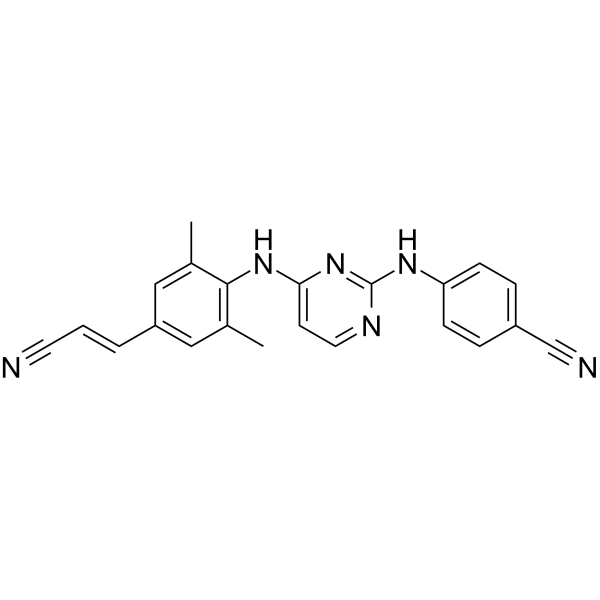
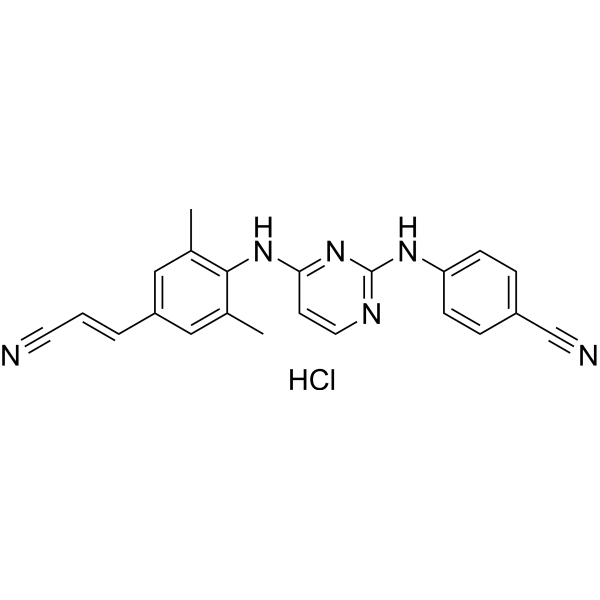
Rilpivirine (R278474) is a potent and specific diarylpyrimidine (DAPY) non-nucleoside reverse transcriptase inhibitor (NNRTI). Rilpivirine has high antiviral activity against wild-type HIV (EC50=0.4 nM) and mutant viruses (EC50=0.1-2.0 nM). Rilpivirine has a high genetic barrier to resistance development of HIV .
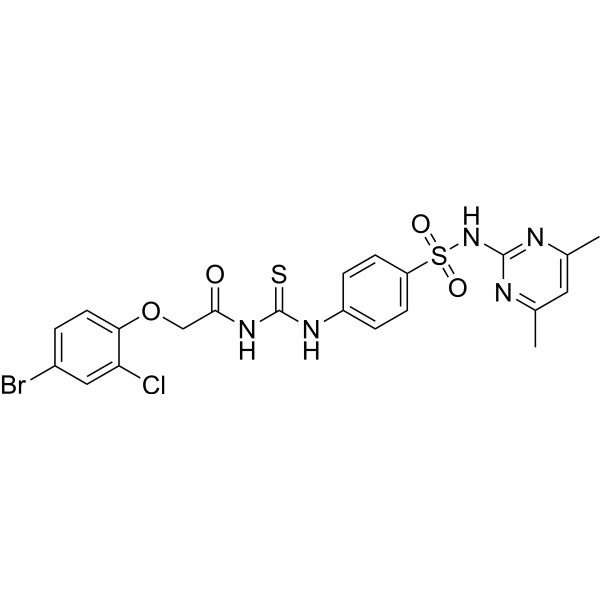
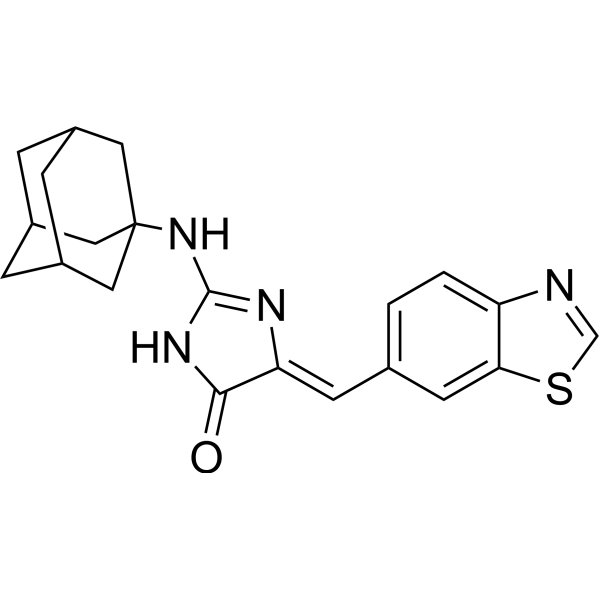
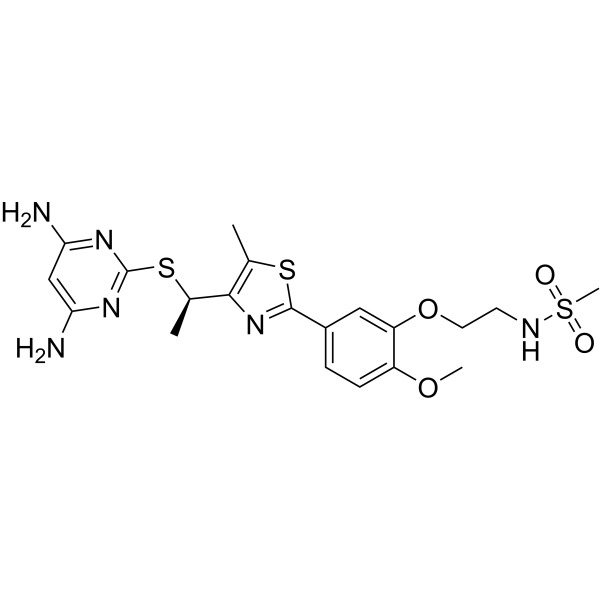
ZCL278 is a selective Cdc42 inhibitor with Kds of 6.4 μM in fluorescence titration and 11.4 μM in surface plasmon resonance (SPR) measurement. ZCL278 is able to disrupt the Cdc42-ITSN interaction as well as GTP/GDP binding. ZCL278 has inhibitory effects on various enveloped viruses, but is ineffective against non-enveloped viruses. ZCL278 can be used for the studies of arsenic neurotoxicity and HER2-positive gastric cancer (GC) .
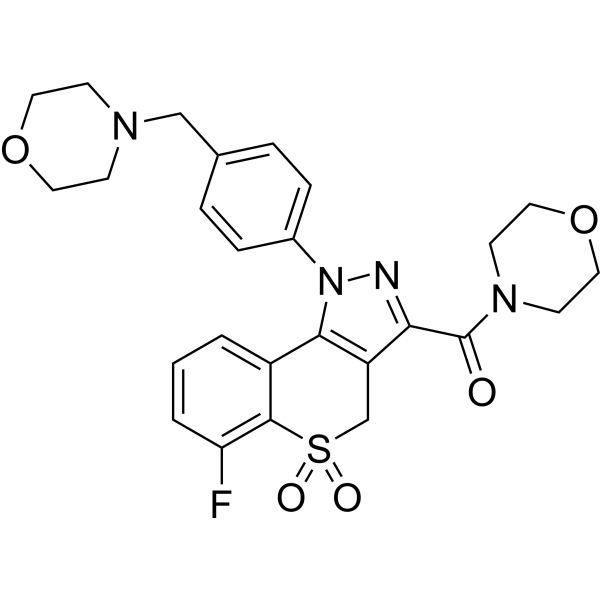
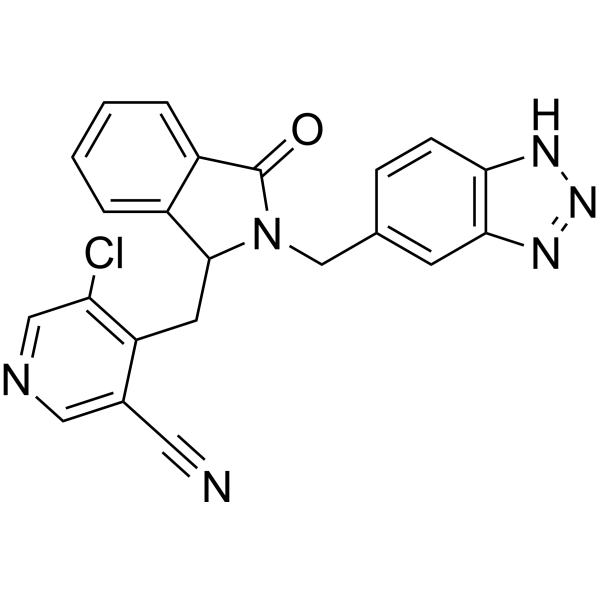
Roginolisib (MSC2360844; IOA-244) is a potent, orally active and selective PI3Kδ inhibitor, with an IC50 of 145 nM. Roginolisib shows highly selective against a panel of 278 additional kinases .
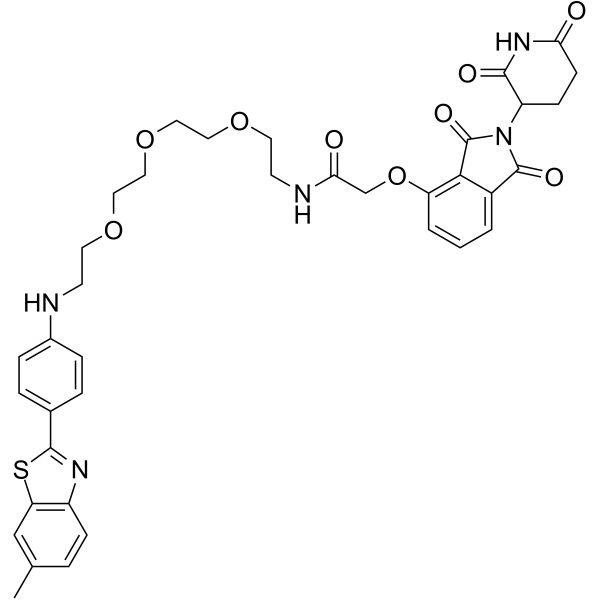
PROTAC α-Synuclein/Tau degrader 1 is a blood-brain barrier-penetrant dual PROTAC degrader of α-synuclein (α-Syn) and tau, with DC50 of 1.57 μM and 4.09 μM, respectively. PROTAC α-Synuclein/Tau degrader 1 binds to α-Syn and tau PFF, with KDs of 0.47 and 2.78 μM, respectively. PROTAC α-Synuclein/Tau degrader 1 exhibits degradation effect mediated by the ubiquitin-proteasome system (UPS). PROTAC α-Synuclein/Tau degrader 6 can be used for the study of Parkinson’s disease (PD) (Pink: α-Synuclein/Tau ligand (HY-151035); Blue: CRBN ligase ligand (HY-14658); Black: Linker (HY-128803)) .
Feladilimab (Anti-ICOS/CD278 Reference Antibody (feladilimab); GSK3359609) is humanized IgG4 anti-ICOS/CD278 agonist monoclonal antibody. Feladilimab can be used for the research of cancer .
NTP42 is a thromboxane A2 (TXA2) receptor antagonist with an IC50 of 3.278 nM for antagonizing T prostanoid receptor (TP)- mediated [Ca 2+] mobilization following stimulation of cells with the alternative TP agonist U46619 . NTP42 can be used for the treatment of pulmonary arterial hypertension (PAH) .
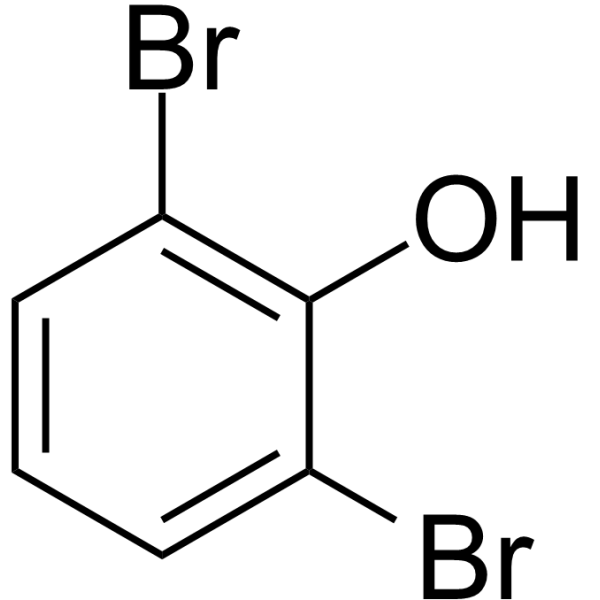
2,6-Dibromophenol (2,6-DBP) is a weak inhibitor targeting voltage-gated Ca 2+ channels. 2,6-Dibromophenol has no significant effect on potassium-induced calcium elevation in PC12 cells. 2,6-Dibromophenol shows a 48 h EC50 of 2.78 mg/L for Daphnia magna and a 96 h EC50 of 9.90 mg/L for algae (Scenedesmus quadricauda) .
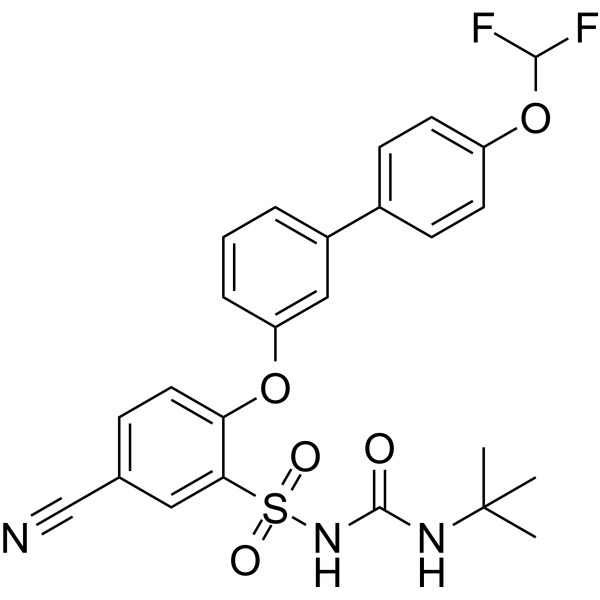
PD-1/PD-L1-IN-14 (compound 17) is a bifunctional inhibitor of PD-1/PD-L1 interactions, with an IC50 of 27.8 nM. PD-1/PD-L1-IN-14 (compound 17) inhibits PD-1/PD-L1 interactions and promotes dimerization, internalization, and degradation of PD-L1 .
Rilpivirine (R278474) hydrochloride is a potent and specific diarylpyrimidine (DAPY) non-nucleoside reverse transcriptase inhibitor (NNRTI). Rilpivirine hydrochloride has high antiviral activity against wild-type HIV (EC50=0.4 nM) and mutant viruses (EC50=0.1-2.0 nM). Rilpivirine hydrochloride has a high genetic barrier to resistance development of HIV .
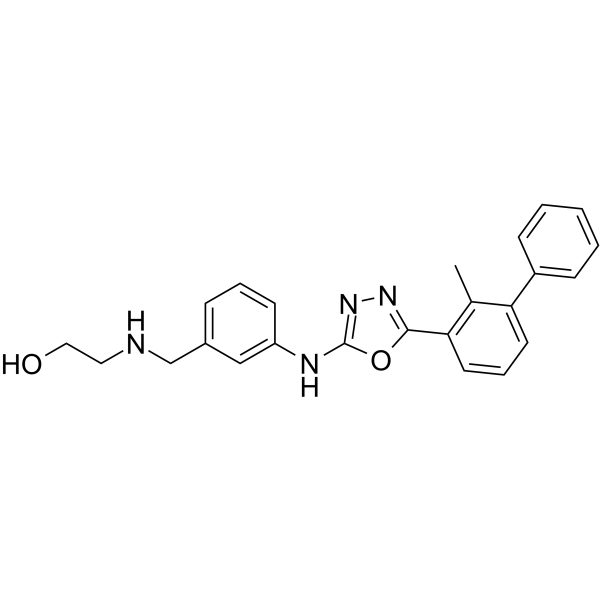
NAMPT activator-8 (Compound 278) is an activator for nicotinamide phosphoribosyltransferase (NAMPT), with EC50 < 0.5 μM. NAMPT activator-8 activates NAMPT in cells U2OS with cellular EC50 of < 0.5 μM .
BML-278 is a SIRT1 activator (EC150: 1 μM). BML-278 increases H3K9 methylation and inhibits H3K9 acetylation in both the paternal and maternal pronucleus. BML-278 improves early embryonic development. BML-278 arrests the cell cycle at the G1/S phase, and reduces senescence in primary human mesenchymal cells. BML-278 reduces tubulin acetylation in U937 cells. BML-278 also increases mitochondrial density in murine C2C12 myoblasts .
ML278 is an efficient, low toxicity, and plasma stable SR-BI (IC50 = 6 nM) lipid uptake inhibitor. ML278 enhances HDL binding while inhibiting SR-BI mediated lipid uptake. ML278 can be used for research on metabolic conditions .
TPG-20A is a SARS-CoV-2 main protease inhibitor with an IC50 of 27.8 nM. TPG-20A also inhibits MERS-CoV main protease. TPG-20A can be used for the research of infection, such as SARS-CoV-2 .
2,6-Dibromophenol (2,6-DBP) is a weak inhibitor targeting voltage-gated Ca2+ channels. 2,6-Dibromophenol has no significant effect on potassium-induced calcium elevation in PC12 cells. 2,6-Dibromophenol shows a 48 h EC50 of 2.78 mg/L for Daphnia magna and a 96 h EC50 of 9.90 mg/L for algae (Scenedesmus quadricauda) .
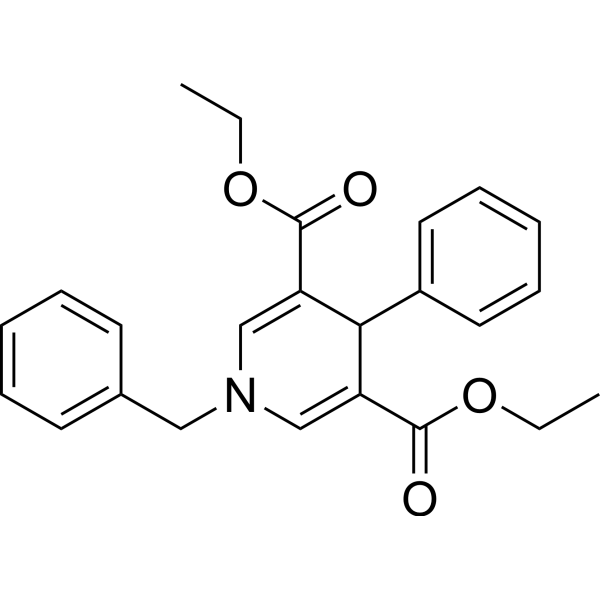
Anticancer agent 278 (Compound 5e) is an anticancer agent. Anticancer agent 278 has potent toxicity and inhibitory activities against cancer cells with IC50s of 4.02 μM, 6.02 μM and 6.11 μM for A549, HeLa and HCT116, respectively. Anticancer agent 278 can be used for cancers like human lung, cervical and colorectal cancer research .
Anti-Mouse/Rat/Monkey/Human ICOS/CD278 Antibody (C398.4A) is an anti-mouse/rat/monkey/human ICOS/CD278 IgG monoclonal antibody. Anti-Mouse/Rat/Monkey/Human ICOS/CD278 Antibody (C398.4A) has limited effectiveness in improving T cell function and immune activation. Anti-Mouse/Rat/Monkey/Human ICOS/CD278 Antibody (C398.4A) can be used for researches on cancer and infection conditions such as gliomas and hepatitis B virus infection .
Rilpivirine (hydrochloride) (Standard) is the analytical standard of Rilpivirine (hydrochloride). This product is intended for research and analytical applications. Rilpivirine (R278474) hydrochloride is a potent and specific diarylpyrimidine (DAPY) non-nucleoside reverse transcriptase inhibitor (NNRTI). Rilpivirine hydrochloride has high antiviral activity against wild-type HIV (EC50=0.4 nM) and mutant viruses (EC50=0.1-2.0 nM). Rilpivirine hydrochloride has a high genetic barrier to resistance development of HIV .
PROTAC SMARCA2 degrader-16 (compound I-278) is a PROTAC degrader targeting SMARCA2; it degrades SMARCA2 proteins in A549 cells with an DC50 <100 nM, and a maximum degradation rate (Dmax%) >90 after 24 h of treatment .
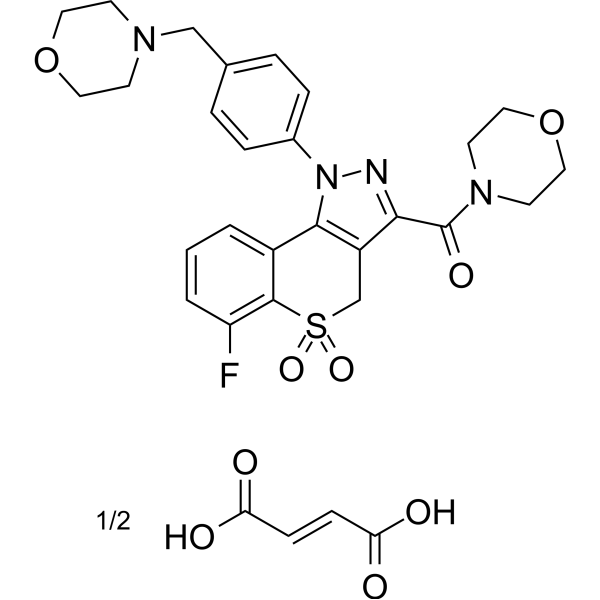
Roginolisib (MSC2360844) hemifumarate is a potent, orally active and selective PI3Kδ inhibitor, with an IC50 of 145 nM. Roginolisib hemifumarate shows highly selective against a panel of 278 additional kinases .
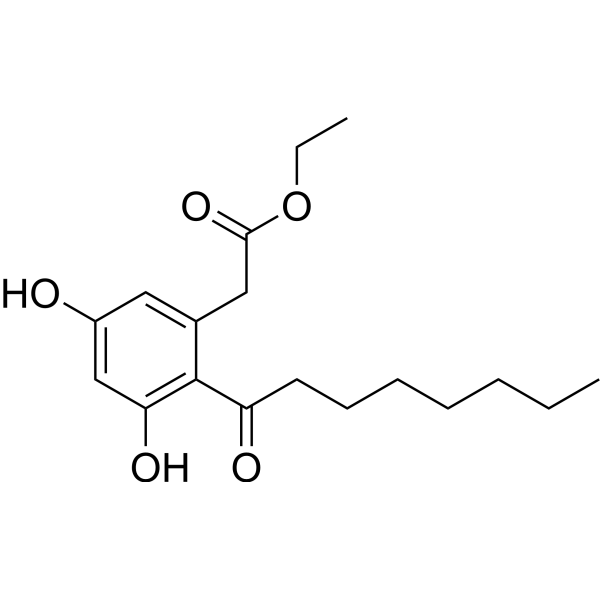
Cytosporone B (Standard) is the analytical standard of Cytosporone B. This product is intended for research and analytical applications. Cytosporone B (Csn-B; Dothiorelone G) is a naturally occurring nuclear orphan receptor Nur77/NR4A1 agonist with an EC50 of 0.278 nM.
Rilpivirine (Standard) is the analytical standard of Rilpivirine. This product is intended for research and analytical applications. Rilpivirine (R278474) is a potent and specific diarylpyrimidine (DAPY) non-nucleoside reverse transcriptase inhibitor (NNRTI). Rilpivirine has high antiviral activity against wild-type HIV (EC50=0.4 nM) and mutant viruses (EC50=0.1-2.0 nM). Rilpivirine has a high genetic barrier to resistance development of HIV .
(Z)-Rilpivirine ((Z)-R278474) is the (Z)-isomer of Rilpivirine (HY-10574). Rilpivirine is an effective and selective diarylpyrimidine (DAPY) non-nucleoside reverse transcriptase inhibitor (NNRTI). It exhibits potent antiviral activity against both wild-type HIV (EC50 = 0.4 nM) and mutant strains (EC50 = 0.1-2.0 nM) .
PRMT5-IN-46 (compound 278) inhibits PRMT5 with IC50s of 1-10 μM. PRMT5 is a methyltransferase which is associated with specific genetic alterations. PRMT5-IN-46 can be used for research of proliferative diseases, metabolic disorders, and blood diseases .
VEGFR-2-IN-64 (Compound 28) is the inhibitor for VEGFR2 with IC50 of 27.8 nM. VEGFR-2-IN-64 inhibits the proliferation of cancer cell A549, T-47D and Caco-2, exhibits anti-migration and anti-cloning activities in cell T-47D, induces apoptosis in T-47D .
NCX-278 is a human carbonic anhydrase inhibitor with a 13 nM Ki for hCA II, 410 nM Ki for hCA I, 181 nM Ki for hCA IV, and selective inhibition of hCA II over hCA IV. NCX-278 is a potent and effective stimulator of NO/sGC/cGMP signaling with an EC50 of 2.05 lM. NCX-278 exerts NO-mediated vascular relaxant effects. NCX-278 lowers intraocular pressure in normotensive rabbits. NCX-278 can be used for the research of open-angle glaucoma .
COX-2/PI3K-IN-2 (compound 5f) is a potent PI3K inhibitor with IC50 value of 2.78 nM. COX-2/PI3K-IN-2 is a selective COX-2 inhibitor with Ki value of 3.02 nM. COX-2/PI3K-IN-2 shows anti-inflammatory and anti-cancer properties .
MSRV-IN-1 (Compound M3) is an inhibitor targeting aquatic rhabdoviruses (such as MSRV, SVCV and IHNV). Its IC50 values for inhibiting MSRV, SVCV and IHNV are 0.92 μM, 2.92 μM and 2.78 μM respectively. MSRV-IN-1 does not act directly on the virions but rather inhibits viral replication by altering the cell cycle arrest state in the S phase induced by the virus and disrupting the viral replication environment. When administered intraperitoneally at a dose of 20 mg/kg, MSRV-IN-1 can significantly increase the survival rate of largemouth bass infected with MSRV by 35.98% and reduce the viral loads in the liver, spleen and kidney. MSRV-IN-1 can be used in the research of diseases related to rhabdoviruses in aquaculture .
CRBN ligand-278 is an E3 ubiquitin ligase cereblon (CRBN) ligand used to recruit the cereblon protein. CRBN ligand-278 can be linked to a target protein ligand via a linker to form a PROTAC.
Rilpivirine- 13C6 (R278474- 13C6) is 13C labeled Rilpivirine. Rilpivirine (R278474) is a potent and specific diarylpyrimidine (DAPY) non-nucleoside reverse transcriptase inhibitor (NNRTI). Rilpivirine has high antiviral activity against wild-type HIV (EC50=0.4 nM) and mutant viruses (EC50=0.1-2.0 nM). Rilpivirine has a high genetic barrier to resistance development of HIV .
HC278 is a selective TEAD1/TEAD3 PROTAC degrader. HC278 induces proteasome-dependent degradation by forming a stable ternary complex with CRBN/DDB1. HC278 is applicable to the research of mesothelioma .
ZCL278- 13C is a 13C-labeled version of ZCL278 (HY-13963). ZCL278 is a selective Cdc42 inhibitor with Kds of 6.4 μM in fluorescence titration and 11.4 μM in surface plasmon resonance (SPR) measurement. ZCL278 can disrupt the interaction between Cdc42 and ITSN, and also inhibit the binding of GTP and GDP. ZCL278 has inhibitory effects on various enveloped viruses, but is ineffective against non-enveloped viruses. ZCL278 can be used in the research of arsenic neurotoxicity and HER2-positive gastric cancer (GC) [1][2][3][4].
Furin-IN-3 (Compound 9) is a potent and selective proprotein convertase furin inhibitor with a Ki of 12.4 nM. Furin-IN-3 shows a Ki of 278 nM for PC7. Furin-IN-3 shows a significant antiviral effect on the Furin-dependent H7N7 influenza A virus strain SC35M. Furin-IN-3 can inhibit the cleavage and activation of the viral hemagglutinin (HA), prevent the fusion of the viral membrane with the host cell membrane, and thereby inhibit viral replication and proliferation. Furin-IN-3 can be used for the research of infection, such as influenza virus infection .
EAC3I is a biological active peptide. (The autocamtide-3 derived inhibitory peptide (EAC3I) sequence (KKALHRQEAVDAL) mimics the autoinhibitory region of the CaMKII regulatory domain (residues 278–290) and acts by competitively binding to the catalytic site.)
Feladilimab (Anti-ICOS/CD278 Reference Antibody (feladilimab); GSK3359609) is humanized IgG4 anti-ICOS/CD278 agonist monoclonal antibody. Feladilimab can be used for the research of cancer .
MEDI-570 is a humanized antibody expressed in CHO that targets ICOS/CD278. MEDI-570 contains huIgG1 heavy chain and huκ light chain, with a predicted molecular weight (MW) of 145 kDa. The isotype control for MEDI-570 can be referenced as Human IgG1 kappa, Isotype Control (HY-P99001).
Anti-Mouse/Rat/Monkey/Human ICOS/CD278 Antibody (C398.4A) is an anti-mouse/rat/monkey/human ICOS/CD278 IgG monoclonal antibody. Anti-Mouse/Rat/Monkey/Human ICOS/CD278 Antibody (C398.4A) has limited effectiveness in improving T cell function and immune activation. Anti-Mouse/Rat/Monkey/Human ICOS/CD278 Antibody (C398.4A) can be used for researches on cancer and infection conditions such as gliomas and hepatitis B virus infection .
2,6-Dibromophenol (2,6-DBP) is a weak inhibitor targeting voltage-gated Ca 2+ channels. 2,6-Dibromophenol has no significant effect on potassium-induced calcium elevation in PC12 cells. 2,6-Dibromophenol shows a 48 h EC50 of 2.78 mg/L for Daphnia magna and a 96 h EC50 of 9.90 mg/L for algae (Scenedesmus quadricauda) .
2,6-Dibromophenol (2,6-DBP) is a weak inhibitor targeting voltage-gated Ca2+ channels. 2,6-Dibromophenol has no significant effect on potassium-induced calcium elevation in PC12 cells. 2,6-Dibromophenol shows a 48 h EC50 of 2.78 mg/L for Daphnia magna and a 96 h EC50 of 9.90 mg/L for algae (Scenedesmus quadricauda) .
Cytosporone B (Standard) is the analytical standard of Cytosporone B. This product is intended for research and analytical applications. Cytosporone B (Csn-B; Dothiorelone G) is a naturally occurring nuclear orphan receptor Nur77/NR4A1 agonist with an EC50 of 0.278 nM.
ICOS proteins enhance T cell responses to foreign antigens, promote proliferation, lymphokine secretion, upregulation of cell-cell interaction molecules, and help B cells secrete antibodies. ICOS Protein, Human (HEK293, Fc) is the recombinant human-derived ICOS protein, expressed by HEK293 , with C-hFc labeled tag.
ICOS proteins optimize T cell responses to foreign antigens, promoting proliferation, lymphokine secretion, upregulation of cell-cell interaction molecules, and efficient B cell antibody secretion. ICOS is essential for efficient communication of T cells and B cells and for normal antibody responses to T cell-dependent antigens. ICOS Protein, Mouse (HEK293, His) is the recombinant mouse-derived ICOS protein, expressed by HEK293 , with C-6*His labeled tag.
ICOS is a key protein for T cell function and can significantly enhance various T cell responses to foreign antigens. It plays a crucial role in promoting T cell proliferation, lymphokine secretion and upregulation of intercellular interaction molecules, and promoting efficient secretion of B cell antibodies. ICOS Protein, Rat (HEK293, Fc) is the recombinant rat-derived ICOS protein, expressed by HEK293 , with C-hFc labeled tag.
ICOS proteins optimize T cell responses to foreign antigens, promoting proliferation, lymphokine secretion, upregulation of cell-cell interaction molecules, and efficient B cell antibody secretion. ICOS is essential for efficient communication of T cells and B cells and for normal antibody responses to T cell-dependent antigens. ICOS Protein, Mouse (HEK293, Fc) is the recombinant mouse-derived ICOS protein, expressed by HEK293 , with C-hFc labeled tag.
ICOS proteins enhance T cell responses to foreign antigens, promote proliferation, lymphokine secretion, upregulation of cell-cell interaction molecules, and help B cells secrete antibodies. ICOS Protein, Human (HEK293, His-Fc) is the recombinant human-derived ICOS protein, expressed by HEK293 , with C-hFc, C-His labeled tag.
ICOS proteins optimize T cell responses to foreign antigens, promoting proliferation, lymphokine secretion, upregulation of cell-cell interaction molecules, and efficient B cell antibody secretion. ICOS is essential for efficient communication of T cells and B cells and for normal antibody responses to T cell-dependent antigens. ICOS Protein, Mouse (Biotinylated, HEK293, Fc-Avi) is the recombinant mouse-derived ICOS protein, expressed by HEK293 , with C-Avi, C-hFc labeled tag.
ICOS proteins play a critical role in enhancing all basic T cell responses to foreign antigens. It promotes cell proliferation, lymphokine secretion and upregulation of intercellular interaction molecules, and promotes effective B cell antibody secretion. ICOS Protein, Rhesus Macaque (Biotinylated, HEK293, Fc-Avi) is the recombinant Rhesus Macaque-derived ICOS protein, expressed by HEK293 , with C-Avi, C-hFc labeled tag.
ICOS proteins optimize T cell responses to foreign antigens, promoting proliferation, lymphokine secretion, upregulation of cell-cell interaction molecules, and efficient B cell antibody secretion. ICOS is essential for efficient communication of T cells and B cells and for normal antibody responses to T cell-dependent antigens. ICOS Protein, Mouse (C137S, C138S, HEK293, Fc) is the recombinant mouse-derived ICOS protein, expressed by HEK293 , with C-hFc labeled tag and C137S, C138S mutation.
ICOS proteins enhance T cell responses to foreign antigens, promote proliferation, lymphokine secretion, upregulation of cell-cell interaction molecules, and help B cells secrete antibodies. ICOS Protein, Human (C136S, C137S, HEK293, His) is the recombinant human-derived ICOS protein, expressed by HEK293 , with C-His labeled tag.
ICOS proteins optimize T cell responses to foreign antigens, promoting proliferation, lymphokine secretion, upregulation of cell-cell interaction molecules, and efficient B cell antibody secretion. ICOS is essential for efficient communication of T cells and B cells and for normal antibody responses to T cell-dependent antigens. ICOS Protein, Mouse (C137S, C138S, HEK293, His) is the recombinant mouse-derived ICOS protein, expressed by HEK293 , with C-His labeled tag and C137S, C138S mutation.
ICOS is a key protein for T cell function and can significantly enhance various T cell responses to foreign antigens. It plays a crucial role in promoting T cell proliferation, lymphokine secretion and upregulation of intercellular interaction molecules, and promoting efficient secretion of B cell antibodies. ICOS Protein, Rat (C137S, C138S, HEK293, His) is the recombinant rat-derived ICOS protein, expressed by HEK293, with C-His labeled tag.
ICOS proteins enhance T cell responses to foreign antigens, promote proliferation, lymphokine secretion, upregulation of cell-cell interaction molecules, and help B cells secrete antibodies. ICOS Protein, Human (Biotinylated, C136S, C137S, HEK293, His-Avi ) is the recombinant human-derived ICOS protein, expressed by HEK293 , with C-Avi, C-His labeled tag.
MCD proteins catalyze the conversion of malonyl-CoA to acetyl-CoA, ensuring that only methylmalonyl-CoA serves as a substrate for fatty acid synthase, producing fatty acids with multiple methyl side chains. MCD Protein, Human (E58A, K59A, E278A, E279A, K280A) is the recombinant human-derived MCD protein, expressed by E. coli , with tag free.
MCD proteins catalyze the conversion of malonyl-CoA to acetyl-CoA, ensuring that only methylmalonyl-CoA serves as a substrate for fatty acid synthase, producing fatty acids with multiple methyl side chains. MCD Protein, Human (E58A, K59A, E278A, E279A, K280A, His) is the recombinant human-derived MCD protein, expressed by E. coli , with N-6*His labeled tag.
ICOS proteins play a critical role in enhancing all basic T cell responses to foreign antigens. It promotes cell proliferation, lymphokine secretion and upregulation of intercellular interaction molecules, and promotes effective B cell antibody secretion. ICOS Protein, Rhesus macaque (HEK293, Fc) is the recombinant Rhesus Macaque-derived ICOS protein, expressed by HEK293 , with C-hFc labeled tag.
E2/Envelope Protein, Hepatitis C virus (278a.a, HEK293, His) is the recombinant Virus-derived E2/Envelope protein, expressed by HEK293, with C-His labeled tag.
Rilpivirine- 13C6 (R278474- 13C6) is 13C labeled Rilpivirine. Rilpivirine (R278474) is a potent and specific diarylpyrimidine (DAPY) non-nucleoside reverse transcriptase inhibitor (NNRTI). Rilpivirine has high antiviral activity against wild-type HIV (EC50=0.4 nM) and mutant viruses (EC50=0.1-2.0 nM). Rilpivirine has a high genetic barrier to resistance development of HIV .
ZCL278- 13C is a 13C-labeled version of ZCL278 (HY-13963). ZCL278 is a selective Cdc42 inhibitor with Kds of 6.4 μM in fluorescence titration and 11.4 μM in surface plasmon resonance (SPR) measurement. ZCL278 can disrupt the interaction between Cdc42 and ITSN, and also inhibit the binding of GTP and GDP. ZCL278 has inhibitory effects on various enveloped viruses, but is ineffective against non-enveloped viruses. ZCL278 can be used in the research of arsenic neurotoxicity and HER2-positive gastric cancer (GC) [1][2][3][4].
Western blot analysis of extracts from THP-1(lane 2(20μg), Jurkat (lane 3(20μg) and NIH3T3(lane 4(20μg) using FOXO1A (HY-P80132) Rabbit mAb. Proteins were transferred
to a PVDF membrane and blocked with 5% non-fat milk in TBST for 2 hour at room temperature. The primary antibody (1/1000) and Loading control antibody (Beta Actin, HY-P80438, 1/10000) was
used in 5% non-fat milk in TBST at 4°C overnight. Goat Anti-Mouse/Rabbit IgG-HRP Secondary Antibody (1/10000) was used for 1 hour at room temperature.
Western blot analysis of extracts from THP-1(lane 2(20μg), Jurkat (lane 3(20μg) and NIH3T3(lane 4(20μg) using FOXO1A (HY-P80132) Rabbit mAb. Proteins were transferred
to a PVDF membrane and blocked with 5% non-fat milk in TBST for 2 hour at room temperature. The primary antibody (1/1000) and Loading control antibody (Beta Actin, HY-P80438, 1/10000) was
used in 5% non-fat milk in TBST at 4°C overnight. Goat Anti-Mouse/Rabbit IgG-HRP Secondary Antibody (1/10000) was used for 1 hour at room temperature.
Western blot analysis of extracts from THP-1(lane 2(20μg), Jurkat (lane 3(20μg) and NIH3T3(lane 4(20μg) using FOXO1A (HY-P80132) Rabbit mAb. Proteins were transferred
to a PVDF membrane and blocked with 5% non-fat milk in TBST for 2 hour at room temperature. The primary antibody (1/1000) and Loading control antibody (Beta Actin, HY-P80438, 1/10000) was
used in 5% non-fat milk in TBST at 4°C overnight. Goat Anti-Mouse/Rabbit IgG-HRP Secondary Antibody (1/10000) was used for 1 hour at room temperature.
Western blot analysis of extracts from THP-1(lane 2(20μg), Jurkat (lane 3(20μg) and NIH3T3(lane 4(20μg) using FOXO1A (HY-P80132) Rabbit mAb. Proteins were transferred
to a PVDF membrane and blocked with 5% non-fat milk in TBST for 2 hour at room temperature. The primary antibody (1/1000) and Loading control antibody (Beta Actin, HY-P80438, 1/10000) was
MedchemExpress Validation 03
Western blot analysis of extracts from THP-1(lane 2(20μg), Jurkat (lane 3(20μg) and NIH3T3(lane 4(20μg) using FOXO1A (HY-P80132) Rabbit mAb. Proteins were transferred
MedchemExpress Validation 04
Western blot analysis of extracts from THP-1(lane 2(20μg), Jurkat (lane 3(20μg) and NIH3T3(lane 4(20μg) using FOXO1A (HY-P80132) Rabbit mAb. Proteins were transferred
to a PVDF membrane and blocked with 5% non-fat milk in TBST for 2 hour at room temperature. The primary antibody (1/1000) and Loading control antibody (Beta Actin, HY-P80438, 1/10000) was
used in 5% non-fat milk in TBST at 4°C overnight. Goat Anti-Mouse/Rabbit IgG-HRP Secondary Antibody (1/10000) was used for 1 hour at room temperature.
MedchemExpress Validation
Western blot analysis of extracts from THP-1(lane 2(20μg), Jurkat (lane 3(20μg) and NIH3T3(lane 4(20μg) using FOXO1A (HY-P80132) Rabbit mAb. Proteins were transferred
to a PVDF membrane and blocked with 5% non-fat milk in TBST for 2 hour at room temperature. The primary antibody (1/1000) and Loading control antibody (Beta Actin, HY-P80438, 1/10000) was
used in 5% non-fat milk in TBST at 4°C overnight. Goat Anti-Mouse/Rabbit IgG-HRP Secondary Antibody (1/10000) was used for 1 hour at room temperature.
Western blot analysis of extracts from THP-1(lane 2(20μg), Jurkat (lane 3(20μg) and NIH3T3(lane 4(20μg) using FOXO1A (HY-P80132) Rabbit mAb. Proteins were transferred
to a PVDF membrane and blocked with 5% non-fat milk in TBST for 2 hour at room temperature. The primary antibody (1/1000) and Loading control antibody (Beta Actin, HY-P80438, 1/10000) was
used in 5% non-fat milk in TBST at 4°C overnight. Goat Anti-Mouse/Rabbit IgG-HRP Secondary Antibody (1/10000) was used for 1 hour at room temperature.
MedchemExpress Validation
Western blot analysis of extracts from THP-1(lane 2(20μg), Jurkat (lane 3(20μg) and NIH3T3(lane 4(20μg) using FOXO1A (HY-P80132) Rabbit mAb. Proteins were transferred
to a PVDF membrane and blocked with 5% non-fat milk in TBST for 2 hour at room temperature. The primary antibody (1/1000) and Loading control antibody (Beta Actin, HY-P80438, 1/10000) was
used in 5% non-fat milk in TBST at 4°C overnight. Goat Anti-Mouse/Rabbit IgG-HRP Secondary Antibody (1/10000) was used for 1 hour at room temperature.
MedchemExpress Validation
Western blot analysis of extracts from THP-1(lane 2(20μg), Jurkat (lane 3(20μg) and NIH3T3(lane 4(20μg) using FOXO1A (HY-P80132) Rabbit mAb. Proteins were transferred
to a PVDF membrane and blocked with 5% non-fat milk in TBST for 2 hour at room temperature. The primary antibody (1/1000) and Loading control antibody (Beta Actin, HY-P80438, 1/10000) was
used in 5% non-fat milk in TBST at 4°C overnight. Goat Anti-Mouse/Rabbit IgG-HRP Secondary Antibody (1/10000) was used for 1 hour at room temperature.
MedchemExpress Validation
Western blot analysis of extracts from THP-1(lane 2(20μg), Jurkat (lane 3(20μg) and NIH3T3(lane 4(20μg) using FOXO1A (HY-P80132) Rabbit mAb. Proteins were transferred
to a PVDF membrane and blocked with 5% non-fat milk in TBST for 2 hour at room temperature. The primary antibody (1/1000) and Loading control antibody (Beta Actin, HY-P80438, 1/10000) was
used in 5% non-fat milk in TBST at 4°C overnight. Goat Anti-Mouse/Rabbit IgG-HRP Secondary Antibody (1/10000) was used for 1 hour at room temperature.
MedchemExpress Validation
Western blot analysis of extracts from THP-1(lane 2(20μg), Jurkat (lane 3(20μg) and NIH3T3(lane 4(20μg) using FOXO1A (HY-P80132) Rabbit mAb. Proteins were transferred
to a PVDF membrane and blocked with 5% non-fat milk in TBST for 2 hour at room temperature. The primary antibody (1/1000) and Loading control antibody (Beta Actin, HY-P80438, 1/10000) was
used in 5% non-fat milk in TBST at 4°C overnight. Goat Anti-Mouse/Rabbit IgG-HRP Secondary Antibody (1/10000) was used for 1 hour at room temperature.
MedchemExpress Validation
Western blot analysis of extracts from THP-1(lane 2(20μg), Jurkat (lane 3(20μg) and NIH3T3(lane 4(20μg) using FOXO1A (HY-P80132) Rabbit mAb. Proteins were transferred
to a PVDF membrane and blocked with 5% non-fat milk in TBST for 2 hour at room temperature. The primary antibody (1/1000) and Loading control antibody (Beta Actin, HY-P80438, 1/10000) was
used in 5% non-fat milk in TBST at 4°C overnight. Goat Anti-Mouse/Rabbit IgG-HRP Secondary Antibody (1/10000) was used for 1 hour at room temperature.
MedchemExpress Validation
Western blot analysis of extracts from THP-1(lane 2(20μg), Jurkat (lane 3(20μg) and NIH3T3(lane 4(20μg) using FOXO1A (HY-P80132) Rabbit mAb. Proteins were transferred
to a PVDF membrane and blocked with 5% non-fat milk in TBST for 2 hour at room temperature. The primary antibody (1/1000) and Loading control antibody (Beta Actin, HY-P80438, 1/10000) was
used in 5% non-fat milk in TBST at 4°C overnight. Goat Anti-Mouse/Rabbit IgG-HRP Secondary Antibody (1/10000) was used for 1 hour at room temperature.
MedChemExpress values your privacy and your trust is important to us. We use cookies to enhance your website experience. Some cookies are necessary to run the website.
Privacy and Cookie Policy