



Rilpivirine hydrochloride (Standard)
Rilpivirine (hydrochloride) (Standard) is the analytical standard of Rilpivirine (hydrochloride). This product is intended for research and analytical applications. Rilpivirine (R278474) hydrochloride is a potent and specific diarylpyrimidine (DAPY) non-nucleoside reverse transcriptase inhibitor (NNRTI). Rilpivirine hydrochloride has high antiviral activity against wild-type HIV (EC50=0.4 nM) and mutant viruses (EC50=0.1-2.0 nM). Rilpivirine hydrochloride has a high genetic barrier to resistance development of HIV.
For research use only. We do not sell to patients.
- Purity : 98%
- CAS No.: 700361-47-3
- Formula: C22H19ClN6
- Molecular Weight:402.88
-
Storage:
Please store the product under the recommended conditions in the Certificate of Analysis.


To place orders, for customer services and technical support, please contact: MedChemExpress USA
Tel: 609-228-6898 E-mail: [email protected] [email protected]


-
 Product Information
-
Chemical Information
- Purity & Documentation
-
 Help & FAQs


-
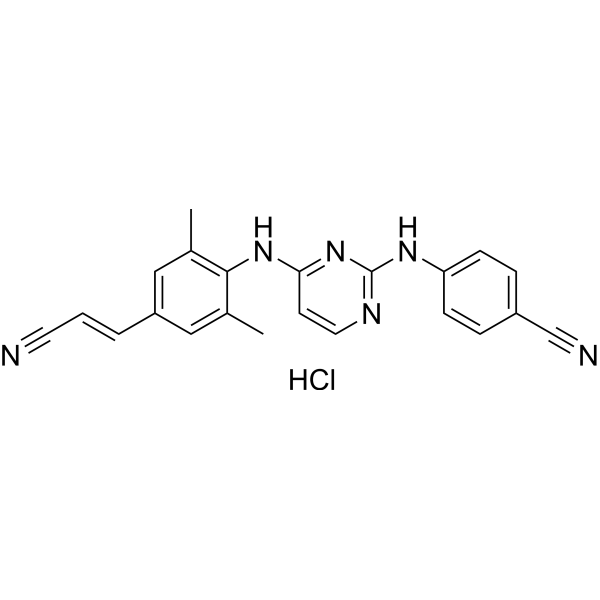
HY-10574A
Rilpivirine hydrochloride -
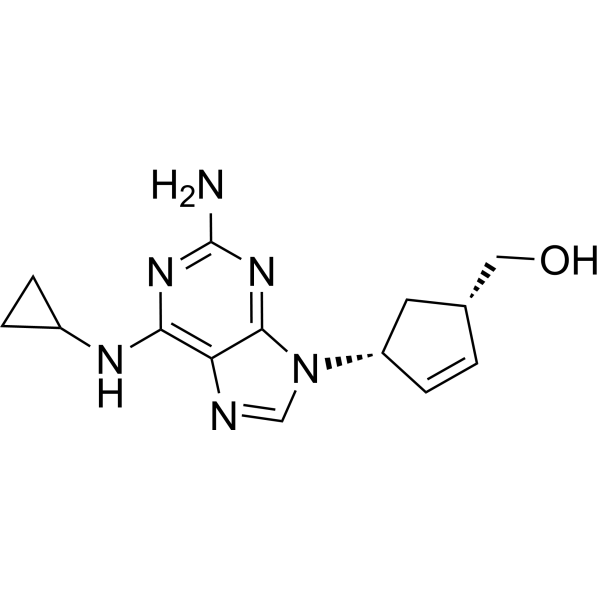
HY-17423
Abacavir -
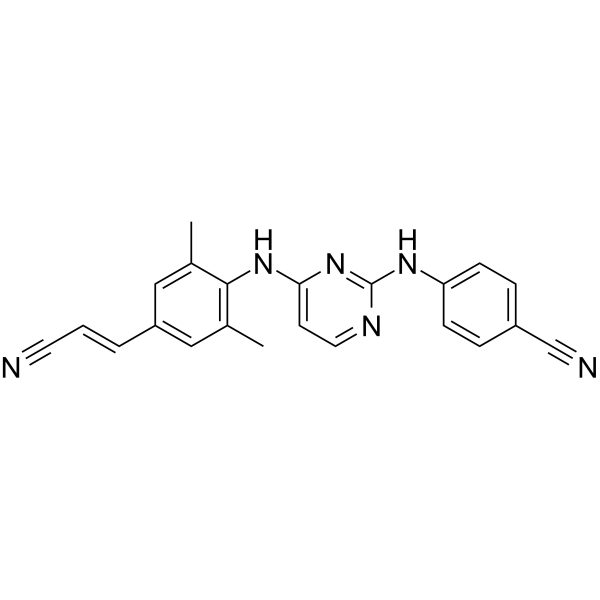
HY-10574
Rilpivirine -
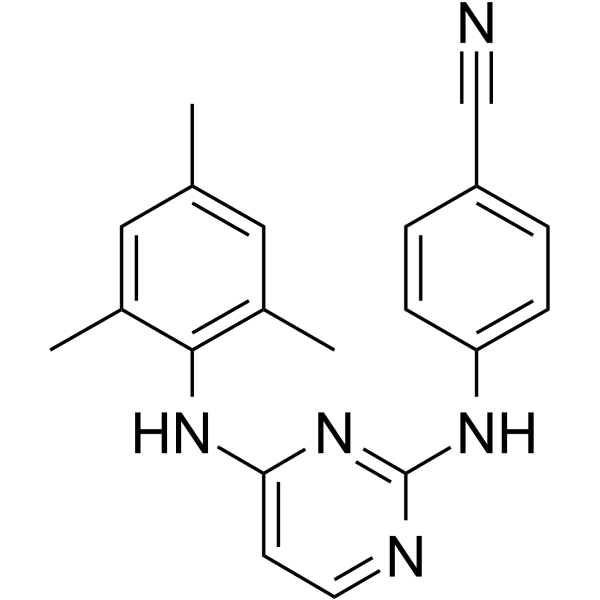
HY-14266
Dapivirine -
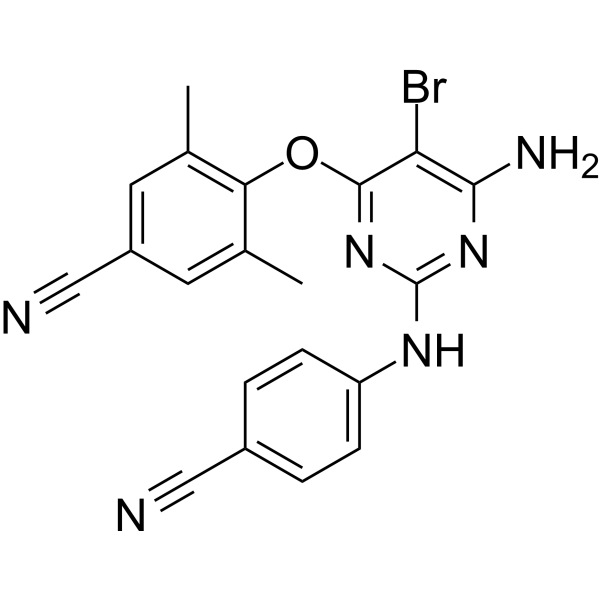
HY-90005
Etravirine -
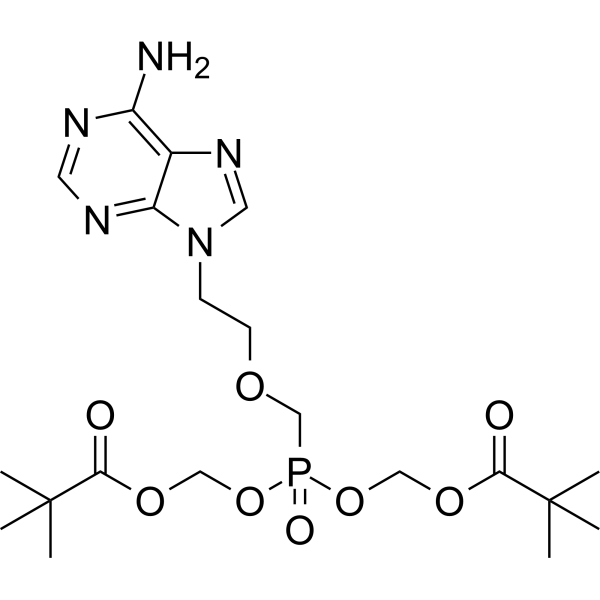
HY-B0255
Adefovir dipivoxil -
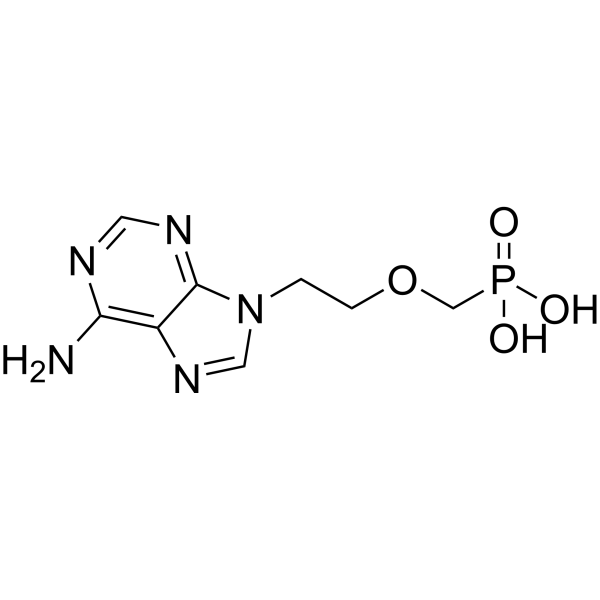
HY-B1826
Adefovir -
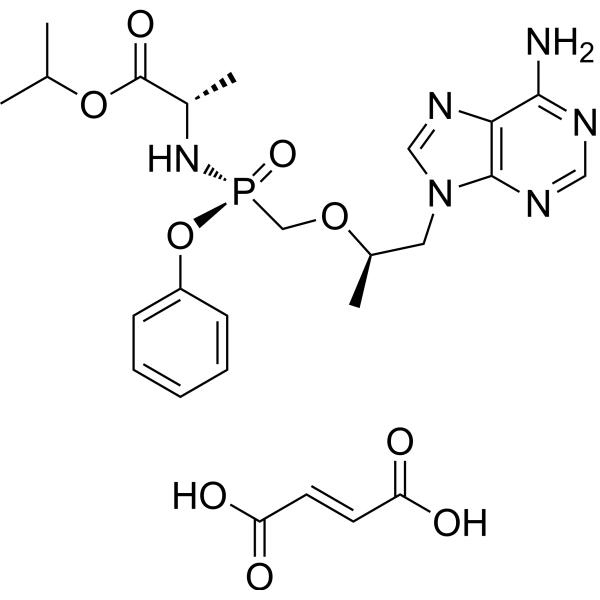
HY-15232A
Tenofovir alafenamide fumarate -
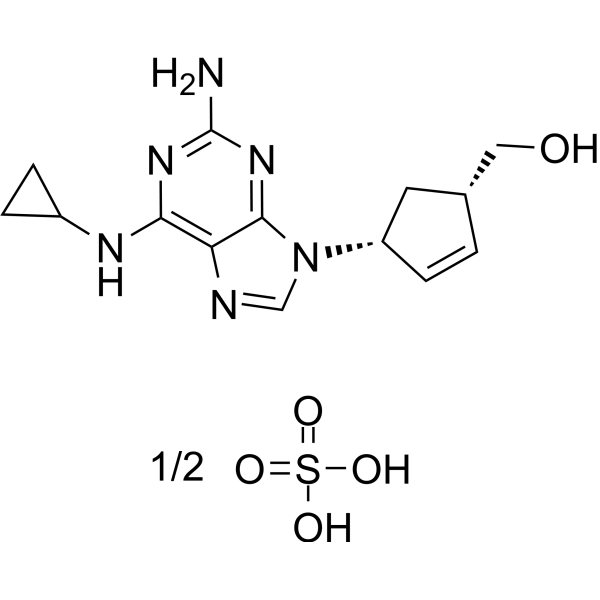
HY-17423A
Abacavir sulfate -
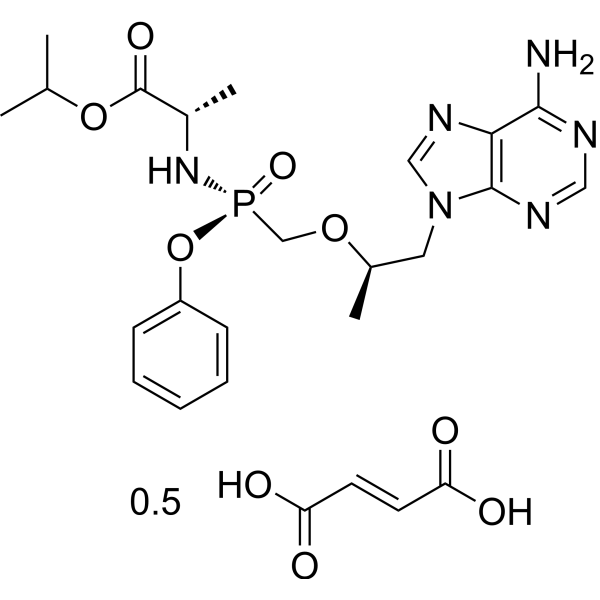
HY-15232B
Tenofovir alafenamide hemifumarate -
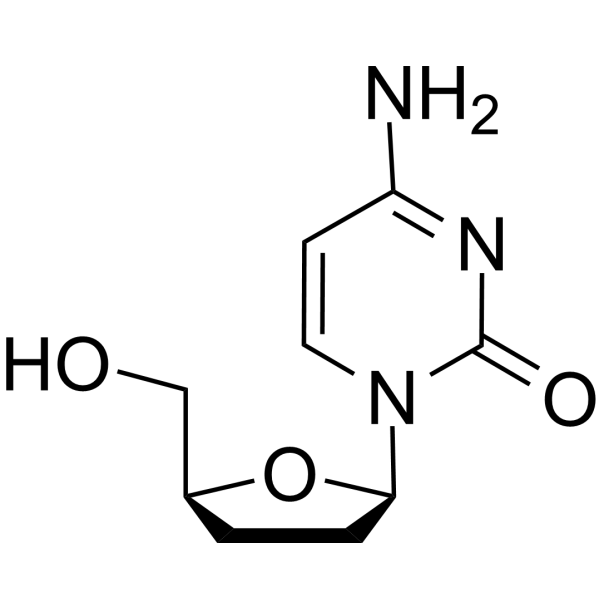
HY-17392
Zalcitabine -
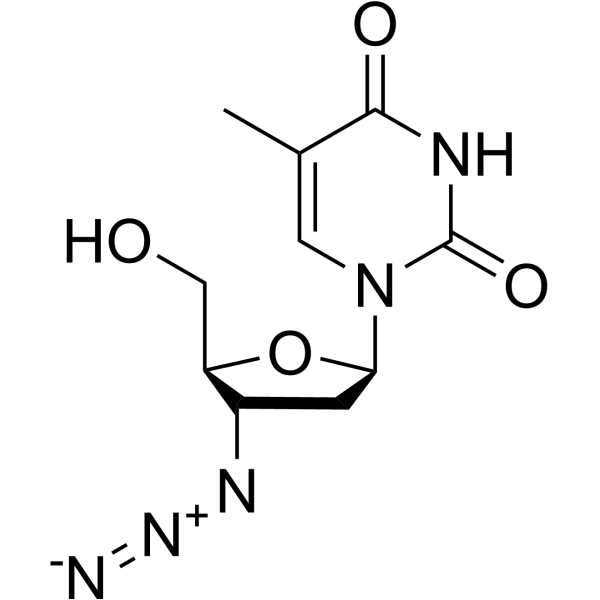
HY-17413
Zidovudine


Product Information
Information
Application
The compound is the grade of analytical standard, which is the reference standard supplied assay. It is commonly used in qualitative, quantitative and methodological research experiments in HPLC, GC and MS.


Chemical Information
-
CAS No. 700361-47-3
-
Molecular Weight 402.88
-
Formula C22H19ClN6
-
SMILES
N#CC1=CC=C(NC2=NC=CC(NC3=C(C)C=C(/C=C/C#N)C=C3C)=N2)C=C1.Cl
-
Synonyms
TMC-278 hydrochloride (Standard); TMC278 hydrochloride (Standard); TMC 278 hydrochloride (Standard)
-
Shipping
Room temperature in continental US; may vary elsewhere.
-
Storage
Please store the product under the recommended conditions in the Certificate of Analysis.


Purity & Documentation
References
[1]. Shiori Haga, et al. TACE Antagonists Blocking ACE2 Shedding Caused by the Spike Protein of SARS-CoV Are Candidate Antiviral Compounds. Antiviral Res. 2010 Mar;85(3):551-5. [Content Brief]
[2]. Wang R, et al. A Disintegrin and Metalloproteinase Domain 17 Regulates Colorectal Cancer Stem Cells and Chemosensitivity Via Notch1 Signaling. Stem Cells Transl Med. 2016 Mar;5(3):331-8. [Content Brief]
[3]. Kruse MN, et al. Human meprin alpha and beta homo-oligomers: cleavage of basement membrane proteins and sensitivity to metalloprotease inhibitors. Biochem J. 2004 Mar 1;378(Pt 2):383-9. [Content Brief]

Calculators
Concentration (start) × Volume (start) = Concentration (final) × Volume (final)


Rilpivirine hydrochloride (Standard) Related Classifications
HY-10574AR Related Classifications
 Powered by Bioz
Keywords