1. Apoptosis Stem Cell/Wnt PI3K/Akt/mTOR
  2. Akt mTOR GSK-3 Bcl-2 Family Apoptosis
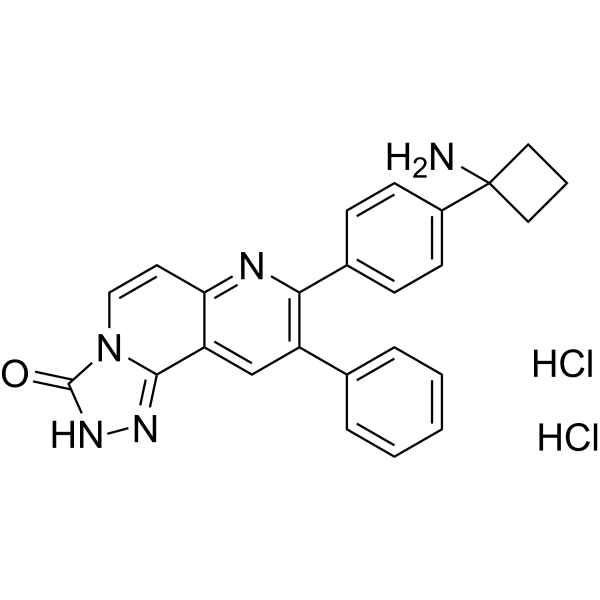
  3. MK-2206 dihydrochloride

MK-2206 dihydrochloride  (Synonyms: MK-2206 (2HCl))

Cat. No.: HY-10358 Purity: 99.94%
Handling Instructions Technical Support

Dichlorhydrate MK-2206 (MK-2206 (2HCl)) est un inhibiteur allostérique de AKT actif par voie orale avec des IC50s de 5 nM, 12 nM et 65 nM pour AKT1, AKT2 et AKT3, respectivement. Dichlorhydrate MK-2206 induit l'autophagie.

MK-2206 Dihydrochlorid (MK-2206 (2HCl)) ist ein oral wirksamer, hochwirksamer und selektiver allosterischer Akt-Inhibitor mit IC50s von 8, 12 und 65 nM für Akt1, Akt2 und Akt3. Viele Brustkrebs-Zelllinien sowie PIK3CA-Mutanten und Zelllinien mit PTEN-Verlust reagieren empfindlich auf MK-2206 Dihydrochlorid. Aktivitäten zur Krebsbekämpfung.

MK-2206 dihydrochloride (MK-2206 2HCl) is an orally active pan-AKT inhibitor, with IC50 values of 8 nM, 12 nM and 65 nM against AKT1, AKT2 and AKT3, respectively. MK-2206 dihydrochloride inhibits the Akt/mTOR signaling pathway and reduces the levels of downstream GSK3β and Mcl-1 via proteasomal degradation. MK-2206 dihydrochloride induces G1-phase cell cycle arrest, apoptosis, epithelial-mesenchymal transition, fibroblast activation and extracellular matrix deposition. MK-2206 dihydrochloride causes transient hyperglycemia and hyperinsulinemia in animals. MK-2206 dihydrochloride can be used in research related to solid tumors, renal fibrosis and hypercholesterolemia.

For research use only. We do not sell to patients.

CAS No. : 1032350-13-2

Size Price Stock Quantity
Free Sample (0.1 - 0.2 mg)   Apply Now  
Solid + Solvent (Highly Recommended)
10 mM * 1 mL in DMSO
ready for reconstitution
In-stock
Solution
10 mM * 1 mL in DMSO In-stock
Solid
5 mg In-stock
10 mg In-stock
25 mg In-stock
50 mg In-stock
100 mg In-stock
200 mg In-stock
500 mg In-stock
1 g   Get quote  
5 g   Get quote  

* Please select Quantity before adding items.

This product is a controlled substance and not for sale in your territory.

Customer Review

Based on 462 publication(s) in Google Scholar

Other Forms of MK-2206 dihydrochloride:

Top Publications Citing Use of Products

462 Publications Citing Use of MCE MK-2206 dihydrochloride

In Vivo Imaging
WB
IF
Cell Proliferation/Viability Assay

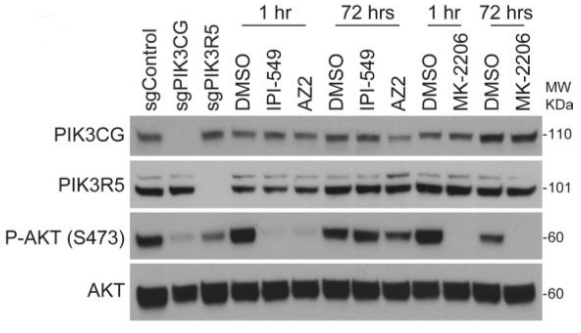
    MK-2206 dihydrochloride purchased from MedChemExpress. Usage Cited in: Nat Cancer. 2024 Jul;5(7):1082-1101.  [Abstract]

    AKT phosphorylation levels by western blot in OCI-AML2 cells either infected with PIK3CG- and PIK3R5-directed sgRNAs for 72 hours or treated with 500nM IPI-549, AZ2, or the AKT inhibitor, MK-2206, for one and 72 hours.

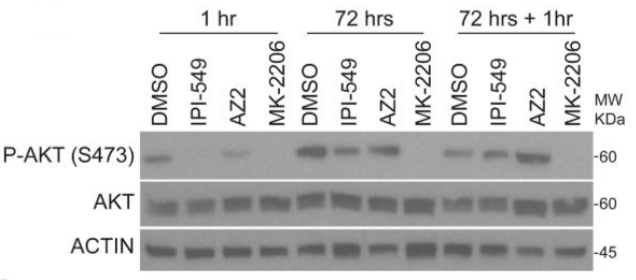
    MK-2206 dihydrochloride purchased from MedChemExpress. Usage Cited in: Nat Cancer. 2024 Jul;5(7):1082-1101.  [Abstract]

    AKT phosphorylation levels by western blot of OCI-AML2 cells treated for one hour, 72 hours, or 72 hours followed by fresh addition of 500nM IPI-549, AZ2, or MK-2206 for one hour.

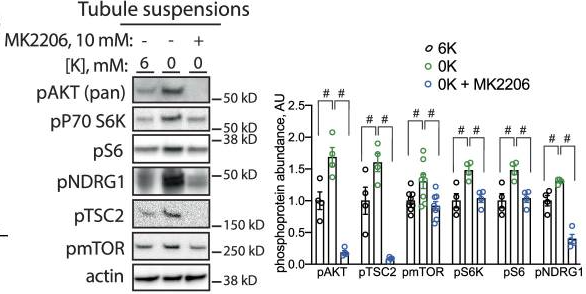
    MK-2206 dihydrochloride purchased from MedChemExpress. Usage Cited in: Nat Commun. 2024 Jun 17;15(1):5144.  [Abstract]

    Representative Western blots from isolated tubule suspensions cultured for 30 min in indicated K+ concentrations with or without the AKT inhibitor MK2206 (10 μM).

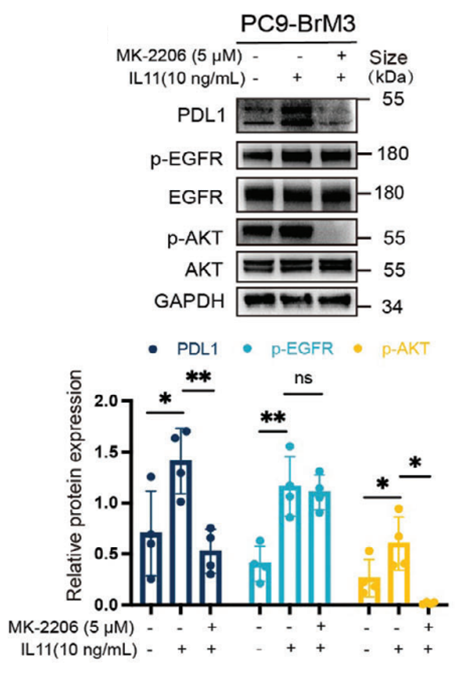
    MK-2206 dihydrochloride purchased from MedChemExpress. Usage Cited in: Adv Sci (Weinh). 2024 Jul;11(26):e2306348.  [Abstract]

    MK‐2206 (5 µM; 18 h) significantly suppresses IL11‐induced upregulation of PDL1, but did not affect the level of p‐EGFR.

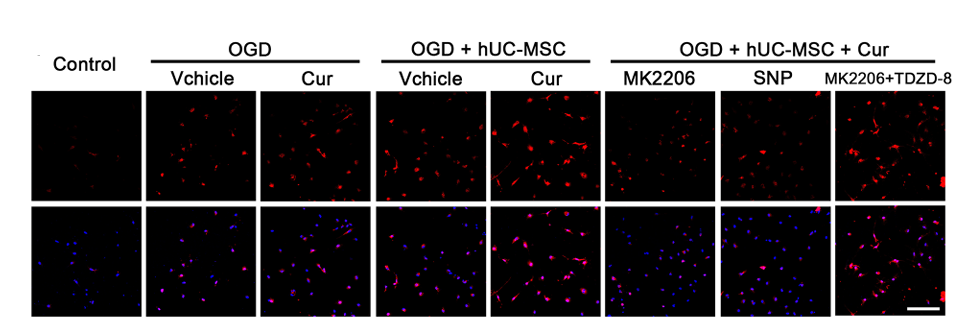
    MK-2206 dihydrochloride purchased from MedChemExpress. Usage Cited in: J Neuroinflammation. 2023 Feb 24;20(1):49.  [Abstract]

    Representative images of immunofluorescence analysis of Nrf2 expression in microglia treated with the AKT inhibitor MK2206 (5 μM,6 h), the GSK3β activator sodium nitroprusside (SNP, 100 μM, 6h), and the GSK3β inhibitor TDZD-8 (5 μM,6 h). Nrf2 (red), nuclei (blue).

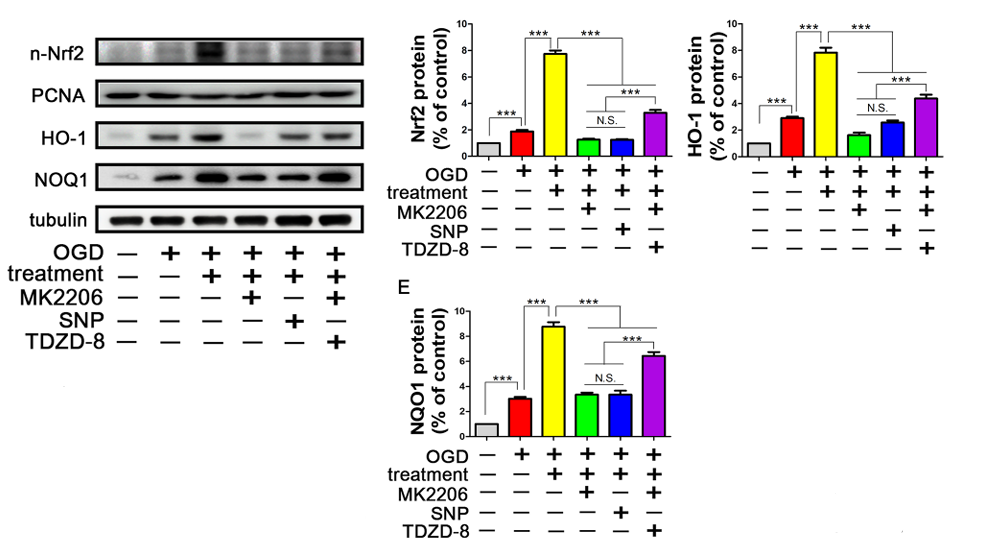
    MK-2206 dihydrochloride purchased from MedChemExpress. Usage Cited in: J Neuroinflammation. 2023 Feb 24;20(1):49.  [Abstract]

    Representative western blots and quantitative data for the expression of Nrf2 in the nucleus and the downstream proteins of Nrf2 pathway, including HO-1 and NQO1, with different treatments (MK2206: 5 μM,6 h; SNP: 100 μM, 6h; TDZD-8: 5 μM,6 h).

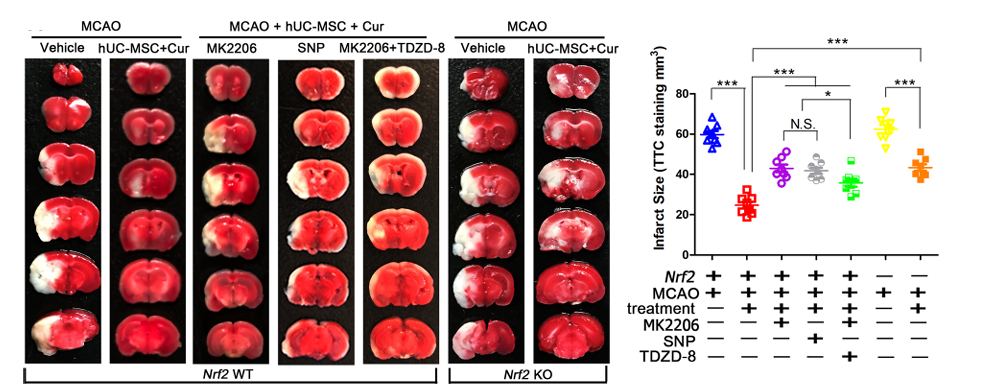
    MK-2206 dihydrochloride purchased from MedChemExpress. Usage Cited in: J Neuroinflammation. 2023 Feb 24;20(1):49.  [Abstract]

    Nrf2 knockout abolished neurological function improvement mediated by combined curcumin-hUC-MSC treatment. TTC-stained brain sections (A) and quantitative analysis (B) showed the decreased infarct volume with combined therapy in MCAO mice (MK2206, SNP or TDZD-8 :5 mg/kg, intraperitoneally,3 consecutive days after MCAO).

    MK-2206 dihydrochloride purchased from MedChemExpress. Usage Cited in: Phytomedicine. 2023 Nov:120:155074.  [Abstract]

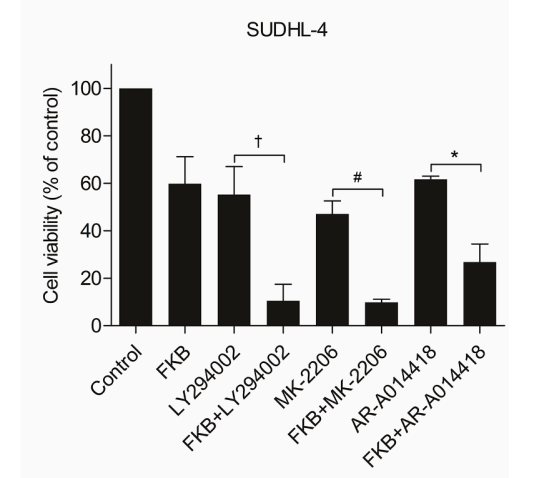
    SUDHL-4 cells were pretreated with the pan-PI3K inhibitor LY294002 (20 µM), the Akt inhibitor MK2206 (HY-108232; 4 µM), or the GSK3β inhibitor AR-A014418 (HY-10512; 10 µM) for 1 h followed by treating with FKB (Flavokawain B; HY-N2132) at 2.5 µg/ml for 24 h. Cell viability was measured using the MTS assay and results were shown as the percentage relative to the vehicle-treated control. *p < 0.05, #p < 0.01, and †p < 0.001.

    MK-2206 dihydrochloride purchased from MedChemExpress. Usage Cited in: Phytomedicine. 2023 Nov:120:155074.  [Abstract]

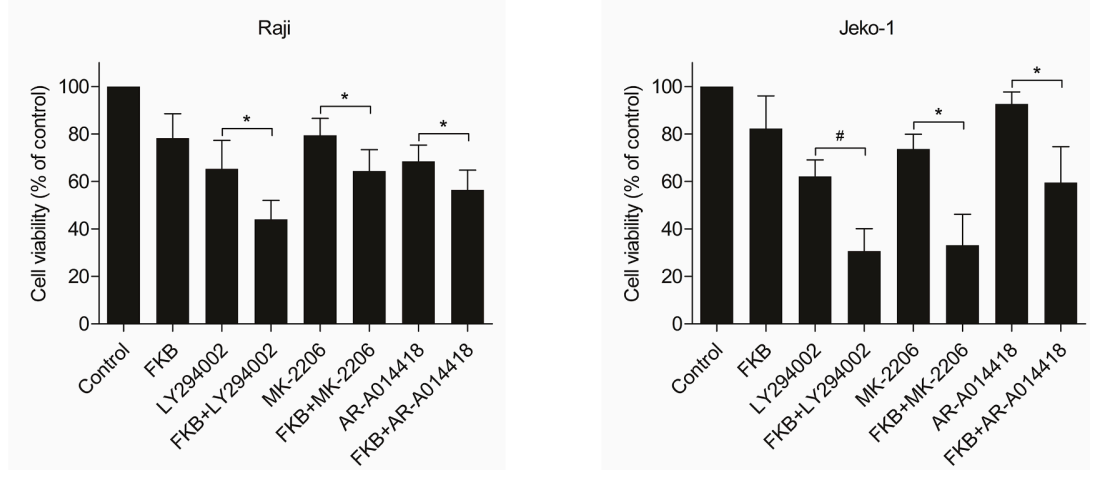
    Raji and Jeko-1 cells were pretreated with the pan-PI3K inhibitor LY294002 (20 µM), the Akt inhibitor MK2206 (HY-108232; 4 µM), or the GSK3β inhibitor AR-A014418 (HY-10512; 10 µM) for 1 h followed by treating with FKB (Flavokawain B; HY-N2132) at 2.5 µg/ml for 24 h. Cell viability was measured using the MTS assay and results were shown as the percentage relative to the vehicle-treated control. *p < 0.05, #p < 0.01, and †p < 0.001.

    MK-2206 dihydrochloride purchased from MedChemExpress. Usage Cited in: Nat Commun. 2021 Jun 30;12(1):4050.  [Abstract]

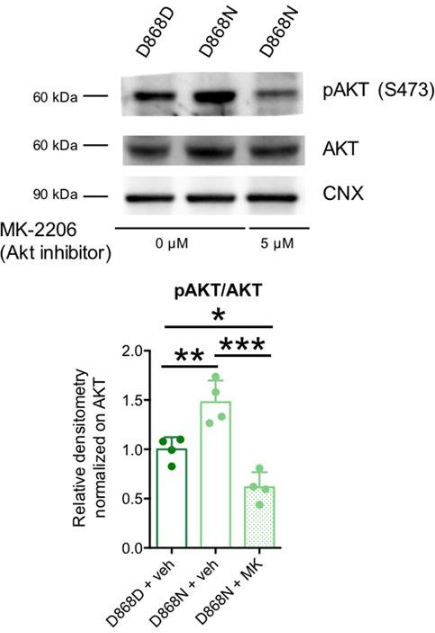
    Total and phosphorylated AKT (pAKT Ser473) immunoblotting in isogenic control (+vehicle) and mutant NPCs (+vehicle or MK-2206 AKT inhibitor) and quantification as pAKT/AKT ratio.

    MK-2206 dihydrochloride purchased from MedChemExpress. Usage Cited in: Acta Pharm Sin B. 2021 Jun;11(6):1592-1606.  [Abstract]

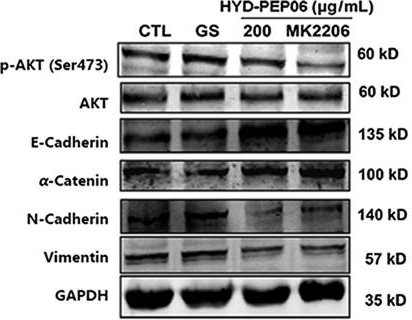
    HCCLM3 cells were pretreated with or without 10 μmol/L MK2206 (a PI3K/AKT inhibitor) and then with HYD-PEP06 (200 μg/mL) for 24 h. The protein expression of p-AKT, AKT, the epithelial and mesenchymal markers was determined by Western blot.

    MK-2206 dihydrochloride purchased from MedChemExpress. Usage Cited in: Mol Cell. 2021 Jan 21;81(2):370-385.e7.  [Abstract]

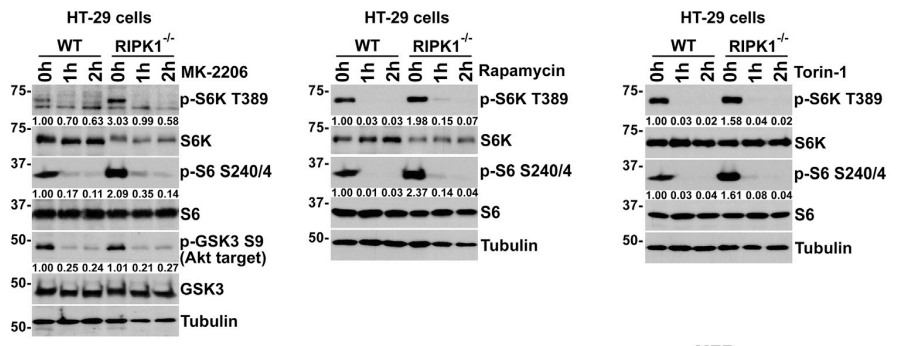
    Lack of differential inhibition of mTORC1 signaling in wild-type versus RIPK1−/− HT-29 cells upon inhibition of Akt by MK-2206 and mTORC1 by rapamycin or Torin-1. Cells were treated for indicated time points, and cell lysates were immunoblotted with indicated antibodies.

    MK-2206 dihydrochloride purchased from MedChemExpress. Usage Cited in: Acta Pharm Sin B. 2021 Jan;11(1):71-88.  [Abstract]

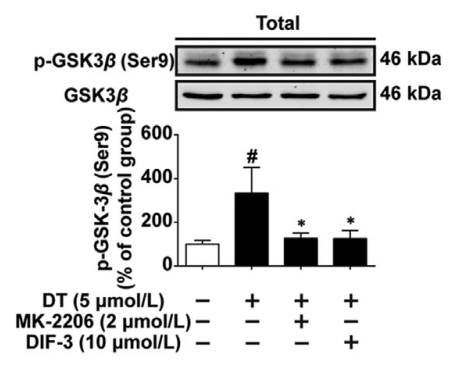
    Protein phosphorylation of PKB (Ser473) and GSK-3β (Ser9) in cardiomyocytes treated with DT or MK-2206 or DIF-3, either alone or in combination (n = 5).

    MK-2206 dihydrochloride purchased from MedChemExpress. Usage Cited in: Proc Natl Acad Sci U S A. 2019 Feb 19;116(8):2996-3005.  [Abstract]

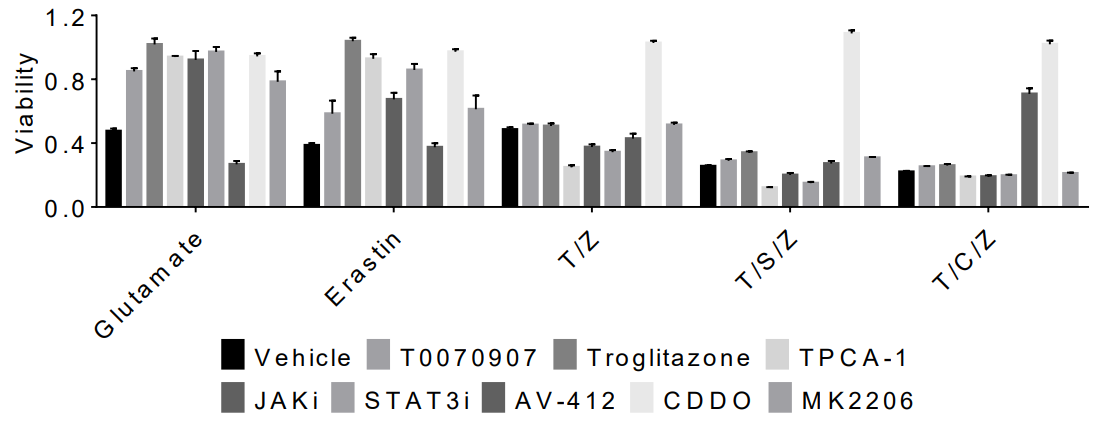
    HT22 cells were pretreated with the indicated inhibitors (CDDO (Bardoxolone, HY-14909); T0070907 (HY-13202); Troglitazone (HY-50935 ); TPCA-1 (HY-10074); JAKi; STAT3i; AV-412 (HY-10346); and MK2206 (HY-10358)) and then treated with T/Z, T/S/Z, T/C/Z for 9 h or Glutamate, Erastin (T: 20 ng/ml; Z: 50 μM; S: 20 nM; C: 1 μg/ml; Glutamate: 50 mM; Erastin 10 μM) for 12 h. Cell viability was measured by CellTiterGlo assay.

    MK-2206 dihydrochloride purchased from MedChemExpress. Usage Cited in: Oncogene. 2019 Jun;38(26):5250-5264.  [Abstract]

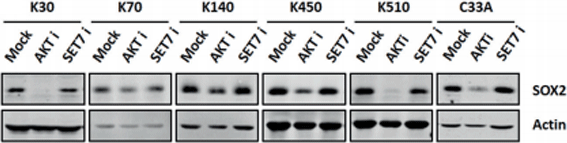
    Western blotting analysis shows the effect of AKT inhibitor MK2206 (AKT i) and SET7 inhibitor (R)-PFI-2 on the levels of SOX2 proteins. The cells are treated with 1 μM MK2206 for 24 h and 10 μM (R)-PFI-2 for 12 h before being harvested for analysis.

    MK-2206 dihydrochloride purchased from MedChemExpress. Usage Cited in: J Invest Dermatol. 2019 Jan;139(1):71-80.  [Abstract]

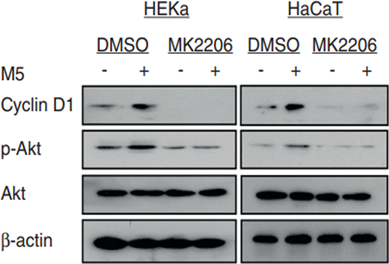
    HEKa (left) and HaCaT (right) cells are seeded in six-cell plates and pretreated with MK2206 for 6 hours, and then stimulated with M5 (2.5 ng/mL) for 48 hours before measuring the protein levels of cyclin D1, Akt, and phosphoAkt by Western blot analysis.

    MK-2206 dihydrochloride purchased from MedChemExpress. Usage Cited in: Cancer Cell. 2018 Jun 11;33(6):1061-1077.e6.  [Abstract]

    Dih10 cells are treated with CDDP (20 μM) in the presence or absence of the Akt inhibitor MK2206 (5 μM).

    MK-2206 dihydrochloride purchased from MedChemExpress. Usage Cited in: Nat Commun. 2018 May 8;9(1):1816.  [Abstract]

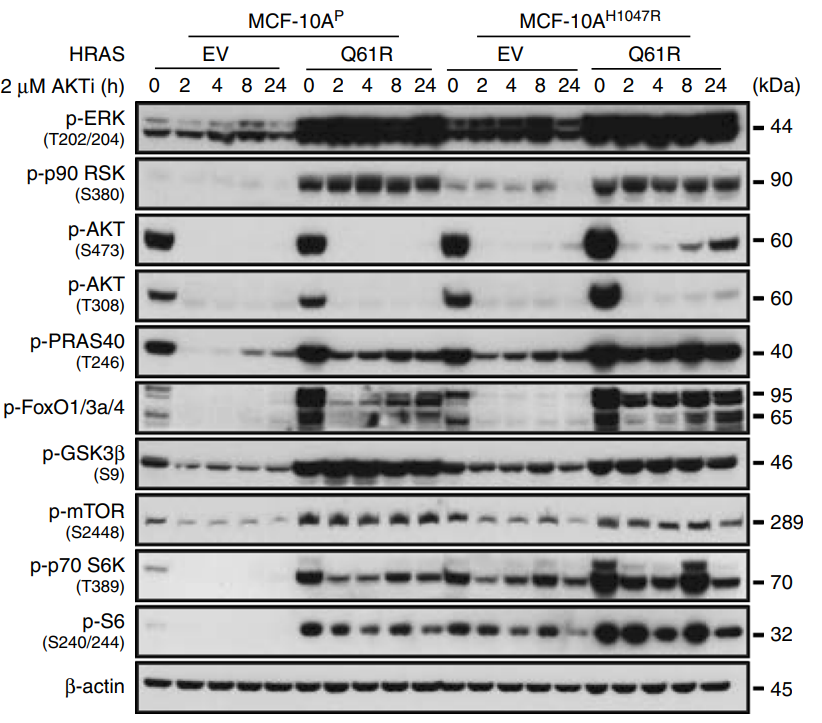
    Representative western blot analysis of p-ERK1/2, p-p90 RSK, p-AKT, p-AKT p-PRAS40, p-FOXO1/3a/4, p-GSK3β, p-mTOR, p-p70 S6K, and p-S6 protein in MCF-10AP and MCF-10AH1047R cells stably expressing empty vector (EV) or mutant HRASQ61R treated with 2 µM MK2206 (AKTi) at different time points.

    MK-2206 dihydrochloride purchased from MedChemExpress. Usage Cited in: Cell Death Dis. 2018 Oct 3;9(10):1015.  [Abstract]

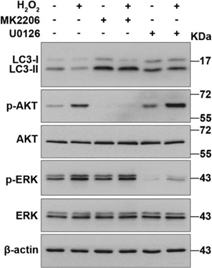
    Representative western blot images are showing the LC3, and the phosphorylated and total protein expression of Akt and ERK1/2 after treatment with H2O2 in the presence and absence of MK2206 (5 μM) and U0126 (25 μM).

    MK-2206 dihydrochloride purchased from MedChemExpress. Usage Cited in: Acta Pharmacol Sin. 2018 Nov;39(11):1787-1796.  [Abstract]

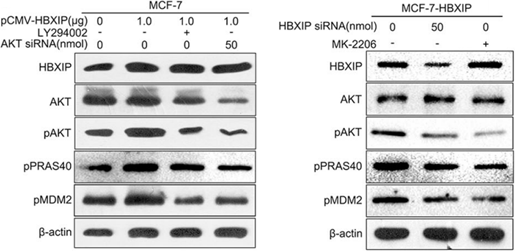
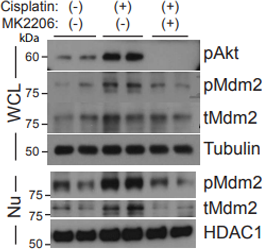
    Effects of LY294002 or AKT siRNA on the levels of total AKT, pAKT, phosphorylated PRAS40 and pMDM2 are examined by Western blot analysis in MCF-7 cells when HBXIP was overexpressed. Effects of MK-2206 or HBXIP siRNA on the levels of total AKT, pAKT, pPRAS40, and pMDM2 are examined by Western blot analysis in MCF-7-HBXIP cells.

    MK-2206 dihydrochloride purchased from MedChemExpress. Usage Cited in: Clin Epigenetics. 2018 May 23:10:69.  [Abstract]

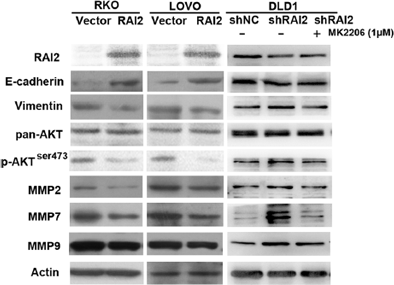
    The expression levels of E-cadherin, vimentin, pan-AKT, p-AKTser473, MMP-2, MMP-7, MMP-9, and actin (control) are detected by Western blot in RAI2 un-expressed and re-expressed RKO and LOVO cells as well as in the control group, shRAI2 knockdown group, and shRAI2 knockdown plus MK2206 treated group.

    MK-2206 dihydrochloride purchased from MedChemExpress. Usage Cited in: Cancer Sci. 2018 Apr;109(4):944-955.  [Abstract]

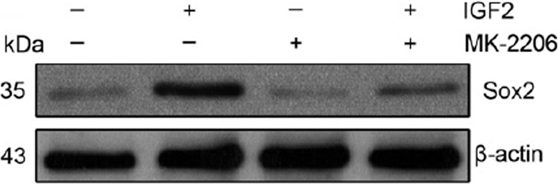
    Western blotting of Sox2 and b-actin in A549 cells with or without IGF2 treated in the presence or absence of MK-2206.

    MK-2206 dihydrochloride purchased from MedChemExpress. Usage Cited in: J Cancer. 2018 Jun 14;9(14):2480-2491.  [Abstract]

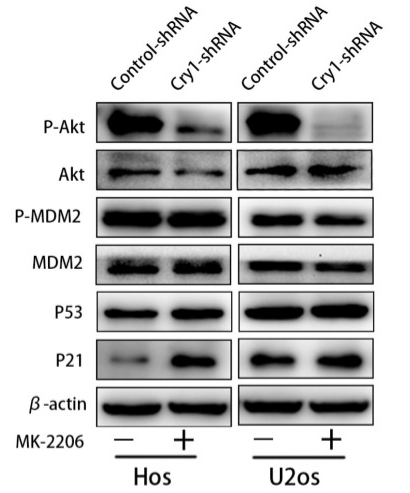
    Analysis of indicated proteins in Cry1 silencing osteosarcoma cells after MK-2206 treatment. Data are expressed as the mean±standard deviation.

    MK-2206 dihydrochloride purchased from MedChemExpress. Usage Cited in: Int J Biochem Cell Biol. 2018 Jun:99:43-51.  [Abstract]

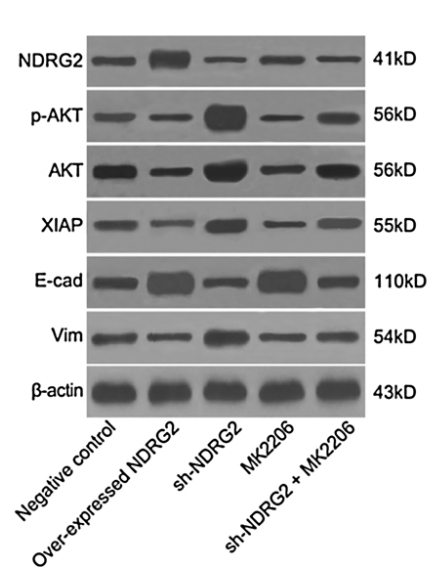
    Western blot analysis of NDRG2, p-ATK, XIAP, E-cadherin and Vimentin in TE-13 cells shows NDRG2 negatively regulates the expressions of AKT, XIAP, E-cadherin and Vimentin proteins.

    MK-2206 dihydrochloride purchased from MedChemExpress. Usage Cited in: J Cell Biochem. 2018 May;119(5):3885-3891.  [Abstract]

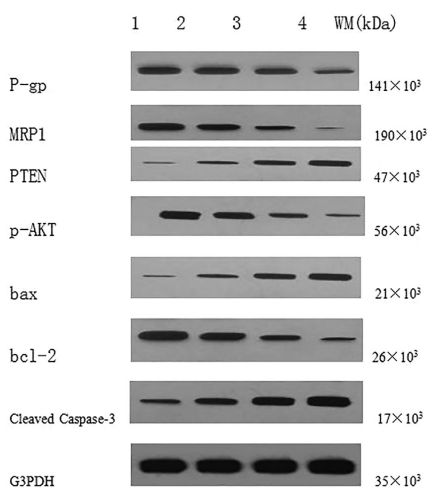
    Western blot showed the protein expression of P-gp,MRP1, PTEN, p-AKT, Bax, Bcl-2, and cleaved caspase-3.

    MK-2206 dihydrochloride purchased from MedChemExpress. Usage Cited in: Radiat Res. 2018 Aug;190(2):204-215.  [Abstract]

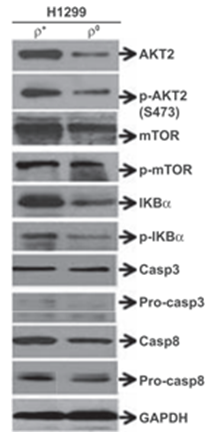
    When 6 Gy irradiation is combined with AKT2 inhibitor MK-2206 treatment, the protein levels in phosphorylated AKT2, mTOR and IKBa are decreased, and the downstream proapoptotic proteins, caspase 3 and caspase 8, are increased.

    MK-2206 dihydrochloride purchased from MedChemExpress. Usage Cited in: Br J Cancer. 2017 Sep 26;117(7):974-983.  [Abstract]

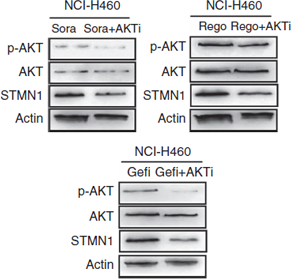
    The effect of the AKT inhibitor MK2206 (10 μM) on the expression levels of phosphor-AKT, AKT, and STMN1 in TKI-pretreated NCI-H460 cells. β-actin is used as a loading control.

    MK-2206 dihydrochloride purchased from MedChemExpress. Usage Cited in: Hum Mol Genet. 2017 Sep 15;26(18):3553-3563.  [Abstract]

    Immunofluorescence analysis for expression of the I-cell marker ΔNP63 on proximal sections of ureters explanted from E12.5 wildtype (control) embryos and cultured for 6 d in the presence of solvent (DMSO) (A), the AKT inhibitor (AKT-i) MK2206 (B), the P38 inhibitor (P38-i) SB203580 (C), the ERK1/2 inhibitor (ERK1/2-i) PD98059 (D) or combinations as indicated (E and F).

    MK-2206 dihydrochloride purchased from MedChemExpress. Usage Cited in: Oncotarget. 2017 Jan 31;8(5):8536-8549.  [Abstract]

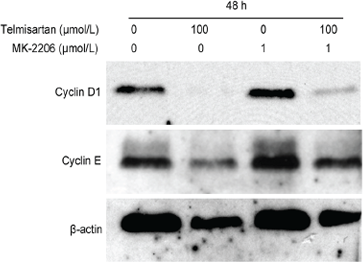
    Western blot analysis of cyclin D1 and cyclin E in OE19 cells treated with the control, BIBR 277 alone, MK-2206 alone, or BIBR 277 combined with MK-2206 for 48 h.

    MK-2206 dihydrochloride purchased from MedChemExpress. Usage Cited in: Oncotarget. 2017 Jul 18;8(29):47642-47654.  [Abstract]

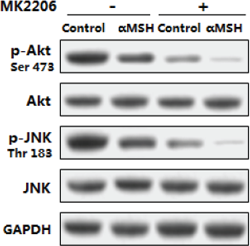
    Akt/JNK signal pathway is impaired in the inhibition of αMSH on adipocyte inflammation and FoxOs expressions. Mouse adipocytes are pretreated with αMSH and MK-2206, respectively. Relative protein levels of Akt, p-Aktser473, JNK, p-JNKThr183 with or without MK-2206 (n=3).

    MK-2206 dihydrochloride purchased from MedChemExpress. Usage Cited in: Modern Oncology. 2017,25(01):0009-0013.

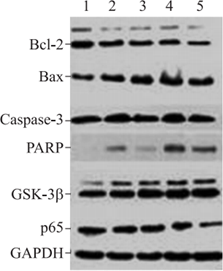
    The related protein expression of Bcl-2, Bax, Caspase-3, PARP, GSK-3β, p65 gene in each intervention group. Western blot assay:1:Control group; 2:MK2206 positive group; 3:0.3g/L Mat; 4: 0.6g/L Mat; 5:1.2g/LMat.

    MK-2206 dihydrochloride purchased from MedChemExpress. Usage Cited in: Proc Natl Acad Sci U S A. 2016 Jul 26;113(30):E4338-47.  [Abstract]

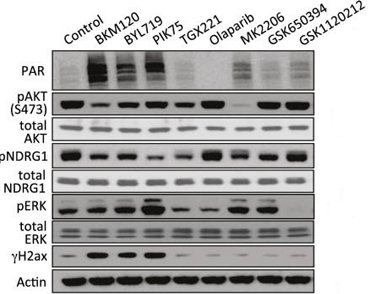
    HCC1937 cells are treated for 16 h with inhibitors as indicated. Immunoblotting of total cell lysates is performed with antibodies as indicated. Induction of PAR and H2ax phosphorylation (γH2ax) following treatment with inhibitors of pan-PI3K (BKM120, 1.5 μM), PI3Kα (BYL719, 3 μM; PIK75, 0.5 μM), PI3Kβ (TGX221, 30 μM), AZD2281 (5 μM), and inhibitors of AKT (MK2206, 1 μM), SGK (GSK650394, 10 μM), or MAPKK (GSK1120212, 5 nM).

    MK-2206 dihydrochloride purchased from MedChemExpress. Usage Cited in: Harvard University. 2016 Aug.

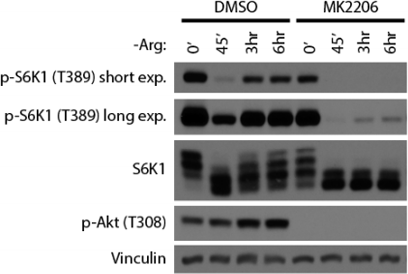
    Mouse embryonic fibroblasts (MEFs) are deprived of Arginine and treated with 2 µM MK2206 for up to 6 hours.

    MK-2206 dihydrochloride purchased from MedChemExpress. Usage Cited in: Okayama University. 2015.

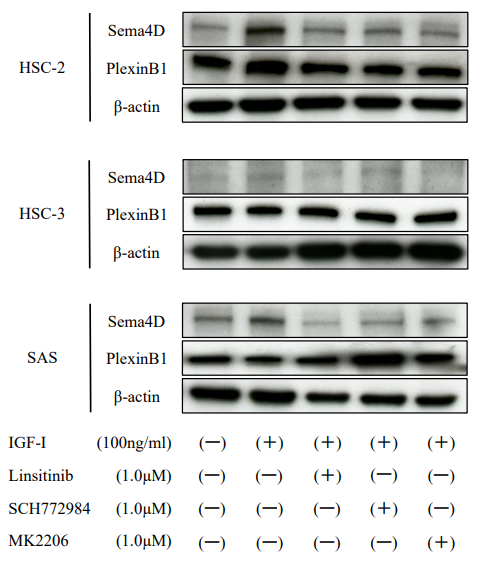
    Expression of Sema4D and PlexinB1 in various oral squamous cell carcinoma cell lines following the addition of IGF-I. Notably, the addition of IGF-I resulted in increased expression of Sema4D, particularly in HSC-2 and SAS cells. This increase was suppressed when IGF-I was administered in the presence of inhibitors targeting its receptor or downstream signaling pathways. No changes in PlexinB1 expression were observed following the addition of IGF-I.

    MK-2206 dihydrochloride purchased from MedChemExpress. Usage Cited in: Cell. 2014 Feb 13;156(4):771-85.  [Abstract]

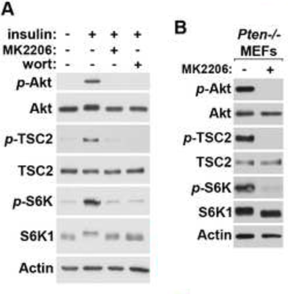
    (A) Effects of inhibiting PI3K and Akt in MEFs. Serum starved (16 hr) MEFs are pretreated (30 min) with Wortmannin (100 nM), MK2206 (2 μM) or vehicle (DMSO). Immunoblots of lysates are probed with the indicated antibodies. (B) PTEN null MEFs exhibit constitutive Akt, TSC2 and S6K phosphorylation, which are reversed by the Akt inhibitor MK2206.

    View All Akt Isoform Specific Products:

    View All mTOR Isoform Specific Products:

    View All GSK-3 Isoform Specific Products:

    View All Bcl-2 Family Isoform Specific Products:

    • Biological Activity

    • Purity & Documentation

    • References

    • Customer Review

    Description

    MK-2206 dihydrochloride (MK-2206 2HCl) is an orally active pan-AKT inhibitor, with IC50 values of 8 nM, 12 nM and 65 nM against AKT1, AKT2 and AKT3, respectively. MK-2206 dihydrochloride inhibits the Akt/mTOR signaling pathway and reduces the levels of downstream GSK3β and Mcl-1 via proteasomal degradation. MK-2206 dihydrochloride induces G1-phase cell cycle arrest, apoptosis, epithelial-mesenchymal transition, fibroblast activation and extracellular matrix deposition. MK-2206 dihydrochloride causes transient hyperglycemia and hyperinsulinemia in animals. MK-2206 dihydrochloride can be used in research related to solid tumors, renal fibrosis and hypercholesterolemia[1][2][3][4].

    IC50 & Target[1]

    Akt1

    8 nM (IC50)

    Akt2

    12 nM (IC50)

    Akt3

    65 nM (IC50)

    In Vitro

    MK-2206 dihydrochloride inhibits Akt1 kinase activity in various human cancer cell lines with an IC50 of approximately 20 nM, blocks the downstream signaling pathway of Akt, and exerts potent antiproliferative effects on cancer cell lines with specific PI3K pathway gene defects, while activation of the Ras pathway predicts no response[1].
    MK-2206 dihydrochloride exerts additive or synergistic antiproliferative and pro-apoptotic sensitizing effects when combined with various chemotherapeutic agents and targeted inhibitors in relevant human cancer cell lines[1].
    MK-2206 (72 h) dihydrochloride potently inhibits the growth of U937, OCI/AML3, MV-4-11 and MOLM-13 acute myeloid leukemia (AML) cell lines, with IC50 values ranging from 0.6 to 2.5 μM, while it exhibits only extremely low cytotoxicity against normal human peripheral blood mononuclear cells (PBMCs)[2].
    MK-2206 (1-10 μM; 24 h) dihydrochloride induces dose-dependent G1 cell cycle arrest in OCI/AML3, MOLM-13 and MV-4-11 AML cell lines[2].
    MK-2206 (1-10 μM; 24 h) dihydrochloride induces dose-dependent apoptosis in OCI/AML3, MOLM-13 and MV-4-11 acute myeloid leukemia (AML) cell lines, with a significant increase in apoptotic cell populations at higher doses[2].
    MK-2206 (0.1-10 μM; 2-24 h) dihydrochloride induces apoptosis in MV-4-11 acute myeloid leukemia (AML) cells via caspase-3 and PARP cleavage, downregulates Mcl-1 protein levels in MV-4-11, OCI/AML3 and U937 AML cells in a dose-dependent manner, and inhibits the phosphorylation of Akt at Ser473 and GSK3β at Ser9 after 2 to 24 h of treatment, respectively[2].
    MK-2206 (10 μM; 1-4 h) dihydrochloride induces downregulation of Mcl-1 in MV-4-11 acute myeloid leukemia (AML) cells via a GSK3β-mediated proteasome-dependent mechanism[2].
    Combined administration of MK-2206 (200 nM; 72 h) dihydrochloride and Cytarabine (HY-13605) synergistically enhances cytotoxicity in MV-4-11, MOLM-13 and OCI/AML3 acute myeloid leukemia (AML) cell lines (ED50 CI value < 1), but exhibits antagonistic effects in U937 AML cells (ED50 CI value = 1.13)[2].
    MK-2206 (0.5-5 μM; 48 h) dihydrochloride inhibits TGF-β1-induced fibrosis, epithelial-mesenchymal transition (EMT), and activation of the Akt/mTOR signaling pathway in HK-2 cells. The effective concentration is 1 μM, which reduces the mRNA expression of Collagen I and Fibronectin, restores E-cadherin levels, and suppresses the expression of mesenchymal markers and phosphorylated Akt/mTOR proteins[3].
    MK-2206 (0.5-20 μM; 2-24 h) dihydrochloride upregulates LDLR protein levels in HepG2 cells treated with sterol feeding or sterol starvation. The maximum induction effect is observed in the sterol starvation group treated with 5 μM for 14 h, while that in the sterol feeding group is achieved with 10 μM treatment for 14 h. Moreover, a significant induction effect occurs within 4 h of treatment with 5 μM[4].
    MK-2206 (2.5-5 μM; 2-6 h) dihydrochloride inhibits the activity of AKT kinase in sterol-fed HepG2 cells. At concentrations ≥2.5 μM, it reduces the phosphorylation levels of AKT and its downstream target PRAS40 within 2 h[4].
    MK-2206 (5 μM; 14 h) dihydrochloride increases cell-surface LDLR expression and stimulates LDL uptake in HepG2 cells under both sterol-fed and sterol-starved conditions[4].
    MK-2206 (5-12 μM; 2-24 h) dihydrochloride induces LDLR mRNA expression in sterol-fed HepG2 cells within 2 h through a mechanism that enhances transcription (rather than mRNA stabilization) and is independent of de novo protein synthesis[4].
    MK-2206 (5-10 μM; 14 h) dihydrochloride upregulates LDLR protein levels in sterol-fed IHH, HeLa, IMH, and Hepac1c7 cells[4].
    MK-2206 (5 μM; 24 h) dihydrochloride inhibits de novo cholesterol biosynthesis in HepG2 cells under sterol starvation conditions[4].
    MK-2206 (5 μM; 14 h) dihydrochloride upregulates LDLR protein levels in CHO cells and HMGCR-deficient UT-2 cells, indicating that this effect is independent of HMGCR activity[4].
    MK-2206 (0.5-4 μM; 38 h) dihydrochloride enhances the LDLR (low-density lipoprotein receptor)-inducing effect of Mevastatin (HY-17408) in sterol-starved HepG2 cells[4].
    MK-2206 (5 μM; 2-24 h) dihydrochloride upregulates the mRNA expression of PCSK9, HMGCR, SREBP-2 and HMGCS1 in sterol-fed HepG2 cells, exerts only minor effects on ACACA, FASN and SCD1, and has no effect on IDOL[4].
    MK-2206 (2.5-5 μM; 14-24 h) dihydrochloride stimulates LDLR promoter activity in sterol-fed HepG2 cells in an SRE-1-dependent manner[4].
    MK-2206 (5 μM; 14-24 h) dihydrochloride upregulates LDLR mRNA levels in sterol-fed HepG2 cells in an SREBP-2-dependent manner[4].
    MK-2206 (5 μM; 2-6 h) dihydrochloride stimulates proteolytic cleavage of FL-SREBP-2 to generate the active NTF-SREBP-2 in sterol-fed HepG2 cells[4].
    MK-2206 (2.5-10 μM; 14 h) dihydrochloride upregulates LDLR protein levels in primary adult hepatocytes[4].

    MedChemExpress (MCE) has not independently confirmed the accuracy of these methods. They are for reference only.

    In Vivo

    MK-2206 dihydrochloride enhances the anti-tumor efficacy of multiple chemotherapeutic agents in preclinical ovarian cancer xenograft models and induces mild, transient hyperglycemia and hyperinsulinemia in animals that resolves post-treatment[1].
    MK-2206 (120 mg/kg; p.o.; alternate days; 4 total doses) dihydrochloride alleviates UUO-induced renal fibrosis in mice by reducing inflammation, inhibiting epithelial-mesenchymal transition, suppressing myofibroblast activation and extracellular matrix deposition, and blocking activation of the Akt/mTOR signaling pathway[3].

    MedChemExpress (MCE) has not independently confirmed the accuracy of these methods. They are for reference only.

    Molecular Weight

    480.39

    Formula

    C25H23Cl2N5O

    CAS No.
    Appearance

    Solid

    Color

    Light yellow to yellow

    SMILES

    O=C1N2C(C3=CC(C4=CC=CC=C4)=C(N=C3C=C2)C5=CC=C(C6(N)CCC6)C=C5)=NN1.Cl.Cl

    Shipping

    Room temperature in continental US; may vary elsewhere.

    Storage

    4°C, sealed storage, away from moisture

    *In solvent : -80°C, 6 months; -20°C, 1 month (sealed storage, away from moisture)

    Solvent & Solubility
    In Vitro: 

    DMSO : 12.5 mg/mL (26.02 mM; ultrasonic and warming and heat to 60°C; Hygroscopic DMSO has a significant impact on the solubility of product, please use newly opened DMSO)

    Preparing
    Stock Solutions
    Concentration Solvent Mass 1 mg 5 mg 10 mg
    1 mM 2.0816 mL 10.4082 mL 20.8164 mL
    5 mM 0.4163 mL 2.0816 mL 4.1633 mL
    View the Complete Stock Solution Preparation Table

    * Please refer to the solubility information to select the appropriate solvent. Once prepared, please aliquot and store the solution to prevent product inactivation from repeated freeze-thaw cycles.
    Storage method and period of stock solution: -80°C, 6 months; -20°C, 1 month (sealed storage, away from moisture). When stored at -80°C, please use it within 6 months. When stored at -20°C, please use it within 1 month.

    • Molarity Calculator

    • Dilution Calculator
    Mass (g) = Concentration (mol/L) × Volume (L) × Molecular Weight (g/mol)

    Mass
    =
    Concentration
    ×
    Volume
    ×
    Molecular Weight *

    Concentration (start) × Volume (start) = Concentration (final) × Volume (final)

    This equation is commonly abbreviated as: C1V1 = C2V2

    Concentration (start)

    C1

    ×
    Volume (start)

    V1

    =
    Concentration (final)

    C2

    ×
    Volume (final)

    V2

    In Vivo:

    Select the appropriate dissolution method based on your experimental animal and administration route.

    For the following dissolution methods, please ensure to first prepare a clear stock solution using an In Vitro approach and then sequentially add co-solvents:
    To ensure reliable experimental results, the clarified stock solution can be appropriately stored based on storage conditions. As for the working solution for in vivo experiments, it is recommended to prepare freshly and use it on the same day.
    The percentages shown for the solvents indicate their volumetric ratio in the final prepared solution. If precipitation or phase separation occurs during preparation, heat and/or sonication can be used to aid dissolution.

    • Protocol 1

      Add each solvent one by one:  10% DMSO    40% PEG300    5% Tween-80    45% Saline

      Solubility: ≥ 1.67 mg/mL (3.48 mM); Clear solution

      This protocol yields a clear solution of ≥ 1.67 mg/mL (saturation unknown).

      Taking 1 mL working solution as an example, add 100 μL DMSO stock solution (16.7 mg/mL) to 400 μL PEG300, and mix evenly; then add 50 μL Tween-80 and mix evenly; then add 450 μL Saline to adjust the volume to 1 mL.

      Preparation of Saline: Dissolve 0.9 g sodium chloride in ddH₂O and dilute to 100 mL to obtain a clear Saline solution.
    • Protocol 2

      Add each solvent one by one:  10% DMSO    90% (20% SBE-β-CD in Saline)

      Solubility: ≥ 1.67 mg/mL (3.48 mM); Clear solution

      This protocol yields a clear solution of ≥ 1.67 mg/mL (saturation unknown).

      Taking 1 mL working solution as an example, add 100 μL DMSO stock solution (16.7 mg/mL) to 900 μL 20% SBE-β-CD in Saline, and mix evenly.

      Preparation of 20% SBE-β-CD in Saline (4°C, storage for one week): 2 g SBE-β-CD powder is dissolved in 10 mL Saline, completely dissolve until clear.

    For the following dissolution methods, please prepare the working solution directly. It is recommended to prepare fresh solutions and use them promptly within a short period of time.
    The percentages shown for the solvents indicate their volumetric ratio in the final prepared solution. If precipitation or phase separation occurs during preparation, heat and/or sonication can be used to aid dissolution.

    • Protocol 1

      Add each solvent one by one:  20% SBE-β-CD in Saline

      Solubility: 25 mg/mL (52.04 mM); Clear solution; Need ultrasonic

    In Vivo Dissolution Calculator
    Please enter the basic information of animal experiments:

    Dosage

    mg/kg

    Animal weight
    (per animal)

    g

    Dosing volume
    (per animal)

    μL

    Number of animals

    Recommended: Prepare an additional quantity of animals to account for potential losses during experiments.
    Please enter your animal formula composition:
    %
    DMSO +
    +
    %
    Tween-80 +
    %
    Saline
    Recommended: Keep the proportion of DMSO in working solution below 2% if your animal is weak.
    The co-solvents required include: DMSO, . All of co-solvents are available by MedChemExpress (MCE). , Tween 80. All of co-solvents are available by MedChemExpress (MCE).
    Calculation results:
    Working solution concentration: mg/mL
    Method for preparing stock solution: mg drug dissolved in μL  DMSO (Stock solution concentration: mg/mL).

    *In solvent : -80°C, 6 months; -20°C, 1 month (sealed storage, away from moisture)

    The concentration of the stock solution you require exceeds the measured solubility. The following solution is for reference only. If necessary, please contact MedChemExpress (MCE).
    Method for preparing in vivo working solution for animal experiments: Take μL DMSO stock solution, add μL . μL , mix evenly, next add μL Tween 80, mix evenly, then add μL Saline.
     If the continuous dosing period exceeds half a month, please choose this protocol carefully.
    Please ensure that the stock solution in the first step is dissolved to a clear state, and add co-solvents in sequence. You can use ultrasonic heating (ultrasonic cleaner, recommended frequency 20-40 kHz), vortexing, etc. to assist dissolution.
    Purity & Documentation

    Purity: 99.99%

    References

    Complete Stock Solution Preparation Table

    * Please refer to the solubility information to select the appropriate solvent. Once prepared, please aliquot and store the solution to prevent product inactivation from repeated freeze-thaw cycles.
    Storage method and period of stock solution: -80°C, 6 months; -20°C, 1 month (sealed storage, away from moisture). When stored at -80°C, please use it within 6 months. When stored at -20°C, please use it within 1 month.

    Optional Solvent Concentration Solvent Mass 1 mg 5 mg 10 mg 25 mg
    DMSO 1 mM 2.0816 mL 10.4082 mL 20.8164 mL 52.0410 mL
    5 mM 0.4163 mL 2.0816 mL 4.1633 mL 10.4082 mL
    10 mM 0.2082 mL 1.0408 mL 2.0816 mL 5.2041 mL
    15 mM 0.1388 mL 0.6939 mL 1.3878 mL 3.4694 mL
    20 mM 0.1041 mL 0.5204 mL 1.0408 mL 2.6021 mL
    25 mM 0.0833 mL 0.4163 mL 0.8327 mL 2.0816 mL
    • No file chosen (Maximum size is: 1024 Kb)
    • If you have published this work, please enter the PubMed ID.
    • Your name will appear on the site.
    Help & FAQs
    • Do most proteins show cross-species activity?

      Species cross-reactivity must be investigated individually for each product. Many human cytokines will produce a nice response in mouse cell lines, and many mouse proteins will show activity on human cells. Other proteins may have a lower specific activity when used in the opposite species.

    Your Recently Viewed Products:

    Inquiry Online

    Your information is safe with us. * Required Fields.

    Product Name


    Requested Quantity *

    Applicant Name *


    Salutation

    Email Address *


    Phone Number *

    Department


    Organization Name *

    City

    State

    Country or Region *


    Remarks

    Bulk Inquiry

    Inquiry Information

    Product Name:
    MK-2206 dihydrochloride
    Cat. No.:
    HY-10358
    Quantity:
    MCE Japan Authorized Agent: