Search Result
Results for "
( )-Irinotecan hydrochloride
" in MedChemExpress (MCE) Product Catalog:
3
Biochemical Assay Reagents
11
Isotope-Labeled Compounds
| Cat. No. |
Product Name |
Target |
Research Areas |
Chemical Structure |
-
- HY-13704
-
|
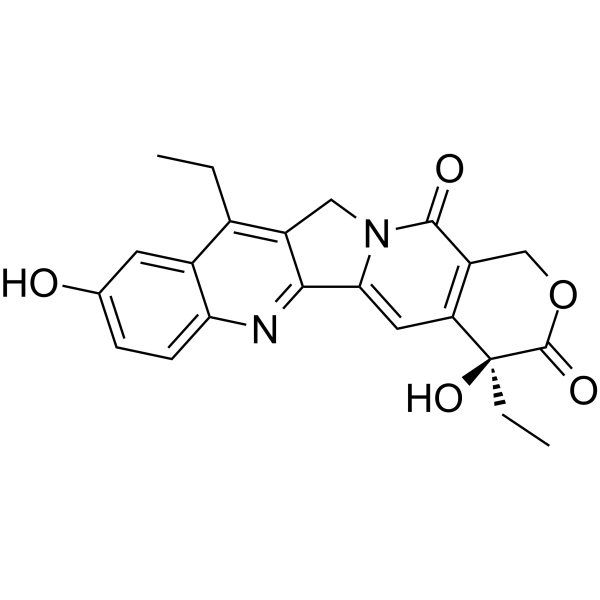
7-Ethyl-10-hydroxycamptothecin
|
Drug Metabolite
Topoisomerase
ADC Payload
Autophagy
|
Infection
Cancer
|
|
SN-38 is an active metabolite of the Topoisomerase I inhibitor Irinotecan. SN-38 can bind to RPL15. SN-38 inhibits DNA and RNA synthesis with IC50s of 0.077 and 1.3 μM, respectively. SN-38 is a payload of sacituzumab govitecan (HY -132254) .
|
-
-
- HY-16562
-
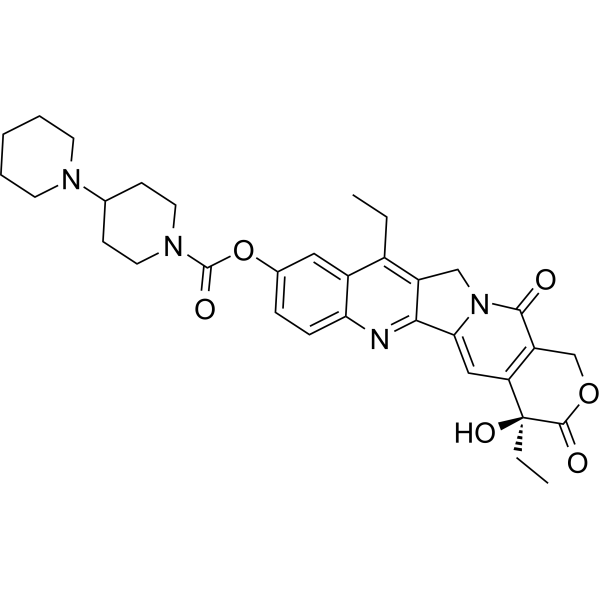
Irinotecan
Maximum Cited Publications
75 Publications Verification
(+)-Irinotecan; CPT-11; VAL-413free base
|
Topoisomerase
Autophagy
|
Neurological Disease
Cancer
|
|
Irinotecan ((+)-Irinotecan) is a topoisomerase I inhibitor, preventing religation of the DNA strand by binding to topoisomerase I-DNA complex .
|
-
-
- HY-16562A
-
|
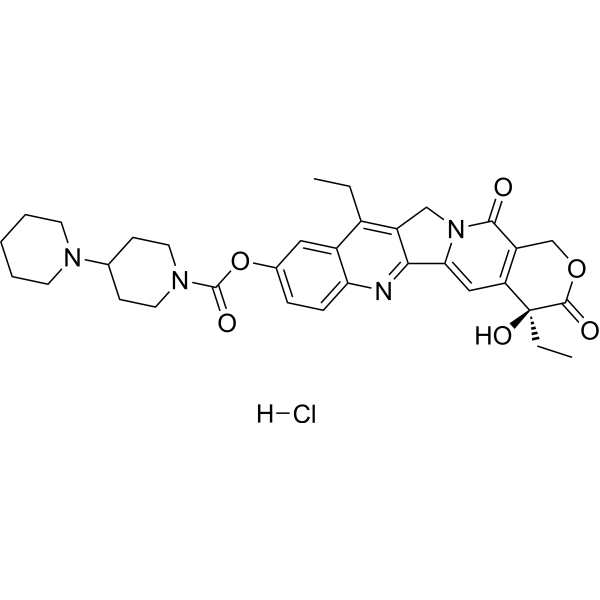
(+)-Irinotecan hydrochloride; CPT-11 hydrochloride; VAL-413
|
Topoisomerase
Autophagy
|
Cancer
|
|
Irinotecan hydrochloride ((+)-Irinotecan hydrochloride) is a topoisomerase I inhibitor mainly used to treat colon cancer and rectal cancer .
|
-
-
- HY-16568
-
|
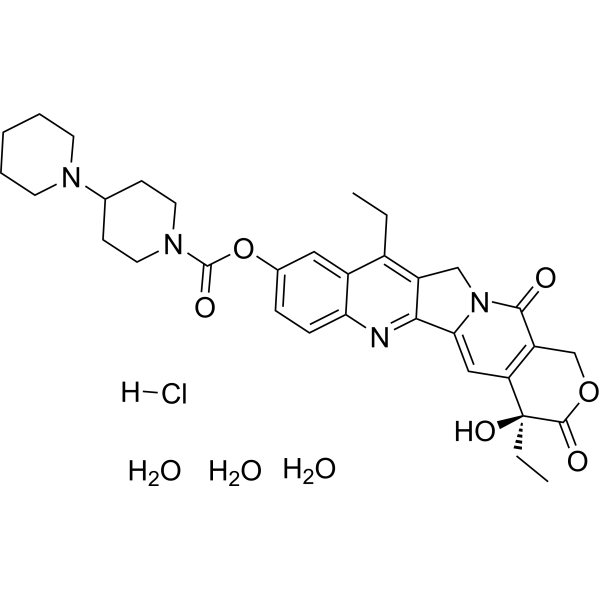
(+)-Irinotecan hydrochloride trihydrate; CPT-11 hydrochloride trihydrate
|
Topoisomerase
Autophagy
|
Cancer
|
|
Irinotecan hydrochloride trihydrate ((+)-Irinotecan hydrochloride trihydrate) is a topoisomerase I inhibitor with antitumor activity .
|
-
-
- HY-126373
-
|
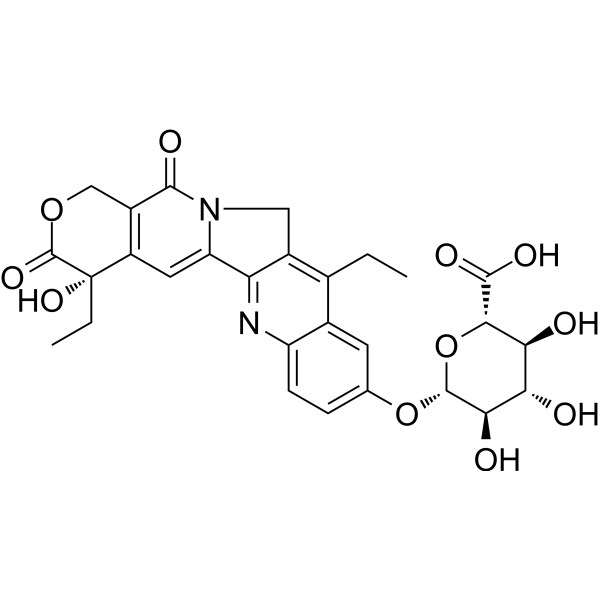
SN-38G
|
Drug Metabolite
|
Cancer
|
|
SN-38 glucuronide is an inactive metabolite of the anticancer active molecule Irinotecan (HY-16562) and has toxic effects on the gastrointestinal tract. Irinotecan is a topoisomerase I inhibitor which can be used for researching colon and rectal cancer .
|
-
-
- HY-145514C
-
|
|
FKBP
PROTACs
|
Cancer
|
|
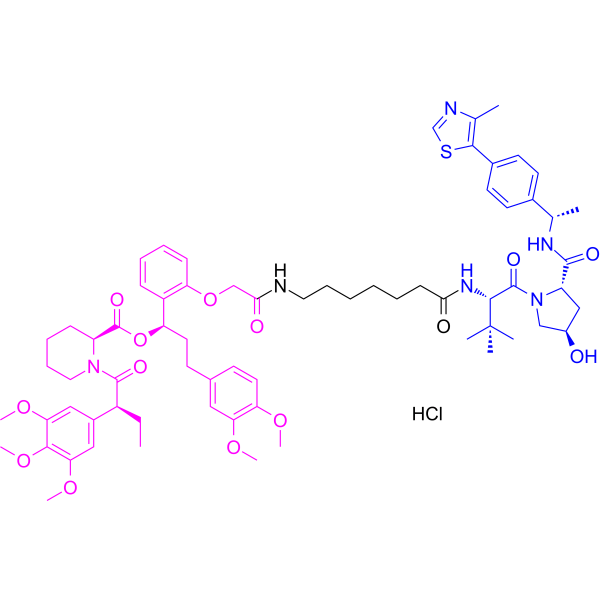
dTAGV-1 hydrochloride is a potent and selective degrader of FKBP12 F36V-tagged proteins PROTAC degrader. dTAGV-1 hydrochloride can induce degradation of FKBP12 F36V-Nluc in vivo. (Pink: Target Protein Ligand (HY-114420); Black: Linker (HY-W012001); Blue: VHL Ligand (HY-112078); VHL Ligan+Linker (HY-173628A)) .
|
-
-
- HY-101374A
-
|
(+)-BRD4780
|
Imidazoline Receptor
Caspase
Mitochondrial Metabolism
Lactate Dehydrogenase
|
Cardiovascular Disease
Neurological Disease
Cancer
|
|
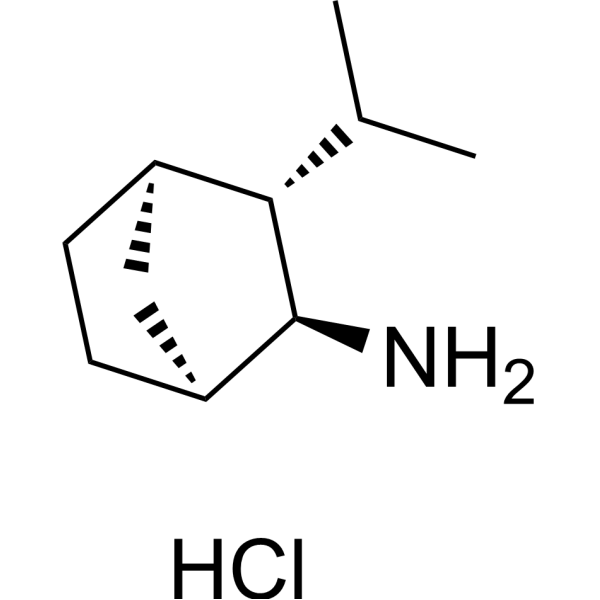
AGN 192403 (BRD4780) hydrochloride is a potent and selective imidazoline-1 receptor antagonist with a Ki value of 42 nM. AGN 192403 hydrochloride is also a TMED9 inhibitor. AGN 192403 hydrochloride shows protective effects on oxidative cytotoxicity and mitochondrial inhibitor-induced cytotoxicity in astrocytes. AGN 192403 hydrochloride mitigates the proliferation and migration of differentiated glioma tumor cells. AGN 192403 hydrochloride can be used for glioma tumor and neurological diseases research .
|
-
-
- HY-13704S
-
|
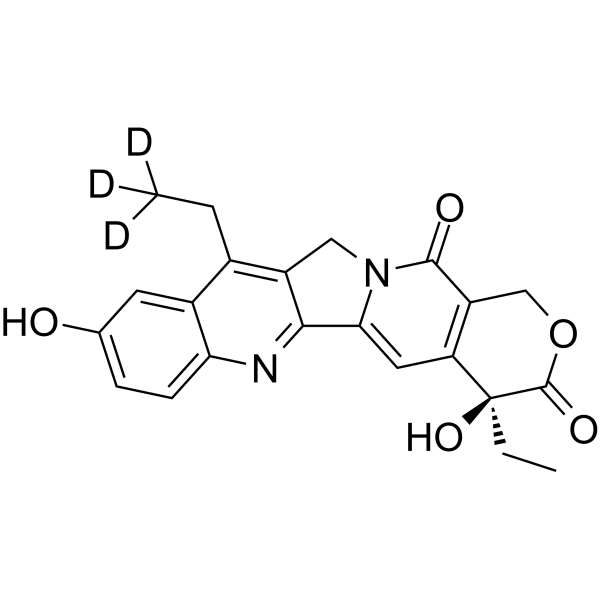
NK012-d3
|
Topoisomerase
ADC Payload
Autophagy
|
Cancer
|
|
SN-38-d3 is the deuterium labeled SN-38. SN-38 (NK012) is an active metabolite of the Topoisomerase I inhibitor Irinotecan. SN-38 (NK012) inhibits DNA and RNA synthesis with IC50s of 0.077 and 1.3 μM, respectively .
|
-
-
- HY-107922
-
|
Isothazine
|
Cholinesterase (ChE)
iGluR
mAChR
|
Neurological Disease
|
|
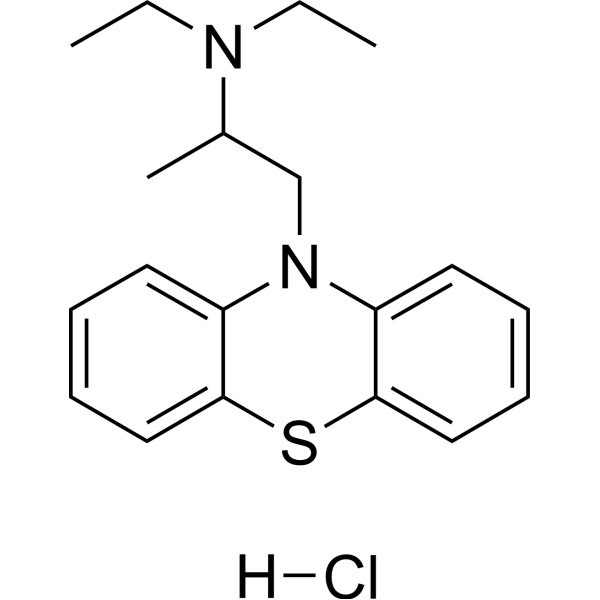
Ethopropazine (Isothazine) hydrochloride is a potent and selective BChE inhibitor, a poor AChE inhibitor and a non-selective mAChR and NMDA antagonist. Ethopropazine hydrochloride has anticholinergic, antihistamine, antiadrenergic actions and properties. Ethopropazine hydrochloride alleviates thermal hyperalgesia in a dose dependent manner. Ethopropazine hydrochloride can be used for the research of Parkinson’s disease .
|
-
-
- HY-113283
-
|
|
Amyloid-β
Natriuretic Peptide Receptor (NPR)
α-synuclein
Transthyretin (TTR)
Claudin
|
Neurological Disease
Metabolic Disease
Cancer
|
|
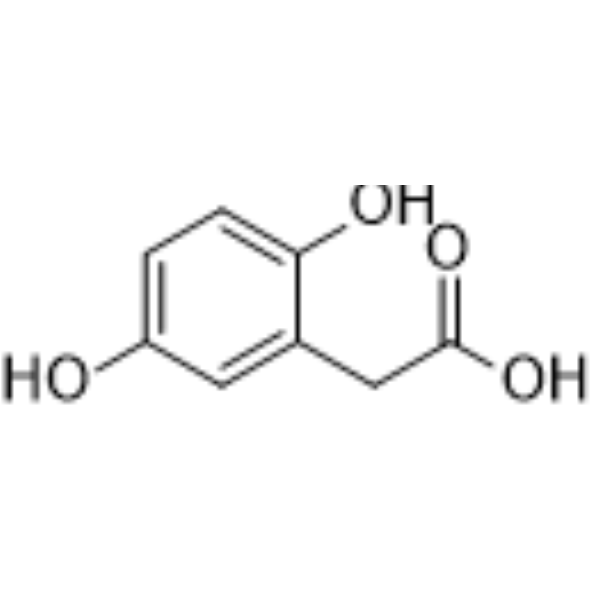
Homogentisic acid is an orally active, blood-brain barrier-permeable amyloidogenic compound that functions as both an amyloid component and a pigment precursor. Accumulation of homogentisic acid downregulates tight junction proteins (such as claudin-5, occludin, ZO-1) and impairs blood-brain barrier integrity. Homogentisic acid and its oxidation product benzoquinone acetic acid not only induce the aggregation and fibrosis of multiple proteins (such as Aβ1-42, α-synuclein, SAA, Transthyretin (TTR), atrial natriuretic peptide), but also trigger oxidative stress, damage to the Wnt/β-catenin pathway, and neurotoxicity, leading to ochronosis pigment deposition and synaptic dysfunction. At specific concentrations, homogentisic acid exerts no cytotoxicity or genotoxicity on human peripheral blood lymphocytes, and even counteracts the genotoxicity induced by Irinotecan (HY-16562). Homogentisic acid serves as an important tool molecule for investigating the mechanisms of diseases including ochronosis, secondary amyloidosis, Alzheimer's disease, and colorectal cancer .
|
-
-
- HY-153013
-
|
|
Drug-Linker Conjugates for ADC
|
Cancer
|
|
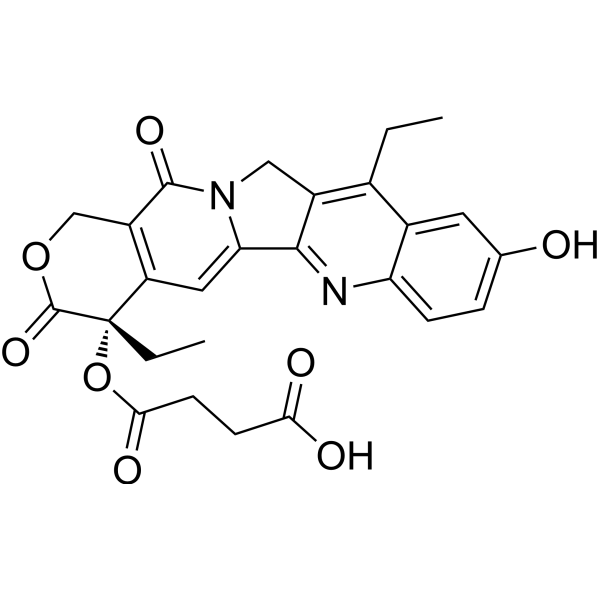
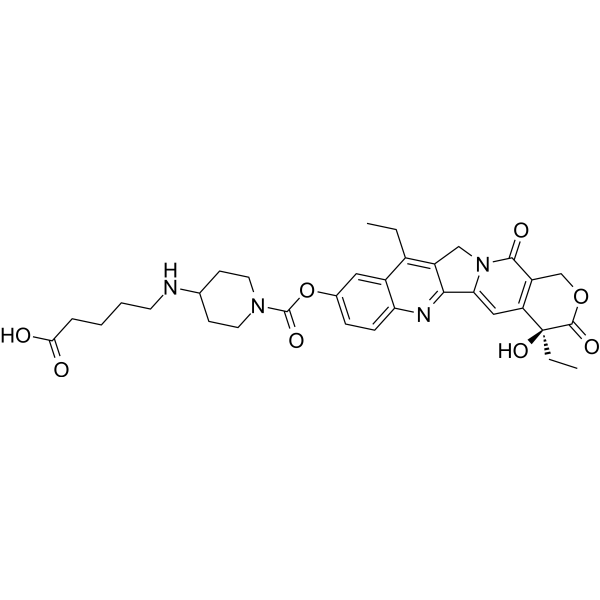
SN38-COOH is used for the synthesis of antibody-drug conjugates (ADCs). SN-38 is an active metabolite of the Topoisomerase I inhibitor Irinotecan. SN-38 inhibits DNA and RNA synthesis .
|
-
-
- HY-B0194A
-
|
|
Adrenergic Receptor
Apoptosis
Akt
Wnt
β-catenin
|
Neurological Disease
Endocrinology
Cancer
|
|
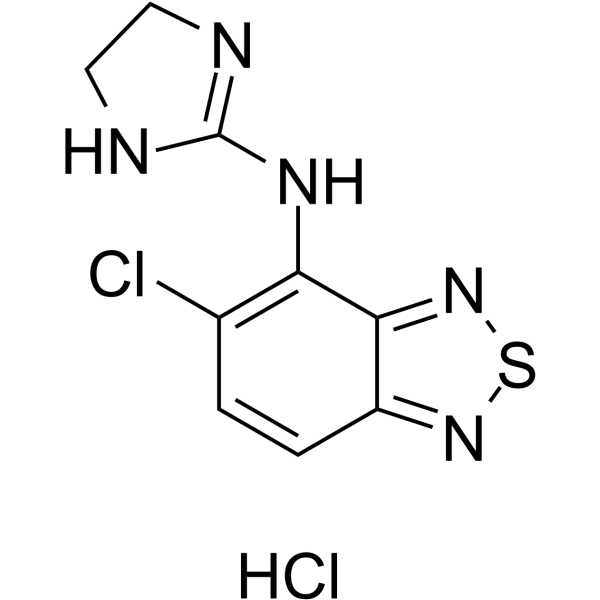
Tizanidine hydrochloride, a skeletal muscle relaxant, is an orally effective central α2-adrenoceptor agonist (IC50 = 6.9 nmol). Tizanidine hydrochloride primarily exerts muscle relaxation effects by inhibiting the release of excitatory amino acids (glutamate and aspartate) from the presynaptic terminals of spinal cord interneurons. Tizanidine hydrochloride has anti-injury activity and can inhibit gastrointestinal (GI) transport. Tizanidine hydrochloride can inhibit the proliferation, migration, and invasion of lung cancer cells and induce cell apoptosis by upregulating Nischarin and inhibiting the AKT and Wnt3a/β-catenin signaling pathways. Tizanidine hydrochloride can be used to treat spasticity caused by diseases such as multiple sclerosis (MS), stroke, and spinal cord injury (SCI) .
|
-
-
- HY-12758
-
|
|
BCRP
|
Cancer
|
|
YHO-13351 is an orally active ABCG2 inhibitor . YHO-13351 modulates the function of ABCG2, blocks BCRP-mediated compound efflux, downregulates the expression of breast cancer resistance protein at the post-transcriptional level, and reverses ABCG2-associated tolerance. YHO-13351 restores the toxicity of SN-38 to SN-38-resistant cancer cells and sensitizes cancer cells to Irinotecan. YHO-13351 is a water-soluble prodrug that is rapidly converted to YHO-13177 (HY-12757) in mice. YHO-13351 prolongs the median survival time of mice bearing cancer cell xenografts when combined with IMMU-132. YHO-13351 extends the survival time of tumor-bearing mice and inhibits the growth of xenograft tumors when combined with Irinotecan. YHO-13351 can be used for the research of breast cancer, gastric cancer, BCRP-mediated drug-resistant cancers, and cervical cancer .
|
-
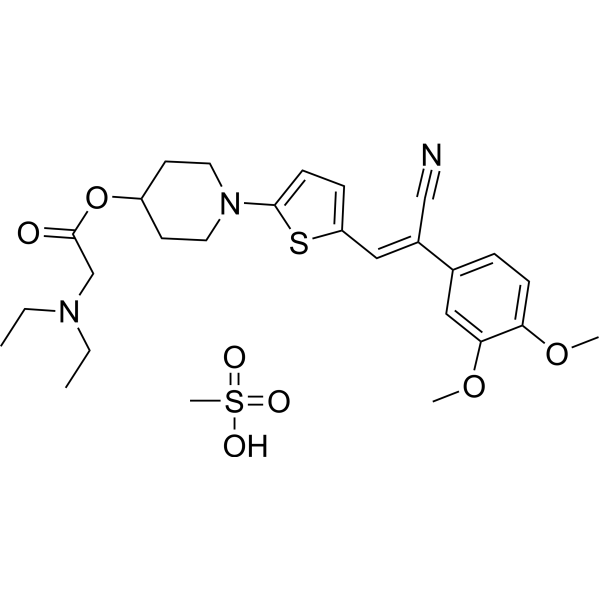
-
- HY-W250727
-
|
6-(p-Tolylamino)naphthalene-2-sulfonate sodium
|
Fluorescent Dye
|
Others
|
|
TNS (6-(p-Tolylamino) naphthalene-2-sulfonate) sodium is a fluorescent probe used to detect the conformational state of proteins. TNS sodium binds to the central hydrophobic calyx of β-lactoglobulin (β-LG) to form a 1:1 complex, which stabilizes the folded conformation of β-LG. TNS sodium shows weak fluorescent signals in aqueous solution, but its fluorescence intensity increases significantly upon binding to the hydrophobic domains of proteins, with the maximum excitation wavelength and maximum emission wavelength located at 321 nm and 446 nm, respectively .
|
-

-
- HY-139909A
-
|
|
Drug-Linker Conjugates for ADC
|
Cancer
|
|
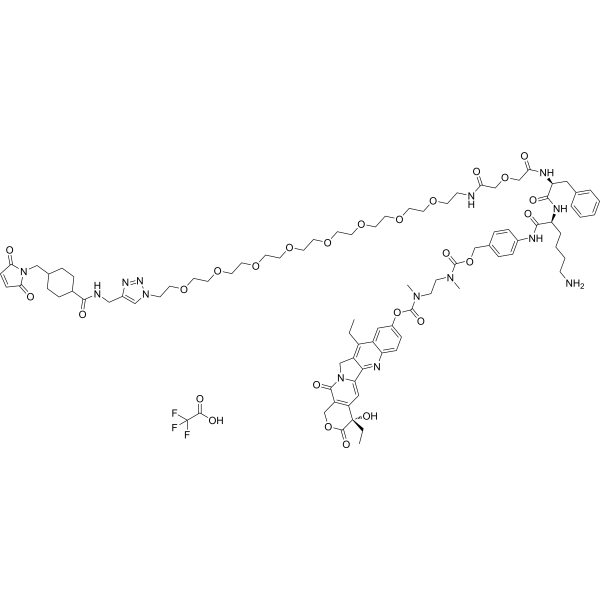
CL2E-SN-38 TFA, a highly releasable and structurally stable antibody-SN-38-conjugate, is a part of the antibody drug conjugate (ADC). SN-38, the active metabolite of Irinotecan from camptothecins, is an Topoisomerase I inhibitor .
|
-
-
- HY-126534A
-
|
LSN3106729 hydrochloride
|
Ligands for Target Protein for PROTAC
CDK
|
Cancer
|
|
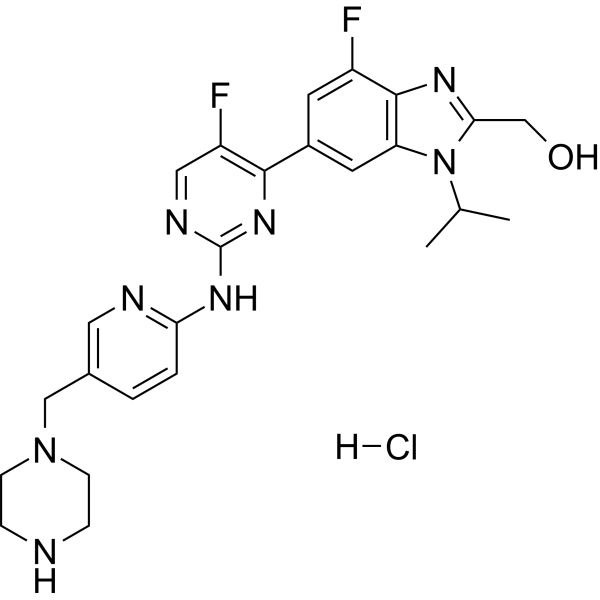
Abemaciclib metabolite M18 (LSN3106729) hydrochloride, the metabolite of Abemaciclib (HY-16297A), is a CDK inhibitor with antitumor activity. Abemaciclib metabolite M18 hydrochloride and a CRBN ligand have been used to design PROTAC CDK4/6 degrader .
|
-
-
- HY-136170
-
MC-SN38
2 Publications Verification
|
Drug-Linker Conjugates for ADC
|
Cancer
|
|
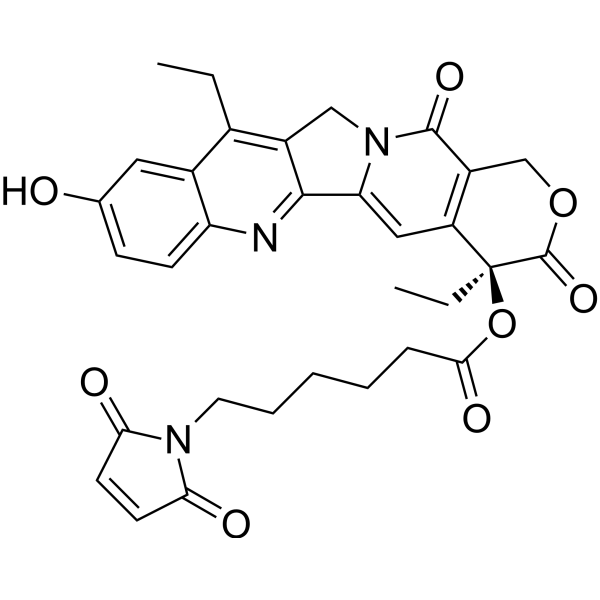
MC-SN38 is a agent-linker conjugate composed of a potent microtubule-disrupting agent SN38 and a non-cleavable MC linker to make antibody agent conjugate (ADC). SN-38, an active metabolite of the Topoisomerase I inhibitor Irinotecan, inhibits DNA synthesis and causes frequent DNA single-strand breaks .
|
-
-
- HY-13704R
-
|
7-Ethyl-10-hydroxycamptothecin (Standard)
|
Drug Metabolite
Reference Standards
Topoisomerase
ADC Payload
Autophagy
|
Cancer
|
|
SN-38 (Standard) is the analytical standard of SN-38. This product is intended for research and analytical applications. SN-38 is an active metabolite of the Topoisomerase I inhibitor Irinotecan. SN-38 inhibits DNA and RNA synthesis with IC50s of 0.077 and 1.3 μM, respectively. SN-38 is a payload of sacituzumab govitecan (HY -132254) .
|
-

-
- HY-12757
-
|
|
BCRP
|
Cancer
|
|
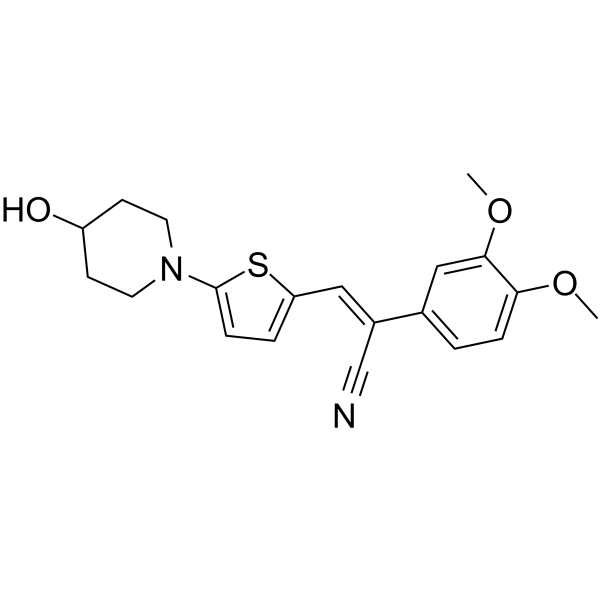
YHO-13177, a acrylonitrile derivative, is an orally active, potent and specific inhibitor of breast cancer resistance protein (BCRP) and ABCG2 with an IC50 value of 10 nM. YHO-13177 potentiates the cytotoxicity of SN-38 in HCT116 and A549 cells that express BCRP. YHO-13177 combined with Irinotecan (HY-16562) significantly suppresses the tumor growth in an HCT116/BCRP xenograft model .
|
-
-
- HY-W012161
-
|
L-Alanyl-L-phenylalanine; H-Ala-Phe-OH
|
Endogenous Metabolite
Drug Intermediate
|
Others
|
|
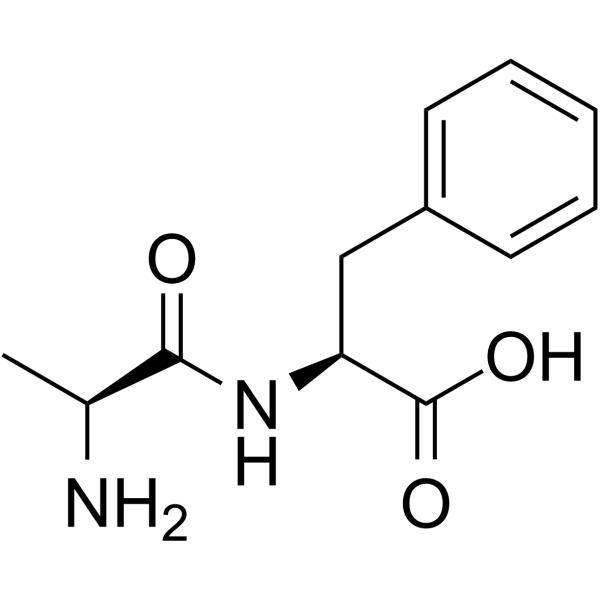
Alanylphenylalanine (L-Alanyl-L-phenylalanine) is a dipeptide. Alanylphenylalanine forms a mononuclear Au (III) complex through bidentate coordination via its carboxyl oxygen atom and deprotonated amide nitrogen atom .
|
-
-
- HY-145396
-
|
|
Biochemical Assay Reagents
|
Cancer
|
|
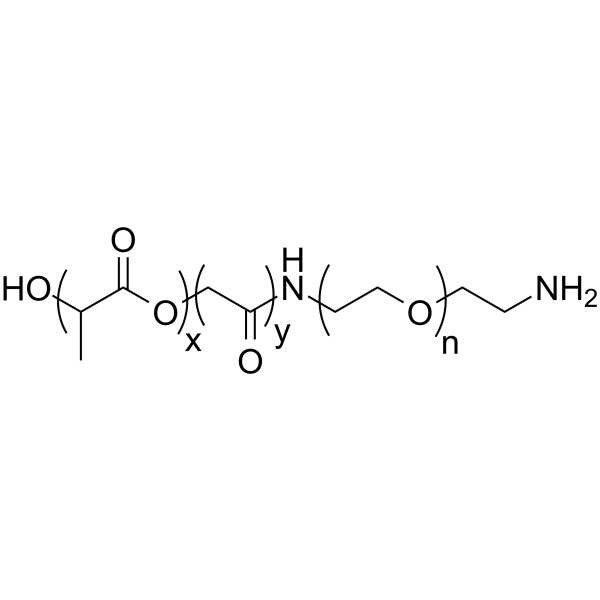
PLGA-PEG-NH2 is a material to synthesis nanomicelles. PLGA-PEG-NH2 nanomicelle is an efficient delivery system of Irinotecan for targeted colorectal cancer and hepatocellular carcinoma .
|
-
-
- HY-U00443
-
|
|
5-HT Receptor
|
Neurological Disease
Cancer
|
|
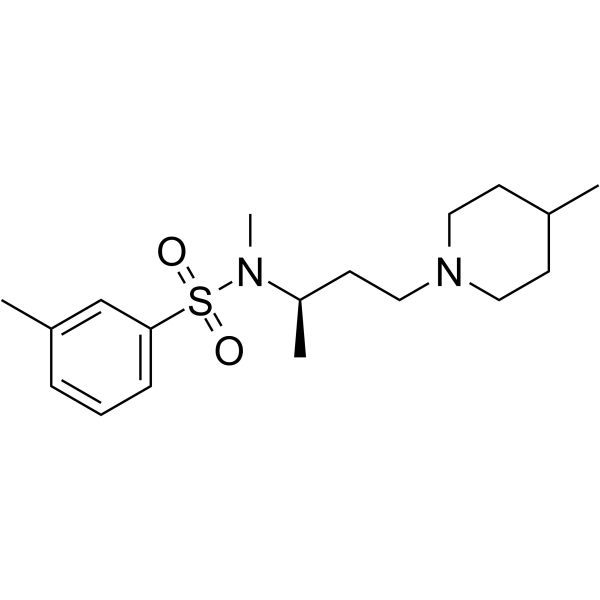
SB 258719 is a selective 5-HT7 receptor antagonist with high affinity (pKi=7.5) for the receptor. SB 258719 can be used for the research of cancer and neurological disease .
|
-
-
- HY-16562S1
-
|
|
Isotope-Labeled Compounds
Topoisomerase
Autophagy
|
Cancer
|
|
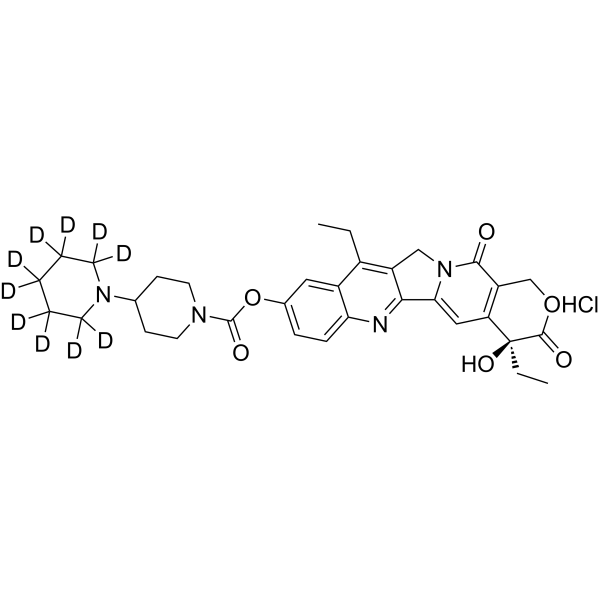
Irinotecan-d10 (hydrochloride) is the deuterium labeled Irinotecan. Irinotecan ((+)-Irinotecan) is a topoisomerase I inhibitor, preventing religation of the DNA strand by binding to topoisomerase I-DNA complex .
|
-
-
- HY-W012985
-
|
|
ATP Synthase
Apoptosis
|
Metabolic Disease
Cancer
|
|
Methyl pyruvate is a methyl ester derivative of pyruvic acid. Methyl pyruvate induces insulin release and membrane depolarization. Methyl pyruvate rescues proteasome damage and nuclear localization of TdP-43 caused by overexpression of σ1RE102Q by enhancing ATP synthesis. Methyl pyruvate selectively protects normal lung fibroblasts from cell death induced by Irinotecan (HY-16562). Methyl pyruvate promotes apoptosis and necrosis in cancer cells and downregulates angiogenesis and cell cycle pathways. Methyl pyruvate is an effective substrate for dihydrodihydrogen dehydrogenase.
|
-

-
- HY-146269
-
|
|
Drug Metabolite
|
Cancer
|
|
11-Desethyl Irinotecan is a camptothecin (CPT) analog and one of the metabolites of irinotecan. It is promising for cancer research .
|
-

-
- HY-100620
-
|
APC
|
Topoisomerase
Cholinesterase (ChE)
|
Cancer
|
|
RPR121056 (APC) is a metabolite of Irinotecan (CPT-11), which is generated by CYP3A4. Irinotecan (CPT-11) is an antineoplastic agent that inhibits topoisomerase type I, causing cell death, and is widely used in the treatment of colorectal cancer. Irinotecan also directly inhibits AChE .
|
-
-
- HY-173243A
-
|
|
Drug-Linker Conjugates for ADC
|
Cancer
|
|
Val-Ala-PAB-SN38 TFA is a drug-linker conjugate for ADC, composed of ADC linker Val-Ala-PAB (HY-125933) and SN38 (HY-13704), which is the active metabolite of the Topoisomerase I inhibitor Irinotecan (HY-16562) .
|
-

-
- HY-Y0024
-
|
|
Environmental Pollutants
Drug Intermediate
|
Others
|
|
4-Methoxyacetophenone is a versatile aromatic ketone that is widely used in the synthesis of various organic compounds. 4-Methoxyacetophenone has a pleasant aroma and can be used to create scents. 4-Methoxyacetophenone can also be used to make dyes and pigments .
|
-

-
- HY-W145090
-
|
p-Dimethylaminopyridine N-oxide
|
Biochemical Assay Reagents
|
Others
|
|
4-Dimethylaminopyridine N-oxide (p-Dimethylaminopyridine N-oxide) is an Efficient Oxidizing Agent for Alkyl Halides .
|
-

-
- HY-126373S1
-
|
SN-38G-13C6
|
Isotope-Labeled Compounds
|
Others
|
|
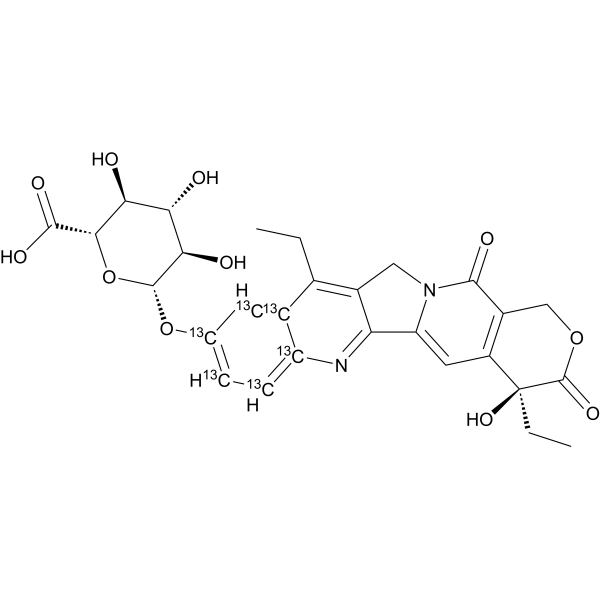
SN-38 glucuronide- 13C6 is the 13C labeled SN-38 glucuronide (HY-126373) . SN-38 glucuronide is an inactive metabolite of the cancer agent Irinotecan. Irinotecan is a topoisomerase I inhibitor which can be used for researching colon and rectal cancer .
|
-
-
- HY-103123
-
|
|
5-HT Receptor
|
Neurological Disease
Cancer
|
|
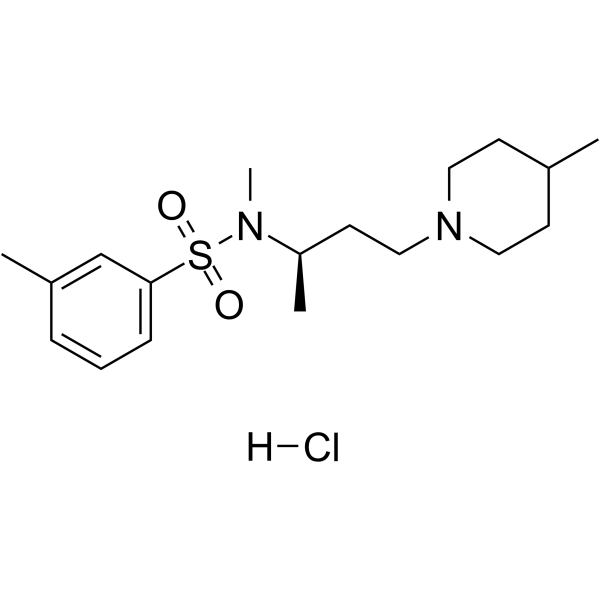
SB 258719 hydrochloride is a selective 5-HT7 receptor antagonist displayed high affnity (pKi=7.5) for the receptor. SB-258719 hydrochloride can be used for the research of cancer and neurological diseases .
|
-
-
- HY-155181
-
|
|
Carboxylesterase (CES)
|
Cancer
|
|
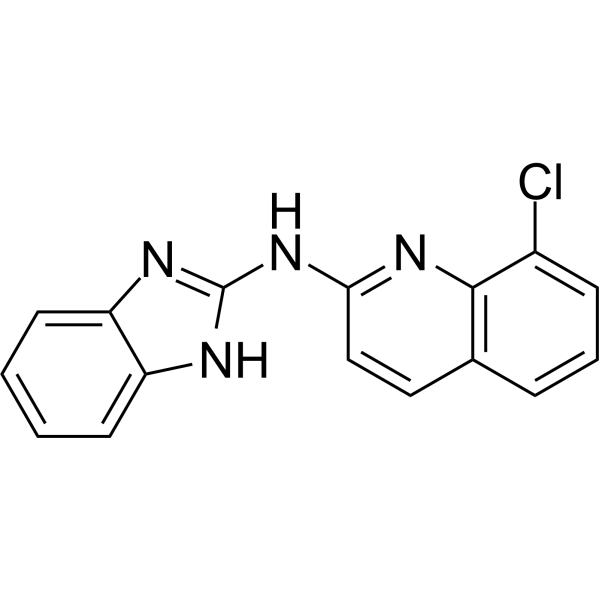
CES2-IN-1 (Compound 24) is a reversible and selective CES2 inhibitor (IC50: 6.72 μM for human CES2). CES2-IN-1 reduces the level of CES2 in living cells. CES2-IN-1 is effective against Irinotecan (HY-16562)-induced delayed diarrhea and DSS-induced ulcerative colitis .
|
-
-
- HY-A0236A
-
|
|
Sodium Channel
Potassium Channel
Calcium Channel
Calmodulin
|
Cardiovascular Disease
|
|
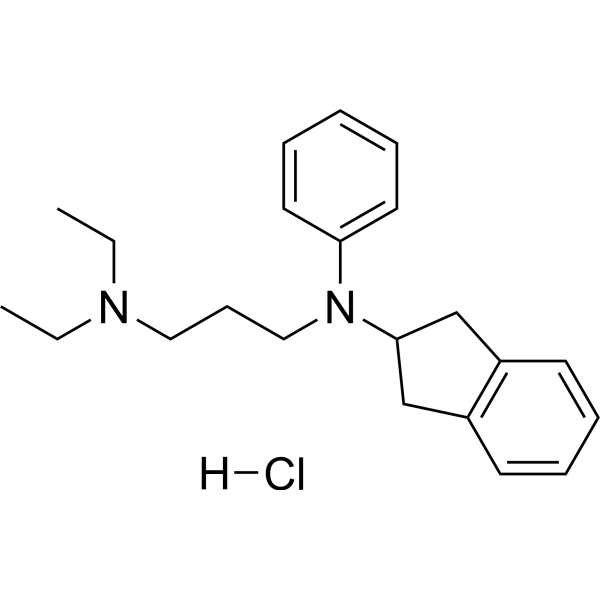
Aprindine hydrochloride is an Ib-class anti-arrhythmic agent. Aprindine hydrochloride mainly exerts its effect by blocking sodium channels (INa), thereby reducing the excitability and conduction velocity of cardiac muscle cells. Aprindine hydrochloride significantly inhibits delayed potassium currents, which helps to prolong the atrial effective refractory period (AERP) and inhibit the occurrence of atrial fibrillation. Aprindine hydrochloride can also regulate intracellular calcium ion concentration by inhibiting Na +/Ca 2+ exchange current (INCX), thereby further stabilizing cardiac electrical activity. Aprindine hydrochloride can be used for the study of atrial fibrillation (AF) and ventricular arrhythmias .
|
-
-
- HY-101100
-
|
D-16949 hydrochloride
|
5-HT Receptor
|
Neurological Disease
|
|
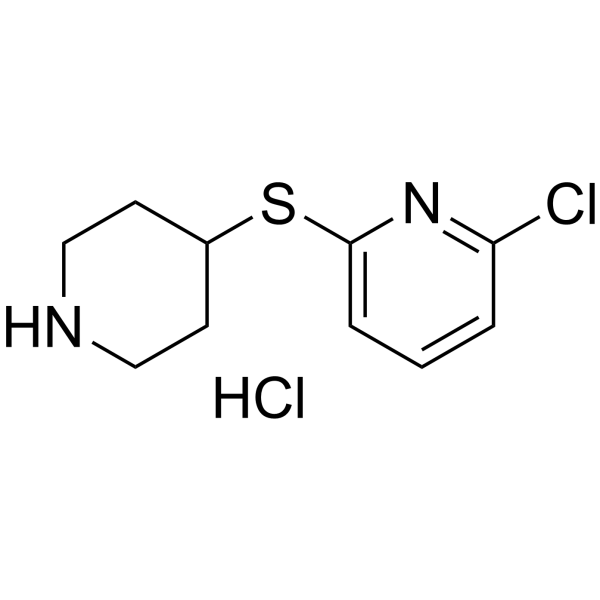
Anpirtoline (D-16949) hydrochloride is a centrally acting 5-HT1B receptor agonist, with Kis of 28 nM (5-HT1B), 150 nM (5-HT1A) and 1.49 μM (5-HT2). Anpirtoline hydrochloride has serotonergic, antinociceptive, antidepressant-like effects .
|
-
-
- HY-139909
-
|
|
Drug-Linker Conjugates for ADC
|
Cancer
|
|
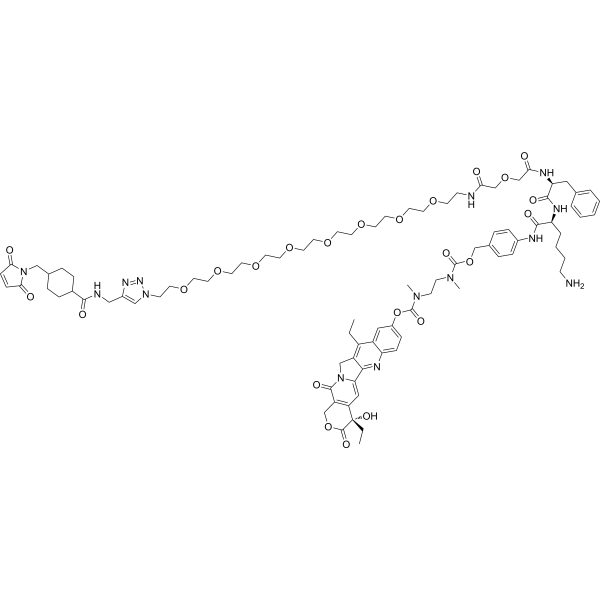
CL2E-SN-38, a highly releasable and structurally stable antibody-SN-38-conjugate, is a part of the antibody drug conjugate (ADC). SN-38, the active metabolite of Irinotecan from camptothecins, is an Topoisomerase I inhibitor .
|
-
-
- HY-19562A
-
|
|
MAP4K
|
Inflammation/Immunology
|
|
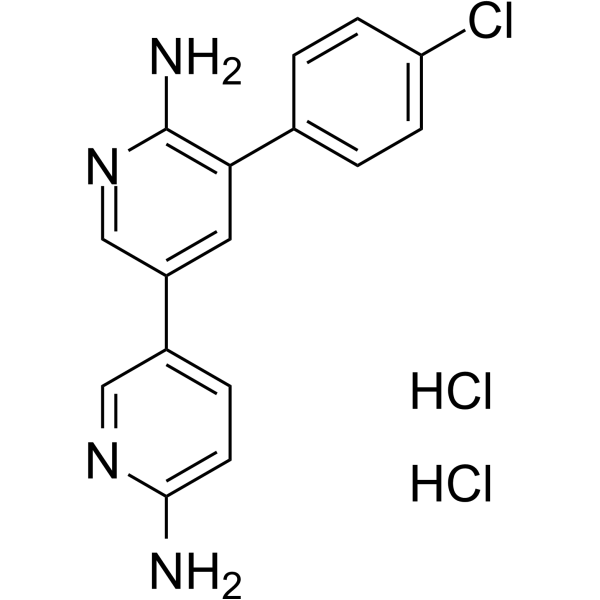
PF-06260933 hydrochloride is the hydrochloride form of PF-06260933 (HY-19562). PF-06260933 hydrochloride is an orally active and highly selective inhibitor of MAP4K4 with IC50s of 3.7 and 160 nM for kinase and cell, respectively .
|
-
-
- HY-114549
-
|
|
Dopamine Receptor
|
Neurological Disease
|
|
(R)-SCH-23982 hydrochloride is the R-enantiomer of SCH-23982 hydrochloride. SCH-23982 hydrochloride is a selective dopamine D1 receptor antagonist. (R)-SCH-23982 hydrochloride is promising for research of central nervous system disorders such as schizophrenia, Parkinson’s disease .
|
-

-
- HY-P10783
-
|
|
Peptide-Drug Conjugates (PDCs)
Integrin
|
Cancer
|
|
BGC0222 is a novel prodrug of Irinotecan (HY-16562). BGC0222, as a PEG-cRGD-conjugated Irinotecan (HY-16562) derivative, could slowly and steadily release Irinotecan (HY-16562). BGC0222 binds to αVβ3 with IC50 values of 4.25 μM (αVβ3) and 58.7 μM (αVβ5). BGC0222 possesses the property of inducing neovascularization. BGC0222 exhibits good antiproliferation activity in many tumors .
|
-

-
- HY-138813
-
|
SU-12662 hydrochloride
|
Drug Metabolite
|
Cancer
|
|
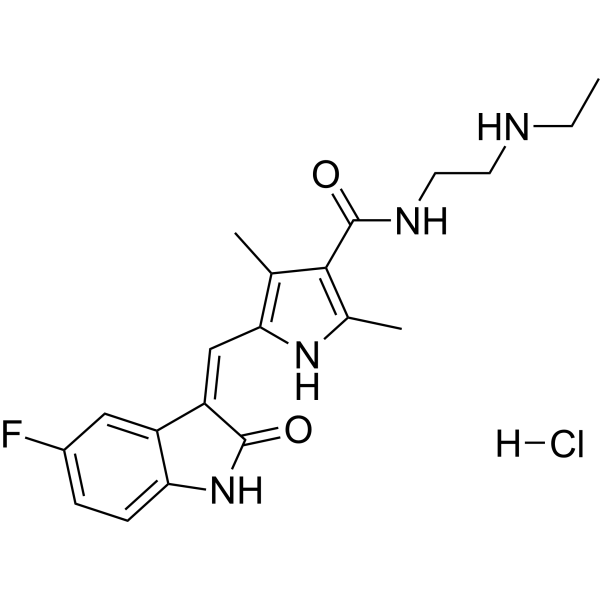
N-Desethyl Sunitinib (SU-12662) (hydrochloride) is a metabolite of sunitinib. Sunitinib is a potent, ATP-competitive VEGFR, PDGFRβ and KIT inhibitor with Ki values of 2, 9, 17, 8 and 4 nM for VEGFR -1, -2, -3, PDGFRβ and KIT, respectively .
|
-
-
- HY-N1777
-
|
|
Drug Intermediate
|
Others
|
|
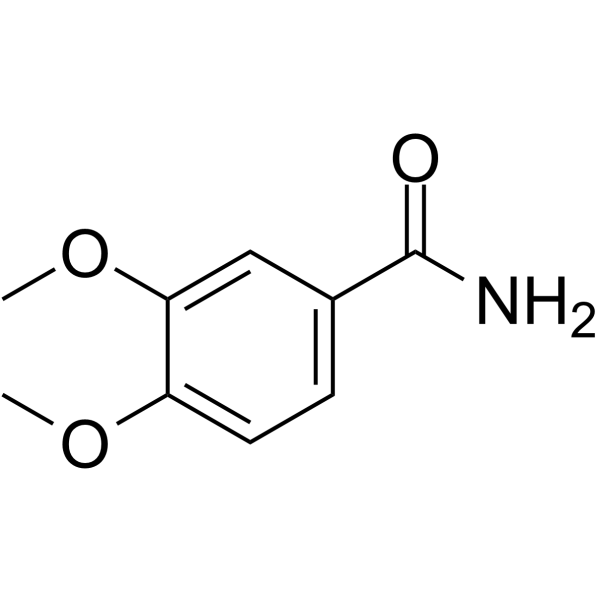
3,4-Dimethoxybenzamide, amide, is isolated from the solid culture of Streptoverticillium morookaense. 3,4-Dimethoxybenzamide can be used as the starting material to preparation Itopride hydrochloride .
|
-
-
- HY-103376
-
|
|
CRFR
|
Neurological Disease
|
|
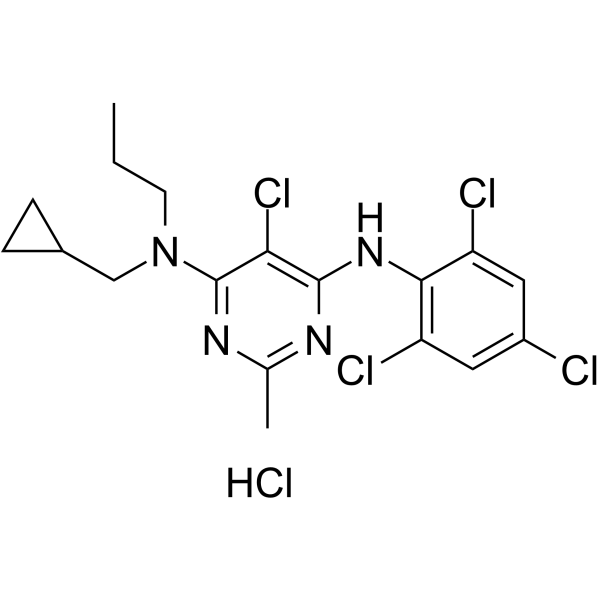
NBI-27914 (hydrochloride) is a selective Corticotropin-Releasing Factor 1 (CRF1) receptor antagonist with a Ki value of 1.7 nM .
|
-
-
- HY-173243
-
|
|
Drug-Linker Conjugates for ADC
|
Cancer
|
|
Val-Ala-PAB-SN38 is a drug-linker conjugate for ADC, composed of ADC linker Val-Ala-PAB (HY-125933) and SN38 (HY-13704), which is the active metabolite of the Topoisomerase I inhibitor Irinotecan (HY-16562) .
|
-

-
- HY-101820A
-
|
|
EGFR
|
Cancer
|
|
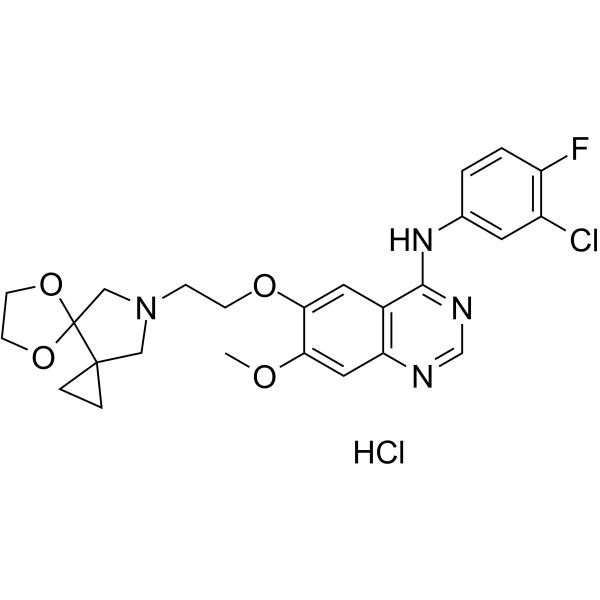
Simotinib hydrochloride is a selective, specific, and orally bioavailable EGFR tyrosine kinase inhibitor, with an IC50 of 19.9 nM. Antineoplastic activities .
|
-
-
- HY-116459
-
|
AF102A hydrochloride
|
mAChR
|
Neurological Disease
|
|
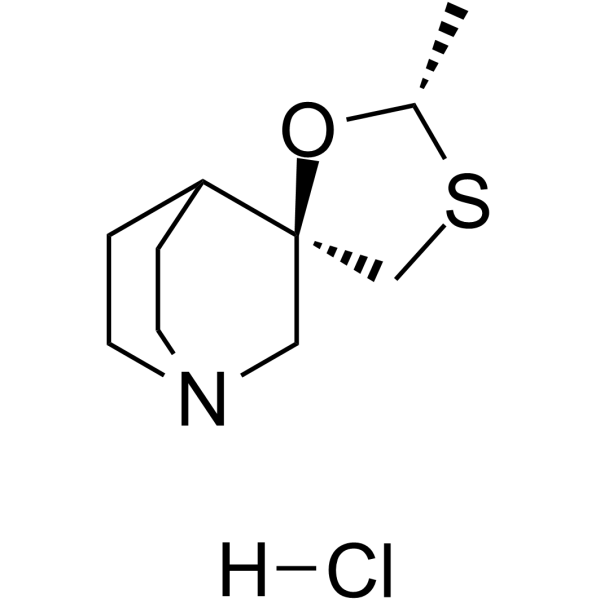
Trans-Cevimeline (AF102A) (hydrochloride), as a trans-isomer of AF102B, is a M1 selective cholinergic agonist. Trans-Cevimeline (AF102A) (hydrochloride) can be used for the research of Alzheimer's disease .
|
-
-
- HY-16568R
-
|
(+)-Irinotecan hydrochloride trihydrate (Standard); CPT-11 hydrochloride trihydrate (Standard)
|
Reference Standards
Topoisomerase
Autophagy
|
Cancer
|
|
Irinotecan (hydrochloride trihydrate) (Standard) is the analytical standard of Irinotecan (hydrochloride trihydrate). This product is intended for research and analytical applications. Irinotecan hydrochloride trihydrate ((+)-Irinotecan hydrochloride trihydrate) is a topoisomerase I inhibitor with antitumor activity .
|
-

-
- HY-16562AR
-
|
(+)-Irinotecan hydrochloride (Standard); CPT-11 hydrochloride (Standard); VAL-413 (Standard)
|
Reference Standards
Topoisomerase
Autophagy
|
Cancer
|
|
Irinotecan (hydrochloride) (Standard) is the analytical standard of Irinotecan (hydrochloride). This product is intended for research and analytical applications. Irinotecan hydrochloride ((+)-Irinotecan hydrochloride) is a topoisomerase I inhibitor mainly used to treat colon cancer and rectal cancer .
|
-

-
- HY-16562R
-
|
(+)-Irinotecan (Standard); CPT-11 (Standard); VAL-413free base (Standard)
|
Reference Standards
Topoisomerase
Autophagy
|
Cancer
|
|
Irinotecan (Standard) is the analytical standard of Irinotecan. This product is intended for research and analytical applications. Irinotecan ((+)-Irinotecan) is a topoisomerase I inhibitor, preventing religation of the DNA strand by binding to topoisomerase I-DNA complex .
|
-

-
- HY-16562S
-
|
(+)-Irinotecan-d10; CPT-11-d10; VAL-413-d10free base
|
Topoisomerase
Autophagy
|
Cancer
|
|
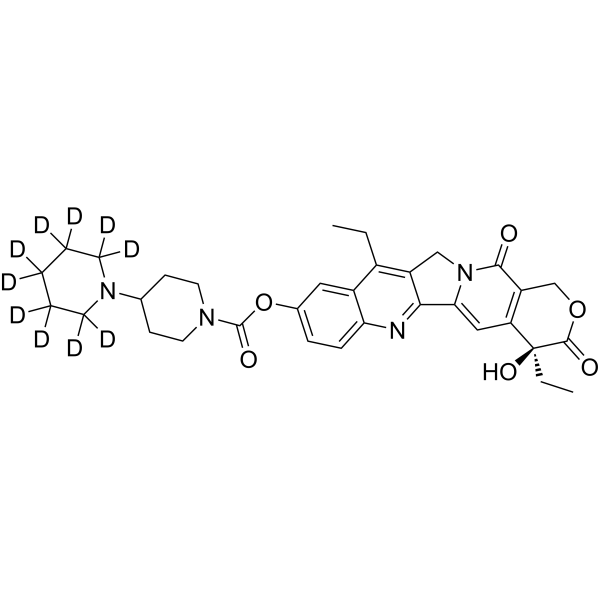
Irinotecan-d10 is a deuterium labeled Irinotecan ((+)-Irinotecan). Irinotecan ((+)-Irinotecan) is a topoisomerase I inhibitor, preventing religation of the DNA strand by binding to topoisomerase I-DNA complex .
|
-
-
- HY-131174
-
-

-
- HY-16562AS
-
|
(+)-Irinotecan-d5 (hydrochloride; CPT-11-d5 hydrochloride; VAL-413-d5
|
Autophagy
Topoisomerase
Isotope-Labeled Compounds
|
Cancer
|
|
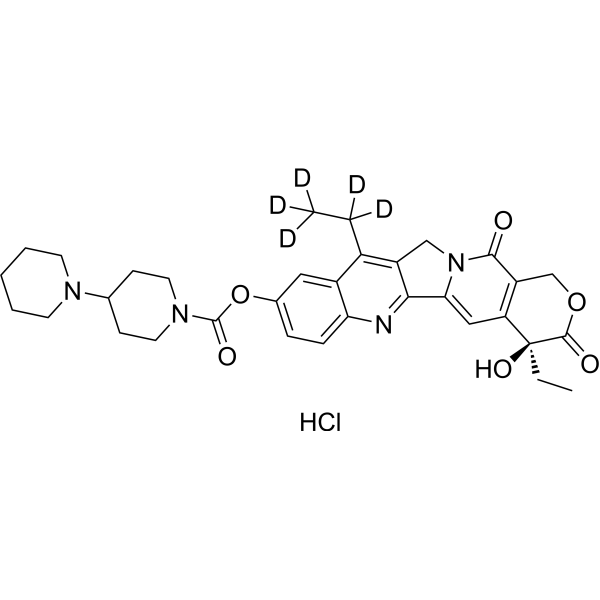
Irinotecan-d5 hydrochloride is deuterated labeled Irinotecan hydrochloride (HY-16562A). Irinotecan hydrochloride ((+)-Irinotecan hydrochloride) is a topoisomerase I inhibitor mainly used to treat colon cancer and rectal cancer .
|
-
- HY-17648
-
|
|
BCRP
|
Cancer
|
|
MBL-II-141 is potent ABCG2 inhibitor with an IC50 of 0.11 μM. MBL-II-141 inhibits the transport function of ABCG2 in a non-competitive manner, preventing ABCG2 from pumping substrates (such as Irinotecan (HY-16562)) out of the cells, thereby increasing the accumulation of drugs within the cells. MBL-II-141 has no effect on ABCB1 (P-gp) and ABCC1 (MRP1) and has extremely low cytotoxicity (IG50 > 100 μM). MBL-II-141 can be used for the study of multidrug resistance (MDR) cancers .
|
-

- HY-Z11281
-
-

- HY-16472R
-
|
|
Reference Standards
Antibiotic
Bacterial
|
Infection
|
|
Irinotecan (hydrochloride) (Standard) is the analytical standard of Irinotecan (hydrochloride). This product is intended for research and analytical applications. Irinotecan hydrochloride ((+)-Irinotecan hydrochloride) is a topoisomerase I inhibitor mainly used to treat colon cancer and rectal cancer .
|
-

- HY-141436R
-
|
Sucrose octasulfate potassium (Standard)
|
Biochemical Assay Reagents
Reference Standards
|
Cancer
|
|
Sucrosofate (potassium) (Standard) is the analytical standard of Sucrosofate (potassium). This product is intended for research and analytical applications. Sucrosofate (Sucrose octasulfate) potassium is a sucrose acid that can be used to prepare liposomes to deliver Irinotecan (HY-16562). Irinotecan is an inhibitor of topoisomerase Topo I and is commonly used in colon and rectal cancer research. Sucrosofate nanoliposome preparation loaded with Irinotecan, also known as PEP02 or MM-398 .
|
-

- HY-132561S
-
|
APC-d3
|
Isotope-Labeled Compounds
Topoisomerase
Cholinesterase (ChE)
|
Cancer
|
|
RPR121056-d3 is the deuterium labeled RPR121056. RPR121056 is a metabolite of Irinotecan (HY-16562), which is generated by CYP3A4. Irinotecan (CPT-11) is an antineoplastic agent that inhibits topoisomerase type I, causing cell death, and is widely used in the study of colorectal cancer. Irinotecan also directly inhibits AChE .
|
-

- HY-100620R
-
|
APC (Standard)
|
Drug Metabolite
Reference Standards
Topoisomerase
Cholinesterase (ChE)
|
Cancer
|
|
RPR121056 (Standard) is the analytical standard of RPR121056. This product is intended for research and analytical applications. RPR121056 (APC) is a metabolite of Irinotecan (CPT-11), which is generated by CYP3A4. Irinotecan (CPT-11) is an antineoplastic agent that inhibits topoisomerase type I, causing cell death, and is widely used in the treatment of colorectal cancer. Irinotecan also directly inhibits AChE[1].
|
-

- HY-W653919
-
|
|
Isotope-Labeled Compounds
Drug Metabolite
|
Cancer
|
|
SN-38 glucuronide-d3 is deuterium labeled SN-38 glucuronide. SN-38 glucuronide is an inactive metabolite of the anticancer active molecule Irinotecan (HY-16562) and has toxic effects on the gastrointestinal tract. Irinotecan is a topoisomerase I inhibitor which can be used for researching colon and rectal cancer .
|
-

- HY-W013776
-
-

- HY-185371
-
|
Irinotecan hydrochlorid liposomee; Liposomal Irinotecan
|
Liposome
Topoisomerase
|
Cancer
|
|
Irinotecan liposome is a liposome-encapsulated form of Irinotecan hydrochlorid (HY-16562A) (a topoisomerase I inhibitor). Compared with Irinotecan, Irinotecan liposome enhances antitumor activity, reduces drug release rate, and avoids neutropenia.
|
-

- HY-103425
-
-
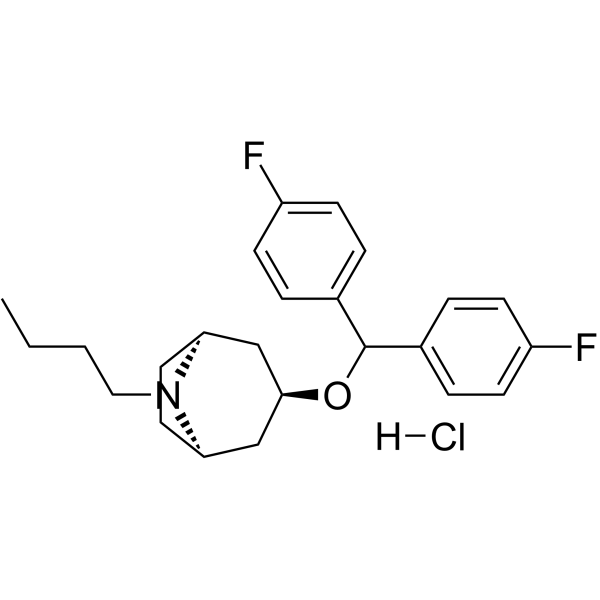
- HY-173267
-
|
|
Carboxylesterase (CES)
|
Metabolic Disease
Cancer
|
|
CES2A-IN-2 (compound 14n) is an orally active, highly specific, irreversible and covalent CES2A inhibitor with an IC50 of 0.04 nM for human CES2A. CES2A-IN-2 covalently binds to CES2A by specifically targeting the catalytic serine residue (Ser-228). CES2A-IN-2 can significantly ameliorate Irinotecan-triggered gut toxicity (ITGT) without diminishing the anti-tumor effects of Irinotecan (HY-16562) in tumor-bearing mice .
|
-

- HY-145513
-
|
|
Topoisomerase
|
Cancer
|
|
CL2-MMT-SN38 is a SN-38 derivative. SN-38, an anticancer agent, is an active metabolite of the Topoisomerase I inhibitor Irinotecan (CPT-11) .
|
-
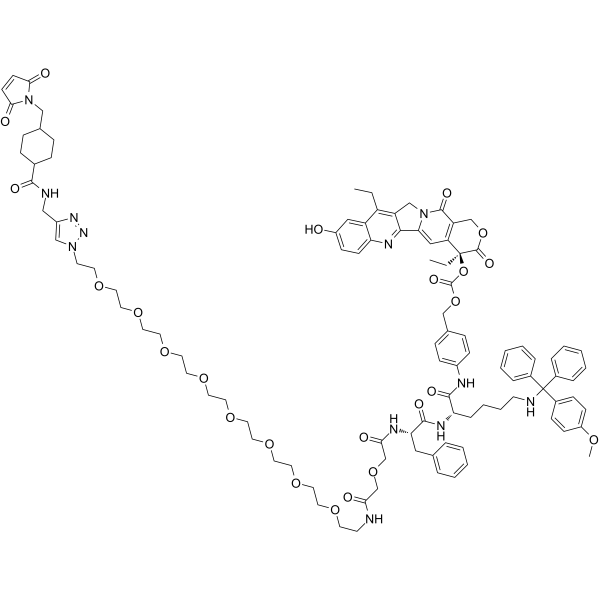
- HY-164271
-
|
|
Topoisomerase
|
Cancer
|
|
10-Boc-SN-38 is a tert-butyloxycarbonyl (Boc)-protected form of SN-38 (HY-13704). SN-38 is the active metabolite of Irinotecan (HY-16562) .
|
-

- HY-168516
-
|
|
FXR
|
Others
|
|
FXR/CES2 modulator 1 (compound LE-77) is a doul modulator that activates FXR and inhibits CES2. FXR/CES2 modulator 1 effectively mitigates the intestinal toxicity of irinotecan .
|
-

- HY-147388
-
|
|
Cholinesterase (ChE)
|
Metabolic Disease
|
|
hiCE inhibitor-1, a sulfonamide derivative, is a selective human intestinal enzyme (hiCE) inhibitor with a Ki value of 53.3 nM. hiCE inhibitor-1 can be used to improve Irinotecan (HY-16562)-induced diarrhoea .
|
-
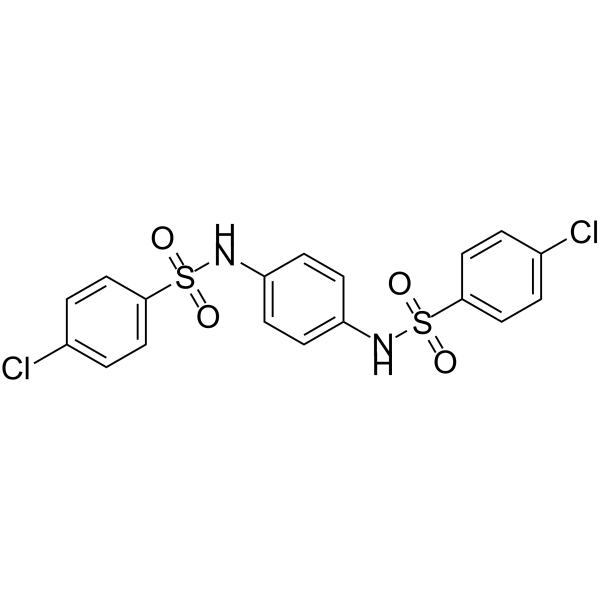
- HY-14871
-
|
SN2310
|
Topoisomerase
|
Cancer
|
|
Tenifatecan (SN2310) is an injectable emulsion composed of vitamin E, a succinate derivative,
as well as 7-ethyl-10-hydroxycamptothecin (SN-38, the active metabolite of irinotecan). Tenifatecan (SN2310) possesses anticancer activity .
|
-

- HY-N9910
-
|
|
Endogenous Metabolite
|
Others
|
|
Visamminol is a spasmolytic which can be extracted from Cimicifuga dahurica. Visamminol exhibits a spasmolytic action that is one-third as potent as that of papaverine hydrochloride .
|
-

- HY-138813R
-
|
SU-12662 hydrochloride (Standard)
|
Reference Standards
Drug Metabolite
|
Cancer
|
|
Glycochenodeoxycholic acid sodium salt (Standard) is the analytical standard of Glycochenodeoxycholic acid sodium salt. This product is intended for research and analytical applications. Glycochenodeoxycholic acid sodium salt (Sodium glycochenodeoxycholate) is a relatively toxic bile salt generated in the liver from chenodeoxycholic acid and glycine. Glycochenodeoxycholic acid sodium salt inhibits Autophagosome formation and impairs lysosomal function by inhibiting lysosomal proteolysis and increasing lysosomal pH in human normal liver cells, leading to the Apoptosis of human hepatocyte cells. Glycochenodeoxycholic acid sodium salt induces stemness and chemoresistance via activating STAT3 signaling pathway in hepatocellular carcinoma cells (HCC). Glycochenodeoxycholic acid sodium salt is promising for research in the field of cholestasis desease, hepatocellular carcinoma and primary sclerosing cholangitis (PSC) .
|
-

- HY-155228
-
-
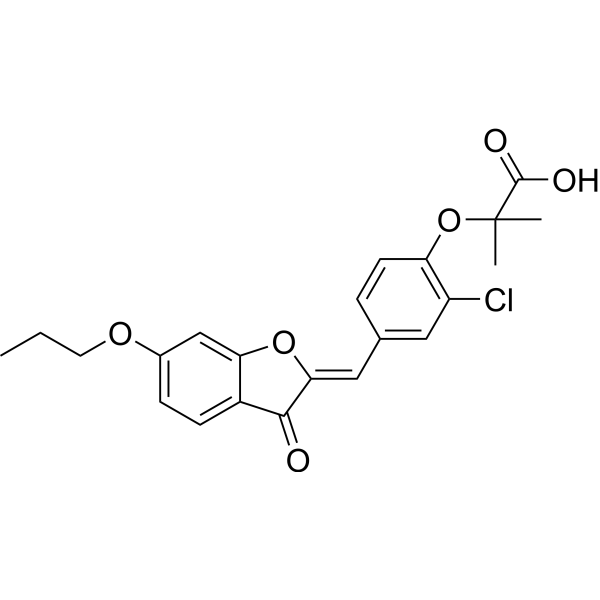
- HY-155034
-
|
|
Topoisomerase
GLUT
|
Cancer
|
|
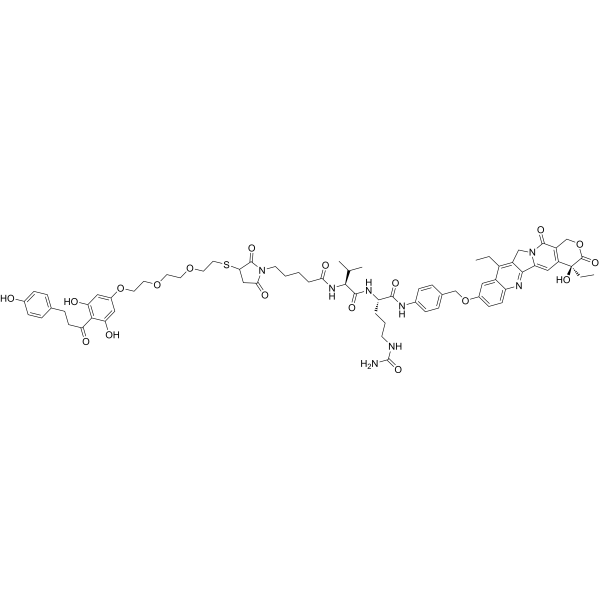
Antitumor agent-102 (compound 10) is a conjugate of Topoisomerase I inhibitor SN38 and glucose transporter inhibitor, targeting to colorectal cancer. Antitumor agent-102 induces higher concentrations of free SN38 in tumor tissues than Irinotecan (HY-16562) .
|
-
- HY-132545S
-
|
NPC-d3
|
Isotope-Labeled Compounds
Topoisomerase
|
Cancer
|
|
RPR132595A-d3 is the deuterium labeled RPR132595A. RPR132595A is an active metabolite of Irinotecan (CPT-11), which is generated by cytochrome P-450 3A4 (CYP3A4) and finally excreted through urine .
|
-

- HY-107922R
-
|
Isothazine (Standard)
|
Reference Standards
Cholinesterase (ChE)
iGluR
mAChR
|
Neurological Disease
|
|
Ethopropazine (hydrochloride) (Standard) is the analytical standard of Ethopropazine (hydrochloride) (HY-107922). This product is intended for research and analytical applications. Ethopropazine (Isothazine) hydrochloride is a potent and selective BChE inhibitor, a poor AChE inhibitor and a non-selective mAChR and NMDA antagonist. Ethopropazine hydrochloride has anticholinergic, antihistamine, antiadrenergic actions and properties. Ethopropazine hydrochloride alleviates thermal hyperalgesia in a dose dependent manner. Ethopropazine hydrochloride can be used for the research of Parkinson’s disease .
|
-

- HY-119992
-
|
|
PARP
|
Cancer
|
|
CEP-6800 is an inhibitor of PARP-1 with chemopotentiating ability. CEP-6800 attenuates irinotecan (HY-16562)- and Temozolomide (HY-17364)-induced poly(ADP-ribose) accumulation in LoVo as well as HT29 xenografts. CEP-6800 can suppress Calu-6 tumor growth. CEP-6800 can be studied in anti-cancer research .
|
-

- HY-146080
-
|
|
Apoptosis
|
Cancer
|
|
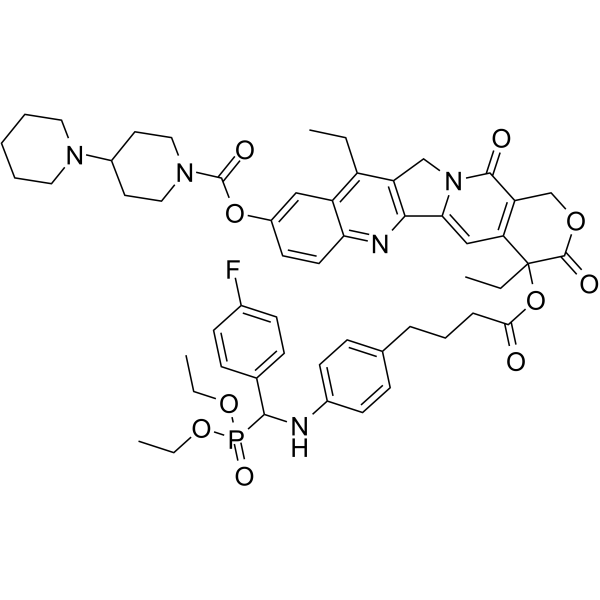
Antitumor agent-61 (Compound 9b), Irinotecan (Ir) derivative, is a potential antitumor agent. Antitumor agent-61 displays potent activity with IC50s of 0.92, 1.39, 1.75, 2.20, 3.05 and 3.23 μM against five human cancer cells SK-OV-3, SK-OV-3/CDDP, U2OS, MCF-7, A549 and MG-63, respectively. Antitumor agent-61 induces SK-OV-3 cells apoptosis through mitochondrion pathways .
|
-
- HY-159966
-
|
|
Topoisomerase
HDAC
Reactive Oxygen Species (ROS)
Apoptosis
|
Cancer
|
|
Top/HDAC-IN-3 (Compound 31) is an orally active dual inhibitor of Topoisomerase and HDAC. Top/HDAC-IN-3 increases reactive oxygen species (ROS) levels, leading to DNA damage, thereby inhibiting cancer cell colony formation and migration, inducing cancer cell Apoptosis, and causing cell cycle arrest. In the NSCLC model, Top/HDAC-IN-3 exhibited significant antitumor effects, with a tumor growth inhibition (TGI) of 77.5% at 100 mg/kg, surpassing the efficacy of the HDAC inhibitor SAHA (HY-10221) and the combination of SAHA (HY-10221) with the topoisomerase inhibitor Irinotecan (HY-16562) .
|
-

- HY-173397
-
|
|
β-glucuronidase
Bacterial
|
Metabolic Disease
|
|
β-Glucuronidase-IN-3 (Compound 49) is a covalent allosteric β-glucuronidase inhibitor. β-Glucuronidase-IN-3 has potent inhibitory activity against Escherichia coli β-glucuronidase (EcGUS) (IC50: 12.9 nM). β-Glucuronidase-IN-3 exerts its inhibitory effect by reversibly covalently modifying the cysteine residues (Cys28, Cys443, and Cys197) of EcGUS. β-Glucuronidase-IN-3 can be used in the study of intestinal microbiota-related diseases, especially to alleviate the toxic side effects of Irinotecan (HY-16562) and nonsteroidal anti-inflammatory drugs (NSAIDs) .
|
-

- HY-16562S2
-
-

- HY-W573558
-
|
|
Drug Intermediate
|
Neurological Disease
|
|
(tert-Butoxycarbonyl)-DL-glutamine (Compound 2I) is a tert-butoxycarbonyl-protected glutamine derivative. (tert-Butoxycarbonyl)-DL-glutamine can be used for the synthesis of N-BOC-L-glutamine esters and Apocynin (HY-N0088). (tert-Butoxycarbonyl)-DL-glutamine is applicable to the research of retinal degenerative diseases .
|
-

- HY-126373S
-
|
SN-38G-d5
|
Isotope-Labeled Compounds
Drug Metabolite
|
Cancer
|
|
SN-38 glucuronide-d5 (SN-38G-d5) is the deuterium labeled SN-38 glucuronide (HY-126373). SN-38 glucuronide is an inactive metabolite of the anticancer active molecule Irinotecan (HY-16562) and has toxic effects on the gastrointestinal tract. Irinotecan is a topoisomerase I inhibitor which can be used for researching colon and rectal cancer.
|
-

- HY-N1777R
-
|
|
Reference Standards
Drug Intermediate
|
Others
|
|
3,4-Dimethoxybenzamide (Standard) is the analytical standard of 3,4-Dimethoxybenzamide. This product is intended for research and analytical applications. 3,4-Dimethoxybenzamide, amide, is isolated from the solid culture of Streptoverticillium morookaense. 3,4-Dimethoxybenzamide can be used as the starting material to preparation Itopride hydrochloride[1][2].
|
-

- HY-W724128
-
|
|
Drug Derivative
|
Neurological Disease
|
|
Cariprazine N-oxide (Compound DP-3) is the mono-oxidative degradation product of Cariprazine hydrochloride (HY-14763A). Cariprazine hydrochloride exhibits antipsychotic activity .
|
-

- HY-P11692
-
|
|
Drug Intermediate
|
Others
|
|
Fmoc-Aeg-OtBu is an intermediate in solid-phase peptide synthesis, and serves as a building block for introducing pseudoproline motifs or backbone modifications .
|
-

- HY-W099812
-
|
H-DL-Nva-OMe (hydrochloride)
|
Biochemical Assay Reagents
|
Others
|
|
Methyl 2-aminopentanoate hydrochloride (H-DL-Nva-OMe hydrochloride) is a chiral α-amino ester hydrochloride precursor used for the synthesis of N-Boc-protected α-amino aldehyde 2b .
|
-

- HY-13704S2
-
|
7-Ethyl-10-hydroxycamptothecin-13C6
|
Isotope-Labeled Compounds
Autophagy
ADC Payload
Topoisomerase
Drug Metabolite
|
Infection
Cancer
|
|
SN-38- 13C6 (7-Ethyl-10-hydroxycamptothecin- 13C6) is the 13C-labeled SN-38 (HY-13704). SN-38 is an active metabolite of the Topoisomerase I inhibitor Irinotecan. SN-38 can bind to RPL15. SN-38 inhibits DNA and RNA synthesis with IC50s of 0.077 and 1.3 μM, respectively. SN-38 is a payload of sacituzumab govitecan (HY -132254) .
|
-

- HY-N20291
-
|
|
Others
|
Others
|
|
Fagarine II is an alkaloid found in the leaves and twigs of Fagara coco. Alkaloids are a large class of complex nitrogen-containing basic organic compounds. As food, nutritional supplements, and medicines, alkaloids play an important role in medicine and other fields. Alkaloid compounds exhibit good biological activities in anti-inflammatory, anticancer, analgesic, local anesthetic, neuropharmacological, antibacterial, and antifungal properties .
|
-

| Cat. No. |
Product Name |
Type |
-
- HY-W250727
-
|
6-(p-Tolylamino)naphthalene-2-sulfonate sodium
|
Biochemical Assay Reagents
|
|
TNS (6-(p-Tolylamino) naphthalene-2-sulfonate) sodium is a fluorescent probe used to detect the conformational state of proteins. TNS sodium binds to the central hydrophobic calyx of β-lactoglobulin (β-LG) to form a 1:1 complex, which stabilizes the folded conformation of β-LG. TNS sodium shows weak fluorescent signals in aqueous solution, but its fluorescence intensity increases significantly upon binding to the hydrophobic domains of proteins, with the maximum excitation wavelength and maximum emission wavelength located at 321 nm and 446 nm, respectively .
|
-
- HY-145396
-
|
|
Biochemical Assay Reagents
|
|
PLGA-PEG-NH2 is a material to synthesis nanomicelles. PLGA-PEG-NH2 nanomicelle is an efficient delivery system of Irinotecan for targeted colorectal cancer and hepatocellular carcinoma .
|
-
- HY-Y0024
-
|
|
Biochemical Assay Reagents
|
|
4-Methoxyacetophenone is a versatile aromatic ketone that is widely used in the synthesis of various organic compounds. 4-Methoxyacetophenone has a pleasant aroma and can be used to create scents. 4-Methoxyacetophenone can also be used to make dyes and pigments .
|
| Cat. No. |
Product Name |
Target |
Research Area |
-
- HY-P10783
-
|
|
Peptide-Drug Conjugates (PDCs)
Integrin
|
Cancer
|
|
BGC0222 is a novel prodrug of Irinotecan (HY-16562). BGC0222, as a PEG-cRGD-conjugated Irinotecan (HY-16562) derivative, could slowly and steadily release Irinotecan (HY-16562). BGC0222 binds to αVβ3 with IC50 values of 4.25 μM (αVβ3) and 58.7 μM (αVβ5). BGC0222 possesses the property of inducing neovascularization. BGC0222 exhibits good antiproliferation activity in many tumors .
|
-
- HY-P11692
-
|
|
Drug Intermediate
|
Others
|
|
Fmoc-Aeg-OtBu is an intermediate in solid-phase peptide synthesis, and serves as a building block for introducing pseudoproline motifs or backbone modifications .
|
| Cat. No. |
Product Name |
Category |
Target |
Chemical Structure |
-
- HY-13704
-
-
-
- HY-16562A
-
-
-
- HY-113283
-
|
|
Structural Classification
Other disease
Classification of Application Fields
Ketones, Aldehydes, Acids
Disease markers
Phenols
Polyphenols
Metabolic Disease
Endogenous metabolite
Disease Research Fields
|
Amyloid-β
Natriuretic Peptide Receptor (NPR)
α-synuclein
Transthyretin (TTR)
Claudin
|
|
Homogentisic acid is an orally active, blood-brain barrier-permeable amyloidogenic compound that functions as both an amyloid component and a pigment precursor. Accumulation of homogentisic acid downregulates tight junction proteins (such as claudin-5, occludin, ZO-1) and impairs blood-brain barrier integrity. Homogentisic acid and its oxidation product benzoquinone acetic acid not only induce the aggregation and fibrosis of multiple proteins (such as Aβ1-42, α-synuclein, SAA, Transthyretin (TTR), atrial natriuretic peptide), but also trigger oxidative stress, damage to the Wnt/β-catenin pathway, and neurotoxicity, leading to ochronosis pigment deposition and synaptic dysfunction. At specific concentrations, homogentisic acid exerts no cytotoxicity or genotoxicity on human peripheral blood lymphocytes, and even counteracts the genotoxicity induced by Irinotecan (HY-16562). Homogentisic acid serves as an important tool molecule for investigating the mechanisms of diseases including ochronosis, secondary amyloidosis, Alzheimer's disease, and colorectal cancer .
|
-
-
- HY-13704R
-
-
-
- HY-W012161
-
-
-
- HY-N1777
-
-
-
- HY-16562AR
-
-
-
- HY-N9910
-
-
-
- HY-N1777R
-
-
-
- HY-N20291
-
-
| Cat. No. |
Product Name |
Chemical Structure |
-
- HY-13704S
-
|
|
|
SN-38-d3 is the deuterium labeled SN-38. SN-38 (NK012) is an active metabolite of the Topoisomerase I inhibitor Irinotecan. SN-38 (NK012) inhibits DNA and RNA synthesis with IC50s of 0.077 and 1.3 μM, respectively .
|
-
-
- HY-16562S1
-
|
|
|
Irinotecan-d10 (hydrochloride) is the deuterium labeled Irinotecan. Irinotecan ((+)-Irinotecan) is a topoisomerase I inhibitor, preventing religation of the DNA strand by binding to topoisomerase I-DNA complex .
|
-
-
- HY-126373S1
-
|
|
|
SN-38 glucuronide- 13C6 is the 13C labeled SN-38 glucuronide (HY-126373) . SN-38 glucuronide is an inactive metabolite of the cancer agent Irinotecan. Irinotecan is a topoisomerase I inhibitor which can be used for researching colon and rectal cancer .
|
-
-
- HY-16562S
-
|
|
|
Irinotecan-d10 is a deuterium labeled Irinotecan ((+)-Irinotecan). Irinotecan ((+)-Irinotecan) is a topoisomerase I inhibitor, preventing religation of the DNA strand by binding to topoisomerase I-DNA complex .
|
-
-
- HY-16562AS
-
|
|
|
Irinotecan-d5 hydrochloride is deuterated labeled Irinotecan hydrochloride (HY-16562A). Irinotecan hydrochloride ((+)-Irinotecan hydrochloride) is a topoisomerase I inhibitor mainly used to treat colon cancer and rectal cancer .
|
-
-
- HY-132561S
-
|
|
|
RPR121056-d3 is the deuterium labeled RPR121056. RPR121056 is a metabolite of Irinotecan (HY-16562), which is generated by CYP3A4. Irinotecan (CPT-11) is an antineoplastic agent that inhibits topoisomerase type I, causing cell death, and is widely used in the study of colorectal cancer. Irinotecan also directly inhibits AChE .
|
-
-
- HY-W653919
-
|
|
|
SN-38 glucuronide-d3 is deuterium labeled SN-38 glucuronide. SN-38 glucuronide is an inactive metabolite of the anticancer active molecule Irinotecan (HY-16562) and has toxic effects on the gastrointestinal tract. Irinotecan is a topoisomerase I inhibitor which can be used for researching colon and rectal cancer .
|
-
-
- HY-132545S
-
|
|
|
RPR132595A-d3 is the deuterium labeled RPR132595A. RPR132595A is an active metabolite of Irinotecan (CPT-11), which is generated by cytochrome P-450 3A4 (CYP3A4) and finally excreted through urine .
|
-
-
- HY-16562S2
-
|
|
|
Irinotecan- 13C6 ((+)-Irinotecan- 13C6) is the 13C-labeled Irinotecan (HY-16562). Irinotecan ((+)-Irinotecan) is a topoisomerase I inhibitor, preventing religation of the DNA strand by binding to topoisomerase I-DNA complex .
|
-
-
- HY-126373S
-
|
|
|
SN-38 glucuronide-d5 (SN-38G-d5) is the deuterium labeled SN-38 glucuronide (HY-126373). SN-38 glucuronide is an inactive metabolite of the anticancer active molecule Irinotecan (HY-16562) and has toxic effects on the gastrointestinal tract. Irinotecan is a topoisomerase I inhibitor which can be used for researching colon and rectal cancer.
|
-
-
- HY-13704S2
-
|
|
|
SN-38- 13C6 (7-Ethyl-10-hydroxycamptothecin- 13C6) is the 13C-labeled SN-38 (HY-13704). SN-38 is an active metabolite of the Topoisomerase I inhibitor Irinotecan. SN-38 can bind to RPL15. SN-38 inhibits DNA and RNA synthesis with IC50s of 0.077 and 1.3 μM, respectively. SN-38 is a payload of sacituzumab govitecan (HY -132254) .
|
-
| Cat. No. |
Product Name |
|
Classification |
-
- HY-145396
-
|
|
|
Polymers
|
|
PLGA-PEG-NH2 is a material to synthesis nanomicelles. PLGA-PEG-NH2 nanomicelle is an efficient delivery system of Irinotecan for targeted colorectal cancer and hepatocellular carcinoma .
|
-
- HY-185371
-
|
Irinotecan hydrochlorid liposomee; Liposomal Irinotecan
|
|
Liposome
|
|
Irinotecan liposome is a liposome-encapsulated form of Irinotecan hydrochlorid (HY-16562A) (a topoisomerase I inhibitor). Compared with Irinotecan, Irinotecan liposome enhances antitumor activity, reduces drug release rate, and avoids neutropenia.
|
Your information is safe with us. * Required Fields.
Inquiry Information
- Product Name:
- Cat. No.:
- Quantity:
- MCE Japan Authorized Agent:








