Search Result
Results for "
β-D-glucopyranosyl 2-methoxy-4-acetylphenyl 6'-O-para-coumaroyl ester
" in MedChemExpress (MCE) Product Catalog:
12
Biochemical Assay Reagents
5
Isotope-Labeled Compounds
| Cat. No. |
Product Name |
Target |
Research Areas |
Chemical Structure |
-
- HY-134124
-
|
|
Reactive Oxygen Species (ROS)
|
Metabolic Disease
|
|
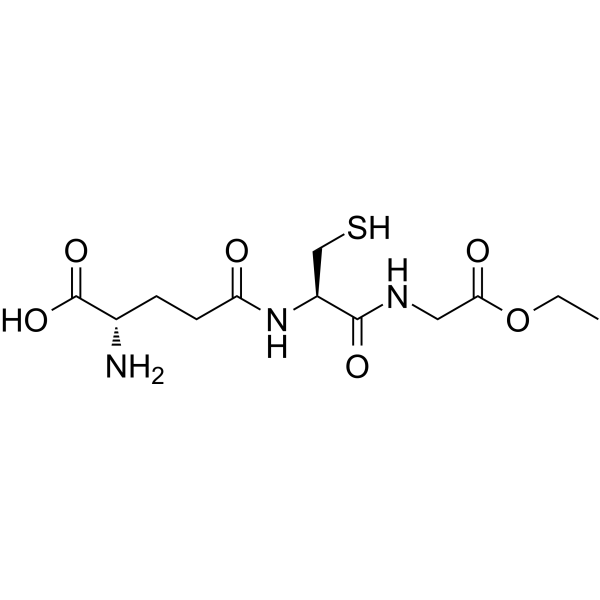
Glutathione ethyl ester is a cell-permeable GSH donor and provides an efficient supply of GSH to the oocyte. Glutathione ethyl ester shows positive effect on the in vitro production of embryos by enhancement of the antioxidative defense .
|
-
-
- HY-130320
-
|
glucopyranosyl lipid A
|
Toll-like Receptor (TLR)
|
Inflammation/Immunology
Cancer
|
|
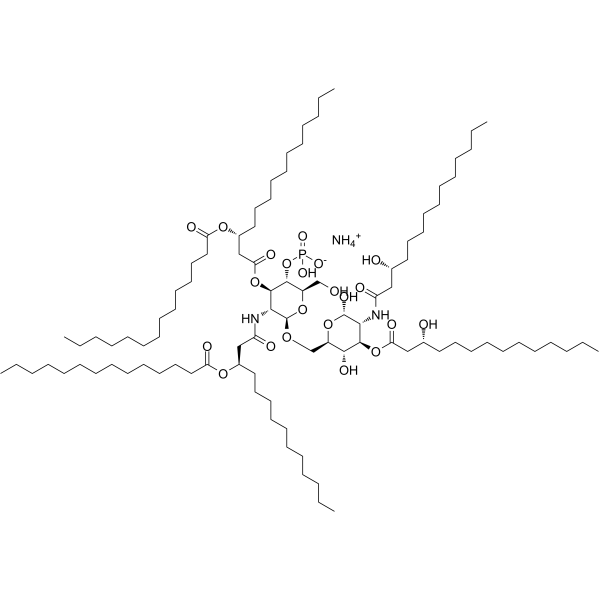
Monophosphoryl lipid A (Glucopyranosyl lipid A) is a toll-like receptor 4 agonist. Monophosphoryl lipid A is derived from the cell wall of nonpathogenic Salmonella. Monophosphoryl lipid A can be used for the research of immunization and vaccine .
|
-
-
- HY-N6821
-
|
|
Drug Derivative
|
Inflammation/Immunology
Cancer
|
|
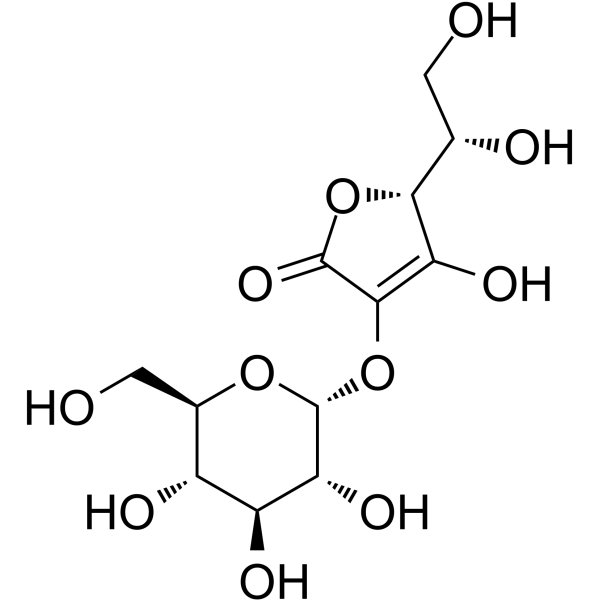
2-O-α-D-Glucopyranosyl-L-ascorbic Acid is an orally active glucoside derivative of ascorbic acid. 2-O-α-D-Glucopyranosyl-L-ascorbic Acid can be hydrolyzed by α-glucosidase to release ascorbic acid. 2-O-α-D-Glucopyranosyl-L-ascorbic Acid inhibits melanin synthesis, prevents UV-induced cell damage, and promotes collagen synthesis in skin fibroblasts. 2-O-α-D-Glucopyranosyl-L-ascorbic Acid also induces oxidative stress to inhibit tumor growth. 2-O-α-D-Glucopyranosyl-L-ascorbic Acid can be used in research related to tumors, inflammation, and other conditions .
|
-
-
- HY-111474
-
|
|
Myosin
|
Cardiovascular Disease
Neurological Disease
|
|
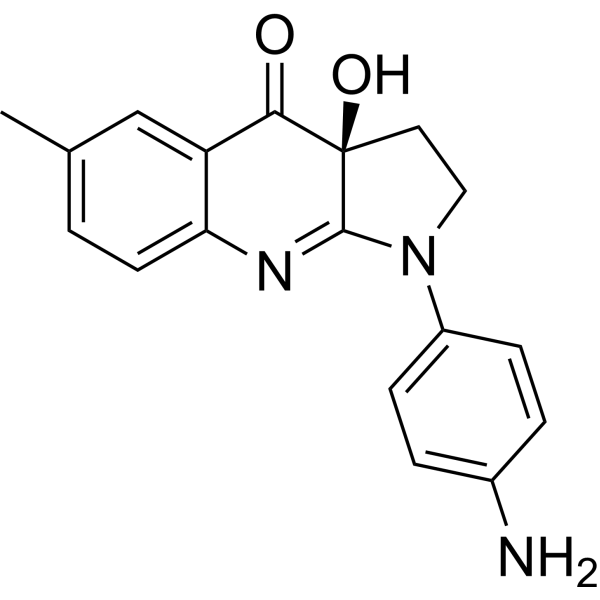
Para-aminoblebbistatin is the inhibitor for myosin II. Para-aminoblebbistatin inhibits the ATPase activity of myosin II, thereby blocking the formation and contraction of the actin-myosin network. Para-aminoblebbistatin is a non-fluorescent and photostable Blebbistatin (HY-13813) derivative .
|
-
-
- HY-120870
-
|
|
Myosin
|
Metabolic Disease
|
|
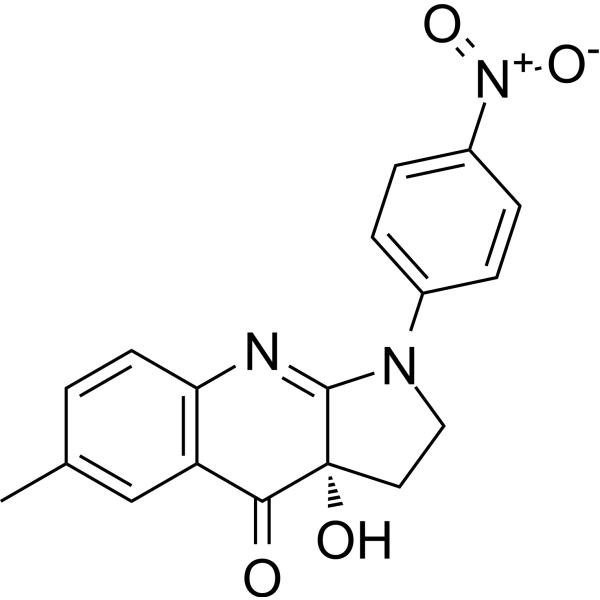
para-Nitroblebbistatin is a derivative of Blebbistatin (HY-13813) and an inhibitor of myosin II. para-Nitroblebbistatin is photostable, non-cytotoxic, and non-phototoxic. para-Nitroblebbistatin can serve as an ideal substitute for Blebbistatin (HY-13813) to study the role of myosin II in physiology, development, and cell biology .
|
-
-
- HY-129440
-
|
|
NF-κB
Toll-like Receptor (TLR)
p38 MAPK
NO Synthase
COX
ERK
Caspase
PDGFR
MyD88
Reactive Oxygen Species (ROS)
Apoptosis
|
Neurological Disease
Metabolic Disease
Inflammation/Immunology
Cancer
|
|
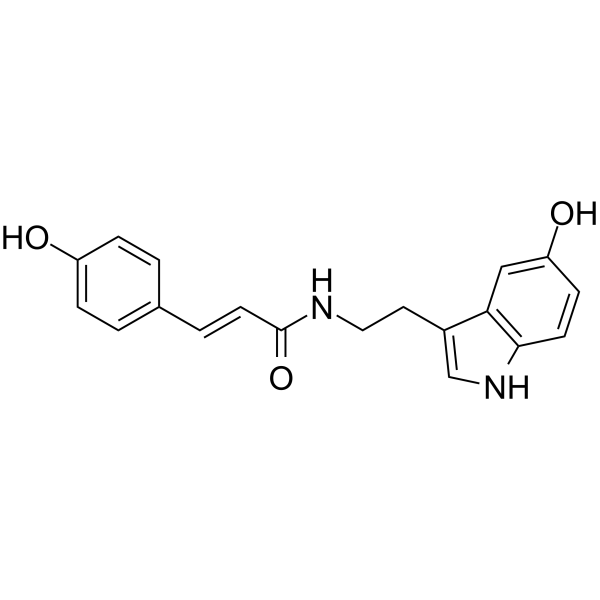
N-(p-Coumaroyl) Serotonin is an orally active polyphenol found in safflower seeds with potent anti-inflammatory, antioxidant, and antitumor activities. N-(p-Coumaroyl) Serotonin suppresses NF‑κB, TLR4/MyD88 and MAPK signaling, activates NQO1/HO‑1 pathways, and inhibits pro‑inflammatory cytokines, iNOS and COX‑2 and ROS production. N-(p-Coumaroyl) Serotonin induces S‑phase arrest and apoptosis in glioblastoma cells, reduces atherosclerotic lesions, and alleviates renal and vascular injuries. N-(p-Coumaroyl) Serotonin acts as a vasodilator, regulates calcium dynamics. N-(p-Coumaroyl) Serotonin can be used for the research of neurodegenerative diseases, atherosclerosis, glioblastoma, and acute renal failure .
|
-
-
- HY-118380
-
|
4-Nitrobenzyl mesylate; para-Nitrobenzyl mesylate; PNBM
|
Biochemical Assay Reagents
|
Metabolic Disease
|
|
p-Nitrobenzyl mesylate (4-Nitrobenzyl mesylate; para-Nitrobenzyl mesylate) is a reagent used to alkylate phosphorothioates, forming phosphorothioate epitopes that can be recognized by specific antibodies.
|
-

-
- HY-111974
-
|
ABA-GE; (S)-cis,trans-Abscisic acid glucosyl ester
|
Proton Pump
|
Endocrinology
|
|
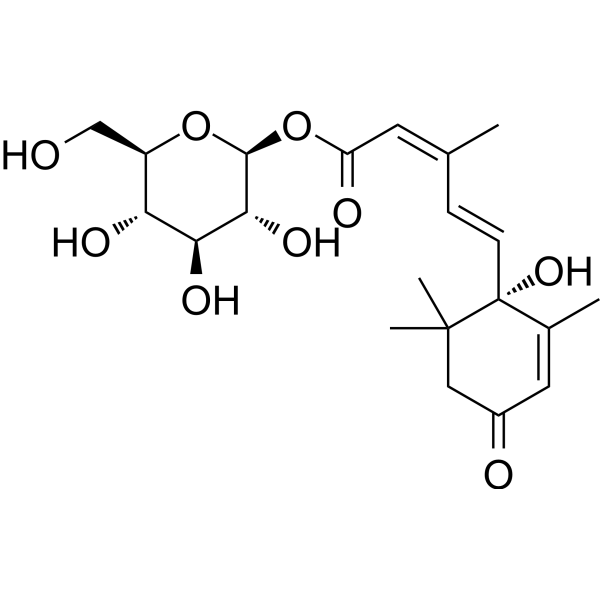
β-D-Glucopyranosyl abscisate (ABA-GE) is a hydrolyzable abscisic acid (ABA) conjugate that accumulates in the vacuole and presumably also in the endoplasmic reticulum. The deconjugation of β-D-Glucopyranosyl abscisate allows the rapid formation of free ABA in response to abiotic stress conditions such as dehydration and salt stress. β-D-Glucopyranosyl abscisate contributes to the maintenance of ABA homeostasis .
|
-
-
- HY-N6964
-
|
Quercetin-3-O-[2-O-(6-O-p-hydroxyl-E-coumaroyl)-D-glucosyl]-(1→2)-L-rhamnoside
|
Drug Derivative
|
Inflammation/Immunology
|
|
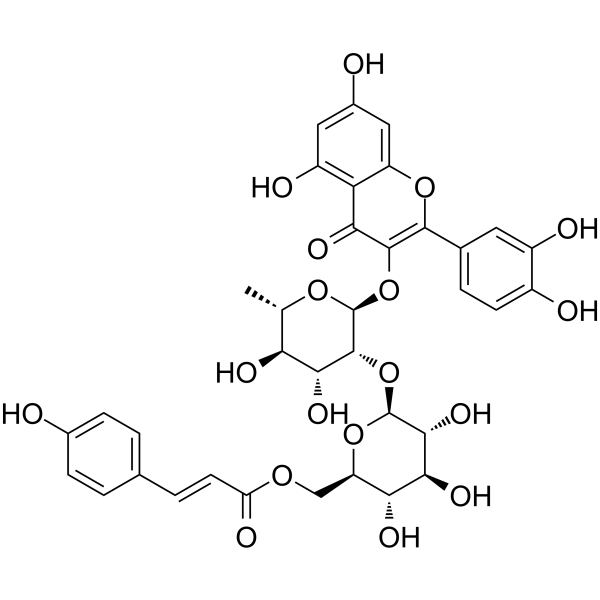
Quercetin 3-O-β-D-(6''-p-coumaroyl) glucopyranosyl (1→2)-α-L-rhamnopyranoside (Quercetin-3-O-[2-O-(6-O-p-hydroxyl-E-coumaroyl)-D-glucosyl]-(1→2)-L-rhamnoside) is a flavonoid glycoside present in Ginkgo biloba leaves, with antioxidant activity. Quercetin 3-O-β-D-(6''-p-coumaroyl) glucopyranosyl (1→2)-α-L-rhamnopyranoside serves as the major antioxidant component in Shuxuening Injection .
|
-
-
- HY-165836
-
-

-
- HY-N11658
-
|
4-coumaroyl-CoA; p-coumaroylcoenzyme A
|
Biochemical Assay Reagents
|
Others
|
|
p-Coumaroyl-CoA (4-Coumaroyl-CoA; p-coumaroylcoenzyme A) is a coenzyme A derivative . p-Coumaroyl-CoA serves as a key intermediate in the biosynthesis of lignin and flavonoids .
|
-

-
- HY-N6958
-
|
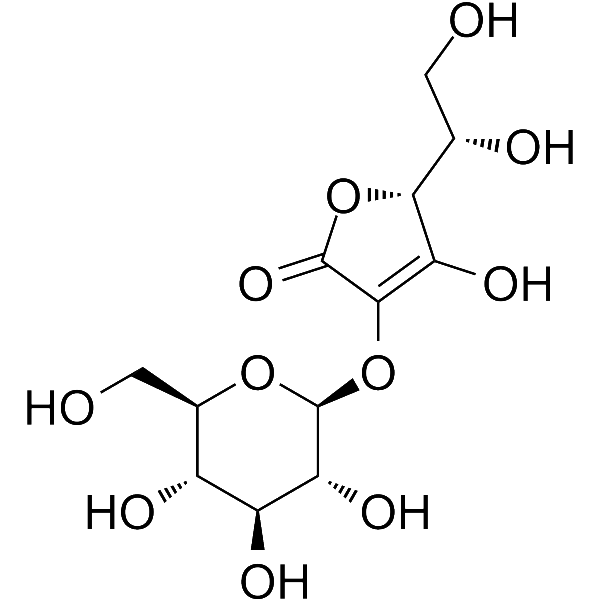
AA-2βG
|
Apoptosis
HSP
Reactive Oxygen Species (ROS)
Keap1-Nrf2
Heme Oxygenase (HO)
|
Inflammation/Immunology
Cancer
|
|
2-O-β-D-Glucopyranosyl-L-ascorbic acid (AA-2βG) is an orally active vitamin C derivative. 2-O-β-D-Glucopyranosyl-L-ascorbic acid exhibits multiple activities including antioxidant, anti-tumor and immunomodulatory effects. 2-O-β-D-Glucopyranosyl-L-ascorbic acid mediates tumor cell apoptosis, induces cell cycle arrest, scavenges free radicals and eliminates oxidative stress. 2-O-β-D-Glucopyranosyl-L-ascorbic acid can be used in studies related to cancer, inflammation and immunity .
|
-
-
- HY-W353469
-
|
Glucosylglycerol
|
Biochemical Assay Reagents
|
Others
|
|
2-O-(α-D-Glucopyranosyl) glycerol (55% in water) (Glucosylglycerol) is a glycerol glycoside and compatible solute. 2-O-(α-D-Glucopyranosyl) glycerol is isolable from the marine cyanobacterium Oscillatoria sp. 2-O-(α-D-Glucopyranosyl) glycerol (55% in water) acts as a salt stress protectant in Synechocystis sp. PCC 6803 ΔggpS cells. It enhances salt tolerance of Synechocystis sp. PCC 6803 ΔggpS cells and maintains cell division under salt stress .
|
-

-
- HY-G0005
-
|
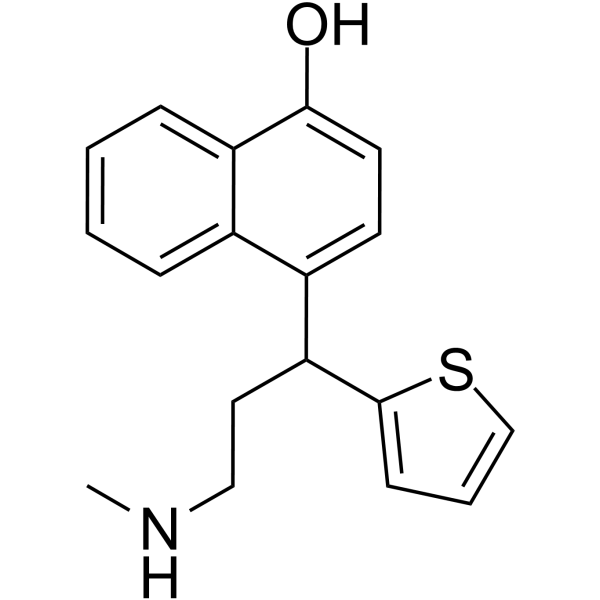
para-Naphthol duloxetine
|
Drug Metabolite
|
Neurological Disease
|
|
Para-Naphthol Duloxetine is a metabolite of Duloxetine, which is a serotonin-norepinephrine reuptake inhibitor (SNRI).
|
-
-
- HY-129440R
-
|
|
Reference Standards
PDGFR
ERK
Caspase
NF-κB
Toll-like Receptor (TLR)
p38 MAPK
NO Synthase
COX
MyD88
Reactive Oxygen Species (ROS)
Apoptosis
|
Neurological Disease
Metabolic Disease
Inflammation/Immunology
Cancer
|
|
N-(p-Coumaroyl) Serotonin (Standard) is the analytical standard of N-(p-Coumaroyl) Serotonin (HY-129440). This product is intended for research and analytical applications. N-(p-Coumaroyl) Serotonin is an orally active polyphenol found in safflower seeds with potent anti-inflammatory, antioxidant, and antitumor activities. N-(p-Coumaroyl) Serotonin suppresses NF‑κB, TLR4/MyD88 and MAPK signaling, activates NQO1/HO‑1 pathways, and inhibits pro‑inflammatory cytokines, iNOS and COX‑2 and ROS production. N-(p-Coumaroyl) Serotonin induces S‑phase arrest and apoptosis in glioblastoma cells, reduces atherosclerotic lesions, and alleviates renal and vascular injuries. N-(p-Coumaroyl) Serotonin acts as a vasodilator, regulates calcium dynamics. N-(p-Coumaroyl) Serotonin can be used for the research of neurodegenerative diseases, atherosclerosis, glioblastoma, and acute renal failure .
|
-

-
- HY-W145693
-
-
-
- HY-N7165A
-
|
|
Others
|
Others
|
|
3-β-O-(trans-p-Coumaroyl)maslinic acid is a Triterpenoids product that can be isolated from From Faeces Trogopterpri .
|
-

-
- HY-P10230
-
|
|
Bacterial
|
Infection
|
|
Sublancin is an antimicrobial peptide, which inhibits DNA replication, transcription and translation, without affecting membrane integrity. Sublancin suppresses glucose uptake for the competition of phosphotransferase system (PTS). Sublancin inhibits B. subtilis strain 168 ΔSPβ with MIC of 0.312 μM .
|
-

-
- HY-141490
-
|
|
Drug Derivative
|
Others
|
|
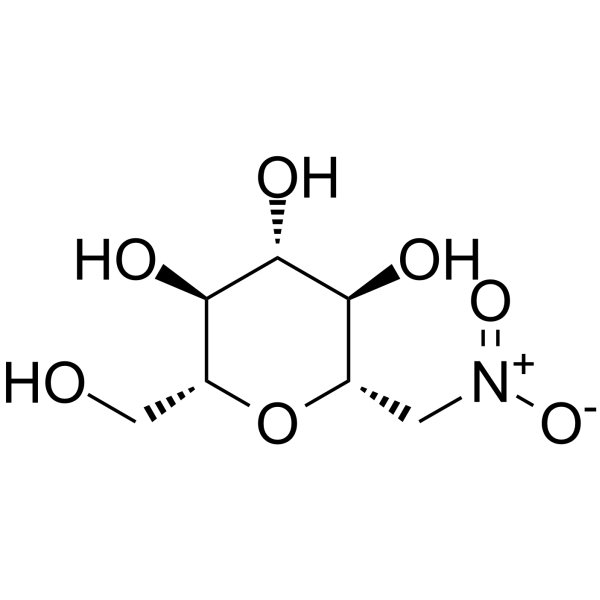
Beta-D-Glucopyranosyl nitromethane, as a salt of a strongly basic anion exchanger in the OH cycle, is a glycosyl derivative of nitromethane .
|
-
-
- HY-147079
-
|
ARC 1779
|
Integrin
|
Cardiovascular Disease
|
|
Egaptivon pegol (ARC1779) is an aptamer, which blocks binding of the von Willebrand Factor (VWF) to platelet GPIb receptors. Egaptivon pegol has anti-thrombotic efficacy.
|
-
-
- HY-N6260
-
|
|
Others
|
Others
|
|
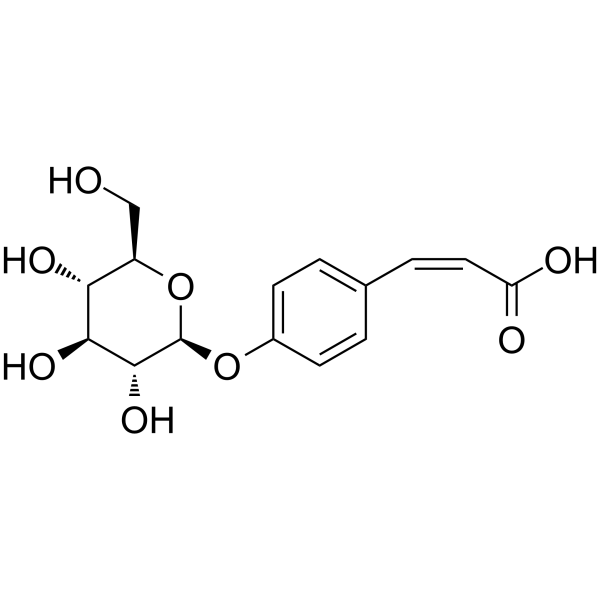
4-O-beta-Glucopyranosyl-cis-coumaric acid is a natural compound isolated formn Nelumbo nucifera Gaertn.
|
-
-
- HY-W415909
-
|
4-O-α-D-glucopyranosyl-D-fructose monohydrate
|
Biochemical Assay Reagents
|
Others
|
|
Maltulose monohydrate (4-O-α-D-Glucopyranosyl-D-fructose monohydrate) can be used as an energy source for bacteria. Maltulose monohydrate is a biomaterial or organic compound that can be used in life science research .
|
-

-
- HY-W145623
-
|
2,3,4,6-Tetra-O-benzyl-beta-D-glucopyranosyl fluoride
|
Biochemical Assay Reagents
|
Others
|
|
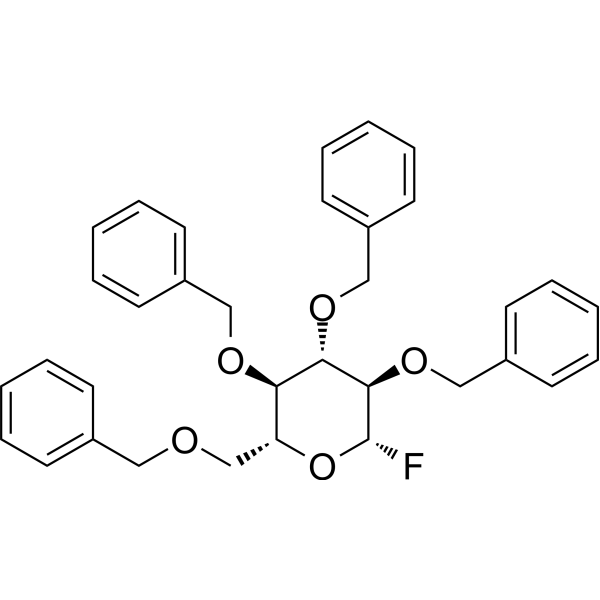
2,3,4,6-Tetra-O-benzyl-β-D-glucopyranosyl Fluoride is a biochemical reagent that can be used as a biological material or organic compound for life science related research.
|
-
-
- HY-W016620
-
|
Tetramethyl thiol alcynic acid
|
Drug Intermediate
|
Others
|
|
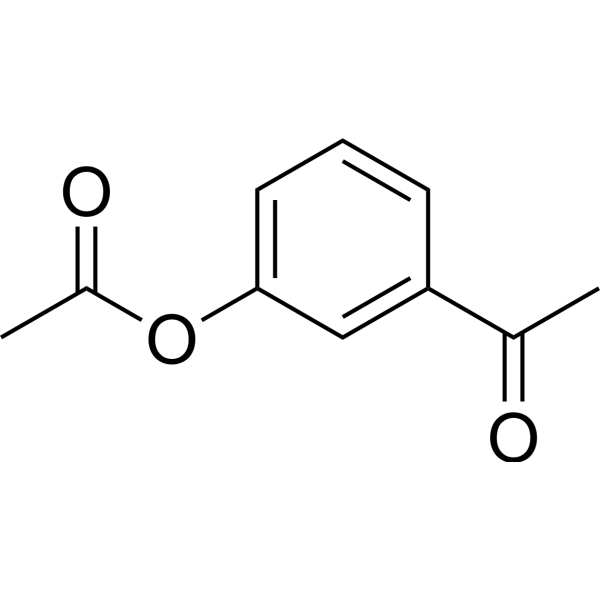
3-Acetylphenyl acetate (Tetramethyl thiol alcynic acid) can be used as pharmaceutical intermediates .
|
-
-
- HY-N8132
-
|
|
Reactive Oxygen Species (ROS)
|
Inflammation/Immunology
|
|
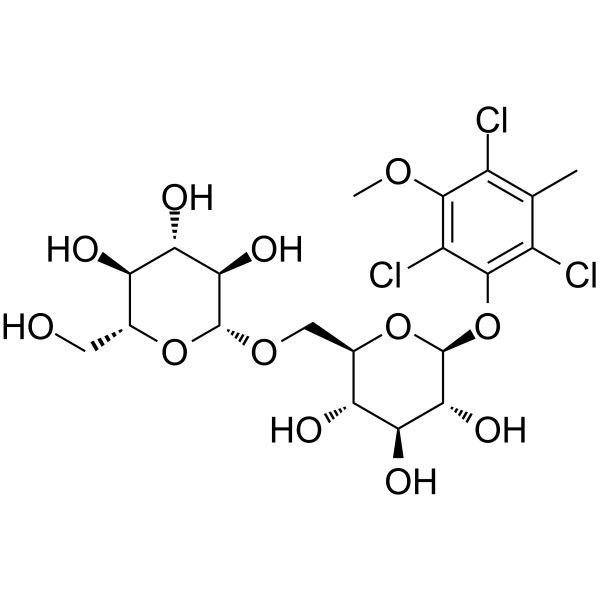
2,4,6-Trichlorol-3-methyl-5-methoxy-phenol 1-O-β-d-glucopyranosyl-(1 → 6)-β-d-glucopyranoside is a chlorophenyl glycoside found in the bulbs of Lilium brownie var. viridulum. 2,4,6-Trichlorol-3-methyl-5-methoxy-phenol 1-O-β-d-glucopyranosyl-(1 → 6)-β-d-glucopyranoside exhibits weak inhibition of NO production in LPS-stimulated RAW 264.7 cells .
|
-
-
- HY-N7165
-
|
|
Phosphatase
Bacterial
|
Infection
Metabolic Disease
|
|
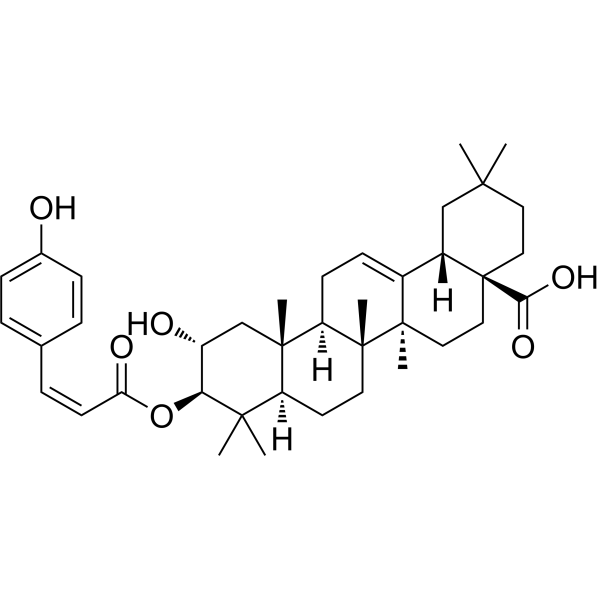
3-O-cis-p-Coumaroyl maslinic acid (compound 16) is a natural compound isolated from the ethyl acetate extract of leaves of Miconia albicans.3-O-cis-p-Coumaroyl maslinic acid can inhibit PTP1B, with the IC50 of 0.46 μM, and shows antimicrobial activity on Gram-positive bacteria and yeasts .
|
-
-
- HY-15632
-
|
|
Fluorescent Dye
|
Others
|
|
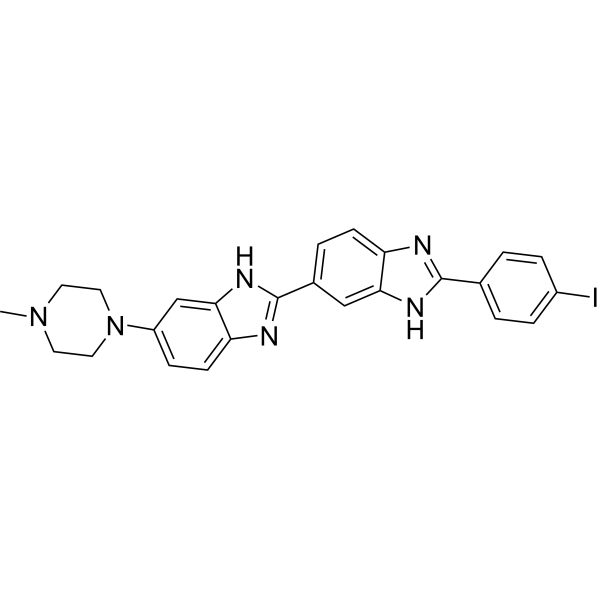
para-iodoHoechst 33258 is a marker dye in Hoechst series. Hoechst is A live nuclear marker dye. Hoechst binds to the grooves in the DNA double strand, which tends to be A/ T-rich DNA strand. Although it binds to all nucleic acids, the A/ T-rich double strand DNA significantly enhances fluorescence intensity Therefore,Hoechst dye can be used for living cell labeling. The fluorescence intensity of Hoechst dye increases with the increase of pH of solution .
|
-
-
- HY-146992S
-
-
-
- HY-N12574
-
|
|
Others
|
Others
|
|
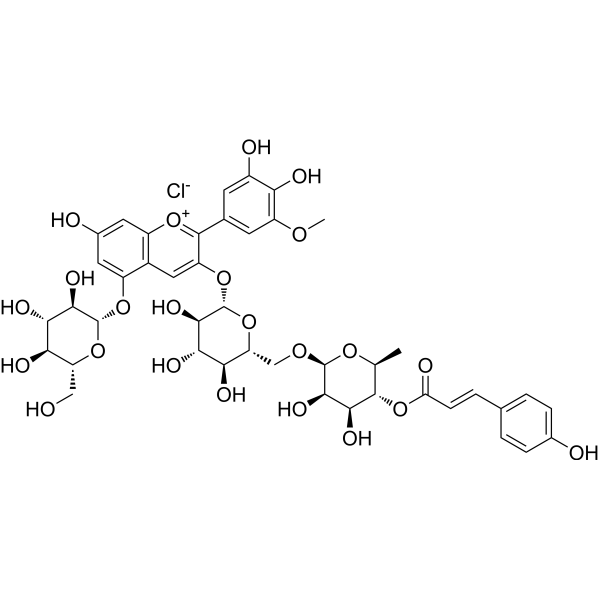
Petunidin-3-(p-coumaroyl-rutinoside)-5-glucoside is an anthocyanin that can be isolated from potatoes (Solanum tuberosum L.) .
|
-
-
- HY-N9521
-
|
|
Others
|
Cancer
|
|
3-O-β-D-Glucopyranosyl(1→2)-[a-Lrhamnopyranosyl(1→3)]-β-D-glucopyranosyl 28-O-β-D-glucuronopyranoside, a saponin, is isolated from Polaskia chichipe Backbg. 3-O-β-D-Glucopyranosyl(1→2)-[a-Lrhamnopyranosyl(1→3)]-β-D-glucopyranosyl 28-O-β-D-glucuronopyranoside shows ability to inhibit melanin biosynthesis by B16 melanoma cell with inhibitory activity 84.2% at 100μM[1].
|
-
![3-O-β-D-Glucopyranosyl(1→2)-[a-Lrhamnopyranosyl(1→3)]-β-D-glucopyranosyl 28-O-β-D-glucuronopyranoside](//file.medchemexpress.com/product_pic/hy-n9521.gif)
-
- HY-W007614
-
|
3-Fluoro-para-anisaldehyde
|
Drug Intermediate
|
Cancer
|
|
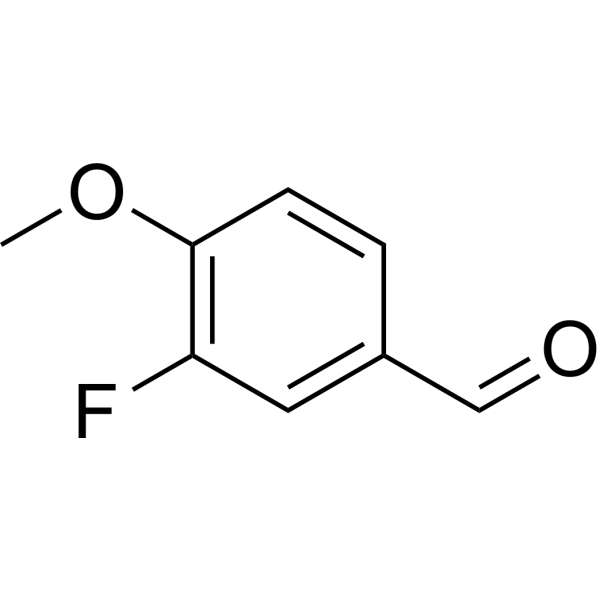
3-Fluoro-4-methoxybenzaldehyde (3-Fluoro-para-anisaldehyde) is a drug intermediate that can be used to synthesize the fluorinated derivative of Combretastatin A-4 (HY-N2146), which has anti-cancer activity.
|
-
-
- HY-W440555
-
|
para-Sulfonatocalix[n]arene
|
Amyloid-β
|
Neurological Disease
|
|
4-Sulfocalix[4]arene (para-Sulfonatocalix[n]arene) is a amyloid-beta 42 binder with a Kd of 5.39 M. 4-Sulfocalix[4]arene can inhibit amyloid β-peptide fibrillation and reduce amyloid cytotoxicity .
|
-
![4-Sulfocalix[4]arene](//file.medchemexpress.com/product_pic/hy-w440555.gif)
-
- HY-N10784
-
|
|
Insecticide
|
Others
|
|
Kaempferol-3-O-[2″,6″-di-O-E-p-coumaroyl]-β-D-glucopyranoside is a acylated keampferol glucoside. Kaempferol-3-O-[2″,6″-di-O-E-p-coumaroyl]-β-D-glucopyranoside can be isolated from the leaves of O. dentata, acts as a repellent against a fouling organism, the blue mussel M. edulis .
|
-
![Kaempferol-3-O-[2″,6″-di-O-E-p-coumaroyl]-β-D-glucopyranoside](//file.medchemexpress.com/product_pic/hy-n10784.gif)
-
- HY-P2424
-
-

-
- HY-N2190
-
-
-
- HY-W145636
-
|
2,3,4,6-Tetra-O-benzyl-alpha-D-glucopyranosyl fluoride
|
Biochemical Assay Reagents
|
Others
|
|
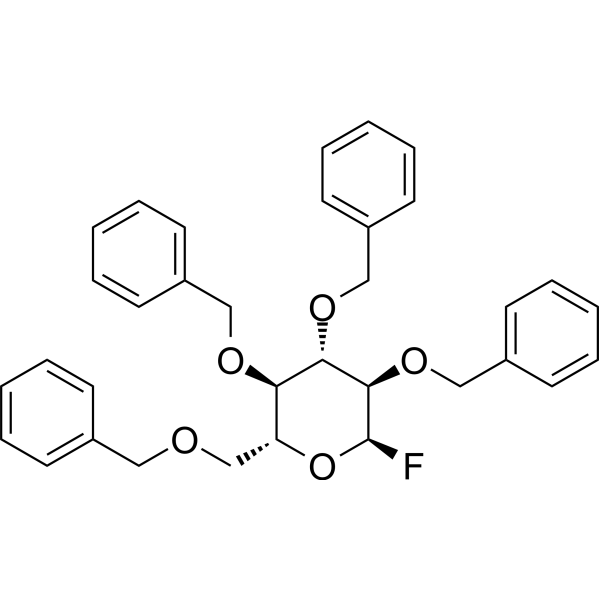
2,3,4,6-Tetra-O-benzyl-α-D-glucopyranosyl Fluoride is a biochemical reagent that can be used as a biological material or organic compound for life science related research.
|
-
-
- HY-W699750
-
|
|
Biochemical Assay Reagents
|
Others
|
|
6-α-D-Glucopyranosyl maltotriose is a class of biochemical reagents used in glycobiology research. Glycobiology studies the structure, synthesis, biology, and evolution of sugars. It involves carbohydrate chemistry, enzymology of glycan formation and degradation, protein-glycan recognition, and the role of glycans in biological systems. This field is closely related to basic research, biomedicine, and biotechnology .
|
-

-
- HY-W102453
-
|
|
Biochemical Assay Reagents
|
Others
|
|
3-(4-Acetylphenyl)-2-aminopropanoic acid hydrochloride is a biochemical reagent that can be used as a biological material or organic compound for life science related research.
|
-

-
- HY-CE00339
-
-

-
- HY-W750432
-
-

-
- HY-165831
-
-

-
- HY-139388
-
-

-
- HY-N11992
-
-
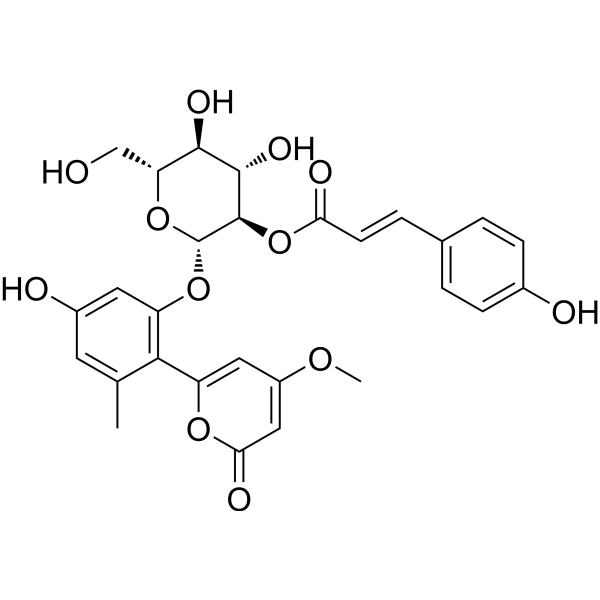
-
- HY-N9676
-
|
|
Others
|
Others
|
|
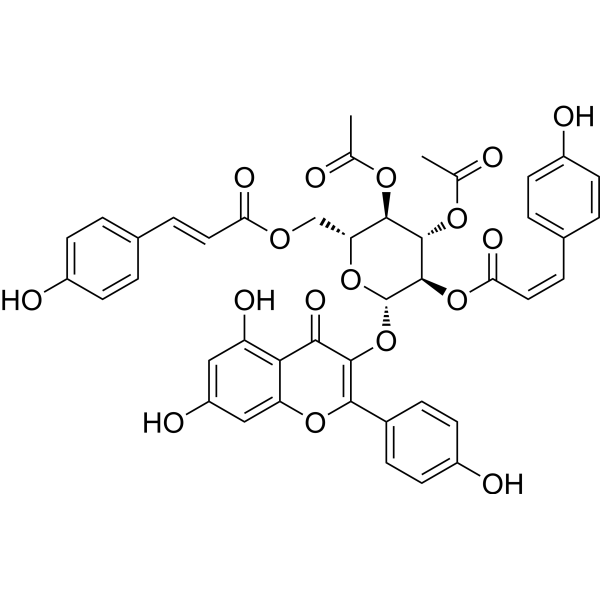
Kaempferol 3-O-(2'',4''-di-acetyl-3''-cis-p-coumaroyl-6''-trans-p-coumaroyl)-β-D-glucopyranoside is a flavonoid compound that can be isolated from Quercus dentata. Kaempferol 3-O-(2'',4''-di-acetyl-3''-cis-p-coumaroyl-6''-trans-p-coumaroyl)-β-D-glucopyranoside suppresses the superoxide generation induced by arachidonic acid .
|
-
-
- HY-N12512
-
|
|
Others
|
Inflammation/Immunology
|
|
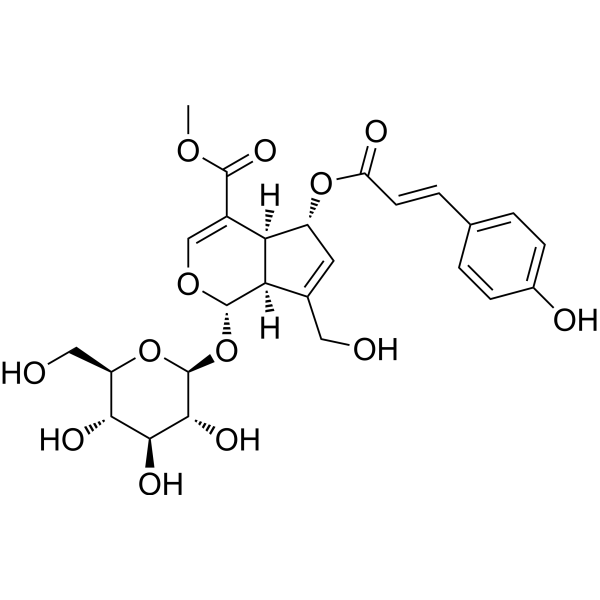
6-O-p-Coumaroyl scandoside methyl ester is a compound that can be isolated from oldenlandia diffusa. 6-O-p-Coumaroyl scandoside methyl ester has anti-inflammatory activity .
|
-
-
- HY-N3170
-
|
|
Others
|
Others
|
|
N-p-Coumaroyl-N'-caffeoylputrescine is a Phenylpropanoids product that can be isolated from the herbs of Exochorda racemosa .
|
-

-
- HY-N8808
-
|
|
Others
|
Others
|
|
10-O-Coumaroyl-10-O-deacetylasperuloside is a Iridoids product that can be isolated from the herbs of Galium aparine L. .
|
-

-
- HY-N1669
-
|
|
Others
|
Others
|
|
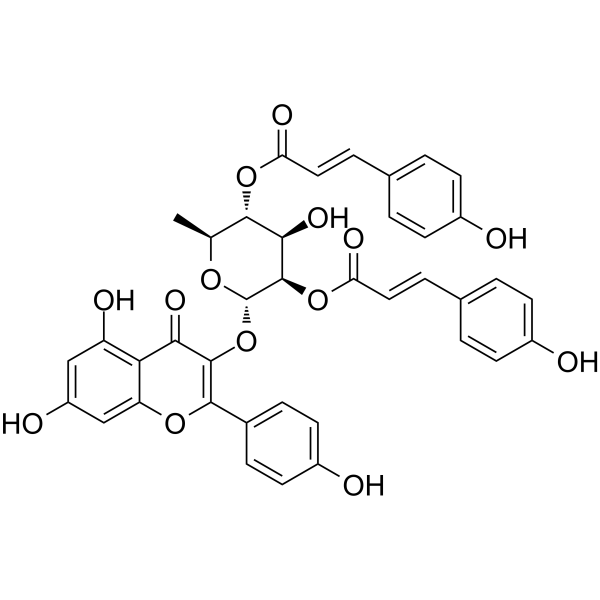
2'',4''-Di-O-(E-p-Coumaroyl)afzelin (compound 36) is a compound isolated from Epimedium sagittatum .
|
-
-
- HY-N6821R
-
|
|
Drug Derivative
Reference Standards
|
Cancer
|
|
2-O-α-D-Glucopyranosyl-L-ascorbic Acid (Standard) is the analytical standard of 2-O-α-D-Glucopyranosyl-L-ascorbic Acid. This product is intended for research and analytical applications. 2-O-α-D-Glucopyranosyl-L-ascorbic Acid is a glucoside derivative of ascorbic acid, shows anti-cancer activity after enzymatic hydrolysis to ascorbic acid .
|
-

-
- HY-N1670
-
|
|
Others
|
Others
|
|
2'',4''-Di-O-(Z-p-Coumaroyl)afzelin (compound 9) is a compound isolated from the leaf extract of Machilusphilippinense Merr. .
|
-
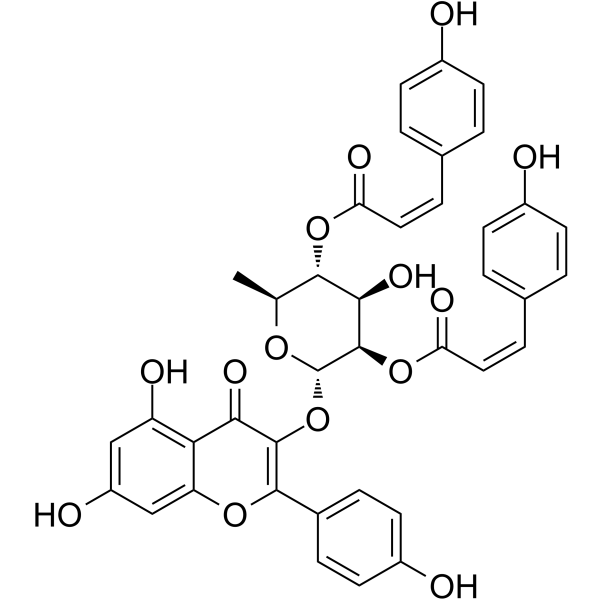
- HY-N3218
-
|
|
Others
|
Others
|
|
N1,N10-Bis(p-coumaroyl)spermidine is a phenylpropanoid that can be isolated from Fagales pollen .
|
-
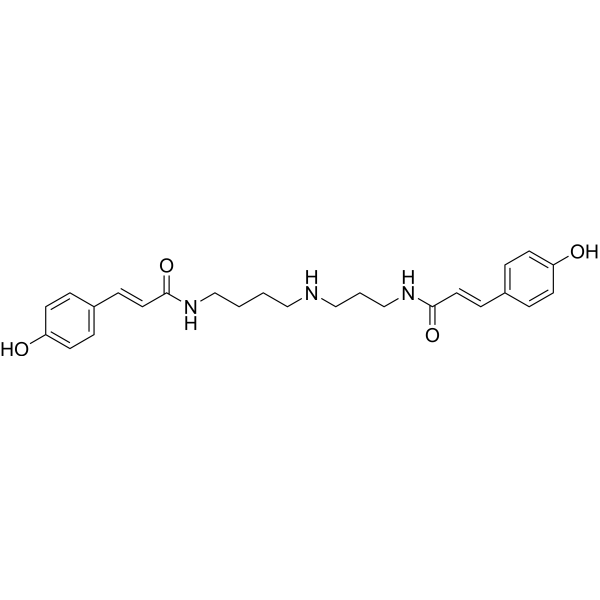
- HY-N12070
-
|
|
Others
|
Cardiovascular Disease
|
|
11-O-β-D-glucopyranosyl thamnosmonin, a coumarin glucosides, can be isolated from the roots of Angelica apaensis. 11-O-β-D-glucopyranosyl thamnosmonin has weak inhibitory activity on the aggregation of rabbit platelets induced by PAF, AA, and ADP .
|
-
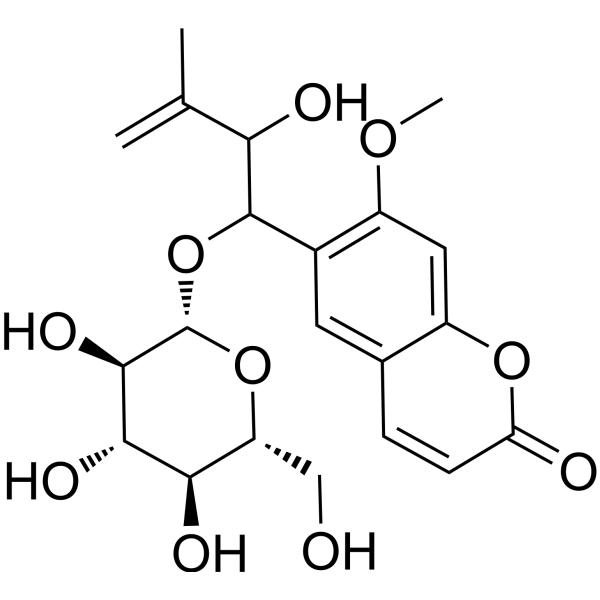
- HY-W411439
-
|
|
GLUT
|
Metabolic Disease
|
|
1-O-p-Coumaroyl-β-D-glucose can promote glucose uptake in HuH7 cells, and be be extracted from Luffa cylindrica (L.) Roem (sponge gourds) .
|
-
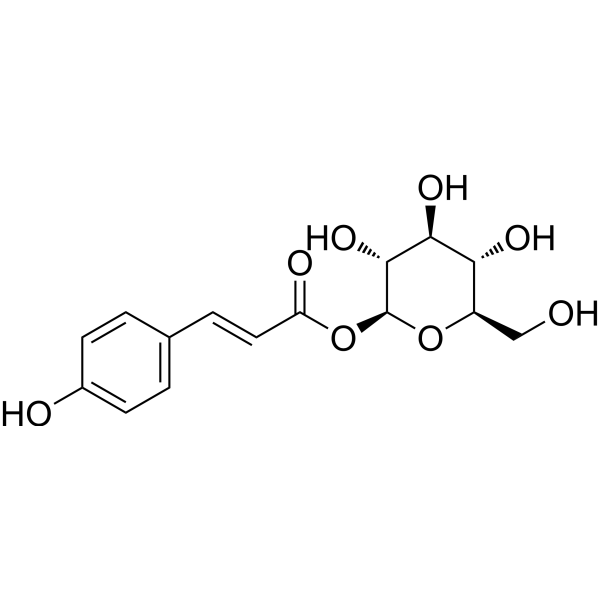
- HY-N12650
-
|
|
Endogenous Metabolite
|
Metabolic Disease
|
|
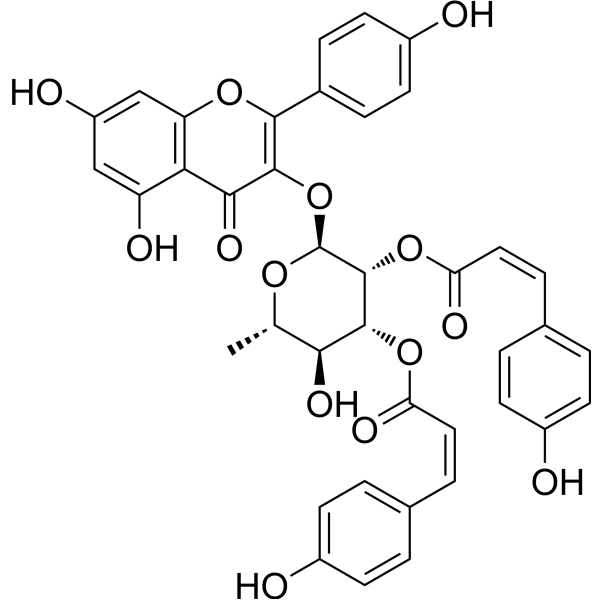
Kaempferol 3-O-alpha-L-(2, 3-di-Z-p-coumaroyl) rhamnoside (compound 42) is a flavonol that can be isolated from Platanus Occidentalis. Kaempferol 3-O-alpha-L-(2, 3-di-Z-p-coumaroyl) rhamnoside is an inhibitor of alpha-amylase and DPP IV .
|
-
- HY-N13542
-
|
|
Others
|
Others
|
|
Apigenin 7-O-(2'',6''-di-O-E-p-coumaroyl)glucoside is a natural product .
|
-

- HY-N8204
-
-
- HY-N1533
-
-
- HY-N6965
-
|
|
Others
|
Metabolic Disease
|
|
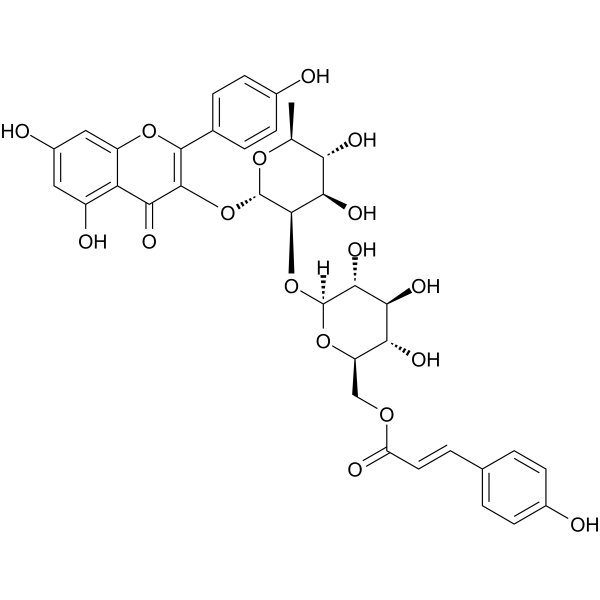
Kaempferol-3-O-(6'''-trans-p-coumaroyl-2''-glucosyl)rhamnoside is a natural antioxidant from herbal medicines .
|
-
- HY-N15722
-
|
|
Reactive Oxygen Species (ROS)
|
Inflammation/Immunology
|
|
9-O-β-D-Glucopyranosyl-3,4-dimethoxy-cinnamic acid is an orally active phenylpropanoid glycoside found in Microlepia pilosissima, acting as an antioxidant. 9-O-β-D-Glucopyranosyl-3,4-dimethoxy-cinnamic acid shows a DPPH radical scavenging activity with an ED50 value of 38.1 μM. 9-O-β-D-Glucopyranosyl-3,4-dimethoxy-cinnamic acid is promising for research of oxidative stress-related diseases such as inflammation and liver injury .
|
-

- HY-N15631
-
|
|
Others
|
Others
|
|
Apigenin-4'-O-(2",6"-di-O-coumaroyl)-β-D-glucopyranoside is a flavonoid compound that can be isolated from the methanol extract of Lycopodium cernuum .
|
-

- HY-D2286
-
|
|
Fluorescent Dye
|
Others
|
|
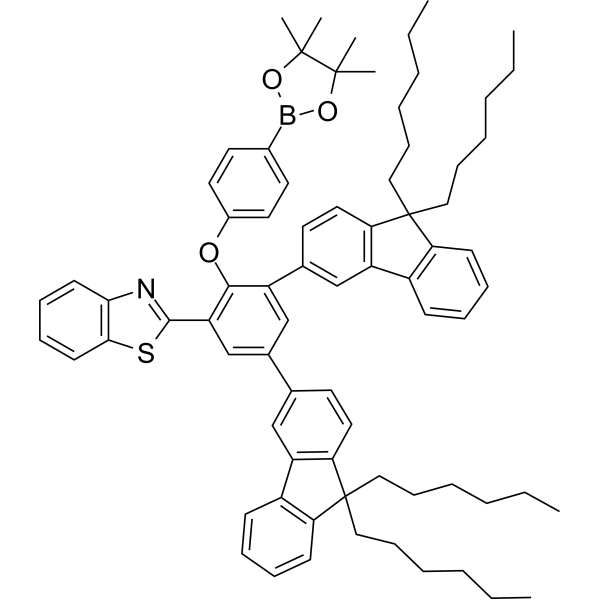
HBT-Fl-BnB is a fluorescent probe for the ratiometric detection of ONOO - in vitro and in vivo. HBT-Fl-BnB consists of an HBT core with Fl groups at the ortho and para positions responding to the zwitterionic excited-state intramolecular proton-transfer (zwitterionic ESIPT) process and a boronic acid pinacol ester with dual roles that block the zwitterionic ESIPT and recognize ONOO - .
|
-
- HY-W416255
-
-

- HY-N4051
-
|
|
Others
|
Others
|
|
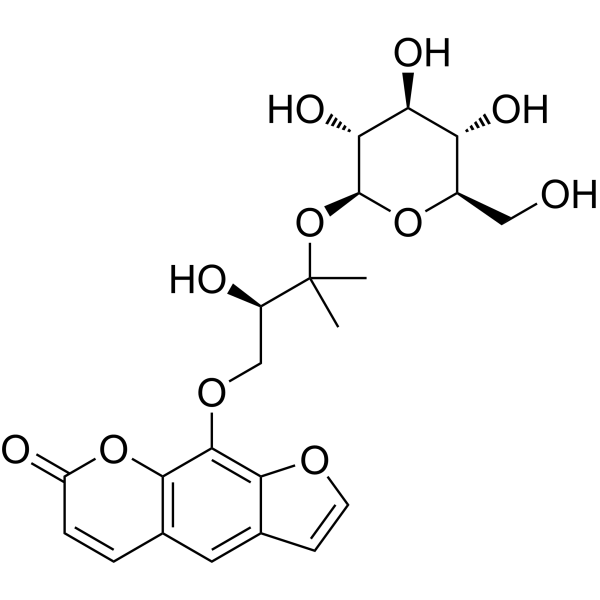
3"-O-β-D-Glucopyranosyl-(2"R)-heraclenol (compound 4) is a natural product from the roots of Heracleum rapula Franch .
|
-
- HY-N5053
-
|
|
Others
|
Others
|
|
Periplogenin 3-[O-β-glucopyranosyl-(1→4)-β-sarmentopyranoside] is a cardenolide isolated from the root barks of Periploca sepium .
|
-
![Periplogenin 3-[O-β-glucopyranosyl-(1→4)-β-sarmentopyranoside]](//file.medchemexpress.com/product_pic/hy-n5053.gif)
- HY-166986
-
-
![2-O-[2-(Acetylamino)-2-deoxy-β-D-glucopyranosyl]-D-mannose](//file.medchemexpress.com/product_pic/hy-166986.gif)
- HY-W145533
-
|
|
Biochemical Assay Reagents
|
Others
|
|
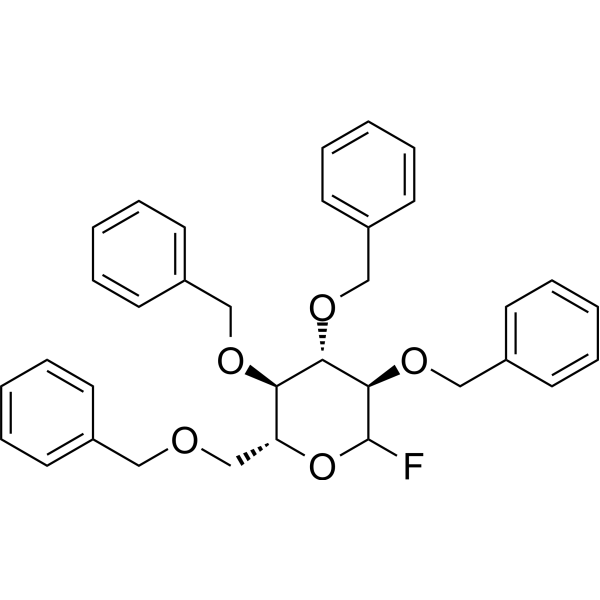
2,3,4,6-Tetra-O-benzyl-D-glucopyranosyl Fluoride is a biochemical reagent that can be used as a biological material or organic compound for life science related research.
|
-
- HY-N17771
-
|
|
Endogenous Metabolite
|
Metabolic Disease
|
|
(6-O-p-Coumaroyl)-β-D-glucopyranosyl-2-O-(4-hydroxybenzoyl)-4-O-β-D-glucopyranosyl-6-hydroxyphenylacetate is a selective α-glucosidase inhibitor (IC50=10.53 μg/mL) with anti-hepatic fibrosis and anti-diabetic properties. It also inhibits the growth of mouse hepatic stellate cells (t-HSC/Cl-6) with an IC50 of 109.2 μg/mL. (6-O-p-Coumaroyl)-β-D-glucopyranosyl-2-O-(4-hydroxybenzoyl)-4-O-β-D-glucopyranosyl-6-hydroxyphenylacetate can be isolated from the ester derivatives of Impatiens balsamina L. flowers. (6-O-p-Coumaroyl)-β-D-glucopyranosyl-2-O-(4-hydroxybenzoyl)-4-O-β-D-glucopyranosyl-6-hydroxyphenylacetate can be used in research related to hepatic fibrosis and type 2 diabetes.
|
-

- HY-W041087R
-
|
|
Reference Standards
|
|
|
3-Acetylphenyl ethyl(methyl)carbamate (Standard) is the analytical standard of 3-Acetylphenyl ethyl(methyl)carbamate. This product is intended for research and analytical applications.
|
-

- HY-CE01896
-
-

- HY-N15694
-
|
|
Others
|
Others
|
|
1-Hydroxy-8-methoxy-3-methyl-6-O-β-D-glucopyranosyl-anthraquinone is an anthraquinone glucoside found in Polygonum macrophyllum D. Don .
|
-

- HY-W588258S1
-
-

- HY-W739835
-
-

- HY-W681674
-
-

- HY-N19683
-
|
|
Glycosidase
|
Metabolic Disease
|
|
Kaempferol-3-O-a-L-(3'',4''-di-Z-p-coumaroyl)-rhamnopyranoside is a 3-O-(coumaroyl-rhamnopyranosyl)-flavonol compound found in the leaf extract of Machilus philippinense Merr. .
|
-

- HY-W700484
-
|
|
Biochemical Assay Reagents
|
Others
|
|
4-Acetylphenyl 2,3,4,6-Tetra-O-acetyl-β-D-glucopyranoside is a class of biochemical reagents used in glycobiology research. Glycobiology studies the structure, synthesis, biology, and evolution of sugars. It involves carbohydrate chemistry, enzymology of glycan formation and degradation, protein-glycan recognition, and the role of glycans in biological systems. This field is closely related to basic research, biomedicine, and biotechnology .
|
-

- HY-W707126
-
-

- HY-N17762
-
|
|
Others
|
Others
|
|
p-Coumaroyl-N-tryptophan is a hydroxycinnamic acid amide compound that can be isolated from coffee beans (Coffea arabica, Coffea canephora, Coffea liberica). p-Coumaroyl-N-tryptophan can be used to differentiate Robusta coffee from other coffee varieties.
|
-

- HY-W243983
-
|
Tris(4-acetylphenyl)amine
|
MOFs
|
Others
|
|
1,1',1''-(Nitrilotris(benzene-4,1-diyl))triethanone (Tris(4-acetylphenyl)amine) is a metal-organic framework (MOF).
|
-

- HY-W726472
-
|
|
Endogenous Metabolite
|
Others
|
|
N-(E-4-Coumaroyl)-aspartate is a hydroxycinnamic acid amide compound that can be isolated from Arabidopsis thaliana cell suspension cultures. N-(E-4-Coumaroyl)-aspartate may be involved in metabolic processes related to specific metabolites found in Arabidopsis thaliana cell cultures.
|
-

- HY-N16993
-
-

- HY-N18184
-
|
|
Others
|
Others
|
|
Naringenin-7-O-(3''-E-p-coumaroyl-β-D-glucopyranoside) (Compound 5) is a flavonoid. Naringenin-7-O-(3''-E-p-coumaroyl-β-D-glucopyranoside) can be isolated from the aerial parts of C. texanus. Naringenin-7-O-(3''-E-p-coumaroyl-β-D-glucopyranoside) does not inhibit Topo I .
|
-

- HY-N18185
-
|
|
Others
|
Others
|
|
Naringenin-7-O-(6′′-E-p-coumaroyl-β-D-glucopyranoside) (Compound 6) is a natural product. Naringenin-7-O-(6′′-E-p-coumaroyl-β-D-glucopyranoside) can be isolated from the aerial parts of Blepharis ciliaris (L.) B.L. Burtt. Naringenin-7-O-(6′′-E-p-coumaroyl-β-D-glucopyranoside) does not exhibit antioxidant activity .
|
-

- HY-N17002
-
-

- HY-E71288
-
|
|
Biochemical Assay Reagents
|
Others
|
|
β-D-Glucopyranosyl abscisate β-glucosidase (EC 3.2.1.175) hydrolzes the biologically inactive β-D-Glucopyranosyl ester of abscisic acid to produce active abscisate. Abscisate is a phytohormone critical for plant growth, development and adaption to various stress conditions. The enzyme does not hydrolyse β-D-Glucopyranosyl zeatin.
|
-

- HY-N16930
-
-

- HY-N13639
-
|
|
Others
|
Others
|
|
β-D-Glucopyranosyl taraxinic ester is a natural product that can be isolated from Taraxacum portentosum .
|
-

- HY-N18220
-
|
|
Others
|
Others
|
|
Naringenin-7-O-(3″,6″-di-O-p-E-coumaroyl)-β-glucopyranoside (Compound 7) is a flavonoid found in Cnidoscolus texanus. Naringenin-7-O-(3″,6″-di-O-p-E-coumaroyl)-β-glucopyranoside does not functionally modulate DNA topoisomerase I activity .
|
-

- HY-N18221
-
|
|
Drug Derivative
|
Others
|
|
Apigenin-7-O-(6′′-E-p-coumaroyl-β-D-glucopyranoside) (compound 17) is a flavone found in the whole herb of Leucas cephalotes SPRENG .
|
-

- HY-W909314
-
|
|
Biochemical Assay Reagents
|
Others
|
|
t-Butyoxycarboxy-PEG4-para-nitrophenyl carbonate is a PEG linker with a nitrophenyl group linked to a carbonate, four PEG units, and a t-butyl group that can be deprotected under acidic conditions. The PEG units enhance the solubility of the molecule in aqueous media. Nitrophenyl group is reactive towards the amino-bearing molecules.
|
-

- HY-N17398
-
|
|
Others
|
Others
|
|
Kaempherol-3-O-β-D-(2"-O-trans-p-coumaroyl)-rutinoside is an acylated flavonol glycoside found in the leaves of Ginkgo biloba L .
|
-

- HY-W414390
-
|
2-Cyclohexylethyl-4-O-(alpha-D-glucopyranosyl)-beta-D-glucopyranoside, 98%
|
Biochemical Assay Reagents
|
Others
|
|
2-Cyclohexylethyl-4-O-(α-D-glucopyranosyl)-β-D-glucopyranoside, 98% (2-Cyclohexylethyl-4-O-(alpha-D-glucopyranosyl)-beta-D-glucopyranoside, 98%) is a detergent that can be used for the purification and crystallization of membrane-bound proteins in their native structure. It can self-assemble into micelles and vesicles in aqueous solution and can be used for the study of biomembrane models.
|
-

- HY-N13537
-
|
|
Others
|
Others
|
|
11β,13-Dihydrotaraxinic acid β-D-glucopyranosyl ester is a natural product that can be isolated from Punica granatum .
|
-

- HY-N20632
-
|
|
Bacterial
|
Infection
|
|
Maltol-3-O-(4'-O-p-coumaroyl-6'-O-(3-hydroxy-3-methylglutaroyl))-β-glucopyranoside is a sortase A inhibitor of Streptococcus mutans, with an IC50 value of 94.3 μM. Maltol-3-O-(4'-O-p-coumaroyl-6'-O-(3-hydroxy-3-methylglutaroyl))-β-glucopyranoside inhibits saliva-induced aggregation of Streptococcus mutans. Maltol-3-O-(4'-O-p-coumaroyl-6'-O-(3-hydroxy-3-methylglutaroyl))-β-glucopyranoside can be used in caries-related research .
|
-

- HY-W754831
-
|
ABA-GE-d6; (S)-cis,trans-Abscisic acid glucosyl ester-d6
|
Isotope-Labeled Compounds
Proton Pump
|
Metabolic Disease
|
|
β-D-Glucopyranosyl abscisate-d6 (ABA-GE-d6) is the deuterium labeled β-D-Glucopyranosyl abscisate (HY-111974). β-D-Glucopyranosyl abscisate (ABA-GE) is a hydrolyzable?abscisic acid?(ABA) conjugate that accumulates in the vacuole and presumably also in the endoplasmic reticulum. The deconjugation of β-D-Glucopyranosyl abscisate allows the rapid formation of free ABA in response to abiotic stress conditions such as dehydration and salt stress. β-D-Glucopyranosyl abscisate contributes to the maintenance of ABA homeostasis.
|
-

- HY-N17536
-
|
|
Others
|
Others
|
|
4-Hydroxy-3-methoxyphenyl 6-O-β-D-glucopyranosyl-β-D-glucopyranoside (Compound 9) is a natural product. 4-Hydroxy-3-methoxyphenyl 6-O-β-D-glucopyranosyl-β-D-glucopyranoside can be isolated from Lycopodiella cernua (L.) Pic. Serm. .
|
-

- HY-N17854
-
|
|
Drug Derivative
|
Others
|
|
3β-O-α-L-Arabinopyranosylsiaresinolic acid 28-O-β-D-glucopyranosyl ester is a triterpene glycoside found in the roots of Sanguisorba officinalis. 3β-O-α-L-Arabinopyranosylsiaresinolic acid 28-O-β-D-glucopyranosyl ester is non-cytotoxic and does not exhibit cytotoxic activity against human oral squamous cell carcinoma cells or normal human gingival fibroblasts .
|
-

- HY-W706305
-
-
![3-O-[2-Acetamido-2-deoxy-β-D-glucopyranosyl]-D-mannopyranose](//file.medchemexpress.com/product_pic/hy-w706305.gif)
- HY-N19757
-
|
|
Fungal
|
Infection
|
|
3-O-(2-Acetamido-2-deoxy-β-D-glucopyranosyl) echinocystic acid is an oleanane-type triterpenoid saponin. 3-O-(2-Acetamido-2-deoxy-β-D-glucopyranosyl) echinocystic acid acts as a dermatophyte growth inhibitor with a MIC range of 6.25-25 μg/mL. 3-O-(2-Acetamido-2-deoxy-β-D-glucopyranosyl) echinocystic acid can be used in the research of dermatophyte infections, bacterial infections and yeast infections .
|
-

- HY-N19769
-
|
|
Others
|
Others
|
|
Phenylmethyl O-β-D-glucopyranosyl-(1→3)-O-β-D-glucopyranoside (Compound 10) is a triglycoside compound. Phenylmethyl O-β-D-glucopyranosyl-(1→3)-O-β-D-glucopyranoside is isolated from the whole plant of sesame (Sesamum indicum) .
|
-
![Phenylmethyl O-β-D-glucopyranosyl-(1→3)-O-[β-D-xylopyranosyl-(1→2)]-β-D-glucopyranoside](//file.medchemexpress.com/product_pic/hy-n19769.gif)
- HY-N17162
-
|
4'-O-(4,6-O-Hexahydroxydiphenoyl-β-D-glucopyranosyl)phloretin
|
Drug Derivative
|
Others
|
|
4-Hydroxythonningianin B (4'-O-(4,6-O-Hexahydroxydiphenoyl-β-D-glucopyranosyl)phloretin) is a natural chalcone.
|
-

| Cat. No. |
Product Name |
Type |
-
- HY-15632
-
|
|
Fluorescent Dyes
|
|
para-iodoHoechst 33258 is a marker dye in Hoechst series. Hoechst is A live nuclear marker dye. Hoechst binds to the grooves in the DNA double strand, which tends to be A/ T-rich DNA strand. Although it binds to all nucleic acids, the A/ T-rich double strand DNA significantly enhances fluorescence intensity Therefore,Hoechst dye can be used for living cell labeling. The fluorescence intensity of Hoechst dye increases with the increase of pH of solution .
|
-
- HY-D2286
-
|
|
Fluorescent Dyes
|
|
HBT-Fl-BnB is a fluorescent probe for the ratiometric detection of ONOO - in vitro and in vivo. HBT-Fl-BnB consists of an HBT core with Fl groups at the ortho and para positions responding to the zwitterionic excited-state intramolecular proton-transfer (zwitterionic ESIPT) process and a boronic acid pinacol ester with dual roles that block the zwitterionic ESIPT and recognize ONOO - .
|
| Cat. No. |
Product Name |
Type |
-
- HY-W145693
-
|
|
Biochemical Assay Reagents
|
|
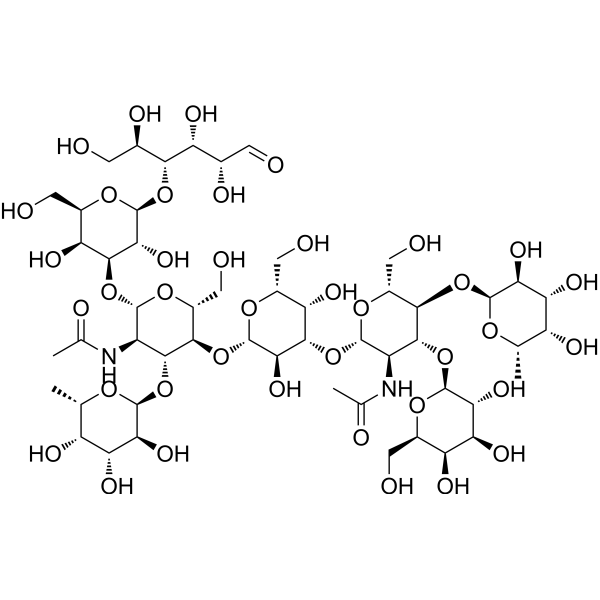
Difucosyl-para-lacto-N-hexaose II (DFpLNH II) is a biochemical reagent that can be used as a biological material or organic compound for life science related research.
|
-
- HY-W415909
-
|
4-O-α-D-glucopyranosyl-D-fructose monohydrate
|
Biochemical Assay Reagents
|
|
Maltulose monohydrate (4-O-α-D-Glucopyranosyl-D-fructose monohydrate) can be used as an energy source for bacteria. Maltulose monohydrate is a biomaterial or organic compound that can be used in life science research .
|
-
- HY-W145623
-
|
2,3,4,6-Tetra-O-benzyl-beta-D-glucopyranosyl fluoride
|
Biochemical Assay Reagents
|
|
2,3,4,6-Tetra-O-benzyl-β-D-glucopyranosyl Fluoride is a biochemical reagent that can be used as a biological material or organic compound for life science related research.
|
-
- HY-W007614
-
|
3-Fluoro-para-anisaldehyde
|
Biochemical Assay Reagents
|
|
3-Fluoro-4-methoxybenzaldehyde (3-Fluoro-para-anisaldehyde) is a drug intermediate that can be used to synthesize the fluorinated derivative of Combretastatin A-4 (HY-N2146), which has anti-cancer activity.
|
-
- HY-W145636
-
|
2,3,4,6-Tetra-O-benzyl-alpha-D-glucopyranosyl fluoride
|
Biochemical Assay Reagents
|
|
2,3,4,6-Tetra-O-benzyl-α-D-glucopyranosyl Fluoride is a biochemical reagent that can be used as a biological material or organic compound for life science related research.
|
-
- HY-W699750
-
|
|
Biochemical Assay Reagents
|
|
6-α-D-Glucopyranosyl maltotriose is a class of biochemical reagents used in glycobiology research. Glycobiology studies the structure, synthesis, biology, and evolution of sugars. It involves carbohydrate chemistry, enzymology of glycan formation and degradation, protein-glycan recognition, and the role of glycans in biological systems. This field is closely related to basic research, biomedicine, and biotechnology .
|
-
- HY-W416255
-
-
- HY-166986
-
-
- HY-W145533
-
|
|
Biochemical Assay Reagents
|
|
2,3,4,6-Tetra-O-benzyl-D-glucopyranosyl Fluoride is a biochemical reagent that can be used as a biological material or organic compound for life science related research.
|
-
- HY-W700484
-
|
|
Biochemical Assay Reagents
|
|
4-Acetylphenyl 2,3,4,6-Tetra-O-acetyl-β-D-glucopyranoside is a class of biochemical reagents used in glycobiology research. Glycobiology studies the structure, synthesis, biology, and evolution of sugars. It involves carbohydrate chemistry, enzymology of glycan formation and degradation, protein-glycan recognition, and the role of glycans in biological systems. This field is closely related to basic research, biomedicine, and biotechnology .
|
-
- HY-W414390
-
|
2-Cyclohexylethyl-4-O-(alpha-D-glucopyranosyl)-beta-D-glucopyranoside, 98%
|
Biochemical Assay Reagents
|
|
2-Cyclohexylethyl-4-O-(α-D-glucopyranosyl)-β-D-glucopyranoside, 98% (2-Cyclohexylethyl-4-O-(alpha-D-glucopyranosyl)-beta-D-glucopyranoside, 98%) is a detergent that can be used for the purification and crystallization of membrane-bound proteins in their native structure. It can self-assemble into micelles and vesicles in aqueous solution and can be used for the study of biomembrane models.
|
-
- HY-W706305
-
| Cat. No. |
Product Name |
Target |
Research Area |
-
- HY-134124
-
|
|
Reactive Oxygen Species (ROS)
|
Metabolic Disease
|
|
Glutathione ethyl ester is a cell-permeable GSH donor and provides an efficient supply of GSH to the oocyte. Glutathione ethyl ester shows positive effect on the in vitro production of embryos by enhancement of the antioxidative defense .
|
-
- HY-P10230
-
|
|
Bacterial
|
Infection
|
|
Sublancin is an antimicrobial peptide, which inhibits DNA replication, transcription and translation, without affecting membrane integrity. Sublancin suppresses glucose uptake for the competition of phosphotransferase system (PTS). Sublancin inhibits B. subtilis strain 168 ΔSPβ with MIC of 0.312 μM .
|
-
- HY-P2424
-
| Cat. No. |
Product Name |
Category |
Target |
Chemical Structure |
-
- HY-129440
-
|
|
Structural Classification
Classification of Application Fields
Carthamus tinctorius L.
Phenols
Polyphenols
Plants
Compositae
Inflammation/Immunology
Disease Research Fields
Source Classification
|
NF-κB
Toll-like Receptor (TLR)
p38 MAPK
NO Synthase
COX
ERK
Caspase
PDGFR
MyD88
Reactive Oxygen Species (ROS)
Apoptosis
|
|
N-(p-Coumaroyl) Serotonin is an orally active polyphenol found in safflower seeds with potent anti-inflammatory, antioxidant, and antitumor activities. N-(p-Coumaroyl) Serotonin suppresses NF‑κB, TLR4/MyD88 and MAPK signaling, activates NQO1/HO‑1 pathways, and inhibits pro‑inflammatory cytokines, iNOS and COX‑2 and ROS production. N-(p-Coumaroyl) Serotonin induces S‑phase arrest and apoptosis in glioblastoma cells, reduces atherosclerotic lesions, and alleviates renal and vascular injuries. N-(p-Coumaroyl) Serotonin acts as a vasodilator, regulates calcium dynamics. N-(p-Coumaroyl) Serotonin can be used for the research of neurodegenerative diseases, atherosclerosis, glioblastoma, and acute renal failure .
|
-
-
- HY-111974
-
-
-
- HY-N6964
-
-
-
- HY-N11658
-
-
-
- HY-N6958
-
-
-
- HY-W353469
-
-
-
- HY-129440R
-
|
|
Structural Classification
Carthamus tinctorius L.
Phenols
Polyphenols
Plants
Compositae
Source Classification
|
Reference Standards
PDGFR
ERK
Caspase
NF-κB
Toll-like Receptor (TLR)
p38 MAPK
NO Synthase
COX
MyD88
Reactive Oxygen Species (ROS)
Apoptosis
|
|
N-(p-Coumaroyl) Serotonin (Standard) is the analytical standard of N-(p-Coumaroyl) Serotonin (HY-129440). This product is intended for research and analytical applications. N-(p-Coumaroyl) Serotonin is an orally active polyphenol found in safflower seeds with potent anti-inflammatory, antioxidant, and antitumor activities. N-(p-Coumaroyl) Serotonin suppresses NF‑κB, TLR4/MyD88 and MAPK signaling, activates NQO1/HO‑1 pathways, and inhibits pro‑inflammatory cytokines, iNOS and COX‑2 and ROS production. N-(p-Coumaroyl) Serotonin induces S‑phase arrest and apoptosis in glioblastoma cells, reduces atherosclerotic lesions, and alleviates renal and vascular injuries. N-(p-Coumaroyl) Serotonin acts as a vasodilator, regulates calcium dynamics. N-(p-Coumaroyl) Serotonin can be used for the research of neurodegenerative diseases, atherosclerosis, glioblastoma, and acute renal failure .
|
-
-
- HY-W145693
-
-
-
- HY-N7165A
-
-
-
- HY-N6260
-
-
-
- HY-N8132
-
-
-
- HY-N7165
-
-
-
- HY-N12574
-
-
-
- HY-N9521
-
-
-
- HY-N10784
-
-
-
- HY-N2190
-
-
-
- HY-N11992
-
-
-
- HY-N9676
-
-
-
- HY-N12512
-
-
-
- HY-N3170
-
-
-
- HY-N8808
-
-
-
- HY-N3218
-
-
-
- HY-N12070
-
-
-
- HY-W411439
-
-
-
- HY-N12650
-
-
-
- HY-N13542
-
-
-
- HY-N8204
-
-
-
- HY-N1533
-
-
-
- HY-N6965
-
-
-
- HY-N15722
-
-
-
- HY-N15631
-
-
-
- HY-N4051
-
-
-
- HY-N5053
-
-
-
- HY-N17771
-
|
|
Structural Classification
Impatiens balsamina Linn.
Balsaminaceae
Phenols
Polyphenols
Plants
Source Classification
|
Endogenous Metabolite
|
|
(6-O-p-Coumaroyl)-β-D-glucopyranosyl-2-O-(4-hydroxybenzoyl)-4-O-β-D-glucopyranosyl-6-hydroxyphenylacetate is a selective α-glucosidase inhibitor (IC50=10.53 μg/mL) with anti-hepatic fibrosis and anti-diabetic properties. It also inhibits the growth of mouse hepatic stellate cells (t-HSC/Cl-6) with an IC50 of 109.2 μg/mL. (6-O-p-Coumaroyl)-β-D-glucopyranosyl-2-O-(4-hydroxybenzoyl)-4-O-β-D-glucopyranosyl-6-hydroxyphenylacetate can be isolated from the ester derivatives of Impatiens balsamina L. flowers. (6-O-p-Coumaroyl)-β-D-glucopyranosyl-2-O-(4-hydroxybenzoyl)-4-O-β-D-glucopyranosyl-6-hydroxyphenylacetate can be used in research related to hepatic fibrosis and type 2 diabetes.
|
-
-
- HY-N15694
-
-
-
- HY-N19683
-
-
-
- HY-N17762
-
-
-
- HY-W726472
-
-
-
- HY-N16993
-
-
-
- HY-N18184
-
-
-
- HY-N18185
-
-
-
- HY-N17002
-
-
-
- HY-N16930
-
-
-
- HY-N13639
-
-
-
- HY-N18220
-
-
-
- HY-N18221
-
-
-
- HY-N17398
-
-
-
- HY-N13537
-
-
-
- HY-N20632
-
-
-
- HY-N17536
-
-
- HY-N17854
-
-
- HY-N19757
-
-
- HY-N19769
-
-
- HY-N17162
-
-
| Cat. No. |
Product Name |
Chemical Structure |
-
- HY-146992S
-
|
|
|
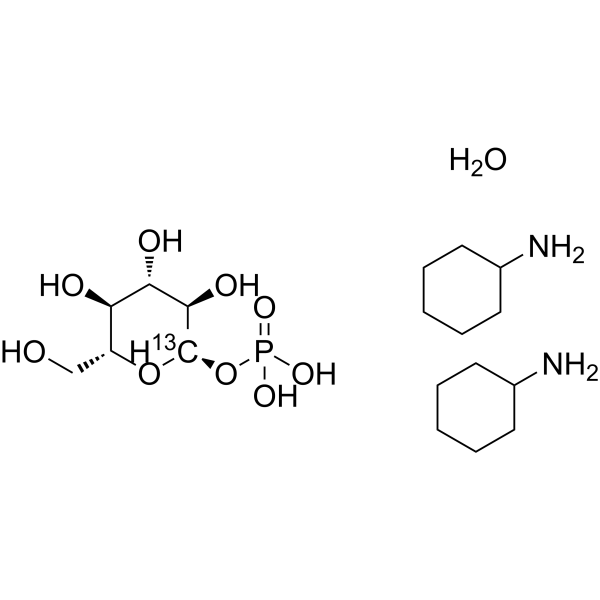
α-D-Glucopyranosyl 1-phosphate- 13C (dicyclohexylamine, monohydrate) is the 13C labeled α-D-Glucopyranosyl 1-phosphate .
|
-
-
- HY-W750432
-
|
|
|
Para red-d6 is a deuterated labeled Para red.
|
-
-
- HY-W588258S1
-
|
|
|
Para-topolin-d4 is deuterium labeled Para-topolin .
|
-
-
- HY-W739835
-
|
|
|
Para Red-d4 is the deuterium labeled Para Red .
|
-
-
- HY-W754831
-
|
|
|
β-D-Glucopyranosyl abscisate-d6 (ABA-GE-d6) is the deuterium labeled β-D-Glucopyranosyl abscisate (HY-111974). β-D-Glucopyranosyl abscisate (ABA-GE) is a hydrolyzable?abscisic acid?(ABA) conjugate that accumulates in the vacuole and presumably also in the endoplasmic reticulum. The deconjugation of β-D-Glucopyranosyl abscisate allows the rapid formation of free ABA in response to abiotic stress conditions such as dehydration and salt stress. β-D-Glucopyranosyl abscisate contributes to the maintenance of ABA homeostasis.
|
-
| Cat. No. |
Product Name |
|
Classification |
-
- HY-147079
-
|
ARC 1779
|
|
Aptamers
|
|
Egaptivon pegol (ARC1779) is an aptamer, which blocks binding of the von Willebrand Factor (VWF) to platelet GPIb receptors. Egaptivon pegol has anti-thrombotic efficacy.
|
Your information is safe with us. * Required Fields.
Inquiry Information
- Product Name:
- Cat. No.:
- Quantity:
- MCE Japan Authorized Agent:





![3-O-β-D-Glucopyranosyl(1→2)-[a-Lrhamnopyranosyl(1→3)]-β-D-glucopyranosyl 28-O-β-D-glucuronopyranoside](http://file.medchemexpress.com/product_pic/hy-n9521.gif)
![4-Sulfocalix[4]arene](http://file.medchemexpress.com/product_pic/hy-w440555.gif)
![Kaempferol-3-O-[2″,6″-di-O-E-p-coumaroyl]-β-D-glucopyranoside](http://file.medchemexpress.com/product_pic/hy-n10784.gif)


![Periplogenin 3-[O-β-glucopyranosyl-(1→4)-β-sarmentopyranoside]](http://file.medchemexpress.com/product_pic/hy-n5053.gif)
![2-O-[2-(Acetylamino)-2-deoxy-β-D-glucopyranosyl]-D-mannose](http://file.medchemexpress.com/product_pic/hy-166986.gif)


![3-O-[2-Acetamido-2-deoxy-β-D-glucopyranosyl]-D-mannopyranose](http://file.medchemexpress.com/product_pic/hy-w706305.gif)

![Phenylmethyl O-β-D-glucopyranosyl-(1→3)-O-[β-D-xylopyranosyl-(1→2)]-β-D-glucopyranoside](http://file.medchemexpress.com/product_pic/hy-n19769.gif)





