1. Search Result
Search Result
Results for "

Bcl-2-IN-2

" in MedChemExpress (MCE) Product Catalog:

57

Inhibitors & Agonists

9

Natural
Products

1

Isotope-Labeled Compounds

6

Oligonucleotides

Cat. No. Product Name Target Research Areas Chemical Structure
  • HY-50907
    ABT-737
    Maximum Cited Publications
    69 Publications Verification

    Bcl-2 Family Apoptosis Autophagy Mitophagy Inflammation/Immunology Cancer
    ABT-737, a BH3 mimetic, is a potent Bcl-2, Bcl-xL and Bcl-w inhibitor with EC50s of 30.3 nM, 78.7 nM, and 197.8 nM, respectively. ABT-737 induces the disruption of the BCL-2/BAX complex and BAK-dependent but BIM-independent activation of the intrinsic apoptotic pathway. ABT-737 induces autophagy and has the potential for acute myeloid leukemia (AML) research .
    ABT-737
  • HY-N0171A
    Beta-Sitosterol (purity>98%)
    15+ Cited Publications

    β-Sitosterol (purity>98%); 22,23-Dihydrostigmasterol (purity>98%)

    Bacterial Apoptosis Reactive Oxygen Species (ROS) MDM-2/p53 Caspase PARP MMP Bcl-2 Family HIF/HIF Prolyl-Hydroxylase TNF Receptor Interleukin Related NF-κB mTOR Lactate Dehydrogenase CDK Glutathione Peroxidase SOD Infection Cardiovascular Disease Inflammation/Immunology Cancer
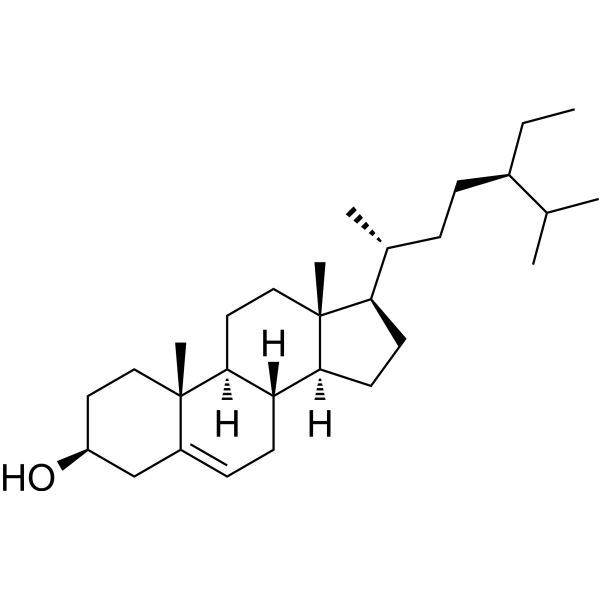
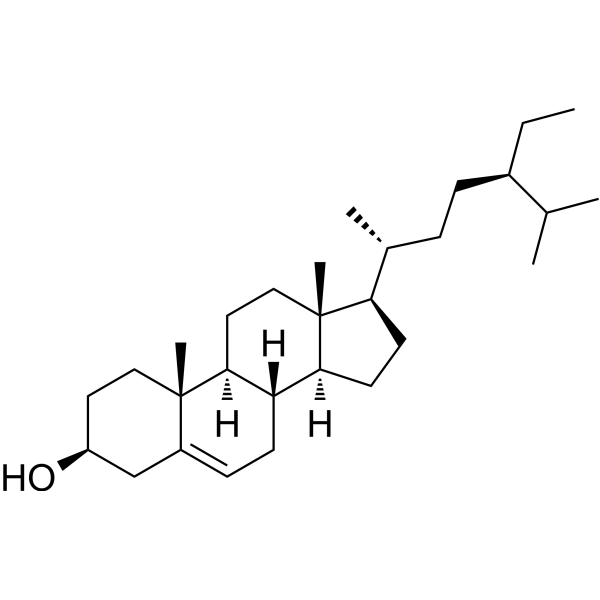
    Beta-Sitosterol (purity>98%) is orally active. Beta-Sitosterol exhibits multiple activities, including anti-inflammatory, anticancer, antioxidant, antimicrobial, antidiabetic, antioxidant enzyme, and analgesic. Beta-Sitosterol inhibits inflammation and impaired adipogenesis in bovine mammary epithelial cells by reducing levels of ROS, TNF-α, IL-1β, and NF-κB p65 and restoring the activity of the HIF-1α/mTOR signaling pathway. Beta-Sitosterol induces apoptosis in cancer cells through ROS-mediated mitochondrial dysregulation and p53 activation. Beta-Sitosterol exerts its anticancer effects in cancer cells by activating caspase-3, caspase-8, and caspase-9, mediating PARP inactivation, MMP loss, altered Bcl-2-Bax ratio, and cytochrome c release. Beta-Sitosterol modulates macrophage polarization and reduces rheumatoid inflammation in mice. Beta-Sitosterol inhibits tumor growth in multiple mouse cancer models. Beta-Sitosterol can be used in the research of arthritis, lung cancer, breast cancer and other cancers, diabetes, etc .
    Beta-Sitosterol (purity>98%)
  • HY-N0171
    Beta-Sitosterol (purity>80%)
    20+ Cited Publications

    Apoptosis Endogenous Metabolite Cardiovascular Disease Inflammation/Immunology Cancer
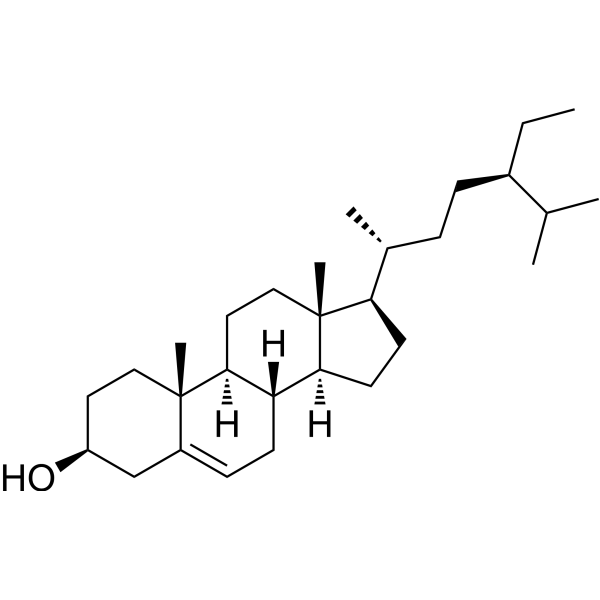
    Beta-Sitosterol (purity≥80%) is orally active. Beta-Sitosterol exhibits multiple activities, including anti-inflammatory, anticancer, antioxidant, antimicrobial, antidiabetic, antioxidant enzyme, and analgesic. Beta-Sitosterol inhibits inflammation and impaired adipogenesis in bovine mammary epithelial cells by reducing levels of ROS, TNF-α, IL-1β, and NF-κB p65 and restoring the activity of the HIF-1α/mTOR signaling pathway. Beta-Sitosterol induces apoptosis in cancer cells through ROS-mediated mitochondrial dysregulation and p53 activation. Beta-Sitosterol exerts its anticancer effects in cancer cells by activating caspase-3, caspase-8, and caspase-9, mediating PARP inactivation, MMP loss, altered Bcl-2-Bax ratio, and cytochrome c release. Beta-Sitosterol modulates macrophage polarization and reduces rheumatoid inflammation in mice. Beta-Sitosterol inhibits tumor growth in multiple mouse cancer models. Beta-Sitosterol can be used in the research of arthritis, lung cancer, breast cancer and other cancers, diabetes, etc .
    Beta-Sitosterol (purity>80%)
  • HY-126741
    Azadirachtin
    2 Publications Verification

    Environmental Pollutants Parasite Caspase NF-κB Apoptosis Bcl-2 Family Infection Inflammation/Immunology Cancer
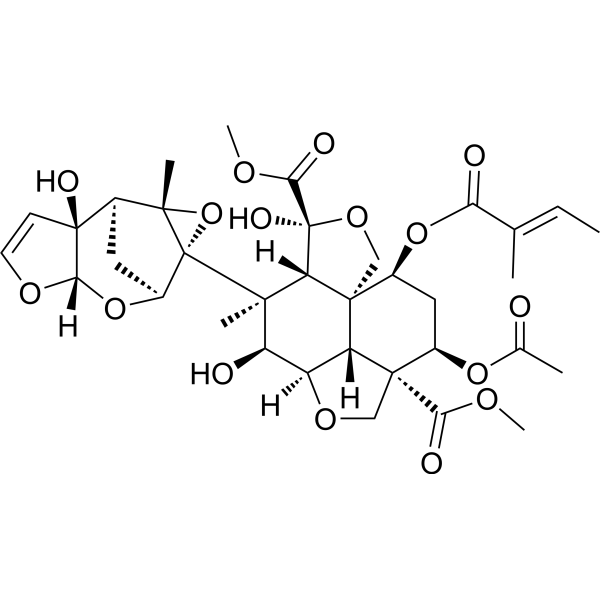
    Azadirachtin is an oral active triterpenoid compound with anticancer, antimalarial, anti-inflammatory, and insecticidal activities. Azadirachtin induces cell apoptosis through the mitochondrial pathway (by inhibiting Bcl-2/Bax ratio or activating Apaf-1 and caspase-3) or through death receptors (by inhibiting TNFR activation). Additionally, Azadirachtin exerts its anti-inflammatory effects by inhibiting NF-кB signaling pathway activation, and it exhibits insecticidal activity by inducing apoptosis in insect cells .
    Azadirachtin
  • HY-112416
    AZD4320
    5 Publications Verification

    Bcl-2 Family Cancer
    AZD4320 is a novel BH3-mimicking dual BCL2/BCLxL inhibitor with IC50s of 26 nM, 17 nM, and 170 nM for KPUM-MS3, KPUM-UH1, and STR-428 cells, respectively.
    AZD4320
  • HY-103243
    TCPOBOP
    4 Publications Verification

    Bcl-2 Family Cancer
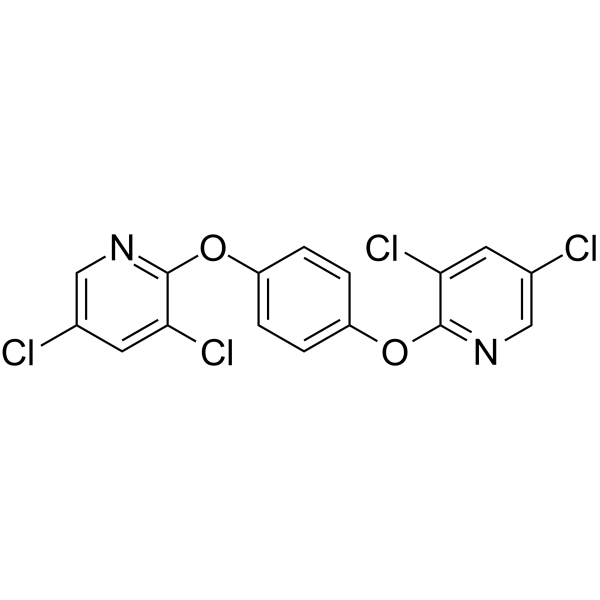
    TCPOBOP is a constitutive androstane receptor (CAR) agonist that induces robust hepatocyte proliferation and hepatomegaly without any liver injury or tissue loss . TCPOBOP attenuates Fas-induced murine liver injury by altering Bcl-2 proteins .
    TCPOBOP
  • HY-10969
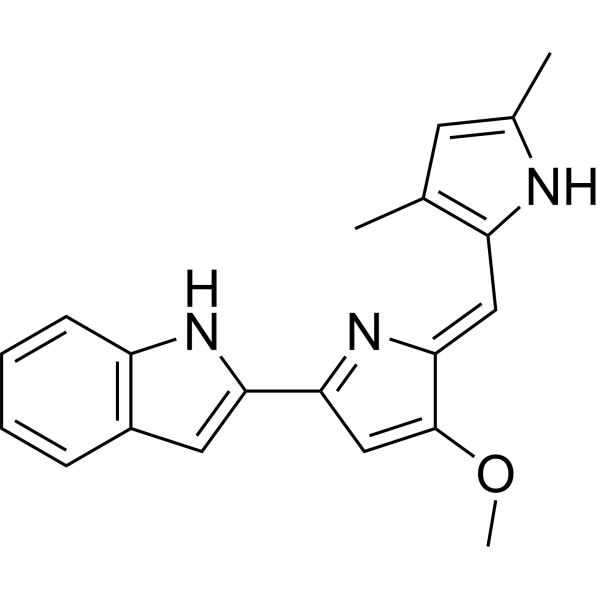
    Obatoclax Mesylate
    10+ Cited Publications

    GX15-070 Mesylate

    Bcl-2 Family Autophagy Parasite Infection Cancer
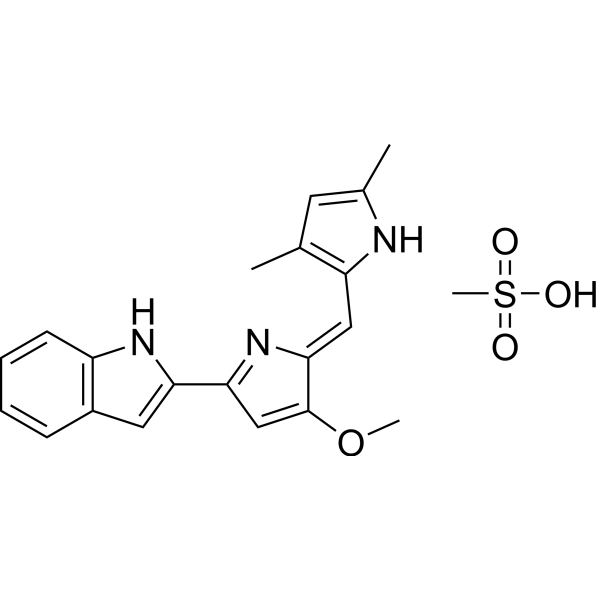
    Obatoclax Mesylate (GX15-070 Mesylate), a BH3 mimetic, is a pan-BCL-2 family proteins inhibitor with a Ki of 220 nM for BCL-2 . Obatoclax Mesylate induces autophagy-dependent cell death and targets cyclin D1 for proteasomal degradation. Obatoclax Mesylate has anti-cancer and broad-spectrum antiparasitic activity .
    Obatoclax Mesylate
  • HY-12875

    Ras Cancer
    BQU57 is a selective inhibitor of RalA/RalB small GTPases, with a binding potency (Kb) of 7.7 μM for RalB-GDP. BQU57 can block its interaction with effector proteins (such as SEC5 and EXO84), inhibiting tumor cell migration, invasion and non-adherent growth. BQU57 downregulates the NF-κB signaling pathway, reduces the expression of IL-6, IL-8 and MMP-13, and inhibits apoptosis by regulating the Bcl-2/Bax balance. BQU57 also protects the extracellular matrix by inhibiting the Ral/NF-κB pathway and can be used for the study of degenerative diseases. BQU57 exhibits significant antitumor activity in triple-negative breast cancer (TNBC) models, inhibiting orthotopic tumor growth and lung metastasis and enhancing paclitaxel chemotherapy sensitivity .
    BQU57
  • HY-109185
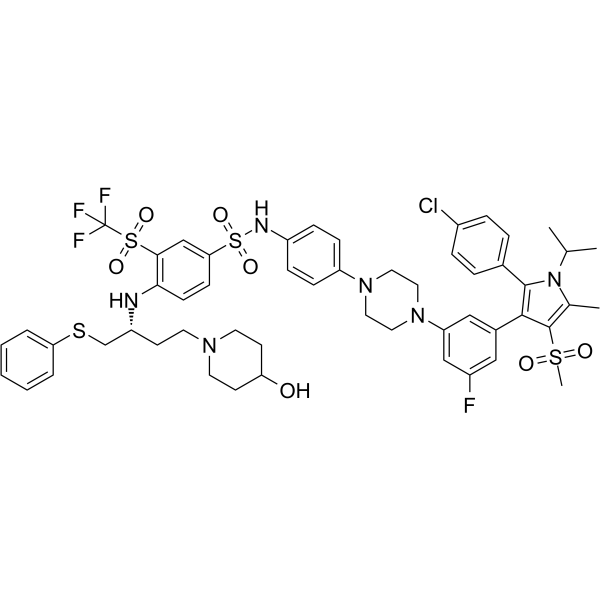
    Pelcitoclax
    1 Publications Verification

    APG-1252

    Bcl-2 Family Apoptosis Cancer
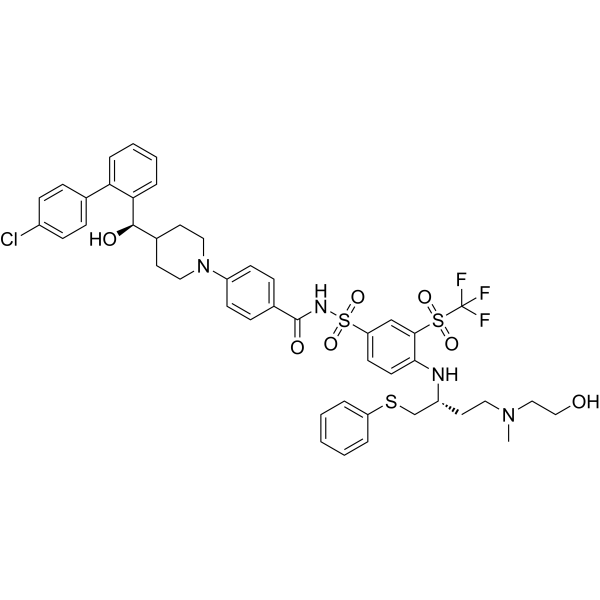
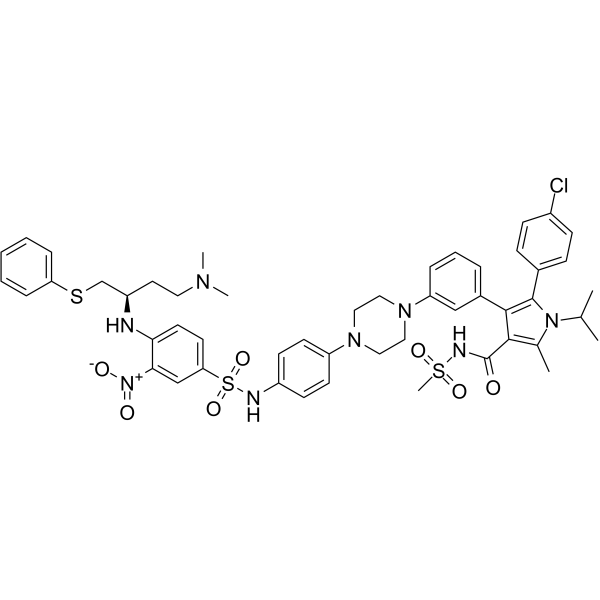
    Pelcitoclax (APG-1252) is a potent Bcl-2/Bcl-xl inhibitor with antineoplastic and pro-apoptotic effects .
    Pelcitoclax
  • HY-N0863

    NSC-698790; Smilax saponIN B

    Bcl-2 Family Apoptosis Akt c-Myc ERK p38 MAPK JNK FOXO Cancer
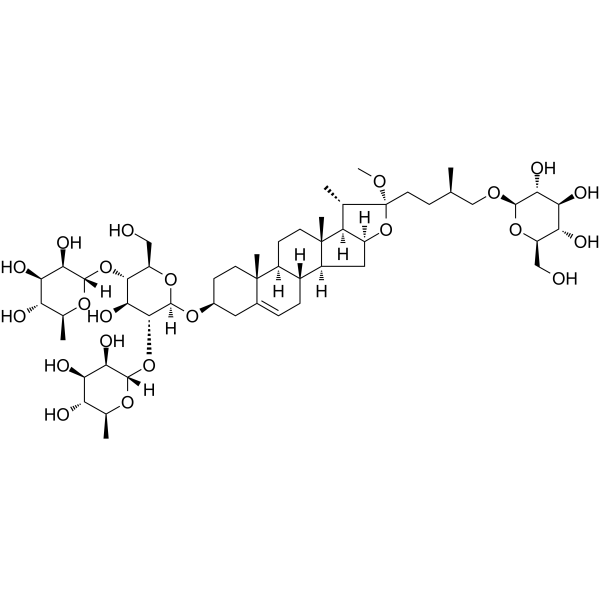
    Methyl protodioscin (NSC-698790; Smilax saponin B) is a multi-target, selective, steroidal diglycoside inhibitor with antitumor activity that induces cell cycle arrest. The mechanism of action of Methyl protodioscin is complex, involving the induction of G2/M cell cycle arrest, regulation of the Bcl-2/Bax apoptotic pathway, inhibition of the Akt1/c-Myc axis and MAPK/ERK signaling, while simultaneously downregulating ADAM15 and inducing FOXO1 to reduce cholesterol synthesis. It also inhibits the JNK/c-Jun pathway, reducing the production of inflammatory factors (IL-6, TNF-α). Methyl protodioscin exhibits significant antitumor (inhibiting proliferation, migration, invasion, and inducing apoptosis), anti-inflammatory, and anti-restenosis activities. Methyl protodioscin can be used in research on lung cancer, prostate cancer, pancreatic cancer, and other tumors, as well as inflammatory diseases such as airway inflammation and enteritis .
    Methyl protodioscin
  • HY-N0171R
    Beta-Sitosterol (Standard)
    5+ Cited Publications

    β-Sitosterol (Standard); 22,23-Dihydrostigmasterol (Standard))

    Reference Standards Apoptosis Endogenous Metabolite Cardiovascular Disease Inflammation/Immunology Cancer
    Beta-Sitosterol (Standard) is the analytical standard of Beta-Sitosterol. This product is intended for research and analytical applications. Beta-Sitosterol (purity≥80%) is orally active. Beta-Sitosterol exhibits multiple activities, including anti-inflammatory, anticancer, antioxidant, antimicrobial, antidiabetic, antioxidant enzyme, and analgesic. Beta-Sitosterol inhibits inflammation and impaired adipogenesis in bovine mammary epithelial cells by reducing levels of ROS, TNF-α, IL-1β, and NF-κB p65 and restoring the activity of the HIF-1α/mTOR signaling pathway. Beta-Sitosterol induces apoptosis in cancer cells through ROS-mediated mitochondrial dysregulation and p53 activation. Beta-Sitosterol exerts its anticancer effects in cancer cells by activating caspase-3, caspase-8, and caspase-9, mediating PARP inactivation, MMP loss, altered Bcl-2-Bax ratio, and cytochrome c release. Beta-Sitosterol modulates macrophage polarization and reduces rheumatoid inflammation in mice. Beta-Sitosterol inhibits tumor growth in multiple mouse cancer models. Beta-Sitosterol can be used in the research of arthritis, lung cancer, breast cancer and other cancers, diabetes, etc.
    Beta-Sitosterol (Standard)
  • HY-33350
    Clofilium tosylate
    1 Publications Verification

    Potassium Channel Apoptosis Cardiovascular Disease Cancer
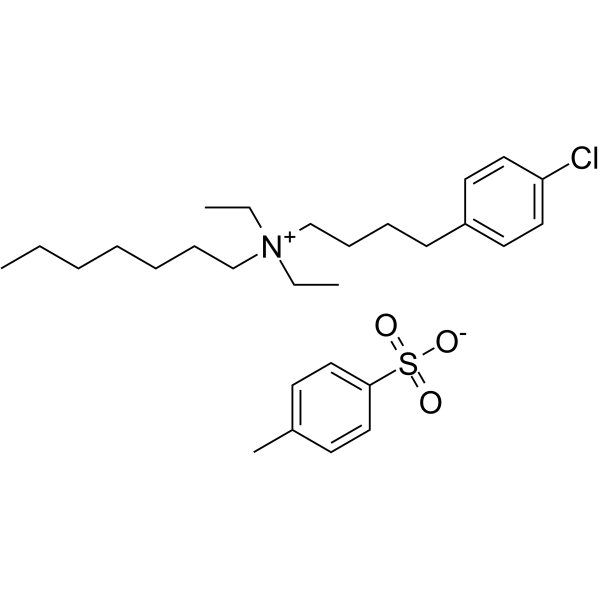
    Clofilium tosylate, a potassium channel blocker, induces apoptosis of human promyelocytic leukemia (HL-60) cells via Bcl-2-insensitive activation of caspase-3. Antiarrhythmic agent .
    Clofilium tosylate
  • HY-12011
    HA14-1
    2 Publications Verification

    Bcl-2 Family Cancer
    HA14-1 is a Bcl-2/Bcl-XL antagonist. HA14-1 binds the designated pocket on Bcl-2 with the IC50 of ≈9 μM in competing with the Bcl-2 binding of Flu-BakBH3, and inhibits its function.
    HA14-1
  • HY-129700

    Bcl-2 Family Cancer
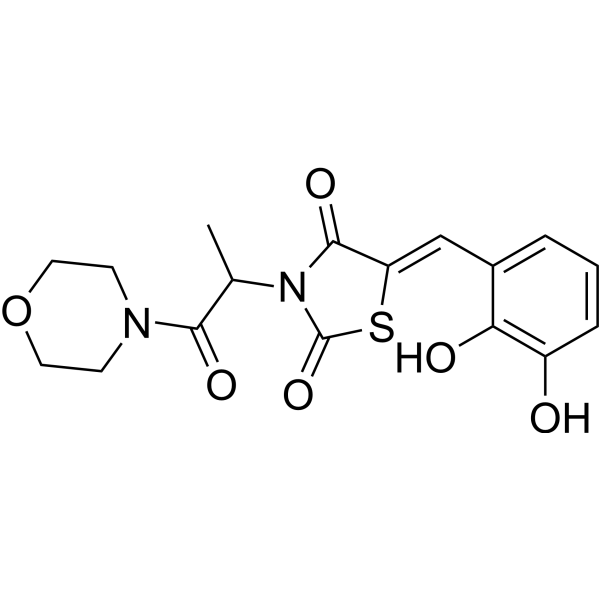
    MCL-1/BCL-2-IN-2 (Compound 6) is a potent and selective Mcl-1 and Bcl-2 dual inhibitor .
    MCL-1/BCL-2-IN-2
  • HY-132307

    Bcl-2 Family Apoptosis Cancer
    Mcl-1 inhibitor 6 is an orally active, selective myeloid cell leukemia 1 (Mcl-1) protein inhibitor with a Kd of 0.23 nM and a Ki of 0.02 μM. Mcl-1 inhibitor 6 possesses superior selectivity over other Bcl-2 family members (Bcl-2, Bcl2A1, Bcl-xL, and Bcl-w, Kd>10 μM). Mcl-1 inhibitor 6 is a potent antitumor agent .
    Mcl-1 inhibitor 6
  • HY-B0877
    Halcinonide
    1 Publications Verification

    SQ-18566

    Smo Caspase RAR/RXR CDK Cardiovascular Disease Neurological Disease Inflammation/Immunology
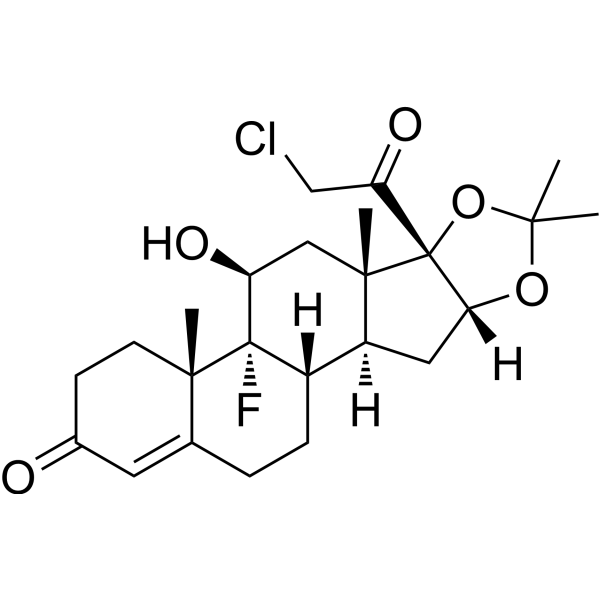
    Halcinonide (SQ-18566) is an orally active Smoothened (Smo) agonist. Halcinonide activates the Hedgehog signaling pathway by binding to Smo and promoting its internalization and expression, thereby activating Gli transcription factors. Halcinonide not only stimulates cell proliferation, increases the expression of cyclin D2/CDK6 and inhibits the degradation of caspase-3, but also suppresses Bcl-2/Bax-mediated apoptosis, oxidative stress and inflammatory responses. Halcinonide activates RxRγ to upregulate the expression of myelin genes, thereby reducing cerebral infarction and improving behavioral deficits. Halcinonide has been used in studies related to multiple sclerosis and ischemic stroke .
    Halcinonide
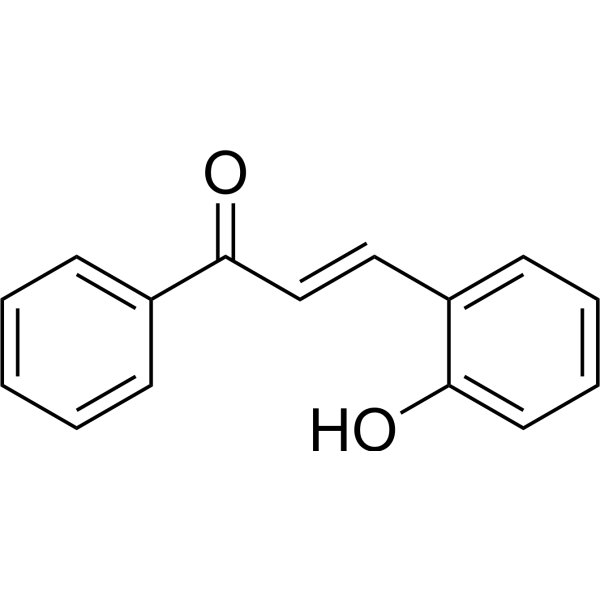
  • HY-119931

    Bcl-2 Family Apoptosis NF-κB Parasite Metabolic Disease Cancer
    2-hydroxychalcone, a natural flavonoid, is a potent antioxidant, inhibiting lipid peroxidation. 2-Hydroxychalcone induces apoptosis by Bcl-2 downregulation. 2-Hydroxychalcone inhibits the activation of NF-kB .
    2-Hydroxychalcone
  • HY-120882

    UBX1967

    Bcl-2 Family Cancer
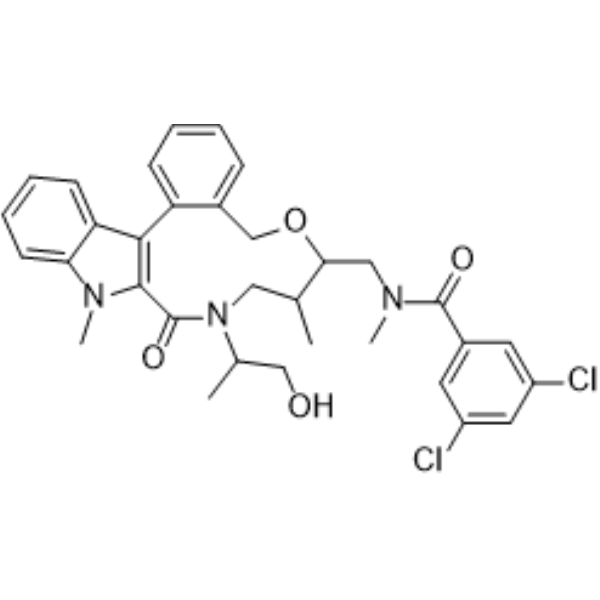
    BM-1197 (UBX1967) is a potent and selective inhibitor of dual Bcl-2/Bcl-xL, with IC50s of 3.5 nM and 5.2 nM for Bcl-2 and Bcl-xL, respectively. BM-1197 exhibits antitumor effects both in vitro and in vivo .
    BM-1197
  • HY-161410

    PROTACs Apoptosis Bcl-2 Family Cancer
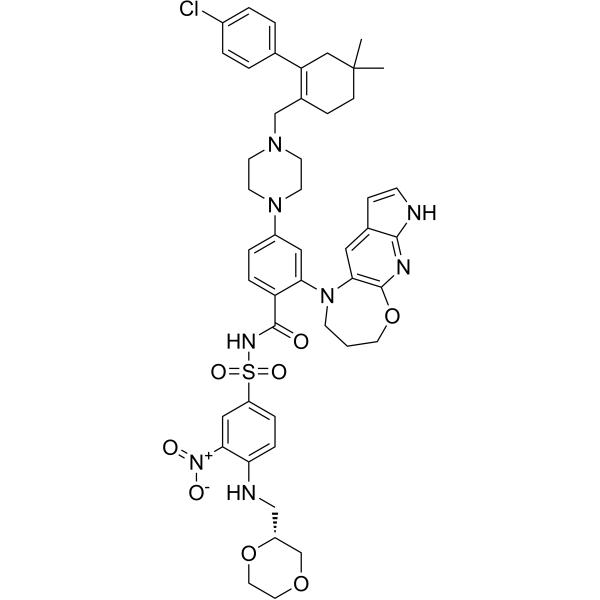
    WH244 is a second generation BCL-2 and BCL-xL dual depressant (PROTAC). The primary activity of WH244 is the specific degradation of BCL-2 and BCL-xL proteins (BCL-xL: DC50=0.6 nM, BCL-2: DC50=7.4 nM). WH244 promotes their ubiquitination and subsequent proteasome degradation by targeting these proteins, thereby restoring the cell's apoptosis pathway. WH244 has good antitumor activity. (Pink: BCL-2/BCL-xL ligand (HY-161415); Blue: E3 ligase ligand (HY-112078); Black: linker) .
    WH244
  • HY-129681

    Bcl-2 Family Cancer
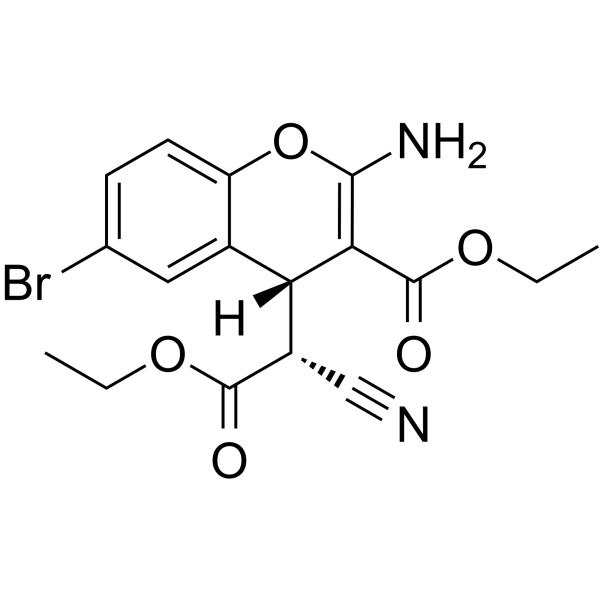
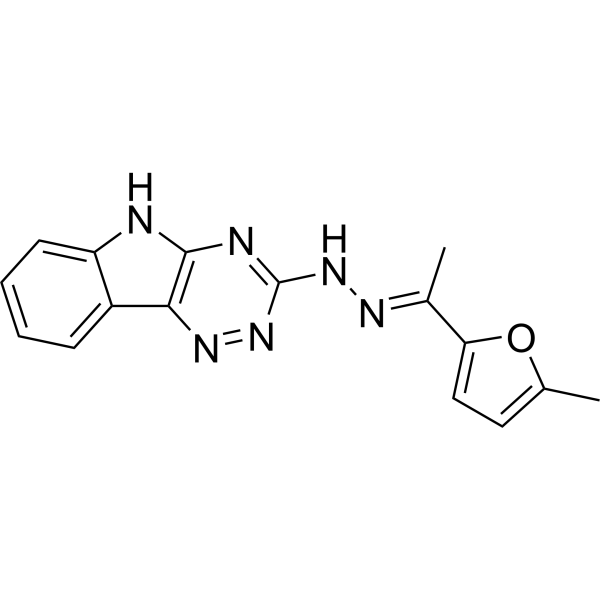
    MCL-1/BCL-2-IN-2 (Compound Nap-1) is a potent and selective Mcl-1 and Bcl-2 dual inhibitor with IC50s of 4.45 and 3.18 μM, respectively .
    MCL-1/BCL-2-IN-1
  • HY-10969A
    Obatoclax
    10+ Cited Publications

    GX15-070

    Bcl-2 Family Autophagy Parasite Infection Cancer
    Obatoclax (GX15-070), a BH3 mimetic, is a pan-BCL-2 family proteins inhibitor with a Ki of 220 nM for BCL-2 . Obatoclax induces autophagy-dependent cell death and targets cyclin D1 for proteasomal degradation. Obatoclax has anti-cancer and broad-spectrum antiparasitic activity .
    Obatoclax
  • HY-156278

    Apoptosis Autophagy Cancer
    FB49 is a highly selective inhibitor of Bcl-2-associated athanogene 3 (BAG3), with the Ki of 45 μM. FB49 inhibits the cell growth in human tumoral cells, but has no toxicity in human peripheral mononuclear cells. FB49 block cell cycle in G1 phase and to induce apoptosis as well as autophagy in medulloblastoma HD-MB03 treated cells .
    FB49
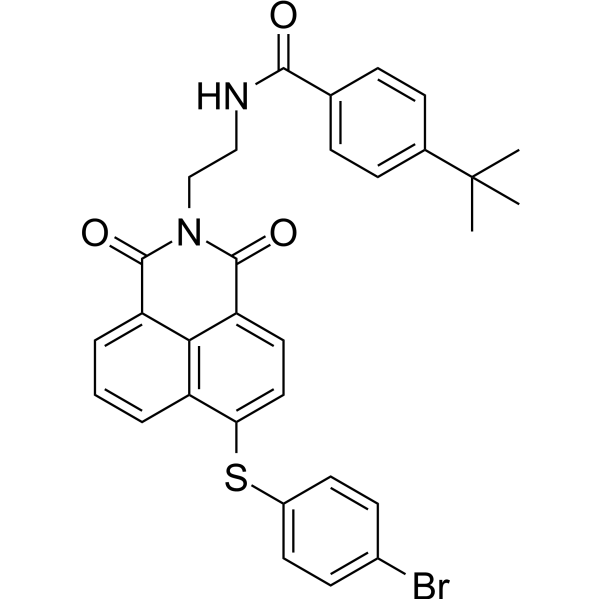
  • HY-131247

    Bcl-2 Family Inflammation/Immunology Cancer
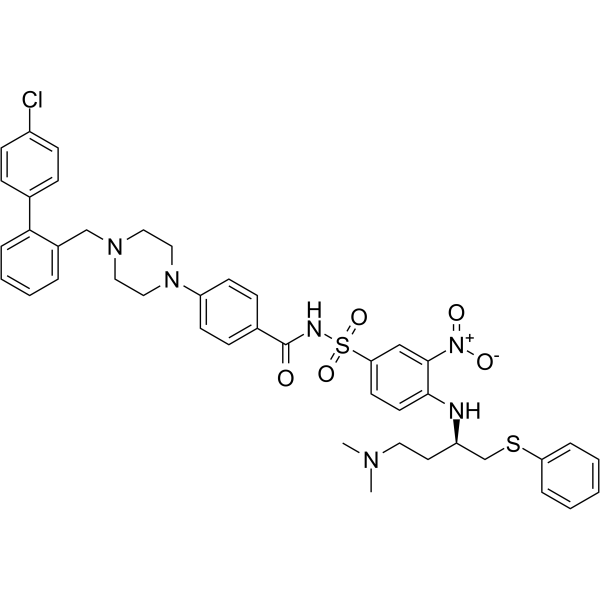
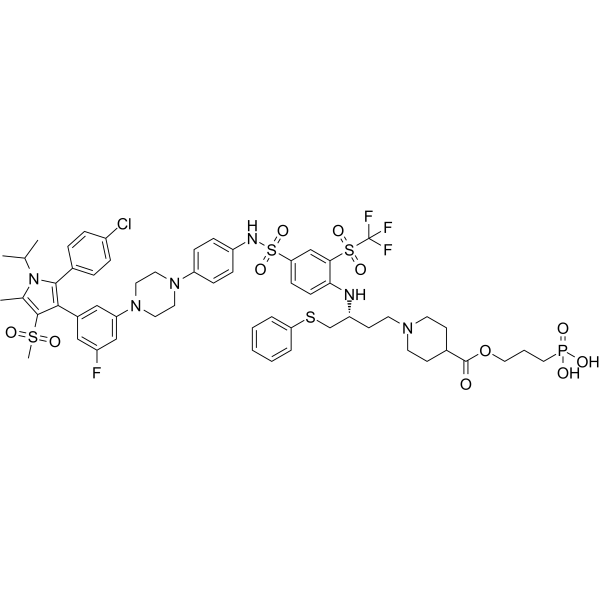
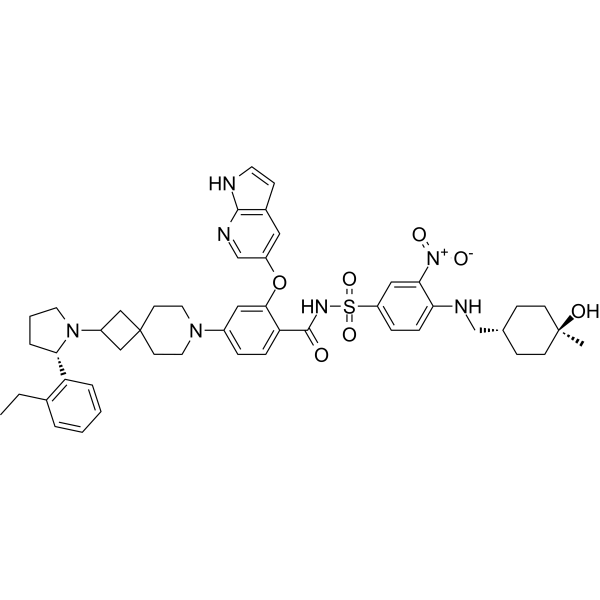
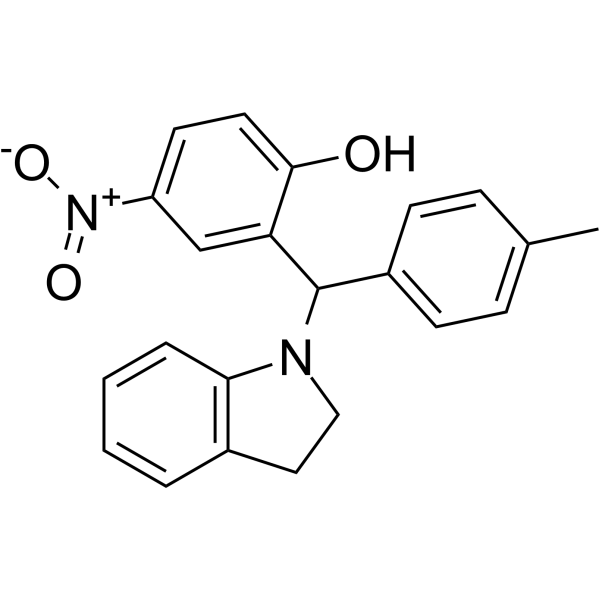
    Bcl-2-IN-2 is a potent and selective Bcl-2 inhibitor with an IC50 of 0.034 nM and also inhibits Bcl-xL with an IC50 of 43 nM, showing >1000-fold selectivity for Bcl-2 over Bcl-xL .
    Bcl-2-IN-2
  • HY-157176

    Bcl-2 Family Others
    BAX-IN-1 is a potential, selective inhibitor of Bcl-2-associated X protein (BAX).
    BAX-IN-1
  • HY-147929

    Apoptosis Caspase Bcl-2 Family Cancer
    Apoptotic agent-3 (compound 15f) promotes apoptosis through the potential mitochondria-mediated Bcl-2/Bax pathway and activation of the Caspase 3 pathway. Apoptotic agent-3 exhibits anti-proliferative activities and can be used for cancer research .
    Apoptotic agent-3
  • HY-125191

    Bcl-2 Family Beclin1 Cancer
    BRD1991 selectively disrupts Beclin 1/Bcl-2 binding and induces autophagy without triggering apoptosis or other forms of cell death .
    BRD1991
  • HY-175342

    LOXO-338

    Bcl-2 Family Cancer
    FCN-338 (LOXO-338) is an orally active and selective Bcl-2 inhibitor with an IC50 of 4.5 nM for Bcl-2/BAK interaction. FCN-338 potently inhibits tumor growth in follicular lymphoma (FL), acute myeloid leukemia (AML), and acute lymphoblastic leukemia (ALL) xenograft mice model without significant weight loss. FCN-338 has a broad-spectrum anti-cancer activity, such as FL, CLL/SLL, AML, and ALL .
    FCN-338
  • HY-149681

    Bcl-2 Family Beclin1 Neurological Disease Cancer
    Beclin1-Bcl-2 interaction inhibitor 1 is a Beclin1 and Bcl-2 interaction inhibitor with an IC50 value of 4.4 nM. Beclin1-Bcl-2 interaction inhibitor 1 disrupts the binding of the Bcl-2-Beclin 1 BH3 domain. Beclin1-Bcl-2 interaction inhibitor 1 can be used in the research of cancer and neurodegenerative diseases .
    Beclin1-Bcl-2 interaction inhibitor 1
  • HY-143235

    Epigenetic Reader Domain Apoptosis Bcl-2 Family Caspase c-Myc Cancer
    BRD4 Inhibitor-15 (compound 13) is a potent BRD4 inhibitor, with an IC50 of 18 nM. BRD4 Inhibitor-15 induces apoptosis of 22RV1 cells by regulating Bcl-2/Bax proteins and activating caspase-3 signaling pathway. BRD4 Inhibitor-15 down-regulates the c-Myc level in 22RV1 cells. BRD4 Inhibitor-15 can be used for prostate cancer research .
    BRD4 Inhibitor-15
  • HY-123244

    Bcl-2 Family Apoptosis Cancer
    YC137 is a potent Bcl-2 antagonist with Kis of 1.3 μM and >100 μM for Bcl-2 and Bcl-xL when assayed in Bis-Tris buffer, respectively. YC137 inhibits the binding of the Bid BH3 peptide to Bcl-2, thus disrupting an interaction essential for the antiapoptotic activity of Bcl-2. YC137 selectively induces apoptosis of Bcl-2-dependent cells. YC137 has the potential for breast cancer research .
    YC137
  • HY-178942

    VEGFR EGFR Apoptosis Bcl-2 Family Caspase MDM-2/p53 Cancer
    EGFR/VEGFR2-IN-9 (Compound 9b) is an inhibitor of VEGFR-2 (IC50 = 1.325 μM) and EGFR (IC50 = 1.891 μM). EGFR/VEGFR2-IN-9 significantly inhibits the proliferation of multiple cancer cell lines, particularly leukemia cells. EGFR/VEGFR2-IN-9 upregulates the expression levels of Bax, caspase-3, and p53, while downregulating the expression of Bcl-2. EGFR/VEGFR2-IN-9 induces apoptosis and arrests the cell cycle in the G1 phase. EGFR/VEGFR2-IN-9 can be used to investigate anti-tumor angiogenesis and multi-drug resistant cancers .
    EGFR/VEGFR2-IN-9
  • HY-161577

    Bcl-2 Family Cancer
    BFC1103 is a small-molecule compound whose primary mechanism of action involves interaction with a specific domain of Bcl-2, particularly its loop domain. This interaction induces a conformational change in Bcl-2, exposing its BH3 (Bcl-2 homology 3) domain, thereby switching Bcl-2's function from anti-apoptotic to pro-apoptotic. The cell death induced by BFC1103 is dependent on the presence of Bax or Bak, both of which are key proteins involved in the intrinsic apoptotic pathway mediated by mitochondria. BFC1103 has successfully inhibited lung metastasis of triple-negative breast cancer in mouse models. It can be utilized in studying the roles of Bcl-2 family proteins in cancer development and how they impact the survival and proliferation of cancer cells .
    BFC1103
  • HY-170820

    Molecular Glues Bcl-2 Family CDK EGFR HSP Androgen Receptor c-Myc Cancer
    XYD049 is a CRBN-based molecular glue degrader targeting GSPT1, with a DC50 of 19 nM. XYD049 mediates the formation of a ternary complex between CRBN and GSPT1, thereby triggering CRBN- and proteasome-dependent degradation of GSPT1. By degrading GSPT1, XYD049 downregulates castration-resistant prostate cancer (CRPC)-related oncogenes, including BCL2, CDK2, E2F3, EGFR, HSP90B1, TMPRSS2, AR, AR-V7, PSA and c-Myc. XYD049 inhibits cancer cell growth and suppresses tumor growth in mice. XYD049 can be used for research on castration-resistant prostate cancer. XYD049 consists of a linker (black part) NH2-C5-NH-Boc (HY-W004710), a CRBN-based E3 ligase ligand (blue part) Thalidomide 4-fluoride (HY-41547), and a target protein ligand (red part) GSPT1 ligand-1 (HY-170821), among which the E3 ligase ligand plus linker forms the conjugate E3 Ligase Ligand-linker Conjugate 158 (HY-170822) .
    XYD049
  • HY-RS01434

    Small Interfering RNA (siRNA) Bcl-2 Family Others

    BCL2L2 Human Pre-designed siRNA Set A contains three designed siRNAs for BCL2L2 gene (Human), as well as a negative control, a positive control, and a FAM-labeled negative control.

    BCL2L2 Human Pre-designed siRNA Set A
    BCL2L2 Human Pre-designed siRNA Set A
  • HY-RS01435

    Small Interfering RNA (siRNA) Bcl-2 Family Others

    Bcl2l2 Mouse Pre-designed siRNA Set A contains three designed siRNAs for Bcl2l2 gene (Mouse), as well as a negative control, a positive control, and a FAM-labeled negative control.

    Bcl2l2 Mouse Pre-designed siRNA Set A
    Bcl2l2 Mouse Pre-designed siRNA Set A
  • HY-RS01436

    Small Interfering RNA (siRNA) Bcl-2 Family Others

    Bcl2l2 Rat Pre-designed siRNA Set A contains three designed siRNAs for Bcl2l2 gene (Rat), as well as a negative control, a positive control, and a FAM-labeled negative control.

    Bcl2l2 Rat Pre-designed siRNA Set A
    Bcl2l2 Rat Pre-designed siRNA Set A
  • HY-161100

    Apoptosis Cancer
    BDM19 binds and activates cytosolic BAX dimers, and prompts cell apoptosis either alone or in combination with BCL-2/BCL-XL inhibitor Navitoclax (HY-10087) .
    BDM19
  • HY-162820

    Bcl-2 Family Cancer
    Bcl-2-IN-21 (compound C1) is an iridium compound with anticancer activity that targets and inhibits Bcl-2. Bcl-2-IN-21 inhibits colony formation of cancer cells and induces elevated levels of Bax and caspase 3 .
    Bcl-2-IN-21
  • HY-12011A

    Bcl-2 Family
    (Rac)-HA14-1 is the racemic form of HA14-1 (HY-12011). HA14-1 is a Bcl-2/Bcl-xL antagonist with an IC50 of approximately 9 μM against Bcl-2 .
    (Rac)-HA14-1
  • HY-162148

    EGFR Cancer
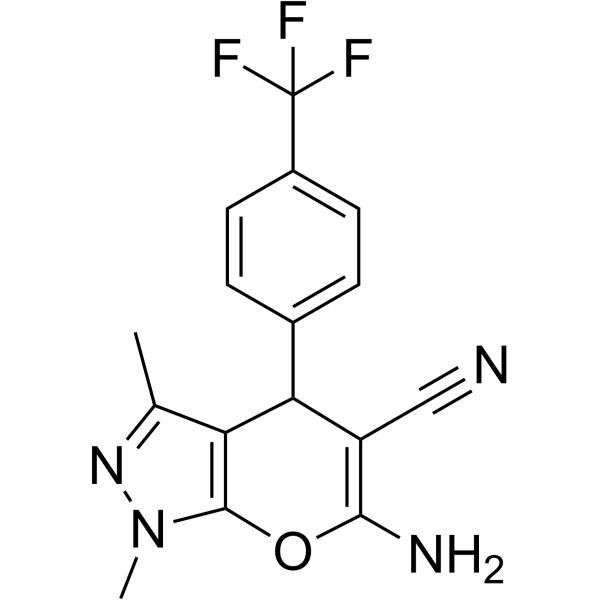
    HNPMI is an inhibitor of EGFR and has cytotoxic effects on tumor cells. HNPMI can downregulate the protein levels of osteopontin, survivin and cathepsin S, leading to apoptosis. HNPMI also regulates BCL-2/BAX and p53 in CRC cell lines to inhibit tumorigenesis .
    HNPMI
  • HY-155188

    Bcl-2 Family Neurological Disease
    NWP-0476 is BCL-2/BCL-xL inhibitor. NWP-0476 has a modified structure with fine-tuned BCL-xL activity. NWP-0476 can be used for relapsed T-acute lymphoblastic leukemia (T-ALL) research .
    NWP-0476
  • HY-103243R

    Reference Standards Bcl-2 Family Cancer
    TCPOBOP (Standard) is the analytical standard of TCPOBOP. This product is intended for research and analytical applications. TCPOBOP is a constitutive androstane receptor (CAR) agonist that induces robust hepatocyte proliferation and hepatomegaly without any liver injury or tissue loss . TCPOBOP attenuates Fas-induced murine liver injury by altering Bcl-2 proteins .
    TCPOBOP (Standard)
  • HY-144778

    Indoleamine 2,3-Dioxygenase (IDO) Apoptosis Bcl-2 Family Cancer
    IDO1/TDO-IN-1 (30) is a potent dual IDO1 (uncompetitive, Ki of 0.23 μM) and TDO (competitive, Ki of 0.73 μM) inhibitor. IDO1/TDO-IN-1 (30) significantly promotes cell apoptosis through the potential mitochondria-mediated Bcl-2/Bax pathway .
    IDO1/TDO-IN-1
  • HY-13846

    Bcl-2 Family Apoptosis Cancer
    BM-1074 is a potent and specific Bcl-2/Bcl-xL inhibitor with Ki values of < 1 nM and IC50 values of 1.8 nM and 6.9 nM for Bcl-2 and Bcl-xL, respectively. BM-1074 induces apoptosis, and exhibits antiproliferative activity against four small-cell lung cancer cell lines (H146, H1963, H187 and H1417) with IC50 values of 1-2 nM .
    BM-1074
  • HY-17662

    AK-918/41759663

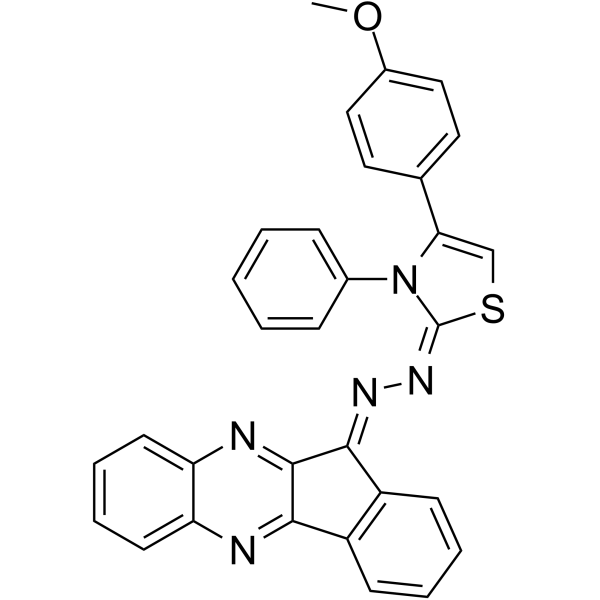
    Bcl-2 Family Cancer
    Mol4 (AK-918/41759663) is a highly selective BCL-2 protein inhibitor (IC50=153.3 μM). Mol4 induces mitochondrial outer membrane permeabilization (MOMP) and cytochrome c release, showing significant antiproliferative activity against glioblastoma (U87-MG) cell lines. Mol4 is promising for research of BCL-2-dependent tumors (e.g., chronic lymphocytic leukemia) .
    Mol4
  • HY-101999

    Bcl-2 Family Caspase Apoptosis Cancer
    EM20-25 is an inhibitor for Bcl-2, which interferes with the interaction between BCL-2 and BAX, activates caspase-9 and thus induces the apoptosis. EM20-25 affects the mitochondrial function, causes the open of permeability transition pore (PTP). EM20-25 enhances the sensitivity of cells to Staurosporine (HY-15141), and enhances the killing effect of BCL-2-expressing leukemia cells to Chlorambucil (HY-13593) and Fludarabine (HY-B0069) .
    EM20-25
  • HY-50907S

    Biochemical Assay Reagents Cancer
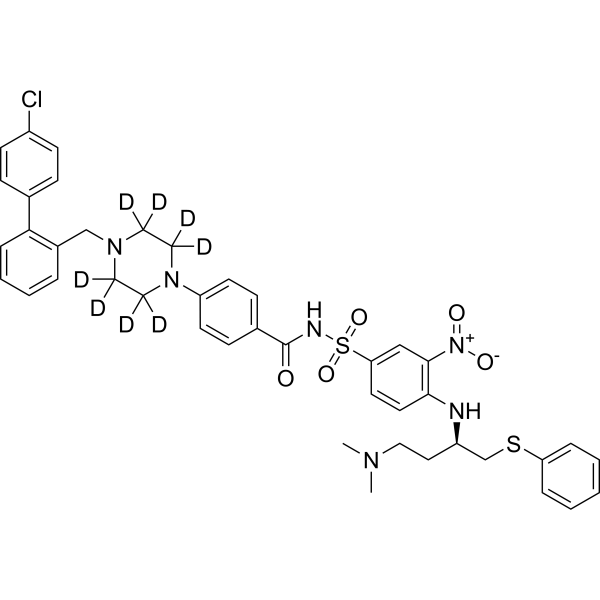
    ABT 737-d8 is the deuterium labeled ABT-737. ABT-737, a BH3 mimetic, is a potent Bcl-2, Bcl-xL and Bcl-w inhibitor with EC50s of 30.3 nM, 78.7 nM, and 197.8 nM, respectively. ABT-737 induces the disruption of the BCL-2/BAX complex and BAK-dependent but BIM-independent activation of the intrinsic apoptotic pathway. ABT-737 induces autophagy and has the potential for acute myeloid leukemia (AML) research .
    ABT-737-d8
  • HY-179161

    CDK MDM-2/p53 Bcl-2 Family Apoptosis Cancer
    CDK2-IN-49 (Compound 5j) is a CDK2 inhibitor with an IC50 of 0.25 μM. CDK2-IN-49 shows potent activity against CDK7 with an IC50 of 0.14 μM. CDK2-IN-49 induces Apoptosis by raising the levels of p53 and Bax protein expression while reducing the amount of Bcl-2. CDK2-IN-49 inhibits cell division. CDK2-IN-49 can be used in the research of cancer .
    CDK2-IN-49
  • HY-176219

    Bcl-2 Family Apoptosis Necroptosis Cancer
    Bcl-2-IN-23 (compound 5) is a selective inhibitor targeting Bcl-2. The IC50 of Bcl-2-IN-23 in HTB-140, HeLa and SW620 cells is 25.7-33.7 μM. Bcl-2-IN-23 can non-covalently competitively bind to Bcl-2 protein, significantly reduce its expression, and induce late apoptosis and necroptosis of cancer cells. Bcl-2-IN-23 enhances the sensitivity of cancer cells to apoptosis and reduces the release of IL-6 inflammatory factors by disrupting the Bcl-2-mediated mitochondrial apoptosis inhibition pathway. Bcl-2-IN-23 can be used for anti-apoptosis research of malignant tumors such as melanoma, cervical cancer, and colorectal cancer .
    Bcl-2-IN-23
  • HY-N15378

    IAP Bcl-2 Family COX TNF Receptor Caspase Apoptosis Inflammation/Immunology Cancer
    β-carotene-15,15ʹ-epoxide is a XIAP antagonist with apoptosis-inducing and antitumor activity, found in the leaves of Spondias mombin. In a DMBA (HY-W011845)-induced rat model of breast cancer, β-carotene-15,15ʹ-epoxide binds to the BIR3 domain of the anti-apoptotic protein XIAP, blocking its interaction with caspase-9 and thereby promoting tumor cell apoptosis. In addition, β-carotene-15,15ʹ-epoxide significantly downregulates the expression of BCL-2, COX-2, and TNF-α in tumor tissues, reduces MDA levels, increases catalase activity, and modulates serum levels of LDH, ALP, and ALT, demonstrating strong antioxidant, anti-inflammatory, and metabolic protective effects. β-carotene-15,15ʹ-epoxide may be used in research on inflammation-related conditions and cancers such as breast cancer .
    β-Carotene-15,15'-epoxide

Inquiry Online

Your information is safe with us. * Required Fields.

Salutation


Country or Region *

Applicant Name *


Organization Name *

Department *


Email Address *


Product Name *

Cat. No.


Requested quantity *

Phone Number *


Remarks

Inquiry Online

Inquiry Information

Product Name:
Cat. No.:
Quantity:
MCE Japan Authorized Agent: