1. Search Result
Search Result
Results for "

Downstream+signaling+pathway

" in MedChemExpress (MCE) Product Catalog:

81

Inhibitors & Agonists

1

Screening Libraries

2

Fluorescent Dyes

2

Biochemical Assay Reagents

8

Peptides

10

Inhibitory Antibodies

7

Natural
Products

2

Isotope-Labeled Compounds

2

Oligonucleotides

Cat. No. Product Name Target Research Areas Chemical Structure
  • HY-P1363
    β-Amyloid (1-42), human TFA
    Maximum Cited Publications
    24 Publications Verification

    Amyloid β-peptide (1-42) (human) TFA

    Amyloid-β Neurological Disease
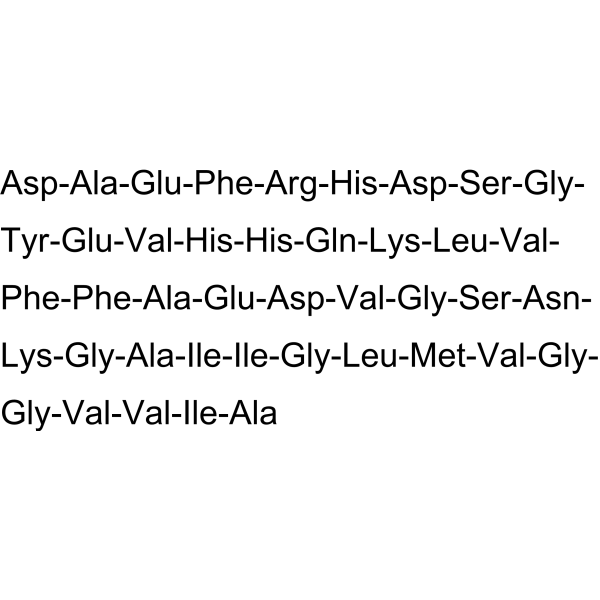
    β-Amyloid (1-42) (Amyloid β-peptide (1-42), human TFA, a 42-amino acid peptide that has not been treated with HFIP, is a brain-penetrant amyloid protein fragment, which can be used in research on Alzheimer's disease and Down’s syndrome. β-Amyloid (1-42), human TFA remaining as a monomer exhibits antioxidant and neuroprotective effects. β-Amyloid (1-42), human TFA, after being monomericized by HFIP and dissolved in DMSO to form the stock solution, on the one hand, can form soluble oligomers (AβOs) when incubated at 4 °C, which have synaptic toxicity and neurotoxicity; on the other hand, it can be incubated at 37 °C to form insoluble fibrils, with lower neurotoxicity, and participating in the oxidative damage process. Aβ42 oligomers bind to various neuronal surface receptors (such as PrPc, mGluR5, NMDA receptors, etc.), triggering oxidative stress, calcium homeostasis imbalance, and synaptic toxicity via activating downstream signaling pathways, leading to neuronal dysfunction and death .
    β-Amyloid (1-42), human TFA
  • HY-P1363A
    β-Amyloid (1-42), human
    Maximum Cited Publications
    24 Publications Verification

    Amyloid β-peptide (1-42) (human)

    Amyloid-β Neurological Disease
    β-Amyloid (1-42) (Amyloid β-peptide (1-42)), human, a 42-amino acid peptide that has not been treated with HFIP, is a brain-penetrant amyloid protein fragment, which can be used in research on Alzheimer's disease and Down’s syndrome. β-Amyloid (1-42), human remaining as a monomer exhibits antioxidant and neuroprotective effects. β-Amyloid (1-42), human, after being monomericized by HFIP and dissolved in DMSO to form the stock solution, on the one hand, can form soluble oligomers (AβOs) when incubated at 4 °C, which have synaptic toxicity and neurotoxicity; on the other hand, it can be incubated at 37 °C to form insoluble fibrils, with lower neurotoxicity, and participating in the oxidative damage process. Aβ42 oligomers bind to various neuronal surface receptors (such as PrPc, mGluR5, NMDA receptors, etc.), triggering oxidative stress, calcium homeostasis imbalance, and synaptic toxicity via activating downstream signaling pathways, leading to neuronal dysfunction and death .
    β-Amyloid (1-42), human
  • HY-P1363B
    β-Amyloid (1-42), human, HFIP-treated
    Maximum Cited Publications
    24 Publications Verification

    Amyloid-β Neurological Disease
    β-Amyloid (1-42), human, HFIP-treated, a 42-amino acid peptide that has been treated with HFIP from β-Amyloid (1-42), human (HY-P1363A), is a brain-penetrant amyloid protein fragment, which can be used in research on Alzheimer's disease and Down’s syndrome. β-Amyloid (1-42), human, HFIP-treated remaining as a monomer exhibits antioxidant and neuroprotective effects. β-Amyloid (1-42), human, HFIP-treated, after being dissolved in DMSO to form the stock solution, on the one hand, can form soluble oligomers (AβOs) when incubated at 4°C, which have synaptic toxicity and neurotoxicity; on the other hand, it can be incubated at 37°C to form insoluble fibrils, with lower neurotoxicity, and participating in the oxidative damage process. Aβ42 oligomers bind to various neuronal surface receptors (such as PrPc, mGluR5, NMDA receptors, etc.), triggering oxidative stress, calcium homeostasis imbalance, and synaptic toxicity via activating downstream signaling pathways, leading to neuronal dysfunction and death .
    β-Amyloid (1-42), human, HFIP-treated
  • HY-N0020
    Echinacoside
    15+ Cited Publications

    Wnt Reactive Oxygen Species (ROS) Neurological Disease
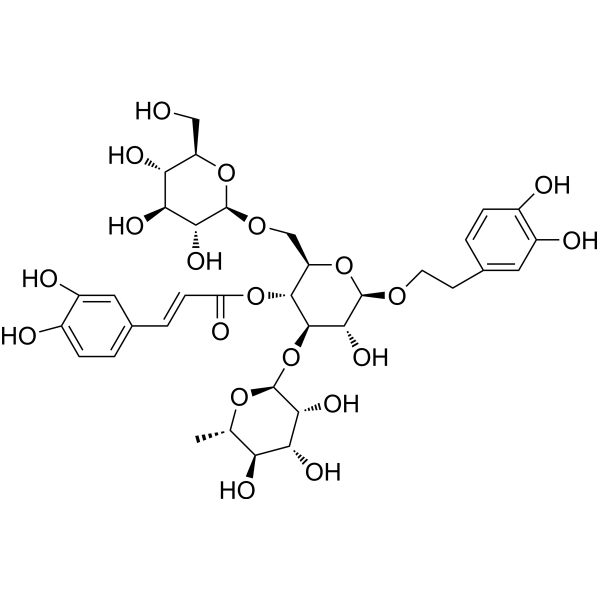
    Echinacoside, one of the phenylethanoids isolated from the stems of Cistanche deserticola, effectively inhibits Wnt/β-catenin signaling. Echinacoside elicits neuroprotection by activating Trk receptors and their downstream signal pathways. Antiosteoporotic activity .
    Echinacoside
  • HY-146244
    Agatolimod
    1 Publications Verification

    ODN 2006; PF-3512676; CpG 7909; ODN 7909

    Toll-like Receptor (TLR) Bacterial NO Synthase Apoptosis Infection Cancer
    Agatolimod ((ODN 2006; PF-3512676; CpG 7909)) is a TLR9 agonist and immunomodulator with an EC50 of 180 nM against human TLR9. Agatolimod activates and upregulates the expression of both TLR9 and TLR6, and mediates downstream signaling pathways via IRAK4, IRF5, IRF7. Agatolimod induces Th1-type innate and adaptive immune responses, activates various immune cells and promotes antigen presentation, regulates antibody levels and immune cell infiltration, upregulates the secretion of multiple cytokines, induces apoptosis and cell cycle arrest, enhances cytotoxicity, and clears intracellular Salmonella. Agatolimod is applicable to research on COVID-19, breast cancer, lung adenocarcinoma, HPV-related tumors, melanoma, and salmonellosis .
    Agatolimod
  • HY-108473
    CU-CPT 4a
    10+ Cited Publications

    TLR3-IN-1

    Toll-like Receptor (TLR) Cancer
    CU-CPT 4a (TLR3-IN-1) is a potent, highly selective TLR3 signaling inhibitor. CU-CPT 4a represses the expression of downstream signaling pathways mediated by the TLR3/dsRNA complex, including TNF-α and IL-1β .
    CU-CPT 4a
  • HY-110252

    Opioid Receptor Neurological Disease Inflammation/Immunology
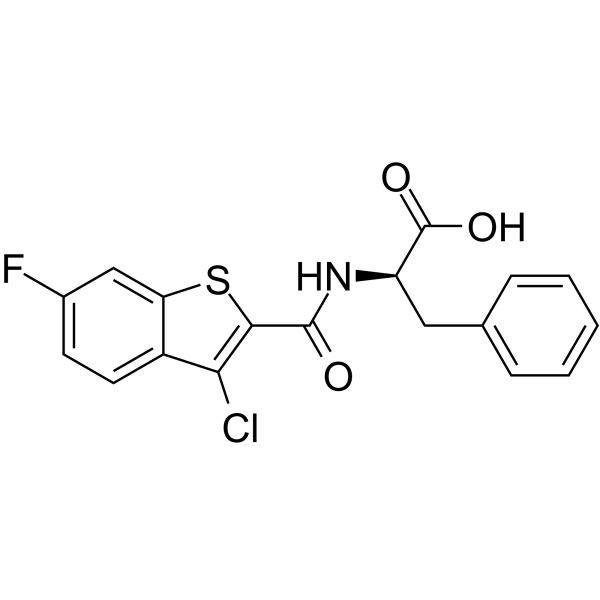
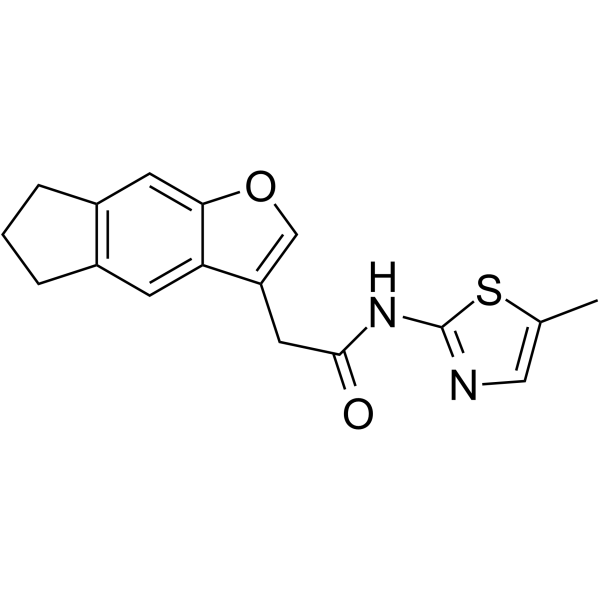
    Salvinorin B is a selective and brain-penetrant kappa opioid receptor (KOPr) agonist with an EC50 of 248 nM and Ki of 2.95 μM. Salvinorin B activates downstream signaling pathways by binding to KOPr, inhibits pain transmission and reduces inflammatory response. Salvinorin B can be used for the researches of inflammation, immunology and neurological disease, such as neuropathic pain, multiple sclerosis and anxiety .
    Salvinorin B
  • HY-P5321
    bFGF (119-126)
    5 Publications Verification

    FGFR Cancer
    bFGF (119-126) is a ligand of bFGF. The complex formed by bFGF (119-126) and bFGF can bind to FGFR1, while inhibiting the bFGF-FGFR1 interaction, FGFR1 phosphorylation and downstream signaling pathways. Therefore, bFGF (119-126) induces cell apoptosis and inhibits cell proliferation, migration, angiogenesis and metastasis. When conjugated with a carrier, bFGF (119-126) enhances cellular uptake via FGFR-mediated endocytosis and serves as an effective FGFR-targeted ligand. When used in combination with ultrasound and Doxorubicin (HY-15142A), bFGF (119-126) significantly enhances the inhibitory effect on tumors. bFGF (119-126) is applicable to research related to lung cancer, breast cancer, glioblastoma and ovarian cancer .
    bFGF (119-126)
  • HY-176523

    Ras Cancer
    KRAS G12D inhibitor 29 (Compound Formula (I)) is an orally active and selective KRAS G12D mutant inhibitor. KRAS G12D inhibitor 29 blocks downstream signaling pathways mediated by KRAS G12D, suppressing tumor cell proliferation. KRAS G12D inhibitor 29 is promising for research of KRAS G12D mutation-related cancers (such as pancreatic cancer, lung cancer, colorectal cancer) .
    KRAS G12D-IN-29
  • HY-148118A

    LYTACs Cancer
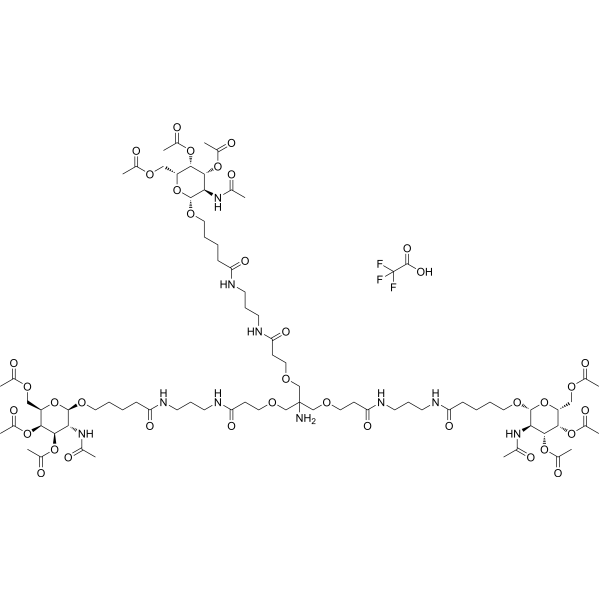
    Tri-GalNAc(OAc)3 TFA is a trivalent N-acetylgalactosamine (GalNAc) derivative that can be used to synthesize GalNAc-LYTAC. Tri-GalNAc is a specific ligand targeting the asialoglycoprotein receptor (ASGPR), mediating the endocytosis and transport of cell surface proteins (such as EGFR, HER2) to lysosomes for degradation by lysosomal targeting chimeras (LYTACs). Tri-GalNAc significantly reduces the level of target proteins and inhibits downstream signaling pathways (such as EGFR-mediated Akt and MAPK signals). Tri-GalNAc(OAc)3 TFA can be used for hepatocyte targeting studies, and can degrade carcinogenic membrane proteins and inhibit tumor cell proliferation in liver cancer cell models .
    Tri-GalNAc(OAc)3 TFA
  • HY-N0253

    Kalopanaxsaponin B

    Bacterial p38 MAPK NF-κB Apoptosis Infection Inflammation/Immunology
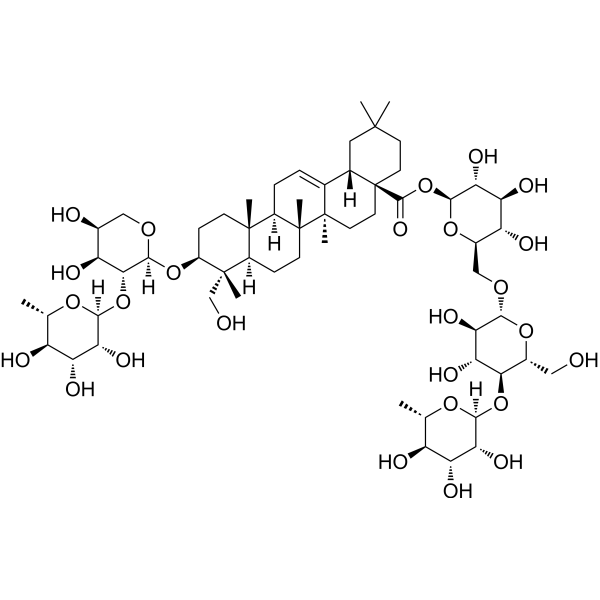
    Hederacoside C (Kalopanaxsaponin B) is an ingredient that can be obtained mainly from ivy leaves. Hederacoside C mediates inflammation by inhibiting activation of MAPK/NF-κB and its downstream signaling pathway. Hederacoside C has anti-inflammatory and antibacterial activity .
    Hederacoside C
  • HY-P990685

    Cyclin G-associated Kinase (GAK) Cardiovascular Disease
    Romiplostim is an Fc-peptide fusion protein mimetic of TPO (thrombopoietin protein) and also a c-Mpl agonist. Romiplostim binds to c-Mpl, stimulates megakaryocyte-mediated thrombopoiesis, and activates the same downstream signaling pathways as endogenous TPO. Romiplostim is applicable to research related to hematopoietic acute radiation syndrome and chronic immune thrombocytopenia .
    Romiplostim
  • HY-P99828

    PF-06523435; hu24

    ADC Antibody RET PERK ROR Cancer
    Cofetuzumab (PF-06523435) is a humanized IgG1-κ monoclonal antibody targeting PTK7. The expression system of Cofetuzumab is typically CHO (Chinese hamster ovary) cells. Cofetuzumab downregulates PTK7 expression, modulates its downstream signaling pathways, and inhibits tumor sphere formation of ovarian cancer cells. Cofetuzumab can be used to synthesize the ADC molecule Cofetuzumab pelidotin (HY-P99829). Cofetuzumab is applicable to the research of tumors such as ovarian cancer .
    Cofetuzumab
  • HY-N0026
    2'-Acetylacteoside
    1 Publications Verification

    2'-AA

    Monoamine Oxidase RANKL/RANK TNF Receptor NF-κB IKK Cardiovascular Disease Neurological Disease Metabolic Disease
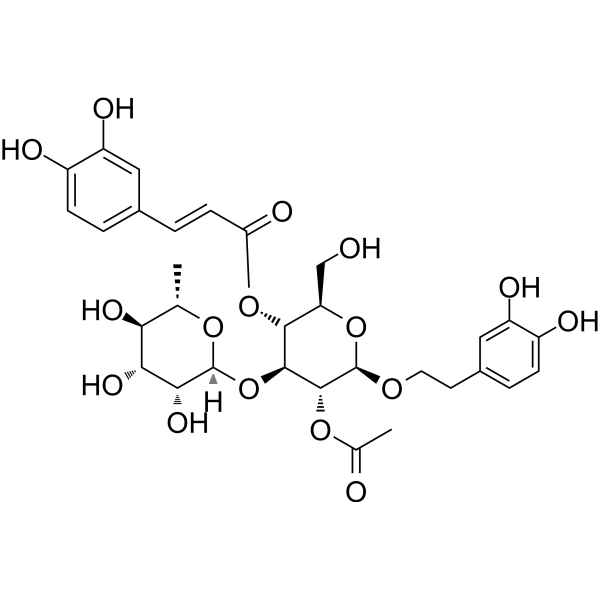
    2'-Acetylacteoside (2'-AA) is a natural compound with oral activity and blood-brain barrier permeability. 2'-Acetylacteosideexhibits MAO‑B inhibitory activity (IC50 = 17.71 μM, Ki = 13.81 μM). 2'-Acetylacteoside downregulates the expression of RANK, TRAF6, NF‑κB, NFATc1 and IKKβ, disrupts the RANKL/RANK interaction, blocks downstream signaling pathways, and increases the level of phosphorylated Akt. 2'-Acetylacteoside possesses potent anti-osteoclastogenic, anti-bone resorptive, pro-neurogenic, neuroprotective and antioxidant activities. 2'-Acetylacteoside can be used in the research of osteoporosis, ischemic stroke and Parkinson's disease .
    2'-Acetylacteoside
  • HY-109198

    ME-401; PWT-143

    PI3K Akt Cancer
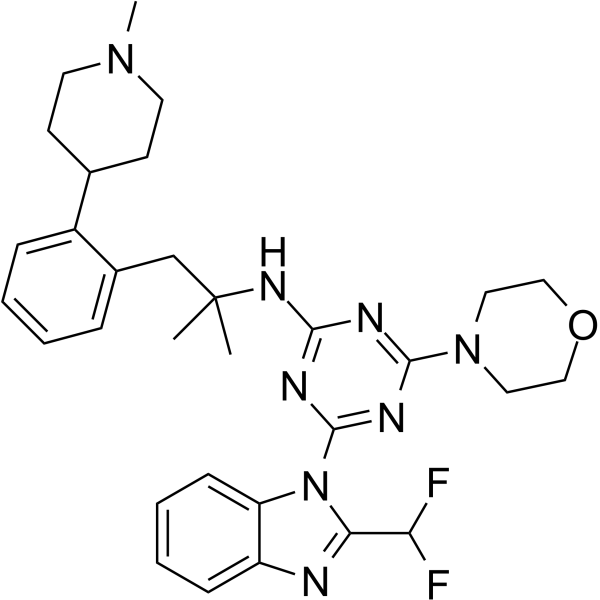
    Zandelisib (ME-401) is a selective, orally active, non-covalent inhibitor of PI3Kδ. Zandelisib can sustainably inhibit AKT phosphorylation and downstream signaling pathways. Zandelisib can be used in the study of malignancies such as relapsed/refractory B-cell lymphoma .
    Zandelisib
  • HY-174378

    TREM receptor Neurological Disease
    TREM2 agonist-4 (Compound 4a) is a TREM2 agonist with a Kd value of 45.9 μM. TREM2 agonist-4 can activate downstream signaling pathways of TREM2 and enhance the phagocytic function of microglia. TREM2 agonist-4 can be used in the research of neurodegenerative diseases such as Alzheimer's disease .
    TREM2 agonist-4
  • HY-D0932

    Solvent Red 24; C.I. 26105

    Environmental Pollutants Biochemical Assay Reagents Cytochrome P450 Aryl Hydrocarbon Receptor Metabolic Disease
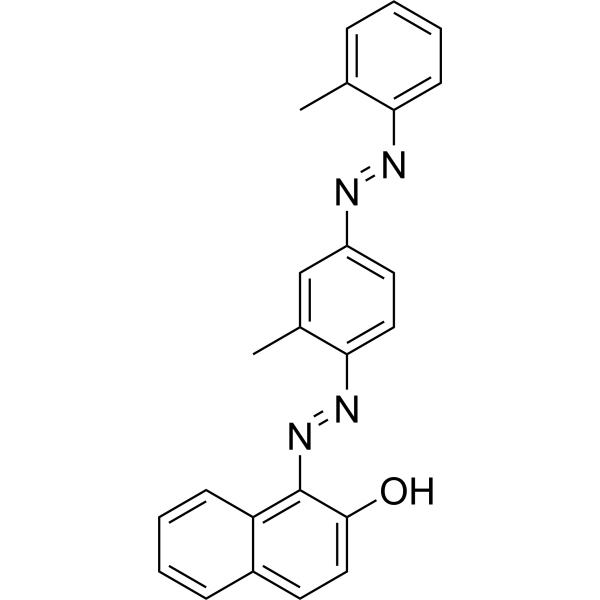
    Sudan IV is an agonist of the aryl hydrocarbon receptor (AhR) that activates downstream signaling pathways and induces CYP1A1 expression. Sudan IV promotes CYP1A1 gene transcription by activating AhR-ARNT heterodimers and binding to exogenous response elements (XREs) on DNA, thereby enhancing drug metabolizing enzyme activity. Sudan IV can be used to study the toxicity mechanisms of industrial dyes and the effects of interactions with serum proteins (such as bovine serum albumin (BSA)) on their distribution in vivo. Sudan IV is a fat-soluble diazo dye that can be used to stain lipids, triglycerides, and lipoproteins on frozen sections .
    Sudan IV
  • HY-132846

    TAS0953/HM06

    RET Apoptosis Cancer
    Vepafestinib (TAS0953/HM06) is a next-generation brain-penetrant, selective and orally active RET inhibitor with an IC50 value of 0.33 nM. Vepafestinib inhibits the phosphorylation of RET and its downstream signaling pathways, thus blocking the growth and signal transduction of tumor cells and inducing cell cycle arrest and apoptosis. Vepafestinib can be used in the research of various RET-driven cancers, such as non-small cell lung cancer, thyroid cancer and other disease areas .
    Vepafestinib
  • HY-120565

    G protein-coupled Bile Acid Receptor 1 Metabolic Disease
    WB403 is an orally active TGR5 activator with an EC50 of 5.5 μM against human TGR5. WB403 activates TGR5 to stimulate downstream signaling pathways, promote GLP-1 secretion, improve glucose tolerance in mice with type 2 diabetes, and reduce levels of fasting blood glucose, postprandial blood glucose and HbA1c. WB403 increases pancreatic β-cell mass and restores the distribution of α-cells and β-cells in islets. WB403 is applicable to the research of type 2 diabetes .
    WB403
  • HY-138053

    Ristomycin III

    Antibiotic Cardiovascular Disease Infection
    Ristocetin A sulfate (Ristomycin III) is a glycopeptide antibiotic that binds to von Willebrand factor (VWF) and bacterial cell wall components. Ristocetin A sulfate interferes with the biosynthesis of bacterial peptidoglycan by inhibiting transpeptidation. As an inducer of platelet adhesion and aggregation, Ristocetin A sulfate drives conformational changes by binding to the A1 domain of VWF, thereby activating downstream signaling pathways and promoting cytoskeletal rearrangement. Ristocetin A sulfate not only enhances platelet adhesion and spreading on immobilized VWF, but also induces the formation of asymmetric dimers with anticooperativity between platelets and plasma VWF. Ristocetin A sulfate is widely used in studies related to thromboembolic diseases and bacterial infections .
    Ristocetin A sulfate
  • HY-159069

    Toll-like Receptor (TLR) TNF Receptor Connexin Infection Cancer
    Zymosan (ZM), 95% is a yeast cell wall-derived carbohydrate-rich preparation and immunomodulator. Zymosan (ZM), 95% binds to and activates TLR-2, TLR-4, and Dectin-1 receptor to trigger downstream signaling pathways. Zymosan (ZM), 95% upregulates TLR-2, TLR-4, and TNF-α mRNA expression, increases serum TNF-α levels, and stimulates splenocyte number and viability in mice. Zymosan (ZM), 95% attenuates melanoma growth progression, modulates macrophage marker gene expression, and mediates phagocytosis, ROS generation, and cytokine production. Zymosan (ZM), 95% reduces Connexin 43 protein and mRNA levels, inhibits gap junctional intercellular communication, and induces proinflammatory factor production in human corneal cells. Zymosan (ZM), 95% induces peritoneal inflammation in mice, functions as a drug carrier, and supports fibroblast cell attachment in hydrogel formulations. Zymosan (ZM), 95% can be used for the research of melanoma, tumors, fungal keratitis, ocular surface inflammatory disorders, and peritoneal inflammation .
    Zymosan (ZM), 95%
  • HY-134377

    ASP0367; MA-0211

    PPAR Metabolic Disease
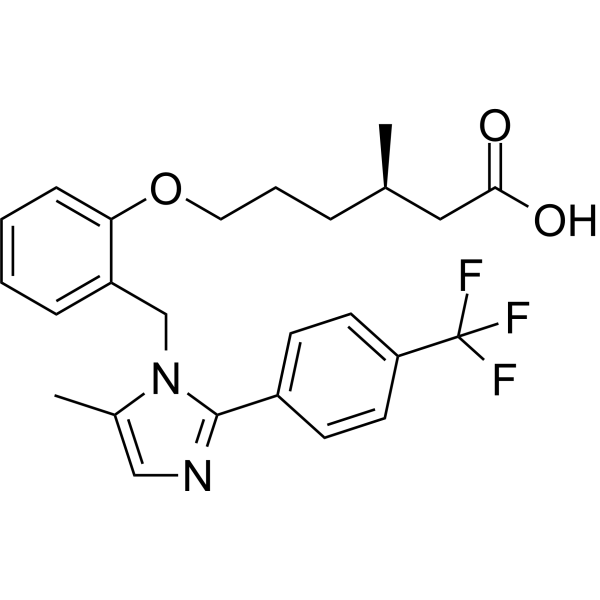
    Bocidelpar (ASP0367; MA-0211) is a selective, orally active PPARδ modulator. Bocidelpar activates the PPARδ downstream signaling pathway, upregulates the expression of target genes such as ABCA1 and ACAA2. Bocidelpar then promotes fatty acid oxidation (FAO) and mitochondrial biogenesis, and improves mitochondrial dysfunction. Bocidelpar can improve mitochondrial biogenesis and function in muscle cells. Bocidelpar is mainly used in the study of mitochondrial dysfunction diseases such as primary mitochondrial myopathy (PMM) and Duchenne muscular dystrophy (DMD) .
    Bocidelpar
  • HY-150750A

    Toll-like Receptor (TLR) Apoptosis Interleukin Related TNF Receptor IFNAR Inflammation/Immunology Cancer
    ODN M362 sodium is a TLR9 agonist that acts as a vaccine adjuvant. ODN M362 sodium activates mouse splenocytes, induces apoptosis in human hepatocellular carcinoma cells, upregulates proinflammatory cytokines in human hepatocellular carcinoma cells, and inhibits the proliferation of human hepatocellular carcinoma cells. ODN M362 sodium upregulates the expression of TLR9/TLR6, activates downstream signaling pathways via IRAK4 and IRF7, and strongly amplifies antigen-specific cellular immune responses to participate in innate immune activation. ODN M362 sodium can be used in research related to hepatocellular carcinoma and breast cancer .
    ODN M362 sodium
  • HY-W181530

    Molecular Glues CDK Apoptosis Ligands for E3 Ligase Cancer
    NCT02 is a molecular glue degrader based on the E3 ubiquitin ligase DDB1 that targets CDK12 and its binding partner CCNK. NCT02 triggers the ubiquitination and proteasomal degradation of CCNK, thereby downregulating CDK12 protein levels and inhibiting its downstream signaling pathways. NCT02 can induce tumor cell apoptosis, arrest the cell cycle, and selectively inhibit the proliferation of colorectal cancer cells carrying TP53 defects or belonging to the consensus molecular subtype CMS4. NCT02 has the potential to inhibit tumor growth in in vitro and in vivo models .
    NCT02
  • HY-P99895

    PD-1/PD-L1 Inflammation/Immunology Cancer
    Rulonilimab is a human IgG1 monoclonal antibody against PD-1 that targets, binds and inhibits PD-1 and its downstream signalling pathways with potential immune checkpoint inhibition and anti-tumour activity .
    Rulonilimab
  • HY-U00416

    Ras Cancer
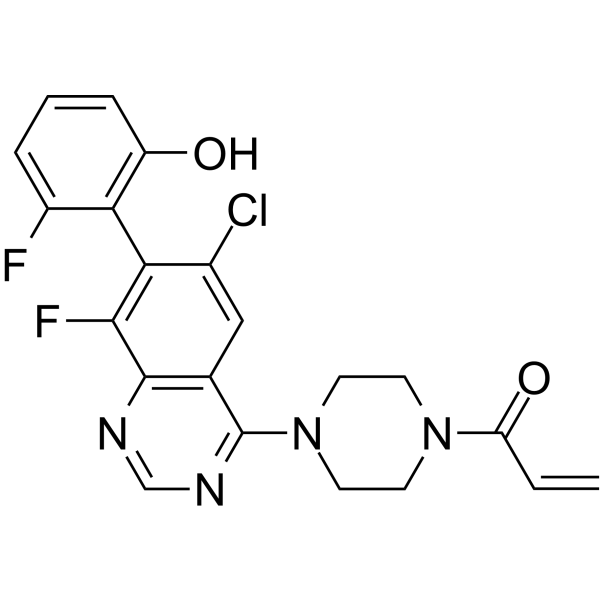
    ARS-1323 is a KRAS G12C inhibitor. ARS-1323 specifically binds to the cysteine residue on the mutant K-Ras protein, locks it in the GDP-bound conformation, thereby blocking K-Ras activation and downstream signaling pathways. ARS-1323 can be used to investigate the signal transduction mechanisms and growth characteristics of tumor cells driven by K-Ras G12C .
    ARS-1323
  • HY-14562

    mAChR Amyloid-β Neurological Disease Inflammation/Immunology
    TBPB (tert-butyl peroxybenzoate) is a highly selective, blood-brain-permeable M1 mAChR allosteric agonist (EC50=289 nM) with anti-schizophrenia and anti-inflammatory activities. TBPB can enhance the sensitivity of M1 receptors to acetylcholine, activate downstream signaling pathways, and inhibit the release of pro-inflammatory cytokines (TNF-α, IL-6). TBPB can regulate the processing of amyloid and can be used in the study of neurodegenerative diseases (such as Alzheimer's disease) and inflammation-related diseases (such as sepsis) .
    TBPB
  • HY-173178

    Estrogen Receptor/ERR Cancer
    LNS8801 is an orally active agonist of the G protein-coupled estrogen receptor (GPER). By activating GPER, LNS8801 mediates downstream signaling pathways, such as promoting the production of cyclic adenosine monophosphate (cAMP) and activating the cAMP response element-binding protein (CREB) signaling, thereby exerting anti-tumor activities including inhibiting tumor cell proliferation, inducing cell differentiation, and enhancing tumor immunogenicity. LNS8801 can be used in the research of various cancers (e.g., melanoma, pancreatic cancer, colorectal cancer, lung cancer, etc.) and relevant studies exploring the roles of GPER in normal physiological and pathological processes .
    LNS8801
  • HY-176205

    AB801

    TAM Receptor Cancer
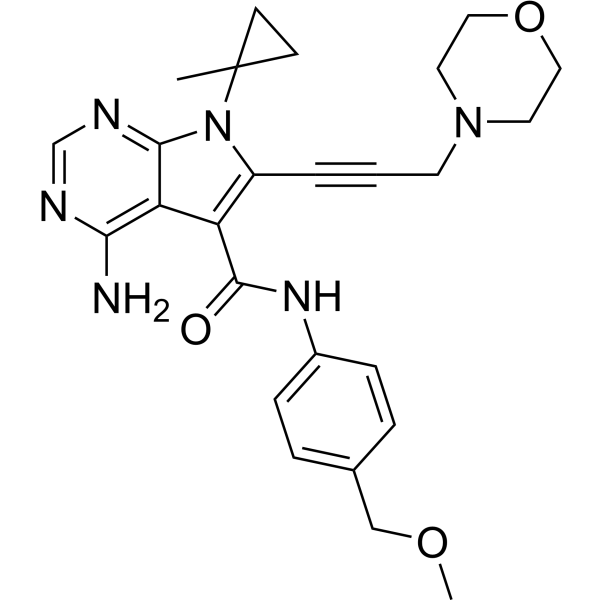
    Ligritinib (AB801) is an orally active AXL receptor tyrosine kinase inhibitor. Ligritinib blocks the downstream signaling pathway by inhibiting the kinase activity of AXL. Ligritinib can be used in cancer research, especially in combination with chemotherapy for non-small cell lung cancer (NSCLC) .
    Ligritinib
  • HY-176184

    PROTACs Discoidin Domain Receptor MMP Cancer
    PROTAC DDR1 degrader-1 is a potent and selective DDR1-targeting PROTAC degrader. PROTAC DDR1 degrader-1 selectively induces full-length DDR1 degradation via the ubiquitin proteasome system, blocking downstream signaling pathways. PROTAC DDR1 degrader-1 inhibits tumor cell migration and invasion. PROTAC DDR1 degrader-1 enhances tumor apoptosis. PROTAC DDR1 degrader-1 exhibits anti-tumor activity in mice. PROTAC DDR1 degrader-1 can be used for the research of DDR1-driven cancers .
    PROTAC DDR1 degrader-1
  • HY-160187A

    Cadherin MMP Akt FAK ERK NF-κB Cancer
    (Rac)-AAA is a regulator and inhibitor targeting GPR75. By blocking the 20-HETE-induced downregulation of GPR75 expression, (Rac)-AAA effectively inhibits the activation of key downstream signaling pathways including EGFR, AKT, NF-κB and FAK. (Rac)-AAA reverses 20-HETE-mediated epithelial-mesenchymal transition, which is specifically characterized by downregulating vimentin (vimentin), upregulating E-Cadherin, as well as reducing MMP-2 activity and cancer cell migration ability. (Rac)-AAA also abolishes the 20-HETE-induced upregulation of HIC-5 expression and anchorage-independent growth, and modulates the subcellular localization of PKC-α and phosphorylated AKT. (Rac)-AAA is investigated in androgen-independent prostate cancer (castration-resistant prostate cancer) .
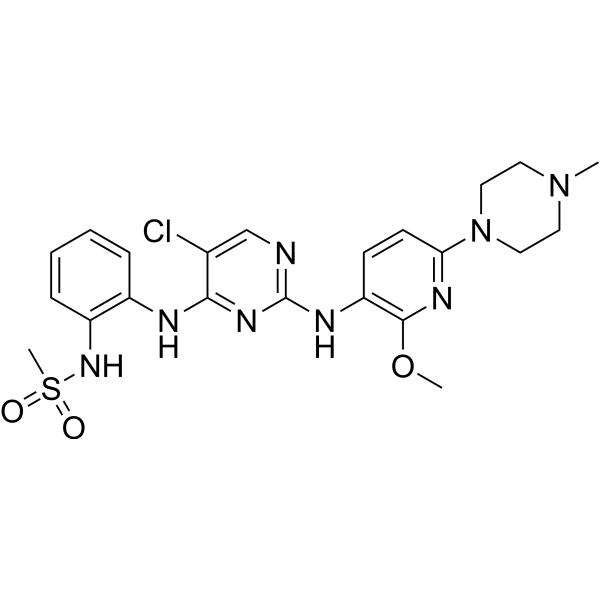
    (Rac)-AAA
  • HY-W145481A

    Carob galactomannan

    Sirtuin Inflammation/Immunology
    D-Galacto-D-mannan (Carob galactomannan) is an orally active Dectin-2 agonist. D-Galacto-D-mannan exerts antioxidant activity against hydroxyl radical generation. D-Galacto-D-mannan activates Dectin-2 to trigger downstream signaling pathways, promote the expression of immunoregulatory molecules, coordinate innate and adaptive immune responses, and inhibit excessive inflammatory responses by upregulating the expression of Sirtuin 1. When used as a vaccine adjuvant, D-Galacto-D-mannan induces cellular and humoral immune responses, promotes IFNγ secretion, increases antibody levels and virus neutralization titers, and elevates the levels of immunoglobulin G and A. D-Galacto-D-mannan can serve as an adjuvant for foot-and-mouth disease vaccines, enhance the vaccine-mediated ability of hosts to defend against viral infection in mice, and reduce local side effects at the inoculation site in pigs. D-Galacto-D-mannan can be used in the research of inflammatory and immune diseases, such as foot-and-mouth disease .
    D-Galacto-D-mannan
  • HY-13645

    VEGFR c-Kit PDGFR Cancer
    Henatinib is an orally active small-molecule multikinase inhibitor that has demonstrated broad and potent antitumor activities. Henatinib inhibits the activity of VEGFR-2, c-kit, PDGFR with IC50 values of 0.6 nM, 3.3 nM and 41.5 nM, respectively. Henatinib significantly inhibits VEGFR-2 phosphorylation and its downstream signal pathway in human umbilical vein endothelial cells (HUVECs) .

    Henatinib
  • HY-P11162

    FGFR Akt ERK mTOR Apoptosis Inflammation/Immunology
    FGF7p is a small molecule peptide and a potential bladder protector. FGF7p can activate downstream signaling pathways of FGFR2 in the urinary tract epithelium (pFRS2α, pAKT and pERK). FGF7p alleviates cyclophosphamide induced apoptosis and tissue damage in urinary tract epithelial cells by activating AKT and its downstream anti apoptotic targets (pBAD, pS6/mTORC1). FGF7p is commonly used in the study of inflammatory conditions .

    FGF7p
  • HY-D0932R

    Solvent Red 24 (Standard); C.I. 26105 (Standard)

    Biochemical Assay Reagents Aryl Hydrocarbon Receptor Cytochrome P450 Reference Standards Metabolic Disease
    Sudan IV (Standard) (Solvent Red 24 (Standard)) is the analytical standard of Sudan IV (HY-D0932). This product is intended for research and analytical applications. Sudan IV is an agonist of the aryl hydrocarbon receptor (AhR) that activates downstream signaling pathways and induces CYP1A1 expression. Sudan IV promotes CYP1A1 gene transcription by activating AhR-ARNT heterodimers and binding to exogenous response elements (XREs) on DNA, thereby enhancing drug metabolizing enzyme activity. Sudan IV can be used to study the toxicity mechanisms of industrial dyes and the effects of interactions with serum proteins (such as bovine serum albumin (BSA)) on their distribution in vivo. Sudan IV is a fat-soluble diazo dye that can be used to stain lipids, triglycerides, and lipoproteins on frozen sections.
    Sudan IV (Standard)
  • HY-N0020R

    Reference Standards Wnt Reactive Oxygen Species (ROS) Neurological Disease
    Echinacoside (Standard) is the analytical standard of Echinacoside. This product is intended for research and analytical applications. Echinacoside, one of the phenylethanoids isolated from the stems of Cistanche deserticola, effectively inhibits Wnt/β-catenin signaling. Echinacoside elicits neuroprotection by activating Trk receptors and their downstream signal pathways. Antiosteoporotic activity .
    Echinacoside (Standard)
  • HY-112801

    Anaplastic lymphoma kinase (ALK) ROS Kinase Cancer
    F-1 is a potent ALK and ROS1 dual inhibitor, suppresses phospho-ALK and its relative downstream signaling pathways, with IC50s of 2.1 nM, 2.3 nM, 1.3 nM and 3.9 nM for ALK WT, ROS1 WT, ALK L1196M and ALK G1202R, respectively .
    F-1
  • HY-176525

    Phospholipase Inflammation/Immunology
    PLC-β-IN-1 (Compound 8a) is a PLCβ inhibitor. PLC-β-IN-1 exerts anti-airway contraction activity by inhibiting PLCβ and its downstream signaling pathways, and can enhance the airway relaxation effect of β-agonists. PLC-β-IN-1 can be used in the study of asthma .
    PLC-β-IN-1
  • HY-171450

    Trk Receptor Cancer
    VMD-928 is an orally active, allosteric, irreversible and selective tropomyosin receptor kinase A (TrkA) inhibitor. VMD-928 blocks the downstream signaling pathways triggered by the binding of nerve growth factor (NGF) to TrkA, thereby inhibiting cell proliferation, invasion, and promoting cancer cell death. VMD-928 is promising for research of various cancers, including prostate cancer, thymic carcinoma, mesothelioma, squamous cell carcinoma of the head and neck, squamous cell carcinoma of the lung, ovarian cancer, hepatocellular carcinoma .
    VMD-928
  • HY-163709

    PROTACs FAK Akt ERK Cancer
    PROTAC FAK degrader 2 is an orally active PROTAC FAK degrader with a DC50 of 60.10 nM. PROTAC FAK degrader 2 forms a ternary complex with FAK and CRBN E3 ubiquitin ligase, driving proteasome-mediated degradation of total and phosphorylated FAK. PROTAC FAK degrader 2 inhibits phosphorylation of AKT and ERK, suppressing their downstream signaling pathways. PROTAC FAK degrader 2 reduces cancer cell viability, adhesion, migration, and invasion. PROTAC FAK degrader 2 exerts anti-tumor activity in HCT8/T tumor xenografts in mice. PROTAC FAK degrader 2 can be used for the research of breast cancer, colorectal cancer, lung cancer .
    PROTAC FAK degrader 2
  • HY-13312A

    IGF-1R Insulin Receptor Akt Apoptosis Cancer
    GTx-134 is a dual insulin-like growth factor 1 receptor/insulin receptor (IGF-1R/IR) inhibitor with an IC50 values for IGF-1R and IR of 97 and 187 nM respectively. GTx-134 inhibits the autophosphorylation of IGF-1R and its downstream signaling pathway (Akt), thereby blocking the proliferation and survival signals of tumor cells. GTx-134 has broad-spectrum inhibitory activity against multiple myeloma cell lines and can induce apoptosis in sensitive cells. GTx-134 significantly inhibits tumor growth in mice with MM1.S cell transplantation. GTx-134 works in synergy with existing therapies (such as protease preparations, immunomodulators). GTx-134 can be used in high-risk myeloma research .
    GTx-134
  • HY-178792

    Prostaglandin Receptor Inflammation/Immunology Endocrinology
    TGI-15 is a highly selective prostaglandin F receptor antagonist. TGI-15 inhibits downstream signaling pathways by blocking the binding of PGF2 α to FP receptors. TGI-15 can be used for research on fibrotic and inflammatory conditions .
    TGI-15
  • HY-N0253R

    Kalopanaxsaponin B (Standard)

    Reference Standards Bacterial p38 MAPK NF-κB Apoptosis Infection Inflammation/Immunology
    Hederacoside C (Standard) is the analytical standard of Hederacoside C. This product is intended for research and analytical applications. Hederacoside C (Kalopanaxsaponin B) is an ingredient that can be obtained mainly from ivy leaves. Hederacoside C mediates inflammation by inhibiting activation of MAPK/NF-κB and its downstream signaling pathway. Hederacoside C has anti-inflammatory and antibacterial activity .
    Hederacoside C (Standard)
  • HY-174989

    ATM/ATR Apoptosis Cancer
    ATM-IN-2 is a selective and orally active ATM inhibitor with an IC50 of 4 nM. ATM-IN-2 exhibits excellent kinase selectivity (>700-fold over PIKK family members). ATM-IN-2 exerts its anti-tumor effect by inhibiting ATM phosphorylation and the downstream signaling pathways (p53, H2AX), and promotes cell apoptosis. ATM-IN-2 can be used for the study of chemosensitizer candidate such as colon cancer .
    ATM-IN-2
  • HY-174379

    Phosphodiesterase (PDE) Ras PI3K Akt mTOR Apoptosis Cancer
    KRAS IN-44 (Compound S2C2M2) is a PDE6D degrader. KRAS IN-44 inhibits PDE6D-dependent KRAS trafficking and KRAS downstream signaling pathways. KRAS IN-44 down-regulates EGF-induced the phosphorylation of PI3K, AKT, and mTOR. KRAS IN-44 increases Apoptosis. KRAS IN-44 has antitumor activity against hepatoblastoma .
    KRAS IN-44
  • HY-173275

    PDGFR Cancer
    PDGFRα kinase inhibitor 3 (Compound L7) is a highly potent inhibitor targeting the PDGFRα D842V kinase with IC50s values of 23.8 nM and 2.1 nM in biochemical and cellular assays, respectively. PDGFRα kinase inhibitor 3 binds to the ATP-binding pocket of PDGFRα D842V to block its downstream signaling pathways and inhibit kinase activity. PDGFRα kinase inhibitor 3 can be used for gastrointestinal stromal tumors (GISTs) study .
    PDGFRα kinase inhibitor 3
  • HY-172620

    IKK Akt Apoptosis PI3K NF-κB CDK Caspase PARP Neurological Disease Metabolic Disease Inflammation/Immunology Cancer
    LIB3S0280 is a potent TBK1 inhibitor with an IC50 value of 493.9 nM. LIB3S0280 exhibits better anticancer effects in pancreatic cancer cell lines with high TBK1 expression. LIB3S0280 inhibits TBK1 downstream signaling pathways, including PI3K/AKT and NF-κB. LIB3S0280 induces G2/M arrest, apoptosis and cellular senescence. LIB3S0280 can be used for pancreatic ductal adenocarcinoma (PDAC) research .
    LIB3S0280
  • HY-P991234

    EGFR p38 MAPK PI3K Akt Cancer
    COVA208 is a bispecific FynomAb (a fusion protein of an antibody and a Fyn SH3-derived binding protein) that targets HER2. COVA208 induces the degradation of HER2, reduces the levels of HER2, HER3, and EGFR, thereby effectively blocking the downstream signaling pathways of HER2, including the HER3-PI3K-AKT and MAPK pathways, and simultaneously inducing apoptosis of tumor cells. COVA208 is promising for research of cancers, such as HER2-positive breast cancer, gastric cancer, and colorectal cancer .
    COVA208
  • HY-175733

    RIO Kinase Apoptosis Cancer
    CQ3196 is an orally active RIOK2 inhibitor with a Kd of 14 nM. CQ3196 effectively inhibits the ATPase activity of RIOK2, with an IC50 value of 72 nM. CQ3196 inhibits cell proliferation and colony formation in gastric cancer cell lines. CQ3196 induces cell apoptosis in HGC-27 and AGS cells. CQ3196 suppresses downstream signal pathway of RIOK2. CQ3196 reduces phosphorylation of mTOR and AKT. CQ3196 modulates ribosome function and protein synthesis. CQ3196 inhibits tumor growth and can be used for gastric cancer invtro and invivo research .
    CQ3196
  • HY-139996

    PROTACs Apoptosis FLT3 c-Kit FGFR VEGFR PDGFR c-Fms Cancer
    Pomalidomide-C5-Dovitinib (compound 2) is a PROTAC containing Pomalidomide, Dovitinib and connected with CRBN. Pomalidomide-C5-Dovitinib shows enhanced antiproliferative effects against FLT3-ITD+ AML cells. Pomalidomide-C5-Dovitinib induces the degradation of the FLT3-ITD and KIT proteins in a ubiquitin-proteasome-dependent manner and completely blocks their downstream signaling pathway. Pomalidomide-C5-Dovitinib has the potential for the research of FLT3-ITD + acute myeloid leukemia .
    Pomalidomide-C5-Dovitinib

Inquiry Online

Your information is safe with us. * Required Fields.

Salutation


Country or Region *

Applicant Name *


Organization Name *

Department *


Email Address *


Product Name *

Cat. No.


Requested quantity *

Phone Number *


Remarks

Inquiry Online

Inquiry Information

Product Name:
Cat. No.:
Quantity:
MCE Japan Authorized Agent: