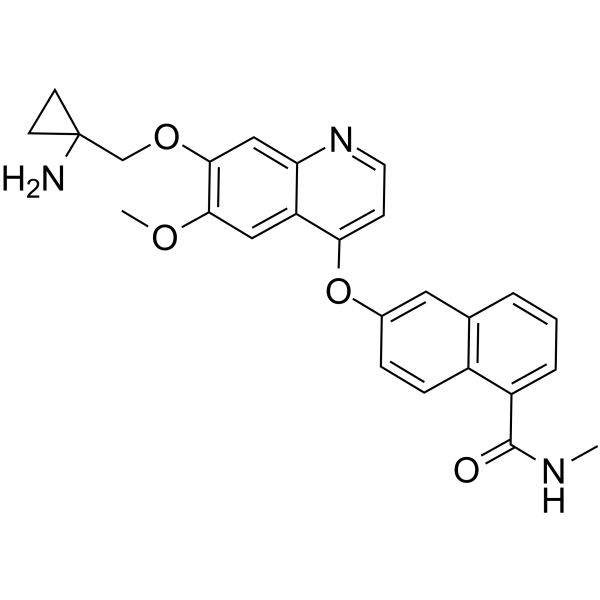
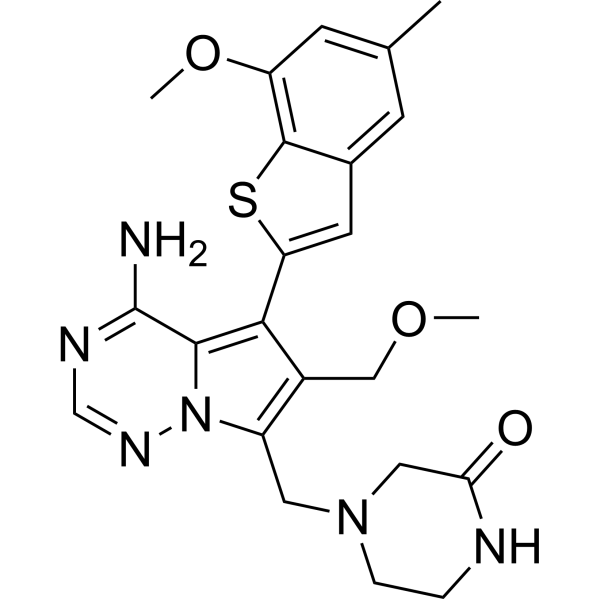
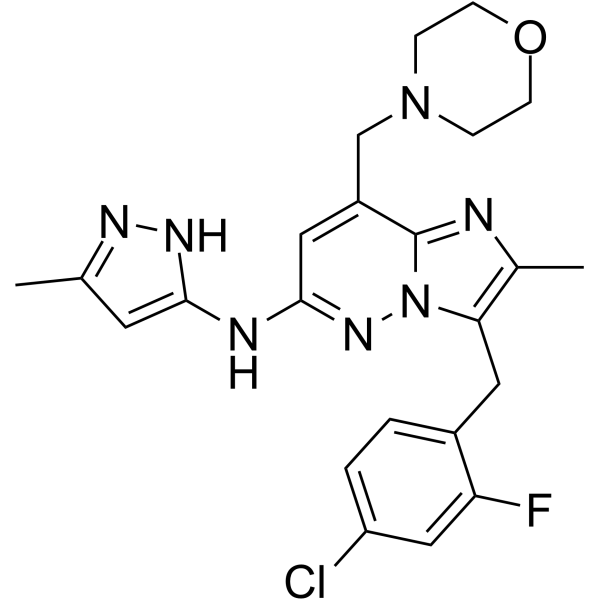
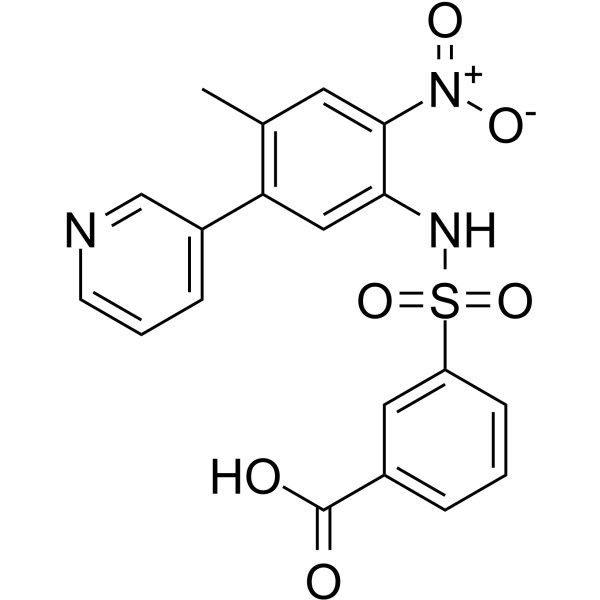
1. Search Result
Search Result
Results for "

FGF-R2

" in MedChemExpress (MCE) Product Catalog:

120

Inhibitors & Agonists

1

Fluorescent Dyes

1

Biochemical Assay Reagents

1

Peptides

4

Inhibitory Antibodies

6

Natural
Products

33

Recombinant Proteins

4

Isotope-Labeled Compounds

2

Antibodies

4

Oligonucleotides

1

GMP Molecules

Cat. No. Product Name Target Research Areas Chemical Structure
  • HY-13311
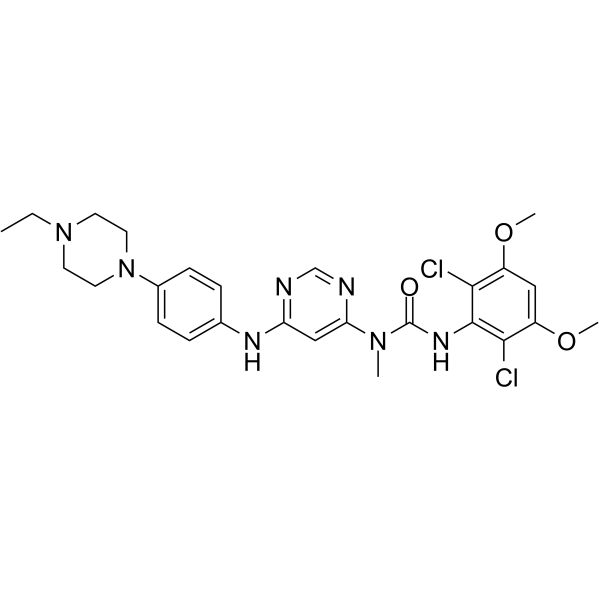
    Infigratinib
    Maximum Cited Publications
    47 Publications Verification

    BGJ-398; NVP-BGJ398

    FGFR Apoptosis Cancer
    Infigratinib (BGJ-398; NVP-BGJ398) is a potent inhibitor of the FGFR family with IC50s of 0.9 nM, 1.4 nM, 1 nM, and 60 nM for FGFR1, FGFR2, FGFR3, and FGFR4, respectively.
    Infigratinib
  • HY-N0183
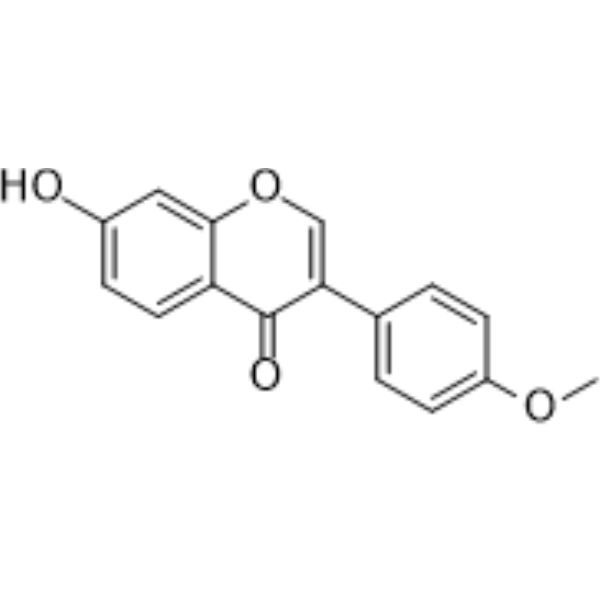
    Formononetin
    Maximum Cited Publications
    24 Publications Verification

    Biochanin B; Flavosil; Formononetol

    FGFR Apoptosis Cardiovascular Disease Cancer
    Formononetin is a potent FGFR2 inhibitor with an IC50 of ~4.31 μM. Formononetin potently inhibits angiogenesis and tumor growth .
    Formononetin
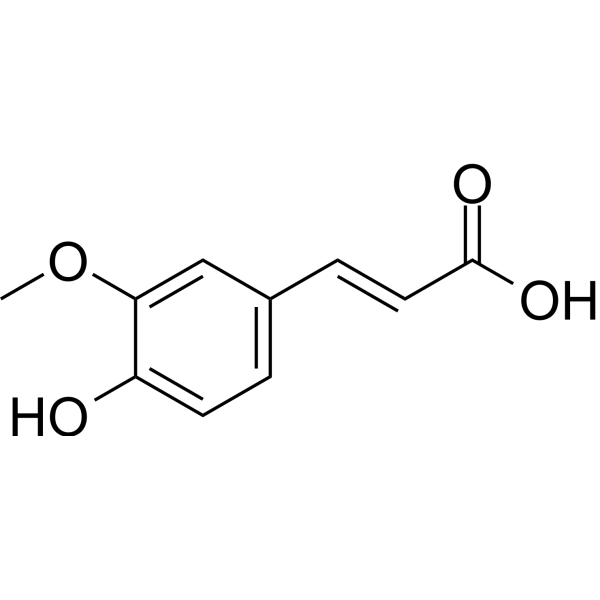
  • HY-N0060
    Ferulic acid
    15+ Cited Publications

    Coniferic acid

    FGFR Endogenous Metabolite Infection Neurological Disease Cancer
    Ferulic acid is a novel fibroblast growth factor receptor 1 (FGFR1) inhibitor with IC50s of 3.78 and 12.5 μM for FGFR1 and FGFR2, respectively.
    Ferulic acid
  • HY-100818
    Futibatinib
    5+ Cited Publications

    TAS-120

    FGFR Cancer
    Futibatinib (TAS-120) is an orally bioavailable, highly selective, and irreversible FGFR inhibitor, with IC50s of 3.9, 1.3, 1.6, and 8.3 nM for FGFR 1-4, respectively. Futibatinib inhibits mutant and wild-type FGFR2 with similar IC50s (wild-type FGFR2=0.9 nM; V5651=1-3 nM; N550H=3.6 nM; E566G=2.4 nM) [2] .
    Futibatinib
  • HY-109099
    Pemigatinib
    20+ Cited Publications

    INCB054828

    FGFR Cancer
    Pemigatinib (INCB054828) is an orally active, selective FGFR inhibitor with IC50s of 0.4 nM, 0.5 nM, 1.2 nM, 30 nM for FGFR1, FGFR2, FGFR3, FGFR4, respectively. Pemigatinib has the potential for cholangiocarcinoma [2].
    Pemigatinib
  • HY-13330
    Fexagratinib
    30+ Cited Publications

    AZD4547; ADSK091

    FGFR Cancer
    Fexagratinib (AZD4547; ADSK091) is a potent inhibitor of the FGFR family with IC50s of 0.2 nM, 2.5 nM, 1.8 nM, and 165 nM for FGFR1, FGFR2, FGFR3, and FGFR4, respectively.
    Fexagratinib
  • HY-147250
    Lirafugratinib
    1 Publications Verification

    RLY-4008

    FGFR Cancer
    Lirafugratinib (RLY-4008) is an orally active, irreversible and highly selective FGFR2 inhibitor with an IC50 of 3 nM. Lirafugratinib covalently binds to Cys491. Lirafugratinib targets FGFR2 primary alterations and resistance mutations and induces tumor regression while sparing other FGFRs .
    Lirafugratinib
  • HY-13304
    LY2874455
    3 Publications Verification

    FGFR Cancer
    LY2874455 is a pan-FGFR inhibitor with IC50s of 2.8, 2.6, 6.4, 6 nM for FGFR1, FGFR2, FGFR3, FGFR4, respectively.
    LY2874455
  • HY-13034
    Gandotinib
    4 Publications Verification

    LY2784544

    JAK FLT3 FGFR VEGFR Cancer
    Gandotinib (LY2784544) is a potent JAK2 inhibitor with IC50 of 3 nM. Gandotinib (LY2784544) also inhibits FLT3, FLT4, FGFR2, TYK2, and TRKB with IC50 of 4, 25, 32, 44, and 95 nM.
    Gandotinib
  • HY-19981
    Derazantinib
    3 Publications Verification

    ARQ-087

    FGFR Cancer
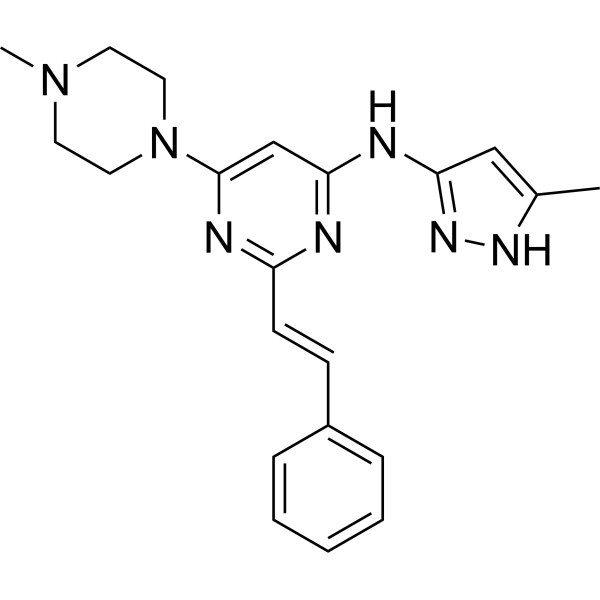
    Derazantinib (ARQ-087) is an ATP competitive and orally activeFGFR inhibitor (IC50s: 1.8 nM for FGFR2, 4.5 nM for FGFR1 and 3 nM). Derazantinib inhibits FGFR phosphorylation. Derazantinib inhibits tumor growth in multiple xenograft models [2].
    Derazantinib
  • HY-100019
    Rogaratinib
    5+ Cited Publications

    BAY1163877

    FGFR Cancer
    Rogaratinib (BAY1163877) is a potent and selective fibroblast growth factor receptor (FGFR) inhibitor. Rogaratinib inhibits FGFRs with IC50s of 11.2 nM (FGFR1), <1 nM (FGFR2), 18.5 nM (FGFR3), 127 nM (VEGFR3/FLT4), 201 nM (FGFR4), respectively [2].
    Rogaratinib
  • HY-10987A
    ENMD-2076
    4 Publications Verification

    Aurora Kinase FLT3 VEGFR FGFR PDGFR Src Apoptosis Cancer
    ENMD-2076 is a multi-targeted kinase inhibitor with IC50s of 1.86, 14, 58.2, 15.9, 92.7, 70.8, 56.4 nM for Aurora A, Flt3, KDR/VEGFR2, Flt4/VEGFR3, FGFR1, FGFR2, Src, PDGFRα, respectively.
    ENMD-2076
  • HY-101466

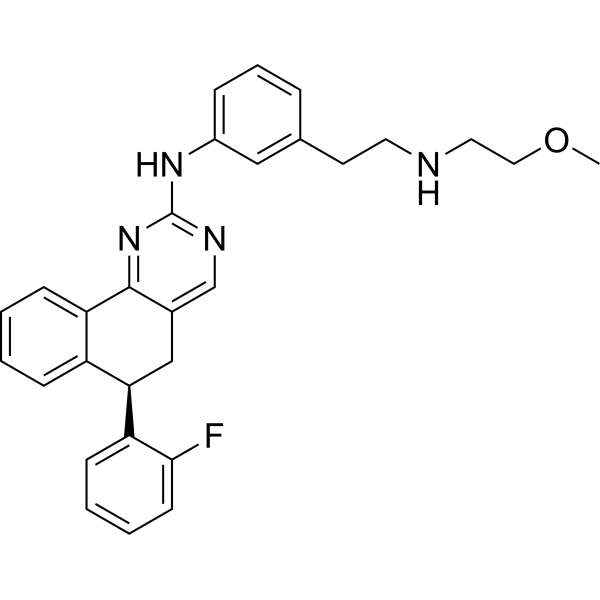
    FGFR Cancer
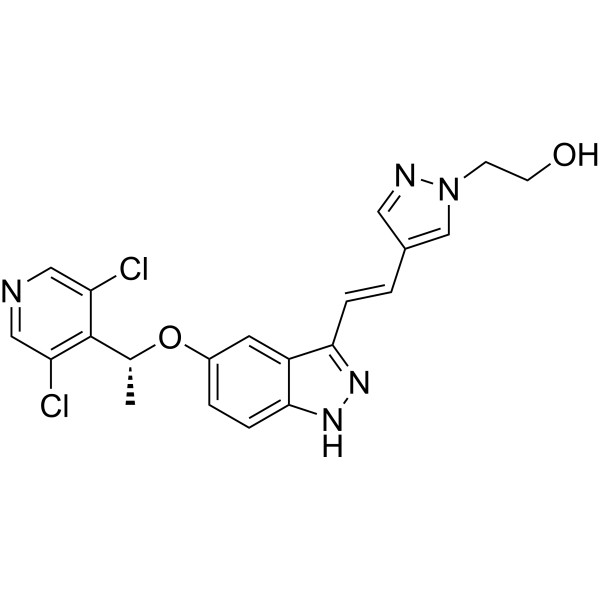
    E7090 is an orally available, potent, and selective FGFR inhibitor with IC50s of 0.71 nM, 0.50 nM, 1.2 nM, and 120 nM for FGFR1/FGFR2/FGFR3/FGFR4, respectively .
    E7090
  • HY-15391
    Lucitanib
    5+ Cited Publications

    E-3810

    VEGFR FGFR Cancer
    Lucitanib (E-3810) is a novel dual inhibitor of VEGFR and FGFR, potently and selectively inhibits VEGFR1, VEGFR2, VEGFR3, FGFR1 and FGFR2 with IC50s of 7 nM, 25 nM, 10 nM, 17.5 nM, and 82.5 nM, respectively [2] .
    Lucitanib
  • HY-19957
    Zoligratinib
    3 Publications Verification

    Debio 1347; CH5183284

    FGFR Cancer
    Zoligratinib (Debio 1347) is an orally available and selective FGFR inhibitor with IC50s of 9.3, 7.6, and 22 nM for FGFR1, FGFR2, FGFR3, and FGFR4, respectively.
    Zoligratinib
  • HY-147250A
    Lirafugratinib hydrochloride
    1 Publications Verification

    RLY-4008 hydrochloride

    FGFR Cancer
    Lirafugratinib (RLY-4008) hydrochloride is an orally active, irreversible and highly selective FGFR2 inhibitor with an IC50 of 3 nM. Lirafugratinib hydrochloride covalently binds to Cys491. Lirafugratinib hydrochloride targets FGFR2 primary alterations and resistance mutations and induces tumor regression while sparing other FGFRs .
    Lirafugratinib hydrochloride
  • HY-141600

    BAY 1187982

    Antibody-Drug Conjugates (ADCs) FGFR Microtubule/Tubulin Apoptosis Cancer
    Aprutumab ixadotin (BAY 1187982) is the first antibody-drug conjugate (ADC) to target FGFR2 and the first to use Auristatin-based payload. Aprutumab ixadotin contains a fully human anti-FGFR2 monoclonal antibody (Aprutumab) (HY-P99007) conjugated by lysine side chains to a non-cleavable linker and via this an innovative Auristatin W derivative. Aprutumab ixadotin can be used for the study of advanced solid tumors, such as FGFR2-positive gastric cancer and triple-negative breast cancer [2].
    Aprutumab ixadotin
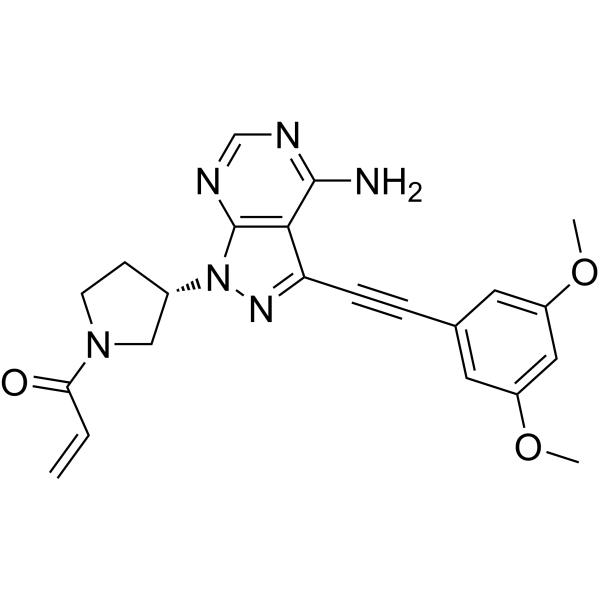
  • HY-18602

    FGFR Cancer
    FIIN-2 is an irreversible inhibitor of FGFR with an IC50 of 3.1, 4.3, 27, and 45 nM for FGFR1, FGFR2, FGFR3 and FGFR4, respectively.
    FIIN-2
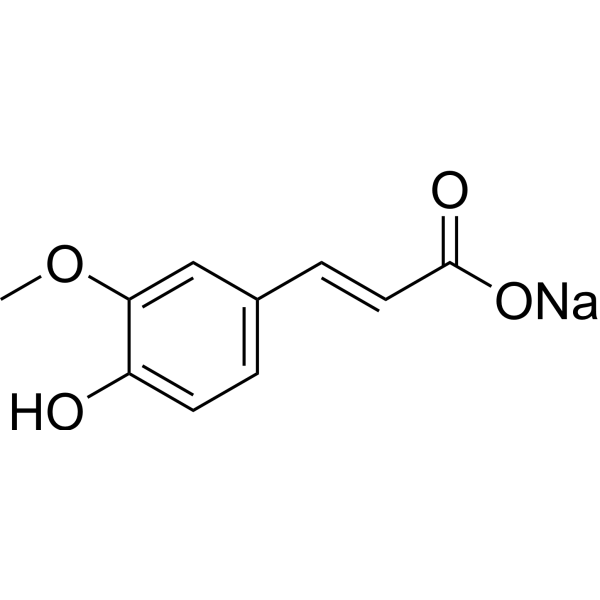
  • HY-N0060A
    Ferulic acid sodium
    15+ Cited Publications

    Coniferic acid sodium

    FGFR Endogenous Metabolite Reactive Oxygen Species (ROS) Cardiovascular Disease Neurological Disease Inflammation/Immunology Cancer
    Ferulic acid sodium is a novel fibroblast growth factor receptor 1 (FGFR1) inhibitor with IC50s of 3.78 and 12.5 μM for FGFR1 and FGFR2, respectively.
    Ferulic acid sodium
  • HY-P99007

    BAY 1179470

    FGFR Cancer
    Aprutumab (BAY 1179470) is a fully human fibroblast growth factor receptor 2 (FGFR2)-specific monoclonal antibody . Aprutumab induces FGFR2 endocytosis and degradation in cancer cells expressing FGFR2. Aprutumab serves as the targeted monoclonal antibody component of the antibody-drug conjugate BAY 1187982 (HY-141600) and mediates the endocytosis of the antibody-drug conjugate into FGFR2-positive cells. Aprutumab can be used for the research of FGFR2-positive solid tumors, including studies on gastric cancer and triple-negative breast cancer .
    Aprutumab
  • HY-165298

    PROTACs FGFR ERK Cancer
    DGY-09-192 is a PROTAC FGFR1/2 degrader (FGFR1: DC50 = 4.35 nM; FGFR2: DC50 = 70 nM). DGY-09-192 preferentially degrades wild-type FGFR1/2 and multiple FGFR2 fusion proteins (including FGFR2-PHGDH and FGFR2-OPTN). DGY-09-192 suppresses downstream FGFR signaling (reducing phosphorylation of FRS2 Y196 and ERK1/2 T202/Y204) in vitro and vivo. DGY-09-192 can be used for the study of FGFR-driven cancers. (Pink: FGFR1/2 ligand (HY-160013), Blue: VHL Ligand (HY-112078), Black: Linker (HY-W020017)) .
    DGY-09-192
  • HY-17601
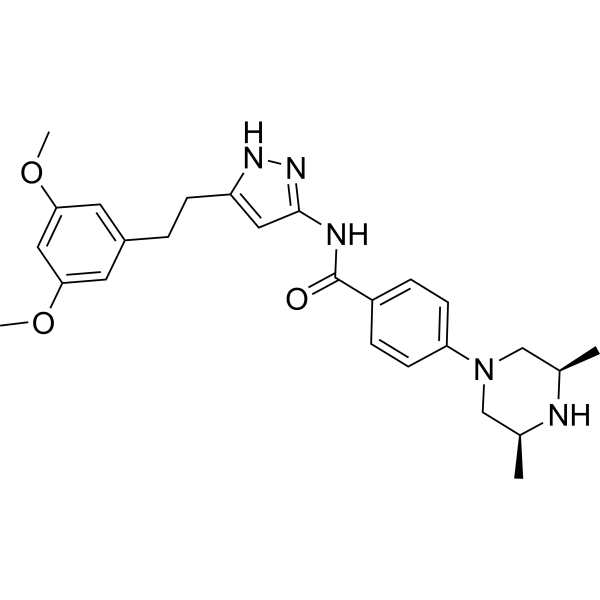
    Alofanib
    4 Publications Verification

    RPT835

    FGFR Apoptosis Cardiovascular Disease Cancer
    Alofanib (RPT835) is a potent and selective allosteric inhibitor of fibroblast growth factor receptor 2 (FGFR2). Anticancer and antiangiogenic activity [2].
    Alofanib
  • HY-13311A
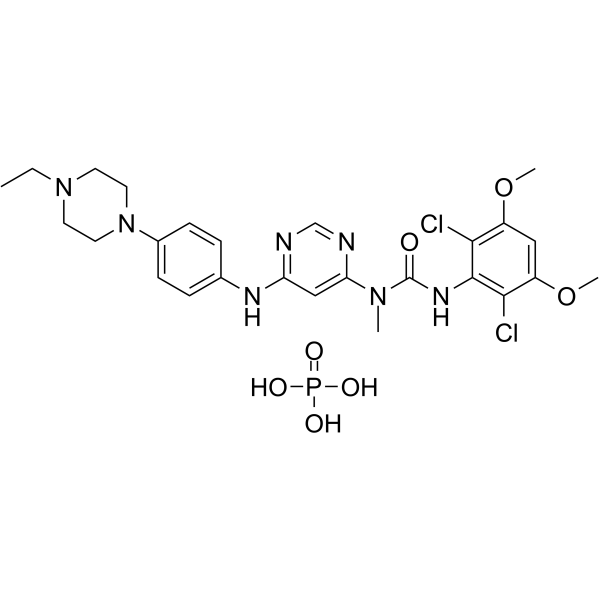
    Infigratinib phosphate
    Maximum Cited Publications
    47 Publications Verification

    BGJ-398 phosphate; NVP-BGJ398 phosphate

    FGFR Cancer
    Infigratinib phosphate (BGJ-398 phosphate; NVP-BGJ398 phosphate) is a potent inhibitor of the FGFR family with IC50 of 0.9 nM, 1.4 nM, 1 nM, and 60 nM for FGFR1, FGFR2, FGFR3, and FGFR4, respectively.
    Infigratinib phosphate
  • HY-148779

    FGFR Cancer
    FGFR3-IN-5 is a potent and selective FGFR3 inhibitor with IC50 values of 3, 44, and 289 nM for FGFR3, FGFR2, and FGFR1, respectively. FGFR3-IN-5 can be used in research of cancer .
    FGFR3-IN-5
  • HY-N0060R
    Ferulic acid (Standard)
    1 Publications Verification

    Coniferic acid (Standard)

    Reference Standards FGFR Endogenous Metabolite Cancer
    Ferulic acid (Standard) is the analytical standard of Ferulic acid. This product is intended for research and analytical applications. Ferulic acid is a novel fibroblast growth factor receptor 1 (FGFR1) inhibitor with IC50s of 3.78 and 12.5 μM for FGFR1 and FGFR2, respectively.
    Ferulic acid (Standard)
  • HY-101768
    PRN1371
    1 Publications Verification

    FGFR c-Fms Cancer
    PRN1371 is a highly selective and potent FGFR1-4 and CSF1R inhibitor with IC50s of 0.6, 1.3, 4.1, 19.3 and 8.1 nM for FGFR1, FGFR2, FGFR3, FGFR4 and CSF1R, respectively .
    PRN1371
  • HY-N7715

    Ferulic acid glucoside; Feruloyl glucose ester

    Drug Metabolite Others
    Ferulic acid acyl-β-D-glucoside (Ferulic acid glucoside) is a metabolite of Ferulic Acid (HY-N0060). Ferulic acid acyl-β-D-glucoside can be isolated from flaxseed extract. Ferulic acid is a novel fibroblast growth factor receptor 1 (FGFR1) inhibitor with IC50 values of 3.78 and 12.5 μM for FGFR1 and FGFR2, respectively [2] .
    Ferulic acid acyl-β-D-glucoside
  • HY-163985

    PROTACs FGFR Apoptosis Cancer
    PROTAC FGFR2 degrader 1 (compound N5) is a PROTAC that effectively targets FGFR2 with DC50 of 6.46 nM, the FGFR2 IC50 is 0.08 nM. PROTAC FGFR2 degrader 1 has anti-proliferative activity and highly selective, induces G0/G1 arrest of KATOIII and SNU16 cell cycle and inhibits apoptosis by reducing the activation of p-ERK and p-PLCγ, the downstream proteins of FGFR2. PROTAC FGFR2 degrader 1 inhibits gastric cancer cells remained above 50% at a concentration of 0.17 nM. PROTAC FGFR2 degrader 1 potently inhibits the growth of SNU16 xenograft tumors in mouse model (Structure Note: Pink, FGFR2 activator: HY-18708; Blue, E3 ligase ligand: HY--10984; Black, linker: HY-163989; E3 ligase ligand + linker:HY-163986) .
    PROTAC FGFR2 degrader 1
  • HY-162865

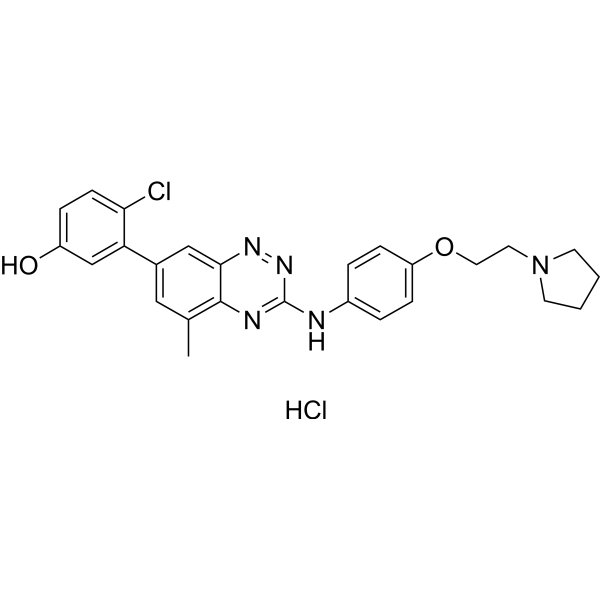
    FGFR Cancer
    FGFR2-IN-3 is an inhibitor of fibroblast growth factor receptor 2 (FGFR2). FGFR2-IN-3 has good binding properties, forming key interactions and inducing conformational changes in FGFR2. FGFR2-IN-3 can be used for research on tumors .
    FGFR2-IN-3
  • HY-156632

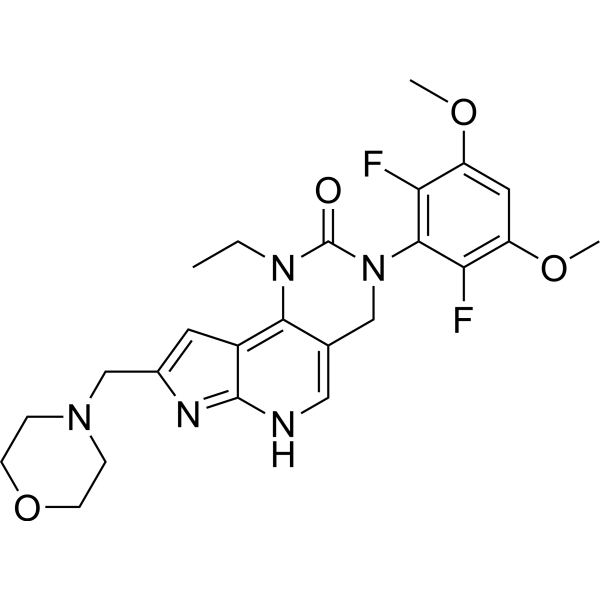
    KIN-3248

    FGFR Cancer
    Resigratinib (KIN-3248) is an irreversible and orally active covalent inhibitor of FGFR1-4 that effectively inhibits wild-type and drug-resistant mutations (such as FGFR2 V565F, FGFR3 V555M). Resigratinib covalently binds to the Cys492 site of FGFR, blocks the FGFR signaling pathway, inhibits tumor cell proliferation and induces apoptosis. Resigratinib can be used for the study of FGFR2/3-driven solid tumors (such as cholangiocarcinoma and bladder cancer) [2].
    Resigratinib
  • HY-175743

    FGFR Cancer
    TYRA-200 is a potent and orally active FGFR2 inhibitor. TYRA-200 inhibits the kinase activity of wild-type FGFR2 and its mutants. TYRA-200 induces significant tumor regression in FGFR2-driven cancer models. TYRA-200 can be used for the research of FGFR2-altered advanced solid tumors, intrahepatic cholangiocarcinoma, and endometrial cancer [2].
    TYRA-200
  • HY-149843

    FGFR PROTACs Cancer
    LC-MB12 is an orally active PROTAC compound targets FGFR2 degradation with a DC50 of 11.8 nM. LC-MB12 contains BGJ398 (a FGFR2 inhibitor), PROTAC linker and CRBN.LC-MB12 inhibits FGFR2 signaling in gastric cancer cells and has anti-tumor activity .
    LC-MB12
  • HY-145230

    FGFR Others
    FGFR2-IN-1 is a selective FGFR2 inhibitor with an IC50 of 140 nM.
    FGFR2-IN-1
  • HY-145231

    FGFR Cancer
    FGFR2-IN-2 (Compound 38) is a selective FGFR2 inhibitor with IC50s of 389, 29, and 758 nM for FGFR1, FGFR2, and FGFR3, respectively .
    FGFR2-IN-2
  • HY-N0183R

    Biochanin B (Standard); Flavosil (Standard); Formononetol (Standard)

    Reference Standards FGFR Apoptosis Cardiovascular Disease Cancer
    Formononetin (Standard) is the analytical standard of Formononetin. This product is intended for research and analytical applications. Formononetin is a potent FGFR2 inhibitor with an IC50 of ~4.31 μM. Formononetin potently inhibits angiogenesis and tumor growth .
    Formononetin (Standard)
  • HY-100818R

    TAS-120 (Standard)

    Reference Standards FGFR Cancer
    Futibatinib (Standard) is the analytical standard of Futibatinib. This product is intended for research and analytical applications. Futibatinib (TAS-120) is an orally bioavailable, highly selective, and irreversible FGFR inhibitor, with IC50s of 3.9, 1.3, 1.6, and 8.3 nM for FGFR 1-4, respectively. Futibatinib inhibits mutant and wild-type FGFR2 with similar IC50s (wild-type FGFR2=0.9 nM; V5651=1-3 nM; N550H=3.6 nM; E566G=2.4 nM) [2] .
    Futibatinib (Standard)
  • HY-10987
    ENMD-2076 Tartrate
    4 Publications Verification

    Aurora Kinase FLT3 VEGFR FGFR Src PDGFR Apoptosis Cancer
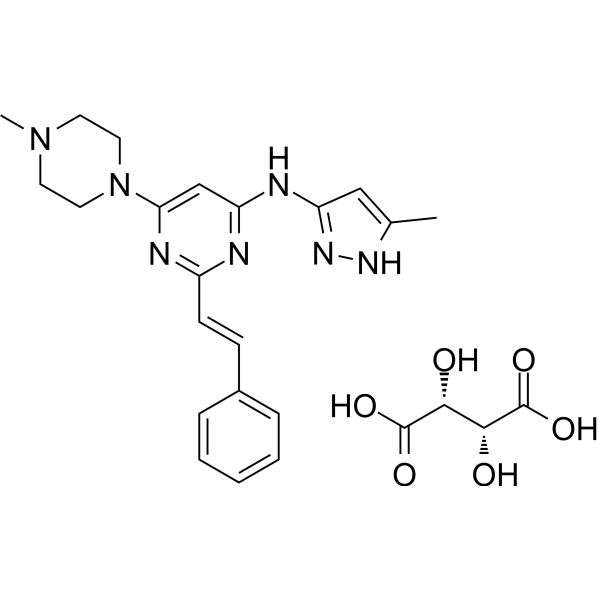
    ENMD-2076 Tartrate is a multi-targeted kinase inhibitor with IC50s of 1.86, 14, 58.2, 15.9, 92.7, 70.8, 56.4 nM for Aurora A, Flt3, KDR/VEGFR2, Flt4/VEGFR3, FGFR1, FGFR2, Src, PDGFRα, respectively.
    ENMD-2076 Tartrate
  • HY-18603

    EGFR FGFR Cancer
    FIIN-3 is an irreversible inhibitor of FGFR with an IC50 of 13.1, 21, 31.4, and 35.3 nM for FGFR1, FGFR2, FGFR3 and FGFR4, respectively.
    FIIN-3
  • HY-15391A
    Lucitanib dihydrochloride
    5+ Cited Publications

    VEGFR FGFR Cancer
    Lucitanib (E-3810) dihydrochloride is a novel dual inhibitor of VEGFR and FGFR, potently and selectively inhibits VEGFR1, VEGFR2, VEGFR3, FGFR1 and FGFR2 with IC50s of 7 nM, 25 nM, 10 nM, 17.5 nM, and 82.5 nM, respectively [2] .
    Lucitanib dihydrochloride
  • HY-174974

    FGFR Cancer
    ISM7594 is an orally active FGFR2/3 inhibitor. ISM7594 shows broad-spectrum antiproliferative potency in FGFR2- or FGFR3-altered cancer cell panels, including FGFR2/3 amplification, fusion, and mutation (BaF3-TEL-FGFR2-V564F (IC50 = 0.067 nM), BaF3-TEL-FGFR2-V564I (IC50 = 2 nM)) types. ISM7594 inhibits tumor growth in a dose-dependent manner. ISM7594 can be used for the study of advanced solid tumors with FGFR2/3 aberrations .
    ISM7594
  • HY-151903S

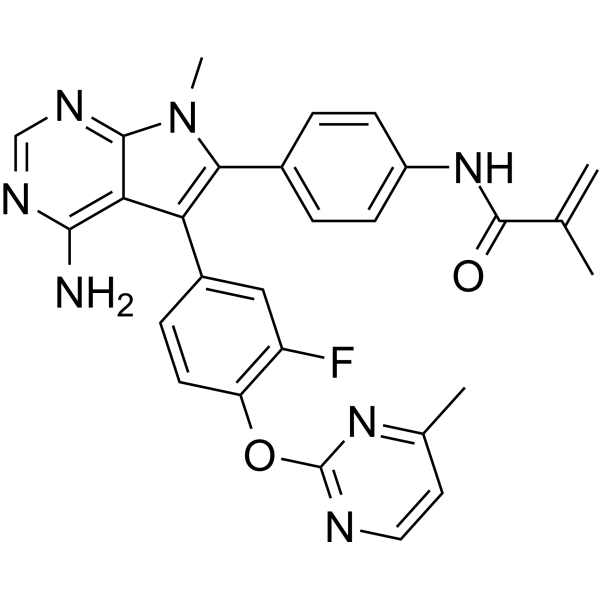
    FGFR Cancer
    FGFR2/3-IN-1 is a potent and selective FGFR2 and FGFR3 (FGFR) inhibitor with IC50s of 1 nM and 0.5 nM, respectively. FGFR2/3-IN-1 displays >40-fold selectivity over FGFR1/FGFR4 and other kinome. FGFR2/3-IN-1 also inhibits FGFR3 V555L and V555M mutants with IC50s of 2.7 nM and 6.1 nM, respectively .
    FGFR2/3-IN-1
  • HY-163273

    FGFR Cancer
    FGFR4-IN-17 (Compound (S)-23) is a piperazinyl diflurindan derivative containing pyridinyl. FGFR4-IN-17 is a FGFR inhibitor with IC50 values of 24.2, 16.1, 78.0, and 68.0 nM for FGFR1, FGFR2, FGFR3, and FGFR4, respectively. FGFR4-IN-17 has antitumor activity .
    FGFR4-IN-17
  • HY-E70823

    FGFR Cancer
    FGFR2 is a receptor tyrosine kinase that is involved in many human cancers such as intrahepatic cholangiocarcinomas and hepatocellular carcinomas. FGFR2 N549K is a mutant of FGFR3. FGFR2 N549K Recombinant Human Active Protein Kinase is a recombinant FGFR4 N535K protein that can be used to study FGFR4 N535K-related functions .
    FGFR2 N549K Recombinant Human Active Protein Kinase
  • HY-163620

    FGFR Apoptosis Cancer
    LHQ490 is a selective FGFR2 inhibitor, with an IC50 of 5.2 nM. LHQ490 efficiently inhibits the proliferation of BaF3-FGFR2 cells with an IC50 value of 1.4 nM. LHQ490 inhibits FGFR2-driven cancer cell proliferation and induces apoptosis of FGFR2-driven cancer cells .
    LHQ490
  • HY-176547

    FGFR Cytochrome P450 Endocrinology
    FGFR2/3-IN-3 is a dual-target FGFR2/3 inhibitor with IC50s of 2.7 nM (TEL-FGFR2) and 3.9 nM (TEL-FGFR3), respectively. FGFR2/3-IN-3 has effective activity against both wild-type and mutant FGFR3. FGFR2/3-IN-3 has low CYP3A4 inhibitory effect and hERG toxicity. FGFR2/3-IN-3 improves the imbalance between chondrocyte proliferation and differentiation and promotes bone growth by inhibiting the signaling pathway mediated by mutant FGFR3. FGFR2/3-IN-3 shows a growth-promoting effect in a dwarfism mouse model and has the potential to study bone development disorder-related diseases such as achondroplasia (ACH) .
    FGFR2/3-IN-3
  • HY-170934

    FGFR Cancer
    BW710 is an orally active fibroblast growth factor receptor 2 (FGFR2) inhibitor. BW710 inhibits the proliferation of BaF3-FGFR2 cells with an IC50 of 2.8 nM. BW710 abolishes FGFR2 enzymatic activity and is selective against other 75 tyrosine kinases including FGFR1, FGFR3, and FGFR4 at 1 μM. BW710 suppresses the FGFR2 signaling and selectively inhibits FGFR2-driven cancer cell proliferation. BW710 displays reasonable pharmacokinetic properties with an oral bioavailability of 29 % in mice .
    BW710
  • HY-RS04916

    Small Interfering RNA (siRNA) Others

    Fgfr2 Mouse Pre-designed siRNA Set A contains three designed siRNAs for Fgfr2 gene (Mouse), as well as a negative control, a positive control, and a FAM-labeled negative control.

    Fgfr2 Mouse Pre-designed siRNA Set A
    Fgfr2 Mouse Pre-designed siRNA Set A
  • HY-145043

    FGFR Cancer
    FGFR-IN-1 is a potent FGFR inhibitor with an IC50 of <100 nM for FGFR1, FGFR2, and FGFR3, respectively (patent US20130338134A1, example 219) .
    FGFR-IN-1
  • HY-174154

    FGFR Cancer
    INCB126503 is an orally activeM, selective FGFR2/3 Inhibitor with IC50 values of 70 nM (FGFR1), 2.1 nM (FGFR2), 1.2 nM (FGFR3), 0.92 nM (FGFR3-V555L), 0.85 nM (FGFR3-V555M) and 64 nM (FGFR4). INCB126503 suppresses FGFR signaling in vivo without causing hyperphosphatemia and shows antitumor efficacy in xenograft models harboring FGFR3 genetic alterations .
    INCB126503
  • HY-13311S

    BGJ-398-d3; NVP-BGJ398-d3

    FGFR Cancer
    Infigratinib-d3 is a deuterated analog of infigratinib. Infigratinib is an effective inhibitor of the FGFR family, with IC50 values of 0.9 nM, 1.4 nM, 1 nM, and 60 nM for FGFR1, FGFR2, FGFR3, and FGFR4, respectively .
    Infigratinib-d3

Inquiry Online

Your information is safe with us. * Required Fields.

Salutation


Country or Region *

Applicant Name *


Organization Name *

Department *


Email Address *


Product Name *

Cat. No.


Requested quantity *

Phone Number *


Remarks

Inquiry Online

Inquiry Information

Product Name:
Cat. No.:
Quantity:
MCE Japan Authorized Agent:

