Search Result
Results for "
FXR agonist
" in MedChemExpress (MCE) Product Catalog:
8
Isotope-Labeled Compounds
| Cat. No. |
Product Name |
Target |
Research Areas |
Chemical Structure |
-
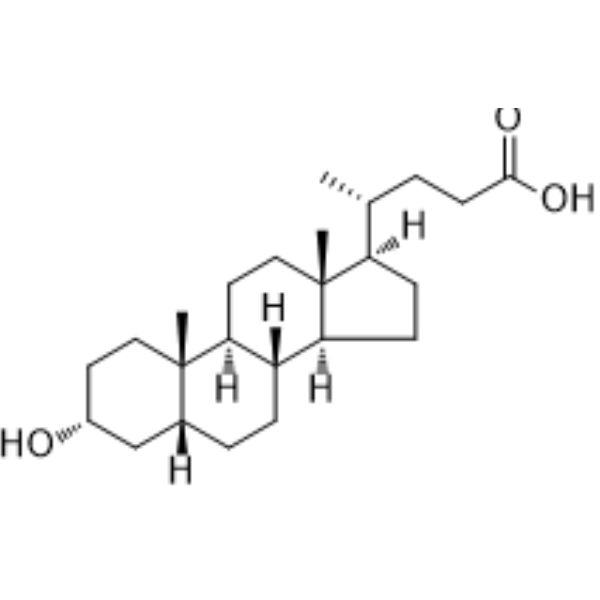
- HY-B0172
-
-
-
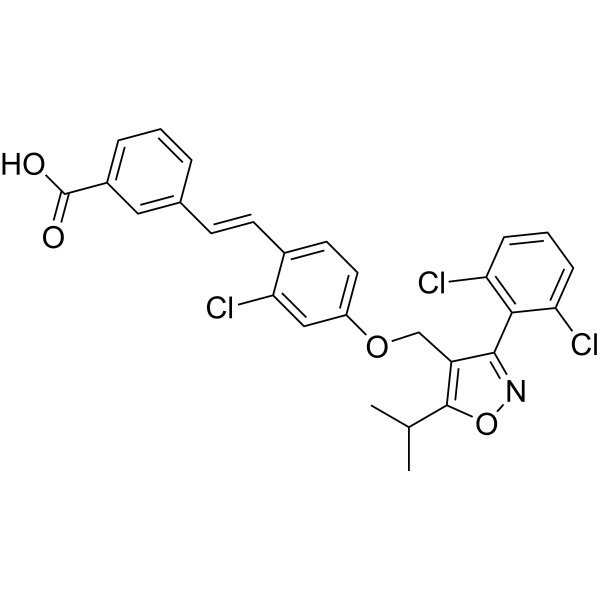
- HY-50108
-
-
-
- HY-12222
-
|
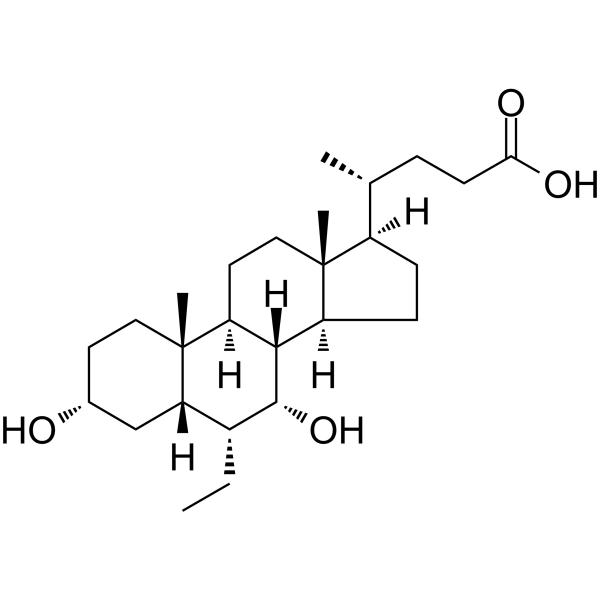
INT-747; 6-ECDCA; 6-Ethylchenodeoxycholic acid
|
FXR
Autophagy
|
Others
|
|
Obeticholic acid (INT-747) is a potent, selective and orally active FXR agonist with an EC50 of 99 nM. Obeticholic acid has anticholeretic and anti-inflammation effect. Obeticholic acid also induces autophagy .
|
-
-
- HY-10626
-
|
|
LXR
FXR
ROR
Apoptosis
|
Cardiovascular Disease
Metabolic Disease
Cancer
|
|
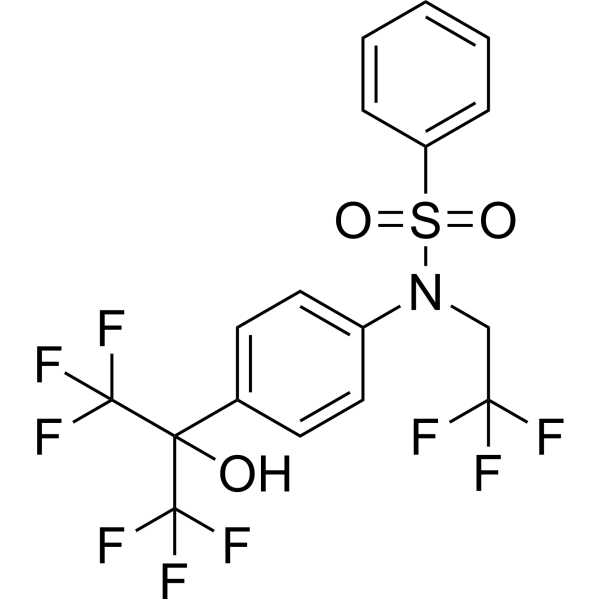
T0901317 is an orally active and highly selective LXR agonist with an EC50 of 20 nM for LXRα . T0901317 activates FXR with an EC50 of 5 μM . T0901317 is RORα and RORγ dual inverse agonist with Ki values of 132 nM and 51 nM, respectively . T0901317 induces apoptosis and inhibits the development of atherosclerosis in low-density lipoprotein (LDL) receptor-deficient mice .
|
-
-
- HY-10912
-
|
|
FXR
Autophagy
|
Others
|
|
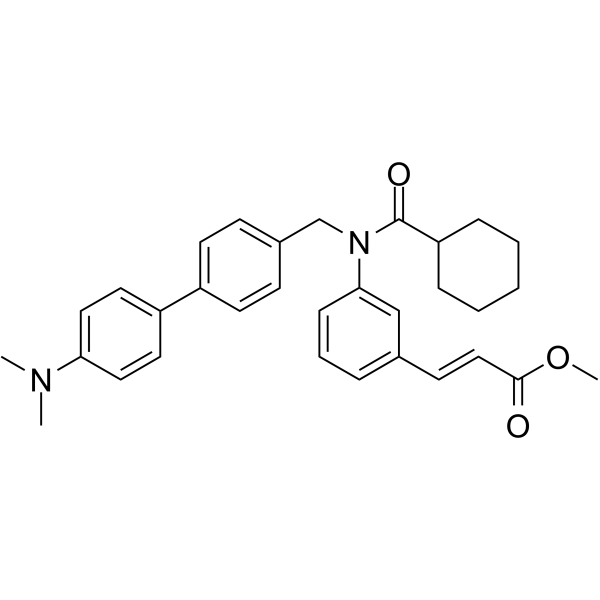
Fexaramine is a potent and selective FXR agonist with an EC50 of 25 nM. Fexaramine has no activity against hRXRα, hPPARαγδ, mPXR, hPXR, hLXRα, hTRβ, hRARβ, mCAR, mERRγ, and hVDR receptors .
|
-
-
- HY-109083
-
|
GS-9674
|
FXR
Autophagy
|
Inflammation/Immunology
|
|
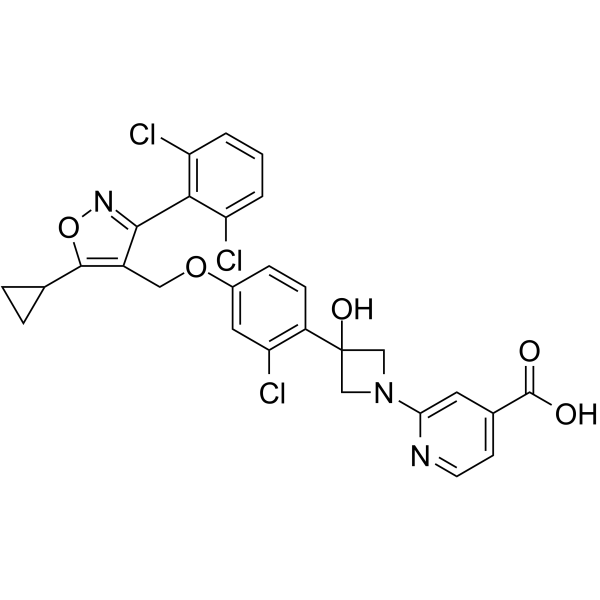
Cilofexor (GS-9674) is a potent, selective and orally active nonsteroidal FXR agonist with an EC50 of 43 nM. Cilofexor has anti-inflammatory and antifibrotic effects. Cilofexor has the potential for primary sclerosing cholangitis (PSC) and nonalcoholic steatohepatitis (NASH) research .
|
-
-
- HY-107418
-
-
-
- HY-N4067
-
|
isoCDCA
|
FXR
Endogenous Metabolite
|
Metabolic Disease
|
|
Isochenodeoxycholic acid (isoCDCA) is a FXR agonist. Isochenodeoxycholic acid activates the activity of FXR and induces the mRNA expression of FXR target genes (Ostβ and Kng1). Isochenodeoxycholic acid serves as a substrate for the liver class I ADH γγ isozyme-mediated 3β-dehydrogenation reaction .
|
-

-
- HY-50911
-
|
FXR-450; XL335; WAY-362450
|
FXR
Autophagy
|
Metabolic Disease
Cancer
|
|
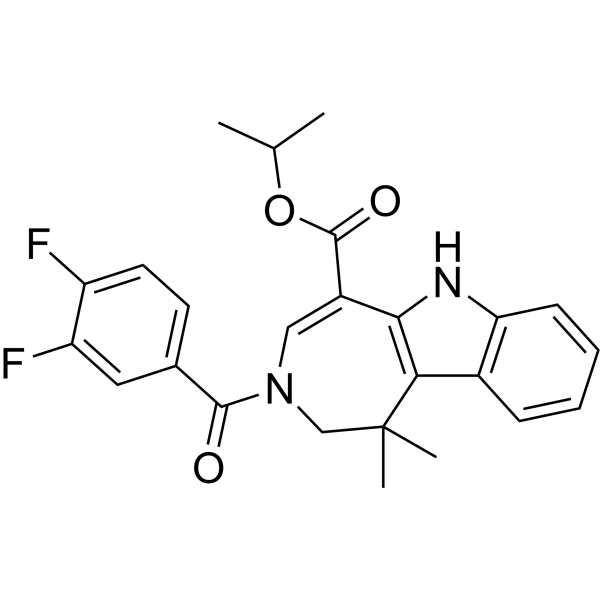
Turofexorate isopropyl (FXR-450) is a potent, selective, and orally bioavailable FXR agonist with EC50 of 4 nM .
|
-
-
- HY-109197
-
|
EYP001
|
FXR
HBV
|
Infection
|
|
Vonafexor (EYP001) is an orally active, non-steroidal and selective FXR agonist. Vonafexor shows significant HBsAg reduction when combined with Peg-IFNα. Vonafexor can be used for anti-HBV research .
|
-
-
- HY-160929
-
|
CS-0159
|
FXR
|
Inflammation/Immunology
|
|
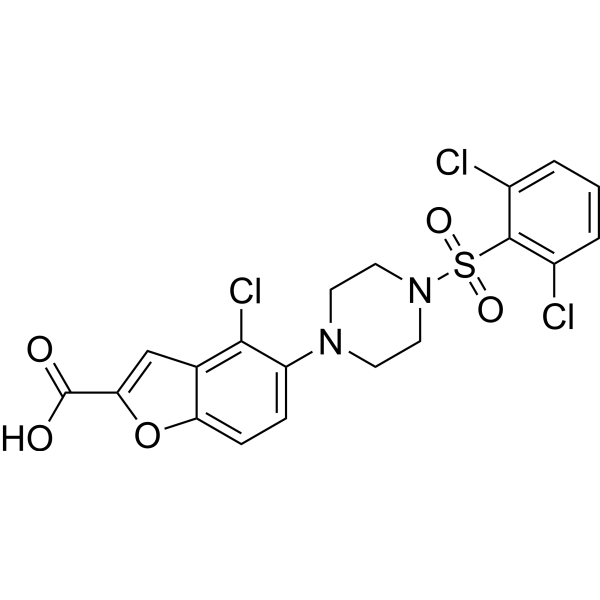
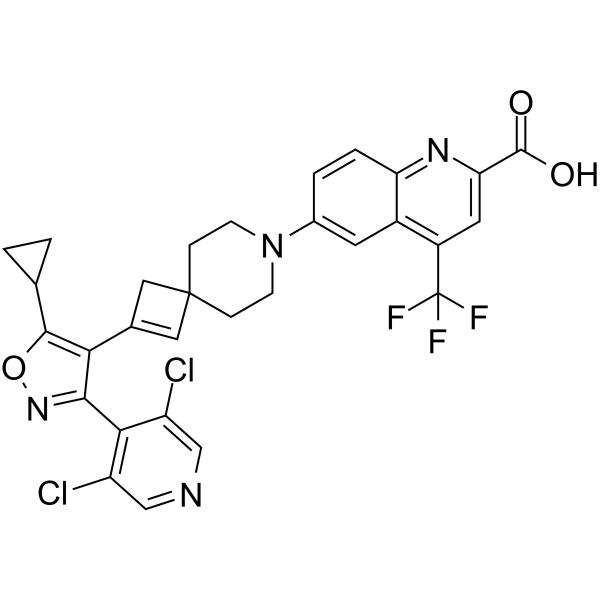
Linafexor (CS-0159) is a FXR agonist and bile acid homeostasis modulator. Linafexor exerts its effects by activating FXR, a regulator of liver function. Linafexor is applicable to research related to primary sclerosing cholangitis (PSC). Linafexor is also suitable for research in the field of metabolic dysfunction-associated steatohepatitis (MASH) .
|
-

-
- HY-B0172R
-
|
3α-Hydroxy-5β-cholanic acid (Standard)
|
Reference Standards
Autophagy
Endogenous Metabolite
Apoptosis
FXR
|
Metabolic Disease
Cancer
|
|
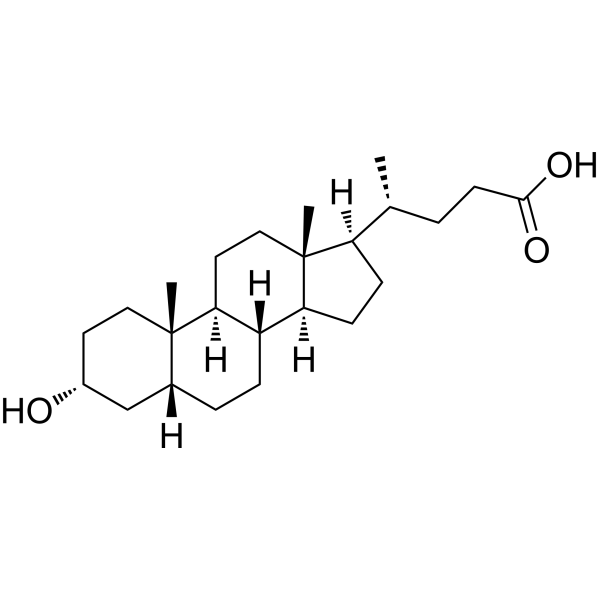
Lithocholic acid (Standard) is the analytical standard of Lithocholic acid. This product is intended for research and analytical applications. Lithocholic acid is a toxic secondary bile acid that can promote intrahepatic cholestasis and promote tumorigenesis. Lithocholic acid is also a FXR antagonist and a PXR/SXR agonist .
|
-
-
- HY-151932
-
|
|
FXR
|
Inflammation/Immunology
|
|
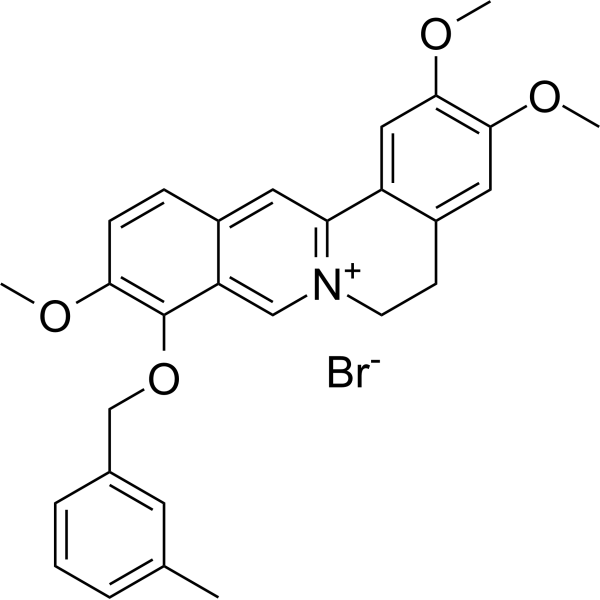
FXR agonist 3 is an anti-NASH agent, acting by activating FXR. FXR agonist 3 inhibits COL1A1, TGF-β1, α-SMA and TIMP1 expression with anti-fibrogenic activity. FXR agonist 3 significantly reduces liver steatosis and inflammation, improves liver fibrosis level .
|
-
-
- HY-12434
-
-
-
- HY-N3431
-
|
|
AMPK
PD-1/PD-L1
FXR
Reactive Oxygen Species (ROS)
|
Cardiovascular Disease
|
|
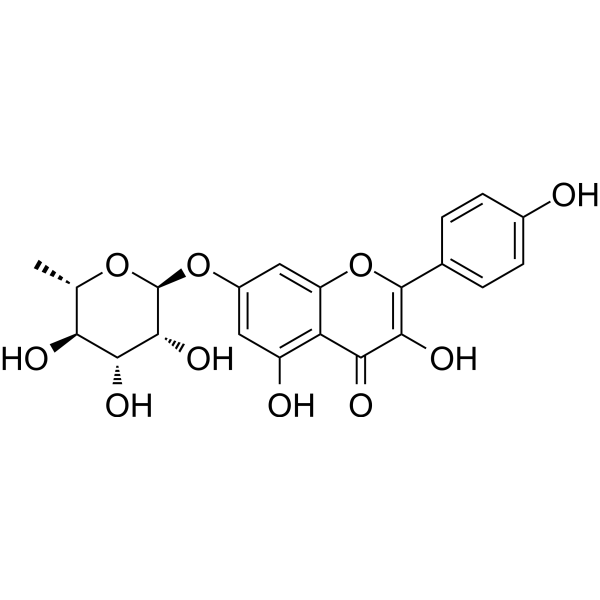
Kaempferol-7-O-rhamnoside is a PD-1/PD-L1 inhibitor and farnesoid X receptor (FXR) agonist. Kaempferol-7-O-rhamnoside demonstrates cardioprotective potential targeting the AMPKα1 signaling pathway. Kaempferol-7-O-rhamnoside significantly upregulates the mRNA expression of AMPKα1 in H9c2 cardiomyocytes. Kaempferol-7-O-rhamnoside reverses APAP-induced reduction of glutathione (GSH) content and increase of ROS production in L02 cells. Kaempferol-7-O-rhamnoside has the potential for heart failure .
|
-
-
- HY-109096
-
|
LMB763
|
FXR
Autophagy
|
Inflammation/Immunology
|
|
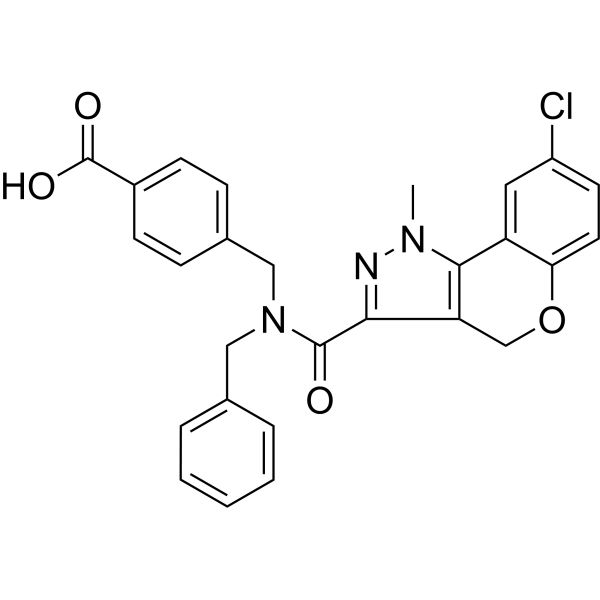
Nidufexor (LMB763) is an orally-available farnesoid X receptor (FXR) agonist for the research of nonalcoholic steatohepatitis (NASH) .
|
-
-
- HY-101273
-
-
-
- HY-134988
-
|
|
FXR
Phosphatase
Cytochrome P450
|
Inflammation/Immunology
|
|
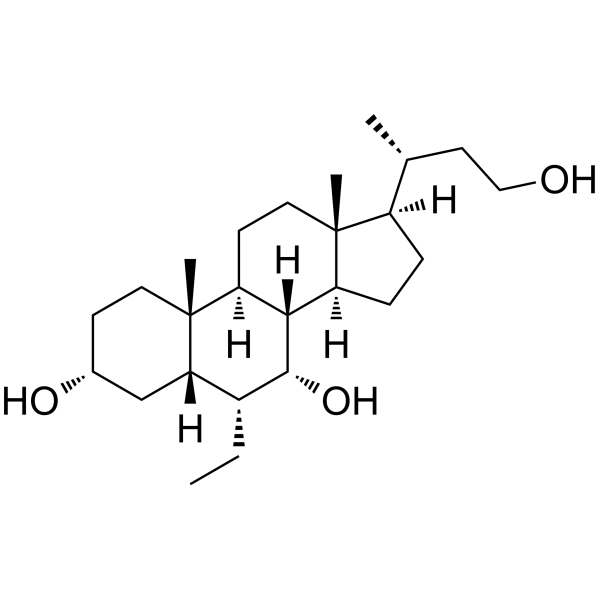
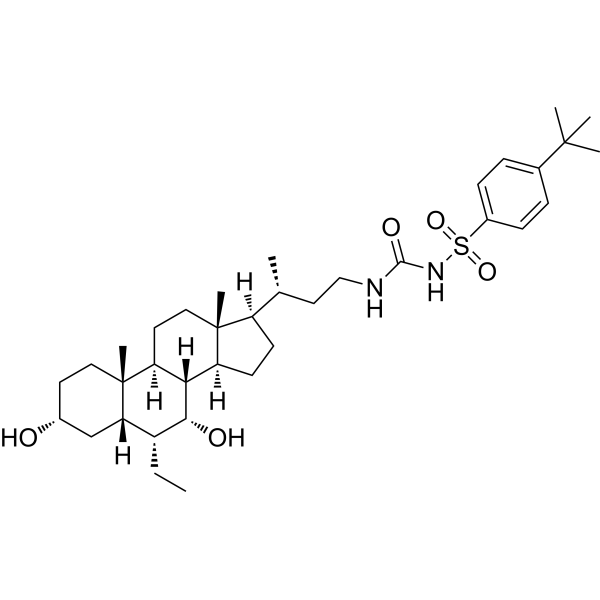
EDP-305 is an orally active, potent and selective farnesoid X receptor (FXR) agonist, with EC50 values of 34 nM (chimeric FXR in CHO cells) and 8 nM (full-length FXR in HEK cells). EDP-305 shows a potent and consistent antifibrotic effect. EDP-305 can be used for primary biliary cholangitis (PBC) and non-alcoholic steatohepatitis (NASH) research .
|
-
-
- HY-147296
-
|
MET409
|
FXR
|
Inflammation/Immunology
Cancer
|
|
Omesdafexor (MET409) is an orally active FXR agonist with a unique non-bile acid structure. Omesdafexor can be used for the study of non-alcoholic steatohepatitis (NASH) .
|
-
-
- HY-N4294
-
|
|
FXR
Insecticide
|
Infection
Metabolic Disease
Inflammation/Immunology
|
|
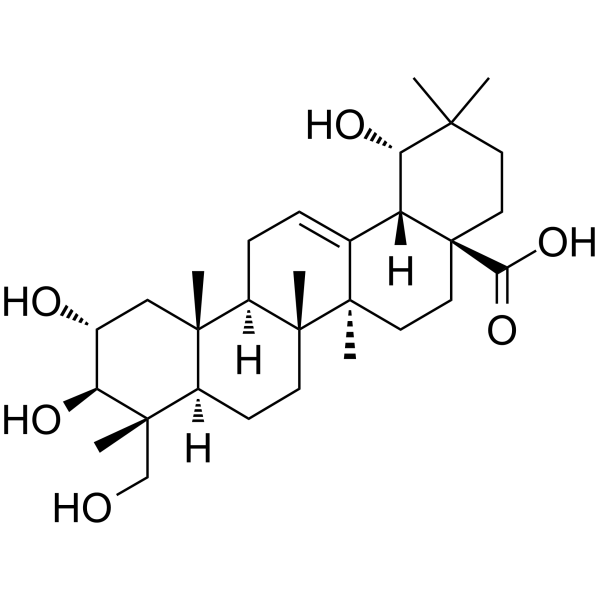
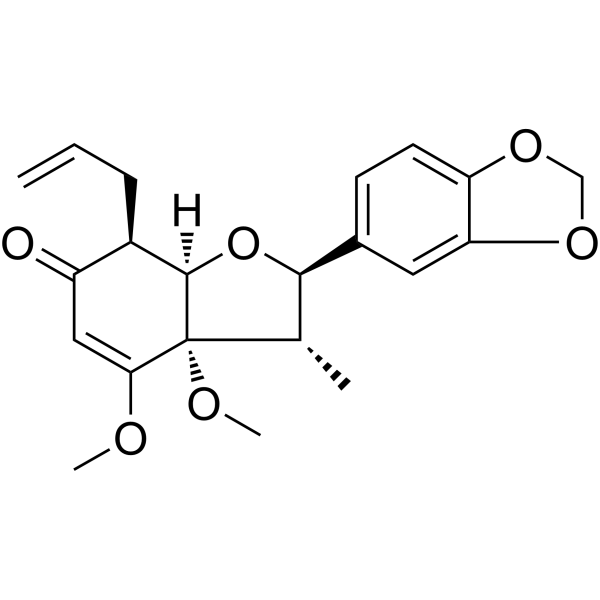
Arjungenin, a pentacyclic triterpenoid compound, is a FXR agonist. Arjungenin can improve insulin sensitivity by regulating the function of fat cells. Arjungenin exhibits moderate free radical scavenging activity. Arjungenin has growth inhibitory activity against the insect Spilarctia obliqua. Arjungenin has significant antiviral activity against a series of viruses such as chikungunya Virus (CHIKV) .
|
-
-
- HY-N0910
-
-
-
- HY-151959
-
|
|
FXR
|
Cardiovascular Disease
Metabolic Disease
Inflammation/Immunology
|
|
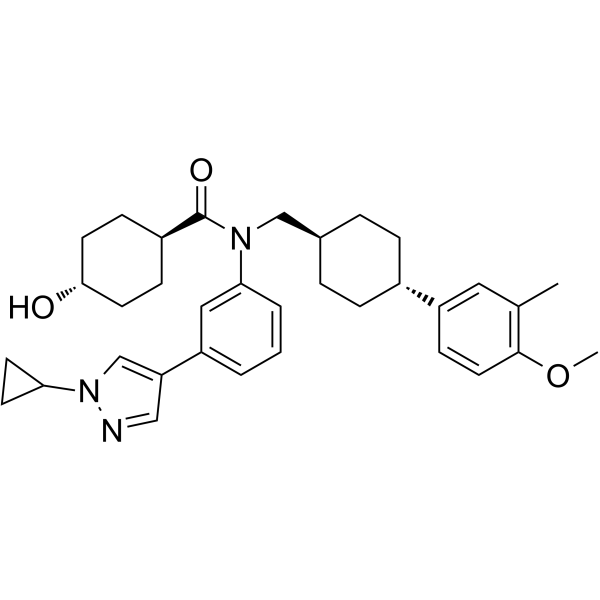
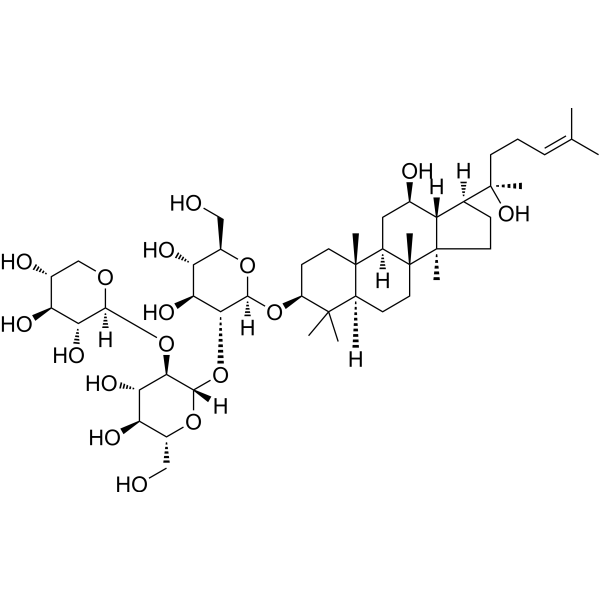
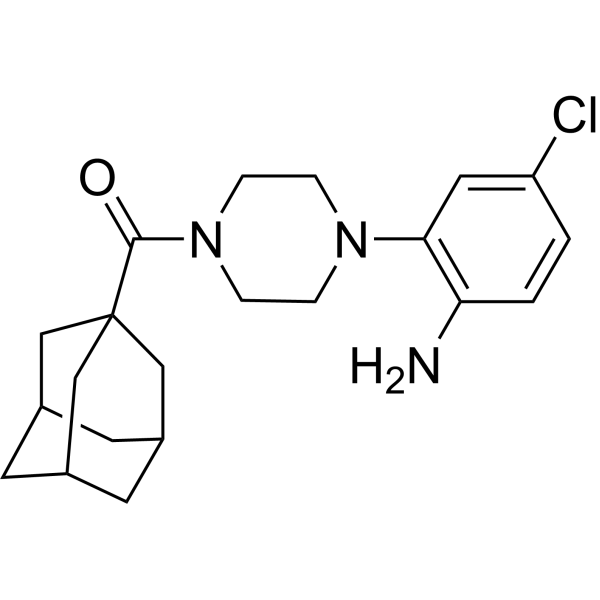
FXR agonist 4 (compound 10a) is an agonist of farnesoid X receptor (FXR) with an EC50 value of 1.05 μM. FXR agonist 4 effectively improves hyperlipidemia, hepatic steatosis, insulin resistance and hepatic inflammation in DIO mice. FXR agonist 4 can be used for the research of non-alcoholic fatty liver disease (NAFLD) .
|
-
-
- HY-142159
-
-
-
- HY-169792
-
|
|
FXR
Aminotransferases (Transaminases)
|
Metabolic Disease
Inflammation/Immunology
|
|
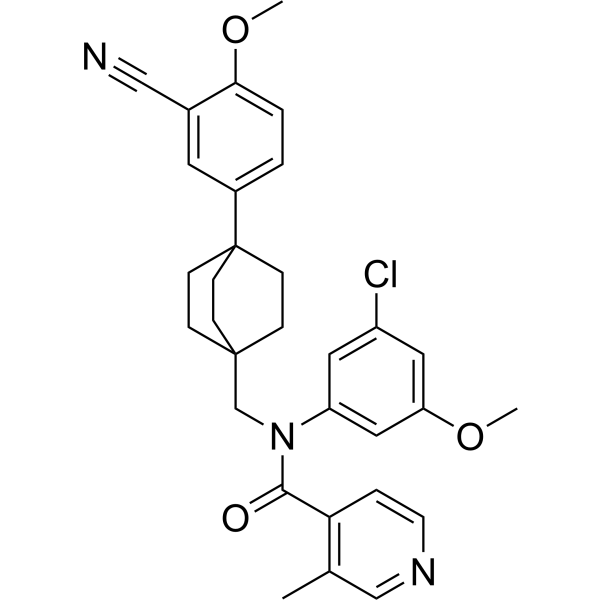
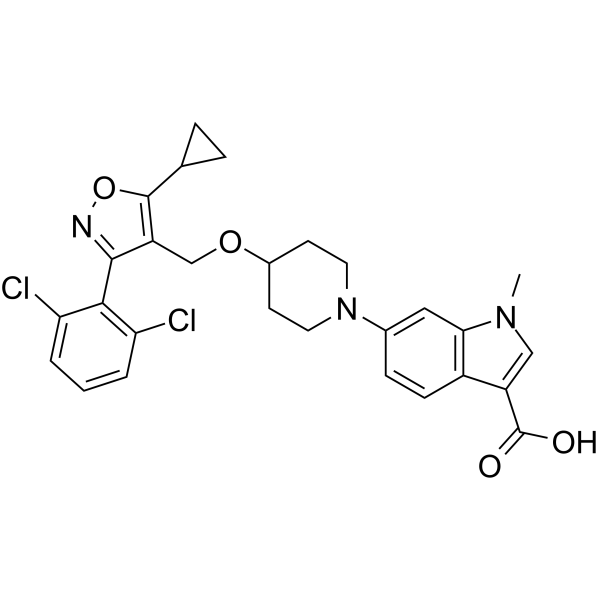
HPG1860 is an orally active, highly selective and potent FXR agonist, with an EC50 of 18 nM (FXR-luciferase reporter assay). HPG1860 has EC50 values >30.0 μM for TGR5 and 13 other related nuclear receptors (cAMP biological assay). HPG1860 can be used for the research of non-alcoholic steatohepatitis (NASH) .
|
-

-
- HY-164799
-
|
|
FXR
|
Inflammation/Immunology
|
|
FXR agonist 12 (Compound C7) is the orally active agonist for FXR. FXR agonist 12 down-regulates bile acid synthesis-related genes, and up-regulates bile acid transport-related genes in HepG2 cells. FXR agonist 12 improves ANIT-induced cholestasis, ameliorates the liver damage and fibrosis in mouse NASH models .
|
-

-
- HY-135399
-
|
|
FXR
|
Inflammation/Immunology
|
|
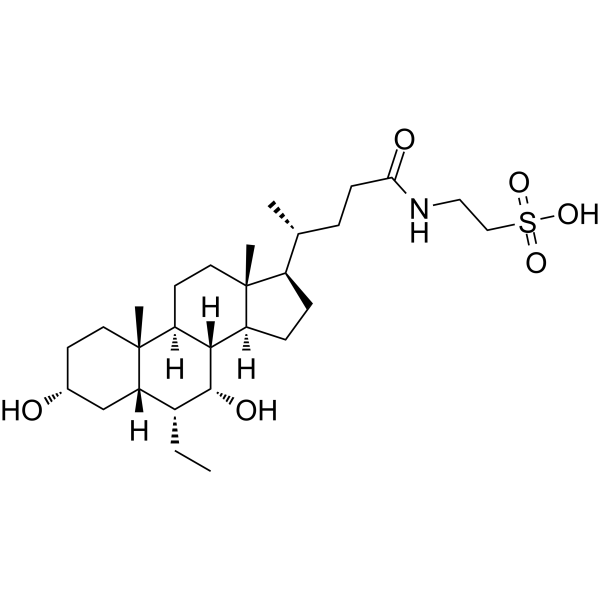
Tauro-obeticholic acid is an active metabolite of Obeticholic acid. Obeticholic acid is an orally bioavailable farnesoid-X receptor (FXR) agonist .
|
-
-
- HY-N3209
-
-
-
- HY-100443A
-
|
trans-PX-102
|
FXR
Autophagy
|
Metabolic Disease
|
|
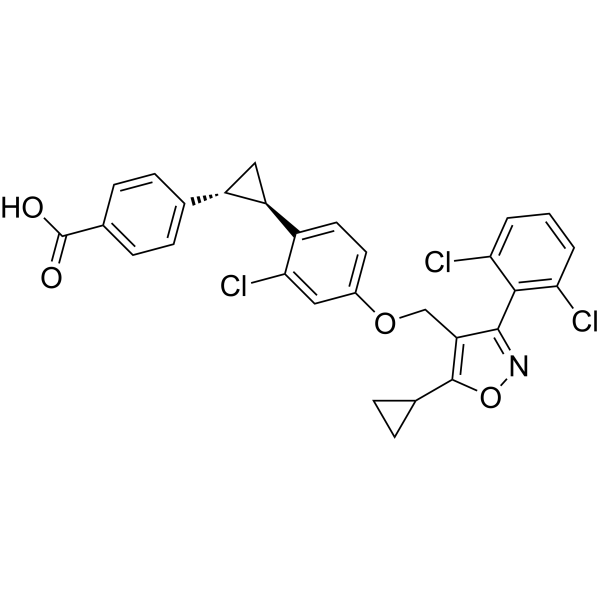
PX20606 trans racemate (PX-102 trans racemate) is a FXR agonist with EC50s of 32 and 34 nM for FXR in FRET and M1H assay, respectively .
|
-
-
- HY-103704
-
-
-
- HY-N3891
-
-
-
- HY-12222R
-
|
INT-747 (Standard); 6-ECDCA (Standard); 6-Ethylchenodeoxycholic acid (Standard)
|
Reference Standards
FXR
Autophagy
|
Others
|
|
Obeticholic acid (Standard) is the analytical standard of Obeticholic acid. This product is intended for research and analytical applications. Obeticholic acid (INT-747) is a potent, selective and orally active FXR agonist with an EC50 of 99 nM. Obeticholic acid has anticholeretic and anti-inflammation effect. Obeticholic acid also induces autophagy .
|
-

-
- HY-139418
-
|
|
FXR
|
Cancer
|
|
PX20350 is a FXR agonist with EC50s of 83 and 10 nM for mFXR and hFXR, respectively. PX20350 significantly induces NDRG2 mRNA expression. PX20350 potently reduces liver tumor cells (SK-GI-18 cells) growth and metastasis, and has anti-tumorigenic activity in orthotopic xenograft mouse models .
|
-

-
- HY-153525
-
-
-
- HY-163466
-
|
|
FXR
|
Inflammation/Immunology
|
|
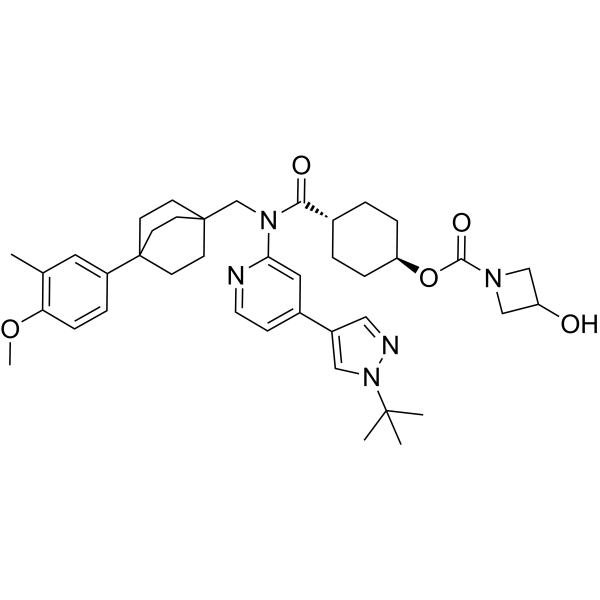
FXR agonist 7 (compound 33) is a potent agonist of FXR, with EC50 of 0.1 nM. FXR agonist 7 shows high intestinal distribution, good anti-inflammatory activity .
|
-

-
- HY-178959
-
|
|
FXR
|
Metabolic Disease
Inflammation/Immunology
|
|
FXR agonist 13 is a selective, orally active, potent FXR agonist (EC50 = 0.097 μM) and has favorable hepatic microsomal metabolic stability. FXR agonist 13 exhibits moderate affinity for FXR-LBD upon direct binding (KD = 14.74 μM). FXR agonist 13 displays good selectivity against related nuclear receptors, including LXRα/β, PPARα/γ/δ, PXR, and TGR5. FXR agonist 13 can be used for the study of metabolic-associated steatohepatitis (MASH) .
|
-

-
- HY-168332
-
|
|
FXR
|
Metabolic Disease
|
|
FXR agonist 11 (Compound 14) is an FXR agonist with an EC50 of 1.2 μM and a maximum effect of 73.7%. FXR agonist 11 can significantly increase GSH levels in the liver and is used to study drug-induced liver injury diseases .
|
-

-
- HY-175516
-
|
|
FXR
PPAR
|
Inflammation/Immunology
|
|
dual FXR/PPARδ agonist-2 is a FXR/PPARδ dual agonist through hybridation of FXR agonist GW-4064 and PPARδ agonist GW-0742.dual FXR/PPARδ agonist-2 displays potent dual-target activities with a FXR agonistic EC50 of 12.28 nM and 69 % PPARδ activation at 100 nM. dual FXR/PPARδ agonist-2 shows anti-fibrotic effects in pulmonary fibrosis mouse model .
|
-

-
- HY-168629
-
|
|
FXR
|
Metabolic Disease
|
|
FXR agonist 9 (compound 26) is an oral active and selectivity FXR partial agonist with the EC50 of 0.09 µM (75.13 % maximum efficacy). FXR agonist 9 ameliorates pathological features in HFD and CCl4(HY-Y0298)-induced metabolic dysfunction-associated steatohepatitis mice .
|
-

-
- HY-W587537
-
|
|
FXR
|
Metabolic Disease
|
|
Deoxycholic Acid 3-O-beta-D-Glucuronide disodium salt is a bile acid receptor (FXR) agonist.
|
-

-
- HY-100443
-
|
PX-102
|
FXR
|
Cancer
|
|
PX20606 is an orally active agonist for farnesoid X receptor (FXR), with EC50 220 nM (mFXR) and 50 nM (hFXR), measured by Gal4-FXR assay. PX20606 induces the expression of tumor suppressor gene NDRG2, inhibits the tumor growth and metastasis in mouse HCC model. PX20606 exhibits hepatoprotective efficacy .
|
-

-
- HY-N10640
-
|
|
FXR
|
Inflammation/Immunology
|
|
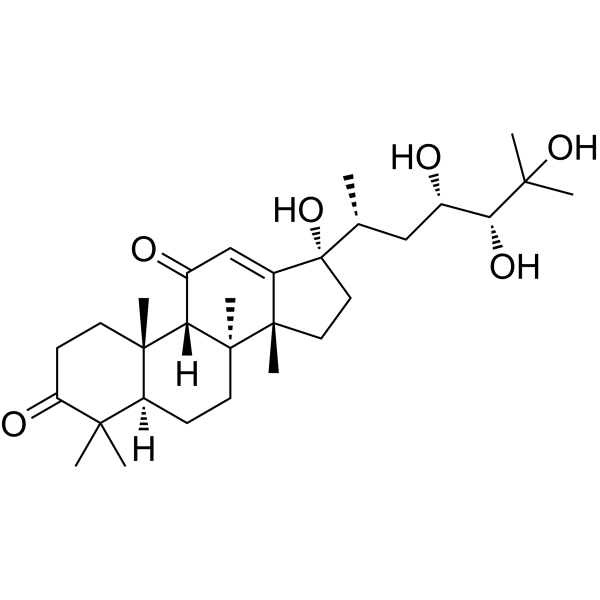
Alismanol M is a farnesoid X receptor (FXR) agonist with an EC50 value of 50.25 μM. Alismanol M is a protostane-type triterpenoid that can be isolated from the rhizome of Alisma orientale. Alismanol M can be used for the research of cholestasis and nonalcoholic steatohepatitis .
|
-
-
- HY-W587451
-
|
OCA-3-glucuronide disodium
|
FXR
|
Metabolic Disease
|
|
Cholic acid 3-O-glucuronide (OCA-3-glucuronide) disodium is a farnesoid X receptor (FXR) agonist with an EC50 value of 91.5 μM. Cholic acid 3-O-glucuronide is promising for research of bile acid metabolism and detoxification .
|
-

-
- HY-12222S
-
|
INT-747-d5; 6-ECDCA-d5; 6-Ethylchenodeoxycholic acid-d5
|
FXR
Autophagy
|
Others
|
|
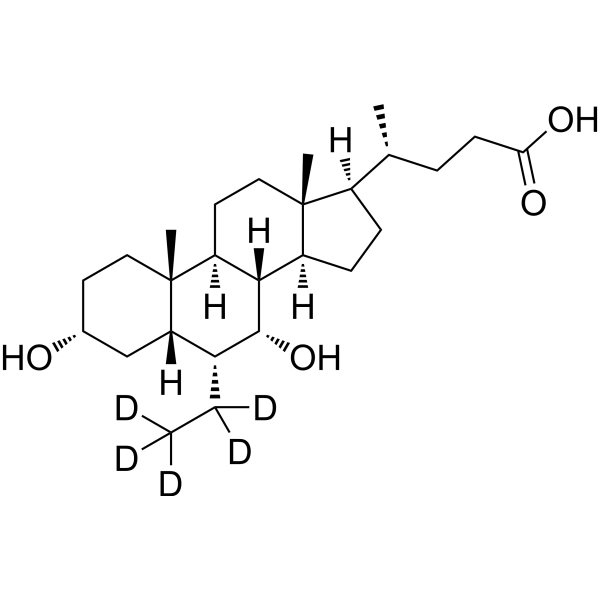
Obeticholic acid-d5 is the deuterium labeled Obeticholic acid. Obeticholic acid (INT-747) is a potent, selective and orally active FXR agonist with an EC50 of 99 nM. Obeticholic acid has anticholeretic and anti-inflammation effect. Obeticholic acid also induces autophagy .
|
-
-
- HY-113567
-
|
|
FXR
|
Metabolic Disease
|
|
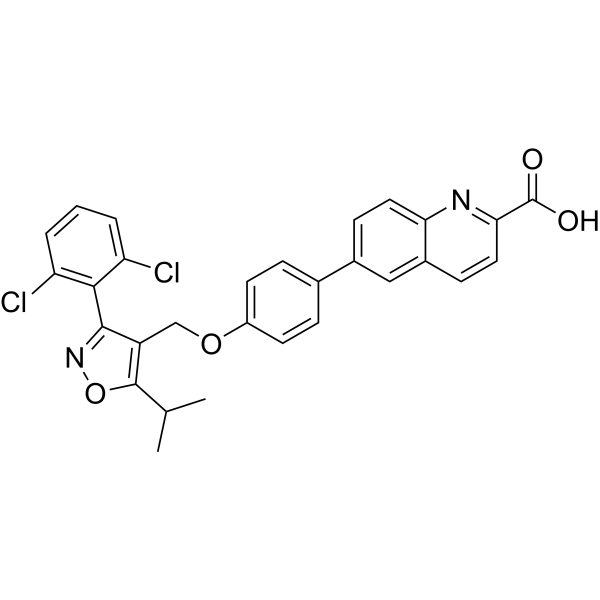
GSK2324 (Compd 1c) is a FXR agonist for diabetes study, with an EC50 of 120 nM. GSK2324 exhibits t1/2 values of 84 min (mouse), 170 min (rat), 110 min (beagle) and 120 min (cyno), respectively .
|
-
-
- HY-179278
-
|
|
LXR
|
Cardiovascular Disease
Metabolic Disease
Endocrinology
|
|
LXR agonist 4 is a selective LXR inverse agonist with IC50 values of 7.6 (LXRα) and 2.9 μM (LXRβ), respectively. LXR agonist 4 exhibits selectivity over RORα and FXR. LXR agonist 4 robustly suppresses SREBP1c expression without altering ABCA1 or APOE. LXR agonist 4 displays antilipogenic properties and resolves fatty acid-induced steatosis. LXR agonist 4 can be used for the research of atherosclerosis and metabolic dysfunction-associated steatotic liver disease (MASLD) .
|
-

-
- HY-10626R
-
|
|
Reference Standards
LXR
FXR
ROR
Apoptosis
|
Cardiovascular Disease
Metabolic Disease
Cancer
|
|
T0901317 (Standard) is the analytical standard of T0901317. This product is intended for research and analytical applications. T0901317 is an orally active and highly selective LXR agonist with an EC50 of 20 nM for LXRα . T0901317 activates FXR with an EC50 of 5 μM . T0901317 is RORα and RORγ dual inverse agonist with Ki values of 132 nM and 51 nM, respectively . T0901317 induces apoptosis and inhibits the development of atherosclerosis in low-density lipoprotein (LDL) receptor-deficient mice .
|
-

-
- HY-153114
-
|
|
FXR
|
Inflammation/Immunology
|
|
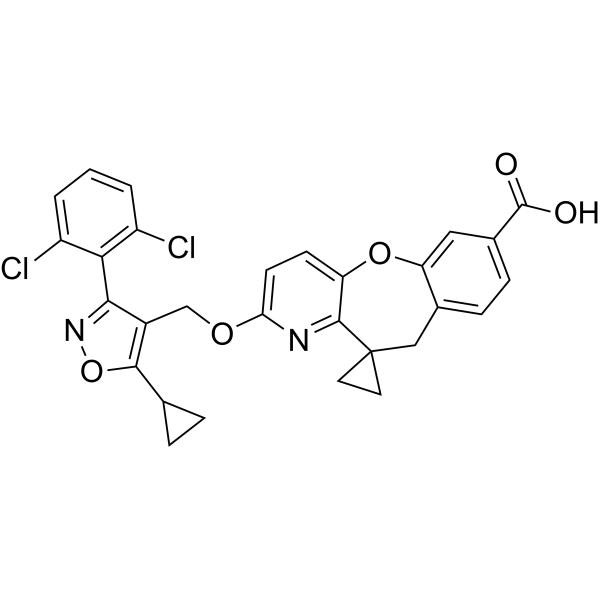
HEC96719 is a selective and orally active tricyclic farnesoid X receptor (FXR) agonist with EC50 values of 1.37 and 1.55 nM by time-resolved fluorescence energy transfer (TR-FRET) and luciferase reporter assays, respectively. HEC96719 significantly improves non-alcoholic steatohepatitis (NASH) and liver fibrosis with favorable tissue distribution in liver and intestine. HEC96719 can be used for the research of non-alcoholic steatohepatitis .
|
-
-
- HY-125996
-
|
|
FXR
|
Inflammation/Immunology
|
|
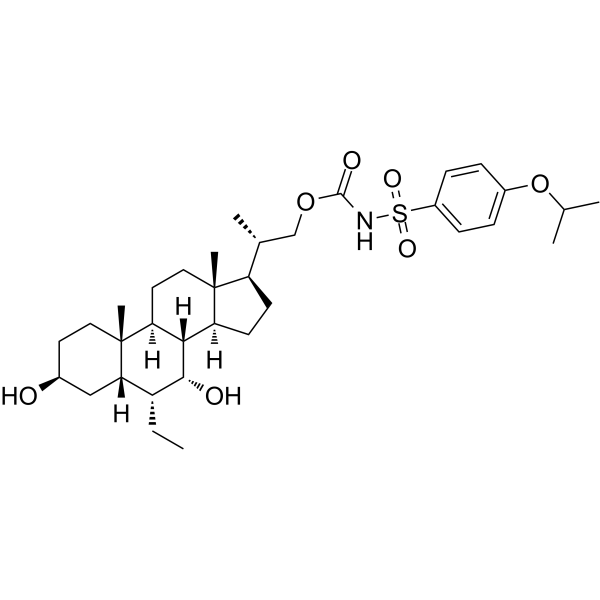
NR1H4 activator 1 is a potent and selective Famesoid X Receptor (FXR) agonist, extracted from patent WO2018152171A1, example 4. NR1H4 activator 1 shows strong FXR agonistic potency with a EC50 value of 1 nM in a Human FXR (NR1H4) Assay. NR1H4 activator 1 has the potential for treatment of gastrointestinal disease .
|
-
-
- HY-181761
-
|
|
FXR
|
Metabolic Disease
|
|
FXR agonist 16 is a FXR agonist with an EC50 of 2.2 μM. FXR agonist 16 activates FXR transcriptional activity, upregulates SHP and BSEP, and downregulates Cyp7a1. FXR agonist 16 exhibits hepatoprotective activity and reduces AST and ALT levels in free fatty acid-induced hepatocellular injury models. FXR agonist 16 can be used for the research of liver injury .
|
-

-
- HY-180221
-
|
|
FXR
|
Metabolic Disease
|
|
FXR agonist 14 (Compound V15) is a partial, selective, orally active FXR agonist with an EC50 of 0.67 nM. FXR agonist 14 ameliorates pathological features in high-fat and high-sugar diet-induced MASH mice. FXR agonist 14 shows significant anti-cholestatic liver disease effects .
|
-

- HY-183692
-
|
|
FXR
G protein-coupled Bile Acid Receptor 1
TNF Receptor
Heme Oxygenase (HO)
Quinone Reductase
Keap1-Nrf2
|
Cardiovascular Disease
Inflammation/Immunology
|
|
FXR agonist 18 is an orally active FXR agonist, with an EC50 of 10 nM against human FXR and an EC50 of 1360 nM against human TGR5. FXR agonist 18 inhibits inflammatory responses by reducing nitrite production, downregulating the expression of pro-inflammatory genes (Tnf, Adgre1, Cyp8b1, upregulating the expression of FXR, Hmox1, Nqo1, Nrf2, and enhancing antioxidant responses. FXR agonist 18 ameliorates liver fibrosis in mice, exhibits protective effects in mice with cholestatic liver injury, and shows anti-MASH efficacy. FXR agonist 18 can be used in studies of metabolic dysfunction-associated steatohepatitis .
|
-

- HY-182026
-
|
|
FXR
G protein-coupled Bile Acid Receptor 1
TNF Receptor
Reactive Oxygen Species (ROS)
|
Inflammation/Immunology
|
|
FXR agonist 17 is an orally active, steroidal FXR agonist with EC50 values of 42.2 nM (TR-FRET) and 176.4 nM (luciferase reporter assay), respectively. FXR agonist 17 activates TGR5 (EC50 = 2.6 μM) but does not activate hMRGPRX4. FXR agonist 17 exerts anti-inflammatory, hepatoprotective and antifibrotic effects, improves the non-alcoholic steatohepatitis (NAFLD) activity score and reduces the severity of liver fibrosis. FXR agonist 17 can be used for the research of NAFLD, cholestatic liver disease and liver fibrosis .
|
-

- HY-179703
-
|
|
FXR
|
Inflammation/Immunology
|
|
FXR agonist 15 is a selective, potent and orally active farnesoid X receptor (FXR) agonist with EC50 of 0.76 μM. FXR agonist 15 exhibits no obvious activation on other nuclear receptors including LXRα/β, PXR, PPARα/β/γ, THR-β, with EC50 values all >10 μM. FXR agonist 15 can alleviate steatosis, lobular inflammation, hepatocyte ballooning and liver fibrosis. FXR agonist 15 can be used for the research of nonalcoholic steatohepatitis (NASH) .
|
-

- HY-50911R
-
|
FXR-450 (Standard); XL335 (Standard); WAY-362450 (Standard)
|
FXR
Autophagy
Reference Standards
|
Metabolic Disease
Cancer
|
|
Turofexorate isopropyl (Standard) is the analytical standard of Turofexorate isopropyl. This product is intended for research and analytical applications. Turofexorate isopropyl (FXR-450) is a potent, selective, and orally bioavailable FXR agonist with EC50 of 4 nM .
|
-

- HY-50108A
-
-
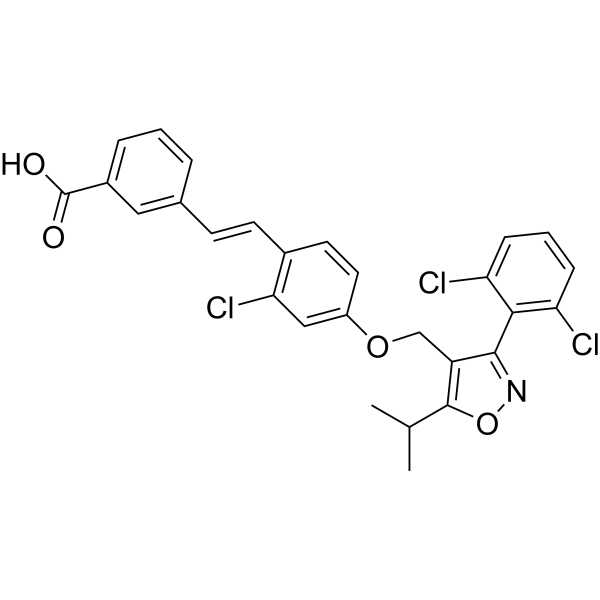
- HY-100443B
-
-
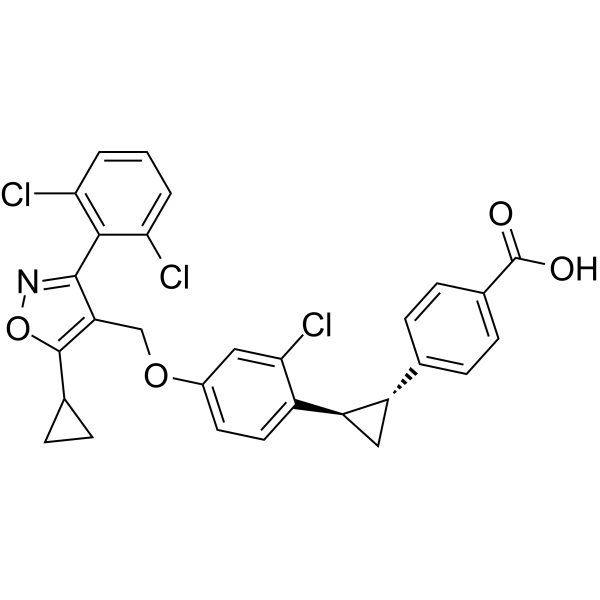
- HY-159845
-
-

- HY-N15305
-
|
|
FXR
|
Inflammation/Immunology
|
|
Ferolin is the agonist for farnesoid X receptor (FXR) with an EC50 of 0.56 µM. Ferolin inhibits the expression of inflammatory genes (such as iNOS, IL-1β and TNFα) upon the FXR activation .
|
-

- HY-135400
-
|
|
FXR
|
Inflammation/Immunology
|
|
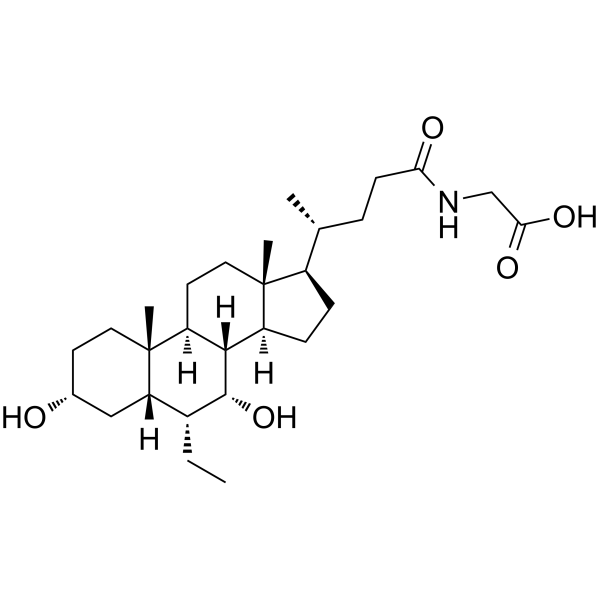
Glyco-obeticholic acid is an active metabolite of Obeticholic acid. Obeticholic acid is a farnesoid X receptor (FXR) agonist .
|
-
- HY-135399A
-
|
|
FXR
|
Inflammation/Immunology
|
|
Tauro-obeticholic acid sodium is an active metabolite of Obeticholic acid (HY-12222). Obeticholic acid is a potent, selective and orally active FXR agonist.
|
-

- HY-169192
-
|
|
FXR
|
Inflammation/Immunology
|
|
BAR-2227 (compound 3a) is a FXR agonist and LIFR inhibitor. BAR-2227 can be used to study liver fibrosis and inflammation .
|
-

- HY-121110
-
|
|
FXR
|
Metabolic Disease
|
|
Fexarene is a potent and selective nonsteroidal Farnesoid X Receptor (FXR) agonist with an EC50 of 36 nM. Fexarene can be used in studies of cholesterol and bile acid metabolism .
|
-

- HY-135400S
-
|
|
FXR
|
Inflammation/Immunology
|
|
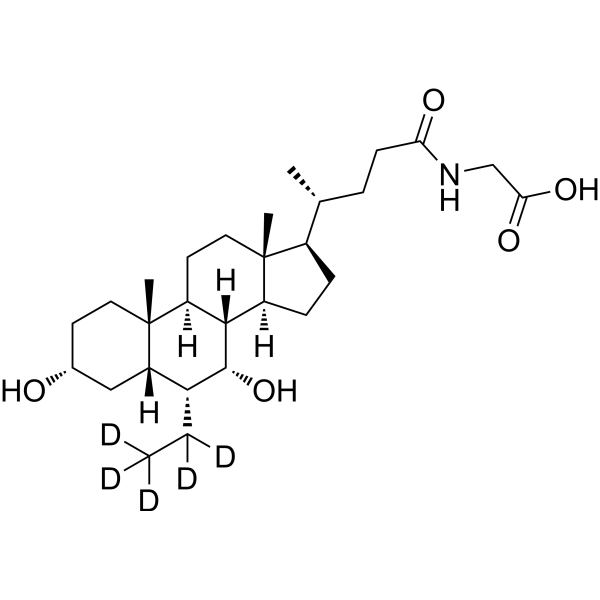
Glyco-obeticholic acid-d5 is the deuterium labeled Glyco-Obeticholic acid. Glyco-obeticholic acid is an active metabolite of Obeticholic acid. Obeticholic acid is a farnesoid X receptor (FXR) agonist .
|
-
- HY-117918
-
-

- HY-139562
-
|
|
FXR
|
Metabolic Disease
|
|
BMS-986318 is a potent nonbile acid FXR agonist with EC50s of 53 and 350 nM in the FXR Gal4 and SRC-1 recruitment assays, respectively. BMS-986318 has a suitable ADME profile, and demonstrates efficacy in the mouse bile duct ligation model of liver cholestasis and fibrosis.BMS-986318 can be used for the research of nonalcoholic steatohepatitis .
|
-
- HY-111049
-
|
|
FXR
|
Metabolic Disease
|
|
GSK8062 is a farnesoid X receptor (FXR) agonist with activity that improves compound development parameters. Analog 1c of GSK8062 showed a reduction in weight gain and serum glucose levels .
|
-

- HY-12365S2
-
-

- HY-135399S
-
-
- HY-W653920
-
|
|
Isotope-Labeled Compounds
FXR
|
Inflammation/Immunology
|
|
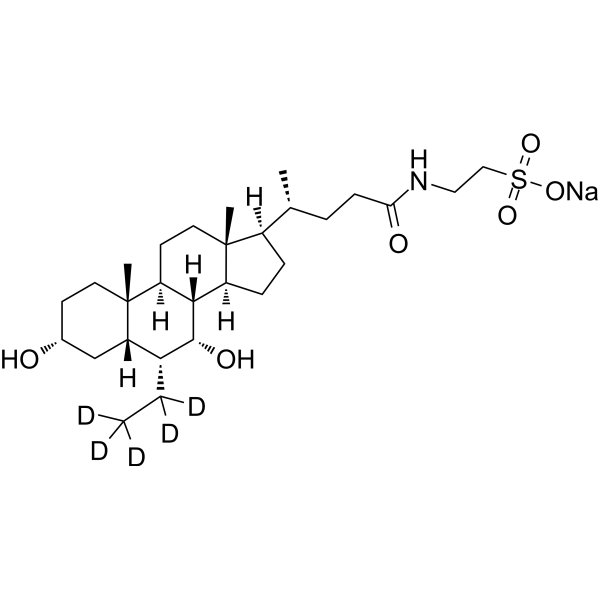
Tauro 6-ethlchenodeoxycholic acid-d5 sodium is deuterium labeled Tauro-obeticholic acid (HY-135399). Tauro-obeticholic acid is an active metabolite of Obeticholic acid. Obeticholic acid is an orally bioavailable farnesoid-X receptor (FXR) agonist .
|
-

- HY-12222S1
-
|
INT-747-d4-1; 6-ECDCA-d4-1; 6-Ethylchenodeoxycholic acid-d4-1
|
FXR
Autophagy
|
Others
|
|
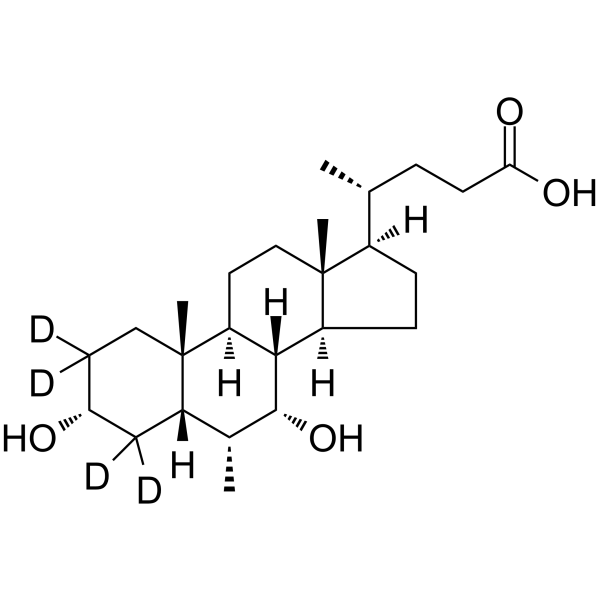
Obeticholic Acid-d4 is the deuterium labeled Obeticholic acid. Obeticholic acid (INT-747) is a potent, selective and orally active FXR agonist with an EC50 of 99 nM. Obeticholic acid has anticholeretic and anti-inflammation effect. Obeticholic acid also induces autophagy .
|
-
- HY-A0248BR
-
|
|
Reference Standards
Antibiotic
Bacterial
|
Infection
|
|
Obeticholic acid (Standard) is the analytical standard of Obeticholic acid. This product is intended for research and analytical applications. Obeticholic acid (INT-747) is a potent, selective and orally active FXR agonist with an EC50 of 99 nM. Obeticholic acid has anticholeretic and anti-inflammation effect. Obeticholic acid also induces autophagy .
|
-

- HY-168327
-
|
|
FXR
|
Inflammation/Immunology
|
|
LH10 is a fexaramine-based agonist for FXR with an EC50 of 0.14 μM. LH10 exhibits liver protection efficacy, ameliorates the alpha naphthylisothiocyanate (ANIT)-induced cholestasis, APAP (HY-66005)-induced acute liver injury and non-alcoholic steatohepatitis (NASH) in mouse models .
|
-

- HY-150787
-
|
|
FXR
Cytochrome P450
|
Metabolic Disease
|
|
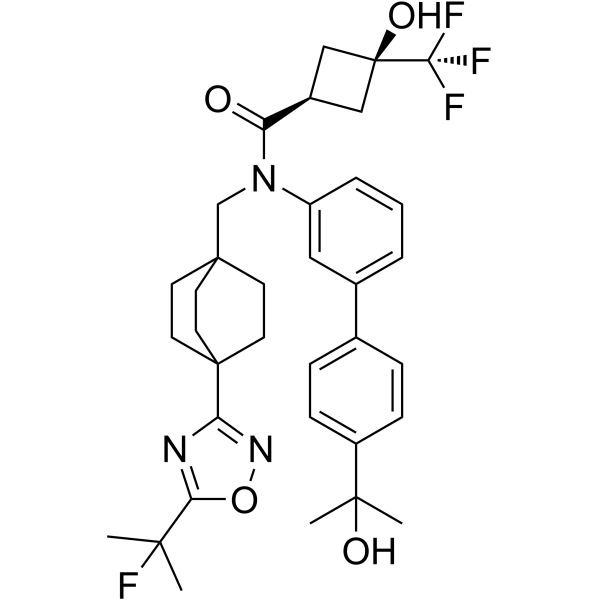
BMS-986339 is an orally active, potent FXR agonist. BMS-986339 forms H-bond with His298 and ASN287 residues. BMS-986339 can be used in the research of primary biliary cirrhosis (PBC), primary sclerosing cholangitis (PSC), and nonalcoholic steatohepatitis (NASH), anti-fibrosis .
|
-
- HY-10912R
-
|
|
FXR
Autophagy
|
Others
|
|
Fexaramine (Standard) is the analytical standard of Fexaramine. This product is intended for research and analytical applications. Fexaramine is a potent and selective FXR agonist with an EC50 of 25 nM. Fexaramine has no activity against hRXRα, hPPARαγδ, mPXR, hPXR, hLXRα, hTRβ, hRARβ, mCAR, mERRγ, and hVDR receptors .
|
-

- HY-168713
-
|
|
FXR
|
Metabolic Disease
|
|
LZ-007 is an agonist for farnesoid X receptor (FXR) with an EC50 of 51 nM measuring by TR-FRET assay, or an EC50 of 76 nM in HepG2 cell. LZ-007 exhibits good pharmacokinetic characheristics in SD rats. LZ-007 ameliorates western diet and CCl4 (HY-Y0298)-induced mice metabolic dysfunction-associated steatohepatitis
|
-

- HY-N4294R
-
|
|
Reference Standards
FXR
Insecticide
|
Infection
Metabolic Disease
Inflammation/Immunology
|
|
Arjungenin (Standard) is the analytical standard of Arjungenin. This product is intended for research and analytical applications. Arjungenin, a pentacyclic triterpenoid compound, is a FXR agonist. Arjungenin can improve insulin sensitivity by regulating the function of fat cells. Arjungenin exhibits moderate free radical scavenging activity. Arjungenin has growth inhibitory activity against the insect Spilarctia obliqua. Arjungenin has significant antiviral activity against a series of viruses such as chikungunya Virus (CHIKV).
|
-

- HY-177050
-
|
|
G protein-coupled Bile Acid Receptor 1
|
Metabolic Disease
Inflammation/Immunology
|
|
RG-239 is an orally active TGR5 agonist with an EC50 of 120 nM, significantly outperforming Betulinic acid (HY-10529) (EC50 = 1.04 μM). RG-239 demonstrates higher selectivity for TGR5 compared to the FXRα. RG-239 increases mitochondrial activity in adipocytes and promotes neurite outgrowth at higher concentrations. RG-239 inhibits LPS (HY-D1056)-induced iNOS expression and nitrite production in Raw264.7 and microglia cells. RG-239 can be used for the study of type 2 diabetes [1][2][3][4][5].
|
-

- HY-182395
-
|
|
FXR
|
Others
|
|
DM175 is a partial agonist of FXR. DM175 binds to the ligand-binding domain of FXR and induces the outward movement of Trp454 .
|
-

- HY-N1749
-
|
|
FXR
|
Others
|
|
2-Oxokolavenol is a selective agonist targeting the farnesoid X receptor (FXR), with an EC50 of ~3.7 μM. 2-Oxokolavenol exerts its activity against Acetaminophen (HY-66005)-induced hepatocyte damage in an FXR-dependent manner by binding to the FXR ligand-binding pocket, recruiting co-activators, and inducing FXR transcriptional activity. 2-Oxokolavenol can be naturally extracted from Aglaia spectabilis (a plant of the Aglaia genus in the Meliaceae family) and can be used in research related to liver diseases .
|
-

- HY-103704R
-
|
|
Reference Standards
FXR
Autophagy
|
Metabolic Disease
|
|
LY2562175 (Standard) is the analytical standard of LY2562175 (HY-103704). This product is intended for research and analytical applications. LY2562175 is a potent and selective FXR agonist, with an EC50 of 193 nM .
|
-

- HY-107418R
-
|
LJN452 (Standard)
|
Reference Standards
FXR
Autophagy
|
Cardiovascular Disease
|
|
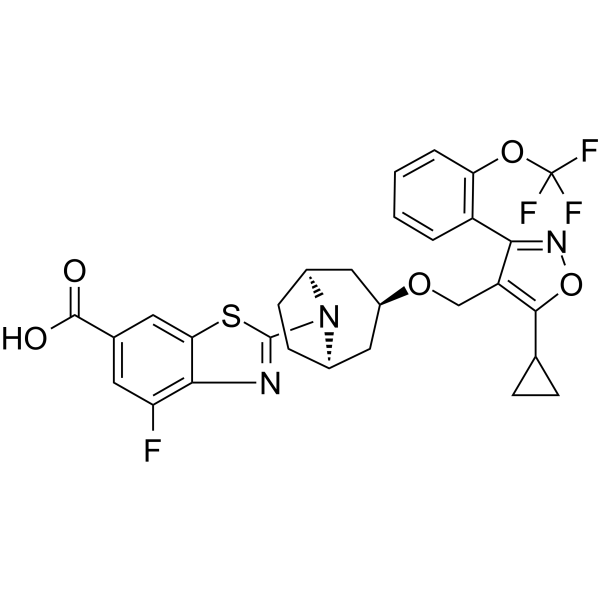
Tropifexor (Standard) is the analytical standard of Tropifexor (HY-107418). This product is intended for research and analytical applications. Tropifexor (LJN452) is a highly potent agonist of FXR with an EC50 of 0.2 nM .
|
-

- HY-135400S2
-
|
|
Isotope-Labeled Compounds
|
Inflammation/Immunology
|
|
Glyco-obeticholic acid-d4 is the deuterium labeled Glyco-obeticholic acid (HY-135400). Glyco-obeticholic acid is an active metabolite of Obeticholic acid. Obeticholic acid is a farnesoid X receptor (FXR) agonist .
|
-

- HY-135399S2
-
|
|
Isotope-Labeled Compounds
FXR
|
Inflammation/Immunology
|
|
Tauro-obeticholic acid-d4 is the deuterium labeled Tauro-obeticholic acid (HY-135399). Tauro-obeticholic acid is an active metabolite of Obeticholic acid. Obeticholic acid is an orally bioavailable farnesoid-X receptor (FXR) agonist .
|
-

- HY-181102
-
|
|
G protein-coupled Bile Acid Receptor 1
|
Metabolic Disease
Inflammation/Immunology
|
|
TGR5 agonist 10 is a selective, allosteric and orally active Takeda G protein coupled receptor 5 (TGR5) agonist with EC50s of 0.8 μM and 0.6 μM for human TGR5 and mouse TGR5, respectively. TGR5 agonist 10 demonstrates selectivity for TGR5 over FXR. TGR5 agonist 10 activates hTGR5 and mTGR5 to induce cAMP accumulation, and positively modulates lithocholic acid functional activity and potency at hTGR5, with higher selectivity for cAMP formation over β-arrestin2 recruitment. TGR5 agonist 10 exerts glucose-lowering effects in Mus musculus oral glucose tolerance tests. TGR5 agonist 10 can be used for the research of diabetes .
|
-

| Cat. No. |
Product Name |
Target |
Research Area |
-
- HY-A0248BR
-
|
|
Reference Standards
Antibiotic
Bacterial
|
Infection
|
|
Obeticholic acid (Standard) is the analytical standard of Obeticholic acid. This product is intended for research and analytical applications. Obeticholic acid (INT-747) is a potent, selective and orally active FXR agonist with an EC50 of 99 nM. Obeticholic acid has anticholeretic and anti-inflammation effect. Obeticholic acid also induces autophagy .
|
| Cat. No. |
Product Name |
Category |
Target |
Chemical Structure |
| Cat. No. |
Product Name |
Chemical Structure |
-
- HY-12222S
-
|
|
|
Obeticholic acid-d5 is the deuterium labeled Obeticholic acid. Obeticholic acid (INT-747) is a potent, selective and orally active FXR agonist with an EC50 of 99 nM. Obeticholic acid has anticholeretic and anti-inflammation effect. Obeticholic acid also induces autophagy .
|
-
-
- HY-135400S
-
|
|
|
Glyco-obeticholic acid-d5 is the deuterium labeled Glyco-Obeticholic acid. Glyco-obeticholic acid is an active metabolite of Obeticholic acid. Obeticholic acid is a farnesoid X receptor (FXR) agonist .
|
-
-
- HY-12365S2
-
|
|
|
Tauro-obeticholic acid-d5 is deuterium labeled Tauro-obeticholic acid (HY-135399). Tauro-obeticholic acid is an active metabolite of Obeticholic acid. Obeticholic acid is an orally bioavailable farnesoid-X receptor (FXR) agonist .
|
-
-
- HY-135399S
-
|
|
|
Tauro-obeticholic acid-d5 sodium is deuterium labeled Tauro-obeticholic acid sodium (HY-135399A). Tauro-obeticholic acid is an active metabolite of Obeticholic acid. Obeticholic acid is an orally bioavailable farnesoid-X receptor (FXR) agonist .
|
-
-
- HY-W653920
-
|
|
|
Tauro 6-ethlchenodeoxycholic acid-d5 sodium is deuterium labeled Tauro-obeticholic acid (HY-135399). Tauro-obeticholic acid is an active metabolite of Obeticholic acid. Obeticholic acid is an orally bioavailable farnesoid-X receptor (FXR) agonist .
|
-
-
- HY-12222S1
-
|
|
|
Obeticholic Acid-d4 is the deuterium labeled Obeticholic acid. Obeticholic acid (INT-747) is a potent, selective and orally active FXR agonist with an EC50 of 99 nM. Obeticholic acid has anticholeretic and anti-inflammation effect. Obeticholic acid also induces autophagy .
|
-
-
- HY-135400S2
-
|
|
|
Glyco-obeticholic acid-d4 is the deuterium labeled Glyco-obeticholic acid (HY-135400). Glyco-obeticholic acid is an active metabolite of Obeticholic acid. Obeticholic acid is a farnesoid X receptor (FXR) agonist .
|
-
-
- HY-135399S2
-
|
|
|
Tauro-obeticholic acid-d4 is the deuterium labeled Tauro-obeticholic acid (HY-135399). Tauro-obeticholic acid is an active metabolite of Obeticholic acid. Obeticholic acid is an orally bioavailable farnesoid-X receptor (FXR) agonist .
|
-
Your information is safe with us. * Required Fields.
Inquiry Information
- Product Name:
- Cat. No.:
- Quantity:
- MCE Japan Authorized Agent:








