Search Result
Results for "
PD-L1+inhibitor
" in MedChemExpress (MCE) Product Catalog:
1
Biochemical Assay Reagents
| Cat. No. |
Product Name |
Target |
Research Areas |
Chemical Structure |
-
- HY-19991
-
-
-
- HY-P9902A
-
|
MK-3475 (anti-PD-1); Lambrolizumab (anti-PD-1)
|
PD-1/PD-L1
|
Cancer
|
|
Pembrolizumab (anti-PD-1) is a humanized IgG4 antibody and PD-1 inhibitor. Pembrolizumab produces PD-1 blockade, preventing PD-L1 and PD-L2 from connecting to PD-1. This avoids the uncontrolled regulation of T cells on cells that normally express PD-1 [1] .
|
-
-
- HY-172320
-
|
|
PD-1/PD-L1
|
Cancer
|
|
BMS-986238 is an orally active macrocyclic peptide PD-L1 inhibitor. BMS-986238 can be used in the research of tumors such as solid tumors and lymphomas [1] .
|
-

-
- HY-134884
-
|
PD-1/PD-L1-IN-8
|
PD-1/PD-L1
|
Cancer
|
|
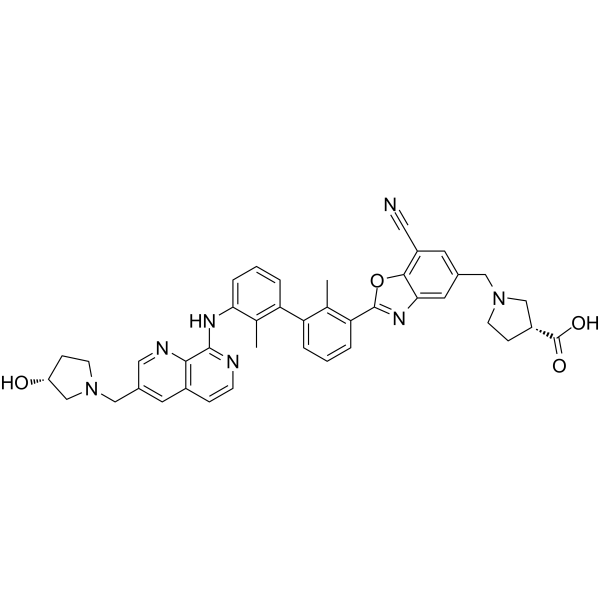
INCB086550 is a potent, oral, small-molecule PD-L1 inhibitor with IC50s value of 3.1, 4.9 and 1.9 nM for human, cynomolgus, and rat, respectively. INCB086550 promotes the dimerization of cell-surface PD-L1 and induces PD-L1 entry into Golgi vesicles then traffick to the nucleus. INCB086550 can be used for multiple cancers research [1].
|
-
-
- HY-124700
-
|
|
Cyclic GMP-AMP Synthase
STING
PD-1/PD-L1
Epoxide Hydrolase
|
Metabolic Disease
|
|
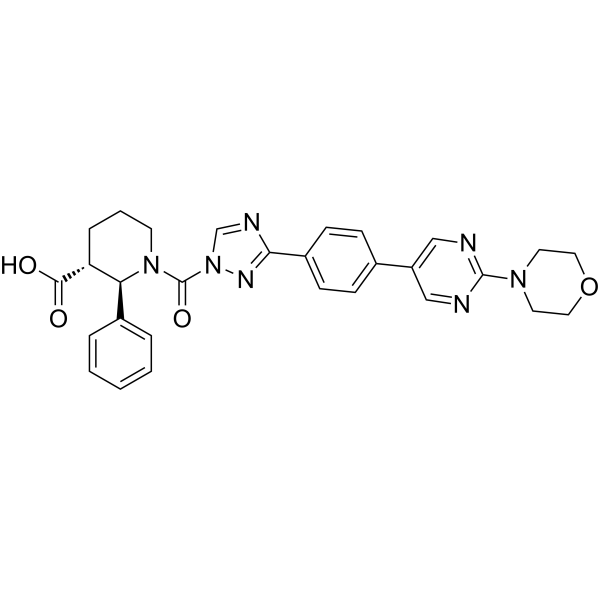
LYPLAL1-IN-1 (compound 11) is a selective, covalent, and irreversible inhibitor of the lysophospholipase-like enzyme LYPLAL1 (IC50 = 6 nM). LYPLAL1-IN-1 shows selectivity against other serine hydrolases such as carboxylesterase CES1 (IC50 > 50 μM for CES1). LYPLAL1-IN-1 inhibits the depalmitoylation function of LYPLAL1, blocking its depalmitoylation modification of cyclic GMP-AMP synthase (cGAS), thereby promoting cGAS dimerization and activation, and initiating the cGAS-STING pathway-mediated innate immune response. LYPLAL1-IN-1 can enhance DNA-induced type I interferon production, upregulate PD-L1 expression in tumor cells, and promote the accumulation of tumor-infiltrating CD8 + T cells, with the core function of strengthening the anti-tumor immune response. LYPLAL1-IN-1 is primarily used in tumor immunology research, especially in combination with PD-1/PD-L1 inhibitors [1] .
|
-
-
- HY-N0242
-
|
|
PD-1/PD-L1
HIF/HIF Prolyl-Hydroxylase
STAT
|
Inflammation/Immunology
Cancer
|
|
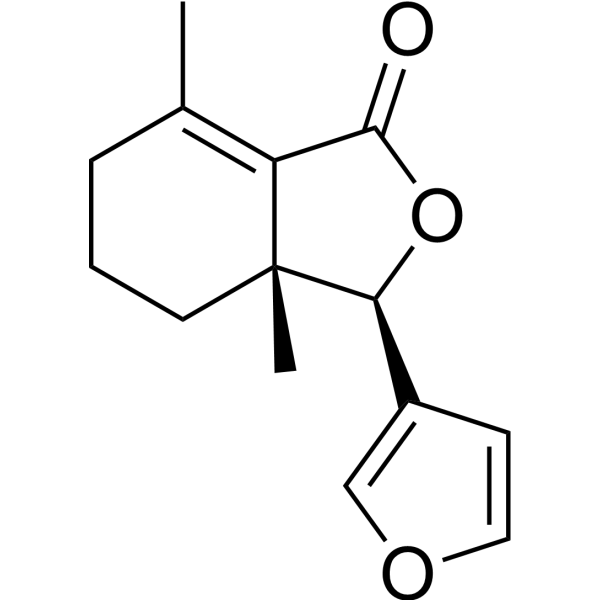
Fraxinellone is isolated from the root bark of the Rutaceae plant, Dictamnus dasycarpus. Fraxinellone is a PD-L1 inhibitor and inhibits HIF-1α protein synthesis without affecting HIF-1α protein degradation. Fraxinellone has the potential to be a valuable candidate for cancer treatment by targeting PD-L1 [1].
|
-
-
- HY-N3431
-
|
|
AMPK
PD-1/PD-L1
FXR
Reactive Oxygen Species (ROS)
|
Cardiovascular Disease
|
|
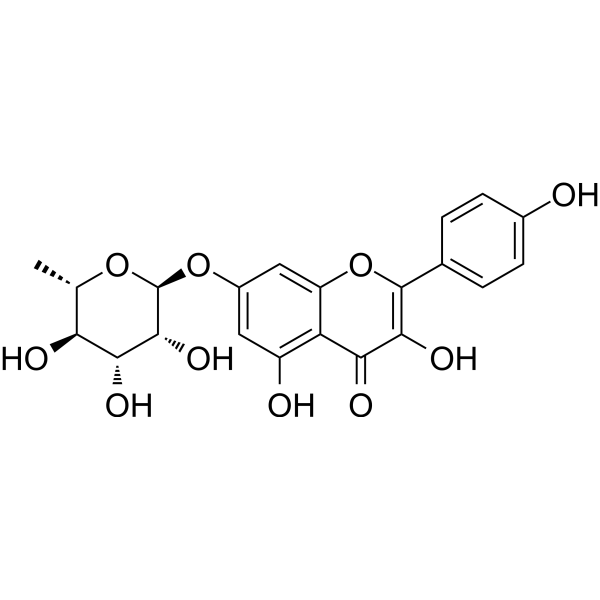
Kaempferol-7-O-rhamnoside is a PD-1/PD-L1 inhibitor and farnesoid X receptor (FXR) agonist. Kaempferol-7-O-rhamnoside demonstrates cardioprotective potential targeting the AMPKα1 signaling pathway. Kaempferol-7-O-rhamnoside significantly upregulates the mRNA expression of AMPKα1 in H9c2 cardiomyocytes. Kaempferol-7-O-rhamnoside reverses APAP-induced reduction of glutathione (GSH) content and increase of ROS production in L02 cells. Kaempferol-7-O-rhamnoside has the potential for heart failure [1] .
|
-
-
- HY-142221
-
|
|
PD-1/PD-L1
|
Cancer
|
|
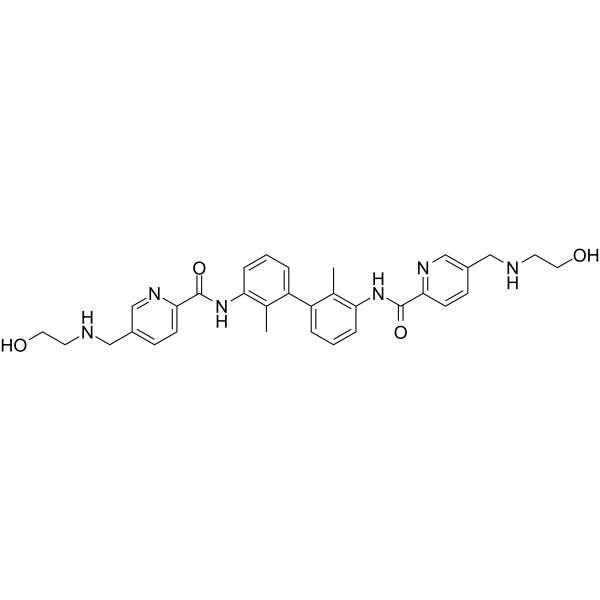
ARB-272572 is an oral effective small molecule PD-L1 inhibitor, with an IC50 value of 400 pM. ARB-272572 has research significance in tumors and chronic viral infections [1] .
|
-
-
- HY-101097
-
|
|
PD-1/PD-L1
|
Cancer
|
|
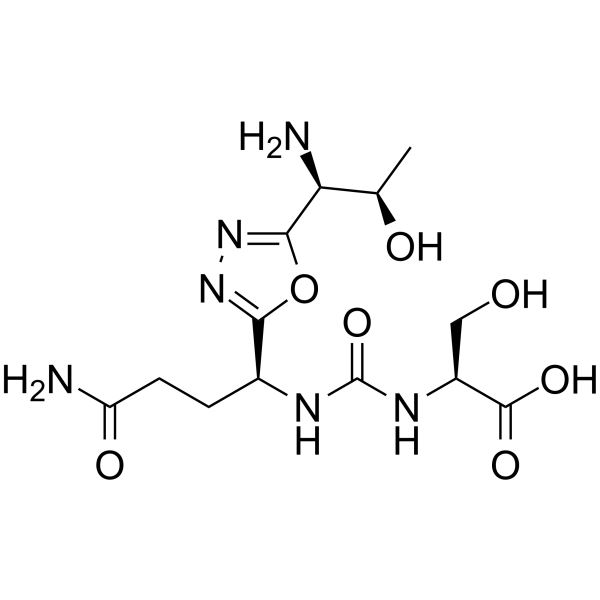
PD-1-IN-17 is a programmed cell death-1 (PD-1) inhibitor extracted from patent WO2015033301A1, Compound 12, inhibits 92% splenocyte proliferation at 100 nM [1].
|
-
-
- HY-101058A
-
-
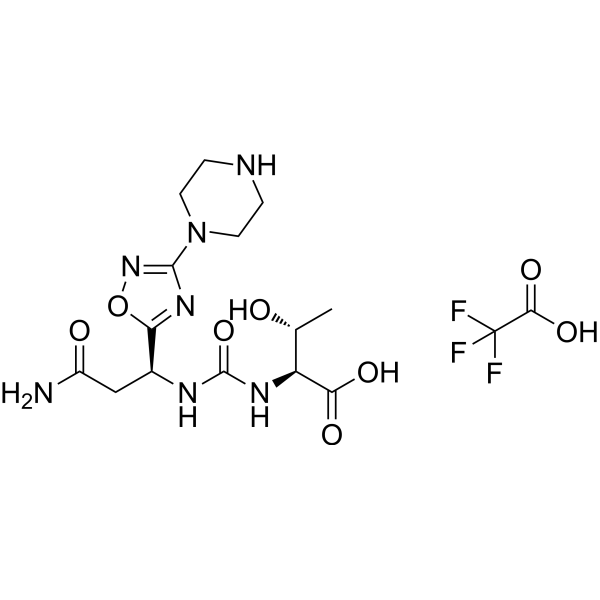
-
- HY-P4072A
-
|
|
PD-1/PD-L1
|
Cancer
|
|
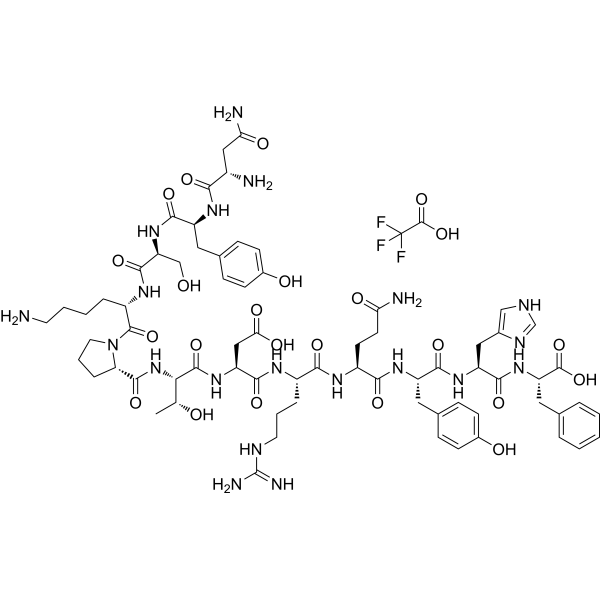
(D)-PPA 1 TFA is a hydrolysisresistant d-peptide antagonist. (D)-PPA 1 TFA serves as a potent PD-1/PD-L1 inhibitor. (D)-PPA 1 TFA binds to PD-1 with the affinity 0f 0.51 μM with in vitro and in vivo efficacy [1].
|
-
-
- HY-139781
-
|
|
PD-1/PD-L1
Apoptosis
|
Cancer
|
|
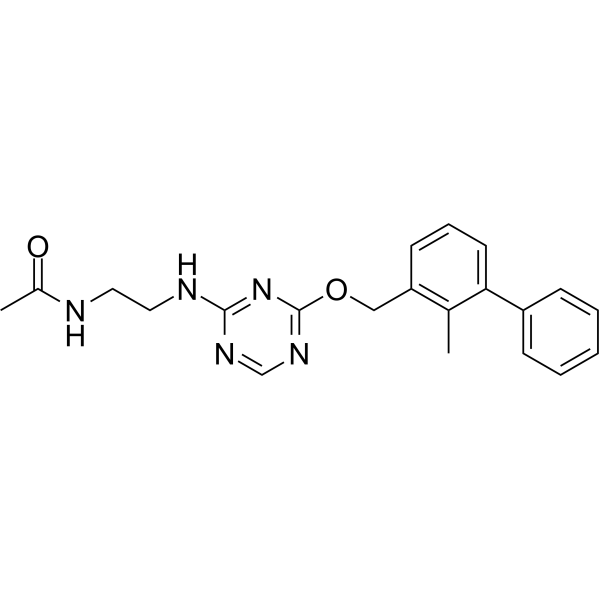
PD-L1-IN-1 (Compound 10) is a potent PD-L1 inhibitor with an IC50 of 115 nM. PD-L1-IN-1 strongly binds with the PD-L1 protein and challenged it in a co-culture of PD-L1 expressing cancer cells and peripheral blood mononuclear cells enhanced antitumor immune activity of the latter. PD-L1-IN-1 significantly exhibits low cytotoxicity in healthy cells [1].
|
-
-
- HY-134886
-
|
|
PD-1/PD-L1
|
Cancer
|
|
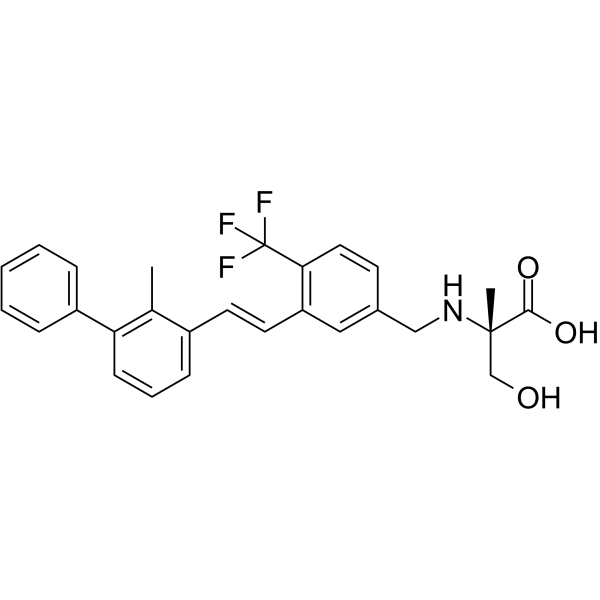
PD-1-IN-24 (compound 1) is an orally active PD-1 inhibitor [1].
|
-
-
- HY-167840
-
|
|
PD-1/PD-L1
|
Neurological Disease
Cancer
|
|
IMMH-010 maleate is a prodrug that serves as a novel PD-L1 inhibitor, exhibiting potential antitumor activity for the treatment of neurological disorders and advanced malignant solid tumors. IMMH-010 maleate is rapidly converted to its active form, YPD-29B, following oral administration. IMMH-010 maleate is poised for advancing research in the field of PD-L1 inhibitors and related therapeutic applications.
|
-

-
- HY-P2478
-
|
|
PD-1/PD-L1
|
Inflammation/Immunology
|
|
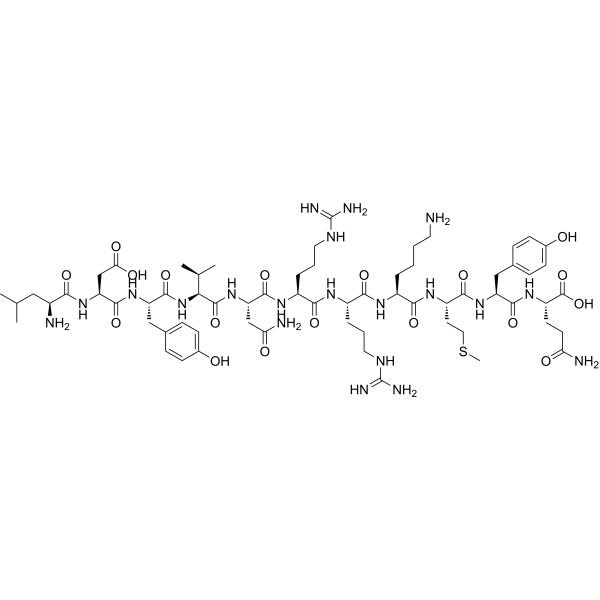
Human PD-L1 inhibitor V, a human PD-1 protein binding peptide with a Kd value of 3.32 μM. Human PD-L1 inhibitor V inhibit the interaction of hPD-1/hPD-L1 [1].
|
-
-
- HY-131347
-
|
|
PD-1/PD-L1
|
Inflammation/Immunology
Cancer
|
|
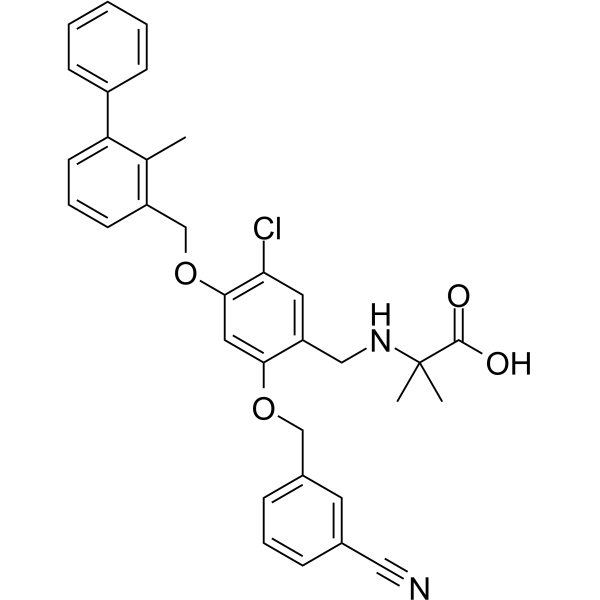
PD-1/PD-L1-IN-NP19 is a PD-1/PD-L1 inhibitor, with an IC50 of 12.5 nM for human PD-1/PD-L1 interaction. PD-1/PD-L1-IN-NP19 could activate the immune microenvironment in tumor, which may contribute to its antitumor effects [1].
|
-
-
- HY-174830
-
|
|
PD-1/PD-L1
|
Cancer
|
|
GJ19 is a PD-L1 inhibitor with an IC50 of 32.06 nM. GJ19 can effectively bind to human/murine PD-L1 protein with Kd values of 171 and 290 nM, respectively. GJ19 concentration-dependently promotes HepG2 cell mortality in a co-culture model of HepG2/hPD-L1 and Jurkat T/hPD-1 cells. GJ19 effectively suppresses tumor growth in a B16-F10 melanoma mouse model. GJ19 can be used for the study of tumor immunotherapy [1].
|
-

-
- HY-132202
-
|
|
PD-1/PD-L1
Apoptosis
|
Cancer
|
|
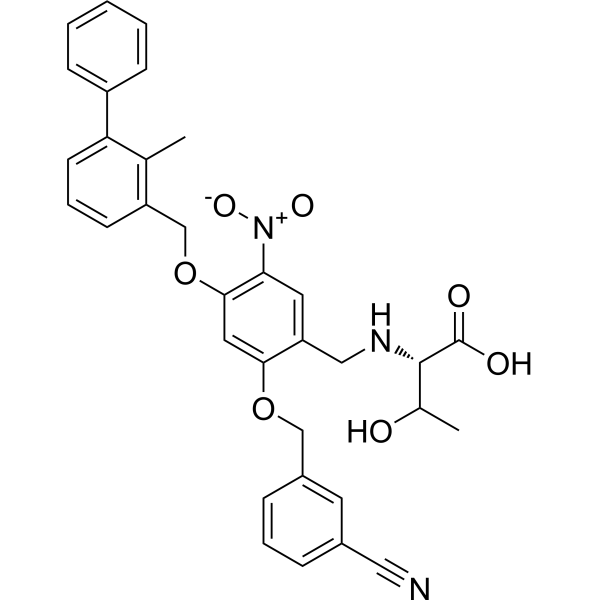
PD-1/PD-L1-IN-10 (compound B2) is an orally active PD-1/PD-L1 inhibitor (IC50 of 2.7 nM) with potent anticancer efficacy [1].
|
-
-
- HY-P2477
-
|
|
PD-1/PD-L1
|
Inflammation/Immunology
|
|
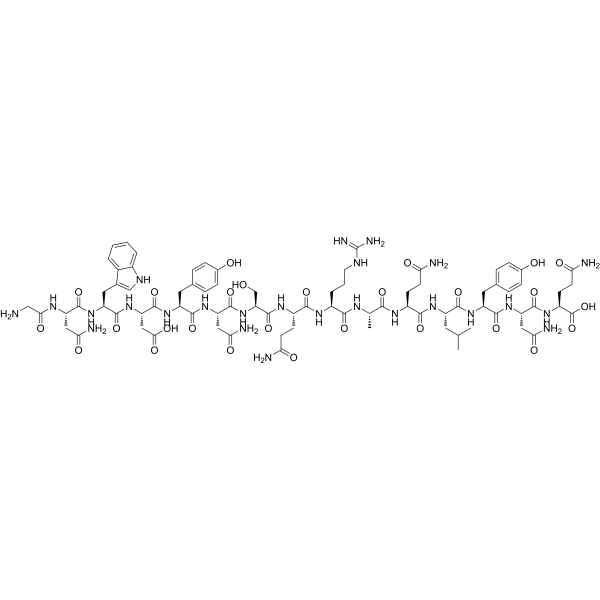
Human PD-L1 inhibitor IV, a polypeptide, is a competitive human PD-1 protein inhibitor with a Kd value of 1.38 μM. Human PD-L1 inhibitor IV inhibits the interaction of hPD-1/hPD-L1 [1].
|
-
-
- HY-P990088
-
|
|
VEGFR
PD-1/PD-L1
|
Cardiovascular Disease
|
|
Sotiburafusp alfa is a bispecific fusion protein, which is a humanized VEGFR-1 extracellular domain fragment (129-228, 1-100 in the current sequence) fused via the peptide linker 101GGSGGSGGSGGSGGS 115 to the N-terminus of the heavy chain (116-564) of a humanized IgG1-kappa anti-human PD-L1 heavy chain variant L352>A, L353>A. Sotiburafusp alfa also functions as a PD-L1 inhibitor and a VEGF inhibitor [1] .
|
-

-
- HY-155959
-
|
|
PD-1/PD-L1
|
Cancer
|
|
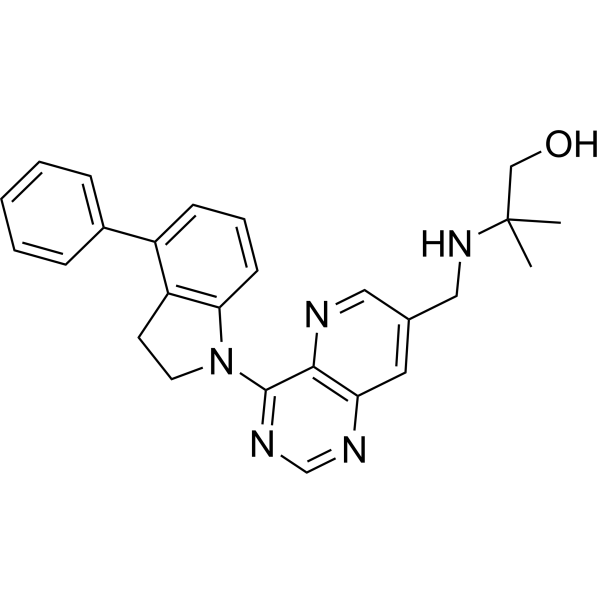
PD-1/PD-L1-IN-33 (Compound N11) is a PD-1/PD-L1 inhibitor. PD-1/PD-L1-IN-33 inhibits PD-1 and PD-L1 interaction with an IC50: 6.3 nM. PD-1/PD-L1-IN-33 promotes T-cell proliferation, activation, and infiltration into tumor spheres. PD-1/PD-L1-IN-33 has immunomodulatory and anticancer activity [1].
|
-
-
- HY-152240
-
|
|
PD-1/PD-L1
|
Cancer
|
|
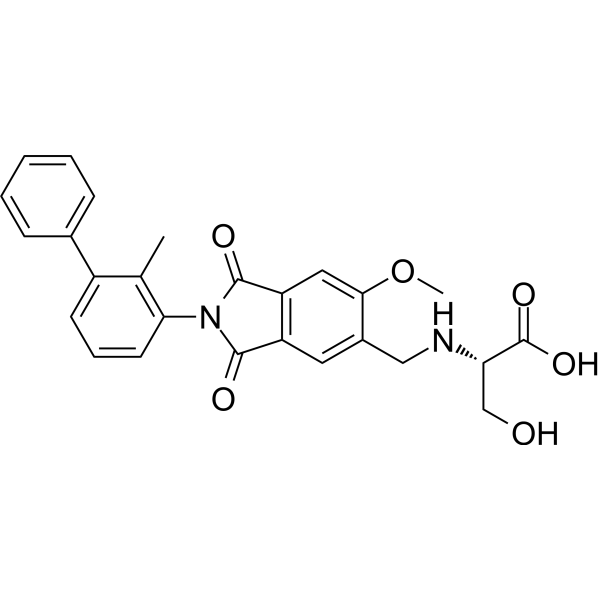
PD-1/PD-L1-IN-29 (S4-1) is a potent PD-1/PD-L1 inhibitor with an IC50 value of 6.1 nM. PD-1/PD-L1-IN-29 binds PD-L1 and disrupts PD-1/PD-L1 interactions, induces PD-L1 dimerization and internalization, improves its localization to the endoplasmic reticulum, and promotes PD-L1 entry into the endoplasmic reticulum. PD-1/PD-L1-IN-29 has anticancer activity [1].
|
-
-
- HY-W018597
-
-

-
- HY-P2470
-
|
|
PD-1/PD-L1
|
Cancer
|
|
Human PD-L1 inhibitor II is a potent PD-L1 inhibitor with anti-cancer activity [1].
|
-

-
- HY-P2474
-
|
|
PD-1/PD-L1
|
Cancer
|
|
Human PD-L1 inhibitor I is a hPD-1 peptide ligand, with a KD of 3.39 μM. Human PD-L1 inhibitor I may disturb the binding of hPD-L1 to hPD-1 [1].
|
-

-
- HY-P4072
-
|
|
PD-1/PD-L1
|
Cancer
|
|
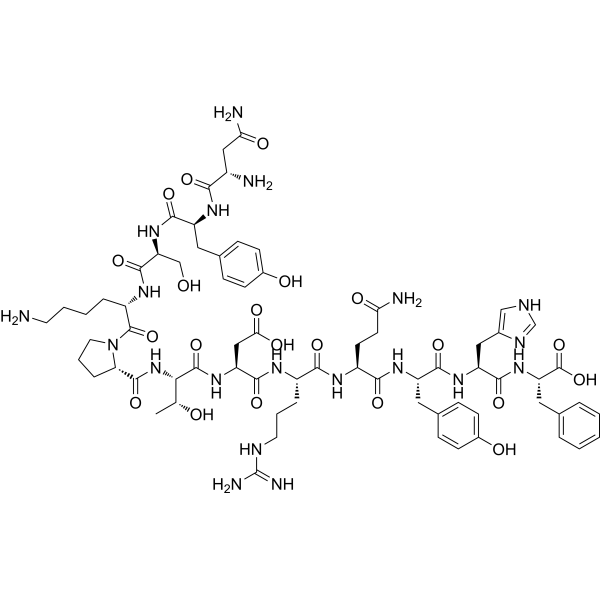
(D)-PPA 1 is a hydrolysisresistant d-peptide antagonist. (D)-PPA 1 serves as a potent PD-1/PD-L1 inhibitor. (D)-PPA 1 binds to PD-1 with the affinity 0f 0.51 μM with in vitro and in vivo efficacy [1].
|
-
-
- HY-P2478A
-
|
|
PD-1/PD-L1
|
Inflammation/Immunology
|
|
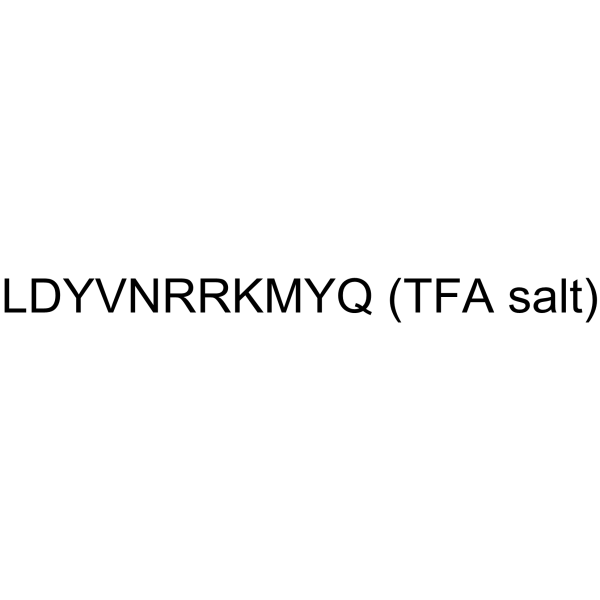
Human PD-L1 inhibitor V TFA, a human PD-1 protein binding peptide with a Kd value of 3.32 μM. Human PD-L1 inhibitor V TFA inhibit the interaction of hPD-1/hPD-L1 [1].
|
-
-
- HY-145239
-
|
|
PD-1/PD-L1
|
Cancer
|
|
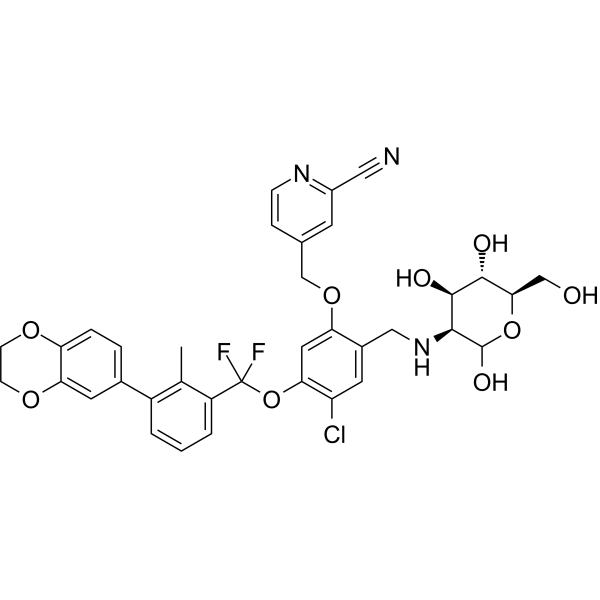
PD-1/PD-L1-IN-13 (Compound 43) is a potent immune checkpoint PD-1/PD-L1 inhibitor with an IC50 value of 10.2 nM. PD-1/PD-L1-IN-13 promots CD8 + T cell activation and delays the tumor growth in the Hepa1-6 syngeneic mouse model [1].
|
-
-
- HY-175604
-
|
|
PD-1/PD-L1
|
Cancer
|
|
SCL-1 is an orally active anti-PD-1/PD-L1 inhibitor. SCL-1 can inhibit PD-1/PD-L1 binding. SCL-1 increases T cells, B cells and natural killer cells. SCL-1 exerts strong tumor growth inhibitory effects that were mediated by effector T-cell induction inside tumors and the up-regulated expression of long non-coding RNAs as neoantigens leading to cytotoxic T lymphocyte activation. SCL-1 can be used for the research of cancer, such as triple-negative breast cancer [1] .
|
-

-
- HY-179047
-
|
|
Toll-like Receptor (TLR)
MyD88
IKK
p38 MAPK
ERK
TNF Receptor
Interleukin Related
|
Inflammation/Immunology
Cancer
|
|
SMU-L11-R is a selective TLR7 agonist with an EC50 of 0.012 μM for human TLR7. SMU-L11-R specifically activates TLR7, recruits MyD88, and triggers MAPK/NF-κB pathways, leading to TNF-α/IL-1β/IL-6 secretion in both mouse and human peripheral blood mononuclear cells. SMU-L11-R promotes M1-like macrophage polarization. SMU-L11-R exhibits excellent synergistic anti-tumor effects with PD-L1 inhibitors by upregulating CD8 +T cells. SMU-L11-R shows potential in colorectal cancer studies [1].
|
-

-
- HY-P99799
-
|
CX-072
|
PD-1/PD-L1
|
Cancer
|
|
Pacmilimab (CX-072) is a potent PD-L1 inhibitor. Pacmilimab shows antitumor activity [1].
|
-

-
- HY-P99887
-
|
JTX-4014
|
PD-1/PD-L1
|
Cancer
|
|
Pimivalimab (JTX-4014) is a PD-1 inhibitor. Pimivalimab can be used for the research of solid tumor [1].
|
-

-
- HY-P2564
-
-

-
- HY-162343
-
-
-
- HY-101058
-
|
|
PD-1/PD-L1
|
Inflammation/Immunology
|
|
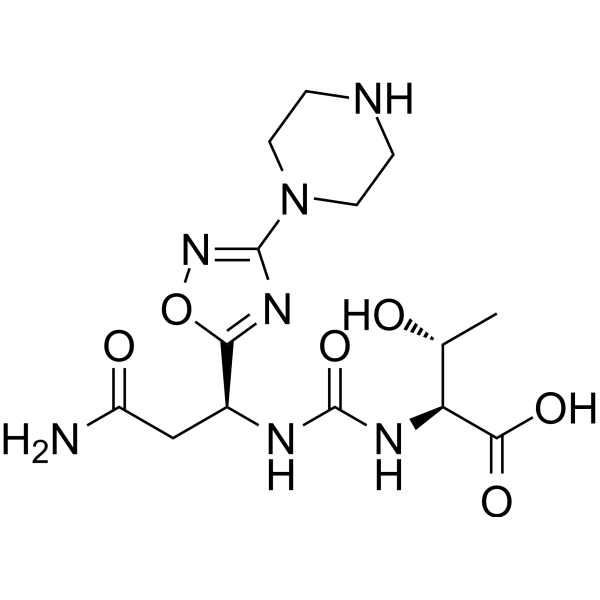
PD1-PDL1-IN 1 (compound 16) is a potent programmed cell death 1 (PD-1) inhibitor. PD1-PDL1-IN 1 is useful as immune modulator [1].
|
-
-
- HY-179447
-
|
|
PD-1/PD-L1
|
Cancer
|
|
PD-L1-IN-8 is a PD-L1 inhibitor (IC50 = 0.89 nM). PD-L1-IN-8 shows low CYP inhibition and minimal hERG activity. PD-L1-IN-8 can be used for the study of colon cancer [1].
|
-

-
- HY-155681
-
|
|
PD-1/PD-L1
Monoamine Oxidase
|
Cancer
|
|
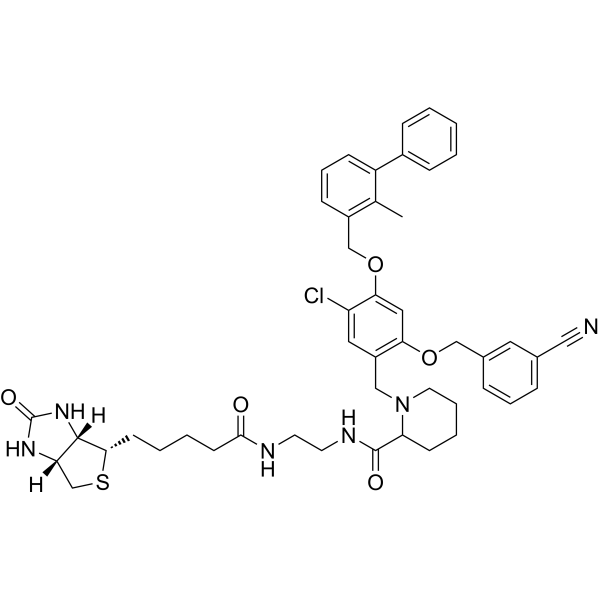
SWS1 is a d-(+)-biotin-conjugated PD-L1 inhibitor (IC50: 1.8 nM) with anticancer activity. SWS1 can increase the number of tumor-infiltrating lymphocytes and exhibit anti-tumor efficacy in the B16-F10 mouse model (TGI=66.1%) [1].
|
-
-
- HY-179180
-
|
|
PD-1/PD-L1
|
Cancer
|
|
PD-1/PD-L1-IN-59 (Compound MZ51) is a PD-1/PD-L1 inhibitor with an IC50 of 183 nM. PD-1/PD-L1-IN-59 can be used for the study of triple-negative breast cancer (TNBC) [1].
|
-

-
- HY-174424
-
|
|
PD-1/PD-L1
Apoptosis
|
Cancer
|
|
NPH16 is an orally active PD-1/PD-L1 inhibitor with an IC50 of 24.4 nM. NPH16 can promote HepG2 cell apoptosis. NPH16 shows excellent in vivo antitumor efficacy and favorable pharmacokinetic properties. NPH16 can be used for the study of liver cancer [1].
|
-

-
- HY-P991620
-
|
|
Transmembrane Glycoprotein
|
Cancer
|
|
JS006 is a humanized IgG4κ monoclonal antibody inhibitor targeting TIGIT/CD155. JS006 can be used to study advanced and/or metastatic cancers with resistance to PD-1/PD-L1 inhibitor such as non-small cell lung cancer (NSCLC), advanced lymphoma and advanced/metastatic triple negative breast cancer (TNBC) [1] .
|
-

-
- HY-169436
-
|
|
PD-1/PD-L1
|
|
|
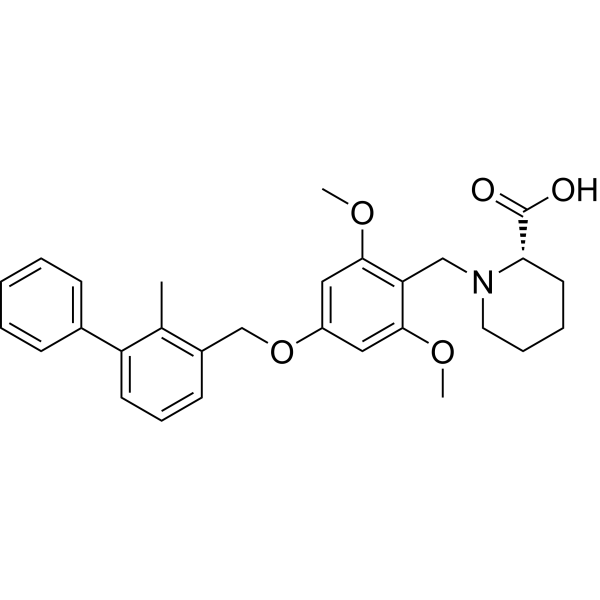
Lon-TK is a glycolysis inhibitor + linker conjugate of LTB (HY-169434). LTB is an intelligent responsive prodrug that connects Lonidamine (Lon) (HY-B0486) and a PD-L1 inhibitor (BMS-1, HY-19991) through a thioketal linker. It significantly inhibits the glycolytic metabolism of tumor cells and blocks the PD-1/PD-L1 immune escape pathway. Lon-TK shows potential for application in photodynamic-enhanced immunotherapy research [1].
|
-

-
- HY-169392
-
|
|
PD-1/PD-L1
|
Cancer
|
|
D5B is a potent and selective PD-L1 inhibitor. D5B has been modified by DBCO. The EC50 of D5B degrading PD-L1 in 4T1 and B16-F10 tumor cells are 5.4 μM and 6.2 μM, respectively. D5B can block PD-L1/PD-1 interaction and has anti-tumor activity [1].
|
-

-
- HY-161605
-
-

-
- HY-101097A
-
|
|
PD-1/PD-L1
|
Cancer
|
|
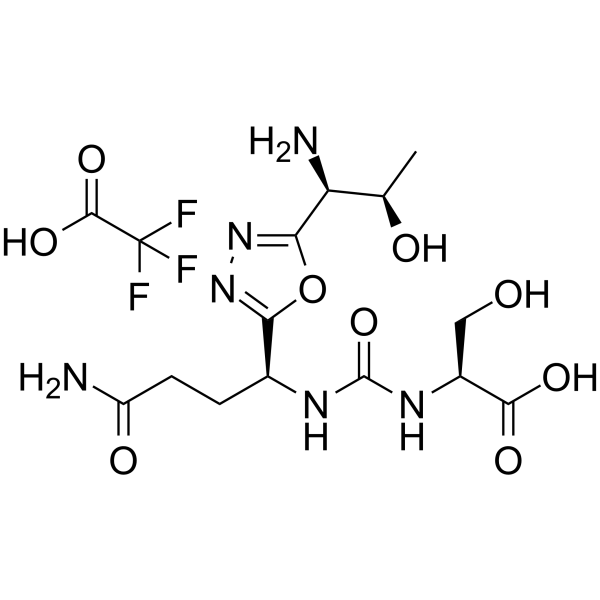
PD-1-IN-17 TFA is a programmed cell death-1 (PD-1) inhibitor extracted from patent WO2015033301A1, Compound 12, inhibits 92% splenocyte proliferation at 100 nM [1].
|
-
-
- HY-W457085
-
|
|
PD-1/PD-L1
|
Cancer
|
|
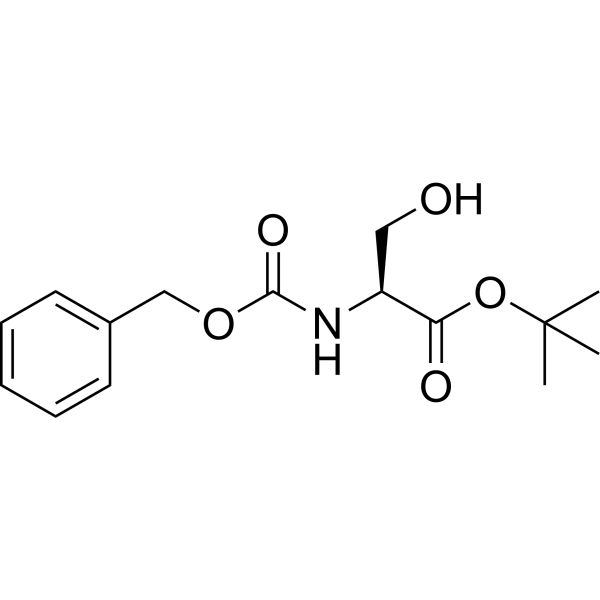
PD-1/PD-L1-IN-29 intermediate-2 is an intermediate of PD-1/PD-L1 inhibitors and can be used to synthesize Antibody-Drug Conjugates (ADCs).
|
-
-
- HY-161604
-
-

-
- HY-48934
-
|
|
PD-1/PD-L1
|
Cancer
|
|
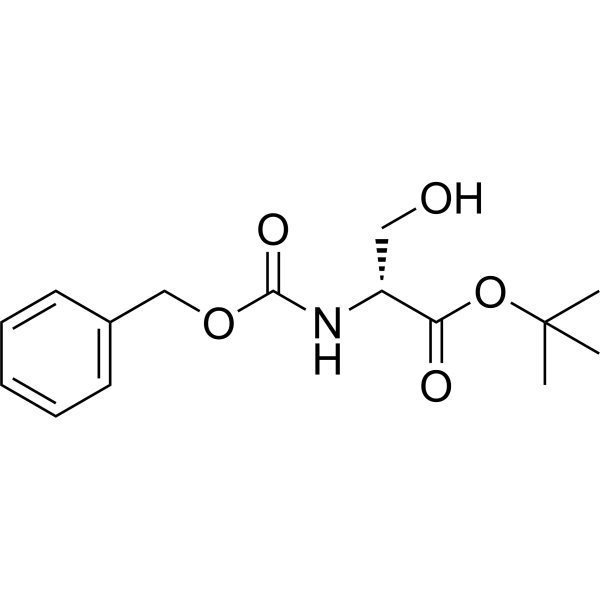
PD-1/PD-L1-IN-29 intermediate-1 is an intermediate of PD-1/PD-L1 inhibitors and can be used to synthesize Antibody-Drug Conjugates (ADCs).
|
-
-
- HY-162357
-
|
|
PD-1/PD-L1
|
Cancer
|
|
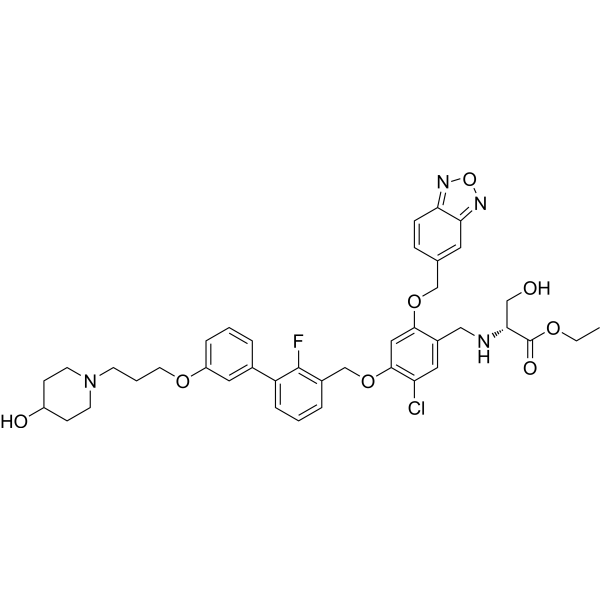
PD-L1-IN-5 (X22) is an orally active PD-L1 inhibitor, with the IC50 value of 785.6 nM. PD-L1-IN-5 has anti-tumor activity in vivo [1].
|
-
-
- HY-W400801
-
|
G-749 hydrochloride
|
TAM Receptor
|
Cancer
|
|
Denfivontinib (G-749) hydrochloride is an AXL inhibitor that has synergistic antitumor effects with the PD-1 inhibitor Pembrolizumab (HY-P9902). Denfivontinib can enhance the NOD-like receptor pathway, thereby promoting the formation of the NLRP3 inflammasome [1].
|
-

-
- HY-159101
-
|
|
EGFR
PD-1/PD-L1
|
Cancer
|
|
EP26 is a potent and orally active EGFR and PD-L1 inhibitor with IC50 values of 48.6 nM, 1.77 µM, respectively. EP26 decreased the protein expression of p-EGFR. EP26 induces cell cycle arrest at G0/G1 phase. EP26 has the potential for the research of glioblastoma [1].
|
-

- HY-173464
-
|
|
PD-1/PD-L1
|
Cancer
|
|
PD-1/PD-L1-IN-55 (compound D6) is a potent PD-1/PD-L1 inhibitor with an IC50 of 4.8 nM. PD-1/PD-L1-IN-55 promotes IFN-γ secretion and reduces the proportion of PD-L1 late apoptosis [1].
|
-

- HY-168078
-
|
|
PD-1/PD-L1
|
Inflammation/Immunology
Cancer
|
|
PD-1/PD-L1-IN-50 (Compound LG-12) is a PD-1/PD-L1 inhibitor. PD-1/PD-L1-IN-50 increases the secretion of IFN-γ to promote CD8 + T cell activation, and activates the antitumor immunity of T cells [1].
|
-

- HY-149356
-
|
|
PD-1/PD-L1
|
Cancer
|
|
PD-1/PD-L1-IN-31 is a PD-1/PD-L1 inhibitor (IC50=2.2 nM). PD-1/PD-L1-IN-31 promotes secretion of the IFN-γ, and induces immune activity of peripheral blood mononuclear cells (PBMCs) to inhibits tumor cells [1].
|
-
- HY-115885
-
|
|
HDAC
|
Inflammation/Immunology
Cancer
|
|
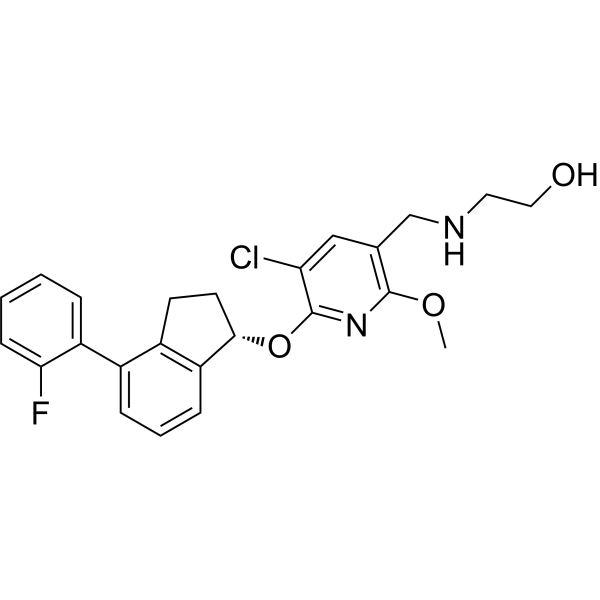
XP5 is a potent, orally active HDAC6 inhibitor with an IC50 of 31 nM. XP5 displays high antiproliferative activity against various cancer cell lines including the HDACi-resistant YCC3/7 gastric cancer cells (IC50=0.16-2.31 μM). XP5 enhances antitumor immunity when combined with a PD-L1 inhibitor in melanoma [1].
|
-
- HY-N0242R
-
|
|
Reference Standards
PD-1/PD-L1
HIF/HIF Prolyl-Hydroxylase
STAT
|
Inflammation/Immunology
Cancer
|
|
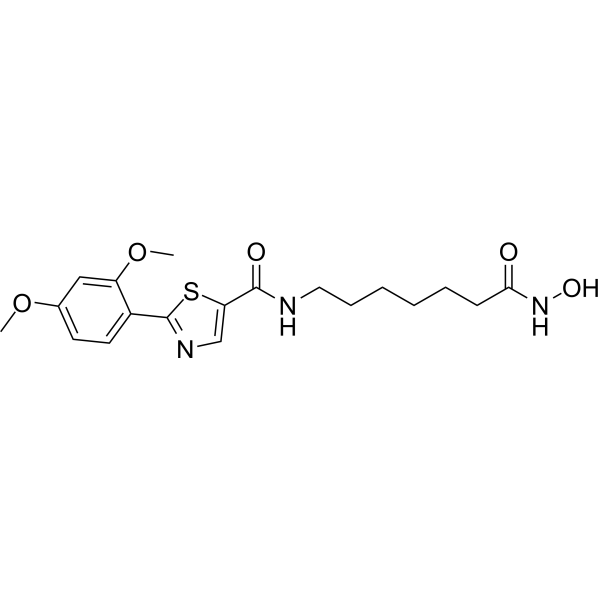
Fraxinellone (Standard) is the analytical standard of Fraxinellone. This product is intended for research and analytical applications. Fraxinellone is isolated from the root bark of the Rutaceae plant, Dictamnus dasycarpus. Fraxinellone is a PD-L1 inhibitor and inhibits HIF-1α protein synthesis without affecting HIF-1α protein degradation. Fraxinellone has the potential to be a valuable candidate for cancer treatment by targeting PD-L1 [1].
|
-

- HY-161818
-
|
|
PD-1/PD-L1
|
Inflammation/Immunology
|
|
LLW-018 is a potent PD-1/PD-L1 inhibitor with an IC50 value of 2.61 nM. LLW-018 can interrupt PD-1/PD-L1 interaction with an IC50 value of 0.88 μM by cell-based PD-1/PD-L1 blockade bioassays. LLW-018 has the potential for immunotherapy research [1].
|
-

- HY-120646
-
|
|
PD-1/PD-L1
|
Others
|
|
BMS-242 is a small molecule PD-1/PD-L1 inhibitor with the activity of inhibiting the PD-1/PD-L1 interaction. BMS-242 can bind to the hydrophobic channel pocket between PD-L1 molecules, inhibit the PD-1/PD-L1 immune checkpoint pathway, and provide a new way for cancer inhibition.
|
-

- HY-162356
-
|
|
PD-1/PD-L1
|
Cancer
|
|
PD-L1-IN-4 (Compound X18) is an orally active PD-L1 inhibitor that exhibits remarkable inhibitory activity against the PD-1/PD-L1 interaction (IC50 = 1.3 nM) and enhances PD-L1 inhibitory effect on T cells (EC50 = 152.8 nM). PD-L1-IN-4 can be used for the research of cancer [1].
|
-
- HY-172874
-
|
|
Indoleamine 2,3-Dioxygenase (IDO)
|
Cancer
|
|
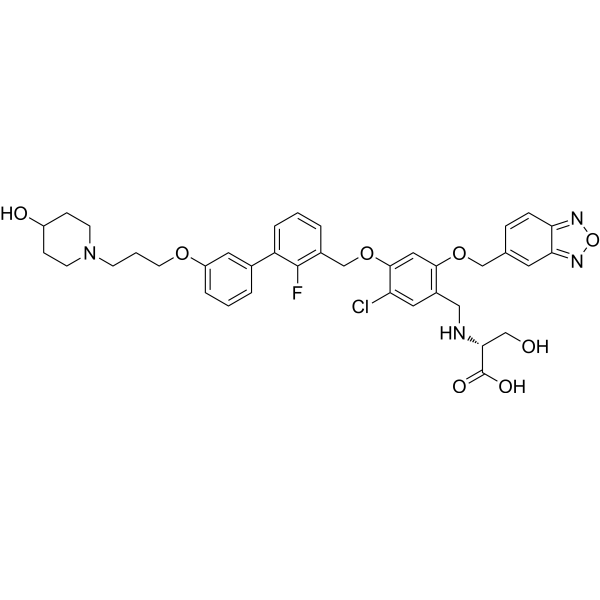
TDO-IN-2 (Compound 5c) is an orally active TDO inhibitor (IC50: 1.25 μM). TDO-IN-2 has antitumor activity in the Hepa1-6 hepatocellular carcinoma allograft mouse model. TDO-IN-2 has synergistic effects with the PD-1/PD-L1 inhibitor BMS-202 (HY-19745) and can be used to study tumor immune tolerance [1].
|
-

- HY-156085
-
|
|
PD-1/PD-L1
|
Cancer
|
|
LP23 is a non-arylmethylamine PD-1/PD-L1 inhibitor (IC50: 16.7 nM) with anti-tumor activity. LP23 restores immune cell function in HepG2/Jurkat T cells and promotes HepG2 cell death. LP23 is active in vivo in the B16-F10 tumor model (TGI=88.6% at 30 mg/kg) [1].
|
-
- HY-N12537
-
|
|
PD-1/PD-L1
|
Cancer
|
|
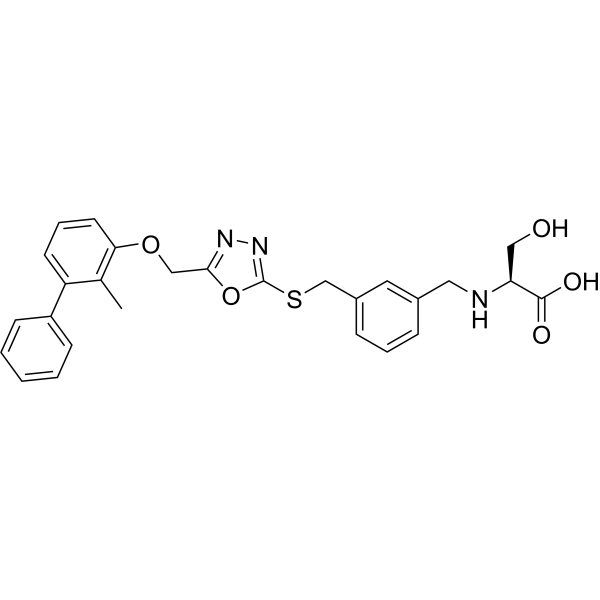
PD-1/ PD-L1-in-38 is a PD-1/PD-L1 inhibitor, which can inhibit the proliferation of tumor cells, promote the secretion of INF-γ by CD8 + T cells, and inhibit the ability of PD-1/PD-L1 signal transduction. PD-1/PD-L1-IN-38 has antitumor activity [1].
|
-
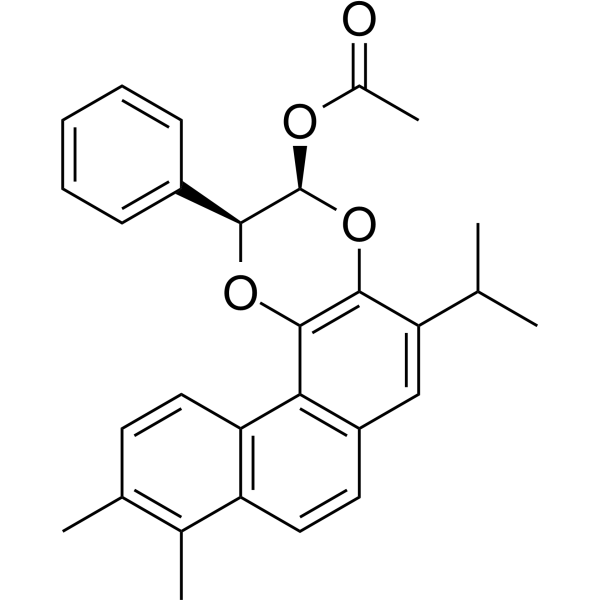
- HY-155740
-
|
|
PD-1/PD-L1
|
Cancer
|
|
PD-1/PD-L1-IN-32 (compound A56) is a potent PD-1/PD-L1 inhibitor (IC50=2.4 nM), with anticancer activity. PD-1/PD-L1-IN-32 significantly inhibits tumor growth in hPD-L1 MC38 humanized mouse model, without obvious toxicity against mouse normal ability [1].
|
-
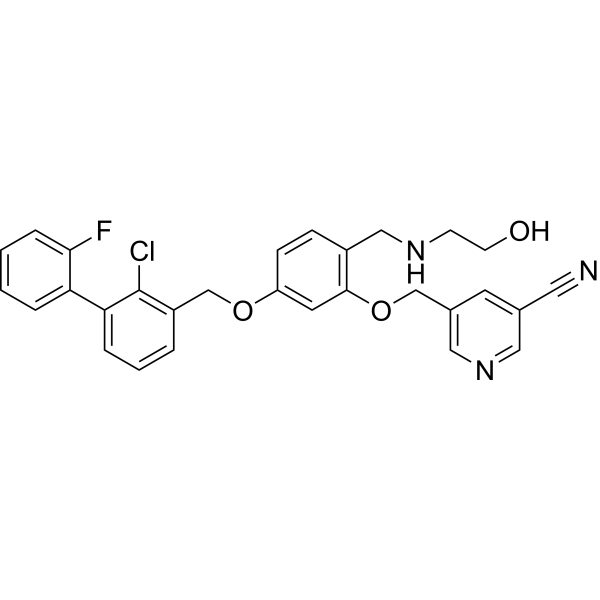
- HY-144649
-
|
|
PD-1/PD-L1
|
Cancer
|
|
PD-1/PD-L1-IN-24 is a highly potent PD-1/PD-L1 inhibitor with IC50 value of 1.57 nM. PD-1/PD-L1-IN-24 can restore T-cell function at the cellular level by significantly elevating the IFN-γ level. PD-1/PD-L1-IN-24 has low toxicity on the PBMCs [1].
|
-
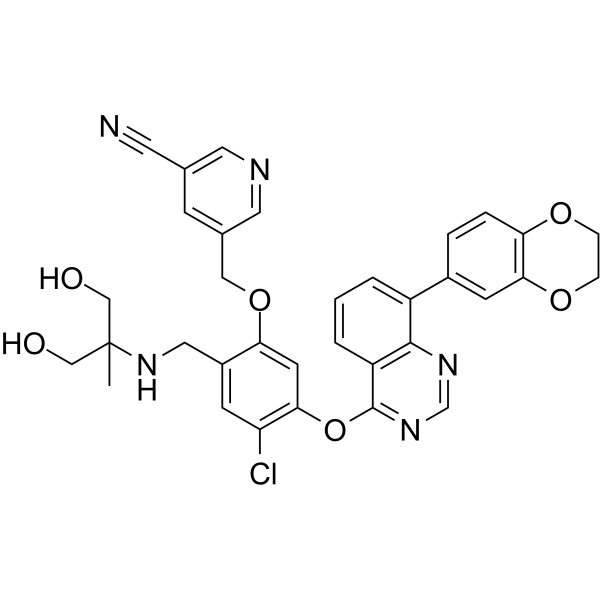
- HY-146740
-
|
|
PD-1/PD-L1
|
Cancer
|
|
PD-1/PD-L1-IN-27 is a potent PD-1/PD-L1 inhibitor with an IC50 value of 134 nM. PD-1/PD-L1-IN-27 shows antitumor effects with low T cell cytotoxicity. PD-1/PD-L1-IN-27 has the ability to activate CD8 + T cells and reduces T cell exhaustion [1].
|
-
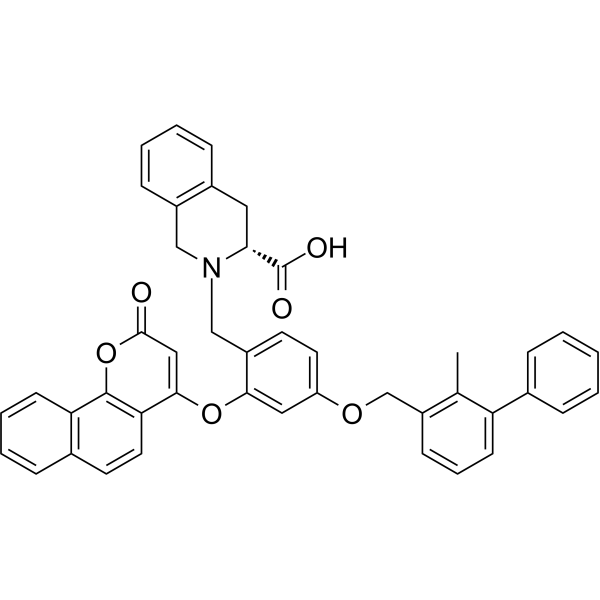
- HY-175702
-
|
|
PD-1/PD-L1
|
Inflammation/Immunology
Cancer
|
|
PD-1/PD-L1-IN-57 (Compound J29) is a PD-1/PD-L1 inhibitor with an IC50 of 5.5 nM. PD-1/PD-L1-IN-57 has a strong immunoregulatory activity, effectively promotes T-cell proliferation and restores the killing ability of tumor cells. PD-1/PD-L1-IN-57 can be used for tumor immunotherapy research [1].
|
-

- HY-163307
-
|
|
PD-1/PD-L1
|
Cancer
|
|
PD-1/PD-L1-IN-39 (X 14) is an orally active PD-1/PD-L1 inhibitor with a IC50 value of 15.73 nM. PD-1/ PD-L1-in-39 has a good binding affinity for human and mouse PD-L1, with KD values of 14.62 nM and 392 nM, respectively. PD-1/PD-L1-IN-39 has antitumor activity [1].
|
-
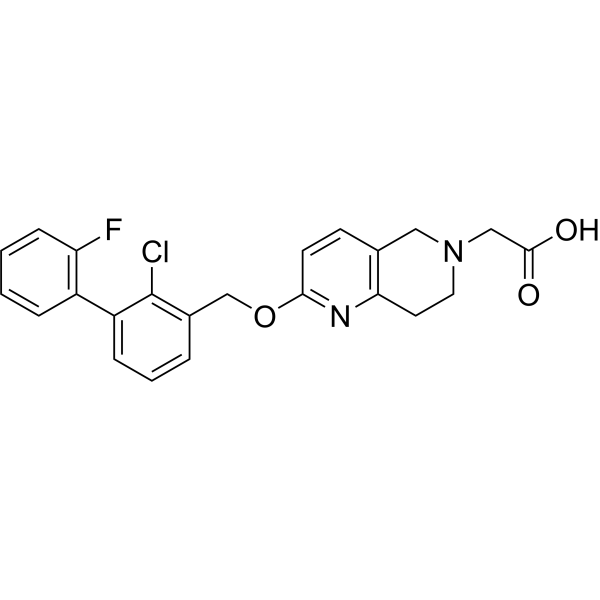
- HY-157569
-
|
|
PD-1/PD-L1
|
Cancer
|
|
PD1-PDL1-IN 2 (ZE132) is a potent and selective PD-1/PD-L1 inhibitor, which has robust anti-tumour activity in vivo. PD1-PDL1-IN 2 promotes cytotoxic T-cell tumour infiltration and induces IL-2 expression. In addition, PD1-PDL1-IN 2 elicits strong inhibitory effects on the mRNA expression of TGF-β [1].
|
-
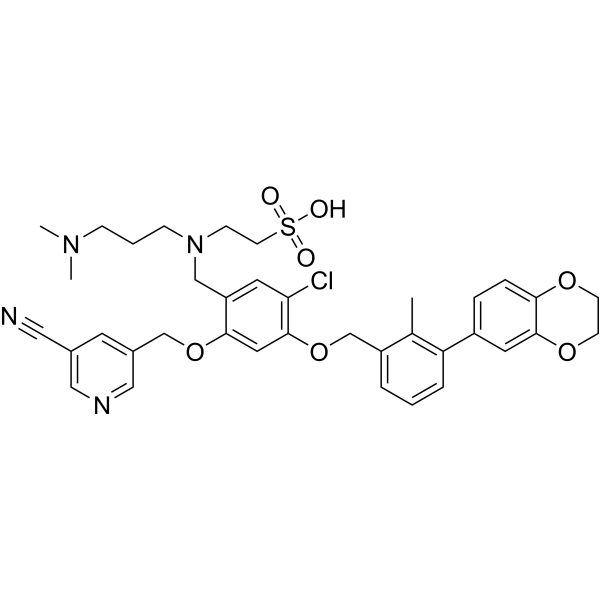
- HY-149617
-
|
|
Cytochrome P450
PD-1/PD-L1
|
Infection
|
|
CYP51/PD-L1-IN-4 (compound 14a-2) is a potent dual-target (CYP51/PD-L1) inhibitor, with IC50 values of 0.17 and 0.021 μM, respectively. CYP51/PD-L1-IN-4 exhibits excellent antifungal and antidrug-resistant fungal activity in vitro. CYP51/PD-L1-IN-4 can be used for fungal infections research [1].
|
-
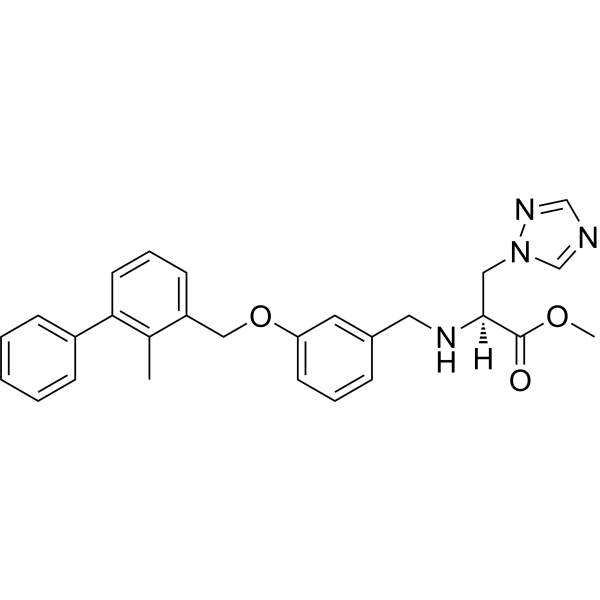
- HY-168081
-
|
|
PD-1/PD-L1
|
Cancer
|
|
PD-1/PD-L1-IN-52 (Compound III-5) is an orally active PD-1/PD-L1 inhibitor that blocks the interaction between PD-1 and PD-L1, with an IC50 of 109.9 nM. PD-1/PD-L1-IN-52 exhibits antitumor activity in a C57BL/6 mouse xenograft model implanted with human PD-1-expressing MC38 colon cancer cells, with a TGI of 49.6% [1].
|
-

- HY-168080
-
|
|
PD-1/PD-L1
|
Inflammation/Immunology
Cancer
|
|
PD-1/PD-L1-IN-51 (Compound III-4) is a PD-1/PD-L1 inhibitor (IC50: 2.9 nM for hPD-L1). PD-1/PD-L1-IN-51 directly binds to PD-L1 to block the interaction between PD-1/PD-L1 and enhances IFN-γ release. PD-1/PD-L1-IN-51 has tumor inhibitory activity [1].
|
-

- HY-157811
-
|
|
Exosomes
PD-1/PD-L1
|
Cancer
|
|
PD-1/PD-L1-IN-40 (Compound EP16) is a PD-1/PD-L1 inhibitor. PD-1/PD-L1-IN-40 inhibits the generation of exosomal PD-L1 with IC50 = 0.108 μM. PD-1/PD-L1-IN-40 can serve as a leading compound for exosomal PD-L1 abrogation. PD-1/PD-L1-IN-40 can be used for the research of cancer [1].
|
-
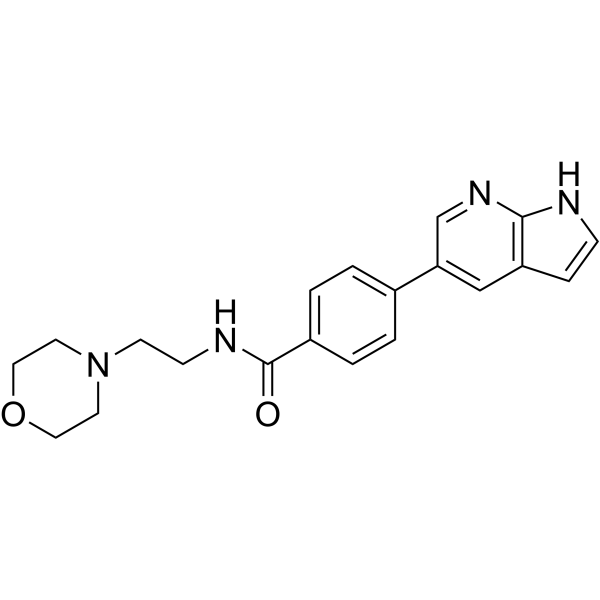
- HY-159892
-
|
|
PD-1/PD-L1
IFNAR
Interleukin Related
PI3K
Akt
|
Cancer
|
|
PD-1/PD-L1-IN-54 (Compound 6) is a moderately affinic PD-1/PD-L1 inhibitor (KD: PD-1, 55.8 μM; PD-L1, 46.4 μM; IC50: 88.6 μM). PD-1/PD-L1-IN-54 inhibits PD-1/PD-L1 interactions and shows anticancer activity by activating CD8 + T cells, upregulating PD-1 expression, and increasing secretion of IFN-γ and IL-2. PD-1/PD-L1-IN-54 inhibits cancer cell proliferation and promotes apoptosis. PD-1/PD-L1-IN-54 also regulates T cell immunity through the PI3K/Akt pathway correlated with PD-1/PD-L1 [1].
|
-

- HY-183300
-
|
|
PD-1/PD-L1
|
Cancer
|
|
PD-L1-IN-10 is a PD-L1 inhibitor with a Ki value of 5.7 μM. PD-L1-IN-10 inhibits PD-1/PD-L1 protein-protein interaction. PD-L1-IN-10 is used in cancer-related research [1].
|
-

- HY-P992357
-
|
|
PD-1/PD-L1
|
Cancer
|
|
GNUV201 is a PD-1 inhibitor with cross-reactivity in humans, mice and monkeys, which effectively blocks the PD-1/PD-L1 interaction. GNUV201 activates T cells and restores their anti-tumor activity, effectively inducing tumor regression. GNUV201 can be used in the research of related diseases such as colorectal cancer, melanoma, pancreatic cancer and colon cancer [1] .
|
-

- HY-185565
-
|
|
PD-1/PD-L1
CXCR
|
Cancer
|
|
PD-1/PD-L1-IN-63 is an orally active PD-1/PD-L1 inhibitor with an IC50 of 9.1 nM. PD-1/PD-L1-IN-63 blocks the PD-1/PD-L1 interaction, induces cancer cell death and inhibits tumor growth. PD-1/PD-L1-IN-63 can be used in the research of melanoma [1].
|
-

- HY-183887
-
|
|
PD-1/PD-L1
|
Cancer
|
|
PD-L1-IN-11 is a PD-L1 inhibitor with human PD-L1 IC50 and KD of 27.82 μM and 49.50 μM, respectively. PD-L1-IN-11 directly binds to PD-L1 via a dimer-locking mechanism, occluding the PD-1 interaction surface to disrupt PD-1/PD-L1 interaction. PD-L1-IN-11 can be used for the research of melanoma, colon carcinoma [1] .
|
-

- HY-181096
-
|
|
PD-1/PD-L1
|
Inflammation/Immunology
Cancer
|
|
PD-L1-IN-9 is a PD-L1 inhibitor with an IC50 of 110.85 nM. PD-L1-IN-9 has a Kd of 319 nM for human PD-L1 and a Kd of 450 nM for murine PD-L1. PD-L1-IN-9 blocks the PD-1/PD-L1 interaction, restores T cell-mediated anti-tumor immunity, and induces PD-L1 degradation in tumor tissues. PD-L1-IN-9 exhibits anti-tumor activity and can be used in the research of tumors such as melanoma [1].
|
-

- HY-183369
-
|
|
VEGFR
PD-1/PD-L1
Apoptosis
Bcl-2 Family
Caspase
|
Cancer
|
|
VEGFR/PD-L1-IN-1 is a VEGFR2 and PD-L1 inhibitor, with IC50 values of 0.383 μM and 134.407 pg/mL against VEGFR2 and PD-L1, respectively. VEGFR/PD-L1-IN-1 enhances the secretion of INF-γ, induces G0/G1 cell cycle arrest in cancer cells, and triggers cancer cell apoptosis. VEGFR/PD-L1-IN-1 upregulates the expression of BAX and Caspase-3, and downregulates the expression of Bcl-2. VEGFR/PD-L1-IN-1 can be used in research related to hepatocellular carcinoma, prostate cancer, and colorectal cancer [1].
|
-

- HY-P992448
-
|
|
PD-1/PD-L1
|
Cancer
|
|
RC98 is a monoclonal antibody targeting programmed cell death ligand 1 (PD-L1) and acts as a selective PD-L1 inhibitor. RC98 binds specifically to human and cynomolgus monkey PD-L1. RC98 blocks the interaction between PD-L1 and its receptor PD-1 to reverse T-cell inactivation mediated by PD-1/PD-L1 signaling. RC98 enhances the cytotoxic T-lymphocyte-mediated anti-tumor immune response against PD-L1-expressing tumor cells. RC98 can be used for the research of tumor immunity and solid tumors [1].
|
-

- HY-183607
-
|
|
STING
PD-1/PD-L1
IFNAR
Interleukin Related
CXCR
|
Cancer
|
|
SMU-3k is a STING activator and PD-L1 inhibitor, with a PD-L1 IC50 of 106 nM, a KD of 386 nM for human PD-L1, and a KD of 352 nM for murine PD-L1. SMU-3k activates the STING pathway, induces phosphorylation of TBK1 and IRF3, and promotes the expression of IFN-β, IL-6 and CXCL10. SMU-3k blocks the PD-1/PD-L1 interaction, reduces PD-L1 levels and induces PD-L1 internalization. Through dual immunomodulation, SMU-3k exerts synergistic tumor growth inhibitory effects in a mouse colon cancer model. SMU-3k can be used for the research of colon cancer [1].
|
-

- HY-182048
-
|
|
PD-1/PD-L1
mTOR
|
Cancer
|
|
PD-1/PD-L1-IN-62 is a PD-L1 inhibitor and mTOR modulator. PD-1/PD-L1-IN-62 inhibits PD-L1 with an IC50 of 6.9 nM and abrogates immune suppression mediated by the PD-1/PD-L1 pathway. By inhibiting mTOR phosphorylation and downregulating the downstream target SREBP1, PD-1/PD-L1-IN-62 significantly reduces cholesterol and triglyceride levels to decrease lipid accumulation. PD-1/PD-L1-IN-62 promotes the infiltration of CD3 +CD8 + T cells into tumor tissues, thereby effectively inhibiting tumor growth. PD-1/PD-L1-IN-62 can be used for the research of hepatocellular carcinoma [1].
|
-

| Cat. No. |
Product Name |
Type |
| Cat. No. |
Product Name |
Target |
Research Area |
-
- HY-172320
-
|
|
PD-1/PD-L1
|
Cancer
|
|
BMS-986238 is an orally active macrocyclic peptide PD-L1 inhibitor. BMS-986238 can be used in the research of tumors such as solid tumors and lymphomas [1] .
|
-
- HY-P4072A
-
|
|
PD-1/PD-L1
|
Cancer
|
|
(D)-PPA 1 TFA is a hydrolysisresistant d-peptide antagonist. (D)-PPA 1 TFA serves as a potent PD-1/PD-L1 inhibitor. (D)-PPA 1 TFA binds to PD-1 with the affinity 0f 0.51 μM with in vitro and in vivo efficacy [1].
|
-
- HY-P2478
-
|
|
PD-1/PD-L1
|
Inflammation/Immunology
|
|
Human PD-L1 inhibitor V, a human PD-1 protein binding peptide with a Kd value of 3.32 μM. Human PD-L1 inhibitor V inhibit the interaction of hPD-1/hPD-L1 [1].
|
-
- HY-P2477
-
|
|
PD-1/PD-L1
|
Inflammation/Immunology
|
|
Human PD-L1 inhibitor IV, a polypeptide, is a competitive human PD-1 protein inhibitor with a Kd value of 1.38 μM. Human PD-L1 inhibitor IV inhibits the interaction of hPD-1/hPD-L1 [1].
|
-
- HY-P2470
-
|
|
PD-1/PD-L1
|
Cancer
|
|
Human PD-L1 inhibitor II is a potent PD-L1 inhibitor with anti-cancer activity [1].
|
-
- HY-P2474
-
|
|
PD-1/PD-L1
|
Cancer
|
|
Human PD-L1 inhibitor I is a hPD-1 peptide ligand, with a KD of 3.39 μM. Human PD-L1 inhibitor I may disturb the binding of hPD-L1 to hPD-1 [1].
|
-
- HY-P4072
-
|
|
PD-1/PD-L1
|
Cancer
|
|
(D)-PPA 1 is a hydrolysisresistant d-peptide antagonist. (D)-PPA 1 serves as a potent PD-1/PD-L1 inhibitor. (D)-PPA 1 binds to PD-1 with the affinity 0f 0.51 μM with in vitro and in vivo efficacy [1].
|
-
- HY-P2478A
-
|
|
PD-1/PD-L1
|
Inflammation/Immunology
|
|
Human PD-L1 inhibitor V TFA, a human PD-1 protein binding peptide with a Kd value of 3.32 μM. Human PD-L1 inhibitor V TFA inhibit the interaction of hPD-1/hPD-L1 [1].
|
-
- HY-P2564
-
| Cat. No. |
Product Name |
Target |
Research Area |
Image |
-
- HY-P9902A
-
|
MK-3475 (anti-PD-1); Lambrolizumab (anti-PD-1)
|
PD-1/PD-L1
|
Cancer
|
|
Pembrolizumab (anti-PD-1) is a humanized IgG4 antibody and PD-1 inhibitor. Pembrolizumab produces PD-1 blockade, preventing PD-L1 and PD-L2 from connecting to PD-1. This avoids the uncontrolled regulation of T cells on cells that normally express PD-1 [1] .
|
-

(5)
-
- HY-P990088
-
|
|
VEGFR
PD-1/PD-L1
|
Cardiovascular Disease
|
|
Sotiburafusp alfa is a bispecific fusion protein, which is a humanized VEGFR-1 extracellular domain fragment (129-228, 1-100 in the current sequence) fused via the peptide linker 101GGSGGSGGSGGSGGS 115 to the N-terminus of the heavy chain (116-564) of a humanized IgG1-kappa anti-human PD-L1 heavy chain variant L352>A, L353>A. Sotiburafusp alfa also functions as a PD-L1 inhibitor and a VEGF inhibitor [1] .
|
-
(5)
-
- HY-P99799
-
|
CX-072
|
PD-1/PD-L1
|
Cancer
|
|
Pacmilimab (CX-072) is a potent PD-L1 inhibitor. Pacmilimab shows antitumor activity [1].
|
-
(5)
-
- HY-P99887
-
|
JTX-4014
|
PD-1/PD-L1
|
Cancer
|
|
Pimivalimab (JTX-4014) is a PD-1 inhibitor. Pimivalimab can be used for the research of solid tumor [1].
|
-
(5)
-
- HY-P991620
-
|
|
Transmembrane Glycoprotein
|
Cancer
|
|
JS006 is a humanized IgG4κ monoclonal antibody inhibitor targeting TIGIT/CD155. JS006 can be used to study advanced and/or metastatic cancers with resistance to PD-1/PD-L1 inhibitor such as non-small cell lung cancer (NSCLC), advanced lymphoma and advanced/metastatic triple negative breast cancer (TNBC) [1] .
|
-
(5)
-
- HY-P992357
-
|
|
PD-1/PD-L1
|
Cancer
|
|
GNUV201 is a PD-1 inhibitor with cross-reactivity in humans, mice and monkeys, which effectively blocks the PD-1/PD-L1 interaction. GNUV201 activates T cells and restores their anti-tumor activity, effectively inducing tumor regression. GNUV201 can be used in the research of related diseases such as colorectal cancer, melanoma, pancreatic cancer and colon cancer [1] .
|
-
(5)
-
- HY-P992448
-
|
|
PD-1/PD-L1
|
Cancer
|
|
RC98 is a monoclonal antibody targeting programmed cell death ligand 1 (PD-L1) and acts as a selective PD-L1 inhibitor. RC98 binds specifically to human and cynomolgus monkey PD-L1. RC98 blocks the interaction between PD-L1 and its receptor PD-1 to reverse T-cell inactivation mediated by PD-1/PD-L1 signaling. RC98 enhances the cytotoxic T-lymphocyte-mediated anti-tumor immune response against PD-L1-expressing tumor cells. RC98 can be used for the research of tumor immunity and solid tumors [1].
|
-
(5)
| Cat. No. |
Product Name |
Category |
Target |
Chemical Structure |
| Cat. No. |
Product Name |
|
Classification |
-
- HY-169392
-
|
|
|
DBCO
|
|
D5B is a potent and selective PD-L1 inhibitor. D5B has been modified by DBCO. The EC50 of D5B degrading PD-L1 in 4T1 and B16-F10 tumor cells are 5.4 μM and 6.2 μM, respectively. D5B can block PD-L1/PD-1 interaction and has anti-tumor activity [1].
|
-
- HY-162356
-
|
|
|
Azide
|
|
PD-L1-IN-4 (Compound X18) is an orally active PD-L1 inhibitor that exhibits remarkable inhibitory activity against the PD-1/PD-L1 interaction (IC50 = 1.3 nM) and enhances PD-L1 inhibitory effect on T cells (EC50 = 152.8 nM). PD-L1-IN-4 can be used for the research of cancer [1].
|
Your information is safe with us. * Required Fields.
Inquiry Information
- Product Name:
- Cat. No.:
- Quantity:
- MCE Japan Authorized Agent:








