Search Result
Results for "
PPARγ receptors
" in MedChemExpress (MCE) Product Catalog:
6
Isotope-Labeled Compounds
| Cat. No. |
Product Name |
Target |
Research Areas |
Chemical Structure |
-
- HY-13956
-
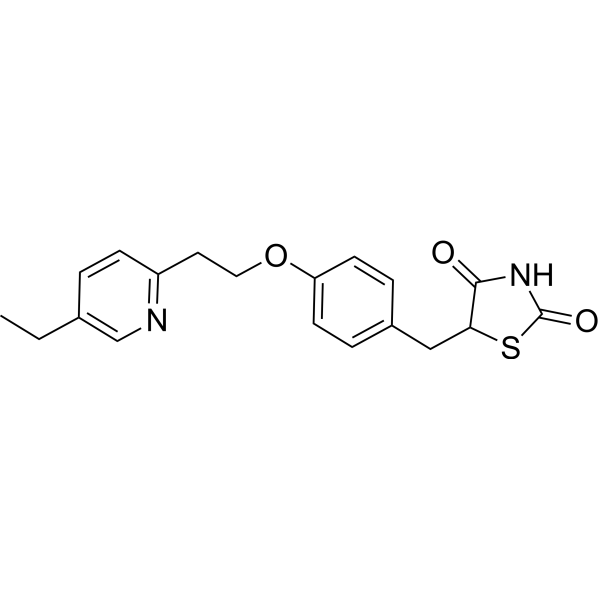
Pioglitazone
Maximum Cited Publications
47 Publications Verification
U 72107
|
PPAR
Ferroptosis
|
Metabolic Disease
Cancer
|
|
Pioglitazone (U 72107) is an orally active and selective PPARγ (peroxisome proliferator-activated receptor) agonist with high affinity binding to the PPARγ ligand-binding domain with EC50 of 0.93 and 0.99 μM for human and mouse PPARγ, respectively. Pioglitazone can be used in diabetes research .
|
-
-
- HY-50935
-
|
CS-045
|
PPAR
Autophagy
Apoptosis
Ferroptosis
|
Metabolic Disease
Cancer
|
|
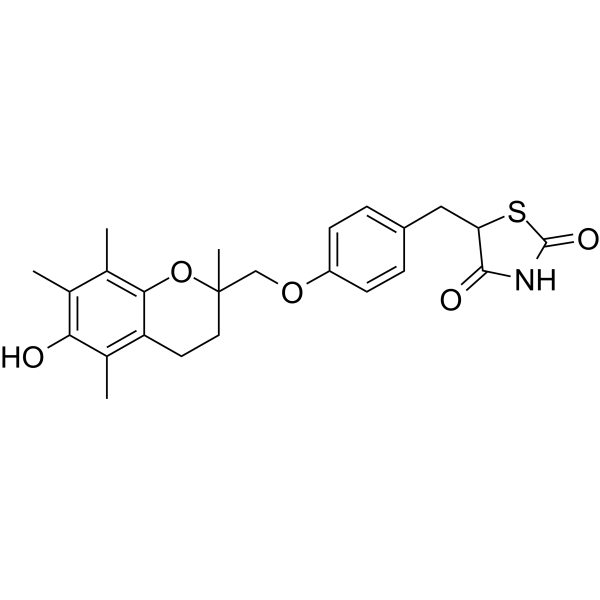
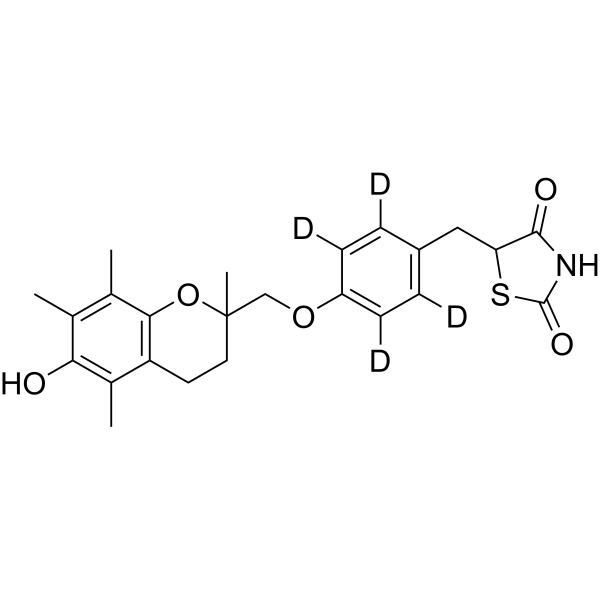
Troglitazone is an orally active PPARγ agonist, with EC50s of 550 nM and 780 nM for human and murine PPARγ receptor, respectively. Troglitazone has anticancer activity, prevents and inhibits the development of type 2 diabetes.
|
-
-
- HY-15655
-
|
|
PPAR
|
Neurological Disease
Metabolic Disease
|
|
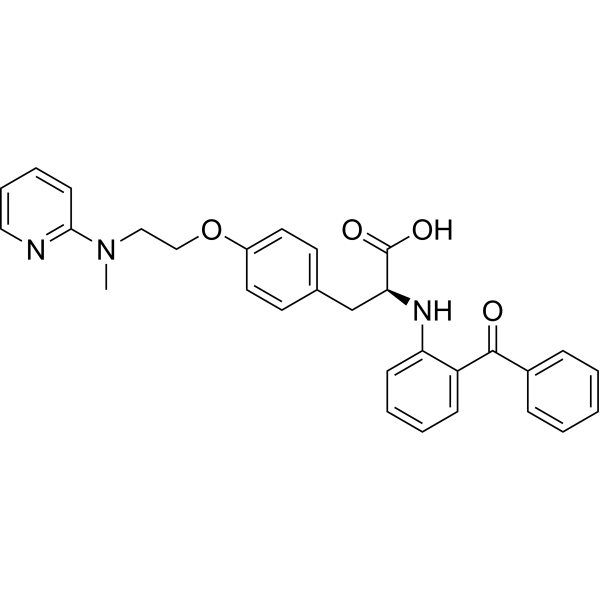
GW 1929 is an orally active peroxisome proliferator-activated receptor-γ (PPARγ) agonist with a pKi of 8.84 for human PPAR-γ, and pEC50s of 8.56 and 8.27 for human PPAR-γ and murine PPAR-γ, respectively. GW 1929 (hydrochloride) has antidiabetic efficacy and neuroprotective potential .
|
-
-
- HY-19522
-
|
MBX-8025; RWJ-800025
|
PPAR
|
Metabolic Disease
|
|
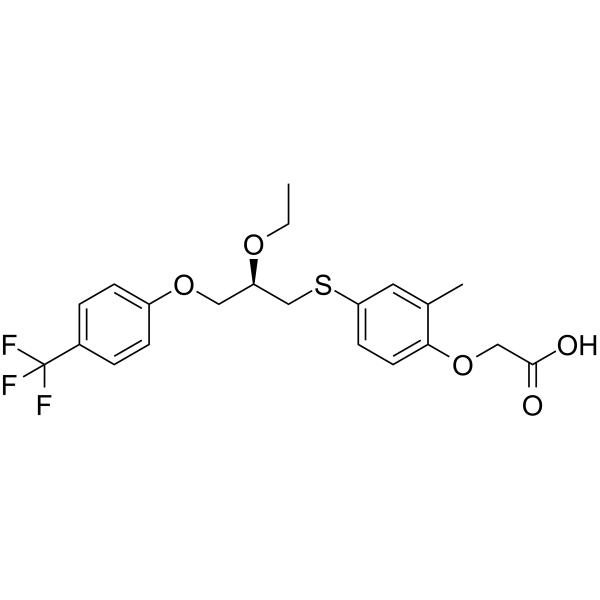
Seladelpar (MBX-8025) is an orally active, potent and specific PPARδ agonist with an EC50 of 2 nM. Seladelpar shows more than 750-fold and 2500-fold selectivity over the PPARα and PPARγ receptors, respectively. Seladelpar can be used for the study of primary biliary cholangitis .
|
-
-
- HY-19937
-
|
|
PPAR
|
Metabolic Disease
|
|
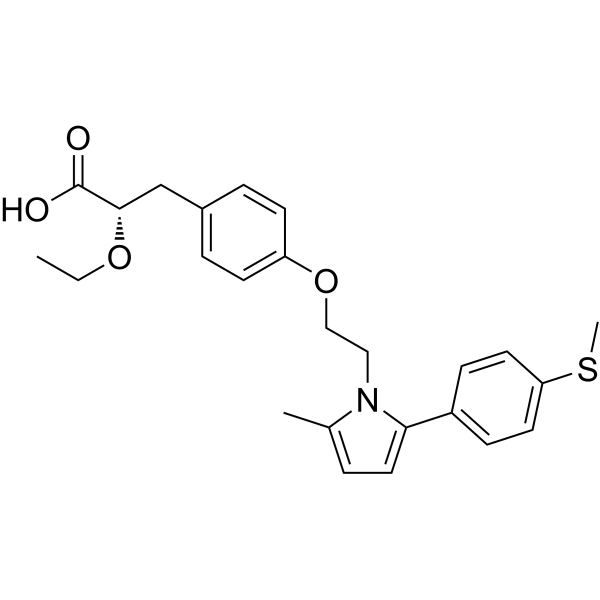
Saroglitazar is a novel peroxisome proliferator-activated receptor (PPAR) agonist with predominant PPARα and moderate PPARγ activity with EC50 values of 0.65 pM and 3 nM in HepG2 cells, respectively.
|
-
-
- HY-17444
-
|
|
PPAR
|
Metabolic Disease
Cancer
|
|
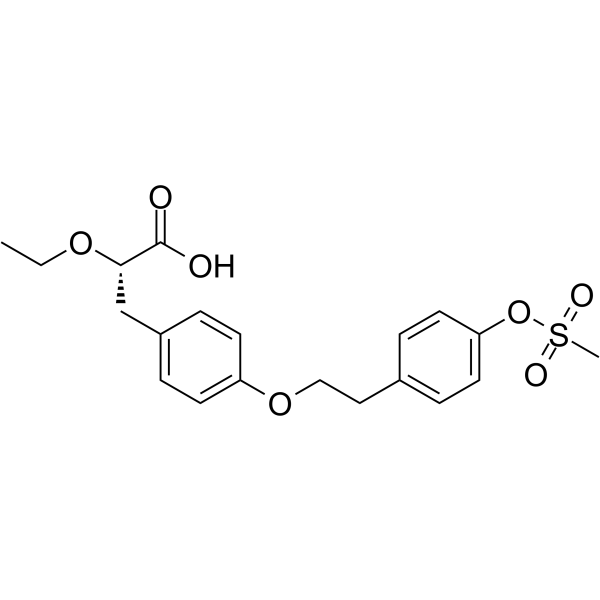
Tesaglitazar is a dual-target PPARα/γ agonist with an EC50 of 13.4 μM for rat PPARα and 3.6 μM for human PPARα. Tesaglitazar affects lipid and glucose metabolism by activating PPARα and PPARγ receptors, and has the potential to improve blood sugar and relieve pain. Tesaglitazar can be used to induce in vivo tumor models and can be used in the study of type 2 diabetes, dyslipidemia, and neuropathic pain .
|
-
-
- HY-N0246
-
|
|
LXR
Bacterial
|
Inflammation/Immunology
Cancer
|
|
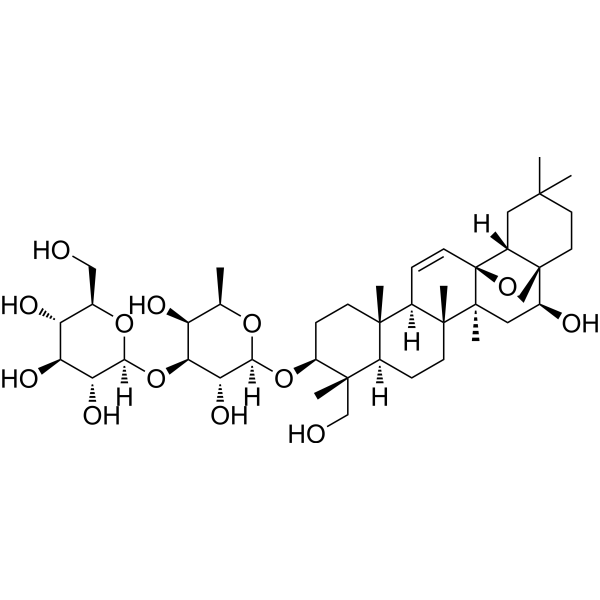
Saikosaponin A is the main active ingredient in Bupleurum chinense, which can regulate lipid metabolism and promote cholesterol efflux in early atherosclerosis. In addition, Saikosaponin A may also serve as a potential peroxisome proliferator-activated receptor γ (PPAR-γ) agonist, significantly promoting the expression of PPAR-γ. Saikosaponin A can be used in the study of hyperlipidemic pancreatitis .
|
-
-
- HY-B0205
-
|
CV 11974
|
Angiotensin Receptor
PPAR
|
Cardiovascular Disease
Endocrinology
Cancer
|
|
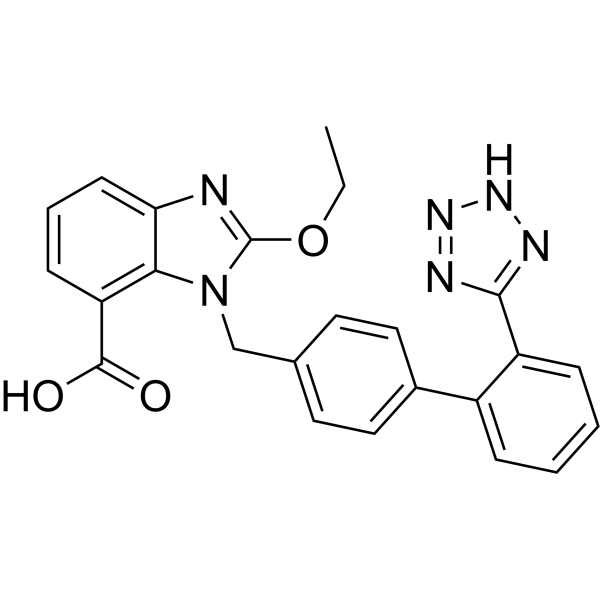
Candesartan (CV 11974) is an orally active angiotensin II AT1-Receptor blocker and PPAR-γ agonist. Candesartan has potent and long-lasting antihypertensive effects. Candesartan can be used for the research of hypertension, chronic heart failure (CHF) and Traumatic brain injury (TBI) .
|
-
-
- HY-N0234
-
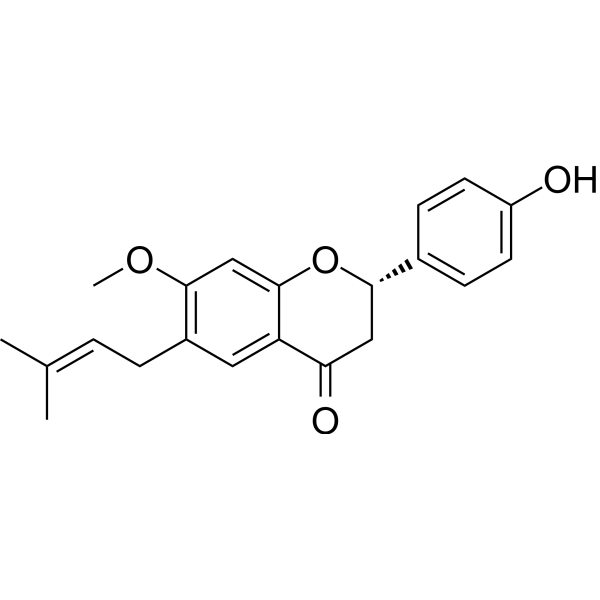
Bavachinin
Maximum Cited Publications
8 Publications Verification
7-O-Methylbavachin; Bavachinin A
|
Amyloid-β
PPAR
HIF/HIF Prolyl-Hydroxylase
|
Inflammation/Immunology
Cancer
|
|
Bavachinin is agonist of pan-peroxisome proliferator-activated receptor (PPAR), with the IC50 value of 21.043 μM, 12.819 μM, and 0.622 μM to PPAR-α, RRAR-β/δ, and PPAR-γ, respectively. Bavachinin is an inhibitor of HIF-1α. Bavachinin exhibits antitumor activity against non-small cell lung cancer by targeting RRAR-γ. Bavachinin is a natural compound with anti-inflammatory and anti-angiogenic activities. Bavachinin has orally bioactivity. .
|
-
-
- HY-19937A
-
|
|
PPAR
|
Metabolic Disease
|
|
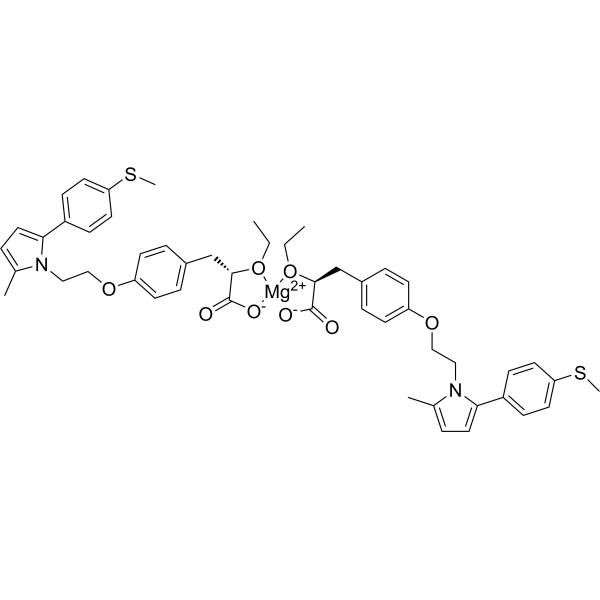
Saroglitazar magnesium is a novel peroxisome proliferator-activated receptor (PPAR) agonist with predominant PPARα and moderate PPARγ activity with EC50 values of 0.65 pM and 3 nM in HepG2 cells, respectively.
|
-
-
- HY-173432
-
|
|
ACSL Family
Ferroptosis
|
Neurological Disease
Cancer
|
|
LIBX-A401 is a selective long-chain acyl-CoA synthetase 4 (ACSL4) inhibitor with a human IC50 values of 0.38 μM and a Kd of 0.72 μM. LIBX-A401 binds to ACSL4 in an ATP-dependent manner, stabilizes the C-terminal domain, alters the fatty acid gate region, and interacts with residues A329 and Q302 within the fatty acid binding site. LIBX-A401 exhibits anti-ferroptosis properties in cells. LIBX-A401 can be used for the researches of cancer and parkinson's disease .
|
-

-
- HY-100348
-
|
|
Androgen Receptor
PPAR
Apoptosis
|
Cancer
|
|
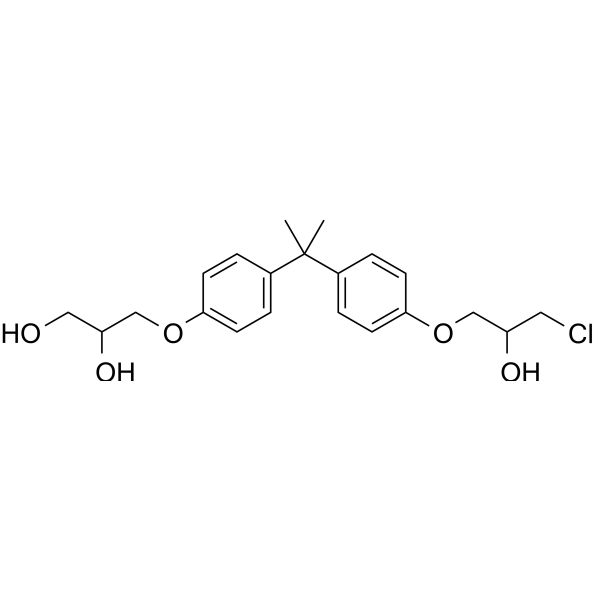
EPI-001, a selective inhibitor of Androgen Receptor (AR), targets transactivation unit 5 (Tau-5) of the AR. EPI-001 can inhibit transactivation of the AR amino-terminal domain (NTD), with an IC50 of ~6 μM. EPI-001 is also a selective modulator of PPARγ. EPI-001 is active against castration-resistant prostate cancer .
|
-
-
- HY-112813
-
-
-
- HY-15697
-
TUG-770
3 Publications Verification
|
Free Fatty Acid Receptor
|
Metabolic Disease
|
|
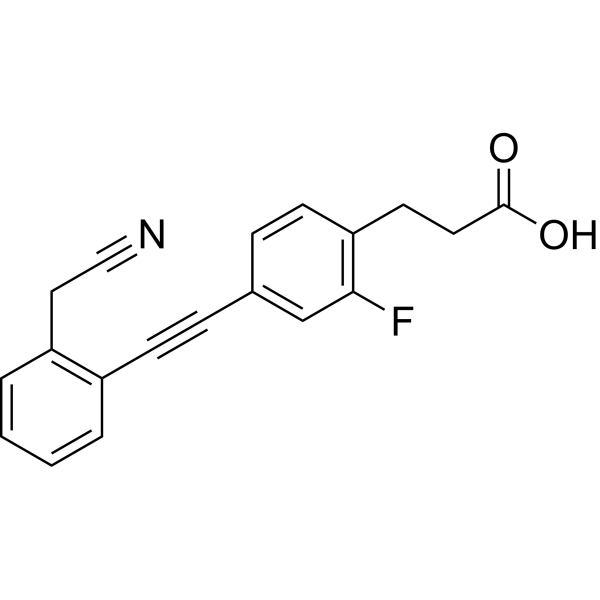
TUG-770 is a potent, selective and orally active GPR40/FFA1 agonist with an EC50 of 6 nM for human FFA1. TUG-770 shows a high selectivity for FFA1 over FFA2, FFA3, FFA4, PPARγ, other receptors, transporters, and enzymes. TUG-770 can be uesd for type 2 diabetes research . TUG-770 is a click chemistry reagent, it contains an Alkyne group and can undergo copper-catalyzed azide-alkyne cycloaddition (CuAAc) with molecules containing Azide groups.
|
-
-
- HY-113205
-
|
15-keto-PGE2
|
Endogenous Metabolite
Prostaglandin Receptor
STAT
PPAR
Fungal
Drug Metabolite
|
Cardiovascular Disease
Infection
Endocrinology
Cancer
|
|
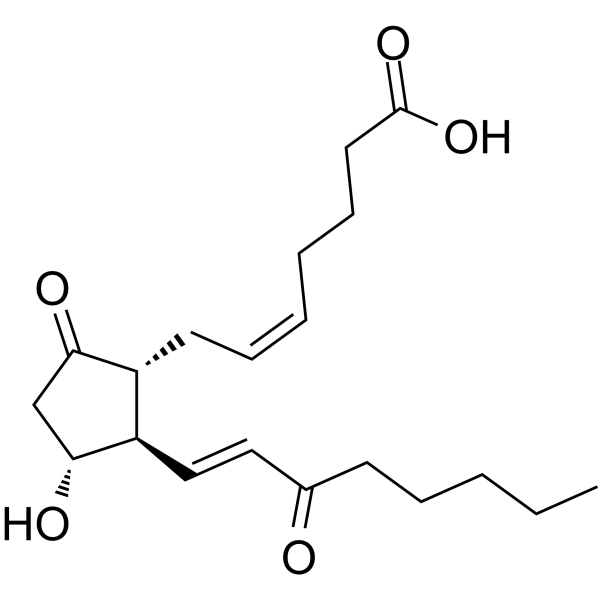
15-keto-Prostaglandin E2 (15-keto-PGE2) is an endogenous PGE2 metabolite. 15-keto-Prostaglandin E2 inhibits STAT3 activation by binding to the Cys259 residue of STAT3. 15-keto-Prostaglandin E2 binds to and stabilizes EP2 and EP4 receptors. 15-keto-Prostaglandin E2 inhibits the growth and progression of breast cancer cells. 15-keto-Prostaglandin E2 activates PPAR-γ and promotes fungal growth. 15-keto-Prostaglandin E2 disrupts glomerular vascularization during zebrafish development and reduces the surface area of the glomerular filtration barrier .
|
-
-
- HY-N15574
-
|
|
LXR
Bacterial
PPAR
|
Infection
Neurological Disease
Metabolic Disease
Inflammation/Immunology
|
|
Saringosterol is an orally active steroid found in Sargassum muticum. Saringosterol is a LXR agonist. Saringosterol can lower cholesterol levels and inhibit the mRNA and protein expression of peroxisome proliferator-activated receptor γ (PPARγ) and CCAAT enhancer-binding protein α (C/EBPα). Saringosterol has anti-obesity, anti-atherosclerosis, anti-Mycobacterium tuberculosis and anti-depressant activities .
|
-

-
- HY-114263
-
NXT629
4 Publications Verification
|
PPAR
|
Cancer
|
|
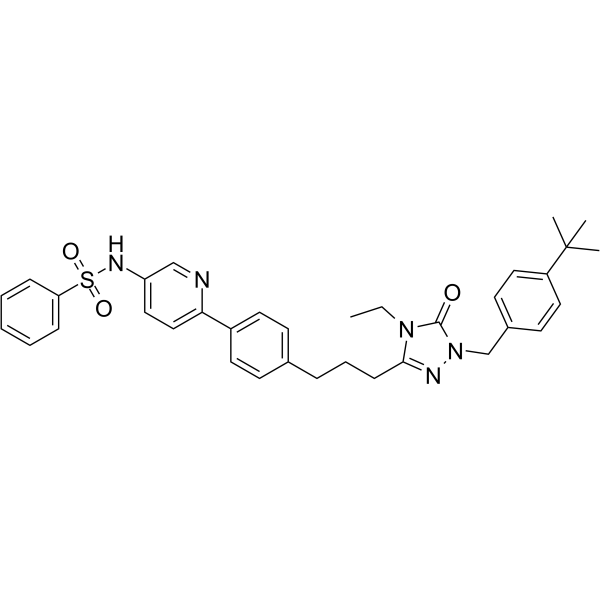
NXT629 is a potent, selective, and competitive PPAR-α antagonist, with an IC50 of 77 nM for human PPARα, shows high selectivity over other nuclear hormone receptor, such as PPARδ, PPARγ, ERβ, GR and TRβ, IC50s are 6.0, 15, 15.2, 32.5 and >100 μM, respectively . NXT629 has potent anti-tumor activity and inhibits experimental metastasis of cancer cell in animal models .
|
-
-
- HY-N1472
-
|
|
Apoptosis
Reactive Oxygen Species (ROS)
PPAR
GSK-3
Tau Protein
Ras
TGF-β Receptor
|
Infection
Neurological Disease
Inflammation/Immunology
|
|
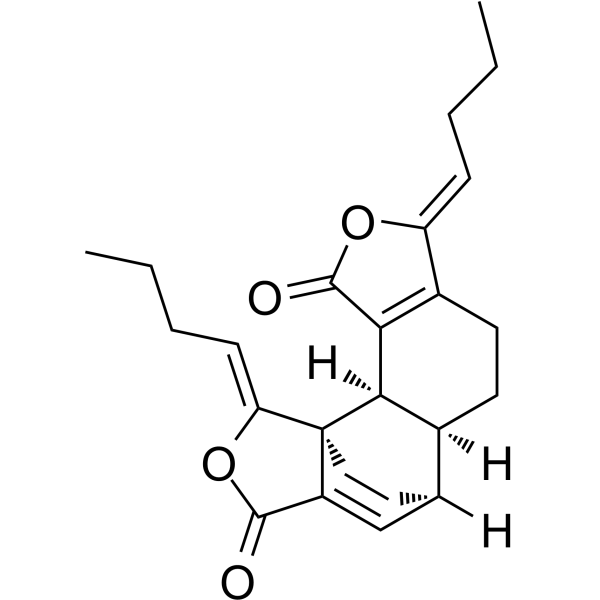
Levistolide A is an apoptosis inducer and a PEDV virus inhibitor. Levistolide A can induce apoptosis in colon cancer cells and suppress the replication of porcine epidemic diarrhea virus (PEDV) by promoting ROS generation. Levistolide A activates peroxisome proliferator-activated receptor γ (PPARγ) in N2a/APP695swe cells and reduces excessive phosphorylation of tau through the GSK3α/β pathway, improving symptoms in Alzheimer’s mice. Levistolide A improves kidney damage in 5/6 nephrectomy (Nx) mice by inhibiting the RAS,TGF-β1/Smad, and MAPK pathways .
|
-
-
- HY-U00425
-
|
|
Ligands for Target Protein for PROTAC
Estrogen Receptor/ERR
|
Metabolic Disease
Cancer
|
|
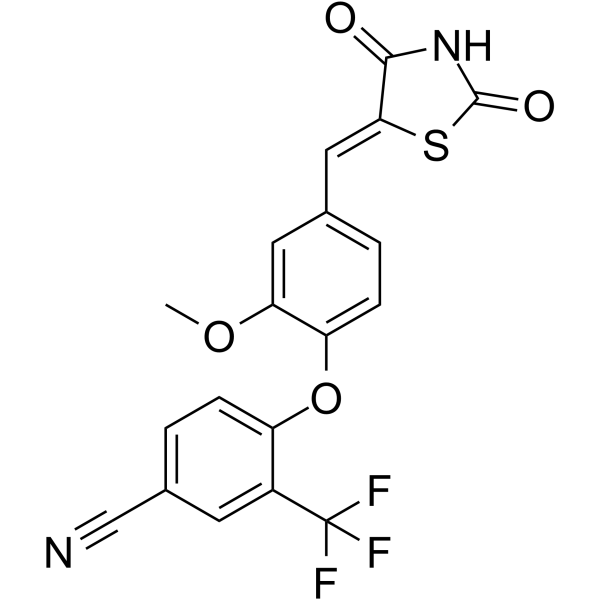
PROTAC ERRα ligand 1 is a PROTAC target protein ligand. PROTAC ERRα ligand 1 is an orally active ERRα inverse agonist with IC50 values of 0.6 μM for ERRα. PROTAC ERRα ligand 1 shows no significant activity against a panel of other nuclear receptors, including ERα c, ERRγ, ERβ, PPARα, PPARγ, PPARδ, and RXRα. PROTAC ERRα ligand 1 can provide enhanced insulin sensitivity in vivo. PROTAC ERRα ligand 1 can be used for metabolic diseases research, such as type 2 diabetes and obesity .
|
-
-
- HY-N2110
-
|
|
Akt
Sirtuin
Integrin
STAT
PI3K
Apoptosis
ERK
PPAR
PKC
Toll-like Receptor (TLR)
HIV
|
Inflammation/Immunology
|
|
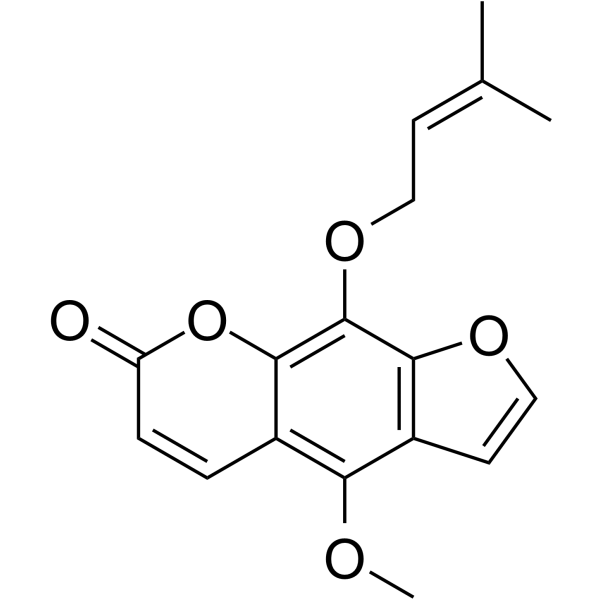
Phellopterin, an orally active furocoumarin with multiple biological activities. Phellopterin is a partial agonist of the central benzodiazepine receptors. Phellopterin exerts anti-inflammatory effects by upregulating SIRT1, downregulating ICAM-1 (reducing chronic inflammation, aiding diabetic ulcer healing), inhibiting STAT3 phosphorylation (easing atopic dermatitis inflammation), regulating Akt/PKC pathways (lowering TNF-α-induced VCAM-1 to block monocyte adhesion), and inhibiting TLR4/NF-κB pathway and macrophage M2 polarization (alleviating colitis-related cancers). Phellopterin suppresses ovarian cancer progression via inhibiting the PU.1/CLEC5A/PI3K-AKT loop (inducing cell cycle arrest, apoptosis, DNA damage). Phellopterin alleviates murine diabetes by promoting adipocyte differentiation and increasing PPARγ. Phellopterin also has anti-HSV-1 activity. Phellopterin can be used for studying anti-inflammation, anti-cancer (e.g., ovarian cancer, colitis cancer), blood glucose lowering, anti-diabetes, and anti-virus .
|
-
-
- HY-12557
-
|
γ-Glu-Val
|
Endogenous Metabolite
CaSR
Wnt
TNF Receptor
Interleukin Related
PPAR
β-catenin
|
Inflammation/Immunology
|
|
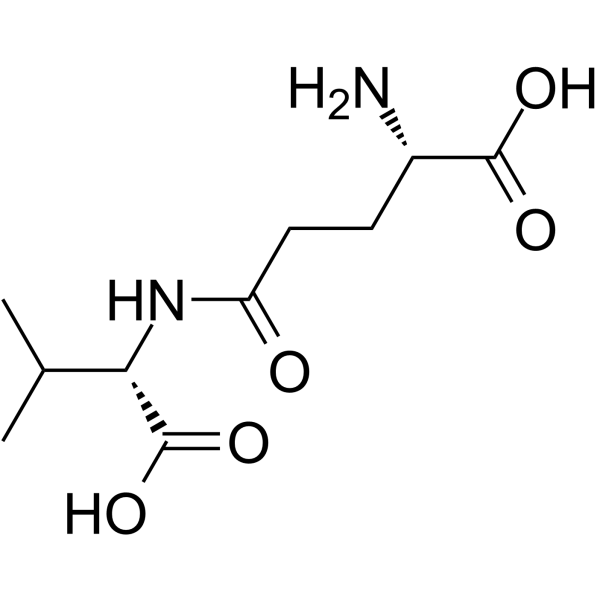
γ‑Glutamylvaline (γ-Glu-Val) is a calcium‑sensing receptor (CaSR) agonist. γ‑Glutamylvaline activates CaSR and facilitates its binding to β‑arrestin 2 to modulate inflammatory and metabolic homeostasis signaling. γ‑Glutamylvaline inhibits TNF‑α‑induced IL‑6/MCP‑1 and enhances adiponectin/PPARγ in adipocytes. γ‑Glutamylvaline upregulates Wnt5a, restores β‑catenin phosphorylation, and reduces serine‑phosphorylated IRS‑1 in adipocytes. γ-Glutamylvaline can be used for the research of low-grade chronic inflammation .
|
-
-
- HY-100277
-
|
SR-202
|
PPAR
|
Metabolic Disease
|
|
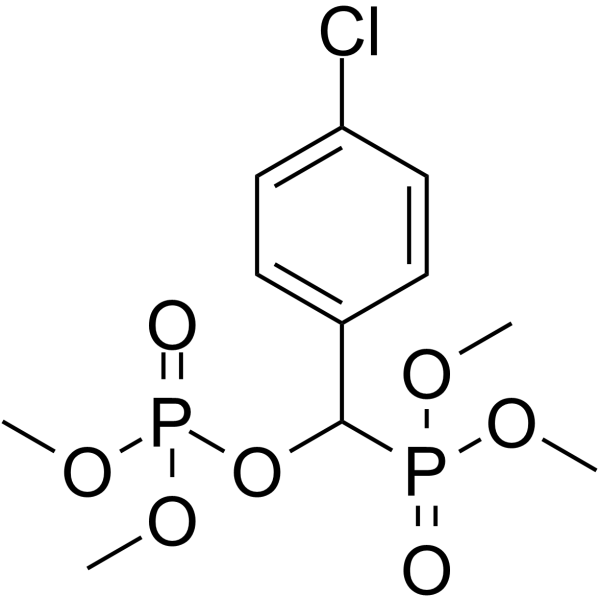
Mifobate (SR-202) is a potent and specific PPARγ antagonist. Mifobate (SR-202) selectively inhibits Thiazolidinedione (TZD)-induced PPARγ transcriptional activity (IC50=140 μM). Mifobate (SR-202) does not affect basal or ligand-stimulated transcriptional activity of PPARα, PPARβ, or the farnesoid X receptor (FXR). Mifobate (SR-202) shows antiobesity and antidiabetic effects .
|
-
-
- HY-117103
-
|
INT131
|
PPAR
|
Metabolic Disease
|
|
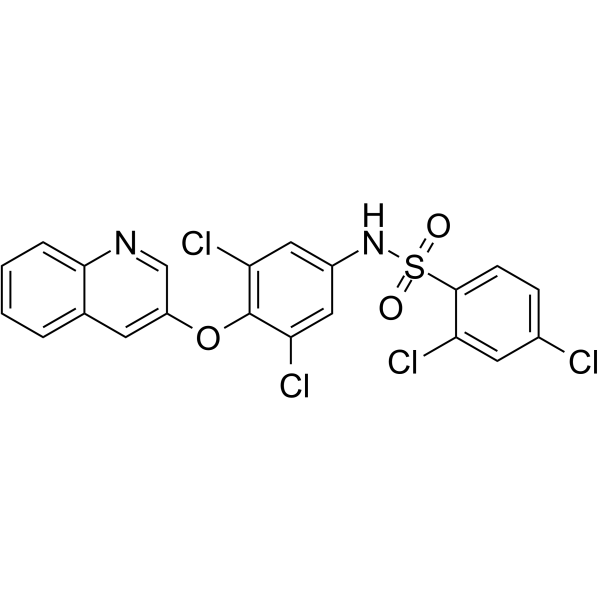
AMG131 (INT131) is a potent non-thiazolidinedione (TZD) selective peroxisome proliferator-activated receptor γ modulator (SPPARM). AMG131 binds to PPARγ within the same binding pocket as the TZDs, but occupies a unique space in the pocket and contacts the receptor at distinct points from the TZDs. AMG131 is promising for research of type-2 diabetes mellitus .
|
-
-
- HY-128932
-
|
MT-141
|
Antibiotic
Bacterial
PPAR
Prostaglandin Receptor
PTEN
Akt
mTOR
|
Infection
Cardiovascular Disease
Endocrinology
|
|
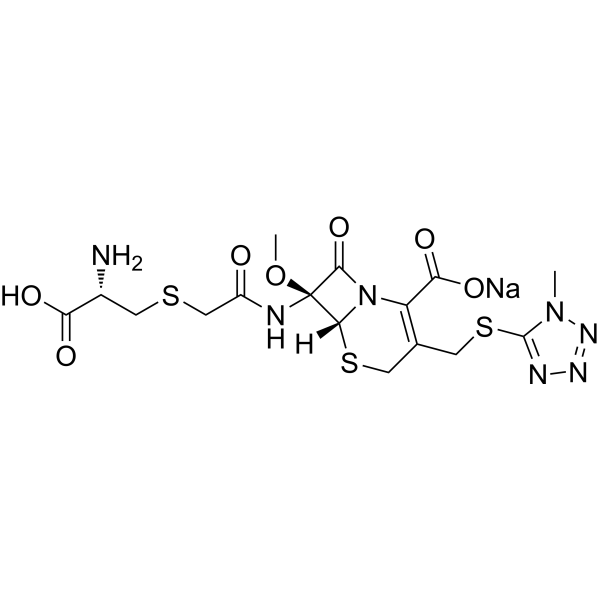
Cefminox sodium (MT-141) is a semisynthetic cephamycin, which exhibits antibacterial activity. Cefminox sodium is a broad-spectrum, bactericidal cephalosporin antibiotic. Cefminox sodium also acts as a dual agonist of prostacyclin receptor (IP) and PPARγ. Cefminox sodium upregulates cAMP production and PTEN expression and inhibits Akt/mTOR signaling. Cefminox sodium also prevents pulmonary arterial hypertension in rat model .
|
-
-
- HY-148418
-
|
|
Free Fatty Acid Receptor
|
Metabolic Disease
|
|
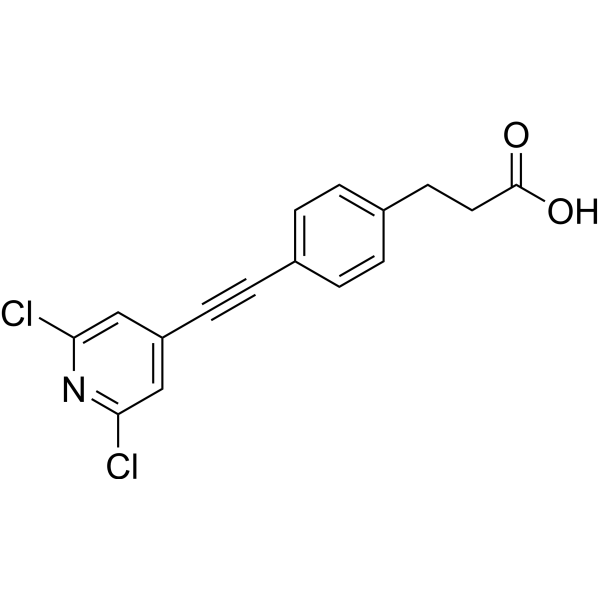
TUG-499 is a selective free fatty acid receptor 1 (FFAR1 or GPR40) (Free Fatty Acid Receptor) agonist with a pEC50 of 7.39. TUG-499 exhibits >100-fold selectivity over the related receptors FFA2, FFA3, and the nuclear receptor PPARγ and other diverse receptors, ion channels, and transporters. TUG-499 can be used for the research of type 2 diabetes . TUG-499 is a click chemistry reagent, it contains an Alkyne group and can undergo copper-catalyzed azide-alkyne cycloaddition (CuAAc) with molecules containing Azide groups.
|
-
-
- HY-21191
-
|
PFBS
|
Biochemical Assay Reagents
PPAR
Reactive Oxygen Species (ROS)
|
Metabolic Disease
|
|
Perfluorobutanesulfonic acid (PFBS) is a short-chain perfluoroalkyl substance and the main replacement for perfluorooctanesulfonic acid. Perfluorobutanesulfonic acid induces fat accumulation in human HepG2 hepatoma cells. Perfluorobutanesulfonic acid promotes lipid accumulation by activating PPARγ pathway and triggering oxidative stress, endoplasmic reticulum stress and calcium dyshomeostasis. Perfluorobutanesulfonic acid impairs reproduction and causes developmental disorders in offspring of Caenorhabditis elegans. Perfluorobutanesulfonic acid disrupts pancreatic organogenesis and lipid homeostasis in zebrafish embryos. Perfluorobutanesulfonic acid can be used in environmental toxicology, lipid metabolism and developmental toxicity studies .
|
-

-
- HY-112247
-
|
|
PPAR
TGF-beta/Smad
|
Metabolic Disease
Inflammation/Immunology
|
|
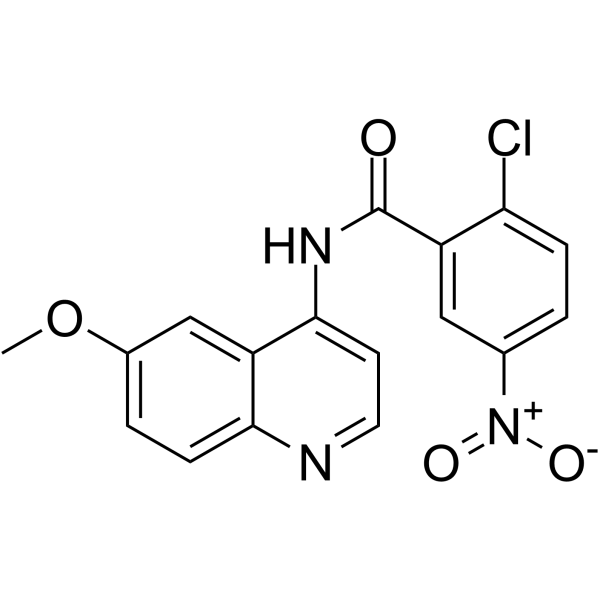
SR 16832 is a dual-site covalent, orthosteric and allosteric PPARγ antagonist. SR 16832 activates the TGF-β signaling pathway and upregulates the expression of Vimentin and Fibronectin (Fibronectin). SR 16832 is toxic to bronchial epithelium. SR 16832 can be used in research related to type 2 diabetes and pulmonary fibrosis .
|
-
-
- HY-19522A
-
|
MBX-8025 sodium; RWJ-800025 sodium
|
PPAR
|
Metabolic Disease
Inflammation/Immunology
|
|
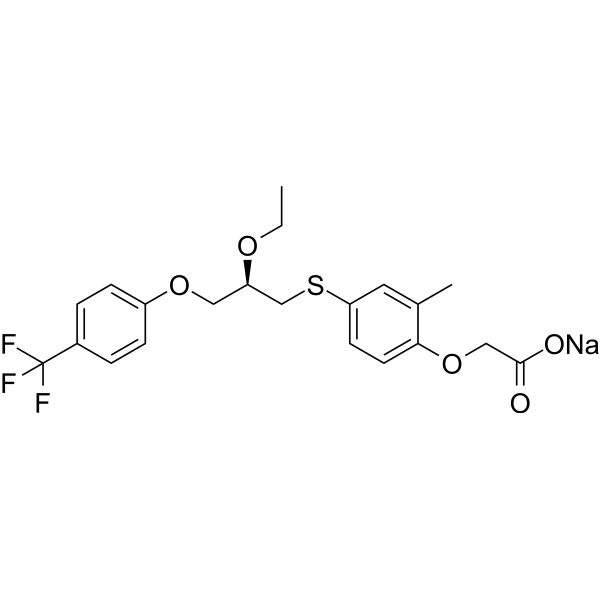
Seladelpar (MBX-8025) sodium salt is an orally active, potent and specific PPARδ agonist with an EC50 of 2 nM. Seladelpar sodium salt shows more than 750-fold and 2500-fold selectivity over the PPARα and PPARγ receptors, respectively. Seladelpar sodium salt hydrochloride can be used for the study of primary biliary cholangitis .
|
-
-
- HY-77278
-
|
|
VD/VDR
Aryl Hydrocarbon Receptor
LXR
PPAR
|
Others
|
|
25-Hydroxytachysterol3 is the metabolite of Vitamin D3 (HY-15398). 25-Hydroxytachysterol3 inhibits the proliferation of epidermal keratinocytes and dermal fibroblasts, stimulates the expression of differentiation- and antioxidant-related genes in keratinocytes. 25-Hydroxytachysterol3 activates vitamin D receptor (VDR) and aryl hydrocarbon receptor (AhR), liver X receptor α/β (LXR α/β) and peroxisome proliferator-activated receptor γ (PPARγ), stimulates the expression of CYP24A1 .
|
-

-
- HY-113827
-
|
|
Nuclear Hormone Receptor 4A/NR4A
|
Inflammation/Immunology
|
|
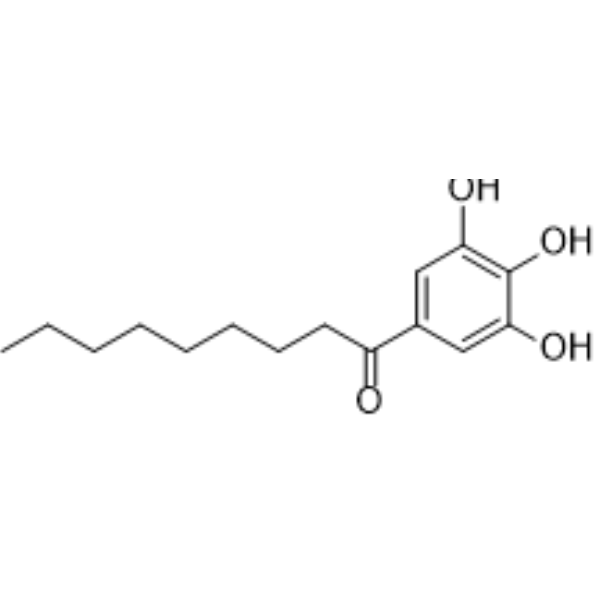
THPN is a potent Nur77 agonist. THPN specifically binds the LBD of Nur77 (TR3) but not that of retinoic acid receptor α and PPARγ with a Kd of 270 nM. THPN leads to Nur77 translocation to the mitochondria to induce autophagic cell death in melanoma .
|
-
-
- HY-128872
-
|
EHP-101; VCE-004.8
|
PPAR
Cannabinoid Receptor
HIF/HIF Prolyl-Hydroxylase
|
Metabolic Disease
Inflammation/Immunology
|
|
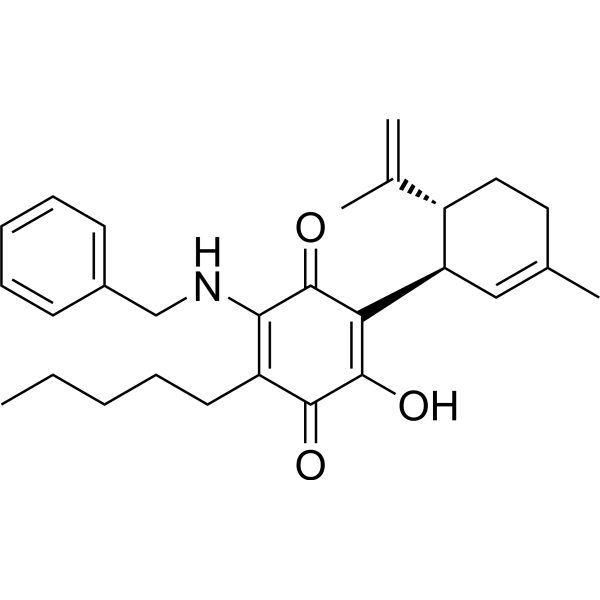
Etrinabdione (EHP-101; VCE-004.8) is an orally active, specific PPARγ and CB2 receptor dual agonist. Etrinabdione inhibits prolyl-hydroxylases (PHDs) and activates the HIF pathway. Etrinabdione, a semi-synthetic multitarget cannabinoquinoid, has potent anti-inflammatory activity. Etrinabdione attenuates adipogenesis and prevents diet-induced obesity .
|
-
-
- HY-168049
-
|
|
PPAR
Akt
|
Metabolic Disease
|
|
ZLY06 is an orally active dual agonist of peroxisome proliferator-activated receptor (PPAR) δ and γ (PPAR δ: EC50=341 nM; PPAR γ: EC50=237 nM). ZLY06 induces hepatic lipid accumulation by inhibiting the phosphorylation of AKT1, mediating the upregulation of CD36. In addition, ZLY06 significantly improves glucose and lipid metabolism without increasing body weight, and alleviates fatty liver by promoting β-oxidation of fatty acids and inhibiting hepatic lipogenesis .
|
-

-
- HY-168376
-
|
9(10)-Nitrated oleic acid
|
PPAR
ERK
Akt
NO Synthase
|
Metabolic Disease
Inflammation/Immunology
|
|
9 (10)-Nitrooleate (9(10)-Nitrated oleic acid) is an endogenous lipid signaling mediator with vasoprotective effects. 9 (10)-Nitrooleate enhances enzymatic activity and improves nitric oxide bioavailability by inducing phosphorylation of Akt and ERK1/2, regulating the multi-site phosphorylation status of eNOS and optimizing its interaction with Hsp90. 9 (10)-Nitrooleate also activates PPARα, PPARδ and PPARγ receptors, thereby regulating adipogenesis, glucose uptake and inflammation-related gene expression, and exhibits immunosuppressive effects by inhibiting neutrophil migration and cytokine secretion. 9 (10)-Nitrooleate is widely used in studies of sepsis and related inflammatory diseases .
|
-

-
- HY-14831
-
|
MBX 102; JNJ 39659100
|
PPAR
|
Metabolic Disease
|
|
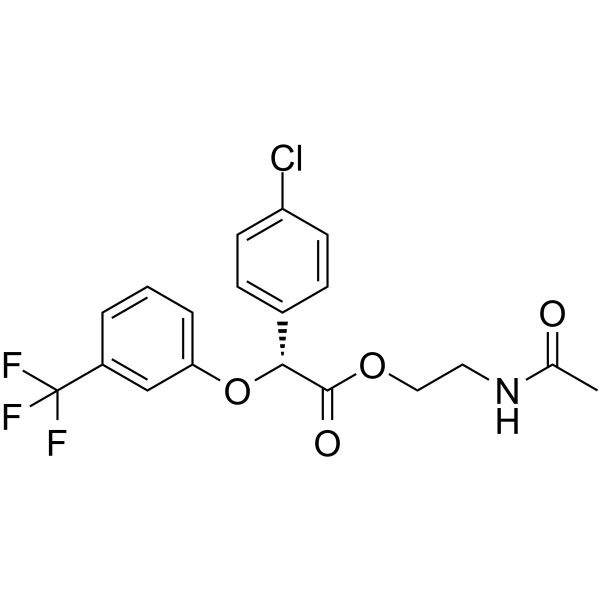
Arhalofenate (MBX 102) is a selective partial agonist of peroxisome proliferator-activated receptor (PPAR)-γ, used for the treatment of type 2 diabetes.
|
-
-
- HY-101746
-
|
|
PPAR
|
Metabolic Disease
|
|
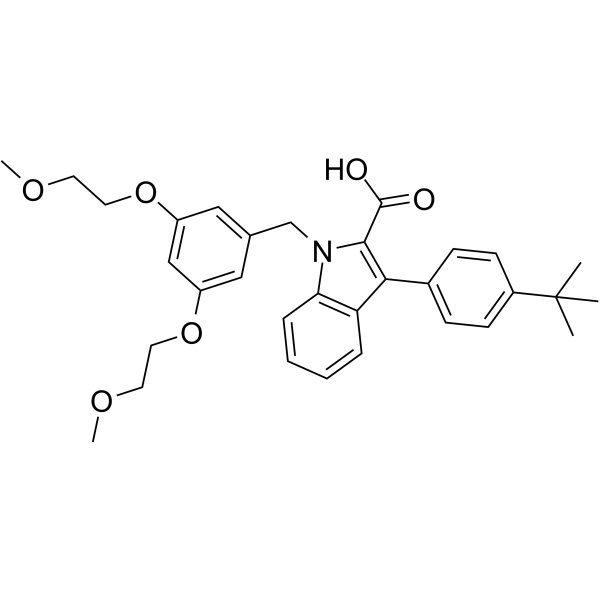
GSK376501A is a selective peroxisome proliferator-activated receptor gamma (PPARγ) modulator for the treatment of type 2 diabetes mellitus .
|
-
-
- HY-113631
-
|
|
PPAR
|
Neurological Disease
Metabolic Disease
|
|
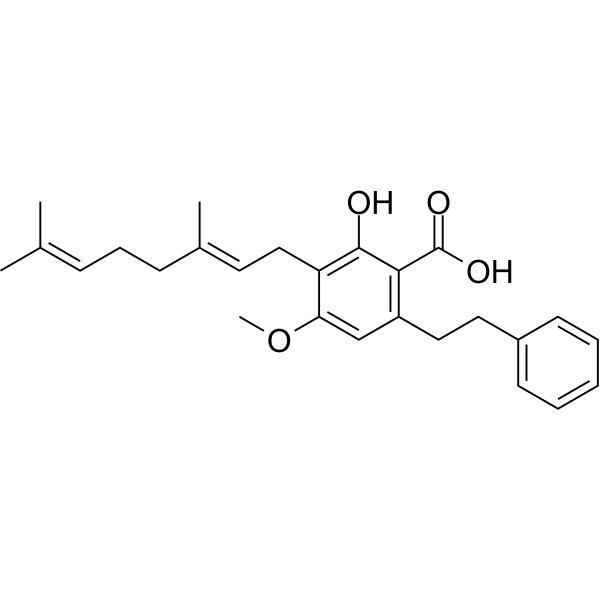
Amorfrutin B is a highly potent natural peroxisome proliferation-activated receptor γ (PPARγ) agonist with oral activity with Ki values of 19 nM and EC50 values of 73 nM, respectively. Amorfrutin B has hypoglycemic and neuroprotective activities .
|
-
-
- HY-101676
-
|
NID 525
|
Leukotriene Receptor
PPAR
Cytochrome P450
|
Metabolic Disease
|
|
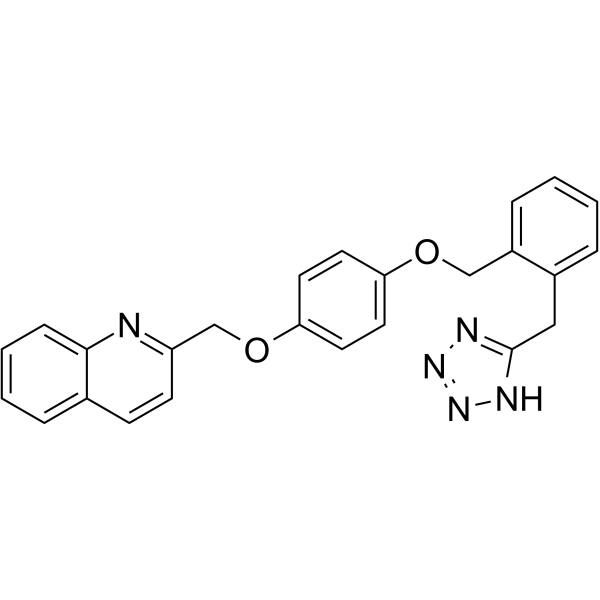
RG-12525 is a a specific, competitive and orally effective antagonist of the peptidoleukotrienes, LTC4, LTD4 and LTE4, inhibiting LTC4-, LTD4- and LTE4-inducd guinea pig parenchymal strips contractions, with IC50s of 2.6 nM, 2.5 nM and 7 nM, respectively; RG-12525 is also a peroxisome proliferator-activated receptor gamma (PPAR-gamma) agonist with IC50 of appr 60 nM and a potent inhibitor of CYP3A4, with a Ki value of 0.5 µM.
|
-
-
- HY-14728
-
|
R1439; RO0728804
|
PPAR
|
Metabolic Disease
|
|
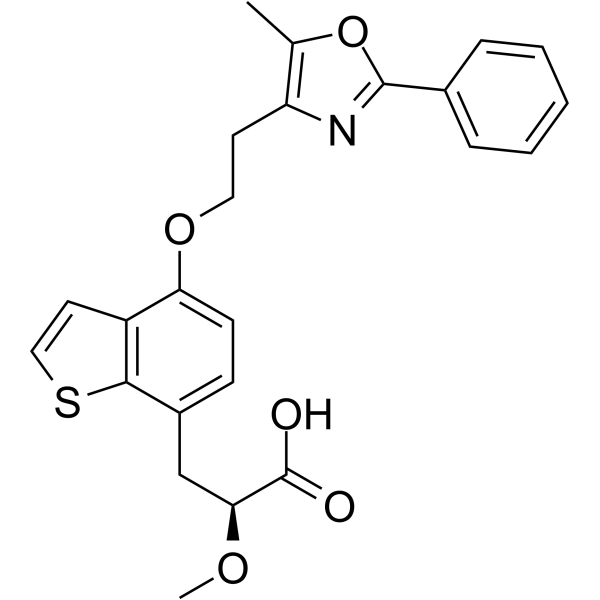
Aleglitazar (R1439) is a potent dual PPARα/γ agonist, with IC50s of 38 nM and 19 nM for human PPARa and PPARγ, respectively. Aleglitazar can be used for the research of type II diabetes .
|
-
-
- HY-W339331
-
|
NNI-0001
|
Insecticide
Calcium Channel
Reactive Oxygen Species (ROS)
Apoptosis
|
Infection
Metabolic Disease
|
|
Flubendiamide (NNI-0001) is an orally active phthalic diamide insecticide that acts by targeting insect ryanodine receptors (RyRs), causing insect muscle dysfunction, paralysis and death. Flubendiamide disrupts molting, metamorphosis and reproductive processes, induces oxidative stress by increasing the levels of ROS/RNS, MDA and 8OHdG and decreasing the levels of SOD, CAT and GST, activates the CncC/Maf apoptosis pathway, impairs calcium homeostasis, promotes adipogenesis, increases triglyceride accumulation, and upregulates the expression of regulatory factors for adipocyte differentiation and adipogenesis .
|
-

-
- HY-W341997
-
|
|
PPAR
|
Metabolic Disease
|
|
9-Octadecynoic acid is a DNA binding agent with a dissociation constant of 1.8 mM. 9-Octadecynoic acid is also an agonist for peroxisome proliferator-activated receptor γ (PPARγ) .
|
-

-
- HY-50935S
-
-
-
- HY-13956B
-
|
U 72107 potassium
|
PPAR
Ferroptosis
|
Metabolic Disease
Cancer
|
|
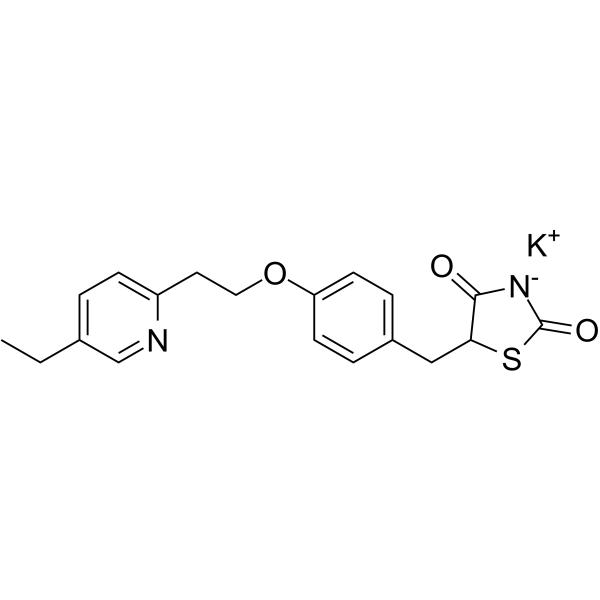
Pioglitazone (U 72107) potassium is an orally active and selective PPARγ (peroxisome proliferator-activated receptor) agonist with high affinity binding to the PPARγ ligand-binding domain with EC50 of 0.93 μM and 0.99 μM for human and mouse PPARγ, respectively. Pioglitazone potassium can be used in diabetes research .
|
-
-
- HY-13956R
-
|
U 72107 (Standard)
|
Reference Standards
PPAR
Ferroptosis
|
Metabolic Disease
Cancer
|
|
Pioglitazone (Standard) is the analytical standard of Pioglitazone. This product is intended for research and analytical applications. Pioglitazone (U 72107) is an orally active and selective PPARγ (peroxisome proliferator-activated receptor) agonist with high affinity binding to the PPARγ ligand-binding domain with EC50 of 0.93 and 0.99 μM for human and mouse PPARγ, respectively. Pioglitazone can be used in diabetes research .
|
-

-
- HY-14728S
-
|
Aleglitazar-d2; R1439-d2; RO0728804-d2
|
PPAR
|
Others
|
|
Deutaleglitazar (Aleglitazar-d2) is a agonist of dual peroxisome proliferatory activating receptor (PPARα and PPARγ) .
|
-

-
- HY-N0246R
-
|
|
Reference Standards
LXR
Bacterial
|
Metabolic Disease
Inflammation/Immunology
|
|
Saikosaponin A (Standard) is the analytical standard of Saikosaponin A. This product is intended for research and analytical applications. Saikosaponin A is the main active ingredient in Bupleurum chinense, which can regulate lipid metabolism and promote cholesterol efflux in early atherosclerosis. In addition, Saikosaponin A may also act as a potential peroxisome proliferator-activated receptor-γ (PPAR-γ) agonist, significantly promoting the expression of PPAR-γ. Saikosaponin A can be used in the study of hyperlipidemic pancreatitis .
|
-

-
- HY-B0205R
-
|
CV 11974 (Standard)
|
Reference Standards
Angiotensin Receptor
PPAR
|
Cardiovascular Disease
Endocrinology
Cancer
|
|
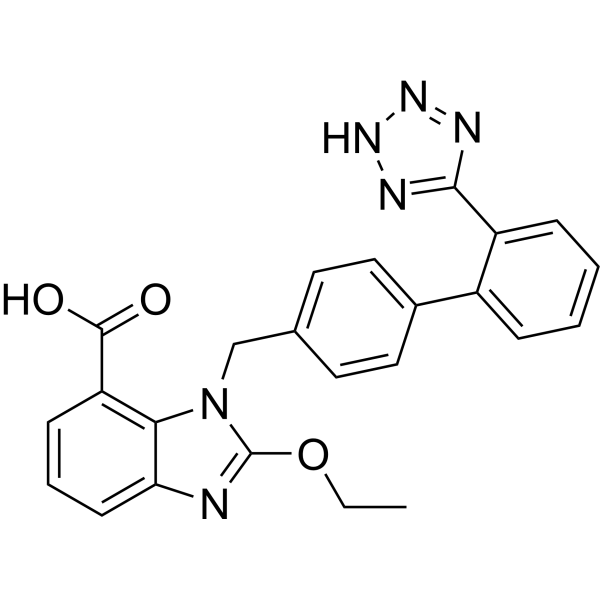
Candesartan (Standard) is the analytical standard of Candesartan. This product is intended for research and analytical applications. Candesartan (CV 11974) is an orally active angiotensin II AT1-Receptor blocker and PPAR-γ agonist. Candesartan has potent and long-lasting antihypertensive effects. Candesartan can be used for the research of hypertension, chronic heart failure (CHF) and Traumatic brain injury (TBI) .
|
-
-
- HY-19522B
-
|
MBX-8025 (lysine); RWJ-800025 (lysine)
|
PPAR
|
Metabolic Disease
|
|
Seladelpar (MBX-8025) lysine is an orally active, potent and specific PPARδ agonist with an EC50 of 2 nM. Seladelpar lysine shows more than 750-fold and 2500-fold selectivity over the PPARα and PPARγ receptors, respectively. Seladelpar lysine can be used for the study of primary biliary cholangitis .
|
-

-
- HY-B0205S
-
|
CV-11974-d4
|
Angiotensin Receptor
|
Others
|
|
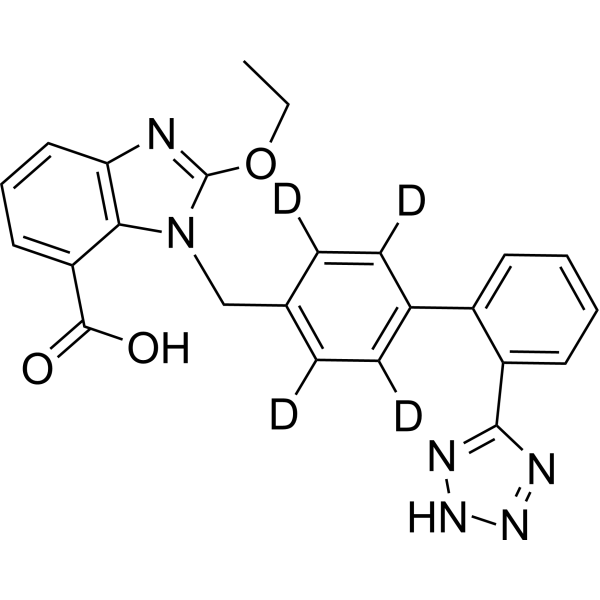
Candesartan-d4 (CV-11974-d4) is the deuterium labeled Candesartan (HY-B0205). Candesartan (CV 11974) is an orally active angiotensin II AT1-Receptor blocker and PPAR-γ agonist. Candesartan has potent and long-lasting antihypertensive effects. Candesartan can be used for the research of hypertension, chronic heart failure (CHF) and Traumatic brain injury (TBI).
|
-
-
- HY-19522R
-
|
MBX-8025 (Standard); RWJ-800025 (Standard)
|
PPAR
Reference Standards
|
Metabolic Disease
|
|
Seladelpar (Standard) is the analytical standard of Seladelpar. This product is intended for research and analytical applications. Seladelpar (MBX-8025) is an orally active, potent and specific PPARδ agonist with an EC50 of 2 nM. Seladelpar shows more than 750-fold and 2500-fold selectivity over the PPARα and PPARγ receptors, respectively. Seladelpar can be used for the study of primary biliary cholangitis .
|
-

-
- HY-147757
-
|
|
PPAR
|
Metabolic Disease
|
|
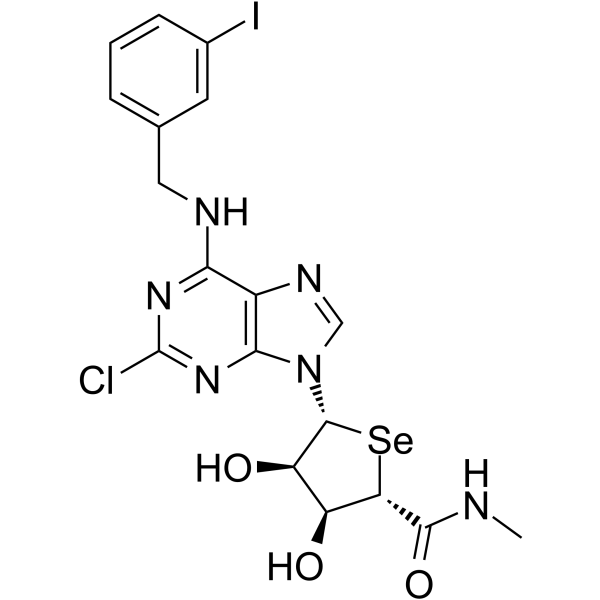
PPARγ/δ modulator 1 (compound 3e) is a potent PPAR modulator. PPARγ/δ modulator 1 is a PPARδ antagonist and a PPARγ partial agonist , with Ki values of 14.4 nM and 5.31 μM, respectively. PPARγ/δ modulator 1 has the EC50 of 7.3 and 12.6 μM for PPARδ corepression and adiponectin production, respectively .
|
-
- HY-N2110R
-
|
|
Reference Standards
Akt
Sirtuin
Integrin
STAT
PI3K
Apoptosis
ERK
PPAR
PKC
Toll-like Receptor (TLR)
HIV
|
Infection
Cardiovascular Disease
Neurological Disease
Metabolic Disease
Inflammation/Immunology
Cancer
|
|
Phellopterin (Standard) is the analytical standard of Phellopterin. Phellopterin, an orally active furocoumarin with multiple biological activities. Phellopterin is a partial agonist of the central benzodiazepine receptors. Phellopterin exerts anti-inflammatory effects by upregulating SIRT1, downregulating ICAM-1 (reducing chronic inflammation, aiding diabetic ulcer healing), inhibiting STAT3 phosphorylation (easing atopic dermatitis inflammation), regulating Akt/PKC pathways (lowering TNF-α-induced VCAM-1 to block monocyte adhesion), and inhibiting TLR4/NF-κB pathway and macrophage M2 polarization (alleviating colitis-related cancers). Phellopterin suppresses ovarian cancer progression via inhibiting the PU.1/CLEC5A/PI3K-AKT loop (inducing cell cycle arrest, apoptosis, DNA damage). Phellopterin alleviates murine diabetes by promoting adipocyte differentiation and increasing PPARγ. Phellopterin also has anti-HSV-1 activity. Phellopterin can be used for studying anti-inflammation, anti-cancer (e.g., ovarian cancer, colitis cancer), blood glucose lowering, anti-diabetes, and anti-virus.
|
-

- HY-160003
-
|
|
PPAR
|
Metabolic Disease
|
|
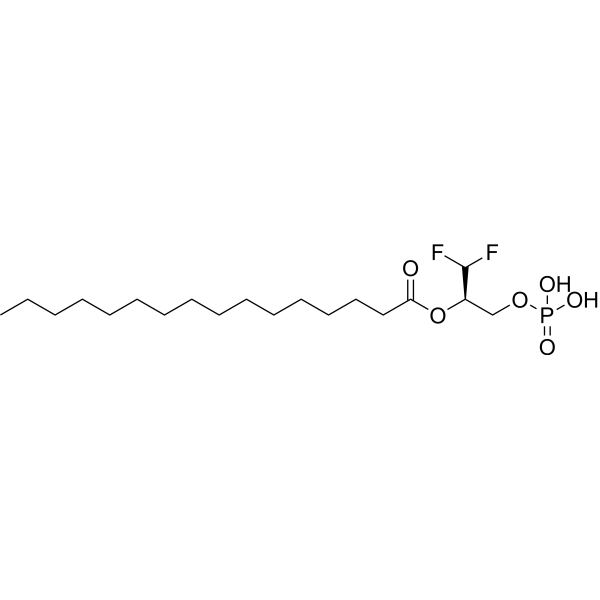
PPARγ agonist 9 is an agonist of PPARγ. PPARγ agonist 9 is the analogue of lysophosphatidic acid with an EC50 more than 10 μM for LPA3 receptor .
|
-
- HY-110022
-
|
|
PPAR
|
Neurological Disease
Metabolic Disease
Inflammation/Immunology
Cancer
|
|
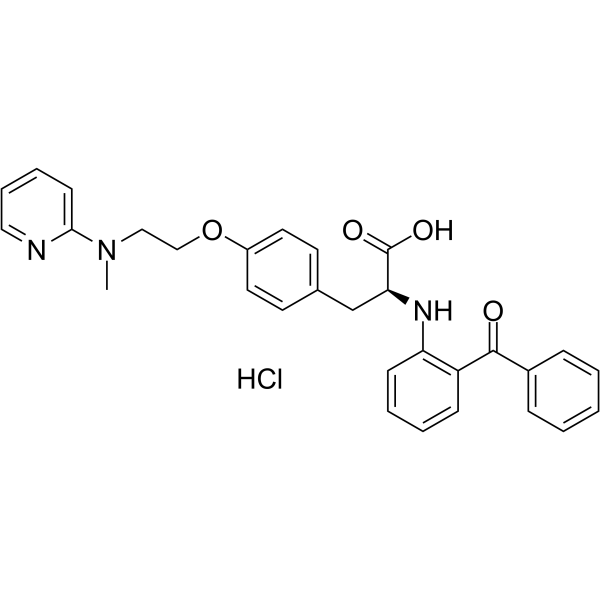
GW1929 hydrochloride is an orally active peroxisome proliferator-activated receptor-γ (PPARγ) agonist with a pKi of 8.84 for human PPAR-γ, and pEC50s of 8.56 and 8.27 for human PPAR-γ and murine PPAR-γ, respectively. GW1929 hydrochloride has antidiabetic efficacy and neuroprotective potential. GW1929 hydrochloride suppresses neuronal apoptosis and shows anti-inflammatory potential .
|
-
- HY-118097
-
|
|
PPAR
|
Others
|
|
GW0072 is a partial agonist of PPARγ and does not directly bind to the AF-2 helix of PPARγ, resulting in specific partial receptor transcriptional activation properties .
|
-

- HY-176062
-
|
|
PPAR
|
Metabolic Disease
|
|
PPARγ modulator-3 (Compound 11) is a peroxisome proliferator-activated receptor γ (PPARγ) modulator with a KD value of 186 nM. PPARγ modulator-3 is promising for research of insulin resistance (IR)-related diseases, such as type 2 diabetes mellitus (T2DM) and metabolic syndrome .
|
-

- HY-113473
-
|
|
PPAR
|
Metabolic Disease
Inflammation/Immunology
Cancer
|
|
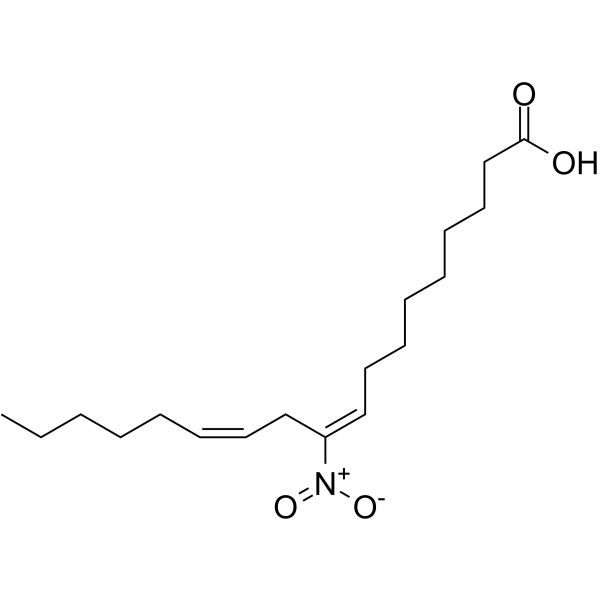
10-Nitrolinoleic acid is a potent peroxisome proliferator-activated receptor γ (PPARγ) agonist. 10-Nitrolinoleic acid competes with [ 3H]Rosiglitazone for binding to PPAR-γ, with an IC50 of 0.22 μM .
|
-
- HY-108572
-
|
|
PPAR
|
Cardiovascular Disease
Metabolic Disease
|
|
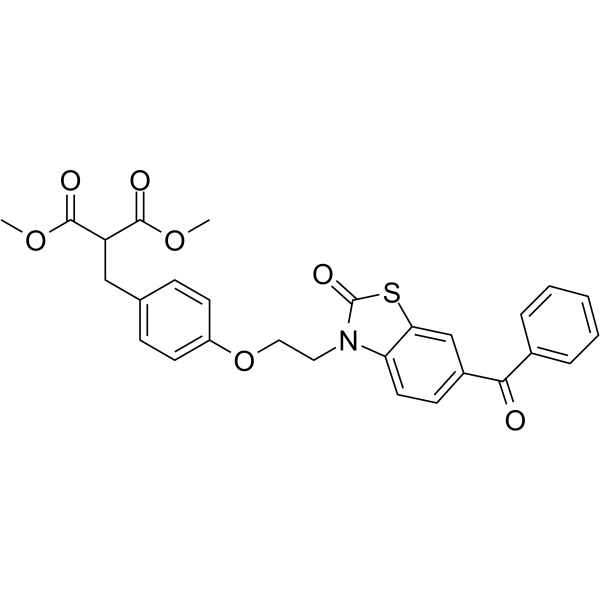
S26948 is a specific peroxisome proliferator-activated receptor γ (PPARγ) modulator (EC50=8.83 nM) with potent antidiabetes and antiatherogenic effects. S26948 is a specific high-affinity agonist for PPARγ .
|
-
- HY-13956C
-
|
(R)-U 72107
|
PPAR
|
Neurological Disease
|
|
(R)-Pioglitazone ((+)-pioglitazone) is the R enantiomer of Pioglitazone (HY-13956). (R)-Pioglitazone is an orally active and selective peroxisome proliferator-activated receptor (PPARγ) agonist with high affinity binding to the PPARγ ligand-binding domain. (R)-Pioglitazone can be used for the research of Alzheimer's disease .
|
-

- HY-50935R
-
|
CS-045 (Standard)
|
Reference Standards
PPAR
Autophagy
Apoptosis
Ferroptosis
|
Metabolic Disease
Cancer
|
|
Troglitazone (Standard) is the analytical standard of Troglitazone. This product is intended for research and analytical applications. Troglitazone is an orally active PPARγ agonist, with EC50s of 550 nM and 780 nM for human and murine PPARγ receptor, respectively. Troglitazone has anticancer activity, prevents and inhibits the development of type 2 diabetes.
|
-

- HY-107333
-
|
|
PPAR
|
Metabolic Disease
|
|
Cinoxate is a hypertrophic peroxisome proliferator activating receptor γ (PPARγ) agonist with Ki value of 18.0 μM. Cinoxate can be used to study obesity .
|
-

- HY-148083
-
|
|
Drug Metabolite
PPAR
|
Metabolic Disease
|
|
TBBPA-sulfate is metabolite of TBBPA. TBBPA has been reported to enhance adipogenesis by binding with the peroxisome proliferator-activated receptor gamma (PPARγ) .
|
-

- HY-106181A
-
|
R-106056 hydrochloride
|
PPAR
|
Metabolic Disease
|
|
Rivoglitazone hydrochloride (R-106056 hydrochloride) is a peroxisome proliferator-activated receptor-γ (PPAR-γ) agonist. Rivoglitazone hydrochloride (R-106056 hydrochloride) exerts its anti-diabetic effect by activating PPARγ to regulate the expression of a large number of genes related to lipid and glucose metabolism. Rivoglitazone hydrochloride (R-106056 hydrochloride) can be used to study insulin secretion and insulin resistance in animal models of diabetes .
|
-

- HY-113655
-
|
|
PPAR
|
Metabolic Disease
|
|
AD-5075 is an orally active insulin sensitizer. AD-5075 mediates its antidiabetic activity by binding to PPARγ and thereby generating an active conformation of the receptor .
|
-

- HY-124907
-
|
OMS-403
|
PPAR
|
Neurological Disease
|
|
AI 3-25755 (OMS-403) is a peroxisome proliferator-activated receptor gamma (PPARγ) agonist. AI 3-25755 can be used for research on opioid abuse and smoking cessation .
|
-

- HY-14831A
-
|
(+)-MBX 102; (+)-JNJ 39659100
|
PPAR
|
Metabolic Disease
|
|
(+)-Arhalofenate ((+)-MBX 102) is the less active enantiomer of Arhalofenate (HY-14831). Arhalofenate is a selective partial agonist of peroxisome proliferator-activated receptor (PPAR)-γ, used for the treatment of type 2 diabetes .
|
-

- HY-128344
-
|
|
PARP
Apoptosis
|
Metabolic Disease
|
|
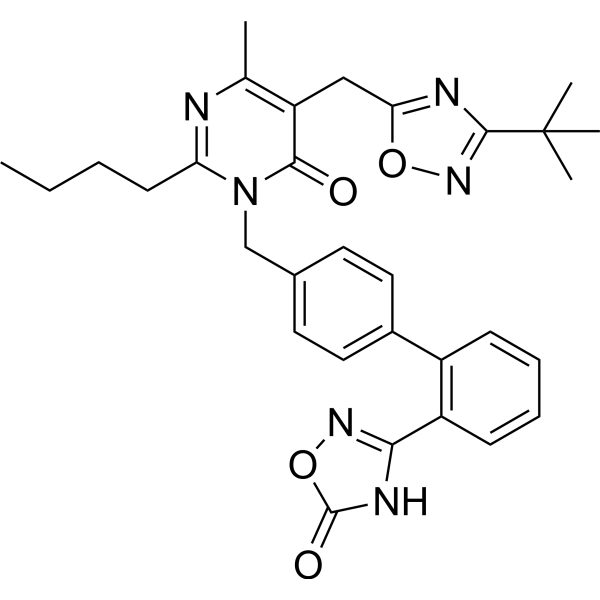
BR102375 is a non-TZD peroxisome proliferator-activated receptor γ (PPAR γ) full agonist for the treatment of type 2 diabetes, reveals EC50 value of 0.28 μM and Amax ratio of 98% .
|
-
- HY-120160A
-
|
CP 86325 Sodium
|
PPAR
|
Neurological Disease
Metabolic Disease
|
|
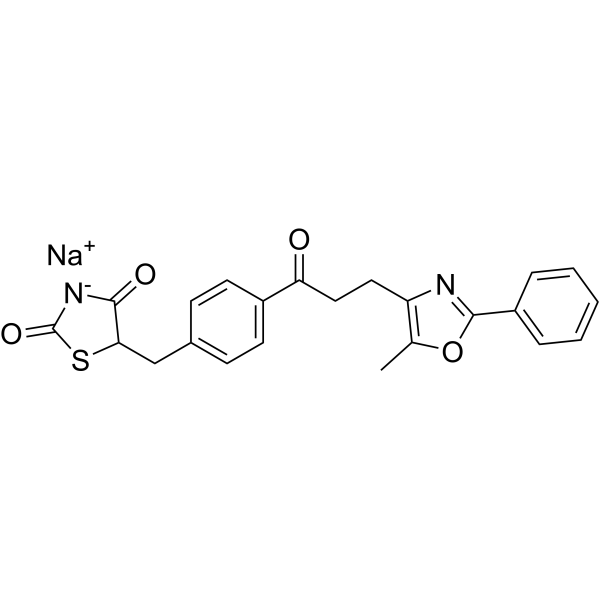
Darglitazone Sodium, a thiazolidinedione, is an orally active, potent, and selective PPAR-γ (peroxisome proliferator-activated receptor) agonist. Darglitazone Sodium is effective in controlling blood glucose and lipid metabolism, and can be used for type II diabetes research .
|
-
- HY-122083
-
|
|
PPAR
|
Metabolic Disease
|
|
T2384 is a peroxisome proliferator-activated receptor γ (PPARγ) ligand. T2384 also is an orally active antidiabetic agent. T2384 reduces the fasting plasma glucose levels and plasma insulin levels .
|
-

- HY-107333S
-
|
|
Isotope-Labeled Compounds
PPAR
|
Metabolic Disease
|
|
Cinoxate-d3 is deuterium labeled Cinoxate. Cinoxate is a hypertrophic peroxisome proliferator activating receptor γ (PPARγ) agonist with Ki value of 18.0 μM. Cinoxate can be used to study obesity .
|
-

- HY-118514
-
|
|
PPAR
|
Metabolic Disease
|
|
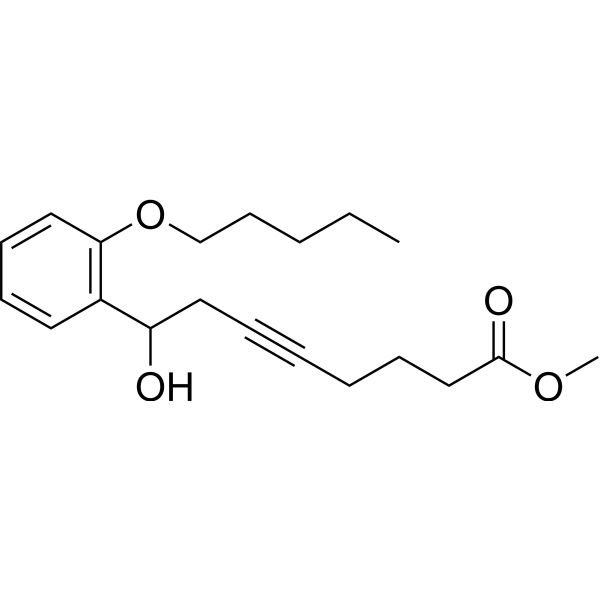
CAY10514 is an aromatic of 8(S)-HETE. CAY10514 acts as a dual agonist of peroxisome proliferator-activated receptor α (PPARα) and PPARγ with IC50 of 0.173 and 0.642 μM, respectively .
|
-
- HY-100277R
-
|
SR-202 (Standard)
|
Reference Standards
PPAR
|
Metabolic Disease
|
|
Mifobate (Standard) is the analytical standard of Mifobate. This product is intended for research and analytical applications. Mifobate (SR-202) is a potent and specific PPARγ antagonist. Mifobate (SR-202) selectively inhibits Thiazolidinedione (TZD)-induced PPARγ transcriptional activity (IC50=140 μM). Mifobate (SR-202) does not affect basal or ligand-stimulated transcriptional activity of PPARα, PPARβ, or the farnesoid X receptor (FXR). Mifobate (SR-202) shows antiobesity and antidiabetic effects .
|
-

- HY-151963
-
|
|
PPAR
Glucocorticoid Receptor
|
Metabolic Disease
|
|
PPARγ/GR modulator 1 is an orally active dual agonist of PPARγ and glucocorticoid receptor (GR), with Kis of 3.3 and 33.6 μM, respectively. PPARγ/GR modulator 1 can be used for the research of metabolic diseases, such as diabetes .
|
-
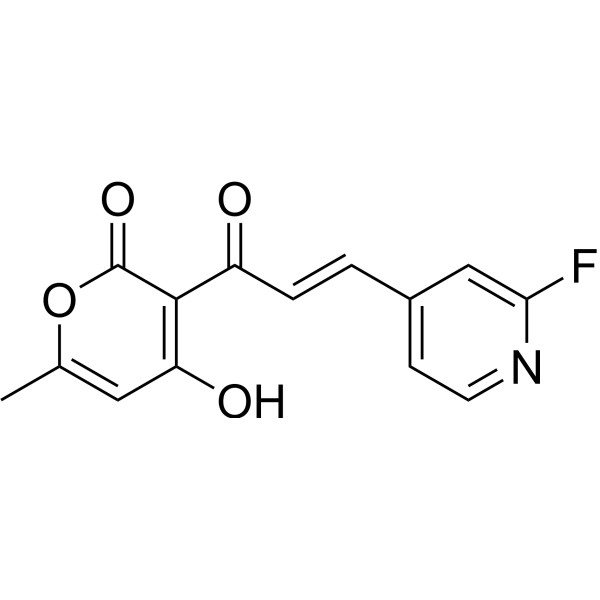
- HY-19937S1
-
|
|
Isotope-Labeled Compounds
|
Others
|
|
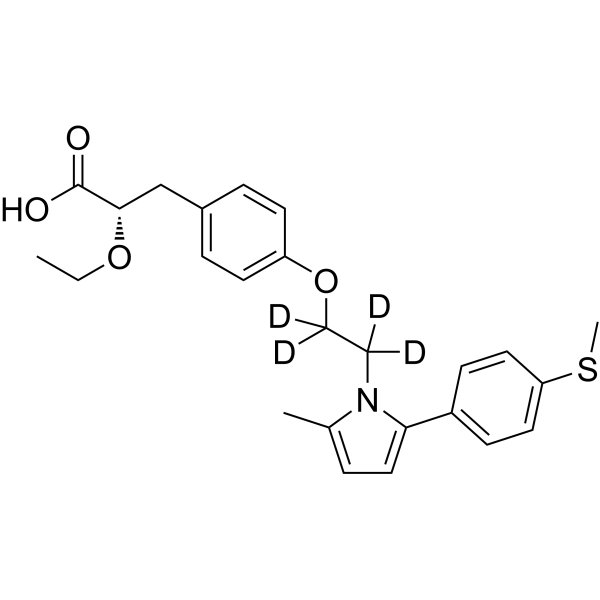
Saroglitazar-d4 is the deuterium-labeled Saroglitazar (HY-19937). Saroglitazar-d4 is a novel peroxisome proliferator-activated receptor (PPAR) agonist with predominant PPARα and moderate PPARγ activity with EC50 values of 0.65 pM and 3 nM in HepG2 cells, respectively.
|
-
- HY-B1419R
-
|
2-Hydroxybenzyl alcohol (Standard); Saligenin (Standard)
|
Drug Intermediate
Reference Standards
|
Others
|
|
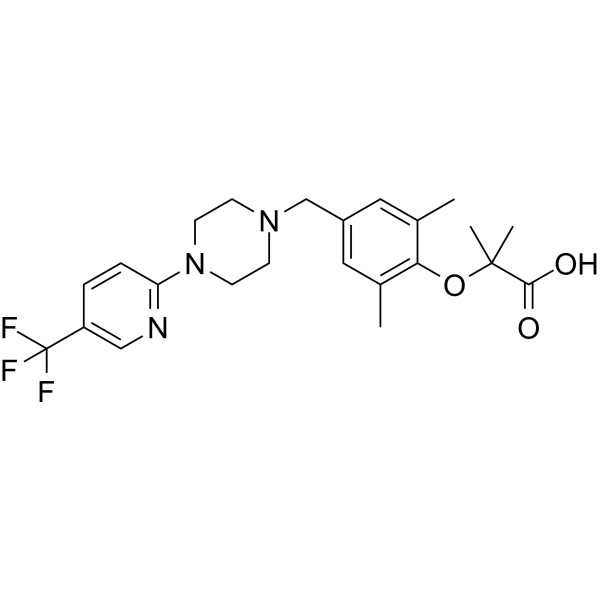
Soyasaponin Aa (Standard) is the analytical standard of Soyasaponin Aa. This product is intended for research and analytical applications. Soyasaponin Aa is a soyasaponin that exerts an anti-obesity effect in 3T3-L1 adipocytes through downregulation of peroxisome proliferator-activated receptor γ (PPARγ) .
|
-

- HY-117103A
-
|
INT131 benzenesulfonate
|
PPAR
|
Metabolic Disease
|
|
AMG131 (INT131) (benzenesulfonate) is a potent non-thiazolidinedione (TZD) selective peroxisome proliferator-activated receptor γ modulator (SPPARM). AMG131 (benzenesulfonate) binds to PPARγ within the same binding pocket as the TZDs, but occupies a unique space in the pocket and contacts the receptor at distinct points from the TZDs. AMG131 (benzenesulfonate) is promising for research of type-2 diabetes mellitus .
|
-

- HY-115357
-
|
|
PPAR
|
Metabolic Disease
|
|
BMS711939 is a selective agonist for peroxisome proliferator-activated receptor α (PPAR α), with EC50 of 4 nM and 4.5 μM, for human PPARα and human PPARγ. BMS711939 exhibits good pharmacokinetic characters in rats models. BMS711939 increases HDL cholesterol, reduces LDL cholesterol and triglycerides .
|
-

- HY-163443
-
|
|
PPAR
|
Others
|
|
PPAR agonist 4 (Compound 12) is an orally active agonist for peroxisome proliferator-activated receptor (PPAR), which activates PPARα, PPARδ and PPARγ with EC50s of 0.7, 0.7 and 1.8 μM, respectively. PPAR agonist 4 exhibits anti-liver fibrosis efficacy .
|
-
- HY-114822
-
|
PGA3
|
Prostaglandin Receptor
PPAR
|
Endocrinology
|
|
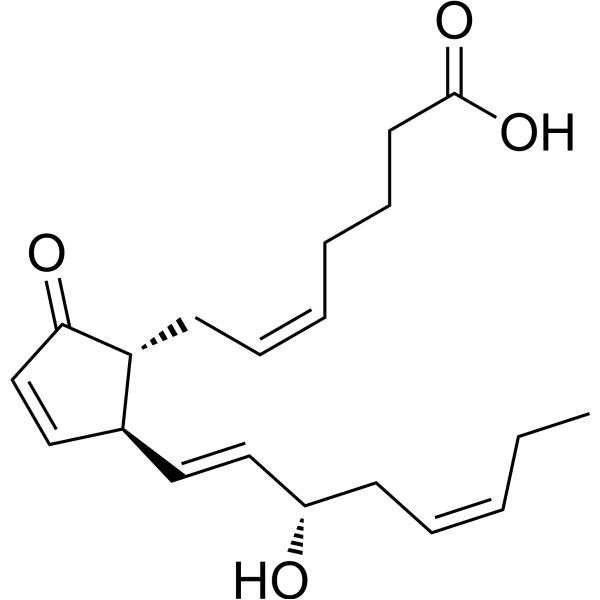
Prostaglandin A3 is a non-enzymatic dehydration product of prostaglandin E3 (PGE3). Prostaglandin A3 showed good affinity for canine EP2 and EP4 receptors with IC50 values of 120 and 20 nM, respectively. The Ki value of Prostaglandin A3 for human PPARγ was 188 μM .
|
-
- HY-155704
-
|
|
PPAR
|
Others
|
|
DPP-IV-IN-5 is isolated from the fruits of Lycium barbarum. DPP-IV-IN-5 exerts moderate agonistic activities for peroxisome proliferator-activated receptor (PPARγ) with EC50 values of 10.09 - 44.26 μM and also presents inhibitory activity on dipeptidyl peptidase-4 (DPPIV) with an IC50 value of 47.13 μM .
|
-
- HY-171895
-
|
12-Nitro-9-cis,12-cis-octadecadienoic acid
|
PPAR
Interleukin Related
NF-κB
TNF Receptor
|
Inflammation/Immunology
|
|
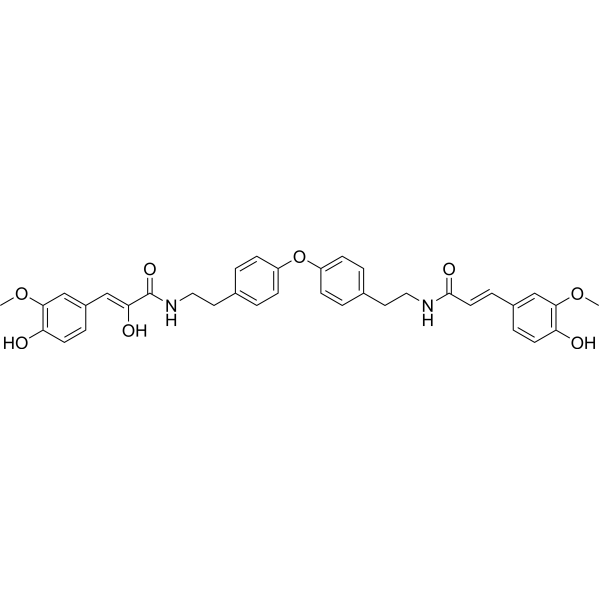
12-Nitrolinoleate (12-Nitro-9-cis,12-cis-octadecadienoic acid) is an activator for peroxisome proliferator-activated receptor γ (PPARγ). 12-Nitrolinoleate is a nitrated form of linoleic acid. 12-Nitrolinoleate can be formed upon exposure to acidified nitrate and found in human red blood cells and plasma. 12-Nitrolinoleate can activate PPARγ-dependent gene expression in MCF-7 cells expressing PPARγ with an EC50 = 0.045 μM. 12-Nitrolinoleate is able to inhibit LPS (HY-D1056)-induced NF-κB transcription in RAW 264.7 cells. 12-Nitrolinoleate can inhibit IL-6, TNF-α and CCL2 induced by LPS .
|
-

- HY-128932R
-
|
MT-141 (Standard)
|
Reference Standards
Antibiotic
Bacterial
PPAR
Prostaglandin Receptor
PTEN
Akt
mTOR
|
Infection
Cardiovascular Disease
Endocrinology
|
|
Cefminox (sodium) (MT-141) (Standard) is the analytical standard of Cefminox (sodium). This product is intended for research and analytical applications. Cefminox sodium is a semisynthetic cephamycin, which exhibits antibacterial activity. Cefminox sodium is a broad-spectrum, bactericidal cephalosporin antibiotic. Cefminox sodium also acts as a dual agonist of prostacyclin receptor (IP) and PPARγ. Cefminox sodium upregulates cAMP production and PTEN expression and inhibits Akt/mTOR signaling. Cefminox sodium also prevents pulmonary arterial hypertension in rat model .
|
-

- HY-171793
-
|
|
PPAR
|
Metabolic Disease
|
|
DN-108, a thiazolidinedione derivative, is an orally active peroxisome proliferator-activated receptor γ (PPARγ) agonist with antidiabetic effects. DN-108 improves hyperglycemia, hypertriglyceridemia and hyperinsulinemia in diabetic mouse models. DN-108 enhances tissue glucose uptake (e.g., increasing 2-deoxyglucose uptake in L6 muscle cells) and inhibits fatty acid synthase activity. DN-108 is promising for research of type 2 diabetes .
|
-

- HY-100348R
-
|
|
Reference Standards
Androgen Receptor
PPAR
Apoptosis
|
Cancer
|
|
EPI-001 (Standard) is the analytical standard of EPI-001. This product is intended for research and analytical applications. EPI-001, a selective inhibitor of Androgen Receptor (AR), targets transactivation unit 5 (Tau-5) of the AR. EPI-001 can inhibit transactivation of the AR amino-terminal domain (NTD), with an IC50 of ~6 μM. EPI-001 is also a selective modulator of PPARγ. EPI-001 is active against castration-resistant prostate cancer .
|
-
- HY-N11507
-
|
TKV
|
PPAR
|
Metabolic Disease
|
|
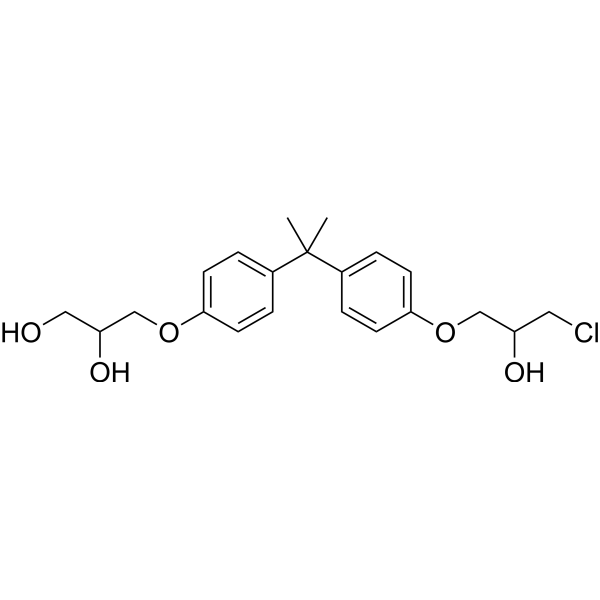
Tibesaikosaponin V (TKV) is a triterpene diglycoside, which can be isolated from the methanol extract of the roots of Bupleurum chinense DC.. Tibesaikosaponin V inhibits lipid accumulation and triacylglycerol content occurred without cytotoxicity to adipocytes. Tibesaikosaponin V suppresses the mRNA expression of nuclear transcription factors, such as peroxisome proliferator-activated receptor γ (PPARγ) and CCAAT/enhancer binding protein α (C/EBPα). Tibesaikosaponin V inhibits 3T3-L1 preadipocyte differentiation. Tibesaikosaponin V can be used fro research of obesity and its associated metabolic disorders .
|
-
- HY-N0234R
-
|
7-O-Methylbavachin (Standard); Bavachinin A (Standard)
|
Amyloid-β
Reference Standards
PPAR
HIF/HIF Prolyl-Hydroxylase
|
Inflammation/Immunology
|
|
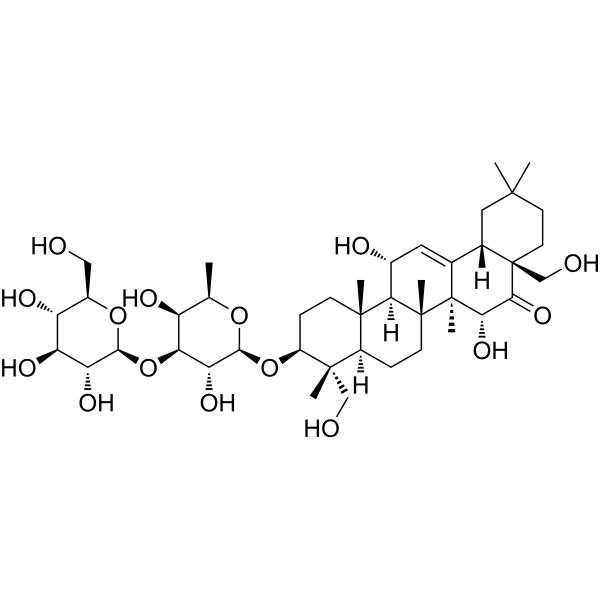
Bavachinin (Standard) is the analytical standard of Bavachinin. This product is intended for research and analytical applications. Bavachinin is agonist of pan-peroxisome proliferator-activated receptor (PPAR), with the IC50 value of 21.043 μM, 12.819 μM, and 0.622 μM to PPAR-α, RRAR-β/δ, and PPAR-γ, respectively. Bavachinin is an inhibitor of HIF-1α. Bavachinin exhibits antitumor activity against non-small cell lung cancer by targeting RRAR-γ. Bavachinin is a natural compound with anti-inflammatory and anti-angiogenic activities. Bavachinin has orally bioactivity. .
|
-

- HY-116028S1
-
|
15-Deoxy-Δ12,14-PGD2-d4
|
Isotope-Labeled Compounds
Endogenous Metabolite
Prostaglandin Receptor
PPAR
Src
|
Inflammation/Immunology
Cancer
|
|
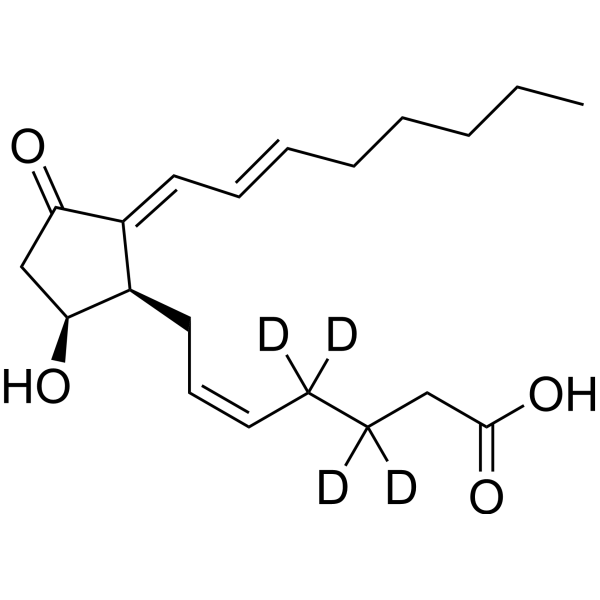
15-Deoxy-Δ12,14-Prostaglandin D2-d4 (15-Deoxy-Δ12,14-PGD2-d4) is the deuterium labeled 15-deoxy-Δ12,14-Prostaglandin D2. 15-deoxy-Δ12,14-Prostaglandin D2 (15-Deoxy-Δ12,14-PGD2) is a metabolite of prostaglandin D₂ (PGD₂) (HY-101988), which can undergo further dehydration metabolism to 15-deoxy-Δ12,14-PGJ₂. 15-deoxy-Δ12,14-Prostaglandin D2 is a highly selective agonist for DP2 receptor and PPARγ. 15-deoxy-Δ12,14-Prostaglandin D2 causes morphological changes in eosinophils and migration of type II innate lymphoid cells (ILC2). 15-deoxy-Δ12,14-Prostaglandin D2 has a growth inhibitory effect on prostate cancer cells expressing PPARγ, induces cell cycle arrest and promotes apoptosis. 15-deoxy-Δ12,14-Prostaglandin D2 can be used in related research on asthma and prostate cancer.
|
-
- HY-116028
-
|
15-Deoxy-Δ12,14-PGD2
|
Endogenous Metabolite
Prostaglandin Receptor
PPAR
Src
|
Cardiovascular Disease
|
|
15-deoxy-Δ12,14-Prostaglandin D2 (15-Deoxy-Δ12,14-PGD2), a metabolite of PGD2 (HY-101988), is an agonist of prostaglandin receptor 2 (DP2). 15-deoxy-Δ12,14-Prostaglandin D2 binds to DP2 (Ki=50 nM) and induces eosinophil activation (EC50=8 nM). 15-deoxy-Δ12,14-Prostaglandin D2 also stimulates the recruitment of steroid receptor coactivator-1 (SRC-1) to peroxisome proliferator-activated receptor γ (PPARγ), inducing PPARγ-mediated transcription. 15-deoxy-Δ12,14-Prostaglandin D2 (15-Deoxy-Δ12,14-PGD2) is cytotoxic to L1210 murine leukemia cells (IC50=0.3 μg/ml) and inhibits ADP-induced platelet aggregation (IC50=320 ng/mL).
|
-

- HY-127003
-
|
|
PPAR
TRP Channel
|
Metabolic Disease
Inflammation/Immunology
Cancer
|
|
Neoambrosin is a sesquiterpene lactone. Neoambrosin acts as a partial agonist of PPARγ and TRPA1 receptors, with no carbonic anhydrase inhibitory activity. Neoambrosin can be used in research on hypoglycemia, analgesia, anti-inflammation and anticancer effects .
|
-

- HY-183318
-
|
|
PPAR
|
Metabolic Disease
|
|
PPARα/δ agonist 4 is a potent orally active and selective dual peroxisome proliferator-activated receptor (PPAR) α/δ agonist with EC50s of 0.36 and 1.31 nM, respectively. PPARα/δ agonist 4 exhibits >123-fold selectivity over PPARγ (EC50 = 160.84 nM). PPARα/δ agonist 4 upregulates expression of downstream fatty acid oxidation genes PDK4, CPT1A, and ACADVL. PPARα/δ agonist 4 can be used for the research of metabolic dysfunction-associated steatohepatitis .
|
-

- HY-101676R
-
|
NID 525 (Standard)
|
Leukotriene Receptor
Reference Standards
PPAR
Cytochrome P450
|
Metabolic Disease
|
|
RG-12525 (Standard) is the analytical standard of RG-12525 (HY-101676). This product is intended for research and analytical applications. RG-12525 is a a specific, competitive and orally effective antagonist of the peptidoleukotrienes, LTC4, LTD4 and LTE4, inhibiting LTC4-, LTD4- and LTE4-inducd guinea pig parenchymal strips contractions, with IC50s of 2.6 nM, 2.5 nM and 7 nM, respectively; RG-12525 is also a peroxisome proliferator-activated receptor gamma (PPAR-gamma) agonist with IC50 of appr 60 nM and a potent inhibitor of CYP3A4, with a Ki value of 0.5 μM.
|
-

- HY-N18020
-
-

| Cat. No. |
Product Name |
Target |
Research Area |
-
- HY-12557
-
|
γ-Glu-Val
|
Endogenous Metabolite
CaSR
Wnt
TNF Receptor
Interleukin Related
PPAR
β-catenin
|
Inflammation/Immunology
|
|
γ‑Glutamylvaline (γ-Glu-Val) is a calcium‑sensing receptor (CaSR) agonist. γ‑Glutamylvaline activates CaSR and facilitates its binding to β‑arrestin 2 to modulate inflammatory and metabolic homeostasis signaling. γ‑Glutamylvaline inhibits TNF‑α‑induced IL‑6/MCP‑1 and enhances adiponectin/PPARγ in adipocytes. γ‑Glutamylvaline upregulates Wnt5a, restores β‑catenin phosphorylation, and reduces serine‑phosphorylated IRS‑1 in adipocytes. γ-Glutamylvaline can be used for the research of low-grade chronic inflammation .
|
| Cat. No. |
Product Name |
Category |
Target |
Chemical Structure |
-
- HY-N0246
-
-
-
- HY-N0234
-
-
-
- HY-113205
-
-
-
- HY-N15574
-
-
-
- HY-N1472
-
-
-
- HY-N2110
-
|
|
Structural Classification
Classification of Application Fields
Coumarins
Phenylpropanoids
Umbelliferae
Helogyne apaloidea Nutt.
Plants
Inflammation/Immunology
Disease Research Fields
Source Classification
|
Akt
Sirtuin
Integrin
STAT
PI3K
Apoptosis
ERK
PPAR
PKC
Toll-like Receptor (TLR)
HIV
|
|
Phellopterin, an orally active furocoumarin with multiple biological activities. Phellopterin is a partial agonist of the central benzodiazepine receptors. Phellopterin exerts anti-inflammatory effects by upregulating SIRT1, downregulating ICAM-1 (reducing chronic inflammation, aiding diabetic ulcer healing), inhibiting STAT3 phosphorylation (easing atopic dermatitis inflammation), regulating Akt/PKC pathways (lowering TNF-α-induced VCAM-1 to block monocyte adhesion), and inhibiting TLR4/NF-κB pathway and macrophage M2 polarization (alleviating colitis-related cancers). Phellopterin suppresses ovarian cancer progression via inhibiting the PU.1/CLEC5A/PI3K-AKT loop (inducing cell cycle arrest, apoptosis, DNA damage). Phellopterin alleviates murine diabetes by promoting adipocyte differentiation and increasing PPARγ. Phellopterin also has anti-HSV-1 activity. Phellopterin can be used for studying anti-inflammation, anti-cancer (e.g., ovarian cancer, colitis cancer), blood glucose lowering, anti-diabetes, and anti-virus .
|
-
-
- HY-113631
-
-
-
- HY-W341997
-
-
-
- HY-13956R
-
|
U 72107 (Standard)
|
Human Gut Microbiota Metabolites
Endogenous metabolite
Source Classification
|
Reference Standards
PPAR
Ferroptosis
|
|
Pioglitazone (Standard) is the analytical standard of Pioglitazone. This product is intended for research and analytical applications. Pioglitazone (U 72107) is an orally active and selective PPARγ (peroxisome proliferator-activated receptor) agonist with high affinity binding to the PPARγ ligand-binding domain with EC50 of 0.93 and 0.99 μM for human and mouse PPARγ, respectively. Pioglitazone can be used in diabetes research .
|
-
-
- HY-N0246R
-
-
-
- HY-N2110R
-
|
|
Structural Classification
Coumarins
Phenylpropanoids
Umbelliferae
Helogyne apaloidea Nutt.
Plants
Source Classification
|
Reference Standards
Akt
Sirtuin
Integrin
STAT
PI3K
Apoptosis
ERK
PPAR
PKC
Toll-like Receptor (TLR)
HIV
|
|
Phellopterin (Standard) is the analytical standard of Phellopterin. Phellopterin, an orally active furocoumarin with multiple biological activities. Phellopterin is a partial agonist of the central benzodiazepine receptors. Phellopterin exerts anti-inflammatory effects by upregulating SIRT1, downregulating ICAM-1 (reducing chronic inflammation, aiding diabetic ulcer healing), inhibiting STAT3 phosphorylation (easing atopic dermatitis inflammation), regulating Akt/PKC pathways (lowering TNF-α-induced VCAM-1 to block monocyte adhesion), and inhibiting TLR4/NF-κB pathway and macrophage M2 polarization (alleviating colitis-related cancers). Phellopterin suppresses ovarian cancer progression via inhibiting the PU.1/CLEC5A/PI3K-AKT loop (inducing cell cycle arrest, apoptosis, DNA damage). Phellopterin alleviates murine diabetes by promoting adipocyte differentiation and increasing PPARγ. Phellopterin also has anti-HSV-1 activity. Phellopterin can be used for studying anti-inflammation, anti-cancer (e.g., ovarian cancer, colitis cancer), blood glucose lowering, anti-diabetes, and anti-virus.
|
-
-
- HY-B1419R
-
-
-
- HY-155704
-
|
|
Lycium barbarum L.
Phenols
Polyphenols
Solanaceae
Plants
Source Classification
|
PPAR
|
|
DPP-IV-IN-5 is isolated from the fruits of Lycium barbarum. DPP-IV-IN-5 exerts moderate agonistic activities for peroxisome proliferator-activated receptor (PPARγ) with EC50 values of 10.09 - 44.26 μM and also presents inhibitory activity on dipeptidyl peptidase-4 (DPPIV) with an IC50 value of 47.13 μM .
|
-
-
- HY-N11507
-
|
TKV
|
Triterpenes
Sonchus asper (L.) Hill
Terpenoids
Plants
Umbelliferae
Source Classification
|
PPAR
|
|
Tibesaikosaponin V (TKV) is a triterpene diglycoside, which can be isolated from the methanol extract of the roots of Bupleurum chinense DC.. Tibesaikosaponin V inhibits lipid accumulation and triacylglycerol content occurred without cytotoxicity to adipocytes. Tibesaikosaponin V suppresses the mRNA expression of nuclear transcription factors, such as peroxisome proliferator-activated receptor γ (PPARγ) and CCAAT/enhancer binding protein α (C/EBPα). Tibesaikosaponin V inhibits 3T3-L1 preadipocyte differentiation. Tibesaikosaponin V can be used fro research of obesity and its associated metabolic disorders .
|
-
-
- HY-N0234R
-
-
-
- HY-127003
-
-
-
- HY-N18020
-
-
| Cat. No. |
Product Name |
Chemical Structure |
-
- HY-50935S
-
|
|
|
Troglitazone-d4 is deuterium labeled Troglitazone. Troglitazone is a PPARγ agonist, with EC50s of 550 nM and 780 nM for human and murine PPARγ receptor, respectively.
|
-
-
- HY-14728S
-
|
|
|
Deutaleglitazar (Aleglitazar-d2) is a agonist of dual peroxisome proliferatory activating receptor (PPARα and PPARγ) .
|
-
-
- HY-B0205S
-
|
|
|
Candesartan-d4 (CV-11974-d4) is the deuterium labeled Candesartan (HY-B0205). Candesartan (CV 11974) is an orally active angiotensin II AT1-Receptor blocker and PPAR-γ agonist. Candesartan has potent and long-lasting antihypertensive effects. Candesartan can be used for the research of hypertension, chronic heart failure (CHF) and Traumatic brain injury (TBI).
|
-
-
- HY-107333S
-
|
|
|
Cinoxate-d3 is deuterium labeled Cinoxate. Cinoxate is a hypertrophic peroxisome proliferator activating receptor γ (PPARγ) agonist with Ki value of 18.0 μM. Cinoxate can be used to study obesity .
|
-
-
- HY-19937S1
-
|
|
|
Saroglitazar-d4 is the deuterium-labeled Saroglitazar (HY-19937). Saroglitazar-d4 is a novel peroxisome proliferator-activated receptor (PPAR) agonist with predominant PPARα and moderate PPARγ activity with EC50 values of 0.65 pM and 3 nM in HepG2 cells, respectively.
|
-
-
- HY-116028S1
-
|
|
|
15-Deoxy-Δ12,14-Prostaglandin D2-d4 (15-Deoxy-Δ12,14-PGD2-d4) is the deuterium labeled 15-deoxy-Δ12,14-Prostaglandin D2. 15-deoxy-Δ12,14-Prostaglandin D2 (15-Deoxy-Δ12,14-PGD2) is a metabolite of prostaglandin D₂ (PGD₂) (HY-101988), which can undergo further dehydration metabolism to 15-deoxy-Δ12,14-PGJ₂. 15-deoxy-Δ12,14-Prostaglandin D2 is a highly selective agonist for DP2 receptor and PPARγ. 15-deoxy-Δ12,14-Prostaglandin D2 causes morphological changes in eosinophils and migration of type II innate lymphoid cells (ILC2). 15-deoxy-Δ12,14-Prostaglandin D2 has a growth inhibitory effect on prostate cancer cells expressing PPARγ, induces cell cycle arrest and promotes apoptosis. 15-deoxy-Δ12,14-Prostaglandin D2 can be used in related research on asthma and prostate cancer.
|
-
Your information is safe with us. * Required Fields.
Inquiry Information
- Product Name:
- Cat. No.:
- Quantity:
- MCE Japan Authorized Agent:








