1. Search Result
Search Result
Results for "

Phosphatidylcholine

" in MedChemExpress (MCE) Product Catalog:

128

Inhibitors & Agonists

4

Fluorescent Dyes

24

Biochemical Assay Reagents

2

Peptides

21

Natural
Products

6

Recombinant Proteins

13

Isotope-Labeled Compounds

1

Antibodies

2

Click Chemistry

29

Oligonucleotides

Cat. No. Product Name Target Research Areas Chemical Structure
  • HY-125853
    Phosphatidylcholines,soya
    4 Publications Verification

    Soybean Phosphatidylcholine

    Liposome Neurological Disease Endocrinology
    Phosphatidylcholines,soya is a phosphatidylcholine from soybean used in the preparation of liposomes. Phosphatidylcholines,soya can be used as a vehicle in animal agent administration .
    Phosphatidylcholines,soya
  • HY-B2233B
    Phosphorylcholine
    Maximum Cited Publications
    12 Publications Verification

    Phosphocholine

    Endogenous Metabolite Adrenergic Receptor Cardiovascular Disease Neurological Disease Inflammation/Immunology
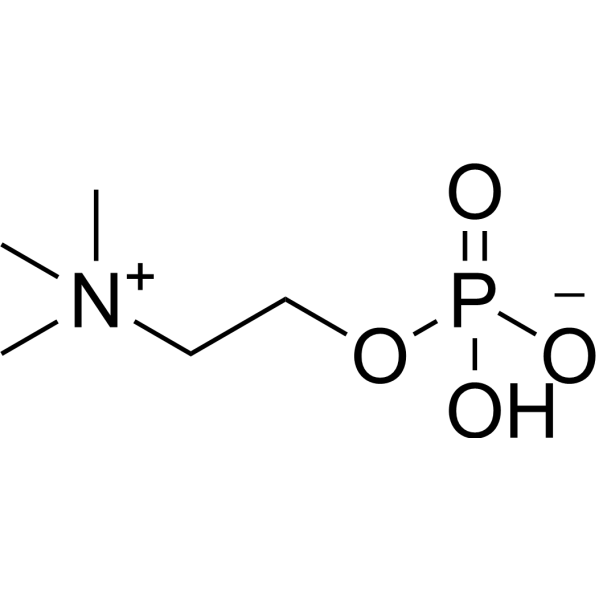
    Phosphatidylcholine is the main phospholipid component in eukaryotic biofilms. Phosphatidylcholine exists in commensal or pathogenic bacteria associated with eukaryotes in prokaryotes. Phosphorylcholine exhibits a surprising range of immunomodulatory properties .
    Phosphorylcholine
  • HY-N5034
    Phosphorylethanolamine
    4 Publications Verification

    Monoaminoethyl phosphate; NSC 254167; O-Phosphoethanolamine

    Endogenous Metabolite Neurological Disease Metabolic Disease Cancer
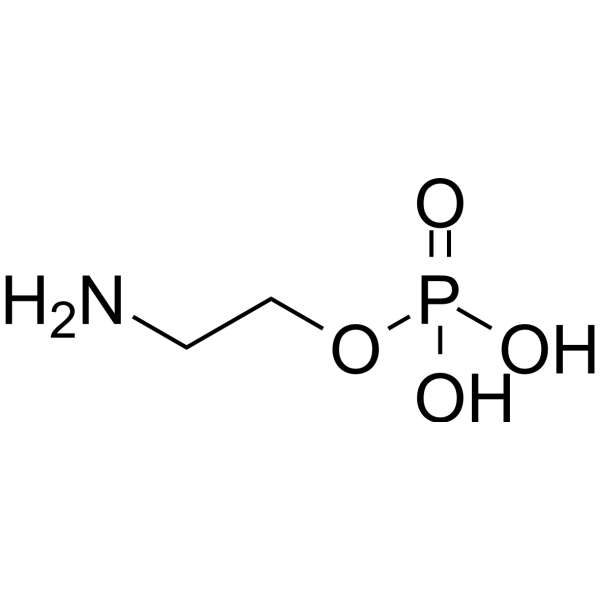
    Phosphorylethanolamine (Monoaminoethyl phosphate) is a membrane phospholipid and an important precursor of Phosphatidylcholine (HY-B2233B). It is found in most animal tissues and various human extracranial tumors, playing a critical role in membrane integrity, cell division, mitochondrial respiratory function, and more. Studies have shown that changes in the abundance of Phosphorylethanolamine are associated with Alzheimer's disease and Parkinson's disease. Lowering the ratio of Phosphorylethanolamine to Phosphatidylcholine in the liver can improve insulin signaling. Phosphorylethanolamine holds promise for research in the fields of cancer, neurodegenerative disorders, and metabolic diseases .
    Phosphorylethanolamine
  • HY-B0739
    Citicoline
    4 Publications Verification

    Cytidine diphosphate-choline; CDP-Choline; Cytidine 5'-diphosphocholine

    Apoptosis Endogenous Metabolite Reactive Oxygen Species (ROS) Caspase Neurological Disease Cancer
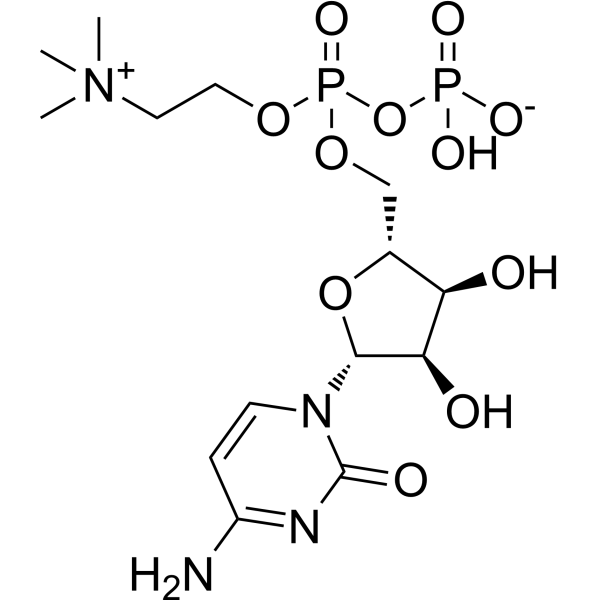
    Citicoline is an endogenous intermediate in the synthesis of phosphatidylcholine which is a component of cell membranes. Citicoline inhibits reactive oxygen species (ROS) and apoptosis. Citicoline can be used for neurological disease and hearing loss study .
    Citicoline
  • HY-B2235
    Lecithin
    5+ Cited Publications

    Polyene Phosphatidylcholine

    Environmental Pollutants Endogenous Metabolite Others
    Lecithin is regarded as a safe, conventional phospholipid source. Phospholipids are reported to alter the fatty acid composition and microstructure of the membranes in animal cells.
    Lecithin
  • HY-109541
    Colfosceril miristate
    2 Publications Verification

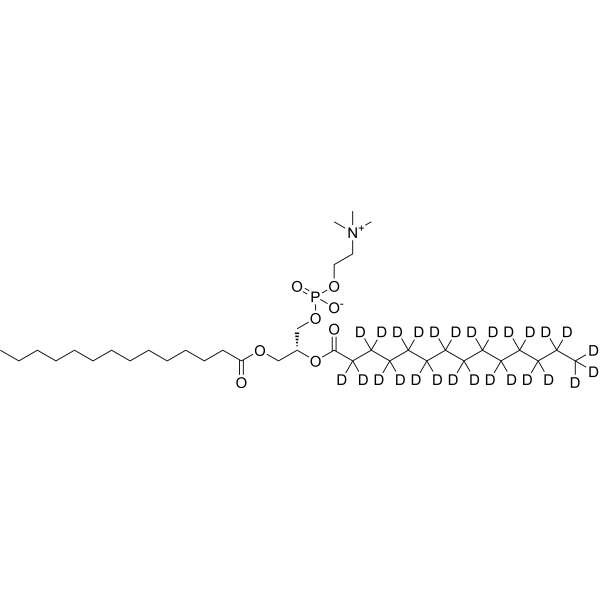
    DMPC; 1,2-Dimyristoyl-sn-glycero-3-phosphocholine; Dimyristoyl Phosphatidylcholine

    Liposome Cancer
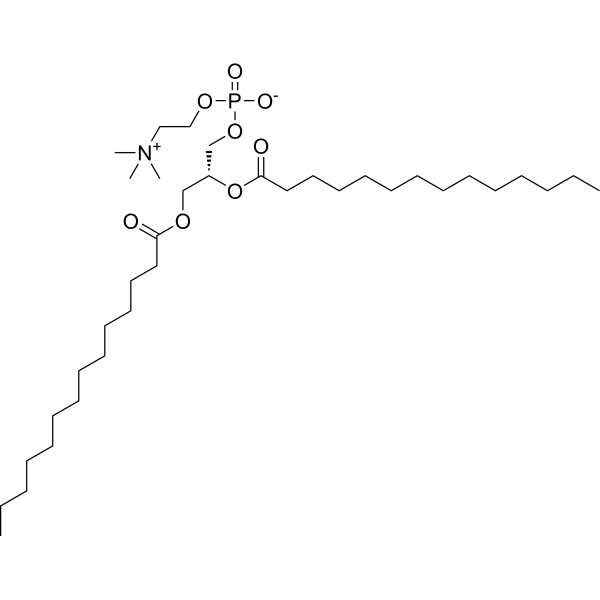
    Colfosceril miristate (DMPC) is a synthetic phospholipid. Colfosceril miristate has antiproliferative effects on various tumors. Colfosceril miristate is used to study lipid monolayers, bilayers and drug delivery .
    Colfosceril miristate
  • HY-42990

    HSPC; Hydrogenated soybean Phosphatidylcholine

    Liposome Metabolic Disease
    Hydrogenated soya phosphatidylcholine (hydrogenated soybean phosphatidylcholine) is a natural product. Hydrogenated soya phosphatidylcholine can extend drug release in regard to drug loading and solubility for oral drug delivery of watersoluble drugs .
    Hydrogenated soya phosphatidylcholine
  • HY-125854
    Phosphatidylcholines, egg
    2 Publications Verification

    Liposome Cholinesterase (ChE) Monoamine Oxidase Apoptosis Neurological Disease Metabolic Disease Inflammation/Immunology
    Phosphatidylcholines, egg are a type of phosphatidylcholine that can be isolated and extracted from eggs, primarily present in egg yolks. As a major phospholipid component of cell membranes, Phosphatidylcholines, egg play a key role in providing nutrition and protection to the body. Phosphatidylcholines, egg can inhibit oxidative stress and neurotoxicity, exerting neuroprotective effects. Additionally, Phosphatidylcholines, egg can suppress the lymphatic absorption of cholesterol in the intestine and are also used in research on intestinal lipid absorption .
    Phosphatidylcholines, egg
  • HY-B2235B

    L-α-Phosphatidylcholine (egg yolk, Type XVI-E), 99%, lyophilized powder; 1,2-Diacyl-sn-glycero-3-phosphocholine (egg yolk, Type XVI-E), 99%; egg yolk Lecithins, Type XVI-E, 99%

    Environmental Pollutants Biochemical Assay Reagents Liposome Others
    L-α-Lecithin (egg yolk, Type XVI-E), 99% (L-α-Phosphatidylcholine (egg yolk, Type XVI-E), 99%) is an active biomaterial. L-α-Lecithin (egg yolk, Type XVI-E), 99% forms liposomes with compounds (PF or BA). L-α-Lecithin (egg yolk, Type XVI-E), 99% increases membrane fluidity and affects microemulsion stability and fluorescence intensity stained with Nile red (HY-D0718). L-α-Lecithin (egg yolk, Type XVI-E), 99% It can be used for cell membrane structure research, biological membrane potential research, and liposome research .
    L-α-Lecithin (egg yolk, Type XVI-E), 99%
  • HY-113123

    14:0 Lyso PC; 1-myristoyl-sn-glycero-3-Phosphatidylcholine

    Endogenous Metabolite Neurological Disease Metabolic Disease
    LysoPC(14:0/0:0) is a lysophospholipid (LyP). It is a monoglycerophospholipid in which a phosphorylcholine moiety occupies a glycerol substitution site. LysoPC(14:0/0:0) has potent antispasmodic effect .
    LysoPC(14:0/0:0)
  • HY-P5282

    Acyltransferase Cardiovascular Disease Metabolic Disease
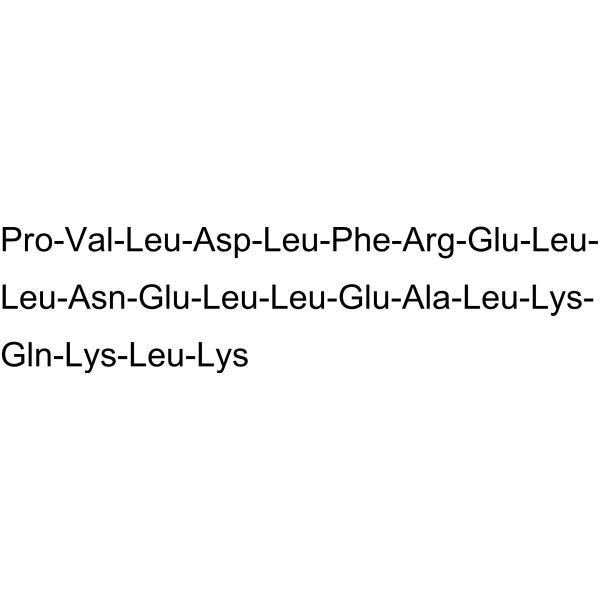
    ApoA-I mimetic peptide is an ApoA-I mimetic peptide. ApoA-I mimetic peptide has good phosphatidylcholine: cholesterol acyltransferase (LCAT) activation activity. ApoA-I mimetic peptide can be used to synthesize peptide/lipid complexes. ApoA-I mimetic peptide can be used in atherosclerosis research. (The sequence is: PVLDLFRELLNELLEALKQKLK) .
    ApoA-I mimetic peptide
  • HY-154487

    Biochemical Assay Reagents Neurological Disease
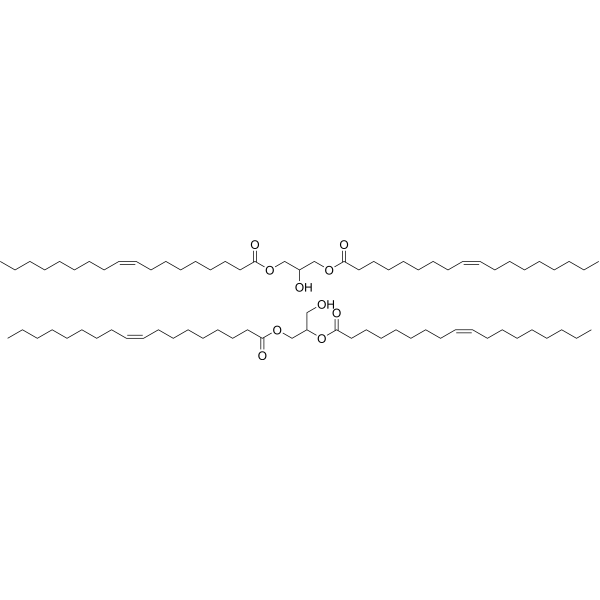
    Glycerol dioleate is a lipid capable of forming Lyotropic Liquid Crystal (LLC). When formulated with phosphatidylcholine and exposed to aqueous media, glycerol dioleate constructs an inverted hexagonal (HII) phase structure with sustained-release properties. The in-situ forming gel prepared by optimizing glycerol dioleate with phosphatidylcholine and N-methyl-2-pyrrolidone enables stable release of Risperidone (HY-11018) for up to 60 days in vitro and in vivo. Glycerol dioleate causes minimal side effects in rabbits, making it an ideal carrier component for the development of antischizophrenia agents .Note: Lyotropic liquid crystals (Lyotropic Liquid Crystal, LLC) are ordered fluid phases self-assembled by amphipathic molecules (e.g., lipids, surfactants) in solvents (usually water) at specific concentrations .
    Glycerol dioleate
  • HY-B0739A
    Citicoline sodium
    4 Publications Verification

    Cytidine diphosphate-choline sodium; CDP-Choline sodium; Cytidine 5'-diphosphocholine sodium

    Endogenous Metabolite Apoptosis Reactive Oxygen Species (ROS) Caspase Neurological Disease Cancer
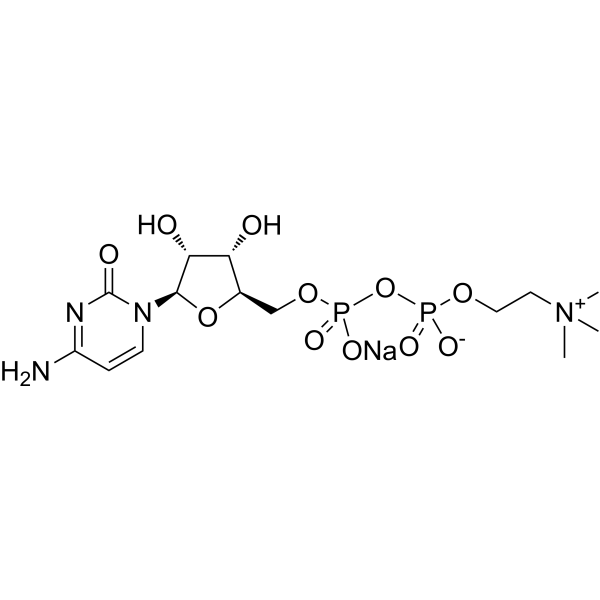
    Citicoline sodium is an endogenous intermediate in the synthesis of phosphatidylcholine which is a component of cell membranes. Citicoline sodium inhibits reactive oxygen species (ROS) and apoptosis. Citicoline sodium can be used for neurological disease and hearing loss study .
    Citicoline sodium
  • HY-129084
    Propargylcholine bromide
    1 Publications Verification

    Biochemical Assay Reagents Others
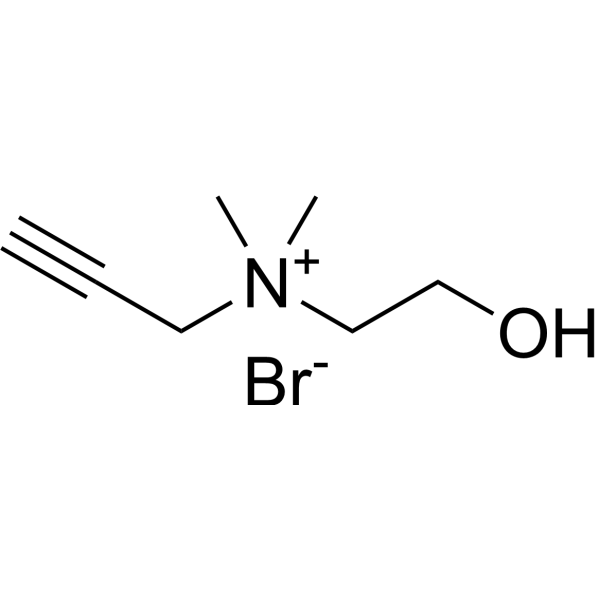
    Propargylcholine bromide is a choline analogue containing terminal propargyl that can be incorporated into all classes of Choline-containing phospholipids such as phosphatidylcholine and sphingomyelin, labeling Choline-containing phospholipids. Propargylcholine bromide-labeled phospholipid molecules can be visualized in cells with high sensitivity and spatial resolution. Propargylcholine bromide can be used as a molecular tool to study the biochemical and metabolic processes of Choline-containing phospholipids in cells . Propargylcholine (bromide) is a click chemistry reagent, it contains an Alkyne group and can undergo copper-catalyzed azide-alkyne cycloaddition (CuAAc) with molecules containing Azide groups.
    Propargylcholine bromide
  • HY-W096638A

    (S)-Glycerolphosphocholine

    Endogenous Metabolite Neurological Disease Metabolic Disease Cancer
    Glycerophosphocholine ((S)-Glycerolphosphocholine) is an orally active metabolite that crosses the blood-brain barrier. Glycerophosphocholine acts as a precursor of acetylcholine, a specific marker for phosphatidylcholine breakdown, a major water-soluble storage form of choline, and an intermediate in phosphatidylcholine metabolism. Glycerophosphocholine is specifically elevated in the cerebrospinal fluid of Alzheimer's disease models, and it also promotes growth hormone secretion and fat oxidation. Glycerophosphocholine is also a potential biomarker for breast cancer .
    Glycerophosphocholine
  • HY-N7814
    2-Hydroxypalmitic acid
    1 Publications Verification

    Endogenous Metabolite Drug Intermediate Infection
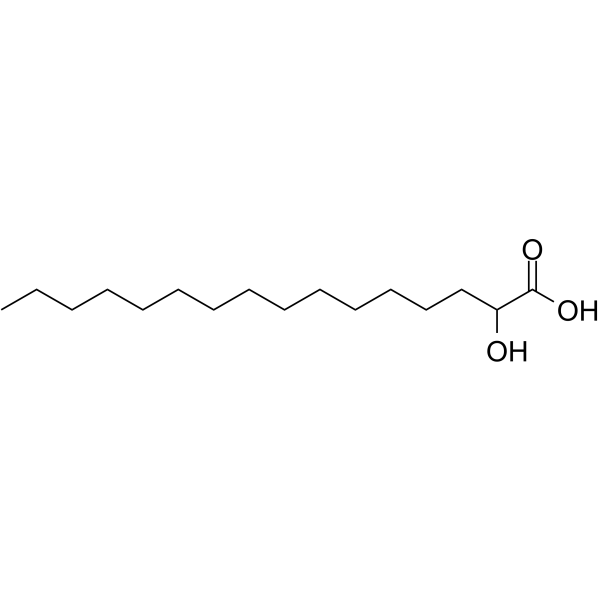
    2-Hydroxypalmitic acid is an intermediate in the phytosphingosine metabolic pathway. 2-Hydroxypalmitic acid is exclusively incorporated into sphingolipids and not used for other lipids. 2-Hydroxypalmitic acid promotes the production of odd-carbon phosphatidylcholine species. 2-Hydroxypalmitic acid is applicable to studies of Saccharomyces cerevisiae infection .
    2-Hydroxypalmitic acid
  • HY-107416

    U-57908

    DAGL Acyltransferase mAChR COX Phospholipase Neurological Disease Metabolic Disease
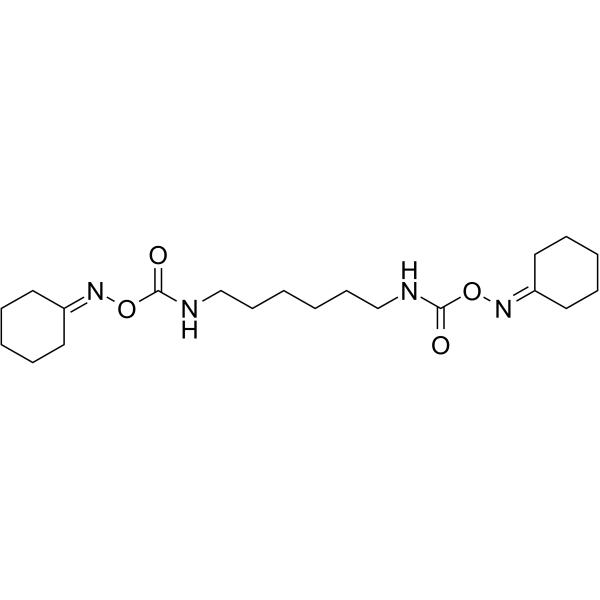
    RHC 80267 (U-57908) is a potent and selective inhibitor of diacylglycerol lipase (DAGL) (with IC50 of 4 μM in canine platelets). RHC-80267 inhibits cholinesterase activity with an IC50 of 4 μM, thereby enhancing the relaxation evoked by acetylcholine. RHC 80267 also inhibits COX and the hydrolysis of phosphatidylcholine (PC) .
    RHC 80267
  • HY-165718

    Biochemical Assay Reagents Metabolic Disease
    1-Docosapentaenoyl-2-hydroxy-sn-glycero-3-phosphatidylcholine is an ester product.
    1-Docosapentaenoyl-2-hydroxy-sn-glycero-3-phosphatidylcholine
  • HY-W440982

    PC(18:0/18:1); 2-Oleoyl-1-stearoyl-sn-glycero-3-phosphocholine

    Liposome Others
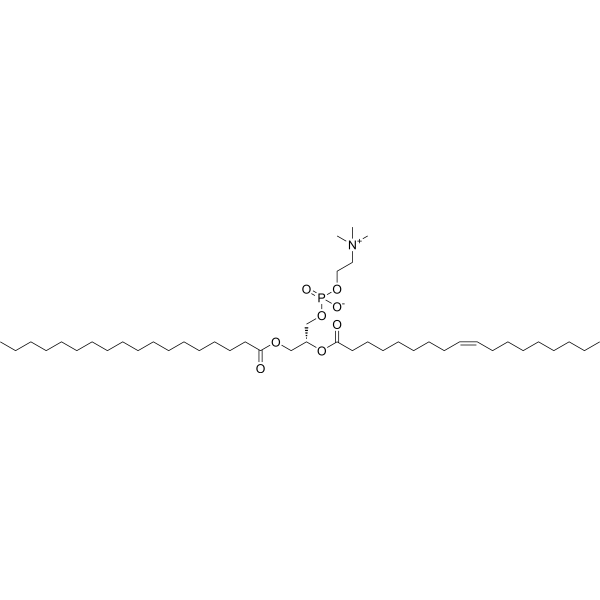
    SOPC (PC (18:0/18:1)) is a phosphatidylcholine lipid, which is an unsaturated phospholipid containing a cis double bond. When SOPC binds to Imatinib (HY-15463), Imatinib easily penetrates into its unsaturated liposome bilayer structure, and SOPC forms ordered, larger parallel stripe domains .
    SOPC
  • HY-W127457

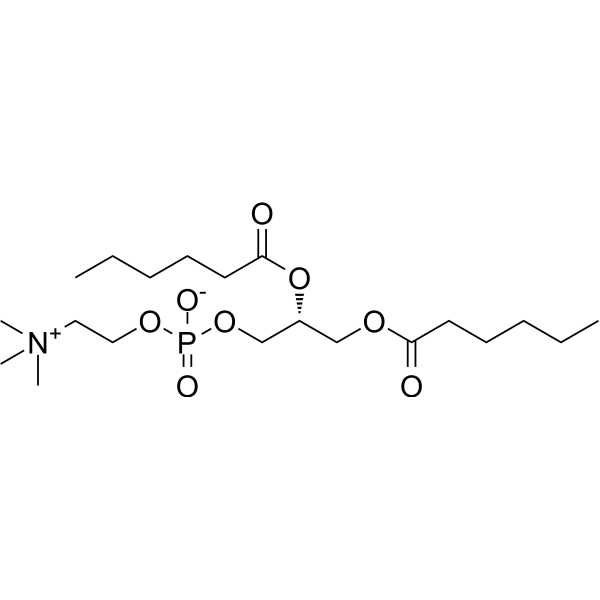
    Liposome Others
    1,2-dihexanoyl-sn-glycero-3-phosphocholine is a phosphatidylcholine. It can play a role as a surfactant and is commonly used in the generation of micelles, liposomes, and other types of artificial membranes.
    1,2-Dihexanoyl-sn-glycero-3-phosphocholine
  • HY-W019833

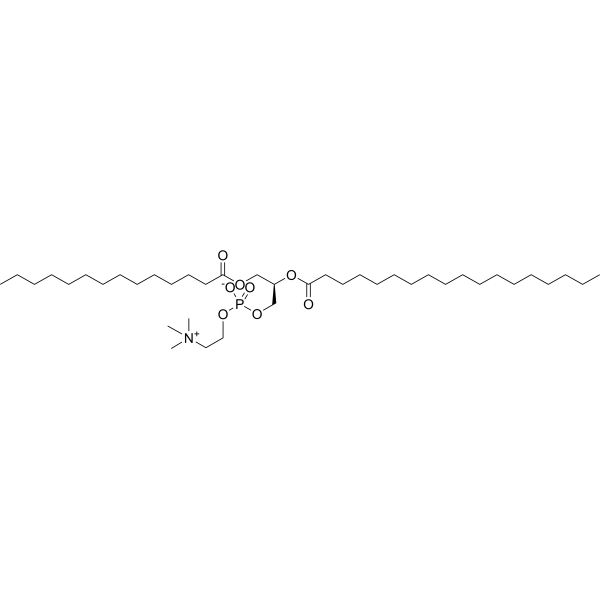
    PC(14:0/18:0); 1-Myristoyl-2-stearoyl-sn-glycero-3-phosphocholine

    Endogenous Metabolite Metabolic Disease
    MSPC is an asymmetrical phosphatidylcholine containing a myristic acid (14:0) at the sn-1 position and a stearic acid (18:0) at the sn-2 position. It can self assemble in water to form lipid bilayers. Reagent grade, for research purpose.
    MSPC
  • HY-W414591

    1-Lauroyl-2-hydroxy-sn-glycero-3-Phosphatidylcholine; 12:0 Lyso PC

    Drug Derivative Metabolic Disease
    L-alpha-lysophosphatidylcholine, lauroyl (1-Lauroyl-2-hydroxy-sn-glycero-3-phosphatidylcholine) is an ester product.
    L-alpha-lysophosphatidylcholine, lauroyl
  • HY-P2812A

    Endogenous Metabolite Metabolic Disease
    Phospholipase D, peanut is an important signaling enzyme in mammalian cells. Phospholipase D, peanut catalyzes the hydrolysis of phosphatidylcholine to produce phosphatidic acid (PA) and choline .
    Phospholipase D, peanut
  • HY-144018

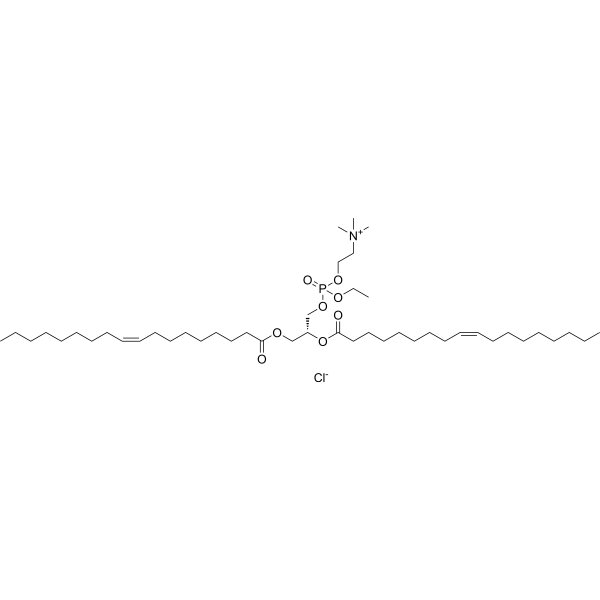
    Liposome Others
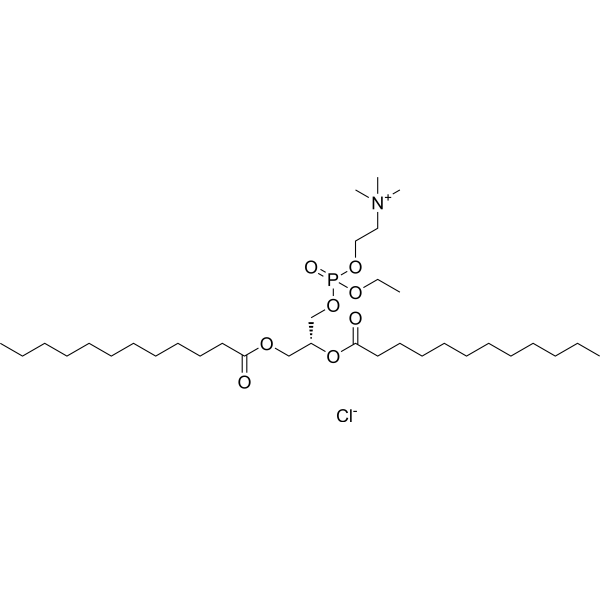
    18:1 EPC chloride is a cationic alkylated phospholipid and also an egg yolk phosphatidylcholine. 18:1 EPC chloride can be used in research on liposomes and drug delivery .
    18:1 EPC chloride
  • HY-153754

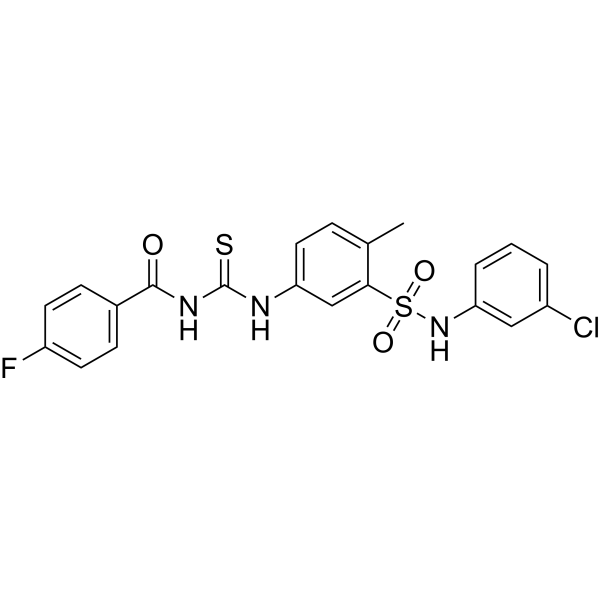
    Drug Derivative Metabolic Disease
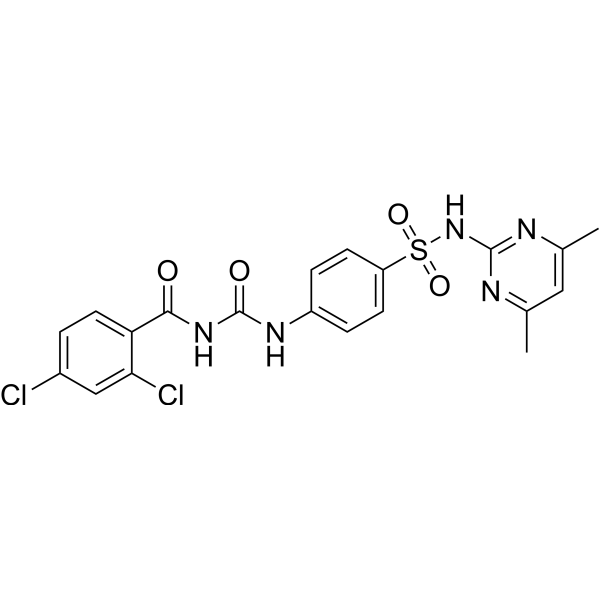
    Phosphatidylcholine transfer protein inhibitor-1 (Answer 37 in Patent) is a phosphatidylcholine transfer protein (PC-TP) inhibitor. Phosphatidylcholine transfer protein inhibitor-1 can be used for research of PC-TP related disease such as obesity .
    Phosphatidylcholine transfer protein inhibitor-1
  • HY-126726

    Biochemical Assay Reagents Others
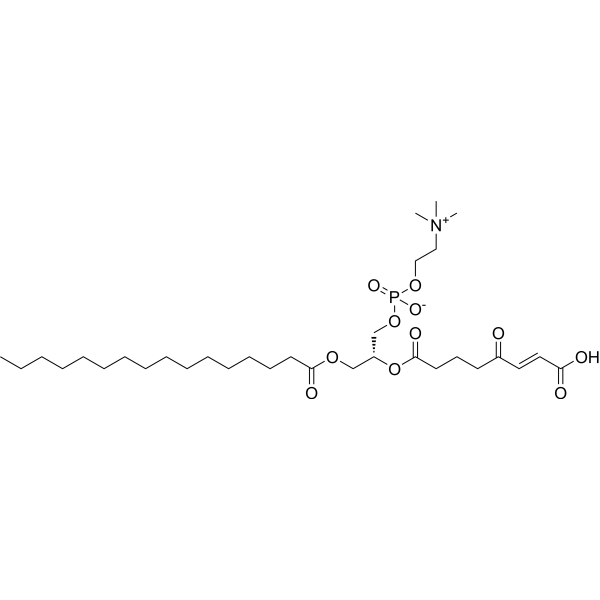
    Oxidized low-density lipoprotein (oxLDL) particles contain low molecular weight species that are cytotoxic and proatherogenic. Many of these species were recently isolated and purified from oxLDL and identified as phosphatidylcholine species containing fragmented oxidized short-chain fatty acid residues at the sn-2 position. 1-(Palmitoyl)-2-(5-keto-6-octene-dioyl)phosphatidylcholine or KOdiA-PC is one of the most potent CD36 ligands of the oxLDL species. KOdiA-PC confers CD36 scavenger receptor binding affinity to LDL at a frequency of only 2 to 3 KOdiA-PC molecules/LDL particle and may be one of the more important structural determinants of oxLDL.
    KOdiA-PC
  • HY-157700

    C16(Plasm) LPC; LysoPhosphatidylcholine 16:0p/0:0

    Biochemical Assay Reagents Neurological Disease
    Hexadecenyl-2-hydroxy-sn-glycero-3-PC (C16(Plasm) LPC) is a phosphatidylcholine. Hexadecenyl-2-hydroxy-sn-glycero-3-PC prolongs the lag-phase of α-syn aggregation, and can be used in Parkinson’s disease research .
    Hexadecenyl-2-hydroxy-sn-glycero-3-PC
  • HY-126354

    Endogenous Metabolite Metabolic Disease
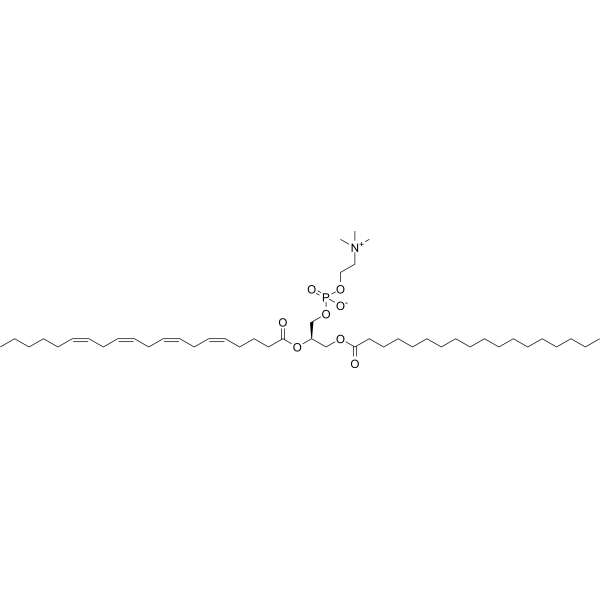
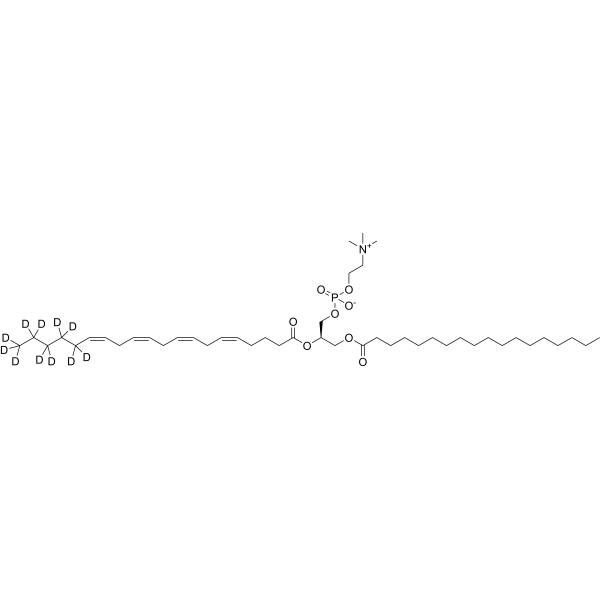
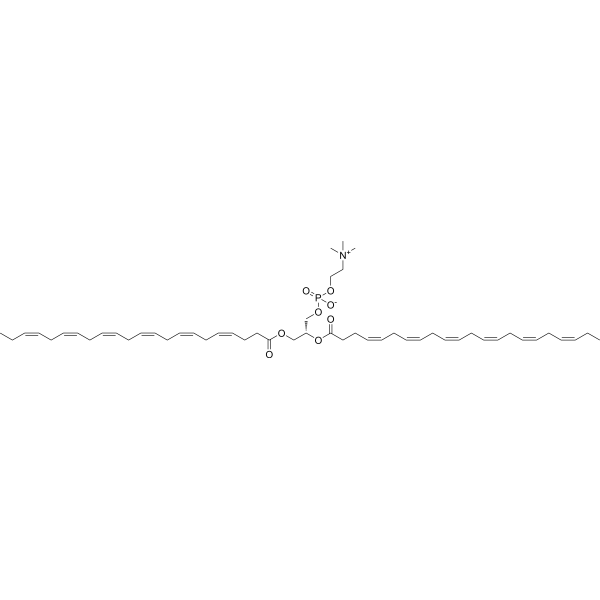
    Palmitoyldocosahexaenoyl phosphatidylcholine is an endogenous metabolite.
    Palmitoyldocosahexaenoyl phosphatidylcholine
  • HY-150707S

    Isotope-Labeled Compounds Others
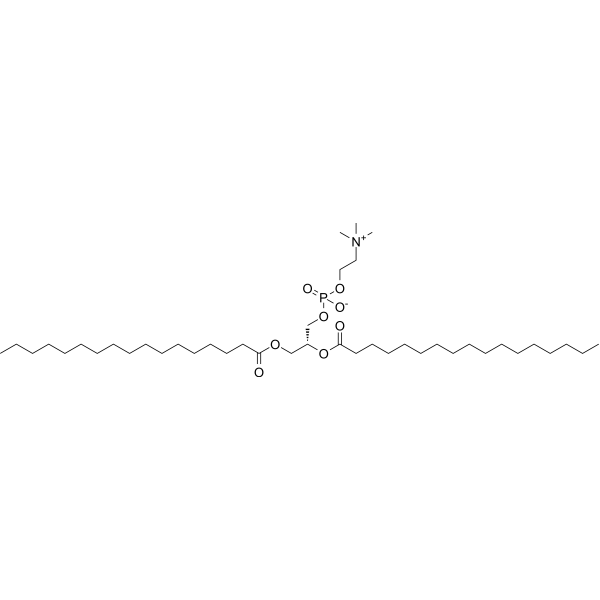
    DL-A-phosphatidylcholine, dipalmitoyl- 13C40 is the 13C labeled DL-A-phosphatidylcholine, dipalmitoyl .
    DL-A-phosphatidylcholine, dipalmitoyl-13C40
  • HY-W322575

    DHPC

    Liposome Others
    1,2-Diheptadecanoyl-sn-glycero-3-phosphorylcholine (DHPC) is a biologically active phospholipid compound and a derivative of phosphatidylcholine (PC) . It can be used in the generation of micelles, liposomes, and other types of artificial membranes.
    1,2-Diheptadecanoyl-sn-glycero-3-phosphorylcholine
  • HY-142991

    POPG

    Liposome Others
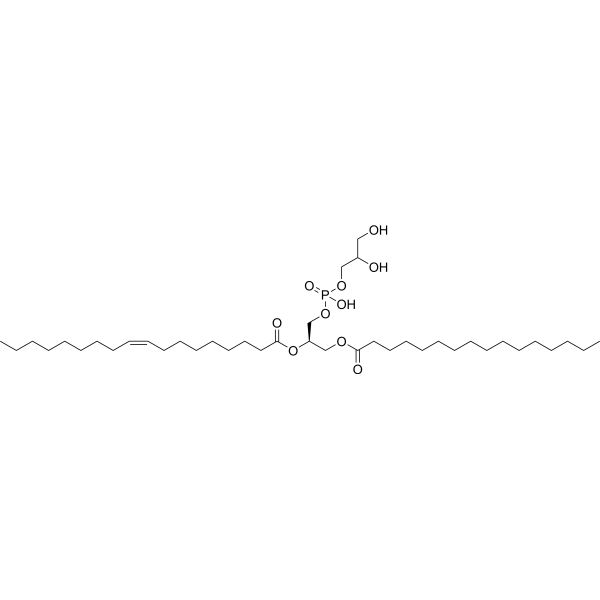
    1-Palmitoyl-2-oleoyl-sn-glycero-3-phosphatidylglycerol (POPG) is an anionic phosphatidylglycerol that often serves as a key component to co-construct model phospholipid bilayers with phosphatidylcholine (e.g., at a 3:1 POPC:POPG ratio) for investigating the structure and dynamics of transmembrane proteins. 1-Palmitoyl-2-oleoyl-sn-glycero-3-phosphatidylglycerol acts as a fundamental material for mimicking the physicochemical properties of biological membranes and enables the elucidation of membrane protein interaction mechanisms .
    1-Palmitoyl-2-oleoyl-sn-glycero-3-phosphatidylglycerol
  • HY-70083

    LMV-601

    Phospholipase Reverse Transcriptase Infection
    SPK-601 (LMV-601) is an inhibitor of the phosphatidylcholine-specific phospholipase C (PC-PLC). SPK-601 also can be used as an antimicrobial agent .
    SPK-601
  • HY-110260

    Endogenous Metabolite Metabolic Disease
    LDN-193188 is a Phosphatidylcholine transfer protein (PC-TP) inhibitor. LDN-193188 regulates hepatic glucose metabolism, and can be used for study of glucose metabolism .
    LDN-193188
  • HY-144016

    Liposome Others
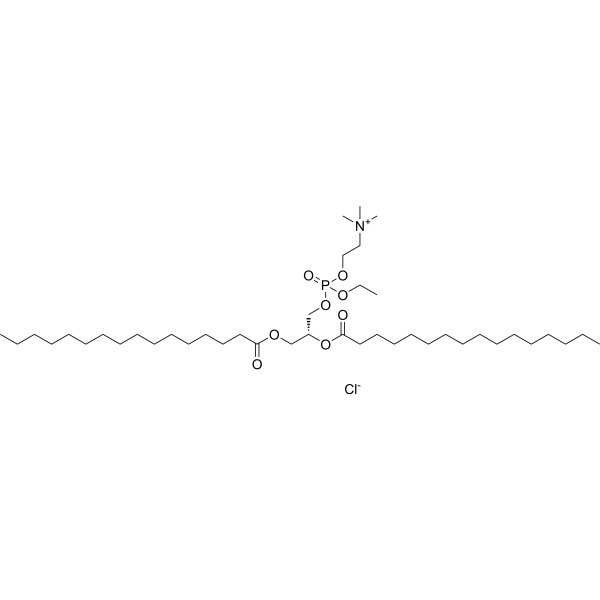
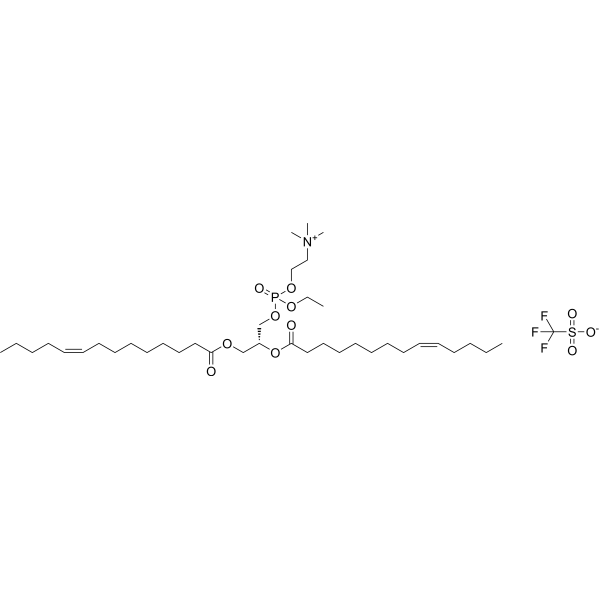
    16:0 EPC chloride, a P-O-ethyl derivative, is a saturated cationic lipid. 16:0 EPC chloride can serve as a DNA and RNA transfecting agent. 16:0 EPC chloride can be used as a co-adjuvant for preparing vaccines and promote drug delivery .
    16:0 EPC chloride
  • HY-B0739AR

    Cytidine diphosphate-choline sodium (Standard); CDP-Choline sodium (Standard); Cytidine 5'-diphosphocholine sodium (Standard)

    Reference Standards Endogenous Metabolite Apoptosis Reactive Oxygen Species (ROS) Caspase Neurological Disease Cancer
    Citicoline sodium (Standard) is the analytical standard of Citicoline sodium. This product is intended for research and analytical applications. Citicoline sodium is an endogenous intermediate in the synthesis of phosphatidylcholine which is a component of cell membranes. Citicoline sodium inhibits reactive oxygen species (ROS) and apoptosis. Citicoline sodium can be used for neurological disease and hearing loss study.
    Citicoline sodium (Standard)
  • HY-W329357
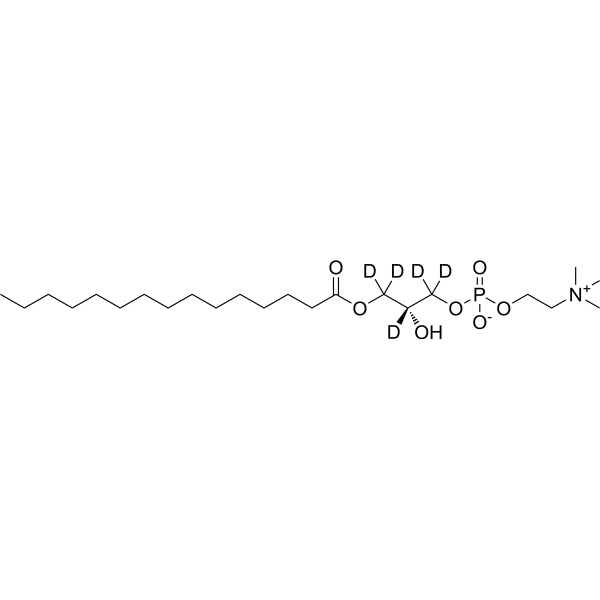
    15:0 Lyso PC
    1 Publications Verification

    Endogenous Metabolite Cardiovascular Disease
    15:0 Lyso PC is a lysophosphatidylcholine (Lyso PC), a product of phospholipase A2 (PLA2) hydrolysis of phosphatidylcholine (PC) and is involved in cell membrane remodeling and inflammatory signaling. 15:0 Lyso PC demonstrates significant lipid metabolism disturbances in the serum with ischemic heart disease (IHD) and ischemic cardiomyopathy (ICM). 15:0 Lyso PC can be used as a lipid biomarker for cardiovascular disease .
    15:0 Lyso PC
  • HY-134154

    PAzePC; Azelaoyl PC; 1-Palmitoyl-2-Azelaoyl PC

    Endogenous Metabolite Metabolic Disease
    Oxidized low-density lipoprotein (oxLDL) particles contain low molecular weight species which are cytotoxic and pro-atherogenic. Many of these substances were isolated and purified from oxLDL and identified as phosphatidylcholine species containing a fragmented, oxidized short-chain fatty acid remnant at the sn-2 position. PAz-PC (Azelaoyl PC) is one of the predominant oxLDL species and may be one of the important structural determinants of oxLDL.
    PAz-PC
  • HY-164412

    Endogenous Metabolite LDLR Others
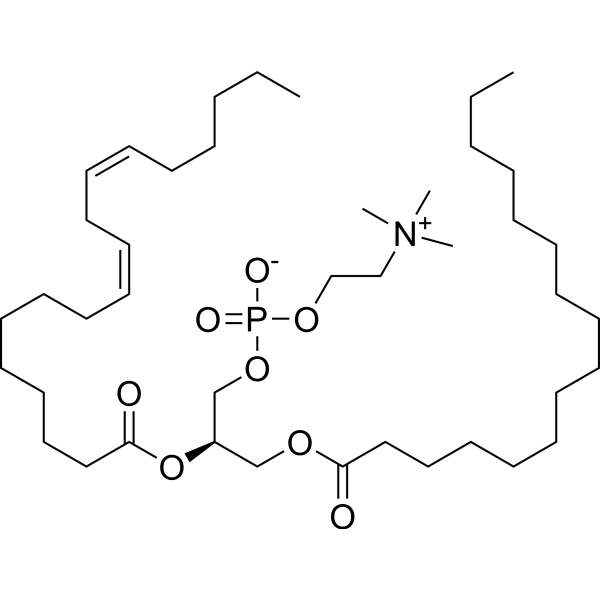
    Phosphatidylcholine (C18:2,C20:4) is a phospholipid that can be isolated from egg yolk .
    Phosphatidylcholine (C18:2,C20:4)
  • HY-N11604

    C16(Plasm)-16:1-PC; PC(P-16:0/16:1); PlsC 16:0/16:1

    Biochemical Assay Reagents Metabolic Disease
    1-(1(Z)-Hexadecenyl)-2-palmitoleoyl-sn-glycero-3-phosphocholine [PC (P-16:0/16:1 (9Z))] is a phosphatidylcholine that can be utilized for liposome preparation and serves as a marker in metabolomics research .
    1-(1(Z)-Hexadecenyl)-2-palmitoleoyl-sn-glycero-3-phosphocholine
  • HY-141631

    L-α-Phosphatidylcholine

    Biochemical Assay Reagents Others
    Dihomo-γ-Linolenoyl PAF C-16is a PAFanalogue, it is in sn-2location contains dihomo-γ-linolenoate, instead of PAF C-16The acetate part in .
    Dihomo-γ-Linolenoyl PAF C-16
  • HY-14830

    Albitiazolium bromide

    Parasite Infection
    SAR 97276 (Albitiazolium bromide) is an antimalarial agent. SAR 97276 interfers with the phospholipid metabolism of malarial parasites, especially the biosynthesis of phosphatidylcholine (PC). SAR 97276 enters erythrocytes through the new permeability pathways (NPP) of infected erythrocytes, and is transported into the malarial parasite by a poly-specific cation carrier .
    SAR 97276
  • HY-141614

    Phosphatidylcholine Diarachidoyl; 1,2-DAPC; L-α-Diarachidonoyl lecithin

    Liposome Metabolic Disease
    1,2-Diarachidoyl-sn-glycero-3-phosphocholine (1,2-DAPC) is a phospholipid containing the saturated long-chain (20:0) arachidic acid inserted at the sn-1 and sn-2 positions. It can be used in the generation of micelles, liposomes, and other types of artificial membranes.
    1,2-Diarachidoyl-sn-glycero-3-phosphocholine
  • HY-N5034A

    Monoaminoethyl phosphate calcium; NSC 254167 calcium; O-Phosphoethanolamine calcium

    Liposome Others
    Phosphoethanolamine (calcium) (Monoaminoethyl phosphate (calcium); NSC 254167 (calcium); O-Phosphoethanolamine (calcium)) is a precursor to phosphatidylethanolamine and can be used in the synthesis of phosphatidylcholine. Phosphoethanolamine (calcium) is used in the study of phospholipid metabolism and cell membrane structure .
    Phosphoethanolamine calcium
  • HY-155473

    Cholinesterase (ChE) Metabolic Disease
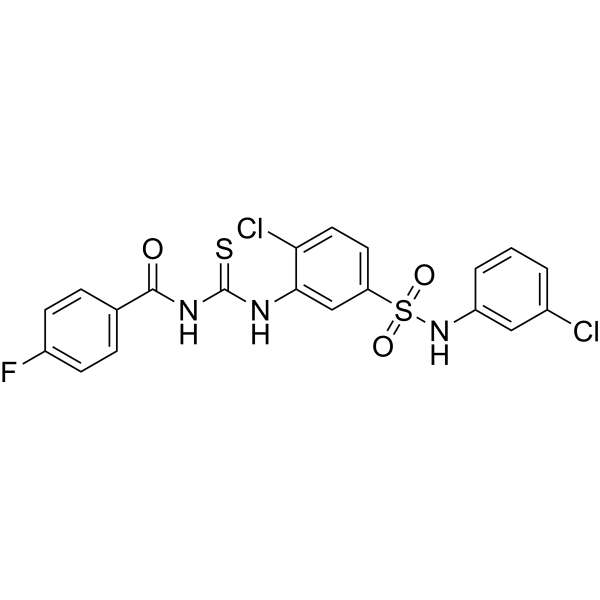
    Phosphatidylcholine transfer protein inhibitor-2 (answer 41) is a inhibitor of phosphatidylcholine transfer protein .
    Phosphatidylcholine transfer protein inhibitor-2
  • HY-W440957

    PC(16:0/14:0); 1-palmitoyl-2-myristoyl-sn-glycero-3-phosphocholine

    Liposome Cancer
    PMPC is a phosphatidylcholine with asymmetrical fatty acid. Palmitic acid occupies sn-1 position while myristic acid is placed at the sn-2 position.
    PMPC
  • HY-W339358

    1,2-Diundecanoyl-sn-glycero-3-phosphocholine

    Biochemical Assay Reagents Others
    11:0 PC (1,2-Diundecanoyl-sn-glycero-3-phosphocholine) is a phosphatidylcholine, which plays a role in the folding of intact, functionally competent integral membrane proteins .
    11:0 PC
  • HY-U00267

    Cholinesterase (ChE) Inflammation/Immunology
    Thiazinamium (chloride) possesses potent anticholinergic and antiallergic activity and inhibits TxB2 synthesis with IC50 value of 0.2 µM. Thiazinamium (chloride) is structurally similar to H-1 antagonists Promethazine (HY-B1296). Thiazinamium (chloride) stimulates the phosphatidylcholine secretion in adult rat type II pneumocytes .
    Thiazinamium chloride
  • HY-165040

    DG(16:0/18:0/0:0); 1-Palmitin-2-Stearin

    Others Others
    1-Palmitoyl-2-stearoyl-rac-glycerol (DG(16:0/18:0/0:0)) is a compound mentioned in the study of the activation of ADP-ribosylation factor 1 GTPase activating protein by phosphatidylcholine-derived diacylglycerol, and related studies have shown that it may be involved in certain feedback mechanisms within cells.
    1-Palmitoyl-2-stearoyl-rac-glycerol
  • HY-B0739AS

    Cytidine diphosphate-choline-d9 sodium; CDP-Choline-d9 sodium; Cytidine 5'-diphosphocholine-d9 sodium

    Isotope-Labeled Compounds Endogenous Metabolite Apoptosis Reactive Oxygen Species (ROS) Caspase Neurological Disease Cancer
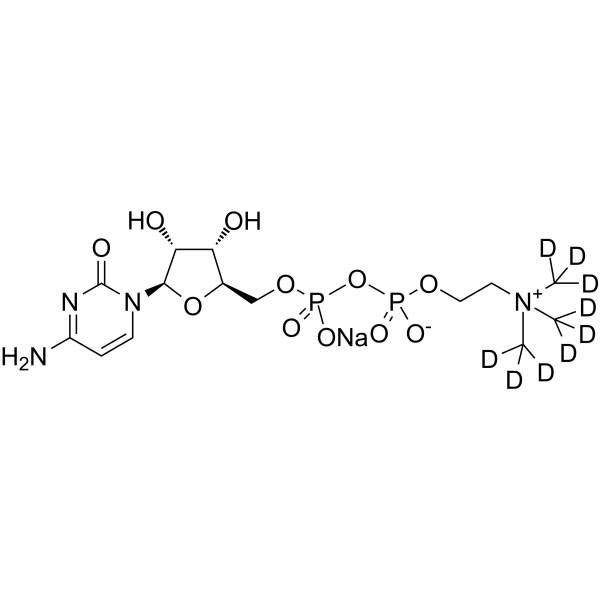
    Citicoline-d9 (Cytidine diphosphate-choline-d9) sodium is the deuterium labeled Citicoline sodium (HY-B0739A). Citicoline sodium is an endogenous intermediate in the synthesis of phosphatidylcholine which is a component of cell membranes. Citicoline sodium inhibits reactive oxygen species (ROS) and apoptosis. Citicoline sodium can be used for neurological disease and hearing loss study .
    Citicoline-d9 sodium
  • HY-W590536

    1-Palmitoyl-2-Lauroyl-sn-glycero-3-Phosphatidylcholine; 1-Palmitoyl-2-Lauroyl-sn-glycero-3-Phosphocholine

    Liposome Cancer
    1,2-PLPC is a phospholipid containing palmitoyl (16:0) and lauryl (12:0) acyl substituents at the sn-1 and sn-2 positions, respectively. It can be used in the generation of micelles, liposomes, and other types of artificial membranes.
    1,2-PLPC

Inquiry Online

Your information is safe with us. * Required Fields.

Salutation


Country or Region *

Applicant Name *


Organization Name *

Department *


Email Address *


Product Name *

Cat. No.


Requested quantity *

Phone Number *


Remarks

Inquiry Online

Inquiry Information

Product Name:
Cat. No.:
Quantity:
MCE Japan Authorized Agent: