From 11:00 pm to 12:00 pm EST ( 8:00 pm to 9:00 pm PST ) on January 6th, the website will be under maintenance. We are sorry for the inconvenience. Please arrange your schedule properly.
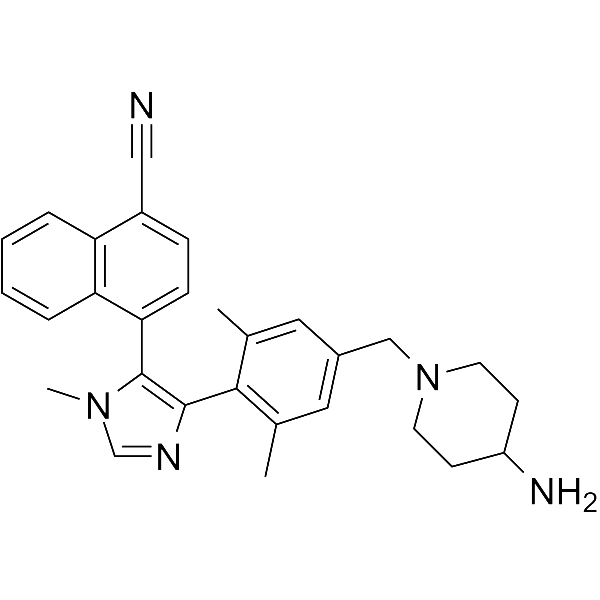
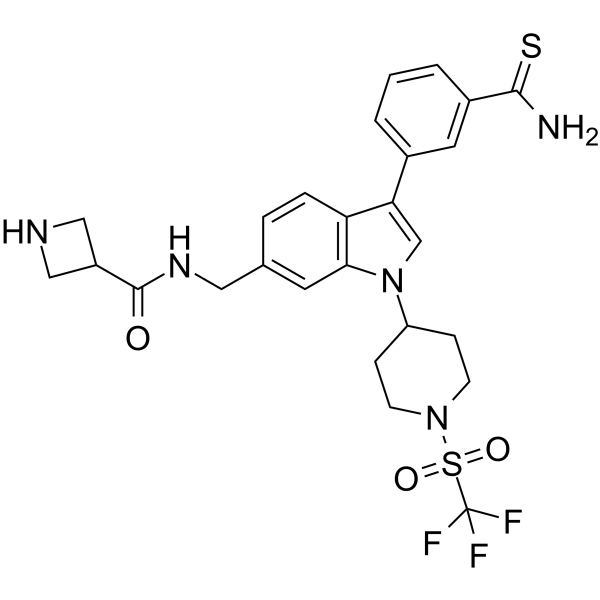
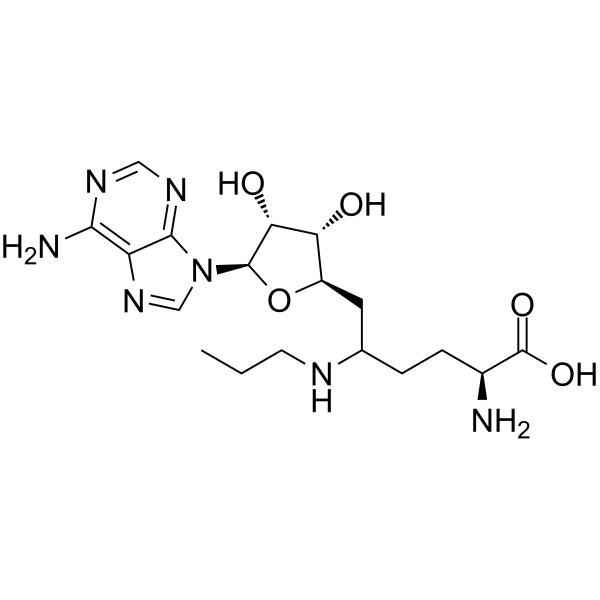
Gintemetostat (KTX-1001) is an orally active, highly specific NSD2/MMSET histone methyltransferase inhibitor with human NSD2IC50 values ranging 0.460-2.17 nM and NSD2SETdomainIC50 of 2.32 nM and Kd values ranging 6.3-70.4 nM .Gintemetostat reduces H3K36me2 levels, impairs multiple myeloma cell adhesion and colony formation, enhances cytotoxicity, boosts T-cell activation, and sensitizes resistant multiple myeloma cells to other agents .Gintemetostat can be used for the research of multiple myeloma and relapsed and refractory multiple myeloma .
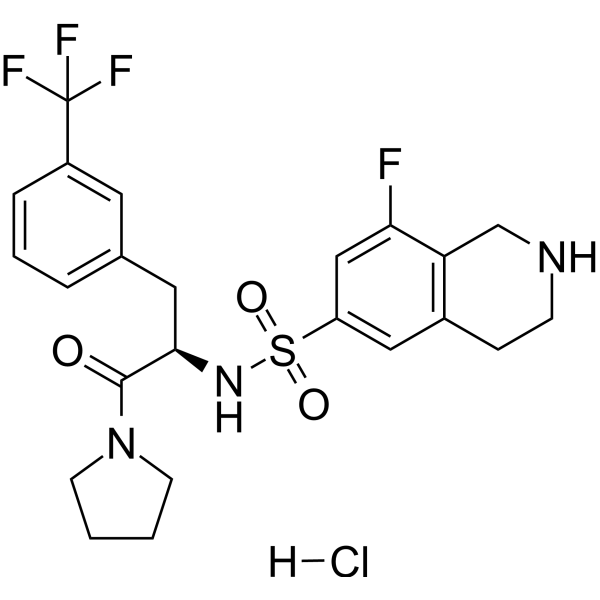
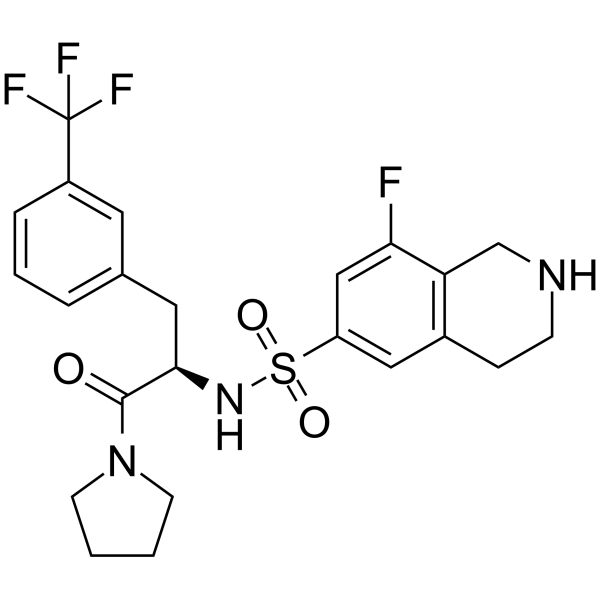
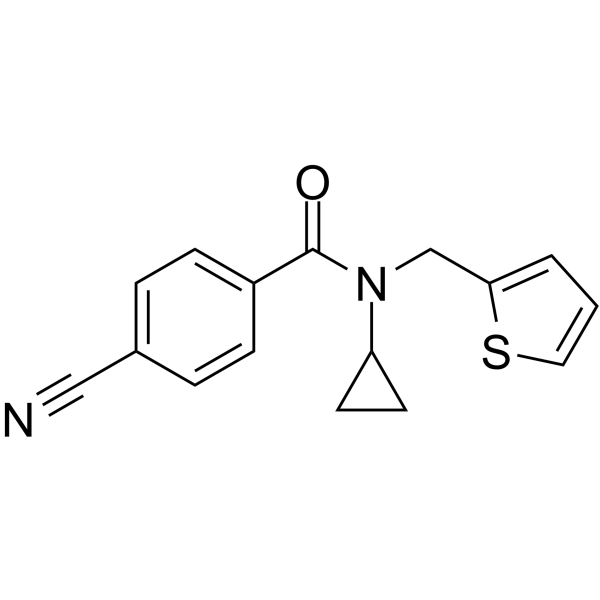
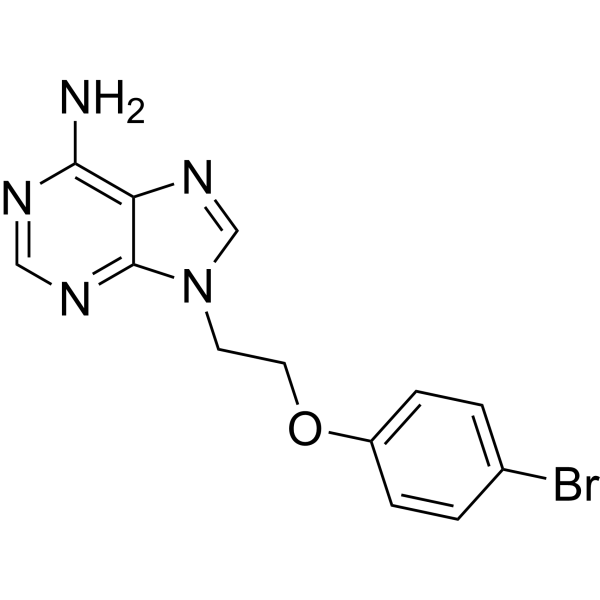
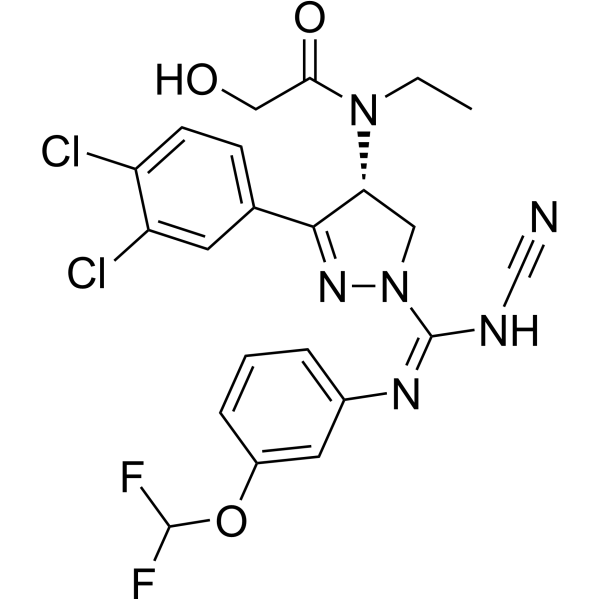
PFI-2 ((R)-PFI-2 hydrochloride) hydrochloride is a potent and selective SETdomain containing lysine methyltransferase 7 (SETD7) inhibitor. (R)-PFI-2 shows high inhibiting activity with IC50 value of 2.0 nM and (S)-PFI-2 shows inhibiting activity with IC50 value of 1.0 μM. PFI-2 hydrochloride can be used for the research of chronic kidney disease and inflammation response in the development of renal fibrosis .
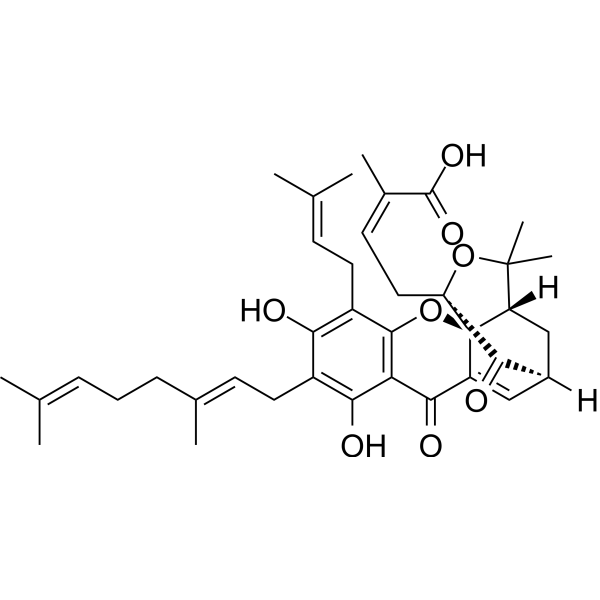
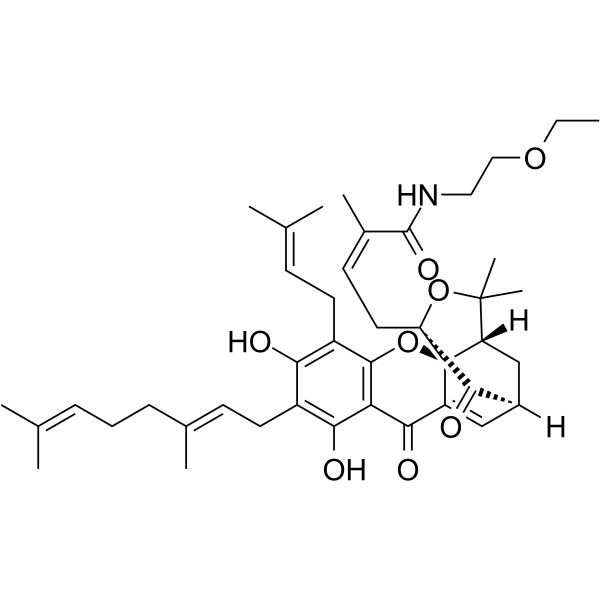
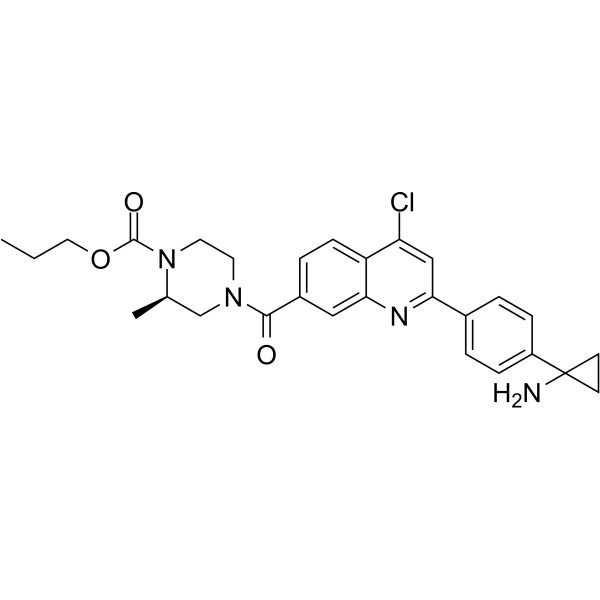
Gambogenic acid is an active ingredient that can be isolated from gamboge. Gambogenic acid acts as an effective inhibitor of EZH2, specifically and covalently binds to Cys668 within the EZH2-SETdomain, and induces EZH2 ubiquitination. Gambogenic acid can be used for the research of cancer .
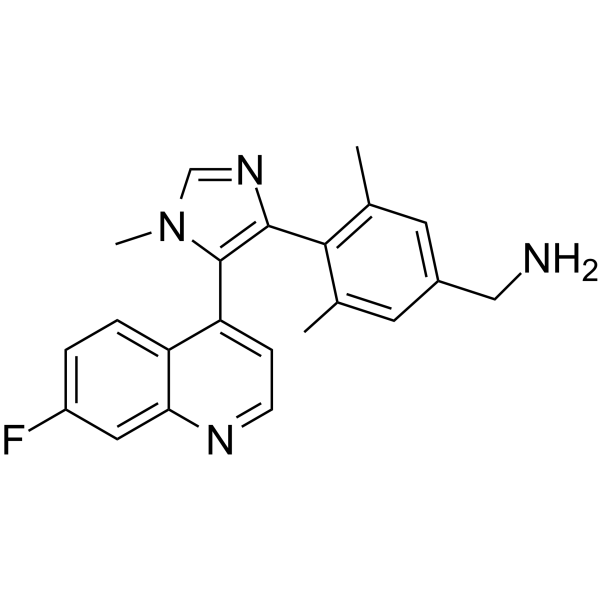
PFI-2 ((R)-PFI-2 hydrochloride) hydrochloride, a chemical probe, is a potent and selective SETdomain containing lysine methyltransferase 7 (SETD7) inhibitor. (R)-PFI-2 shows high inhibiting activity with IC50 value of 2.0 nM and (S)-PFI-2 shows inhibiting activity with IC50 value of 1.0 μM. PFI-2 hydrochloride can be used for the research of chronic kidney disease and inflammation response in the development of renal fibrosis .
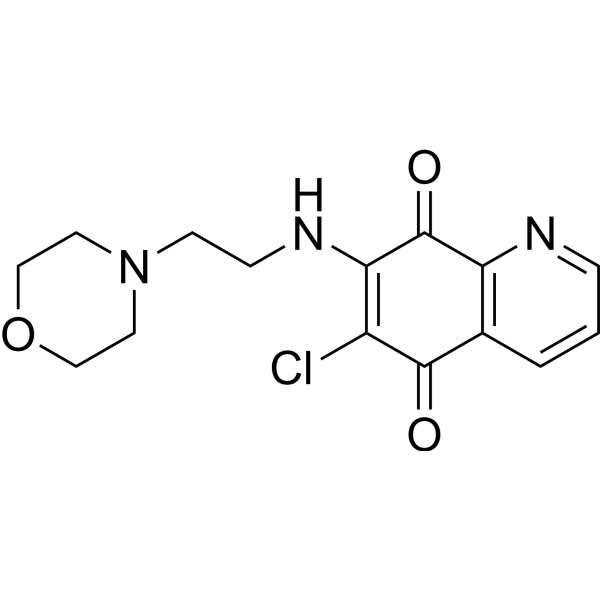
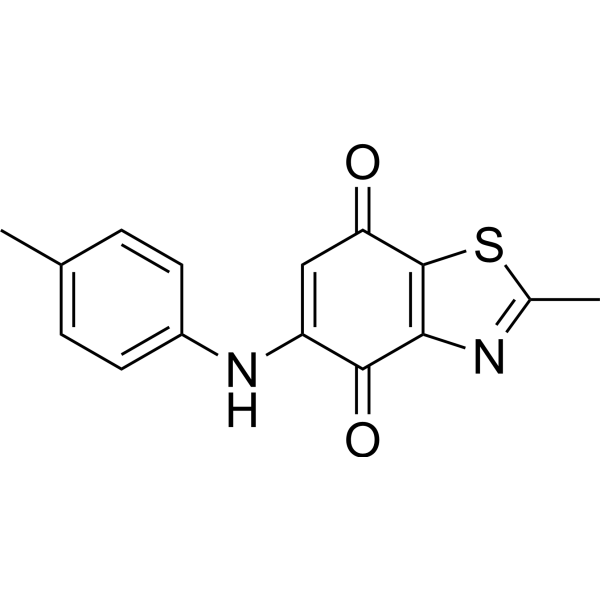
NSC 663284 (DA-3003-1) is a potent, cell-permeable, and irreversible Cdc25 dual specificity phosphatase inhibitor, has an IC50 for Cdc25B2 of 0.21 μM. NSC 663284 exhibits mixed competitive kinetics against Cdc25A, Cdc25B(2), and Cdc25C with Ki values of 29, 95, and 89 nM, respectively . NSC 663284 inhibits NSD2 (IC50 of 170 nM) through a direct interaction with the catalytic SETdomain (Kd of 370 nM) .
Ryuvidine is a potent inhibitor of SETdomain-containing protein 8(SETD8) with an IC50 of 0.5 µM and suppresses monomethylation of H4K20. Ryuvidine also inhibits CDK4 with an IC50 of 6.0 μM. Ryuvidine also inhibits KDM5A and blocks DNA synthesis. Ryuvidine has anticancer activity against tumors such as breast cancer. Ryuvidine improves arthritis .
NSD2-IN-1 (compound 38) is a potent and high selective NSD2-PWWP1 (nuclear receptor-binding SETdomain 2-PWWP1) inhibitor, with an IC50 of 0.11 μM. NSD2-IN-1 can bind to NSD2-PWWP1 and then affect the expression of genes regulated by NSD2. NSD2-IN-1 induces apoptosis and cell cycle arrest .
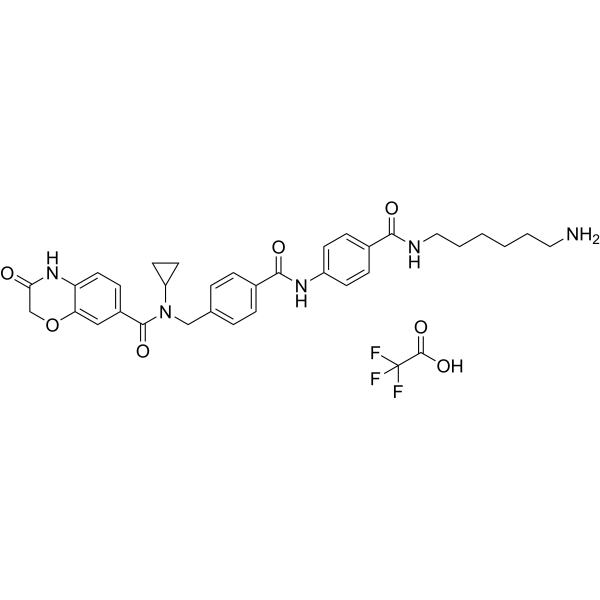
UNC8153 TFA is a potent and selective nuclear receptor-binding SETdomain-containing 2 (NSD2)-targeted degrader with a Kd of 24 nM. UNC8153 TFA reduces the cellular levels of both NSD2 protein (DC50 in cell U2OS is 0.35 μM) and the H3K36me2 chromatin mark. UNC8153 TFA contains a simple warhead that confers proteasome-dependent degradation of NSD2 .
GNA002 is a highly potent, specific and covalent EZH2 (Enhancer of zeste homolog 2) inhibitor with an IC50 of 1.1 μM. GNA002 can specifically and covalently bind to Cys668 within the EZH2-SETdomain, triggering EZH2 degradation through COOH terminus of Hsp70-interacting protein (CHIP)-mediated ubiquitination. GNA002 efficiently reduces EZH2-mediated H3K27 trimethylation, reactivates polycomb repressor complex 2 (PRC2)-silenced tumor suppressor genes .
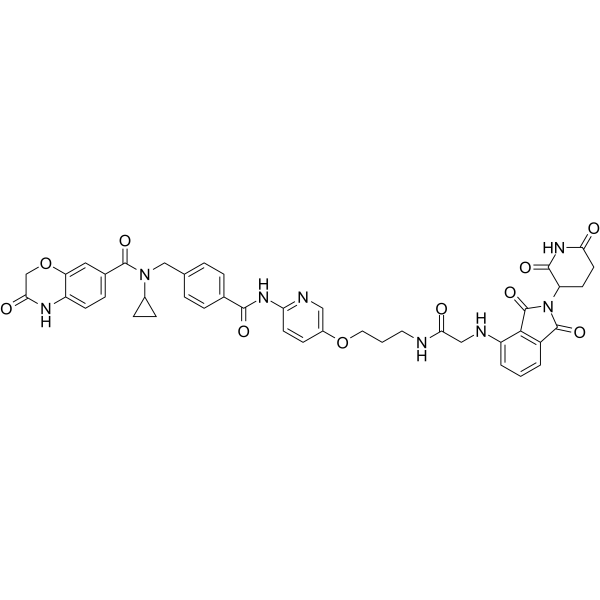
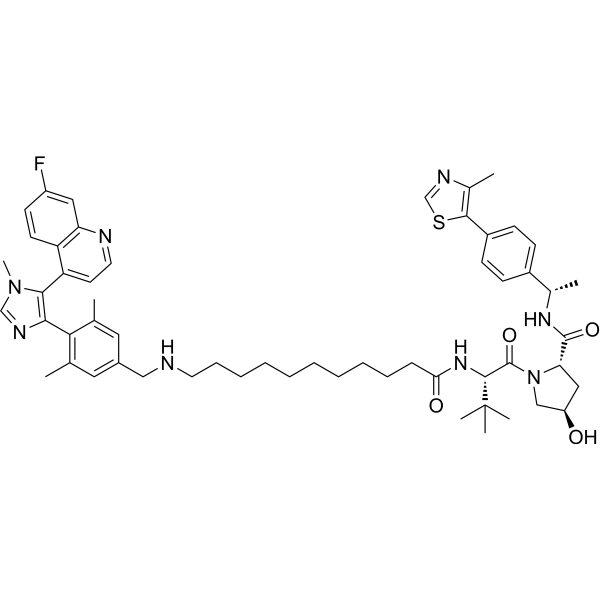
LLC0424 is a potent and selective cereblon-based PROTAC nuclear receptor-binding SETdomain-containing 2 (NSD2) degrader. LLC0424 effectively degraded NSD2 with a DC50 of 20 nM in RPMI-8402 cells. LLC0424 selectively induces NSD2 degradation in a cereblon- and proteasome-dependent fashion. (Blue: CRBN ligand (HY-14658), Black: linker (HY-40002); Pink: NSD2 inhibitor (HY-161575)) .
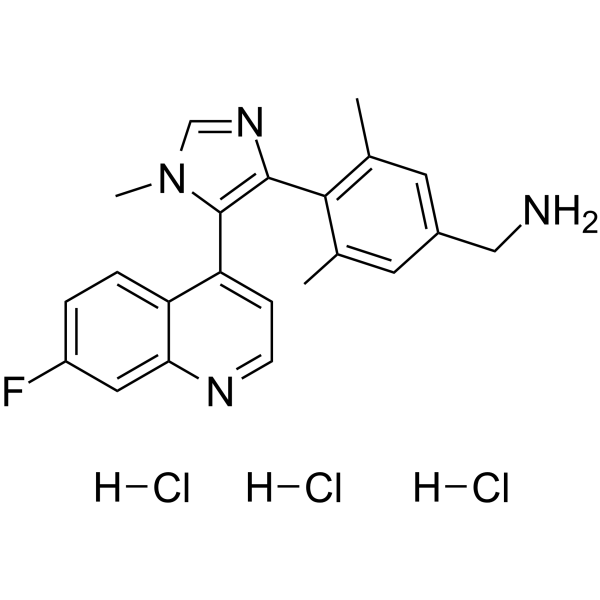
BI-9321 trihydrochloride is a potent, selective and cellular active nuclear receptor-binding SETdomain 3 (NSD3)-PWWP1 domain antagonist with a Kd value of 166 nM. BI-9321 trihydrochloride is inactive against NSD2-PWWP1 and NSD3-PWWP2. BI-9321 trihydrochloride specifically disrupts histone interactions of the NSD3-PWWP1 domain with an IC50 of 1.2 μM in U2OS cells .
MS159 is a potent nuclear receptor binding SET structural domain protein 2 (NSD2) PROTACdegrader. MS159 inhibits the growth of tumour cells. MS159 is a useful chemical tool for exploring the role of NSD2 in health and disease .
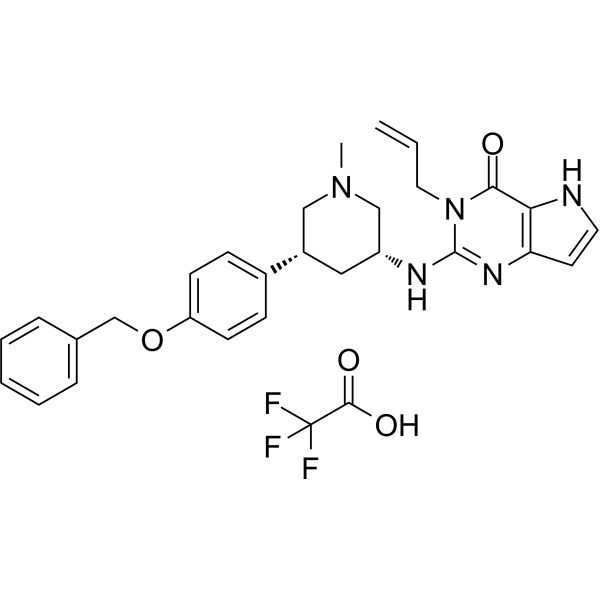
SETDB1-TTD-IN-1 TFA is a potent, selective and endogenous binder competitive ligand of SETdomain bifurcated protein 1 tandem tudor domain (SETDB1-TTD) that binds to TTD, with a Kd of 88 nM. SETDB1-TTD-IN-1 TFA increases SETDB1 methyltransferase activity. SETDB1-TTD-IN-1 TFA can be used for the research of biological functions and disease associations of SETDB1-TTD .
AS-85 is a potent ASH1L histone methyltransferase inhibitor (IC50=0.6 μM) with anti-leukemic activity. AS-85 strongly binds to the ASH1L SETdomain, with the Kd value of 0.78 μM .
NSD-IN-3 (compound 3) is a potent nuclear receptor binding SETdomain (NSD) inhibitor. NSD-IN-3 inhibits NSD2-SET and NSD3-SET with IC50 values of 0.81 μM and 0.84 μM, respectively. NSD-IN-3 inhibits histone H3K36 dimethylation and decreases the expression of NSDs-targeted genes in non-small cell lung cancer cells. NSD-IN-3 induces s-phase cell cycle arrest and apoptosis .
UNC8153 is a potent and selective nuclear receptor-binding SETdomain-containing 2 (NSD2)-targeted degrader with a Kd of 24 nM. UNC8153 reduces the cellular levels of both NSD2 protein (DC50 in cell U2OS is 0.35 μM) and the H3K36me2 chromatin mark. UNC8153 contains a simple warhead that confers proteasome-dependent degradation of NSD2 .
BI-9321, a chemical probe, is a potent, selective and cellular active nuclear receptor-binding SETdomain 3 (NSD3)-PWWP1 domain antagonist with a Kd value of 166 nM. BI-9321 is inactive against NSD2-PWWP1 and NSD3-PWWP2. BI-9321 specifically disrupts histone interactions of the NSD3-PWWP1 domain with an IC50 of 1.2 μM in U2OS cells .
ssK36 is a supersubstrate peptide of the histone methyltransferase (SET) domain protein 2 (SETD2), and ssK36 is designed for the SETD2 protein, a specific PKMT. ssK36 is responsible in human cells for adding methyl groups to the 36th lysine residue of histone H3 (H3K36) to form H3K36me3. ssK36 can be methylated by SETD2 at a rate more than 100 times faster than the natural substrate H3K36. ssK36 can be used to study the catalytic mechanism of PKMTs, especially substrate specificity and catalytic efficiency .
ssK36 TFA is a supersubstrate peptide of the histone methyltransferase (SET) domain protein 2 (SETD2) , and ssK36 TFA is designed for the SETD2 protein, a specific PKMT. ssK36 TFA is responsible in human cells for adding methyl groups to the 36th lysine residue of histone H3 (H3K36) to form H3K36me3. ssK36 TFA can be methylated by SETD2 at a rate more than 100 times faster than the natural substrate H3K36. ssK36 TFA can be used to study the catalytic mechanism of PKMTs, especially substrate specificity and catalytic efficiency .
NSC20116 is a uracil derivative that specifically targets the Set-and-Ring (SRA) domain of the oncogene UHRF1. NSC20116 binds to the 5-methylcytosine (5mC) (HY-W008091) recognition pocket of UHRF1 SRA domain, with a dissociation constant (Kd) of 362 nM. NSC20116 can be used for the study of cancer .
BI-9466 (Compound 2) is a nuclear receptor-binding SETdomain 3 (NSD3)-PWWP1 domain antagonist with a Kd of 144 µM. BI-9466 is a negative control compound of BI-9321 (HY-114208). BI-9466 has no inhibitory activity against NSD3-PWWP1 domain by introduction of a much basic nitrogen heterocycle at the 5-position of BI-9321 .
MMSET-IN-1 is a multiple myeloma SETdomain(MMSET, aka NSD2/WHSC1) inhibitor against SETD2 and MMSET with IC50s of 0.49 and 3.3 μM, respectively. MMSET-IN-1 has a Kd of 1.6 μM for MMSET .
EU-103 is a humanized monoclonal antibody targeting V-Set And Immunoglobulin Domain Containing 4 (VSIG4) with a KD value ranging from 10 −7 and 10 −9. EU-103 blocks the interaction between VSIG4 and CD8+ T cells, promotes the conversion of M2 macrophages into M1 macrophages, induces the proliferation of CD8+ T cells and the secretion of pro-inflammatory cytokines, thereby inhibiting tumor growth. EU-103 is promising for research of cancers, such as bladder cancer, breast cancer, and colon cancer .
PROTAC NSD3 degrader-1 (compound 56) is a PROTAC targeting to Nuclear receptor binding SETdomain protein NSD3. PROTAC NSD3 degrader-1 specifically induces NSD3 degradation with DC50 values of 1.43 and 0.94 μM in lung cancer cells NCI-H1703 and A549, respectively. PROTAC NSD3 degrader-1 suppresses the methylation of H3K36, induces apoptosis, and causes cell-cycle arrest. PROTAC NSD3 degrader-1 also downregulates the expression of NSD3-associated genes such as CDC25A, ALDH1A1, and IGFBP.
ND-L11B is a potent degrader of nuclear receptor binding SETdomain protein 2 (NSD2) and RE-IIBP, with the DC50 of 1.48 and 0.8 μM, the Dmax is closed to 80 % .
ND-L11B TFA is a potent degrader of nuclear receptor binding SETdomain protein 2 (NSD2) and RE-IIBP, with the DC50 of 1.48 and 0.8 μM, the Dmax is closed to 80 % .
NSD2-PWWP1 ligand 1 (compound 34) is a small molecule ligand targeting the NSD2-PWWP1 domain (pIC50: 8.2). NSD2 is a large multidomain protein with histone writer and histone reader functions. Dysregulation of the levels of histone methyltransferase nuclear receptor binding SETdomain 2 (NSD2) may lead to a variety of hematological and solid malignancies. NSD2-PWWP1 ligand 1 binds to NSD2, reducing its enzymatic activity and inhibiting tumorigenesis .
PROTAC EZH2 Degrader-23 (compound 8) is a PROTAC protein degrader targeting EZH2 with a target IC50 of 30.00 nM. PROTAC EZH2 Degrader-23 inhibits EZH2 methyltransferase activity via interaction with the EZH2SETdomain .
PROTAC EZH2 Degrader-27 is a EZH2 PROTAC inhibitor with an IC50 of 4.00 nM against EZH2. PROTAC EZH2 Degrader-27 inhibits methyltransferase activity by interacting with the SETdomain of EZH2 .
PROTAC EZH2 Degrader-38 (Compound 17) is a EZH2 PROTAC degrader with an IC50 of 165.00 nM. PROTAC EZH2 Degrader-38 functionally inhibits the methyltransferase activity of EZH2 and competitively binds to the SAM-binding pocket of the EZH2SETdomain .
NSD-IN-5 (Example 47) is a nuclear receptor-binding SETdomain (NSD) inhibitor with IC5050 values of 6 and < 1 nM for NSD1 and NSD2, respectively. NSD-IN-5 also exhibits inhibitory activity against Avg KMS11 cells with an IC5050 of 6 nM. NSD-IN-5 may be used in research on multiple myeloma .
NSC 663284 (Standard) is the analytical standard of NSC 663284 (HY-100034). This product is intended for research and analytical applications. NSC 663284 (DA-3003-1) is a potent, cell-permeable, and irreversible Cdc25 dual specificity phosphatase inhibitor, has an IC50 for Cdc25B2 of 0.21 μM. NSC 663284 exhibits mixed competitive kinetics against Cdc25A, Cdc25B(2), and Cdc25C with Ki values of 29, 95, and 89 nM, respectively . NSC 663284 inhibits NSD2 (IC50 of 170 nM) through a direct interaction with the catalytic SETdomain (Kd of 370 nM) .
ssK36 is a supersubstrate peptide of the histone methyltransferase (SET) domain protein 2 (SETD2), and ssK36 is designed for the SETD2 protein, a specific PKMT. ssK36 is responsible in human cells for adding methyl groups to the 36th lysine residue of histone H3 (H3K36) to form H3K36me3. ssK36 can be methylated by SETD2 at a rate more than 100 times faster than the natural substrate H3K36. ssK36 can be used to study the catalytic mechanism of PKMTs, especially substrate specificity and catalytic efficiency .
ssK36 TFA is a supersubstrate peptide of the histone methyltransferase (SET) domain protein 2 (SETD2) , and ssK36 TFA is designed for the SETD2 protein, a specific PKMT. ssK36 TFA is responsible in human cells for adding methyl groups to the 36th lysine residue of histone H3 (H3K36) to form H3K36me3. ssK36 TFA can be methylated by SETD2 at a rate more than 100 times faster than the natural substrate H3K36. ssK36 TFA can be used to study the catalytic mechanism of PKMTs, especially substrate specificity and catalytic efficiency .
EU-103 is a humanized monoclonal antibody targeting V-Set And Immunoglobulin Domain Containing 4 (VSIG4) with a KD value ranging from 10 −7 and 10 −9. EU-103 blocks the interaction between VSIG4 and CD8+ T cells, promotes the conversion of M2 macrophages into M1 macrophages, induces the proliferation of CD8+ T cells and the secretion of pro-inflammatory cytokines, thereby inhibiting tumor growth. EU-103 is promising for research of cancers, such as bladder cancer, breast cancer, and colon cancer .
Gambogenic acid is an active ingredient that can be isolated from gamboge. Gambogenic acid acts as an effective inhibitor of EZH2, specifically and covalently binds to Cys668 within the EZH2-SETdomain, and induces EZH2 ubiquitination. Gambogenic acid can be used for the research of cancer .
T-cell immunoreceptor with Ig and ITIM domains; ; VSIG9; VSTM3; TIGIT; V-SET and transmembrane domain-containing protein 3; V-SET and immunoglobulin domain-containing protein 9
The TIGIT protein plays a key role in immune regulation and binds with high affinity to the poliovirus receptor (PVR). This interaction induces an immunosuppressive environment by increasing IL10 secretion and decreasing IL12B secretion. TIGIT Protein, Human (HEK293, His) is the recombinant human-derived TIGIT protein, expressed by HEK293 , with C-6*His labeled tag.
T-cell immunoreceptor with Ig and ITIM domains; VSIG9; VSTM3; TIGIT; V-SET and transmembrane domain-containing protein 3; V-SET and immunoglobulin domain-containing protein 9
Ig-like domain-containing protein is a class of proteins that may be involved in protein–protein and protein–ligand interactions, therefore being involved in biological processes such as down-regulation of T cell activation or cardiac and neuronal development. TIGIT Protein, Cynomolgus (HEK293, His) is the recombinant cynomolgus-derived TIGIT protein, expressed by HEK293 , with C-6*His labeled tag.
T-cell immunoreceptor with Ig and ITIM domains; ; VSIG9; VSTM3; TIGIT; V-SET and transmembrane domain-containing protein 3; V-SET and immunoglobulin domain-containing protein 9
The TIGIT protein plays a key role in immune regulation and binds with high affinity to the poliovirus receptor (PVR). This interaction induces an immunosuppressive environment by increasing IL10 secretion and decreasing IL12B secretion. TIGIT Protein, Human (HEK293, mFc) is the recombinant human-derived TIGIT protein, expressed by HEK293 , with C-mFc labeled tag.
T-cell immunoreceptor with Ig and ITIM domains; VSIG9; VSTM3; TIGIT; V-SET and transmembrane domain-containing protein 3; V-SET and immunoglobulin domain-containing protein 9
T-cell immunoreceptor with Ig and ITIM domains; VSIG9; VSTM3; TIGIT; V-SET and transmembrane domain-containing protein 3; V-SET and immunoglobulin domain-containing protein 9
Ig-like domain-containing protein is a class of proteins that may be involved in protein–protein and protein–ligand interactions, therefore being involved in biological processes such as down-regulation of T cell activation or cardiac and neuronal development. TIGIT Protein, Cynomolgus (HEK293, C-hFc) is the recombinant cynomolgus-derived TIGIT protein, expressed by HEK293 , with C-hFc labeled tag.
T-cell immunoreceptor with Ig and ITIM domains; ; VSIG9; VSTM3; TIGIT; V-SET and transmembrane domain-containing protein 3; V-SET and immunoglobulin domain-containing protein 9
The TIGIT protein plays a key role in immune regulation and binds with high affinity to the poliovirus receptor (PVR). This interaction induces an immunosuppressive environment by increasing IL10 secretion and decreasing IL12B secretion. TIGIT dimer Protein, Human (HEK293, His) is the recombinant human-derived TIGIT protein, expressed by HEK293 , with N-His labeled tag.
V-set and immunoglobulin domain containing 4 (Vsig4) is a membrane protein belonging to complement receptor of the immunoglobulin superfamily. Vsig4 may be a negative regulator of T-cell responses and interleukin-2 production, Vsig4 also mediates clearance of C3b opsonized pathogens by binding C3b. The expression of VSIG4 is restricted to tissue macrophages where Vsig4 inhibits proinflammatory macrophage activation by reprogramming mitochondrial pyruvate metabolism. VSIG4 Protein, Mouse (HEK293, His) is the recombinant mouse-derived VSIG4 protein, expressed by HEK293 , with C-6*His labeled tag.
Chromosome 11 open reading frame 90; CK090 HUMAN; Uncharacterized protein C11orf90; V SET and transmembrane domain containing 5; V-SET and transmembrane domain-containing protein 5
The VSTM5 protein acts as a cell adhesion-like membrane protein in the central nervous system (CNS) and exerts a critical influence on the positioning and complexity of central neurons by regulating their membrane morphology and dynamics. It is actively involved in the formation of neuronal dendrites and protrusions, including dendritic filopodia, contributing to the complex structure of neural networks. VSTM5 Protein, Human (His) is the recombinant human-derived VSTM5 protein, expressed by E. coli , with N-His labeled tag.
T-cell immunoreceptor with Ig and ITIM domains; VSIG9; VSTM3; TIGIT; V-SET and transmembrane domain-containing protein 3; V-SET and immunoglobulin domain-containing protein 9
V-set and immunoglobulin domain-containing protein 8 (VSIG8) is a membrane protein belonging to complement receptor of the immunoglobulin superfamily. VSIG8 has RNA binding activity and is a human T-cell co-inhibitory ligand. VSIG-8 inhibits the production of cytokines, chemokines and other proteins on T cells, and also suppresses T cell proliferation and differentiation of na茂ve T cells. VSIG8 Protein, Human (HEK293, His) is the recombinant human-derived VSIG8 protein, expressed by HEK293 , with C-6*His labeled tag.
V-set and immunoglobulin domain-containing protein 8 (VSIG8) is a membrane protein belonging to complement receptor of the immunoglobulin superfamily. VSIG8 has RNA binding activity and is a human T-cell co-inhibitory ligand. VSIG-8 inhibits the production of cytokines, chemokines and other proteins on T cells, and also suppresses T cell proliferation and differentiation of na茂ve T cells. VSIG8 Protein, Human (HEK293, Fc) is the recombinant human-derived VSIG8 protein, expressed by HEK293 , with C-hFc labeled tag.
The VSTM2A protein is a key player in early white and brown preadipocyte differentiation and actively promotes adipogenesis by upregulating the transcription factor PPARG. This regulation operates in BMP4-dependent signaling pathways, highlighting the complex molecular mechanisms involved in differentiation. VSTM2A Protein, Human ( E84K, HEK293, His) is the recombinant human-derived VSTM2A protein, expressed by HEK293 , with C-6*His labeled tag and E84K mutation.
VSIG2 is also known as CTXL (cortical thymocyte like-protein). VSIG2 promotes malignant progression of pancreatic ductal adenocarcinoma through LAMtor2-mediated mTOR activation. VSIG2 can be used as a potential biomarker or therapeutic target for tumors. VSIG2 Protein, Human (Biotinylated, HEK293, His) is the recombinant human-derived VSIG2 protein, expressed by HEK293 , with C-His labeled tag.
V-set and immunoglobulin domain containing 4 (Vsig4) is a membrane protein belonging to complement receptor of the immunoglobulin superfamily. Vsig4 may be a negative regulator of T-cell responses and interleukin-2 production, Vsig4 also mediates clearance of C3b opsonized pathogens by binding C3b. The expression of VSIG4 is restricted to tissue macrophages where Vsig4 inhibits proinflammatory macrophage activation by reprogramming mitochondrial pyruvate metabolism. VSIG4 Protein, Mouse (HEK293, His-Fc) is the recombinant mouse-derived VSIG4 protein, expressed by HEK293 , with C-hFc, C-His labeled tag.
VSIG4 Protein, a phagocytic receptor, robustly inhibits T-cell proliferation and IL2 production, serving as a potent alternative complement pathway convertase inhibitor. VSIG4 Protein, Human (HEK293, Fc) is the recombinant human-derived VSIG4 protein, expressed by HEK293 , with C-hFc labeled tag.
VSIG4 Protein, a phagocytic receptor, robustly inhibits T-cell proliferation and IL2 production, serving as a potent alternative complement pathway convertase inhibitor. VSIG4 Protein, Human (HEK293, His) is the recombinant human-derived VSIG4 protein, expressed by HEK293 , with C-6*His labeled tag.
VSTM1 interacts with S100A10 protein, inducing the dimerization of ANXA2/p36. This suggests a regulatory role in protein phosphorylation, with ANXA2 monomer being the preferred target for tyrosine-specific kinase in vitro. The resulting heterotetramer comprises two light chains of S100A10/p11 and two heavy chains of ANXA2/p36. Furthermore, VSTM1 engages with SCN10A and TASOR, indicating its participation in diverse molecular interactions. VSTM1 Protein, Human (HEK293, Fc) is the recombinant human-derived VSTM1 protein, expressed by HEK293 , with C-hFc labeled tag.
VSIG2 is also known as CTXL (cortical thymocyte like-protein). VSIG2 promotes malignant progression of pancreatic ductal adenocarcinoma through LAMtor2-mediated mTOR activation. VSIG2 can be used as a potential biomarker or therapeutic target for tumors. VSIG2 Protein, Human (HEK293, His) is the recombinant human-derived VSIG2 protein, expressed by HEK293 , with C-6*His labeled tag.
TIGIT protein, with signaling receptor binding activity, functions upstream of T cell activation suppression. Active on the cell surface, it shares orthology with human TIGIT. Associated with modulating T cell responses, TIGIT exhibits biased expression, notably in the large intestine, small intestine, and other tissues. This highlights its potential in immune regulation within these contexts. TIGIT Protein, Mouse (110a.a, HEK293, His) is the recombinant mouse-derived TIGIT protein, expressed by HEK293 , with C-6*His labeled tag.
VSTM1 interacts with S100A10 protein, inducing the dimerization of ANXA2/p36. This suggests a regulatory role in protein phosphorylation, with ANXA2 monomer being the preferred target for tyrosine-specific kinase in vitro. The resulting heterotetramer comprises two light chains of S100A10/p11 and two heavy chains of ANXA2/p36. Furthermore, VSTM1 engages with SCN10A and TASOR, indicating its participation in diverse molecular interactions. VSTM1 Protein, Human (119a.a, HEK293, His) is the recombinant human-derived VSTM1 protein, expressed by HEK293 , with C-6*His labeled tag.
The B7-H4 protein acts as a negative regulator and inhibits T cell-mediated immune responses, including activation, proliferation, cytokine production, and cytotoxicity. Significant significance can be observed when expressed on tumor macrophages, cooperating with regulatory T cells (Tregs) to suppress tumor-associated antigen-specific T cell immunity. B7-H4 Protein, Mouse (HEK293, His) is the recombinant mouse-derived B7-H4 protein, expressed by HEK293 , with C-His labeled tag.
The B7-H4 protein acts as a negative regulator, inhibiting T cell-mediated immune responses, including activation, proliferation, cytokine production, and cytotoxicity. When expressed on tumor macrophages, it cooperates with regulatory T cells to suppress tumor-associated antigen-specific T cell immunity. B7-H4 Protein, Human (HEK293, His) is the recombinant human-derived B7-H4 protein, expressed by HEK293 , with C-His labeled tag.
The B7-H4 protein acts as a negative regulator, inhibiting T cell activation, proliferation, cytokine production, and cytotoxicity. When expressed on tumor macrophages, it cooperates with regulatory T cells (Tregs) to suppress tumor-associated antigen-specific T cell immunity and create an immunosuppressive microenvironment. B7-H4 Protein, Rat (HEK293, His) is the recombinant rat-derived B7-H4 protein, expressed by HEK293 , with C-His labeled tag.
The B7-H4 protein acts as a negative regulator, inhibiting T cell-mediated immune responses, including activation, proliferation, cytokine production, and cytotoxicity. When expressed on tumor macrophages, it cooperates with regulatory T cells to suppress tumor-associated antigen-specific T cell immunity. B7-H4 Protein, Human (Biotinylated, HEK293, His) is the recombinant human-derived B7-H4 protein, expressed by HEK293 , with C-His labeled tag.
The B7-H4 protein acts as a negative regulator, inhibiting T cell-mediated immune responses, including activation, proliferation, cytokine production, and cytotoxicity. When expressed on tumor macrophages, it cooperates with regulatory T cells to suppress tumor-associated antigen-specific T cell immunity. B7-H4 Protein, Human (HEK293, His, solution) is the recombinant human-derived B7-H4 protein, expressed by HEK293 , with C-His labeled tag.
The B7-H4 protein acts as a negative regulator and inhibits T cell-mediated immune responses, including activation, proliferation, cytokine production, and cytotoxicity. Significant significance can be observed when expressed on tumor macrophages, cooperating with regulatory T cells (Tregs) to suppress tumor-associated antigen-specific T cell immunity. Azide-labeled B7-H4 Protein, Mouse (HEK293, His) is the recombinant mouse-derived Azide-labeled B7-H4 protein, expressed by HEK293, with C-His labeled tag.
B7-H4 Protein, Mouse (HEK293, Fc) may participate in negative regulation of cell-mediated immunity in peripheral tissues. Cell-associated B7-H4 could also inhibit T cell response. B7-H4 acts as a morphogenic factor for cancer cells.
B7-H4 Protein, Human (HEK293, Fc) may participate in negative regulation of cell-mediated immunity in peripheral tissues. Cell-associated B7-H4 could also inhibit T cell response. B7-H4 acts as a morphogenic factor for cancer cells.
B7-H4 Protein, Rhesus macaque (HEK293, His) may participate in negative regulation of cell-mediated immunity in peripheral tissues. Cell-associated B7-H4 could also inhibit T cell response. B7-H4 acts as a morphogenic factor for cancer cells.
B7-H4 Protein, Rhesus macaque (HEK293, Fc) may participate in negative regulation of cell-mediated immunity in peripheral tissues. Cell-associated B7-H4 could also inhibit T cell response. B7-H4 acts as a morphogenic factor for cancer cells.
The B7-H4 protein acts as a negative regulator, inhibiting T cell-mediated immune responses, including activation, proliferation, cytokine production, and cytotoxicity. When expressed on tumor macrophages, it cooperates with regulatory T cells to suppress tumor-associated antigen-specific T cell immunity. B7-H4 Protein, Human (Biotinylated, HEK293, Fc-Avi) is the recombinant human-derived B7-H4 protein, expressed by HEK293 , with C-Avi, C-hFc labeled tag.
Histone methyltransferase SMYD2; HSKM B; HSKM-B; HSKMB; KMT3C; Lysine N-methyltransferase 3C; MGC119305; N lysine methyltransferase SMYD2; N-lysine methyltransferase SMYD2; SET and MYND domain containing 2; SET and MYND domain containing protein 2; SET and MYND domain-containing protein 2; Smyd2; SMYD2_HUMAN; Zinc finger MYND domain containing 14; ZMYND14.
WB, IHC-P, IF-Tissue
Human, Mouse
SMYD2 Antibody is a Rabbit-derived and non-conjugated polyclonal antibody, targeting to SMYD2.
FLJ23286 antibody; IL5 promoter REII region binding protein antibody; KIAA1090 antibody; MGC176638 antibody; MMSET antibody; MMSET type II antibody; Multiple myeloma SETdomain containing protein type III antibody; Multiple myeloma SETdomain protein antibody; Multiple myeloma SETdomain-containing protein antibody; NSD 2 antibody; FLJ23286 antibody; IL5 promoter REII region binding protein antibody; KIAA1090 antibody; MGC176638 antibody; MMSET antibody; MMSET type II antibody; Multiple myeloma SETdomain containing protein type III antibody; Multiple myeloma SETdomain protein antibody; Multiple myeloma SETdomain-containing protein antibody; NSD 2 antibody; NSD2 antibody; NSD2_HUMAN antibody; Nuclear receptor binding SETdomain protein 2 antibody; Nuclear SETdomain-containing protein 2 antibody; Probable histone-lysine N-methyltransferase NSD2 antibody; Protein trithorax-5 antibody; REIIBP antibody; Trithorax/ash1 related protein 5 antibody; TRX5 antibody; TRX5 protein antibody; WHS antibody; Whsc1 antibody; Wolf Hirschhorn syndrome candidate 1 antibody; Wolf Hirschhorn syndrome candidate 1 protein antibody; Wolf-Hirschhorn syndrome candidate 1 protein antibody;
WB, IHC-P
Human, Mouse, Rat
REIIBP/NSD2 Antibody (YA6742) is a Rabbit-derived and non-conjugated IgG monoclonal antibody, targeting to REIIBP/NSD2.
BOP; CD8 beta opposite; CD8b opposite; Histone lysine N methyltransferase SMYD1; KMT3D; SET and MYND domain-containing protein 1; SMYD1; SMYD1_HUMAN; Zinc finger MYND domain containing 18; ZMYND18; ZMYND22; zinc finger, MYND domain containing 18.
WB
Rat
SMYD1 Antibody (YA5193) is a Mouse-derived and non-conjugated monoclonal antibody, targeting to SMYD1.
Complement receptor of the immunoglobulin superfamily antibody; CRIg antibody; Ig superfamily protein antibody; Protein Z39Ig antibody; UNQ317/PRO362 antibody; V SET and immunoglobulin domain containing 4 antibody; V-SET and immunoglobulin domain-containing protein 4 antibody; VSIG4 antibody; VSIG4_HUMAN antibody; Z39IG antibody;
WB, IHC-P
Human
VSIG4 Antibody (YA6838) is a Rabbit-derived and non-conjugated IgG monoclonal antibody, targeting to VSIG4.
(5)
Product Comparison
Compare
Clear All
Compare Products
Products
In-stock
-
+
Add to Cart
Cat. No.
Host
Reactivity
Application
Dilution Ratio
Molecular Weight
Conjugation
Clonality
Immunogen
Appearance
Isotype
Gene ID
SwissProt ID
Purity
Formulation
Free Sample
YesNo
Size
* This product has been "discontinued".
Optimized version of product available:
/
In-stock
-
+
Add to Cart
Get quote
Inquiry Online
Your information is safe with us. * Required Fields.
Western blot analysis of extracts from THP-1(lane 2(20μg), Jurkat (lane 3(20μg) and NIH3T3(lane 4(20μg) using FOXO1A (HY-P80132) Rabbit mAb. Proteins were transferred
to a PVDF membrane and blocked with 5% non-fat milk in TBST for 2 hour at room temperature. The primary antibody (1/1000) and Loading control antibody (Beta Actin, HY-P80438, 1/10000) was
used in 5% non-fat milk in TBST at 4°C overnight. Goat Anti-Mouse/Rabbit IgG-HRP Secondary Antibody (1/10000) was used for 1 hour at room temperature.
Western blot analysis of extracts from THP-1(lane 2(20μg), Jurkat (lane 3(20μg) and NIH3T3(lane 4(20μg) using FOXO1A (HY-P80132) Rabbit mAb. Proteins were transferred
to a PVDF membrane and blocked with 5% non-fat milk in TBST for 2 hour at room temperature. The primary antibody (1/1000) and Loading control antibody (Beta Actin, HY-P80438, 1/10000) was
used in 5% non-fat milk in TBST at 4°C overnight. Goat Anti-Mouse/Rabbit IgG-HRP Secondary Antibody (1/10000) was used for 1 hour at room temperature.
Western blot analysis of extracts from THP-1(lane 2(20μg), Jurkat (lane 3(20μg) and NIH3T3(lane 4(20μg) using FOXO1A (HY-P80132) Rabbit mAb. Proteins were transferred
to a PVDF membrane and blocked with 5% non-fat milk in TBST for 2 hour at room temperature. The primary antibody (1/1000) and Loading control antibody (Beta Actin, HY-P80438, 1/10000) was
used in 5% non-fat milk in TBST at 4°C overnight. Goat Anti-Mouse/Rabbit IgG-HRP Secondary Antibody (1/10000) was used for 1 hour at room temperature.
Western blot analysis of extracts from THP-1(lane 2(20μg), Jurkat (lane 3(20μg) and NIH3T3(lane 4(20μg) using FOXO1A (HY-P80132) Rabbit mAb. Proteins were transferred
to a PVDF membrane and blocked with 5% non-fat milk in TBST for 2 hour at room temperature. The primary antibody (1/1000) and Loading control antibody (Beta Actin, HY-P80438, 1/10000) was
MedchemExpress Validation 03
Western blot analysis of extracts from THP-1(lane 2(20μg), Jurkat (lane 3(20μg) and NIH3T3(lane 4(20μg) using FOXO1A (HY-P80132) Rabbit mAb. Proteins were transferred
MedchemExpress Validation 04
Western blot analysis of extracts from THP-1(lane 2(20μg), Jurkat (lane 3(20μg) and NIH3T3(lane 4(20μg) using FOXO1A (HY-P80132) Rabbit mAb. Proteins were transferred
to a PVDF membrane and blocked with 5% non-fat milk in TBST for 2 hour at room temperature. The primary antibody (1/1000) and Loading control antibody (Beta Actin, HY-P80438, 1/10000) was
used in 5% non-fat milk in TBST at 4°C overnight. Goat Anti-Mouse/Rabbit IgG-HRP Secondary Antibody (1/10000) was used for 1 hour at room temperature.
MedchemExpress Validation
Western blot analysis of extracts from THP-1(lane 2(20μg), Jurkat (lane 3(20μg) and NIH3T3(lane 4(20μg) using FOXO1A (HY-P80132) Rabbit mAb. Proteins were transferred
to a PVDF membrane and blocked with 5% non-fat milk in TBST for 2 hour at room temperature. The primary antibody (1/1000) and Loading control antibody (Beta Actin, HY-P80438, 1/10000) was
used in 5% non-fat milk in TBST at 4°C overnight. Goat Anti-Mouse/Rabbit IgG-HRP Secondary Antibody (1/10000) was used for 1 hour at room temperature.
Western blot analysis of extracts from THP-1(lane 2(20μg), Jurkat (lane 3(20μg) and NIH3T3(lane 4(20μg) using FOXO1A (HY-P80132) Rabbit mAb. Proteins were transferred
to a PVDF membrane and blocked with 5% non-fat milk in TBST for 2 hour at room temperature. The primary antibody (1/1000) and Loading control antibody (Beta Actin, HY-P80438, 1/10000) was
used in 5% non-fat milk in TBST at 4°C overnight. Goat Anti-Mouse/Rabbit IgG-HRP Secondary Antibody (1/10000) was used for 1 hour at room temperature.
MedchemExpress Validation
Western blot analysis of extracts from THP-1(lane 2(20μg), Jurkat (lane 3(20μg) and NIH3T3(lane 4(20μg) using FOXO1A (HY-P80132) Rabbit mAb. Proteins were transferred
to a PVDF membrane and blocked with 5% non-fat milk in TBST for 2 hour at room temperature. The primary antibody (1/1000) and Loading control antibody (Beta Actin, HY-P80438, 1/10000) was
used in 5% non-fat milk in TBST at 4°C overnight. Goat Anti-Mouse/Rabbit IgG-HRP Secondary Antibody (1/10000) was used for 1 hour at room temperature.
MedchemExpress Validation
Western blot analysis of extracts from THP-1(lane 2(20μg), Jurkat (lane 3(20μg) and NIH3T3(lane 4(20μg) using FOXO1A (HY-P80132) Rabbit mAb. Proteins were transferred
to a PVDF membrane and blocked with 5% non-fat milk in TBST for 2 hour at room temperature. The primary antibody (1/1000) and Loading control antibody (Beta Actin, HY-P80438, 1/10000) was
used in 5% non-fat milk in TBST at 4°C overnight. Goat Anti-Mouse/Rabbit IgG-HRP Secondary Antibody (1/10000) was used for 1 hour at room temperature.
MedchemExpress Validation
Western blot analysis of extracts from THP-1(lane 2(20μg), Jurkat (lane 3(20μg) and NIH3T3(lane 4(20μg) using FOXO1A (HY-P80132) Rabbit mAb. Proteins were transferred
to a PVDF membrane and blocked with 5% non-fat milk in TBST for 2 hour at room temperature. The primary antibody (1/1000) and Loading control antibody (Beta Actin, HY-P80438, 1/10000) was
used in 5% non-fat milk in TBST at 4°C overnight. Goat Anti-Mouse/Rabbit IgG-HRP Secondary Antibody (1/10000) was used for 1 hour at room temperature.
MedchemExpress Validation
Western blot analysis of extracts from THP-1(lane 2(20μg), Jurkat (lane 3(20μg) and NIH3T3(lane 4(20μg) using FOXO1A (HY-P80132) Rabbit mAb. Proteins were transferred
to a PVDF membrane and blocked with 5% non-fat milk in TBST for 2 hour at room temperature. The primary antibody (1/1000) and Loading control antibody (Beta Actin, HY-P80438, 1/10000) was
used in 5% non-fat milk in TBST at 4°C overnight. Goat Anti-Mouse/Rabbit IgG-HRP Secondary Antibody (1/10000) was used for 1 hour at room temperature.
MedchemExpress Validation
Western blot analysis of extracts from THP-1(lane 2(20μg), Jurkat (lane 3(20μg) and NIH3T3(lane 4(20μg) using FOXO1A (HY-P80132) Rabbit mAb. Proteins were transferred
to a PVDF membrane and blocked with 5% non-fat milk in TBST for 2 hour at room temperature. The primary antibody (1/1000) and Loading control antibody (Beta Actin, HY-P80438, 1/10000) was
used in 5% non-fat milk in TBST at 4°C overnight. Goat Anti-Mouse/Rabbit IgG-HRP Secondary Antibody (1/10000) was used for 1 hour at room temperature.
MedchemExpress Validation
Western blot analysis of extracts from THP-1(lane 2(20μg), Jurkat (lane 3(20μg) and NIH3T3(lane 4(20μg) using FOXO1A (HY-P80132) Rabbit mAb. Proteins were transferred
to a PVDF membrane and blocked with 5% non-fat milk in TBST for 2 hour at room temperature. The primary antibody (1/1000) and Loading control antibody (Beta Actin, HY-P80438, 1/10000) was
used in 5% non-fat milk in TBST at 4°C overnight. Goat Anti-Mouse/Rabbit IgG-HRP Secondary Antibody (1/10000) was used for 1 hour at room temperature.
MedChemExpress values your privacy and your trust is important to us. We use cookies to enhance your website experience. Some cookies are necessary to run the website.
Privacy and Cookie Policy