Search Result
Results for "
cAMP+production
" in MedChemExpress (MCE) Product Catalog:
6
Isotope-Labeled Compounds
| Cat. No. |
Product Name |
Target |
Research Areas |
Chemical Structure |
-
- HY-P0036
-
Octreotide
Maximum Cited Publications
16 Publications Verification
SMS 201-995
|
Somatostatin Receptor
Apoptosis
|
Cardiovascular Disease
Inflammation/Immunology
Endocrinology
Cancer
|
|
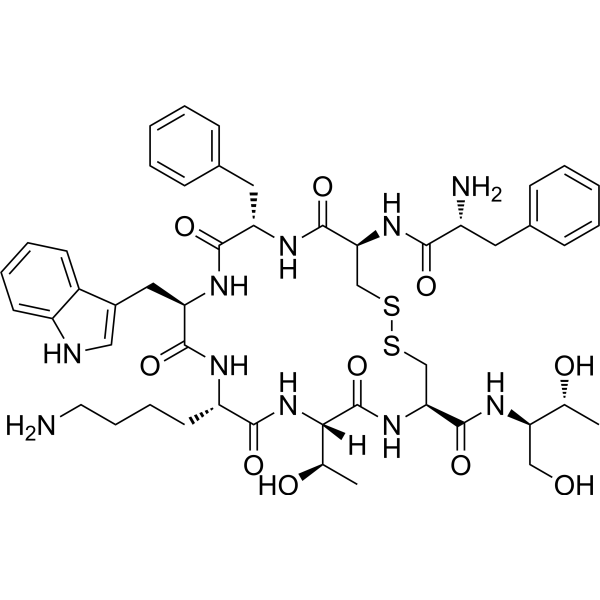
Octreotide (SMS 201-995) is a somatostatin receptor agonist and synthetic octapeptide endogenous somatostatin analogue. Octreotide (SMS 201-995) can bind to the somatostatin receptor and mainly subtypes 2, 3, and 5, increases Gi activity, and reduces intracellular cAMP production. Octreotide (SMS 201-995) has antitumor activity, mediates apoptosis and may also be used in disease studies in acromegaly .
|
-
-
- HY-15498
-
|
BMS-927711; BHV-3000
|
CGRP Receptor
|
Neurological Disease
|
|
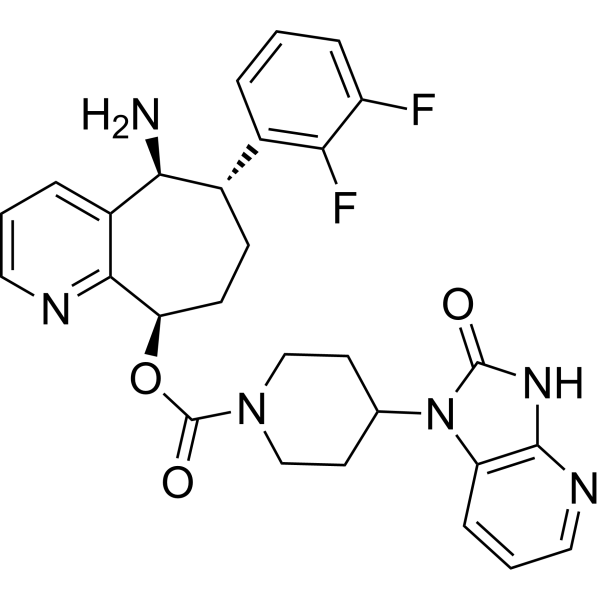
Rimegepant (BMS-927711; BHV-3000) is an orally bioavailable and blood-brain barrier permeable antagonist of CGRP and AMY1 receptors, with a pIC50 of 8.01 and a Ki of 0.027 nM for human CGRP receptors. Rimegepant antagonizes cAMP production induced by αCGRP, βCGRP and amylin at CGRP and AMY1 receptors in humans, rats and mice, as well as at rat AMY3 receptors. Rimegepant can be used in research related to migraine .
|
-
-
- HY-P1852
-
|
|
Adenylate Cyclase
PTHR
|
Neurological Disease
|
|
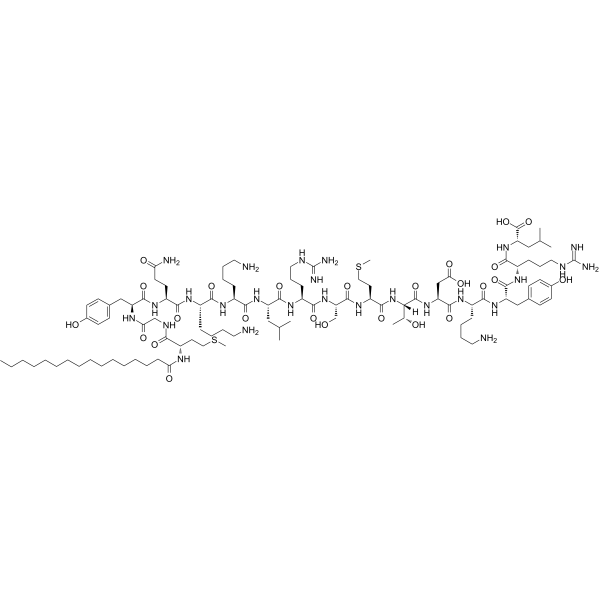
TIP 39, Tuberoinfundibular Neuropeptide is an endogenous PTH2 receptor agonist and antihypertensive agent. TIP 39, Tuberoinfundibular Neuropeptide selectively activates the PTH2 receptor with no activity on the PTH1 receptor, stimulates cAMP production, activates adenylate cyclase, and elevates intracellular calcium levels via mobilization from intracellular stores. TIP 39, Tuberoinfundibular Neuropeptide is highly conserved in humans, mice, and rats. TIP 39, Tuberoinfundibular Neuropeptide is applicable to research related to nociception and inflammation-induced pain .
|
-

-
- HY-P0172
-
|
|
CXCR
|
Inflammation/Immunology
Endocrinology
Cancer
|
|
ATI-2341 is a potent and functionally selective allosteric agonist of C-X-C chemokine receptor type 4 (CXCR4), which functions as a biased ligand, favoring Gαi activation over Gα13. ATI-2341 activates the inhibitory heterotrimeric G protein (Gi) to promote inhibition of cAMP production and induce calcium mobilization. ATI-2341 is a potent and efficacious mobilizer of bone marrow polymorphonuclear neutrophils (PMNs) and hematopoietic stem and progenitor cells (HSPCs) .
|
-
-
- HY-N0113
-
-
-
- HY-W140439
-
|
18:1 Lyso PC
|
Endogenous Metabolite
|
Inflammation/Immunology
|
|
1-Oleoyl-sn-glycero-3-phosphocholine (18:1 Lyso PC), a lysophospholipid, is a GPR82 inhibitor. 1-Oleoyl-sn-glycero-3-phosphocholine abrogates constitutive Gi-coupled GPR82 activity, shifts active/inactive equilibrium to inactive, suppresses Gi protein activation, increases cAMP production, and decreases GTPγS binding to Gαi proteins. 1-Oleoyl-sn-glycero-3-phosphocholine contributes to adipocyte lipolysis regulation.1-Oleoyl-sn-glycero-3-phosphocholine exhibits reduced serum levels in mouse models of steatohepatitis, linked to hepatic Lpcat 1-4 up-regulation .
|
-

-
- HY-100656
-
|
|
Dopamine Receptor
5-HT Receptor
|
Neurological Disease
|
|
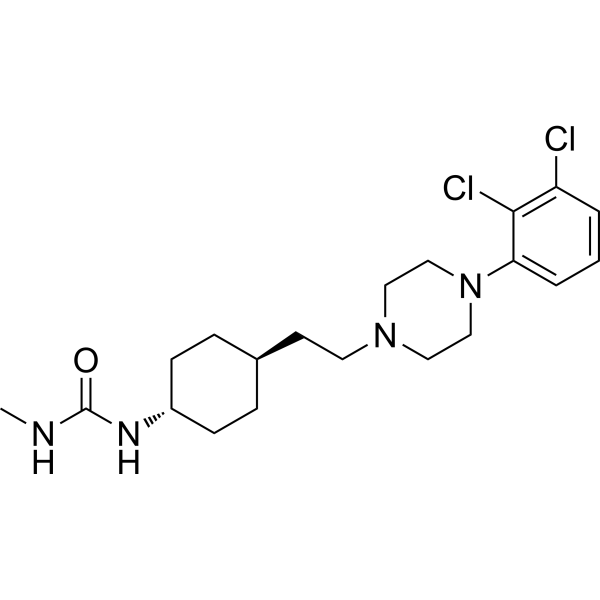
Desmethyl cariprazine is a major active metabolite of cariprazine, with activities at human dopamine receptors and serotonin receptors, showing a pEC50 of 8.90 at human D2 receptors, a pEC50 of 8.09 at D3 receptors, and a pEC50 of 6.28 at 5-HT1A receptors. Desmethyl cariprazine inhibits forskolin-induced cAMP production at D2, D3 and 5-HT1A receptors, and suppresses serotonin-induced Ca 2+ release at 5-HT2B receptors. Desmethyl cariprazine is applicable to research related to schizophrenia, bipolar disorder type I and bipolar disorder.
|
-
-
- HY-P0172A
-
|
|
CXCR
|
Inflammation/Immunology
Endocrinology
Cancer
|
|
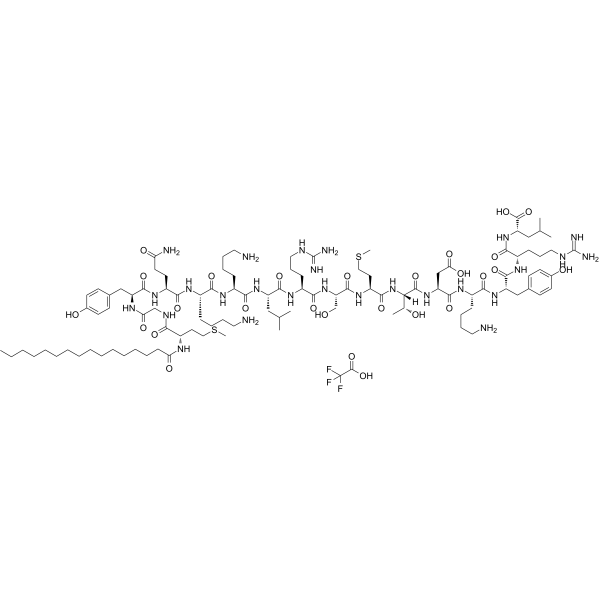
ATI-2341 is a potent and functionally selective allosteric agonist of C-X-C chemokine receptor type 4 (CXCR4), which functions as a biased ligand, favoring Gαi activation over Gα13. ATI-2341 activates the inhibitory heterotrimeric G protein (Gi) to promote inhibition of cAMP production and induce calcium mobilization. ATI-2341 is a potent and efficacious mobilizer of bone marrow polymorphonuclear neutrophils (PMNs) and hematopoietic stem and progenitor cells (HSPCs) .
|
-
-
- HY-100013C
-
|
|
GPR88
|
Neurological Disease
|
|
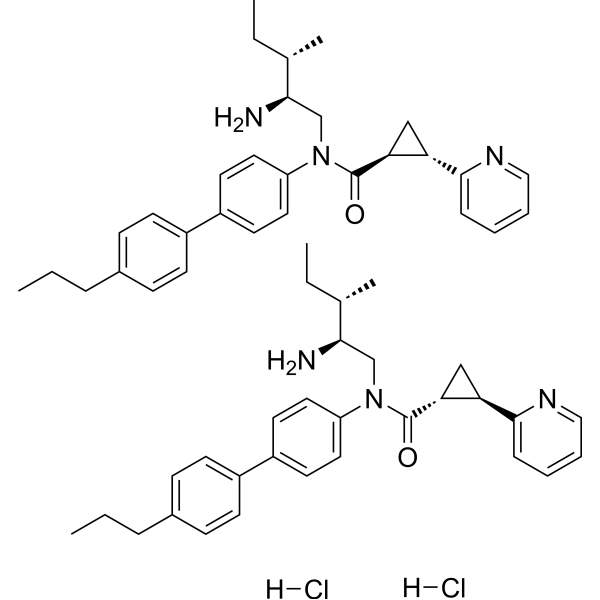
2-PCCA hydrochloride is a GPR88 receptor agonist, and inhibits GPR88-mediated cAMP production, with an EC50 of 116 nM in HEK293 cells.
|
-
-
- HY-116874
-
|
|
Dopamine Receptor
|
Neurological Disease
|
|
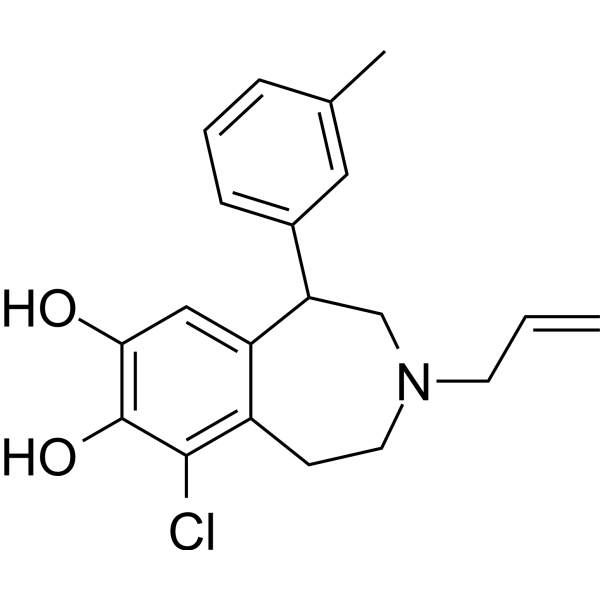
SKF 83822 is an atypical agonist of dopamine D1 receptor. SKF 83822 activates adenylyl cyclase (AC), but not phospholipase C (PLC). SKF 83822 is also proved to stimulate AC via cAMP production. SKF 83822 can be used for research of schizophrenia .
|
-
-
- HY-128932
-
|
MT-141
|
Antibiotic
Bacterial
PPAR
Prostaglandin Receptor
PTEN
Akt
mTOR
|
Infection
Cardiovascular Disease
Endocrinology
|
|
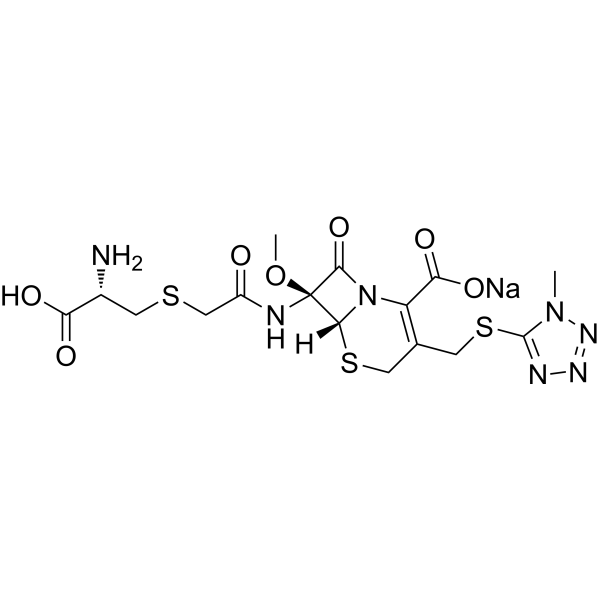
Cefminox sodium (MT-141) is a semisynthetic cephamycin, which exhibits antibacterial activity. Cefminox sodium is a broad-spectrum, bactericidal cephalosporin antibiotic. Cefminox sodium also acts as a dual agonist of prostacyclin receptor (IP) and PPARγ. Cefminox sodium upregulates cAMP production and PTEN expression and inhibits Akt/mTOR signaling. Cefminox sodium also prevents pulmonary arterial hypertension in rat model .
|
-
-
- HY-111385
-
|
|
Dopamine Receptor
5-HT Receptor
Arrestin
|
Neurological Disease
|
|
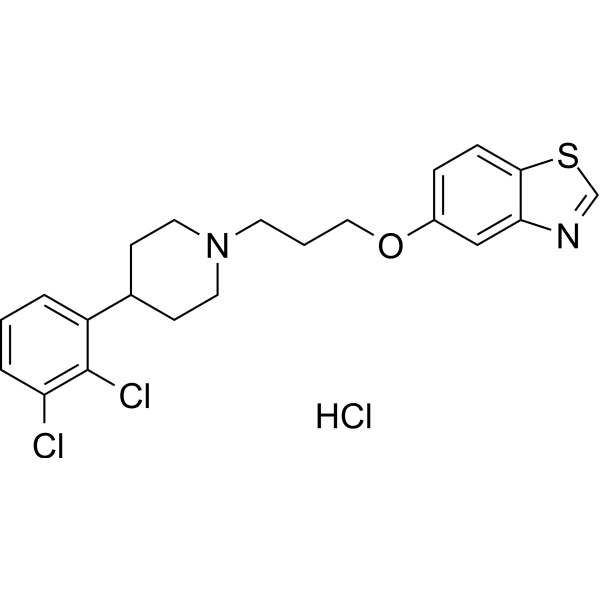
UNC9994 hydrochloride is a functionally selective, β-arrestin–biased dopamine D2 receptor (D2R) agonist that selectively activates β-arrestin recruitment and signaling. UNC9994 hydrochloride shows a binding affinity with a Ki of 79 nM for D2R. UNC9994 hydrochloride is also an antagonist of Gi-regulated cAMP production and partial agonist for D2R/β-arrestin-2 interactions. UNC9994 hydrochloride shows antipsychotic-like activity .
|
-
-
- HY-162734
-
|
|
GPR65
|
Inflammation/Immunology
|
|
BRD5075 is a selective GPR65 activator. BRD5075 enhances GPR65 activity under acidic conditions, promotes Gαs-dependent signaling pathways, including cAMP production and G protein recruitment. BRD5075 regulates the cytokine and chemokine expression network in dendritic cells, and inhibits the expression of pro-inflammatory cytokines and chemokines in a GPR65-dependent manner. BRD5075 is applicable to research related to inflammatory bowel disease .
|
-

-
- HY-119168
-
|
|
GPR139
|
Neurological Disease
|
|
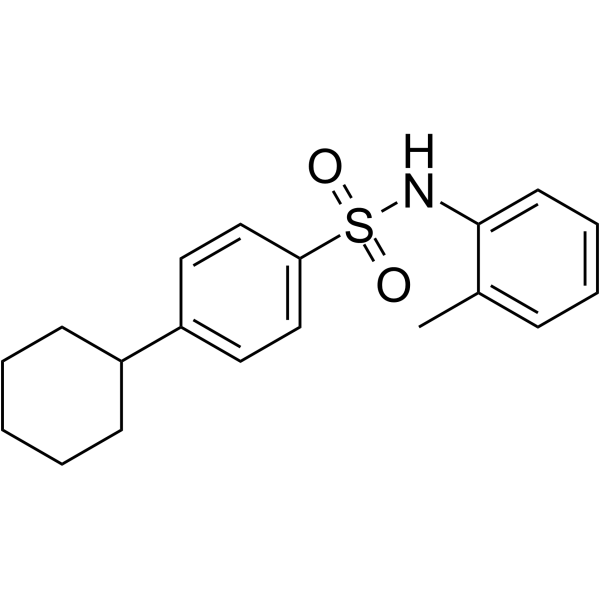
LP-471756 is a potent GPR139 antagonist with an IC50 value of 640 nM. LP-471756 inhibits LP-360924-stimulated cAMP production .
|
-
-
- HY-P2197
-
-

-
- HY-123335A
-
|
|
Somatostatin Receptor
|
Neurological Disease
|
|
L-796778 acetate is a selective agonist of the sst3 receptor. In CHO-K1 cells expressing the hsst3 receptor, L-796778 acetate is a partial agonist that inhibits Forskolin (HY-15371)-stimulated cAMP production with an IC50 value of 18 nM. L-796778 acetate has anticonvulsant effect .
|
-

-
- HY-117829
-
UNC9994
2 Publications Verification
|
Dopamine Receptor
5-HT Receptor
Histamine Receptor
Arrestin
|
Neurological Disease
|
|
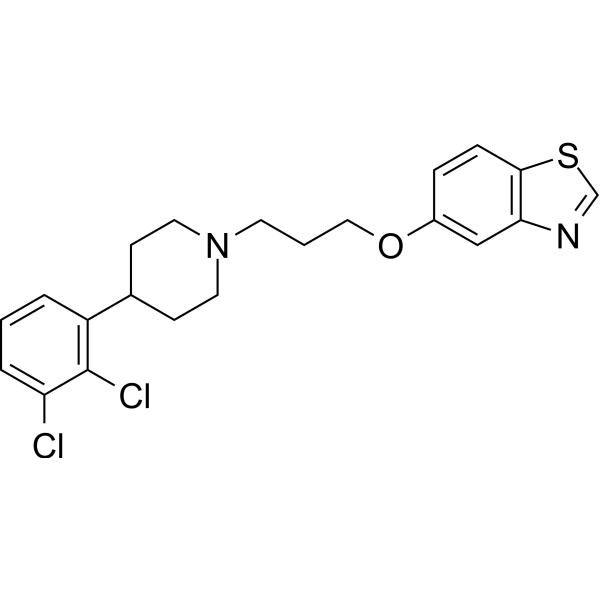
UNC9994, an analog of Aripiprazole, is a functionally selective β-arrestin-biased dopamine D2 receptor (D2R) agonist with EC50 <10 nM for β-arrestin-2 recruitment to D2 receptors. UNC9994 is simultaneously partial agonists of β-arrestin-2 translocation and antagonists of Gi-regulated cAMP production. Antipsychotic Activity .
|
-
-
- HY-143312
-
|
|
GLP Receptor
|
Metabolic Disease
Inflammation/Immunology
|
|
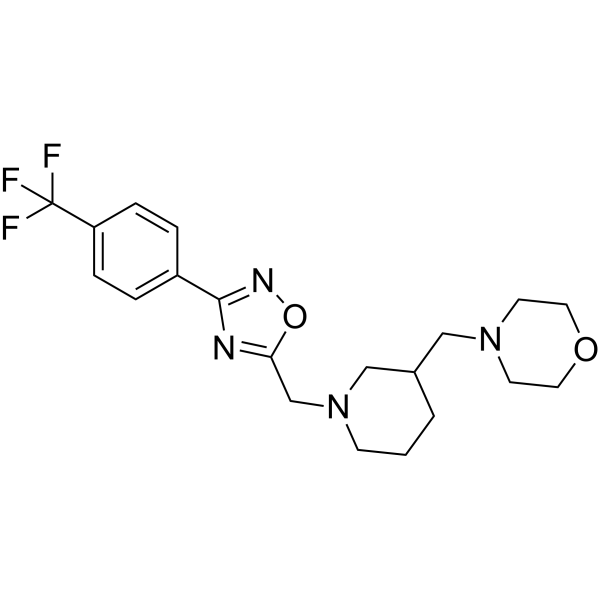
V-0219 is an orally active glucagon-like peptide-1 receptor (GLP-1R) positive allosteric modulator. V-0219 potentiates GLP-1R stimulation, and enhances GLP-1-induced cAMP production and insulin secretion. V-0219 potentiates glucose-dependent insulin secretion. V-0219 improves glucose handling in normal and diabetic rodents. V-0219 can be used for the research of obesity-associated diabetes .
|
-
-
- HY-N0092R
-
|
|
Reference Standards
Adenosine Receptor
Endogenous Metabolite
|
Neurological Disease
Inflammation/Immunology
|
Inosine (Standard) is the analytical standard of Inosine. This product is intended for research and analytical applications. Inosine is an endogenous purine nucleoside produced by catabolism of adenosine. Inosine has anti-inflammatory, antinociceptive, immunomodulatory and neuroprotective effects. Inosine is an agonist for adenosine A1 (A1R) and A2A (A2AR) receptors . In Vitro:Inosine dose-dependently stimulates cAMP production mediated through the A2AR .
Inosine dose-dependently induces hA2AR-mediated ERK1/2 phosphorylation .
Inosine (100 μM; 24 hours) reduces oxidative stress in MES 23.5 cells cultured with astrocytes .
In Vivo:Inosine (10-100 mg/kg; i.p.) exhibits antinociceptive effect in mice .
|
-

-
- HY-161106
-
|
|
GPR84
|
Inflammation/Immunology
Cancer
|
|
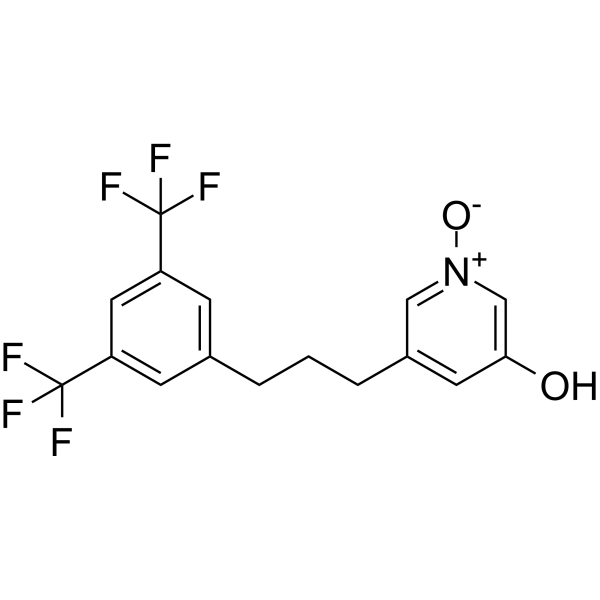
OX04528 (compound 68) is a potent, G-protein biased, and orally active GPR84 agonist. OX04528 no cytotoxicity. OX04528 inhibits cAMP production with an EC50 value of 0.00598 nM .
|
-
-
- HY-110003
-
|
ACPA
|
Cannabinoid Receptor
|
Neurological Disease
|
|
Arachidonylcyclopropylamide (ACPA) is a potent and selective CB1 receptors agonist. Arachidonylcyclopropylamide inhibits forskolin-stimulated cAMP production in CHO cells transfected with human cannabinoid CB1 receptors (IC50=2 nM) .
|
-

-
- HY-P2249
-
|
|
Arrestin
Apelin Receptor (APJ)
|
Cardiovascular Disease
|
|
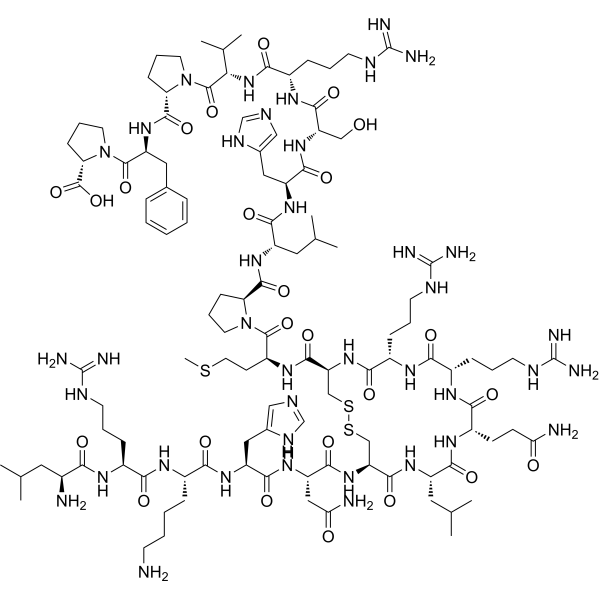
ELA-21 (human) is an apelin receptor agonist with a pKi of 8.52. ELA-21 (human) completely inhibits Forskolin-induced cAMP production and stimulates β-arrestin recruitment with subnanomolar potencies. ELA-21 (human) is an agonist in G-protein-dependent and -independent pathways .
|
-
-
- HY-162735
-
|
|
GPR65
|
Inflammation/Immunology
|
|
BRD5080 is a potent GPR65 positive allosteric modulator. BRD5080 induces GPR65-dependent cAMP production. BRD5080 exhibits a robust induction of cAMP activity and recruits G protein for the WT and variant hGPR65 as well as for the mouse ortholog. BRD5080 has the potential for autoimmune and inflammatory diseases research .
|
-

-
- HY-19946
-
|
F 11440
|
5-HT Receptor
|
Neurological Disease
|
|
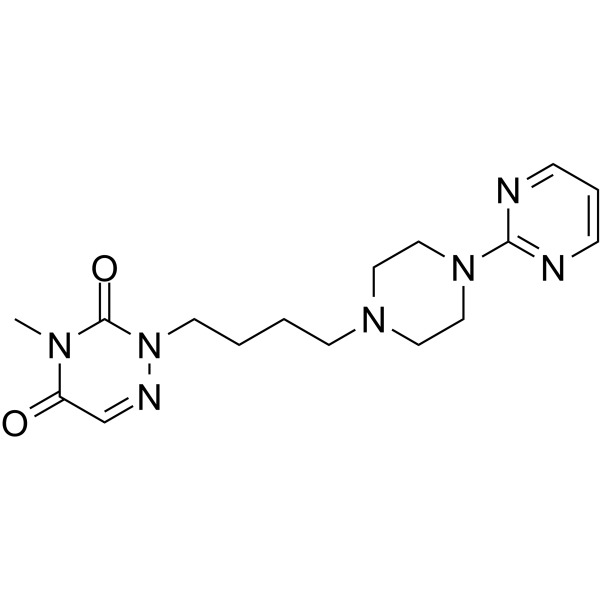
Eptapirone (F11440) is a potent, selective and orally active 5-HT1A receptor agonist (pKi = 8.33). Eptapirone can inhibit cAMP production. Eptapirone can reduce 5-HT levels and increase corticosterone levels. Eptapirone shows potent anxiolytic and antidepressant potential. Eptapirone can be used for the research of neurological disease, such as anxiety and depression .
|
-
-
- HY-P10716
-
|
|
GLP Receptor
|
Metabolic Disease
|
|
Exendin-P5 is a selective agonist that targets the GLP-1R. Exendin-P5 promotes rapid activation of G proteins by transient interactions with the transmembrane domain of GLP-1R, enhancing its potency in G protein-mediated signaling and accelerating cAMP production. This mechanism suggests the potential application of Exendin-P5 in the study of metabolic diseases .
|
-

-
- HY-P1065
-
|
|
Apelin Receptor (APJ)
HIV
|
Infection
Cardiovascular Disease
Metabolic Disease
|
|
Apelin-36(rat, mouse) is an endogenous orphan G protein-coupled receptor APJ agonist. Apelin-36(rat, mouse) binds to APJ receptors with an IC50 of 5.4 nM, and potently inhibits cAMP production with an EC50 of 0.52 nM. Apelin-36(rat, mouse) blocks entry of some HIV-1 and HIV-2 strains into NP-2/CD4 cells expressing APJ .
|
-

-
- HY-143312A
-
|
|
GLP Receptor
|
Metabolic Disease
Inflammation/Immunology
|
|
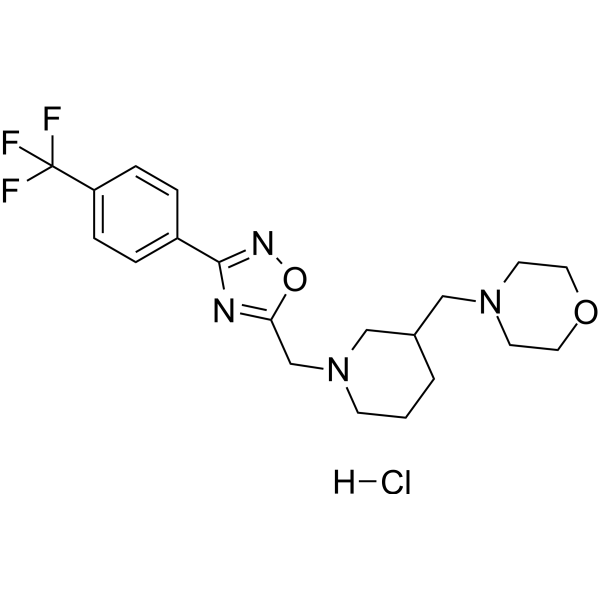
V-0219 hydrochloride is an orally active glucagon-like peptide-1 receptor (GLP-1R) positive allosteric modulator. V-0219 hydrochloride potentiates GLP-1R stimulation, and enhances GLP-1-induced cAMP production and insulin secretion. V-0219 hydrochloride potentiates glucose-dependent insulin secretion. V-0219 hydrochloride improves glucose handling in normal and diabetic rodents. V-0219 hydrochloride can be used for the research of obesity-associated diabetes .
|
-
-
- HY-N0113B
-
|
Ordenina hydrochloride; Peyocactine hydrochloride
|
Bacterial
|
Infection
|
|
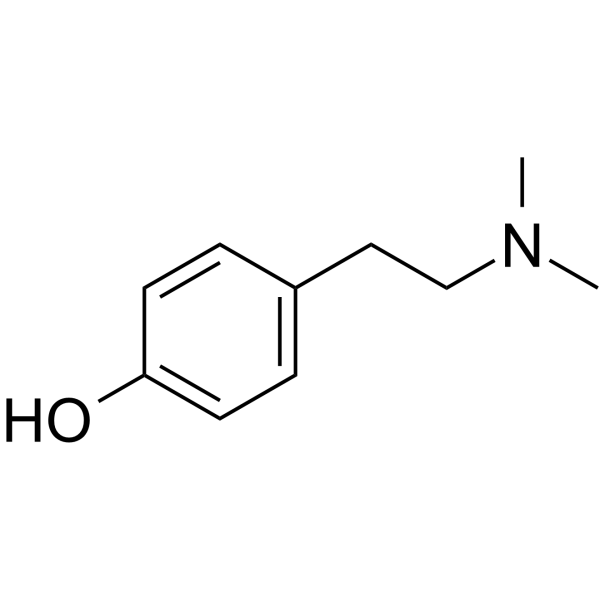
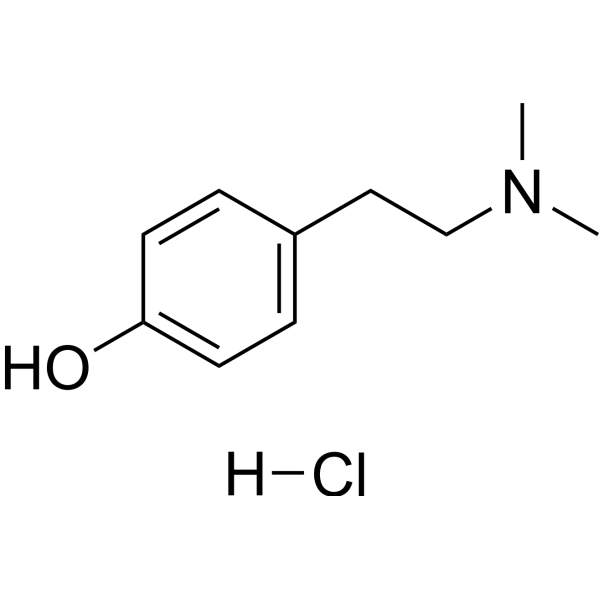
Hordenine (hydrochloride), an alkaloid found in plants, inhibits melanogenesis by suppression of cyclic adenosine monophosphate (cAMP) production .
|
-
-
- HY-N0113S
-
-
-
- HY-123335
-
|
|
Somatostatin Receptor
|
Others
|
|
L-796778 is an agonist of the hsst3 receptor. In CHO-K1 cells expressing the hsst3 receptor, L-796778 is a partial agonist that inhibits forskolin (HY-15371)-stimulated cAMP production with an IC50 value of 18 nM .
|
-

-
- HY-P0036A
-
|
SMS 201-995 dihydrochloride
|
Somatostatin Receptor
Apoptosis
|
Inflammation/Immunology
Endocrinology
Cancer
|
|
Octreotide (SMS 201-995) hydrochloride is a somatostatin receptor agonist and synthetic octapeptide endogenous somatostatin analogue. Octreotide hydrochloride can bind to the somatostatin receptors which are mainly subtypes 2, 3 and 5. Octreotide hydrochloride increases Gi activity and reduces intracellular cAMP production. Octreotide hydrochloride has antitumor activity, mediates apoptosis and may also be used in disease studies in acromegaly .
|
-

-
- HY-103178
-
|
|
Adenosine Receptor
|
Inflammation/Immunology
|
|
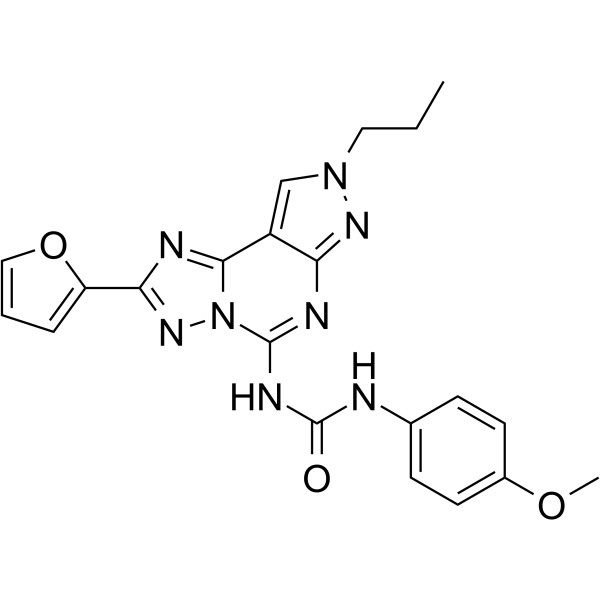
MRE3008F20 is a highly efficient, highly selective and radioactive adenosine A3 receptor (AA3R) antagonist (Ki=1.8 nM). MRE3008F20 effectively antagonises Cl-IB-MECA-induced cAMP production in resting lymphocytes with an IC50 value of 5 nM. MRE3008F20 can be used in the study of AA3R .
|
-
-
- HY-139486
-
|
|
Apelin Receptor (APJ)
|
Cardiovascular Disease
|
|
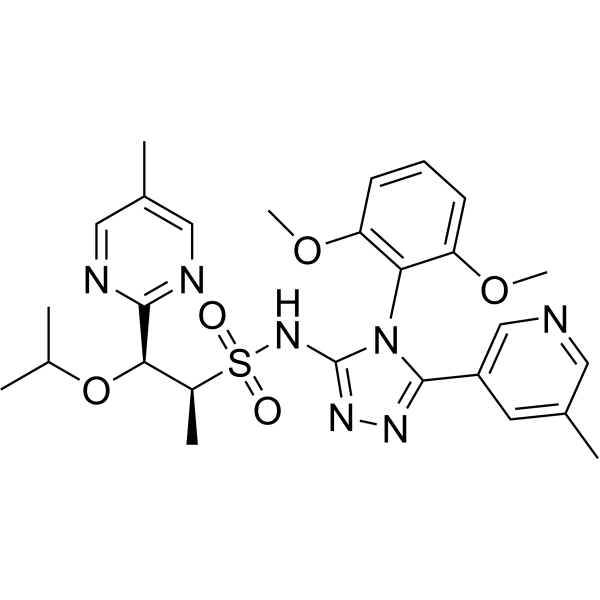
AM-8123 is an orally active and potent APJ agonist. AM-8123 inhibits Forskolin-stimulated cAMP production and promotes Gα protein activation. AM-8123 can be used for the research of cardiovascular disease .
|
-
-
- HY-123534
-
|
|
Opioid Receptor
|
Neurological Disease
|
|
CYT-1010 is a mu-opioid receptor agonist extracted from patent WO2013173730A2, with EC50s of 13.1 nM and 0.0053 nM on beta-arrestin recruitment and inhibition of cAMP production, respectively .
|
-

-
- HY-123534A
-
|
|
Opioid Receptor
|
Neurological Disease
|
|
CYT-1010 hydrochloride is a mu-opioid receptor agonist extracted from patent WO2013173730A2, with EC50s of 13.1 nM and 0.0053 nM on beta-arrestin recruitment and inhibition of cAMP production, respectively .
|
-

-
- HY-161107
-
|
|
GPR84
|
Inflammation/Immunology
|
|
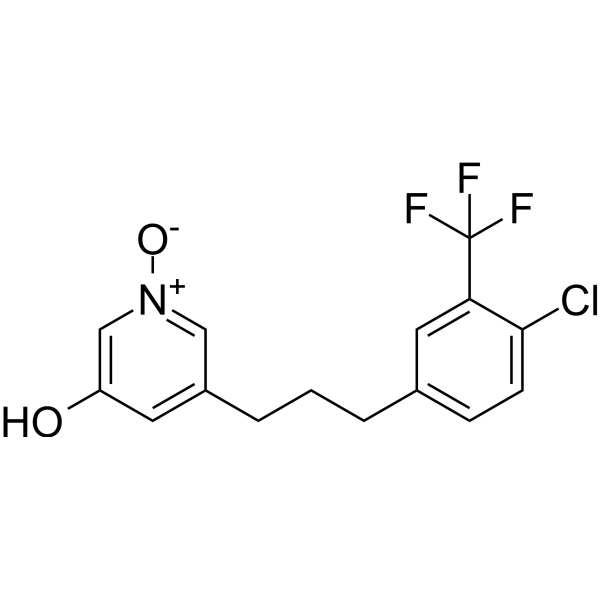
OX04529 (compound 69) is a potent, selective and orally active agonist of GPR84. OX04529 inhibits FSK-induced cAMP production with an EC50 of 0.0185 nM. OX04529 displayed excellent potency, high G-protein signaling bias .
|
-
-
- HY-156536
-
-
-
- HY-P0036B
-
|
SMS 201-995 pamoate
|
Somatostatin Receptor
Apoptosis
|
Cardiovascular Disease
Inflammation/Immunology
Endocrinology
Cancer
|
|
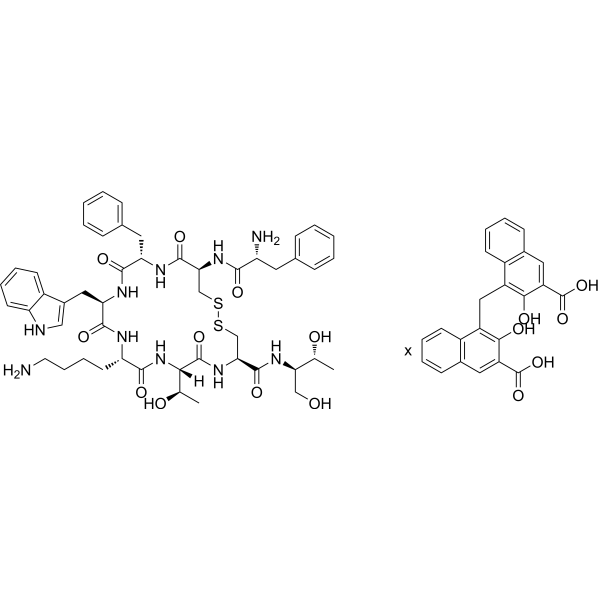
Octreotide (SMS 201-995) pamoate is a somatostatin receptor agonist and synthetic octapeptide endogenous somatostatin analogue. Octreotide pamoate can bind to the somatostatin receptors which are mainly subtypes 2, 3 and 5. Octreotide pamoate increases Gi activity and reduces intracellular cAMP production. Octreotide pamoate has antitumor activity, mediates apoptosis and may also be used in disease studies in acromegaly .
|
-
-
- HY-179241
-
|
|
Dopamine Receptor
|
Neurological Disease
|
|
UNC10062 is a dopamine D1 receptor (D1R) positive allosteric modulator. UNC10062 specifically binds to the extracellular allosteric pocket (upper pocket) at the interface of transmembrane helices (TM) 1 and 7 of D1R. UNC10062 can increase dopamine potency and D1R-mediated cAMP production. UNC10062 can be used for the research of neurological disease, such as Parkinson's disease .
|
-

-
- HY-P0036S4
-
|
SMS 201-995-d8 acetate
|
Isotope-Labeled Compounds
|
Cardiovascular Disease
Inflammation/Immunology
Endocrinology
Cancer
|
|
Octreotide-d8 (acetate) (SMS 201-995-d8 (acetate)) is deuterium labeled Octreotide. Octreotide (SMS 201-995) is a somatostatin receptor agonist and synthetic octapeptide endogenous somatostatin analogue. Octreotide (SMS 201-995) can bind to the somatostatin receptor and mainly subtypes 2, 3, and 5, increases Gi activity, and reduces intracellular cAMP production. Octreotide (SMS 201-995) has antitumor activity, mediates apoptosis and may also be used in disease studies in acromegaly .
|
-

-
- HY-171851
-
|
|
GCGR
|
Metabolic Disease
|
|
GLP-1R agonist 32 (Compound 111) is an orally active and highly potent GLP-1R agonist with an EC50 value of 0.017 nM. GLP-1R agonist 32 exerts glucose-regulating activity by activating GLP-1R to stimulate cAMP production, promoting insulin secretion, inhibiting glucagon release, and delaying gastric emptying. GLP-1R agonist 32 is promising for research of type 2 diabetes, obesity, and related metabolic disorders .
|
-

-
- HY-122189
-
|
(-)-Akuammine; Vincamajoridine
|
Others
|
Neurological Disease
|
|
Akuammine is an indole alkaloid that has been found in Picralima nitida and has analgesic activity. It selectively binds to the μ- and κ-opioid receptors over the δ-opioid receptor (Kis=0.3, 1.68, and 10.4 μM for the human receptors, respectively). Akuammine inhibits forskolin-induced cAMP production in HEK293 cells expressing human μ- or κ-opioid receptors (IC50s=2.6 and 0.073 μM, respectively). It increases the latency to withdrawal in the tail-flick or hot plate test in mice when administered at a dose of 60 mg/kg.
|
-

-
- HY-179248
-
|
|
Adenosine Receptor
ERK
JNK
MMP
|
Cancer
|
|
Adenosine receptor antagonist 7 is an orally active triple A1/A2A/A2B adenosine receptor antagonist with Ki values of 1.5, 0.6 and 21 nM. Adenosine receptor antagonist 7 shows potent inhibitory activity (IC50 = 0.8 nM) of cAMP production in A2AR-HEK293 cells. Adenosine receptor antagonist 7 can enhance infiltration of effector T cells and increase the CD8+/Treg ratio companied with Avelumab (HY-108730). Adenosine receptor antagonist 7can be used for the research of cancer, such as colon cancer .
|
-

-
- HY-N0113R
-
|
Ordenina (Standard); Peyocactine (Standard)
|
Reference Standards
Bacterial
Antibiotic
|
Infection
Cardiovascular Disease
|
|
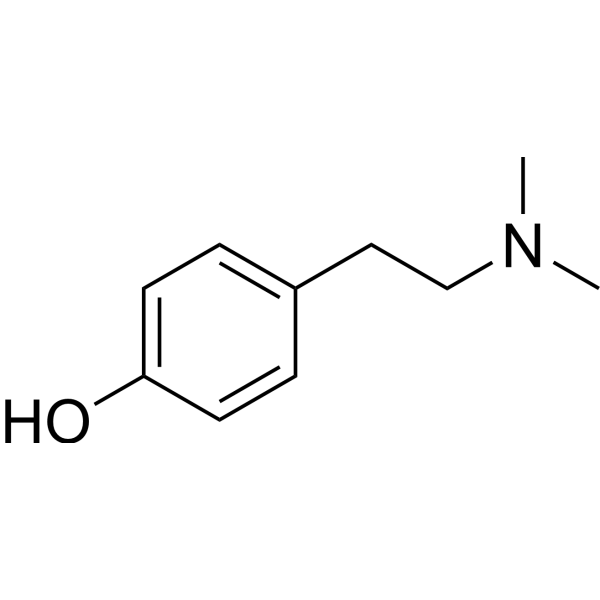
Hordenine (Standard) is the analytical standard of Hordenine. This product is intended for research and analytical applications. Hordenine, an alkaloid found in plants, inhibits melanogenesis by suppression of cyclic adenosine monophosphate (cAMP) production .
|
-
-
- HY-N0113BR
-
|
Ordenina hydrochloride (Standard); Peyocactine hydrochloride (Standard)
|
Reference Standards
Bacterial
|
Infection
|
|
Hordenine (hydrochloride) (Standard) is the analytical standard of Hordenine (hydrochloride). This product is intended for research and analytical applications. Hordenine (hydrochloride), an alkaloid found in plants, inhibits melanogenesis by suppression of cyclic adenosine monophosphate (cAMP) production[1].
|
-

-
- HY-110040
-
-

-
- HY-156541
-
-
-
- HY-156538
-
|
|
RXFP Receptor
|
Inflammation/Immunology
|
|
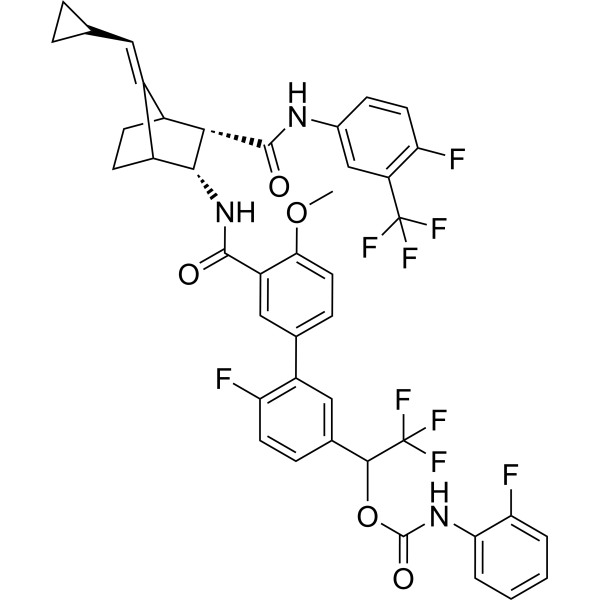
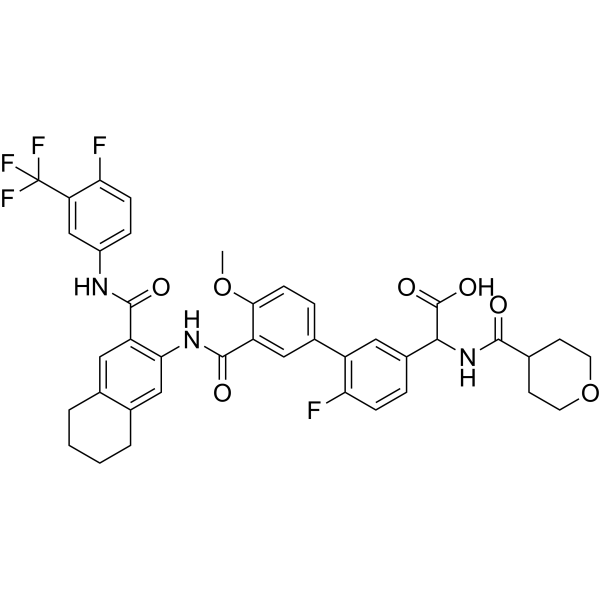
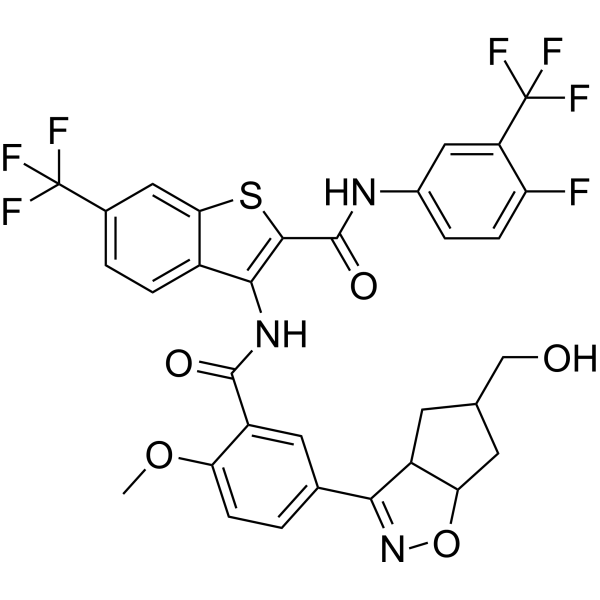
RXFP1 receptor agonist-3 (Example 223) is a RXFP1 receptor agonist. RXFP1 receptor agonist-3 stimulates cAMP production in HEK293 cells stably expressing human RXFP1, with an EC50 value of 2 nM .
|
-
-
- HY-156537
-
-
-
- HY-156543
-
-
- HY-156539
-
-
- HY-156540
-
|
|
RXFP Receptor
|
Inflammation/Immunology
|
|
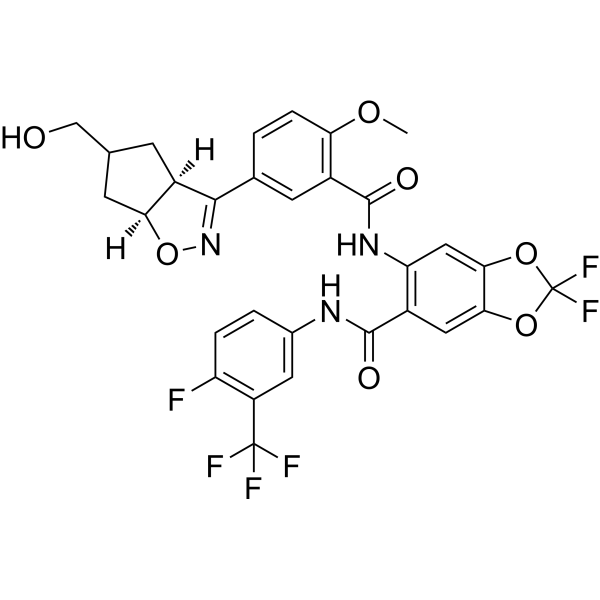
RXFP1 receptor agonist-5 (Example 98) is a RXFP1 receptor agonist. RXFP1 receptor agonist-5 stimulates cAMP production in HEK293 cells stably expressing human RXFP1, with an EC50 value of 1.3 nM .
|
-
- HY-156542
-
-
- HY-100013B1
-
|
|
GPR88
Drug Isomer
|
Neurological Disease
|
|
(1S,2S)-2-PCCA hydrochloride is a less active diastereomer of 2-PCCA. 2-PCCA is a GPR88 receptor agonist, and inhibits GPR88-mediated cAMP production, with an EC50 of 116 nM in HEK293 cells.
|
-

- HY-14132
-
|
|
CRFR
|
Neurological Disease
|
|
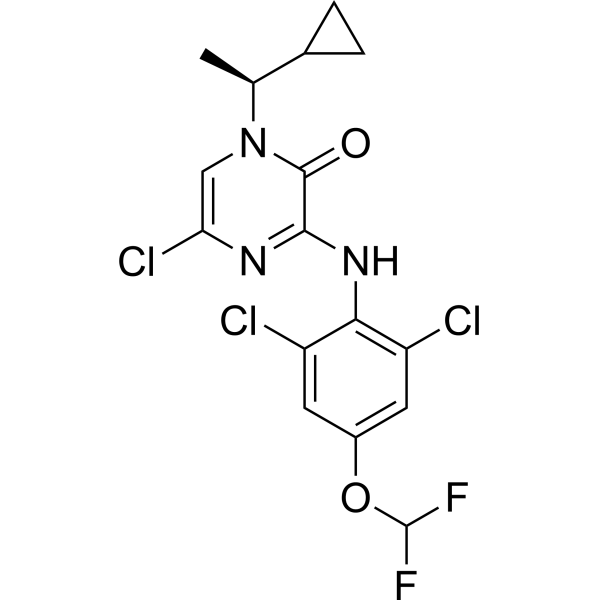
BMS-665053 is a corticotropin-releasing factor-1 (CRF1) receptor antagonist (IC50 = 1.0 nM). BMS-665053)11 is a potent inhibitor of CRF-stimulated cyclic adenosine monophosphate (cAMP) production in human Y-79 retinoblastoma cells (IC50 = 4.9 nM) .
|
-
- HY-150057
-
|
|
Cannabinoid Receptor
|
Others
|
|
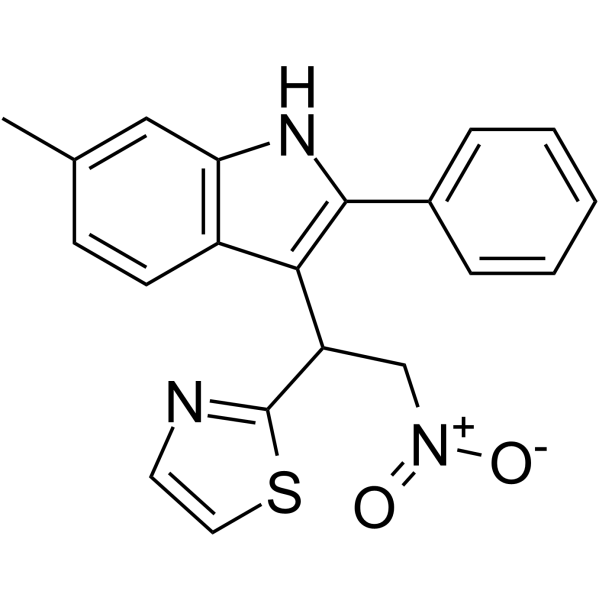
CB1R Allosteric modulator 4 is a positive allosteric modulator of cannabinoid type-1 (CB1R) with good biological activity. CB1R Allosteric modulator 4 inhibits cAMP production and shows robust activity in β-arrestin-2 recruitment .
|
-
- HY-158180
-
|
|
Adenosine Receptor
|
Inflammation/Immunology
|
|
A3AR agonist 4 is an A3 adenosine receptor (A3AR) agonist (Ki: 1.24 nM for hA3AR). A3AR agonist 4 inhibits cAMP production with an EC50 of 0.17 nM. A3AR agonist 4 can be used for research of inflammation and pain .
|
-

- HY-116445
-
|
|
Dopamine Receptor
|
Neurological Disease
|
|
UNC9975 is a D2R agonist that displays signaling bias via β-arrestin–ergic signaling and a simultaneously antagonist of Gi-regulated cAMP production and partial agonist for D2R/β-arrestin-2 interactions. UNC9975 can be utilized in antipsychotic research .
|
-

- HY-P2197A
-
|
|
Apelin Receptor (APJ)
|
Inflammation/Immunology
|
|
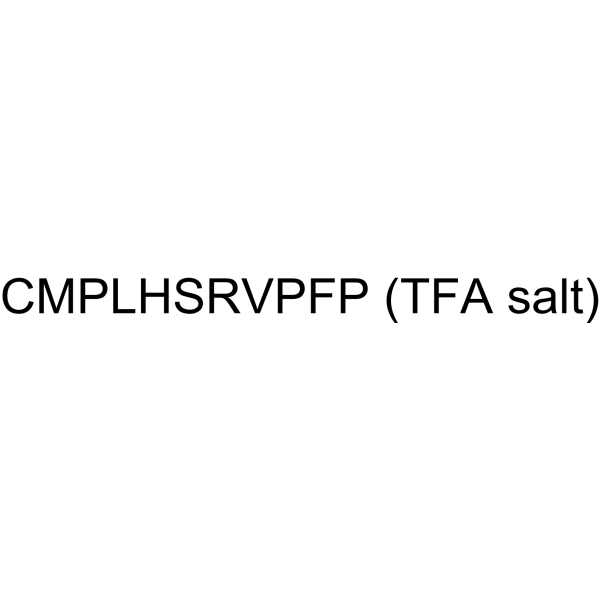
ELA-11(human) TFA is a high affinity apelin receptor agonist (Ki=14 nM). ELA-11(human) TFA is a bioactive fragment of ELA-32. ELA-11(human) TFA inhibits forskolin-induced cAMP production and stimulates β-arrestin recruitment in vitro.
|
-
- HY-19946A
-
|
F 11440 fumarate
|
5-HT Receptor
|
Neurological Disease
|
|
Eptapirone fumarate (F11440 fumarate) is a potent, selective and orally active 5-HT1A receptor agonist (pKi = 8.33). Eptapirone fumarate can inhibit cAMP production. Eptapirone fumarate can reduce 5-HT levels and increase corticosterone levels. Eptapirone fumarate shows potent anxiolytic and antidepressant potential. Eptapirone fumarate can be used for the research of neurological disease, such as anxiety and depression .
|
-

- HY-163651
-
|
(R)-CR6086
|
Prostaglandin Receptor
|
Inflammation/Immunology
|
|
(R)-Vorbipiprant ((R)-CR6086) is an orally active antagonist for prostaglandin E2 receptor 4 (EP4) with Ki of 16.6 nM for human EP4. (R)-Vorbipiprant inhibits PGE2 (HY-101952)-induced cAMP production with an IC50 of 22 nM. (R)-Vorbipiprant exhibits immunomodulatory and anti-angiogenic activities, and ameliorates the collagen-induced arthritis in mice .
|
-

- HY-W664041
-
|
|
Dopamine Receptor
|
Neurological Disease
|
|
Noncatechol agonist-1 (19) is a Noncatechol agonist with full efficacy at both D1R-G protein and D1R-β-arrestin2 pathways, with pEC50 values of 8.41 for D1R-mediated cAMP production and 7.7 for β-arrestin2 recruitment, respectively .
|
-

- HY-123008
-
|
|
Adrenergic Receptor
Phosphodiesterase (PDE)
|
Others
|
|
Reproterol hydrochloride is a dual-acting beta2-adrenoceptor agonist and phosphodiesterase inhibitor. Reproterol hydrochloride is more potent than albuterol and feterol in stimulating cAMP production in human monocytes, demonstrating its potential in enhancing airway function. Furthermore, Reproterol significantly inhibited the production of LTB4, indicating its anti-inflammatory properties. Reproterol hydrochloride may have inhibitory effects in respiratory diseases such as asthma and COPD .
|
-

- HY-128932R
-
|
MT-141 (Standard)
|
Reference Standards
Antibiotic
Bacterial
PPAR
Prostaglandin Receptor
PTEN
Akt
mTOR
|
Infection
Cardiovascular Disease
Endocrinology
|
|
Cefminox (sodium) (MT-141) (Standard) is the analytical standard of Cefminox (sodium). This product is intended for research and analytical applications. Cefminox sodium is a semisynthetic cephamycin, which exhibits antibacterial activity. Cefminox sodium is a broad-spectrum, bactericidal cephalosporin antibiotic. Cefminox sodium also acts as a dual agonist of prostacyclin receptor (IP) and PPARγ. Cefminox sodium upregulates cAMP production and PTEN expression and inhibits Akt/mTOR signaling. Cefminox sodium also prevents pulmonary arterial hypertension in rat model .
|
-

- HY-P0036S2
-
|
SMS 201-995-d8
|
Isotope-Labeled Compounds
Apoptosis
Somatostatin Receptor
|
Cardiovascular Disease
Inflammation/Immunology
Endocrinology
Cancer
|
|
Octreotide-d8 (SMS 201-995-d8) is deuterium labeled Octreotide. Octreotide (SMS 201-995) is a somatostatin receptor agonist and synthetic octapeptide endogenous somatostatin analogue. Octreotide (SMS 201-995) can bind to the somatostatin receptor and mainly subtypes 2, 3, and 5, increases Gi activity, and reduces intracellular cAMP production. Octreotide (SMS 201-995) has antitumor activity, mediates apoptosis and may also be used in disease studies in acromegaly .
|
-

- HY-121249
-
|
SL65.0155
|
5-HT Receptor
|
Neurological Disease
|
|
Capeserod hydrochloride (SL65.0155) is a 5-HT4(e) receptor partial agonist (Ki=0.6 nM) with potent cognitive enhancing properties. Capeserod hydrochloride acts as a partial agonist in cells expressing 5-HT4(b) and 5-HT4(e) splice variants, stimulating cAMP production with IC50 values of 244 and 29 nM, respectively. Capeserod hydrochloride is used in the study of memory impairment and dementia .
|
-

- HY-123008R
-
|
|
Phosphodiesterase (PDE)
Adrenergic Receptor
Reference Standards
|
Others
|
|
Reproterol (hydrochloride) (Standard) is the analytical standard of Reproterol (hydrochloride). This product is intended for research and analytical applications. Reproterol hydrochloride is a dual-acting beta2-adrenoceptor agonist and phosphodiesterase inhibitor. Reproterol hydrochloride is more potent than albuterol and feterol in stimulating cAMP production in human monocytes, demonstrating its potential in enhancing airway function. Furthermore, Reproterol significantly inhibited the production of LTB4, indicating its anti-inflammatory properties. Reproterol hydrochloride may have inhibitory effects in respiratory diseases such as asthma and COPD .
|
-

- HY-N8268R
-
|
3α,12α-Dihydroxynorcholanic acid (Standard)
|
Drug Metabolite
Reference Standards
|
Metabolic Disease
|
|
Reproterol (hydrochloride) (Standard) is the analytical standard of Reproterol (hydrochloride). This product is intended for research and analytical applications. Reproterol hydrochloride is a dual-acting beta2-adrenoceptor agonist and phosphodiesterase inhibitor. Reproterol hydrochloride is more potent than albuterol and feterol in stimulating cAMP production in human monocytes, demonstrating its potential in enhancing airway function. Furthermore, Reproterol significantly inhibited the production of LTB4, indicating its anti-inflammatory properties. Reproterol hydrochloride may have inhibitory effects in respiratory diseases such as asthma and COPD .
|
-

- HY-P1065A
-
|
|
HIV
Apelin Receptor (APJ)
|
Infection
Cardiovascular Disease
Metabolic Disease
|
|
Apelin-36(rat, mouse) TFA is an endogenous orphan G protein-coupled receptor APJ agonist. Apelin-36(rat, mouse) TFA binds to APJ receptors with an IC50 of 5.4 nM, and potently inhibits cAMP production with an EC50 of 0.52 nM. Apelin-36(rat, mouse) TFA blocks entry of some HIV-1 and HIV-2 strains into NP-2/CD4 cells expressing APJ .
|
-

- HY-P0036S3
-
|
SMS 201-995-13C9,15N
|
Isotope-Labeled Compounds
|
Cardiovascular Disease
Inflammation/Immunology
Endocrinology
Cancer
|
|
Octreotide- 13C9, 15N (SMS 201-995- 13C9, 15N) is 13C and 15N labeled Octreotide. Octreotide (SMS 201-995) is a somatostatin receptor agonist and synthetic octapeptide endogenous somatostatin analogue. Octreotide (SMS 201-995) can bind to the somatostatin receptor and mainly subtypes 2, 3, and 5, increases Gi activity, and reduces intracellular cAMP production. Octreotide (SMS 201-995) has antitumor activity, mediates apoptosis and may also be used in disease studies in acromegaly .
|
-

- HY-175195
-
|
|
Adenosine Receptor
Interleukin Related
IFNAR
Cytochrome P450
|
Inflammation/Immunology
Cancer
|
|
Adenosine receptor antagonist 6 is an orally active and selective A2A adenosine receptor (A2AAR) antagonist, with a Ki of 19.18 nM. Adenosine receptor antagonist 6 inhibits 5’-N-ethylcarboxamide adenosine (NECA) (HY-103173)-mediated cAMP production (IC50 = 0.089 μM) and immunosuppression, while promoting IL-2 and IFN-γ secretion. Adenosine receptor antagonist 6 abolishes the immunosuppressive effects of adenosine on T-cell activation and cytokine release. Adenosine receptor antagonist 6 inhibits tumor growth in a CT26/MC38 xenograft model. Adenosine receptor antagonist 6 can be used for the study of colon cancer .
|
-

- HY-173044
-
|
|
5-HT Receptor
Dopamine Receptor
|
Neurological Disease
|
|
5-HT1AR/5-HT6R ligand-1 (Compound PP13) is the ligand for 5-HT receptor that exhibits good affinity to 5-HT1AR, 5-HT6R and 5-HT7R (Ki of 19, 69 and 198 nM, respectively), thereby inhibiting the cAMP production in HEK293 cell with EC50 of 1535, 488 and 53 nM, respectively. 5-HT1AR/5-HT6R ligand-1 exhibits anti-proliferative activity against a variety of cancer cells (IC50 for 1321N1, U87MG, MCF7, and AsPC-1 is 9.6, 13.6, 19.3 and 14.6 μM, respectively). 5-HT1AR/5-HT6R ligand-1 also exhibits antagonist activity for dopamine receptor D2R with Ki of 1903 nM .
|
-

- HY-100013
-
|
|
Others
|
Neurological Disease
|
|
2-PCCA is a racemic form of the GPR88 receptor agonist, and inhibits GPR88-mediated cAMP production, with an EC50 of 116 nM in HEK293 cells.
|
-

- HY-47412
-
|
|
Dopamine Receptor
|
Neurological Disease
|
|
Cariprazine impurity 1 is a dopamine D2 receptor (D2R) agonist. Cariprazine impurity 1 modulates D2R-mediated Gi/o signaling pathway to inhibit cAMP production, and regulates D2R-mediated β-arrestin2 recruitment pathway .
|
-

- HY-179728
-
|
|
Amylin Receptor
CGRP Receptor
|
Metabolic Disease
|
|
Amylin agonist 1 (Example 239a) is a receptor 3 for pancreatic amyloid peptide (bAMY3R) agonist, and its EC50 for stimulating cAMP production in cells is 6.17 nM. Amylin agonist 1 is also a receptor for calcitonin (bCTR) agonist, with its EC50 being 8.58 nM. Amylin agonist 1 can be used for research on type 2 diabetes and obesity .
|
-

- HY-119236
-
|
CP-734432
|
Prostaglandin Receptor
Beta-lactamase
|
Neurological Disease
|
|
CP-432 (CP-734432) is a EP4 receptor agonist with an IC50 of 2 nM for human sources, 8 nM for canine sources, and an EC50 of 1 nM for human sources. CP-432 stimulates cAMP production and activates β-lactamase (β-lactamase) activity via the cAMP response element signaling pathway. CP-432 is applicable to research related to glaucoma .
|
-

- HY-115643
-
|
|
GPR119
Arrestin
GLP Receptor
|
Metabolic Disease
|
|
AZ13581837 is an orally active GPR120 agonist with an EC50 of 5.2 nM for human GPR120. AZ13581837 signals through Gαq, Gαs, and β-arrestin pathways, reduces cAMP production, stimulates GLP-1 secretion, induces glucose lowering, and increases insulin secretion. AZ13581837 can be used for the research of type 2 diabetes .
|
-

- HY-171302
-
|
|
GLP Receptor
|
Metabolic Disease
|
|
GLP-1R/GIPR agonist-2 is a GIPR agonist. GLP-1R/GIPR agonist-2 potentiates GIP(1-42)-induced intracellular cAMP production in cells expressing human GIPR. GLP-1R/GIPR agonist-2 can be used for the research of type II diabetes mellitus .
|
-

- HY-185107
-
|
|
Amylin Receptor
CGRP Receptor
|
Metabolic Disease
|
|
CTR/AMYR modulator-2 (Example 107) is a receptor 3 for pancreatic amyloid peptide (bAMY3R) agonist, and its EC50 for stimulating cAMP production in cells is <500 nM. CTR/AMYR modulator-2 is also a receptor for calcitonin (bCTR) agonist, with its EC50 being <5000 nM. CTR/AMYR modulator-2 can be used for research on type 2 diabetes and obesity .
|
-

- HY-135079
-
|
|
5-HT Receptor
|
Cardiovascular Disease
Neurological Disease
|
|
Lerimazoline is a selective 5-HT1D receptor agonist with Ki values of 72 and 3480 nM for h5-HT1D and h5-HT1B. Lerimazoline inhibits Forskolin (HY-15371)-stimulated cAMP production and induces contractions in rabbit saphenous vein preparations. Lerimazoline can be used for the research of migraine .
|
-

- HY-179725
-
|
|
5-HT Receptor
Dopamine Receptor
|
Neurological Disease
|
|
PZ-1129 is a selective 5-HT7 receptor ligand with a Ki of 7 nM. PZ-1129 shows Ki values of 159 and 24 nM for 5-HT1A receptor and D2 receptor. PZ-1129 can inhibit the constitutive cAMP production mediated by the Gs signaling pathway (EC50 = 13.7 nM). PZ-1129 can be used for the research of emotional disorders, such as depression and bipolar disorder .
|
-

- HY-133151
-
|
|
CXCR
|
Cancer
|
|
CXCR6 antagonist 1 (Compound 81) is an orally active CXCR6 antagonist. CXCR6 antagonist 1 inhibits the CXCR6 receptor signaling pathway, including β-arrestin recruitment and Forskolin (HY-15371)-induced cAMP production. CXCR6 antagonist 1 reduces tumor growth in a mouse xenograft model of hepatocellular carcinoma. CXCR6 antagonist 1 can be used in research related to hepatocellular carcinoma .
|
-

- HY-182580
-
|
|
GPR119
Dipeptidyl Peptidase
|
Metabolic Disease
Inflammation/Immunology
|
|
HBK001 is an orally active and selective dual GPR119 agonist and DPP-IV inhibitor. HBK001 triggers cAMP production, PKA activation, CREB phosphorylation, glucose-stimulated insulin secretion, plasma incretin elevation, β-cell proliferation, and β-cell function gene up-regulation. HBK001 reduces blood glucose, ameliorates hyperglycemia, improves glucose tolerance, and enhances islet morphology. HBK001 can be used for the research of type 2 diabetes mellitus .
|
-

- HY-P0036S
-
|
SMS 201-995-d8 TFA
|
Isotope-Labeled Compounds
Somatostatin Receptor
Apoptosis
|
Cardiovascular Disease
Metabolic Disease
Inflammation/Immunology
Cancer
|
|
Octreotide-d8 (SMS 201-995-d8) TFA is the deuterium labeled Octreotide TFA. Octreotide (SMS 201-995) is a somatostatin receptor agonist and synthetic octapeptide endogenous somatostatin analogue. Octreotide (SMS 201-995) can bind to the somatostatin receptor and mainly subtypes 2, 3, and 5, increases Gi activity, and reduces intracellular cAMP production. Octreotide (SMS 201-995) has antitumor activity, mediates apoptosis and may also be used in disease studies in acromegaly.
|
-

- HY-W673613
-
|
|
Estrogen Receptor/ERR
|
Metabolic Disease
|
|
ADX68692 is an orally active negative allosteric modulators of follicle-stimulating hormone receptor with a log IC50 of -5.71. ADX68692 can inhibit hCG-induced cAMP production and s ß-arrestin 2 recruitment in HEK293 cells. ADX68692 exhibits a partial effect in both mLTC-1 and primary rat Leydig cells. ADX68692 inhibits FSHR-promoted cAMP, progesterone and estradiol production. ADX68692 can reduce the number of oocytes recovered from the ampullae .
|
-

- HY-185643
-
|
|
Prostaglandin Receptor
|
Neurological Disease
|
|
PF-04475270 is a prodrug of CP-734432 (HY-119236), as well as an agonist of the EP4 prostaglandin receptor, with IC50 values of 2 nM and 8 nM against human and canine sources, respectively. PF-04475270 is rapidly hydrolyzed into its active metabolite CP-734432 by ocular esterases or corneal homogenate, stimulates cAMP production, and activates cAMP response element-mediated β-lactamase activity in cells expressing EP4. PF-04475270 can be used in research related to glaucoma .
|
-

- HY-182473
-
|
|
Prostaglandin Receptor
|
Neurological Disease
|
|
AL-6556 is a full agonist of the DP receptor and a partial agonist of the EP2 receptor. AL-6556 has an EC50 of 799 nM for bovine DP, a Ki of 3200 nM for human DP, and an EC50 of 1180 nM for human EP2, with selectivity over EP3, FP, IP, TP and 19 non-prostaglandin receptors. AL-6556 stimulates cAMP production via receptor activation and reduces intraocular pressure through aqueous humor inflow and outflow mechanisms. AL-6556 can be used in research related to ocular hypertension and glaucoma .
|
-

- HY-165456
-
|
|
Adrenergic Receptor
Vasopressin Receptor
|
Endocrinology
|
|
AGN-190851 is a potent and selective agonist of α2-adrenergic receptor (α2 adrenoceptor). AGN-190851 induces dose-dependent water diuresis in rats, and inhibits vasopressin V2 receptor in a species-dependent manner in vitro, thereby suppressing cAMP production. AGN-190851 enhances the contraction of porcine myometrium. AGN 190851 can be used in studies on renal diuretic mechanisms, pharmacology of α2-adrenergic receptor subtypes, and parturition .
|
-

- HY-179376
-
|
|
Bacterial
|
Infection
|
|
Anti-virulence factor-IN-3 (Compound 21) is a covalent β-aminosulfinyl type anthrax edema factor (EF) inhibitor, with a Ki value of 0.44 μM. Anti-virulence factor-IN-3 generates an active ethylene sulfinyl intermediate, which forms an irreversible covalent bond with the Lys residue at the active center of EF, permanently inhibiting the adenylate cyclase activity of EF. Anti-virulence factor-IN-3 effectively inhibits the cAMP production induced by EF, with an EC50 value of 0.15 μM. Anti-virulence factor-IN-3 can be used for research on anthrax Infection .
|
-

- HY-100013B1R
-
|
|
GPR88
Drug Isomer
Reference Standards
|
Neurological Disease
|
|
(1S,2S)-2-PCCA (hydrochloride) (Standard) is the analytical standard of (1S,2S)-2-PCCA (hydrochloride) (HY-100013B1). This product is intended for research and analytical applications. (1S,2S)-2-PCCA hydrochloride is a less active diastereomer of 2-PCCA. 2-PCCA is a GPR88 receptor agonist, and inhibits GPR88-mediated cAMP production, with an EC50 of 116 nM in HEK293 cells.
|
-

- HY-181049
-
|
|
Dopamine Receptor
|
Neurological Disease
|
|
FMJ-01-054 is a selective dopamine D4 Receptor (D4R) antagonist with a Ki od 77.7 nM. FMJ-01-054 shows subtype selectivity over D2R and D3R. FMJ-01-054 inhibits D4R-mediated β-arrestin recruitment and cAMP production with IC50 values of 3800 nM and 134 nM, respectively. FMJ-01-054 has desirable plasma half-life and brain exposure in rats. FMJ-01-054 can be used for the research of neurological disorders .
|
-

- HY-100656AS
-
|
|
Isotope-Labeled Compounds
Dopamine Receptor
5-HT Receptor
|
Neurological Disease
|
|
Desmethyl cariprazine-d8 is the deuterium labeled Desmethyl cariprazine (HY-100656). Desmethyl cariprazine is a major active metabolite of cariprazine, with activities at human dopamine receptors and serotonin receptors, showing a pEC50 of 8.90 at human D2 receptors, a pEC50 of 8.09 at D3 receptors, and a pEC50 of 6.28 at 5-HT1A receptors. Desmethyl cariprazine inhibits forskolin-induced cAMP production at D2, D3 and 5-HT1A receptors, and suppresses serotonin-induced Ca 2+ release at 5-HT2B receptors. Desmethyl cariprazine is applicable to research related to schizophrenia, bipolar disorder type I and bipolar disorder.
|
-

- HY-179724A
-
|
|
5-HT Receptor
Dopamine Receptor
MMP
Potassium Channel
|
Neurological Disease
|
|
PZ-1657 hydrochloride (Compound 57) is a potent, selective and orally active 5-HT7 receptor inverse agonist with a Ki of 5 nM. PZ-1657 hydrochloride can inhibit the constitutive cAMP production mediated by the Gs signaling pathway (EC50 = 2.93 nM). PZ-1657 hydrochloride can significantly reduce the MMP-9 activity mediated by 5-HT7 receptors in the hippocampus of mice, and the effect is comparable to that of SB-269970 (HY-15370). PZ-1657 hydrochloride can reverse the cognitive deficits observed in the rat novel object recognition test induced by Phencyclidine without affecting the animals' spontaneous activities. PZ-1657 hydrochloride can be used for the research of emotional disorders, such as depression and bipolar disorder .
|
-

- HY-179724
-
|
|
5-HT Receptor
Dopamine Receptor
MMP
Cytochrome P450
|
Neurological Disease
|
|
PZ-1657 (Compound 57) is an orally active, blood-brain barrier permeable, highly selective, and metabolically stable 5-HT7 receptor inverse agonist with a Ki value of 5 nM. PZ-1657 inhibits constitutive cyclic adenosine monophosphate (cAMP) production mediated by the Gs signaling pathway (EC50 value of 2.93 nM). PZ-1657 inhibits CYP3A4 P450 (IC50 = 12.2 μM) and hERG channels. PZ-1657 reduces 5-HT7 receptor-mediated MMP-9 activity. PZ-1657 reverses Phencyclidine-induced cognitive impairment. PZ-1657 possesses antidepressant properties .
|
-

- HY-121837
-
|
|
Adrenergic Receptor
Arrestin
|
Cardiovascular Disease
Inflammation/Immunology
|
|
β2AR-IN-15 is a selective β2-adrenergic receptor (β2AR) antagonist with a Kd of 1.7 μM. β2AR-IN-15 binds to an intracellular β2AR region overlapping the G-protein binding site, enhancing orthosteric inverse agonist binding while negatively modulating binding of orthosteric agonists with EC50 values of 1.9 and 0.48 μM. β2AR-IN-15 shows inhibitory effect on cAMP production and β-arrestin recruitment to activated β2AR. β2AR-IN-15 can be used for the research of cardiovascular and pulmonary diseases .
|
-

| Cat. No. |
Product Name |
Target |
Research Area |
-
- HY-P0036
-
Octreotide
Maximum Cited Publications
16 Publications Verification
SMS 201-995
|
Somatostatin Receptor
Apoptosis
|
Cardiovascular Disease
Inflammation/Immunology
Endocrinology
Cancer
|
|
Octreotide (SMS 201-995) is a somatostatin receptor agonist and synthetic octapeptide endogenous somatostatin analogue. Octreotide (SMS 201-995) can bind to the somatostatin receptor and mainly subtypes 2, 3, and 5, increases Gi activity, and reduces intracellular cAMP production. Octreotide (SMS 201-995) has antitumor activity, mediates apoptosis and may also be used in disease studies in acromegaly .
|
-
- HY-P1852
-
|
|
Adenylate Cyclase
PTHR
|
Neurological Disease
|
|
TIP 39, Tuberoinfundibular Neuropeptide is an endogenous PTH2 receptor agonist and antihypertensive agent. TIP 39, Tuberoinfundibular Neuropeptide selectively activates the PTH2 receptor with no activity on the PTH1 receptor, stimulates cAMP production, activates adenylate cyclase, and elevates intracellular calcium levels via mobilization from intracellular stores. TIP 39, Tuberoinfundibular Neuropeptide is highly conserved in humans, mice, and rats. TIP 39, Tuberoinfundibular Neuropeptide is applicable to research related to nociception and inflammation-induced pain .
|
-
- HY-P0172
-
|
|
CXCR
|
Inflammation/Immunology
Endocrinology
Cancer
|
|
ATI-2341 is a potent and functionally selective allosteric agonist of C-X-C chemokine receptor type 4 (CXCR4), which functions as a biased ligand, favoring Gαi activation over Gα13. ATI-2341 activates the inhibitory heterotrimeric G protein (Gi) to promote inhibition of cAMP production and induce calcium mobilization. ATI-2341 is a potent and efficacious mobilizer of bone marrow polymorphonuclear neutrophils (PMNs) and hematopoietic stem and progenitor cells (HSPCs) .
|
-
- HY-P0172A
-
|
|
CXCR
|
Inflammation/Immunology
Endocrinology
Cancer
|
|
ATI-2341 is a potent and functionally selective allosteric agonist of C-X-C chemokine receptor type 4 (CXCR4), which functions as a biased ligand, favoring Gαi activation over Gα13. ATI-2341 activates the inhibitory heterotrimeric G protein (Gi) to promote inhibition of cAMP production and induce calcium mobilization. ATI-2341 is a potent and efficacious mobilizer of bone marrow polymorphonuclear neutrophils (PMNs) and hematopoietic stem and progenitor cells (HSPCs) .
|
-
- HY-P2197
-
-
- HY-P2249
-
|
|
Arrestin
Apelin Receptor (APJ)
|
Cardiovascular Disease
|
|
ELA-21 (human) is an apelin receptor agonist with a pKi of 8.52. ELA-21 (human) completely inhibits Forskolin-induced cAMP production and stimulates β-arrestin recruitment with subnanomolar potencies. ELA-21 (human) is an agonist in G-protein-dependent and -independent pathways .
|
-
- HY-P10716
-
|
|
GLP Receptor
|
Metabolic Disease
|
|
Exendin-P5 is a selective agonist that targets the GLP-1R. Exendin-P5 promotes rapid activation of G proteins by transient interactions with the transmembrane domain of GLP-1R, enhancing its potency in G protein-mediated signaling and accelerating cAMP production. This mechanism suggests the potential application of Exendin-P5 in the study of metabolic diseases .
|
-
- HY-P1065
-
|
|
Apelin Receptor (APJ)
HIV
|
Infection
Cardiovascular Disease
Metabolic Disease
|
|
Apelin-36(rat, mouse) is an endogenous orphan G protein-coupled receptor APJ agonist. Apelin-36(rat, mouse) binds to APJ receptors with an IC50 of 5.4 nM, and potently inhibits cAMP production with an EC50 of 0.52 nM. Apelin-36(rat, mouse) blocks entry of some HIV-1 and HIV-2 strains into NP-2/CD4 cells expressing APJ .
|
-
- HY-P0036A
-
|
SMS 201-995 dihydrochloride
|
Somatostatin Receptor
Apoptosis
|
Inflammation/Immunology
Endocrinology
Cancer
|
|
Octreotide (SMS 201-995) hydrochloride is a somatostatin receptor agonist and synthetic octapeptide endogenous somatostatin analogue. Octreotide hydrochloride can bind to the somatostatin receptors which are mainly subtypes 2, 3 and 5. Octreotide hydrochloride increases Gi activity and reduces intracellular cAMP production. Octreotide hydrochloride has antitumor activity, mediates apoptosis and may also be used in disease studies in acromegaly .
|
-
- HY-P0036B
-
|
SMS 201-995 pamoate
|
Somatostatin Receptor
Apoptosis
|
Cardiovascular Disease
Inflammation/Immunology
Endocrinology
Cancer
|
|
Octreotide (SMS 201-995) pamoate is a somatostatin receptor agonist and synthetic octapeptide endogenous somatostatin analogue. Octreotide pamoate can bind to the somatostatin receptors which are mainly subtypes 2, 3 and 5. Octreotide pamoate increases Gi activity and reduces intracellular cAMP production. Octreotide pamoate has antitumor activity, mediates apoptosis and may also be used in disease studies in acromegaly .
|
-
- HY-P2197A
-
|
|
Apelin Receptor (APJ)
|
Inflammation/Immunology
|
|
ELA-11(human) TFA is a high affinity apelin receptor agonist (Ki=14 nM). ELA-11(human) TFA is a bioactive fragment of ELA-32. ELA-11(human) TFA inhibits forskolin-induced cAMP production and stimulates β-arrestin recruitment in vitro.
|
-
- HY-P1065A
-
|
|
HIV
Apelin Receptor (APJ)
|
Infection
Cardiovascular Disease
Metabolic Disease
|
|
Apelin-36(rat, mouse) TFA is an endogenous orphan G protein-coupled receptor APJ agonist. Apelin-36(rat, mouse) TFA binds to APJ receptors with an IC50 of 5.4 nM, and potently inhibits cAMP production with an EC50 of 0.52 nM. Apelin-36(rat, mouse) TFA blocks entry of some HIV-1 and HIV-2 strains into NP-2/CD4 cells expressing APJ .
|
| Cat. No. |
Product Name |
Category |
Target |
Chemical Structure |
| Cat. No. |
Product Name |
Chemical Structure |
-
- HY-N0113S
-
|
|
|
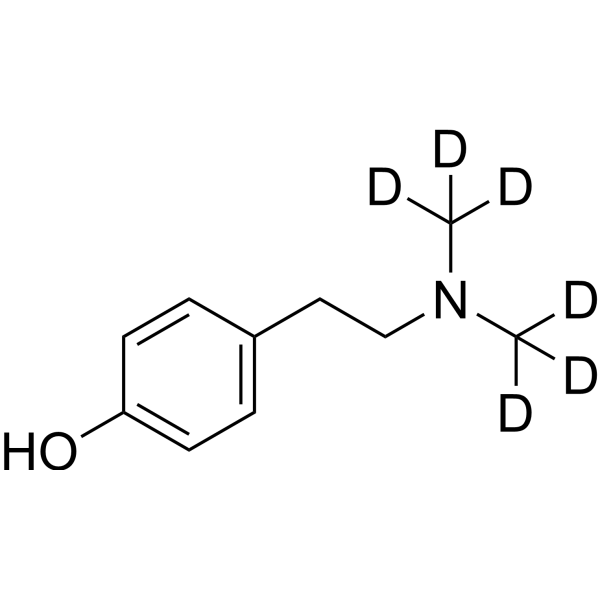
Hordenine-d6 (Ordenina-d6) is the deuterium labeled Hordenine. Hordenine, an alkaloid found in plants, inhibits melanogenesis by suppression of cyclic adenosine monophosphate (cAMP) production .
|
-
-
- HY-P0036S4
-
|
|
|
Octreotide-d8 (acetate) (SMS 201-995-d8 (acetate)) is deuterium labeled Octreotide. Octreotide (SMS 201-995) is a somatostatin receptor agonist and synthetic octapeptide endogenous somatostatin analogue. Octreotide (SMS 201-995) can bind to the somatostatin receptor and mainly subtypes 2, 3, and 5, increases Gi activity, and reduces intracellular cAMP production. Octreotide (SMS 201-995) has antitumor activity, mediates apoptosis and may also be used in disease studies in acromegaly .
|
-
-
- HY-P0036S2
-
|
|
|
Octreotide-d8 (SMS 201-995-d8) is deuterium labeled Octreotide. Octreotide (SMS 201-995) is a somatostatin receptor agonist and synthetic octapeptide endogenous somatostatin analogue. Octreotide (SMS 201-995) can bind to the somatostatin receptor and mainly subtypes 2, 3, and 5, increases Gi activity, and reduces intracellular cAMP production. Octreotide (SMS 201-995) has antitumor activity, mediates apoptosis and may also be used in disease studies in acromegaly .
|
-
-
- HY-P0036S3
-
|
|
|
Octreotide- 13C9, 15N (SMS 201-995- 13C9, 15N) is 13C and 15N labeled Octreotide. Octreotide (SMS 201-995) is a somatostatin receptor agonist and synthetic octapeptide endogenous somatostatin analogue. Octreotide (SMS 201-995) can bind to the somatostatin receptor and mainly subtypes 2, 3, and 5, increases Gi activity, and reduces intracellular cAMP production. Octreotide (SMS 201-995) has antitumor activity, mediates apoptosis and may also be used in disease studies in acromegaly .
|
-
-
- HY-P0036S
-
|
|
|
Octreotide-d8 (SMS 201-995-d8) TFA is the deuterium labeled Octreotide TFA. Octreotide (SMS 201-995) is a somatostatin receptor agonist and synthetic octapeptide endogenous somatostatin analogue. Octreotide (SMS 201-995) can bind to the somatostatin receptor and mainly subtypes 2, 3, and 5, increases Gi activity, and reduces intracellular cAMP production. Octreotide (SMS 201-995) has antitumor activity, mediates apoptosis and may also be used in disease studies in acromegaly.
|
-
-
- HY-100656AS
-
|
|
|
Desmethyl cariprazine-d8 is the deuterium labeled Desmethyl cariprazine (HY-100656). Desmethyl cariprazine is a major active metabolite of cariprazine, with activities at human dopamine receptors and serotonin receptors, showing a pEC50 of 8.90 at human D2 receptors, a pEC50 of 8.09 at D3 receptors, and a pEC50 of 6.28 at 5-HT1A receptors. Desmethyl cariprazine inhibits forskolin-induced cAMP production at D2, D3 and 5-HT1A receptors, and suppresses serotonin-induced Ca 2+ release at 5-HT2B receptors. Desmethyl cariprazine is applicable to research related to schizophrenia, bipolar disorder type I and bipolar disorder.
|
-
| Cat. No. |
Product Name |
|
Classification |
-
- HY-115643
-
|
|
|
Alkynes
|
|
AZ13581837 is an orally active GPR120 agonist with an EC50 of 5.2 nM for human GPR120. AZ13581837 signals through Gαq, Gαs, and β-arrestin pathways, reduces cAMP production, stimulates GLP-1 secretion, induces glucose lowering, and increases insulin secretion. AZ13581837 can be used for the research of type 2 diabetes .
|
| Cat. No. |
Product Name |
|
Classification |
-
- HY-W140439
-
|
18:1 Lyso PC
|
|
Phospholipids
|
|
1-Oleoyl-sn-glycero-3-phosphocholine (18:1 Lyso PC), a lysophospholipid, is a GPR82 inhibitor. 1-Oleoyl-sn-glycero-3-phosphocholine abrogates constitutive Gi-coupled GPR82 activity, shifts active/inactive equilibrium to inactive, suppresses Gi protein activation, increases cAMP production, and decreases GTPγS binding to Gαi proteins. 1-Oleoyl-sn-glycero-3-phosphocholine contributes to adipocyte lipolysis regulation.1-Oleoyl-sn-glycero-3-phosphocholine exhibits reduced serum levels in mouse models of steatohepatitis, linked to hepatic Lpcat 1-4 up-regulation .
|
Your information is safe with us. * Required Fields.
Inquiry Information
- Product Name:
- Cat. No.:
- Quantity:
- MCE Japan Authorized Agent:








