

1. Search Result
Search Result
Results for "

cervical tumor

" in MedChemExpress (MCE) Product Catalog:

65

Inhibitors & Agonists

2

Biochemical Assay Reagents

3

Peptides

8

Inhibitory Antibodies

10

Natural
Products

1

Recombinant Proteins

2

Isotope-Labeled Compounds

1

Click Chemistry

Cat. No. Product Name Target Research Areas Chemical Structure
  • HY-B0464
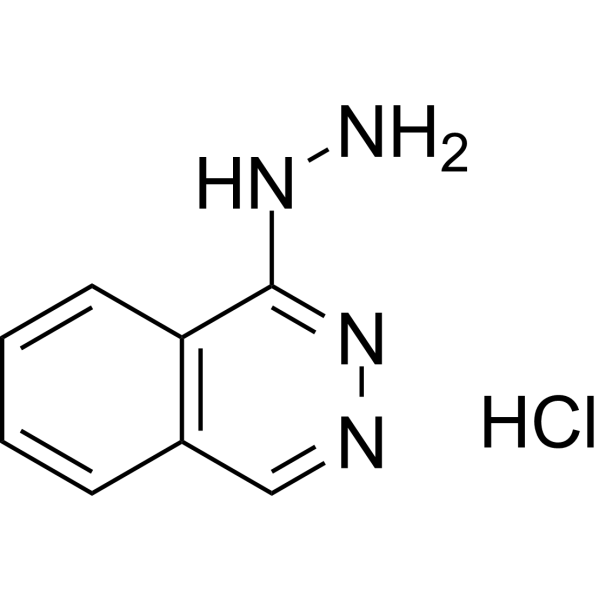
    Hydralazine hydrochloride
    3 Publications Verification

    PGE synthase NO Synthase Reactive Oxygen Species (ROS) DNA Methyltransferase COX Cardiovascular Disease Inflammation/Immunology Cancer
    Hydralazine hydrochloride is an orally active, blood-brain barrier-permeable DNA methyltransferase inhibitor with vasodilatory, arterial smooth muscle relaxant and hypotensive activities. Hydralazine hydrochloride reactivates silenced tumor suppressor genes via mediating DNA demethylation, while exerting neuroprotective and anti-inflammatory properties. Hydralazine hydrochloride inhibits NOS-2 (iNOS) and COX-2, and reduces the production of NO and PGEE2; meanwhile, Hydralazine hydrochloride scavenges reactive oxygen species and inhibits macrophage activation. Hydralazine hydrochloride alleviates motor dysfunction, neuropathic inflammatory pain, and formalin-induced somatic and emotional pain responses. In addition, Hydralazine hydrochloride directly induces DNA strand breaks and sister chromatid exchange, exhibiting certain mutagenic characteristics. Hydralazine hydrochloride has been widely used in studies on hypertension, various cancers (such as cervical cancer, leukemia), spinal cord injury and the mechanisms of inflammatory pain .
    Hydralazine hydrochloride
  • HY-128973
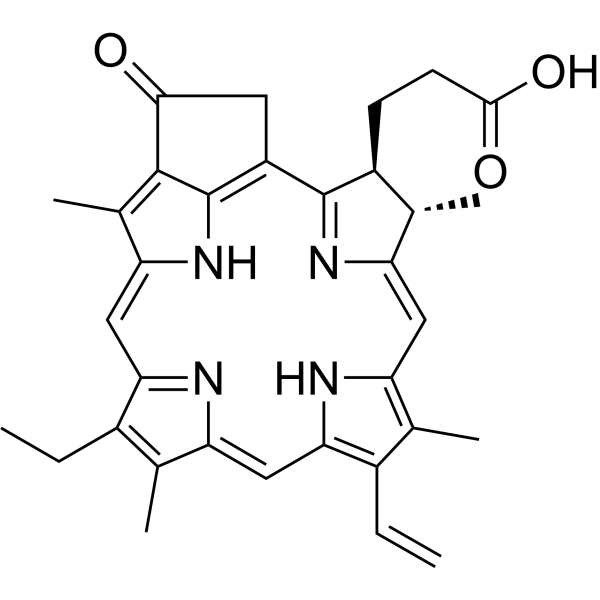
    Pyropheophorbide-a
    3 Publications Verification

    Reactive Oxygen Species (ROS) Cancer
    Pyropheophorbide-a (Ppa) is a photosensitizer used in photodynamic therapy (PDT) for tumors. Pyropheophorbide-a exhibits phototoxic effects on tumor cells, such as cervical cancer cells, and also has anti-lipogenesis activity. Pyropheophorbide-a shows potential for research in the fields of cancer and age-related macular degeneration (AMD). Pyropheophorbide-a derivatives also demonstrate inhibitory activity against tumor cells .
    Pyropheophorbide-a
  • HY-152963

    Antibody-Drug Conjugates (ADCs) Inflammation/Immunology Cancer
    Tisotumab vedotin is an antibody drug conjugate (ADC) targeting tissue factor (TF), formed by covalently linking a fully human monoclonal antibody (TF-011) against TF with the microtubule disruptor Monomethyll Auristatin E (MMAE) (HY-15162), and the drug-linker conjugate for ADC is VcMMAE (HY-15575). Tisotumab vedotin has immunomodulatory and anti-tumor activities, and can be used in the study of advanced or metastatic solid tumors such as cervical cancer .
    Tisotumab vedotin
  • HY-P99117
    Cadonilimab
    1 Publications Verification

    AK104

    PD-1/PD-L1 CTLA-4 Inflammation/Immunology Cancer
    Cadonilimab (AK104) is a humanized tetravalent IgG1 bispecific antibody targeting PD1/CTLA4. Cadonilimab blocks both PD-1 and CTLA-4 pathways, thereby relieving their corresponding immunosuppressive effects and reversing tumor specific T cell exhaustion. Cadonilimab significantly downregulates Fc-mediated effector functions, including antibody-dependent cell-mediated cytotoxicity (ADCC), antibody-dependent cellular phagocytosis (ADCP), complement dependent cytotoxicity (CDC). Cadonilimab can be used for research of metastatic cervical cancer, as well as other malignancies such as gastric cancer, GEJ adenocarcinoma and non-small cell lung cancer (NSCLC) .
    Cadonilimab
  • HY-W053583
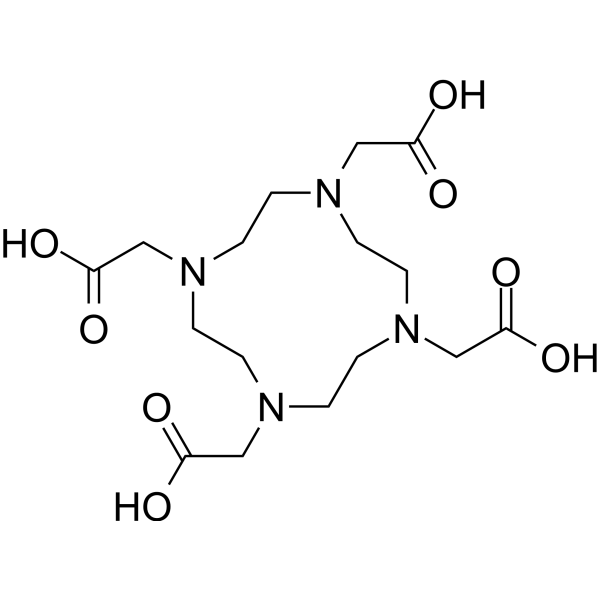
    Tetraxetan
    1 Publications Verification

    DOTA

    Biochemical Assay Reagents Radionuclide-Drug Conjugates (RDCs) Cancer
    Tetraxetan (DOTA) is a macrocyclic chelating agent. Tetraxetan can form stable coordination complexes with a variety of metal ions (e.g., 68Ga, 111In, 177Lu). Tetraxetan can be conjugated with targeting molecules (e.g., RGD peptide, folic acid) to enable the complex to target specific biomolecules or cells. Tetraxetan can be used for imaging studies of tumors, including melanoma and folate receptor-positive tumors (e.g., cervical cancer) .
    Tetraxetan
  • HY-P991097

    PM-8002; BNT-327

    VEGFR PD-1/PD-L1 Cancer
    Pumitamig (PM-8002, BNT-327) is a bispecific antibody targeting PD-L1 and VEGF-A, with immune activation and anti-angiogenic activities. By binding to PD-L1, Pumitamig restores the function of effector T cells, while neutralizing VEGF-A in the tumor microenvironment to reverse its inhibition on the infiltration and activation of immune cells and normalize tumor blood vessels. Pumitamig can also be combined with various ADCs targeting TROP2, B7H3, HER2, HER3 for the research of advanced/metastatic solid tumors, including non-small cell lung cancer, ovarian cancer, triple-negative breast cancer, cervical cancer, etc. Pumitamig also exhibits potential efficacy in "cold" tumors with low PD-L1 expression that are insensitive to immunotherapy .
    Pumitamig
  • HY-120599
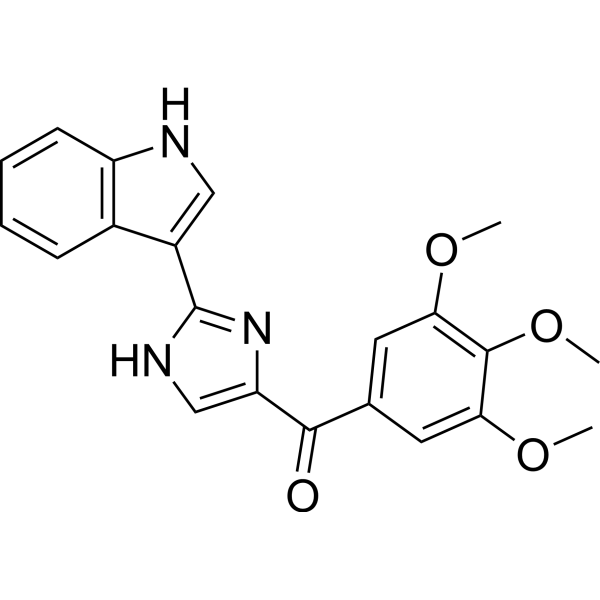
    Sabizabulin
    4 Publications Verification

    VERU-111; ABI-231

    Microtubule/Tubulin Apoptosis HPV Cancer
    VERU-111 (ABI-231) is a potent and orally active α and β tubulin inhibitor, which displays strong antiproliferative activity, with an average IC50 of 5.2 nM against panels of melanoma and prostate cancer cell lines. VERU-111 (ABI-231) suppresses tumor growth and metastatic phenotypes of cervical cancer cells via targeting HPV E6 and E7, and has potential for the treatment of prostate cancer .
    Sabizabulin
  • HY-N12257
    Antimycin A2
    2 Publications Verification

    Cytochrome P450 Reactive Oxygen Species (ROS) Apoptosis Infection Cancer
    Antimycin A2 is a selective inhibitor of the cytochrome b-c1 complex in the mitochondrial electron transport chain. Antimycin A2 disrupts mitochondrial membrane potential and produces reactive oxygen species (ROS) by inhibiting electron transfer between cytochrome b and c. Antimycin A2 has bactericidal and piscicidal activity, as well as tumor cell growth inhibitory effects, and can induce S-phase cell cycle arrest and apoptosis in HeLa cells. Antimycin A2 is suitable for research of cervical cancer and fisheries management. Antimycin A2 can be naturally isolated from the fermentation products of Streptomyces sp. strains .
    Antimycin A2
  • HY-N6866

    Apoptosis AMPK Akt PERK Keap1-Nrf2 Caspase PARP GSK-3 NO Synthase Interleukin Related Neurological Disease Metabolic Disease Inflammation/Immunology Endocrinology Cancer
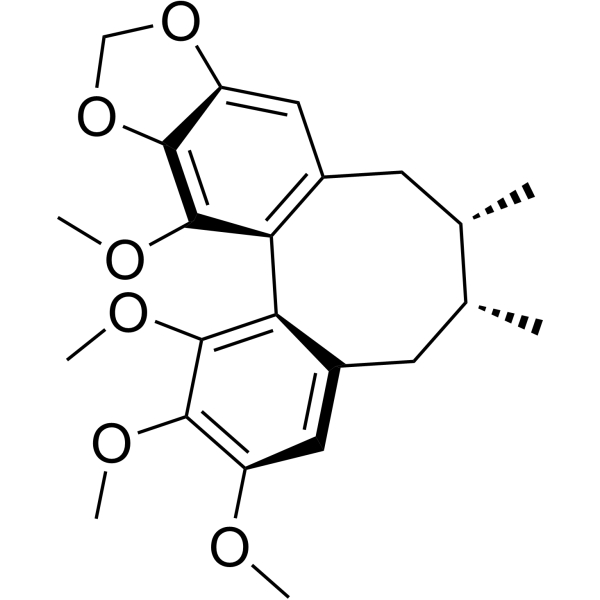
    Gomisin N is an orally active lignan compound. Gomisin N can be isolated from Schisandra chinensis. Gomisin N induces Apoptosis in a variety of cells. Gomisin N activates AMPK, Akt, MAPK/ERK, Nrf2, caspase-3 and PARP-1. Gomisin N inhibits GSK3β, nitric oxide (NO), and proinflammatory cytokines (IL-1β, IL-6, TNF-α). Gomisin N has anti-inflammatory, antioxidant, anti-obesity, anti-diabetic, and anti-melanogenesis activities. Gomisin N has anti-tumor activity against cervical cancer and liver cancer. Gomisin N improves Alzheimer's disease .
    Gomisin N
  • HY-N0726
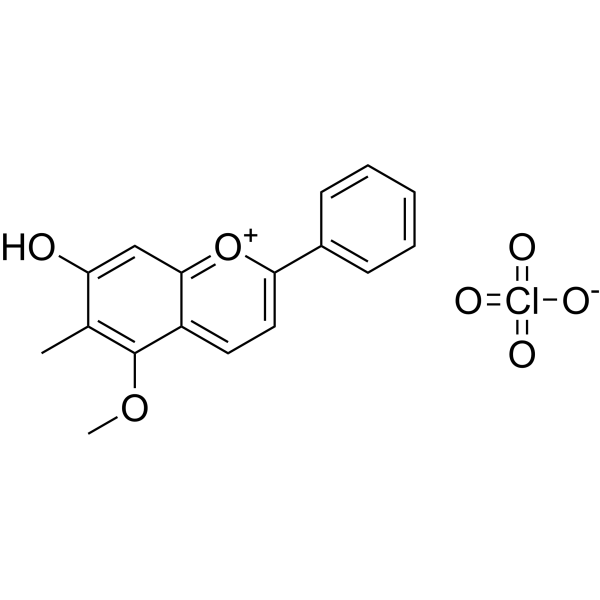
    Dracorhodin perchlorate
    1 Publications Verification

    Dracohodin perochlorate

    Apoptosis Akt PI3K NF-κB MDM-2/p53 Caspase Reactive Oxygen Species (ROS) Toll-like Receptor (TLR) PARP Metabolic Disease Cancer
    Dracorhodin perchlorate (Dracohodin perochlorate) is a natural product that can be obtained from the natural active molecule Dragon's blood. Dracorhodin perchlorate inhibits PI3K/Akt and NF-κB activation, upregulates p53 expression, activates caspase, produces ROS, and promotes Apoptosis. Dracorhodin perchlorate regulates the TLR4. Dracorhodin perchlorate promotes wound healing, improves diabetes. Dracorhodin perchlorate has anti-tumor activity against prostate cancer, breast cancer, cervical cancer and other cancers .
    Dracorhodin perchlorate
  • HY-N0120

    (E/Z)-Piceid

    Drug Isomer Cardiovascular Disease Metabolic Disease Inflammation/Immunology Cancer
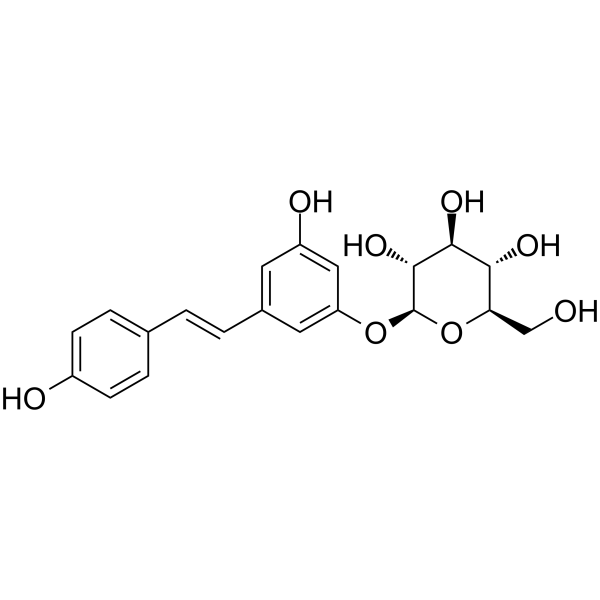
    (E/Z)-Polydatin ((E/Z)-Piceid) is a mixture of the E/Z configurations of Polydatin (HY-N0120A). Polydatin can be isolated from Polygonum cuspidatum, grapes, peanuts, red wine, hop pellets, cocoa-containing products and chocolate products. Polydatin exhibits multiple biological properties, such as anti-platelet aggregation, anti-low-density lipoprotein oxidation, cardioprotective activity, anti-inflammatory and immunomodulatory functions. Polydatin shows favorable cytotoxic effects against various tumor cell lines, including cervical cancer cells, liver cancer cells, and nasopharyngeal carcinoma cells .
    (E/Z)-Polydatin
  • HY-12758

    BCRP Cancer
    YHO-13351 is an orally active ABCG2 inhibitor . YHO-13351 modulates the function of ABCG2, blocks BCRP-mediated compound efflux, downregulates the expression of breast cancer resistance protein at the post-transcriptional level, and reverses ABCG2-associated tolerance. YHO-13351 restores the toxicity of SN-38 to SN-38-resistant cancer cells and sensitizes cancer cells to Irinotecan. YHO-13351 is a water-soluble prodrug that is rapidly converted to YHO-13177 (HY-12757) in mice. YHO-13351 prolongs the median survival time of mice bearing cancer cell xenografts when combined with IMMU-132. YHO-13351 extends the survival time of tumor-bearing mice and inhibits the growth of xenograft tumors when combined with Irinotecan. YHO-13351 can be used for the research of breast cancer, gastric cancer, BCRP-mediated drug-resistant cancers, and cervical cancer .
    YHO-13351
  • HY-B0464A
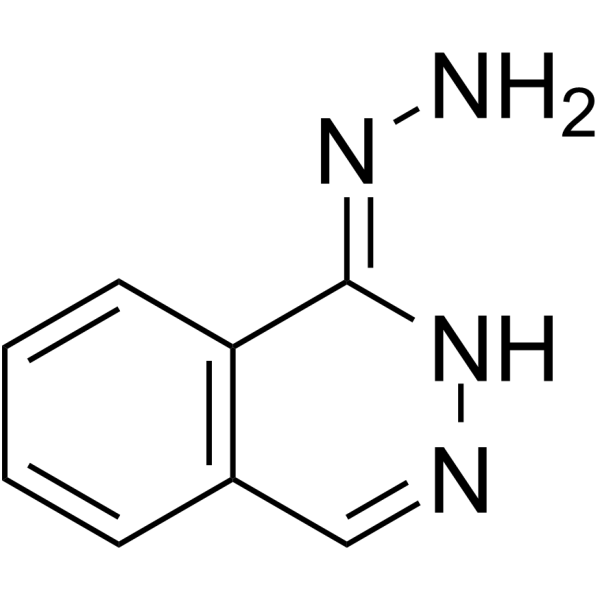
    Hydralazine
    3 Publications Verification

    DNA Methyltransferase Reactive Oxygen Species (ROS) COX NO Synthase PGE synthase Cardiovascular Disease Neurological Disease Inflammation/Immunology Cancer
    Hydralazine is an orally active, blood-brain barrier-permeable DNA methyltransferase inhibitor with vasodilatory, arterial smooth muscle relaxant and hypotensive activities. Hydralazine reactivates silenced tumor suppressor genes via mediating DNA demethylation, while exerting neuroprotective and anti-inflammatory properties. Hydralazine inhibits NOS-2 (iNOS) and COX-2, and reduces the production of NO and PGEE2; meanwhile, Hydralazine scavenges reactive oxygen species and inhibits macrophage activation. Hydralazine alleviates motor dysfunction, neuropathic inflammatory pain, and formalin-induced somatic and emotional pain responses. In addition, Hydralazine directly induces DNA strand breaks and sister chromatid exchange, exhibiting certain mutagenic characteristics. Hydralazine has been widely used in studies on hypertension, various cancers (such as cervical cancer, leukemia), spinal cord injury and the mechanisms of inflammatory pain .
    Hydralazine
  • HY-P11303

    CD74 MHC Neurological Disease Cancer
    PADRE peptide is a pan-HLA-DR binding epitope and immunostimulant. PADRE peptide binds to the peptide-binding groove of MHC class II molecules for presentation to CD4 + T cells, thereby effectively stimulating specific immune responses. PADRE peptide not only enhances anti-tumor immune responses, inhibits tumor growth and prolongs survival; it also significantly increases the frequency of E7-specific CD8 + T cells and improves therapeutic efficacy against TC-1 tumors when used in combination with E7 peptide-based vaccines and poly (I:C). The intensity of the immune response induced by PADRE peptide is lower than that of the Ii-PADRE DNA vaccine, and it fails to enhance the immune effect of CRT-E7 DNA. PADRE peptide is widely applicable to research on related tumors such as melanoma, glioblastoma and cervical cancer .
    PADRE peptide
  • HY-108638
    NSC 146109 hydrochloride
    2 Publications Verification

    XI-011 hydrochloride

    MDM-2/p53 Apoptosis PARP Cancer
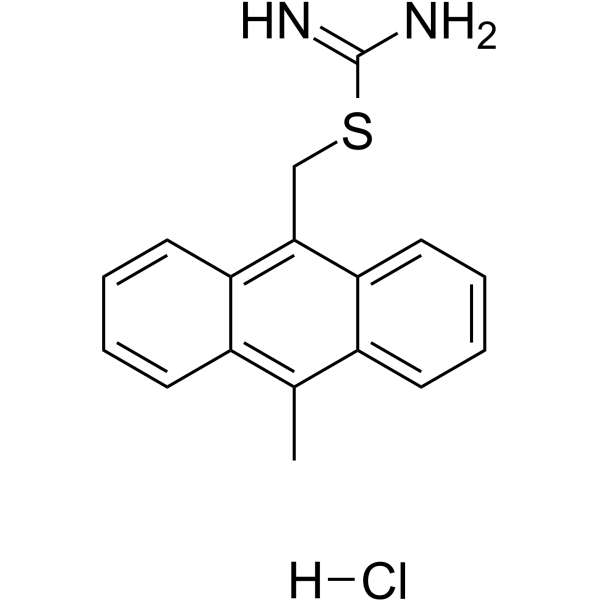
    NSC 146109 hydrochloride (XI-011 hydrochloride) is a p53 activator and MDMX inhibitor. NSC 146109 hydrochloride inhibits MDMX gene transcription, downregulates MDMX mRNA and protein levels, stabilizes p53 and activates the transcriptional activity of p53. NSC 146109 hydrochloride induces cancer cell apoptosis (apoptosis) and inhibits the growth of transformed cells. NSC 146109 hydrochloride inhibits the growth of xenograft tumors. NSC 146109 hydrochloride can be used in research related to breast cancer and cervical cancer .
    NSC 146109 hydrochloride
  • HY-119357

    Microtubule/Tubulin Apoptosis Autophagy Neurological Disease Cancer
    TN-16 is a Microtubule polymerization inhibitor. TN-16 induces G2/M cell cycle arrest, metaphase mitotic arrest and Apoptotic cell death in cells, and blocks late Autophagic flux by inhibiting autophagosome-lysosome fusion. TN-16 suppresses tumor growth in syngeneic mouse breast cancer models. TN-16 can be used in research related to neuroblastoma, cervical cancer, breast cancer and other tumors .
    TN-16
  • HY-121607
    INI-43
    1 Publications Verification

    AP-1 Apoptosis Cancer
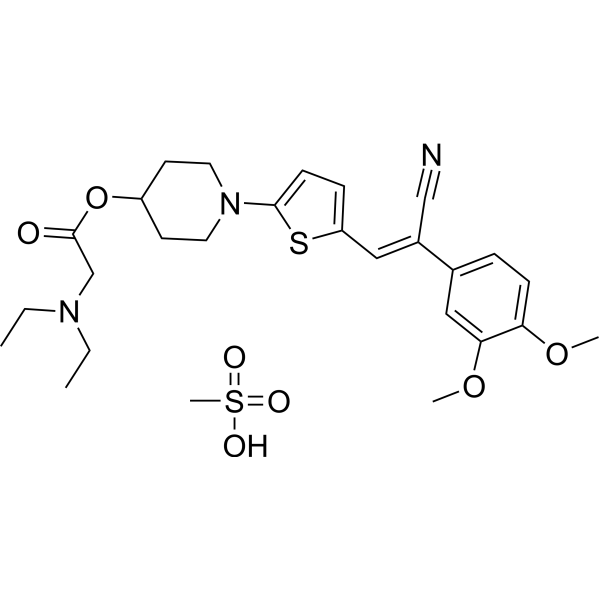
    INI-43 is an inhibitor of Kpnβ1, interfering with the nuclear localization of Kpnβ1 and known Kpnβ1 cargo proteins, NFAT, NFκB, AP-1, and NFY. INI-43 can inhibit the proliferation of cancer cells, cause G2-M cell cycle arrest in cancer cells, and induce the intrinsic apoptosis pathway .
    INI-43
  • HY-P990690

    MEDI-5752

    PD-1/PD-L1 CTLA-4 Cancer
    Volrustomig (MEDI-5752) is a human IgG1 κ monoclonal antibody targeting CTLA4/PD1. The isotype control for Volrustomig is Human IgG1 kappa, Isotype Control (HY-P99001). Volrustomig anchors to the surface of T cells by binding PD-1, induces PD-1 internalization and degradation, and preferentially inhibits CTLA-4 on activated PD-1 + T cells. Volrustomig binds to tumor-infiltrating lymphocytes and a subset of PD-1 + B cells, enhances T cell function and IFNγ secretion. Volrustomig reduces the activation of non-tumor-infiltrating lymphocytes and exhibits manageable toxicity. Volrustomig can be used in research on various cancers, such as non-small cell lung cancer, gastric cancer, hepatobiliary cancer, and cervical cancer .
    Volrustomig
  • HY-139852

    Phosphatase Cancer
    PLAP-IN-1 is a selective PLAP inhibitor with an IC50 of 0.032 μM. PLAP-IN-1 acts as a tumor-targeting agent; its fluorescein-conjugated derivative specifically binds to PLAP-positive tumor cells in vitro and targets cervical cancer in mouse xenograft models. PLAP-IN-1 can be used in the research of cervical cancer and ovarian cancer .
    PLAP-IN-1
  • HY-169804

    Phosphodiesterase (PDE) Cancer
    ENPP3 Inhibitor 1 is a selective inhibitor of ENPP3, with IC50s of 0.15 µM (ENPP3) and 41.4 µM (ENPP1) respectively. ENPP3 Inhibitor 1 shows anti-tumor activities against breast cancer and cervical cancer .
    ENPP3 Inhibitor 1
  • HY-101007A

    Tyrphostin AG 835; Tyrphostin B 50

    EGFR Cancer
    (+)-Tyrphostin B44 (Tyrphostin AG 835) (Compound B50) is an EGRF inhibitor with antitumor activities .
    (+)-Tyrphostin B44
  • HY-B1341

    Enidrel; SC-4642; NSC 15432

    Endogenous Metabolite Progesterone Receptor Cancer
    Norethynodrel (Enidrel; SC-4642) is an orally active progestogen analog that reduces estrogen-like effects and enhances progestogen-like responses in endometrial stromal cells. Norethynodrel also promotes cell maturation and predecidual cell formation by inducing organelle hyperplasia and glycogen accumulation. Norethynodrel competitively inhibits drug-metabolizing enzymes in rat liver microsomes, thereby prolonging Pentobarbital sleep time, while exhibiting multiple effects including reduced body weight gain, attenuated heart rate elevation and ovulation inhibition. In mouse models, Norethynodrel significantly increases the incidence of mammary adenocarcinoma, cervical cancer and pituitary tumors. Norethynodrel can be used for mechanism research on related diseases such as mammary adenocarcinoma, cervical cancer, ovarian tubular adenoma and pituitary adenoma .
    Norethynodrel
  • HY-162589

    PROTACs HSP Apoptosis Cancer
    Lw13 is a Hsp90-targeting PROTAC and achieves maximum degradation at a concentration of 0.05 μM in Siha cells. Lw13 induces cell apoptosis and exhibits potent anti-tumor activity both in vitro and in vivo(Sturcture Note:(Blue: Cereblon ligand (HY-A0003), Black: linker;Pink: Hsp90 inhibitor SNX-5422 (HY-10213)) .
    Lw13
  • HY-N8228

    Bacterial Infection Inflammation/Immunology Cancer
    17-Hydroxyneomatrine, extracted from Sophora flavescens, can well inhibit the growth of human cervical carcinoma Hela cells, has the wide-range antibacterial, anti-allergy, anti-tumor, anti-arrhythmia, swelling-subsiding diuresis, immunizing, and biological regulation functions .
    17-Hydroxyneomatrine
  • HY-W053583R

    DOTA (Standard)

    Biochemical Assay Reagents Reference Standards Radionuclide-Drug Conjugates (RDCs) Cancer
    Tetraxetan (Standard) is the analytical standard of Tetraxetan (HY-W053583). This product is intended for research and analytical applications. Tetraxetan (DOTA) is a macrocyclic chelating agent. Tetraxetan can form stable coordination complexes with a variety of metal ions (e.g., 68Ga, 111In, 177Lu). Tetraxetan can be conjugated with targeting molecules (e.g., RGD peptide, folic acid) to enable the complex to target specific biomolecules or cells. Tetraxetan can be used for imaging studies of tumors, including melanoma and folate receptor-positive tumors (e.g., cervical cancer) .
    Tetraxetan (Standard)
  • HY-B0464S1

    Isotope-Labeled Compounds PGE synthase NO Synthase Reactive Oxygen Species (ROS) DNA Methyltransferase COX Cancer
    Hydralazine-d5 (hydrochloride) is deuterium-labeled Hydralazine (hydrochloride) (HY-B0464). Hydralazine hydrochloride is an orally active, blood-brain barrier-permeable DNA methyltransferase inhibitor with vasodilatory, arterial smooth muscle relaxant and hypotensive activities. Hydralazine hydrochloride reactivates silenced tumor suppressor genes via mediating DNA demethylation, while exerting neuroprotective and anti-inflammatory properties. Hydralazine hydrochloride inhibits NOS-2 (iNOS) and COX-2, and reduces the production of NO and PGEE2; meanwhile, Hydralazine hydrochloride scavenges reactive oxygen species and inhibits macrophage activation. Hydralazine hydrochloride alleviates motor dysfunction, neuropathic inflammatory pain, and formalin-induced somatic and emotional pain responses. In addition, Hydralazine hydrochloride directly induces DNA strand breaks and sister chromatid exchange, exhibiting certain mutagenic characteristics. Hydralazine hydrochloride has been widely used in studies on hypertension, various cancers (such as cervical cancer, leukemia), spinal cord injury and the mechanisms of inflammatory pain .
    Hydralazine-d5 hydrochloride
  • HY-174468

    LYTACs PD-1/PD-L1 HSP Cancer
    dPDL1-4 is a potent and selective eHSPTAC eHSP90 PD-L1 degrader with DC50s of 7.77 μM and 6.52 μM in HeLa and B16F10 cells. dPDL1-4 bridges eHSP90 with the target protein, inducing lysosomal degradation. dPDL1-4 can degrade PD-L1 significantly and inhibits tumor growth. dPDL1-4 can be used for the study of cervical cancer and melanoma. ((Pink: eHSP90 ligand (HY-174476); Blue: PD-L1 ligand (HY-116274); Black: Linker (HY-W021787); HSP ligand + linker: HY-174799)) .
    dPDL1-4
  • HY-B0464S

    Isotope-Labeled Compounds PGE synthase NO Synthase Reactive Oxygen Species (ROS) DNA Methyltransferase COX Cardiovascular Disease
    Hydralazine-d4 hydrochloride is the deuterium labeled Hydralazine hydrochloride. Hydralazine hydrochloride is an orally active, blood-brain barrier-permeable DNA methyltransferase inhibitor with vasodilatory, arterial smooth muscle relaxant and hypotensive activities. Hydralazine hydrochloride reactivates silenced tumor suppressor genes via mediating DNA demethylation, while exerting neuroprotective and anti-inflammatory properties. Hydralazine hydrochloride inhibits NOS-2 (iNOS) and COX-2, and reduces the production of NO and PGEE2; meanwhile, Hydralazine hydrochloride scavenges reactive oxygen species and inhibits macrophage activation. Hydralazine hydrochloride alleviates motor dysfunction, neuropathic inflammatory pain, and formalin-induced somatic and emotional pain responses. In addition, Hydralazine hydrochloride directly induces DNA strand breaks and sister chromatid exchange, exhibiting certain mutagenic characteristics. Hydralazine hydrochloride has been widely used in studies on hypertension, various cancers (such as cervical cancer, leukemia), spinal cord injury and the mechanisms of inflammatory pain .
    Hydralazine-d4 hydrochloride
  • HY-N4308

    Hexa-O-methylquercetagetin; Quercetagetin hexamethyl ether; 3,5,6,7,3',4'-Hexamethoxyflavone

    NF-κB IKK Bcl-2 Family Cancer
    Hexamethylquercetagetin (Hexa-O-methylquercetagetin; Quercetagetin hexamethyl ether; 3,5,6,7,3',4'-Hexamethoxyflavone) is an orally active NF-κB inhibitor. Hexamethylquercetagetin inhibits NF-κB-derived luciferase activity, reduces phosphorylated p65 and IκBα, Cyclin D1, Bcl-2 and blocks TNFα-induced NF-κB activation. Hexamethylquercetagetin inhibits survival and proliferation of cervical carcinoma cells. Hexamethylquercetagetin suppresses tumor volume and weight in BALB/c nude mouse xenograft models of cervical carcinoma. Hexamethylquercetagetin can be used for the research of cancer, such as cervical carcinoma .
    Hexamethylquercetagetin
  • HY-178960

    Microtubule/Tubulin Apoptosis Cancer
    Tubulin-IN-59 (Compound 8g) is an orally active Tubulin inhibitor. Tubulin-IN-59 exhibits potent anti-proliferative activity against HCT116 colorectal cancer, HeLa cervical cancer, and HepG2 liver cancer cell lines, with its IC₅₀ value ranging from 16 to 35 nM. Tubulin-IN-59 arrests HeLa cells in the G2/M phase and induces cell apoptosis. Tubulin-IN-59 demonstrates significant anti-tumor activity in the HT29 human colon cancer mouse xenograft model. Tubulin-IN-59 can be used for the study of colorectal cancer and cervical cancer .
    Tubulin-IN-59
  • HY-178343

    Aurora Kinase Apoptosis Cancer
    Aurora A-IN-5 is a potent and highly selective Aurora A inhibitor (IC50 = 0.02 μM), showing 362-fold selectivity for over Aurora B. Aurora A-IN-5 shows its selectivity through unique C−H/π interactions, enhanced hydrophobic contacts, an open binding pocket, and tighter protein packing. Aurora A-IN-5 suppresses Aurora A autophosphorylation, thereby inhibiting cancer cell proliferation by inducing G2/M phase arrest, triggering apoptosis, and suppressing colony formation. Aurora A-IN-5 inhibits tumor growth in MDA-MB-231 xenograft mouse models. Aurora A-IN-5 can be used for breast, cervical, prostate, and lymphoma cancer research .
    Aurora A-IN-5
  • HY-128973R

    Reactive Oxygen Species (ROS) Reference Standards Cancer
    Pyropheophorbide-a (Standard) is the analytical standard of Pyropheophorbide-a. This product is intended for research and analytical applications. Pyropheophorbide-a (Ppa) is a photosensitizer used in photodynamic therapy (PDT) for tumors. Pyropheophorbide-a exhibits phototoxic effects on tumor cells, such as cervical cancer cells, and also has anti-lipogenesis activity. Pyropheophorbide-a shows potential for research in the fields of cancer and age-related macular degeneration (AMD). Pyropheophorbide-a derivatives also demonstrate inhibitory activity against tumor cells .
    Pyropheophorbide-a (Standard)
  • HY-114527

    Apoptosis Stearoyl-CoA Desaturase (SCD) Cancer
    TPMP-I-2 is an anticancer agent that induces cancer cell lines Apoptosis and decreases protein levels of stearoyl-CoA desaturase. TPMP-I-2 prolongs the survival time of nude rats in a simulated micrometastatic cervical cancer model and reduces tumor growth in a breast cancer model in nude mice combined with immunotoxins .
    TPMP-I-2
  • HY-168300

    Reactive Oxygen Species (ROS) Apoptosis Inflammation/Immunology Cancer
    Antiangiogenic agent 7 (Compound 1) can induce cell apoptosis, increase Reactive Oxygen Species, and inhibit the intracellular enzyme thioredoxin reductase. Antiangiogenic agent 7 has anti-cancer activity, with an IC50 of 0.08-3.5 μM against cervical cancer cells HeLa, prostate cancer cells PC-3, and non-small cell lung cancer A549. Antiangiogenic agent 7 inhibits tumor growth in mouse xenograft models .
    Antiangiogenic agent 7
  • HY-N8230

    HIV HIV Protease Infection Inflammation/Immunology Cancer
    Ganosinensic acid C is a triterpenoid compound that can be extracted from Ganoderma lucidum. Ganosinensic acid C has important biological activities such as anti-tumor, anti-prostate cancer, anti-inflammatory, and inhibition of HIV-I protease. Ganosinensic acid C has an IC50 value of 10.5 μM against human highly metastatic lung cancer cell line 95D. Ganosinensic acid C has an IC50 value of Ganosinensic acid C against cervical cancer cell line Hela is 13.2 μM .
    Ganosinensic acid C
  • HY-175039

    FAK Apoptosis Reactive Oxygen Species (ROS) Caspase Cancer
    FAK-IN-28 is an orally active FAK inhibitor (IC50 = 0.4 nM). FAK-IN-28 exhibits dual antiproliferative and anti-metastatic properties. FAK-IN-28 triggers caspase-3-dependent apoptosis via ROS elevation. FAK-IN-28 inhibits tumor growth without causing weight loss or hepatotoxicity. FAK-IN-28 is useful in the study of FAK-driven malignancies, such as colon cancer, cervical cancer, triple-negative breast cancer, and melanoma .
    FAK-IN-28
  • HY-N7507

    Others Cancer
    Sempervirine is an indole alkaloid isolated from Gelsemium sempervirens with anti-tumor activities. Sempervirine is against sempervirine-sensitive tumor cells with EC50 values of 2.7 μM, 1.77 μM, and 1.96 μM for Raji, MDA-MB-231 and HeLa cells, respectively .
    Sempervirine
  • HY-174324

    VEGFR P-glycoprotein Apoptosis Cancer
    VEGFR-2/P-gp-IN-1, a Licochalcone A (HY-N0372) derivative, is an orally active VEGFR-2 (IC50 = 0.885 μM) and P-gp inhibitor. VEGFR-2/P-gp-IN-1 achieves anti-tumor proliferation and overcomes chemotherapy resistance by synchronously inhibiting VEGFR-2 kinase activity and P-gp drug efflux pump function. VEGFR-2/P-gp-IN-1 inhibits phosphorylation of VEGFR-2 and downstream PI3K/AKT signaling pathway proteins, induces apoptosis, blocks cells in the S phase, and inhibits invasive migration. VEGFR-2/P-gp-IN-1 exerts potent in vivo anti-tumor effects in the HeLa/DDP cell xenograft tumor model. VEGFR-2/P-gp-IN-1 is used in cervical cancer research.
    VEGFR-2/P-gp-IN-1
  • HY-N0726R

    Dracohodin perochlorate (Standard)

    Reference Standards Apoptosis Cancer
    Dracorhodin perchlorate (Standard) is the analytical standard of Dracorhodin perchlorate. This product is intended for research and analytical applications. Dracorhodin perchlorate (Dracohodin perochlorate) is a natural product. Dracorhodin perchlorate can be obtained from the natural active molecule Dragon's blood. Dracorhodin perchlorate inhibits PI3K/Akt and NF-κB activation, upregulates p53 expression, activates caspase, produces ROS, and promotes Apoptosis. Dracorhodin perchlorate regulates the TLR4. Dracorhodin perchlorate promotes wound healing, improves diabetes. Dracorhodin perchlorate has anti-tumor activity against prostate cancer, breast cancer, cervical cancer and other cancers .
    Dracorhodin perchlorate (Standard)
  • HY-176219

    Bcl-2 Family Apoptosis Necroptosis Cancer
    Bcl-2-IN-23 (compound 5) is a selective inhibitor targeting Bcl-2. The IC50 of Bcl-2-IN-23 in HTB-140, HeLa and SW620 cells is 25.7-33.7 μM. Bcl-2-IN-23 can non-covalently competitively bind to Bcl-2 protein, significantly reduce its expression, and induce late apoptosis and necroptosis of cancer cells. Bcl-2-IN-23 enhances the sensitivity of cancer cells to apoptosis and reduces the release of IL-6 inflammatory factors by disrupting the Bcl-2-mediated mitochondrial apoptosis inhibition pathway. Bcl-2-IN-23 can be used for anti-apoptosis research of malignant tumors such as melanoma, cervical cancer, and colorectal cancer .
    Bcl-2-IN-23
  • HY-B0464R

    Reference Standards PGE synthase NO Synthase Reactive Oxygen Species (ROS) DNA Methyltransferase COX Cardiovascular Disease Inflammation/Immunology Cancer
    Hydralazine (hydrochloride) (Standard) is the analytical standard of Hydralazine (hydrochloride). This product is intended for research and analytical applications. Hydralazine hydrochloride is an orally active, blood-brain barrier-permeable DNA methyltransferase inhibitor with vasodilatory, arterial smooth muscle relaxant and hypotensive activities. Hydralazine hydrochloride reactivates silenced tumor suppressor genes via mediating DNA demethylation, while exerting neuroprotective and anti-inflammatory properties. Hydralazine hydrochloride inhibits NOS-2 (iNOS) and COX-2, and reduces the production of NO and PGEE2; meanwhile, Hydralazine hydrochloride scavenges reactive oxygen species and inhibits macrophage activation. Hydralazine hydrochloride alleviates motor dysfunction, neuropathic inflammatory pain, and formalin-induced somatic and emotional pain responses. In addition, Hydralazine hydrochloride directly induces DNA strand breaks and sister chromatid exchange, exhibiting certain mutagenic characteristics. Hydralazine hydrochloride has been widely used in studies on hypertension, various cancers (such as cervical cancer, leukemia), spinal cord injury and the mechanisms of inflammatory pain .
    Hydralazine hydrochloride (Standard)
  • HY-172891

    CDK HDAC Apoptosis Cancer
    CDK9/HDAC1/HDAC3-IN-1 is dual-functional inhibitor of CDK9 and HDAC. CDK9/HDAC1/HDAC3-IN-1 inhibits the protein activity of CDK9/HDAC/HDAC3 with IC50 s of 0.17  μM, 1.73  μM and 1.11 μM for CDK9, HDAC1, and HDAC3, respectively. CDK9/HDAC1/HDAC3-IN-1 inhibits cancer cells by inducing cell apoptosis and cell cycle arrest in the G2/M phase, as well as tumor growth in a murine TNBC MDA-MB-231 xenograft model. CDK9/HDAC1/HDAC3-IN-1 has a broad-spectrum anti-cancer activity, such as breast cancer, cervical cancer, and liver cancer .
    CDK9/HDAC1/HDAC3-IN-1
  • HY-P992133

    SYS6002 Antibody; CRB-701 Antibody

    ADC Antibody Nectin-4 Cancer
    Sutantatug (SYS6002 Antibody) is a monoclonal antibody targeting Nectin-4, and serves as the antibody moiety of the ADC CRB-701. Sutantatug is applicable to the research of Nectin-4-positive solid tumors, urothelial carcinoma and cervical cancer. The corresponding isotype control for Sutantatug is Human IgG1 kappa, Isotype Control (HY-P99001) .
    Sutantatug
  • HY-P992291

    Apoptosis Cancer
    Anti-PL2L60 Antibody (KAO3) is a PL2L60-targeting antibody. Anti-PL2L60 Antibody (KAO3) binds to PL2L60 expressed on tumor cell surfaces, blocking its tumor-promoting functions. Anti-PL2L60 Antibody (KAO3) arrests tumor cell cycle and induces cancer cell apoptosis. Anti-PL2L60 Antibody (KAO3) activates complement to mediate tumor cell lysis. Anti-PL2L60 Antibody (KAO3) can be used for the research of lymphoma, breast cancer, lung cancer, cervical cancer, colon cancer, and melanoma[1].
    Anti-PL2L60 Antibody (KAO3)
  • HY-P992200

    Transmembrane Glycoprotein PI3K Akt p38 MAPK NF-κB MMP Apoptosis Caspase Bcl-2 Family Cardiovascular Disease Cancer
    Anti-CD146 Antibody (AA98) is an antibody targeting CD146 and an angiogenesis inhibitor. Anti-CD146 Antibody (AA98) blocks the dimerization of CD146 as well as its downstream PI3K/AKT, p38 MAPK and NF-κB signaling pathways; it inhibits the expression of MMP9 and ICAM1, epithelial-mesenchymal transition (EMT), and the proliferation, migration and tube formation of endothelial cells. Anti-CD146 Antibody (AA98) enhances radiation-induced cancer cell apoptosis and survival inhibition, reduces tumor microvessel density, and suppresses tumor growth, invasion and vasculogenic mimicry. Anti-CD146 Antibody (AA98) can be used in research related to cervical cancer, liver cancer, malignant phyllodes tumor of the breast, uveal melanoma, leiomyosarcoma, pancreatic cancer, other tumors and angiogenesis .
    Anti-CD146 Antibody (AA98)
  • HY-181054

    Bcl-2 Family Apoptosis Reactive Oxygen Species (ROS) Cancer
    Mcl-1-IN-21 is a selective Mcl-1 protein inhibitor. Mcl-1-IN-21 can induce apoptosis, elevate intracellular ROS, reduce mitochondrial membrane potential, exert cytotoxicity against human cervical cancer cells, and inhibit tumor growth in a human cervical cancer xenograft mouse model. Mcl-1-IN-21 can be used for the research of cervical cancer .
    Mcl-1-IN-21
  • HY-181720

    Caspase PARP Apoptosis Cancer
    Antitumor agent-214 is a chalcone analogue with anti-tumor activity. Antitumor agent-214 induces cell cycle arrest and apoptosis in tumor cells, disrupts mitochondrial metabolism, and upregulates the expression of caspase 3, caspase 7 and caspase 9, downregulates PARP1. Antitumor agent-214 can be used for anti-tumor research related to colorectal cancer, breast cancer, lung cancer, and cervical cancer .
    Antitumor agent-214
  • HY-P992121

    ZG005

    PD-1/PD-L1 Transmembrane Glycoprotein Cancer
    Nilvanstomig (ZG005) is an antibody targeting PD-1 and TIGIT. Nilvanstomig blocks the PD-1/TIGIT pathway, thereby promoting the synergistic activation of T cells and enhancing the anti-tumor activity of NK cells. Nilvanstomig is applicable to relevant research on advanced cervical cancer .
    Nilvanstomig
  • HY-180989

    PROTACs Polo-like Kinase (PLK) Apoptosis Cancer
    PROTAC PLK1 Degrader-2 (Compound NC1) is a PLK1 PROTAC degrader with an Kd of 6.06 μM. PROTAC PLK1 Degrader-2 significantly inhibits the proliferation of HeLa cells, induces cell cycle arrest and apoptosis. PROTAC PLK1 Degrader-2 exhibits significant anti-tumor activity in a HeLa cell xenograft tumor mouse model. PROTAC PLK1 Degrader-2 can be used for the study of cervical cancer.
    PROTAC PLK1 Degrader-2
  • HY-180557

    Folate Receptor (FR) Cancer
    4A-BFA-11 is a folate-targeted PEG-MMAE conjugate that exhibits specific binding affinity for the folate receptor α (FR-α) (KD = 106.7 nM). 4A-BFA-11 achieves tumor enrichment by combining PEG-mediated long circulation (EPR effect) and folate receptor targeting. 4A-BFA-11 undergoes enzymatic cleavage at the tumor site to release the active payload, enabling precise action. 4A-BFA-11 sefficiently carries, targets, and controls the release of MMAE in tumor tissues in a HeLa mouse model. 4A-BFA-11 can be used for cervical cancer, ovarian cancer, and lung cancer research .
    4A-BFA-11

Inquiry Online

Your information is safe with us. * Required Fields.

Salutation


Country or Region *

Applicant Name *


Organization Name *

Department *


Email Address *


Product Name *

Cat. No.


Requested quantity *

Phone Number *


Remarks

Inquiry Online

Inquiry Information

Product Name:
Cat. No.:
Quantity:
MCE Japan Authorized Agent:

