1. Search Result
Search Result
Results for "

coronary+artery

" in MedChemExpress (MCE) Product Catalog:

95

Inhibitors & Agonists

1

Screening Libraries

7

Biochemical Assay Reagents

7

Peptides

1

Inhibitory Antibodies

7

Natural
Products

10

Isotope-Labeled Compounds

2

Oligonucleotides

Cat. No. Product Name Target Research Areas Chemical Structure
  • HY-14654
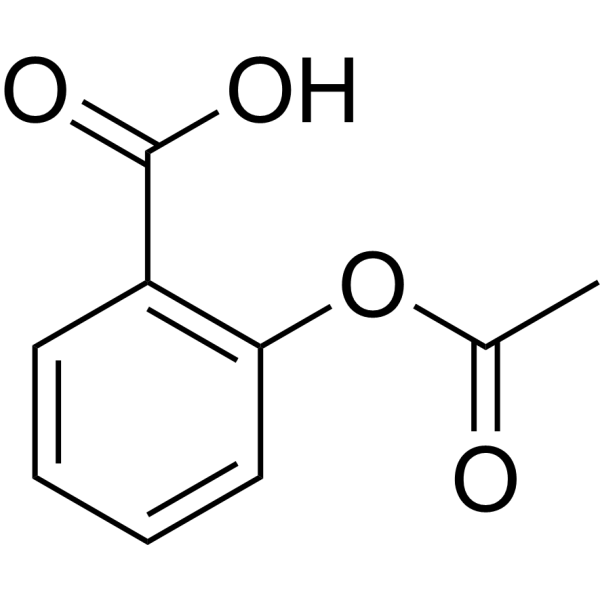
    Aspirin
    30+ Cited Publications

    Acetylsalicylic acid; ASA

    Environmental Pollutants Autophagy NF-κB Apoptosis COX Mitophagy Virus Protease Caspase p38 MAPK Cardiovascular Disease Infection Neurological Disease Metabolic Disease Inflammation/Immunology Cancer
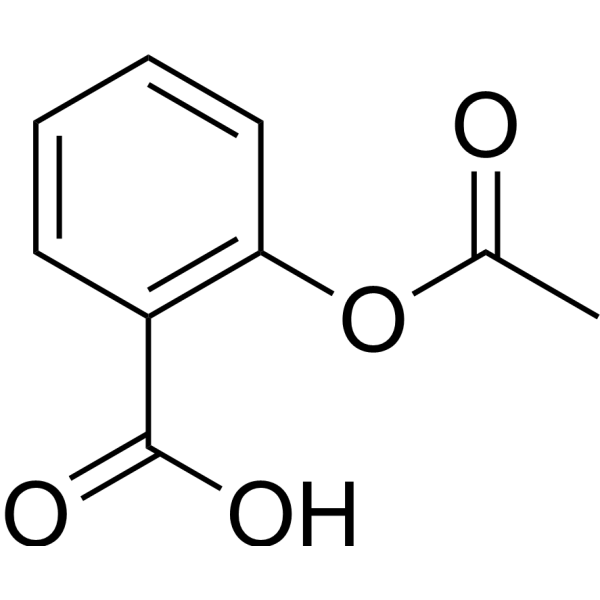
    Aspirin (Acetylsalicylic acid) is an orally active, potent and irreversible inhibitor of cyclooxygenase COX-1 and COX-2, with IC50 values of 5 and 210 μg/mL, respectively. Aspirin induces apoptosis. Aspirin inhibits the activation of NF-κB. Aspirin also inhibits platelet prostaglandin synthetase, and can prevent coronary artery and cerebrovascular thrombosis .
    Aspirin
  • HY-15283
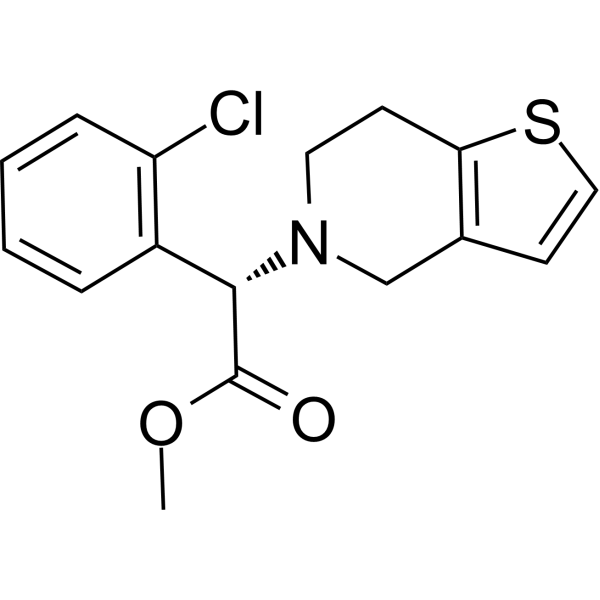
    Clopidogrel
    25+ Cited Publications

    Clopidogrelum

    P2Y Receptor Cardiovascular Disease Cancer
    Clopidogrel is an orally active platelet inhibitor that targets P2Y12 receptor. Clopidogrel is used to inhibit blood clots in coronary artery disease, peripheral vascular disease, and cerebrovascular disease.
    Clopidogrel
  • HY-Y0682
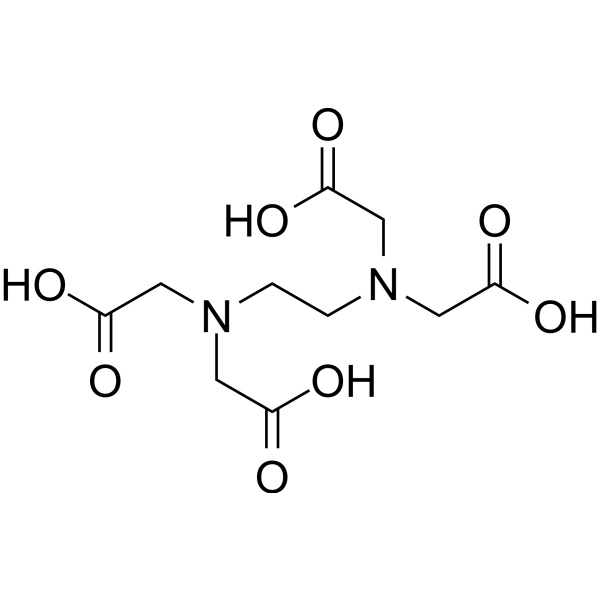
    Ethylenediaminetetraacetic acid
    Maximum Cited Publications
    29 Publications Verification

    EDTA

    Environmental Pollutants Biochemical Assay Reagents Bacterial SOD Cardiovascular Disease Neurological Disease Cancer
    Ethylenediaminetetraacetic acid (EDTA) is a kind of metal chelating agent (binds to bivalent and trivalent metal cations, including calcium). Ethylenediaminetetraacetic acid has antibacterial, anti-inflammatory, antioxidant, anti-hypercalcemia and anticoagulant activities. Ethylenediaminetetraacetic acid decreases the metal ion-catalyzed oxidative damage to proteins, and allows maintenance of reducing environment during protein purification. Ethylenediaminetetraacetic acid can alleviate the liver fibrosis. Ethylenediaminetetraacetic acid can be used for coronary artery disease and neural system disease research .
    Ethylenediaminetetraacetic acid
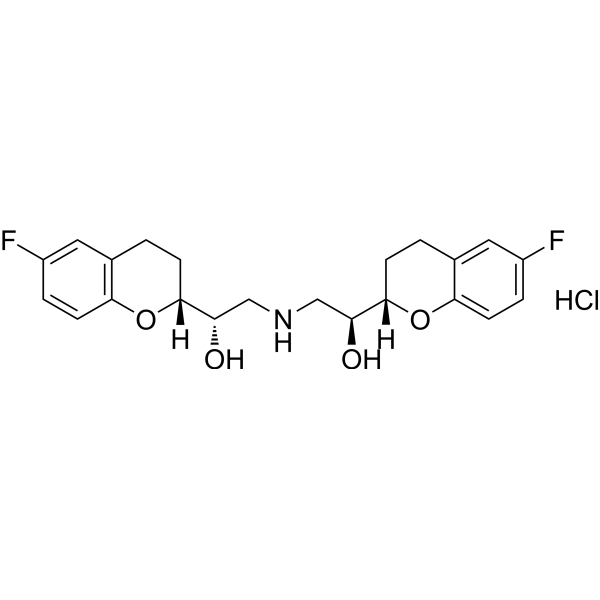
  • HY-B0203A
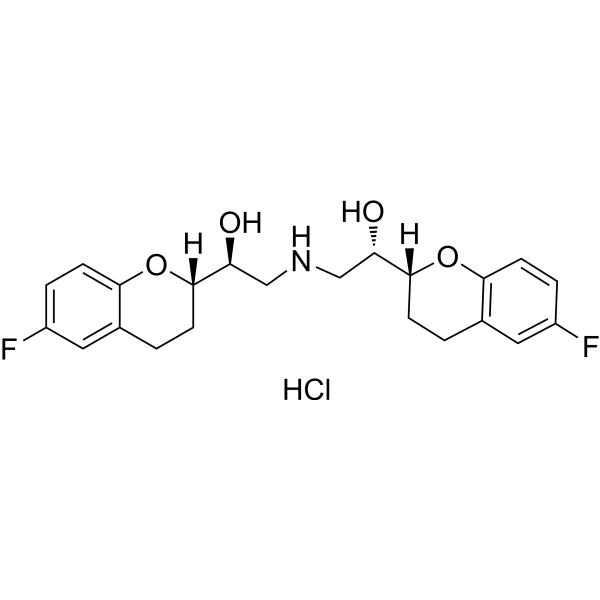
    Nebivolol hydrochloride
    3 Publications Verification

    R 065824 hydrochloride

    Adrenergic Receptor Cardiovascular Disease Endocrinology Cancer
    Nebivolol (R 065824) hydrochloride is an orally active beta receptor blocker and has the high beta(1)-receptor affinity.Nebivolol hydrochloride has direct vasodilator properties and adrenergic blocking characteristics. Nebivolol hydrochloride can be used for the research of kinds of diseases such as hypertension, coronary artery disease, congestive heart failure and ischemic heart disease .
    Nebivolol hydrochloride
  • HY-I0400
    N-Acetylneuraminic acid
    5 Publications Verification

    NANA; Lactaminic acid

    Tyrosinase Ras Influenza Virus Endogenous Metabolite Cardiovascular Disease Inflammation/Immunology Cancer
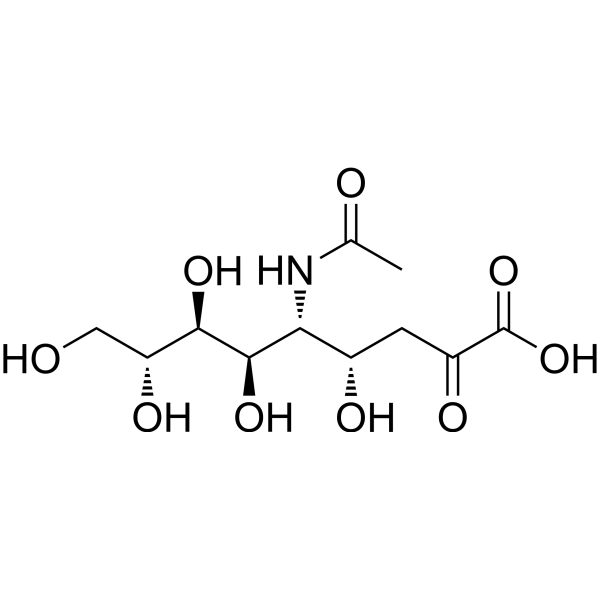
    N-Acetylneuraminic acid (NANA; Lactaminic acid), a nonphenolic structure, is the predominant form of sialic from Collocalia esculenta. N-Acetylneuraminic acid plays a biological role in myocardial injury, melanoma and viral or bacterial infection. N-Acetylneuraminic acid inhibits melanogenesis by reducing tyrosinase activity and triggers myocardial injury in vitro and in vivo by activation of the Rho/Rho-associated signaling pathway through binding to RhoA and Cdc42. N-Acetylneuraminic acid may prevent high fat diet (HFD)-induced inflammation and oxidative stress, thereby prevents hyperlipidemia-associated inflammation and oxidative stress. N-Acetylneuraminic acid is promising for research in the field of melanoma, coronary artery, obesity-related diseases and hyperlipidemia .
    N-Acetylneuraminic acid
  • HY-Y0682A

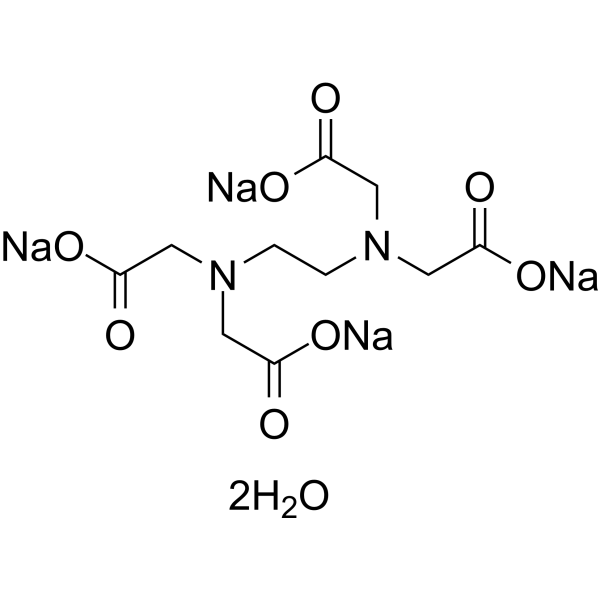
    EDTA disodium dihydrate

    Environmental Pollutants Biochemical Assay Reagents Bacterial SOD Cardiovascular Disease Neurological Disease Cancer
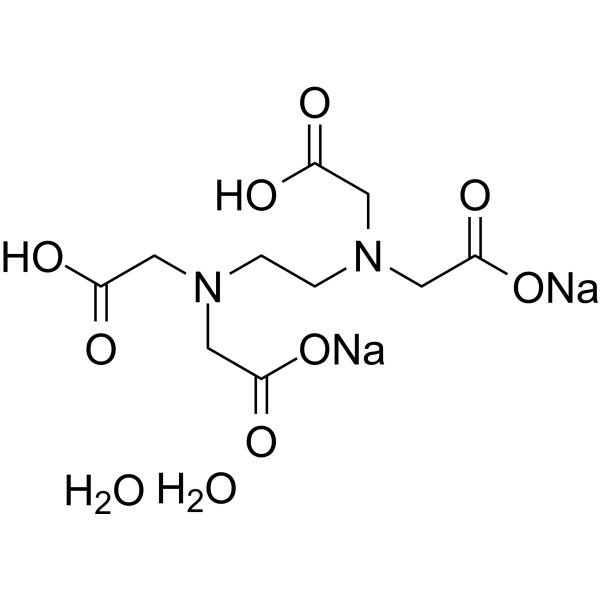
    Ethylenediaminetetraacetic acid (EDTA) disodium dehydrate is a kind of metal chelating agent (binds to bivalent and trivalent metal cations, including calcium). Ethylenediaminetetraacetic acid disodium dehydrate has antibacterial, anti-inflammatory, antioxidant, anti-hypercalcemia and anticoagulant activities. Ethylenediaminetetraacetic acid disodium dehydrate decreases the metal ion-catalyzed oxidative damage to proteins, and allows maintenance of reducing environment during protein purification. Ethylenediaminetetraacetic acid disodium dehydrate can alleviate the liver fibrosis. Ethylenediaminetetraacetic acid disodium dehydrate can be used for coronary artery disease and neural system disease research .
    Ethylenediaminetetraacetic acid disodium dihydrate
  • HY-N1957
    Gamma-Mangostin
    2 Publications Verification

    γ-Mangostin

    5-HT Receptor COX Transthyretin (TTR) Metabolic Disease Inflammation/Immunology Cancer
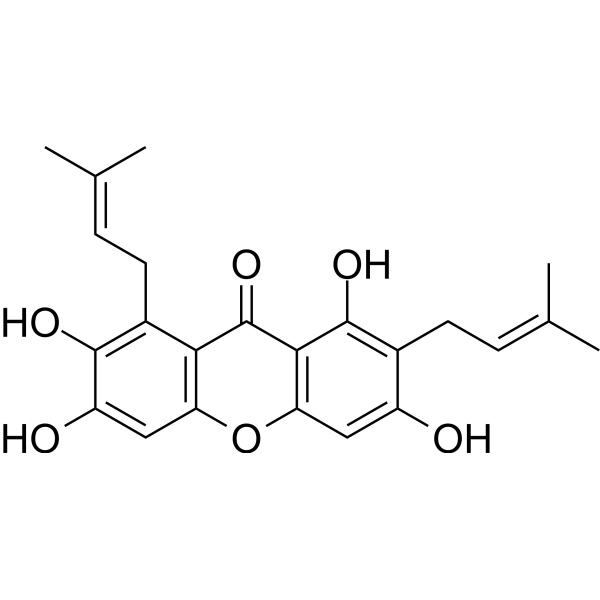
    Gamma-Mangostin is a novel competitive 5-hydroxytryptamine 2A (5-HT2A) receptor antagonist and potent epoxidase 2 (COX-2) inhibitor, as well as a transthyroxin protein (TTR) profibrosis inhibitor. Gamma-Mangostin binds to the thyroxine (T4)-binding sites and stabilized the TTR tetramer . Gamma-Mangostin inhibits [3 H] spiperone binding to cultured rat aortic myocytes (IC50=3.5 nM) and reduces The perfusion pressure response of rat coronary artery to 5-HT2A (IC50=0.32 μM). Gamma-Mangostin has anti-inflammatory, antibacterial, antioxidant and anticancer activities, and can be used in the study of metabolic disorders such as diabetes .
    Gamma-Mangostin
  • HY-12717
    Phentolamine
    5+ Cited Publications

    Adrenergic Receptor Cardiovascular Disease Endocrinology
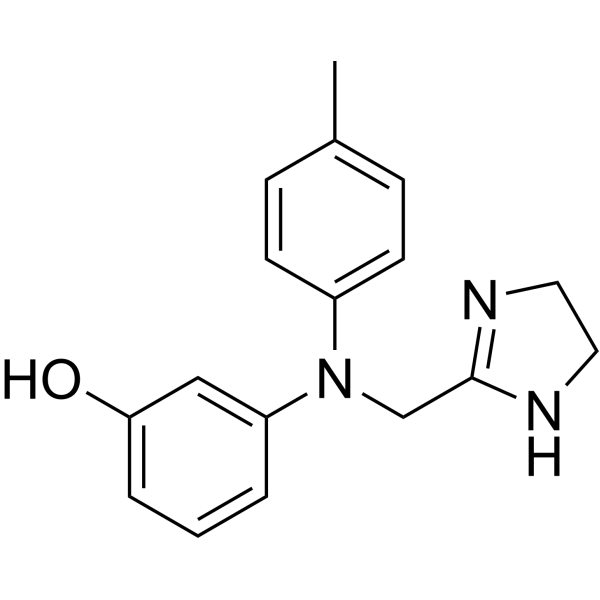
    Phentolamine is an orally active, selective α1 and α2 Adrenergic receptor antagonist. Phentolamine antagonizes the vasodilatory effect of Cromakalim (HY-110011) on isolated circumflex coronary artery segments in dogs. Phentolamine reduces systemic vascular resistance and increases cardiac output. Phentolamine improves erectile dysfunction. Phentolamine can be used for the research of erectile dysfunction .
    Phentolamine
  • HY-N9410

    1-Linoleoyl-2-Hydroxy-sn-glycero-3-PC; LPC(18:2/0:0); LysoPC(18:2)

    Endogenous Metabolite Metabolic Disease
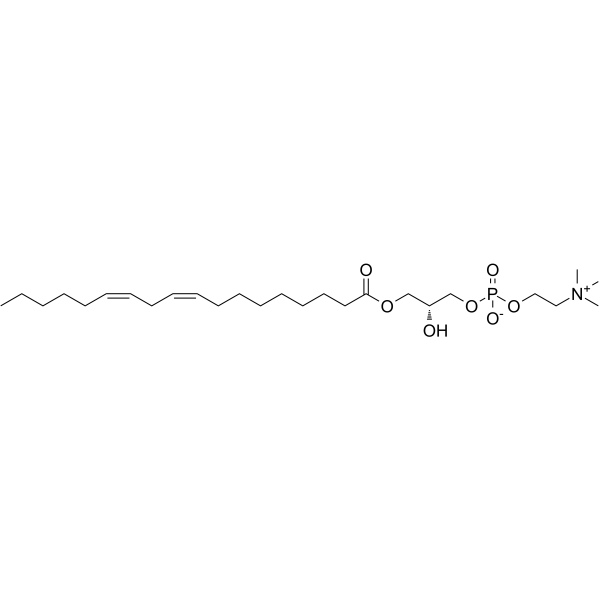
    Lysophosphatidylcholine 18:2 (1-Linoleoyl-2-Hydroxy-sn-glycero-3-PC), a lysophospholipid, is a potential biomarker identified from insulin resistance (IR) polycystic ovary syndrome (PCOS). Low plasma Lysophosphatidylcholine 18:2 also has been shown to predict impaired glucose tolerance, insulin resistance, type 2 diabetes, coronary artery disease, and memory impairment .
    Lysophosphatidylcholine 18:2
  • HY-129029
    Bisoprolol
    5+ Cited Publications

    Adrenergic Receptor Cardiovascular Disease Inflammation/Immunology Cancer
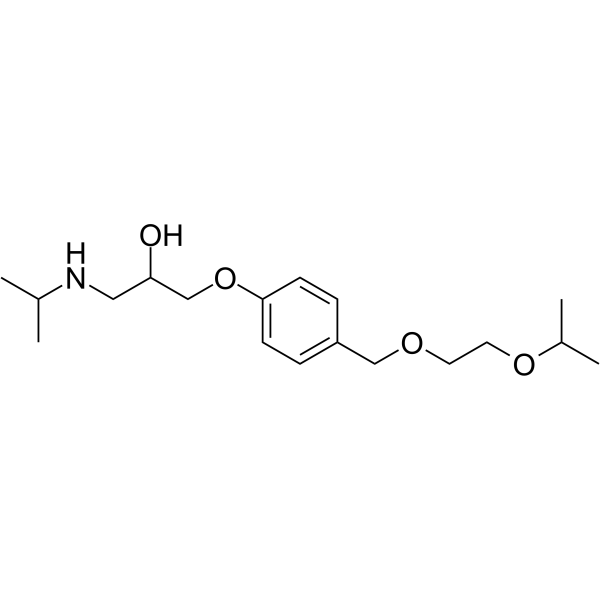
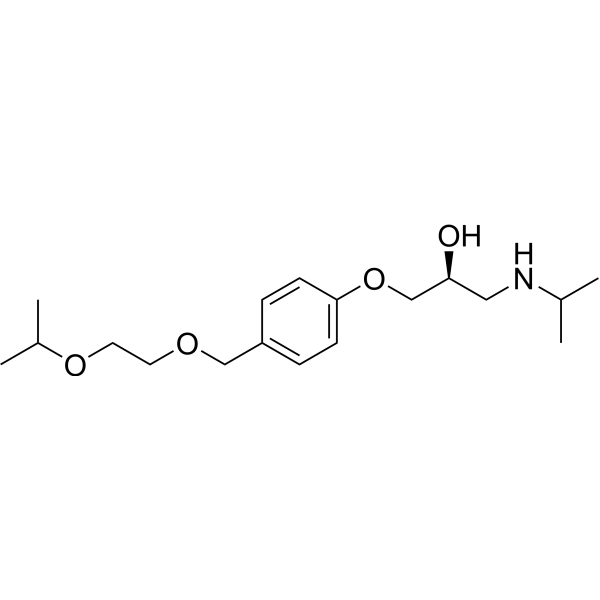
    Bisoprolol is a potent, selective and orally active β1-adrenergic receptor blocker with little activity on β2-receptor. Bisoprolol has the potential for hypertension, coronary artery disease and stable ventricular dysfunction research .
    Bisoprolol
  • HY-B0203
    Nebivolol
    3 Publications Verification

    R 065824

    Adrenergic Receptor Cardiovascular Disease Endocrinology Cancer
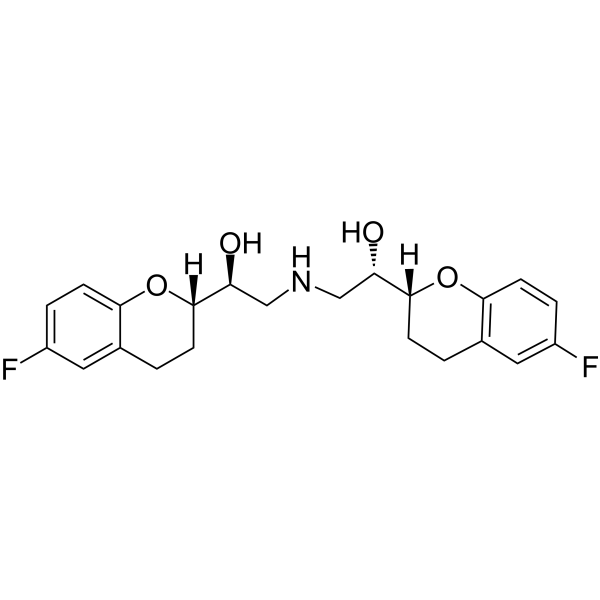
    Nebivolol (R 065824) is an orally active beta receptor blocker and has the high beta(1)-receptor affinity. Nebivolol has direct vasodilator properties and adrenergic blocking characteristics. Nebivolol can be used for the research of kinds of diseases such as hypertension, coronary artery disease, congestive heart failure and ischemic heart disease .
    Nebivolol
  • HY-P2824

    Bacterial Cardiovascular Disease
    Streptokinase, β-hemolytic streptococcus (Lancefield Group C) is a bacteria-derived protein and a plasminogen activator. Streptokinase is widely used for the research of the blood-clotting disorders. Streptokinase improves reperfusion blood flow after coronary artery occlusion .
    Streptokinase, β-hemolytic streptococcus (Lancefield Group C)
  • HY-14654R
    Aspirin (Standard)
    30+ Cited Publications

    Acetylsalicylic acid(Standard); ASA (Standard)

    Reference Standards COX Virus Protease NF-κB Autophagy Apoptosis Mitophagy Caspase p38 MAPK Infection Cardiovascular Disease Metabolic Disease Inflammation/Immunology Cancer
    Aspirin (Standard) is the analytical standard of Aspirin. This product is intended for research and analytical applications. Aspirin (Acetylsalicylic acid) is an orally active, potent and irreversible inhibitor of cyclooxygenase COX-1 and COX-2, with IC50 values of 5 and 210 μg/mL, respectively. Aspirin induces apoptosis. Aspirin inhibits the activation of NF-κB. Aspirin also inhibits platelet prostaglandin synthetase, and can prevent coronary artery and cerebrovascular thrombosis .
    Aspirin (Standard)
  • HY-118284
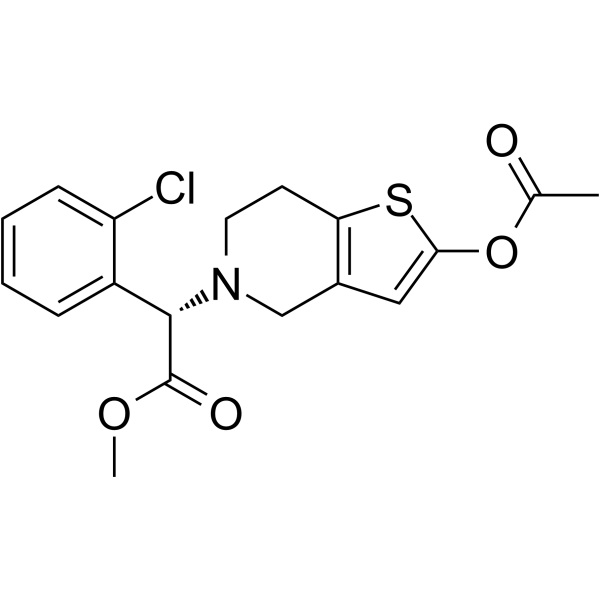
    Vicagrel
    1 Publications Verification

    P2Y Receptor Cardiovascular Disease
    Vicagrel is a potent, safe and orally active antiplatelet agent, which works by irreversibly inhibiting P2Y12 receptor. Vicagrel can be used for the research of blood clots in coronary artery disease, peripheral vascular disease, and cerebrovascular disease .
    Vicagrel
  • HY-B0076
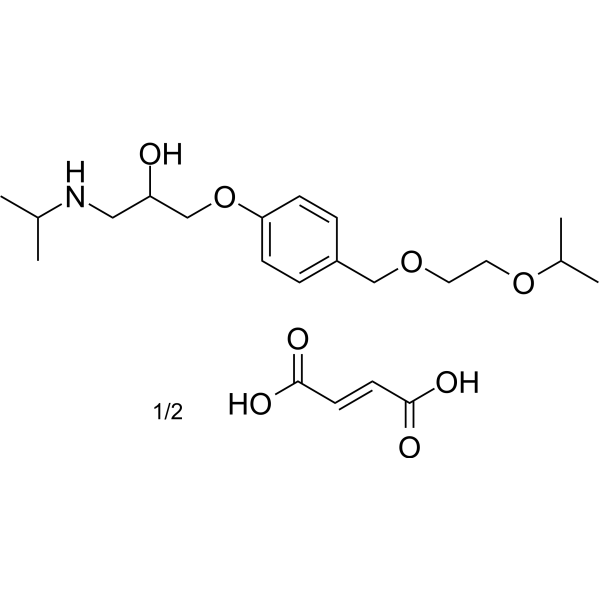
    Bisoprolol hemifumarate
    5+ Cited Publications

    Adrenergic Receptor Cardiovascular Disease Inflammation/Immunology Endocrinology Cancer
    Bisoprolol hemifumarate is a potent, selective and orally active β1-adrenergic receptor blocker with little activity on β2-receptor. Bisoprolol hemifumarate has the potential for hypertension, coronary artery disease and stable ventricular dysfunction research .
    Bisoprolol hemifumarate
  • HY-12424
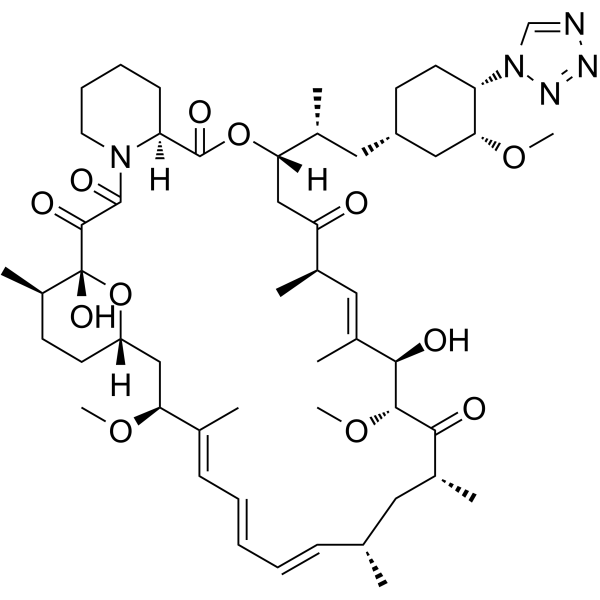
    Zotarolimus
    4 Publications Verification

    ABT-578; A 179578

    Drug Derivative Cardiovascular Disease Inflammation/Immunology Cancer
    Zotarolimus (ABT-578) is a derivative of Rapamycin (HY-10219), with anti-proliferative activity. Zotarolimus is an immunosuppressant. Zotarolimus is developed specifically for local delivery from stents for the prevention of coronary artery restenosis .
    Zotarolimus
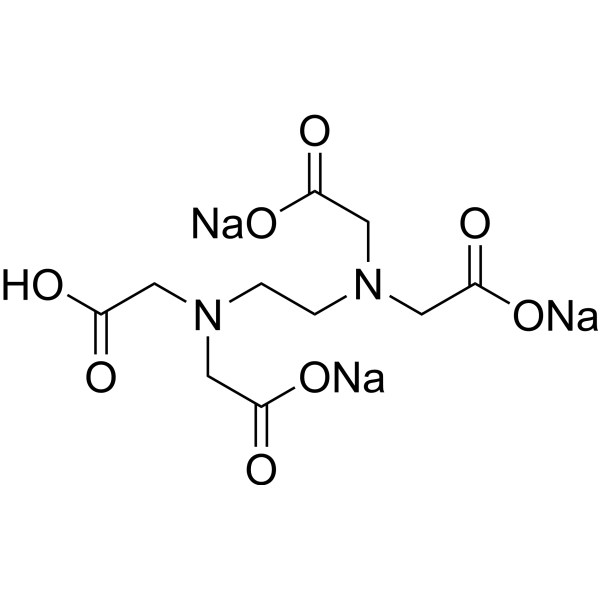
  • HY-B1009

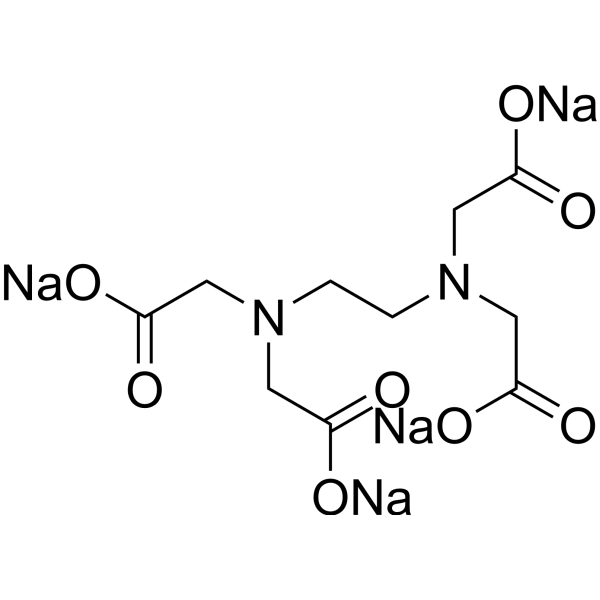
    EDTA trisodium salt; Trisodium EDTA

    Environmental Pollutants Bacterial SOD Ferroptosis Cardiovascular Disease Neurological Disease Cancer
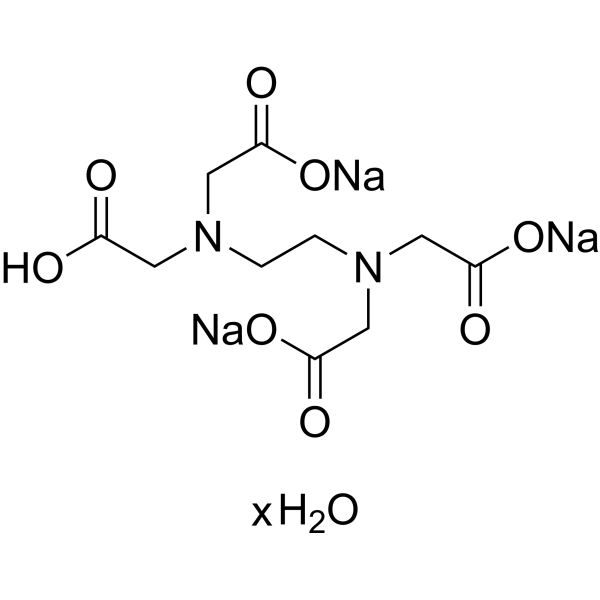
    Ethylenediaminetetraacetic acid trisodium salt (EDTA trisodium salt; Trisodium EDTA) is a kind of metal chelating agent (binds to bivalent and trivalent metal cations, including calcium). Ethylenediaminetetraacetic acid trisodium salt has antibacterial, anti-inflammatory, antioxidant, anti-hypercalcemia and anticoagulant activities. Ethylenediaminetetraacetic acid trisodium salt decreases the metal ion-catalyzed oxidative damage to proteins, and allows maintenance of reducing environment during protein purification. Ethylenediaminetetraacetic acid trisodium salt can alleviate the liver fibrosis. Ethylenediaminetetraacetic acid can be used for coronary artery disease and neural system disease research .
    Ethylenediaminetetraacetic acid trisodium salt
  • HY-122908

    AZD5718

    FLAP Cardiovascular Disease
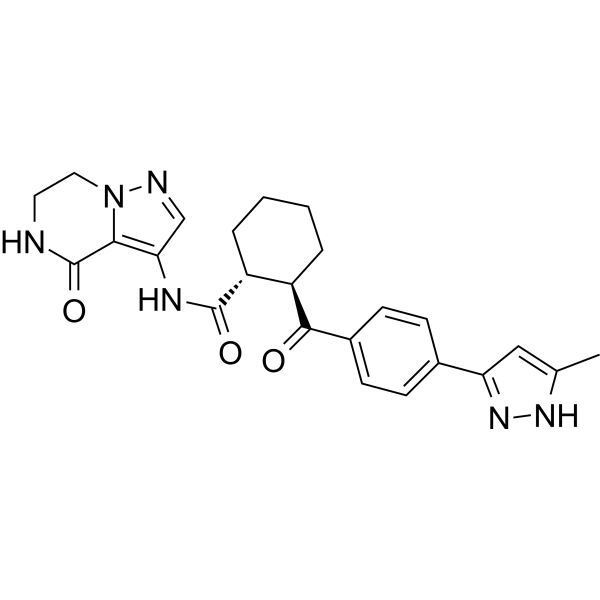
    Atuliflapon (AZD5718) is an orally active inhibitor of FLAP (5?Lipoxygenase activating protein), with an IC50 of 2 nM. Atuliflapon is used in the study for coronary artery disease .
    Atuliflapon
  • HY-12717A
    Phentolamine hydrochloride
    5+ Cited Publications

    Adrenergic Receptor Cardiovascular Disease Endocrinology
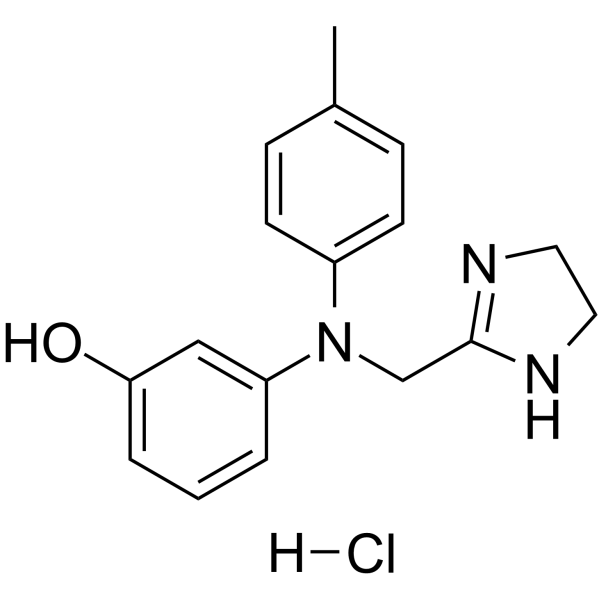
    Phentolamine hydrochloride is an orally active, selective α1 and α2 Adrenergic receptor antagonist. Phentolamine hydrochloride antagonizes the vasodilatory effect of Cromakalim (HY-110011) on isolated circumflex coronary artery segments in dogs. Phentolamine hydrochloride reduces systemic vascular resistance and increases cardiac output. Phentolamine hydrochloride improves erectile dysfunction. Phentolamine hydrochloride can be used for the research of erectile dysfunction .
    Phentolamine hydrochloride
  • HY-14654S1

    Acetylsalicylic acid-d4; ASA-d4

    Isotope-Labeled Compounds COX Autophagy Mitophagy Virus Protease NF-κB Apoptosis Caspase p38 MAPK Infection Cardiovascular Disease Metabolic Disease Inflammation/Immunology Cancer
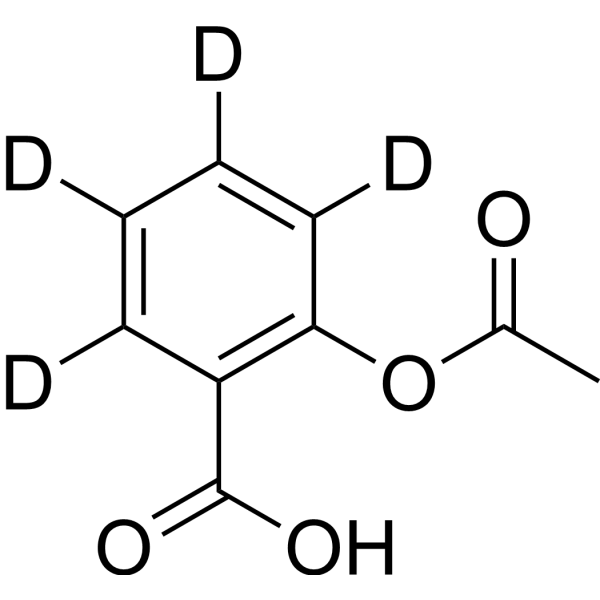
    Aspirin-d4 is the deuterium labeled Aspirin (HY-14654). Aspirin (Acetylsalicylic acid) is an orally active, potent and irreversible inhibitor of cyclooxygenase COX-1 and COX-2, with IC50 values of 5 and 210 μg/mL, respectively. Aspirin induces apoptosis. Aspirin inhibits the activation of NF-κB. Aspirin also inhibits platelet prostaglandin synthetase, and can prevent coronary artery and cerebrovascular thrombosis .
    Aspirin-d4
  • HY-P1636

    Thrombin YAP Calcium Channel Metabolic Disease
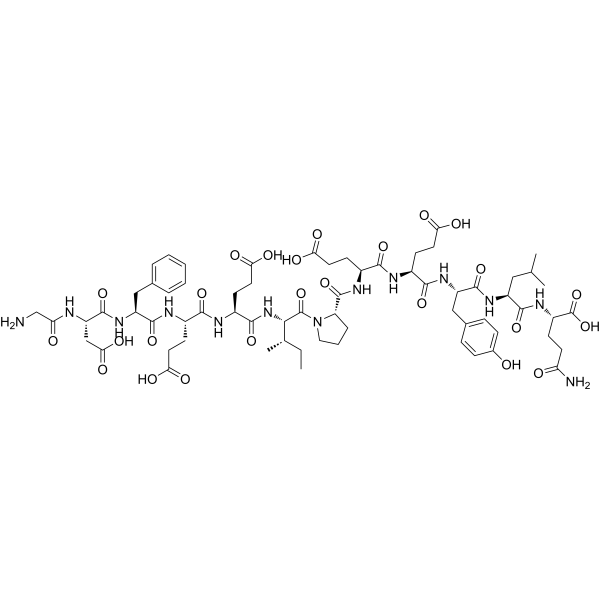
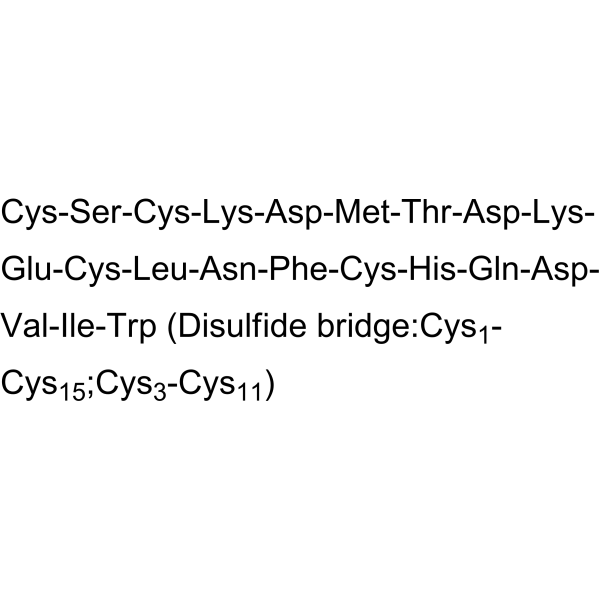
    Hirudin (54-65) is a thrombin antagonist and YAP suppressor with anticoagulatory properties.Hirudin (54-65) blocks thrombin's anion binding site, acts on soluble and thrombus-bound thrombin.Hirudin (54-65) suppresses thrombin-induced profibrotic YAP activity, reduces YAP expression, nuclear translocation, and downstream effector signaling in vascular endothelial cells.Hirudin (54-65) ameliorates obstructive cholestasis, attenuates liver fibrosis symptoms, fibrosis-associated angiogenesis, and endothelial-to-mesenchymal transition.Hirudin (54-65) reduces liver inflammation and tissue hypoxia.Hirudin (54-65) promotes extracellular calcium influx through L-type calcium channels in canine coronary artery smooth muscle, mediates contraction.Hirudin (54-65) induces endothelium-independent contraction of canine coronary arterial segments; this response is not affected by indomethacin pretreatment.Hirudin (54-65) can be used for the research of liver obstructive cholestasis, liver fibrosis .
    Hirudin (54-65)
  • HY-14654S

    Acetylsalicylic acid-d3; ASA-d3

    Isotope-Labeled Compounds COX Virus Protease NF-κB Autophagy Apoptosis Mitophagy Caspase p38 MAPK Infection Cardiovascular Disease Metabolic Disease Inflammation/Immunology Cancer
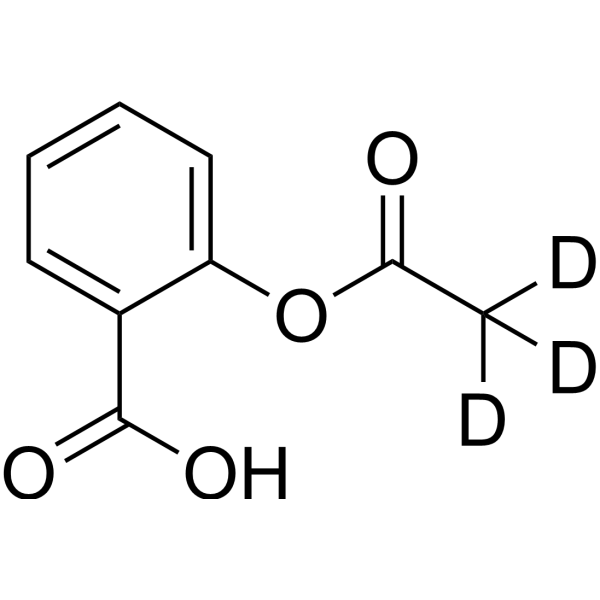
    Aspirin-d3 is the deuterium labeled Aspirin (HY-14654). Aspirin (Acetylsalicylic acid) is an orally active, potent and irreversible inhibitor of cyclooxygenase COX-1 and COX-2, with IC50 values of 5 and 210 μg/mL, respectively. Aspirin induces apoptosis. Aspirin inhibits the activation of NF-κB. Aspirin also inhibits platelet prostaglandin synthetase, and can prevent coronary artery and cerebrovascular thrombosis .
    Aspirin-d3
  • HY-W127774
    EDTA hydrate sodium
    20+ Cited Publications

    Ethylenediaminetetraacetic acid hydrate sodium

    Biochemical Assay Reagents Bacterial SOD Cardiovascular Disease Neurological Disease Cancer
    EDTA (Ethylenediaminetetraacetic acid) hydrate sodium is a kind of metal chelating agent (binds to bivalent and trivalent metal cations, including calcium). EDTA hydrate sodium has antibacterial, anti-inflammatory, antioxidant, anti-hypercalcemia and anticoagulant activities. EDTA hydrate sodium decreases the metal ion-catalyzed oxidative damage to proteins, and allows maintenance of reducing environment during protein purification. EDTA hydrate sodium can alleviate the liver fibrosis. Ethylenediaminetetraacetic acid can be used for coronary artery disease and neural system disease research .
    EDTA hydrate sodium
  • HY-N6066

    Calcium Channel NF-κB Pregnane X Receptor (PXR) Cytochrome P450 Interleukin Related Cardiovascular Disease Inflammation/Immunology
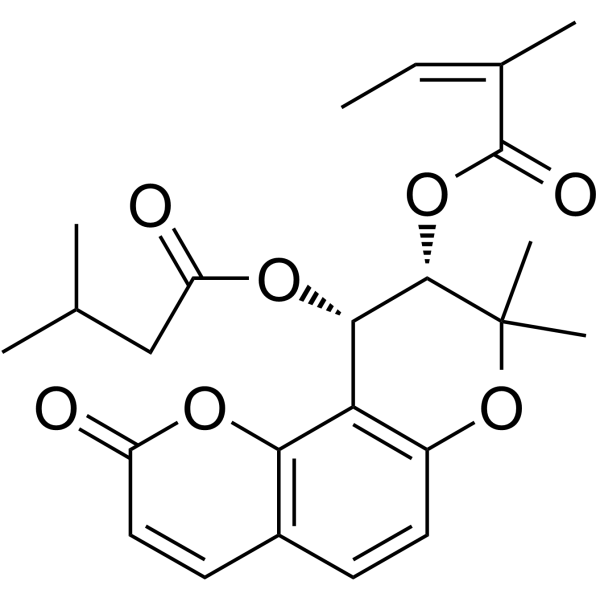
    Praeruptorin E is an orally active pyranocoumarin compound. Praeruptorin E can be isolated from the dried roots of Peucedanum praeruptorum Dunn. Praeruptorin E reduces the expression of NF-κB. Praeruptorin E upregulates the expression of PXR and CYP3A4. Praeruptorin E inhibits Th2 cytokines, TNF-α, IL6, MPO, and blocks the Ca 2+ slow channel. Praeruptorin E promotes pulmonary tissue repair and relaxes porcine coronary artery strips. Praeruptorin E protects mice from lipopolysaccharide- and hydrochloric acid-induced acute lung injury. Praeruptorin E can be used in studies related to asthma and acute lung injury .
    Praeruptorin E
  • HY-114672

    Phosphodiesterase (PDE) Cardiovascular Disease
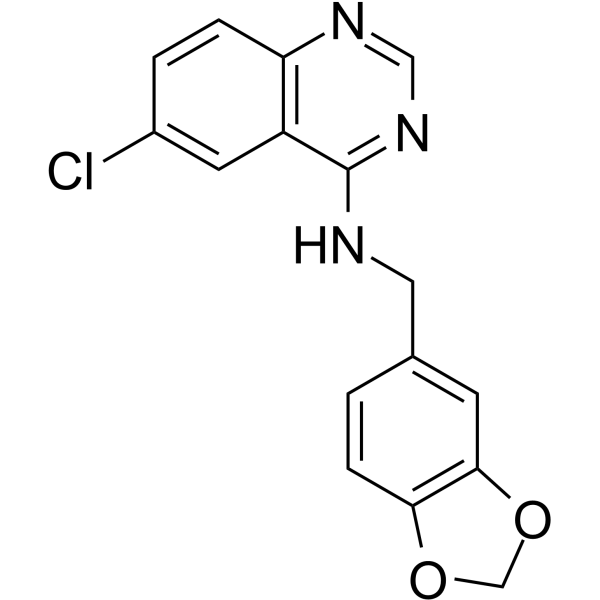
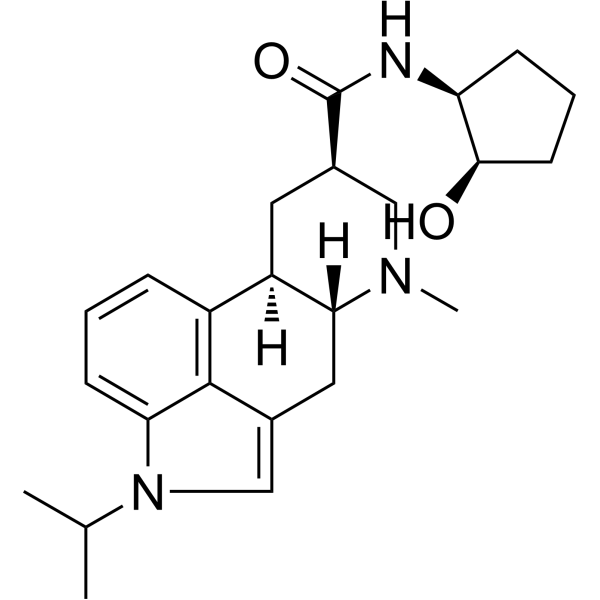
    MBCQ is a potent and selective cGMP-specific phosphodiesterase (PDE V; PDE5) inhibitor with an IC50 of 19 nM. MBCQ lacks inhibitory activity toward other PDE isozymes (all IC50s>100 μM). MBCQ dilates coronary arteries via specific inhibition of cGMP-PDE .
    MBCQ
  • HY-116326

    Leukotriene Receptor Inflammation/Immunology
    BayCysLT2, an isophthalic acid derivative, is a selective and potent cysteinyl leukotriene 2 (CysLT2) receptor antagonist with an IC50 value of 53 nM. BayCysLT2 inhibits calcium mobilization induced by leukotriene D4 in HEK293 cells expressing human CysLT2 receptors. BayCysLT2 reverses LTC4-induced increases in coronary artery perfusion pressure and decreases in contractility in isolated perfused guinea pig hearts .
    BayCysLT2
  • HY-119220

    JTT-130

    Microsomal Triglyceride Transfer Protein (MTP) Cardiovascular Disease Metabolic Disease Inflammation/Immunology
    Granotapide is an orally active microsomal triglyceride transfer protein (MTP) inhibitor. Granotapide reduces the absorption of cholesterol and triglycerides by inhibiting MTP. Granotapide can be used in the research of coronary artery disease, obesity, diabetes mellitus and hypertension .
    Granotapide
  • HY-123494

    CaMK Cardiovascular Disease Neurological Disease
    BRD0418 is a diversity-oriented synthesis (DOS) molecule that regulates the expression of tribbles pseudokinase 1. BRD0418 has the effect of causing hot lipoprotein metabolism from fat production to clearance. BRD0418 can be used in the study of coronary artery disease (CAD) .
    BRD0418
  • HY-P1112

    Endothelin Receptor Cardiovascular Disease Neurological Disease
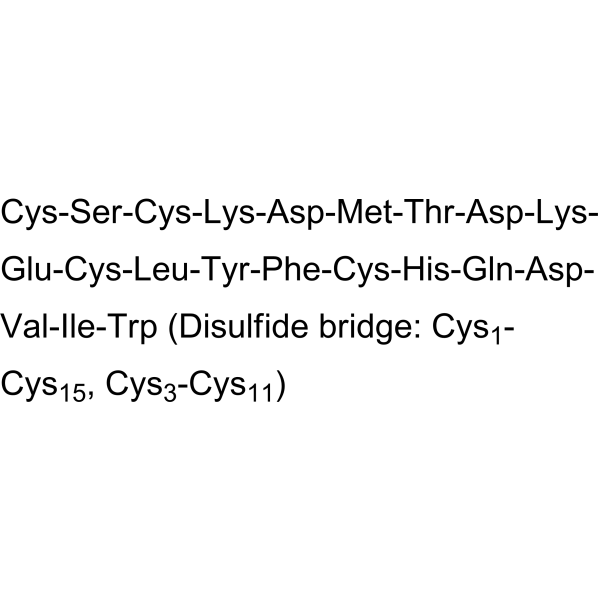
    Sarafotoxin S6a, a sarafotoxin analogue, is a endothelin receptor agonist and has an ETA/ETB selectivity profile similar to that of Endothelin-3 (HY-P0204). Sarafotoxin S6a elicits the pig coronary artery with an EC50 value of 7.5 nM .
    Sarafotoxin S6a
  • HY-Y0682B

    EDTA tetrasodium

    Environmental Pollutants Biochemical Assay Reagents Bacterial SOD Cardiovascular Disease Neurological Disease Cancer
    Ethylenediaminetetraacetic acid (EDTA) tetrasodium is a kind of metal chelating agent (binds to bivalent and trivalent metal cations, including calcium). Ethylenediaminetetraacetic acid tetrasodium has antibacterial, anti-inflammatory, antioxidant, anti-hypercalcemia and anticoagulant activities. Ethylenediaminetetraacetic acid tetrasodium decreases the metal ion-catalyzed oxidative damage to proteins, and allows maintenance of reducing environment during protein purification. Ethylenediaminetetraacetic acid tetrasodium can alleviate the liver fibrosis. Ethylenediaminetetraacetic acid tetrasodium can be used for coronary artery disease and neural system disease research .
    Ethylenediaminetetraacetic acid tetrasodium
  • HY-I0400R

    NANA (Standard); Lactaminic acid (Standard)

    Reference Standards Tyrosinase Ras Influenza Virus Endogenous Metabolite Cardiovascular Disease Inflammation/Immunology Cancer
    N-Acetylneuraminic acid (Standard) is the analytical standard of N-Acetylneuraminic acid. This product is intended for research and analytical applications. N-Acetylneuraminic acid (NANA; Lactaminic acid), a nonphenolic structure, is the predominant form of sialic from Collocalia esculenta. N-Acetylneuraminic acid plays a biological role in myocardial injury, melanoma and viral or bacterial infection. N-Acetylneuraminic acid inhibits melanogenesis by reducing tyrosinase activity and triggers myocardial injury in vitro and in vivo by activation of the Rho/Rho-associated signaling pathway through binding to RhoA and Cdc42. N-Acetylneuraminic acid may prevent high fat diet (HFD)-induced inflammation and oxidative stress, thereby prevents hyperlipidemia-associated inflammation and oxidative stress. N-Acetylneuraminic acid is promising for research in the field of melanoma, coronary artery, obesity-related diseases and hyperlipidemia .
    N-Acetylneuraminic acid (Standard)
  • HY-P991574

    REG-101

    ATGL Cardiovascular Disease
    MEDI-5884 is a humanized IgG4Pκ neutralizing monoclonal antibody targeting Endothelial lipase (EL). MEDI-5884 inhibits EL and increases quantity (particularly phosphatidylinositols and cholesteryl esters) and function of high-density lipoproteins (HDL). MEDI-5884 can be used for cardiovascular disease like coronary artery disease (CAD) research .
    MEDI-5884
  • HY-W105700

    EDTA sodium hydrate

    Biochemical Assay Reagents Bacterial SOD Cardiovascular Disease Neurological Disease Cancer
    Ethylenediaminetetraacetic acid (EDTA) sodium hydrate is a kind of metal chelating agent (binds to bivalent and trivalent metal cations, including calcium). Ethylenediaminetetraacetic acid sodium hydrate has antibacterial, anti-inflammatory, antioxidant, anti-hypercalcemia and anticoagulant activities. Ethylenediaminetetraacetic acid sodium hydrate decreases the metal ion-catalyzed oxidative damage to proteins, and allows maintenance of reducing environment during protein purification. Ethylenediaminetetraacetic acid sodium hydrate can alleviate the liver fibrosis. Ethylenediaminetetraacetic acid sodium hydrate can be used for coronary artery disease and neural system disease research .
    Ethylenediaminetetraacetic acid sodium hydrate
  • HY-W087947
    EDTA dihydrate tripotassium
    20+ Cited Publications

    Ethylenediaminetetraacetic acid dihydrate tripotassium

    Bacterial SOD Cardiovascular Disease Neurological Disease Cancer
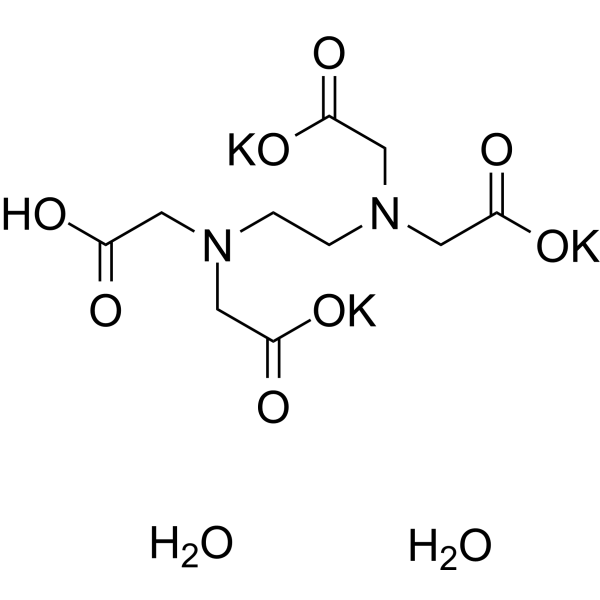
    EDTA dihydrate tripotassium (Ethylenediaminetetraacetic acid dihydrate tripotassium) is a kind of metal chelating agent (binds to bivalent and trivalent metal cations, including calcium). EDTA dihydrate tripotassium has antibacterial, anti-inflammatory, antioxidant, anti-hypercalcemia and anticoagulant activities. EDTA dihydrate tripotassium decreases the metal ion-catalyzed oxidative damage to proteins, and allows maintenance of reducing environment during protein purification. EDTA dihydrate tripotassium can alleviate the liver fibrosis. EDTA dihydrate tripotassium can be used for coronary artery disease and neural system disease research .
    EDTA dihydrate tripotassium
  • HY-108564

    Prostaglandin Receptor Cardiovascular Disease
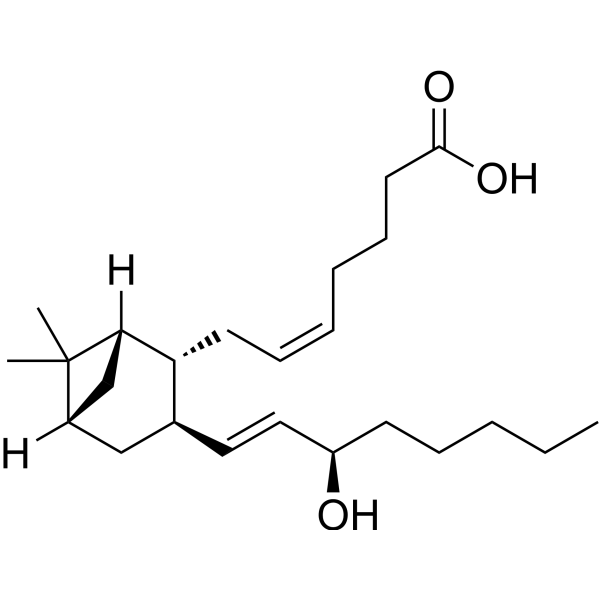
    L 655240 is thromboxane antagonist. L 655240 attenuates early ischemia- and reperfusion-induced arrhythmias in a canine model of coronary artery occlusion. L 655240 also involves in cancer and autoimmune disorders .
    L 655240
  • HY-P3563

    Endothelin Receptor Cardiovascular Disease
    [Lys4] Sarafotoxin S6c, a sarafotoxin analogue, is a potent and partial agonist of endothelin receptor. [Lys4] Sarafotoxin S6c elicits contraction of pig coronary artery, with an EC50 of 1.5 nM .
    [Lys4] Sarafotoxin S6c
  • HY-W704079

    ​MG(18:0/0:0/0:0); L-(+)-1-Monostearin; 1-Octadecanoyl-sn-glycerol

    Endogenous Metabolite Cardiovascular Disease
    1-Stearoyl-sn-glycerol is (MG(18:0/0:0/0:0); L-(+)-1-Monostearin; 1-Octadecanoyl-sn-glycerol) is a monoglyceride and also a metabolite found in plasma, which can be used in metabolomic analysis of plasma for coronary artery lesions (CAL) .
    1-Stearoyl-sn-glycerol
  • HY-129029S

    Isotope-Labeled Compounds Adrenergic Receptor Cardiovascular Disease
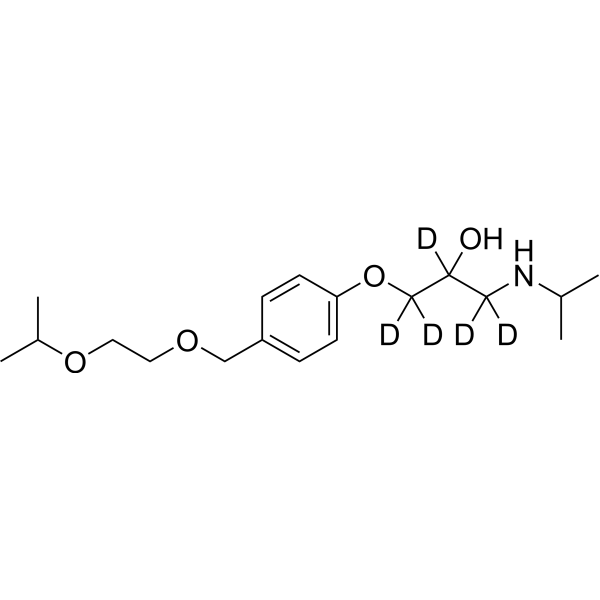
    Bisoprolol-d5 is the deuterium labeled Bisoprolol. Bisoprolol is a potent, selective and orally active β1-adrenergic receptor blocker. Bisoprolol has little activity on β2-receptor and has the potential for hypertension, coronary artery disease and stable ventricular dysfunction research .
    Bisoprolol-d5
  • HY-106523

    KT 210; K 351; Hypadil

    Adrenergic Receptor Cardiovascular Disease
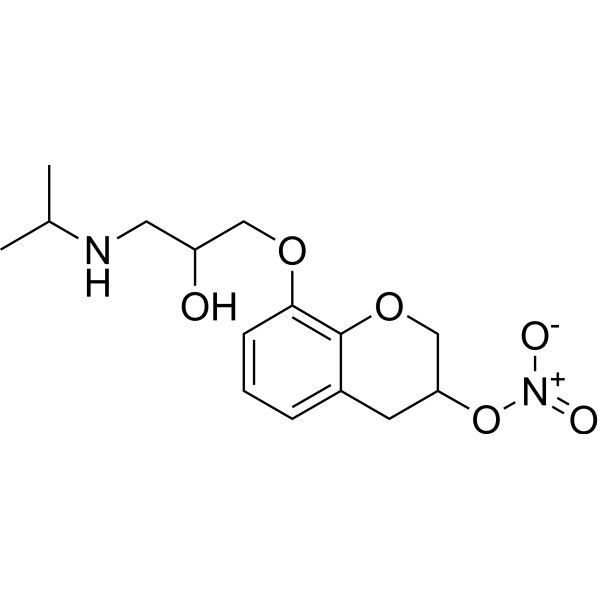
    Nipradolol (KT-210; K-351) is a potent blocker of alpha-1-adrenergic receptors. Nipradolol inhibits the increase of intraocular pressure (IOP) in an albino rabbit model induced by Phenylephrine (HY-B0769). Nipradolo suppresses the noradrenaline (NA)-induced muscles contraction, also exhibits vasodilator activity on the dog coronary artery .
    Nipradolol
  • HY-122215

    N-696

    Adrenergic Receptor Endocrinology
    Tilisolol hydrochloride (N-696) is a non-selective β-adrenergic antagonist with vasodilatory and hypotensive activities. Tilisolol hydrochloride exerts its effects in canine coronary arteries by opening ATP-sensitive K+ channels. Tilisolol hydrochloride exhibits concentration-dependent relaxation in KCl-precontracted rat thoracic aorta. Tilisolol hydrochloride reduces diastolic blood pressure in a dose-dependent manner and slightly increases heart rate in spinal cord stimulated rats .
    Tilisolol hydrochloride
  • HY-P3433

    Endothelin Receptor Cardiovascular Disease
    Sarafotoxin S6b is a vasoconstrictor peptide, and a non-selective endothelin receptor agonist. Sarafotoxin S6b can induce contraction in isolated human coronary arteries , the Ki values of Coronary artery, Saphenous vein and Coronary artery are 0.27, 0.55 and 19.5 nM, respectively .
    Sarafotoxin S6b
  • HY-19132

    Prostaglandin Receptor Cardiovascular Disease
    CGS 22652 is a potent thromboxane A2 receptor antagonist. CGS 22652 has selective thromboxane A2 synthase inhibitory properties. CGS 22652 can be used in the research of coronary artery thrombosis .
    CGS-22652
  • HY-138971

    17,18-EEQ-EA; (±)17,18-EEQ-ethanolamide; (±)17(18)-EpETE-EA

    Interleukin Related Others
    (±)17(18)-EpETE-ethanolamide (17,18-EEQ-EA) (compound 17) is an ω-3 endocannabinoid epoxide with cytokine modulation in neuroinflammation studies, antiangiogenic effects in vascular endothelial cells, and vasodilatory effects on coronary arteries.
    (±)17(18)-EpETE-ethanolamide
  • HY-120829

    Adrenergic Receptor Cardiovascular Disease Inflammation/Immunology Cancer
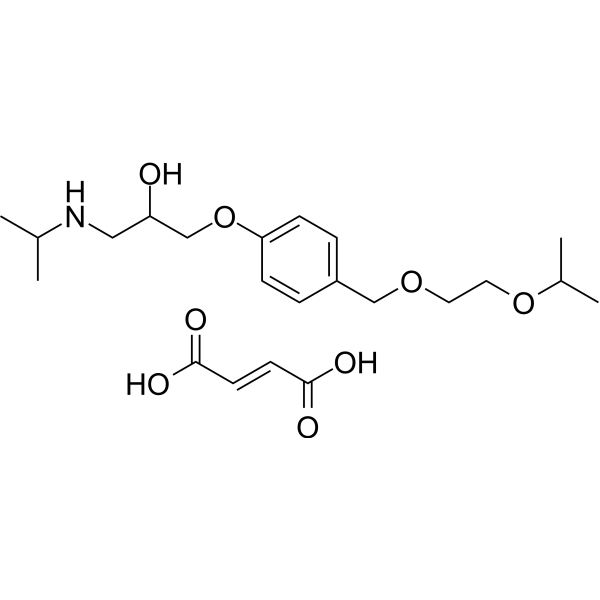
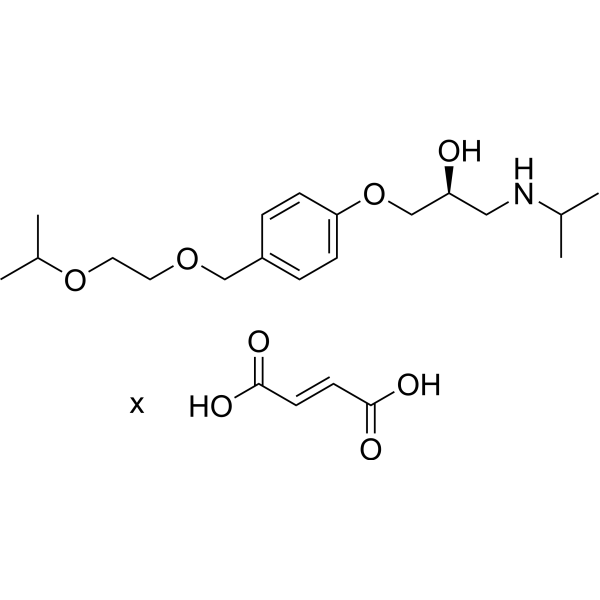
    Bisoprolol fumarate is a potent, selective and orally active β1-adrenergic receptor blocker with little activity on β2-receptor. Bisoprolol fumarate has the potential for hypertension, coronary artery disease and stable ventricular dysfunction research .
    Bisoprolol fumarate
  • HY-131896

    NOR4

    NO Synthase Cardiovascular Disease
    FR144420 (NOR4) is an orally active nitric oxide (NO)-releasing agent with vasodilatory and antiplatelet effects. FR144420 induces cGMP-mediated vasodilation and inhibits platelet aggregation. FR144420 is promising for research of cardiovascular diseases, particularly angina pectoris and coronary artery spasm .
    FR144420
  • HY-105209

    Endogenous Metabolite Cardiovascular Disease
    Pirsidomine is a nitric oxide donor. Pirsidomine is a sydnonimine compound. Pirsidomine can transform into a nitric oxide-releasing metabolite in vivo. Pirsidomine prevents occlusion-induced increase in flow in the non-occluded circumflex coronary artery and significantly reduces the blood flow in non-ischemic areas in myocardial infarction dog model. Pirsidomine can be studied in research on cardiovascular diseases .
    Pirsidomine
  • HY-P5452

    PKC Others
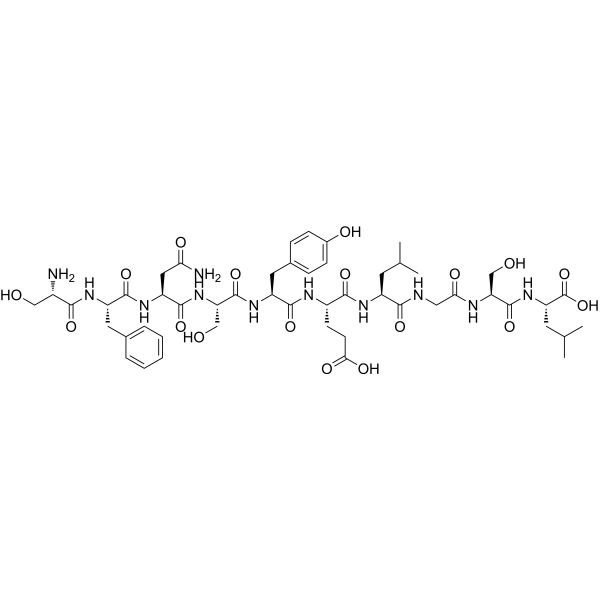
    PKCd (8-17) is a biological active peptide. (This peptide is derived from the V1 domain of protein kinase C (PKC)d. It inhibits phorbol 12-myristate 13-acetate (PMA)-induced PKCd translocation and activation. Inhibition of PKCd reduces ischemia damage in cardiac and cerebral cells, induces proliferation of fibroblasts, and inhibits graft coronary artery disease in mice.)
    PKCd (8-17)
  • HY-14654C

    Acetylsalicylic acid calcium; ASA calcium

    COX Virus Protease NF-κB Autophagy Apoptosis Mitophagy Caspase p38 MAPK Cardiovascular Disease Infection Metabolic Disease Inflammation/Immunology Cancer
    Aspirin calcium is an orally active, potent and irreversible inhibitor of cyclooxygenase COX-1 and COX-2, with IC50 values of 5 and 210 μg/mL, respectively. Aspirin calcium induces apoptosis. Aspirin calcium inhibits the activation of NF-κB. Aspirin calcium also inhibits platelet prostaglandin synthetase, and can prevent coronary artery and cerebrovascular thrombosis .
    Aspirin calcium
  • HY-14654A

    Acetylsalicylic acid lithium; ASA lithium

    COX Virus Protease NF-κB Autophagy Apoptosis Mitophagy Caspase p38 MAPK Cardiovascular Disease Infection Metabolic Disease Inflammation/Immunology Cancer
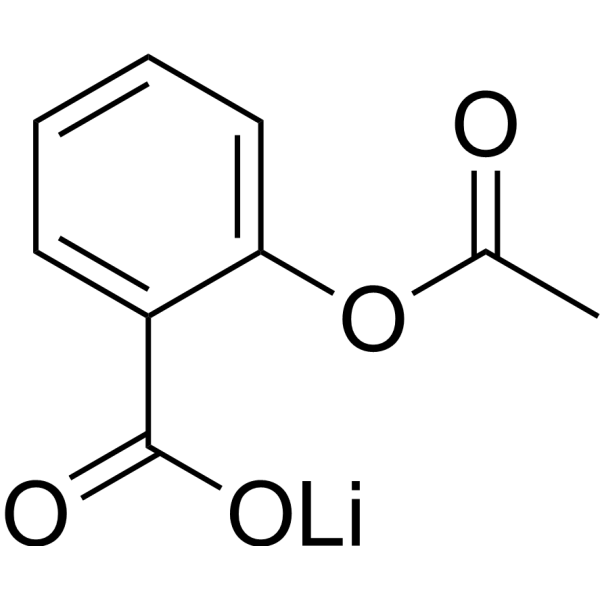
    Aspirin (Acetylsalicylic Acid) lithium is an orally active, potent and irreversible inhibitor of cyclooxygenase COX-1 and COX-2, with IC50 values of 5 and 210 μg/mL, respectively. Aspirin lithium induces apoptosis. Aspirin lithium inhibits the activation of NF-κB. Aspirin lithium also inhibits platelet prostaglandin synthetase, and can prevent coronary artery and cerebrovascular thrombosis .
    Aspirin lithium
  • HY-B1009R

    EDTA trisodium salt (Standard); Trisodium EDTA (Standard)

    Ferroptosis Bacterial SOD Reference Standards Cardiovascular Disease Neurological Disease Cancer
    Ethylenediaminetetraacetic acid (trisodium salt) (Standard) is the analytical standard of Ethylenediaminetetraacetic acid (trisodium salt). This product is intended for research and analytical applications. Ethylenediaminetetraacetic acid trisodium salt (EDTA trisodium salt; Trisodium EDTA) is a kind of metal chelating agent (binds to bivalent and trivalent metal cations, including calcium). Ethylenediaminetetraacetic acid trisodium salt has antibacterial, anti-inflammatory, antioxidant, anti-hypercalcemia and anticoagulant activities. Ethylenediaminetetraacetic acid trisodium salt decreases the metal ion-catalyzed oxidative damage to proteins, and allows maintenance of reducing environment during protein purification. Ethylenediaminetetraacetic acid trisodium salt can alleviate the liver fibrosis. Ethylenediaminetetraacetic acid can be used for coronary artery disease and neural system disease research .
    Ethylenediaminetetraacetic acid trisodium salt (Standard)

Inquiry Online

Your information is safe with us. * Required Fields.

Salutation


Country or Region *

Applicant Name *


Organization Name *

Department *


Email Address *


Product Name *

Cat. No.


Requested quantity *

Phone Number *


Remarks

Inquiry Online

Inquiry Information

Product Name:
Cat. No.:
Quantity:
MCE Japan Authorized Agent: