



(±)17(18)-EpETE-ethanolamide
(±)17(18)-EpETE-ethanolamide (17,18-EEQ-EA) (compound 17) is an ω-3 endocannabinoid epoxide with cytokine modulation in neuroinflammation studies, antiangiogenic effects in vascular endothelial cells, and vasodilatory effects on coronary arteries.
For research use only. We do not sell to patients.
- CAS No.: 2123491-23-4
- Formula: C22H35NO3
- Molecular Weight:361.52
-
Storage:
Solution, -20°C, 2 years


To place orders, for customer services and technical support, please contact: MedChemExpress USA
Tel: 609-228-6898 E-mail: [email protected] [email protected]


-
 Biological Activity
-
Chemical Information
- Protocols
- Purity & Documentation
- References
-
 Help & FAQs


-

HY-124404
12(R)-HETETP Receptor Antagonist -
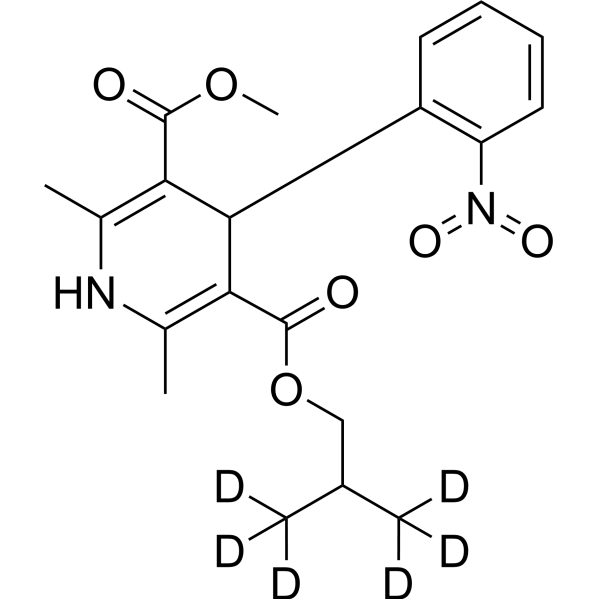
HY-17402S
Nisoldipine-d6Stable Isotope -

HY-132184
5,6-Epoxyeicosatrienoic acidMetabolite -
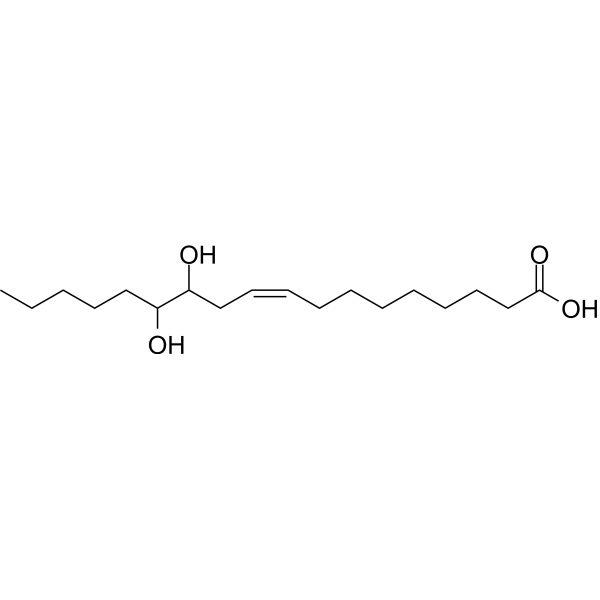
HY-116003
12,13-DiHOMEBAT Activator -
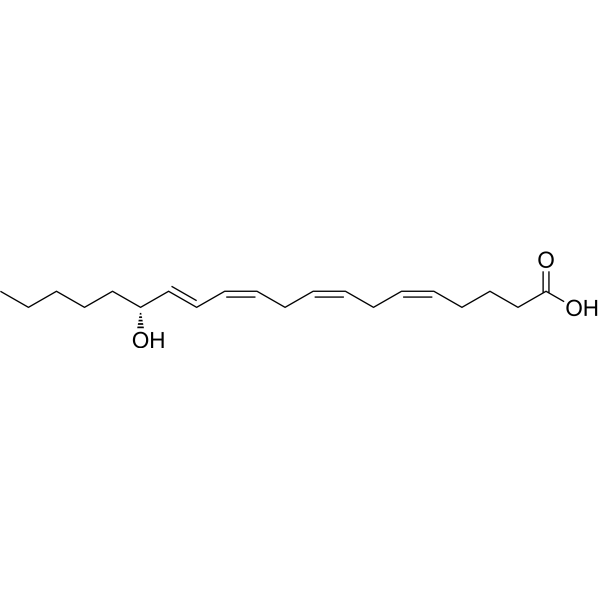
HY-113336A
15(R)-HETE15-HETE Isomer -
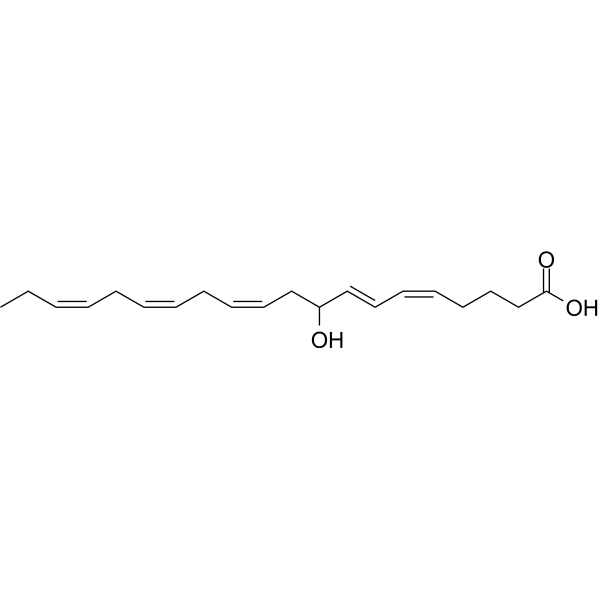
HY-130319A
9-HEPEPPAR Ligand -
HY-114623
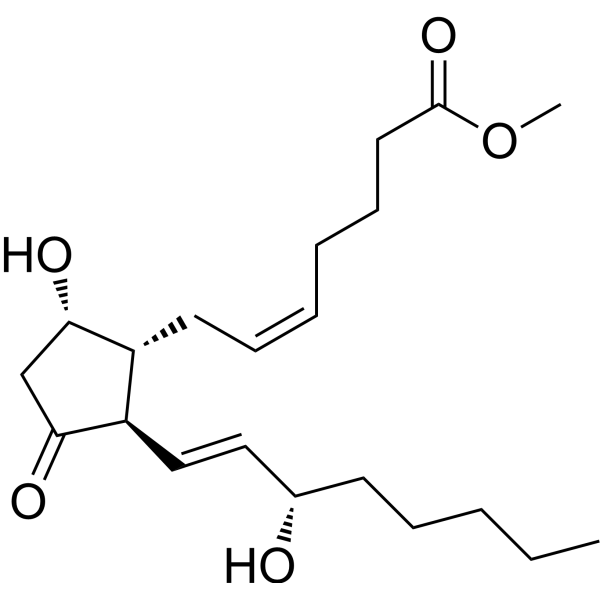
Prostaglandin D2 methyl esterDP Receptor Inhibitor -
HY-130494
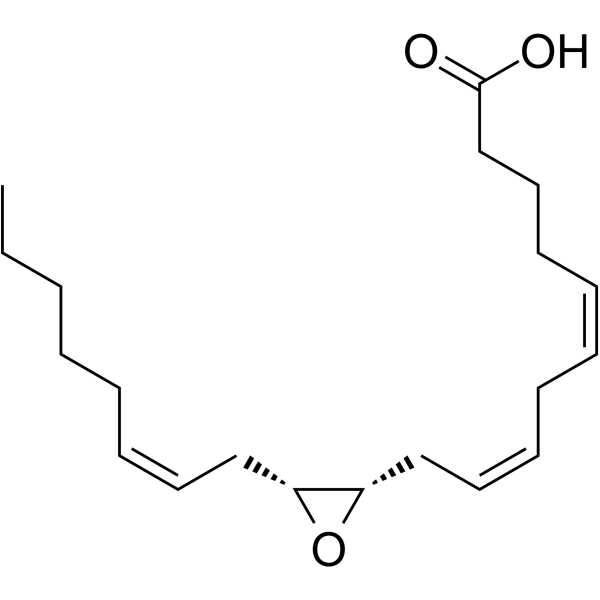
(±)11(12)-EETNLRP3 Inflammasome Inhibitor -
HY-121636S
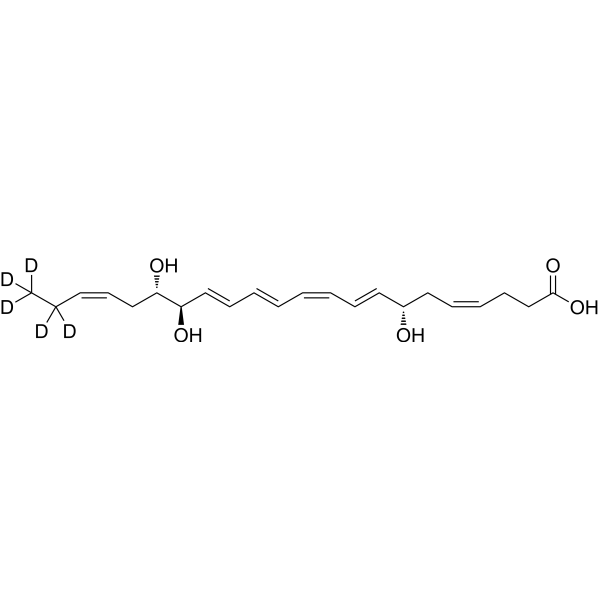
Resolvin D2-d5Stable Isotope -
HY-124035
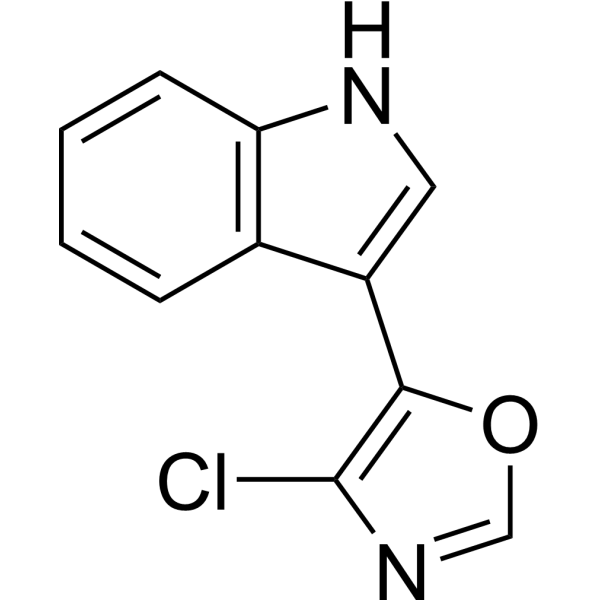
StreptochlorinAntibiotic


Biological Activity
Description


Chemical Information
-
CAS No. 2123491-23-4
-
Appearance Liquid
-
Molecular Weight 361.52
-
Formula C22H35NO3
-
Color Colorless to light yellow
-
SMILES
OCCNC(CCC/C=C\C/C=C\C/C=C\C/C=C\CC1C(O1)CC)=O
-
Synonyms
17,18-EEQ-EA; (±)17,18-EEQ-ethanolamide; (±)17(18)-EpETE-EA
-
Shipping
Room temperature in continental US; may vary elsewhere.
-
Storage
Solution, -20°C, 2 years

Protocols
-
Endothelial Tube Formation Assay
Endothelial tube formation assay evaluates the ability of endothelial cells to attach, migrate, align, and organize into capillary-like networks when cultured on gelled basement membrane extract or Matrigel; the readout is the morphology and quantity of tube-like networks, which reflects an in vitro endothelial morphogenesis step related to angiogenesis. Basement membrane extract/Matrigel provides laminin-rich extracellular matrix cues that support endothelial differentiation into capillary-like structures, but it can contain biologically active growth factors, so growth-factor-reduced matrix is preferred when testing defined angiogenic stimulators or inhibitors.
-
Research Protocol for Inflammation-related Diseases
The NLRP3 inflammasome is a cytosolic innate immune signaling platform that integrates priming signals and danger-signal activation to promote caspase-1 activation, maturation of IL-1β and IL-18, and gasdermin D-mediated pyroptotic cell death. The core experimental logic is to determine whether inflammatory disease phenotypes are driven by increased NLRP3 expression, ASC-containing inflammasome assembly, caspase-1 cleavage, GSDMD cleavage, and extracellular release of IL-1β/IL-18 rather than by nonspecific cell injury alone. The pathway is strongly linked to inflammation-related disease phenotypes because monosodium urate crystals activate NALP3/NLRP3 inflammasome signaling in gout-like crystal inflammation, cholesterol crystals activate NLRP3 inflammasomes in atherogenesis models, and DSS-induced intestinal inflammation has been reported to involve NLRP3 inflammasome activity. However, experimental colitis studies also show context-dependent protective effects of NLRP3 inflammasome co
-
Research Protocol for Neurological Diseases
PINK1/Parkin-mediated mitophagy pathway is a mitochondrial quality-control signaling axis in which mitochondrial depolarization stabilizes PINK1 on damaged mitochondria, activates Parkin recruitment and E3 ubiquitin ligase activity, promotes ubiquitination of outer mitochondrial membrane proteins, recruits selective autophagy adaptors, and drives lysosomal degradation of damaged mitochondria. In neurological disease research, this pathway is experimentally important because neurons, especially dopaminergic neurons, are highly dependent on mitochondrial integrity, and defective mitochondrial turnover can lead to mitochondrial dysfunction, oxidative stress, impaired neuronal survival, α-synuclein accumulation, and neuroinflammatory damage-associated signals. The genetic disease link is strongest in Parkinson’s disease because mutations in PRKN/parkin cause autosomal recessive juvenile parkinsonism, mutations in PINK1 cause hereditary early-onset Parkinson’s disease, and Drosophila studie


Purity & Documentation
-
Data Sheet (262 KB)
-
SDS (393 KB)
- English - EN (393 KB)
- Français - FR (393 KB)
- Deutsch - DE (393 KB)
- Norwegian - NO (393 KB)
- Español - ES (393 KB)
- Swedish - SV (393 KB)
- Italian - IT (393 KB)
- Korean - KR (393 KB)
- Portuguese - PT (393 KB)
-
Handling Instructions (2659 KB)
References

Calculators
Concentration (start) × Volume (start) = Concentration (final) × Volume (final)


(±)17(18)-EpETE-ethanolamide Related Classifications
HY-138971 Related Classifications
 Powered by Bioz