

221 Results for "

gastric secretion

" in MedChemExpress (MCE) Product Catalog:
Products (221)

221 Results for "gastric secretion" in MCE Product Catalog:

45
45 Publications Verification
Cat. No.: HY-114118
CAS No.: 910463-68-2
Purity:  99.84%
Semaglutide is a long-acting, selective, competitive GLP-1R agonist that can penetrate the blood-brain barrier. After activating GLP-1R, Semaglutide promotes insulin secretion, inhibits gastric emptying and appetite, and at the same time enhances autophagy, inhibits oxidative stress and apoptosis. Semaglutide also regulates mitochondrial function and lipid metabolism (such as reducing de novo lipogenesis in the liver). Semaglutide has activities such as lowering blood sugar, reducing weight, neuroprotection (such as improving motor function in Parkinson's disease models, reducing α-synuclein aggregation) and improving hepatic steatosis. Semaglutide can be used for the study of neurodegenerative diseases and liver diseases such as type 2 diabetes, obesity, Parkinson's disease, metabolic associated fatty liver disease (MASLD), and cancer .
loading...
    loading...
45
45 Publications Verification
Cat. No.: HY-114118B
CAS No.: 1997361-85-9
Purity:  99.92%
Semaglutide acetate is a long-acting, selective, competitive GLP-1R agonist that can penetrate the blood-brain barrier. After activating GLP-1R, Semaglutide acetate promotes insulin secretion, inhibits gastric emptying and appetite, and at the same time enhances autophagy, inhibits oxidative stress and apoptosis. Semaglutide acetate also regulates mitochondrial function and lipid metabolism (such as reducing de novo lipogenesis in the liver). Semaglutide acetate has activities such as lowering blood sugar, reducing weight, neuroprotection (such as improving motor function in Parkinson's disease models, reducing α-synuclein aggregation) and improving hepatic steatosis. Semaglutide acetate can be used for the study of neurodegenerative diseases and liver diseases such as type 2 diabetes, obesity, Parkinson's disease, metabolic associated fatty liver disease (MASLD), and cancer .
loading...
    loading...
45
45 Publications Verification
Cat. No.: HY-114118A
Purity:  99.92%
Semaglutide TFA is a long-acting, selective, competitive GLP-1R agonist that can penetrate the blood-brain barrier. After activating GLP-1R, Semaglutide TFA promotes insulin secretion, inhibits gastric emptying and appetite, and at the same time enhances autophagy, inhibits oxidative stress and apoptosis. Semaglutide TFA also regulates mitochondrial function and lipid metabolism (such as reducing de novo lipogenesis in the liver). Semaglutide TFA has activities such as lowering blood sugar, reducing weight, neuroprotection (such as improving motor function in Parkinson's disease models, reducing α-synuclein aggregation) and improving hepatic steatosis. Semaglutide TFA can be used for the study of neurodegenerative diseases and liver diseases such as type 2 diabetes, obesity, Parkinson's disease, metabolic associated fatty liver disease (MASLD), and cancer .
loading...
    loading...
17
17 Cited Publications
Cat. No.: HY-P1097
CAS No.: 10047-33-3
Research Areas:  

Endocrinology

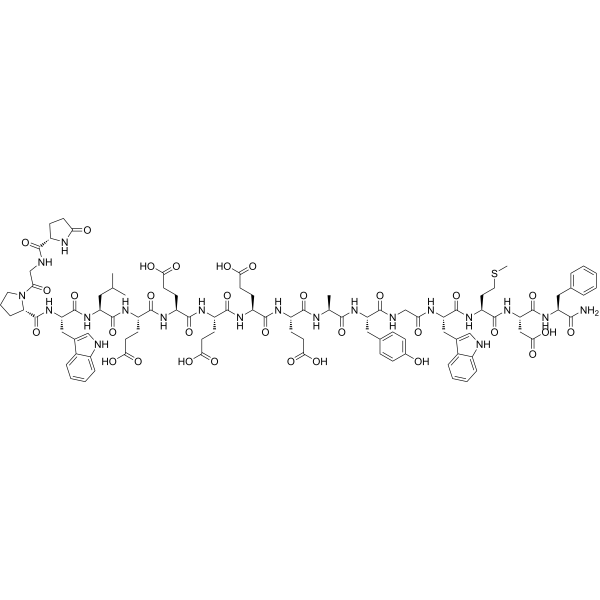
Gastrin I, human is the endogenous peptide produced in the stomach, and increases gastric acid secretion via cholecystokinin 2 (CCK2) receptor.
loading...
    loading...
10
10 Cited Publications
Cat. No.: HY-B0113
CAS No.: 73590-58-6
Synonyms: H 16868
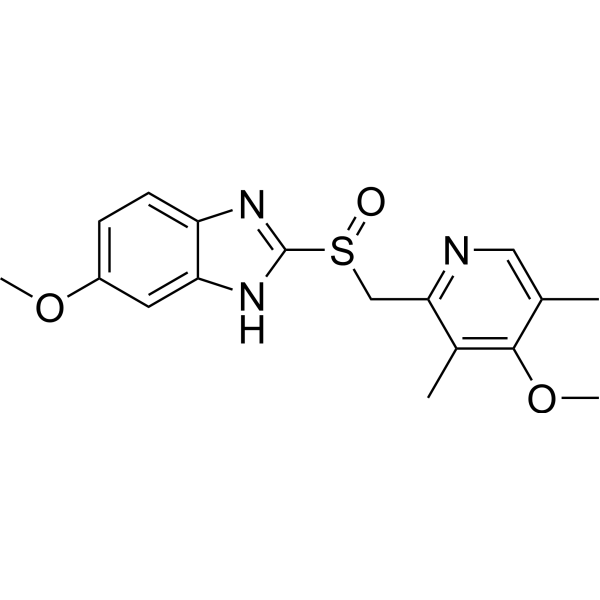
Omeprazole (H 16868) is an orally active H +,K +-ATPase inhibitor and a proton pump inhibitor. Omeprazole competitively inhibits CYP2C19, CYP3A4, and CYP2C9 activity. Omeprazole inhibits gastric acid secretion and can be used for acid-related gastrointestinal disorders. Omeprazole inhibits pancreatic cancer cell proliferation, induces apoptosis, autophagosome accumulation (elevated LC3-I and LC3-II levels), oxidative stress, and cytogenetic imbalance, modulates lysosomal transport, reduces inflammatory cytokines. Omeprazole alters small intestinal morphology and magnesium absorption, and induces gastric mucosa morphologic changes. Omeprazole aslo has neuroprotective and antibacterial effects .
loading...
    loading...
10
10 Cited Publications
Cat. No.: HY-B0113A
CAS No.: 95510-70-6
Synonyms: H 16868 sodium
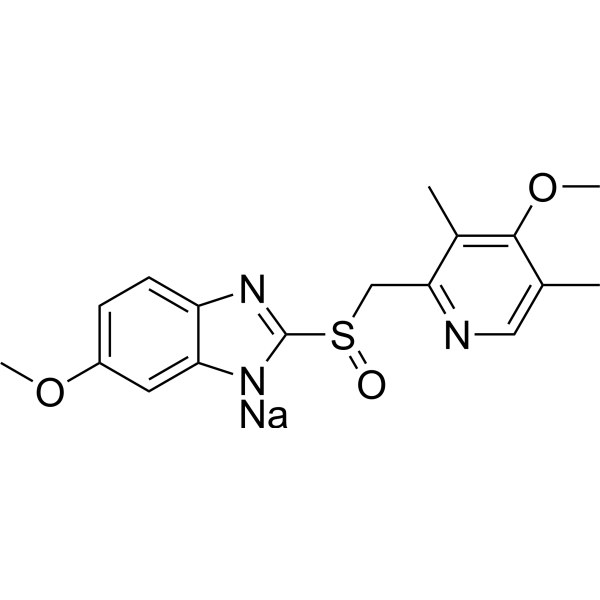
Omeprazole (H 16868) sodium is an orally active H +,K +-ATPase inhibitor and a proton pump inhibitor. Omeprazole sodium competitively inhibits CYP2C19, CYP3A4, and CYP2C9 activity. Omeprazole sodium inhibits gastric acid secretion and can be used for acid-related gastrointestinal disorders. Omeprazole sodium inhibits pancreatic cancer cell proliferation, induces apoptosis, autophagosome accumulation (elevated LC3-I and LC3-II levels), oxidative stress, and cytogenetic imbalance, modulates lysosomal transport, reduces inflammatory cytokines. Omeprazole sodium alters small intestinal morphology and magnesium absorption, and induces gastric mucosa morphologic changes. Omeprazole sodium aslo has neuroprotective and antibacterial effects .
loading...
    loading...
7
7 Cited Publications
Cat. No.: HY-103377
CAS No.: 220953-69-5
Purity:  99.87%
Target:  

CRFR

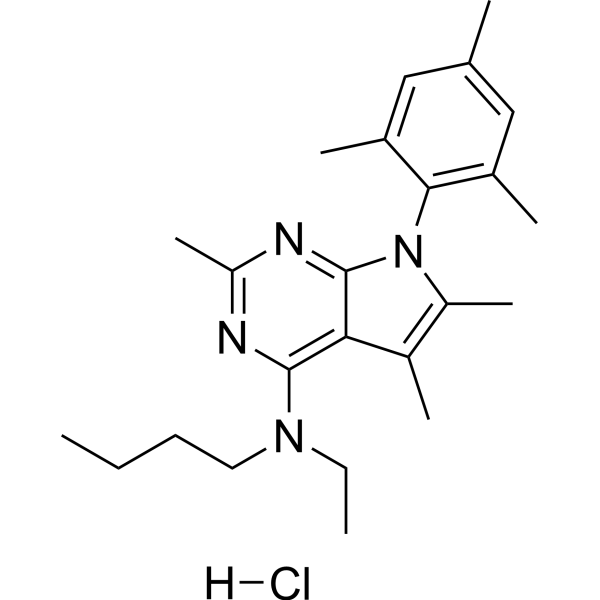
Antalarmin (hydrochloride) is an oral active non-peptide corticotropin-releasing hormone receptor 1 (CRHR1) antagonist with a Ki of 1 nM. Antalarmin hydrochloride suppresses CRH-induced ACTH secretion and blocks CRH and novelty induced anxiety-like behavior in animal models. Antalarmin hydrochloride produces anti-inflammatory effects in arthritis models, and suppresses stress-induced gastric ulceration related to irritable bowel syndrome .
loading...
    loading...
7
7 Cited Publications
Cat. No.: HY-B0377
CAS No.: 76824-35-6
Synonyms: MK-208
Famotidine (MK-208) is an orally active and highly selective histamine H2 receptor antagonist. It inhibits gastric acid secretion by blocking the Gs signaling pathway, and regulates intracellular cAMP and ERK pathways. Famotidine inhibits TLR3-mediated inflammatory pathways, and reduces the expression of various inflammatory mediators and interferon-related genes. Famotidine scavenges DPPH and nitric oxide free radicals, alleviates oxidative stress damage in gastric tissue, inhibits proMMP-9, improves vascular endothelial permeability, and restores the normal physiological functions of neutrophils and eosinophils. Famotidine crosses intestinal epithelial cells via facilitated diffusion and passive diffusion, blocks paracellular cation transport, and increases intestinal transepithelial electrical resistance. Famotidine reduces serum levels of transaminases and alkaline phosphatase, exerts analgesic effects and gastric protective effects simultaneously. Famotidine can be used in studies related to COVID-19, liver injury and acute gastric ulcer .
loading...
    loading...
7
7 Cited Publications
Cat. No.: HY-16307
CAS No.: 261365-11-1
Target:  

FBPase

Research Areas:  

Metabolic Disease Cancer

MB05032 is a fructose-1,6-bisphosphatase (FBP1/FBPase) inhibitor with an IC50 value of 16 nM. MB05032 blocks FBP1-mediated glycolysis inhibition in NK cells, restores NK cell glucose uptake, lactate production, degranulation, perforin production, and cytotoxicity against gastric cancer cells. MB05032 elevates ATP/ADP ratios, increases glucose utilization, and enhances insulin secretion in pancreatic β-cells. MB05032 increases neutrophil adhesion, phagocytosis, and mRNA abundance of HKII, ITGA9, CD36 in subclinically hypocalcemic dairy cows. MB05032 inhibits gluconeogenesis in hepatocytes, acts as the active metabolite of prodrug Managlinat dialanetil (MB06322) (HY-14955). MB05032 can be used for the research of gastric cancer, type 2 diabetes, subclinical hypocalcemia, and insulin resistance .
loading...
    loading...
6
6 Cited Publications
Cat. No.: HY-100007
CAS No.: 881681-00-1
Purity:  99.40%
Synonyms: TAK-438 free base
Target:  

Proton Pump Bacterial

Research Areas:  

Infection

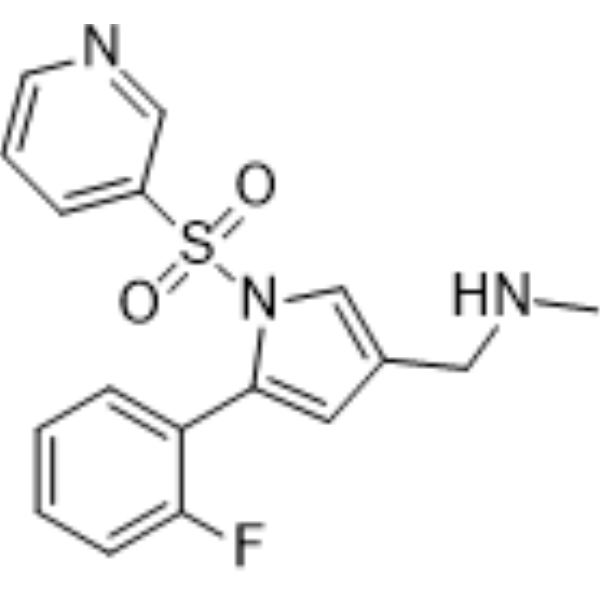
Vonoprazan (TAK-438 free base), a proton pump inhibitor (PPI), is a potent and orally active potassium-competitive acid blocker (P-CAB), with antisecretory activity. Vonoprazan inhibits H +,K +-ATPase activity in porcine gastric microsomes with an IC50 of 19 nM at pH 6.5. Vonoprazan is developed for the research of acid-related diseases, such as gastroesophageal reflux disease and peptic ulcer disease. Vonoprazan can be used for eradication of Helicobacter pylori .
loading...
    loading...
6
6 Cited Publications
Cat. No.: HY-100007A
CAS No.: 1957202-44-6
Synonyms: TAK-438 hydrochloride
Target:  

Proton Pump Bacterial

Research Areas:  

Infection Endocrinology Cancer

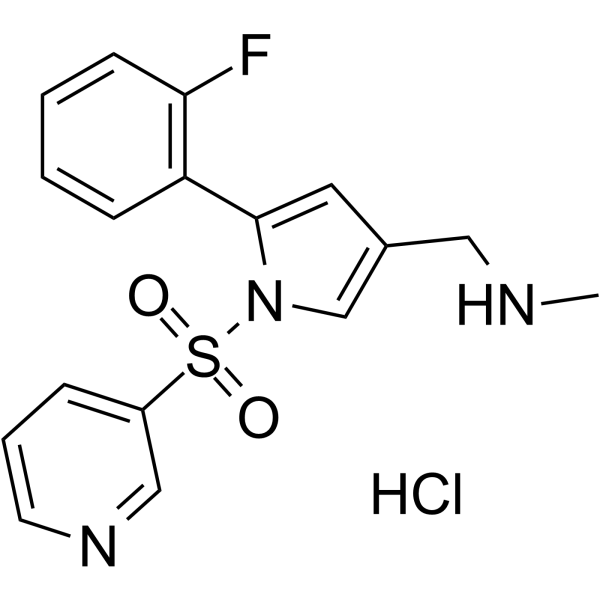
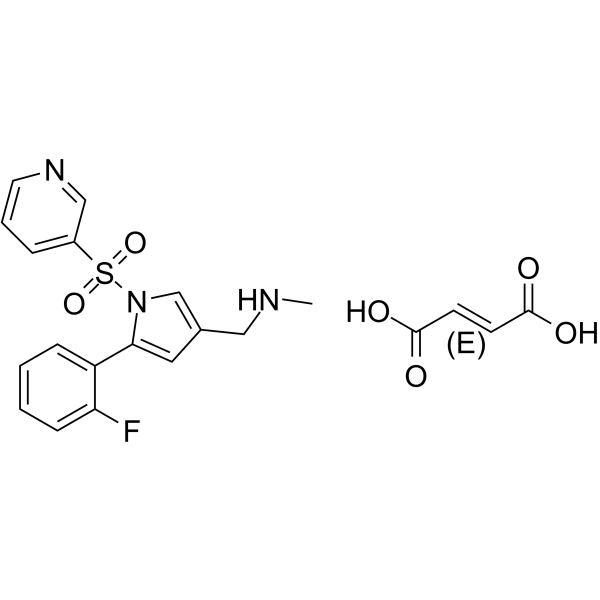
Vonoprazan hydrochloride, a proton pump inhibitor (PPI), is a potent and orally active potassium-competitive acid blocker (P-CAB), with antisecretory activity. Vonoprazan hydrochloride inhibits H +,K +-ATPase activity in porcine gastric microsomes with an IC50 of 19 nM at pH 6.5. Vonoprazan hydrochloride is developed for the research of acid-related diseases, such as gastroesophageal reflux disease and peptic ulcer disease. Vonoprazan hydrochloride can be used for eradication of Helicobacter pylori .
loading...
    loading...
6
6 Cited Publications
Cat. No.: HY-15295
CAS No.: 881681-01-2
Purity:  101.1%
Synonyms: TAK-438
Target:  

Proton Pump

Research Areas:  

Infection Inflammation/Immunology

Vonoprazan Fumarate (TAK-438), a proton pump inhibitor (PPI), is a potent and orally active potassium-competitive acid blocker (P-CAB), with antisecretory activity. Vonoprazan Fumarate inhibits H +,K +-ATPase activity in porcine gastric microsomes with an IC50 of 19 nM at pH 6.5. Vonoprazan Fumarate is developed for the research of acid-related diseases, such as gastroesophageal reflux disease and peptic ulcer disease .
loading...
    loading...
5
5 Cited Publications
Cat. No.: HY-17037
CAS No.: 29868-97-1
Synonyms: LS 519; Pirenzepin dihydrochloride; Gastrozepin dihydrochloride
Target:  

mAChR

Research Areas:  

Metabolic Disease Cancer

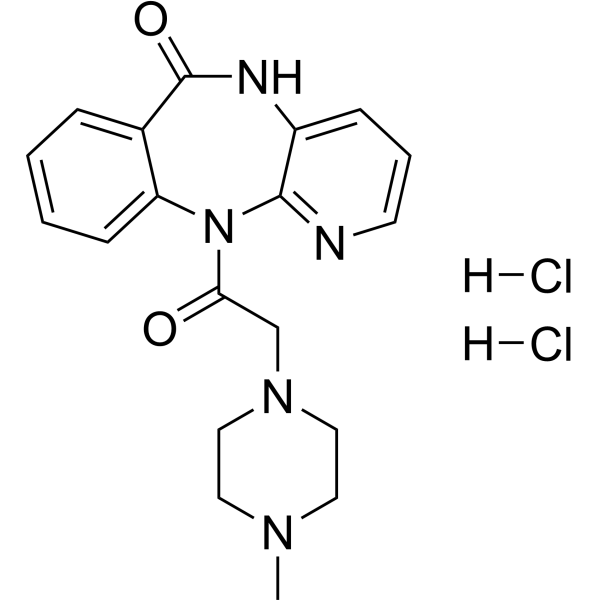
Pirenzepine (LS 519) dihydrochloride is a selective M1 mAChR (muscarinic acetylcholine receptor) antagonist, with poor penetration of the blood-brain barrier. Pirenzepine dihydrochloride reduces gastric acid secretion and reduces muscle spasm, can be used in peptic ulcers research. Pirenzepine dihydrochloride shows anti-proliferative activity to cancer cells .
loading...
    loading...
5
5 Cited Publications
Cat. No.: HY-17037A
CAS No.: 28797-61-7
Synonyms: LS 519 free base; Pirenzepin; Gastrozepin
Target:  

mAChR

Research Areas:  

Metabolic Disease Cancer

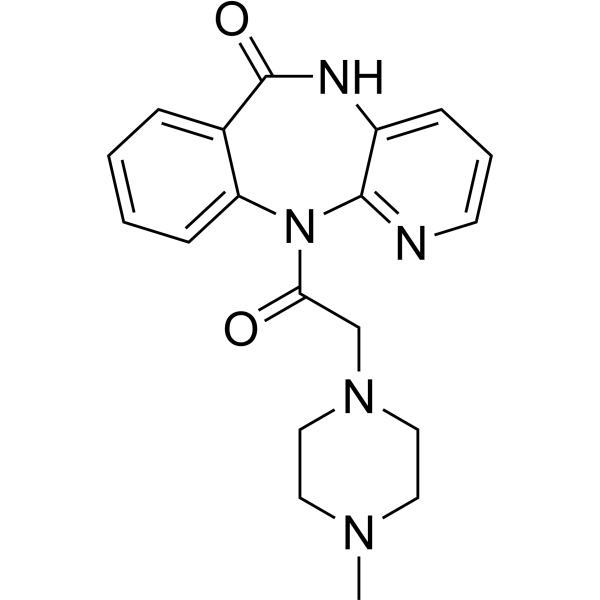
Pirenzepine (LS 519 free base) is a selective M1 mAChR (muscarinic acetylcholine receptor) antagonist, with poor penetration of the blood-brain barrier. Pirenzepine reduces gastric acid secretion and reduces muscle spasm, can be used in peptic ulcers research. Pirenzepine shows anti-proliferative activity to cancer cells .
loading...
    loading...
4
4 Cited Publications
Cat. No.: HY-B0693
CAS No.: 66357-35-5
Target:  

Histamine Receptor

Research Areas:  

Metabolic Disease Cancer

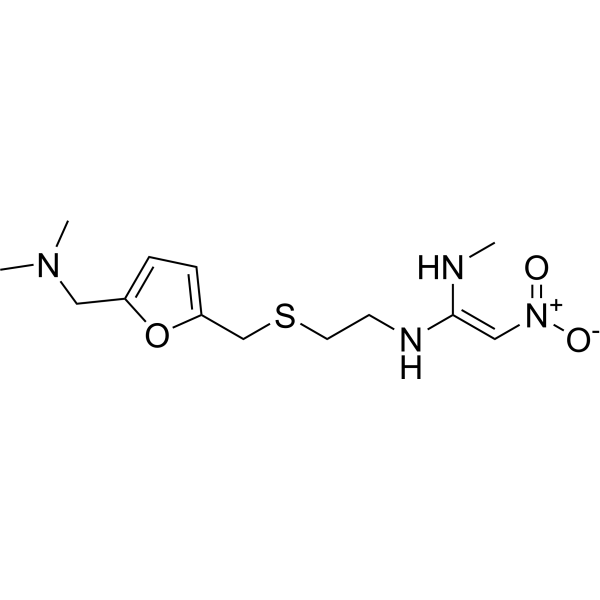
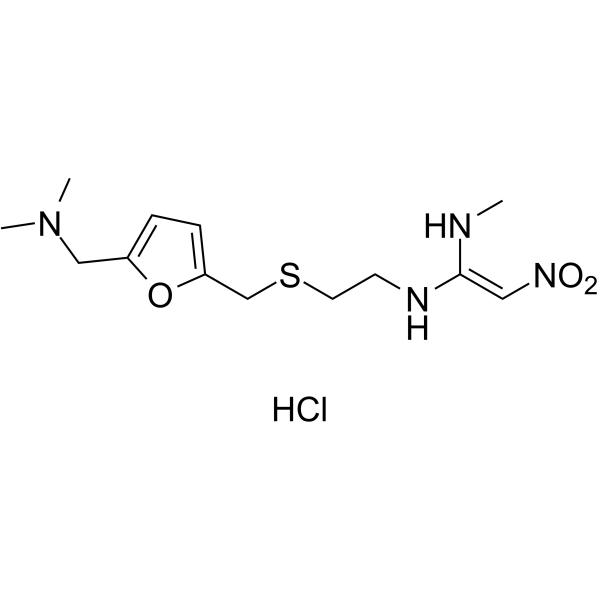
Ranitidine is a potent, selective and orally active histamine H2-receptor antagonist that inhibits gastric secretion. Ranitidine antagonizes Histamine (HY-B1204)-induced increases of the guinea-pig isolated rat atrium and Histamine-induced relaxations of the rat isolated uterine horn, with pA2 values of 7.2 and 6.95, respectively. Ranitidine inhibits breast tumor development and spread in mice .
loading...
    loading...
4
4 Cited Publications
Cat. No.: HY-B0281A
CAS No.: 66357-59-3
Target:  

Histamine Receptor

Research Areas:  

Metabolic Disease Cancer

Ranitidine hydrochloride is a potent, selective and orally active histamine H2-receptor antagonist that inhibits gastric secretion. Ranitidine hydrochloride antagonizes Histamine (HY-B1204)-induced increases of the guinea-pig isolated rat atrium and Histamine-induced relaxations of the rat isolated uterine horn, with pA2 values of 7.2 and 6.95, respectively. Ranitidine hydrochloride inhibits breast tumor development and spread in mice .
loading...
    loading...
4
4 Cited Publications
Cat. No.: HY-100958
CAS No.: 1952-15-4
Purity:  99.96%
Synonyms: 4-DAMP methiodide
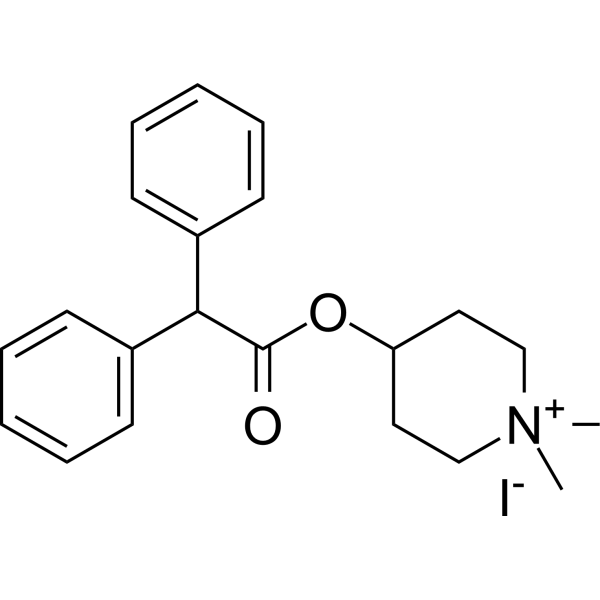
4-DAMP (4-DAMP methiodide) is a potent and selective antagonist of M3 receptors and also has a high affinity for the closely-related M5 receptors. 4-DAMP combined with 5-Fluorouracil (5-Fu) (HY-90006) could significantly reduce the cell viability and enhance apoptosis in MKN45 and BGC823 gastric cancer cells. 4-DAMP inhibits lipopolysaccharide (LPS)- and tobacco-induced pulmonary inflammation and reduces mucin 5AC (MUC5AC), oligomeric mucus/gel-forming secretion .
loading...
    loading...
3
3 Cited Publications
Cat. No.: HY-17021
CAS No.: 119141-88-7
Synonyms: (S)-Omeprazole; (-)-Omeprazole
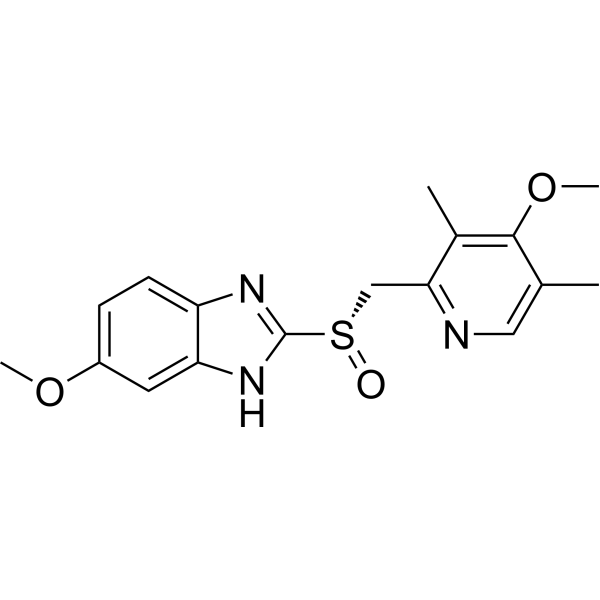
Esomeprazole ((S)-Omeprazole) is a potent and orally active proton pump inhibitor and reduces acid secretion through inhibition of the H +, K +-ATPase in gastric parietal cells. Esomeprazole has the potential for symptomatic gastroesophageal reflux disease research .
loading...
    loading...
3
3 Cited Publications
Cat. No.: HY-P1202
CAS No.: 183658-72-2
Target:  

Somatostatin Receptor

Research Areas:  

Endocrinology

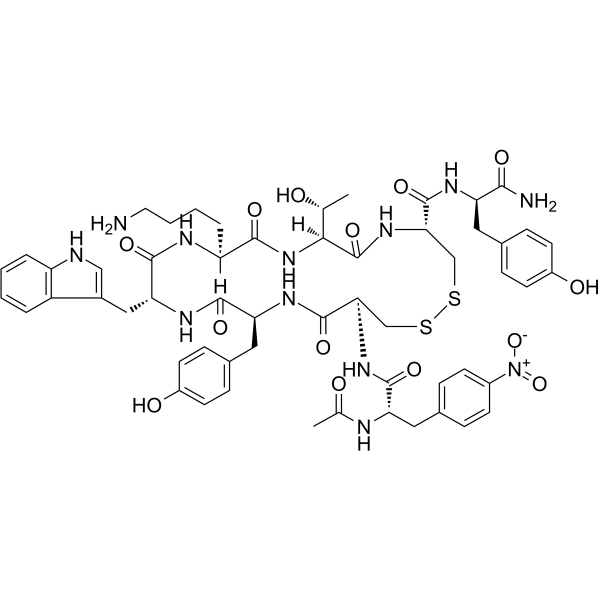
CYN 154806, a cyclic octapeptide, is a potent and selective somatostatin sst2 receptor antagonist, with pIC50 values of 8.58, 5.41, 6.07, 5.76 and 6.48 for human recombinant sst2, sst1, sst3, sst4 and sst5 receptors respectively .
loading...
    loading...
3
3 Cited Publications
Cat. No.: HY-P1202A
CAS No.: 2828432-46-6
Target:  

Somatostatin Receptor

Research Areas:  

Endocrinology

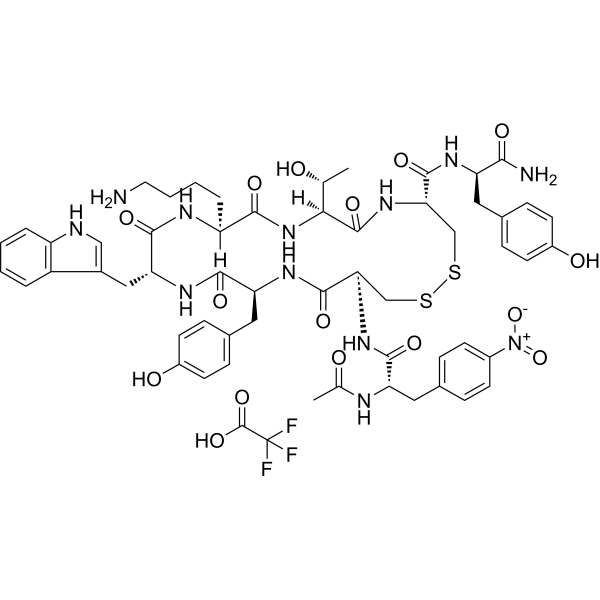
CYN 154806 TFA, a cyclic octapeptide, is a potent and selective somatostatin sst2 receptor antagonist, with pIC50 values of 8.58, 5.41, 6.07, 5.76 and 6.48 for human recombinant sst2, sst1, sst3, sst4 and sst5 receptors respectively .
loading...
    loading...

