Efruxifermin is an Fc-FGF21 fusion protein (humanIgG1 Fc domain linked to a modified human FGF21). Efruxifermin has prolonged half-life and enhanced receptor affinity compared with native human FGF21. Efruxifermin can be used for the research of non-alcoholic steatohepatitis .
Abatacept (CTLA4lg) is a soluble fusion protein consisting of the extra-cellular domain of human CTLA4 and a fragment of the Fc portion of humanIgG1 (hinge and CH2 and 3 domains) . Abatacept is a selective T-cell co-stimulation modulator and a protein agent for the autoimmune diseases .
Aflibercept (VEGF Trap) is a soluble decoy VEGFR constructed by fusing the Ig domains of VEGFR1 and VEGFR2 with the Fc region of humanIgG1. Aflibercept inhibits VEGF signaling by reducing VEGF-regulated processes. Aflibercept can be used for thr research of age-related macular degeneration (AMD) and cardiovascular disease .
Aflibercept (VEGF Trap) is a soluble decoy VEGFR constructed by fusing the Ig domains of VEGFR1 and VEGFR2 with the Fc region of humanIgG1. Aflibercept inhibits VEGF signaling by reducing VEGF-regulated processes. Aflibercept can be used for thr research of age-related macular degeneration (AMD) and cardiovascular disease .
Cusatuzumab (ARGX-110) is a selective competitive blocker targeting CD70 (with an equilibrium dissociation constant of 17 pM for binding to human CD70). Cusatuzumab also possesses enhanced antibody-dependent cell-mediated cytotoxicity (ADCC) activity. It is a humanized IgG1 monoclonal antibody, artificially synthesized through humanization and genetic engineering modifications (CH2 region mutation to enhance effector function). Cusatuzumab has a dual mechanism of action: firstly, it competitively blocks the interaction between CD70 and CD27, inhibiting the CD27-NF-κB signaling pathway, reducing regulatory T cell (Treg) activation and tumor cell proliferation; secondly, by enhancing binding to FcγRIIIa, it mediates ADCC and antibody-dependent cellular phagocytosis (ADCP), directly lysing CD70-positive tumor cells. Cusatuzumab can efficiently eliminate leukemia stem cells (LSCs), induce tumor cell differentiation and apoptosis, restore immune surveillance, and target CD70-positive tumors. Cusatuzumab is used in the study of acute myeloid leukemia (AML) .
Envafolimab (ASC 22; KN 035) is a recombinant protein of a humanized single-domain anti- PD-L1 antibody. Envafolimab is created by a fusion of the of anti-PD-L1 domain with Fc fragment of humanIgG1 antibody. Envafolimab blocks interaction between PD-L1 and PD-1 with an IC50 value of 5.25 nM. Envafolimab has the potential for the research of solid tumors .
Taldefgrobep alfa (BMS 986089; RG 6206; RO 7239361) is a protein that blocks myostatin. Taldefgrobep alfa is a fusion protein composed of a humanIgG1-Fc domain and Adnectin domain. Taldefgrobep alfa can be used for spinal muscular atrophy (SMA) research .
Catumaxomab, a trifunctional IgG2 antibody, is composed of mouse and rat heavy and light chains and binds to humanEpCAM and humanCD 3 receptors. The Fc region of Catumaxomab region has binding affinity for FcγR1 (CD 64), FcγRIIA (CD 32a), and FcγRIII (CD 16). Catumaxomab can be used for anti-tumor research, especially epithelial cancers .
Rozanolixizumab (UCB7665), a humanized high-affinity anti-human neonatal Fc receptor (FcRn) monoclonal antibody (IgG4P), is used to the research of reducing pathogenic IgG in autoimmune and alloimmune diseases .
Abatacept (CTLA4lg; BMS-188667) powder is a soluble fusion protein consisting of the extra-cellular domain of human CTLA4 and a fragment of the Fc portion of humanIgG1 (hinge and CH2 and 3 domains). Abatacept powder is a selective T-cell co-stimulation modulator and a protein agent for the autoimmune diseases .
AMG-966 is a human bispecific antibody (bsAb) targeting TNFSF15/TL1A & TNFα. AMG 966 restores the ability of the aglycosylated Fc domain to bind FcγRIa and FcγRIIa, leading to the formation of anti-drug antibodies (ADA). AMG 966 can be used in research on Crohn's disease and ulcerative colitis. Recommended isotype control: HumanIgG1 kappa, Isotype Control (HY-P99001) .
Visilizumab (Anti-Human CD3E Recombinant Antibody) is a humanized low-Fc receptor binding anti-CD3 monoclonal IgG2 antibody. Visilizumab can be used for ulcerative colitis and Crohn's disease research .
Rilonacept (Arcalyst), a dimeric fusion protein, is a interleukin 1 inhibitor. Rilonacept consists of the ligand-binding domains of the extracellular portions of the IL-1R components linked to the Fc portion of humanIgG1. Rilonacept can be used for the research of cryopyrin-associated periodic syndromes .
Atacicept (TACI-Ig) is a is a recombinant fusion protein containing the extracellular, ligand-binding portion of the TACI receptor and the Fc portion of humanIgG. Atacicept inhibits B cell stimulation by binding to B lymphocyte stimulator and a proliferation-inducing ligand. Atacicept can be used in research of B-cell autoimmune disease .
Ontorpacept (TTI-621) is a soluble fusion protein that consists of the human SIRPα N-terminal (1-118) linked to the Fc region of humanIgG1. The N-terminal (1-118)-fragment of ontorpacept is a binding domain for CD47 which is an inhibitor of phagocytosis by macrophages. Ontorpacept is a CD47-blocking checkpoint inhibitor with antitumor activity .
Insulin efsitora alfa (LY-3209590) is a selective agonist of insulin receptor (IR). Insulin efsitora alfa is a fusion protein composed of human IR agonists fused with the crystallizable (Fc) domain of human immunoglobulin G2 (IgG2) fragment, with a molecular weight of 64.1 kDa. Insulin efsitora alfa is well tolerated and has potential applications in diabetes .
Ruplizumab (BG 9588) is a humanized anti-CD40LIgG1κ monoclonal antibody. By binding to CD40L, Ruplizumab blocks its interaction with the CD40 receptor, inhibits T-B cell costimulatory signals, and mediates the depletion of activated T cells via the Fc segment. Ruplizumab has immunosuppressive effects. Ruplizumab can be used in the study of systemic lupus erythematosus, organ transplant rejection, and autoimmune diseases. Recommend Isotype Controls: HumanIgG1 kappa, Isotype Control (HY-P99001) .
Eflepedocokin alfa is a recombinant fusion protein. Eflepedocokin alfa consists of humanIL-22 fused to humanIgG2-Fc domain. Eflepedocokin alfa leads to the activation of IL-22/IL-22R-mediated signal transduction pathways as well as STAT3. Eflepedocokin alfa plays a role in immune response and bacterial infection, enhancing intestinal barrier function, intestinal immunity, and tissue repair .
Prolgolimab (BCD-100) is a humanIgG1 anti-PD-1 monoclonal antibody containing the Fc-silencing 'LALA' mutation. Prolgolimab can be used for the research of advanced melanoma .
Ipafricept (OMP-54F28; FZD8-Fc) is a first class recombinant fusion protein with the extracellular part of the human frizzled-8 receptor fused to a humanIgG1 Fc fragment that binds Wnt ligands, which blocks Wnt signaling. Ipafricept reduces tumor growth and results in a decrease in both liver and lung metastases combined with Gemcitabine (HY-17026) in pancreatic cancer mouse models. Ipafricept shows solid tumor inhibition activity with well tolerance, such as desmoid tumor, germ cell cancer, ovarian cancer .
Riliprubart (SAR 445088) is a selective anti-C1s humanized IgG4 monoclonal antibody with mutations that enhance its binding to the neonatal Fc receptor. Riliprubart blocks activation of the classical complement pathway, prevents the formation of the C3 convertase C4b2a, and inhibits complement-mediated hemolytic activity. Riliprubart can be used in research related to classical complement-mediated diseases, cold agglutinin disease, and chronic inflammatory demyelinating polyneuropathy. For the isotype control of Riliprubart, refer to HumanIgG4 (S228P) kappa, Isotype Control (HY-P99003) .
Inbakicept is a dimeric human IL-15 receptor alpha (IL-15 Ra) sushi domain/humanIgG1 Fc fusion protein and is an IL-15 superagonist complex. Inbakicept is able to form complex N-803 (Nogapendekin alfa inbakicept) with the IL-15 antibody Nogapendekin alfa in a 1:2 ratio. N-803 mimics the function of IL-15 and amplifies anti-CD20 mAb-mediated NK cell responses and antibody-dependent cellular cytotoxicity (ADCC). N-803 also increases degranulation and IFNγ production in cells .
Atibuclimab (IC14), is a chimeric monoclonal antibody directed against CD14 and is composed of murine variable and humanIgG4 Fc regions. Atibuclimab attenuates Lipopolysaccharides (HY-D1056) (LPS)-induced symptoms and strongly inhibits LPS-induced proinflammatory cytokine release, while only delaying the release of the anti-inflammatory cytokines soluble TNF receptor type I and IL-1 receptor antagonist. Atibuclimab can be used for the research of amyotrophic lateral sclerosis, sepsis, community-acquired pneumonia, or acute lung injury .
Valziflocept (BAX1810) is a recombinant soluble humanFcγRIIb receptor that targets Fc and FcγR. FcγRs bind to and neutralize pathogenic IgG, thereby acting as a "decoy" or "scavenger" receptor that reduces the severity of autoimmune diseases. Valziflocept is used in research on autoimmune diseases such as systemic lupus erythematosus (SLE) .
Forimtamig (RG-6324) is a GPRC5DxCD3 T-cell-engaging bispecific antibody. Forimtamig has a 2 + 1 format, comprising two high-affinity GPRC5D binding moieties and one CD3 binder. Forimtamig further features a P329G LALA mutated Fc domain that inhibits Fcγ receptor and C1q binding, yet retains binding to the neonatal Fc receptor. The isotype control for Forimtamig can refer to HumanIgG1 kappa, Isotype Control (HY-P99001) .
BI-1808 is a humanIgG1 monoclonal antibody that targets TNFR2by blocking interaction of TNFR2 with ligand TNF-α, confers FcγR-dependent depletion of Treg and mediates expansion of intratumoral CD8 + T cells .
AFM24 is a bispecific antibody with a TandAb structure expressed in CHO, targeting EGFR&Fc-gamma-RIIIA. AFM24 contains a huIgG1-SCFV heavy chain and a λ light chain, with a predicted molecular weight (MW) of 196.34 kDa. The isotype control for AFM24 can refer to HumanIgG1 kappa, Isotype Control (HY-P99001).
Luspatercept (mIgG2a) (RAP-536) is a fusion protein, consisting of a modified extracellular domain of humanActRIIB linked to the murine IgG2a Fc domain. Luspatercept (mIgG2a) inhibits Smad2/3 signaling, promotes differentiation of late-stage erythroid precursors and mitigates ineffective erythropoiesis (IE) in murine β-thalassemia. Luspatercept (mIgG2a) reduces anemia, α-globin aggregates, hemolysis, and disease complications of IE such as iron overload, splenomegaly, and bone defects .
Conbercept (KH902) is a recombinant fusion protein composed of VEGFR-1 (second domain) and VEGFR-2 (third and fourth domains) regions fused to humanIgG1 Fc. Conbercept is a VEGF inhibitor (IC50 = 8.8 pM) and is a soluble receptor decoy that blocks all isoforms of VEGF-A (Kd = 0.5 pM), VEGF-B (Kd = 8 pM), VEGF-C, and PlGF (Kd = 5 pM). Conbercept has anti-inflammatory effects, can lower the levels of VEGF, TNF-α and IL-6, and reduce the infiltration of inflammatory cells. Conbercept decreases tumor growth in several oncology studies. Conbercept can be used for various eye diseases such as polypoidal choroidal vasculopathy (PCV), diabetic macular edema (DME) and pathologic myopia choroidal neovascularization (pmCNV) .
Maplirpacept (TTI-622; PF-07901801) is a fusion protein consisting of the CD47-binding domain of human SIRPα linked to the Fc region of humanIgG4. Maplirpacept enhances phagocytosis by blocking CD47 .
Atigotatug (BMS-986012) is a fully humanIgG1 antibody binds specifically to FucGM1 with an EC50 of 0.15 nmol/L for FucGM1. Atigotatug is a FcγRIIIa ligand with a Kd of 21 nmol/L. Atigotatug demonstrates antitumor efficacy in multiple mouse small cell lung cancer models .
Anti-CD32/FcγRIIA Antibody (IV.3) is a kind of mouse IgG2b chimeric antibody inhibitor, targeting to humanCD32/FcγRIIA. Anti-CD32/FcγRIIA Antibody (IV.3) can block Fc receptor IIA. Anti-CD32/FcγRIIA Antibody (IV.3) can be used for the researches of inflammation and infection, such as arthritis and E. coli infection .
IPH5301 is a humanIgG1 monoclonal antibody (mAb) targeting NT5E/CD73. IPH5301 has a functionally silent Fc domain, specifically inhibits soluble and membrane CD73 enzyme activity, and restores the proliferation of immune T cells. IPH5301 can be used in anti-tumor immunity research. Recommended isotype control: HumanIgG1 kappa, Isotype Control (HY-P99001) .
NC762 is a humanized IgG1κ monoclonal antibody that targets human B7-H4 (B7 homolog 4). NC762 has enhanced binding to CD16a (FcγRIIIa) after being Fc engineered with three point mutations (S239D/A330L/I332E; DLE) and demonstrate increased antibody-dependent cellular cytotoxicity (ADCC) activity. NC762 inhibits tumor growth in vivo through binding to tumor-expressing B7-H4. NC762 can be studies in research on cancer such as advanced or metastatic solid tumors .
Eflumenibep alfa is a Kallikrein 5 inhibitor with anti-inflammatory activity. Eflumenibep alfa is a fusion protein that combines human SPINK2 with the humanIgG1 Fc fragment at the C-terminus .
Efpixileukin alfa is a fusion protein that combines human IL-2 variant fused at the C-terminus to human immunoglobulin G1 (IgG1) Fc fragment. Efpixileukin alfa is an immunomodulator .
Briobacept (BR 3FC) is a recombinant glucoprotein, consists of 2 molecules from the BLyS receptor (BR3)and a Fc domain of humanIgG1. Briobacept selectively targets to BLyS (BAFF), induces B cells apoptosis. Briobacept can be used in studies of rheumatoid arthritis (RA) .
GMA-161 is a humanized IgG1 antibody that targets Fcγ receptor III (CD16). GMA-161 has the potential for the study of autoimmune disorders. The isotype control for GMA-161 can refer to HumanIgG1 kappa, Isotype Control (HY-P99001) .
Elritercept (KER-050) is a recombinant fusion protein comprising a modified activin receptor type IIA extracellular domain fused to a humanIgG1 Fc. Elritercept inhibits activin A and other select TGF-β superfamily ligands .
ADG-106 is a fully human agonistic monoclonal IgG4 antibody against CD137 (4-1BB). ADG-106 has the mechanism to activate CD137 via strong FcγRIIB-mediated crosslinking while antagonizing CD137 ligands. The isotype control for ADG-106 can refer to HumanIgG4 (S228P) kappa, Isotype Control (HY-P99003) .
Elipunercept is a fusion protein that combines human TNFRSF1B extracellular domain fragment (1-235) fused at the C-terminus to a humanIgG1 Fc fragment. Elipunercept is an immunomodulator .
Efmirenpase alfa is an Fc-ENPP1 fusion protein (humanIgG1 Fc domain linked to a modified human ENPP1). Efmirenpase alfa has prolonged half-life and enhanced receptor affinity compared with native human ENPP1. Efmirenpase alfa can be used as an enzyme replacement therapy for ENPP1 deficiency such as arterial calcification and hypophosphatemic rickets research .
Opinercept is a recombinant fusion protein comprising an TNFRSF1B fused to a humanIgG1 Fc . Opinercept is a tumor necrosis factor-alpha (TNF-alpha) inhibitor. Opinercept can be used for the research of rheumatoid arthritis (RA) .
MEDI4212 is a humanized IgG1λ monoclonal antibody inhibitor targeting IgE. MEDI4212 potently inhibits human IgE-mediated functional responses through its receptor FcεRI, such as calcium signaling, β-hexosaminidase release and phagocytosis. MEDI4212 prevents the binding of IgE to CD23 with an IC50 of 8 nM. MEDI4212 can be used severe asthma research .
Rinvatercept, a fusion protein, is a glycyl (1)-chimeric N-terminal (1-108)-peptide (2-109) combined from the sequences of the extracellular domains of the human ACVR2A/B, and is fused via a G3 peptide linker (110-112) to an immunoglobulin G1 (IgG1) Fc fragment. Rinvatercept can be used for research of neuromuscular disease .
The Anti-Fc gamma R1 Antibody is a human-derived antibody expressed in CHO, targeting Fc gamma R1. The Anti-Fc gamma R1 Antibody features a huIgG1 heavy chain and a huκ light chain, with a predicted molecular weight (MW) of 150 kDa. For the isotype control of the Anti-Fc gamma R1 Antibody, please refer to HumanIgG1 kappa, Isotype Control (HY-P99001).
Efclarofusp alfa is a CHO-expressed humanized antibody consisting of VEGFR-1 and VEGFR-2 regions fused to humanIgG1 Fc. Efclarofusp alfa is an angiogenesis inhibitor .
IMM20324 is a human monoclonal antibody (mAb) targeting IL38. IMM20324 inhibits the interaction of IL-38 with humanIL1RAPL1-Fc and human IL-36R-Fc with IC50 values of 1.267 nM and 1.4667 nM, respectively. IMM20324 has antitumor activity in the B16.F10 syngeneic mouse model. IMM20324 can be used in antitumor immunity research. Recommended isotype control: HumanIgG1 kappa, Isotype Control (HY-P99001) .
Efdelikofusp alfa is a bispecific Fc fusion protein. Efdelikofusp alfa is formed by fusing the N-terminal extracellular domain of human CD80 (B7.1) with the Fc fragment of human immunoglobulin G4 (IgG4), and is linked to an interleukin-2 variant (IL-2v) as the C-terminal part. Efdelikofusp alfa exhibits potential immunostimulatory, immune checkpoint inhibitory, and antitumor activities.
Efzilonkofusp alfa is a bispecific Fc fusion protein. Efzilonkofusp alfa is formed by fusing the N-terminal extracellular domain of human CD80 (B7.1) with the Fc fragment of human immunoglobulin G4 (IgG4), and is linked to an interleukin-2 variant (IL-2v) as the C-terminal part. Efzilonkofusp alfa exhibits potential immunostimulatory, immune checkpoint inhibitory, and antitumor activities.
Efercoleukin alfa is a recombinant fusion protein comprising an IL-2 fused to a humanIgG1 Fc. Efercoleukin alfa binds the high-affinity IL-2 receptor alpha chain (CD25) .
Derlotuximab is a CHO-expressed, scFv-Fc (huIgG1) type chimeric antibody that targets Histone H1. The predicted molecular weight (MW) of Derlotuximab is 145.1 kDa. The isotype control for Derlotuximab can be referenced as HumanIgG1 kappa, Isotype Control (HY-P99001).
Protease (Fab Cleaving) is a serine protease expressed recombinantly in E.coli with a 6×His tag at the C-terminus. Protease (Fab Cleaving) specifically digests humanIgG1 at a single site above the hinge, generating intact Fab and Fc fragments within two hours without reducing conditions.
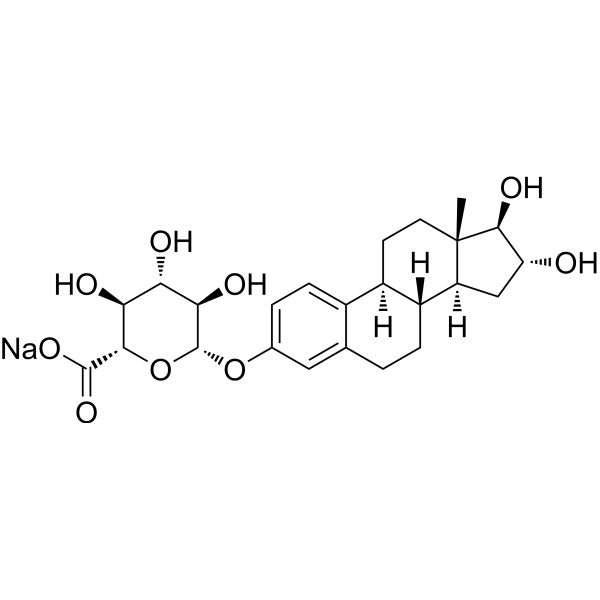
Estriol 3-glucuronide (Estriol 3-β-D-Glucuronide) sodium salt is a metabolite of Estriol. Estriol 3-glucuronide sodium salt competitively inhibits the hydrolysis of 4-methylumbelliferyl-β-D-glucuronide (4Mu-GlcU). Estriol 3-glucuronide sodium salt is a substrate for hydrolysis by Klotho-humanIgG1 Fc protein (KLFc) .
Anti-CD27 Antibody (M2177) is a human monoclonal antibody (mAb) targeting TNFRSF7/CD27. Anti-CD27 Antibody (M2177) inhibits the binding of sCD70 to human CD27 ECD-Fc. Anti-CD27 Antibody (M2177) can be used in the study of anti-tumor immunity. Recommended isotype control: HumanIgG1 kappa, Isotype Control (HY-P99001) .
Anti-CD27 Antibody (M2191) is a human monoclonal antibody (mAb) targeting TNFRSF7/CD27. Anti-CD27 Antibody (M2191) inhibits the binding of sCD70 to human CD27 ECD-Fc. Anti-CD27 Antibody (M2191) can be used in the study of anti-tumor immunity. Recommended isotype control: HumanIgG1 kappa, Isotype Control (HY-P99001) .
FcIII peptide is a 13-amino-acid peptide that competitively binds the hinge region of IgGFc fragment with high affinity. FcIII peptide has an inhibition constant Ki of 25 nM when competing with Protein A for binding sites. FcIII peptide displays high selectivity toward humanIgG subtypes yet weak binding affinity for murine IgG1. FcIII peptide anchors IgGFc through hydrophobic interactions formed by tryptophan and valine residues, alongside multiple hydrogen bonds and salt bridges. FcIII peptide alters the local microenvironment of conjugated fluorescein after binding IgGFc, which triggers enhanced fluorescent signals. FcIII peptide can be applied to researches related to monoclonal antibody production. .
Efizonerimod alfa (MEDI-6383) is a recombinant humanOX40LIgG4P Fc fusion protein that assembles into a hexameric structure and exerts potent agonist activity upon binding to OX40. The activity of Efizonerimod alfa is enhanced by Fcγ receptor-mediated aggregation. Efizonerimod alfa binds to OX40 on the surface of activated T cells, induces NF-κB promoter activity in OX40-expressing T cells, and triggers the production of Th1-type cytokines, T cell proliferation, and resistance to regulatory T cell (Treg)-mediated suppression. Efizonerimod alfa enhances the cytolytic activity of tumor-reactive T cells and slows tumor growth in immunodeficient mice. Efizonerimod alfa induces the proliferation of CD4, CD8, and B cells in the peripheral blood of healthy non-human primates. Efizonerimod alfa can be used in the research of advanced solid malignancies and melanoma .
Anti-CD64 Antibody (10.1) recognizes an epitope on human CD64 (Fc_RI). Fc gamma receptors (Fc_Rs) are membrane-bound proteins which control and mediate communication of IgG antibodies within the immune system. Recommend Isotype Controls: Mouse IgG1 kappa, Isotype Control (HY-P99977) .
Anti-5T4 scFv-Fc Antibody (ASN004 Antibody) is a humanIgG1 monoclonal antibody targeting TPBG. Anti-5T4 scFv-Fc Antibody (ASN004 Antibody) can be used in cancer research. The recommended isotype control is humanIgG1 kappa (HY-P99001).
PSB102 is a humanized Fc-enhanced IgG1 monoclonal antibody directed against the human B-cell-specific cell surface antigen and tumor-associated antigen CD20 .
AKIR001 is a high-affinity humanIgG1 antibody targeting CD44v6. AKIR001 carries LALA-silencing mutations in its FcγR-binding domain to reduce FcγR and C1q interactions, minimizing tissue interactions and limiting CDC and ADCC risks. [ 177Lu] radiolabeled AKIR001, namely [ 177Lu]Lu-AKIR001, has anticancer activity against epidermoid carcinoma .
LBL-019 is a humanized IgG1 monoclonal antibody targeting TNFR2. LBL-019 costimulates TNFR2 and activates the NF-κB signaling pathway in an Fc crosslinking-dependent manner. LBL-019 can be used for the research of advanced malignant tumors, including hepatocellular carcinoma and melanoma. The recommended isotype control is humanIgG1 kappa (HY-P99001) .
Anti-CD16a Antibody (3G8) is a pan-CD16-specific antibody. Anti-CD16a Antibody (3G8) binds to an epitope overlapping with CD16a’s Fc binding site, inhibiting CD16a-IgG Fc region interactions.Anti-CD16a Antibody (3G8) recognizes CD16a, CD16b, and CD16b-NA1 and NA2 allelotypes expressed by neutrophils .
Z223-2027 is a FcRn inhibitor. Z223-2027 competitively blocks the binding of immunoglobulin G (IgG) to FcRn. Z223-2027 can be used in the research of IgG-mediated autoimmune diseases .
Ricefidase (KJ-103) is a recombinant human immunoglobulin G-degrading enzyme. Ricefidase efficiently cleaves humanIgG at the hinge region. Ricefidase rapidly reduces IgG levels. Ricefidase has low immunogenicity and clears AAV neutralizing antibodies. Ricefidase is applicable to research related to desensitization of all IgG subclasses and improvement of the suitability of AAV-based gene therapy .
IBI352g4a is a humanized IgG1 monoclonal antibody targeting PVRIG (Kd = 0.53 nM) and acts as a PVRIG/PVRL2 inhibitor. The anti-tumor effect of IBI352g4a depends on the binding of its Fc region to FcγR. IBI352g4a binds to the extracellular domains of human and cynomolgus monkey PVRIG, and blocks the PVRIG-PVRL2 interaction. IBI352g4a induces NK cell activation, promotes their degranulation and tumor killing. IBI352g4a can be used in the research of gastric cancer .
SYN1436 is a selective humanneonatal Fc receptor (hFcRn) antagonist with an IC50 of 2.4 nM. SYN1436 binds to hFcRn and inhibits hFcRn-hIgG interaction. SYN1436 can be used for the research of autoimmune diseases .
PE-Cy5 is a tandem fluorescent dye commonly used in flow cytometry, immunofluorescence, and cell biology research. It is formed by the covalent linkage of two fluorescent molecules, namely phycoerythrin and CY5. PE-Cy5 binds to humanFcγRI (CD64), and this binding can be blocked by human pooled serum, anti-CD64 monoclonal antibodies targeting the ligand-binding region, or aggregated IgG. PE-Cy5 supports three-color flow cytometry analysis, and whole blood staining can partially reduce its non-specific binding (Ex/Em = 450-500 nm/665 nm) .
HMBD-002 is an Fc-independent, non-depleting IgG4 subclass antibody that targets VISTA and VSIG3. It is widely used in research related to various solid tumors, including colon cancer, triple-negative breast cancer, and non-small cell lung cancer. HMBD-002 blocks the interactions of VISTA with VSIG3 and LRIG1, relieves immunosuppression without depleting VISTA-positive cells, activates the cytotoxic program of CD8 + T cells, and drives the type I interferon signaling pathway. HMBD-002 reprograms tumor-associated macrophages to the M1 phenotype, reduces tumor infiltration of inhibitory myeloid cells, thereby significantly inhibiting tumor growth and improving survival. HMBD-002 is well tolerated in rodent and non-human primate animal models .
PE-Cy5 is a tandem fluorescent dye commonly used in flow cytometry, immunofluorescence, and cell biology research. It is formed by the covalent linkage of two fluorescent molecules, namely phycoerythrin and CY5. PE-Cy5 binds to humanFcγRI (CD64), and this binding can be blocked by human pooled serum, anti-CD64 monoclonal antibodies targeting the ligand-binding region, or aggregated IgG. PE-Cy5 supports three-color flow cytometry analysis, and whole blood staining can partially reduce its non-specific binding (Ex/Em = 450-500 nm/665 nm) .
Lymphocyte activating pentapeptide is a short peptide sequence found in the Fc region of humanIgG1 that has the ability to activate lymphocytes. Lymphocyte activating pentapeptide can be used to study the activation mechanisms of B cells and T cells, and their role in immune responses .
FcIII peptide is a 13-amino-acid peptide that competitively binds the hinge region of IgGFc fragment with high affinity. FcIII peptide has an inhibition constant Ki of 25 nM when competing with Protein A for binding sites. FcIII peptide displays high selectivity toward humanIgG subtypes yet weak binding affinity for murine IgG1. FcIII peptide anchors IgGFc through hydrophobic interactions formed by tryptophan and valine residues, alongside multiple hydrogen bonds and salt bridges. FcIII peptide alters the local microenvironment of conjugated fluorescein after binding IgGFc, which triggers enhanced fluorescent signals. FcIII peptide can be applied to researches related to monoclonal antibody production. .
SYN1436 is a selective humanneonatal Fc receptor (hFcRn) antagonist with an IC50 of 2.4 nM. SYN1436 binds to hFcRn and inhibits hFcRn-hIgG interaction. SYN1436 can be used for the research of autoimmune diseases .
Efruxifermin is an Fc-FGF21 fusion protein (humanIgG1 Fc domain linked to a modified human FGF21). Efruxifermin has prolonged half-life and enhanced receptor affinity compared with native human FGF21. Efruxifermin can be used for the research of non-alcoholic steatohepatitis .
Abatacept (CTLA4lg) is a soluble fusion protein consisting of the extra-cellular domain of human CTLA4 and a fragment of the Fc portion of humanIgG1 (hinge and CH2 and 3 domains) . Abatacept is a selective T-cell co-stimulation modulator and a protein agent for the autoimmune diseases .
Aflibercept (VEGF Trap) is a soluble decoy VEGFR constructed by fusing the Ig domains of VEGFR1 and VEGFR2 with the Fc region of humanIgG1. Aflibercept inhibits VEGF signaling by reducing VEGF-regulated processes. Aflibercept can be used for thr research of age-related macular degeneration (AMD) and cardiovascular disease .
Aflibercept (VEGF Trap) is a soluble decoy VEGFR constructed by fusing the Ig domains of VEGFR1 and VEGFR2 with the Fc region of humanIgG1. Aflibercept inhibits VEGF signaling by reducing VEGF-regulated processes. Aflibercept can be used for thr research of age-related macular degeneration (AMD) and cardiovascular disease .
Cusatuzumab (ARGX-110) is a selective competitive blocker targeting CD70 (with an equilibrium dissociation constant of 17 pM for binding to human CD70). Cusatuzumab also possesses enhanced antibody-dependent cell-mediated cytotoxicity (ADCC) activity. It is a humanized IgG1 monoclonal antibody, artificially synthesized through humanization and genetic engineering modifications (CH2 region mutation to enhance effector function). Cusatuzumab has a dual mechanism of action: firstly, it competitively blocks the interaction between CD70 and CD27, inhibiting the CD27-NF-κB signaling pathway, reducing regulatory T cell (Treg) activation and tumor cell proliferation; secondly, by enhancing binding to FcγRIIIa, it mediates ADCC and antibody-dependent cellular phagocytosis (ADCP), directly lysing CD70-positive tumor cells. Cusatuzumab can efficiently eliminate leukemia stem cells (LSCs), induce tumor cell differentiation and apoptosis, restore immune surveillance, and target CD70-positive tumors. Cusatuzumab is used in the study of acute myeloid leukemia (AML) .
Envafolimab (ASC 22; KN 035) is a recombinant protein of a humanized single-domain anti- PD-L1 antibody. Envafolimab is created by a fusion of the of anti-PD-L1 domain with Fc fragment of humanIgG1 antibody. Envafolimab blocks interaction between PD-L1 and PD-1 with an IC50 value of 5.25 nM. Envafolimab has the potential for the research of solid tumors .
Taldefgrobep alfa (BMS 986089; RG 6206; RO 7239361) is a protein that blocks myostatin. Taldefgrobep alfa is a fusion protein composed of a humanIgG1-Fc domain and Adnectin domain. Taldefgrobep alfa can be used for spinal muscular atrophy (SMA) research .
Catumaxomab, a trifunctional IgG2 antibody, is composed of mouse and rat heavy and light chains and binds to humanEpCAM and humanCD 3 receptors. The Fc region of Catumaxomab region has binding affinity for FcγR1 (CD 64), FcγRIIA (CD 32a), and FcγRIII (CD 16). Catumaxomab can be used for anti-tumor research, especially epithelial cancers .
Rozanolixizumab (UCB7665), a humanized high-affinity anti-human neonatal Fc receptor (FcRn) monoclonal antibody (IgG4P), is used to the research of reducing pathogenic IgG in autoimmune and alloimmune diseases .
Abatacept (CTLA4lg; BMS-188667) powder is a soluble fusion protein consisting of the extra-cellular domain of human CTLA4 and a fragment of the Fc portion of humanIgG1 (hinge and CH2 and 3 domains). Abatacept powder is a selective T-cell co-stimulation modulator and a protein agent for the autoimmune diseases .
AMG-966 is a human bispecific antibody (bsAb) targeting TNFSF15/TL1A & TNFα. AMG 966 restores the ability of the aglycosylated Fc domain to bind FcγRIa and FcγRIIa, leading to the formation of anti-drug antibodies (ADA). AMG 966 can be used in research on Crohn's disease and ulcerative colitis. Recommended isotype control: HumanIgG1 kappa, Isotype Control (HY-P99001) .
Visilizumab (Anti-Human CD3E Recombinant Antibody) is a humanized low-Fc receptor binding anti-CD3 monoclonal IgG2 antibody. Visilizumab can be used for ulcerative colitis and Crohn's disease research .
Rilonacept (Arcalyst), a dimeric fusion protein, is a interleukin 1 inhibitor. Rilonacept consists of the ligand-binding domains of the extracellular portions of the IL-1R components linked to the Fc portion of humanIgG1. Rilonacept can be used for the research of cryopyrin-associated periodic syndromes .
Atacicept (TACI-Ig) is a is a recombinant fusion protein containing the extracellular, ligand-binding portion of the TACI receptor and the Fc portion of humanIgG. Atacicept inhibits B cell stimulation by binding to B lymphocyte stimulator and a proliferation-inducing ligand. Atacicept can be used in research of B-cell autoimmune disease .
Ontorpacept (TTI-621) is a soluble fusion protein that consists of the human SIRPα N-terminal (1-118) linked to the Fc region of humanIgG1. The N-terminal (1-118)-fragment of ontorpacept is a binding domain for CD47 which is an inhibitor of phagocytosis by macrophages. Ontorpacept is a CD47-blocking checkpoint inhibitor with antitumor activity .
Insulin efsitora alfa (LY-3209590) is a selective agonist of insulin receptor (IR). Insulin efsitora alfa is a fusion protein composed of human IR agonists fused with the crystallizable (Fc) domain of human immunoglobulin G2 (IgG2) fragment, with a molecular weight of 64.1 kDa. Insulin efsitora alfa is well tolerated and has potential applications in diabetes .
Ruplizumab (BG 9588) is a humanized anti-CD40LIgG1κ monoclonal antibody. By binding to CD40L, Ruplizumab blocks its interaction with the CD40 receptor, inhibits T-B cell costimulatory signals, and mediates the depletion of activated T cells via the Fc segment. Ruplizumab has immunosuppressive effects. Ruplizumab can be used in the study of systemic lupus erythematosus, organ transplant rejection, and autoimmune diseases. Recommend Isotype Controls: HumanIgG1 kappa, Isotype Control (HY-P99001) .
Eflepedocokin alfa is a recombinant fusion protein. Eflepedocokin alfa consists of humanIL-22 fused to humanIgG2-Fc domain. Eflepedocokin alfa leads to the activation of IL-22/IL-22R-mediated signal transduction pathways as well as STAT3. Eflepedocokin alfa plays a role in immune response and bacterial infection, enhancing intestinal barrier function, intestinal immunity, and tissue repair .
Prolgolimab (BCD-100) is a humanIgG1 anti-PD-1 monoclonal antibody containing the Fc-silencing 'LALA' mutation. Prolgolimab can be used for the research of advanced melanoma .
Ipafricept (OMP-54F28; FZD8-Fc) is a first class recombinant fusion protein with the extracellular part of the human frizzled-8 receptor fused to a humanIgG1 Fc fragment that binds Wnt ligands, which blocks Wnt signaling. Ipafricept reduces tumor growth and results in a decrease in both liver and lung metastases combined with Gemcitabine (HY-17026) in pancreatic cancer mouse models. Ipafricept shows solid tumor inhibition activity with well tolerance, such as desmoid tumor, germ cell cancer, ovarian cancer .
Riliprubart (SAR 445088) is a selective anti-C1s humanized IgG4 monoclonal antibody with mutations that enhance its binding to the neonatal Fc receptor. Riliprubart blocks activation of the classical complement pathway, prevents the formation of the C3 convertase C4b2a, and inhibits complement-mediated hemolytic activity. Riliprubart can be used in research related to classical complement-mediated diseases, cold agglutinin disease, and chronic inflammatory demyelinating polyneuropathy. For the isotype control of Riliprubart, refer to HumanIgG4 (S228P) kappa, Isotype Control (HY-P99003) .
Inbakicept is a dimeric human IL-15 receptor alpha (IL-15 Ra) sushi domain/humanIgG1 Fc fusion protein and is an IL-15 superagonist complex. Inbakicept is able to form complex N-803 (Nogapendekin alfa inbakicept) with the IL-15 antibody Nogapendekin alfa in a 1:2 ratio. N-803 mimics the function of IL-15 and amplifies anti-CD20 mAb-mediated NK cell responses and antibody-dependent cellular cytotoxicity (ADCC). N-803 also increases degranulation and IFNγ production in cells .
Atibuclimab (IC14), is a chimeric monoclonal antibody directed against CD14 and is composed of murine variable and humanIgG4 Fc regions. Atibuclimab attenuates Lipopolysaccharides (HY-D1056) (LPS)-induced symptoms and strongly inhibits LPS-induced proinflammatory cytokine release, while only delaying the release of the anti-inflammatory cytokines soluble TNF receptor type I and IL-1 receptor antagonist. Atibuclimab can be used for the research of amyotrophic lateral sclerosis, sepsis, community-acquired pneumonia, or acute lung injury .
Valziflocept (BAX1810) is a recombinant soluble humanFcγRIIb receptor that targets Fc and FcγR. FcγRs bind to and neutralize pathogenic IgG, thereby acting as a "decoy" or "scavenger" receptor that reduces the severity of autoimmune diseases. Valziflocept is used in research on autoimmune diseases such as systemic lupus erythematosus (SLE) .
Forimtamig (RG-6324) is a GPRC5DxCD3 T-cell-engaging bispecific antibody. Forimtamig has a 2 + 1 format, comprising two high-affinity GPRC5D binding moieties and one CD3 binder. Forimtamig further features a P329G LALA mutated Fc domain that inhibits Fcγ receptor and C1q binding, yet retains binding to the neonatal Fc receptor. The isotype control for Forimtamig can refer to HumanIgG1 kappa, Isotype Control (HY-P99001) .
BI-1808 is a humanIgG1 monoclonal antibody that targets TNFR2by blocking interaction of TNFR2 with ligand TNF-α, confers FcγR-dependent depletion of Treg and mediates expansion of intratumoral CD8 + T cells .
AFM24 is a bispecific antibody with a TandAb structure expressed in CHO, targeting EGFR&Fc-gamma-RIIIA. AFM24 contains a huIgG1-SCFV heavy chain and a λ light chain, with a predicted molecular weight (MW) of 196.34 kDa. The isotype control for AFM24 can refer to HumanIgG1 kappa, Isotype Control (HY-P99001).
Luspatercept (mIgG2a) (RAP-536) is a fusion protein, consisting of a modified extracellular domain of humanActRIIB linked to the murine IgG2a Fc domain. Luspatercept (mIgG2a) inhibits Smad2/3 signaling, promotes differentiation of late-stage erythroid precursors and mitigates ineffective erythropoiesis (IE) in murine β-thalassemia. Luspatercept (mIgG2a) reduces anemia, α-globin aggregates, hemolysis, and disease complications of IE such as iron overload, splenomegaly, and bone defects .
Conbercept (KH902) is a recombinant fusion protein composed of VEGFR-1 (second domain) and VEGFR-2 (third and fourth domains) regions fused to humanIgG1 Fc. Conbercept is a VEGF inhibitor (IC50 = 8.8 pM) and is a soluble receptor decoy that blocks all isoforms of VEGF-A (Kd = 0.5 pM), VEGF-B (Kd = 8 pM), VEGF-C, and PlGF (Kd = 5 pM). Conbercept has anti-inflammatory effects, can lower the levels of VEGF, TNF-α and IL-6, and reduce the infiltration of inflammatory cells. Conbercept decreases tumor growth in several oncology studies. Conbercept can be used for various eye diseases such as polypoidal choroidal vasculopathy (PCV), diabetic macular edema (DME) and pathologic myopia choroidal neovascularization (pmCNV) .
Maplirpacept (TTI-622; PF-07901801) is a fusion protein consisting of the CD47-binding domain of human SIRPα linked to the Fc region of humanIgG4. Maplirpacept enhances phagocytosis by blocking CD47 .
Atigotatug (BMS-986012) is a fully humanIgG1 antibody binds specifically to FucGM1 with an EC50 of 0.15 nmol/L for FucGM1. Atigotatug is a FcγRIIIa ligand with a Kd of 21 nmol/L. Atigotatug demonstrates antitumor efficacy in multiple mouse small cell lung cancer models .
Anti-CD32/FcγRIIA Antibody (IV.3) is a kind of mouse IgG2b chimeric antibody inhibitor, targeting to humanCD32/FcγRIIA. Anti-CD32/FcγRIIA Antibody (IV.3) can block Fc receptor IIA. Anti-CD32/FcγRIIA Antibody (IV.3) can be used for the researches of inflammation and infection, such as arthritis and E. coli infection .
IPH5301 is a humanIgG1 monoclonal antibody (mAb) targeting NT5E/CD73. IPH5301 has a functionally silent Fc domain, specifically inhibits soluble and membrane CD73 enzyme activity, and restores the proliferation of immune T cells. IPH5301 can be used in anti-tumor immunity research. Recommended isotype control: HumanIgG1 kappa, Isotype Control (HY-P99001) .
NC762 is a humanized IgG1κ monoclonal antibody that targets human B7-H4 (B7 homolog 4). NC762 has enhanced binding to CD16a (FcγRIIIa) after being Fc engineered with three point mutations (S239D/A330L/I332E; DLE) and demonstrate increased antibody-dependent cellular cytotoxicity (ADCC) activity. NC762 inhibits tumor growth in vivo through binding to tumor-expressing B7-H4. NC762 can be studies in research on cancer such as advanced or metastatic solid tumors .
Eflumenibep alfa is a Kallikrein 5 inhibitor with anti-inflammatory activity. Eflumenibep alfa is a fusion protein that combines human SPINK2 with the humanIgG1 Fc fragment at the C-terminus .
Efpixileukin alfa is a fusion protein that combines human IL-2 variant fused at the C-terminus to human immunoglobulin G1 (IgG1) Fc fragment. Efpixileukin alfa is an immunomodulator .
Briobacept (BR 3FC) is a recombinant glucoprotein, consists of 2 molecules from the BLyS receptor (BR3)and a Fc domain of humanIgG1. Briobacept selectively targets to BLyS (BAFF), induces B cells apoptosis. Briobacept can be used in studies of rheumatoid arthritis (RA) .
GMA-161 is a humanized IgG1 antibody that targets Fcγ receptor III (CD16). GMA-161 has the potential for the study of autoimmune disorders. The isotype control for GMA-161 can refer to HumanIgG1 kappa, Isotype Control (HY-P99001) .
Elritercept (KER-050) is a recombinant fusion protein comprising a modified activin receptor type IIA extracellular domain fused to a humanIgG1 Fc. Elritercept inhibits activin A and other select TGF-β superfamily ligands .
ADG-106 is a fully human agonistic monoclonal IgG4 antibody against CD137 (4-1BB). ADG-106 has the mechanism to activate CD137 via strong FcγRIIB-mediated crosslinking while antagonizing CD137 ligands. The isotype control for ADG-106 can refer to HumanIgG4 (S228P) kappa, Isotype Control (HY-P99003) .
Elipunercept is a fusion protein that combines human TNFRSF1B extracellular domain fragment (1-235) fused at the C-terminus to a humanIgG1 Fc fragment. Elipunercept is an immunomodulator .
Efmirenpase alfa is an Fc-ENPP1 fusion protein (humanIgG1 Fc domain linked to a modified human ENPP1). Efmirenpase alfa has prolonged half-life and enhanced receptor affinity compared with native human ENPP1. Efmirenpase alfa can be used as an enzyme replacement therapy for ENPP1 deficiency such as arterial calcification and hypophosphatemic rickets research .
Opinercept is a recombinant fusion protein comprising an TNFRSF1B fused to a humanIgG1 Fc . Opinercept is a tumor necrosis factor-alpha (TNF-alpha) inhibitor. Opinercept can be used for the research of rheumatoid arthritis (RA) .
MEDI4212 is a humanized IgG1λ monoclonal antibody inhibitor targeting IgE. MEDI4212 potently inhibits human IgE-mediated functional responses through its receptor FcεRI, such as calcium signaling, β-hexosaminidase release and phagocytosis. MEDI4212 prevents the binding of IgE to CD23 with an IC50 of 8 nM. MEDI4212 can be used severe asthma research .
Rinvatercept, a fusion protein, is a glycyl (1)-chimeric N-terminal (1-108)-peptide (2-109) combined from the sequences of the extracellular domains of the human ACVR2A/B, and is fused via a G3 peptide linker (110-112) to an immunoglobulin G1 (IgG1) Fc fragment. Rinvatercept can be used for research of neuromuscular disease .
The Anti-Fc gamma R1 Antibody is a human-derived antibody expressed in CHO, targeting Fc gamma R1. The Anti-Fc gamma R1 Antibody features a huIgG1 heavy chain and a huκ light chain, with a predicted molecular weight (MW) of 150 kDa. For the isotype control of the Anti-Fc gamma R1 Antibody, please refer to HumanIgG1 kappa, Isotype Control (HY-P99001).
Efclarofusp alfa is a CHO-expressed humanized antibody consisting of VEGFR-1 and VEGFR-2 regions fused to humanIgG1 Fc. Efclarofusp alfa is an angiogenesis inhibitor .
IMM20324 is a human monoclonal antibody (mAb) targeting IL38. IMM20324 inhibits the interaction of IL-38 with humanIL1RAPL1-Fc and human IL-36R-Fc with IC50 values of 1.267 nM and 1.4667 nM, respectively. IMM20324 has antitumor activity in the B16.F10 syngeneic mouse model. IMM20324 can be used in antitumor immunity research. Recommended isotype control: HumanIgG1 kappa, Isotype Control (HY-P99001) .
Efdelikofusp alfa is a bispecific Fc fusion protein. Efdelikofusp alfa is formed by fusing the N-terminal extracellular domain of human CD80 (B7.1) with the Fc fragment of human immunoglobulin G4 (IgG4), and is linked to an interleukin-2 variant (IL-2v) as the C-terminal part. Efdelikofusp alfa exhibits potential immunostimulatory, immune checkpoint inhibitory, and antitumor activities.
Efzilonkofusp alfa is a bispecific Fc fusion protein. Efzilonkofusp alfa is formed by fusing the N-terminal extracellular domain of human CD80 (B7.1) with the Fc fragment of human immunoglobulin G4 (IgG4), and is linked to an interleukin-2 variant (IL-2v) as the C-terminal part. Efzilonkofusp alfa exhibits potential immunostimulatory, immune checkpoint inhibitory, and antitumor activities.
Efercoleukin alfa is a recombinant fusion protein comprising an IL-2 fused to a humanIgG1 Fc. Efercoleukin alfa binds the high-affinity IL-2 receptor alpha chain (CD25) .
Derlotuximab is a CHO-expressed, scFv-Fc (huIgG1) type chimeric antibody that targets Histone H1. The predicted molecular weight (MW) of Derlotuximab is 145.1 kDa. The isotype control for Derlotuximab can be referenced as HumanIgG1 kappa, Isotype Control (HY-P99001).
Anti-CD27 Antibody (M2177) is a human monoclonal antibody (mAb) targeting TNFRSF7/CD27. Anti-CD27 Antibody (M2177) inhibits the binding of sCD70 to human CD27 ECD-Fc. Anti-CD27 Antibody (M2177) can be used in the study of anti-tumor immunity. Recommended isotype control: HumanIgG1 kappa, Isotype Control (HY-P99001) .
Anti-CD27 Antibody (M2191) is a human monoclonal antibody (mAb) targeting TNFRSF7/CD27. Anti-CD27 Antibody (M2191) inhibits the binding of sCD70 to human CD27 ECD-Fc. Anti-CD27 Antibody (M2191) can be used in the study of anti-tumor immunity. Recommended isotype control: HumanIgG1 kappa, Isotype Control (HY-P99001) .
Efizonerimod alfa (MEDI-6383) is a recombinant humanOX40LIgG4P Fc fusion protein that assembles into a hexameric structure and exerts potent agonist activity upon binding to OX40. The activity of Efizonerimod alfa is enhanced by Fcγ receptor-mediated aggregation. Efizonerimod alfa binds to OX40 on the surface of activated T cells, induces NF-κB promoter activity in OX40-expressing T cells, and triggers the production of Th1-type cytokines, T cell proliferation, and resistance to regulatory T cell (Treg)-mediated suppression. Efizonerimod alfa enhances the cytolytic activity of tumor-reactive T cells and slows tumor growth in immunodeficient mice. Efizonerimod alfa induces the proliferation of CD4, CD8, and B cells in the peripheral blood of healthy non-human primates. Efizonerimod alfa can be used in the research of advanced solid malignancies and melanoma .
Anti-CD64 Antibody (10.1) recognizes an epitope on human CD64 (Fc_RI). Fc gamma receptors (Fc_Rs) are membrane-bound proteins which control and mediate communication of IgG antibodies within the immune system. Recommend Isotype Controls: Mouse IgG1 kappa, Isotype Control (HY-P99977) .
Anti-5T4 scFv-Fc Antibody (ASN004 Antibody) is a humanIgG1 monoclonal antibody targeting TPBG. Anti-5T4 scFv-Fc Antibody (ASN004 Antibody) can be used in cancer research. The recommended isotype control is humanIgG1 kappa (HY-P99001).
PSB102 is a humanized Fc-enhanced IgG1 monoclonal antibody directed against the human B-cell-specific cell surface antigen and tumor-associated antigen CD20 .
AKIR001 is a high-affinity humanIgG1 antibody targeting CD44v6. AKIR001 carries LALA-silencing mutations in its FcγR-binding domain to reduce FcγR and C1q interactions, minimizing tissue interactions and limiting CDC and ADCC risks. [ 177Lu] radiolabeled AKIR001, namely [ 177Lu]Lu-AKIR001, has anticancer activity against epidermoid carcinoma .
LBL-019 is a humanized IgG1 monoclonal antibody targeting TNFR2. LBL-019 costimulates TNFR2 and activates the NF-κB signaling pathway in an Fc crosslinking-dependent manner. LBL-019 can be used for the research of advanced malignant tumors, including hepatocellular carcinoma and melanoma. The recommended isotype control is humanIgG1 kappa (HY-P99001) .
Anti-CD16a Antibody (3G8) is a pan-CD16-specific antibody. Anti-CD16a Antibody (3G8) binds to an epitope overlapping with CD16a’s Fc binding site, inhibiting CD16a-IgG Fc region interactions.Anti-CD16a Antibody (3G8) recognizes CD16a, CD16b, and CD16b-NA1 and NA2 allelotypes expressed by neutrophils .
Ricefidase (KJ-103) is a recombinant human immunoglobulin G-degrading enzyme. Ricefidase efficiently cleaves humanIgG at the hinge region. Ricefidase rapidly reduces IgG levels. Ricefidase has low immunogenicity and clears AAV neutralizing antibodies. Ricefidase is applicable to research related to desensitization of all IgG subclasses and improvement of the suitability of AAV-based gene therapy .
IBI352g4a is a humanized IgG1 monoclonal antibody targeting PVRIG (Kd = 0.53 nM) and acts as a PVRIG/PVRL2 inhibitor. The anti-tumor effect of IBI352g4a depends on the binding of its Fc region to FcγR. IBI352g4a binds to the extracellular domains of human and cynomolgus monkey PVRIG, and blocks the PVRIG-PVRL2 interaction. IBI352g4a induces NK cell activation, promotes their degranulation and tumor killing. IBI352g4a can be used in the research of gastric cancer .
HMBD-002 is an Fc-independent, non-depleting IgG4 subclass antibody that targets VISTA and VSIG3. It is widely used in research related to various solid tumors, including colon cancer, triple-negative breast cancer, and non-small cell lung cancer. HMBD-002 blocks the interactions of VISTA with VSIG3 and LRIG1, relieves immunosuppression without depleting VISTA-positive cells, activates the cytotoxic program of CD8 + T cells, and drives the type I interferon signaling pathway. HMBD-002 reprograms tumor-associated macrophages to the M1 phenotype, reduces tumor infiltration of inhibitory myeloid cells, thereby significantly inhibiting tumor growth and improving survival. HMBD-002 is well tolerated in rodent and non-human primate animal models .
The IgG4 Fc is the constant region of the immunoglobulin heavy chain, which forms the backbone of antibodies crucial in humoral immunity. B lymphocytes produce glycoprotein antibodies that initiate clonal expansion upon antigen binding. IgG4 Fc Protein, Human (HEK293) is the recombinant human-derived IgG4 Fc protein, expressed by HEK293 , with tag free.
The IgG3 Fc protein is the constant region of an immunoglobulin heavy chain that acts as a receptor for a specific antigen. IgG3 Fc Protein, Human (HEK293) is the recombinant human-derived IgG3 Fc protein, expressed by HEK293 , with tag free.
The FCGRT protein is a cell surface receptor that conveys passive humoral immunity through the selective uptake of monomeric IgG in milk. It binds IgG at the intestinal epithelium and forms an FcRn-IgG complex that is transcytosed across the epithelium, releasing IgG into the blood or tissue. FCGRT Protein, Human (GST) is the recombinant human-derived FCGRT protein, expressed by E. coli , with N-GST labeled tag.
The FCGRT protein is a cell surface receptor that conveys passive humoral immunity through the selective uptake of monomeric IgG in milk. It binds IgG at the intestinal epithelium and forms an FcRn-IgG complex that is transcytosed across the epithelium, releasing IgG into the blood or tissue. FCGRT Protein, Human (GST) is the recombinant human-derived FCGRT protein, expressed by E. coli , with N-GST labeled tag.
The IgG2 Fc protein is the constant region of the immunoglobulin heavy chain and acts as an antigen receptor, triggering the expansion and differentiation of B lymphocytes into immunoglobulin-secreting plasma cells. IgG2 Fc Protein, Human (HEK293) is the recombinant human-derived IgG2 Fc protein, expressed by HEK293, with tag free.
The FCGRT protein is a cell surface receptor that conveys passive humoral immunity through the selective uptake of monomeric IgG in milk. It binds IgG at the intestinal epithelium and forms an FcRn-IgG complex that is transcytosed across the epithelium, releasing IgG into the blood or tissue. FCGRT Protein, Human (HEK293, His) is the recombinant human-derived FCGRT protein, expressed by HEK293 , with N-His labeled tag.
The IgG2 Fc protein is the constant region of the immunoglobulin heavy chain and acts as an antigen receptor, triggering the expansion and differentiation of B lymphocytes into immunoglobulin-secreting plasma cells.IgG2 Fc Protein, Human (V161M, S257A, HEK293) is the recombinant human-derived IgG2 Fc protein, expressed by HEK293 , with tag free.
CD64 protein, a high affinity receptor, mediates IgG effector functions, triggering antibody-dependent cellular cytotoxicity (ADCC). It interacts with IGHG1 and forms a signaling complex with FCERG1, contributing to immune responses. CD64 also interacts with FLNA, EPB41L2, LAT, PPL, HCK, and LYN to prevent degradation of FCGR1A and regulate immune function. CD64 Protein, Human (HEK293, His) is the recombinant human-derived CD64 protein, expressed by HEK293 , with C-6*His labeled tag.
FCGRT is an IgG Fc receptor. Fc receptor expression is up-regulated by pro-inflammatory cytokines TNF and down-regulated by IFN-γ. FCGRT plays a role in regulating IgG and serum albumin conversion. Overexpression of FCGRT is also associated with poor prognosis of tumors. FCRN-B2M Heterodimer Protein, Human (HEK293, C-His) is a recombinant protein dimer complex containing human-derived FCRN-B2M protein, expressed by HEK293 , with C-6*His labeled tag.
FCGRT is an IgG Fc receptor. Fc receptor expression is up-regulated by pro-inflammatory cytokines TNF and down-regulated by IFN-γ. FCGRT plays a role in regulating IgG and serum albumin conversion. Overexpression of FCGRT is also associated with poor prognosis of tumors. FCRN-B2M Heterodimer Protein, Human (Biotinylated, HEK293, His-Avi) is a recombinant protein dimer complex containing human-derived FCRN-B2M protein, expressed by HEK293 , with C-Avi, C-6*His labeled tag.
Fc gamma RIIB/CD32b protein is a low-affinity receptor for immunoglobulin gamma and plays a key role in immune responses. It mediates phagocytosis of immune complexes and regulates antibody production by B cells. Fc gamma RIIB/CD32b Protein, Human (HEK293, His) is the recombinant human-derived Fc gamma RIIB/CD32b protein, expressed by HEK293 , with C-6*His labeled tag.
Fc gamma RIIB/CD32b protein is a low-affinity receptor for immunoglobulin gamma and plays a key role in immune responses. It mediates phagocytosis of immune complexes and regulates antibody production by B cells. Fc gamma RIIB/CD32b Protein, Human (HEK293, HSA-His) is the recombinant human-derived Fc gamma RIIB/CD32b protein, expressed by HEK293, with C-HSA and C-His labeled tag.
Fc gamma RIIB/CD32b protein is a low-affinity receptor for immunoglobulin gamma and plays a key role in immune responses. It mediates phagocytosis of immune complexes and regulates antibody production by B cells. Fc gamma RIIB/CD32b Protein, Human (HEK293, SUMO, His) is the recombinant human-derived Fc gamma RIIB/CD32b protein, expressed by HEK293, with N-SUMO and C-His labeled tag.
Fc gamma RIIB/CD32b protein is a low-affinity receptor for immunoglobulin gamma and plays a key role in immune responses. It mediates phagocytosis of immune complexes and regulates antibody production by B cells. Fc gamma RIIB/CD32b Protein, Human (HEK293, Twin Strep) is the recombinant human-derived Fc gamma RIIB/CD32b protein, expressed by HEK293, with C-Twin-Strep labeled tag.
Fc gamma The RIIA/CD32a protein plays a key role as a low-affinity receptor that specifically binds to the Fc region of immunoglobulin gamma. It interacts with IgG to initiate cellular responses against pathogens, which is critical for immune regulation. Fc gamma RIIA/CD32a Protein, Human (HEK293, His) is the recombinant human-derived Fc gamma RIIA/CD32a protein, expressed by HEK293 , with C-6*His labeled tag and H167, , , , mutation.
CD7 Protein, with an elusive function, interacts with SECTM1, implying involvement in SECTM1-related cellular processes. Further research is essential to uncover the specific functions and molecular pathways in which CD7 intricately participates. The current lack of detailed information emphasizes the ongoing exploration needed to elucidate CD7's functional significance and its interplay with SECTM1 in cellular contexts. FITC-Labeled CD7 Protein, Human (HEK293, Llama IgG2b Fc) is the recombinant human-derived FITC-Labeled CD7 protein, expressed by HEK293 , with Fc labeled tag.
Fc gamma RIIIA/CD16a protein is a receptor for the Fc fragment of IgG and activates antibody-dependent cellular cytotoxicity (ADCC) upon binding to antigen-IgG complexes. It mediates IgG effector functions on NK cells, generating memory-like adaptive NK cells to efficiently eliminate virally infected cells. Fc gamma RIIIA/CD16a Protein, Human (HEK293, His) is the recombinant human-derived Fc gamma RIIIA/CD16a protein, expressed by HEK293 , with C-6*His labeled tag.
Fc gamma RIIB/CD32b protein is a low-affinity receptor for immunoglobulin gamma and plays a key role in immune responses. It mediates phagocytosis of immune complexes and regulates antibody production by B cells. Fc gamma RIIB/CD32b Protein, Human (Biotinylated, HEK293, His-Avi) is the recombinant human-derived Fc gamma RIIB/CD32b protein, expressed by HEK293 , with C-Avi, C-His labeled tag.
Fc gamma RIIIB/CD16b Protein, a low-affinity receptor for IgG, binds complexed or monomeric IgG. Unlike Fc gamma RIIIA, it cannot mediate antibody-dependent cytotoxicity or phagocytosis. Instead, Fc gamma RIIIB may act as a trap for immune complexes, circulating without activating neutrophils. Existing as a monomer, it interacts with INPP5D/SHIP1, implying its role in intracellular signaling pathways linked to immune responses. Fc gamma RIIIB/CD16b Protein, Human (NA2, HEK293, His-Avi) is the recombinant human-derived Fc gamma RIIIB/CD16b protein, expressed by HEK293 , with C-Avi, C-His labeled tag.
Fc gamma RIIIA/CD16a protein is a receptor for the Fc fragment of IgG and activates antibody-dependent cellular cytotoxicity (ADCC) upon binding to antigen-IgG complexes. It mediates IgG effector functions on NK cells, generating memory-like adaptive NK cells to efficiently eliminate virally infected cells. Fc gamma RIIIA/CD16a Protein, Human (Biotinylated, HEK293, His-Avi) is the recombinant human-derived Fc gamma RIIIA/CD16a protein, expressed by HEK293 , with C-Avi, C-His labeled tag.
Fc gamma RIIIA/CD16a protein is a receptor for the Fc fragment of IgG and activates antibody-dependent cellular cytotoxicity (ADCC) upon binding to antigen-IgG complexes. It mediates IgG effector functions on NK cells, generating memory-like adaptive NK cells to efficiently eliminate virally infected cells. Fc gamma RIIIA/CD16a Protein, Human (HEK293, His-Avi) is the recombinant human-derived Fc gamma RIIIA/CD16a protein, expressed by HEK293 , with C-Avi, C-His labeled tag.
Fc gamma The RIIA/CD32a protein plays a key role as a low-affinity receptor that specifically binds to the Fc region of immunoglobulin gamma. It interacts with IgG to initiate cellular responses against pathogens, which is critical for immune regulation. Fc gamma RIIA/CD32a Protein, Human (183a.a, HEK293, Twin Strep) is the recombinant human-derived Fc gamma RIIA/CD32a protein, expressed by HEK293, with C-Twin-Strep labeled tag.
Fc gamma RIIIB/CD16b Protein, a low-affinity receptor for IgG, binds complexed or monomeric IgG. Unlike Fc gamma RIIIA, it cannot mediate antibody-dependent cytotoxicity or phagocytosis. Instead, Fc gamma RIIIB may act as a trap for immune complexes, circulating without activating neutrophils. Existing as a monomer, it interacts with INPP5D/SHIP1, implying its role in intracellular signaling pathways linked to immune responses. Fc gamma RIIIB/CD16b Protein, Human (NA2, HEK293, His) is the recombinant human-derived Fc gamma RIIIB/CD16b protein, expressed by HEK293 , with C-6*His labeled tag.
Fc gamma The RIIA/CD32a protein plays a key role as a low-affinity receptor that specifically binds to the Fc region of immunoglobulin gamma. It interacts with IgG to initiate cellular responses against pathogens, which is critical for immune regulation. Fc gamma RIIA/CD32a Protein, Human (H167R, HEK293, His) is the recombinant human-derived Fc gamma RIIA/CD32a protein, expressed by HEK293 , with C-6*His labeled tag and H167R mutation.
Fc gamma The RIIA/CD32a protein plays a key role as a low-affinity receptor that specifically binds to the Fc region of immunoglobulin gamma. It interacts with IgG to initiate cellular responses against pathogens, which is critical for immune regulation. Fc gamma RIIA/CD32a Protein, Human (Biotinylated, HEK293, His-Avi) is the recombinant human-derived Fc gamma RIIA/CD32a protein, expressed by HEK293 , with C-Avi, C-His labeled tag and H167 mutation.
Fc gamma The RIIA/CD32a protein plays a key role as a low-affinity receptor that specifically binds to the Fc region of immunoglobulin gamma. It interacts with IgG to initiate cellular responses against pathogens, which is critical for immune regulation. Fc gamma RIIA/CD32a Protein, Human (HEK293, His-Avi) is the recombinant human-derived Fc gamma RIIA/CD32a protein, expressed by HEK293 , with C-Avi, C-His labeled tag and H167 mutation.
Fc gamma The RIIA/CD32a protein plays a key role as a low-affinity receptor that specifically binds to the Fc region of immunoglobulin gamma. It interacts with IgG to initiate cellular responses against pathogens, which is critical for immune regulation. Fc gamma RIIA/CD32a Protein, Human (183a.a, H167R, HEK293, Twin Strep) is the recombinant human-derived Fc gamma RIIA/CD32a protein, expressed by HEK293, with C-Twin-Strep labeled tag.
Fc gamma RIIIB/CD16b Protein, a low-affinity receptor for IgG, binds complexed or monomeric IgG. Unlike Fc gamma RIIIA, it cannot mediate antibody-dependent cytotoxicity or phagocytosis. Instead, Fc gamma RIIIB may act as a trap for immune complexes, circulating without activating neutrophils. Existing as a monomer, it interacts with INPP5D/SHIP1, implying its role in intracellular signaling pathways linked to immune responses. Fc gamma RIIIB/CD16b Protein, Human (Biotinylated, NA2, HEK293, His-Avi) is the recombinant human-derived Fc gamma RIIIB/CD16b protein, expressed by HEK293 , with C-Avi, C-His labeled tag.
FITC-conjugated Rabbit Anti-Human IgG Fc is a fluorescein isothiocyanate (FITC) labeled and rabbit-derived polyclonal antibody, which served as the secondary antibody.
Mouse Anti-Human IgG Fc is a mouse-derived and non-conjugated IgG2a recombinant monoclonal antibody, targeting to IgG Fc.It is expressed from CHO. The heavy chain type is mIgG2a, and the light chain type is mkappa.
FITC-conjugated Goat Anti-Human IgG Fc is a FITC-conjugated, Goat-derived anti-Human antibody. FITC-conjugated Goat Anti-Human IgG Fc conjugates human IgG Fc.
AF488-conjugated Goat Anti-Human IgG Fc is an AF488-conjugated, Goat-derived anti-Human antibody. AF488-conjugated Goat Anti-Human IgG Fc conjugates human IgG Fc.
AF680-conjugated Goat Anti-Human IgG Fc is an AF680-conjugated, Goat-derived anti-Human antibody. AF680-conjugated Goat Anti-Human IgG Fc conjugates human IgG Fc.
Western blot analysis of extracts from THP-1(lane 2(20μg), Jurkat (lane 3(20μg) and NIH3T3(lane 4(20μg) using FOXO1A (HY-P80132) Rabbit mAb. Proteins were transferred
to a PVDF membrane and blocked with 5% non-fat milk in TBST for 2 hour at room temperature. The primary antibody (1/1000) and Loading control antibody (Beta Actin, HY-P80438, 1/10000) was
used in 5% non-fat milk in TBST at 4°C overnight. Goat Anti-Mouse/Rabbit IgG-HRP Secondary Antibody (1/10000) was used for 1 hour at room temperature.
Western blot analysis of extracts from THP-1(lane 2(20μg), Jurkat (lane 3(20μg) and NIH3T3(lane 4(20μg) using FOXO1A (HY-P80132) Rabbit mAb. Proteins were transferred
to a PVDF membrane and blocked with 5% non-fat milk in TBST for 2 hour at room temperature. The primary antibody (1/1000) and Loading control antibody (Beta Actin, HY-P80438, 1/10000) was
used in 5% non-fat milk in TBST at 4°C overnight. Goat Anti-Mouse/Rabbit IgG-HRP Secondary Antibody (1/10000) was used for 1 hour at room temperature.
Western blot analysis of extracts from THP-1(lane 2(20μg), Jurkat (lane 3(20μg) and NIH3T3(lane 4(20μg) using FOXO1A (HY-P80132) Rabbit mAb. Proteins were transferred
to a PVDF membrane and blocked with 5% non-fat milk in TBST for 2 hour at room temperature. The primary antibody (1/1000) and Loading control antibody (Beta Actin, HY-P80438, 1/10000) was
used in 5% non-fat milk in TBST at 4°C overnight. Goat Anti-Mouse/Rabbit IgG-HRP Secondary Antibody (1/10000) was used for 1 hour at room temperature.
Western blot analysis of extracts from THP-1(lane 2(20μg), Jurkat (lane 3(20μg) and NIH3T3(lane 4(20μg) using FOXO1A (HY-P80132) Rabbit mAb. Proteins were transferred
to a PVDF membrane and blocked with 5% non-fat milk in TBST for 2 hour at room temperature. The primary antibody (1/1000) and Loading control antibody (Beta Actin, HY-P80438, 1/10000) was
MedchemExpress Validation 03
Western blot analysis of extracts from THP-1(lane 2(20μg), Jurkat (lane 3(20μg) and NIH3T3(lane 4(20μg) using FOXO1A (HY-P80132) Rabbit mAb. Proteins were transferred
MedchemExpress Validation 04
Western blot analysis of extracts from THP-1(lane 2(20μg), Jurkat (lane 3(20μg) and NIH3T3(lane 4(20μg) using FOXO1A (HY-P80132) Rabbit mAb. Proteins were transferred
to a PVDF membrane and blocked with 5% non-fat milk in TBST for 2 hour at room temperature. The primary antibody (1/1000) and Loading control antibody (Beta Actin, HY-P80438, 1/10000) was
used in 5% non-fat milk in TBST at 4°C overnight. Goat Anti-Mouse/Rabbit IgG-HRP Secondary Antibody (1/10000) was used for 1 hour at room temperature.
MedchemExpress Validation
Western blot analysis of extracts from THP-1(lane 2(20μg), Jurkat (lane 3(20μg) and NIH3T3(lane 4(20μg) using FOXO1A (HY-P80132) Rabbit mAb. Proteins were transferred
to a PVDF membrane and blocked with 5% non-fat milk in TBST for 2 hour at room temperature. The primary antibody (1/1000) and Loading control antibody (Beta Actin, HY-P80438, 1/10000) was
used in 5% non-fat milk in TBST at 4°C overnight. Goat Anti-Mouse/Rabbit IgG-HRP Secondary Antibody (1/10000) was used for 1 hour at room temperature.
Western blot analysis of extracts from THP-1(lane 2(20μg), Jurkat (lane 3(20μg) and NIH3T3(lane 4(20μg) using FOXO1A (HY-P80132) Rabbit mAb. Proteins were transferred
to a PVDF membrane and blocked with 5% non-fat milk in TBST for 2 hour at room temperature. The primary antibody (1/1000) and Loading control antibody (Beta Actin, HY-P80438, 1/10000) was
used in 5% non-fat milk in TBST at 4°C overnight. Goat Anti-Mouse/Rabbit IgG-HRP Secondary Antibody (1/10000) was used for 1 hour at room temperature.
MedchemExpress Validation
Western blot analysis of extracts from THP-1(lane 2(20μg), Jurkat (lane 3(20μg) and NIH3T3(lane 4(20μg) using FOXO1A (HY-P80132) Rabbit mAb. Proteins were transferred
to a PVDF membrane and blocked with 5% non-fat milk in TBST for 2 hour at room temperature. The primary antibody (1/1000) and Loading control antibody (Beta Actin, HY-P80438, 1/10000) was
used in 5% non-fat milk in TBST at 4°C overnight. Goat Anti-Mouse/Rabbit IgG-HRP Secondary Antibody (1/10000) was used for 1 hour at room temperature.
MedchemExpress Validation
Western blot analysis of extracts from THP-1(lane 2(20μg), Jurkat (lane 3(20μg) and NIH3T3(lane 4(20μg) using FOXO1A (HY-P80132) Rabbit mAb. Proteins were transferred
to a PVDF membrane and blocked with 5% non-fat milk in TBST for 2 hour at room temperature. The primary antibody (1/1000) and Loading control antibody (Beta Actin, HY-P80438, 1/10000) was
used in 5% non-fat milk in TBST at 4°C overnight. Goat Anti-Mouse/Rabbit IgG-HRP Secondary Antibody (1/10000) was used for 1 hour at room temperature.
MedchemExpress Validation
Western blot analysis of extracts from THP-1(lane 2(20μg), Jurkat (lane 3(20μg) and NIH3T3(lane 4(20μg) using FOXO1A (HY-P80132) Rabbit mAb. Proteins were transferred
to a PVDF membrane and blocked with 5% non-fat milk in TBST for 2 hour at room temperature. The primary antibody (1/1000) and Loading control antibody (Beta Actin, HY-P80438, 1/10000) was
used in 5% non-fat milk in TBST at 4°C overnight. Goat Anti-Mouse/Rabbit IgG-HRP Secondary Antibody (1/10000) was used for 1 hour at room temperature.
MedchemExpress Validation
Western blot analysis of extracts from THP-1(lane 2(20μg), Jurkat (lane 3(20μg) and NIH3T3(lane 4(20μg) using FOXO1A (HY-P80132) Rabbit mAb. Proteins were transferred
to a PVDF membrane and blocked with 5% non-fat milk in TBST for 2 hour at room temperature. The primary antibody (1/1000) and Loading control antibody (Beta Actin, HY-P80438, 1/10000) was
used in 5% non-fat milk in TBST at 4°C overnight. Goat Anti-Mouse/Rabbit IgG-HRP Secondary Antibody (1/10000) was used for 1 hour at room temperature.
MedchemExpress Validation
Western blot analysis of extracts from THP-1(lane 2(20μg), Jurkat (lane 3(20μg) and NIH3T3(lane 4(20μg) using FOXO1A (HY-P80132) Rabbit mAb. Proteins were transferred
to a PVDF membrane and blocked with 5% non-fat milk in TBST for 2 hour at room temperature. The primary antibody (1/1000) and Loading control antibody (Beta Actin, HY-P80438, 1/10000) was
used in 5% non-fat milk in TBST at 4°C overnight. Goat Anti-Mouse/Rabbit IgG-HRP Secondary Antibody (1/10000) was used for 1 hour at room temperature.
MedchemExpress Validation
Western blot analysis of extracts from THP-1(lane 2(20μg), Jurkat (lane 3(20μg) and NIH3T3(lane 4(20μg) using FOXO1A (HY-P80132) Rabbit mAb. Proteins were transferred
to a PVDF membrane and blocked with 5% non-fat milk in TBST for 2 hour at room temperature. The primary antibody (1/1000) and Loading control antibody (Beta Actin, HY-P80438, 1/10000) was
used in 5% non-fat milk in TBST at 4°C overnight. Goat Anti-Mouse/Rabbit IgG-HRP Secondary Antibody (1/10000) was used for 1 hour at room temperature.
MedChemExpress values your privacy and your trust is important to us. We use cookies to enhance your website experience. Some cookies are necessary to run the website.
Privacy and Cookie Policy