
1. Search Result
Search Result
Results for "

mouse adenocarcinoma

" in MedChemExpress (MCE) Product Catalog:

58

Inhibitors & Agonists

1

Fluorescent Dyes

2

Peptides

7

Inhibitory Antibodies

5

Natural
Products

1

Isotope-Labeled Compounds

2

Click Chemistry

Cat. No. Product Name Target Research Areas Chemical Structure
  • HY-114409
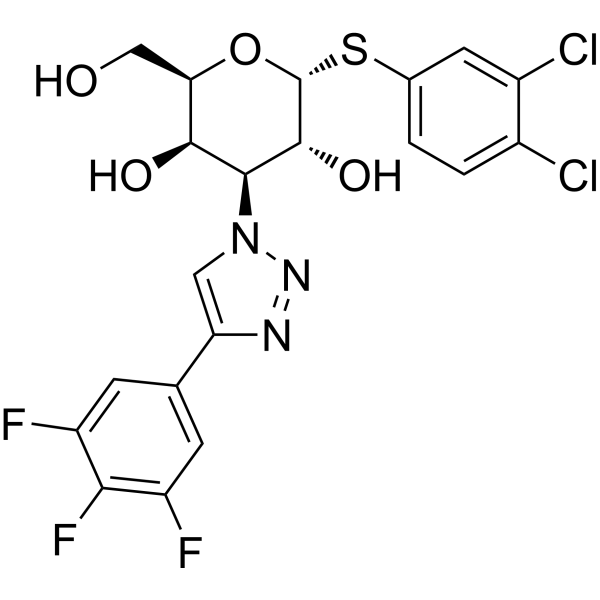
    GB1107
    Maximum Cited Publications
    19 Publications Verification

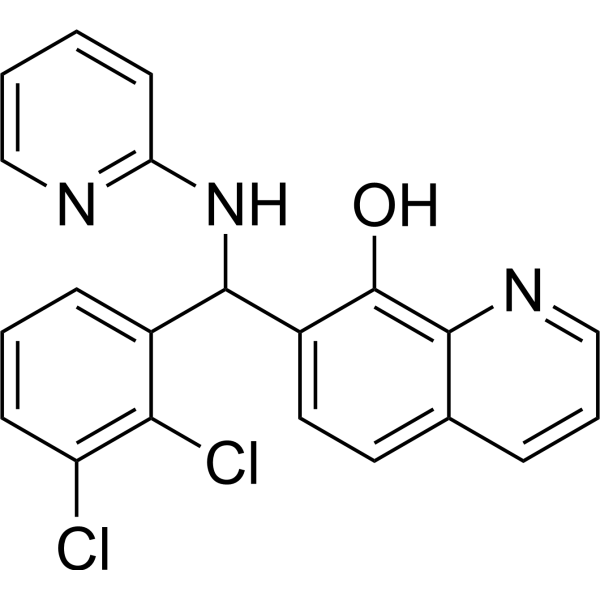
    Galectin Cancer
    GB1107 is a potent, selective, orally active inhibitor of Galectin-3 (Gal-3) with a Kd of 37 nM for human Galectin-3. GB1107 reduces human and mouse lung adenocarcinoma growth and blocks metastasis in the syngeneic model .
    GB1107
  • HY-145928
    Divarasib
    5+ Cited Publications

    GDC-6036

    Ras Cancer
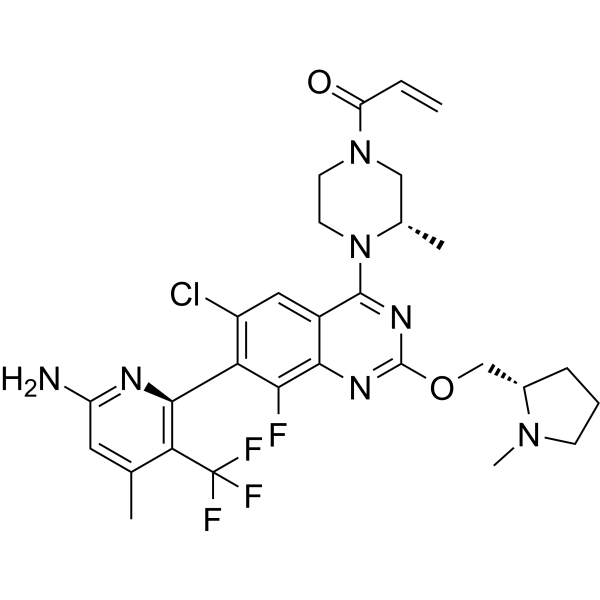
    Divarasib (GDC-6036) is an orally active, selective KRAS G12C inhibitor with an IC50 of <0.01 μM. Divarasib covalently binds Cys12 in GDP-bound KRAS G12C, occupies the switch II pocket, blocks GTP binding and SOS-mediated reactivation, and inhibits oncogenic KRAS signaling. Divarasib induces tumor shrinkage and robust tumor growth inhibition in KRAS G12C-positive models and cancer cells. Divarasib can be used for the research of non-small cell lung cancer, colorectal adenocarcinoma, pancreatic ductal adenocarcinoma, and other KRAS G12C-mutated solid tumors .
    Divarasib
  • HY-70006
    Galeterone
    3 Publications Verification

    TOK-001; VN-124-1

    Molecular Glues Androgen Receptor MNK Cytochrome P450 Apoptosis Cancer
    Galeterone (TOK-001) is a potent, orally active molecular glue degrader, which degrades androgen receptor (AR) and its splice variants (AR-Vs) and MAP kinase-interacting serine/threonine protein kinase Mnk1/2. Galeterone also functions as a CYP17 inhibitor (IC50 = 47 nM). Galeterone induces cell apoptosis. Galeterone inhibits tumor growth in human prostate cancer xenograft mouse models. Galeterone can be used for castration resistant prostate cancer (CRPC) and pancreatic ductal adenocarcinoma (PDAC) research [1][2].
    Galeterone
  • HY-W075517

    2-Methylimidazole zinc salt

    Caspase Pyroptosis MOFs Cancer
    ZIF-8 (2-Methylimidazole zinc salt) is a caspase-1/Gasdermin D activator and a pH- and stimulus-responsive inducer of drug release, which serves as a highly efficient drug delivery carrier. ZIF-8 is a metal-organic framework (MOF). ZIF-8 activates the caspase-1/Gasdermin D-dependent pyroptosis pathway, induces pyroptosis, necrosis and immunogenic cell death, initiates in situ anti-tumor immunity, reprograms the immunosuppressive tumor microenvironment and inhibits tumor proliferation. ZIF-8 is applicable to related research on multiple cancers including colorectal cancer and breast cancer .
    ZIF-8
  • HY-P99351

    Anti-MMP9 Reference Antibody (andecaliximab)

    MMP Cancer
    Andecaliximab is a recombinant chimeric IgG4 monoclonal antibody (mAb) targets matrix metalloproteinase 9 (MMP9). Andecaliximab shows the antifibrotic efficacy in idiopathic pulmonary fibrosis mouse models. Andecaliximab can be used for the research of gastric adenocarcinoma and idiopathic pulmonary fibrosis (IPF) .
    Andecaliximab
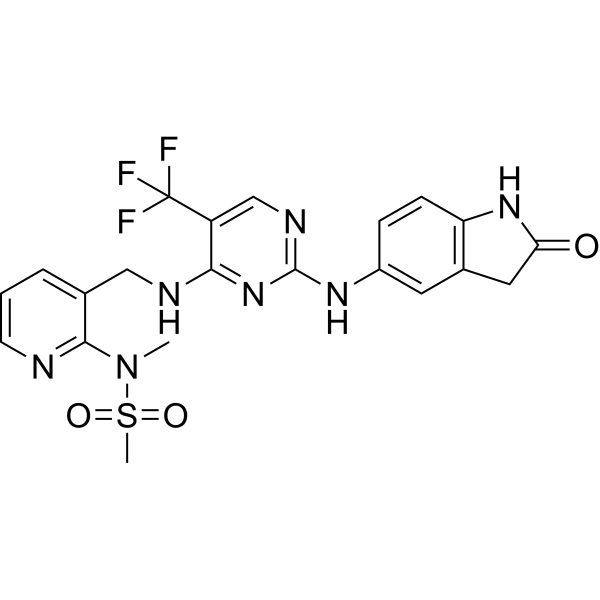
  • HY-152830

    Q702

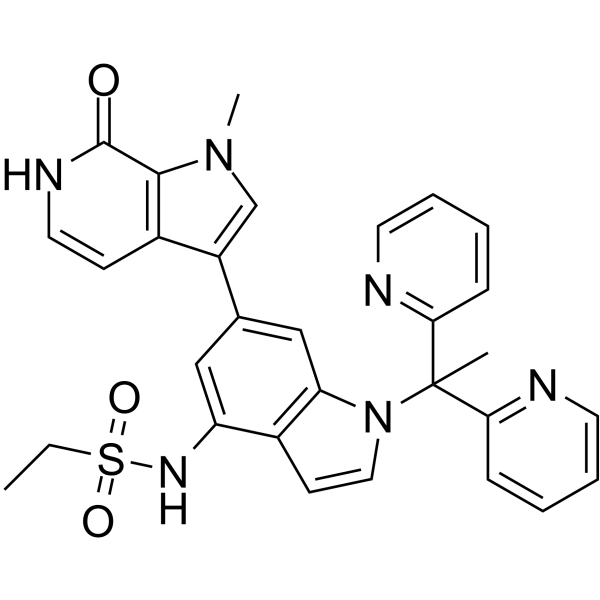
    c-Fms TAM Receptor MHC Cancer
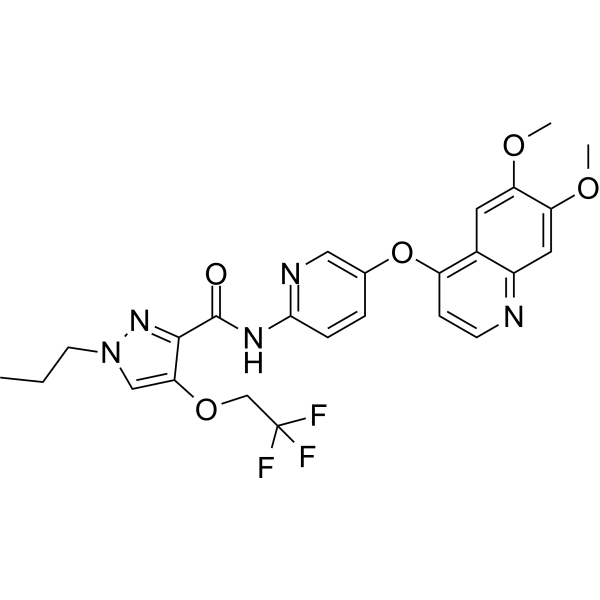
    Adrixetinib (Q702) is an orally active triple inhibitor against CSF1R, Mer, and Axl, with Kd values of 8.7 nM, 0.8 nM, and 0.3 nM, respectively. Adrixetinib acts as a potent immune modulator that remodels the tumor microenvironment. Adrixetinib increases the abundance of M1 macrophages and CD8⁺ T cells, while decreasing the levels of M2 macrophages and myeloid-derived suppressor cells (MDSCs). Adrixetinib upregulates the expression of MHC class I and E-cadherin in tumor cells. Adrixetinib shows remarkable antitumor efficacy in syngeneic mouse tumor models. Adrixetinib is suitable for the research of breast cancer, renal adenocarcinoma, colon carcinoma, and melanoma .
    Adrixetinib
  • HY-P5098

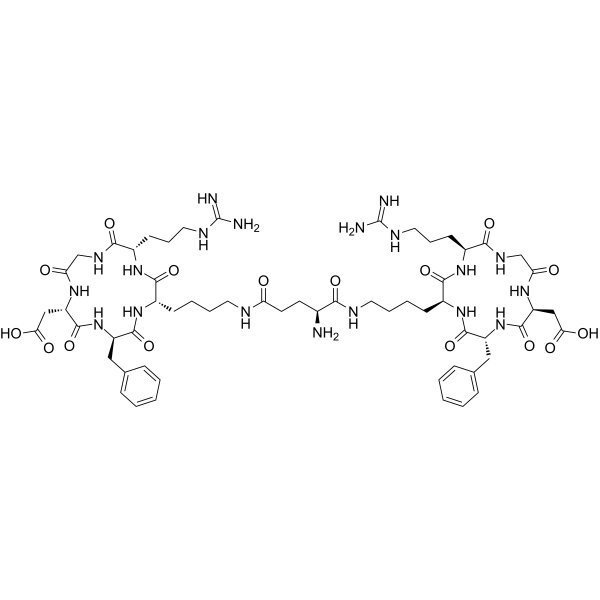
    Integrin Neurological Disease Cancer
    E (c (RGDfK)) 2 is a αvβ3 integrin ligand and tumor-targeting agent. E (c (RGDfK)) 2 binds to αvβ3 integrin, mediates receptor-mediated endocytosis of conjugated payloads, and inhibits integrin-dependent cell adhesion to fibrinogen. E (c (RGDfK)) 2 inhibits the proliferation of cancer cells and endothelial cells. E (c (RGDfK)) 2 preferentially accumulates in orthotopic mouse breast tumors and human ovarian cancer xenograft tumors. E (c (RGDfK)) 2 can be used in research related to glioblastoma, lung cancer, breast adenocarcinoma and ovarian cancer .
    E(c(RGDfK))2
  • HY-148409

    Ferroptosis Apoptosis Autophagy MDM-2/p53 Cancer
    MMRi62, a ferroptosis inducer targeting MDM2-MDM4 (negative regulators of tumor suppressor p53). MMRi62 shows a P53-independent pro-apoptotic activity against pancreatic ductal adenocarcinoma (PDAC) cells and induce autophagy. MMRi62 inducesferroptosis, resulting in a increase of reactive oxygen and lysosomal degradation of ferritin heavy chain (FTH1). MMRi62 also leads to proteasomal degradation of mutant p53, also inhibits orthotopic xenograft PDAC mouse model in vivo with high frequency mutation characteristics of KRAS and TP53.12 .
    MMRi62
  • HY-46866

    Apoptosis Caspase PARP Metabolic Disease Inflammation/Immunology Cancer
    Isoegomaketone is an orally active apoptosis inducer and radiosensitizer. Isoegomaketone regulates multiple key signaling pathways such as PI3K/AKT/mTOR, NF-κB, MAPK, cleaves Caspase family proteins and PARP, and modulates Bax, AIF and endoplasmic reticulum stress proteins. Isoegomaketone also induces autophagy and keratinocyte proliferation, effectively reduces the levels of inflammatory factors and oxidative stress, inhibits adipocyte differentiation, and resensitizes TRAIL-resistant cancer cells. Isoegomaketone can be applied to research related to colorectal cancer, melanoma, lung cancer, prostate cancer, liver cancer, as well as rheumatoid arthritis and obesity .
    Isoegomaketone
  • HY-P99943

    KN-046

    PD-1/PD-L1 CTLA-4 Cancer
    Erfonrilimab (KN-046) is a monoclonal antibody targeting PD-L1/CTLA-4. Erfonrilimab blocks the PD-L1 and CTLA-4 pathways, thereby regulating T cell function. Erfonrilimab enhances the secretion of IL-2 in superantigen-stimulated peripheral blood mononuclear cells. Erfonrilimab inhibits tumor growth in xenograft and double gene knock-in mouse models. Erfonrilimab can be used in research related to a variety of advanced solid tumors, including non-small cell lung cancer and nasopharyngeal carcinoma.
    Erfonrilimab
  • HY-N2445
    Flavokawain C
    4 Publications Verification

    Apoptosis Akt JNK PERK Caspase PARP MDM-2/p53 IAP Reactive Oxygen Species (ROS) SOD FABP Autophagy AMPK mTOR GLUT EGFR PI3K HSP VEGFR FAK Cancer
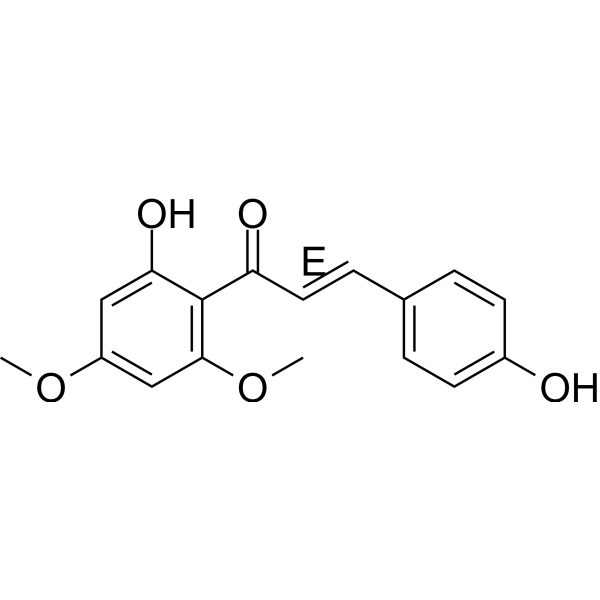
    Flavokawain C is an orally active natural chalcone. Flavokawain C inhibits the proliferation of various cancer cells. Flavokawain C upregulates GADD153 in cancer cells, inhibits the phosphorylation of Akt and JNK, suppresses early ERK phosphorylation, activates late ERK phosphorylation, activates caspase related subtypes, induces PARP-1 cleavage, causes upregulation of p21 and p27, downregulation of mutant p53 and anti-apoptotic IAP proteins, elevates intracellular ROS levels, reduces SOD activity, and induces apoptosis. Flavokawain C downregulates FABP4, induces autophagy in cancer cells, and activates the AMPK/mTOR pathway . Flavokawain C decreases the expression of glycolysis-related proteins GLUT1 and HK2, and inhibits glycolysis in nasopharyngeal carcinoma cells. Flavokawain C inhibits the activation of the EGFR/PI3K/Akt/mTOR signaling pathway and reduces the expression of HSP90B1. Flavokawain C inhibits angiogenesis by decreasing the expression of angiogenic proteins Ang-1 and VEGF in human umbilical vein endothelial cells. Flavokawain C increases γ-H2AX levels in cells, inhibits the phosphorylation of FAK, PI3K and AKT in cells, and induces DNA damage in cells. Flavokawain C exerts anti-tumor activity in multiple tumor xenograft mouse models. Flavokawain C is applicable to research related to colorectal cancer, colon adenocarcinoma, nephroblastoma, nasopharyngeal carcinoma and liver cancer .
    Flavokawain C
  • HY-147008

    Epigenetic Reader Domain Cancer
    XP-524 is a potent BET and EP300 inhibitor. XP-524 shows great tumoricidal activity in vivo. XP-524 prevents KRAS-induced, neoplastic transformation in vivo and extends survival in two transgenic mouse models of aggressive PDAC. XP-524 also enhances the presentation of self-peptide and tumor recruitment of cytotoxic T lymphocytes. XP-524 has the potential for the research of pancreatic ductal adenocarcinoma (PDAC) .
    XP-524
  • HY-160777

    Galeterone 3β-imidazole

    Molecular Glues Androgen Receptor MNK Apoptosis Cancer
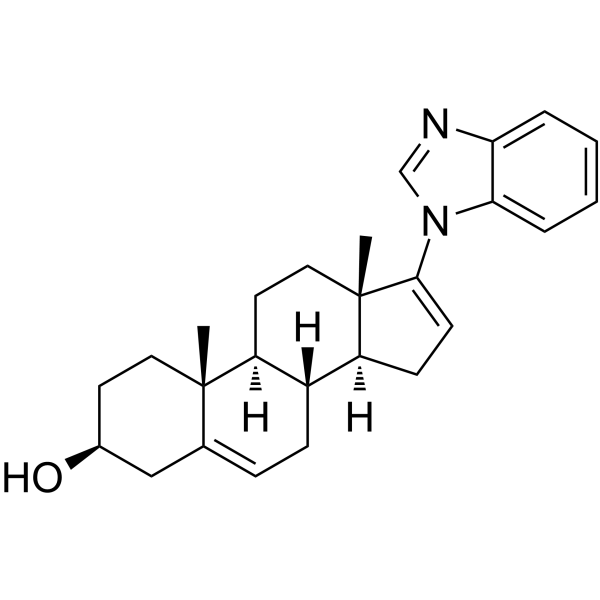
    VNPP433-3β (Galeterone 3β-imidazole) is an orally active molecular glue degrader, which degrades androgen receptor (AR) and its splice variants (AR-Vs) and MAP kinase-interacting serine/threonine protein kinase Mnk1/2. VNPP433-3β induces cell apoptosis. VNPP433-3β inhibits tumor growth in the CWR22Rv1 xenograft mouse model. VNPP433-3β can be used for the study of castration resistant prostate cancer (CRPC) and pancreatic ductal adenocarcinoma (PDAC) .
    VNPP433-3β
  • HY-159768A

    Radionuclide-Drug Conjugates (RDCs) FAP Neurological Disease Cancer
    DOTAGA.Glu.(FAPi) 2 is a FAPI homodimer in which a central glutamic acid (Glu) linker connects FAPI and a chelator. Radiolabeled with gallium- 68, lutetium- 177 or terbium- 161, DOTAGA.Glu.(FAPi) 2 is applicable to FAP-positive cancer PET imaging studies. DOTAGA.Glu.(FAPi) 2 is suitable for research related to prostate adenocarcinoma and recurrent glioblastoma multiforme .
    DOTAGA.Glu.(FAPi)2
  • HY-P99809

    MK-1308

    CTLA-4 Cancer
    Quavonlimab (MK-1308) is a humanized IgG1 monoclonal antibody targeting CTLA-4. As a competitive inhibitor of CTLA-4, Quavonlimab blocks the binding of CTLA-4 to its ligands CD80 and CD86. Quavonlimab increases interferon production, expands and activates T cells, reduces tumor regulatory T cells, inhibits tumor growth, and induces the proliferation of Ki67-positive CD4 and CD8 cells. Quavonlimab can be used in studies related to solid tumors .
    Quavonlimab
  • HY-165245

    Transmembrane Glycoprotein Cancer
    SBI-183 is an orally active inhibitor of QSOX1 (Kd: 20 μM). SBI-183 suppresses the proliferative and invasive phenotype of renal cancer cell lines, including triple negative breast cancer cell line, lung adenocarcinoma cell line and pancreatic ductal adenocarcinoma. SBI-183 inhibits tumor growth in two human xenograft mouse models of renal cell carcinoma in vivo .
    SBI-183
  • HY-B1341

    Enidrel; SC-4642; NSC 15432

    Endogenous Metabolite Progesterone Receptor Cancer
    Norethynodrel (Enidrel; SC-4642) is an orally active progestogen analog that reduces estrogen-like effects and enhances progestogen-like responses in endometrial stromal cells. Norethynodrel also promotes cell maturation and predecidual cell formation by inducing organelle hyperplasia and glycogen accumulation. Norethynodrel competitively inhibits drug-metabolizing enzymes in rat liver microsomes, thereby prolonging Pentobarbital sleep time, while exhibiting multiple effects including reduced body weight gain, attenuated heart rate elevation and ovulation inhibition. In mouse models, Norethynodrel significantly increases the incidence of mammary adenocarcinoma, cervical cancer and pituitary tumors. Norethynodrel can be used for mechanism research on related diseases such as mammary adenocarcinoma, cervical cancer, ovarian tubular adenoma and pituitary adenoma .
    Norethynodrel
  • HY-15266

    PRI 2202; Impurity D of Calcipotriol

    Drug Derivative VD/VDR Cancer
    24R-Calcipotriol (PRI 2202; Impurity D of Calcipotriol), an isomer of Calcipotriol (HY-10001), is a synthetic vitamin D analog. 24R-Calcipotriol exhibits synergistic antiproliferative effects with low-dose cytostatics in in vitro. 24R-Calcipotriol produces tumor growth inhibition when combined with Cyclophosphamide (HY-17420) and Cisplatin (HY-17394) in mice models. 24R-Calcipotriol can increase serum calcium levels and reduce blood leukocyte counts . 24R-Calcipotriol can be used for the research of mammary cancer and Lewis lung cancer .
    24R-Calcipotriol
  • HY-139901

    Checkpoint Kinase (Chk) Cancer
    Chk1-IN-6 is a selective and orally active Chk1 inhibitor with an IC50 of 16.1 nM. Chk1-IN-6 shows antiproliferative activity of MV-4-11 cells. Chk1-IN-6 exerts effective response in the MV-4-11 xenograft mouse model. Chk1-IN-6 exhibits synergistic anticancer effect with Gemcitabine (HY-17026). Chk1-IN-6 can be used in the research of cancers such as acute myeloid leukemia and colorectal adenocarcinoma .
    Chk1-IN-6
  • HY-19015

    AT-2153

    Calmodulin Cancer
    Probimane (AT-2153) is a potent anticancer agent. Probimane is effective against mouse tumors S37, S180, Lewis lung carcinoma, L1210 and human pulmonary adenocarcinoma heterotransplanted into nude mice .
    Probimane
  • HY-70006A

    TOK-001 hydrochloride; VN-124-1 hydrochloride

    Molecular Glues Androgen Receptor MNK Cytochrome P450 Apoptosis Cancer
    Galeterone (TOK-001) hydrochloride is a potent, orally active molecular glue degrader, which degrades androgen receptor (AR) and its splice variants (AR-Vs) and MAP kinase-interacting serine/threonine protein kinase Mnk1/2. Galeterone hydrochloride also functions as a CYP17 inhibitor (IC50 = 47 nM). Galeterone hydrochloride induces cell apoptosis. Galeterone hydrochloride inhibits tumor growth in human prostate cancer xenograft mouse models. Galeterone hydrochloride can be used for castration resistant prostate cancer (CRPC) and pancreatic ductal adenocarcinoma (PDAC) research [1][2].
    Galeterone hydrochloride
  • HY-16676

    4-epi-Docetaxel; 7-Epidocetaxel; 7-Epitaxotere

    Drug Metabolite Cytochrome P450 Cancer
    7-Epi-docetaxel (4-epi-Docetaxel; 7-Epidocetaxel; 7-Epitaxotere) is the major C7 epimeric impurity/in vivo metabolite of Docetaxel (HY-B0011). 7-Epi-docetaxel acts as a potent allosteric activator of rhCYP1B1. 7-Epi-docetaxel exhibits certain cell line-specific anti-migratory activity . 7-Epi-docetaxel can be used in research related to melanoma and lung adenocarcinoma .
    7-Epi-docetaxel
  • HY-10823

    GW1843; 1843U89; OSI-7904

    Thymidylate Synthase DNA/RNA Synthesis Cancer
    OSI-7904L (GW1843; 1843U89; OSI-7904) is a thymidylate synthase (TS) inhibitor with a Ki of 90 pM. OSI-7904L blocks de novo synthesis of thymidine nucleotides, DNA synthesis and induces cell death. OSI-7904L inhibits the growth of human cells, induces tumor regression, and achieves durable antitumor effects in mouse xenograft models. OSI-7904L can be used in research related to colon adenocarcinoma .
    OSI-7904L
  • HY-18652A

    Ro 5126766 potassium; CH5126766 potassium

    Raf MEK Cancer
    Avutometinib (CH5126766) (potassium) is a RAF/MEK clamp that potently inhibits RAF/MEK kinase activity and induces dominant negative RAF-MEK complexes preventing phosphorylation of MEK by ARAF, BRAF and CRAF. Avutometinib (potassium) shows anti-proliferative potency across tumor cell lines carrying KRAS mutations including PDAC cell lines. Avutometinib (potassium) induces tumor inhibition and increases survival in a KRAS/p53 pancreatic cancer mouse model. Avutometinib (potassium) is promising for research of low-grade-serous-ovarian-carcinoma (LGSOC), ovarian cancer and pancreatic ductal adenocarcinoma (PDAC) .
    Avutometinib potassium
  • HY-160777A

    Galeterone 3β-imidazole dihydrochloride

    Molecular Glues Androgen Receptor MNK Apoptosis Cancer
    VNPP433-3β (Galeterone 3β-imidazole) dihydrochloride is an orally active molecular glue degrader, which degrades androgen receptor (AR) and its splice variants (AR-Vs) and MAP kinase-interacting serine/threonine protein kinase Mnk1/2. VNPP433-3β dihydrochloride induces cell apoptosis. VNPP433-3β dihydrochloride inhibits tumor growth in the CWR22Rv1 xenograft mouse model. VNPP433-3β dihydrochloride can be used for the study of castration resistant prostate cancer (CRPC) and pancreatic ductal adenocarcinoma (PDAC) .
    VNPP433-3β dihydrochloride
  • HY-160777B

    Galeterone 3β-imidazole hydrochloride

    Molecular Glues Androgen Receptor MNK Apoptosis Cancer
    VNPP433-3β (Galeterone 3β-imidazole) hydrochloride is an orally active molecular glue degrader, which degrades androgen receptor (AR) and its splice variants (AR-Vs) and MAP kinase-interacting serine/threonine protein kinase Mnk1/2. VNPP433-3β hydrochloride induces cell apoptosis. VNPP433-3β hydrochloride inhibits tumor growth in the CWR22Rv1 xenograft mouse model. VNPP433-3β hydrochloride can be used for the study of castration resistant prostate cancer (CRPC) and pancreatic ductal adenocarcinoma (PDAC) .
    VNPP433-3β hydrochloride
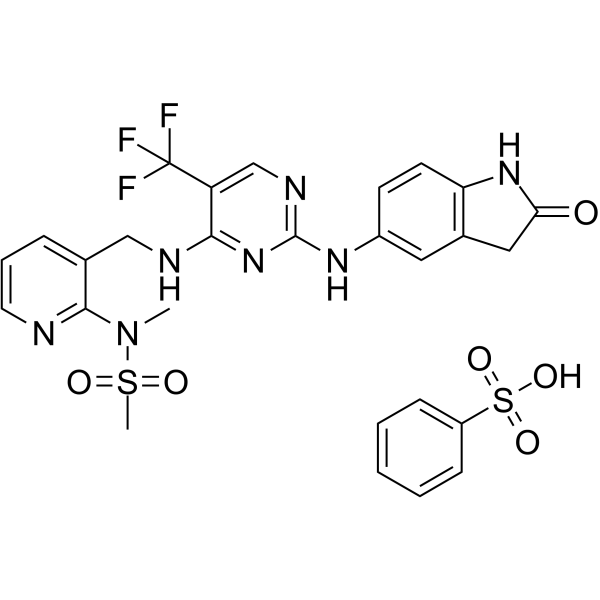
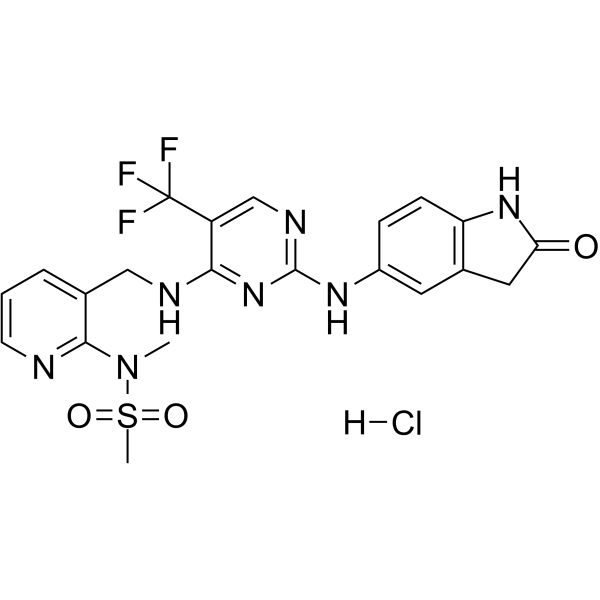
  • HY-152830A

    Q702 TFA

    c-Fms TAM Receptor MHC Cancer
    Adrixetinib (Q702) TFA is an orally active triple inhibitor against CSF1R, Mer, and Axl, with Kd values of 8.7 nM, 0.8 nM, and 0.3 nM, respectively. Adrixetinib TFA acts as a potent immune modulator that remodels the tumor microenvironment. Adrixetinib TFA increases the abundance of M1 macrophages and CD8⁺ T cells, while decreasing the levels of M2 macrophages and myeloid-derived suppressor cells (MDSCs). Adrixetinib TFA upregulates the expression of MHC class I and E-cadherin in tumor cells. Adrixetinib TFA shows remarkable antitumor efficacy in syngeneic mouse tumor models. Adrixetinib TFA is suitable for the research of breast cancer, renal adenocarcinoma, colon carcinoma, and melanoma .
    Adrixetinib TFA
  • HY-176836

    Endonuclease Cancer
    PNR-3-82 is a highly selective inhibitor of endonuclease G (EndoG) with an IC50 value of 0.61 μM against EndoG. As a non-competitive inhibitor, PNR-3-82 blocks EndoG-mediated DNA fragmentation. PNR-3-82 enhances the in vivo delivery efficiency of plasmid DNA and exhibits bioprotective effects against drug-related injuries and other cell/tissue damages. PNR-3-82 can be used in studies related to prostate cancer .
    PNR-3-82
  • HY-129085

    C5OH

    Drug Derivative Apoptosis NF-κB Cancer
    5-Methyl cromolyn (C5OH) disodium, an analog of Cromolyn (HY-B1619), is a S100P inhibitor. 5-Methyl cromolyn disodium inhibits the binding of S100P to its receptor RAGE, NF-κB activity and cell proliferation, and promotes Gemcitabine (HY-17026)-induced apoptosis. 5-Methyl cromolyn disodium reduces tumor growth and metastasis, and prolongs survival in mouse models of syngeneic PDAC. 5-Methyl cromolyn disodium can be used for pancreatic cancer like pancreatic ductal adenocarcinoma (PDAC) research .
    5-Methyl cromolyn disodium
  • HY-160850

    Endogenous Metabolite Endocrinology
    C18 Ceramide-1-phosphate (d18:1/18:0) (ammonium salt) is a specific type of long-chain molecule found in murine skin . C18 Ceramide-1-phosphate (d18:1/18:0) (ammonium salt) promotes migration of both mouse bone marrow-derived multipotent stromal cells and human umbilical vein endothelial cells at concentrations between 0.5-5 µM. C18 Ceramide-1-phosphate (d18:1/18:0) (ammonium salt)’s levels are higher in CFPAC-1 pancreatic ductal adenocarcinoma cells than in pancreatic cancer stem cells .
    C18 Ceramide-1-phosphate (d18:1/18:0) ammonium salt
  • HY-160021

    ROR Inflammation/Immunology
    RORγt agonist 4 (compound 14) is a potent and selective agonist of RORγt. RORγt agonist 4 significantly enhances metabolic stability. RORγt agonist 4 improves the situation of tumor models of mouse B16F10 melanoma and LLC lung adenocarcinoma .
    RORγt agonist 4
  • HY-111251

    Microtubule/Tubulin Apoptosis Cancer
    4SC-207 is a potent, orally active microtubule inhibitor. 4SC-207 inhibits microtubule growth to inhibit tumor cell proliferation in vitro and in vivo, and promotes a mitotic delay/arrest, followed by apoptosis or aberrant divisions. 4SC-207 inhibits tumor growth in taxane resistant xenograft mouse models. 4SC-207 can be used for cancer research, such as colon adenocarcinoma and other malignancies .
    4SC-207
  • HY-172881

    Pyruvate Kinase Cancer
    PKM2-IN-10 (Compound 16) is a PKM2 inhibitor. PKM2-IN-10 inhibits the proliferation of A549 and HCC1833 cell lines with IC50 of 3.36 μM and 9.20 μM, respectively. PKM2-IN-10 exhibits antitumor activity in human non-small cell lung cancer (NSCLC) and mouse lung adenocarcinoma models. PKM2-IN-10 can be used in lung cancer research .
    PKM2-IN-10
  • HY-118912

    Orphan Nuclear Receptor MDM-2/p53 Inflammation/Immunology Cancer
    BMH-9 (Compound Z54) is a modulator for nuclear receptor subfamily 2, group F, member 6 (NR2F6) (also known as nuclear orphan receptor Ear2) . BMH-9 is an activator for p53 signaling pathway through interaction with DNA. BMH-9 inhibits proliferation of human cancer cells, exhibits antitumor efficacy in NOD-SCID mouse models .
    BMH-9
  • HY-121619

    Apoptosis Inflammation/Immunology Cancer
    Jacaric acid is a conjugated linolenic acid, which inhibits viability in cells PC-3 (IC50 is 11.8 μM), LNCaP (IC50 is 2.2 μM) and DLD-1, induces apoptosis and necrosis . Jacaric acid exhibits anticaner activity against prostate cancer and adenocarcinoma . Jacaric acid exhibits immunomodulating activity in murine peritoneal macrophages as an immunopotentiator . Jacaric acid is orally active.
    Jacaric acid
  • HY-152021S

    Isotope-Labeled Compounds Others
    C18 Ceramide-1-phosphate (d18:1/18:0)-d3 is the deuterium labeled C18 Ceramide-1-phosphate (d18:1/18:0) (HY-160850). C18 Ceramide-1-phosphate (d18:1/18:0) is a specific type of long-chain molecule found in murine skin. C18 Ceramide-1-phosphate (d18:1/18:0) promotes migration of both mouse bone marrow-derived multipotent stromal cells and human umbilical vein endothelial cells at concentrations between 0.5-5 μM. C18 Ceramide-1-phosphate (d18:1/18:0)’s levels are higher in CFPAC-1 pancreatic ductal adenocarcinoma cells than in pancreatic cancer stem cells .
    C18 Ceramide-1-phosphate (d18:1/18:0)-d3
  • HY-185098

    PD-1/PD-L1 Transmembrane Glycoprotein Cancer
    PD1-PDL1-IN-4 (compound 19) is a potent and orally active PD1-PDL1 inhibitor that modulates TIGIT and PD-1 signalling pathways. PD1-PDL1-IN-4 can rescue CD8 + T cell and mouse splenocyte proliferation. PD1-PDL1-IN-4 inhibits tumor growth in a CT26 syngeneic colon adenocarcinoma mouse model. PD1-PDL1-IN-4 can be used for research on colon cancer .
    PD1-PDL1-IN-4
  • HY-182241

    c-Myc Early 2 Factor (E2F) TNF Receptor MDM-2/p53 Reactive Oxygen Species (ROS) Apoptosis Cancer
    JR4-187 is an orally active, copper-dependent anticancer agent. JR4-187 downregulates genes involved in oxidative phosphorylation, MYC targets and E2F targets in cancer cells, while upregulates genes involved in the TNF-α signaling pathway, p53 pathway and KRAS signaling pathway, and downregulates CTR1 protein . JR4-187 induces ROS production, apoptosis, copper-dependent cytotoxicity, and exhibits selective cytotoxicity against KRAS-mutant cancer cells. JR4-187 is well tolerated in mouse models of pancreatic cancer. JR4-187 can be used in research related to cancers such as pancreatic ductal adenocarcinoma, colon cancer and rectal cancer .
    JR4-187
  • HY-181943

    Acyltransferase Cancer
    SPT-IN-2 is an orally active serine palmitoyltransferase (SPT) inhibitor (with an IC50 of 0.71 nM against human SPT2). SPT-IN-2 inhibits ceramide synthesis, suppresses cancer cell growth, and exhibits in vivo anti-tumor activity, favorable metabolic stability and cell membrane permeability in xenograft mouse models. SPT-IN-2 blocks the de novo sphingolipid synthesis pathway, significantly reducing intracellular ceramide levels and the levels of 3-ketodihydrosphingosine (3-KDS), the immediate downstream product of SPT. SPT-IN-2 can be used in research related to lung adenocarcinoma, acute promyelocytic leukemia and breast cancer .
    SPT-IN-2
  • HY-180200

    Ras ERK Cancer
    RNK08954 is an orally active KRASG12D inhibitor with a Kd of 0.0395 nM. RNK08954 selectively binds the inactive GDP-bound KRASG12D form, suppresses downstream KRAS-mediated signaling pathways p-ERK1/2 experssion. RNK08954 inhibits KRASG12D-mutant cell proliferation, induces G0-G1 cell cycle arrest, and inhibits tumor growth in mouse xenograft models. RNK08954 can be used for the research of non-small cell lung cancer, pancreatic ductal adenocarcinoma .
    RNK08954
  • HY-181020

    Phosphodiesterase (PDE) p38 MAPK Akt mTOR ERK Cancer
    Deltafluorine is a phosphodiesterase delta (PDEδ) inhibitor with an IC50 of 27 nM, a KD of 148 nM. Deltafluorine covalently modifies the specific glutamate residue p.E88 in the ligand binding site of PDEδ, interfering with its chaperone function. Deltafluorine inhibits signaling through the MAPK and Akt-mTOR pathway, reduces ERK1/2 expression. Deltafluorine reduces tumor volume in an autochthonous mouse model of Kras-driven lung adenocarcinoma. Deltafluorine can be used for the research of lung adenocarcinoma .
    Deltafluorine
  • HY-120825

    Apoptosis DNA/RNA Synthesis Reactive Oxygen Species (ROS) Keap1-Nrf2 Cancer
    QD 232 is a quinazolinedione-based ROS inducer and an apoptosis inducer with cytotoxicity and redox regulatory activity. QD 232 promotes ROS accumulation, activates the NRF2-mediated oxidative stress response and unfolded protein response pathways, and upregulates downstream antioxidant and stress response genes. QD 232 inhibits mtDNA transcription driven by HSP2 and LSP promoters, and impairs mitochondrial oxidative phosphorylation function. QD 232 induces apoptosis of pancreatic ductal adenocarcinoma cells and exerts cytotoxicity against gemcitabine (HY-17026)-resistant pancreatic ductal adenocarcinoma cells. QD 232 delays tumor growth in a mouse pancreatic cancer xenograft model .
    QD 232
  • HY-183257

    Autophagy Beclin1 Reactive Oxygen Species (ROS) p97 Cancer
    ATI-1 is an autophagy initiation inhibitor. ATI-1 targets valosin-containing protein (VCP/p97, disrupts its interaction with UFL1, impairs UFMylation homeostasis associated with VCP, promotes polyubiquitination and degradation of Beclin1, and blocks the formation of early autophagosomes. ATI-1 induces synergistic death of autophagy-dependent malignant tumor cells under nutrient deprivation conditions, accompanied by decreased mitochondrial membrane potential, reduced ROS levels and lysosomal stress. ATI-1 exhibits anti-tumor efficacy in a pancreatic adenocarcinoma xenograft mouse model. ATI-1 can be used for the research of pancreatic adenocarcinoma and lung cancer .
    ATI-1
  • HY-153503

    Anaplastic lymphoma kinase (ALK) Insulin Receptor Cancer
    ALK-IN-24 is an orally active ALK inhibitor with an IC50 value of 1.7 nM. ALK-IN-24 also inhibits insulin receptor kinase with an IC50 value of 6 nM. ALK-IN-24 suppresses the proliferation of lung adenocarcinoma cells. ALK-IN-24 inhibits ALK-driven tumor growth in xenograft mouse models. ALK-IN-24 can be used in research related to non-small cell lung cancer .
    ALK-IN-24
  • HY-182759

    DNA Alkylator/Crosslinker Topoisomerase Caspase Bcl-2 Family Apoptosis Cancer
    MN33-47 is a multi-target anti-tumor compound with broad-spectrum anti-proliferative activity. MN33-47 relieves the inhibition of the mitochondrial apoptosis pathway by downregulating the anti-apoptotic protein Bcl-2, while activating caspase-3 and inhibiting Topoisomerase I activity, thereby promoting its degradation through the ubiquitin-proteasome and autophagy-lysosome pathways. MN33-47 can also induce DNA cross-linking and G2/M cell cycle arrest, inhibit cancer cell migration and activate the mitochondrial apoptosis pathway, thus exerting potent anti-tumor effects. MN33-47 can improve the water solubility of SN-38 (HY-13704), and exhibits dose-dependent tumor growth inhibition effects in CT26 tumor-bearing mouse models without obvious toxic and side effects. MN33-47 can be used in related studies on colorectal adenocarcinoma, cervical adenocarcinoma, hepatocellular carcinoma, alveolar basal epithelial adenocarcinoma, gastric cancer and colon cancer .
    MN33-47
  • HY-P992059

    CD1 Cancer
    Anti-Mouse CD1d Antibody (1B1) is an antibody targeting mouse CD1d (Kd=12.5 nM). By inserting into the lipid-binding groove of CD1d, Anti-Mouse CD1d Antibody (1B1) overlaps with the binding sites of type I and type II NKT cell receptors (TCR), thereby effectively blocking TCR-mediated interactions. Anti-Mouse CD1d Antibody (1B1) activates antigen-presenting cells such as dendritic cells and macrophages, induces them to release IL-12p70, and increases the levels of key cytokines including IL-12, IFN-γ and IFN-α in mouse serum. Anti-Mouse CD1d Antibody (1B1) can be used in studies related to renal cancer, breast cancer and colon adenocarcinoma. When combined with anti-DR5 or anti-CD137 antibodies and chemotherapeutic drugs, Anti-Mouse CD1d Antibody (1B1) exhibits significant tumor inhibitory and even eradication effects in mice .
    Anti-Mouse CD1d Antibody (1B1)
  • HY-P991961

    CTLA-4 Cancer
    REGN4659 is a fully human anti-CTLA-4 monoclonal antibody and IgG1 antibody. REGN4659 binds to the extracellular domain of human and monkey CTLA-4 with high affinity and specificity. REGN4659 blocks CTLA-4 interaction with CD80 and CD86 ligands. REGN4659 significantly suppresses MC38.Ova tumor growth in CTLA-4 knock-in mice .
    REGN4659
  • HY-159803

    6-O-(3-Ethoxypropionyl)-3',4'-O-exo-benzylidenechartreusin

    Endogenous Metabolite Cancer
    IST-622 (6-O-(3-Ethoxypropionyl)-3',4'-O-exo-benzylidenechartreusin) is an anti-tumor agent with significant growth inhibitory activity. IST-622 exhibits significant anti-tumor effects against a variety of mouse tumors such as P388 and L1210 leukemias, B16 melanoma, Lewis lung carcinoma, Colon 26 and Colon 38 adenocarcinomas, and M5076 reticulum cell sarcoma. IST-622 was orally administered and the results showed efficacy in different tumor types. In addition, IST-622 provided significant inhibitory effects against two human tumor xenograft models: large cell lung carcinoma (Lu-116) and gastric adenocarcinoma (St-4). IST-622 also exhibited significant growth inhibitory activity against P388 leukemia in vitro, with a half inhibitory concentration (IC50) more than 20 times lower than CT .
    IST-622
  • HY-P992003

    IKS01 Antibody

    ADC Antibody Cancer
    IKS012 (IKS01) Antibody is a monoclonal antibody inhibitor targeting folate receptor α (FRA). IKS012 Antibody can be used to synthesize the antibody-drug conjugate (ADC) IKS012. IKS012 Antibody can be used to research related to platinum-resistant ovarian cancer .
    IKS012 Antibody
  • HY-183582

    Galectin Cancer
    GB1841 is an orally active and selective galectin inhibitor with human galectin-1 Kd of 0.027 μM, human galectin-3 Kd of 0.14 μM, mouse galectin-1 Kd of 0.034 μM and mouse galectin-3 Kd of 1.170 μM. GB1841 can be used for the research of lung cancer .
    GB1841

Inquiry Online

Your information is safe with us. * Required Fields.

Salutation


Country or Region *

Applicant Name *


Organization Name *

Department *


Email Address *


Product Name *

Cat. No.


Requested quantity *

Phone Number *


Remarks

Inquiry Online

Inquiry Information

Product Name:
Cat. No.:
Quantity:
MCE Japan Authorized Agent:

