
1. Search Result
Search Result
Results for "

multiple myeloma tumors

" in MedChemExpress (MCE) Product Catalog:

92

Inhibitors & Agonists

1

Fluorescent Dyes

1

Biochemical Assay Reagents

1

Peptides

23

Inhibitory Antibodies

4

Natural
Products

3

Isotope-Labeled Compounds

1

Click Chemistry

2

Oligonucleotides

1

GMP Molecules

Cat. No. Product Name Target Research Areas Chemical Structure
  • HY-10227
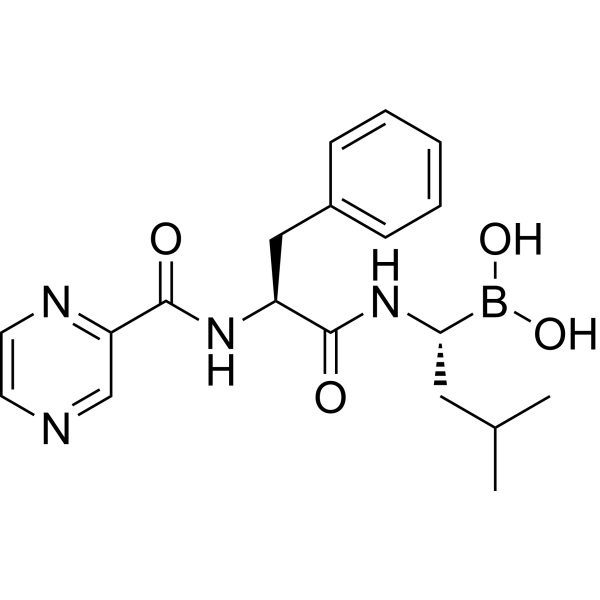
    Bortezomib
    Maximum Cited Publications
    248 Publications Verification

    PS-341; LDP-341; NSC 681239

    Proteasome NF-κB Apoptosis Autophagy TREM receptor Cancer
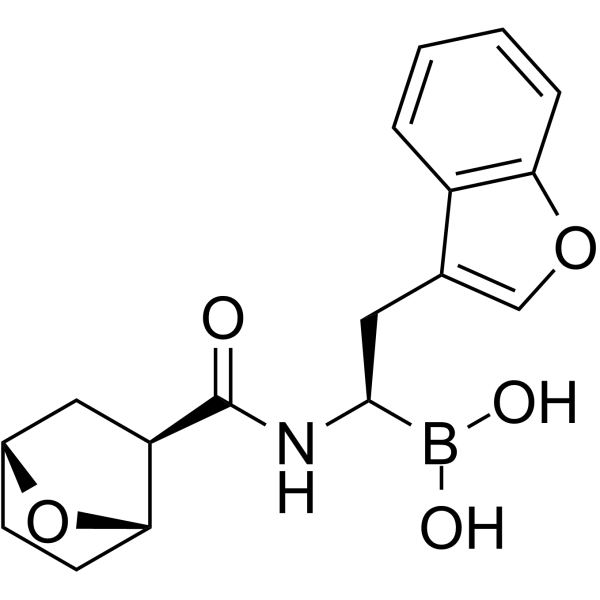
    Bortezomib (PS-341) is a reversible and selective proteasome inhibitor, and potently inhibits 20S proteasome (Ki=0.6 nM) by targeting a threonine residue. Bortezomib disrupts the cell cycle, induces apoptosis, and inhibits NF-κB. Bortezomib is the first proteasome inhibitor anticancer agent. Bortezomib can be used for the study of multiple myeloma (MM) . Bortezomib effectively inhibits TREM2 expression in tumor-associated macrophages (TAMs) .
    Bortezomib
  • HY-P99601

    BFCR 4350A; RG 6160; RO 7187797

    CD3 Neurological Disease Cancer
    Cevostamab (BFCR4350A; RG6160; RO7187797) is a humanized IgG1-based BsAb that targets membrane-proximal extracellular domain of FcRH5 on multiple myeloma (MM) cells as well as CD3 on T cells. Moreover, Cevostamab facilitates efficient synapse formation, improves killing activity of T cells against MM tumor cells .
    Cevostamab
  • HY-12861
    CB-5083
    45+ Cited Publications

    p97 Cancer
    CB-5083 is a first-in-class, potent, selective, and orally bioavailable inhibitor of the p97 AAA ATPase/VCP. CB-5083 selectively inhibits p97 through its D2 site with the IC50 of 11 nM .
    CB-5083
  • HY-P9980
    Belantamab
    2 Publications Verification

    GSK2857914

    ADC Antibody TNF Receptor Cancer
    Belantamab (GSK2857916) is a humanized IgG1 anti-BCMA/TNFRSF17 monoclonal antibody. Belantamab is linked to MMAF (HY-15579) through a non-cleavable ADC linker to synthesize the antibody-active molecule conjugate (ADC) Belantamab mafodotin (HY-P3239). After binding to BCMA on the surface of tumor cells, Belantamab mafodotin enters the cell through receptor-mediated endocytosis. After entering the cell, Belantamab mafodotin releases MMAF, blocks cell division by inhibiting tubulin polymerization, arrests the cell cycle and induces cell apoptosis. Belantamab can be used for the study of multiple myeloma, especially relapsed/refractory multiple myeloma .
    Belantamab
  • HY-15728
    Radotinib
    1 Publications Verification

    IY-5511

    Bcr-Abl Apoptosis STAT JAK Prion Protein Infection Neurological Disease Cancer
    Radotinib (IY-5511) is an orally active and BBB-permeable selective tyrosine kinase Bcr-Abl1 inhibitor with an IC50 of 34 nM. Radotinib has anti-prion and anti-tumor activities. Radotinib can inhibit the proliferation, induce cell cycle arrest and apoptosis of tumor cells . Radotinib can be used in the research of cancer such as chronic myeloid leukemia and multiple myeloma, as well as neurodegenerative diseases such as prion diseases .
    Radotinib
  • HY-P9965

    HuLuc 63; PDL 063; BMS 901608

    Transmembrane Glycoprotein Cancer
    Elotuzumab (HuLuc 63) is an IgG1 monoclonal antibody targeting the SLAMF7 receptor. Elotuzumab exerts antitumor activity by activating natural killer cells and inducing antibody-dependent cell-mediated cytotoxicity. Elotuzumab can be combined with Lenalidomide (HY-A0003), Dexamethasone (HY-14648), etc., for the research of tumors such as multiple myeloma .
    Elotuzumab
  • HY-19542
    C6 Ceramide
    3 Publications Verification

    C6-Cer; N-Hexanoylsphingosine

    Apoptosis Cancer
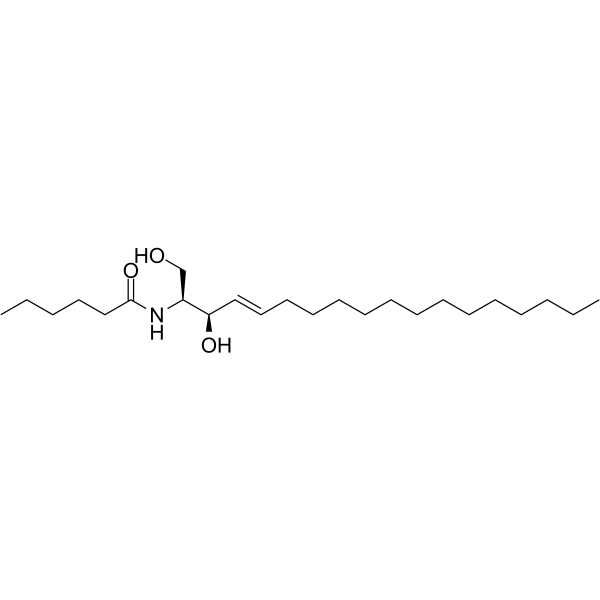
    C6 Ceramide (C6-Cer) is a short-chain, cell-permeable ceramide pathway activator with anticancer activity. C6 Ceramide-mediated miR-29b expression participates in the progression of multiple myeloma through suppressing the proliferation, migration and angiogenesis of endothelial cells by targeting Akt signal pathway. C6 Ceramide exhibits multiple anti-cancer properties including cell cycle arrest, Apoptosis, inhibition of tumor growth and enhances the effects of chemotherapy in drug-resistant cancer cells. C6-ceramide can be used as an adjuvant for chemotherapeutic agents, to enhance anti-tumor effects .
    C6 Ceramide
  • HY-172085

    IFNAR DNA/RNA Synthesis c-Myc CDK Cancer
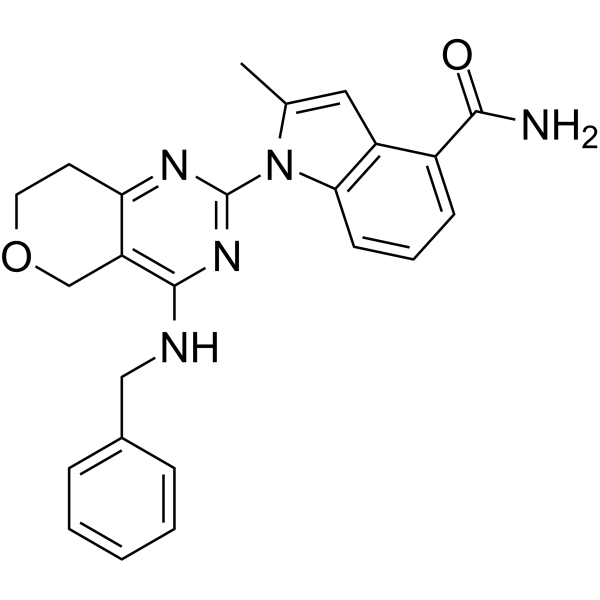
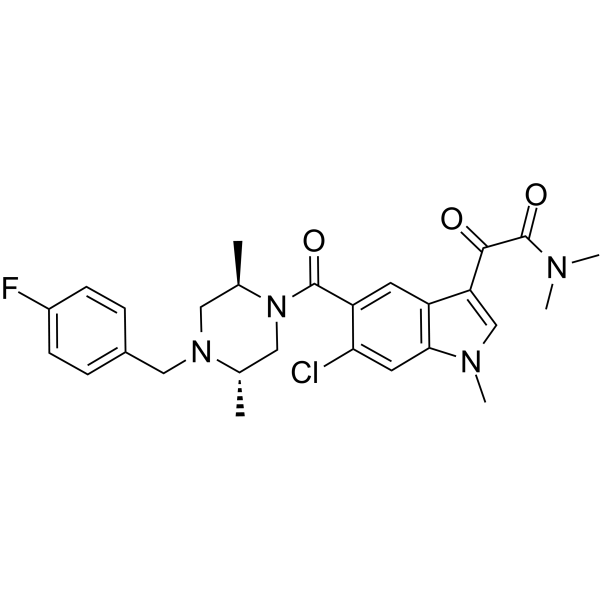
    SH514 is an orally active IRF4 inhibitor (IC50 = 2.63 μM). SH514 binds to the IRF4-DBD domain, thereby inhibiting the interaction of IRF4 protein with DNA (KD = 1.28 μM). SH514 can inhibit the proliferation of IRF4-high-expressing NCI-H929 and MM.1R cells, and displays no cytotoxicity for normal cells. SH514 significantly downregulates the expression of IRF4 downstream target genes concentration-dependently. SH514 inhibits the expression of cell cycle-related proteins CDC2, Cyclin B1, Cyclin D1, Cyclin E1, and CMYC in Multiple Myeloma cells. SH514 can induce DNA damage and increase the expression of γH2AX. SH514 effectively inhibits the proliferation of multiple myeloma tumors .
    SH514
  • HY-150105

    BMF-219; Menin-MLL inhibitor 21

    Epigenetic Reader Domain Metabolic Disease Inflammation/Immunology Cancer
    Icovamenib (BMF-219) is a selective, orally active, irreversible Menin inhibitor. Icovamenib forms a stable and irreversible covalent bond with Menin. Icovamenib promotes selective and controlled proliferation of beta cells and improvement of beta cell function in ex vivo human islet cultures. Icovamenib enhances glycemic control in animal diabetic models. Icovamenib induces a dose-dependent enhancement in insulin secretion potentiated by the GLP-1 RA. Icovamenib can be used for the study of multiple hematologic malignancies, solid tumors, and diabetes mellitus, such as diffuse large B-cell lymphoma (DLBCL), multiple myeloma (MM) and chronic lymphocytic leukemia and type 2 diabetes .
    Icovamenib
  • HY-128586
    TAS4464
    5+ Cited Publications

    Apoptosis Carbonic Anhydrase NEDD8-activating Enzyme Cancer
    TAS4464 is a long-acting, highly selective covalent inhibitor targeting NEDD8-activating enzyme (NAE) (IC50=0.955 nM), and also inhibits CAII with an IC50 of 0.73 μM, which is less potent than MLN4924 (HY-70062). The IC50 values of TAS4464 against other E1 enzymes UAE and SAE are 449 nM and 1280 nM, respectively. TAS4464 targets NEDD8 in an ATP-dependent manner to inhibit NAE, blocks the neddylation pathway, causes accumulation of CRL ubiquitin ligase substrates (such as CDT1, p27, phosphorylated IκBα), and further induces tumor cell apoptosis. TAS4464 exhibits antiproliferative and cytotoxic effects, and has broad-spectrum antitumor activity against various hematologic and solid tumor cell lines as well as patient-derived tumor cells. TAS4464 has a wide selcetive window, without obvious toxicity. TAS4464 can be used in the research of hematologic malignancies (leukemia, lymphoma, multiple myeloma, etc.) and solid tumors (small cell lung cancer, colorectal cancer, sarcoma, endometrial cancer, ovarian cancer, etc.) .
    TAS4464
  • HY-149672

    Bcl-2 Family Apoptosis Cancer
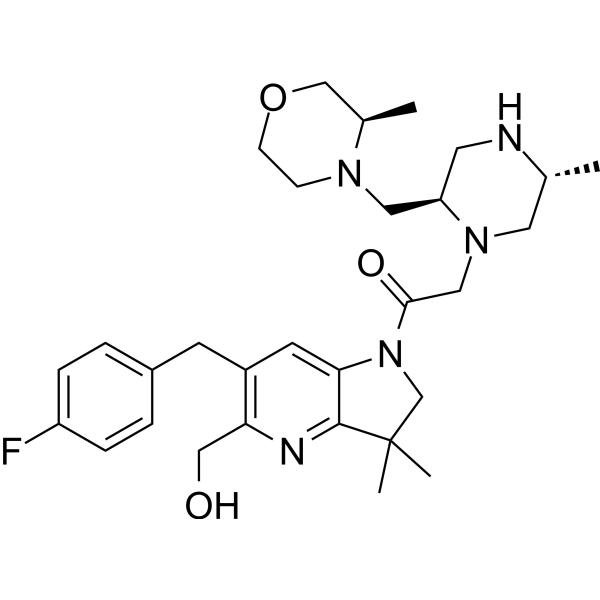
    ABBV-467 is a selective MCL-1 inhibitor (Ki: <0.01 nM). ABBV-467 induces apoptosis. ABBV-467 induces cancer cell death and inhibits tumor growth in models of hematological malignancies, such as multiple myeloma .
    ABBV-467
  • HY-116761
    GSK467
    5 Publications Verification

    Histone Demethylase Cancer
    GSK467 is a cell penetrant and selective KDM5B (JARID1B or PLU1) inhibitor with a Ki of 10 nM and an IC50 of 26 nM. GSK467 shows 180-fold selectivity for KDM4C and no measurable inhibitory effects toward KDM6 or other Jumonji family members .
    GSK467
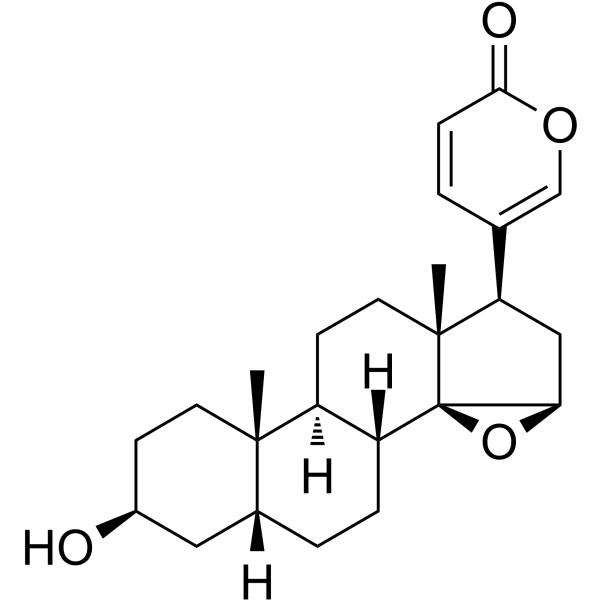
  • HY-N0815
    Resibufogenin
    5+ Cited Publications

    Bufogenin; Recibufogenin

    PI3K Akt NF-κB AP-1 GSK-3 CDK Neurological Disease Inflammation/Immunology Cancer
    Resibufogenin is an orally active anticancer agent. Resibufogenin can be extracted from toad venom. Resibufogenin blocks signaling pathways such as PI3K/Akt, NF-κB, AP-1, activates GSK-3β, and regulates cyclin D1. Resibufogenin can activate central neurons. Resibufogenin has anti-inflammatory activity. Resibufogenin has anti-tumor effects on a variety of tumors such as multiple myeloma, renal cancer, colorectal cancer, pancreatic cancer, and glioma .
    Resibufogenin
  • HY-108610A
    Edelfosine
    1 Publications Verification

    ET-18-OCH3

    Apoptosis Parasite Bcl-2 Family Cytochrome P450 Infection Inflammation/Immunology Cancer
    Edelfosine (ET-18-OCH3) is an orally active lipid raft modulator and apoptosis inducer that alters membrane fluidity and preferentially inserts into tumor cell membranes. Edelfosine recruits death receptor ligands (FasL/CD95L, TRAIL) and Bid to lipid rafts to form death-inducing signaling complexes, thereby initiating mitochondria-dependent apoptosis and inducing cytochrome c release. Edelfosine also exerts anti-inflammatory effects, promotes L-Selectin shedding, and causes no gastrointestinal or organ toxicity. In addition, Edelfosine inhibits nucleic acid and protein synthesis in Leishmania donovani and exhibits antiproliferative activity. Edelfosine can be used in research on multiple myeloma, inflammatory bowel diseases (such as ulcerative colitis and Crohn's disease), and visceral leishmaniasis .
    Edelfosine
  • HY-103019
    Enitociclib
    2 Publications Verification

    (+)-BAY-1251152; (+)-VIP152; (S)-Enitociclib

    Drug Isomer CDK Apoptosis DNA/RNA Synthesis Inflammation/Immunology Cancer
    Enitociclib ((+)-BAY-1251152; (+)-VIP152) is a selective CDK9 inhibitor (IC50=3 nM) that inhibits transcriptional elongation by blocking Ser2/Ser5 phosphorylation of RNA polymerase II. Enitociclib specifically depletes key short-lived proteins such as c-MYC, MCL-1 and induces tumor cell apoptosis. Enitociclib also interferes with the production of enhancer RNAs (eRNA) and enhancer-promoter interactions, and downregulates oncogene expression at the epigenetic level. Enitociclib exerts synergistic effects with agents including Bortezomib (HY-10227), Lenalidomide (HY-A0003), Pomalidomide (HY-10984), Venetoclax (HY-15531) and Paclitaxel (HY-B0015), and even reverses paclitaxel resistance. Enitociclib serves as a vital research tool for various malignancies such as double-hit diffuse large B-cell lymphoma, multiple myeloma and pancreatic ductal adenocarcinoma .
    Enitociclib
  • HY-119264

    Molecular Glues Ras Apoptosis HIF/HIF Prolyl-Hydroxylase Cancer
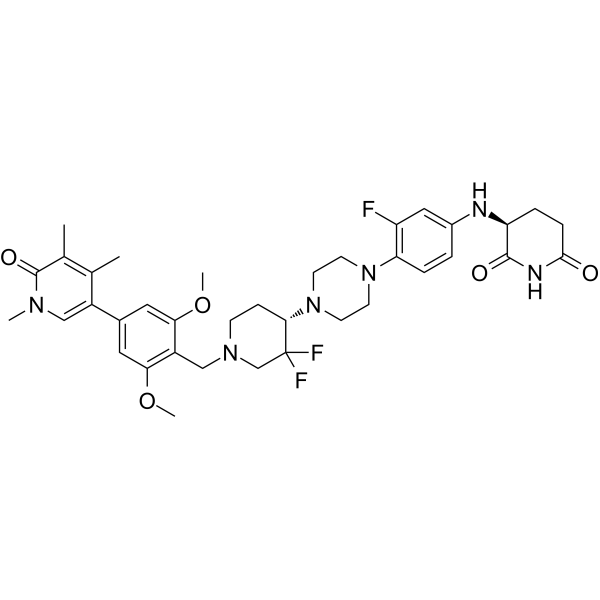
    PRLX-93936 is a molecular Glues that binds to and reprograms the TRIM21 ubiquitin ligase to degrade nuclear pore complexes. PRLX-93936 binds to TRIM21, forms a ternary complex with TRIM21 and NUP98, and mediates the ubiquitination and proteasomal degradation of NUP98 and other nuclear pore complex proteins. PRLX-93936 induces the loss of short-lived cytoplasmic mRNA transcripts, triggers cancer cell apoptosis (Apoptosis), and inhibits the activated Ras pathway. PRLX-93936 inhibits HIF-1 under hypoxic conditions (IC50 = 0.09 μM in cell-based reporter gene assay). PRLX-93936 suppresses tumor growth in mouse models and improves survival rates in mouse models of multiple myeloma. PRLX-93936 is applicable to research related to pancreatic cancer and multiple myeloma .
    PRLX-93936
  • HY-13241A
    Ralimetinib
    10+ Cited Publications

    LY2228820

    p38 MAPK Autophagy Cancer
    Ralimetinib is an ATP-competitive p38α and p38β MAPK inhibitor with an IC50 of 5.3 nmol/L against human p38α and an IC50 of 3.2 nmol/L against human p38β. Ralimetinib slows tumor growth in preclinical in vivo cancer models, exhibits oral bioavailability in mice, and achieves sustained target inhibition for 4 to 8 h. Ralimetinib is applicable for research on melanoma, non-small cell lung cancer, ovarian cancer, glioma, multiple myeloma, breast cancer, renal cancer, and head and neck squamous cell carcinoma .
    Ralimetinib
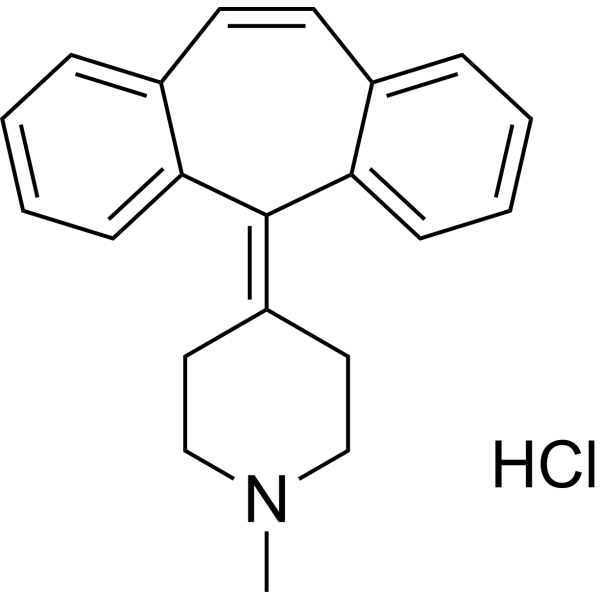
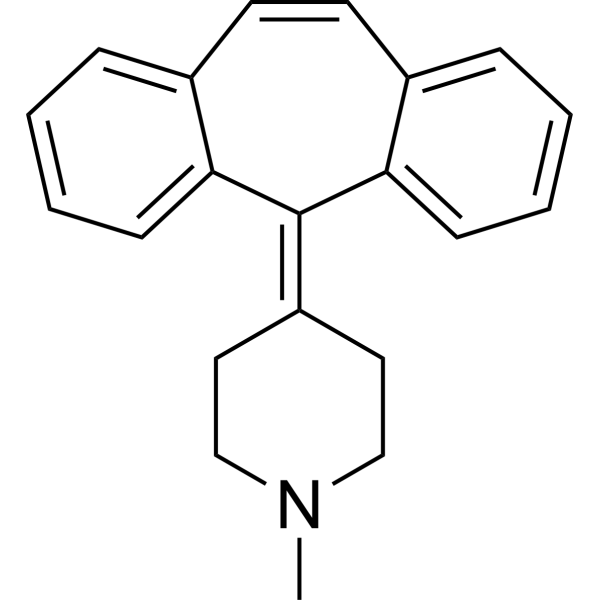
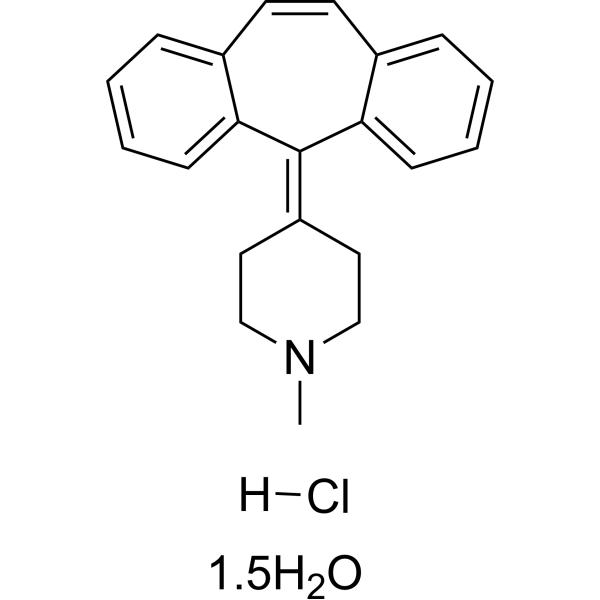
  • HY-B1165

    p38 MAPK Checkpoint Kinase (Chk) Histamine Receptor 5-HT Receptor CDK PARP Apoptosis Cancer
    Cyproheptadine hydrochloride sesquihydrate acts as a p38 MAP kinase activator, CHK2 activator, histamine H1 receptor inhibitor and serotonin receptor inhibitor. Cyproheptadine hydrochloride sesquihydrate mediates cell cycle arrest via G1 phase arrest, G1/S transition arrest, G0/G1 phase arrest, reduced expression of cyclins D1/D2/D3, upregulated expression of HBP1, p16, p21, p27, and decreased phosphorylation of retinoblastoma protein. Cyproheptadine hydrochloride sesquihydrate induces Apoptosis by increasing PARP and cleaved PARP, as well as activating the mitochondrial caspase pathway. Cyproheptadine hydrochloride sesquihydrate inhibits tumor growth with extremely low toxicity to normal cells. Cyproheptadine hydrochloride sesquihydrate can be used in research related to hepatocellular carcinoma, multiple myeloma and acute myeloid leukemia .
    Cyproheptadine (hydrochloride sesquihydrate)
  • HY-P991490

    CD38 CD3 TNF Receptor Cancer
    ISB2001 is a trispecific antibody targeting CD38, CD3 and BCMA. ISB2001 effectively counteracts tumor immune escape mechanisms caused by antigen downregulation, antigen loss, soluble factor competition and other factors. ISB2001 is applicable to relevant research on multiple myeloma and relapsed/refractory multiple myeloma .
    ISB2001
  • HY-P9989

    REGN5458

    CD3 TNF Receptor Cancer
    Linvoseltamab (REGN5458) is a bispecific T-cell engager (BiTE) antibody that specifically binds to B cell maturation antigen (BCMA) and CD3 of T cells, thereby directing T cells to multiple myeloma (MM) cells expressing BCMA and activating T cells to kill tumor cells. Linvoseltamab can be used in research of relapsed/refractory multiple myeloma (RRMM) .
    Linvoseltamab
  • HY-P990980

    CND-106; EMB-06

    CD3 Inflammation/Immunology Cancer
    Cizutamig (CND-106) is a bispecific T-cell engager targeting BCMA and CD3. Cizutamig exhibits immunostimulatory and anti-tumor activities. Cizutamig can be used in research related to relapsed or refractory multiple myeloma and systemic lupus erythematosus .
    Cizutamig
  • HY-145757
    Elevenostat
    1 Publications Verification

    JB3-22

    HDAC Apoptosis Caspase Cancer
    Elevenostat (JB3-22) is a selective HDAC11 inhibitor with an IC50 of 0.235 µM. Elevenostat can induce apoptosis of multiple myeloma cells and has anti-tumor effect. In addition, Elevenostat inhibits the maturation of mouse oocytes .
    Elevenostat
  • HY-10406
    Talmapimod
    3 Publications Verification

    SCIO-469

    p38 MAPK TNF Receptor Interleukin Related VEGFR Apoptosis Neurological Disease Metabolic Disease Inflammation/Immunology Cancer
    Talmapimod (SCIO-469) is an orally active and selective inhibitor of p38α MAPK with an IC50 of 9 nM. Talmapimod inhibits the secretion of inflammatory factors (such as TNFα, IL-1β, IL-6, and VEGF) by suppressing the p38α MAPK pathway, and it also inhibits angiogenesis and osteoclast activation. Talmapimod inhibits the growth of multiple myeloma cells and induces apoptosis. Talmapimod can be used to study various hematological malignancies (such as multiple myeloma, myelodysplastic syndrome) .
    Talmapimod
  • HY-P99430

    EM901; CC-93269

    CD3 Inflammation/Immunology Cancer
    Alnuctamab (EM901) is a bispecific T-cell engager targeting BCMA and CD3, belonging to an asymmetric two-armed humanized IgG1 antibody. Alnuctamab can simultaneously bind to BCMA expressed on the surface of myeloma cells and CD3 molecules on the surface of T cells, recruiting T cells to kill tumors. Alnuctamab is used for the research of multiple myeloma. Recommend Isotype Controls: Human IgG1 kappa, Isotype Control (HY-P99001) .
    Alnuctamab
  • HY-174341

    Transmembrane Glycoprotein Cancer
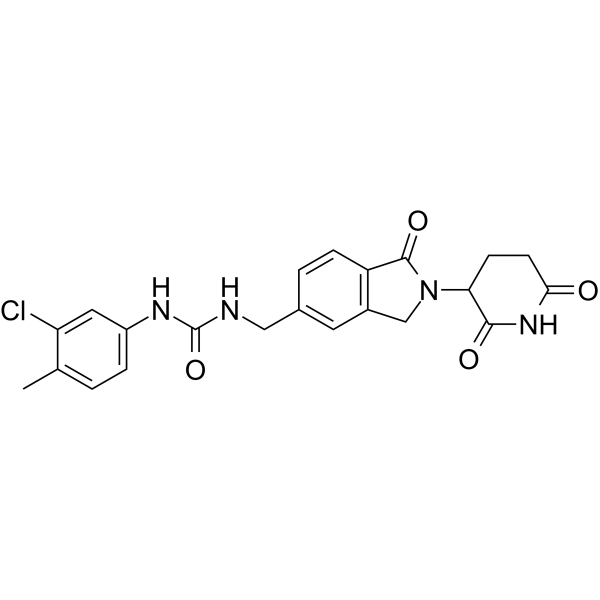
    CD39-IN-1 is a selective CD39 inhibitor with an IC50 value of 68.7 nM. CD39-IN-1 exerts antiproliferative effects on tumor cells and shows low toxicity to normal cell lines. CD39-IN-1 inhibits CD39-mediated eATP hydrolysis in the ATP-adenosine pathway. CD39-IN-1 is applicable for tumor-related research .
    CD39-IN-1
  • HY-13032B
    Molibresib besylate
    20+ Cited Publications

    GSK 525762C; I-BET 762 besylate

    Epigenetic Reader Domain ERK Cancer
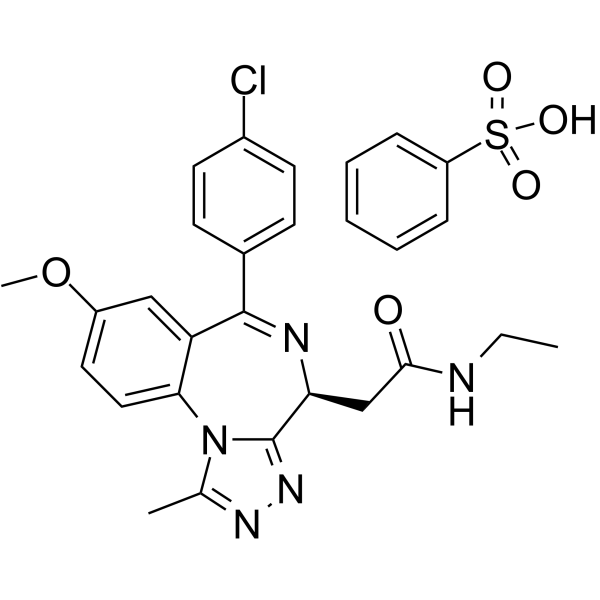
    Molibresib besylate (GSK 525762C; I-BET 762 besylate) is an orally active pan-BET inhibitor that targets and binds to BRD2, BRD3, BRD4 and BRDT. By competitively occupying acetylated lysine binding sites, Molibresib besylate disrupts the interaction between BET proteins and chromatin, thereby effectively inhibiting MYC expression and target gene transcription. Molibresib besylate exhibits broad antiproliferative activity, which not only inhibits cancer cell growth and induces growth arrest, but also downregulates mitosis-related genes and upregulates the level of p-ERK1/2. When combined with MEK inhibitors, Molibresib besylate shows a significant synergistic effect, reduces tumor burden in mouse models of leukemia, modulates the immune microenvironment and prolongs survival. Molibresib besylate is widely applicable to research related to acute myeloid leukemia, multiple myeloma, triple-negative breast cancer, small-cell lung cancer and various advanced refractory solid tumors .
    Molibresib besylate
  • HY-N0819
    Raddeanin A
    1 Publications Verification

    Apoptosis PI3K Akt ERK mTOR Wnt β-catenin Wee1 JNK VEGFR CDK Neurological Disease Inflammation/Immunology Cancer
    Raddeanin A is an oleanane-type triterpenoid saponin with oral activity. Raddeanin A inhibits SRC, mTOR, JNK, VEGFR2, NLRP3 inflammasome, Wnt/β-catenin, Wee1, PI3K/AKT signaling pathway, MAPK/ERK signaling pathway, AR-FL, AR-Vs, and downregulates the expression of p-PI3K and p-AKT. Raddeanin A inhibits osteoclast formation, bone resorption, osteolysis, cancer cell invasion, migration, proliferation, angiogenesis and epithelial-mesenchymal transition, while induces apoptosis, cell cycle arrest, ROS production, immunogenic cell death and dendritic cell maturation. Raddeanin A improves blood-retinal barrier function, alleviates inflammation, regulates the tumor microenvironment, and enhances the activity of anti-PD-1 antibody. Raddeanin A is applicable to the research of breast cancer-associated osteolysis, human osteosarcoma, colorectal cancer, glioblastoma, Alzheimer's disease, cholangiocarcinoma, melanoma, non-small cell lung cancer, castration-resistant prostate cancer and multiple myeloma .
    Raddeanin A
  • HY-111790
    M3258
    5 Publications Verification

    Proteasome Apoptosis Cancer
    M3258 is an orally bioavailable, potent, reversible and highly selective immunoproteasome subunit LMP7 (β5i) inhibitor. M3258 exerts high biochemical (IC50=3.6 nM) and cellular (IC50=3.4 nM) potency against the LMP7 subunit. M3258 shows strong antitumor efficacy in multiple myeloma xenograft models. M3258 leads to a significant and prolonged suppression of tumor LMP7 activity and ubiquitinated protein turnover and the induction of apoptosis in multiple myeloma cells .
    M3258
  • HY-P99167

    HCD122

    TNF Receptor Cancer
    Lucatumumab (HCD122) is a fully human anti-CD40 antagonist monoclonal antibody, which blocks CD40/CD40L-mediated signaling. Lucatumumab efficiently mediates antibody-dependent cell-mediated cytotoxicity (ADCC) and clearance of tumor cells, can be used for refractory lymphomas, CLL and multiple myeloma research .
    Lucatumumab
  • HY-12873

    Ras p38 MAPK JNK Cancer
    RBC8 is a selective and allosteric RALA and RALB inhibitor. RBC8 stabilizes the inactive GDP-bound state of Ral, preventing its activation. RBC8 promotes the phosphorylation of proteins related to the MAPK/JNK pathway. RBC8 has the activity of inhibiting tumor cell proliferation, migration and invasion. RBC8 is used in the study of various cancers such as lung cancer, gastric cancer, and multiple myeloma .
    RBC8
  • HY-P9976A
    Isatuximab (anti-CD38)
    1 Publications Verification

    CD38 Apoptosis Cancer
    Isatuximab (anti-CD38) is a monoclonal antibody that targets the transmembrane receptor and extracellular enzyme CD38, a protein highly expressed in hematological malignancies, including multiple myeloma. Isatuximab (anti-CD38) exhibits anti-tumor activity through multiple biological mechanisms, including antibody-dependent cell-mediated cytotoxicity, complement-dependent cytotoxicity, antibody-dependent cell phagocytosis, and non-crosslinking direct induction of apoptosis. Isatuximab (anti-CD38) also directly inhibits the extracellular enzyme activity of CD38, which is related to many cellular functions .
    Isatuximab (anti-CD38)
  • HY-P99272
    Ulocuplumab
    1 Publications Verification

    BMS 936564; MDX 1338; Anti-Human CXCR4 Recombinant Antibody

    CXCR Cancer
    Ulocuplumab (Anti-Human CXCR4 Recombinant Antibody/BMS-936564/MDX1338) is a fully human IgG4 anti-CXCR4 antibody. Ulocuplumab induces apoptosis and inhibits CXCL12 mediated CXCR4 activation-migration of chronic lymphocytic leukemia (CLL). Ulocuplumab exhibits antitumor activity in established tumors including acute myeloid leukemia (AML), non-Hodgkin lymphoma (NHL), and multiple myeloma xenograft models .
    Ulocuplumab
  • HY-10252
    NVP-ADW742
    3 Publications Verification

    ADW742; GSK 552602A; ADW

    IGF-1R Insulin Receptor Apoptosis Endocrinology Cancer
    NVP-ADW742 (ADW742) is an orally active, selective IGF-1R tyrosine kinase inhibitor with an IC50 of 0.17 μM. NVP-ADW742 inhibits insulin receptor (InsR) with an IC50 of 2.8 μM. NVP-ADW742 induces pleiotropic antiproliferative/proapoptotic biologic sequelae in tumor cells .
    NVP-ADW742
  • HY-10227R

    PS-341 (Standard); LDP-341 (Standard); NSC 681239 (Standard)

    Reference Standards Proteasome NF-κB Apoptosis Autophagy TREM receptor Cancer
    Bortezomib (Standard) is the analytical standard of Bortezomib. This product is intended for research and analytical applications. Bortezomib (PS-341) is a reversible and selective proteasome inhibitor, and potently inhibits 20S proteasome (Ki=0.6 nM) by targeting a threonine residue. Bortezomib disrupts the cell cycle, induces apoptosis, and inhibits NF-κB. Bortezomib is the first proteasome inhibitor anticancer agent. Bortezomib can be used for the study of multiple myeloma (MM) . Bortezomib effectively inhibits TREM2 expression in tumor-associated macrophages (TAMs) .
    Bortezomib (Standard)
  • HY-15163
    Zotiraciclib
    2 Publications Verification

    TG02; SB1317

    JAK CDK FLT3 Cancer
    Zotiraciclib (TG02; SB1317) is an orally active JAK2/FLT3/CDK2 inhibitor with IC50 values of 13 nM, 73 nM and 56 nM , respectively. Zotiraciclib inhibits cancer cell proliferation, tumor growth and the activity of CYP2D6. Zotiraciclib exhibits high plasma protein binding rate, Caco-2 permeability and tissue distribution capacity, as well as metabolic stability in human and canine liver microsomes. Zotiraciclib achieves tumor growth inhibition in nude mouse models of colon cancer and lymphoma xenografts. Zotiraciclib can be used for research related to colon cancer, B-cell lymphoma, advanced leukemia, acute leukemia and multiple myeloma .
    Zotiraciclib
  • HY-19322
    PIM447
    5+ Cited Publications

    LGH447

    Pim Apoptosis Cancer
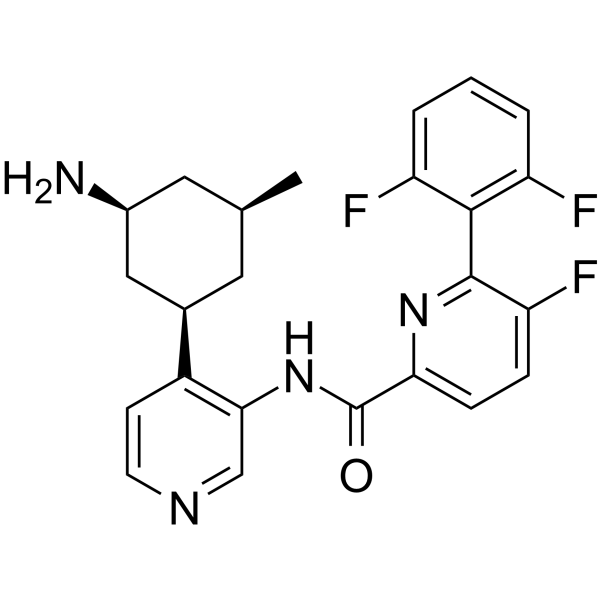
    PIM447 (LGH447) is a potent, orally available, and selective pan-PIM kinase inhibitor, with Ki values of 6, 18, and 9 pM for PIM1, PIM2, and PIM3, respectively. PIM447 displays dual antimyeloma and bone-protective effects. PIM447 induces apoptosis .
    PIM447
  • HY-128586A
    TAS4464 hydrochloride
    5+ Cited Publications

    NEDD8-activating Enzyme Carbonic Anhydrase Apoptosis Cancer
    TAS4464 hydrochloride is a long-acting, highly selective covalent inhibitor targeting NEDD8-activating enzyme (NAE) (IC50=0.955 nM), and also inhibits CAII with an IC50 of 0.73 μM, which is less potent than MLN4924 (HY-70062). The IC50 values of TAS4464 hydrochloride against other E1 enzymes UAE and SAE are 449 nM and 1280 nM, respectively. TAS4464 hydrochloride targets NEDD8 in an ATP-dependent manner to inhibit NAE, blocks the neddylation pathway, causes accumulation of CRL ubiquitin ligase substrates (such as CDT1, p27, phosphorylated IκBα), and further induces tumor cell apoptosis. TAS4464 hydrochloride exhibits antiproliferative and cytotoxic effects, and has broad-spectrum antitumor activity against various hematologic and solid tumor cell lines as well as patient-derived tumor cells. TAS4464 hydrochloride has a wide therapeutic window, without obvious toxicity. TAS4464 hydrochloride can be used in the research of hematologic malignancies (leukemia, lymphoma, multiple myeloma, etc.) and solid tumors (small cell lung cancer, colorectal cancer, sarcoma, endometrial cancer, ovarian cancer, etc.) .
    TAS4464 hydrochloride
  • HY-141687
    NSC 107512
    1 Publications Verification

    CDK Apoptosis Cancer
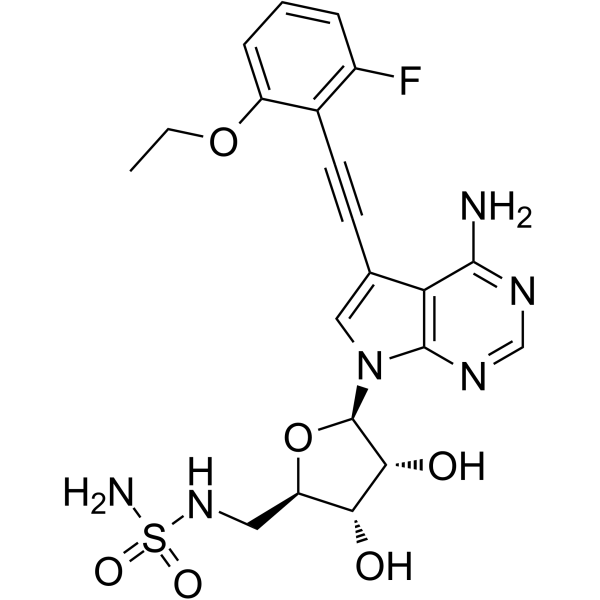
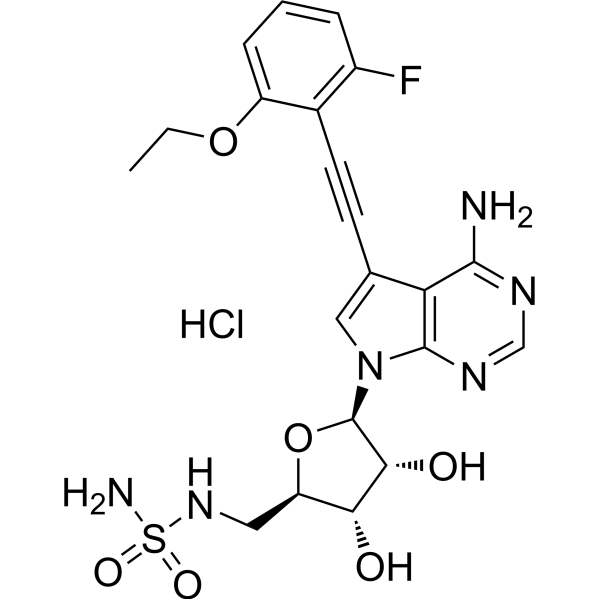
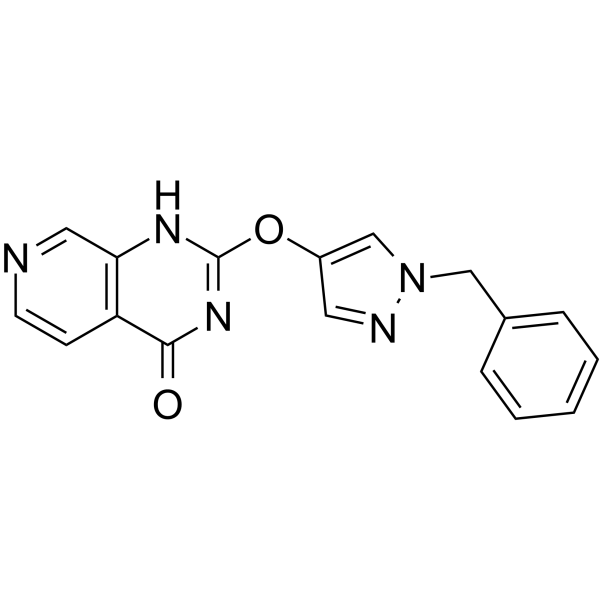
    NSC 107512 is a potent inhibitor of cyclin-dependent kinase 9 (CDK9). NSC 107512 is a class of sangivamycin-like molecules (SLM). NSC 107512 inhibits growth and induces apoptosis of multiple myeloma tumors .
    NSC 107512
  • HY-P99730
    Mezagitamab
    1 Publications Verification

    TAK-079

    CD38 Apoptosis Inflammation/Immunology Cancer
    Mezagitamab (TAK-079) is a IgG1λ anti-CD38 monoclonal antibody. Mezagitamab depletes tumor cells expressing CD38 through antibody and complement dependent cytotoxicity. Mezagitamab has potential application in relapsed/refractory multiple myeloma (RRMM) and idiopathic thrombocytopenic purpura (ITP) .
    Mezagitamab
  • HY-160696

    CD73 Cancer
    ORIC-533 is an orally active, highly selective, AMP-competitive CD73 inhibitor that potently blocks adenosine production with sub-nanomolar affinity (Ka=0.03 nM). In multiple myeloma, ORIC-533 restores and enhances the cytotoxicity of the immune system against tumor cells through multiple immunological mechanisms, including reversing the immunosuppressive microenvironment, inducing immunogenic cell death, and activating dendritic cells, T cells and NK cells, with no direct toxicity to normal cells. The combination of ORIC-533 with Daratumumab (HY-P9915) synergistically enhances anti-tumor efficacy, significantly increases intratumoral CD8 + T cell infiltration and inhibits tumor growth in vivo .
    ORIC-533
  • HY-119264A

    Molecular Glues Apoptosis Ras HIF/HIF Prolyl-Hydroxylase Cancer
    PRLX-93936 dihydrochloride is a molecular Glues that binds to and reprograms the TRIM21 ubiquitin ligase to degrade nuclear pore complexes. PRLX-93936 dihydrochloride binds to TRIM21, forms a ternary complex with TRIM21 and NUP98, and mediates the ubiquitination and proteasomal degradation of NUP98 and other nuclear pore complex proteins. PRLX-93936 dihydrochloride induces the loss of short-lived cytoplasmic mRNA transcripts, triggers cancer cell apoptosis (Apoptosis), and inhibits the activated Ras pathway. PRLX-93936 dihydrochloride inhibits HIF-1 under hypoxic conditions (IC50 = 0.09 μM in cell-based reporter gene assay). PRLX-93936 dihydrochloride suppresses tumor growth in mouse models and improves survival rates in mouse models of multiple myeloma. PRLX-93936 dihydrochloride is applicable to research related to pancreatic cancer and multiple myeloma .
    PRLX-93936 dihydrochloride
  • HY-P99744

    TAK-573

    CD38 Inflammation/Immunology Cancer
    Modakafusp alfa (TAK-573) is a humanized, anti-CD38 IgG4 monoclonal antibody fused to 2 attenuated IFNα2b molecules, which delivers interferon-alpha to CD38-expressing cells. Modakafusp alfa has direct anti-proliferative activity on multiple myeloma (MM) cancer cells in vitro and induces robust and durable antitumor responses in MM xenograft tumor models. Modakafusp alfa in combination with anti-PD-1 antibodies induces immunomodulation and antitumor responses with good tolerance in mice .
    Modakafusp alfa
  • HY-P99015

    TNF Receptor Cancer
    Dacetuzumab (SGN-40) is a humanized IgG1, anti-CD40 monoclonal antibody with anti-lymphoma activity. Dacetuzumab kills tumor cells via immune effector functions (antibody-dependent cellular cytotoxicity and phagocytosis [ADCC/ADCP]). Dacetuzumab ((SGN-40) can be used for multiple myeloma research .
    Dacetuzumab
  • HY-10227S

    PS-341-d8; LDP-341-d8; NSC 681239-d8

    Isotope-Labeled Compounds Proteasome NF-κB Apoptosis Autophagy TREM receptor Cancer
    Bortezomib-d8 is the deuterium labeled Bortezomib. Bortezomib (PS-341) is a reversible and selective proteasome inhibitor, and potently inhibits 20S proteasome (Ki=0.6 nM) by targeting a threonine residue. Bortezomib disrupts the cell cycle, induces apoptosis, and inhibits NF-κB. Bortezomib is the first proteasome inhibitor anticancer agent. Bortezomib can be used for the study of multiple myeloma (MM) . Bortezomib effectively inhibits TREM2 expression in tumor-associated macrophages (TAMs) .
    Bortezomib-d8
  • HY-114340

    Histone Methyltransferase Apoptosis Cancer
    LEM-14 is a potent and selective NSD2 inhibitor with an IC50 of 132 µM. LEM-14 has very weak activitv against NSD1 and has no activity against NSD3. LEM-14 inhibits fibrotic gene expression in ND but not DIO BMDMs. LEM-14 combined with ionizing radiation (IR) enhances the apoptosis rate and reduces the colony-formation ability of CRC cells. LEM-14 exhibits enhanced anti-tumor efficacy in Balb/c nude mice bearing LoVo cell xenografts when combined with ionizing radiation. LEM-14 has the potential for the research of multiple myeloma and colorectal cancer .
    LEM-14
  • HY-125244

    Histone Methyltransferase Cancer
    LEM-14-1189, a LEM-14 (HY-114340) derivative, is a NSDs inhibitor with IC50s of 418 μM (NSD1), 111 μM (NSD2), and 60 μM (NSD3), respectively. The NSDs, histone lysine methyltransferases (HMTases), are oncoproteins, drivers of a number of tumors. LEM-14-1189 can be used for multiple myeloma (MM) research .
    LEM-14-1189
  • HY-175164

    Apoptosis c-Myc Cancer
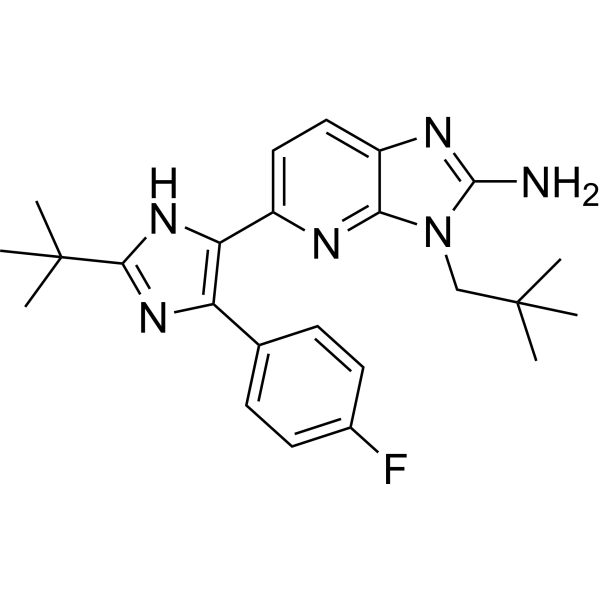
    SVC112 is a translation elongation inhibitor that prevents the cyclic dissociation of EF2 from the ribosome, thereby inhibiting the elongation step of translation. SVC112 shows activity in growth inhibition among cancer cell lines of various origins (acute myeloid leukemia (AML), multiple myeloma (Myeloma), colorectal cancer (CRC), and head and neck squamous cell carcinoma (HNSCC)). SVC112 preferentially impedes ribosomal processing of mRNAs, and decreaseds CSC-related proteins including Myc and Sox2. SVC112 induces apoptosis in hematologic cancer cell lines, while phosphorylation of c-Myc correlates with sensitivity to SVC112 in colorectal cancer cell lines. SVC112 inactivates HNSCC stem cells in vitro and prevents the regrowth of HNSCC tumor xenografts in mice. SVC112 can be used for the study of HNSCC .
    SVC112
  • HY-172614

    RK-552

    Histone Methyltransferase Apoptosis Cancer
    RK-0080552 (RK-552) is a NSD2 inhibitor with an IC50 of 0.11 μM, and it exhibits selectivity over histone methyltransferases G9a (IC50: 1.2 μM) and SET7/9 (IC50: >50 μM). RK-0080552 functionally inhibits NSD2 histone methyltransferase activity, reduces the dimethylation level of histone H3 lysine 36, suppresses IRF4 transcription, induces apoptosis and triggers cell death. RK-0080552 inhibits the growth of xenograft tumors and prolongs host survival. RK-0080552 is available for the research of multiple myeloma .
    RK-0080552
  • HY-13559

    Azaspirane ; SKF 106615-12; SKF 106615A12

    STAT Apoptosis Autophagy Reactive Oxygen Species (ROS) Caspase Bcl-2 Family p62 Atg8/LC3 PARP NF-κB PERK JAK Cardiovascular Disease Inflammation/Immunology Cancer
    Atiprimod (Azaspirane) is a STAT3 inhibitor with antitumor, anti-inflammatory, and anti-angiogenic activities. Atiprimod blocks the signaling pathways of IL-6 and VEGF by inhibiting the phosphorylation of signal transducer and activator of STAT3. Atiprimod blocks the JAK-STAT signaling pathway by inhibiting the phosphorylation of JAK2 and JAK3. Atiprimod also inhibits cell proliferation, induces cell cycle arrest, and induces autophagy and apoptosis. Atiprimod triggers persistent ER stress-mediated apoptosis in breast cancer cells by activating the PERK/eIF2α/ATF4/CHOP axis and inhibiting the nuclear translocation of STAT3/NF-κB. Atiprimod shows great anti-tumor activities in tumor xenograft mouse models. Atiprimod can be used for the study of pituitary adenoma, breast cancer, multiple myeloma and acute myeloid leukemia (AML) .
    Atiprimod
  • HY-178909

    c-Myc Apoptosis Reactive Oxygen Species (ROS) Cancer
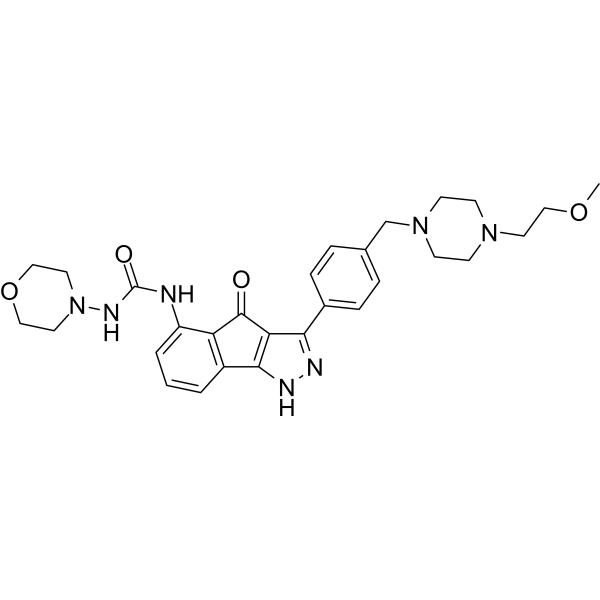
    Y502-2304 is a c-Myc G-quadruplex stabilizer. Y502-2304 exhibits potent antiproliferative activity in multiple myeloma (MM) cells. Y502–2304 downregulates c-Myc mRNA and protein expression. Y502-2304 induces apoptosis in MM cells, characterizes by elevated γH2AX levels, increases reactive oxygen species (ROS) generation, and mitochondrial dysfunction. Y502-2304 significantly inhibits tumor growth in a xenograft MM model. Y502-2304 can be used for the study of multiple myeloma .
    Y502-2304

Inquiry Online

Your information is safe with us. * Required Fields.

Salutation


Country or Region *

Applicant Name *


Organization Name *

Department *


Email Address *


Product Name *

Cat. No.


Requested quantity *

Phone Number *


Remarks

Inquiry Online

Inquiry Information

Product Name:
Cat. No.:
Quantity:
MCE Japan Authorized Agent:

