Delivery of temperature sensitive items including proteins and kits will be paused on 6/19 for the Juneteenth holiday. For urgent orders please contact customer service.
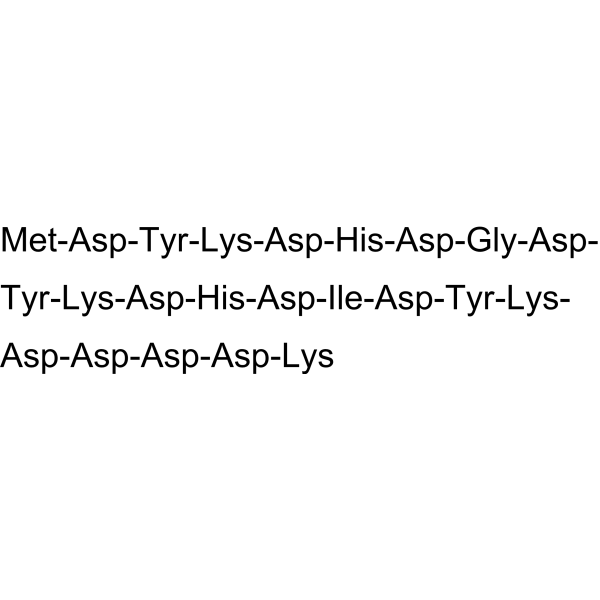
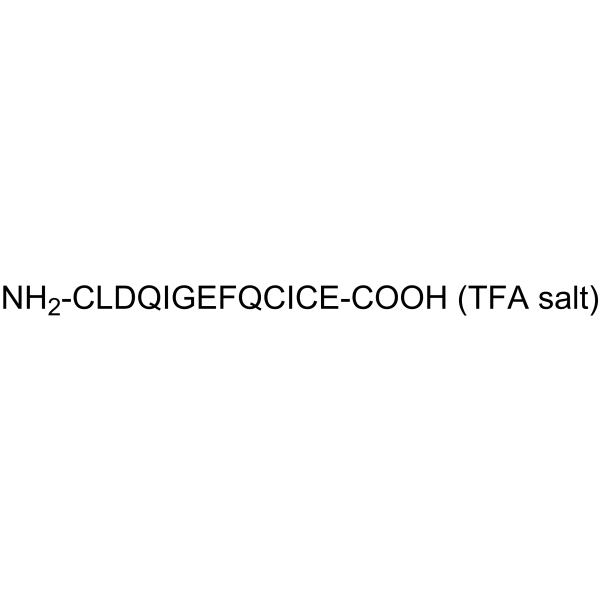
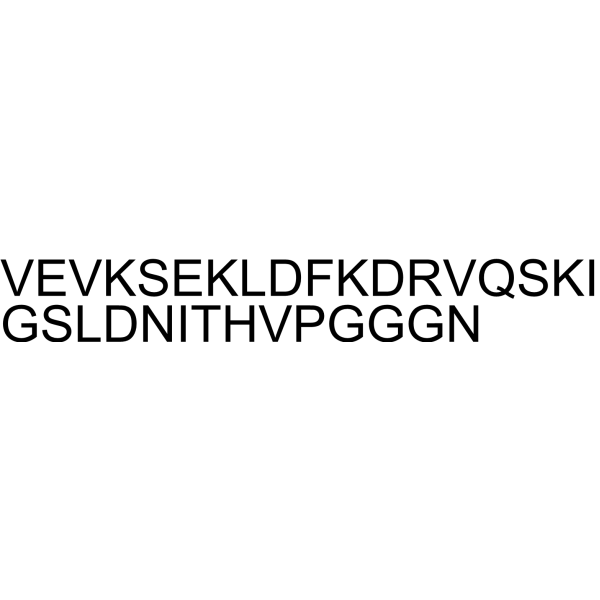
3X FLAG peptides are FLAG-tagged peptides containing three repeats of the Asp-Tyr-Lys-Xaa-Xaa-Asp motif. 3X FLAG peptide can be used for protein separation and purification, and competitive elution with target proteins.
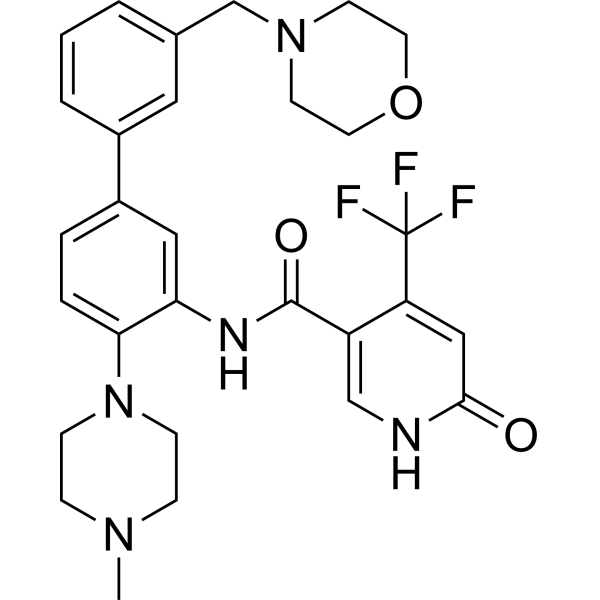
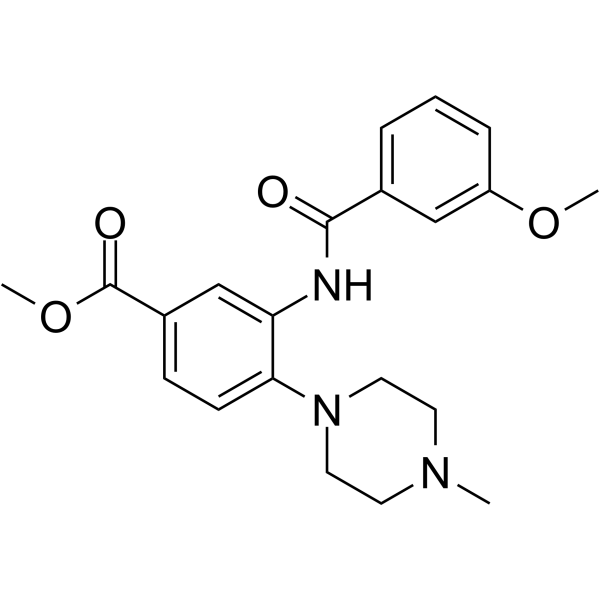
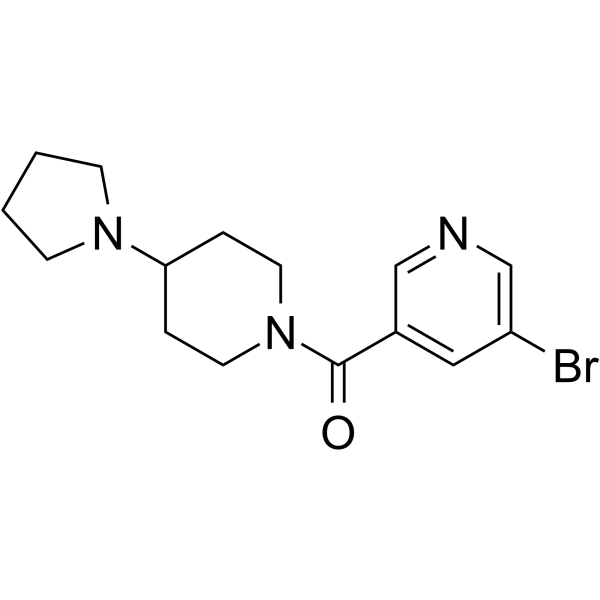
OICR-9429, a chemical probe, is high affinity WD repeat domain 5 (WDR5) inhibitor, competitively blocks WDR5 interaction with MLL protein via binding the central peptide-binding pocket of WDR5. OICR-9429 can suppress histone H3K4 trimethylation and can be used for the research of various cancers including non-MLL-rearranged leukaemia, colon, pancreatic, prostate cancer and bladder cancer (BCa) .
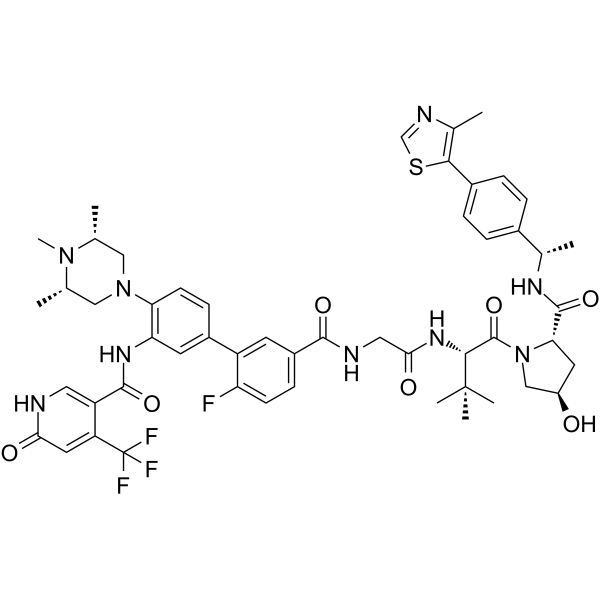
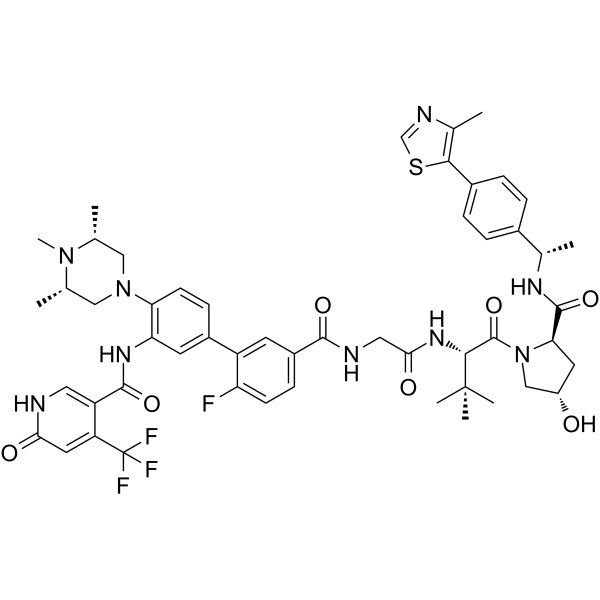
MS67 is a potent and selective WD40 repeat domain protein 5 (WDR5) degrader with a Kd of 63 nM. MS67 is inactive against other protein methyltransferases, kinases, GPCRs, ion channels, and transporters. MS67 shows potent acticancer effects .
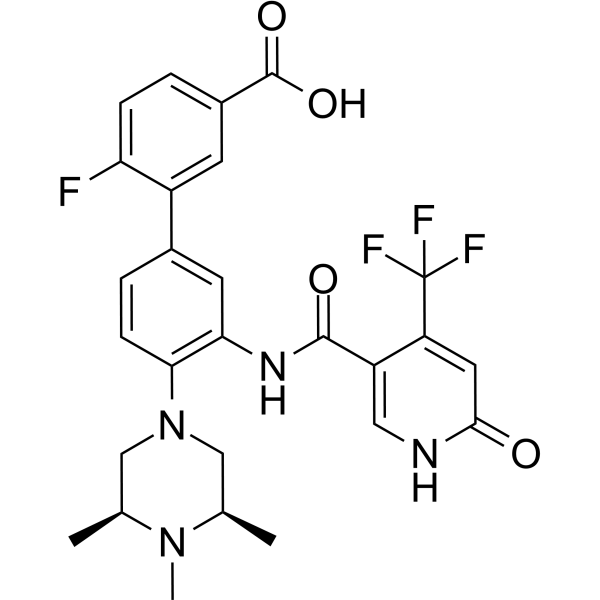
Dimethyl-F-OICR-9429-COOH a ligand for WD40 repeat domain protein 5 (WDR5) extracted from patent WO2019246570A1 intermediate 19. Dimethyl-F-OICR-9429-COOH can be used in the synthesis of PROTACs .
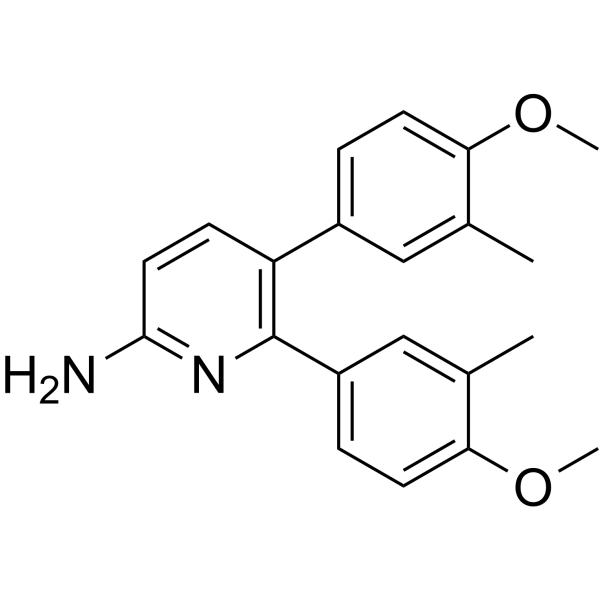
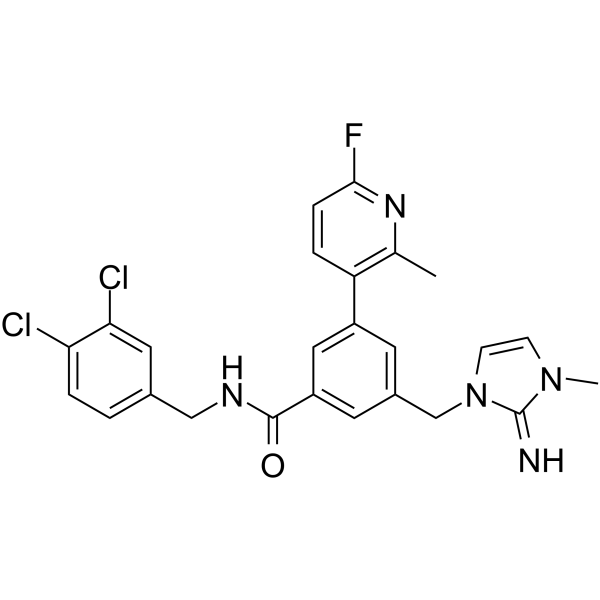
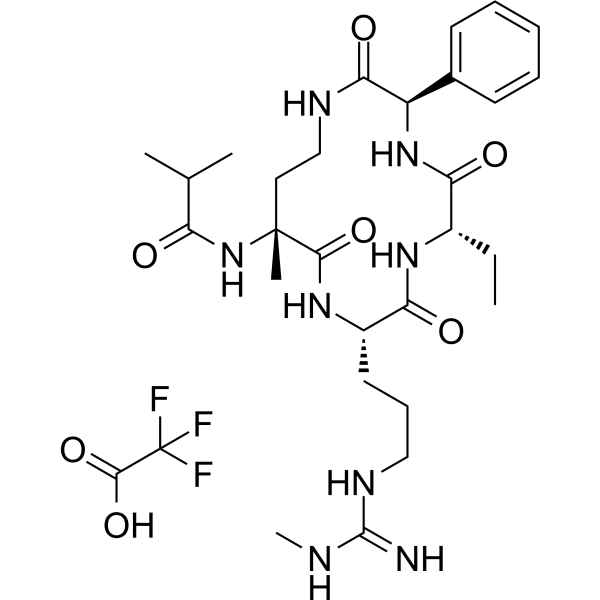
WDR5-0103 (WD-Repeat Protein 5-0103) is a potent and selective WD repeat-containing protein 5 (WDR5) antagonist with a Kd of 450 nM. WDR5-0103 competitively binds to the peptide-binding pocket of WDR5, blocking the interaction between WDR5 and mixed-lineage leukemia (MLL) protein and inhibiting the methyltransferase activity of MLL. WDR5-0103 is mainly used in the research of cancer and neurodegenerative diseases .
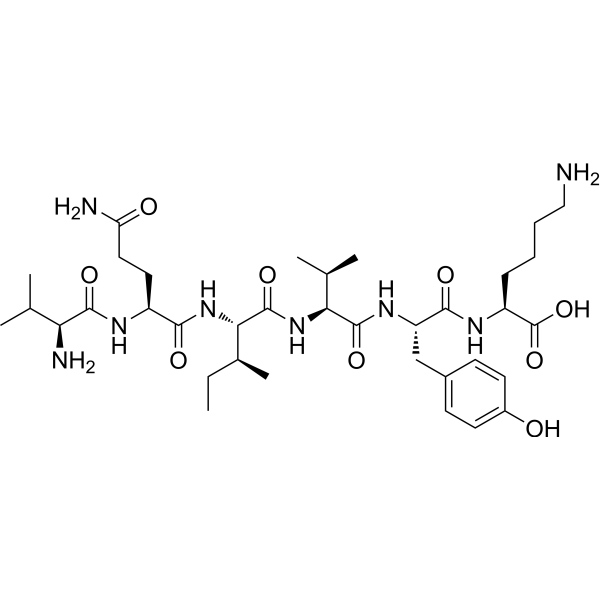
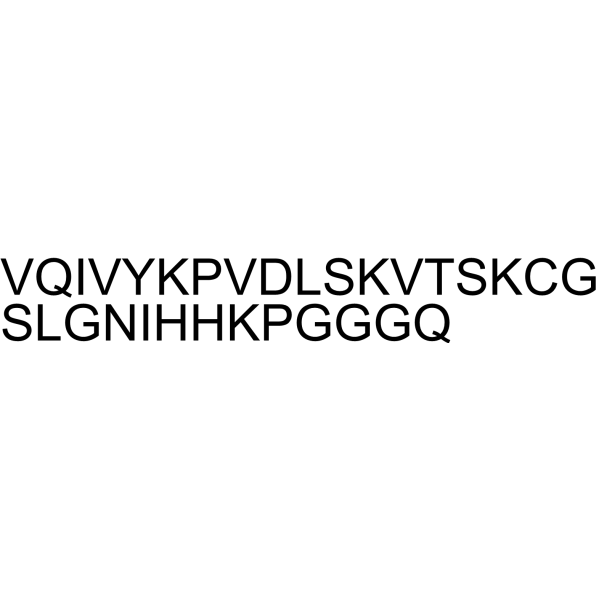
PHF6 (VQIVYK) is a self-assembly sequence capable of initiating the full-length tau protein aggregation and is mapped to the third microtubule-binding repeat region of the tau protein .
PFE-360 (PF-06685360) is a potent, selective, brain penetrated and orally active leucine-rich repeat kinase 2 (LRRK2) inhibitor with a mean IC50 of 2.3 nM in vivo .
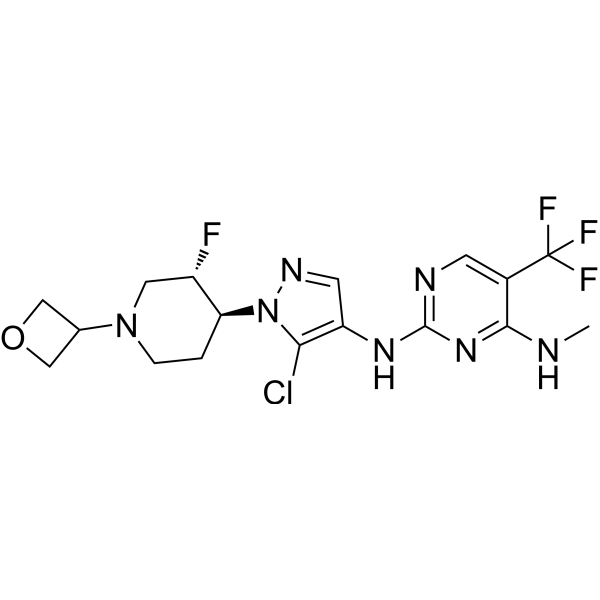
GNE-9605 is a potent, orally active, selective Leucine-rich repeat kinase 2 (LRRK2) inhibitor with an IC50 value of 18.7 nM. GNE-9605 inhibits LRRK2 Ser1292 autophosphorylation. GNE-9605 can be used in research of Parkinson's disease (PD) .
Sofituzumab (MMUC 1206A) is an anti-MUC16 antibody with a Kd of 0.3-0.9 nM. Sofituzumab can bind multiple adjacent antibody molecules to the repeat sequences of the same MUC16 molecule. Sofituzumab exhibits no anti-tumor activity in the HPAC pancreatic adenocarcinoma xenograft model .
rTRD01 is an orally active, specific TDP-43 binder that targets the RRM1 and RRM2 domains of TDP-43. rTRD01 partially disrupts the interaction between TDP-43 and c9orf72repeat RNA, but does not affect the binding of TDP-43 to canonical binding sequences. rTRD01 exhibits significant neuroprotective effects in zebrafish models, improves motor function and protects against paraquat (a widely used herbicide)-induced neurodegeneration, with no teratogenicity at high concentrations. rTRD01 is not a general antioxidant and cannot counteract Rotenone (HY-B1756)-induced neuronal death. rTRD01 can be used to study amyotrophic lateral sclerosis and other TDP-43 proteinopathies .
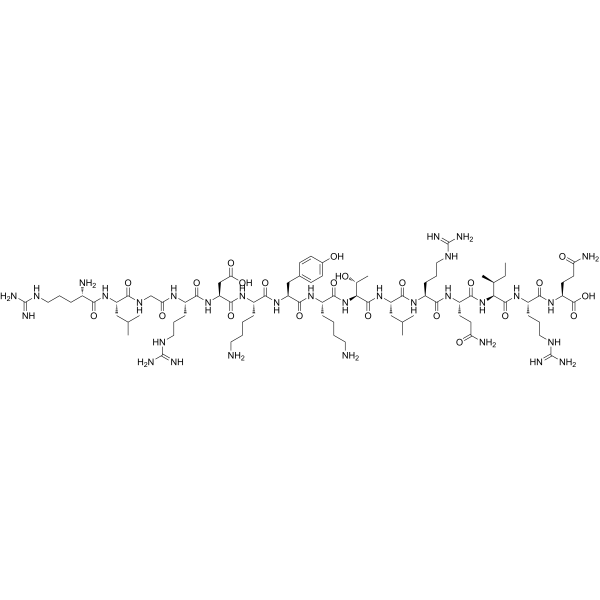
LRRKtide is a polypeptide substrate. LRRKtide is a specific phosphorylation substrate of LRRK2, a kinase associated with Parkinson's disease, and its phosphorylation site is a threonine residue. LRRKtide can be used for characterization of the catalytic properties of LRRK2, as well as studies on kinase activity and inhibition. LRRKtide is applicable to research related to Parkinson's disease .
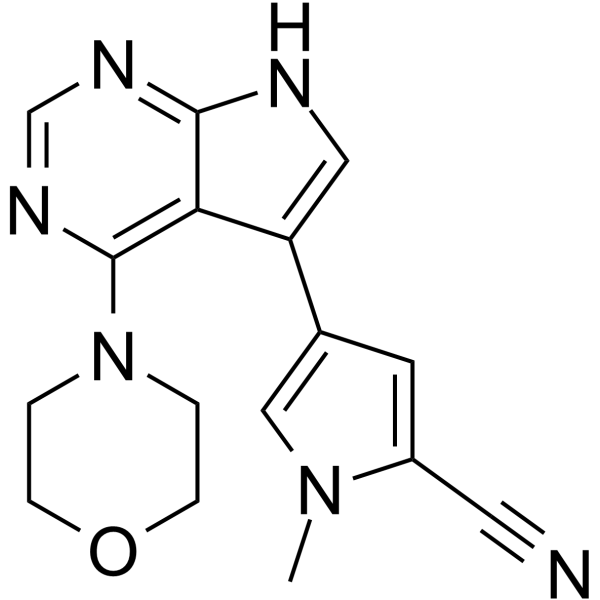
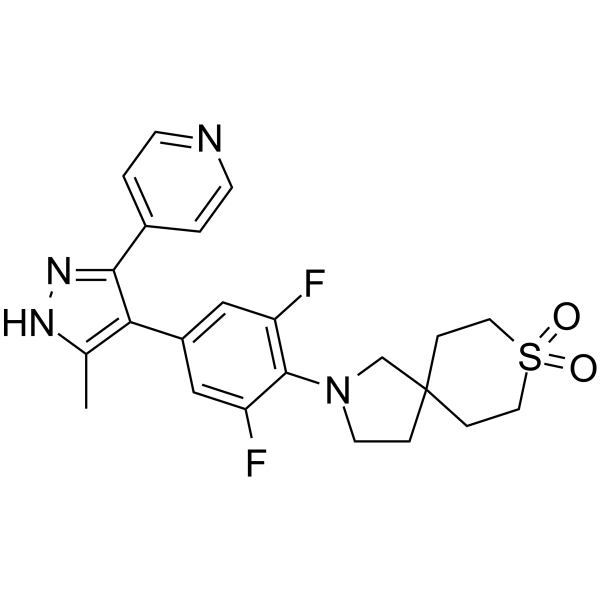
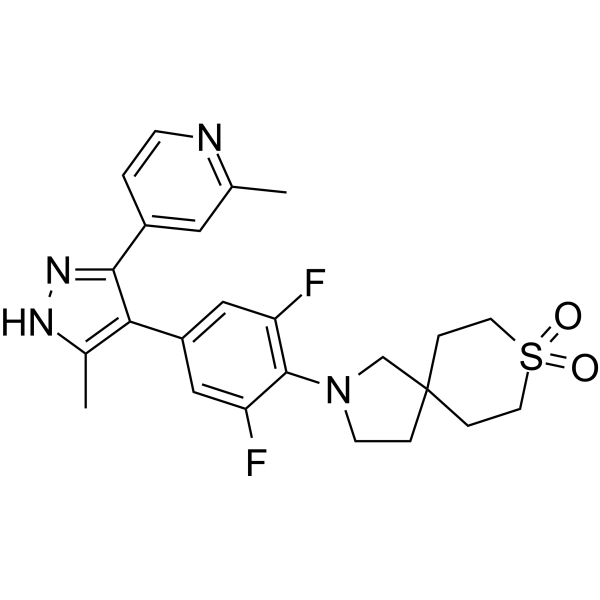
WDR5-IN-4 (Compound C6) is a WIN site inhibitor of chromatin-associated WD repeat domain 5 protein (WDR5), Kd The value is 0.1 nM. WDR5-IN-4 is able to displace WDR5 from chromatin and reduce the expression of related genes, causing translation inhibition and nucleolar stress. Has anti-cancer effects .
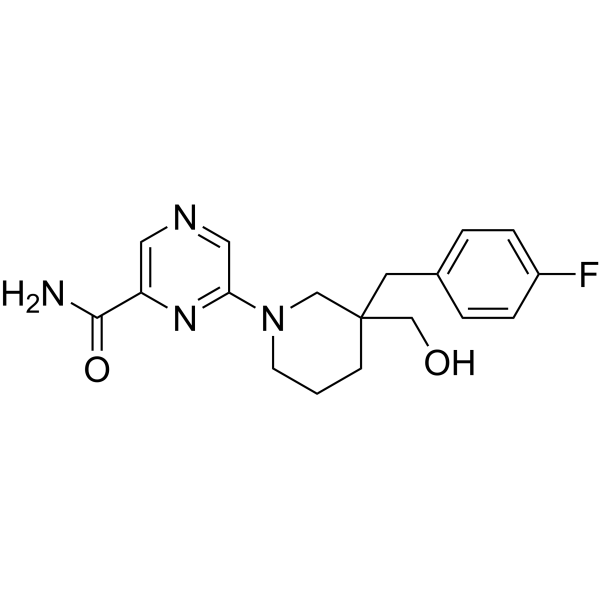
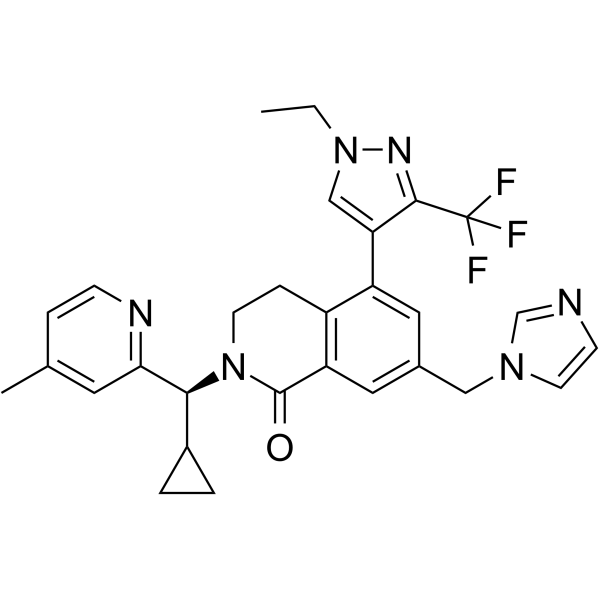
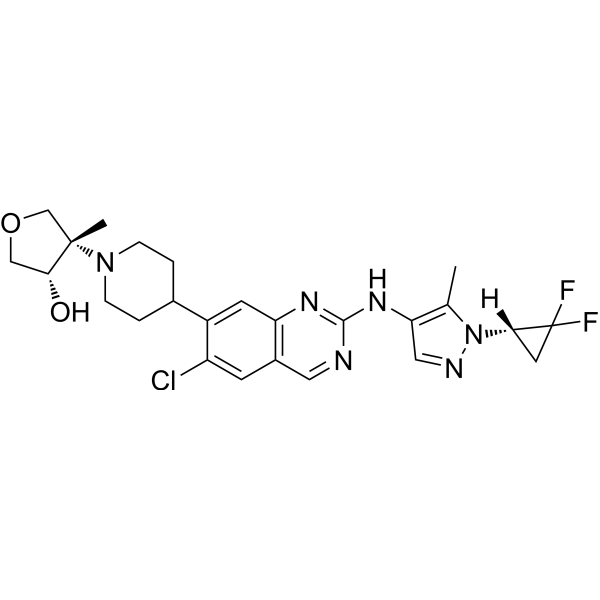
WDR5-IN-5 is an orally active and selective inhibitor of WIN site of WD repeat domain 5 (WDR5). WDR5-IN-5 exhibits anti-proliferative activity towards cancer cells and good pharmacokinetics profile in mice. WDR5-IN-5 shows high affinity to WDR5 and the binding affinity Ki value <0.02 nM .
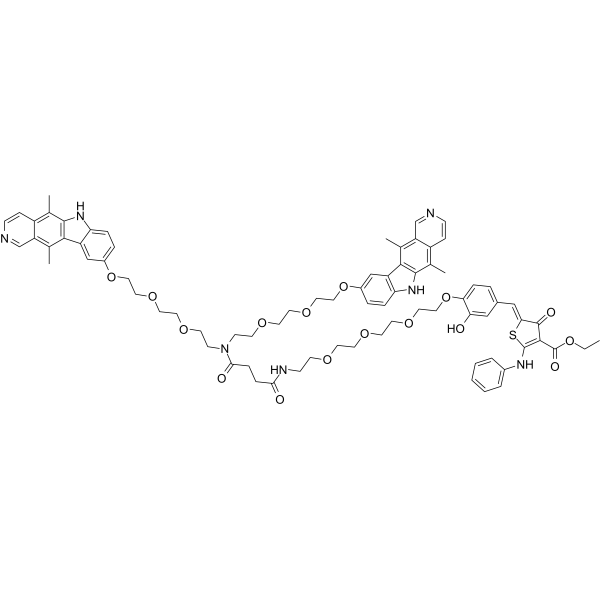
di-Ellipticine-RIBOTAC is a RNase recruiting chimera (RIBOTAC) degrader, capable of specifically binding and degrading expanded G4C2 RNA repeat (r(G4C2) exp). di-Ellipticine-RIBOTAC selectively binds the three-dimensional (3D) structure formed by r(G4C2) exp and that recruits an endogenous ribonuclease (RNase) to cleave r(G4C2) exp. di-Ellipticine-RIBOTAC selectively degrades the mutant chromosome 9 open reading frame 72 (C9orf72) allele and reduces quantities of toxic dipeptide repeat proteins (DPRs) translated from r(G4C2) exp. di-Ellipticine-RIBOTAC significantly improves the pathological phenotype of amyotrophic lateral sclerosis/ frontotemporal dementia (c9ALS/FTD) in cells and mouse models. di-Ellipticine-RIBOTAC can be used for the study of amyotrophic lateral sclerosis (ALS) and frontotemporal dementia (FTD) .
Notch 1 (Notch homolog 1, translocation-associated) can encode a member of the NOTCH family of proteins. Members of this Type I transmembrane protein family share structural characteristics including an extracellular domain consisting of multiple epidermal growth factor-like (EGF) repeats, and an intracellular domain consisting of multiple different domain types .
GSK_WRN4 is an orally active WRN helicase inhibitor (pIC50=7.6). GSK_WRN4 induces DNA damage markers (p21, p-γH2AX, p-KAP1). GSK_WRN4 selectively inhibits microsatellite-unstable tumor growth in vitro and in vivo by inducing DNA double-strand breaks, particularly at expanded TA repeats and regions of DNA damage .
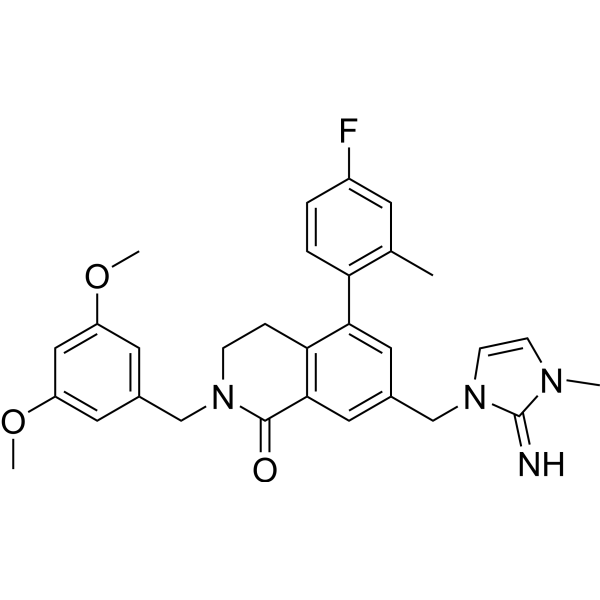
WDR5-IN-1 is a potent and selective WD repeat domain 5 (WDR5) inhibitor, with a Kd of <0.02 nM. WDR5-IN-1 inhibits MLL1 histone methyltransferase (HMT) activity with an IC50 of 2.2 nM. WDR5-IN-1 diminishes MYC recruitment at WDR5-displaced genes and exhibits potent anti-proliferative effects in CHP-134 (neuroblastoma) and Ramos (Burkitt’s lymphoma) lines .
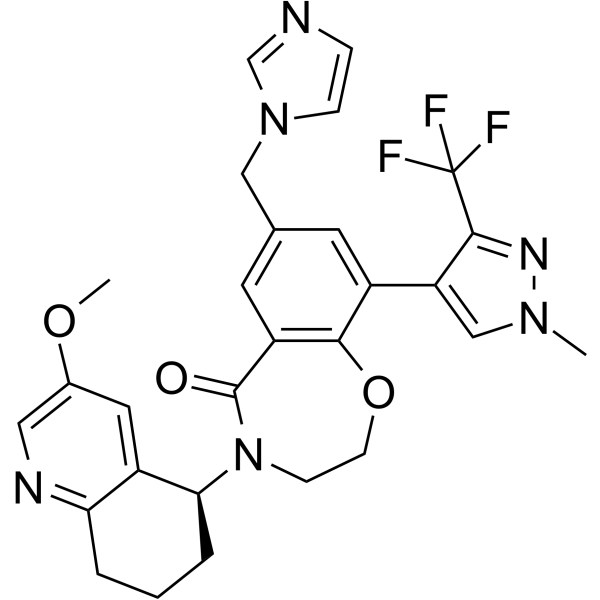
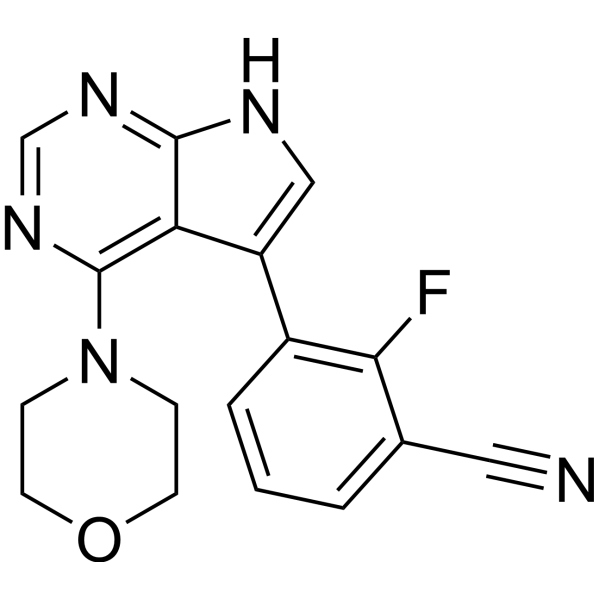
WDR5-IN-7 (Compound 22) is an orally bioavailable benzoxazepinone-based WD repeat domain 5 (WDR5) inhibitor. WDR5-IN-7 can be used for the research of anti-cancer .
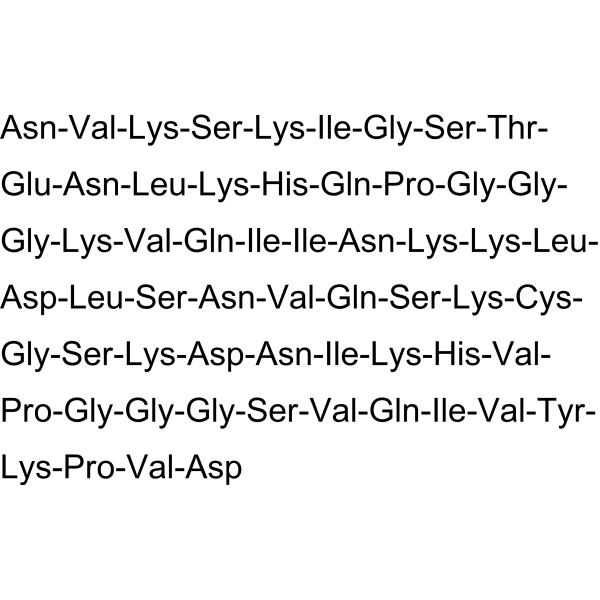
Tau Peptide (255-314) (Repeat 2 Domain) (human) (Tau-F protein (255-314)) is a polypeptide. Tau Peptide (255-314) (human) is the 255-314 fragment of Tau-F (also known as Tau-4, the 2N4 isoform), a major isoform of the Tau protein. Tau Peptide (255-314) (human) contains two core driving sequences for Tau aggregation, namely PHF6* (275-280, VQIINK) and PHF6 (306-311, VQIVYK), and spans the C-terminal half of repeat domain R1, the entire repeat domain R2, and the N-terminal half of repeat domain R3 within the microtubule-binding region (MTBR).
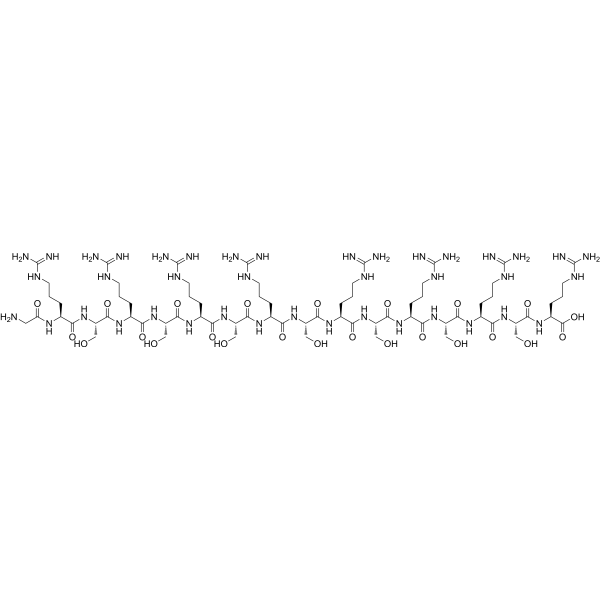
ORN 06 (sodium) s a synthetic single-stranded U-rich RNA and contains 6 repeats of the UUGU sequence motif. The GU-rich oligoribonucleotides (ORNs) are able to stimulate TLR7 .
PHF6 (VQIVYK) TFA is a self-assembly sequence capable of initiating the full-length tau protein aggregation. PHF6 TFA is mapped to the third microtubule-binding repeat region of the tau protein .
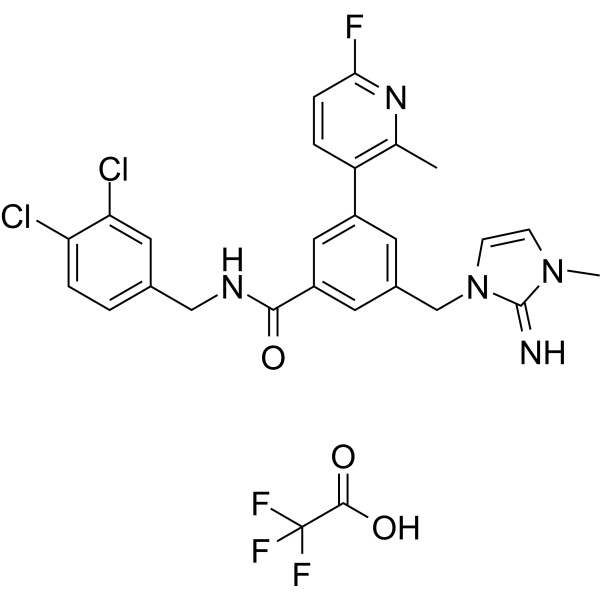
WDR5-IN-4 TFA (Compound C6) is an inhibitor of the WIN site of chromatin-associated WD repeat-containing protein 5 (WDR5), with a Kd of 0.1 nM. WDR5-IN-4 TFA displaces WDR5 from chromatin and decreases the expression of associated genes, causing translational inhibition, nucleolar stress. Anti-cancer activity .
FKB04 is a telomeric repeat binding factor 2 (TRF2) inhibitor that exerts its antitumor activity by disrupting the telomere maintenance mechanism in liver cancer cells, leading to T-loop defects, telomere shortening, and cellular senescence. Additionally, FKB04 can inhibit tumor growth in a human liver cancer xenograft mouse model (with Huh-7 cells implanted in BALB/c mice). FKB04 can be used in liver cancer research .
BC-1258,an F-box/LRR-repeat protein 2 (FBXL2) activator,can stabilize and upregulate FBXL2 levels. BC-1258 induces apoptosis of tumorigenic cells,and profoundly inhibits tumor formation in mice .
MM-589 is a potent inhibitor of WD repeat domain 5 (WDR5) and mixed lineage leukemia (MLL) protein-protein interaction. MM-589 binds to WDR5 with an IC50 of 0.90 nM and inhibits the MLL H3K4 methyltransferase activity with an IC50 of 12.7 nM .
CB096 is an r(G4C2) exp RNA binder with EC50 values of 19 μM, 20 μM and 33 μM. CB096 selectively interacts with the 5′CGG/3′GGC 1×1 GG internal loop motif of folded r(G4C2) exp RNA, alters motif dynamics and closed base pairs, and rescues disease-related pathways. CB096 can be used for research on inherited amyotrophic lateral sclerosis/frontotemporal dementia (c9ALS/FTD) .
NSC45586 is an inhibitor of pleckstrin homology domain and leucine-rich repeat protein phosphatase (PHLPP). NSC45586 targets the PP2C phosphatase domain in PHLPP1 and PHLPP2. NSC45586 can activate AKT in neurons .
PF-06455943 is a leucine rich repeat kinase 2 (LRRK2) inhibitor with IC50 value of 3 nM. PF-06455943 also is a PET radioligand. PF-06455943 can be used for the research of ADME/neuro PK characterization and Parkinson disease (PD) .
Tau Peptide (275-305) (Repeat 2 domain) is the Alzheimer's Tau fragment R2, corresponding to the second repeat unit of the microtubule-binding domain, which is believed to be pivotal to the biochemical properties of full tau protein. Tau Peptide (275-305) specifically coordinates with group IIB metal ions (Zn²⁺, Cd²⁺, Hg²⁺), which can induce their conformational changes and significantly promote their pathological accumulation. Tau Peptide (275-305) can be used to study the role of heavy metals in neurodegenerative diseases .
Notch 1 TFA (Notch homolog 1, translocation-associated) can encode a member of the NOTCH family of proteins. Members of this Type I transmembrane protein family share structural characteristics including an extracellular domain consisting of multiple epidermal growth factor-like (EGF) repeats, and an intracellular domain consisting of multiple different domain types .
IN04 is a inhibitor of leucine-rich repeat kinase 1 (LRRK1). IN04 can completely block the binding of ATP to the human LRRK1 kinase domain, thereby inhibiting the kinase activity of LRRK1. IN04 can significantly impair the bone resorption ability of osteoclasts, with an IC50 value of 5.72 μM. IN04 can be used for the study of osteoporosis .
EK1 is a peptide-based fusion inhibitor of coronaviruses (CoVs) with broad spectrum inhibition to a number of CoV species. EK1 shows substantially improved pan-CoV fusion inhibitory activity. EK1 potently inhibits SARS-CoV-2. EK1 can form a stable six-helix bundle (6HB) structure with both short α-hCoV and long β-hCoV N-terminal heptad repeats .
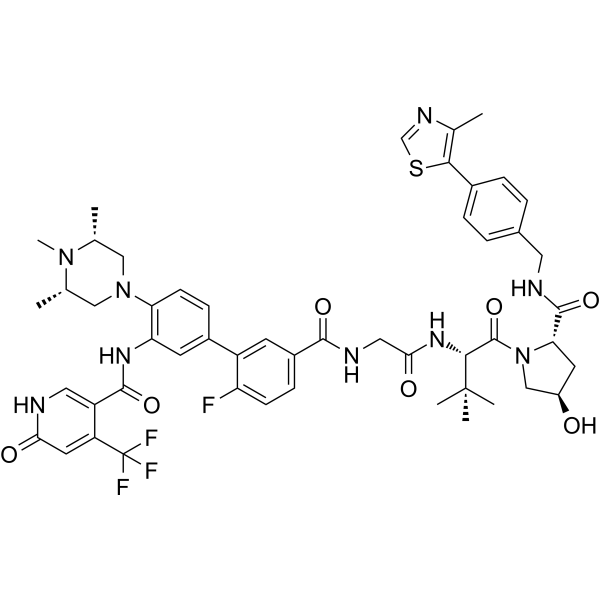
XF067-68 (example 132) is a PROTAC for targeted degradation of WD40 repeat domain protein 5 (WDR5). XF067-68 can be usde for the study of WDR5-mediated diseases. (Pink: target protein ligand (HY-141799); Blue: E3 ligase ligand (HY-173627); Black: linker (HY-Y0966); E3 ligase ligand + linker: HY-176517) .
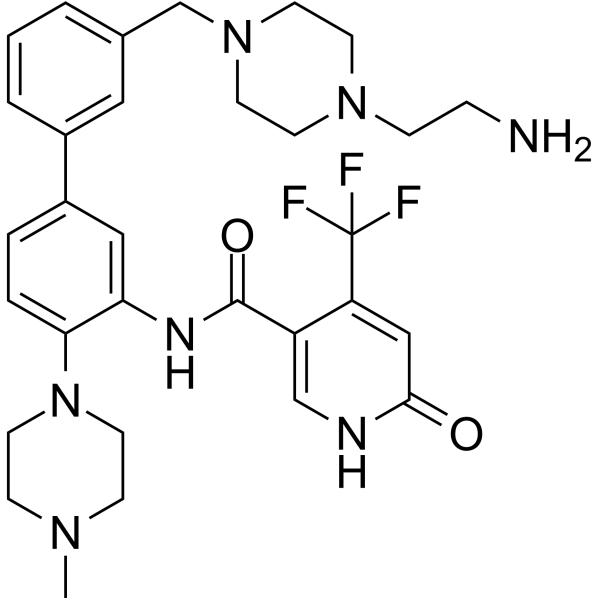
OICR-9429-N-C2-NH2 is a ligand for Wd40 repeat domain protein 5 (WDR5) extracted from patent WO2019246570A1, intermediate 2. OICR-9429-N-C2-NH2 can be used in the synthesis of PROTACs .
Nictide is a peptide substrate of LRRK2 (leucine-rich repeat protein kinase-2). Nictide can be phosphorylated by the activated LRRK2[G2019S] with a Km of 10 μM .
Tau Peptide (337-368) (Repeat 4 Domain) is a 32-amino acid peptide derived from the fourth microtubule-binding repeat sequence (R4) of the tau protein. Tau Peptide (337-368) (Repeat 4 Domain) can be used in research on neurodegenerative diseases .
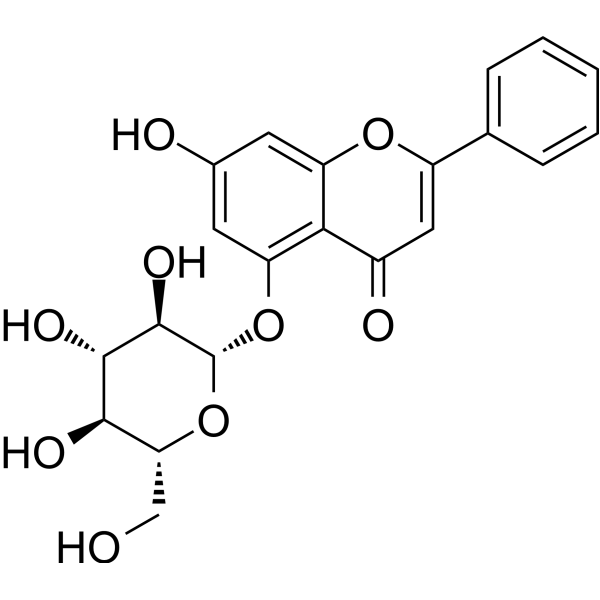
Toringin, a bioflavonoid, is isolated from the bark of Docyniopsis tschonoski. Toringin progressively decreases not only the cis-effect of the expanded CTG repeats but cytotoxicity as well. Exposure to isosakuranetin, Toringin rescues PC12 neuronal cells. Flavonoids are efficacious for ameliorating the RNA gain of function caused by expanded CTG repeats, and have various biological activities and beneficial actions against cancers, coronary heart disease, among other pathologies .
LRRK2-IN-4 is a potent, selective, CNS-penetran and orally active leucine-rich repeat kinase 2 (LRRK2) inhobitor with an IC50 of 2.6 nM. LRRK2-IN-4 has the potential for the research of Parkinson’s disease .
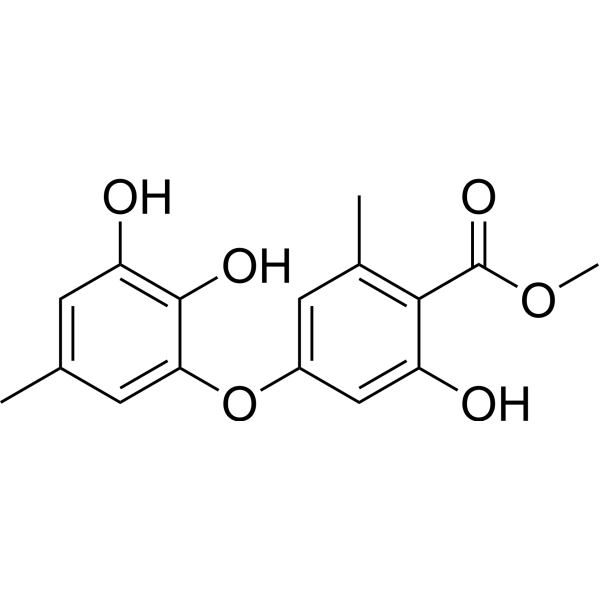
Methyl gerfelin inhibits osteoclast differentiation by binding 3 major cellular proteins: glyoxalase 1 (GLO1), sterol binding protein 2 (SCP2), and small glutamine-rich tetratricopeptide repeat containing protein A (SGTA). Methyl gerfelin is a potent GLO1 inhibitor related to the flavonoid class .
MM-589 TFA is a potent inhibitor of WD repeat domain 5 (WDR5) and mixed lineage leukemia (MLL) protein-protein interaction. MM-589 binds to WDR5 with an IC50 of 0.90 nM and inhibits the MLL H3K4 methyltransferase activity with an IC50 of 12.7 nM .
ORN 06 (Compound R-0006), a U-rich single-stranded RNA (containing 6 repeats of the UUG sequence motif), is a TLR7/8 agonist. ORN 06 stimulates human TLR7/8-mediated or murine TLR7-mediated immunity .
C34 peptide is a biological active peptide. (This C34 peptide, also known as HR2, belongs to the helical region of gp41 of HIV, C-terminal heptad repeat 2 (HR2) defined as C helix or C peptide. It is known that HIV-1 enters cells by membrane fusion, C34 gp41 peptide is a potent inhibitors of HIV-1 fusion.)
FNIII14 is derived from the 14th fibronectin (FN) type III-like (FN-III) repeat of FN molecule. FNIII14 is capable of inhibiting cell adhesion to the extracellular matrix (ECM). FNIII14 induces a conformational change in β1-integrin from the active to the inactive form, and blocks integrin-mediated signaling. FNIII14 has anti-fibrotic, anti-cancer effect. FNIII14 can be used for research of metabolic diseases, organ fibrosis, and malignant tumors .
Cas9 Nickase D10A mRNA expresses a version of the Streptococcus pyogenes SF370 Cas9 protein (CRISPR Associated Protein 9) that contains a D10A amino acid substitution. This mRNA also contains a C-terminal nuclear localization signal followed by a HA tag.Cas9 functions as part of the CRISPR (clustered regularly interspaced short palindromic repeats) genome editing system. In the CRISPR system, an RNA guide sequence targets the site of interest and the Cas9 protein is employed to perform the DNA cleavage. While wild-type Cas9 creates a double-stranded break at the target site, Cas9 nickase creates a single-stranded break. This favors homology-directed repair and decreases the occurrence of non-homologous end joining.
GSK_WRN2 is a potent and selective covalent WRN helicase inhibitor that suppresses replication stress caused by DNA (TA)n dinucleotide repeat expansions. GSK_WRN2 can be used to study microsatellite instability (MSI) cancers .
di-Ellipticine-RIBOTAC TFA is a RNase recruiting chimera (RIBOTAC) degrader, capable of specifically binding and degrading expanded G4C2 RNA repeat (r(G4C2) exp). di-Ellipticine-RIBOTAC TFA selectively binds the three-dimensional (3D) structure formed by r(G4C2) exp and that recruits an endogenous ribonuclease (RNase) to cleave r(G4C2) exp. di-Ellipticine-RIBOTAC TFA selectively degrades the mutant chromosome 9 open reading frame 72 (C9orf72) allele and reduces quantities of toxic dipeptide repeat proteins (DPRs) translated from r(G4C2) exp. di-Ellipticine-RIBOTAC TFA significantly improves the pathological phenotype of amyotrophic lateral sclerosis/ frontotemporal dementia (c9ALS/FTD) in cells and mouse models. di-Ellipticine-RIBOTAC TFA can be used for the study of amyotrophic lateral sclerosis (ALS) and frontotemporal dementia (FTD) .
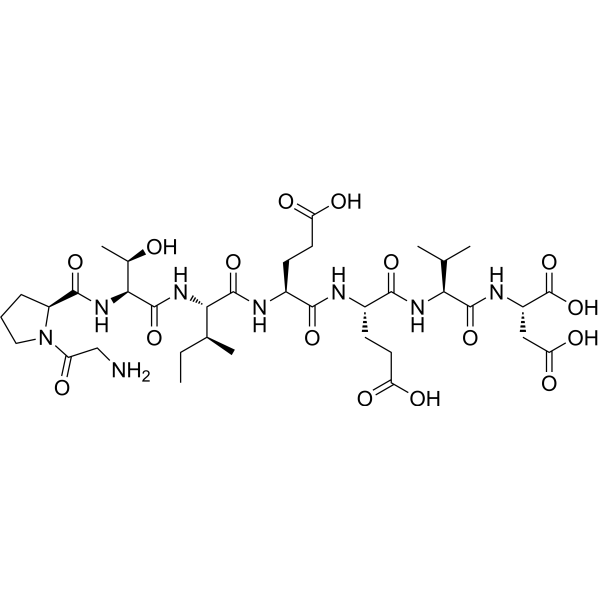
Hsp70-derived octapeptide is a conserved octapeptide of the C-terminal end of Hsp70, which physically interacts with tetratricopeptide repeat (TPR) motifs .
ORN 02 is a synthetic single-stranded U-rich RNA and contains 6 repeats of UUAU sequence motif. The AU-rich oligoribonucleotides (ORNs) are able to stimulate TLR8 .
ORN 02 (sodium) is a synthetic single-stranded U-rich RNA and contains 6 repeats of UUAU sequence motif. The AU-rich oligoribonucleotides (ORNs) are able to stimulate TLR8 .
BARK1 Recombinant Human Active Protein Kinase is a membrane LRR-RLK (leucine-rich repeat receptor-like kinase) protein that specifically binds to BAK1 and its homologs .
RNA binder 1 (Compound 4b) is a blood-brain permeable RNA binder. RNA binder 1 can selectively bind to the G-quadruplex structure of the G4C2 repeat sequence RNA of the C9orf72 gene. RNA binder 1 significantly reduces the levels of toxic polypeptides poly(GA) and poly(GP) produced by the G4C2 repeat sequence in amyotrophic lateral sclerosis (ALS) patient-derived cells. RNA binder 1 has no significant effect on the antisense polypeptide poly(PR), showing selectivity for sense RNA. RNA binder 1 can be used in the study of ALS and frontotemporal dementia (FTD) .
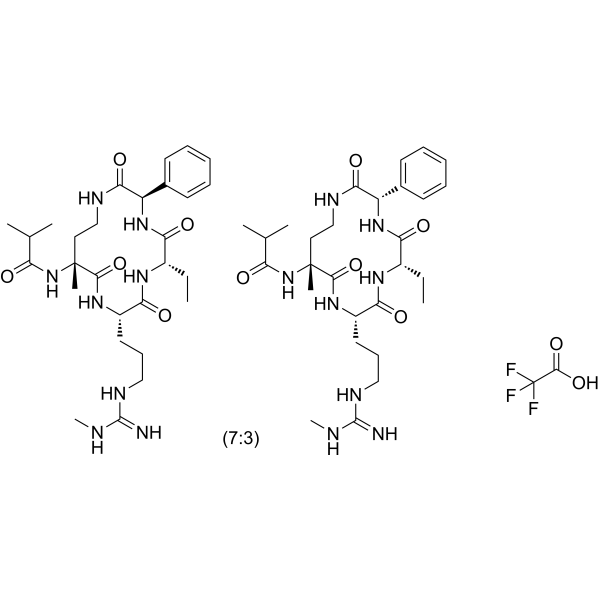
MM-589 (racemic mixture) TFA, is a racemic mixture of MM-589 TFA (HY-100869A). MM-589 TFA is a potent inhibitor of WD repeat domain 5 (WDR5) and mixed lineage leukemia (MLL) protein-protein interaction. MM-589 binds to WDR5 with an IC50 of 0.90 nM and inhibits the MLL H3K4 methyltransferase activity with an IC50 of 12.7 nM .
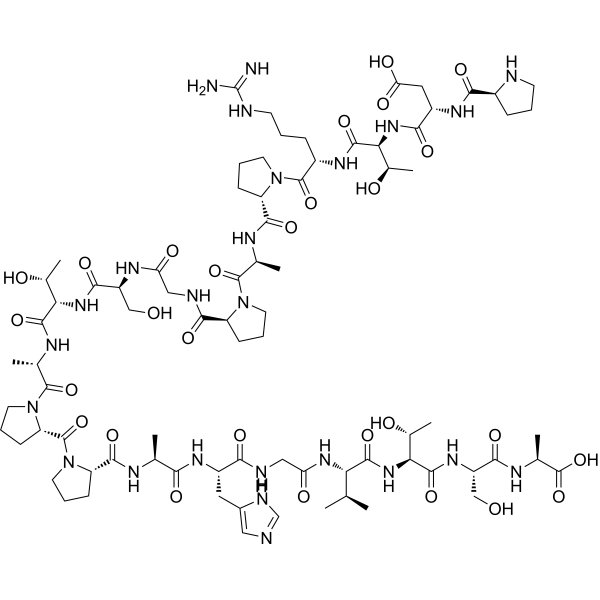
Tumour-associated MUC1 epitope is a biological active peptide. (This sequence is the hallmark of MUC1 mucin. MUC1 is a highly glycosylated type I transmembrane glycoprotein with a unique extracellular domain consisting of a variable number of tandem repeats (VNTR) of this 20 amino acid peptide. It is overexpressed on the cell surface of many human adenocarcinomas and hematological malignancies, including multiple myeloma and B-cell lymphoma, making MUC1 broadly applicable target for immunotherapeutic strategies.)
LRRK2-IN-6 (compound 22) is a potent, orally active, selective leucine rich repeat protein kinase 2 gene (LRRK2) inhibitor with IC50 values of 4.6 and 49 μM for GS LRRK2 and WT LRRK2, respectively. LRRK2-IN-6 inhibits LRRK2 Ser1292 and Ser925 autophosphorylation. LRRK2-IN-6 can cross the blood-brain barrier .
LRRK2-IN-5 (compound 25) is a potent, orally active, selective leucine rich repeat protein kinase 2 gene (LRRK2) inhibitor with IC50 values of 1.2 and 16 μM for GS LRRK2 and WT LRRK2, respectively. LRRK2-IN-5 inhibits LRRK2 Ser1292 and Ser925 autophosphorylation. LRRK2-IN-5 can cross the blood-brain barrier .
TRF2-IN-1 (compound F2) is a potent telomere repeat-binding factor 2 (TRF2) inhibitor. TRF2-IN-1 shows antiproliferative activity. TRF2-IN-1 induces apoptosis. TRF2-IN-1 directly bind to the TRF2TRFH domain and selectively inhibits TRF2 protein expression and telomeric localization. TRF2-IN-1 shows anticancer activity. TRF2-IN-1 has the potential for the research of osteosarcoma .
PROTAC LRRK2 Degrader-1 (compound 18) is a leucine-rich repeat kinase 2 (LRRK2)PROTAC degrader with an IC 50 value less than 10 nM. PROTAC LRRK2 Degrader-1 can be used in the research of Parkinson's disease .
Chicken Tenascin,suitable for cell culture is a glycoprotein that forms disulfide-linked hexamers. Chicken Tenascin,suitable for cell culture is composed of repetitive domains, including EGF-like repeats, fibronectin type III repeats, and a region homologous to fibrinogen. Chicken Tenascin,suitable for cell culture can be used for cell culture .
DC_M5_2 is a WD40 repeat domain protein 5 (WDR5) inhibitor with an IC50 of 9.63 μM and a KD of 13.8 μM. DC_M5_2 binds to the WDR5 pocket that interacts with the MLL1 peptide, blocking the WDR5-MLL1 protein-protein interaction . DC_M5_2 can be used in leukemia-related research .
Calciseptine TFA, a polypeptide found in black mamba venom, is a selcetive Cav1.2 L-type calcium channel inhibitor with an IC50 of 92 nM. Calciseptine TFA binds to the pore domain shoulder at repeats III and IV of Cav1.2, stabilizing an inactivated conformation. Calciseptine TFA exhibits negative inotropic and negative relaxant effects on mice, and does not affect heart rate or the action potential of sinoatrial node pacemaker cells. Calciseptine TFA can be used for the research of cardiovascular diseases .
GIT1-IN-1 is an inhibitor of ARF GTPase-activating protein 1 (GIT1) with a KD of 6.2 μM. GIT1-IN-1 induces apoptosis (apoptosis) in liver and colon cancer cells, arrests the cell cycle at the G2/M phase, and inhibits cell proliferation, colony formation and migration. GIT1-IN-1 inhibits the activities of MEK and ERK, reduces the expression level of cyclin D1, and stabilizes cyclin B1 protein in liver and colon cancer cells. GIT1-IN-1 can be used in the research of liver cancer and colon cancer .
GW780056X is a CDK12 inhibitor. GW780056X decreases nuclear foci count in DM1 cells. GW780056X can be used for the research of myotonic dystrophy type 1 .
Chicken Tenascin,suitable for cell culture is a glycoprotein that forms disulfide-linked hexamers. Chicken Tenascin,suitable for cell culture is composed of repetitive domains, including EGF-like repeats, fibronectin type III repeats, and a region homologous to fibrinogen. Chicken Tenascin,suitable for cell culture can be used for cell culture .
3X FLAG peptides are FLAG-tagged peptides containing three repeats of the Asp-Tyr-Lys-Xaa-Xaa-Asp motif. 3X FLAG peptide can be used for protein separation and purification, and competitive elution with target proteins.
3X FLAG peptide TFA is a FLAG-tagged peptide containing three repeats of the Asp-Tyr-Lys-Xaa-Xaa-Asp motif. 3X FLAG peptide TFA can be used for protein separation and purification, and competitive elution with target proteins.
PHF6 (VQIVYK) is a self-assembly sequence capable of initiating the full-length tau protein aggregation and is mapped to the third microtubule-binding repeat region of the tau protein .
LRRKtide is a polypeptide substrate. LRRKtide is a specific phosphorylation substrate of LRRK2, a kinase associated with Parkinson's disease, and its phosphorylation site is a threonine residue. LRRKtide can be used for characterization of the catalytic properties of LRRK2, as well as studies on kinase activity and inhibition. LRRKtide is applicable to research related to Parkinson's disease .
Notch 1 (Notch homolog 1, translocation-associated) can encode a member of the NOTCH family of proteins. Members of this Type I transmembrane protein family share structural characteristics including an extracellular domain consisting of multiple epidermal growth factor-like (EGF) repeats, and an intracellular domain consisting of multiple different domain types .
Tau Peptide (255-314) (Repeat 2 Domain) (human) (Tau-F protein (255-314)) is a polypeptide. Tau Peptide (255-314) (human) is the 255-314 fragment of Tau-F (also known as Tau-4, the 2N4 isoform), a major isoform of the Tau protein. Tau Peptide (255-314) (human) contains two core driving sequences for Tau aggregation, namely PHF6* (275-280, VQIINK) and PHF6 (306-311, VQIVYK), and spans the C-terminal half of repeat domain R1, the entire repeat domain R2, and the N-terminal half of repeat domain R3 within the microtubule-binding region (MTBR).
PHF6 (VQIVYK) TFA is a self-assembly sequence capable of initiating the full-length tau protein aggregation. PHF6 TFA is mapped to the third microtubule-binding repeat region of the tau protein .
Interphotoreceptor Retinoid Binding Protein Fragment (IRBP) TFA, a 20-residue peptide and a major pathogenic epitope, is present in the first homologous repeat of the interphotoreceptor retinoid binding protein peptide (IRBP 161–180), which can induce posterior uveitis (EAU) .
Tau Peptide (275-305) (Repeat 2 domain) is the Alzheimer's Tau fragment R2, corresponding to the second repeat unit of the microtubule-binding domain, which is believed to be pivotal to the biochemical properties of full tau protein. Tau Peptide (275-305) specifically coordinates with group IIB metal ions (Zn²⁺, Cd²⁺, Hg²⁺), which can induce their conformational changes and significantly promote their pathological accumulation. Tau Peptide (275-305) can be used to study the role of heavy metals in neurodegenerative diseases .
Uty HY Peptide (246-254) TFA, derived from the ubiquitously transcribed tetratricopeptide repeat gene on the Y chromosome (UTY) protein as an H-Y epitope, H-YD b, is a male-specific transplantation antigen H-Y .
Notch 1 TFA (Notch homolog 1, translocation-associated) can encode a member of the NOTCH family of proteins. Members of this Type I transmembrane protein family share structural characteristics including an extracellular domain consisting of multiple epidermal growth factor-like (EGF) repeats, and an intracellular domain consisting of multiple different domain types .
EK1 is a peptide-based fusion inhibitor of coronaviruses (CoVs) with broad spectrum inhibition to a number of CoV species. EK1 shows substantially improved pan-CoV fusion inhibitory activity. EK1 potently inhibits SARS-CoV-2. EK1 can form a stable six-helix bundle (6HB) structure with both short α-hCoV and long β-hCoV N-terminal heptad repeats .
Nictide is a peptide substrate of LRRK2 (leucine-rich repeat protein kinase-2). Nictide can be phosphorylated by the activated LRRK2[G2019S] with a Km of 10 μM .
Tau Peptide (337-368) (Repeat 4 Domain) is a 32-amino acid peptide derived from the fourth microtubule-binding repeat sequence (R4) of the tau protein. Tau Peptide (337-368) (Repeat 4 Domain) can be used in research on neurodegenerative diseases .
C34 peptide is a biological active peptide. (This C34 peptide, also known as HR2, belongs to the helical region of gp41 of HIV, C-terminal heptad repeat 2 (HR2) defined as C helix or C peptide. It is known that HIV-1 enters cells by membrane fusion, C34 gp41 peptide is a potent inhibitors of HIV-1 fusion.)
FNIII14 is derived from the 14th fibronectin (FN) type III-like (FN-III) repeat of FN molecule. FNIII14 is capable of inhibiting cell adhesion to the extracellular matrix (ECM). FNIII14 induces a conformational change in β1-integrin from the active to the inactive form, and blocks integrin-mediated signaling. FNIII14 has anti-fibrotic, anti-cancer effect. FNIII14 can be used for research of metabolic diseases, organ fibrosis, and malignant tumors .
Hsp70-derived octapeptide is a conserved octapeptide of the C-terminal end of Hsp70, which physically interacts with tetratricopeptide repeat (TPR) motifs .
Uty HY Peptide (246-254), derived from the ubiquitously transcribed tetratricopeptide repeat gene on the Y chromosome (UTY) protein as an H-Y epitope, H-YD b, is a male-specific transplantation antigen H-Y .
Interphotoreceptor Retinoid Binding Protein Fragment (IRBP), a 20-residue peptide and a major pathogenic epitope, is present in the first homologous repeat of the interphotoreceptor retinoid binding protein peptide (IRBP 161–180), which can induce posterior uveitis (EAU) .
Tumour-associated MUC1 epitope is a biological active peptide. (This sequence is the hallmark of MUC1 mucin. MUC1 is a highly glycosylated type I transmembrane glycoprotein with a unique extracellular domain consisting of a variable number of tandem repeats (VNTR) of this 20 amino acid peptide. It is overexpressed on the cell surface of many human adenocarcinomas and hematological malignancies, including multiple myeloma and B-cell lymphoma, making MUC1 broadly applicable target for immunotherapeutic strategies.)
BRC4wt (BRC4 repeat motif) is part of the BRACA2 tumor suppressor protein, which exhibits inhibitory activity against interaction of the BRACA2 protein with RAD51, and is involved in the repair of DNA damage .
Acetyl-Tau Peptide (244-274) (Repeat 1 Domain) is a polypeptide that can be found by peptide screening. Peptide screening is a research tool that pools active peptides primarily by immunoassay. Peptide screening can be used for protein interaction, functional analysis, epitope screening, especially in the field of agent research and development .
Calciseptine TFA, a polypeptide found in black mamba venom, is a selcetive Cav1.2 L-type calcium channel inhibitor with an IC50 of 92 nM. Calciseptine TFA binds to the pore domain shoulder at repeats III and IV of Cav1.2, stabilizing an inactivated conformation. Calciseptine TFA exhibits negative inotropic and negative relaxant effects on mice, and does not affect heart rate or the action potential of sinoatrial node pacemaker cells. Calciseptine TFA can be used for the research of cardiovascular diseases .
Sofituzumab (MMUC 1206A) is an anti-MUC16 antibody with a Kd of 0.3-0.9 nM. Sofituzumab can bind multiple adjacent antibody molecules to the repeat sequences of the same MUC16 molecule. Sofituzumab exhibits no anti-tumor activity in the HPAC pancreatic adenocarcinoma xenograft model .
TAB-004 is a murine IgG1 monoclonal antibody that specifically binds to the tumor-associated hypoglycosylated mucin 1 (tMUC1), with high selectivity for human tMUC1. TAB-004 can be conjugated with Indocyanine green (ICG) (HY-D0711) for in vivo targeted imaging. TAB-004 can be used for the research of early detection, tumor progression monitoring and cancer stem cell targeting in breast cancer and pancreatic cancer.
Toringin, a bioflavonoid, is isolated from the bark of Docyniopsis tschonoski. Toringin progressively decreases not only the cis-effect of the expanded CTG repeats but cytotoxicity as well. Exposure to isosakuranetin, Toringin rescues PC12 neuronal cells. Flavonoids are efficacious for ameliorating the RNA gain of function caused by expanded CTG repeats, and have various biological activities and beneficial actions against cancers, coronary heart disease, among other pathologies .
rMuLeucine-rich repeats and immunoglobulin-like domains protein 1/LRIG1, His; Leucine-rich repeats and immunoglobulin-like domains protein 1; LIG-1; Lrig1
The LRIG1 protein acts as a negative feedback regulator of receptor tyrosine kinase signaling by promoting receptor ubiquitination and accelerating intracellular degradation.Its extracellular LRR and Ig-like domains can interact with EGFR/ERBB1, ERBB2, ERBB3 and ERBB4.LRIG1 Protein, Mouse (HEK293, His) is the recombinant mouse-derived LRIG1 protein, expressed by HEK293 , with C-6*His labeled tag.
EDIL3 Protein enhances endothelial cell adhesion by interacting with the alpha-v/beta-3 integrin receptor, while also inhibiting the formation of vascular-like structures. Its role suggests involvement in the regulation of vascular morphogenesis during embryonic development. EDIL3 Protein, Human (HEK293, His) is the recombinant human-derived EDIL3 protein, expressed by HEK293 , with C-6*His labeled tag.
EDIL3 Protein enhances endothelial cell adhesion by interacting with the alpha-v/beta-3 integrin receptor, while also inhibiting the formation of vascular-like structures. Its role suggests involvement in the regulation of vascular morphogenesis during embryonic development. EDIL3 Protein, Human (HEK293, Fc) is the recombinant human-derived EDIL3 protein, expressed by HEK293, with C-hFc labeled tag.
EDIL3 Protein enhances endothelial cell adhesion by interacting with the alpha-v/beta-3 integrin receptor, while also inhibiting the formation of vascular-like structures. Its role suggests involvement in the regulation of vascular morphogenesis during embryonic development. EDIL3 Protein, Human (HEK293, His, solution) is the recombinant human-derived EDIL3 protein, expressed by HEK293 , with C-6*His labeled tag.
ANKFY1 is a proposed Rab5 effector that critically participates in endosomal dynamics by binding to PI(3)P, promoting homotypic early endosomal fusion and participating in heterotypic fusion. It plays a crucial role in macropinocytosis, is dependent on Rab5-GTP, and is essential for the correct localization of activated tyrosine kinase receptors such as PDGFRB. ANKFY1 Protein, Human (sf9, His, Strep) is the recombinant human-derived ANKFY1 protein, expressed by sf9 insect cells , with N-Strep, N-8*His labeled tag.
Cas9 Nickase D10A mRNA expresses a version of the Streptococcus pyogenes SF370 Cas9 protein (CRISPR Associated Protein 9) that contains a D10A amino acid substitution. This mRNA also contains a C-terminal nuclear localization signal followed by a HA tag.Cas9 functions as part of the CRISPR (clustered regularly interspaced short palindromic repeats) genome editing system. In the CRISPR system, an RNA guide sequence targets the site of interest and the Cas9 protein is employed to perform the DNA cleavage. While wild-type Cas9 creates a double-stranded break at the target site, Cas9 nickase creates a single-stranded break. This favors homology-directed repair and decreases the occurrence of non-homologous end joining.
Inquiry Online
Your information is safe with us. * Required Fields.
Western blot analysis of extracts from THP-1(lane 2(20μg), Jurkat (lane 3(20μg) and NIH3T3(lane 4(20μg) using FOXO1A (HY-P80132) Rabbit mAb. Proteins were transferred
to a PVDF membrane and blocked with 5% non-fat milk in TBST for 2 hour at room temperature. The primary antibody (1/1000) and Loading control antibody (Beta Actin, HY-P80438, 1/10000) was
used in 5% non-fat milk in TBST at 4°C overnight. Goat Anti-Mouse/Rabbit IgG-HRP Secondary Antibody (1/10000) was used for 1 hour at room temperature.
Western blot analysis of extracts from THP-1(lane 2(20μg), Jurkat (lane 3(20μg) and NIH3T3(lane 4(20μg) using FOXO1A (HY-P80132) Rabbit mAb. Proteins were transferred
to a PVDF membrane and blocked with 5% non-fat milk in TBST for 2 hour at room temperature. The primary antibody (1/1000) and Loading control antibody (Beta Actin, HY-P80438, 1/10000) was
used in 5% non-fat milk in TBST at 4°C overnight. Goat Anti-Mouse/Rabbit IgG-HRP Secondary Antibody (1/10000) was used for 1 hour at room temperature.
Western blot analysis of extracts from THP-1(lane 2(20μg), Jurkat (lane 3(20μg) and NIH3T3(lane 4(20μg) using FOXO1A (HY-P80132) Rabbit mAb. Proteins were transferred
to a PVDF membrane and blocked with 5% non-fat milk in TBST for 2 hour at room temperature. The primary antibody (1/1000) and Loading control antibody (Beta Actin, HY-P80438, 1/10000) was
used in 5% non-fat milk in TBST at 4°C overnight. Goat Anti-Mouse/Rabbit IgG-HRP Secondary Antibody (1/10000) was used for 1 hour at room temperature.
Western blot analysis of extracts from THP-1(lane 2(20μg), Jurkat (lane 3(20μg) and NIH3T3(lane 4(20μg) using FOXO1A (HY-P80132) Rabbit mAb. Proteins were transferred
to a PVDF membrane and blocked with 5% non-fat milk in TBST for 2 hour at room temperature. The primary antibody (1/1000) and Loading control antibody (Beta Actin, HY-P80438, 1/10000) was
MedchemExpress Validation 03
Western blot analysis of extracts from THP-1(lane 2(20μg), Jurkat (lane 3(20μg) and NIH3T3(lane 4(20μg) using FOXO1A (HY-P80132) Rabbit mAb. Proteins were transferred
MedchemExpress Validation 04
Western blot analysis of extracts from THP-1(lane 2(20μg), Jurkat (lane 3(20μg) and NIH3T3(lane 4(20μg) using FOXO1A (HY-P80132) Rabbit mAb. Proteins were transferred
to a PVDF membrane and blocked with 5% non-fat milk in TBST for 2 hour at room temperature. The primary antibody (1/1000) and Loading control antibody (Beta Actin, HY-P80438, 1/10000) was
used in 5% non-fat milk in TBST at 4°C overnight. Goat Anti-Mouse/Rabbit IgG-HRP Secondary Antibody (1/10000) was used for 1 hour at room temperature.
MedchemExpress Validation
Western blot analysis of extracts from THP-1(lane 2(20μg), Jurkat (lane 3(20μg) and NIH3T3(lane 4(20μg) using FOXO1A (HY-P80132) Rabbit mAb. Proteins were transferred
to a PVDF membrane and blocked with 5% non-fat milk in TBST for 2 hour at room temperature. The primary antibody (1/1000) and Loading control antibody (Beta Actin, HY-P80438, 1/10000) was
used in 5% non-fat milk in TBST at 4°C overnight. Goat Anti-Mouse/Rabbit IgG-HRP Secondary Antibody (1/10000) was used for 1 hour at room temperature.
Western blot analysis of extracts from THP-1(lane 2(20μg), Jurkat (lane 3(20μg) and NIH3T3(lane 4(20μg) using FOXO1A (HY-P80132) Rabbit mAb. Proteins were transferred
to a PVDF membrane and blocked with 5% non-fat milk in TBST for 2 hour at room temperature. The primary antibody (1/1000) and Loading control antibody (Beta Actin, HY-P80438, 1/10000) was
used in 5% non-fat milk in TBST at 4°C overnight. Goat Anti-Mouse/Rabbit IgG-HRP Secondary Antibody (1/10000) was used for 1 hour at room temperature.
MedchemExpress Validation
Western blot analysis of extracts from THP-1(lane 2(20μg), Jurkat (lane 3(20μg) and NIH3T3(lane 4(20μg) using FOXO1A (HY-P80132) Rabbit mAb. Proteins were transferred
to a PVDF membrane and blocked with 5% non-fat milk in TBST for 2 hour at room temperature. The primary antibody (1/1000) and Loading control antibody (Beta Actin, HY-P80438, 1/10000) was
used in 5% non-fat milk in TBST at 4°C overnight. Goat Anti-Mouse/Rabbit IgG-HRP Secondary Antibody (1/10000) was used for 1 hour at room temperature.
MedchemExpress Validation
Western blot analysis of extracts from THP-1(lane 2(20μg), Jurkat (lane 3(20μg) and NIH3T3(lane 4(20μg) using FOXO1A (HY-P80132) Rabbit mAb. Proteins were transferred
to a PVDF membrane and blocked with 5% non-fat milk in TBST for 2 hour at room temperature. The primary antibody (1/1000) and Loading control antibody (Beta Actin, HY-P80438, 1/10000) was
used in 5% non-fat milk in TBST at 4°C overnight. Goat Anti-Mouse/Rabbit IgG-HRP Secondary Antibody (1/10000) was used for 1 hour at room temperature.
MedchemExpress Validation
Western blot analysis of extracts from THP-1(lane 2(20μg), Jurkat (lane 3(20μg) and NIH3T3(lane 4(20μg) using FOXO1A (HY-P80132) Rabbit mAb. Proteins were transferred
to a PVDF membrane and blocked with 5% non-fat milk in TBST for 2 hour at room temperature. The primary antibody (1/1000) and Loading control antibody (Beta Actin, HY-P80438, 1/10000) was
used in 5% non-fat milk in TBST at 4°C overnight. Goat Anti-Mouse/Rabbit IgG-HRP Secondary Antibody (1/10000) was used for 1 hour at room temperature.
MedchemExpress Validation
Western blot analysis of extracts from THP-1(lane 2(20μg), Jurkat (lane 3(20μg) and NIH3T3(lane 4(20μg) using FOXO1A (HY-P80132) Rabbit mAb. Proteins were transferred
to a PVDF membrane and blocked with 5% non-fat milk in TBST for 2 hour at room temperature. The primary antibody (1/1000) and Loading control antibody (Beta Actin, HY-P80438, 1/10000) was
used in 5% non-fat milk in TBST at 4°C overnight. Goat Anti-Mouse/Rabbit IgG-HRP Secondary Antibody (1/10000) was used for 1 hour at room temperature.
MedchemExpress Validation
Western blot analysis of extracts from THP-1(lane 2(20μg), Jurkat (lane 3(20μg) and NIH3T3(lane 4(20μg) using FOXO1A (HY-P80132) Rabbit mAb. Proteins were transferred
to a PVDF membrane and blocked with 5% non-fat milk in TBST for 2 hour at room temperature. The primary antibody (1/1000) and Loading control antibody (Beta Actin, HY-P80438, 1/10000) was
used in 5% non-fat milk in TBST at 4°C overnight. Goat Anti-Mouse/Rabbit IgG-HRP Secondary Antibody (1/10000) was used for 1 hour at room temperature.
MedchemExpress Validation
Western blot analysis of extracts from THP-1(lane 2(20μg), Jurkat (lane 3(20μg) and NIH3T3(lane 4(20μg) using FOXO1A (HY-P80132) Rabbit mAb. Proteins were transferred
to a PVDF membrane and blocked with 5% non-fat milk in TBST for 2 hour at room temperature. The primary antibody (1/1000) and Loading control antibody (Beta Actin, HY-P80438, 1/10000) was
used in 5% non-fat milk in TBST at 4°C overnight. Goat Anti-Mouse/Rabbit IgG-HRP Secondary Antibody (1/10000) was used for 1 hour at room temperature.
MedChemExpress values your privacy and your trust is important to us. We use cookies to enhance your website experience. Some cookies are necessary to run the website.
Privacy and Cookie Policy