108 Results for "

topoisomerase IV

" in MedChemExpress (MCE) Product Catalog:
Products (108)

108 Results for "topoisomerase IV" in MCE Product Catalog:

61
61 Publications Verification
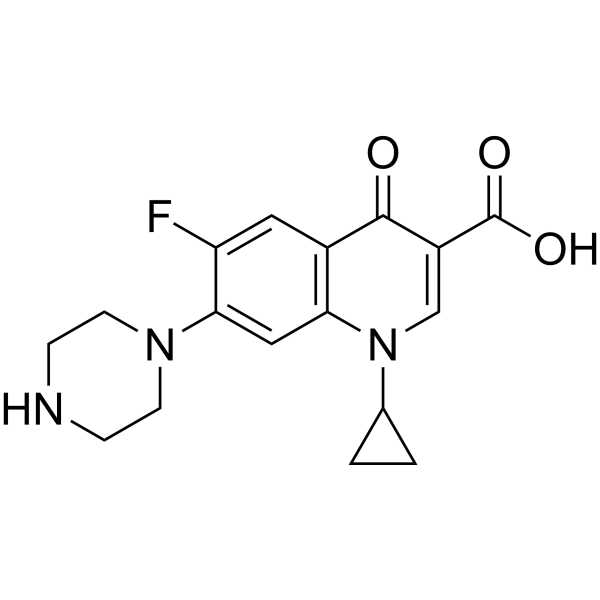
Cat. No.: HY-B0356
CAS No.: 85721-33-1
Synonyms: Bay-09867
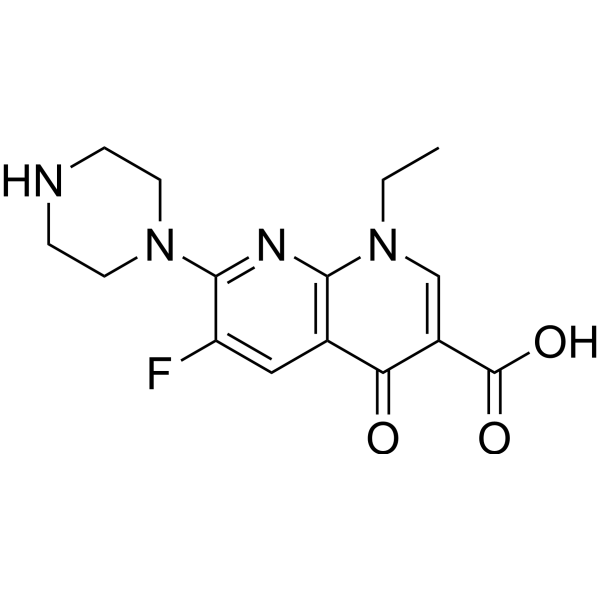
Ciprofloxacin (Bay-09867) is a potent, orally active topoisomerase IV inhibitor. Ciprofloxacin induces mitochondrial DNA and nuclear DNA damage and lead to mitochondrial dysfunction, ROS production. Ciprofloxacin has anti-proliferative activity and induces apoptosis. Ciprofloxacin is a fluoroquinolone antibiotic, exhibiting potent antibacterial activity .
loading...
    loading...
60
60 Cited Publications
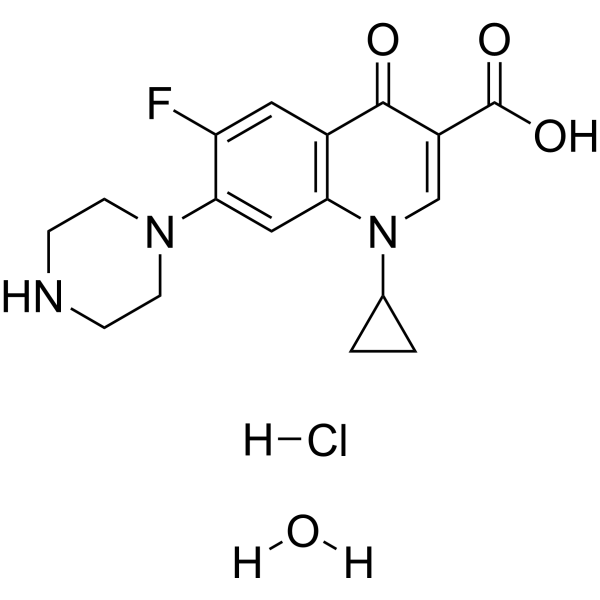
Cat. No.: HY-B0356B
CAS No.: 86393-32-0
Synonyms: Bay-09867 hydrochloride monohydrate
Ciprofloxacin (Bay-09867) hydrochloride monohydrate is an orally active, blood-brain barrier permeable fluoroquinolone antibacterial agent. Ciprofloxacin hydrochloride monohydrate exerts bactericidal effects primarily by inhibiting topoisomerase II and IV. Ciprofloxacin hydrochloride monohydrate inhibits the proliferation of human dental pulp stem cells and chondrocytes from young rats, and also activates the Akt signaling pathway and upregulates markers such as β-catenin and Nanog to maintain the morphological characteristics of stem cells. Ciprofloxacin hydrochloride monohydrate induces significant neurotoxicity and tissue damage, including reducing serotonin and glutathione levels in the brain, inducing oxidative stress and depression-like behaviors, and causing articular cartilage damage. Ciprofloxacin hydrochloride monohydrate can be applied to research related to infections of necrotic young permanent teeth and neurotoxicity .
loading...
    loading...
60
60 Cited Publications
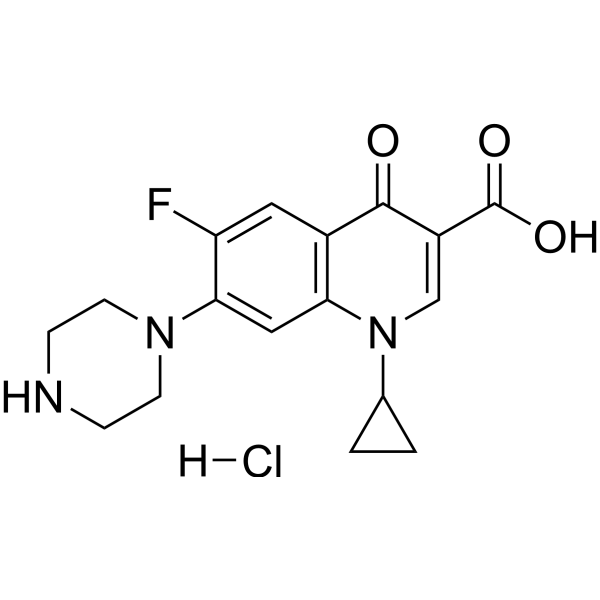
Cat. No.: HY-B0356A
CAS No.: 93107-08-5
Synonyms: Bay-09867 monohydrochloride
Ciprofloxacin (Bay-09867) monohydrochloride is an orally active, blood-brain barrier permeable fluoroquinolone antibacterial agent. Ciprofloxacin monohydrochloride exerts bactericidal effects primarily by inhibiting topoisomerase II and IV. Ciprofloxacin monohydrochloride inhibits the proliferation of human dental pulp stem cells and chondrocytes from young rats, and also activates the Akt signaling pathway and upregulates markers such as β-catenin and Nanog to maintain the morphological characteristics of stem cells. Ciprofloxacin monohydrochloride induces significant neurotoxicity and tissue damage, including reducing serotonin and glutathione levels in the brain, inducing oxidative stress and depression-like behaviors, and causing articular cartilage damage. Ciprofloxacin monohydrochloride can be applied to research related to infections of necrotic young permanent teeth and neurotoxicity .
loading...
    loading...
40
40 Cited Publications
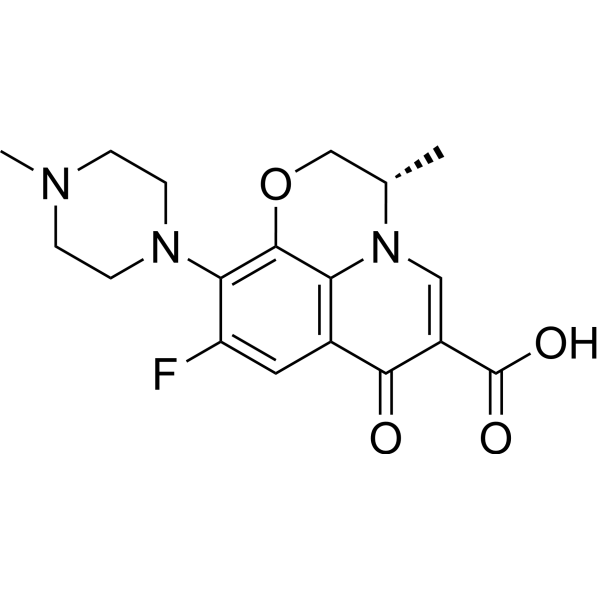
Cat. No.: HY-B0330
CAS No.: 100986-85-4
Synonyms: (-)-Ofloxacin
Levofloxacin ((-)-Ofloxacin) is an orally active antibiotic and is active against both Gram-positive and Gram-negative bacteria. Levofloxacin inhibits the DNA gyrase and topoisomerase IV. Levofloxacin can be used for chronic periodontitis, airway inflammation and BK Viremia research. Levofloxacin shows anti-orthopoxvirus activity .
loading...
    loading...
40
40 Cited Publications
Cat. No.: HY-B0330A
CAS No.: 138199-71-0
Synonyms: Levofloxacin hemihydrate
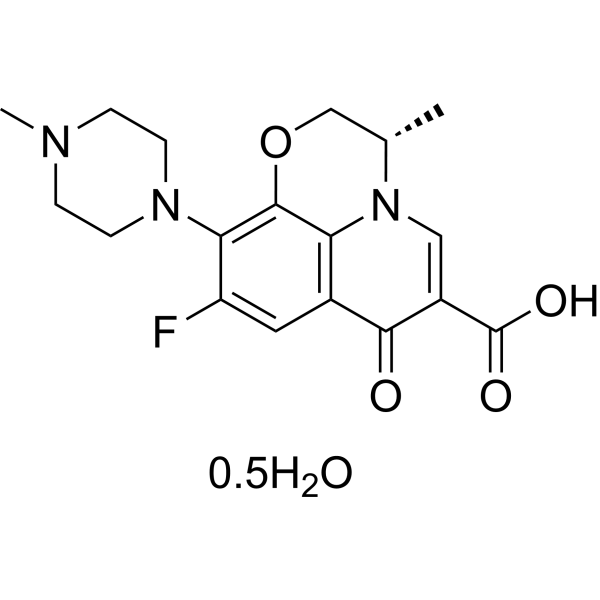
Levofloxacin hydrate (Levofloxacin hemihydrate) is an orally active antibiotic and is active against both Gram-positive and Gram-negative bacteria. Levofloxacin hydrate inhibits the DNA gyrase and topoisomerase IV. Levofloxacin hydrate can be used for chronic periodontitis, airway inflammation and BK Viremia research. Levofloxacin hydrate shows anti-orthopoxvirus activity .
loading...
    loading...
40
40 Cited Publications
Cat. No.: HY-B0330B
CAS No.: 177325-13-2
Synonyms: (-)-Ofloxacin hydrochloride
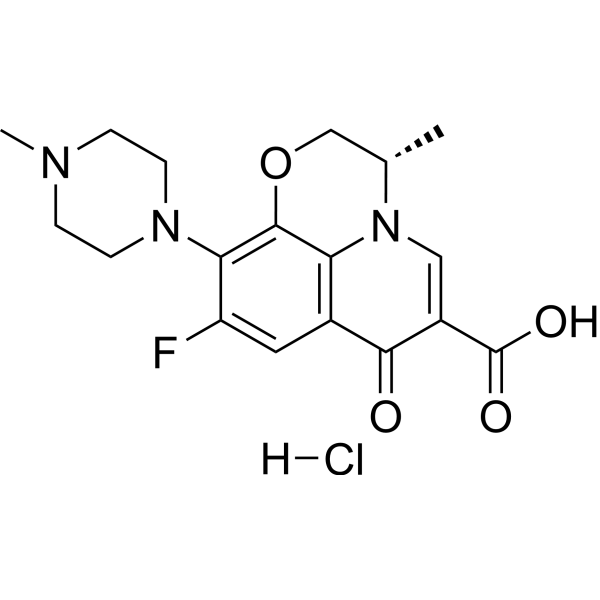
Levofloxacin hydrochloride is an orally active antibiotic. Levofloxacin inhibits DNA gyrase and topoisomerase IV activity, inducing Apoptosis. Levofloxacin hydrochloride has antibacterial activity against both Gram-positive and Gram-negative bacteria. Levofloxacin hydrochloride exhibits anticancer activity against lung cancer. Levofloxacin hydrochloride has anti-acnegenic, anxiogenic, and analgesic effects. Levofloxacin hydrochloride shortens sleep duration in mice. Levofloxacin hydrochloride can be used in the research of infectious diseases (such as tuberculosis, chronic periodontitis, bacterial infections associated with stable COPD, and BK viremia) and lung cancer .
loading...
    loading...
36
36 Cited Publications
Cat. No.: HY-B0013
CAS No.: 294662-18-3
Synonyms: (-)-Ofloxacin lactate
Research Areas:  

Infection

Lavofloxacin lactate ((-)-ofloxacin lactate) is a class of broad-spectrum antimicrobials that can kill or inhibit a variety of bacteria. Lavofloxacin lactate binds to DNA rotase and topoisomerase IV, resulting in blocked DNA replication and repair, thus inhibiting bacterial growth. Lavofloxacin lactate can be used to study resistance mechanisms in bacteria, including studying resistance genes and mutations .
loading...
    loading...
12
12 Cited Publications
Cat. No.: HY-16742B
CAS No.: 1624306-20-2
Research Areas:  

Infection

Gepotidacin mesylate hydrate is an orally active triazaacenaphthylene antibiotic and bacterial type II topoisomerase inhibitor. Gepotidacin mesylate hydrate inhibits bacterial DNA replication by blocking topoisomerase enzymes. Gepotidacin mesylate hydrate selectively inhibits topoisomerase IV and the B subunit of DNA gyrase .
loading...
    loading...
8
8 Cited Publications
Cat. No.: HY-103399
CAS No.: 147059-75-4
Purity:  99.76%
Research Areas:  

Infection

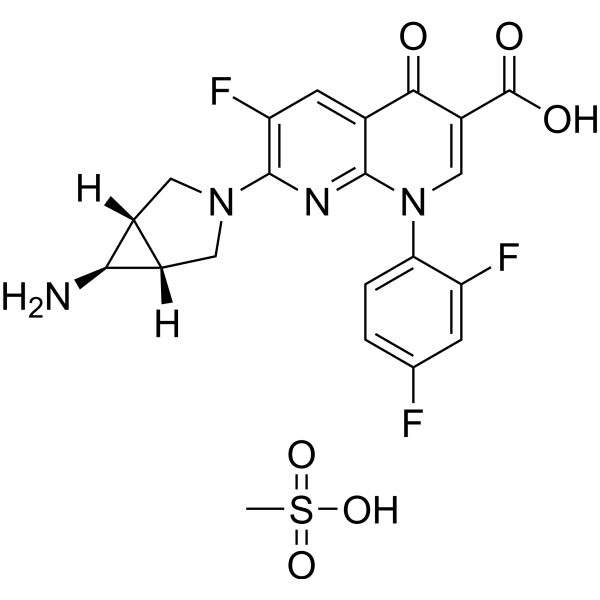
Trovafloxacin mesylate is a broad-spectrum quinolone antibiotic with potent activity against Gram-positive, Gram-negative and anaerobic organisms. Trovafloxacin mesylate blocks the DNA gyrase and topoisomerase IV activity. Trovafloxacin mesylate is also a potent, selective and orally active pannexin 1 channel (PANX1) inhibitor with an IC50 of 4 μM for PANX1 inward current. Trovafloxacin mesylate does not inhibit connexin 43 gap junction or PANX2. Trovafloxacin mesylate leads to dysregulated fragmentation of apoptotic cells by inhibiting PANX1 .
loading...
    loading...
8
8 Cited Publications
Cat. No.: HY-A0170
CAS No.: 147059-72-1
Research Areas:  

Infection

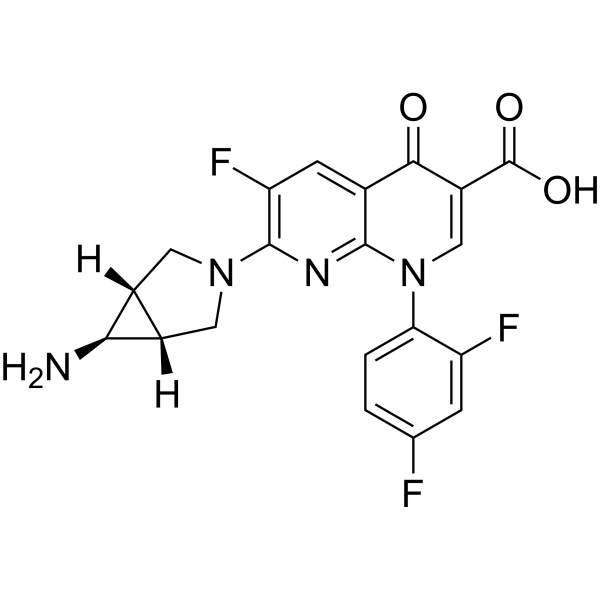
Trovafloxacin is a broad-spectrum quinolone antibiotic with potent activity against Gram-positive, Gram-negative and anaerobic organisms. Trovafloxacin blocks the DNA gyrase and topoisomerase IV activity. Trovafloxacin is also a potent, selective and orally active pannexin 1 channel (PANX1) inhibitor with an IC50 of 4 μM for PANX1 inward current. Trovafloxacin does not inhibit connexin 43 gap junction or PANX2. Trovafloxacin leads to dysregulated fragmentation of apoptotic cells by inhibiting PANX1 .
loading...
    loading...
4
4 Cited Publications
Cat. No.: HY-10581
CAS No.: 112811-59-3
Purity:  99.69%
Synonyms: AM-1155; BMS-206584; PD135432
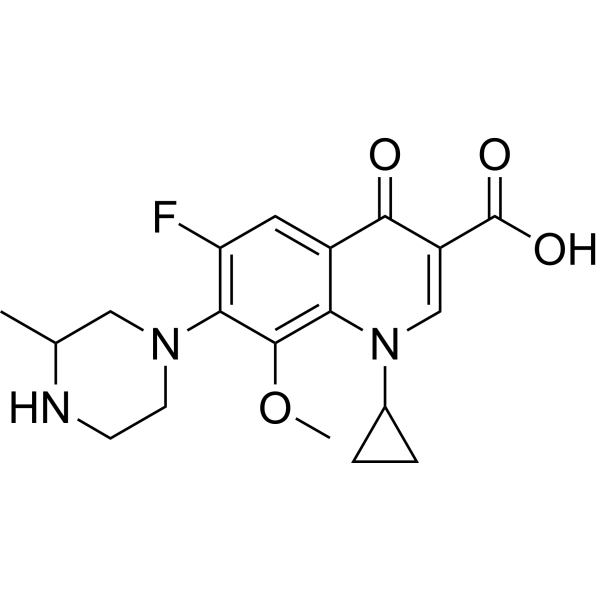
Gatifloxacin (AM-1155; BMS-206584; PD135432) is a potent fluoroquinolone antibiotic that can cross the blood-brain barrier, with broad-spectrum antibacterial activity. Gatifloxacin inhibits bacterial type II topoisomerases (IC50=13.8 μg/ml for S. aureus topoisomerase IV) and E. coli DNA gyrase (IC50=0.109 μg/ml) . Gatifloxacin can be used to treat bacterial conjunctivitis in vivo.
loading...
    loading...
4
4 Cited Publications
Cat. No.: HY-10581A
CAS No.: 121577-32-0
Purity:  99.89%
Synonyms: AM-1155 hydrochloride; BMS-206584 hydrochloride; PD135432 hydrochloride
Research Areas:  

Infection

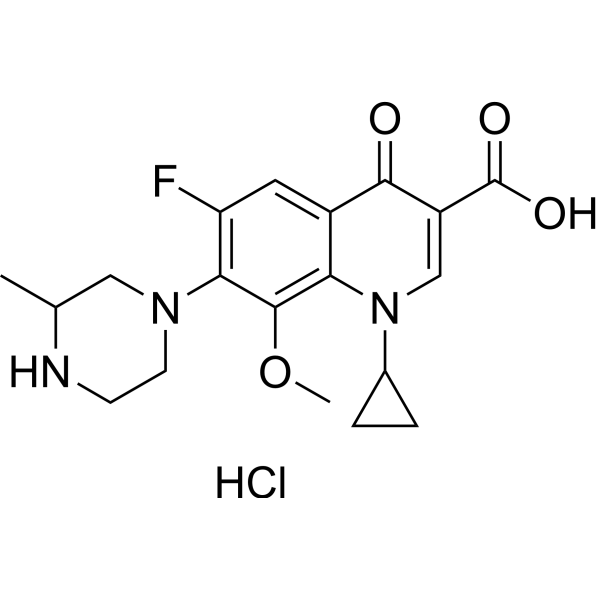
Gatifloxacin hydrochloride (AM-1155; BMS-206584; PD135432) is a potent fluoroquinolone antibiotic with broad-spectrum antibacterial activity. Gatifloxacin hydrochloride inhibits bacterial type II topoisomerases (IC50=13.8 μg/ml for S. aureus topoisomerase IV) and E. coli DNA gyrase (IC50 = 0.109 μg/ml) . Gatifloxacin hydrochloride can be used to treat bacterial conjunctivitis in vivo.
loading...
    loading...
3
3 Cited Publications
Cat. No.: HY-B0398
CAS No.: 389-08-2
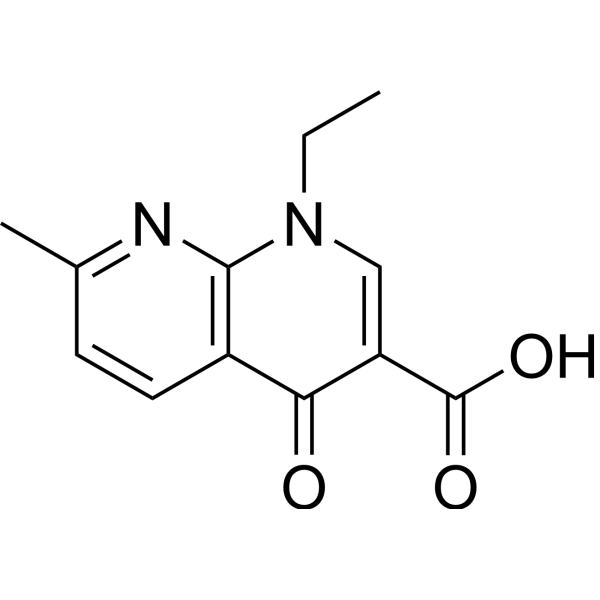
Nalidixic acid, a quinolone antibiotic, is effective against both gram-positive and gram-negative bacteria. Nalidixic acid acts in a bacteriostatic manner in lower concentrations and is bactericidal in higher concentrations. Nalidixic acid inhibits a subunit of DNA gyrase and topoisomerase IV and reversibly blocks DNA replication in susceptible bacteria .
loading...
    loading...
3
3 Cited Publications
Cat. No.: HY-B0398A
CAS No.: 3374-05-8
Research Areas:  

Infection

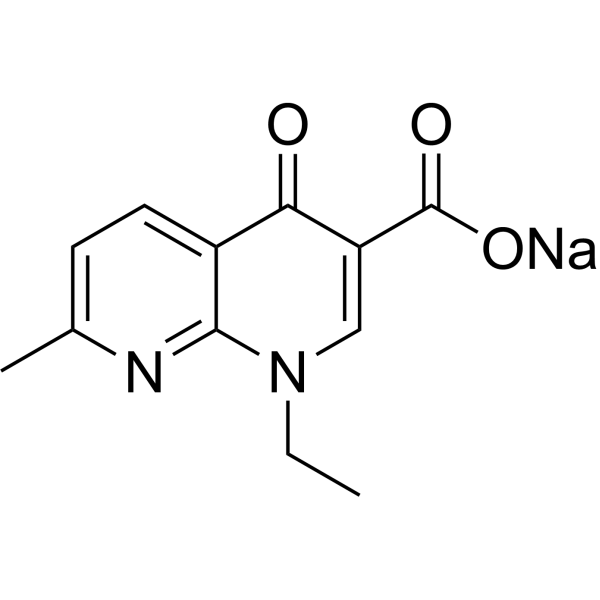
Nalidixic acid sodium salt, a quinolone antibiotic, is effective against both gram-positive and gram-negative bacteria. Nalidixic acid acts in a bacteriostatic manner in lower concentrations and is bactericidal in higher concentrations. Nalidixic acid inhibits a subunit of DNA gyrase and topoisomerase IV and reversibly blocks DNA replication in susceptible bacteria .
loading...
    loading...
2
2 Cited Publications
Cat. No.: HY-B0268
CAS No.: 74011-58-8
Synonyms: AT 2266; CI 919
Enoxacin (AT 2266), a fluoroquinolone, interferes with DNA replication and inhibits bacterial DNA gyrase (IC50=126 µg/ml) and topoisomerase IV (IC50=26.5 µg/ml). Enoxacin is a miRNA processing activator and enhances siRNA-mediated mRNA degradation and promotes the biogenesis of endogenous miRNAs. Enoxacin has potent activities against gram-positive and -negative bacteria. Enoxacin is a cancer-specific growth inhibitor that acts by enhancing TAR RNA-binding protein 2 (TRBP)-mediated microRNA processing .
loading...
    loading...
2
2 Cited Publications
Cat. No.: HY-B0268A
CAS No.: 84294-96-2
Synonyms: Enoxacin sesquihydrate; AT-2266 hydrate; CI-919 hydrate
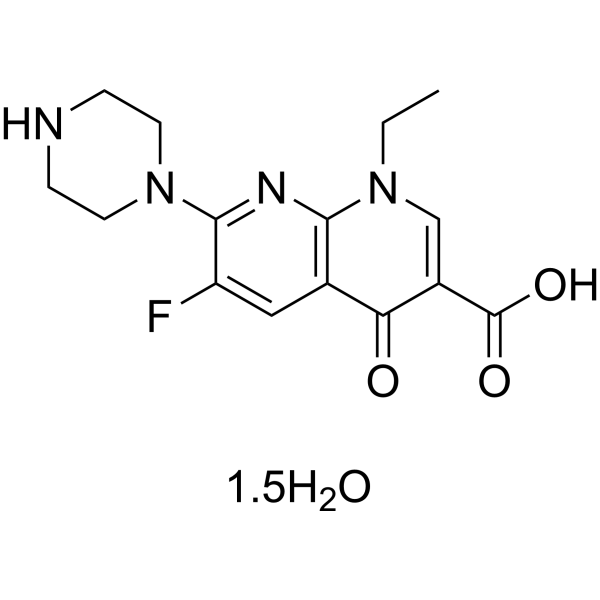
Enoxacin hydrate (Enoxacin sesquihydrate), a fluoroquinolone, interferes with DNA replication and inhibits bacterial DNA gyrase (IC50=126 µg/ml) and topoisomerase IV (IC50=26.5 µg/ml). Enoxacin hydrate is a miRNA processing activator and enhances siRNA-mediated mRNA degradation and promotes the biogenesis of endogenous miRNAs. Enoxacin hydrate has potent activities against gram-positive and -negative bacteria. Enoxacin hydrate is a cancer-specific growth inhibitor that acts by enhancing TAR RNA-binding protein 2 (TRBP)-mediated microRNA processing .
loading...
    loading...
1
1 Cited Publications
Cat. No.: HY-B0506
CAS No.: 124858-35-1
Synonyms: OPC7251
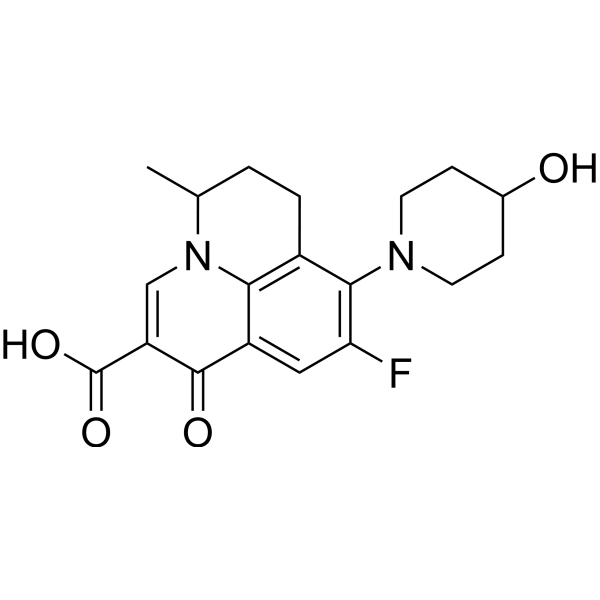
Nadifloxacin (OPC7251) is a broad-spectrum quinolone antibiotic. Nadifloxacin inhibits bacterial DNA gyrase and topoisomerase IV, interfering with DNA replication. It also suppresses the production of proinflammatory cytokines (such as IL-1α, IL-6, and IL-8). Nadifloxacin exhibits antibacterial activity against various pathogens, including Propionibacterium acnes and Staphylococcus aureus. Nadifloxacin also exhibits anti-inflammatory activity. Nadifloxacin can be used in the research of skin infections such as acne vulgaris, folliculitis, and impetigo .
loading...
    loading...
Cat. No.: HY-17028
CAS No.: 405165-61-9
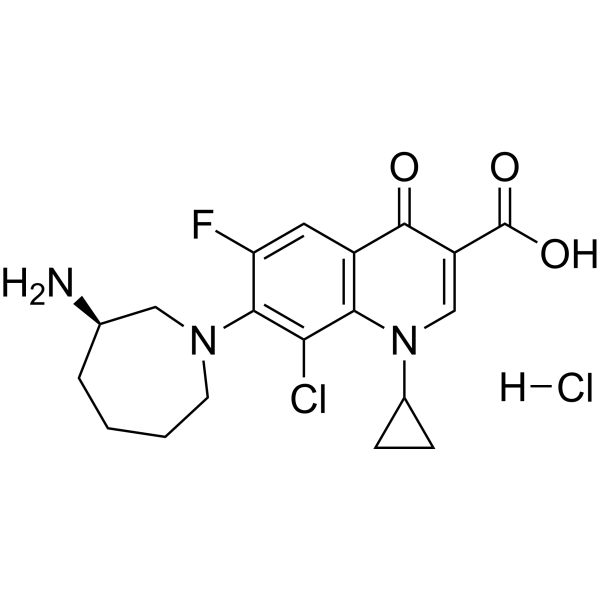
Besifloxacin Hydrochloride is a fourth generation fluoroquinolone antibiotic. Besifloxacin Hydrochloride is a DNA gyrase and topoisomerase IV inhibitor. Besifloxacin Hydrochloride has broad-spectrum antibacterial activity, it is effective against Gram-negative and Gram-positive aerobic and anaerobic strains and reduces the incidence of drug resistance. Besifloxacin Hydrochloride has anti-inflammatory activity. Besifloxacin Hydrochloride can be used in bacterial conjunctivitis research .
loading...
    loading...
Cat. No.: HY-B1050
CAS No.: 210353-53-0
Synonyms: SB-265805S; LB-20304a
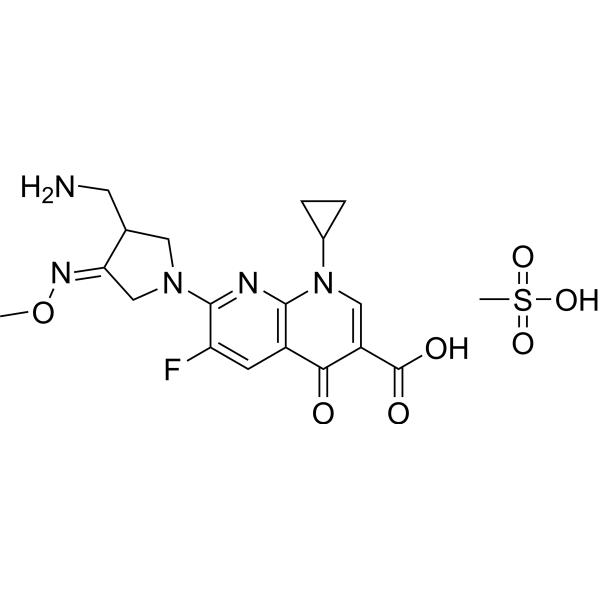
Gemifloxacin mesylate (SB-265805S; LB-20304a) is an orally active broad-spectrum quinolone antibacterial antibiotic. Gemifloxacin mesylate inhibits DNA synthesis by inhibiting DNA gyrase and Topoisomerase IV activities. Gemifloxacin mesylate has potent antibacterial activities against gram-positive bacteria in vitro efficacy study, particularly Streptococci and Staphylococci. Gemifloxacin mesylate has been used in the research of respiratory tract infections .
loading...
    loading...
Cat. No.: HY-17460A
CAS No.: 223652-90-2
Synonyms: BMS284756 Mesylate hydrate
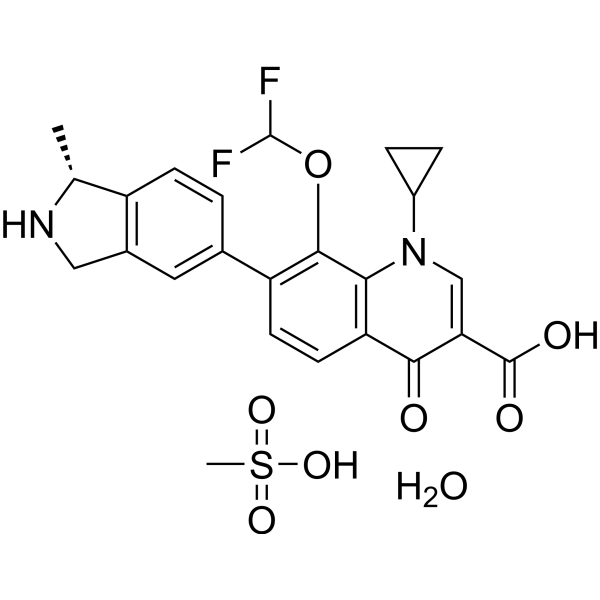
Garenoxacin (BMS284756) Mesylate hydrate is an orally active quinolone antibiotic and has a broad spectrum of activity against a wide array of gram-positive and gram-negative bacteria, anaerobes, and fastidious organisms .
loading...
    loading...

