1. Search Result
Search Result
Results for "

mutagenic activity

" in MedChemExpress (MCE) Product Catalog:

66

Inhibitors & Agonists

2

Screening Libraries

2

Fluorescent Dyes

2

Biochemical Assay Reagents

27

Natural
Products

10

Isotope-Labeled Compounds

1

Oligonucleotides

Cat. No. Product Name Target Research Areas Chemical Structure
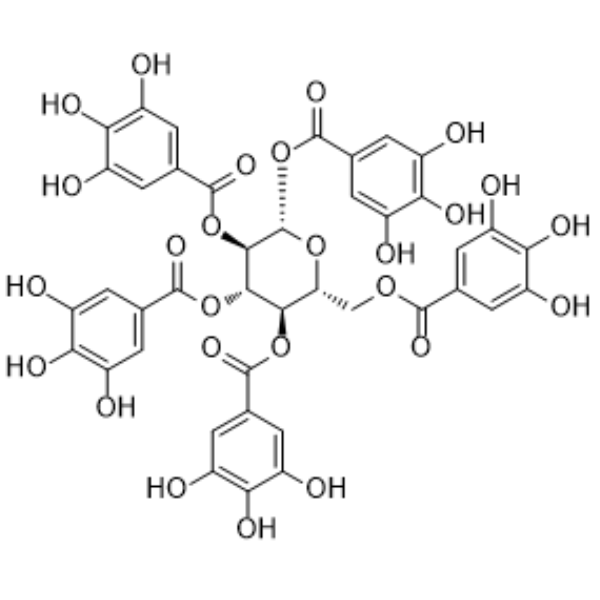
  • HY-N0527
    Pentagalloylglucose
    Maximum Cited Publications
    15 Publications Verification

    Penta-O-galloyl-β-D-glucose; 1,2,3,4,6-Pentagalloyl glucose

    JAK Keap1-Nrf2 Apoptosis β-catenin Reactive Oxygen Species (ROS) E1/E2/E3 Enzyme Neurological Disease Inflammation/Immunology Cancer
    Pentagalloylglucose (Penta-O-galloyl-β-D-glucose) is an orally active gallic tannin compound and an inducer of apoptosis and autophagy. Pentagalloglucose induces cell apoptosis and autophagy through the GSK3β/β-catenin pathway. Pentagalloylglucose inhibits UBE2T-mediated p53 ubiquitination, upregulates p53, downregulates RRM1/RRM2 in pancreatic cancer organoids. Pentagalloglucose has antioxidant, anti mutagenic, anti-inflammatory, anticonvulsant, cardioprotective, anti allergic, cholesterol lowering, and anti-tumor activities .
    Pentagalloylglucose
  • HY-N0056
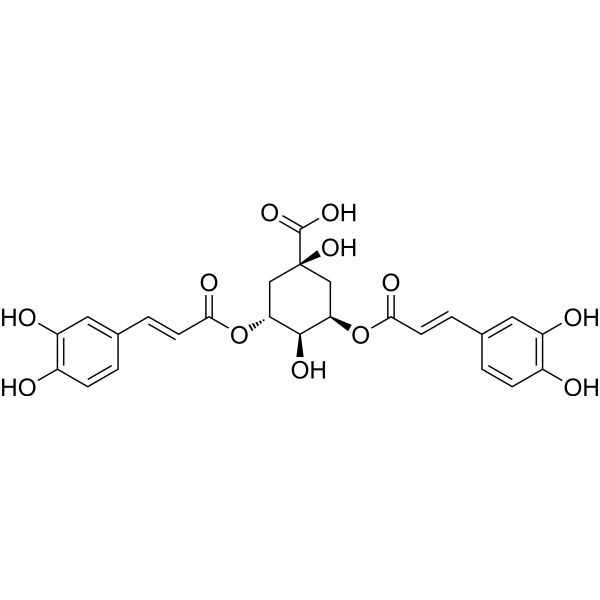
    Isochlorogenic acid A
    10+ Cited Publications

    3,5-Dicaffeoylquinic acid; 3,5-CQA

    Reactive Oxygen Species (ROS) HBV Endogenous Metabolite HIV Bacterial Neurological Disease Inflammation/Immunology
    Isochlorogenic acid A (3,5-Dicaffeoylquinic acid) is a natural phenolic acid with anti-mutagenicity, anti-HBV, anti-HIV, anti-oxidant, anti-bacterial, and anti-inflammatoryy activities .
    Isochlorogenic acid A
  • HY-B0464
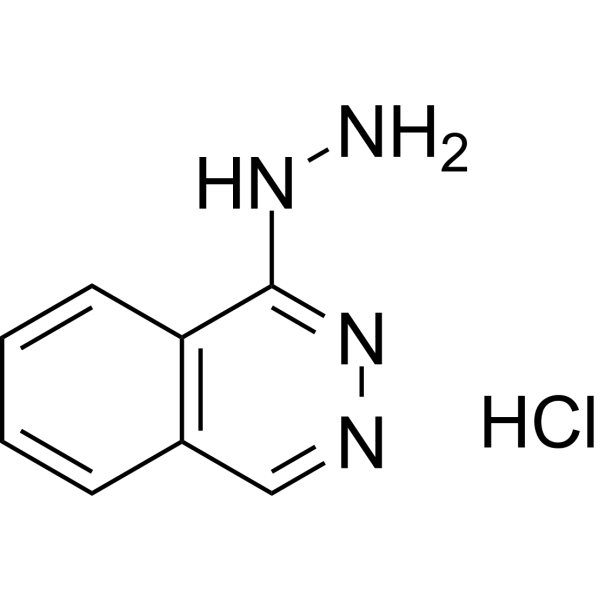
    Hydralazine hydrochloride
    3 Publications Verification

    PGE synthase NO Synthase Reactive Oxygen Species (ROS) DNA Methyltransferase COX Cardiovascular Disease Inflammation/Immunology Cancer
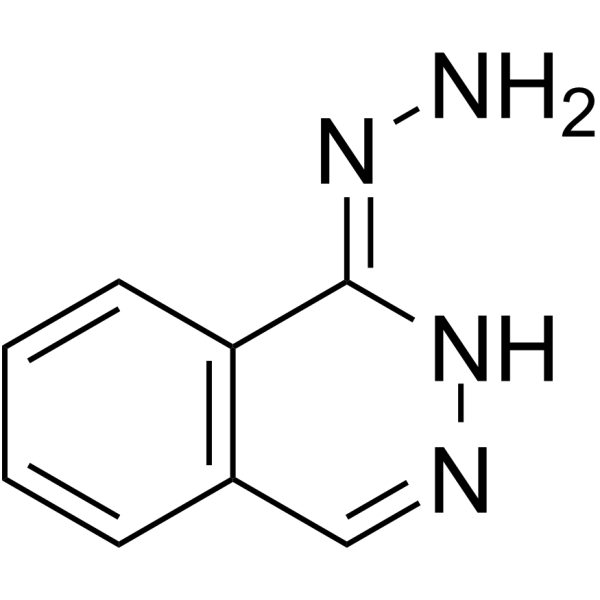
    Hydralazine hydrochloride is an orally active, blood-brain barrier-permeable DNA methyltransferase inhibitor with vasodilatory, arterial smooth muscle relaxant and hypotensive activities. Hydralazine hydrochloride reactivates silenced tumor suppressor genes via mediating DNA demethylation, while exerting neuroprotective and anti-inflammatory properties. Hydralazine hydrochloride inhibits NOS-2 (iNOS) and COX-2, and reduces the production of NO and PGEE2; meanwhile, Hydralazine hydrochloride scavenges reactive oxygen species and inhibits macrophage activation. Hydralazine hydrochloride alleviates motor dysfunction, neuropathic inflammatory pain, and formalin-induced somatic and emotional pain responses. In addition, Hydralazine hydrochloride directly induces DNA strand breaks and sister chromatid exchange, exhibiting certain mutagenic characteristics. Hydralazine hydrochloride has been widely used in studies on hypertension, various cancers (such as cervical cancer, leukemia), spinal cord injury and the mechanisms of inflammatory pain .
    Hydralazine hydrochloride
  • HY-N0790
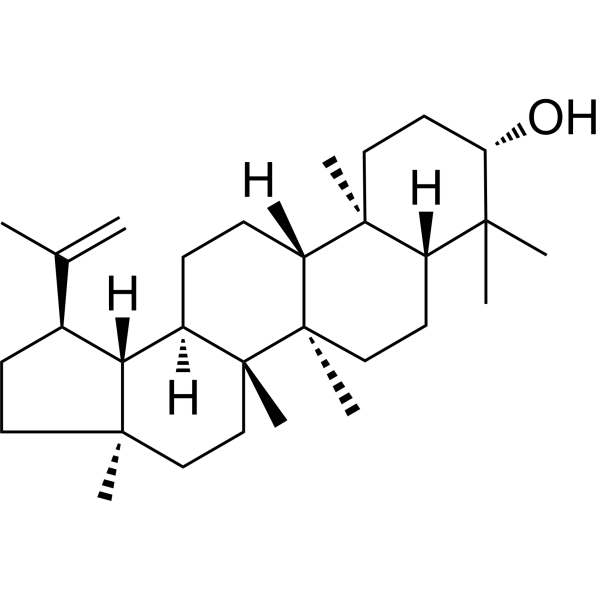
    Lupeol
    5 Publications Verification

    Clerodol; Monogynol B; Fagarasterol

    Androgen Receptor Apoptosis Cancer
    Lupeol (Clerodol; Monogynol B; Fagarasterol) is an active pentacyclic triterpenoid, has anti-oxidant, anti-mutagenic, anti-tumor and anti-inflammatory activity. Lupeol is a potent androgen receptor (AR) inhibitor and can be used for cancer research, especially prostate cancer of androgen-dependent phenotype (ADPC) and castration resistant phenotype (CRPC) .
    Lupeol
  • HY-101392
    Harmane
    1 Publications Verification

    Imidazoline Receptor Monoamine Oxidase Adrenergic Receptor nAChR GABA Receptor Opioid Receptor Neurological Disease Inflammation/Immunology
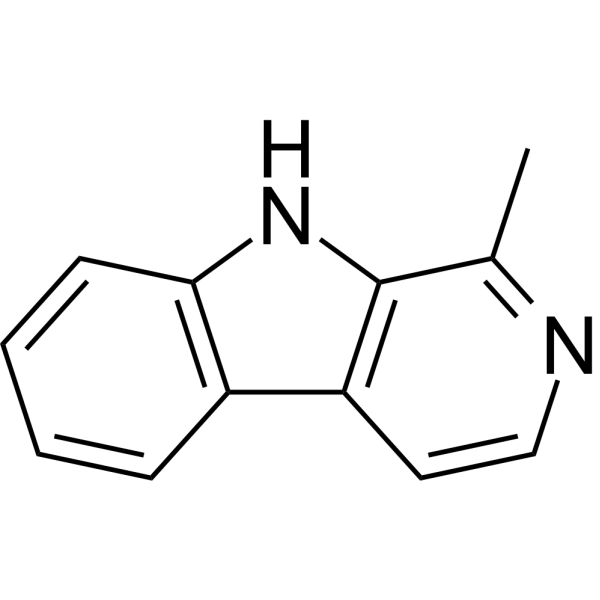
    Harmane is a benzodiazepine receptor inhibitor (IC50=7 μM), with IC50 values for mACh, Opioid Receptor, MAO-A/B, and α2-adrenergic receptor of 24 μM, 2.8 μM, 0.5 μM, 5 μM, and 18 μM, respectively. Harmane inhibits the I1 imidazoline receptor (IC50 = 30 nM) to reduce blood pressure and has antidepressant, anti-anxiety, anticonvulsant, and analgesic effects. Harmane inhibits dopamine biosynthesis by decreasing tyrosine hydroxylase (TH) activity and enhancing L-DOPA-induced cytotoxicity in PC12 cells. Additionally, Harmane can increase the mutagenic effect induced by 2-acetylaminofluorene (AAF) .
    Harmane
  • HY-118716
    PhIP
    1 Publications Verification

    2-Amino-1-methyl-6-phenylimidazo[4,5-b]pyridine

    Others Cancer
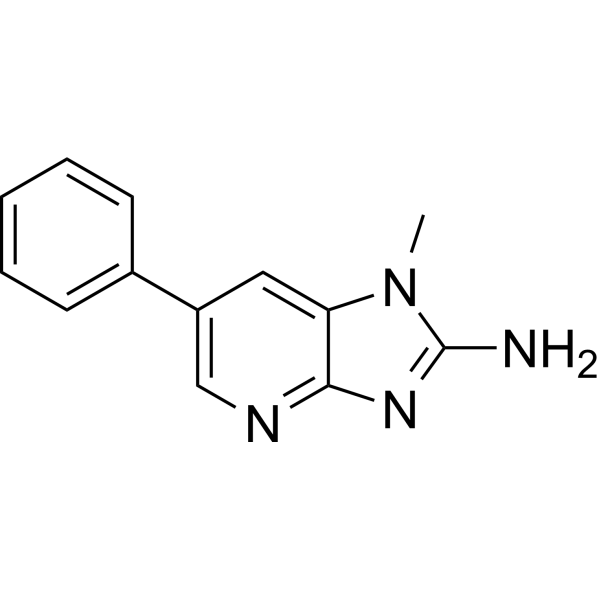
    PhIP (2-Amino-1-methyl-6-phenylimidazo[4,5-b]pyridine) is the most abundant of generation of heterocyclic amines (HCA), resulted in the cooking of meat . DNA damaging and mutagenic activities. PhIP also has oestrogenic activity that could contribute to its tissue specific carcinogenicity .
    PhIP
  • HY-Y0481

    Stannous chloride, 98%; Tin(II) chloride, anhydrous, 98%; Anhydrous stannous chloride, 98%

    Biochemical Assay Reagents Others
    Anhydrous stannous chloride, 98% is a biochemical reagent with genotoxicity, mutagenicity, mitotic recombinogenicity, and reactive oxygen species-inducing activity.
    Tin(II) chloride, 98%
  • HY-B1400
    Diiodohydroxyquinoline
    2 Publications Verification

    Iodoquinol; 5,7-Diiodo-8-hydroxyquinoline; 5,7-Diiodo-8-quinolinol

    Environmental Pollutants Parasite SARS-CoV Infection Inflammation/Immunology
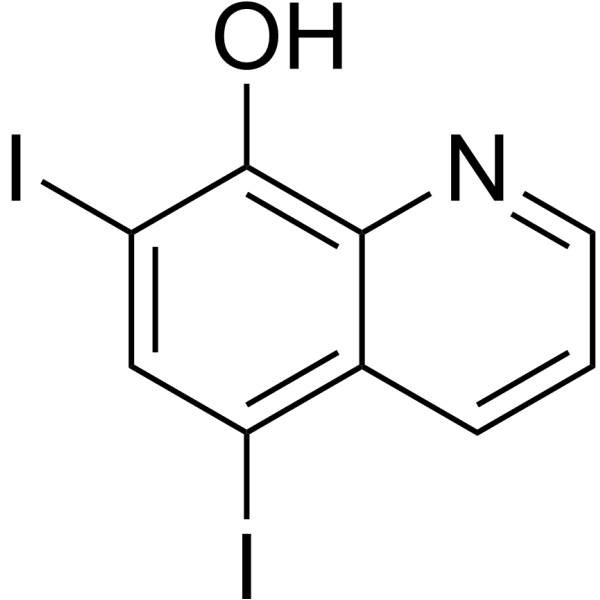
    Diiodohydroxyquinoline (Iodoquinol, 5,7-Diiodo-8-hydroxyquinoline, 5,7-Diiodo-8-quinolinol) has an orally active and satisfactory antiparasitic properties. Diiodohydroxyquinoline exhibits mutagenic potential in mice and potent anti-SARS-CoV-2 activity with an EC50 value of 1.38 μM in VeroE6 cells. Diiodohydroxyquinoline's antimutagen is ascorbic acid. Diiodohydroxyquinoline is promising for research in inflammationin, testinal amebiasis, amebic liver abscess and chronic nonspecific diarrheas .
    Diiodohydroxyquinoline
  • HY-N0313

    MAGL Endogenous Metabolite Inflammation/Immunology
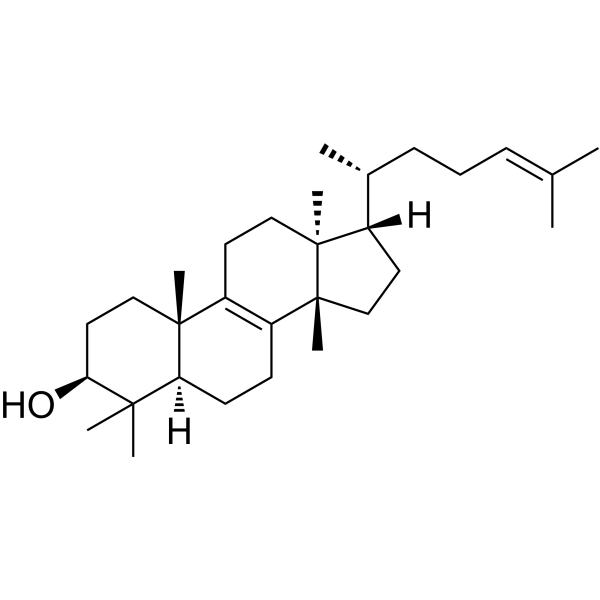
    Euphol is a tetracyclic triterpene alcohol isolated from the sap of Euphorbia tirucalli with anti-mutagenic, anti-inflammatory and immunomodulatory effects, orally active. Euphol inhibits the monoacylglycerol lipase (MGL) activity via a reversible mechanism (IC50=315 nM). MGL inhibition in the periphery modulates the endocannabinoid system to block the development of inflammatory pain .
    Euphol
  • HY-N3926

    Drug Intermediate Others
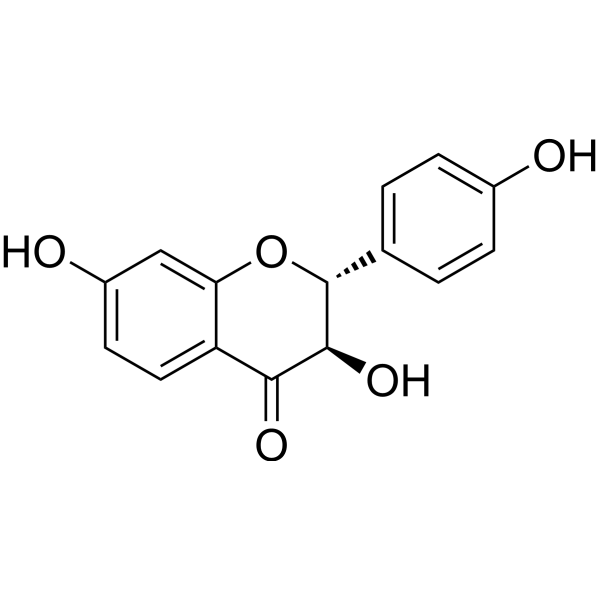
    Garbanzol is an orally active natural flavonoid compound. Garbanzol is one of the key intermediates in the flavonoid biosynthetic pathway. Garbanzol exhibits anti-mutagenic activity .
    Garbanzol
  • HY-17592A
    Bithionol (sulfoxide)
    2 Publications Verification

    Parasite Infection
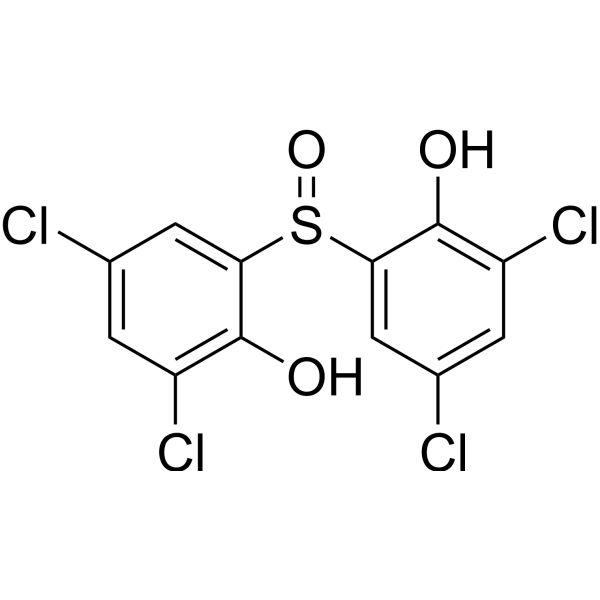
    Bithionol sulfoxide is an anti-infection agent for parasites. Bithionol sulfoxide has mutagenic activity. Bithionol sulfoxide can be used in the research of parasite infection, such as paragonimiasis, flukes andcestodes infection .
    Bithionol (sulfoxide)
  • HY-N7015
    Zerumbone
    2 Publications Verification

    EBV Caspase Apoptosis Bacterial Infection Cancer
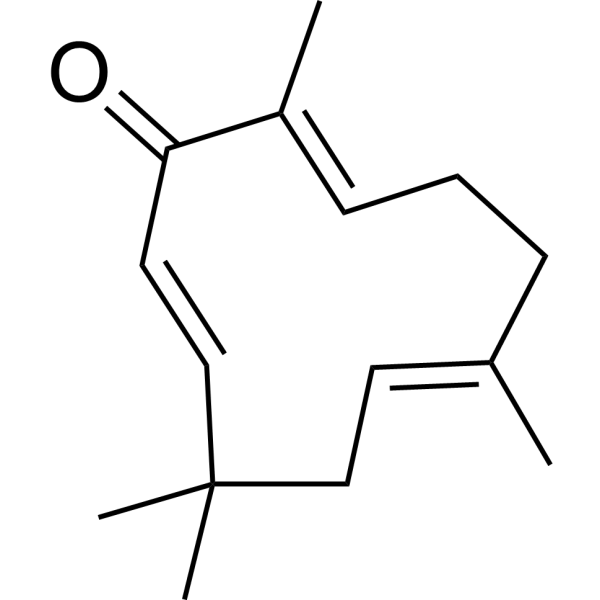
    Zerumbone is an orally active natural cyclic sesquiterpene and can be isolated from Zingiber zerumbet. Zerumbone has anti-proliferative, anti-inflammation, anti-cancer, anti-bacterial and anti-mutagenic activity .
    Zerumbone
  • HY-N6714

    Topoisomerase Androgen Receptor Estrogen Receptor/ERR Apoptosis Infection Cancer
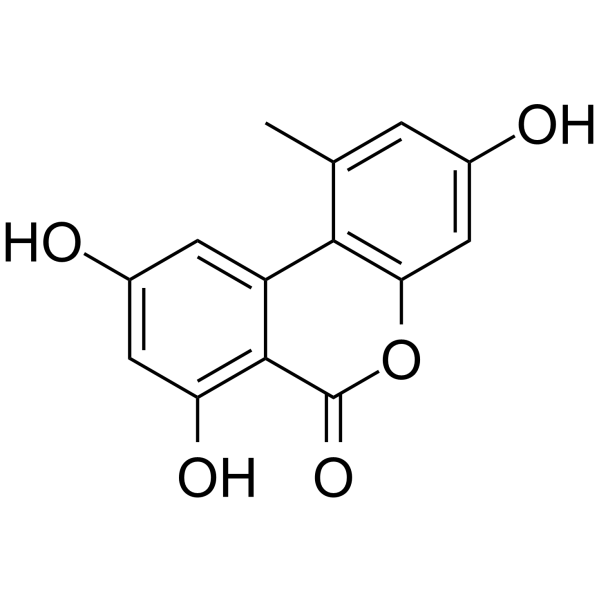
    Alternariol is an orally ingested mycotoxin produced by Alternaria, capable of inhibiting the activity of topoisomerase I and II (topoisomerase I, topoisomerase II). Alternariol has weak estrogenic (Estrogen Receptor/ERR) and androgen/antiandrogen (Androgen Receptor) effects. Alternariol can induce apoptosis, trigger cell cycle arrest, suppress innate immune responses, and exhibit anti-tumor activity. Alternariol has genotoxic, mutagenic, and endocrine-disrupting effects .
    Alternariol
  • HY-W017960

    Et-HE; 1,4-DHP

    SOD Endocrinology
    Diludine (BNP-7787) is an orally effective feed additive. Diludine reduces the activity of G6PD and increases the level of superoxide dismutase (SOD). Diludine reduces the mutagenic effect of environmental pollutants, protects parental reproductive systems and improves offspring quality. Diludine is mainly applied during the transition period of dairy cows to increase milk yield and milk fat content, and improve health status during parturition. Diludine can be used in animal feeding research .
    Diludine
  • HY-B0464A
    Hydralazine
    3 Publications Verification

    DNA Methyltransferase Reactive Oxygen Species (ROS) COX NO Synthase PGE synthase Cardiovascular Disease Neurological Disease Inflammation/Immunology Cancer
    Hydralazine is an orally active, blood-brain barrier-permeable DNA methyltransferase inhibitor with vasodilatory, arterial smooth muscle relaxant and hypotensive activities. Hydralazine reactivates silenced tumor suppressor genes via mediating DNA demethylation, while exerting neuroprotective and anti-inflammatory properties. Hydralazine inhibits NOS-2 (iNOS) and COX-2, and reduces the production of NO and PGEE2; meanwhile, Hydralazine scavenges reactive oxygen species and inhibits macrophage activation. Hydralazine alleviates motor dysfunction, neuropathic inflammatory pain, and formalin-induced somatic and emotional pain responses. In addition, Hydralazine directly induces DNA strand breaks and sister chromatid exchange, exhibiting certain mutagenic characteristics. Hydralazine has been widely used in studies on hypertension, various cancers (such as cervical cancer, leukemia), spinal cord injury and the mechanisms of inflammatory pain .
    Hydralazine
  • HY-115249

    Bacterial Infection
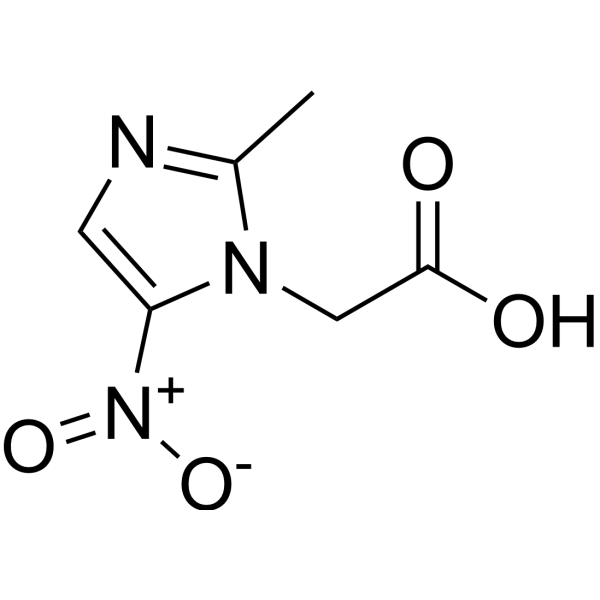
    Metronidazole acetic acid is a metabolite of Metronidazole (HY-B0318) and exhibits mutagenic activity in bacterial .
    Metronidazole acetic acid
  • HY-N0351S1
    p-Coumaric acid-d6
    1 Publications Verification

    trans-4-Hydroxycinnamic acid-d6

    Endogenous Metabolite Cancer
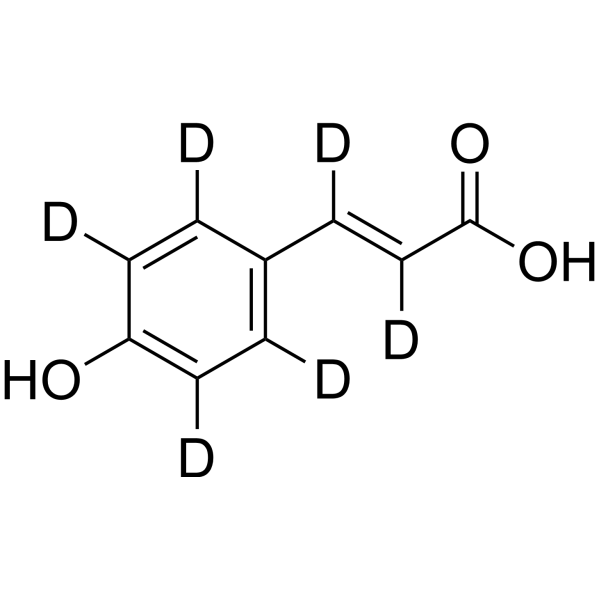
    p-Coumaric acid-d6 is the deuterium labeled p-Coumaric acid (HY-N0351). p-Coumaric acid is the abundant isomer of cinnamic acid which has antitumor and anti-mutagenic activities .
    p-Coumaric acid-d6
  • HY-B1173
    (+)-Camphor
    1 Publications Verification

    D-(+)-Camphor; (1R)-(+)-Camphor

    Environmental Pollutants Bacterial Neurological Disease Inflammation/Immunology Cancer
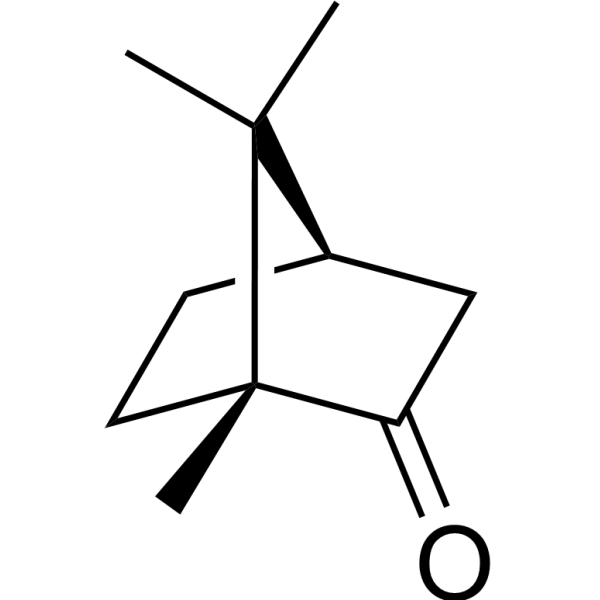
    (+)-Camphor (D-(+)-Camphor; (1R)-(+)-Camphor) is an isomer of Camphor. Camphor is an agonist of monoterpenoid transient receptor potential (TRP) channels (such as TRPV1, TRPV3, TRPM8) and an inhibitor of TRPA1 channels. Camphor's derivatives have multiple biological activities, including antibacterial, antiviral, antioxidant, analgesic and anticancer. Camphor can selectively activate cold-sensitive TRP channels and inhibit TRPA1-mediated nociceptive signals. Camphor stimulates the cold-sensing nerve endings in the skin and regulates the activity of ion channels to exert analgesic, anti-inflammatory and anti-itching effects. It also has anti-proliferative and anti-mutagenic activities on tumor cells, which may be related to inhibiting ribosome function or inducing cell apoptosis. Camphor can be absorbed through the skin and (+)-Camphor can be used in the study of muscle and joint pain and inflammation .
    (+)-Camphor
  • HY-N4279

    Others Cardiovascular Disease
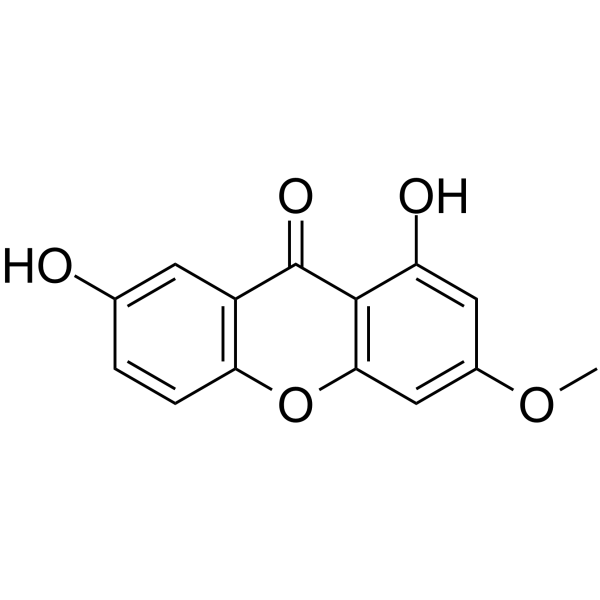
    Gentisin is a natural compound. Gentisin can be extracted from Gentianae radix (Gentianaceae). Gentisin has mutagenic activity. Gentisin can be used in vascular smooth muscle research .
    Gentisin
  • HY-N10403
    4-Hydroxyestradiol
    1 Publications Verification

    4-Hydroxy-17β-estradiol

    Drug Metabolite Endogenous Metabolite Cancer
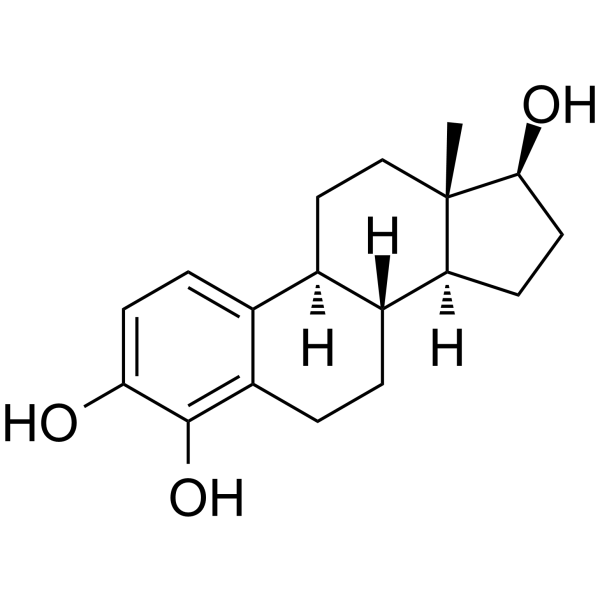
    4-Hydroxyestradiol (4-Hydroxy-17β-estradiol) is an endogenous metabolite of Estradiol (HY-B0141). 4-Hydroxyestradiol is carcinogenic and shows mutagenic activity in breast epithelial cells. 4-Hydroxyestradiol inhibits the binding of Estradiol to the estrogen receptor in a competitive manner, with a Ki of 0.48 nM .
    4-Hydroxyestradiol
  • HY-W250121

    Environmental Pollutants Biochemical Assay Reagents Infection Inflammation/Immunology Cancer
    Tragacanth gum is an orally active anionic composite polysaccharide and multifunctional biomaterial. Tragacanth gum exhibits biocompatibility, mucoadhesion and renoprotective effects, and effectively promotes wound closure and tissue healing. Tragacanth gum can be isolated from Astragalus gummifer. Tragacanth gum acts as an emulsifier and drug delivery carrier, and is also widely used in fields such as 3D scaffolds, tissue engineering and green nanoparticle preparation. High doses of Tragacanth gum may induce reversible forestomach squamous epithelial hyperplasia in mice, but show no mutagenic or carcinogenic activity. Tragacanth gum is commonly used in studies related to diseases including systemic candidiasis, rheumatoid arthritis and osteosarcoma .
    Tragacanth gum
  • HY-101392A
    Harmane hydrochloride
    1 Publications Verification

    Imidazoline Receptor Monoamine Oxidase Adrenergic Receptor nAChR GABA Receptor Opioid Receptor Neurological Disease Inflammation/Immunology
    Harmane hydrochloride is a benzodiazepine receptor inhibitor (IC50=7 μM), with IC50 values for mACh, Opioid Receptor, MAO-A/B, and α2-adrenergic receptor of 24 μM, 2.8 μM, 0.5 μM, 5 μM, and 18 μM, respectively. Harmane hydrochloride inhibits the I1 imidazoline receptor (IC50 = 30 nM) to reduce blood pressure and has antidepressant, anti-anxiety, anticonvulsant, and analgesic effects. Harmane hydrochloride inhibits dopamine biosynthesis by decreasing tyrosine hydroxylase (TH) activity and enhancing L-DOPA-induced cytotoxicity in PC12 cells. Additionally, Harmane hydrochloride can increase the mutagenic effect induced by 2-acetylaminofluorene (AAF) .
    Harmane hydrochloride
  • HY-N0351S

    Endogenous Metabolite Cancer
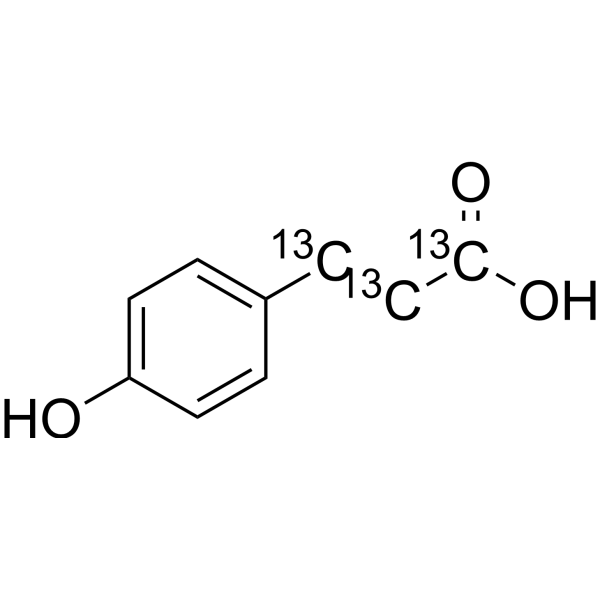
    p-Coumaric acid- 13C3 is the 13C-labeled p-Coumaric acid. p-Coumaric acid is the abundant isomer of cinnamic acid which has antitumor and anti-mutagenic activities.
    p-Coumaric acid-13C3
  • HY-W275553

    DNA Alkylator/Crosslinker Infection
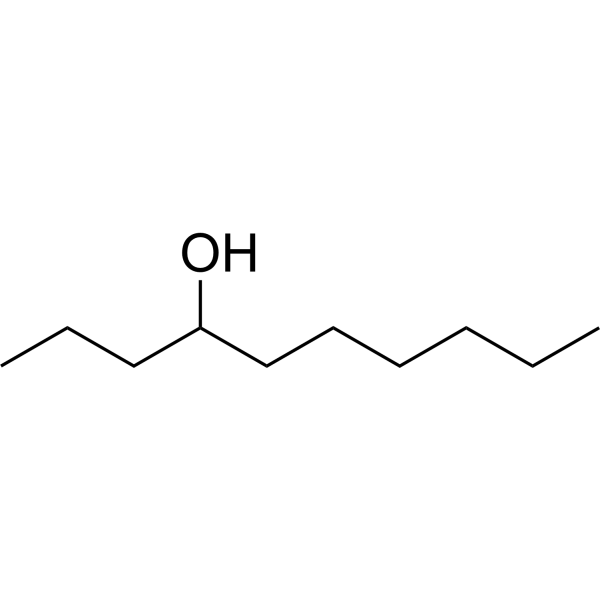
    4-Decanol is an antimutagenic compound, that can be isolated from mustard leaves. 4-Decanol inhibits mutagenic activities of Aflatoxin B1 (HY-N6615) and MNNG (HY-128612) in Salmonella typhimurium TA100 .
    4-Decanol
  • HY-N3388

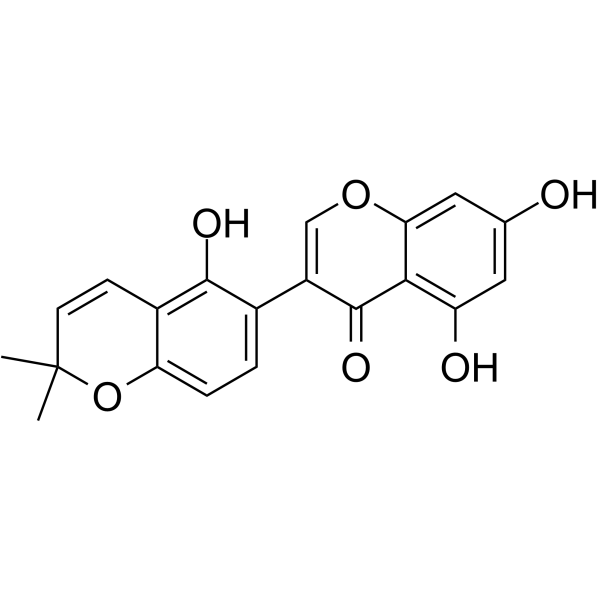
    Stearoyl-CoA Desaturase (SCD) Infection Inflammation/Immunology Cancer
    Licoisoflavone B is an orally active flavonoid found in licorice. Licoisoflavone B alleviates psoriasis via SCD1-targeted lipid metabolism reprogramming and suppression of Th17/IL-17-mediated inflammation. Licoisoflavone B inhiibits superoxide anion generation and superoxide anion-induced lipid peroxidation. Licoisoflavone B binds tightly to Lassa virus nucleoprotein and can be used as a nucleoprotein antagonist of Lassa virus. Licoisoflavone B exhibits anti-mutagenic activity
    against carcinogenic mutagen, by preventing DNA damage. Licoisoflavone B can be used for the research of psoriasis, Lassa fever, inflammation and cancer .
    Licoisoflavone B
  • HY-W131303

    DNA/RNA Synthesis Others
    6-N-Hydroxylaminopurine is a base analog and has mutagenic activity .
    6-N-Hydroxylaminopurine
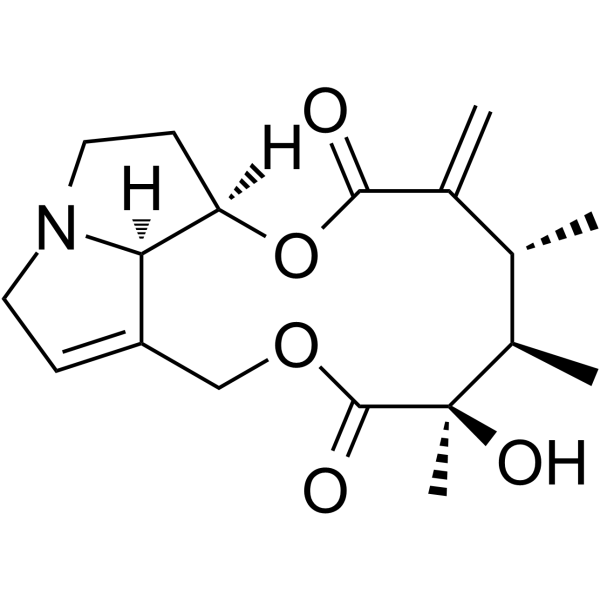
  • HY-133591

    Bacterial Infection
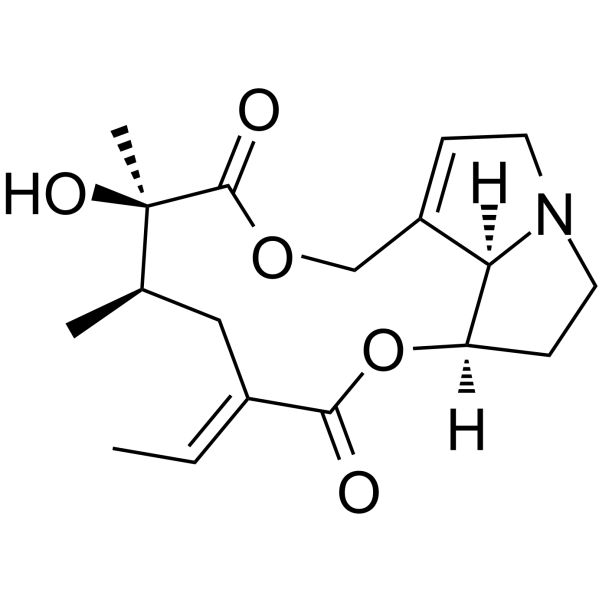
    Senecivernine, a pyrrolizidine alkaloid isolated from Senecio species, exhibits a weakly mutagenic activity .
    Senecivernine
  • HY-119669

    Bacterial Others
    Furylfuramide is a food preservative that exhibits mutagenic activity. Furylfuramide can be degraded through the aerobic metabolism by liver microsomes .
    Furylfuramide
  • HY-W683760

    (2S)-N'-Nitrosonornicotine

    DNA/RNA Synthesis Cancer
    N-Nitrosonornicotine is a tobacco-specific nitrosamine that has carcinogenic and mutagenic activity, and it can induce micronuclei in C3A cells. N-Nitrosonornicotine can form DNA adducts .
    N-Nitrosonornicotine
  • HY-N7015R

    EBV Reference Standards Caspase Apoptosis Bacterial Infection
    Zerumbone (Standard) is the analytical standard of Zerumbone. This product is intended for research and analytical applications. Zerumbone is an orally active natural cyclic sesquiterpene and can be isolated from Zingiber zerumbet. Zerumbone has anti-proliferative, anti-inflammation, anti-cancer, anti-bacterial and anti-mutagenic activity .
    Zerumbone (Standard)
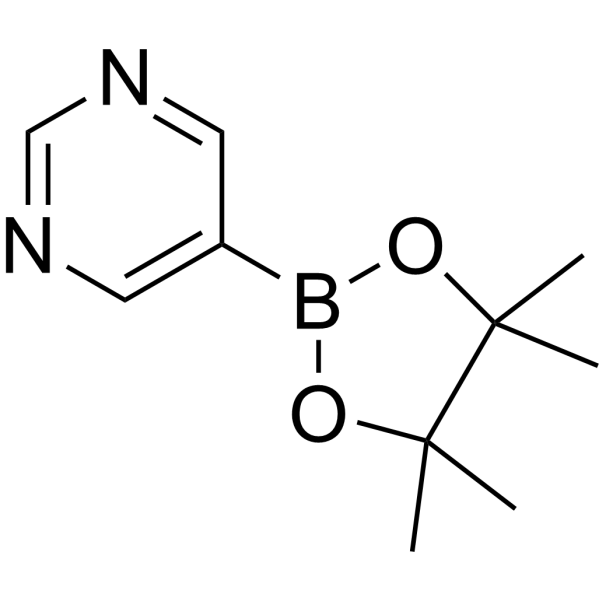
  • HY-42045

    Drug Derivative Others
    Pyrimidine-5-boronic acid pinacol ester is a derivative of Boronic acid. Boronic acid is an intermediate commonly used in organic synthesis reactions and can be used as a key reagent in the Suzuki-Miyaura reaction. It generates organic free radicals through oxygen-mediated oxidation and exhibits potential mutagenic activity. Boronic acid is mainly used in research in the fields of drug synthesis and catalytic reactions. Pyrimidine-5-boronic acid pinacol ester serves as a building block in DNA-compatible one-pot click chemistry for synthesis of DNA-encoded libraries .
    Pyrimidine-5-boronic acid pinacol ester
  • HY-B0464S1

    Isotope-Labeled Compounds PGE synthase NO Synthase Reactive Oxygen Species (ROS) DNA Methyltransferase COX Cancer
    Hydralazine-d5 (hydrochloride) is deuterium-labeled Hydralazine (hydrochloride) (HY-B0464). Hydralazine hydrochloride is an orally active, blood-brain barrier-permeable DNA methyltransferase inhibitor with vasodilatory, arterial smooth muscle relaxant and hypotensive activities. Hydralazine hydrochloride reactivates silenced tumor suppressor genes via mediating DNA demethylation, while exerting neuroprotective and anti-inflammatory properties. Hydralazine hydrochloride inhibits NOS-2 (iNOS) and COX-2, and reduces the production of NO and PGEE2; meanwhile, Hydralazine hydrochloride scavenges reactive oxygen species and inhibits macrophage activation. Hydralazine hydrochloride alleviates motor dysfunction, neuropathic inflammatory pain, and formalin-induced somatic and emotional pain responses. In addition, Hydralazine hydrochloride directly induces DNA strand breaks and sister chromatid exchange, exhibiting certain mutagenic characteristics. Hydralazine hydrochloride has been widely used in studies on hypertension, various cancers (such as cervical cancer, leukemia), spinal cord injury and the mechanisms of inflammatory pain .
    Hydralazine-d5 hydrochloride
  • HY-W103306

    Biochemical Assay Reagents Others
    3-Aminofluoranthene is a nitrated polycyclic aromatic hydrocarbon. 3-Aminofluoranthene exhibits weak mutagenic activity .
    3-Aminofluoranthene
  • HY-N0313R

    MAGL Endogenous Metabolite Reference Standards Inflammation/Immunology
    Euphol (Standard) is the analytical standard of Euphol. This product is intended for research and analytical applications. Euphol is a tetracyclic triterpene alcohol isolated from the sap of Euphorbia tirucalli with anti-mutagenic, anti-inflammatory and immunomodulatory effects, orally active. Euphol inhibits the monoacylglycerol lipase (MGL) activity via a reversible mechanism (IC50=315 nM). MGL inhibition in the periphery modulates the endocannabinoid system to block the development of inflammatory pain .
    Euphol (Standard)
  • HY-B0464S

    Isotope-Labeled Compounds PGE synthase NO Synthase Reactive Oxygen Species (ROS) DNA Methyltransferase COX Cardiovascular Disease
    Hydralazine-d4 hydrochloride is the deuterium labeled Hydralazine hydrochloride. Hydralazine hydrochloride is an orally active, blood-brain barrier-permeable DNA methyltransferase inhibitor with vasodilatory, arterial smooth muscle relaxant and hypotensive activities. Hydralazine hydrochloride reactivates silenced tumor suppressor genes via mediating DNA demethylation, while exerting neuroprotective and anti-inflammatory properties. Hydralazine hydrochloride inhibits NOS-2 (iNOS) and COX-2, and reduces the production of NO and PGEE2; meanwhile, Hydralazine hydrochloride scavenges reactive oxygen species and inhibits macrophage activation. Hydralazine hydrochloride alleviates motor dysfunction, neuropathic inflammatory pain, and formalin-induced somatic and emotional pain responses. In addition, Hydralazine hydrochloride directly induces DNA strand breaks and sister chromatid exchange, exhibiting certain mutagenic characteristics. Hydralazine hydrochloride has been widely used in studies on hypertension, various cancers (such as cervical cancer, leukemia), spinal cord injury and the mechanisms of inflammatory pain .
    Hydralazine-d4 hydrochloride
  • HY-B1400R

    Iodoquinol (Standard); 5,7-Diiodo-8-hydroxyquinoline (Standard); 5,7-Diiodo-8-quinolinol (Standard)

    Reference Standards Parasite SARS-CoV Infection Inflammation/Immunology
    Diiodohydroxyquinoline (Standard) is the analytical standard of Diiodohydroxyquinoline. This product is intended for research and analytical applications. Diiodohydroxyquinoline (Iodoquinol, 5,7-Diiodo-8-hydroxyquinoline, 5,7-Diiodo-8-quinolinol) has an orally active and satisfactory antiparasitic properties. Diiodohydroxyquinoline exhibits mutagenic potential in mice and potent anti-SARS-CoV-2 activity with an EC50 value of 1.38 μM in VeroE6 cells. Diiodohydroxyquinoline's antimutagen is ascorbic acid. Diiodohydroxyquinoline is promising for research in inflammationin, testinal amebiasis, amebic liver abscess and chronic nonspecific diarrheas .
    Diiodohydroxyquinoline (Standard)
  • HY-133646

    DNA/RNA Synthesis Others
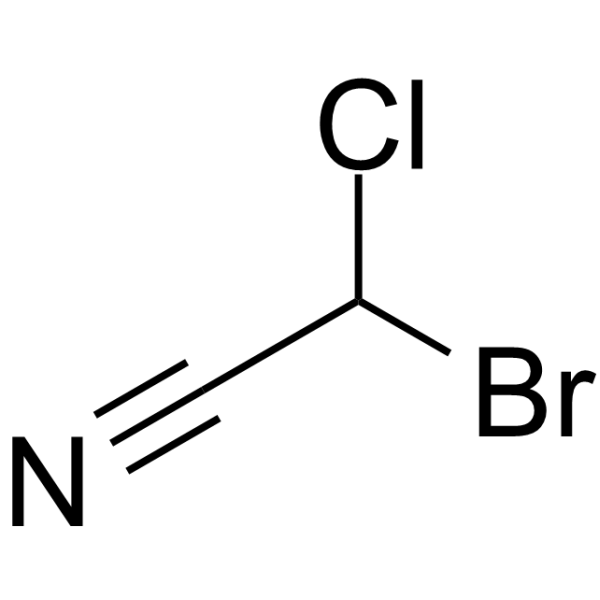
    Bromochloroacetonitrile is a by-product of the chlorine disinfection of water containing natural organic material. Bromochloroacetonitrile possesses direct acting mutagenic activity and is capable of inducing DNA strand breakage .
    Bromochloroacetonitrile
  • HY-W271064

    Environmental Pollutants Fluorescent Dye Others
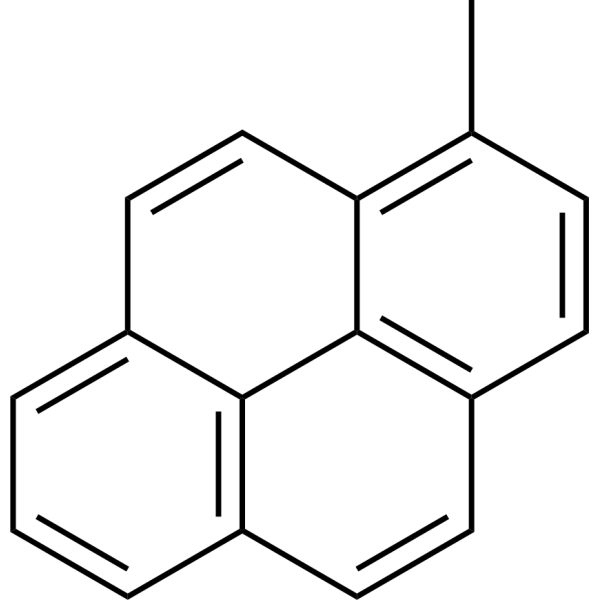
    1-Methylpyrene is a ubiquitous environmental pollutant and rodent carcinogen. Its mutagenic activity depends on sequential activation by various CYP and sulfotransferase (SULT) enzymes. 1-Methylpyrene induces chromosome loss and mitotic disturbance, proba
    1-Methylpyrene
  • HY-N0056R

    3,5-Dicaffeoylquinic acid (Standard); 3,5-CQA (Standard)

    Reference Standards Reactive Oxygen Species (ROS) HBV Endogenous Metabolite HIV Bacterial Neurological Disease Inflammation/Immunology
    Isochlorogenic acid A (Standard) is the analytical standard of Isochlorogenic acid A. This product is intended for research and analytical applications. Isochlorogenic acid A (3,5-Dicaffeoylquinic acid) is a natural phenolic acid with anti-mutagenicity, anti-HBV, anti-HIV, anti-oxidant, anti-bacterial, and anti-inflammatoryy activities .
    Isochlorogenic acid A (Standard)
  • HY-N0790R

    Clerodol (Standard); Monogynol B (Standard); Fagarasterol (Standard)

    Reference Standards Androgen Receptor Apoptosis Cancer
    Lupeol (Standard) is the analytical standard of Lupeol. This product is intended for research and analytical applications. Lupeol (Clerodol; Monogynol B; Fagarasterol) is an active pentacyclic?triterpenoid, has anti-oxidant, anti-mutagenic, anti-tumor and anti-inflammatory activity. Lupeol is a potent?androgen receptor (AR)?inhibitor and can be used for cancer research, especially prostate cancer of androgen-dependent phenotype (ADPC) and castration resistant phenotype (CRPC) .
    Lupeol (Standard)
  • HY-W653896

    Isotope-Labeled Compounds Androgen Receptor Apoptosis Topoisomerase Estrogen Receptor/ERR Infection
    Alternariol-d2 is deuterium labeled Alternariol. Alternariol is an orally ingested mycotoxin produced by Alternaria, capable of inhibiting the activity of topoisomerase I and II (topoisomerase I, topoisomerase II). Alternariol has weak estrogenic (Estrogen Receptor/ERR) and androgen/antiandrogen (Androgen Receptor) effects. Alternariol can induce apoptosis, trigger cell cycle arrest, suppress innate immune responses, and exhibit anti-tumor activity. Alternariol has genotoxic, mutagenic, and endocrine-disrupting effects .
    Alternariol-d2
  • HY-118716S

    2-Amino-1-methyl-6-phenylimidazo[4,5-b]pyridine-d3

    Isotope-Labeled Compounds Cancer
    PhIP-d3 (2-Amino-1-methyl-6-phenylimidazo[4,5-b]pyridine-d3) is the deuterium labeled PhIP (HY-118716). PhIP (2-Amino-1-methyl-6-phenylimidazo[4,5-b]pyridine) is the most abundant of generation of heterocyclic amines (HCA), resulted in the cooking of meat . DNA damaging and mutagenic activities. PhIP also has oestrogenic activity that could contribute to its tissue specific carcinogenicity .
    PhIP-d3
  • HY-W017960R

    Et-HE (Standard); 1,4-DHP (Standard)

    SOD Reference Standards Metabolic Disease
    Diludine (Standard) is the analytical standard of Diludine (HY-W017960). This product is intended for research and analytical applications. Diludine (BNP-7787) is an orally effective feed additive. Diludine reduces the activity of G6PD and increases the level of superoxide dismutase (SOD). Diludine reduces the mutagenic effect of environmental pollutants, protects parental reproductive systems and improves offspring quality. Diludine is mainly applied during the transition period of dairy cows to increase milk yield and milk fat content, and improve health status during parturition. Diludine can be used in animal feeding research .
    Diludine (Standard)
  • HY-N0527R

    Penta-O-galloyl-β-D-glucose (Standard); 1,2,3,4,6-Pentagalloyl glucose (Standard)

    Reference Standards JAK Keap1-Nrf2 Apoptosis β-catenin Reactive Oxygen Species (ROS) Neurological Disease Inflammation/Immunology Cancer
    Pentagalloylglucose (Standard) is the analytical standard of Pentagalloylglucose. This product is intended for research and analytical applications. Pentagalloylglucose (Penta-O-galloyl-β-D-glucose) is an orally active gallic tannin compound and an inducer of apoptosis and autophagy. Pentagalloglucose induces cell apoptosis and autophagy through the GSK3β/β-catenin pathway. Pentagalloylglucose inhibits UBE2T-mediated p53 ubiquitination, upregulates p53, downregulates RRM1/RRM2 in pancreatic cancer organoids. Pentagalloglucose has antioxidant, anti mutagenic, anti-inflammatory, anticonvulsant, cardioprotective, anti allergic, cholesterol lowering, and anti-tumor activities .
    Pentagalloylglucose (Standard)
  • HY-N7402

    Others Others
    Hexyl hexanoate is a fruit aroma component with potential food and beverage additive activity. Hexyl hexanoate is found in alcoholic beverages and is used to blend fruit flavors. Hexyl hexanoate is present in many fruits, Parmesan cheese, alcoholic beverages, and black tea. Hexyl hexanoate is a volatile component produced as a result of fruit ripening. Toxicity assessments of hexyl hexanoate showed that it is not mutagenic and that exposure is below safety thresholds for repeated dose, reproduction, and local respiratory toxicity. Hexyl hexanoate is also below thresholds in skin sensitization assessments, and for phototoxicity and photosensitization, the results showed that it does not present a relevant risk. Hexyl hexanoate is considered non-persistent, non-bioaccumulative, and non-toxic according to the environmental criteria of the International Fragrance Association .
    Hexyl hexanoate
  • HY-B1173R

    D-(+)-Camphor (Standard); (1R)-(+)-Camphor (Standard)

    Reference Standards Bacterial Neurological Disease Inflammation/Immunology Cancer
    (+)-Camphor (Standard) is the analytical standard of (+)-Camphor. This product is intended for research and analytical applications. (+)-Camphor (D-(+)-Camphor; (1R)-(+)-Camphor) is an isomer of Camphor. Camphor is an agonist of monoterpenoid transient receptor potential (TRP) channels (such as TRPV1, TRPV3, TRPM8) and an inhibitor of TRPA1 channels. Camphor's derivatives have multiple biological activities, including antibacterial, antiviral, antioxidant, analgesic and anticancer. Camphor can selectively activate cold-sensitive TRP channels and inhibit TRPA1-mediated nociceptive signals. Camphor stimulates the cold-sensing nerve endings in the skin and regulates the activity of ion channels to exert analgesic, anti-inflammatory and anti-itching effects. It also has anti-proliferative and anti-mutagenic activities on tumor cells, which may be related to inhibiting ribosome function or inducing cell apoptosis. Camphor can be absorbed through the skin and (+)-Camphor can be used in the study of muscle and joint pain and inflammation .
    (+)-Camphor (Standard)
  • HY-N15366

    DNA Alkylator/Crosslinker Cancer
    N-Acetoxy-IQ is a DNA alkylating agent that can covalently bind to DNA, especially guanine residues. N-Acetoxy-IQ exerts mutagenic and carcinogenic activities by forming DNA adducts. N-Acetoxy-IQ is promising for research of cancers .
    N-Acetoxy-IQ
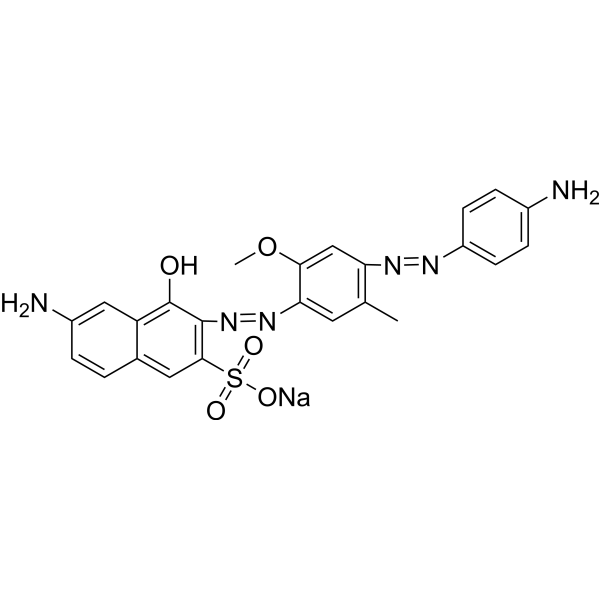
  • HY-D0344

    Direct Black 17

    Fluorescent Dye Others
    Direct Grey D exhibits frameshift mutagenic activity .
    Giuba Black D
  • HY-122772

    Others Inflammation/Immunology
    (-)-Integerrimine, a pyrrolizidine alkaloid, has antiulcerogenic activity. (-)-Integerrimine is also a mutagenic and weakly clastogenic agent in Drosophila .
    (-)-Integerrimine
  • HY-N3549

    Bacterial Infection
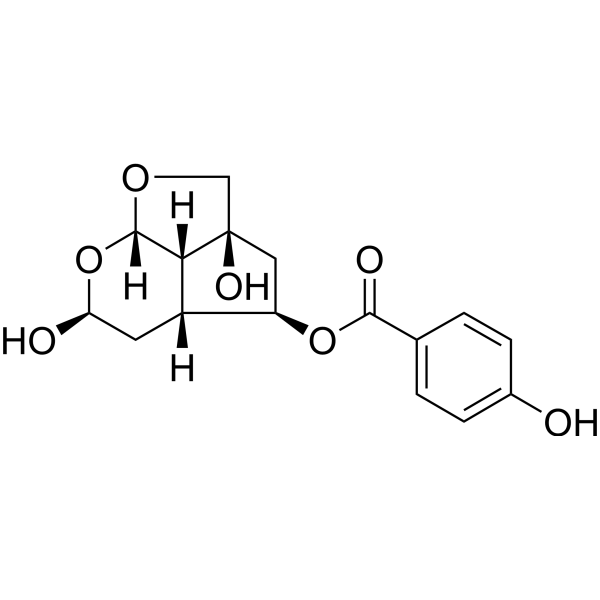
    Catalpin is an iridoid that can be isoalted from Catalpae Fructus.Catalpin shows mutagenic activity towards Salmonella typhimurium strain TA100 .
    Catalpin

Inquiry Online

Your information is safe with us. * Required Fields.

Salutation


Country or Region *

Applicant Name *


Organization Name *

Department *


Email Address *


Product Name *

Cat. No.


Requested quantity *

Phone Number *


Remarks

Inquiry Online

Inquiry Information

Product Name:
Cat. No.:
Quantity:
MCE Japan Authorized Agent: