Search Result
Results for "
AMPK+Activators
" in MedChemExpress (MCE) Product Catalog:
2
Biochemical Assay Reagents
5
Isotope-Labeled Compounds
| Cat. No. |
Product Name |
Target |
Research Areas |
Chemical Structure |
-
- HY-B0627
-
|
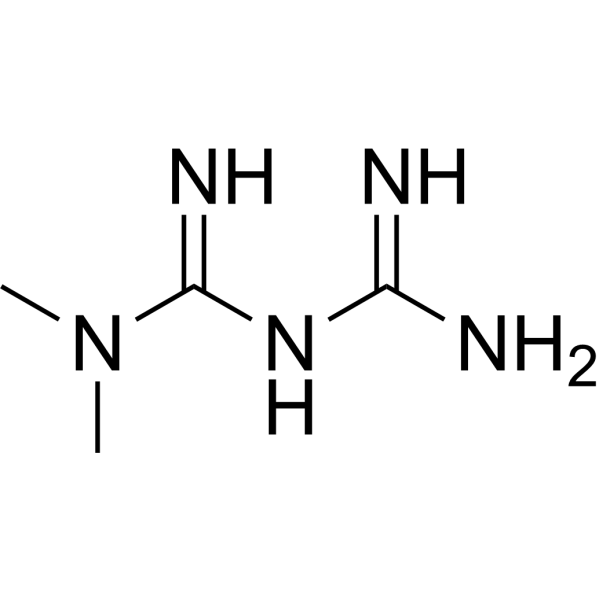
1,1-Dimethylbiguanide
|
AMPK
Autophagy
Mitophagy
Apoptosis
mTOR
|
Cardiovascular Disease
Infection
Neurological Disease
Metabolic Disease
Inflammation/Immunology
Cancer
|
|
Metformin (1,1-Dimethylbiguanide) inhibits the mitochondrial respiratory chain in the liver, leading to AMPK activation and enhancing insulin sensitivity, and can be used in the study of type 2 diabetes. Metformin exerts central glucose-lowering effects by inhibiting Ras-related protein 1 (Rap1) in SF1 hypothalamic neurons. Metformin also inhibits liver oxidative stress, nitrosative stress, inflammation, and apoptosis caused by liver ischemia/reperfusion injury. In addition, Metformin regulates the expression of autophagy-related proteins by activating AMPK and inhibiting the mTOR signaling pathway, thereby inducing tumor cell autophagy and inhibiting the growth of renal cell carcinoma in vitro and in vivo .
|
-
-
- HY-13417
-
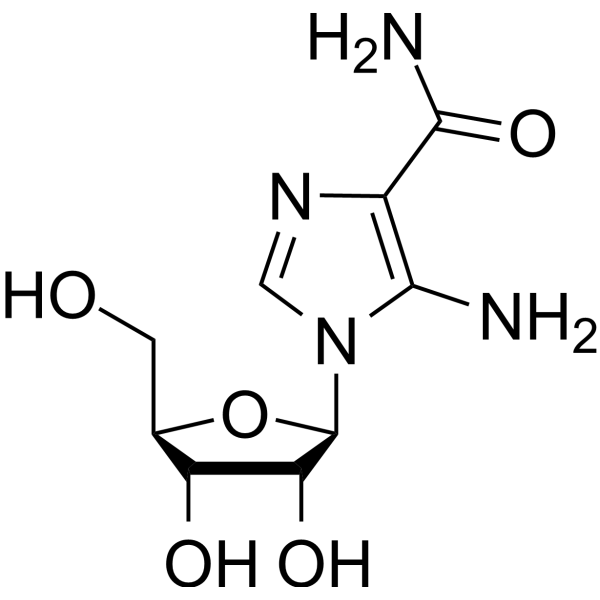
AICAR
Maximum Cited Publications
215 Publications Verification
Acadesine; AICA Riboside
|
AMPK
Autophagy
YAP
Mitophagy
Endogenous Metabolite
|
Cancer
|
|
AICAR (Acadesine) is an adenosine analog and a AMPK activator. AICAR is also an autophagy, YAP and mitophagy inhibitor. AICAR regulates the glucose and lipid metabolism, and inhibits proinflammatory cytokines and iNOS production. AICAR inhibits autophagy through a mechanism independent of AMPK activity .
|
-
-
- HY-17471A
-
|
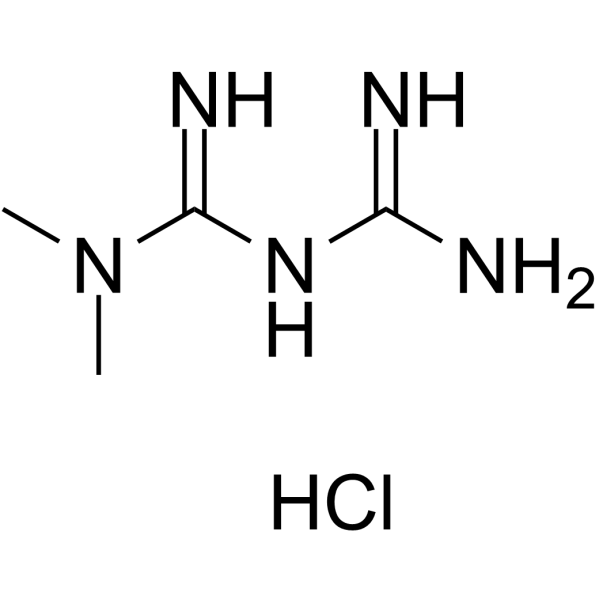
1,1-Dimethylbiguanide hydrochloride
|
AMPK
Autophagy
Mitophagy
Apoptosis
mTOR
|
Cardiovascular Disease
Infection
Neurological Disease
Metabolic Disease
Inflammation/Immunology
Cancer
|
|
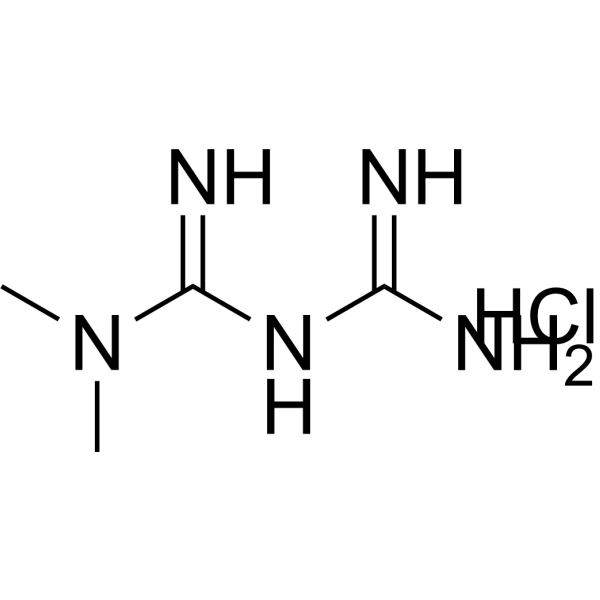
Metformin (1,1-Dimethylbiguanide) hydrochloride inhibits the mitochondrial respiratory chain in the liver, leading to AMPK activation and enhancing insulin sensitivity, and can be used in the study of type 2 diabetes. Metformin hydrochloride exerts central glucose-lowering effects by inhibiting Ras-related protein 1 (Rap1) in SF1 hypothalamic neurons. Metformin hydrochloride also inhibits liver oxidative stress, nitrosative stress, inflammation, and apoptosis caused by liver ischemia/reperfusion injury. In addition, Metformin hydrochloride regulates the expression of autophagy-related proteins by activating AMPK and inhibiting the mTOR signaling pathway, thereby inducing tumor cell autophagy and inhibiting the growth of renal cell carcinoma in vitro and in vivo .
|
-
-
- HY-50662
-
|
|
AMPK
|
Metabolic Disease
|
|
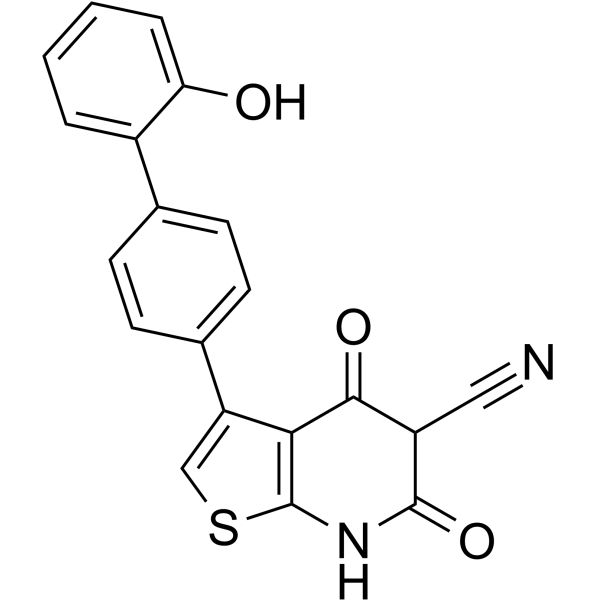
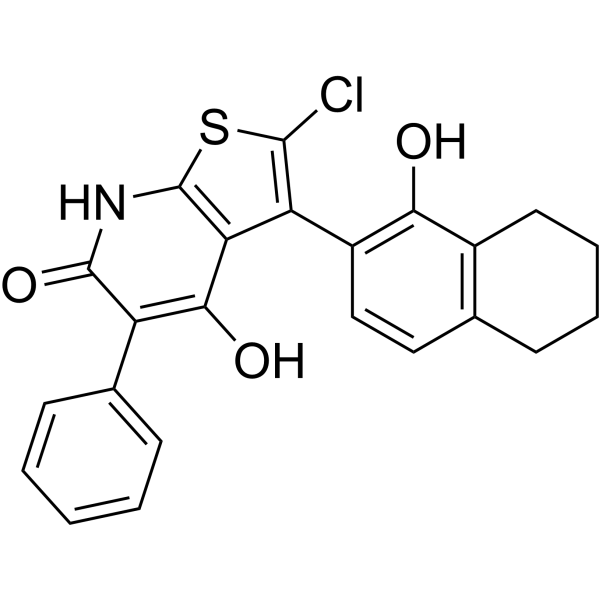
A-769662 is a AMP-activated protein kinase (AMPK) activator. A-769662 inhibits the function of the 26S proteasome by an AMPK-independent mechanism and leads to cell cycle arrest. A-769662 directly stimulates partially purified rat liver AMPK (EC50 = 0.8 μM) and inhibits fatty acid synthesis in primary rat hepatocytes (IC50 = 3.2 μM). A-769662 can alleviate the symptoms of metabolic diseases such as type 2 diabetes .
|
-
-
- HY-111363
-
-
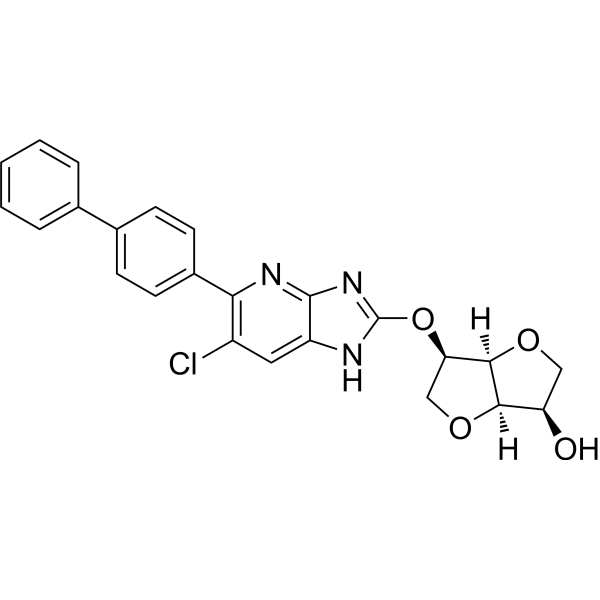
-
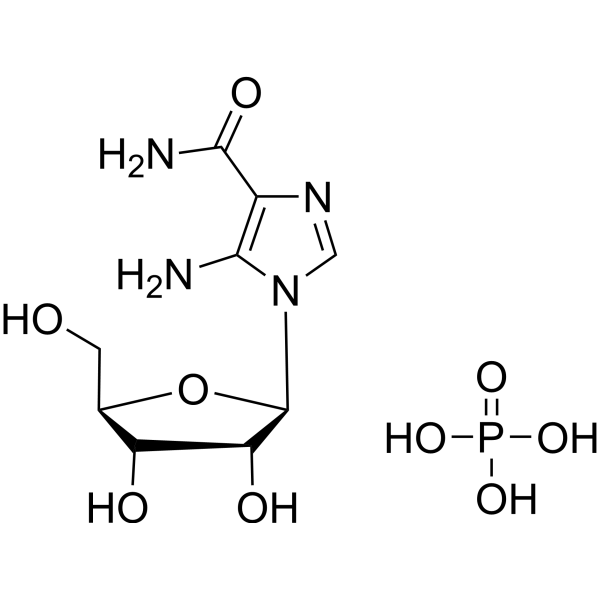
- HY-13417A
-
|
Acadesine phosphate; AICA Riboside phosphate
|
AMPK
Autophagy
YAP
Mitophagy
Endogenous Metabolite
|
Cancer
|
|
AICAR phosphate (Acadesine phosphate) is an adenosine analog and a AMPK activator. AICAR phosphate regulates the glucose and lipid metabolism, and inhibits proinflammatory cytokines and iNOS production. AICAR phosphate is also an autophagy, YAP and mitophagy inhibitor .
|
-
-
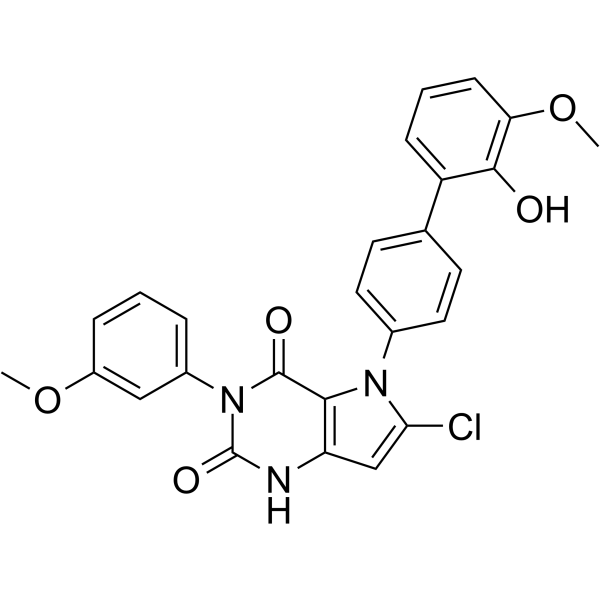
- HY-100548
-
|
|
AMPK
Autophagy
Apoptosis
|
Cancer
|
|
GSK621 is a specific AMPK activator, with IC50 values of 13-30 μM for AML cells. GSK621 induces autophagy and apoptosis. GSK621 induces eiF2α phosphorylation-a hallmark of UPR activation .
|
-
-
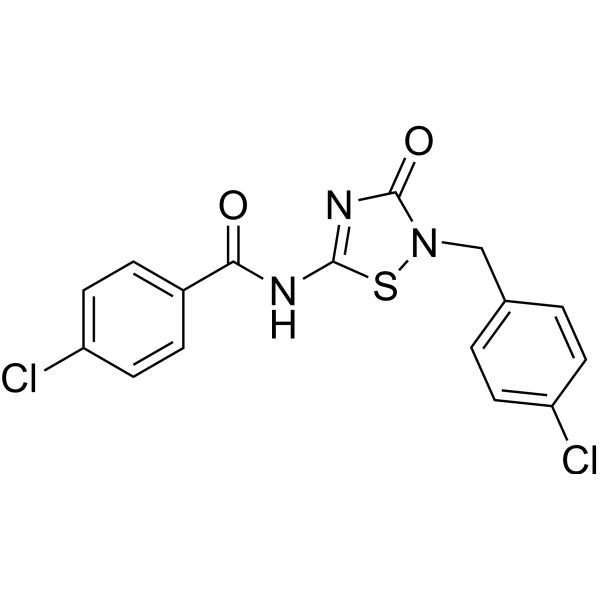
- HY-112233
-
O-304
5 Publications Verification
|
AMPK
|
Cardiovascular Disease
Metabolic Disease
|
|
O-304 is a first-in-class, orally available pan-AMPK activator, which increases AMPK activity by suppressing the dephosphorylation of pAMPK. O-304 exhibits a great potential as a agent to treat type 2 diabetes (T2D) and associated cardiovascular complications .
|
-
-
- HY-110228
-
|
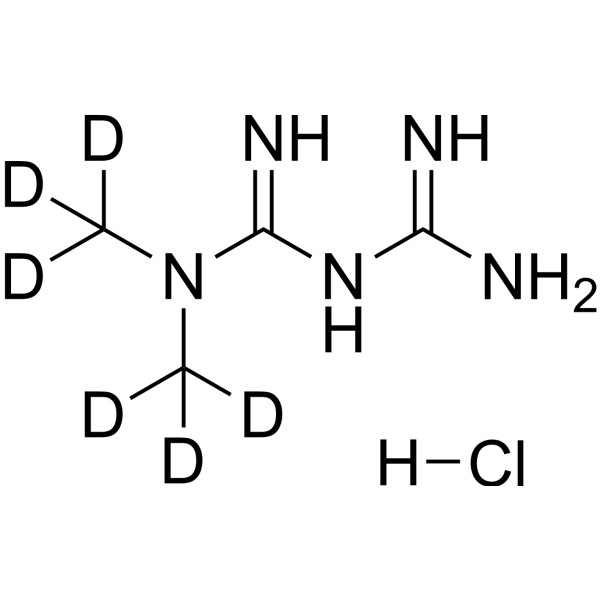
1,1-Dimethylbiguanide-d6 hydrochloride
|
Isotope-Labeled Compounds
AMPK
Autophagy
Mitophagy
Apoptosis
mTOR
|
Cardiovascular Disease
Metabolic Disease
|
|
Metformin-d6 hydrochloride is a deuterium labeled Metformin hydrochloride. Metformin hydrochloride inhibits the mitochondrial respiratory chain in the liver, leading to AMPK activation and enhancing insulin sensitivity, and can be used in the study of type 2 diabetes. Metformin hydrochloride also inhibits liver oxidative stress, nitrosative stress, inflammation, and apoptosis caused by liver ischemia/reperfusion injury. In addition, metformin hydrochloride regulates the expression of autophagy-related proteins by activating AMPK and inhibiting the mTOR signaling pathway, thereby inducing tumor cell autophagy and inhibiting the growth of renal cell carcinoma in vitro and in vivo .
|
-
-
- HY-N0671
-
|
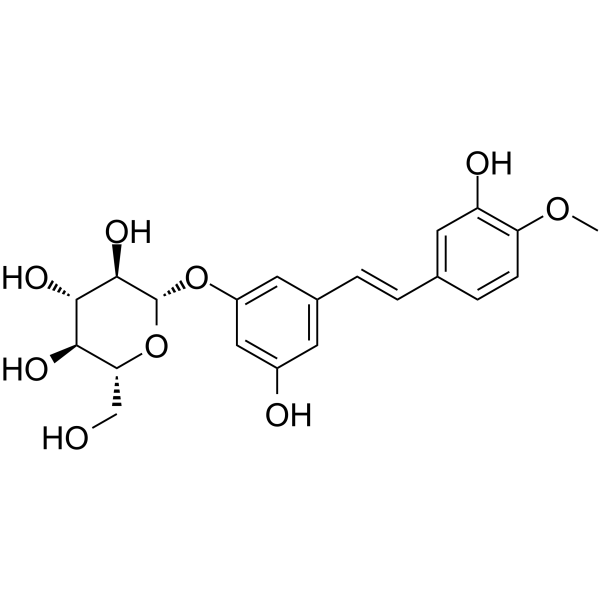
Rhaponiticin
|
Apoptosis
|
Cardiovascular Disease
Metabolic Disease
Inflammation/Immunology
Cancer
|
|
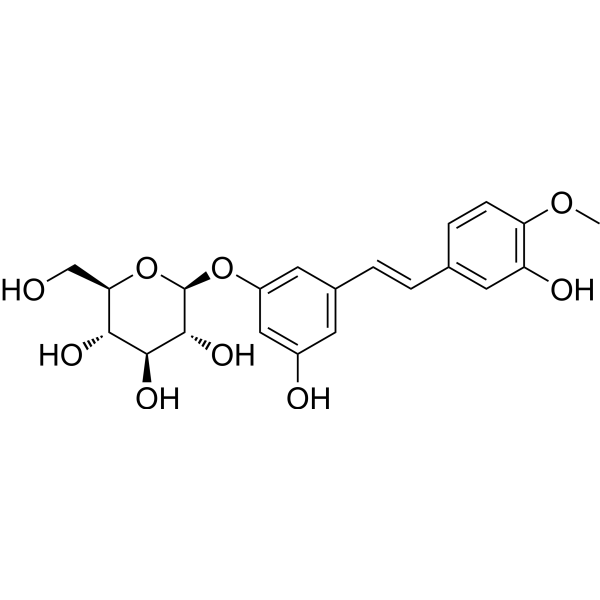
Rhapontin (Rhaponiticin) is an orally aactive SIRT1 agonist and AMPK activator with anti-inflammatory and anti-fibrotic activities. Rhapontin inhibits NLRP3 inflammasome activation by activating SIRT1 and inhibits TGF-β/Smad signaling via the AMPK pathway. Rhapontin reduces intestinal and lung inflammation, inhibits fibroblast differentiation and extracellular matrix deposition, and enhances tight junction protein expression to repair epithelial barriers. Rhapontin can be used in the study of inflammatory bowel diseases (such as ulcerative colitis) and pulmonary fibrosis .
|
-
-
- HY-13417R
-
|
Acadesine (Standard); AICA Riboside (Standard)
|
Reference Standards
AMPK
Autophagy
YAP
Mitophagy
Endogenous Metabolite
|
Cancer
|
|
AICAR (Standard) is the analytical standard of AICAR. This product is intended for research and analytical applications. AICAR (Acadesine) is an adenosine analog and a AMPK activator. AICAR regulates the glucose and lipid metabolism, and inhibits proinflammatory cytokines and iNOS production. AICAR is also an autophagy, YAP and mitophagy inhibitor .
|
-

-
- HY-107988
-
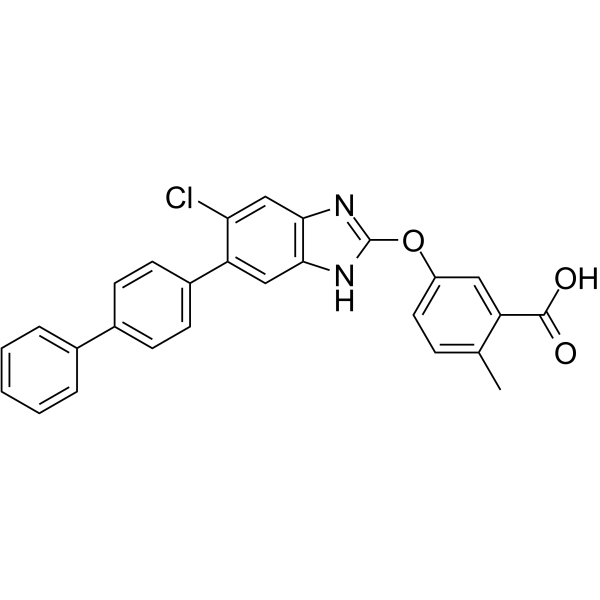
MK-3903
3 Publications Verification
|
AMPK
|
Metabolic Disease
|
|
MK-3903 is a potent and selective AMP-activated protein kinase (AMPK) activator with an EC50 of 8 nM.
|
-
-
- HY-15840
-
|
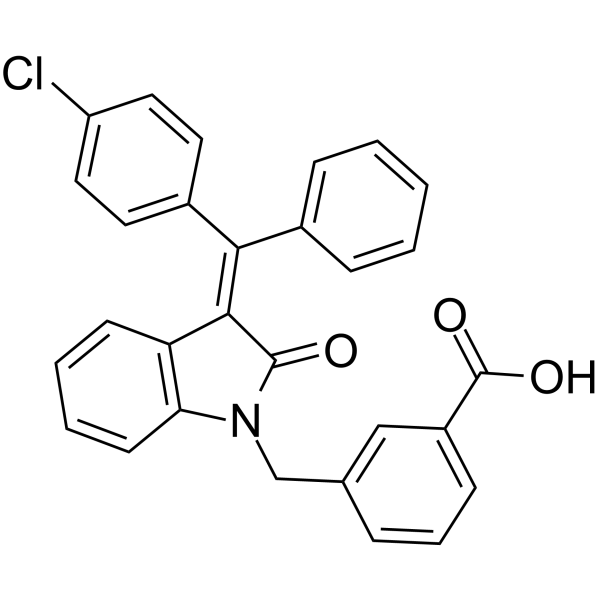
C24
|
AMPK
|
Cancer
|
|
YLF-466D is a newly developed AMPK activator, which inhibits platelet aggregation.
|
-
-
- HY-N6258
-
Kahweol
1 Publications Verification
|
AMPK
Apoptosis
|
Metabolic Disease
Cancer
|
|
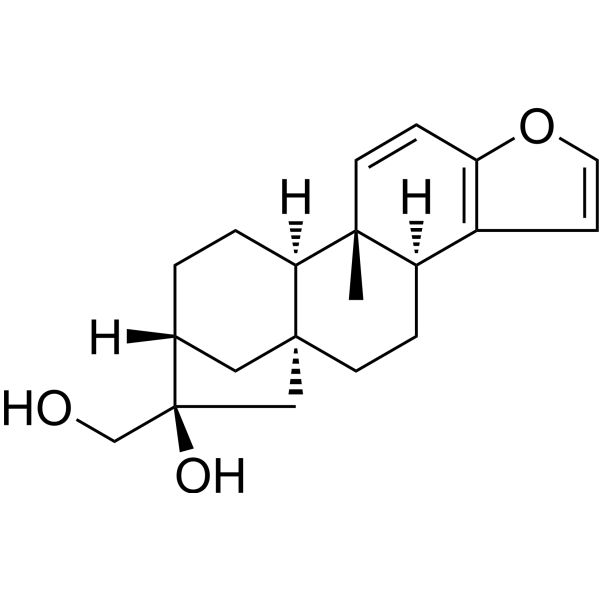
Kahweol is one of the consituents of the coffee from Coffea Arabica with anti-inflammatory anti-angiogenic, and anti-cancerous activities. Kahweol inhibits adipogenesis and increase glucose uptake by AMP-activated protein kinase (AMPK) activation. Kahweol induces apoptosis.
|
-
-
- HY-B2099A
-
|
1-Butylbiguanide hydrochloride
|
AMPK
|
Cancer
|
|
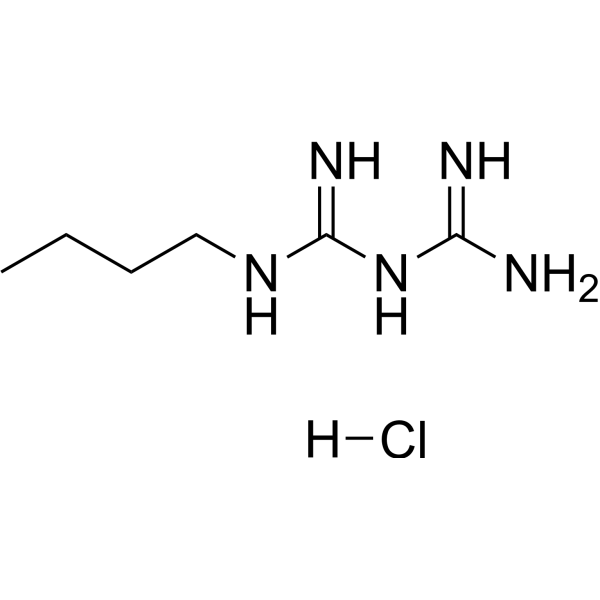
Buformin hydrochloride (1-Butylbiguanide hydrochloride), a potent AMPK activator, acts as an orally active biguanide antidiabetic agent. Buformin hydrochloride decreases hepatic gluconeogenesis and lowers blood glucose production in vivo. Buformin hydrochloride also has anti-cancer activities and is applied in cancer study (such as, cervical cancer and breast cancer, et al) .
|
-
-
- HY-136093A
-
|
IM156; HL156A; HL271 acetate
|
Mitochondrial Metabolism
AMPK
|
Neurological Disease
Metabolic Disease
Inflammation/Immunology
Cancer
|
|
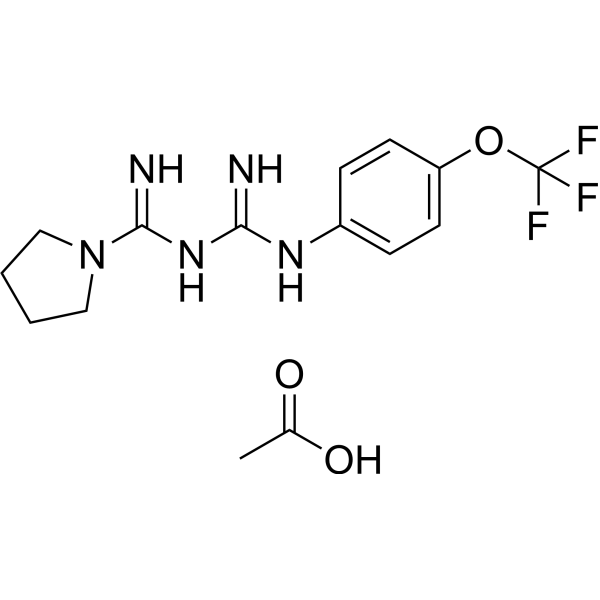
Lixumistat (IM156) acetate is a potent and orally active AMPK activator and OXPHOS inhibitor. Lixumistat acetate strongly activates AMPK, while it lacks the systemic metabolic regulatory effects of classic metformin, such as hypoglycemic and weight-lowering activities. Lixumistat acetate exhibits significant therapeutic effects on cognitive decline associated with brain aging and pulmonary fibrosis .
|
-
-
- HY-N7515
-
|
2',4',6'-Trihydroxychalcone
|
Bacterial
AMPK
|
Infection
Metabolic Disease
Inflammation/Immunology
|
|
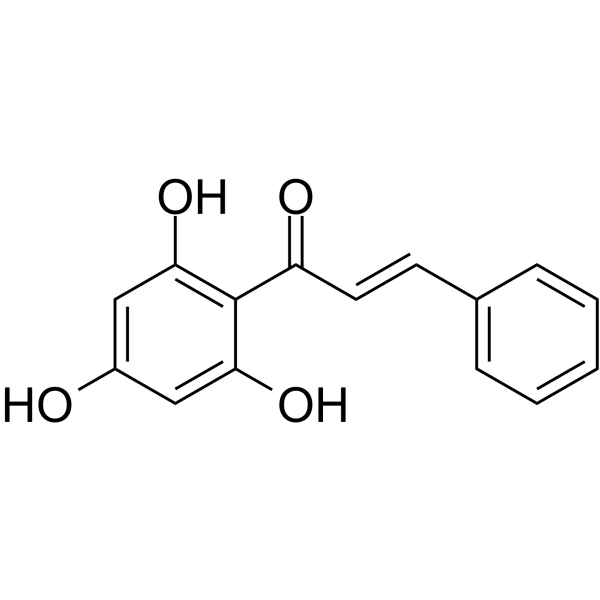
Pinocembrin chalcone (2',4',6'-Trihydroxychalcone) is an antibacterial compound from Helichrysum Trilineatum. Pinocembrin chalcone facilitates AMP-activated protein kinase (AMPK) activation, improves glucose tolerance, increases muscle FAO and reduces fat accumulation in the liver and skeletal muscles in high-fat diet-induced (HFD) diabetic mice. Pinocembrin chalcone is promising for research of gastric ulcers and diabetes .
|
-
-
- HY-160004
-
|
|
AMPK
|
Cardiovascular Disease
Neurological Disease
Metabolic Disease
Inflammation/Immunology
Cancer
|
|
PXL770 is an orally active, direct allosteric AMP-activated protein kinase (AMPK) activator. PXL770 decreases C26:0 levels, improves mitochondrial respiration, reduces expression of proinflammatory genes and induces expression of compensatory transporters (ABCD2/3) in ALD fibroblasts/lymphocytes. PXL770 normalizes plasma VLCFA levels, significantly reduces elevated VLCFA levels in brain and spinal cord in Abcd1 KO mice. PXL770 improves glycemia, dyslipidemia, and insulin resistance in ob/ob and high-fat diet (HFD)-fed mice. PXL770 can be used for the study of X-linked adrenoleukodystrophy (ALD), autosomal dominant polycystic kidney disease and nonalcoholic steatohepatitis (NASH) .
|
-
-
- HY-17471AR
-
|
1,1-Dimethylbiguanide hydrochloride (Standard)
|
Reference Standards
AMPK
Autophagy
Mitophagy
Apoptosis
mTOR
|
Cardiovascular Disease
Metabolic Disease
Cancer
|
|
Metformin hydrochloride (Standard) is the analytical standard of Metformin hydrochloride (HY-17471A). This product is intended for research and analytical applications. Metformin (1,1-Dimethylbiguanide) hydrochloride inhibits the mitochondrial respiratory chain in the liver, leading to AMPK activation and enhancing insulin sensitivity, and can be used in the study of type 2 diabetes. Metformin hydrochloride exerts central glucose-lowering effects by inhibiting Ras-related protein 1 (Rap1) in SF1 hypothalamic neurons. Metformin hydrochloride also inhibits liver oxidative stress, nitrosative stress, inflammation, and apoptosis caused by liver ischemia/reperfusion injury. In addition, Metformin hydrochloride regulates the expression of autophagy-related proteins by activating AMPK and inhibiting the mTOR signaling pathway, thereby inducing tumor cell autophagy and inhibiting the growth of renal cell carcinoma in vitro and in vivo .
|
-
-
- HY-12831
-
-
-
- HY-136447
-
ASP4132
1 Publications Verification
|
AMPK
|
Cancer
|
|
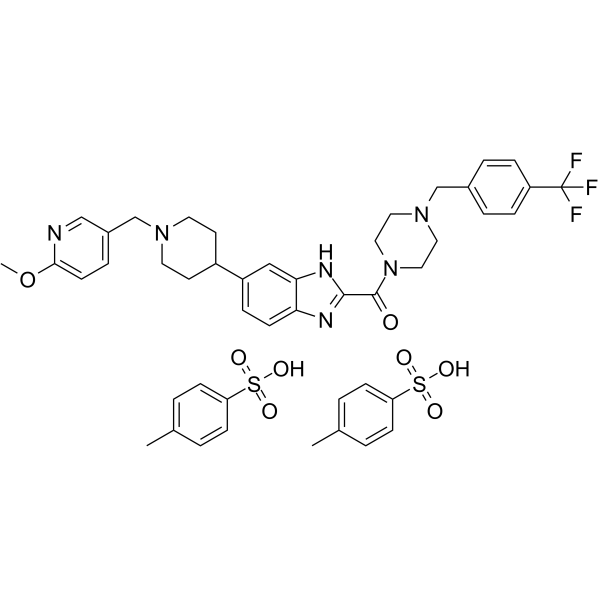
ASP4132 is an orally active, potent AMPK activator with an EC50 of 18 nM. ASP4132 has anti-cancer activity and makes tumor regression in breast cancer xenograft mouse models .
|
-
-
- HY-117623
-
|
PF-249
|
AMPK
|
Metabolic Disease
|
|
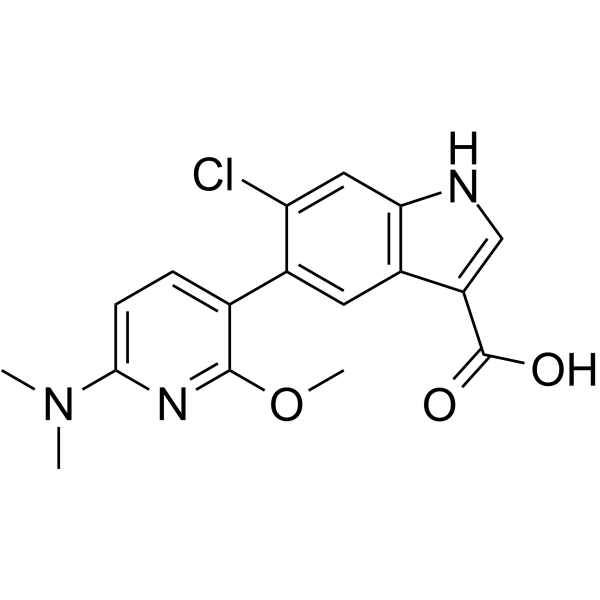
PF-06685249 (PF-249) is a potent and orally active allosteric AMPK activator with an EC50 of 12 nM for recombinant AMPK α1β1γ1. PF-06685249 improves renal function in ZSF-1 rats with diabetic nephropathy. PF-06685249 can be used for diabetic nephropathy research .
|
-
-
- HY-P10769
-
|
|
AMPK
Apoptosis
|
Metabolic Disease
|
|
MOTS-c (mouse) is a mitochondrial-derived polypeptide that can be used to regulates pancreatic cell function. MOTS-c (mouse) reduces insulin secretion and expression in INS-1E cells, and enhances glucagon secretion and expression in αTC-1 cells. MOTS-c (mouse) decreases the apoptosis in INS-1E and αTC-1. MOTS-c (mouse) counteracts diet-induced obesity and insulin resistance through AMPK activation .
|
-

-
- HY-115463
-
EB-3D
2 Publications Verification
|
AMPK
Apoptosis
|
Cancer
|
|
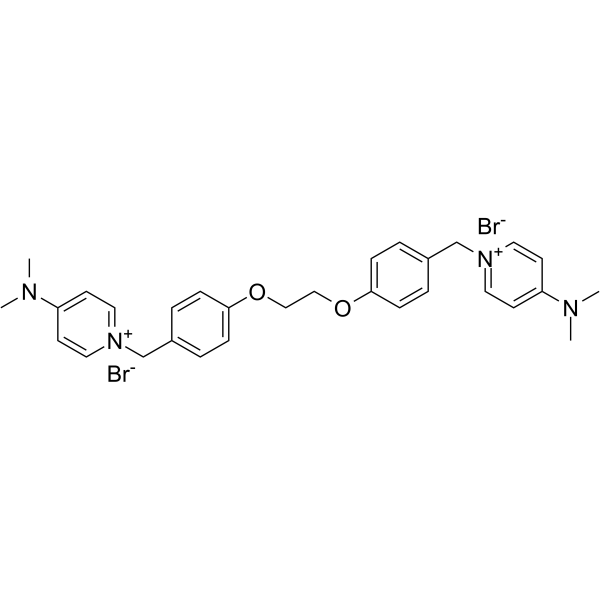
EB-3D is a potent and selective choline kinase α (ChoKα) inhibitor, with an IC50 of 1 μM for ChoKα1. EB-3D exerts effects on ChoKα expression, AMPK activation, apoptosis, endoplasmic reticulum stress and lipid metabolism. EB-3D exhibits a potent antiproliferative activity in a panel of T-leukemia cell lines. Anti-cancer activity .
|
-
-
- HY-N3225
-
|
|
NAMPT
Sirtuin
Microtubule/Tubulin
Apoptosis
Autophagy
PDGFR
NF-κB
AMPK
|
Cardiovascular Disease
Neurological Disease
Metabolic Disease
Inflammation/Immunology
Cancer
|
|
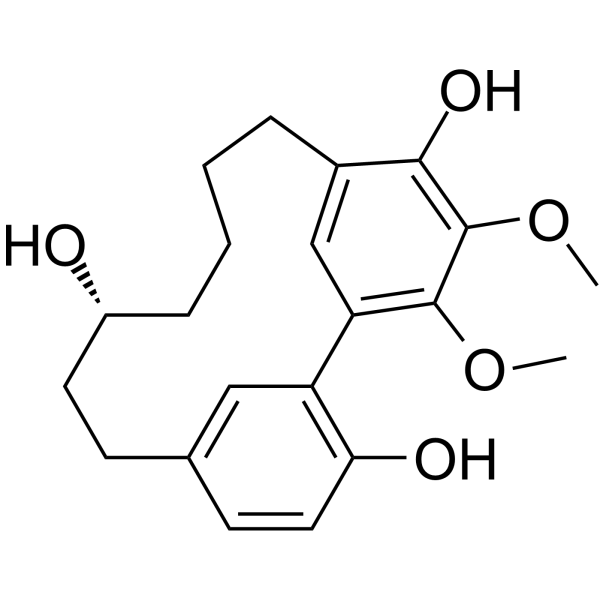
Myricanol is a diarylheptanoid and a Nampt activator. Myricanol exerts anti-inflammatory effects and alleviates glucocorticoid-induced muscle atrophy by increasing Sirtuin 1 (SIRT1) and PRDX5 activities while regulating inflammatory factors. Myricanol exhibits growth inhibition and induces apoptosis in human lung adenocarcinoma A549 cells. Myricanol promotes autophagy-mediated clearance of microtubule-associated protein tau to exert neuroprotective effects. Myricanol protects cardiovascular function by inhibiting PDGFRβ and NF-κB signaling pathways. Myricanol activates mitochondrial transcription factor A (TFAM) expression to exert anti-renal fibrosis effects. Myricanol improves insulin resistance through AMPK activation .
|
-
-
- HY-171705
-
|
|
Keap1-Nrf2
AMPK
JNK
IKK
p38 MAPK
NO Synthase
α-synuclein
Interleukin Related
|
Neurological Disease
|
|
KMS99220 is an orally active, blood-brain barrier-permeable activator of the Nrf2 inhibitory protein Keap-1. KMS99220 enhances the activity of AMPK, activates the Nrf2 signaling pathway, and reduces the phosphorylation of IκB, nuclear translocation of NFκB, as well as the phosphorylation levels of JNK, IKK and p38 MAPK via HO-1. KMS99220 binds to Keap1 to trigger the nuclear translocation of Nrf2, induces the expression of HO-1, NQO1, GCLC, GCLM and proteasome subunits; enhances proteasomal enzymatic activity; inhibits iNOS expression, nitric oxide production and IL-1β generation; attenuates microglial activation; reduces α-synuclein aggregation; and prevents dopaminergic neuron degeneration and motor dysfunction. KMS99220 prevents the degeneration of dopaminergic neurons in the substantia nigra, induces the expression of Nrf2 downstream target genes, and effectively ameliorates associated motor dysfunction in a mouse model of Parkinson's disease. KMS99220 is applicable to research related to Parkinson's disease .
|
-

-
- HY-131334
-
|
|
AMPK
|
Metabolic Disease
|
|
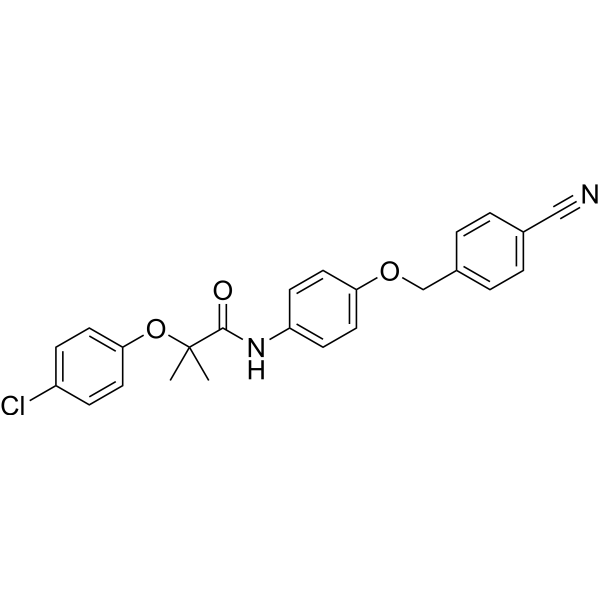
AMPK activator 4 is a potent AMPK activator without inhibition of mitochondrial complex I. AMPK activator 4 selectively activates AMPK in the muscle tissues. AMPK activator 4 dose-dependently improves glucose tolerance in normal mice, and significantly lowers fasting blood glucose level and ameliorates insulin resistance in db/db diabetic mice. Anti-hyperglycemic effect .
|
-
-
- HY-W058849
-
|
|
AMPK
mTOR
Apoptosis
|
Cancer
|
|
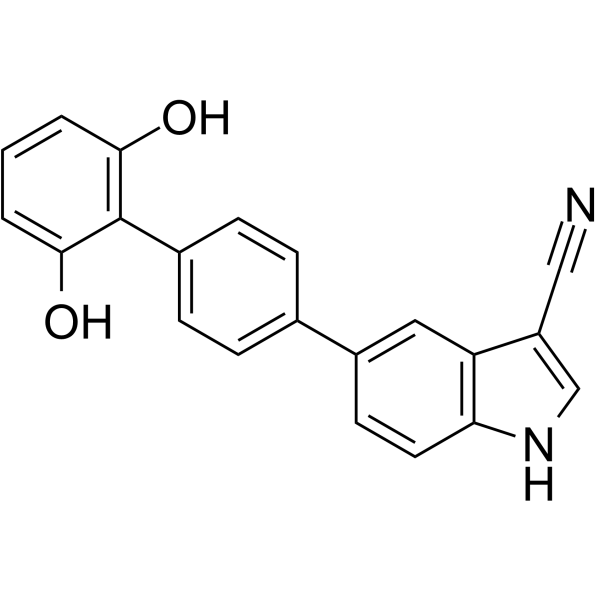
MT 63-78 is a specific and potent direct AMPK activator with an EC50 of 25 μM. MT 63–78 also induces cell mitotic arrest and apoptosis. MT 63-78 blocks prostate cancer growth by inhibiting the lipogenesis and mTORC1 pathways. MT 63-78 has antitumor effects .
|
-
-
- HY-136093B
-
|
IM156 free base; HL156A free base; HL271 free base
|
Mitochondrial Metabolism
AMPK
|
Neurological Disease
Inflammation/Immunology
|
|
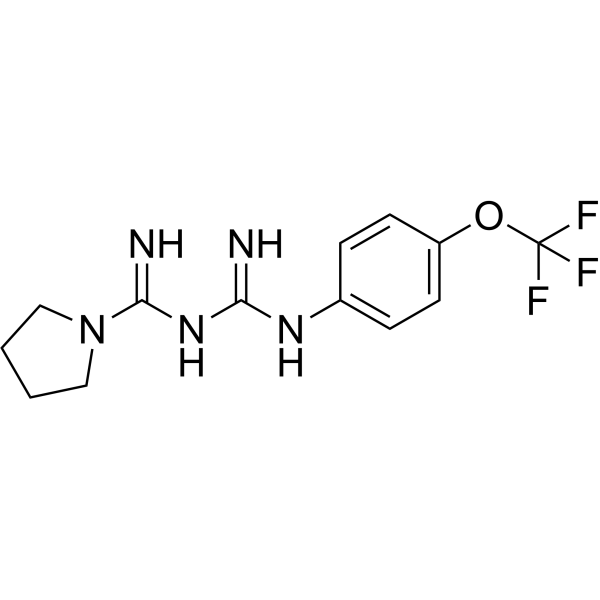
Lixumistat (IM156 free base) is a potent and orally active AMPK activator and OXPHOS inhibitor. Lixumistat strongly activates AMPK, while it lacks the systemic metabolic regulatory effects of classic metformin, such as hypoglycemic and weight-lowering activities. Lixumistat exhibits significant therapeutic effects on cognitive decline associated with brain aging and pulmonary fibrosis .
|
-
-
- HY-N7912
-
|
(2S)-Pterosin A
|
AMPK
PEPCK
GSK-3
GLUT
Akt
p38 MAPK
Reactive Oxygen Species (ROS)
|
Metabolic Disease
|
|
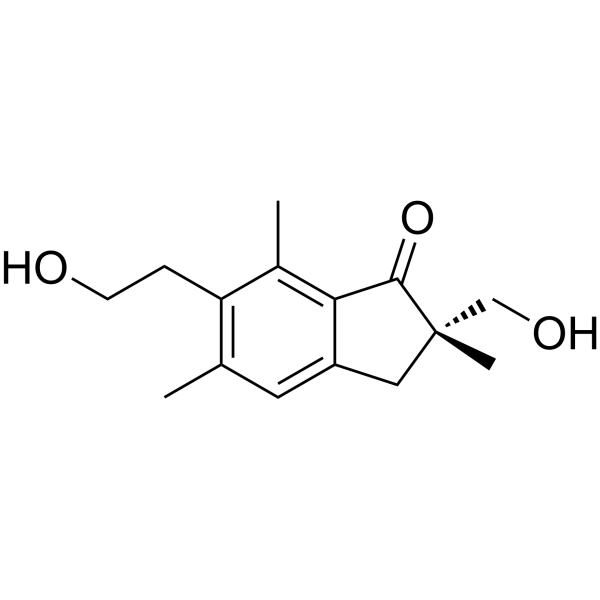
Pterosin A ((2S)-Pterosin A) is a sesquiterpene compound. Pterosin A is an orally active AMPK activator with anti-diabetic effect. Pterosin A can promote glucose uptake, increase serum insulin, and improve hyperglycemia and glucose intolerance. Pterosin A can prevent insulin-secreting cells death and reduce ROS production. Pterosin A can be used for the research of metabolic disease, such as diabetes .
|
-
-
- HY-A0144A
-
|
|
Adrenergic Receptor
AMPK
Akt
|
Cardiovascular Disease
|
|
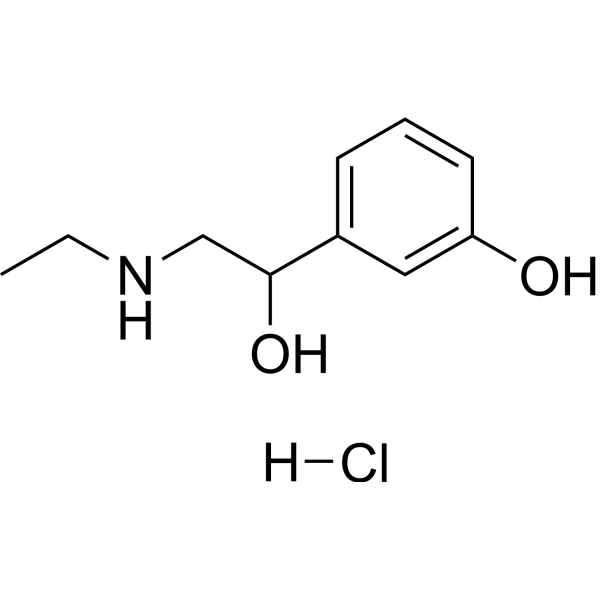
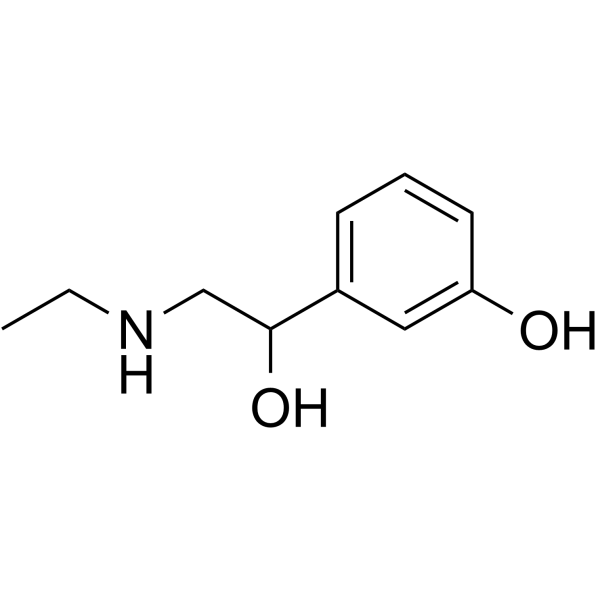
Etilefrine hydrochloride is a sympathetic nerve agonist and AMPK activator that selectively targets α1/β1 adrenergic receptors. Etilefrine hydrochloride stimulates α1 adrenergic receptors, leading to contraction of vascular smooth muscle and increased peripheral resistance. Etilefrine hydrochloride also stimulates β1 receptors to enhance myocardial contractility and increase heart rate, thereby increasing blood pressure and improving cardiac output. Etilefrine hydrochloride also bidirectionally regulates the AMPK/Akt pathway and modulates the phosphorylation levels. Etilefrine hydrochloride can be used in cardiovascular research, such as postural hypotension, chylothorax, and improving low cardiac output .
|
-
-
- HY-A0144
-
|
|
Adrenergic Receptor
AMPK
Akt
|
Cardiovascular Disease
|
|
Etilefrine is a sympathetic nerve agonist and AMPK activator that selectively targets α1/β1 adrenergic receptors. Etilefrine stimulates α1 adrenergic receptors, leading to contraction of vascular smooth muscle and increased peripheral resistance. Etilefrine also stimulates β1 receptors to enhance myocardial contractility and increase heart rate, thereby increasing blood pressure and improving cardiac output. Etilefrine also bidirectionally regulates the AMPK/Akt pathway and modulates the phosphorylation levels. Etilefrine can be used in cardiovascular research, such as postural hypotension, chylothorax, and improving low cardiac output .
|
-
-
- HY-B0627S
-
|
1,1-Dimethylbiguanide-d6
|
Isotope-Labeled Compounds
AMPK
Autophagy
Mitophagy
Apoptosis
mTOR
|
Cardiovascular Disease
Cancer
|
|
Metformin-d6 (1,1-Dimethylbiguanide-d6) is a deuterated labeled Metformin (HY-B0627). Metformin (1,1-Dimethylbiguanide) inhibits the mitochondrial respiratory chain in the liver, leading to AMPK activation and enhancing insulin sensitivity, and can be used in the study of type 2 diabetes. Metformin exerts central glucose-lowering effects by inhibiting Ras-related protein 1 (Rap1) in SF1 hypothalamic neurons. Metformin also inhibits liver oxidative stress, nitrosative stress, inflammation, and apoptosis caused by liver ischemia/reperfusion injury. In addition, Metformin regulates the expression of autophagy-related proteins by activating AMPK and inhibiting the mTOR signaling pathway, thereby inducing tumor cell autophagy and inhibiting the growth of renal cell carcinoma in vitro and in vivo .
|
-

-
- HY-149406
-
|
|
AMPK
|
Cancer
|
|
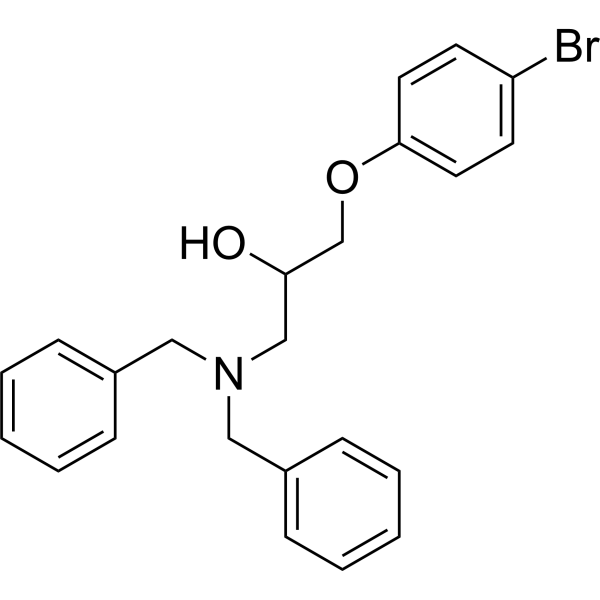
AMPK activator 12 (compound 21) is a potent AMPK activator and GDF15 inducer. AMPK activator 12 increases GDF15 protein levels in human hepatic cells .
|
-
-
- HY-155363
-
|
|
AMPK
|
Metabolic Disease
|
|
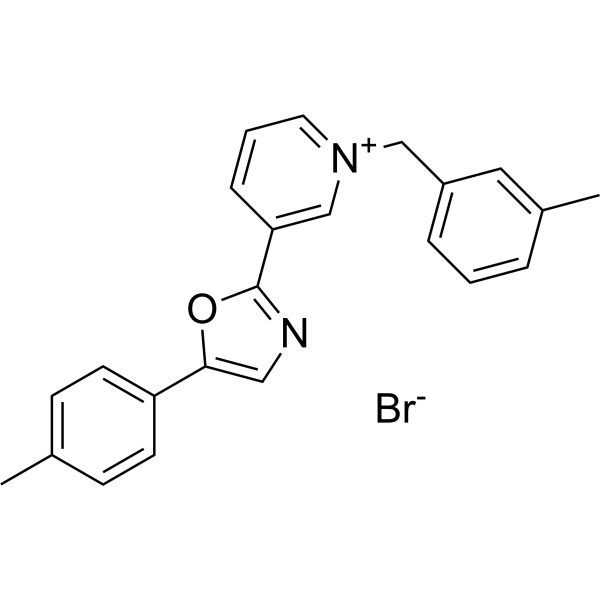
AMPK activator 13 is a potent activator of AMPK. AMPK activator 13 inhibits mitotic clonal expansion of 3T3-L1 cells by activating AMPK pathway and enhances cell mitochondrial oxygen consumption rate. AMPK activator 13 can be used in study obesity .
|
-
-
- HY-N3425
-
|
|
AMPK
|
Others
|
|
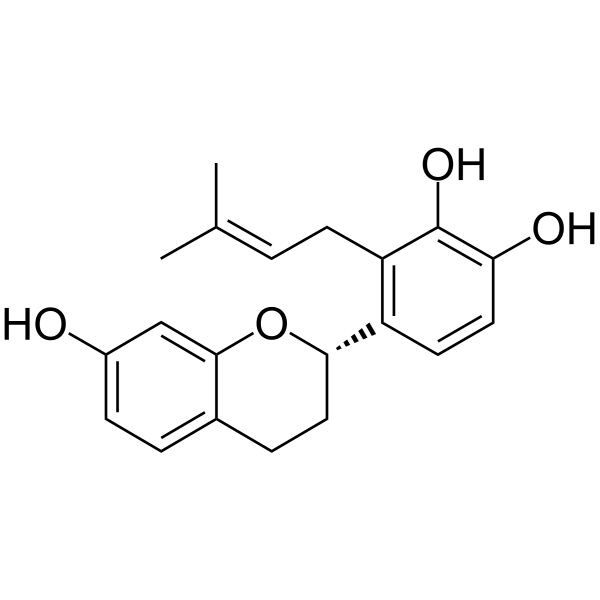
Kazinol U inhibits melanogenesis through the inhibition of tyrosinase-related proteins via AMPK activation .
|
-
-
- HY-136093
-
|
HL271; IM156 hydrochloride; HL156A hydrochloride
|
Mitochondrial Metabolism
AMPK
|
Neurological Disease
|
|
Lixumistat (IM156) hydrochloride is a potent and orally active AMPK activator and OXPHOS inhibitor. Lixumistat hydrochloride strongly activates AMPK, while it lacks the systemic metabolic regulatory effects of classic metformin, such as hypoglycemic and weight-lowering activities. Lixumistat hydrochloride exhibits significant therapeutic effects on cognitive decline associated with brain aging and pulmonary fibrosis .
|
-
-
- HY-N0671R
-
|
Rhaponiticin (Standard)
|
Reference Standards
Apoptosis
|
Cardiovascular Disease
Metabolic Disease
Inflammation/Immunology
Cancer
|
|
Rhapontin (Standard) is the analytical standard of Rhapontin (HY-N0671). This product is intended for research and analytical applications. Rhapontin (Rhaponiticin) is an orally aactive SIRT1 agonist and AMPK activator with anti-inflammatory and anti-fibrotic activities. Rhapontin inhibits NLRP3 inflammasome activation by activating SIRT1 and inhibits TGF-β/Smad signaling via the AMPK pathway. Rhapontin reduces intestinal and lung inflammation, inhibits fibroblast differentiation and extracellular matrix deposition, and enhances tight junction protein expression to repair epithelial barriers. Rhapontin can be used in the study of inflammatory bowel diseases (such as ulcerative colitis) and pulmonary fibrosis .
|
-
-
- HY-124822
-
COH-SR4
2 Publications Verification
|
AMPK
|
Metabolic Disease
Cancer
|
|
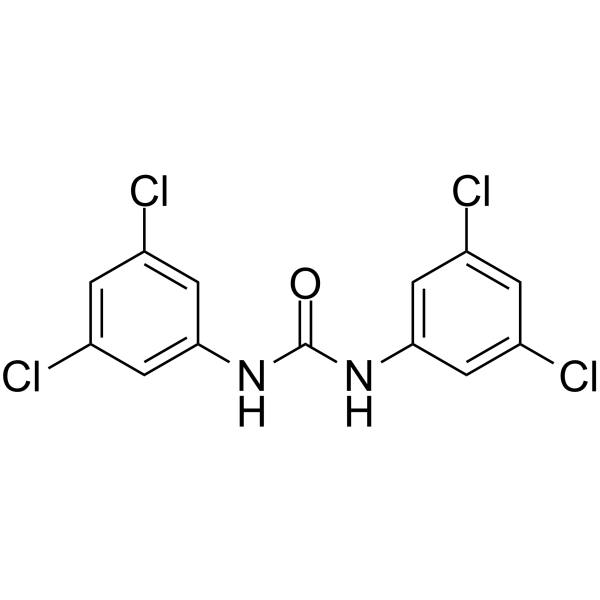
COH-SR4 is an AMPK activator. COH-SR4 shows potent anti-proliferative activities against leukemia, melanoma, breast and lung cancers. COH-SR4 inhibits adipocyte differentiation via AMPK activation. COH-SR4 can be used for the research of obesity and related metabolic disorders .
|
-
-
- HY-130723A
-
|
|
AMPK
|
Cancer
|
|
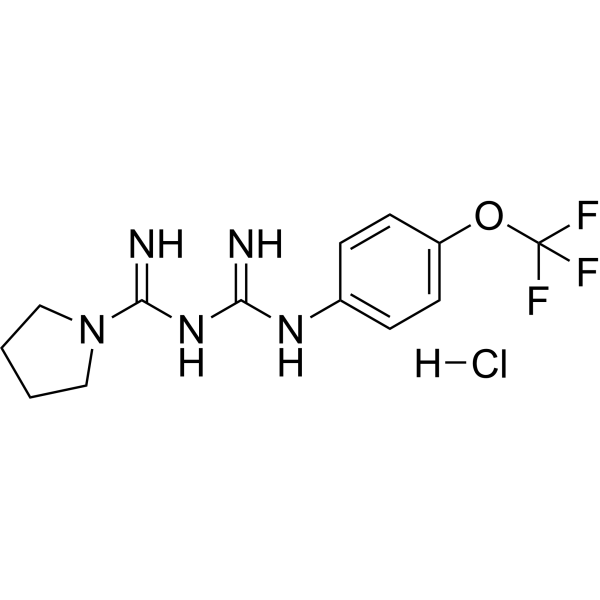
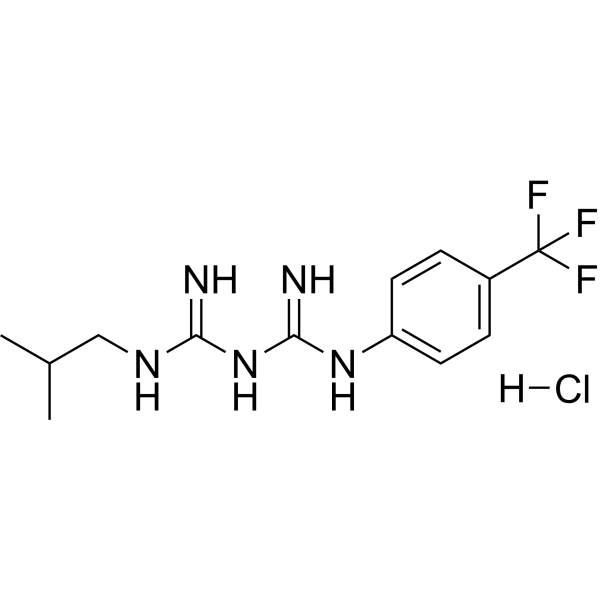
AMPK activator 2 (compound 7a) hydrochloride, a fluorine-containing proguanil derivative, up-regulates AMPK signal pathway and downregulates mTOR/4EBP1/p70S6K. AMPK activator 2 hydrochloride inhibits proliferation and migration of human cancer cell lines (UMUC3, T24, A549) .
|
-
-
- HY-N3426
-
|
|
NO Synthase
Akt
AMPK
|
Metabolic Disease
|
|
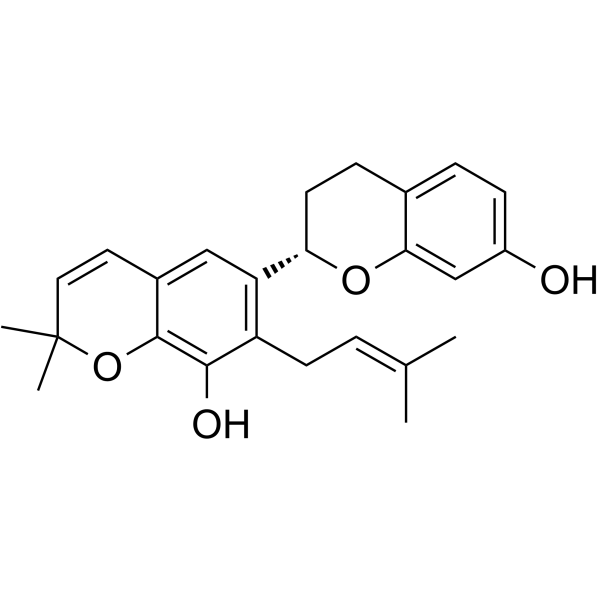
Kazinol B, a prenylated flavan with a dimethyl pyrane ring, is an inhibitor of nitric oxide (NO) production. Kazinol B improves insulin sensitivity by enhancing glucose uptake via the insulin-Akt signaling pathway and AMPK activation. Kazinol B has the potential for diabetes mellitus research .
|
-
-
- HY-B2099
-
|
1-Butylbiguanide
|
AMPK
|
Metabolic Disease
Cancer
|
|
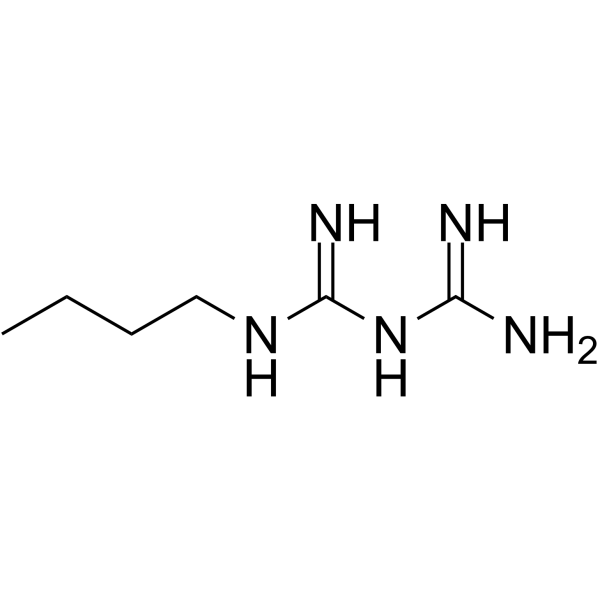
Buformin (1-Butylbiguanide), a potent AMPK activator, acts as an orally active biguanide antidiabetic agent. Buformin decreases hepatic gluconeogenesis and lowers blood glucose production in vivo. Buformin also has anti-cancer activities and is applied in cancer study (such as, cervical cancer and breast cancer, et al) .
|
-
-
- HY-148684
-
|
|
AMPK
|
Metabolic Disease
|
|
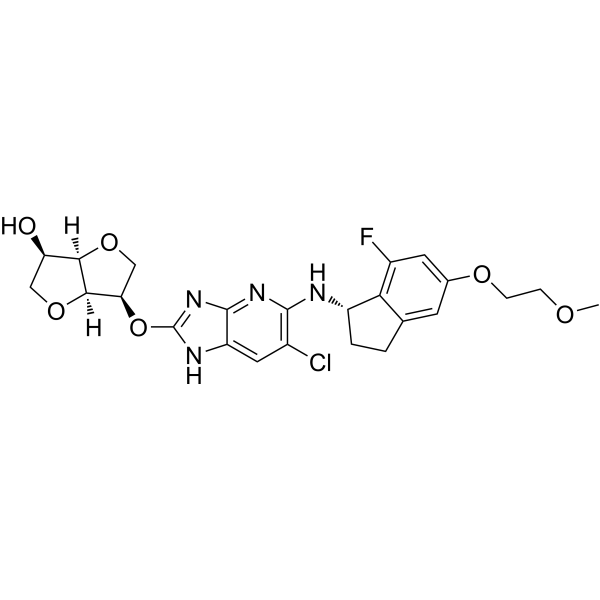
AMPK activator 10 is an orally active, potent AMPK activator with EC150 of 44.3 nM by cell-ELISA. AMPK activator 10 increases the phosphorylation levels of ACC. AMPK activator 10 exhibits a glucose lowering effect .
|
-
-
- HY-U00292
-
|
|
AMPK
|
Metabolic Disease
|
|
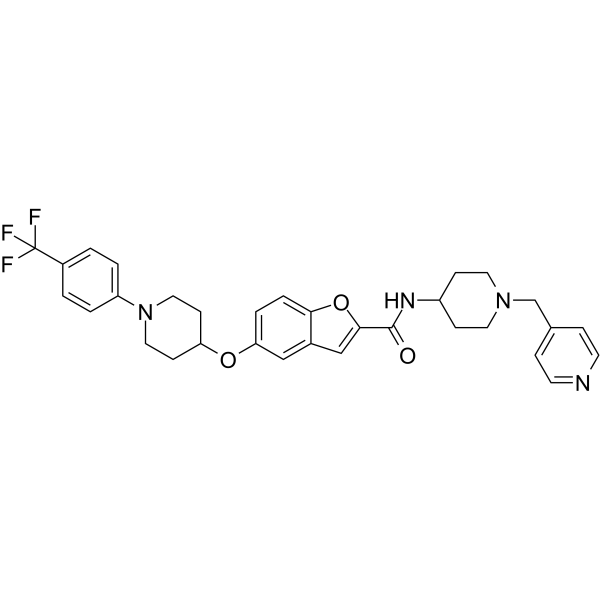
AMPK activator 1 is an AMPK activator extracted from patent WO2013116491A1, compound No.1-75, has an EC50 of <0.1μM.
|
-
-
- HY-N6913
-
|
|
AMPK
|
Metabolic Disease
|
|
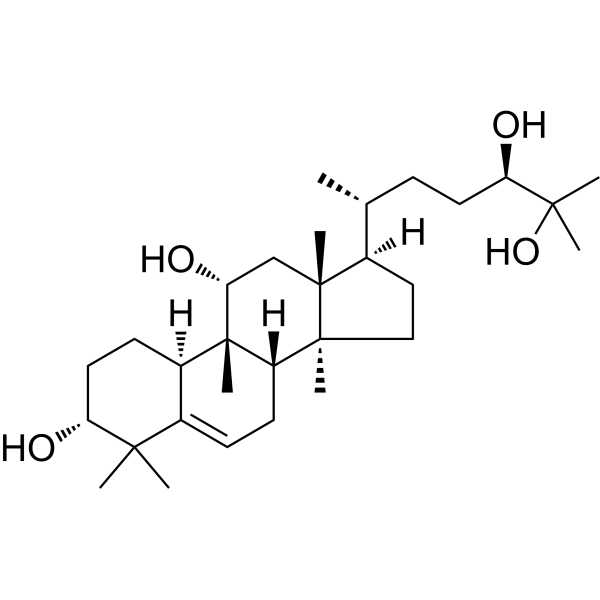
3α-Hydroxymogrol is a triterpenoid isolated from Siraitia grosvenorii Swingle, acts as a potent AMPK activator, and enhances AMPK phosphorylation .
|
-
-
- HY-13417AR
-
|
Acadesine phosphate (Standard); AICA Riboside phosphate (Standard)
|
AMPK
Autophagy
YAP
Mitophagy
Endogenous Metabolite
Reference Standards
|
Cancer
|
|
AICAR (phosphate) (Standard) is the analytical standard of AICAR (phosphate). This product is intended for research and analytical applications. AICAR phosphate (Acadesine phosphate) is an adenosine analog and a AMPK activator. AICAR phosphate regulates the glucose and lipid metabolism, and inhibits proinflammatory cytokines and iNOS production. AICAR phosphate is also an autophagy, YAP and mitophagy inhibitor .
|
-

-
- HY-N7394
-
|
(3S)-Zuonin A
|
AMPK
|
Metabolic Disease
Cancer
|
|
Galbacin ((3S)-Zuonin A), the epimer of (-)-Zuonin A (HY-N7394A), is a AMPK activator. Galbacin can be isolated from Myristica fragrans (nutmeg). Galbacin stimulates AMPK enzyme in differentiated C2C12 cells. Galbacin also has anticancer activity, and inhibits the proliferation of lymphocyte and tumor cells. Galbacin prevents weight gain in diet-induced mice model. Galbacin can be used for metabolic syndrome (including obesity and type-2 diabetes) and caners research .
|
-

-
- HY-N16066
-
|
CHNQD-0803
|
AMPK
Apoptosis
NF-κB
TNF Receptor
|
Inflammation/Immunology
|
|
Candidusin A (CHNQD-0803) (Compound 4) is a AMPK activator with a KD of 47.28 nM. Candidusin A can be isolated from marine fungus Aspergillus candidus. Candidusin A has cytotoxic activity and induces apoptosis in human prostate cancer cells (22Rv1, PC-3 and LNCaP cells). Candidusin A reduces adipogenesis genes expression and fat deposition, negatively regulates the NF-κB-TNFα inflammatory axis to suppress inflammation, and ameliorates liver injury and fibrosis. Candidusin A can be used for non-alcoholic steatohepatitis (NASH) research .
|
-

-
- HY-179578
-
|
|
Enolase
AMPK
Autophagy
Apoptosis
mTOR
Caspase
|
Metabolic Disease
Cancer
|
|
SU212 is a podophyllotoxin-derived ENO1 inhibitor and AMPK activator. SU212 can selectively induce oxidative phosphorylation, reduce glycolysis activity and glucose uptake in tumor cells, and directly bind to ENO1 without affecting these pathways in normal cells. SU212 induces apoptosis and promotes ENO1 degradation via proteasomal and autophagic pathways without inhibiting the catalytic activity. SU212 leads to mitotic arrest and apoptosis in TNBC (triple-negative breast cancer) cells by activating AMPK, demonstrating potent anti-tumor activity in vitro. SU212 inhibits tumor growth and metastasis in syngeneic, xenograft, and diabetic mouse models, exhibiting an excellent safety profile. SU212 can be used in research on t TNBC, diabetes, and fatty liver disease .
|
-

-
- HY-115507
-
|
|
AMPK
mTOR
ERK
Oxidative Phosphorylation
Reactive Oxygen Species (ROS)
Ras
|
Cancer
|
|
NMac1 is an orally active Nm23/NDPK activator. NMac1 directly binds to Nm23-H1 and activates the NDPK activity of recombinant Nm23-H1 with an EC50 of 10.7 uM. NMac1 induces AMPK activation and inhibits mTOR and ERK, leading to mitochondrial OXPHOS dysregulation and suppressing mitochondrial ROS production, which in turn induces mitochondrial dysfunction in MDA-MB-231 cells. NMac1 inhibits Complex I activity and suppresses changes in morphology and actin cytoskeleton organization following Rac1 activation in MDA-MB-231 cells. NMac1 inhibits tumor invasion, migration and metastasis. NMac1 is useful for studying metastatic tumors, such as breast cancer. NMac1 can be isolated from the ginger cassumunar Roxb .
|
-

- HY-147038
-
|
|
AMPK
|
Metabolic Disease
|
|
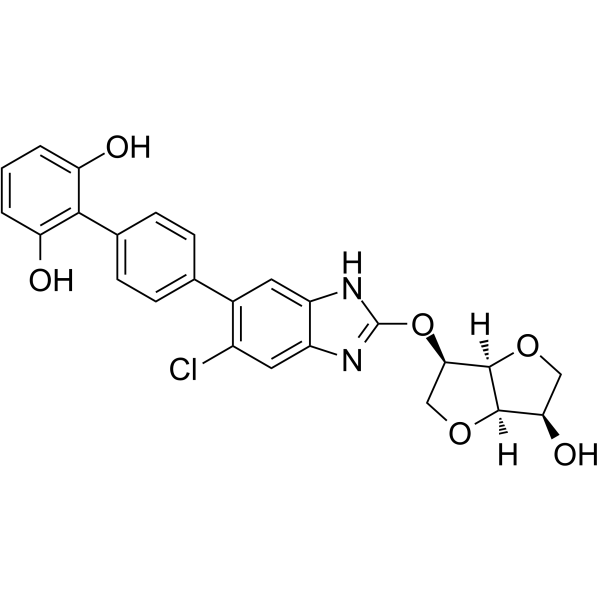
AMPK activator 8 (compound 2) is an AMP-activated protein kinase (AMPK) activator with EC50s of 11, 27, 4, 2, and 4 nM for rAMPK α1β1γ1, rAMPK α2β1γ1, rAMPK α1β2γ1, rAMPK α2β2γ1, rAMPK α2β2γ3, respectively. AMPK activator 8 can be used for the research of type 2 diabetes .
|
-
- HY-130155
-
|
|
AMPK
|
Neurological Disease
|
|
AMPK activator C2 is a potent allosteric AMPK activator that is promising for research of epilepsy and convulsions .
|
-

- HY-147037
-
|
|
AMPK
|
Cardiovascular Disease
Metabolic Disease
|
|
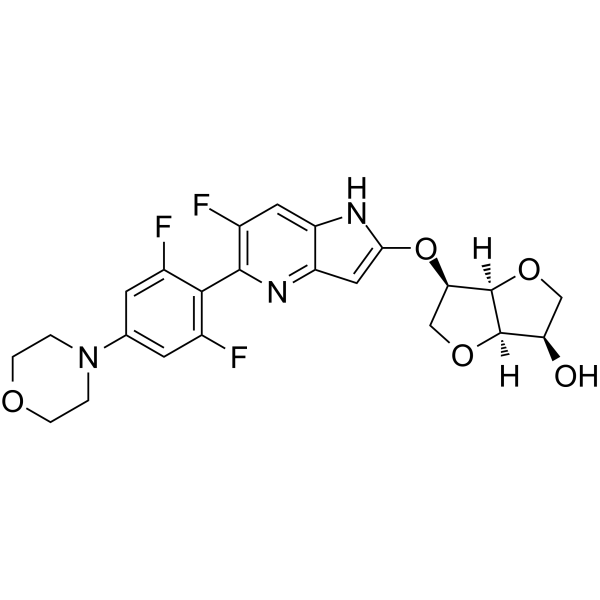
AMPK activator 7 (compound I-3-24) is a an AMPK activator with the EC50 of 8.8 nM. AMPK activator 7 can be used for the research of diseases involving AMPK, particularly diseases such as type 2 diabetes, hyperglycemia, metabolic syndrome, obesity, hypercholesterolemia and/or hypertension .
|
-
- HY-154973
-
|
|
Oxidative Phosphorylation
Mitochondrial Metabolism
AMPK
|
Metabolic Disease
Cancer
|
|
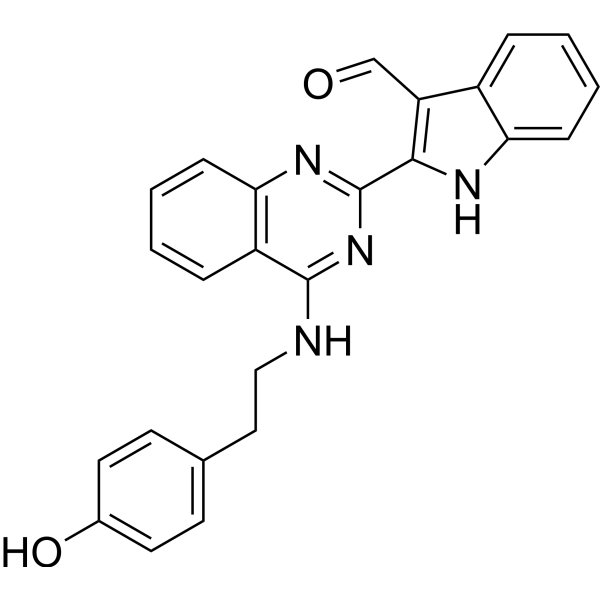
AMPK activator 11 is an AMP-activated protein kinase (AMPK) activator with nanomolelevel antiproliferation activities against several CRCs. AMPK activator 11 selectively inhibits the RKO xenograft growth along by activating AMPK and upregulating oxidative phosphorylation (OXPHOS) ( mitochondrial metabolism ) and can be used for anti-tumor and metabolic disease research .
|
-
- HY-131958
-
|
|
AMPK
|
Cancer
|
|
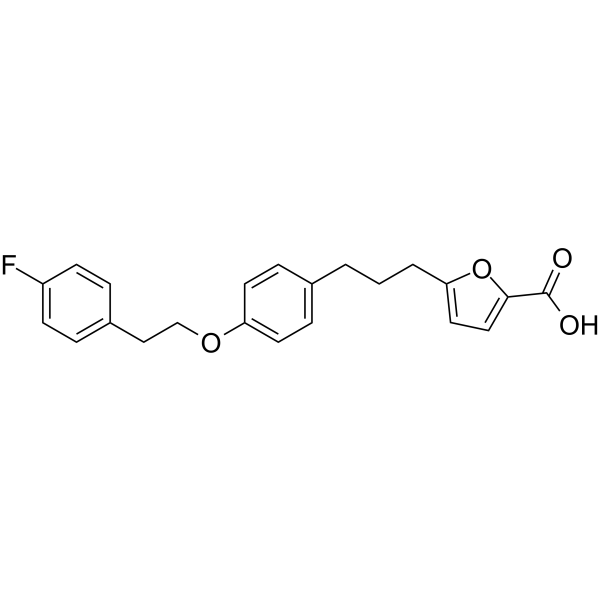
D942 is a cell penetrant AMPK activator and partially inhibits the mitochondrial complex I. In multiple myeloma cells, D942 inhibits cell growth .
|
-
- HY-13417S
-
|
Acadesine-13C2,15N; AICA Riboside-13C2,15N
|
Isotope-Labeled Compounds
Endogenous Metabolite
YAP
AMPK
Mitophagy
Autophagy
|
Others
|
|
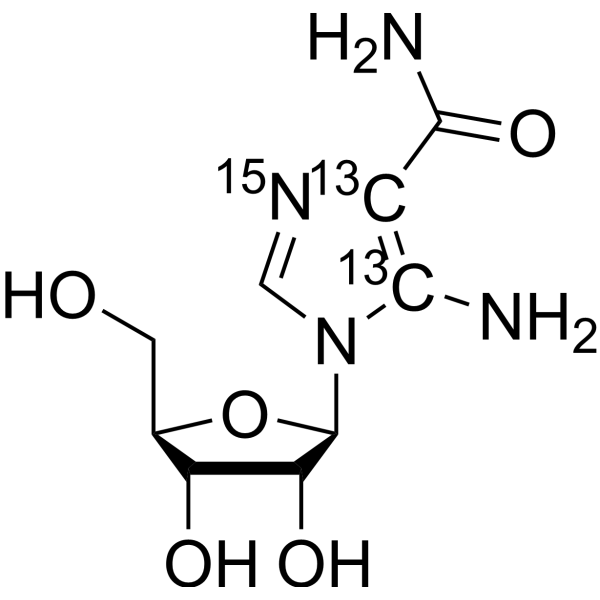
AICAR- 13C2, 15N (Acadesine- 13C2, 15N; AICA Riboside- 13C2, 15N) is the 13C and 15N labeled AICAR (HY-13417) . AICAR (Acadesine) is an adenosine analog and a AMPK activator. AICAR regulates the glucose and lipid metabolism, and inhibits proinflammatory cytokines and iNOS production. AICAR is also an autophagy, YAP and mitophagy inhibitor .
|
-
- HY-125535
-
|
|
AMPK
mTOR
Autophagy
Atg8/LC3
|
Cancer
|
|
OSU-53 is an orally active AMPK activator (EC50: 0.3 μM) and a direct mTOR inhibitor. OSU-53 induces autophagy and increases conversion of LC3 I to LC3 II. OSU-53 also modulates energy homeostasis by suppressing fatty acid biosynthesis and shifting the metabolism to oxidation by up-regulating the expression of PGC1α and NRF-1. OSU-53 has antitumor activity in various tumor models, such as breast cancer and thyroid cancer .
|
-

- HY-B0627A
-
|
1,1-Dimethylbiguanide (glycinate)
|
AMPK
Autophagy
Mitophagy
Apoptosis
mTOR
|
Cardiovascular Disease
Metabolic Disease
Cancer
|
|
Metformin (1,1-Dimethylbiguanide) glycinate inhibits the mitochondrial respiratory chain in the liver, leading to AMPK activation and enhancing insulin sensitivity, and can be used in the study of type 2 diabetes. Metformin glycinate exerts central glucose-lowering effects by inhibiting Ras-related protein 1 (Rap1) in SF1 hypothalamic neurons. Metformin glycinate also inhibits liver oxidative stress, nitrosative stress, inflammation, and apoptosis caused by liver ischemia/reperfusion injury. In addition, Metformin glycinate regulates the expression of autophagy-related proteins by activating AMPK and inhibiting the mTOR signaling pathway, thereby inducing tumor cell autophagy and inhibiting the growth of renal cell carcinoma in vitro and in vivo .
|
-

- HY-B0627S1
-
|
1,1-Dimethylbiguanide-13C2 hydrochloride
|
Isotope-Labeled Compounds
AMPK
Autophagy
Mitophagy
Apoptosis
mTOR
|
Cardiovascular Disease
Metabolic Disease
Cancer
|
|
Metformin- 13C2 (1,1-Dimethylbiguanide- 13C2) hydrochloride is the 13C-labeled Metformin hydrochloride (HY-17471A). Metformin (1,1-Dimethylbiguanide) hydrochloride inhibits the mitochondrial respiratory chain in the liver, leading to AMPK activation and enhancing insulin sensitivity, and can be used in the study of type 2 diabetes. Metformin hydrochloride exerts central glucose-lowering effects by inhibiting Ras-related protein 1 (Rap1) in SF1 hypothalamic neurons. Metformin hydrochloride also inhibits liver oxidative stress, nitrosative stress, inflammation, and apoptosis caused by liver ischemia/reperfusion injury. In addition, Metformin hydrochloride regulates the expression of autophagy-related proteins by activating AMPK and inhibiting the mTOR signaling pathway, thereby inducing tumor cell autophagy and inhibiting the growth of renal cell carcinoma in vitro and in vivo .
|
-

- HY-172901
-
|
|
AMPK
|
Cardiovascular Disease
Metabolic Disease
|
|
AMPK activator 17 (Compound 10g) is an orally active AMPK activator. AMPK activator 17 has significant anti-adipogenic (IC50: 3.4 μM) and dyslipidemia-modifying activities. AMPK activator 17 inhibits the early stages of adipocyte differentiation (mitotic clonal expansion) by activating the AMPK pathway. AMPK activator 17 can enhance mitochondrial function and fatty acid oxidation in mature adipocytes. AMPK activator 17 improves dyslipidemia by promoting reverse cholesterol transport. AMPK activator 17 can be used in the study of obesity and related metabolic diseases (such as type 2 diabetes and cardiovascular disease) .
|
-

- HY-162042
-
|
|
AMPK
|
Metabolic Disease
|
|
AMPK activator 14 (compound 32) is an orally active AMPK activator. AMPK activator 14 decreases fasted glucose and insulin levels in a db/db mouse model of Type II diabetes .
|
-
- HY-170931
-
|
|
AMPK
Acetyl-CoA Carboxylase
|
Neurological Disease
Metabolic Disease
|
|
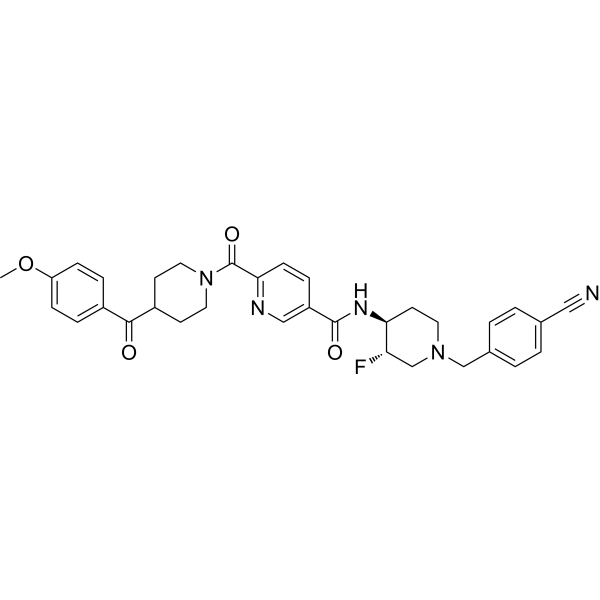
AMPK activator 16 (compound 6) is a AMP-activated protein kinase (AMPK) inhibitor. AMPK activator 16 shows the most efficient interactions with the key residues of AMPK and demonstrates significant activation of AMPK. AMPK activator 16 increases the expression of phosphorylated AMPK (p-AMPK) and its downstream signaling proteins, such as phosphorylated ACC (Acetyl-CoA Carboxylase) (p-ACC) and phosphorylated raptor (p-raptor), in N2a cells .
|
-

- HY-148210
-
|
|
AMPK
|
Metabolic Disease
|
|
AMPK activator 9 (ZM-6) is a potent AMPK (α2β1γ1) activator with an EC50 value of 1.1 µM. AMPK activator 9 has the potential for the research of type 2 diabetes .
|
-
- HY-146398
-
|
|
AMPK
|
Metabolic Disease
|
|
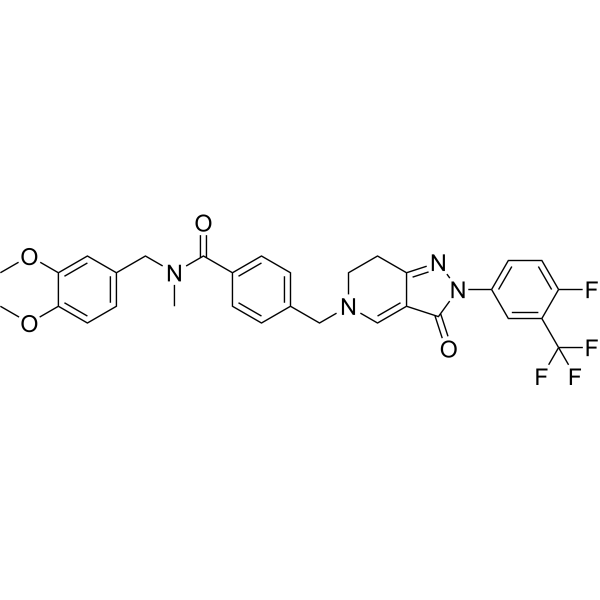
AMPK activator 6 (Compound GC) reduces lipid content and activates the AMPK pathway in HepG2 and 3T3-L1 cells. AMPK activator 6 significantly suppresses the increase in triglyceride (TG) , total cholesterol (TC), low-density lipoprotein-C (LDL-C), and other biochemical indices in blood serum. AMPK activator 6 can be used for the research of non-alcoholic fatty liver disease (NAFLD) and metabolic syndrome .
|
-
- HY-130723
-
|
|
AMPK
|
Cancer
|
|
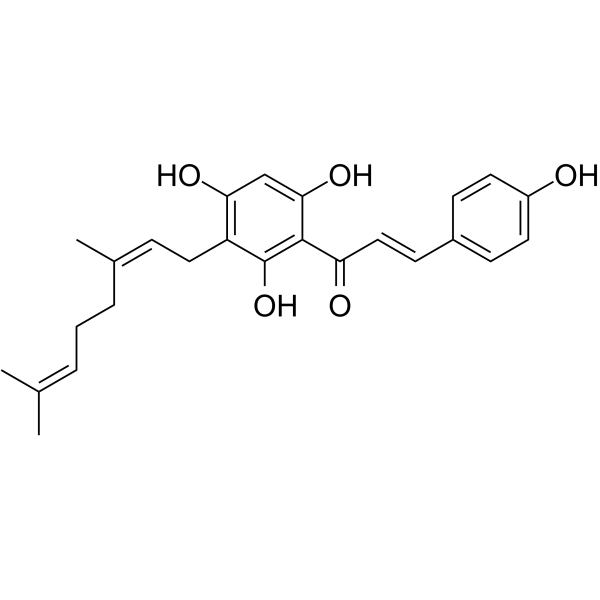
AMPK activator 2 (compound 7a), a fluorine-containing proguanil derivative, up-regulates AMPK signal pathway and downregulates mTOR/4EBP1/p70S6K. AMPK activator 2 inhibits proliferation and migration of human cancer cell lines (UMUC3, T24, A549) .
|
-
- HY-124919
-
|
|
AMPK
|
Metabolic Disease
|
|
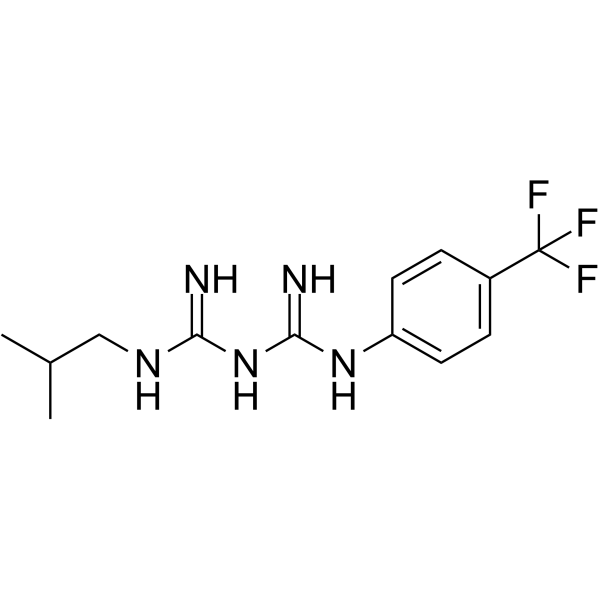
JJO-1 is an AMPK activator with an EC50 of 1.8 μM. JJO-1 can be used in the study of obesity and type 2 diabetes .
|
-

- HY-161163
-
|
|
AMPK
|
Neurological Disease
|
|
IND 1316 is an orally active, blood-brain barrier permeable AMPK activator with neuroprotective effects in animal models of Huntington's disease. IND 1316 can be used for research on neurodegenerative diseases, such as Alzheimer's disease and Parkinson's disease .
|
-
- HY-162516
-
|
|
AMPK
Mitochondrial Metabolism
|
Cancer
|
|
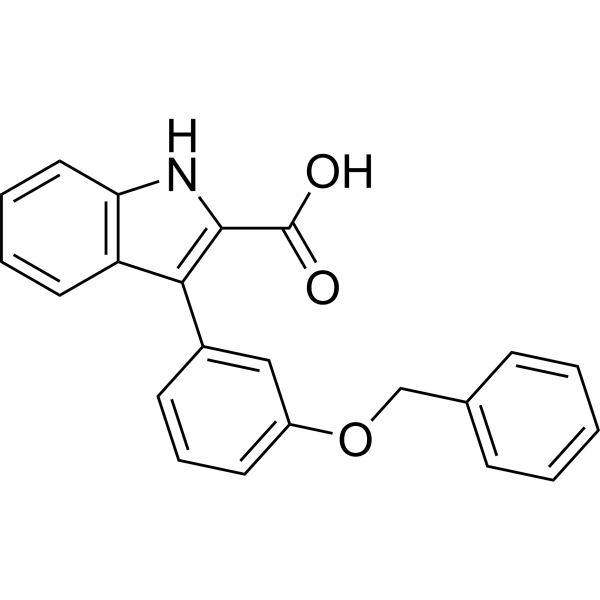
DBI-2 is an AMPK activator targeting mitochondrial complex I. DBI-2 disrupts the OXPHOS process, and reduces ATP generation in mitochondria. DBI-2 inhibits the proliferation of colorectal cancer (CRC) cells .
|
-

- HY-113352R
-
|
|
Reference Standards
Endogenous Metabolite
|
Others
|
|
Etilefrine (hydrochloride) (Standard) is the analytical standard of Etilefrine (hydrochloride). This product is intended for research and analytical applications. Etilefrine hydrochloride is an orally active α adrenergic agonist. Etilefrine hydrochloride is also an AMPK activator. Etilefrine hydrochloride can be used for the research of postural hypotension .
|
-

- HY-141543
-
|
|
β-catenin
|
Cancer
|
|
YW2065 is an Axin-1 stabilizer. Axin-1 is a scaffolding protein that regulates proteasome degradation of β-catenin. YW2065 exhibits anti-colorectal cancer effects via dual activities of wnt/β-catenin signaling inhibition and AMPK activation .
|
-
- HY-120270
-
|
|
AMPK
|
Metabolic Disease
|
|
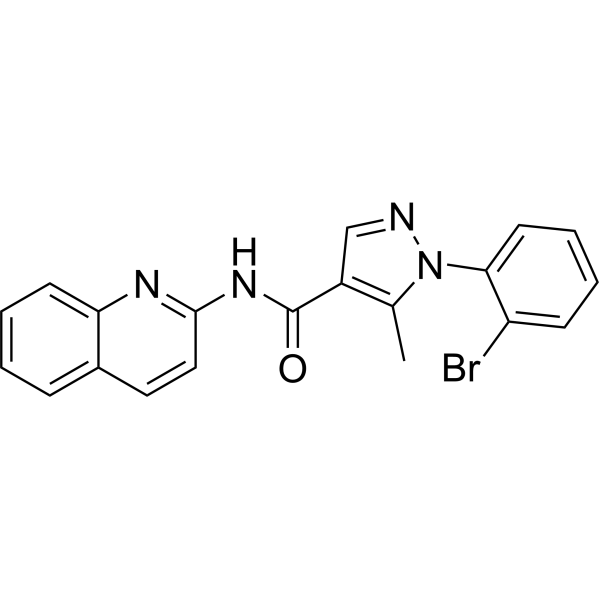
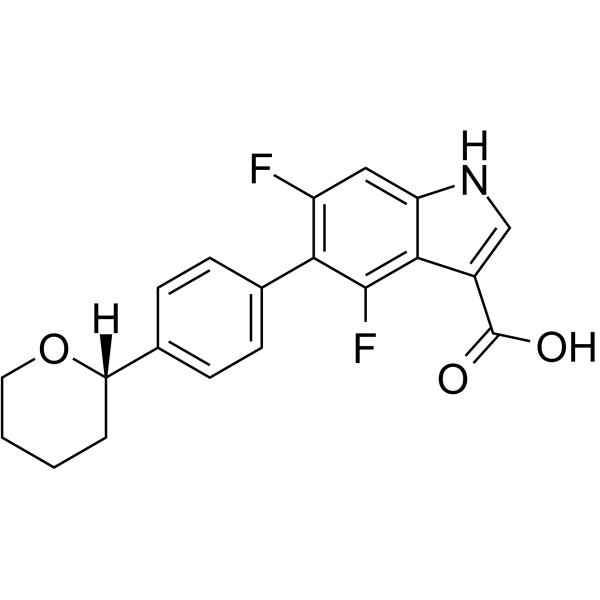
PF-06679142 (Compound 10) is a potent, orally active AMPK activator with an EC50 of 22 nM against α1β1γ1-AMPK. PF-06679142 can be used for diabetic nephropathy research .
|
-
- HY-N6258R
-
|
|
Reference Standards
AMPK
Apoptosis
|
Metabolic Disease
|
|
Kahweol (Standard) is the analytical standard of Kahweol. This product is intended for research and analytical applications. Kahweol is one of the consituents of the coffee from Coffea Arabica with anti-inflammatory anti-angiogenic, and anti-cancerous activities. Kahweol inhibits adipogenesis and increase glucose uptake by AMP-activated protein kinase (AMPK) activation. Kahweol induces apoptosis.
|
-

- HY-B2099S
-
|
1-Butylbiguanide-d9 hydrochloride
|
Isotope-Labeled Compounds
AMPK
|
Metabolic Disease
Cancer
|
|
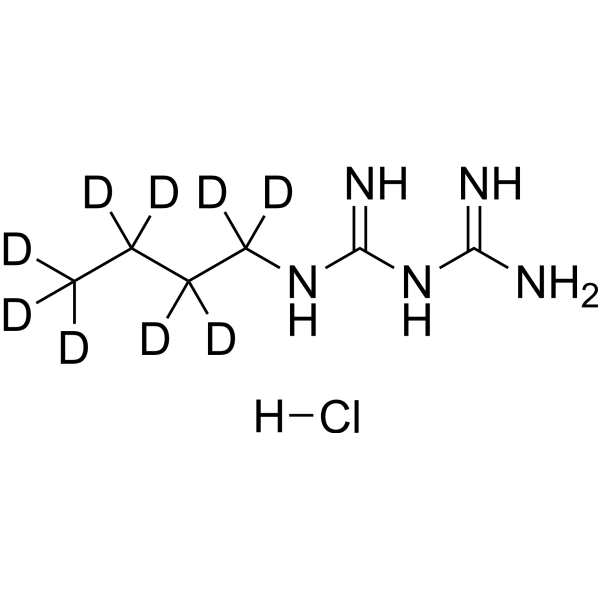
Buformin-d9 (hydrochloride) is the deuterium labeled Buformin. Buformin (1-Butylbiguanide), a potent AMPK activator, acts as an orally active biguanide antidiabetic agent. Buformin decreases hepatic gluconeogenesis and lowers blood glucose production in vivo. Buformin also has anti-cancer activities and is applied in cancer study (such as, cervical cancer and breast cancer, et al) .
|
-
- HY-B2099AR
-
|
1-Butylbiguanide hydrochloride (Standard)
|
AMPK
Reference Standards
|
Cancer
|
|
Buformin (hydrochloride) (Standard) is the analytical standard of Buformin (hydrochloride). This product is intended for research and analytical applications. Buformin hydrochloride (1-Butylbiguanide hydrochloride), a potent AMPK activator, acts as an orally active biguanide antidiabetic agent. Buformin hydrochloride decreases hepatic gluconeogenesis and lowers blood glucose production in vivo. Buformin hydrochloride also has anti-cancer activities and is applied in cancer study (such as, cervical cancer and breast cancer, et al) .
|
-

- HY-N3055
-
|
|
Apoptosis
AMPK
Platelet-activating Factor Receptor (PAFR)
Caspase
|
Neurological Disease
Metabolic Disease
Cancer
|
|
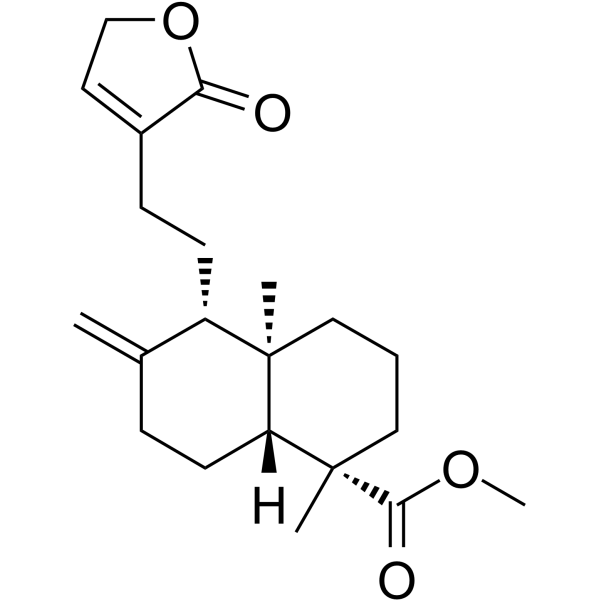
Pinusolide is an AMPK activator and PAF receptor antagonist. Pinusolide activates AMPK, phosphorylates ACC, enhances IRS-1 tyrosine phosphorylation, boosts glucose uptake, and modulates insulin signaling. Pinusolide inhibits caspase-3/7 activation, intracellular calcium elevation, reactive oxygen species overproduction, lipid peroxidation, and tumor cell proliferation. Pinusolide stabilizes superoxide dismutase activity, reduces apoptotic hallmarks, induces mitochondrial pathway apoptosis, and triggers DNA fragmentation. Pinusolide can be used for the research of type 2 diabetes, neurodegenerative diseases, acute lymphoblastic leukemia, acute myeloid leukemia, and Burkitt lymphoma .
|
-
- HY-A0144R
-
|
|
Adrenergic Receptor
AMPK
Akt
Reference Standards
|
Cardiovascular Disease
|
|
Etilefrine (Standard) is the analytical standard of Etilefrine. This product is intended for research and analytical applications. Etilefrine is a sympathetic nerve agonist and AMPK activator that selectively targets α1/β1 adrenergic receptors. Etilefrine stimulates α1 adrenergic receptors, leading to contraction of vascular smooth muscle and increased peripheral resistance. Etilefrine also stimulates β1 receptors to enhance myocardial contractility and increase heart rate, thereby increasing blood pressure and improving cardiac output. Etilefrine also bidirectionally regulates the AMPK/Akt pathway and modulates the phosphorylation levels. Etilefrine can be used in cardiovascular research, such as postural hypotension, chylothorax, and improving low cardiac output .
|
-

- HY-A0144AR
-
|
|
Reference Standards
AMPK
Adrenergic Receptor
Akt
|
Cardiovascular Disease
|
|
Etilefrine hydrochloride (Standard) is the analytical standard of Etilefrine hydrochloride (HY-A0144A). This product is intended for research and analytical applications. Etilefrine hydrochloride is a sympathetic nerve agonist and AMPK activator that selectively targets α1/β1 adrenergic receptors. Etilefrine hydrochloride stimulates α1 adrenergic receptors, leading to contraction of vascular smooth muscle and increased peripheral resistance. Etilefrine hydrochloride also stimulates β1 receptors to enhance myocardial contractility and increase heart rate, thereby increasing blood pressure and improving cardiac output. Etilefrine hydrochloride also bidirectionally regulates the AMPK/Akt pathway and modulates the phosphorylation levels. Etilefrine hydrochloride can be used in cardiovascular research, such as postural hypotension, chylothorax, and improving low cardiac output .
|
-

- HY-157129
-
|
|
AMPK
|
Cardiovascular Disease
|
|
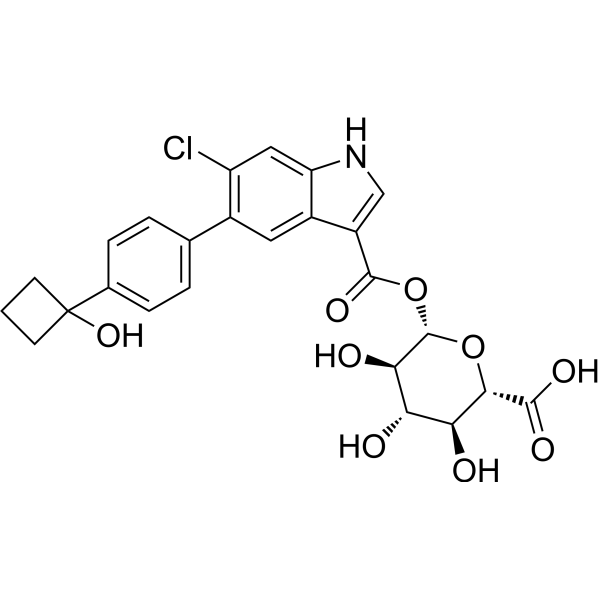
AMPK-α1β1γ1 activator 1 (M1) is an acyl glucuronide metabolite of Indole-3-carboxylic Acid-based AMPK activator. AMPK-α1β1γ1 activator 1 can selectively activated human β1 isoforms with an EC50 value of 38.1nM. AMPK-α1β1γ1 activator 1 can direct binding with human AMPK α1β1γ1 isoform. AMPK-α1β1γ1 activator 1 can be used for the research of diabetic nephropathy .
|
-
- HY-186155
-
|
|
AMPK
|
Metabolic Disease
|
|
AMPK activator 19 (Compound 57), alkene oxindole derivative, is an AMPK activator. AMPK activator 19 can be used for the research of diseases that are related to AMPK regulation, such as obesity, dyslipidemia, hyperglycemia, type 1 or type 2 diabetes .
|
-

- HY-181808
-
|
|
AMPK
TGF-beta/Smad
Collagen
|
Metabolic Disease
|
|
HSF1/AMPK activator 1 is a compound that modulates the HSF1/AMPK axis and the TGF-β1/Smad signaling pathway. HSF1/AMPK activator 1 exhibits anti-hepatic fibrosis activity and metabolic stability. HSF1/AMPK activator 1 inhibits fibrosis formation and cell proliferation in activated hepatic stellate cells. HSF1/AMPK activator 1 alleviates liver injury and hepatic fibrosis symptoms in fibrotic mice. HSF1/AMPK activator 1 is applicable to research related to hepatic fibrosis .
|
-

- HY-115549
-
|
|
AMPK
Acetyl-CoA Carboxylase
|
Metabolic Disease
|
|
AMPK activator 18 is a potent allosteric activator of AMPK complexes containing the β2 isoform. AMPK activator 18activates α2-containing AMPK α2β2γ1 and α2β2γ3 complexes, with EC50 values of 17.2 and 82.1 nM. AMPK activator 18 stimulates β2-AMPK in cells, and glucose uptake by isolated skeletal muscle. AMPK activator 18 induces acetyl-coenzyme A carboxylase (ACC) and AMPK α-T172 phosphorylation. AMPK activator 18 can be used for the research of type 2 diabetes .
|
-

- HY-107988R
-
|
|
Reference Standards
AMPK
|
Metabolic Disease
|
|
MK-3903 (Standard) is the analytical standard of MK-3903 (HY-107988). This product is intended for research and analytical applications. MK-3903 is a potent and selective AMP-activated protein Kinase (AMPK) activator with an EC50 of 8 nM.
|
-

- HY-171889
-
|
|
AMPK
|
Cardiovascular Disease
Metabolic Disease
|
|
BI-9774 is a 5' AMP-activated protein kinase (AMPK) activator (IC50=12--88 nM). BI-9774 is promising for research of metabolic disorders (type 2 diabetes, obesity) and cardiovascular diseases (myocardial ischemia, heart failure) .
|
-

- HY-15840A
-
|
(E/Z)-C24
|
AMPK
MDM-2/p53
|
Cancer
|
|
(E/Z)-YLF-466D (E/Z)-C24) is a AMPK activator. (E/Z)-YLF-466D directly activates AMPK, a key regulator of energy homeostasis. (E/Z)-YLF-466D activates p53 and regulates proliferation signaling pathways in cancer cells. (E/Z)-YLF-466D exhibits anti-tumor activity .
|
-

- HY-181059
-
|
|
Drug Derivative
mTOR
AMPK
|
Metabolic Disease
Inflammation/Immunology
Cancer
|
|
AMPK/mTOR modulator-1, Ginsenoside derivative, is an orally active mTOR inhibitor and AMPK activator. AMPK/mTOR modulator-1 activates AMPK signaling with a Kd of 4.759 μM. AMPK/mTOR modulator-1 promotes M1-like tumor-associated macrophage polarization while suppressing M2-like polarization. AMPK/mTOR modulator-1 can enhance glycolysis. AMPK/mTOR modulator-1 significantly inhibits tumor progression and shows anti-inflammation activity. AMPK/mTOR modulator-1 can be used for the research of colorectal cancer .
|
-

| Cat. No. |
Product Name |
Type |
-
- HY-A0144A
-
|
|
Biochemical Assay Reagents
|
|
Etilefrine hydrochloride is a sympathetic nerve agonist and AMPK activator that selectively targets α1/β1 adrenergic receptors. Etilefrine hydrochloride stimulates α1 adrenergic receptors, leading to contraction of vascular smooth muscle and increased peripheral resistance. Etilefrine hydrochloride also stimulates β1 receptors to enhance myocardial contractility and increase heart rate, thereby increasing blood pressure and improving cardiac output. Etilefrine hydrochloride also bidirectionally regulates the AMPK/Akt pathway and modulates the phosphorylation levels. Etilefrine hydrochloride can be used in cardiovascular research, such as postural hypotension, chylothorax, and improving low cardiac output .
|
-
- HY-A0144AR
-
|
|
Biochemical Assay Reagents
|
|
Etilefrine hydrochloride (Standard) is the analytical standard of Etilefrine hydrochloride (HY-A0144A). This product is intended for research and analytical applications. Etilefrine hydrochloride is a sympathetic nerve agonist and AMPK activator that selectively targets α1/β1 adrenergic receptors. Etilefrine hydrochloride stimulates α1 adrenergic receptors, leading to contraction of vascular smooth muscle and increased peripheral resistance. Etilefrine hydrochloride also stimulates β1 receptors to enhance myocardial contractility and increase heart rate, thereby increasing blood pressure and improving cardiac output. Etilefrine hydrochloride also bidirectionally regulates the AMPK/Akt pathway and modulates the phosphorylation levels. Etilefrine hydrochloride can be used in cardiovascular research, such as postural hypotension, chylothorax, and improving low cardiac output .
|
| Cat. No. |
Product Name |
Target |
Research Area |
-
- HY-P10769
-
|
|
AMPK
Apoptosis
|
Metabolic Disease
|
|
MOTS-c (mouse) is a mitochondrial-derived polypeptide that can be used to regulates pancreatic cell function. MOTS-c (mouse) reduces insulin secretion and expression in INS-1E cells, and enhances glucagon secretion and expression in αTC-1 cells. MOTS-c (mouse) decreases the apoptosis in INS-1E and αTC-1. MOTS-c (mouse) counteracts diet-induced obesity and insulin resistance through AMPK activation .
|
| Cat. No. |
Product Name |
Category |
Target |
Chemical Structure |
-
- HY-13417
-
-
-
- HY-13417A
-
-
-
- HY-N0671
-
-
-
- HY-13417R
-
-
-
- HY-N6258
-
-
-
- HY-N7515
-
-
-
- HY-N3225
-
|
|
Myrica ceriferaL.
Phenols
Polyphenols
Plants
Source Classification
Myricaceae
|
NAMPT
Sirtuin
Microtubule/Tubulin
Apoptosis
Autophagy
PDGFR
NF-κB
AMPK
|
|
Myricanol is a diarylheptanoid and a Nampt activator. Myricanol exerts anti-inflammatory effects and alleviates glucocorticoid-induced muscle atrophy by increasing Sirtuin 1 (SIRT1) and PRDX5 activities while regulating inflammatory factors. Myricanol exhibits growth inhibition and induces apoptosis in human lung adenocarcinoma A549 cells. Myricanol promotes autophagy-mediated clearance of microtubule-associated protein tau to exert neuroprotective effects. Myricanol protects cardiovascular function by inhibiting PDGFRβ and NF-κB signaling pathways. Myricanol activates mitochondrial transcription factor A (TFAM) expression to exert anti-renal fibrosis effects. Myricanol improves insulin resistance through AMPK activation .
|
-
-
- HY-N7912
-
-
-
- HY-N3425
-
-
-
- HY-N0671R
-
|
Rhaponiticin (Standard)
|
Stilbenes
Classification of Application Fields
Polygonaceae
Rheum officinale Baill.
Phenols
Plants
Disease Research Fields
Source Classification
Cancer
|
Reference Standards
Apoptosis
|
|
Rhapontin (Standard) is the analytical standard of Rhapontin (HY-N0671). This product is intended for research and analytical applications. Rhapontin (Rhaponiticin) is an orally aactive SIRT1 agonist and AMPK activator with anti-inflammatory and anti-fibrotic activities. Rhapontin inhibits NLRP3 inflammasome activation by activating SIRT1 and inhibits TGF-β/Smad signaling via the AMPK pathway. Rhapontin reduces intestinal and lung inflammation, inhibits fibroblast differentiation and extracellular matrix deposition, and enhances tight junction protein expression to repair epithelial barriers. Rhapontin can be used in the study of inflammatory bowel diseases (such as ulcerative colitis) and pulmonary fibrosis .
|
-
-
- HY-N3426
-
-
-
- HY-N6913
-
-
-
- HY-13417AR
-
-
-
- HY-N7394
-
|
(3S)-Zuonin A
|
Natural Products
Virola surinamensis (Rol. ex Rottb.) Warb.
Myristicaceae
Plants
Source Classification
|
AMPK
|
|
Galbacin ((3S)-Zuonin A), the epimer of (-)-Zuonin A (HY-N7394A), is a AMPK activator. Galbacin can be isolated from Myristica fragrans (nutmeg). Galbacin stimulates AMPK enzyme in differentiated C2C12 cells. Galbacin also has anticancer activity, and inhibits the proliferation of lymphocyte and tumor cells. Galbacin prevents weight gain in diet-induced mice model. Galbacin can be used for metabolic syndrome (including obesity and type-2 diabetes) and caners research .
|
-
-
- HY-N16066
-
|
CHNQD-0803
|
Monophenols
Microorganisms
Phenols
Source Classification
|
AMPK
Apoptosis
NF-κB
TNF Receptor
|
|
Candidusin A (CHNQD-0803) (Compound 4) is a AMPK activator with a KD of 47.28 nM. Candidusin A can be isolated from marine fungus Aspergillus candidus. Candidusin A has cytotoxic activity and induces apoptosis in human prostate cancer cells (22Rv1, PC-3 and LNCaP cells). Candidusin A reduces adipogenesis genes expression and fat deposition, negatively regulates the NF-κB-TNFα inflammatory axis to suppress inflammation, and ameliorates liver injury and fibrosis. Candidusin A can be used for non-alcoholic steatohepatitis (NASH) research .
|
-
-
- HY-113352R
-
-
-
- HY-N6258R
-
-
-
- HY-N3055
-
|
|
Cupressaceae
Classification of Application Fields
Terpenoids
Diterpenoids
Plants
Disease Research Fields
Calocedrus decurrens (Torr.) Florin
Source Classification
Cancer
|
Apoptosis
AMPK
Platelet-activating Factor Receptor (PAFR)
Caspase
|
|
Pinusolide is an AMPK activator and PAF receptor antagonist. Pinusolide activates AMPK, phosphorylates ACC, enhances IRS-1 tyrosine phosphorylation, boosts glucose uptake, and modulates insulin signaling. Pinusolide inhibits caspase-3/7 activation, intracellular calcium elevation, reactive oxygen species overproduction, lipid peroxidation, and tumor cell proliferation. Pinusolide stabilizes superoxide dismutase activity, reduces apoptotic hallmarks, induces mitochondrial pathway apoptosis, and triggers DNA fragmentation. Pinusolide can be used for the research of type 2 diabetes, neurodegenerative diseases, acute lymphoblastic leukemia, acute myeloid leukemia, and Burkitt lymphoma .
|
-
| Cat. No. |
Product Name |
Chemical Structure |
-
- HY-110228
-
|
|
|
Metformin-d6 hydrochloride is a deuterium labeled Metformin hydrochloride. Metformin hydrochloride inhibits the mitochondrial respiratory chain in the liver, leading to AMPK activation and enhancing insulin sensitivity, and can be used in the study of type 2 diabetes. Metformin hydrochloride also inhibits liver oxidative stress, nitrosative stress, inflammation, and apoptosis caused by liver ischemia/reperfusion injury. In addition, metformin hydrochloride regulates the expression of autophagy-related proteins by activating AMPK and inhibiting the mTOR signaling pathway, thereby inducing tumor cell autophagy and inhibiting the growth of renal cell carcinoma in vitro and in vivo .
|
-
-
- HY-B0627S
-
|
|
|
Metformin-d6 (1,1-Dimethylbiguanide-d6) is a deuterated labeled Metformin (HY-B0627). Metformin (1,1-Dimethylbiguanide) inhibits the mitochondrial respiratory chain in the liver, leading to AMPK activation and enhancing insulin sensitivity, and can be used in the study of type 2 diabetes. Metformin exerts central glucose-lowering effects by inhibiting Ras-related protein 1 (Rap1) in SF1 hypothalamic neurons. Metformin also inhibits liver oxidative stress, nitrosative stress, inflammation, and apoptosis caused by liver ischemia/reperfusion injury. In addition, Metformin regulates the expression of autophagy-related proteins by activating AMPK and inhibiting the mTOR signaling pathway, thereby inducing tumor cell autophagy and inhibiting the growth of renal cell carcinoma in vitro and in vivo .
|
-
-
- HY-13417S
-
|
|
|
AICAR- 13C2, 15N (Acadesine- 13C2, 15N; AICA Riboside- 13C2, 15N) is the 13C and 15N labeled AICAR (HY-13417) . AICAR (Acadesine) is an adenosine analog and a AMPK activator. AICAR regulates the glucose and lipid metabolism, and inhibits proinflammatory cytokines and iNOS production. AICAR is also an autophagy, YAP and mitophagy inhibitor .
|
-
-
- HY-B0627S1
-
|
|
|
Metformin- 13C2 (1,1-Dimethylbiguanide- 13C2) hydrochloride is the 13C-labeled Metformin hydrochloride (HY-17471A). Metformin (1,1-Dimethylbiguanide) hydrochloride inhibits the mitochondrial respiratory chain in the liver, leading to AMPK activation and enhancing insulin sensitivity, and can be used in the study of type 2 diabetes. Metformin hydrochloride exerts central glucose-lowering effects by inhibiting Ras-related protein 1 (Rap1) in SF1 hypothalamic neurons. Metformin hydrochloride also inhibits liver oxidative stress, nitrosative stress, inflammation, and apoptosis caused by liver ischemia/reperfusion injury. In addition, Metformin hydrochloride regulates the expression of autophagy-related proteins by activating AMPK and inhibiting the mTOR signaling pathway, thereby inducing tumor cell autophagy and inhibiting the growth of renal cell carcinoma in vitro and in vivo .
|
-
-
- HY-B2099S
-
|
|
|
Buformin-d9 (hydrochloride) is the deuterium labeled Buformin. Buformin (1-Butylbiguanide), a potent AMPK activator, acts as an orally active biguanide antidiabetic agent. Buformin decreases hepatic gluconeogenesis and lowers blood glucose production in vivo. Buformin also has anti-cancer activities and is applied in cancer study (such as, cervical cancer and breast cancer, et al) .
|
-
Your information is safe with us. * Required Fields.
Inquiry Information
- Product Name:
- Cat. No.:
- Quantity:
- MCE Japan Authorized Agent:








