Search Result
Results for "
Antinociceptive+activity
" in MedChemExpress (MCE) Product Catalog:
| Cat. No. |
Product Name |
Target |
Research Areas |
Chemical Structure |
-
- HY-100714
-
DL-AP5
3 Publications Verification
2-APV; DL-2-Amino-5-phosphonovaleric acid
|
iGluR
|
Neurological Disease
Inflammation/Immunology
|
|
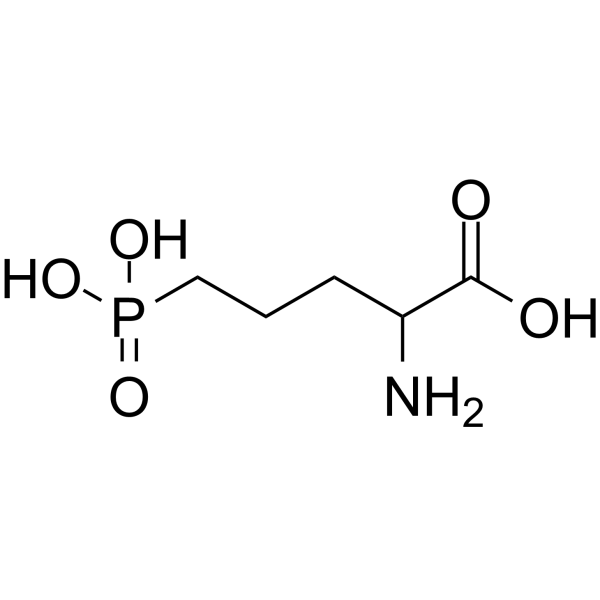
DL-AP5 (2-APV) is a competitive NMDA (N-methyl-D-aspartate) receptor antagonist. DL-AP5 shows significantly antinociceptive activity. DL-AP5 specifically blocks on channels in the rabbit retina .
|
-
-
- HY-N0923
-
|
(+)-Corydaline; Corydalin
|
Cholinesterase (ChE)
Enterovirus
Opioid Receptor
|
Neurological Disease
|
|
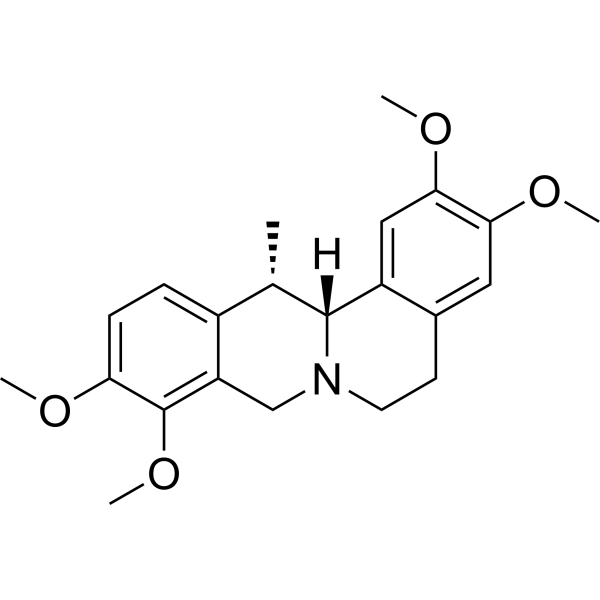
Corydaline ((+)-Corydaline), an isoquinoline alkaloid isolated from Corydalis yanhusuo, is an AChE inhibitor with an IC50 of 226 μM. Corydaline is a μ-opioid receptor (Ki of 1.23 μM) agonist and inhibits enterovirus 71 (EV71) replication (IC50 of 25.23 μM). Corydaline has anti-angiogenic, anti-allergic and gastric-emptying and antinociceptive activities .
|
-
-
- HY-117626
-
|
|
AAK1
Cyclin G-associated Kinase (GAK)
SARS-CoV
|
Infection
Neurological Disease
Inflammation/Immunology
|
|
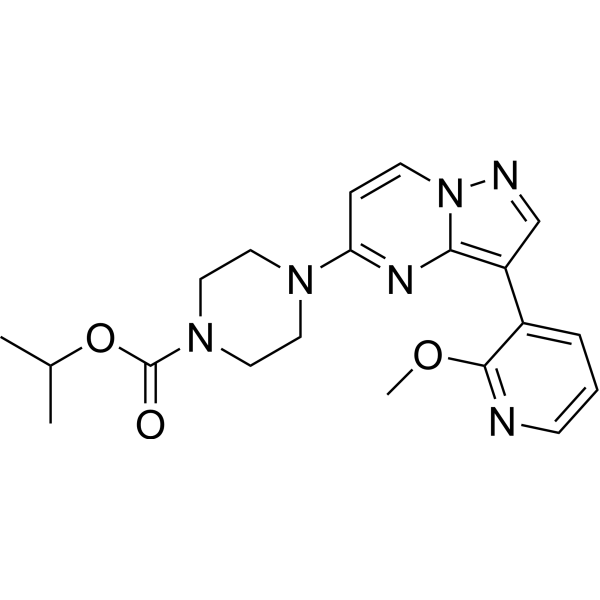
LP-935509 is an orally active, potent, selective, ATP-competitive and brain-penetrant inhibitor of adaptor protein-2 associated kinase 1 (AAK1) with an IC50 of 3.3 nM and a Ki of 0.9 nM, respectively. LP-935509 is also a potent inhibitor of BIKE (IC50=14 nM) and a modest inhibitor of GAK (IC50=320 nM). LP-935509 shows antinociceptive activity. LP-935509 can be used for neuropathic pain and SARS-CoV-2 research .
|
-
-
- HY-17391
-
|
|
Adenosine Receptor
|
Endocrinology
|
|
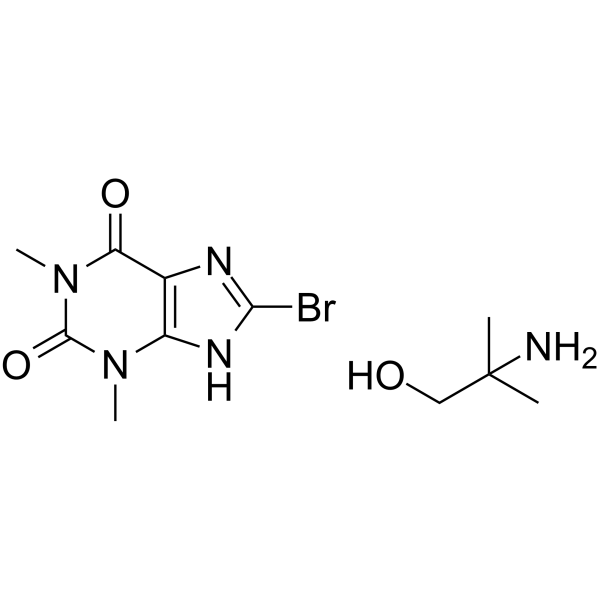
Pamabrom is a diuretic that acts on the opioid receptor-nitric oxide (NO) -cyclic guanosine monophosphate (cGMP) -K + channel pathway. Pamabrom exerts peripheral antinociceptive activity by activating this pathway. The mechanism involves activating opioid receptors, promoting the release of nitric oxide, and then influencing cyclic guanosine monophosphate and K channels to produce an analgesic effect. Pamabrom is orally active and is mainly used in the research and treatment of premenstrual syndrome and primary dysmenorrhea[1].
|
-
-
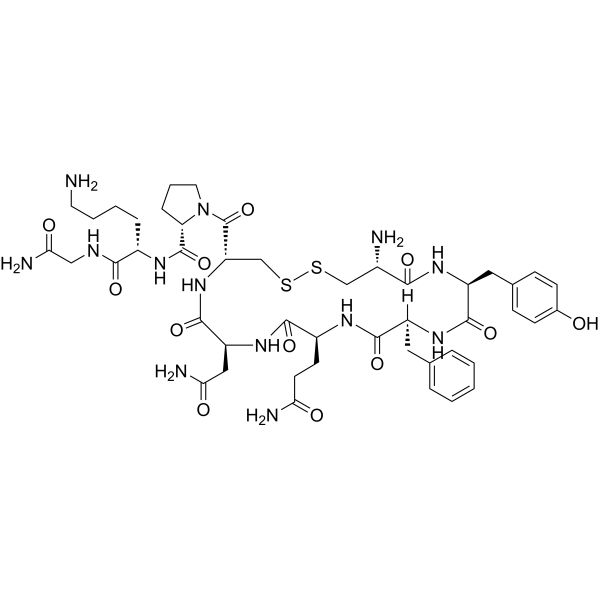
- HY-P0004
-
-
-
- HY-N8210
-
|
|
Drug Metabolite
Autophagy
Apoptosis
Reactive Oxygen Species (ROS)
Keap1-Nrf2
MMP
Caspase
PARP
MDM-2/p53
|
Neurological Disease
Inflammation/Immunology
Cancer
|
|
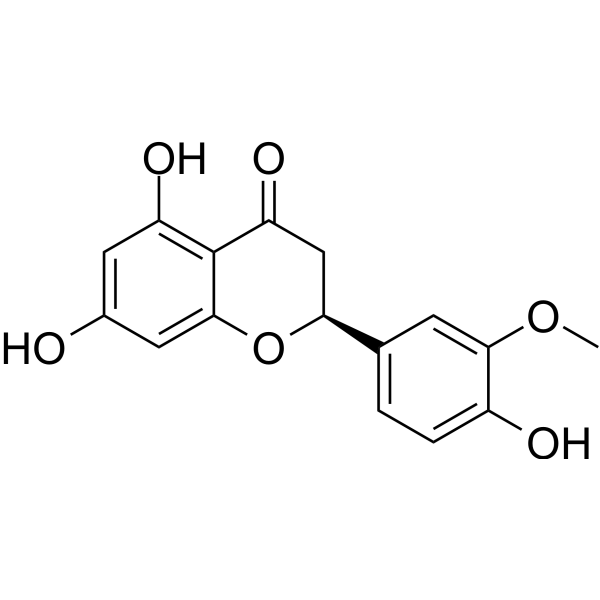
Homoeriodictyol is an orally active, bitter-tasting flavanone that can penetrate the blood-brain barrier. Homoeriodictyol enhances synaptic-related protein expression through NCOA4-mediated ferritin autophagy. Homoeriodictyol improves memory impairment in mice by inhibiting the NLRP3 inflammasome. Homoeriodictyol protects human endothelial cells from oxidative damage by activating Nrf2 and inhibiting mitochondrial dysfunction. Homoeriodictyol enhances ROS activity and induces apoptosis, exhibiting anticancer effects. Homoeriodictyol inhibits the survival and migration of androgen-resistant prostate cancer cells in vitro. Homoeriodictyol exerts antinociceptive activity in mice in vivo .
|
-
-
- HY-15028
-
|
ATB-346
|
COX
Apoptosis
|
Inflammation/Immunology
|
|
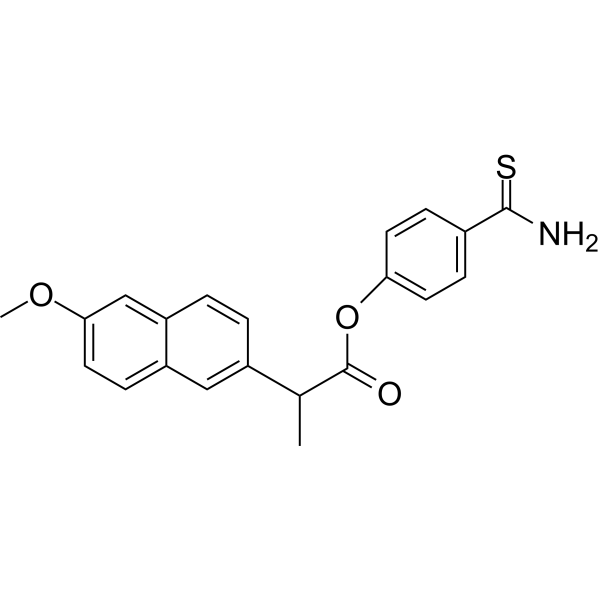
Otenaproxesul (ATB-346), an orally active non-steroidal anti-inflammatory drug (NSAID), inhibits cyclooxygenase-1 and 2 (COX-1 and 2). Otenaproxesul possesses antiinflammatory and antinociceptive activities .
|
-
-
- HY-131004
-
|
|
Cannabinoid Receptor
|
Neurological Disease
|
|
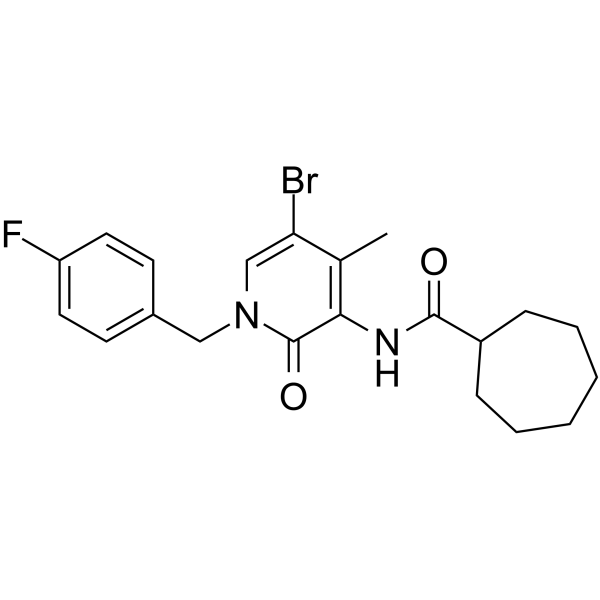
CB2R PAM is an orally active cannabinoid type-2 receptors (CB2Rs) positive allosteric modulator. CB2R PAM displays antinociceptive activity in vivo in an experimental mouse model of neuropathic pain .
|
-
-
- HY-120813
-
|
URB913
|
Ceramidase
|
Inflammation/Immunology
|
|
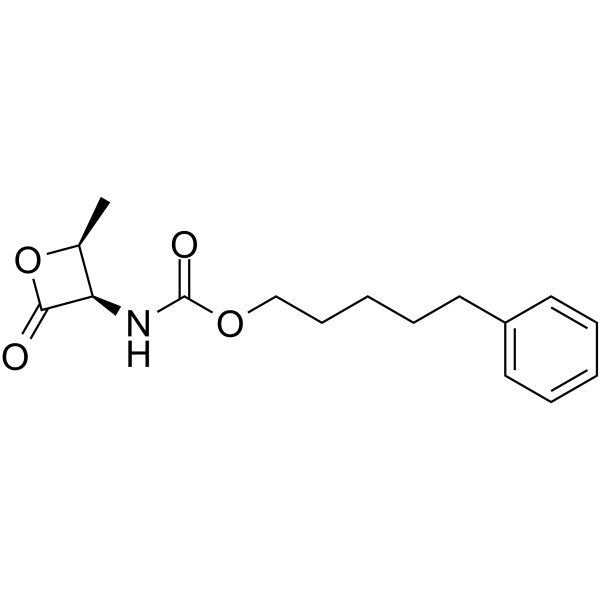
ARN 077 is a potent and selective N-acylethanolamine acid amidase (NAAA) inhibitor with an IC50 of 7 nM for human NAAA . ARN 077 significantly increases palmitoyl ethanolamine (PEA) levels within the CNS and has broad antinociceptive activity in mice and rats .
|
-
-
- HY-100714C
-
|
2-APV sodium; DL-2-Amino-5-phosphonovaleric acid sodium
|
iGluR
|
Neurological Disease
Inflammation/Immunology
|
|
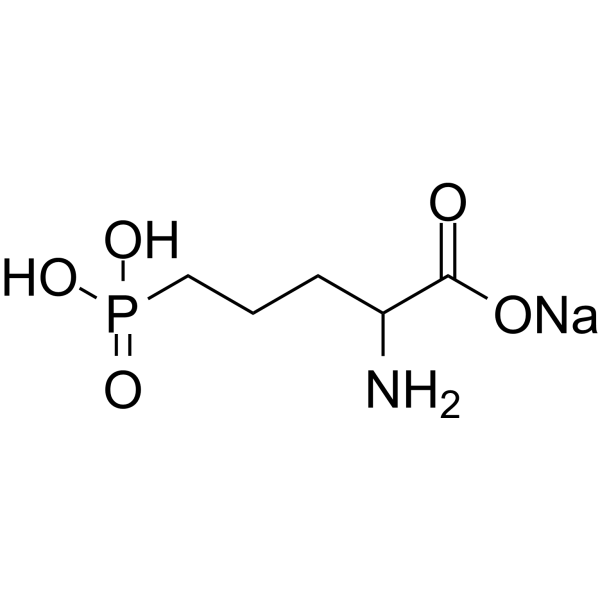
DL-AP5 (2-APV) sodium is a competitive NMDA (N-methyl-D-aspartate) receptor antagonist. DL-AP5 sodium shows significantly antinociceptive activity. DL-AP5 sodium specifically blocks on channels in the rabbit retina .
|
-
-
- HY-135871
-
|
|
AAK1
|
Neurological Disease
|
|
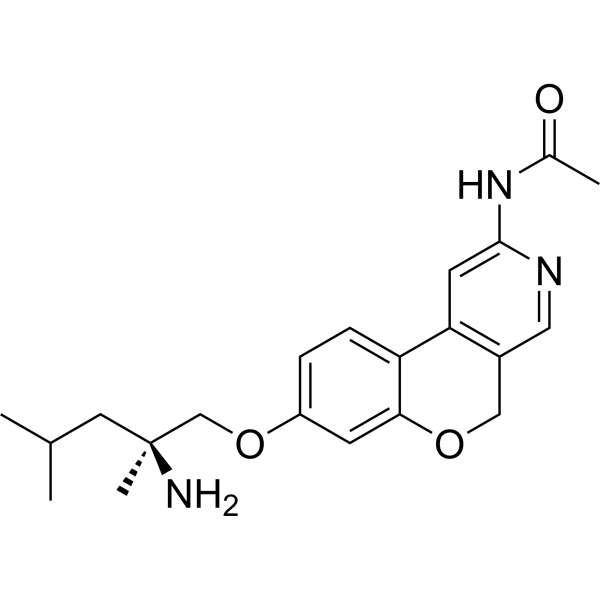
BMT-124110 is a potent, selective AAK1 inhibitor with an IC50 of 0.9 nM. BMT-124110 shows antinociceptive activity. BMT-090605 inhibits BMP-2-inducible protein kinase (BIKE) and Cyclin G-associated kinase (GAK) with IC50s of 17 and 99 nM, respectively .
|
-
-
- HY-101290A
-
|
|
Cyclin G-associated Kinase (GAK)
AAK1
|
Neurological Disease
|
|
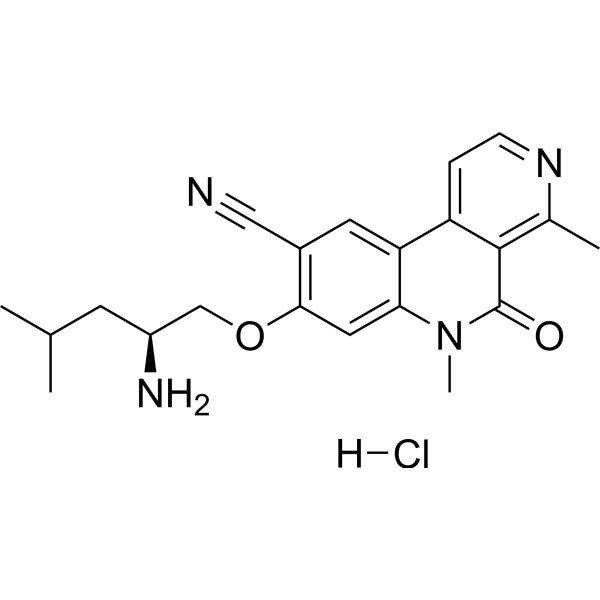
BMT-090605 hydrochloride is a potent, selective the adapter protein-2 associated kinase 1 (AAK1) inhibitor with an IC50 value of 0.6 nM. BMT-090605 hydrochloride shows antinociceptive activity. BMT-090605 hydrochloride inhibits BMP-2-inducible protein kinase (BIKE) and Cyclin G-associated kinase (GAK) with IC50 values of 45 nM and 60 nM, respectively. BMT-090605 hydrochloride can be used for the research of neuropathic pain .
|
-
-
- HY-N6648
-
|
|
GABA Receptor
|
Neurological Disease
|
|
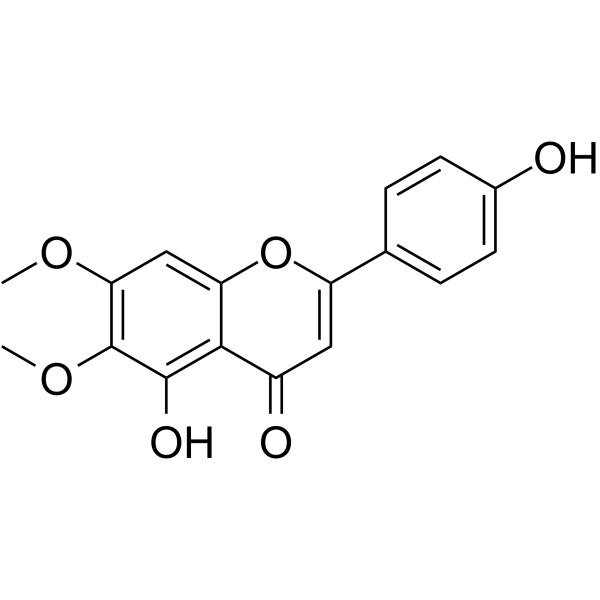
Cirsimaritin binds weakly to the benzodiazepine site on GABAA receptors, with antidepressant, anxiolytic and antinociceptive activities.
|
-
-
- HY-N2772
-
|
7-Deoxy-8-epiloganic acid
|
Others
|
Neurological Disease
|
|
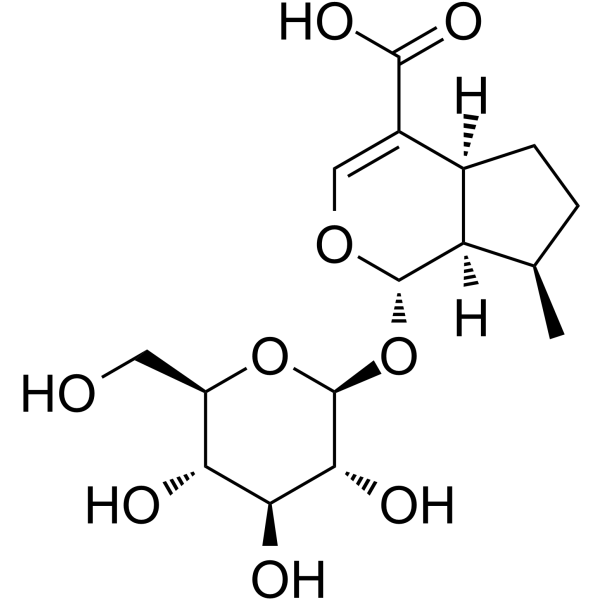
8-Epideoxyloganic acid (7-Deoxy-8-epiloganic acid), an iridoid glucoside, can be found in Incarvillea delavayi. 8-Epideoxyloganic acid exhibits weak antinociceptive activity .
|
-
-
- HY-147907
-
|
|
Adenosine Receptor
|
Neurological Disease
Inflammation/Immunology
Cancer
|
|
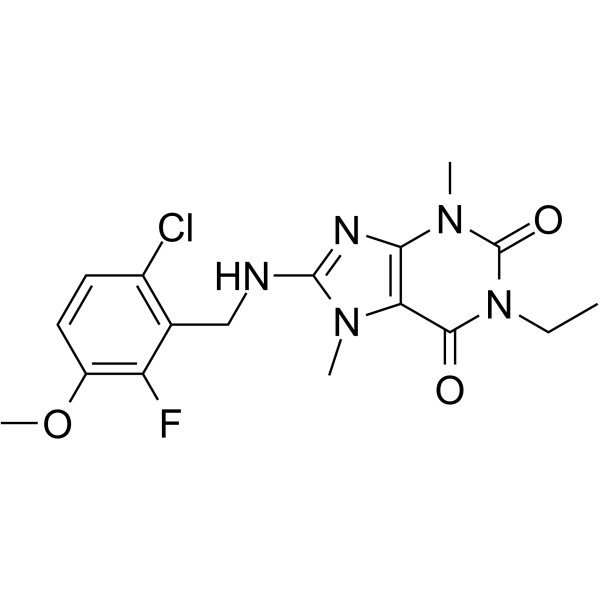
Adenosine receptor inhibitor 1 is a potent and selective adenosine receptor (AR) inhibitor with Ki values of >1000, 68.5, >1000, >1000 nM for A1AR, A2AAR, A2BAR, A3AR, respectively. Adenosine receptor inhibitor 1 shows antinociceptive activity, anti-inflammatory effect and peripheral analgesic effect. Adenosine receptor inhibitor 1 has the potential for the research of cancer or neurodegenerative diseases .
|
-
-
- HY-124412
-
|
|
5-HT Receptor
|
Neurological Disease
|
|
Paynantheine is an alkaloid with antinociceptive activity, which is found in Mitragyna speciosa. Paynantheine is also a 5-HT1AR and 5-HT2BR agonist that induces lower lip retraction and antinociception in rats .
|
-

-
- HY-101307
-
|
7-Benzylidenenaltrexone maleate
|
Opioid Receptor
|
Neurological Disease
|
|
BNTX (7-Benzylidenenaltrexone) maleate is a δ1-opioid receptor antagonist with the Kis of 0.1, 10.8, 13.3, and 58.6 nM for δ1, δ2-, μ-, and κ-opioid receptor, respectively. BNTX maleate shows antinociceptive activity .
|
-

-
- HY-N7527
-
|
|
Others
|
Neurological Disease
|
|
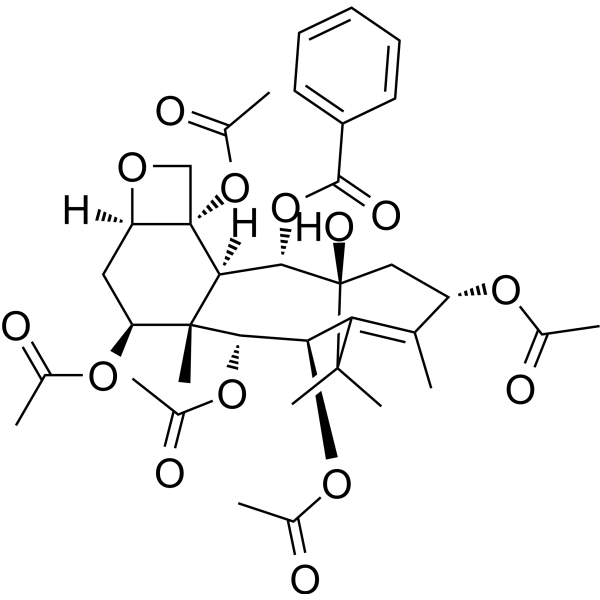
Baccatin VI is a natural taxoid with antinociceptive activities. Baccatin VI possesses significant antinociceptive activity against p-Benzoquinone-induced abdominal contractions .
|
-
-
- HY-P3547
-
|
|
Opioid Receptor
|
Others
|
|
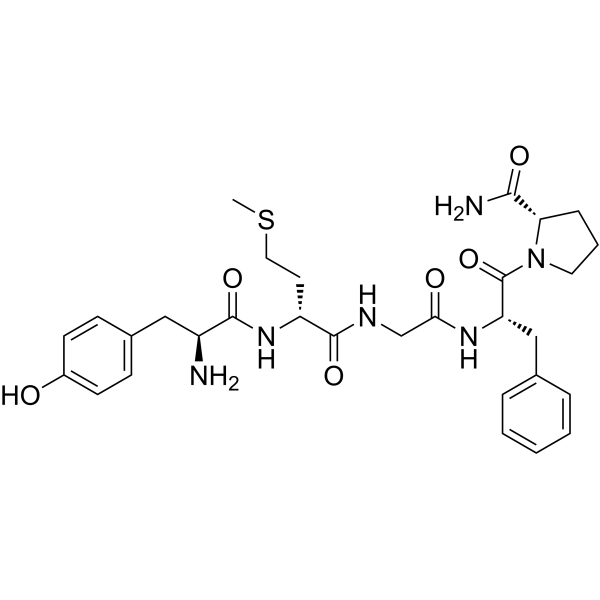
(D-Met2,Pro5)-Enkephalinamide is a highly potent opiate agonist, and shows antinociceptive activity .
|
-
-
- HY-19231
-
|
Org 41793
|
Opioid Receptor
|
Neurological Disease
|
|
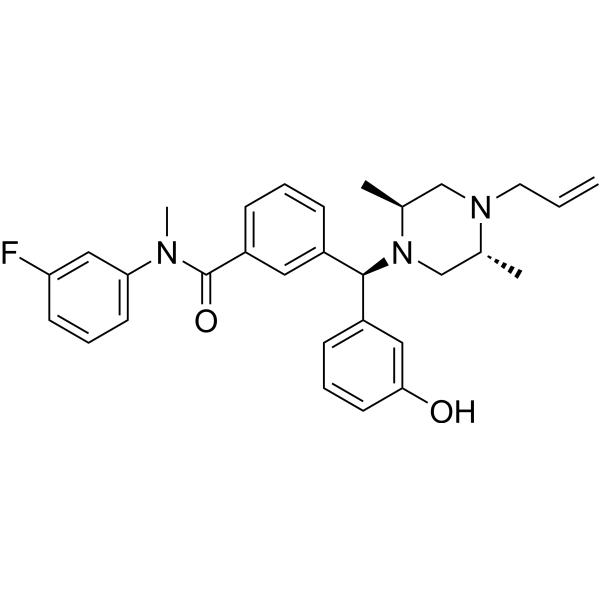
DPI-3290 (Org 41793) is a potent and specific opioid receptors agonist with Ki values of 0.18 nM, 0.46 nM, and 0.62 nM for δ-, μ-, and κ-opioid receptors, respectively. DPI-3290 is one of a series of novel centrally acting agents with potent antinociceptive activity .
|
-
-
- HY-169867
-
|
7-Benzylidenenaltrexone
|
Opioid Receptor
|
Neurological Disease
|
|
BNTX (7-Benzylidenenaltrexone) is a highly selective δ1 opioid receptor antagonist. BNTX selectively antagonizes the antinociceptive activity mediated by spinal δ1 opioid receptors, and does not alter the antinociceptive effects mediated by δ2, μ or κ opioid receptors at selective doses .
|
-

-
- HY-101290
-
|
|
AAK1
Cyclin G-associated Kinase (GAK)
|
Neurological Disease
|
|
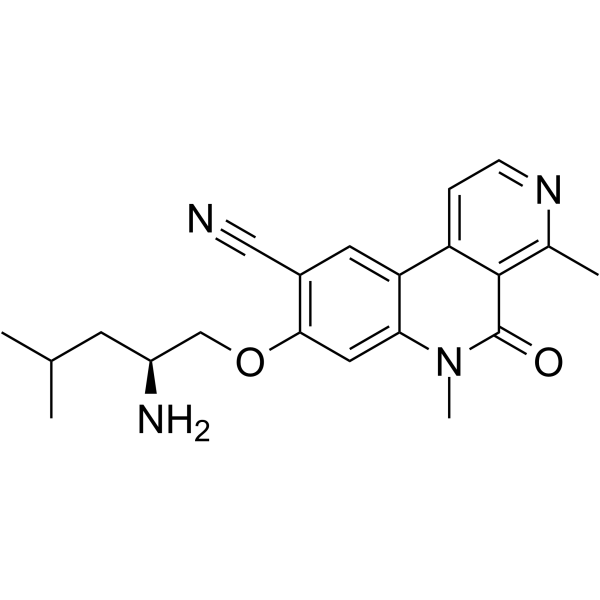
BMT-090605 is a potent, selective the adapter protein-2 associated kinase 1 (AAK1) inhibitor with an IC50 value of 0.6 nM. BMT-090605 shows antinociceptive activity. BMT-090605 inhibits BMP-2-inducible protein kinase (BIKE) and Cyclin G-associated kinase (GAK) with IC50 values of 45 nM and 60 nM, respectively. BMT-090605 can be used for the research of neuropathic pain .
|
-
-
- HY-P1319
-
|
|
Opioid Receptor
|
Inflammation/Immunology
|
|
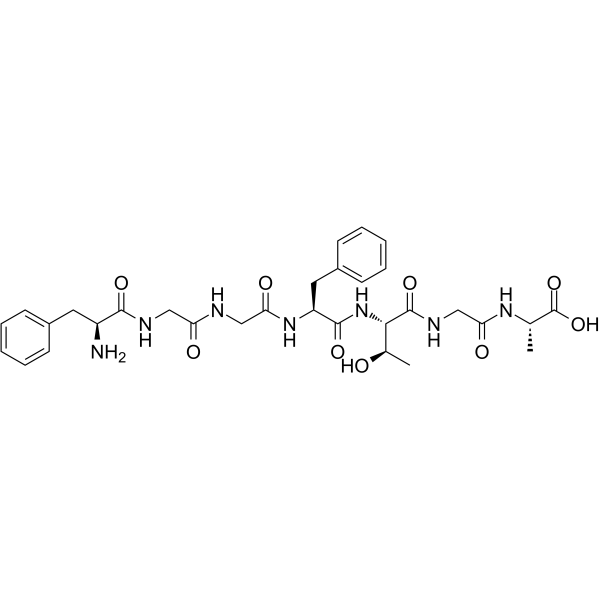
Nociceptin (1-7) is the N-terminal bioactive fragment of nociceptin (HY-P0183). Nociceptin (1-7) is a potent ORL1 (NOP) receptor agonist with antinociceptive activity. Nociceptin (1-7) combines with nociceptin reduces hyperalgesia in vivo .
|
-
-
- HY-101317A
-
|
SB-205607
|
Opioid Receptor
|
Metabolic Disease
|
|
TAN-67 (SB-205607) is a non-peptidic delta-opioid receptor agonist that exhibits significant antinociceptive activity in both diabetic and non-diabetic mice. TAN-67 demonstrates a marked and dose-dependent reduction in acetic acid-induced abdominal constrictions, with a notably stronger effect in diabetic mice compared to their non-diabetic counterparts. TAN-67's antinociceptive properties are primarily mediated through the activation of delta 1-opioid receptors, as indicated by the pronounced antagonism observed upon administration of a selective delta 1-opioid receptor antagonist.
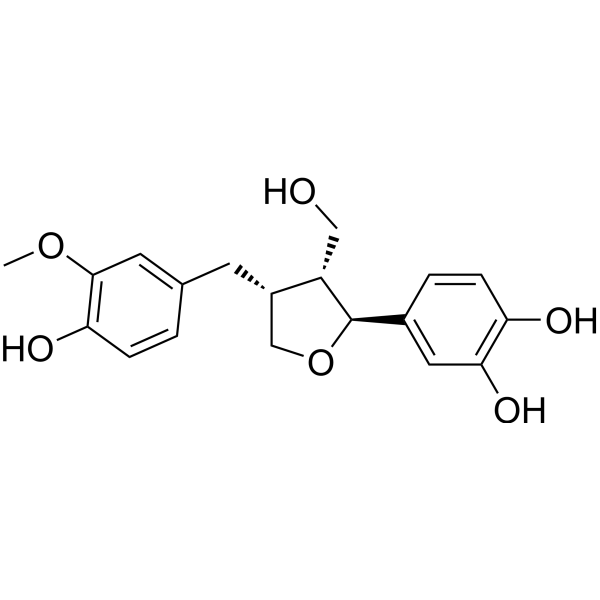
|
-

-
- HY-121854
-
-

-
- HY-N13293
-
-

-
- HY-14578
-
-
-
- HY-168355
-
-

-
- HY-P1319A
-
|
|
Opioid Receptor
|
Inflammation/Immunology
|
|
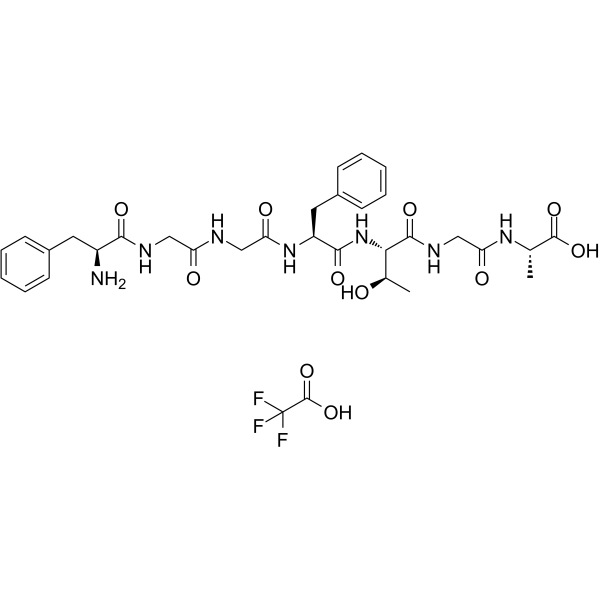
Nociceptin (1-7) TFA is the N-terminal bioactive fragment of nociceptin (HY-P0183). Nociceptin (1-7) TFA is a potent ORL1 (NOP) receptor agonist with antinociceptive activity. Nociceptin (1-7) TFA combines with nociceptin reduces hyperalgesia in vivo .
|
-
-
- HY-105294
-
|
|
Dopamine Receptor
|
Others
|
FR 64822 is a dopamine D2 receptor agonist that can induce antinociceptive activity in rats and mice by indirectly stimulating dopamine D2 receptors. FR 64822 can promote penile erection in juvenile rats and improve amnesia in rats induced by scopolamine during passive avoidance tasks .
|
-

-
- HY-100714D
-
|
2-APV lithium; DL-2-Amino-5-phosphonovaleric acid lithium
|
iGluR
|
Neurological Disease
Inflammation/Immunology
|
|
DL-AP5 (2-APV) lithium is a competitive NMDA (N-methyl-D-aspartate) receptor antagonist. DL-AP5 lithium shows significantly antinociceptive activity. DL-AP5 lithium specifically blocks on channels in the rabbit retina .
|
-

-
- HY-15028R
-
|
ATB-346 (Standard)
|
COX
Apoptosis
Reference Standards
|
Inflammation/Immunology
|
|
Otenaproxesul (Standard) is the analytical standard of Otenaproxesul. This product is intended for research and analytical applications. Otenaproxesul (ATB-346), an orally active non-steroidal anti-inflammatory drug (NSAID), inhibits cyclooxygenase-1 and 2 (COX-1 and 2). Otenaproxesul possesses antiinflammatory and antinociceptive activities .
|
-

-
- HY-N7144AR
-
|
|
Reference Standards
TRP Channel
PKC
PKA
|
Neurological Disease
|
|
Citronellyl acetate (Standard) is the analytical standard of Citronellyl acetate (HY-N7144A). This product is intended for research and analytical applications. Citronellyl acetate is a monoterpene product of the secondary metabolism of plants, with antinociceptive activity. Citronellyl acetate exhibits pro-apoptotic activity in human hepatoma cells. Citronellyl acetate shows fungicidal, larvicidal, bactericidal and repelling/insecticidal effects .
|
-

-
- HY-147707
-
|
|
Cannabinoid Receptor
|
Others
|
|
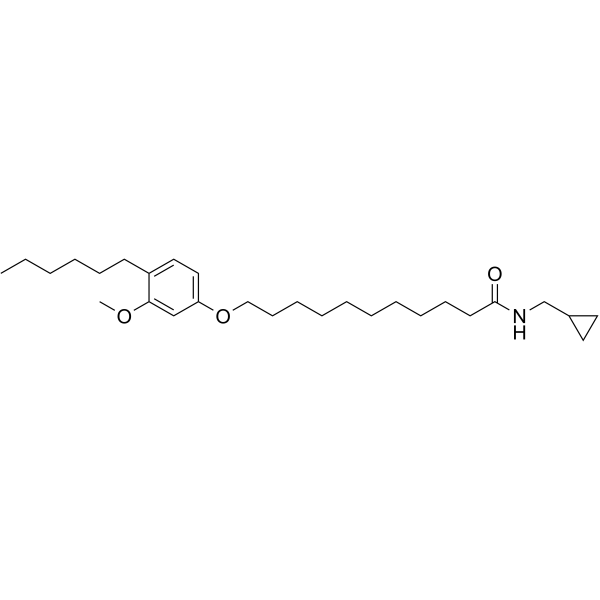
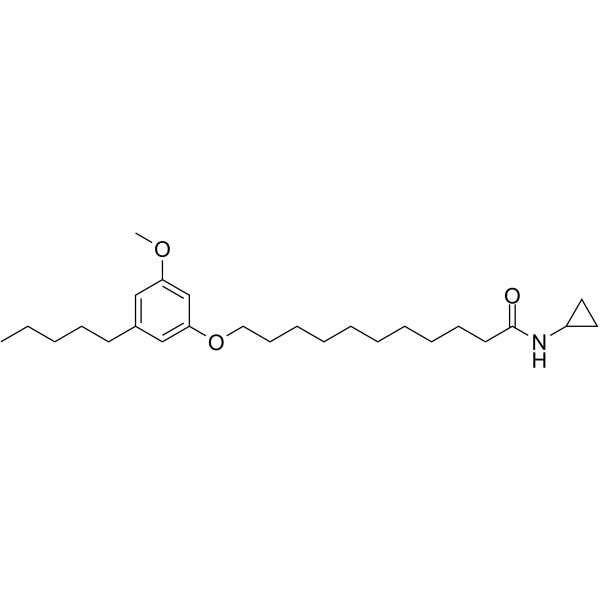
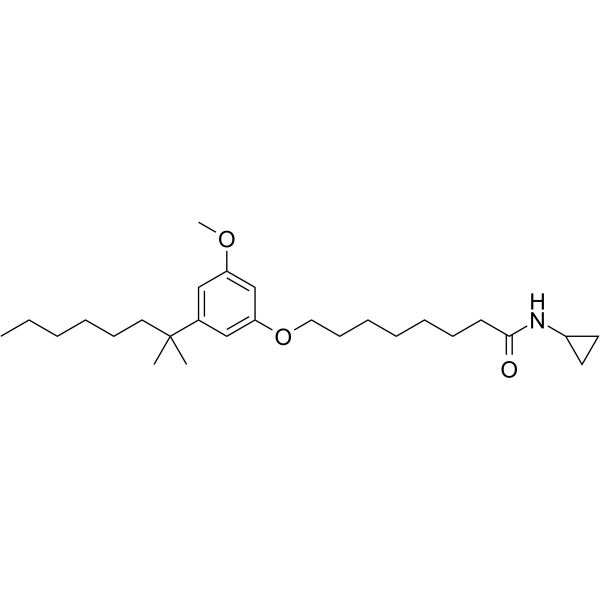
Hexyl resorcinol derivative 29 has been proved to be a CB2 selective competitive antagonist / reverse agonist with good potency. Olivanol and 5- (2-methyloctane-2-yl) resorcinol derivatives 23 and 24 showed significant antinociceptive activity. Compound 24 was shown to activate cannabinoid and TRPV1 receptors.
|
-
-
- HY-134189
-
|
|
Opioid Receptor
Sigma Receptor
|
Neurological Disease
|
|
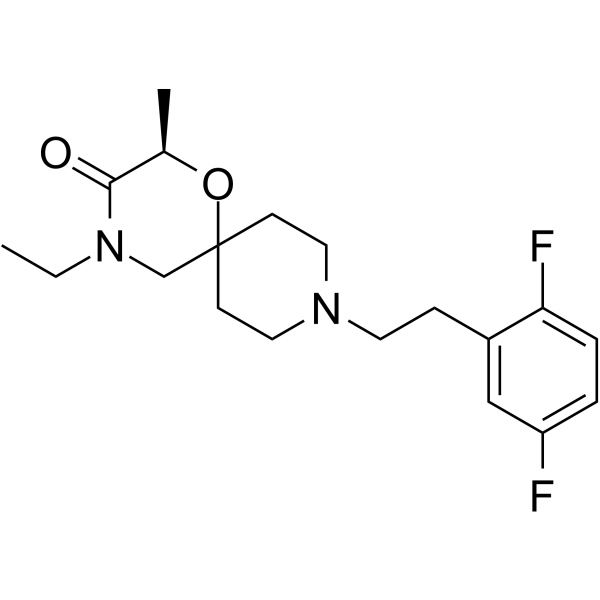
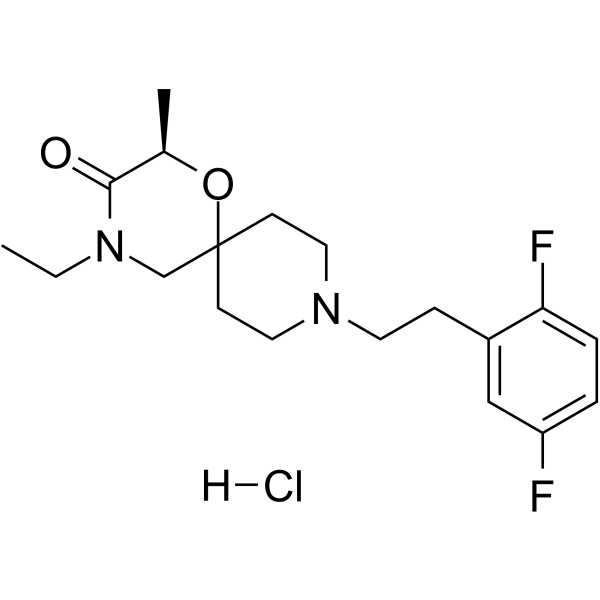
EST73502 is a selective, orally active and blood-brain barrier (BBB) penetrant dual μ-opioid receptor (MOR) agonist and σ1 receptor (σ1R) antagonist, with Kis of 64 nM and 118 nM for MOR and σ1R, respectively. EST73502 has antinociceptive activity .
|
-
-
- HY-135871A
-
|
|
AAK1
|
Neurological Disease
|
|
BMT-124110 formic is a potent, selective AAK1 inhibitor, with an IC50 of 0.9 nM. BMT-124110 shows antinociceptive activity. BMT-124110 formic inhibits BMP-2-inducible protein kinase (BIKE) and Cyclin G-associated kinase (GAK) with IC50s of 17 and 99 nM, respectively .
|
-

-
- HY-134189A
-
|
|
Sigma Receptor
Opioid Receptor
|
Neurological Disease
|
|
EST73502 monohydrochloride is a selective, orally active and blood-brain barrier (BBB) penetrant dual μ-opioid receptor (MOR) agonist and σ1 receptor (σ1R) antagonist, with Kis of 64 nM and 118 nM for MOR and σ1R, respectively. EST73502 monohydrochloride has antinociceptive activity .
|
-
-
- HY-150028
-
|
|
Cannabinoid Receptor
|
Inflammation/Immunology
|
|
CB1/2 agonist 2 (compound 23) is a potent non-selective cannabinoid ligand, with Ki values of 3.5 and 1.2 nM, respectively. CB1/2 agonist 2 can behave as a full CB1 agonist and CB2 competitive inverse agonist. CB1/2 agonist 2 shows antinociceptive activity .
|
-
-
- HY-100714R
-
|
2-APV (Standard); DL-2-Amino-5-phosphonovaleric acid (Standard)
|
Reference Standards
iGluR
|
Neurological Disease
Inflammation/Immunology
|
|
DL-AP5 (Standard) is the analytical standard of DL-AP5. This product is intended for research and analytical applications. DL-AP5 (2-APV) is a competitive NMDA (N-methyl-D-aspartate) receptor antagonist. DL-AP5 shows significantly antinociceptive activity. DL-AP5 specifically blocks on channels in the rabbit retina .
|
-

-
- HY-100714CR
-
|
2-APV sodium (Standard); DL-2-Amino-5-phosphonovaleric acid sodium (Standard)
|
Reference Standards
iGluR
|
Neurological Disease
Inflammation/Immunology
|
|
DL-AP5 (sodium) (Standard) is the analytical standard of DL-AP5 (sodium). This product is intended for research and analytical applications. DL-AP5 (2-APV) sodium is a competitive NMDA (N-methyl-D-aspartate) receptor antagonist. DL-AP5 sodium shows significantly antinociceptive activity. DL-AP5 sodium specifically blocks on channels in the rabbit retina .
|
-

-
- HY-N0923R
-
|
(+)-Corydaline (Standard); Corydalin (Standard)
|
Reference Standards
Cholinesterase (ChE)
Enterovirus
Opioid Receptor
|
Neurological Disease
|
|
Corydaline (Standard) is the analytical standard of Corydaline. This product is intended for research and analytical applications. Corydaline ((+)-Corydaline), an isoquinoline alkaloid isolated from Corydalis yanhusuo, is an AChE inhibitor with an IC50 of 226 μM. Corydaline is a μ-opioid receptor (Ki of 1.23 μM) agonist and inhibits enterovirus 71 (EV71) replication (IC50 of 25.23 μM). Corydaline has anti-angiogenic, anti-allergic and gastric-emptying and antinociceptive activities .
|
-

-
- HY-150030
-
|
|
Cannabinoid Receptor
|
Neurological Disease
|
|
CB1/2 agonist 4 is a full CB1 agonist and CB2 partial agonist with EC50 values of 15.09 nM and 1.16 nM, respectively. CB1/2 agonist 4 also has hCB1 and hCB2 receptor affinities with Ki values of 1.1 nM and 4.2 nM, respectively. CB1/2 agonist 4 has a significant antinociceptive activity, and also can activate cannabinoid and TRPV1 receptor with values of IC50 and EC50 is 0.8 μM and 0.12 μM, respectively .
|
-
-
- HY-149335
-
|
|
Sigma Receptor
Histamine Receptor
|
Neurological Disease
|
|
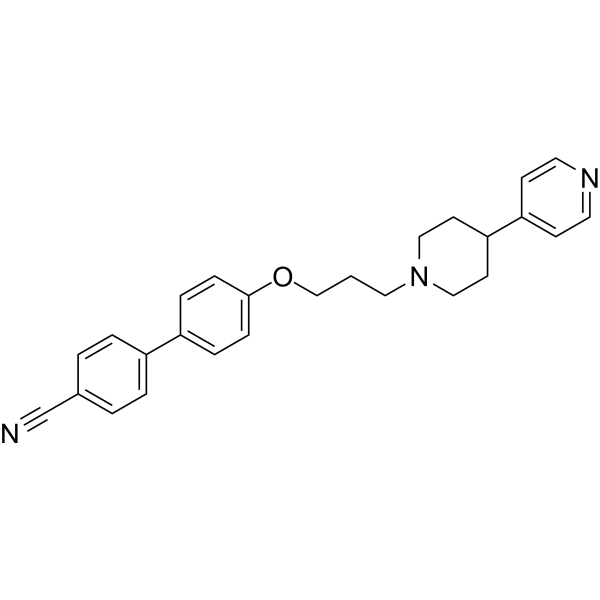
Sigma-1 receptor antagonist 5 (compound 12),a 4-pyridylpiperidine derivative with analgesic activity,is an antagonist of sigma receptor (Ki=4.5 nM (σ1R),10 nM (σ2R)) and histamine H3 (hH3R,Ki=7.7 nM,IC50=215 nM). Sigma-1 receptor antagonist 5 suppresses Capsaicin-induced nociception with antinociceptive activity and shows potent efficacy in nociceptive and neuropathic pain models .
|
-
-
- HY-N8210R
-
|
|
Reference Standards
Drug Metabolite
Autophagy
Apoptosis
Reactive Oxygen Species (ROS)
Keap1-Nrf2
MMP
Caspase
PARP
MDM-2/p53
|
Neurological Disease
Inflammation/Immunology
Cancer
|
|
Homoeriodictyol (Standard) is the analytical standard of Homoeriodictyol (HY-N8210). This product is intended for research and analytical applications. Homoeriodictyol is an orally active, bitter-tasting flavanone that can penetrate the blood-brain barrier. Homoeriodictyol enhances synaptic-related protein expression through NCOA4-mediated ferritin autophagy. Homoeriodictyol improves memory impairment in mice by inhibiting the NLRP3 inflammasome. Homoeriodictyol protects human endothelial cells from oxidative damage by activating Nrf2 and inhibiting mitochondrial dysfunction. Homoeriodictyol enhances ROS activity and induces apoptosis, exhibiting anticancer effects. Homoeriodictyol inhibits the survival and migration of androgen-resistant prostate cancer cells in vitro. Homoeriodictyol exerts antinociceptive activity in mice in vivo .
|
-

-
- HY-N6648R
-
|
|
GABA Receptor
Reference Standards
|
Neurological Disease
|
|
Cirsimaritin (Standard) is the analytical standard of Cirsimaritin (HY-N6648). This product is intended for research and analytical applications. Cirsimaritin binds weakly to the benzodiazepine site on GABAA receptors, with antidepressant, anxiolytic and antinociceptive activities.
|
-

-
- HY-179705
-
|
|
Opioid Receptor
|
Neurological Disease
|
|
MOR agonist-5 is a selective and potent mu-opioid receptor (MOR) agonist with an EC50 of 0.25 nM. MOR agonist-5 shows an EC50 of 10 nM for DOR and >10000 nM for KOR and NOR. MOR agonist-5 exerts significant antinociceptive activity. MOR agonist-5 can be used for the research of pain .
|
-

-
- HY-125790
-
|
|
Opioid Receptor
|
Neurological Disease
|
|
Cyclazocine is a μ, δ, and κ opioid receptor modulator with Ki values of 0.32, 1.1, and 0.18 nM, respectively. Cyclazocine exhibits "mixed" pharmacological activities, acting as a μ-partial antagonist, κ-agonist, and low-affinity δ ligand. Cyclazocine shows antinociceptive activity in mice. Cyclazocine can be used in studies on psychoactive substance addiction .
|
-

-
- HY-182782
-
|
|
Adenosine Receptor
|
Neurological Disease
|
|
Analgesic agent-4 is an adenosine A3AR ligand with analgesic/antinociceptive activity. Analgesic agent-4 inhibits writhing responses in mice and exhibits dose-dependent activity in the acetic acid (HY-Y0319)-induced mouse writhing model. Analgesic agent-4 can be used in the research of pain-related diseases .
|
-

-
- HY-183673
-
|
|
COX
|
Neurological Disease
Inflammation/Immunology
|
|
COX-1/2-IN-12 is an orally active dual inhibitor of COX-1 and COX-2, with an IC50 of 41.6 nM against human COX-1 and an IC50 of 31.1 nM against human COX-2. COX-1/2-IN-12 induces antinociceptive activity and inhibits edema in in vivo experiments. COX-1/2-IN-12 can be used in research related to inflammation and pain .
|
-

-
- HY-110268
-
|
|
CXCR
|
Inflammation/Immunology
|
|
NVP CXCR2 20 is a selective CXCR2 inhibitor with analgesic and antinociceptive activities. NVP CXCR2 20 selectively blocks CXCR2 signaling and attenuates mechanical and thermal hypersensitivity in rat chronic constriction injury (CCI) models. NVP CXCR2 20 inhibits CXCL3-induced hypersensitivity in naive mice and reduces elevated CXCL3 protein levels in the spinal cord and dorsal root ganglia (DRG) of CCI-exposed rats. NVP CXCR2 20 can be used for the research of neuropathic pain and chronic obstructive pulmonary disease (COPD) .
|
-

- HY-101290AR
-
|
|
Cyclin G-associated Kinase (GAK)
Reference Standards
AAK1
|
Neurological Disease
|
|
BMT-090605 (hydrochloride) (Standard) is the analytical standard of BMT-090605 (hydrochloride) (HY-101290A). This product is intended for research and analytical applications. BMT-090605 hydrochloride is a potent, selective the adapter protein-2 associated kinase 1 (AAK1) inhibitor with an IC50 value of 0.6 nM. BMT-090605 hydrochloride shows antinociceptive activity. BMT-090605 hydrochloride inhibits BMP-2-inducible protein kinase (BIKE) and Cyclin G-associated kinase (GAK) with IC50 values of 45 nM and 60 nM, respectively. BMT-090605 hydrochloride can be used for the research of neuropathic pain .
|
-

| Cat. No. |
Product Name |
Target |
Research Area |
-
- HY-P0004
-
-
- HY-P3547
-
|
|
Opioid Receptor
|
Others
|
|
(D-Met2,Pro5)-Enkephalinamide is a highly potent opiate agonist, and shows antinociceptive activity .
|
-
- HY-P1319
-
|
|
Opioid Receptor
|
Inflammation/Immunology
|
|
Nociceptin (1-7) is the N-terminal bioactive fragment of nociceptin (HY-P0183). Nociceptin (1-7) is a potent ORL1 (NOP) receptor agonist with antinociceptive activity. Nociceptin (1-7) combines with nociceptin reduces hyperalgesia in vivo .
|
-
- HY-P1319A
-
|
|
Opioid Receptor
|
Inflammation/Immunology
|
|
Nociceptin (1-7) TFA is the N-terminal bioactive fragment of nociceptin (HY-P0183). Nociceptin (1-7) TFA is a potent ORL1 (NOP) receptor agonist with antinociceptive activity. Nociceptin (1-7) TFA combines with nociceptin reduces hyperalgesia in vivo .
|
| Cat. No. |
Product Name |
Category |
Target |
Chemical Structure |
Your information is safe with us. * Required Fields.
Inquiry Information
- Product Name:
- Cat. No.:
- Quantity:
- MCE Japan Authorized Agent:








