1. Search Result
Search Result
Results for "

BCL-2/BCL-xL inhibitors

" in MedChemExpress (MCE) Product Catalog:

65

Inhibitors & Agonists

13

Natural
Products

4

Isotope-Labeled Compounds

Targets Recommended:
Cat. No. Product Name Target Research Areas Chemical Structure
  • HY-10087
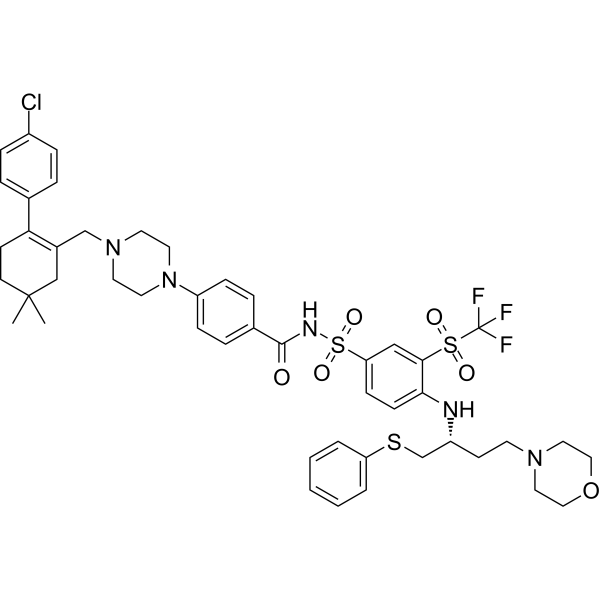
    Navitoclax
    145+ Cited Publications

    ABT-263

    Bcl-2 Family Cancer
    Navitoclax (ABT-263) is a potent and orally active Bcl-2 family protein inhibitor that binds to multiple anti-apoptotic Bcl-2 family proteins, such as Bcl-xL, Bcl-2 and Bcl-w, with a Ki of less than 1 nM .
    Navitoclax
  • HY-B0011
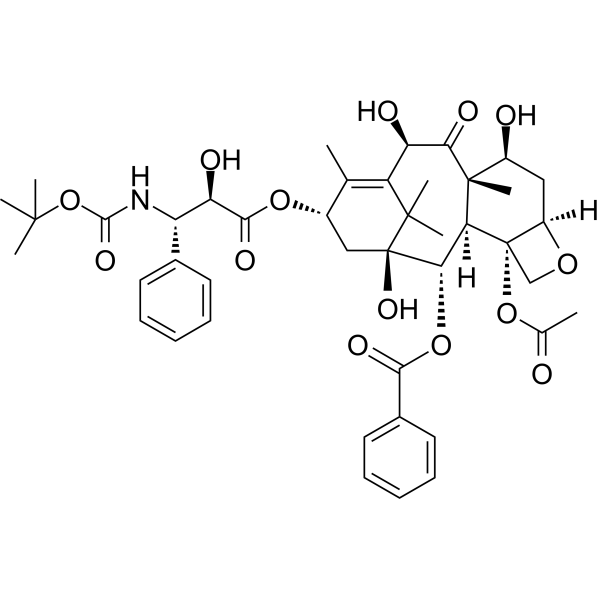
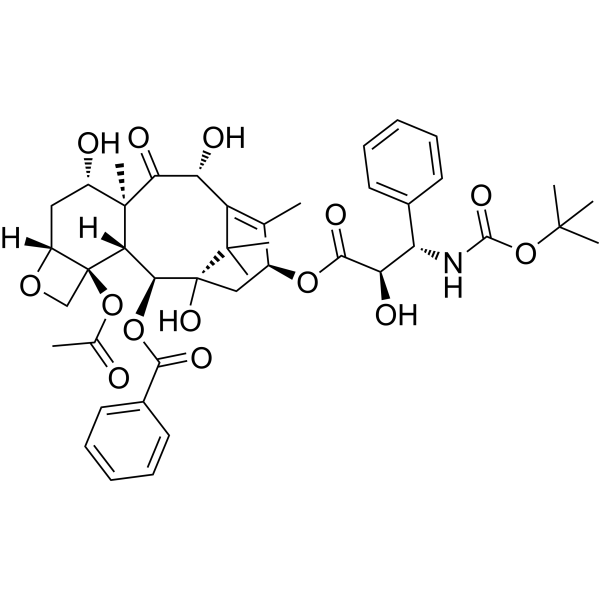
    Docetaxel
    Maximum Cited Publications
    158 Publications Verification

    RP-56976

    Microtubule/Tubulin Apoptosis Endogenous Metabolite Cancer
    Docetaxel (RP-56976) is a microtubule depolymerization inhibitor, with an IC50 of 0.2 μM. Docetaxel attenuates the effects of bcl-2 and bcl-xL gene expression. Docetaxel arrests the cell cycle at G2/M and leads to cell apoptosis. Docetaxel has anti-cancer activity .
    Docetaxel
  • HY-10201
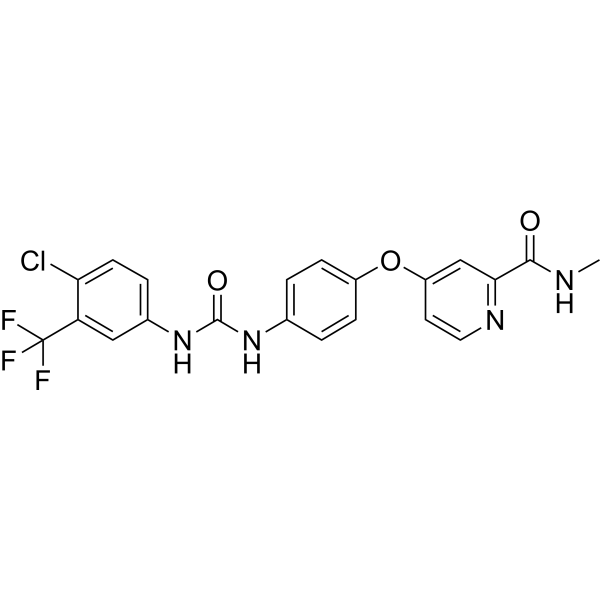
    Sorafenib
    Maximum Cited Publications
    283 Publications Verification

    Bay 43-9006

    Raf VEGFR FLT3 Autophagy Apoptosis STAT Akt MMP Cadherin p38 MAPK ERK MEK PI3K PARP Bcl-2 Family Infection Neurological Disease Metabolic Disease Inflammation/Immunology Cancer
    Sorafenib (Bay 43-9006) is a potent oral active multikinase inhibitor. Sorafenib blocks autophosphorylation and activity of receptor tyrosine kinases (VEGFR-2, VEGFR-3) and RAF family kinases, thereby suppressing the RAF/MEK/ERK and PI3K/Akt pathways, inhibiting STAT3 phosphorylation, and selectively inhibiting the MAPK pathway in cancer cells. Sorafenib induces cell cycle arrest, autophagy, apoptosis, and PARP cleavage, reduces Bcl-2, Bcl-XL, cyclin D1 levels, and activates Bak and Bax. Sorafenib inhibits tumor growth and metastasis in mouse and rat models. Sorafenib can be used for cancer research, such as colon, breast, non-small-cell lung cancer (NSCLC), ovarian, pancreatic, melanoma, colorectal and hepatocellular carcinoma .
    Sorafenib
  • HY-50907
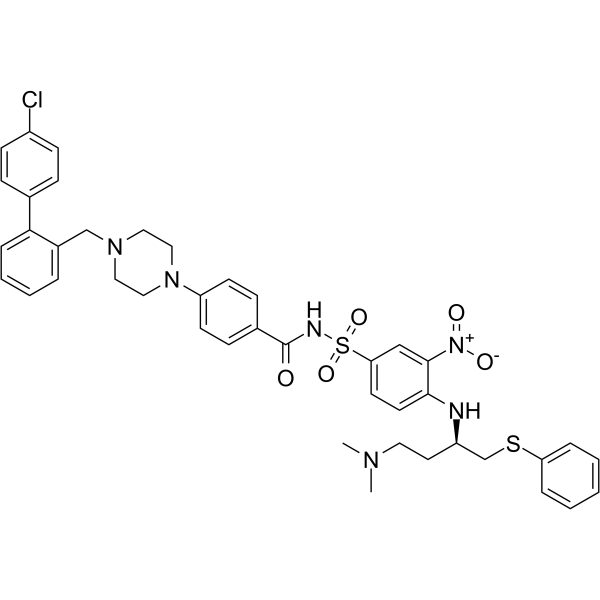
    ABT-737
    65+ Cited Publications

    Bcl-2 Family Apoptosis Autophagy Mitophagy Inflammation/Immunology Cancer
    ABT-737, a BH3 mimetic, is a potent Bcl-2, Bcl-xL and Bcl-w inhibitor with EC50s of 30.3 nM, 78.7 nM, and 197.8 nM, respectively. ABT-737 induces the disruption of the BCL-2/BAX complex and BAK-dependent but BIM-independent activation of the intrinsic apoptotic pathway. ABT-737 induces autophagy and has the potential for acute myeloid leukemia (AML) research .
    ABT-737
  • HY-130604
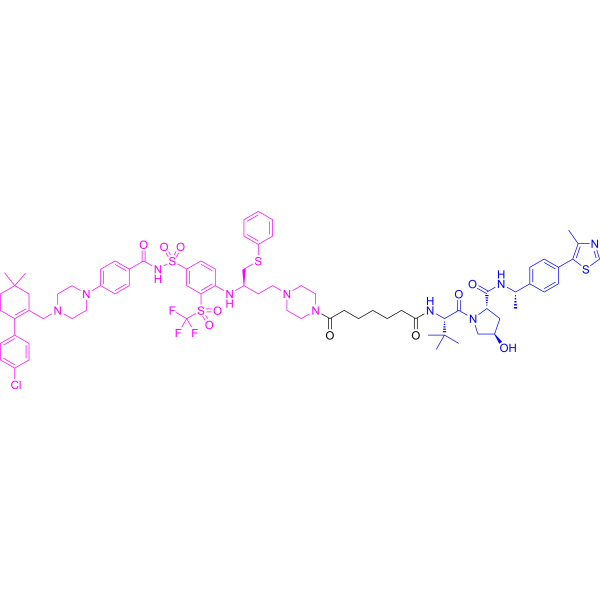
    DT2216
    2 Publications Verification

    Bcl-2 Family PROTACs Apoptosis Cancer
    DT2216 is a potent and selective BCL-XL (Bcl-2 family member) degrader based on PROTAC technology. DT2216 causes effective degradation of BCL-XL protein by recruiting Von Hippel-Lindau (VHL) E3 ubiquitin ligase. DT2216 inhibits various BCL-XL-dependent leukemia and cancer cells but considerably less toxic to platelets. DT2216 is composed of the Bcl-2 family protein inhibitor Navitoclax-piperazine (HY-44432), a linker, and a VHL E3 ubiquitin ligase (Pink: Navitoclax-piperazine; Blue: VHL ligand; Black: linker) .
    DT2216
  • HY-10201A
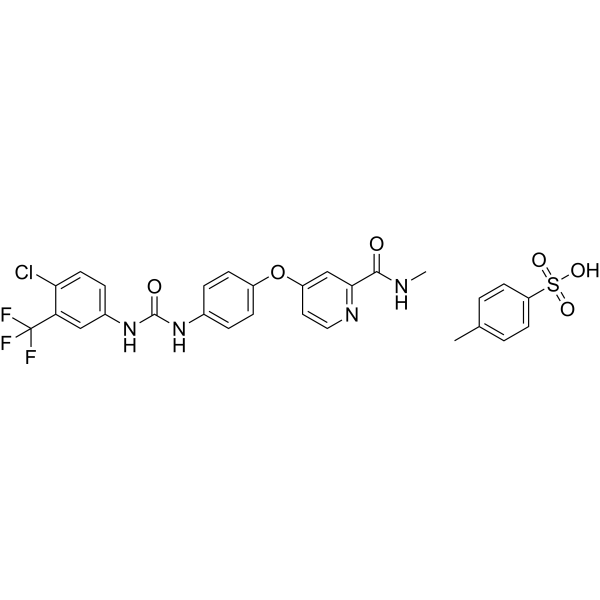
    Sorafenib tosylate
    Maximum Cited Publications
    283 Publications Verification

    Bay 43-9006 tosylate

    Raf VEGFR FLT3 Autophagy Apoptosis STAT Akt MMP Cadherin p38 MAPK ERK MEK PI3K PARP Bcl-2 Family Infection Neurological Disease Metabolic Disease Inflammation/Immunology Cancer
    Sorafenib (Bay 43-9006) tosylate is a potent oral active multikinase inhibitor. Sorafenib blocks autophosphorylation and activity of receptor tyrosine kinases (VEGFR-2, VEGFR-3) and RAF family kinases, thereby suppressing the RAF/MEK/ERK and PI3K/Akt pathways, inhibiting STAT3 phosphorylation, and selectively inhibiting the MAPK pathway in cancer cells. Sorafenib tosylate induces cell cycle arrest, autophagy, apoptosis, and PARP cleavage, reduces Bcl-2, Bcl-XL, cyclin D1 levels, and activates Bak and Bax. Sorafenib tosylate inhibits tumor growth and metastasis in mouse and rat models. Sorafenib tosylate can be used for cancer research, such as colon, breast, non-small-cell lung cancer (NSCLC), ovarian, pancreatic, melanoma, colorectal and hepatocellular carcinoma .
    Sorafenib tosylate
  • HY-N0087
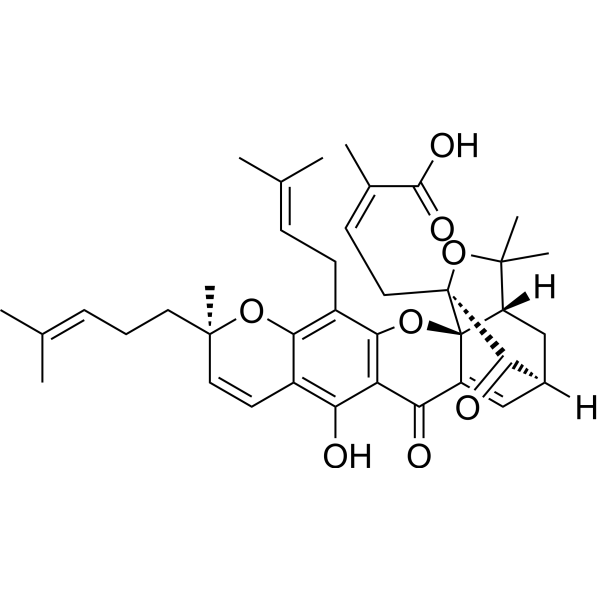
    Gambogic Acid
    5+ Cited Publications

    Beta-Guttiferrin

    Bcl-2 Family Autophagy Cancer
    Gambogic Acid (Beta-Guttiferrin) is derived from the gamboges resin of the tree Garcinia hanburyi. Gambogic Acid (Beta-Guttiferrin) inhibits Bcl-XL, Bcl-2, Bcl-W, Bcl-B, Bfl-1 and Mcl-1 with IC50s of 1.47 μM, 1.21 μM, 2.02 μM, 0.66 μM, 1.06 μM and 0.79 μM.
    Gambogic Acid
  • HY-112416
    AZD4320
    5 Publications Verification

    Bcl-2 Family Cancer
    AZD4320 is a novel BH3-mimicking dual BCL2/BCLxL inhibitor with IC50s of 26 nM, 17 nM, and 170 nM for KPUM-MS3, KPUM-UH1, and STR-428 cells, respectively.
    AZD4320
  • HY-N2897
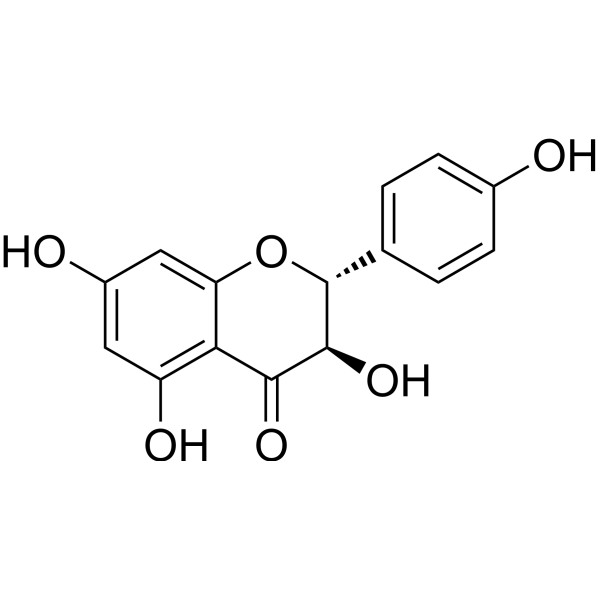
    Dihydrokaempferol
    5+ Cited Publications

    Apoptosis Bcl-2 Family Inflammation/Immunology
    Dihydrokaempferol is isolated from Bauhinia championii (Benth). Dihydrokaempferol induces apoptosis and inhibits Bcl-2 and Bcl-xL expression. Dihydrokaempferol is a good candidate for new antiarthritic agents .
    Dihydrokaempferol
  • HY-129179
    Lisaftoclax
    1 Publications Verification

    APG-2575; BCL-2/BCL-xL inhibitor 1

    Bcl-2 Family Cancer
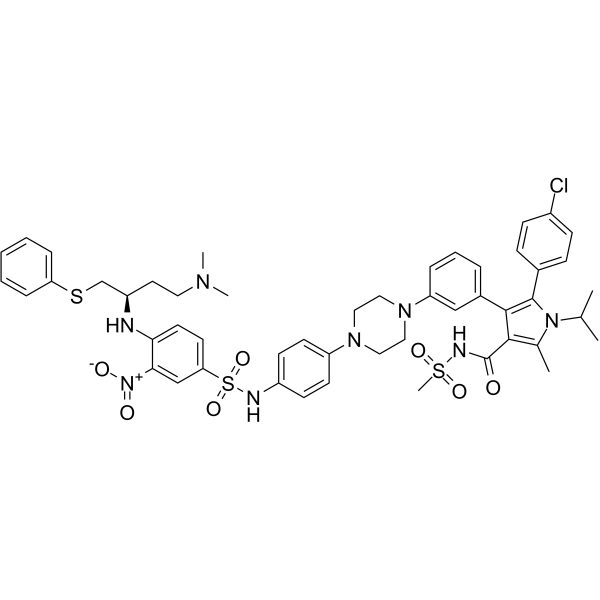
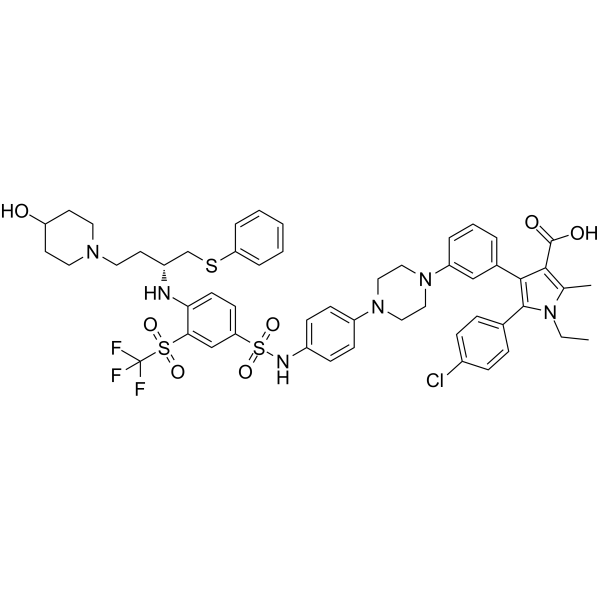
    Lisaftoclax (compound 6) is a dual Bcl-2 and Bcl-xl inhibitor with anti-tumor activity, extracted from patent WO2018027097A1. Lisaftoclax exhibits IC50 values of 2 nM and 5.9 nM for Bcl-2 and Bcl-xl, respectively .
    Lisaftoclax
  • HY-15191
    Sabutoclax
    1 Publications Verification

    BI-97C1

    Bcl-2 Family Cancer
    Sabutoclax is a potent and effective Bcl-2 Family (Bcl-2, Bcl-XL, Mcl-1, Bfl-1) inhibitor with IC50s of 0.32 μM, 0.31 μM, 0.20 μM, and 0.62 μM, respectively. Sabutoclax increases Bax, Bim, PUMA and survivin expression .
    Sabutoclax
  • HY-B0011A
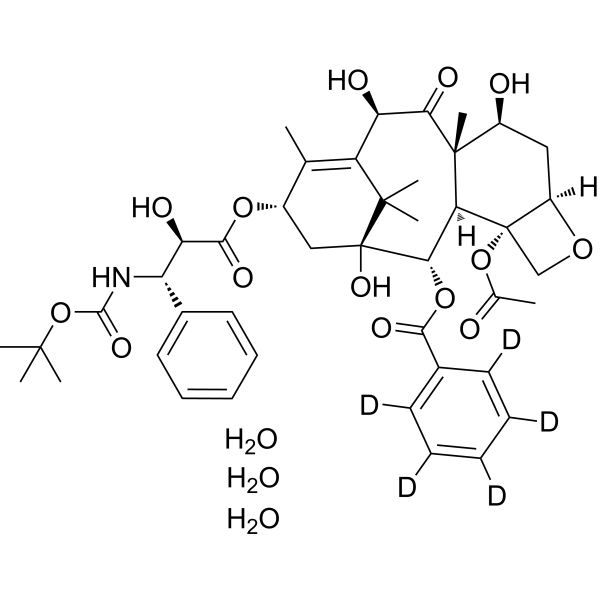
    Docetaxel Trihydrate
    155+ Cited Publications

    RP-56976 Trihydrate

    Microtubule/Tubulin Apoptosis Cancer
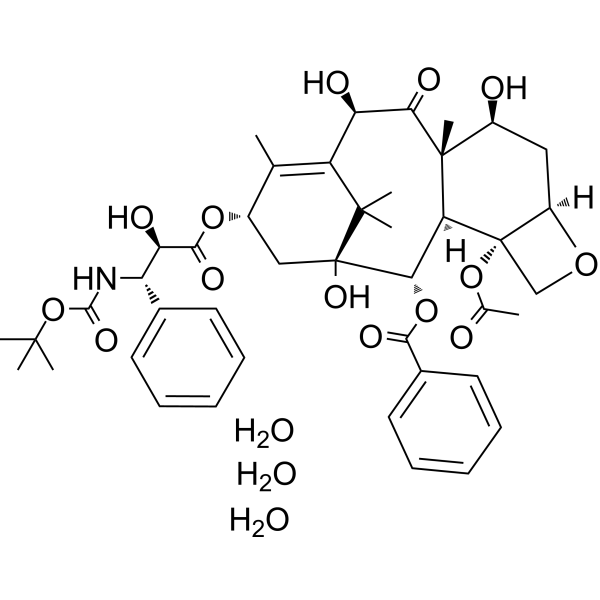
    Docetaxel Trihydrate (RP-56976 Trihydrate) is an antineoplastic agent and inhibits microtubule depolymerization with an IC50 value of 0.2 μM . Docetaxel Trihydrate is a semisynthetic analog of taxol and attenuates the effects of bcl-2 and bcl-xL gene expression. Docetaxel Trihydrate arrests the cell cycle at G2/M and leads to cell apoptosis .
    Docetaxel Trihydrate
  • HY-N0763
    Angelicin
    10+ Cited Publications

    Isopsoralen

    Apoptosis Virus Protease NF-κB p38 MAPK JNK Caspase Infection Inflammation/Immunology Cancer
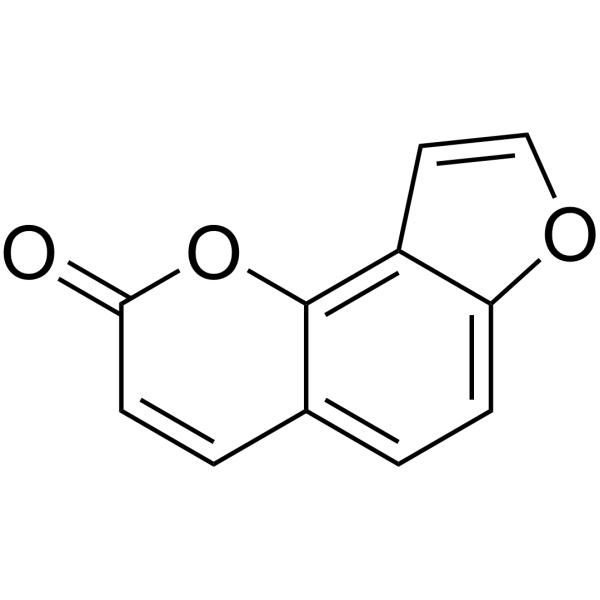
    Angelicin is a furanocoumarin compound that functions as an inhibitor of NF-κB and MAPK signaling pathways, exhibiting anti-inflammatory, antiviral, and antitumor activities. It suppresses the lytic replication of γ-herpesviruses, such as MHV-68, early during viral infection, potentially inhibiting RTA gene expression (IC50=28.95 μM). Angelicin also mitigates inflammation by inhibiting the phosphorylation and nuclear translocation of NF-κB, and the phosphorylation of p38 and JNK. Furthermore, it induces apoptosis in neuroblastoma cells by downregulating anti-apoptotic proteins like Bcl-2, Bcl-xL, and Mcl-1, while activating caspase-9 and caspase-3.
    Angelicin
  • HY-109185
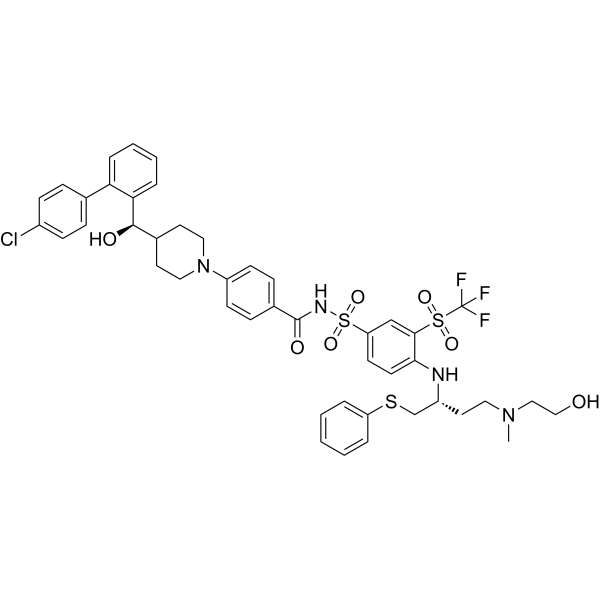
    Pelcitoclax
    1 Publications Verification

    APG-1252

    Bcl-2 Family Apoptosis Cancer
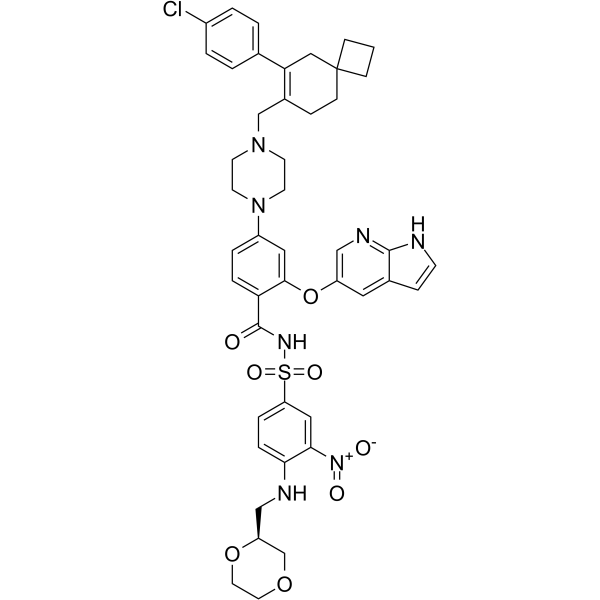
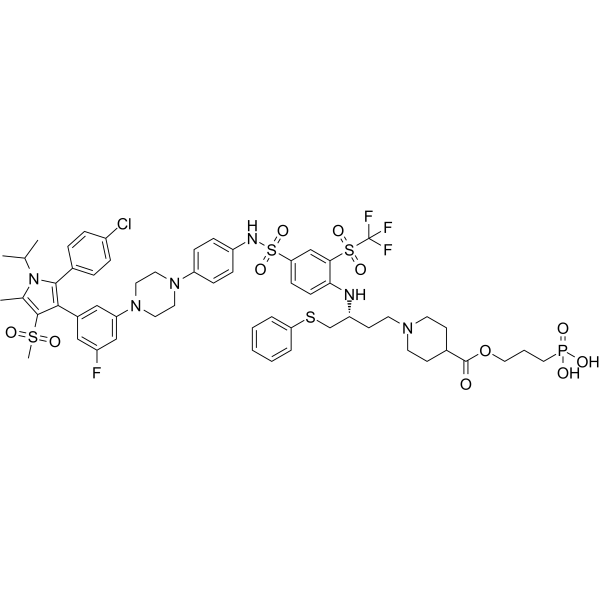
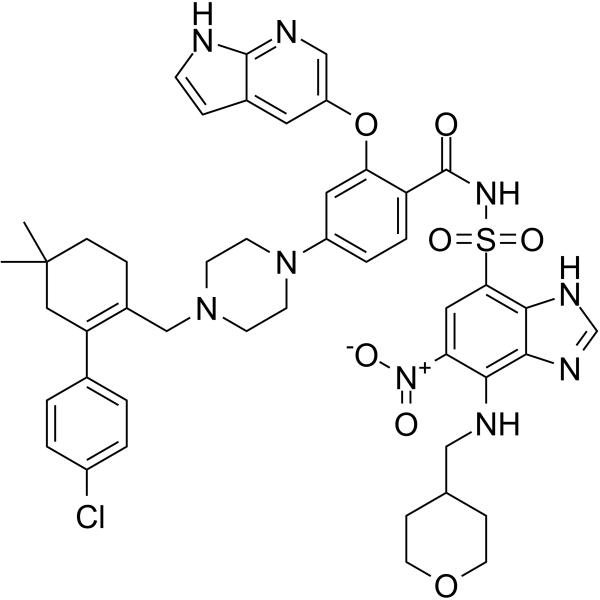
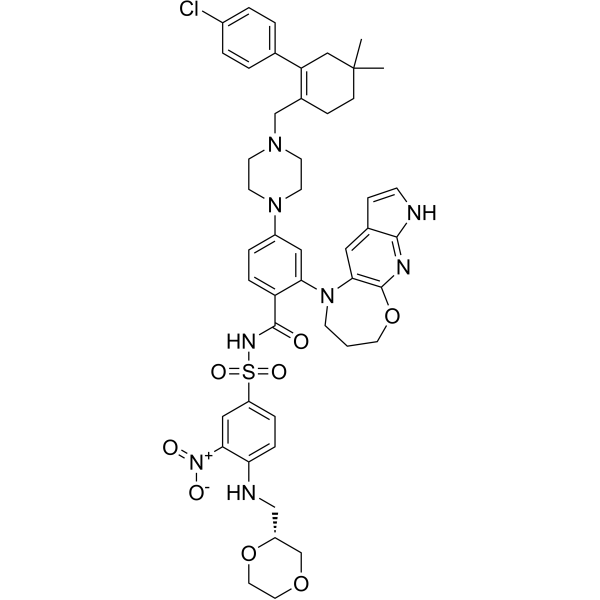
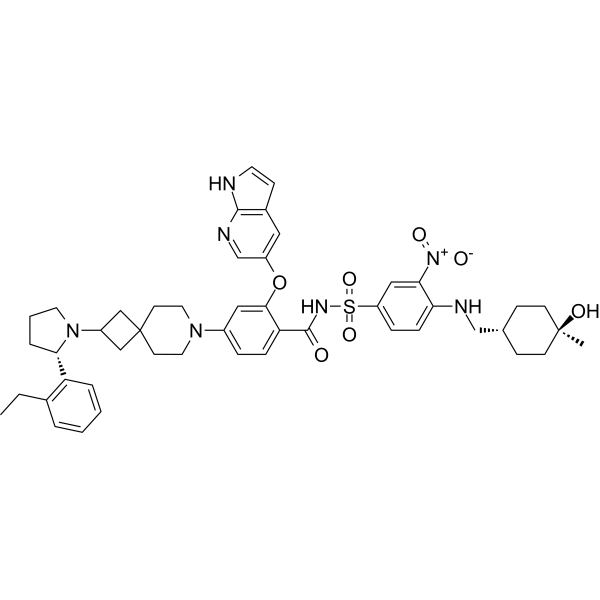
    Pelcitoclax (APG-1252) is a potent Bcl-2/Bcl-xl inhibitor with antineoplastic and pro-apoptotic effects .
    Pelcitoclax
  • HY-138832

    APG-1252-M1

    Bcl-2 Family Apoptosis Caspase PARP Cancer
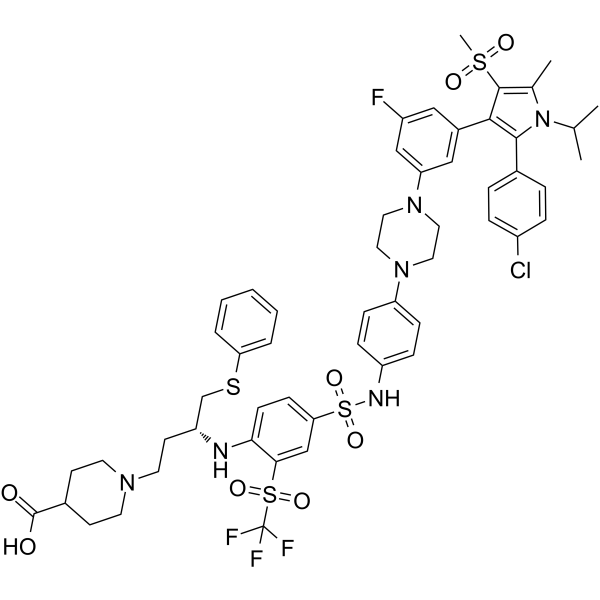
    BM-1244 (APG-1252-M1) is a Bcl-xL/Bcl-2 inhibitor with Kis of 134 nM and 450 nM. BM-1244 has anti-tumor effects by inducing apoptosis and suppressing tumor growth. BM-1244 can induce cytochrome C and Smac release from mitochondria with caspase-3 and PARP cleavage. BM-1244 exhibits synergy with chemotherapy in vivo. BM-1244 can be studied in research for colorectal cancer, acute myeloid leukemia and gastric cancer .
    BM-1244
  • HY-12020
    TW-37
    4 Publications Verification

    Bcl-2 Family Cancer
    TW-37 is a potent Bcl-2 inhibitor with Ki values of 260, 290 and 1110 nM for Mcl-1, Bcl-2 and Bcl-xL, respectively.
    TW-37
  • HY-12011
    HA14-1
    2 Publications Verification

    Bcl-2 Family Cancer
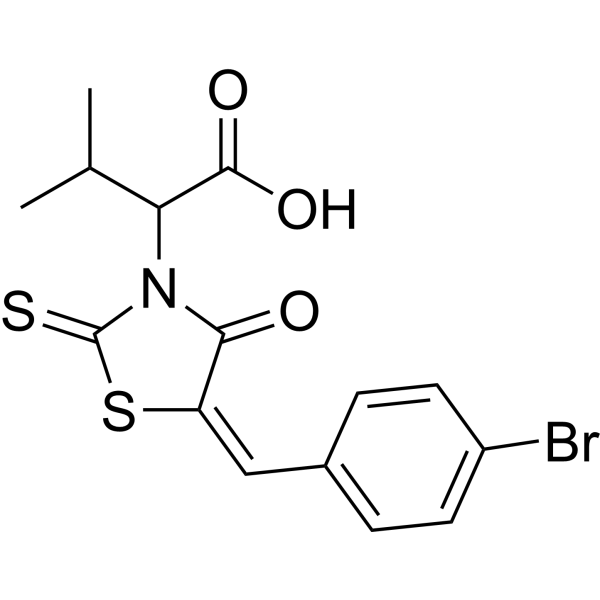
    HA14-1 is a Bcl-2/Bcl-XL antagonist. HA14-1 binds the designated pocket on Bcl-2 with the IC50 of ≈9 μM in competing with the Bcl-2 binding of Flu-BakBH3, and inhibits its function.
    HA14-1
  • HY-132307

    Bcl-2 Family Apoptosis Cancer
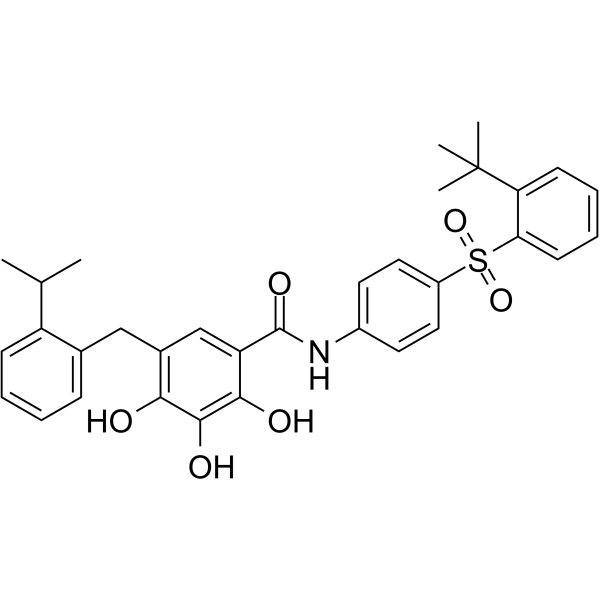
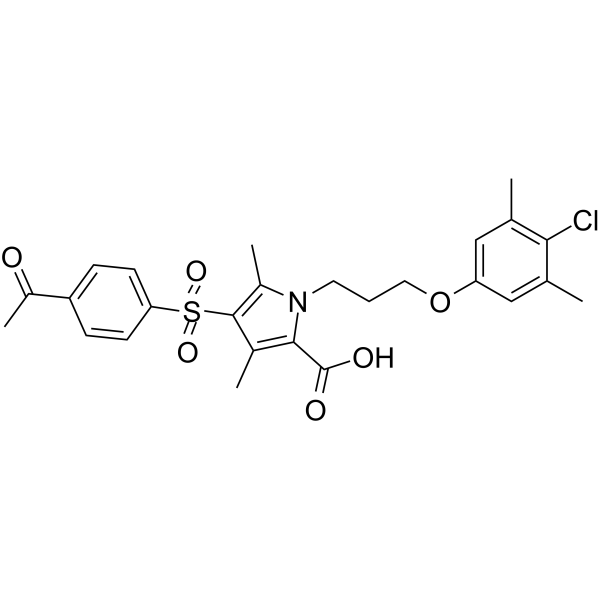
    Mcl-1 inhibitor 6 is an orally active, selective myeloid cell leukemia 1 (Mcl-1) protein inhibitor with a Kd of 0.23 nM and a Ki of 0.02 μM. Mcl-1 inhibitor 6 possesses superior selectivity over other Bcl-2 family members (Bcl-2, Bcl2A1, Bcl-xL, and Bcl-w, Kd>10 μM). Mcl-1 inhibitor 6 is a potent antitumor agent .
    Mcl-1 inhibitor 6
  • HY-16014

    Bcl-2 Family Cancer
    A-385358 is a selective inhibitor of Bcl-XL with Kis of 0.80 and 67 nM for Bcl-XL and Bcl-2, respectively.
    A-385358
  • HY-162858

    Bcl-2 Family Caspase Apoptosis Cancer
    BRD-810 is a potent and selective MCL1 inhibitor with a Kd of 0.3 nM. BRD-810 can specifically block the BH3 binding groove of MCL1, while having little effect on other anti-apoptotic proteins (such as Bcl-2, Bcl-xL). BRD-810 effectively destroys the MCL1-BAK complex (IC50 = 1.2 nM) in cancer cells, rapidly activates Caspase and induces cell apoptosis. BRD-810 can be used in the research of various cancers such as hematological tumors and solid tumors .
    BRD-810
  • HY-120882

    UBX1967

    Bcl-2 Family Cancer
    BM-1197 (UBX1967) is a potent and selective inhibitor of dual Bcl-2/Bcl-xL, with IC50s of 3.5 nM and 5.2 nM for Bcl-2 and Bcl-xL, respectively. BM-1197 exhibits antitumor effects both in vitro and in vivo .
    BM-1197
  • HY-N1983
    Caudatin
    1 Publications Verification

    Apoptosis Autophagy Reactive Oxygen Species (ROS) Mitochondrial Metabolism PARP Caspase Bcl-2 Family VEGFR FAK WDR5 p38 MAPK JNK PPAR Neurological Disease Inflammation/Immunology Cancer
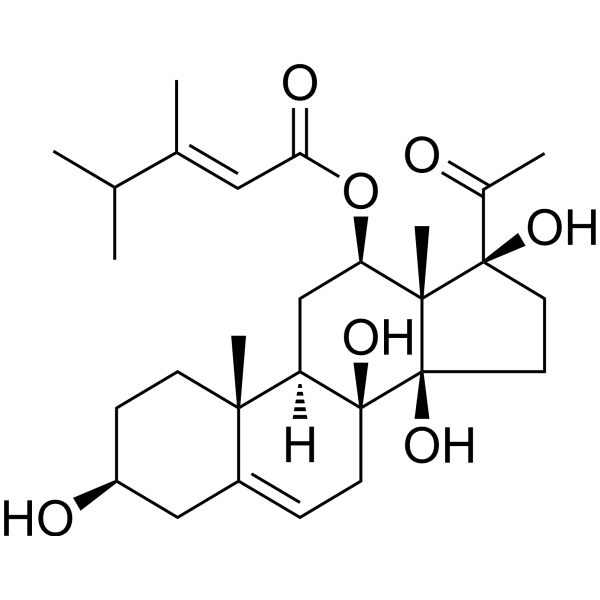
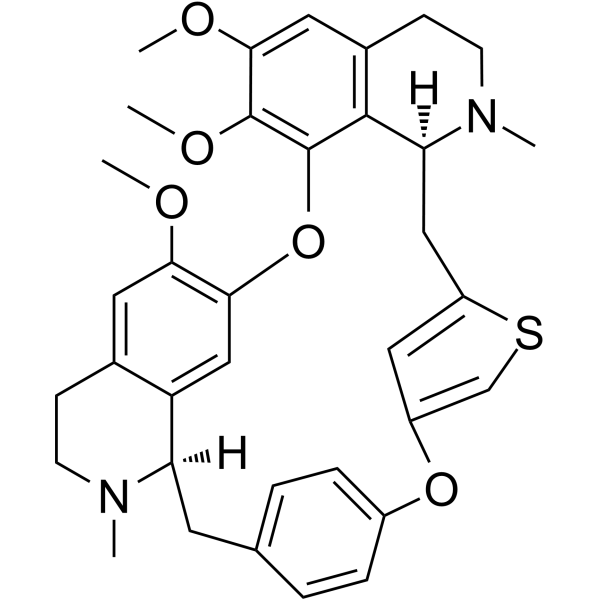
    Caudatin is an orally active and brain-penetrant C-21 steroidal found in Cynanchum bungei decne with a variety of biological activities. Caudatin can inhibit cell proliferation, migration, invasion, cause cell phase arrest, induce apoptosis, autophagy, ROS prodution and loss of mitochondrial membrane potential. Caudatin activates PARP, caspase-3, -7, -9, upregulates pro-apoptotic Bad and Bax and downregulates anti-apoptotic Bcl-2 and Bcl-XL. Caudatin suppresses VEGF, FAK phosphorylation, upregulates p21, p27, DR5 protein expression, activates the p38 MAPK, JNK and PPARα/TFEB-mediated autophagy-lysosomal signaling pathways. Caudatin can be used for the research of cancer, inflammation and neurological disease, such as glioma and Alzheimer's disease .
    Caudatin
  • HY-138697

    VOB560

    Bcl-2 Family Apoptosis Cancer
    S65487 (VOB560), a potent and selective BCL-2 inhibitor, is a proagent of S55746. S65487 is also active on BCL-2 mutations, such as G101V and D103Y. S65487 has poor affinity with MCL-1, BFL-1 and BCL-XL. S65487 induces apoptosis and has anticaner activities .
    S65487
  • HY-100383

    BHI1

    Bcl-2 Family MDM-2/p53 E1/E2/E3 Enzyme Cancer
    BH3I-1 is a Bcl-2 family antagonist, which inhibits the binding of the Bak BH3 peptide to Bcl-xL with a Ki of 2.4±0.2 μM in FP assay. BH3I-1 has a Kd of 5.3 μM against the p53/MDM2 pair.
    BH3I-1
  • HY-B0011S

    RP-56976-d9

    Microtubule/Tubulin Apoptosis Endogenous Metabolite Cancer
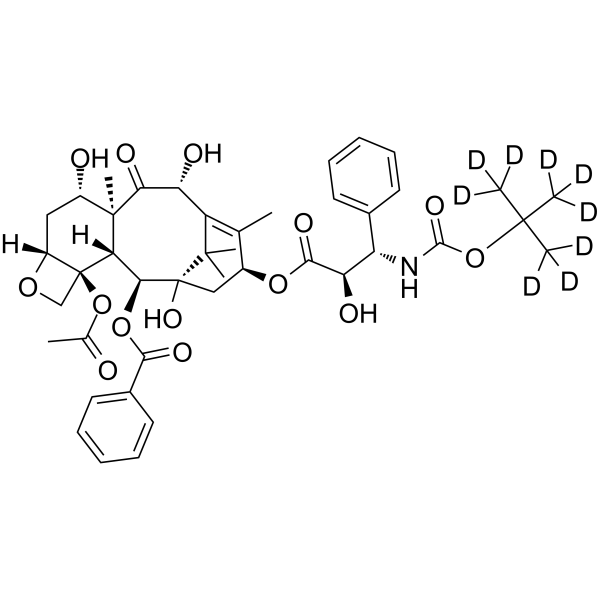
    Docetaxel-d9 is the deuterium labeled Docetaxel. Docetaxel (RP-56976) is a microtubule?depolymerization inhibitor, with an IC50 of 0.2 μM. Docetaxel attenuates the effects of?bcl-2 and bcl-xL gene expression. Docetaxel arrests the cell cycle at G2/M and leads to cell apoptosis. Docetaxel has anti-cancer activity .
    Docetaxel-d9
  • HY-10087R

    ABT-263 (Standard)

    Reference Standards Bcl-2 Family Cancer
    Navitoclax (Standard) is the analytical standard of Navitoclax. This product is intended for research and analytical applications. Navitoclax (ABT-263) is a potent and orally active Bcl-2 family protein inhibitor that binds to multiple anti-apoptotic Bcl-2 family proteins, such as Bcl-xL, Bcl-2 and Bcl-w, with a Ki of less than 1 nM .
    Navitoclax (Standard)
  • HY-B0011R

    RP-56976 (Standard)

    Reference Standards Microtubule/Tubulin Apoptosis Endogenous Metabolite Cancer
    Docetaxel (Standard) is the analytical standard of Docetaxel. This product is intended for research and analytical applications. Docetaxel (RP-56976) is a microtubule depolymerization inhibitor, with an IC50 of 0.2 μM. Docetaxel attenuates the effects of bcl-2 and bcl-xL gene expression. Docetaxel arrests the cell cycle at G2/M and leads to cell apoptosis. Docetaxel has anti-cancer activity .
    Docetaxel (Standard)
  • HY-N0853A
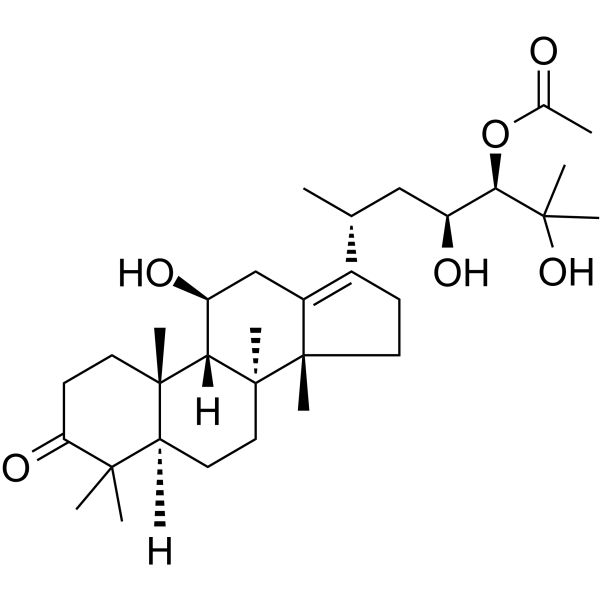
    Alisol A 24-acetate
    1 Publications Verification

    Alisol A 24-monoacetate; Alisol A monoacetate

    AMPK Carnitine Palmitoyltransferase (CPT) Acyltransferase Fatty Acid Synthase (FASN) Acetyl-CoA Carboxylase Bcl-2 Family PPAR Nuclear Factor of activated T Cells (NFAT) PI3K Akt PKA ERK Apoptosis Autophagy Cardiovascular Disease Infection Neurological Disease Metabolic Disease Endocrinology
    Alisol A 24-acetate (Alisol A monoacetate) is an orally active derivative of protostane-type tetracyclic triterpenoid. Alisol A 24-acetate upregulates the expression of adiponectin, AMPKα, CPT1, and ACOX1; downregulates the expression of SREBP-1c, ACC, FAS, Bcl-2, Bcl-xl, PPAR-γ, perilipin A, and NFATc1; inhibits the activity of PI3K/Akt/mTOR and HMGR; and activates the PKA and ERK signaling pathways. Alisol A 24-acetate regulates cell apoptosis (apoptosis), autophagy (Autophagy, hepatic lipid accumulation, inflammatory response, neuroprotection, MRSA membrane integrity, and osteoclast differentiation. Alisol A 24-acetate can be used in research related to non-alcoholic fatty liver disease, nephrotoxicity, obesity, global cerebral ischemia-reperfusion injury, bacterial infection, and osteoporosis .
    Alisol A 24-acetate
  • HY-19551

    ApoG2

    Bcl-2 Family Apoptosis Autophagy Fungal ROS Kinase Infection Cancer
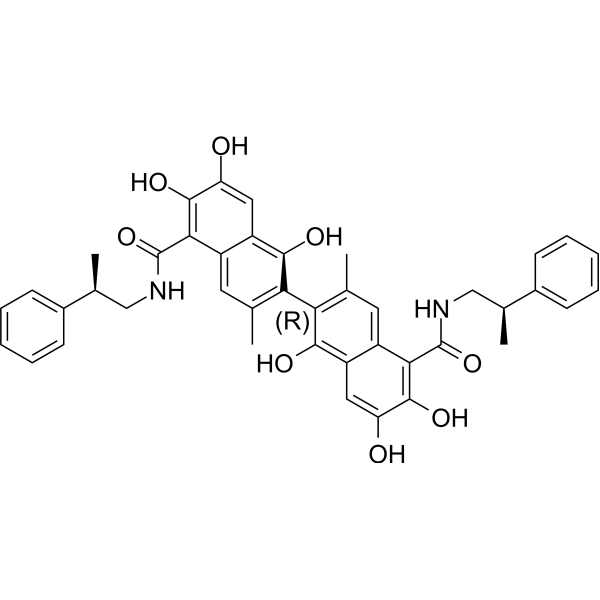
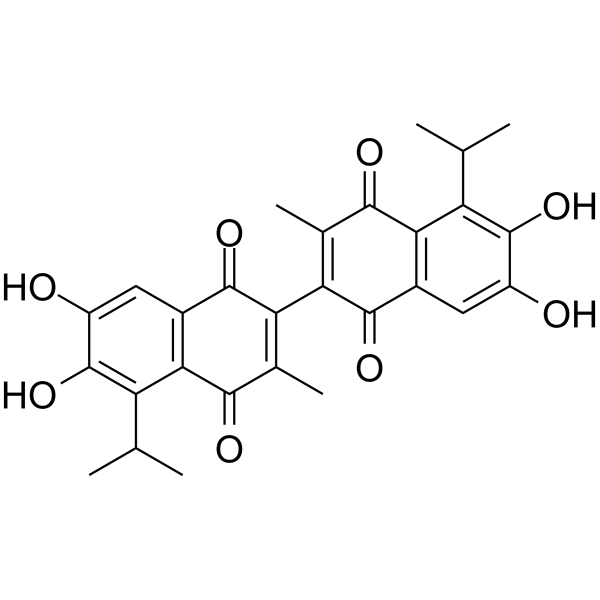
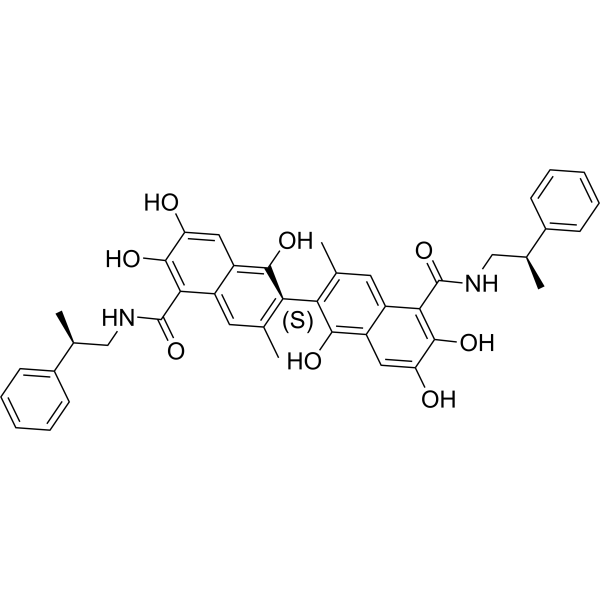
    Apogossypolone (ApoG2) is an orally active Bcl-2 family proteins inhibitor with Ki values of 35, 25 and 660 nM for Bcl-2, Mcl-1 and Bcl-XL, respectively. Apogossypolone shows antitumor activities, induces cell apoptosis and autophagy . Apogossypolone also has antifungal activity .
    Apogossypolone
  • HY-138697A

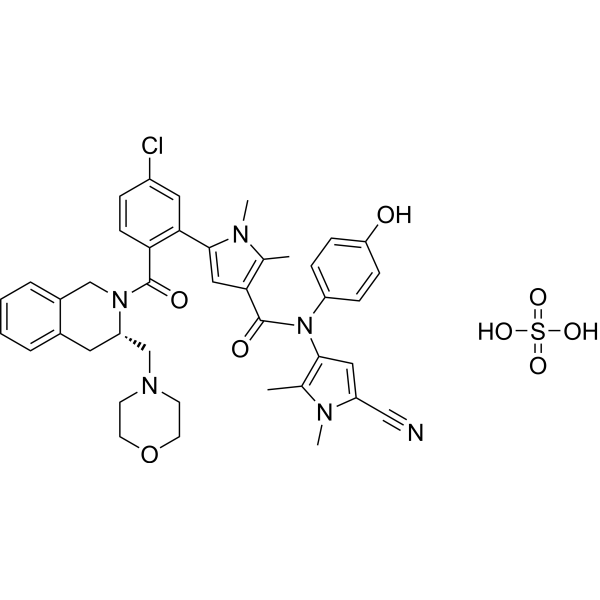
    VOB560 sulfate

    Bcl-2 Family Apoptosis Cancer
    S65487 (VOB560) sulfate, a potent and selective Bcl-2 inhibitor, is a proagent of S55746. S65487 sulfate is also active on BCL-2 mutations, such as G101V and D103Y. S65487 sulfate has poor affinity with MCL-1, BFL-1 and BCL-XL. S65487 sulfate induces apoptosis and has anticaner activities .
    S65487 sulfate
  • HY-172798

    Bcl-2 Family Cancer
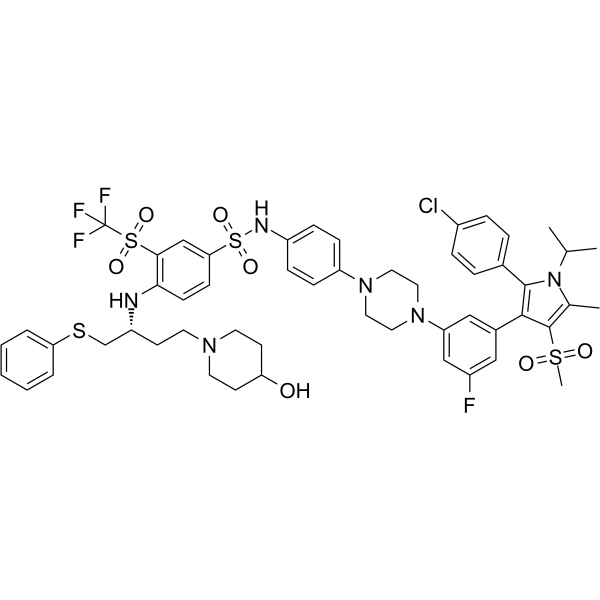
    XZ338 is a highly selective degrader targeting BCL-XL. XZ338 does not degrade BCL-2. XZ338 inhibits MOLT-4 cells with a IC50 value of 3.7 nM. XZ338 has anti-proliferative activity. XZ338 can be used for anti-cancer study. (Target protein ligand: HY-19741; E3 ligase: HY-112078; linker: HY-172799; E3+liner: HY-172800) .
    XZ338
  • HY-177102

    ICP-248

    Bcl-2 Family Cancer
    Mesutoclax (ICP-248) (Compound 5) is a selective BCL-2 inhibitor with an IC50 of 1.54 nM. Mesutoclax has weak activity against BCL-XL (IC50: >1000 nM). Mesutoclax can inhibit the activity of RS4;11 cells with an IC50 of 2.75 nM. Mesutoclax can be used in the study of cancer .
    Mesutoclax
  • HY-167881

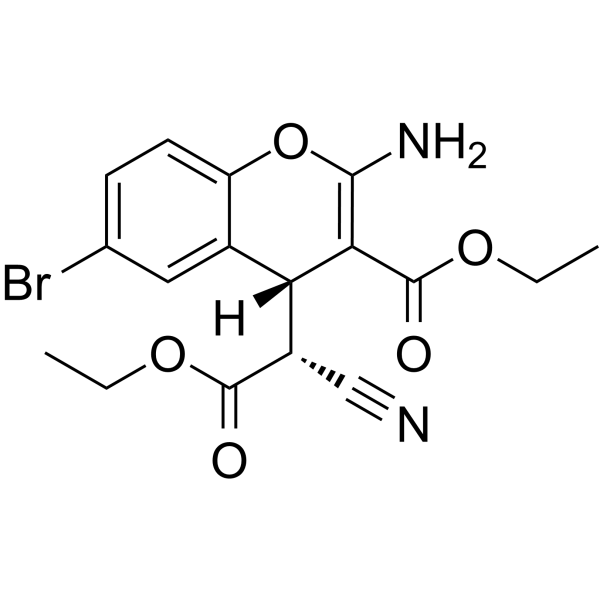
    Bcl-2 Family Cancer
    MLS-0053105, a chloromaleimide, is a selective BFL-1 inhibitor with an IC50 of 0.4 µM for Bfl-1/F-Bid. MLS-0053105 shows over 10 times less potent inhibition of Bcl-W, Bcl-2, and Bcl-XL and no activity against Bcl-B and Mcl-1 .
    MLS-0053105
  • HY-135275

    Bcl-2 Family Cancer
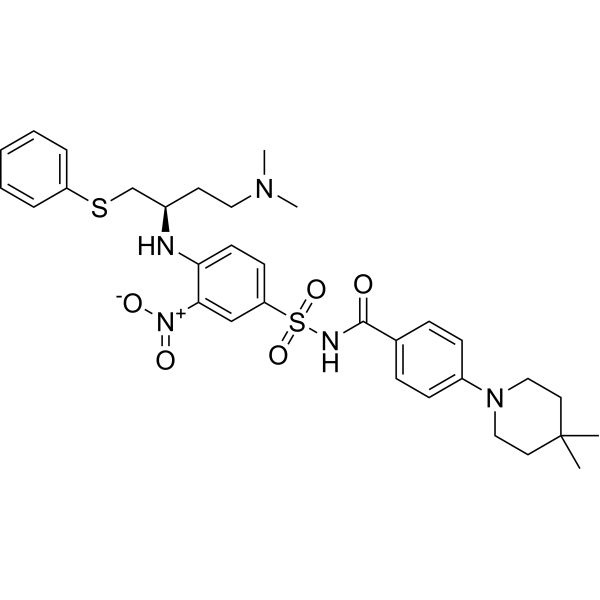
    BCL-XL-IN-4 (compound 10) is a potent and selective BCL-XL inhibitor with Ki values of 0.042, 170 nM for BCL-XL, BCL-2, respectively. BCL-XL-IN-4 shows cytotoxicity .
    BCL-XL-IN-4
  • HY-N6576

    p38 MAPK ERK JNK IAP PARP Apoptosis Caspase Cancer
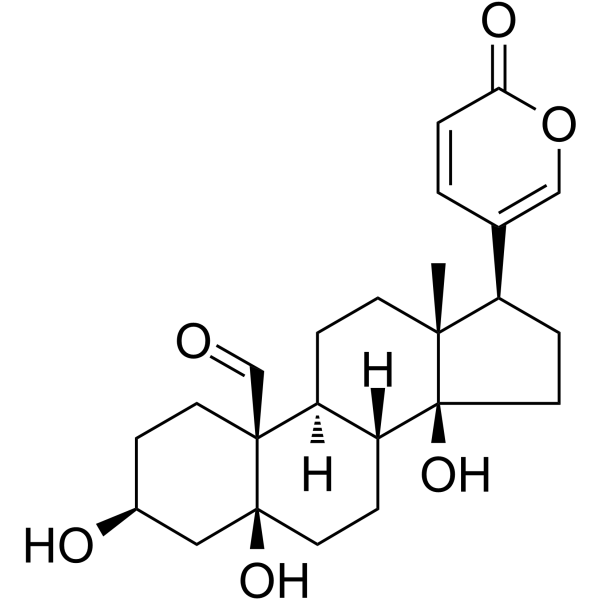
    Hellebrigenin is an inhibitor that selectively targets the MAPK signaling pathway (ERK, p38, JNK) and XIAP, and can inhibit Akt expression and phosphorylation. Hellebrigenin can activate endogenous apoptosis pathways (such as mitochondrial membrane potential disruption, Caspase family activation, PARP cleavage), downregulate anti-apoptotic proteins (Bcl-2, Bcl-xL) and upregulate pro-apoptotic proteins (Bax, Bak). Hellebrigenin can also induce DNA double-strand breaks to activate the ATM pathway. Hellebrigenin can inhibit tumor cell proliferation and clone formation, and is mainly used in the study of oral squamous cell carcinoma, liver cancer and other cancers .
    Hellebrigenin
  • HY-10087S
    Navitoclax-d8
    1 Publications Verification

    Bcl-2 Family Cancer
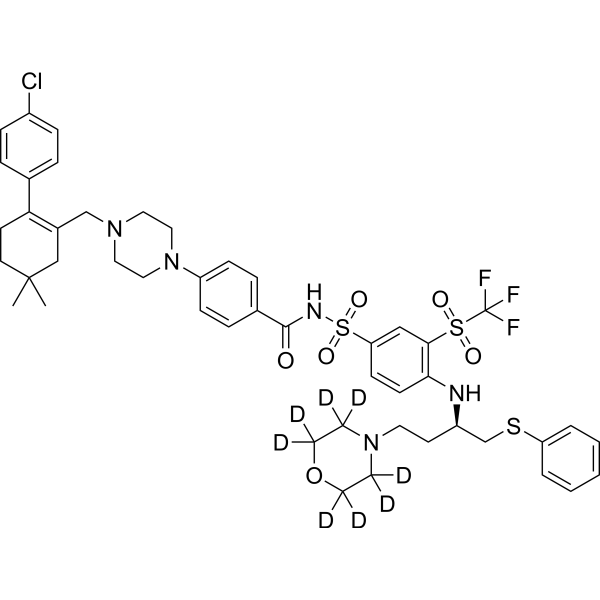
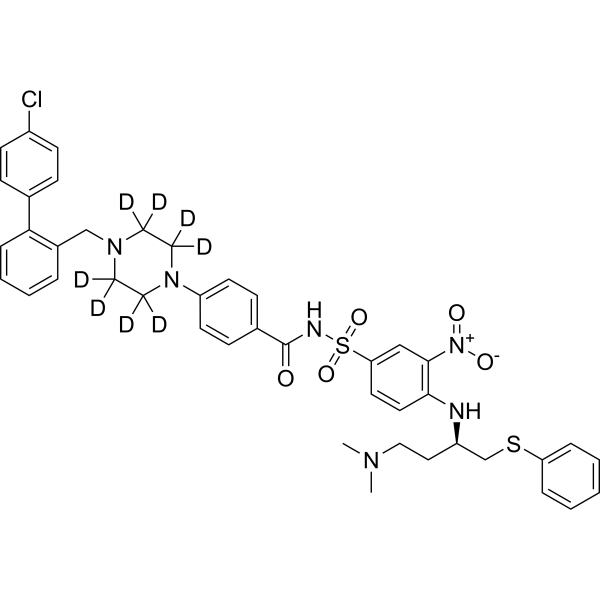
    Navitoclax-d8 is the deuterium labeled Navitoclax. Navitoclax (ABT-263) is a potent and orally active Bcl-2 family protein inhibitor that binds to multiple anti-apoptotic Bcl-2 family proteins, such as Bcl-xL, Bcl-2 and Bcl-w, with a Ki of less than 1 nM .
    Navitoclax-d8
  • HY-131247

    Bcl-2 Family Inflammation/Immunology Cancer
    Bcl-2-IN-2 is a potent and selective Bcl-2 inhibitor with an IC50 of 0.034 nM and also inhibits Bcl-xL with an IC50 of 43 nM, showing >1000-fold selectivity for Bcl-2 over Bcl-xL .
    Bcl-2-IN-2
  • HY-18106

    Bcl-2 Family Cancer
    BM 957 is a potent Bcl-2 and Bcl-xL inhibitor, with Kis of 1.2, <1 nM and IC50s of 5.4, 6.0 nM respectively.
    BM 957
  • HY-N1983R

    Reference Standards Apoptosis Autophagy Reactive Oxygen Species (ROS) Mitochondrial Metabolism PARP Caspase Bcl-2 Family VEGFR FAK WDR5 p38 MAPK JNK PPAR Neurological Disease Inflammation/Immunology Cancer
    Caudatin (Standard) is the analytical standard of Caudatin (HY-N1983). This product is intended for research and analytical applications. Caudatin is an orally active and brain-penetrant C-21 steroidal found in Cynanchum bungei decne with a variety of biological activities. Caudatin can inhibit cell proliferation, migration, invasion, cause cell phase arrest, induce apoptosis, autophagy, ROS prodution and loss of mitochondrial membrane potential. Caudatin activates PARP, caspase-3, -7, -9, upregulates pro-apoptotic Bad and Bax and downregulates anti-apoptotic Bcl-2 and Bcl-XL. Caudatin suppresses VEGF, FAK phosphorylation, upregulates p21, p27, DR5 protein expression, activates the p38 MAPK, JNK and PPARα/TFEB-mediated autophagy-lysosomal signaling pathways. Caudatin can be used for the research of cancer, inflammation and neurological disease, such as glioma and Alzheimer's disease .
    Caudatin (Standard)
  • HY-10087A1

    ABT-263 dihydrochloride

    Bcl-2 Family Cancer
    Navitoclax (ABT-263) dihydrochloride is an orally active Bcl-2 inhibitor that binds to various Bcl-2 family proteins, including Bcl-xL, Bcl-2, and Bcl-w, with a Ki value of less than 1 nM. Navitoclax dihydrochloride can be used in cancer research .
    Navitoclax dihydrochloride
  • HY-153953

    Bcl-2 Family Cancer
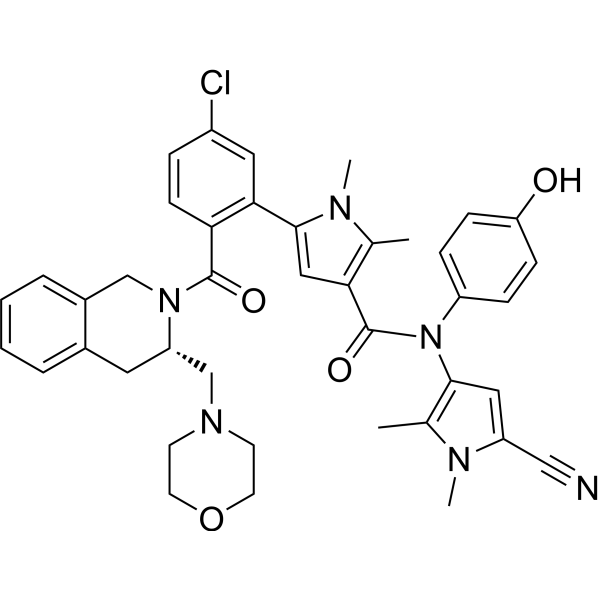
    Bcl-2-IN-11 (compound 6) is a potent and selective Bcl-2 activity inhibitor, with an IC50 of 0.9 nM. Bcl-2-IN-11 shows weak inhibition of Bcl-xl (IC50 > 1000 nM). Bcl-2-IN-11 can be used for the research of a variety of cancers caused by abnormal overexpression of Bcl-2 family proteins: especially malignant hematologic diseases of acute lymphoid leukemia, etc. Bcl-2-IN-11 can also avoid toxic side effects caused by Bcl-xl inhibition, such as thrombocytopenia .
    Bcl-2-IN-11
  • HY-177076

    Bcl-2 Family Cancer
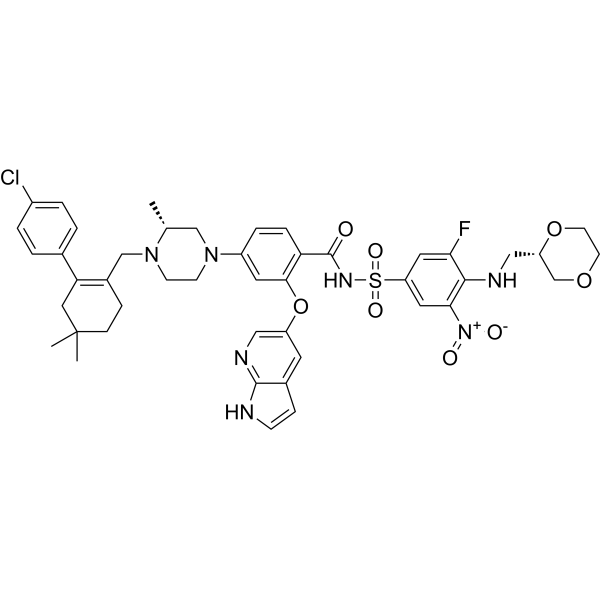
    Dalvotoclax (Example 8) is a selective inhibitor of BCL-2. Dalvotoclax has good liver microsomal stability. Dalvotoclax inhibits the activity of anti-apoptotic BCL-2 protein and anti-apoptotic BCL-XL protein. Dalvotoclax can be studied in research for B cell leukemia .
    Dalvotoclax
  • HY-138697B

    VOB560 hydrochloride

    Bcl-2 Family Apoptosis Cancer
    S65487 (VOB560) hydrochloride, a potent and selective Bcl-2 inhibitor, is a proagent of S55746. S65487 hydrochloride is also active on BCL-2 mutations, such as G101V and D103Y. S65487 hydrochloride has poor affinity with MCL-1, BFL-1 and BCL-XL. S65487 hydrochloride induces apoptosis and has anticaner activities .
    S65487 hydrochloride
  • HY-123244

    Bcl-2 Family Apoptosis Cancer
    YC137 is a potent Bcl-2 antagonist with Kis of 1.3 μM and >100 μM for Bcl-2 and Bcl-xL when assayed in Bis-Tris buffer, respectively. YC137 inhibits the binding of the Bid BH3 peptide to Bcl-2, thus disrupting an interaction essential for the antiapoptotic activity of Bcl-2. YC137 selectively induces apoptosis of Bcl-2-dependent cells. YC137 has the potential for breast cancer research .
    YC137
  • HY-143872

    Bcl-2 Family Cancer
    Bcl-2-IN-4 is a potent, orally active and selective Bcl-2 inhibitor with an IC50 of 1.5 nM. Bcl-2-IN-4 displays >200-fold selectivity over Bcl-xL (IC50 of 411 nM). Bcl-2-IN-4 inhibits RS4; 11 cell proliferation with an IC50 of 2.7 nM (WO2021180040A1; compound 2) .
    Bcl-2-IN-4
  • HY-178910

    Bcl-2 Family Apoptosis Cancer
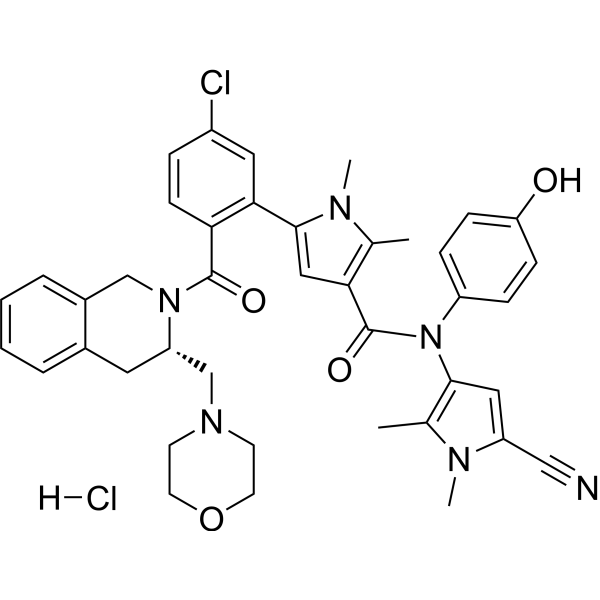
    Mcl-1-IN-20 (Compound 26d) is a Mcl-1 inhibitor with Kis of 0.59, 6.6 and 3.6 μM against Mcl-1, Bcl-xL and Bcl-2. Mcl-1-IN-20 exhibits significant anti-proliferative activity against pancreatic cancer cells and can induce apoptosis in BxPC-3 cells. Mcl-1-IN-20 can be used for the study of pancreatic cancer .
    Mcl-1-IN-20
  • HY-178008

    Bcl-2 Family Caspase Apoptosis Cancer
    Mcl-1-IN-16 is an effective macrocyclic myeloid cell leukemia 1 (Mcl-1) inhibitor with a Ki of below 0.08 nM. Mcl-1-IN-16 maintains high selectivity (>50,000-fold) for Mcl-1 over other antiapoptotic Bcl-2 family members Bcl-2 and Bcl-xL. Mcl-1-IN-16 leads to the activation of caspase-3/7, thereby initiating cell apoptosis. Mcl-1-IN-16 achieves tumor regression in a lung cancer-derived tumor xenograft mice model. Mcl-1-IN-16 can be used in the research of solid tumor such as nonsmall cell lung cancer (NSCLC) .
    Mcl-1-IN-16
  • HY-170946

    STAT Bcl-2 Family Cancer
    WR-S-462 is a STAT3 inhibitor. WR-S-462 effectively suppresses STAT3 phosphorylation and biological functions in vitro. WR-S-462 inhibits MDA-MB-231 cells with an IC50 of 0.03 μM. WR-S-462 displays a strong binding affinity towards the STAT3 protein with a Kd of 58 nM. WR-S-462 inhibits the nuclear translocation of p-STAT3, selectively inhibits the expression of p-STAT3 Tyr705 and downstream target genes regulated by STAT3 in MDA-MB-231 cells such as Cyclin D1, Bcl-2, and Bcl-xl. WR-S-462 inhibits TNBC (triple-negative breast cancer) growth and metastasis .
    WR-S-462
  • HY-13846

    Bcl-2 Family Apoptosis Cancer
    BM-1074 is a potent and specific Bcl-2/Bcl-xL inhibitor with Ki values of < 1 nM and IC50 values of 1.8 nM and 6.9 nM for Bcl-2 and Bcl-xL, respectively. BM-1074 induces apoptosis, and exhibits antiproliferative activity against four small-cell lung cancer cell lines (H146, H1963, H187 and H1417) with IC50 values of 1-2 nM .
    BM-1074
  • HY-N2897R

    Reference Standards Apoptosis Bcl-2 Family Inflammation/Immunology
    Dihydrokaempferol (Standard) is the analytical standard of Dihydrokaempferol. This product is intended for research and analytical applications. Dihydrokaempferol is isolated from Bauhinia championii (Benth). Dihydrokaempferol induces apoptosis and inhibits Bcl-2 and Bcl-xL expression. Dihydrokaempferol is a good candidate for new antiarthritic agents .
    Dihydrokaempferol (Standard)

Inquiry Online

Your information is safe with us. * Required Fields.

Salutation


Country or Region *

Applicant Name *


Organization Name *

Department *


Email Address *


Product Name *

Cat. No.


Requested quantity *

Phone Number *


Remarks

Inquiry Online

Inquiry Information

Product Name:
Cat. No.:
Quantity:
MCE Japan Authorized Agent: